Tag: Marketing

  • UnionPay International’s Cross-Border Marketing Platform

    UnionPay International’s Cross-Border Marketing Platform

    With the May Day holiday approaching, tourism in Asia is set to experience another peak. In anticipation of the increased tourist arrivals around the world, UnionPay International announced the expansion of its cross-border marketing platform, U Plan, to 1,600 stores in nine countries and regions around the world.

    With U Plan, UnionPay Cardholders around the world can enjoy more savings when shopping with UnionPay Cards locally and overseas. To take advantage of the U Plan benefits, Cardholders can simply download the UnionPay International mobile app on iOS and Android phones prior to their travels. Through the app, Cardholders can access all the latest merchant discounts and promotions available at their travel destinations, and download exclusive U Plan discount coupons to be presented at the participating merchant’s point-of-sales counters together with their UnionPay Card (card number starting with 62), to enjoy additional savings on their travels.

    Since the launch of U Plan in July last year, the cross-border marketing platform has expanded to 300 stores in Hong Kong, Macau, Singapore and Thailand in November 2016. With this latest expansion, the platform now covers 1,600 stores across the globe, as well as merchants in countries including Australia, Japan, New Zealand and the USA.

    Some of the new merchants that have come on board U Plan include:

    Country/Region Merchant U Plan Benefits
    Thailand ShowDC Enjoy 5% and an additional THB100 off when you spend a minimum of THB1,000 with UnionPay Cards upon presentation of U Plan coupon


    Emporium, EmQuartier, Paragon Department Stores Enjoy 10% off with UnionPay Cards upon presentation of U Plan coupon
    Korea Doota Mall Enjoy KRW30,000 off when you spend a minimum of KRW150,000 with UnionPay Cards upon presentation of U Plan coupon


    Doota Duty Free Enjoy KRW20,000 off when you spend a minimum of KRW200,000 with UnionPay Cards upon presentation of U Plan coupon


    Japan Mitsui Outlet Park, Mitsui Shopping Park LaLaport (Toyosu, EXPOCITY), DiverCity Tokyo Plaza, Coredo Muromachi


    Enjoy 10% off with UnionPay Cards upon presentation of U Plan coupon
    Matsumoto Kyoshi Enjoy 7% off when you spend a minimum of JPY30,000 with UnionPay Cards upon presentation of U Plan coupon


    USA Macy’s Enjoy 20% off with UnionPay Cards upon presentation of U Plan coupon


    Australia JR Duty Free Enjoy 10% off with UnionPay Cards upon presentation of U Plan coupon


    T Galleria Sydney Enjoy AUD25 off when you spend a minimum of AUD500 with UnionPay Cards upon presentation of U Plan Coupon


    New Zealand JR Duty Free Enjoy 10% off with UnionPay Cards upon presentation of U Plan coupon


    T Galleria Auckland Enjoy NZD25 off when you spend a minimum of NZD500 with UnionPay Cards upon presentation of U Plan Coupon


    U Plan is the world’s first open cross-border marketing platform launched by UnionPay for Cardholders. By bringing together service providers in the finance, tourism and retail industries, U Plan provides a one-stop marketing platform for UnionPay and its partners to market products and services to Cardholders across geographical borders. Through the use of mobile applications and location services,U Plan enables a high-level of precision for UnionPay and partners to reach out to potential travelers prior to their travels, to promote special privileges and discounts that UnionPay Cardholders can enjoy at their travel destinations.

    To date, U Plan has been well received by merchants and UnionPay Cardholders around the world. Moving forward, UnionPay International plans to expand the platform to more merchants in Europe and the USA, providing a wider range of gifts, discounts and VIP shopping booklets to enhance the overall experience for UnionPay Cardholders.

  • Burger King announced as the Cannes Lions Creative Marketer of the Year 2017

    Burger King announced as the Cannes Lions Creative Marketer of the Year 2017

    The Cannes Lions International Festival of Creativity has today announced Burger King as the Creative Marketer of the Year 2017. The award will honour Burger King for embracing and encouraging creativity across their brand communications and for the inspiring global marketing of their products.

    Burger King has a hugely successful track record at Cannes Lions. The company has totalled 76 awards, including two Grands Prix in 2016 for the ‘McWhopper’ campaign, in Print & Publishing and Media. Burger King also took home a Titanium Grand Prix in 2007 and achieved their first win in 1969, a Silver Lion for ‘Skinny Burger’. Since its launch in 1954, the company has expanded to become one of the largest quick-service restaurants in the world, welcoming more than 11 million people in over 100 countries daily.

    “Burger King is a brand that’s built a reputation for marketing campaigns that are bold, courageous and innovative, constantly challenging the limits of creative excellence,” said Philip Thomas, Chief Executive of Ascential Events. “Burger King believes that being a brand with purpose can achieve long-term advantages and deliver strong business results. That’s why the company is making such an impact.”

    Axel Schwan, Chief Marketing Officer of Burger King, and Fernando Machado, Head of Brand Marketing at Burger King, will collect the award during the 64th Cannes Lions International Festival of Creativity, taking place from 17-24 June 2017.

    Axel Schwan commented, “Creativity is a critical factor when it comes to helping us stand out from the pack and punch higher than our weight. This principle is applied to everything we do, from the way we differentiate ourselves by flame-grilling our burgers to the ground-breaking advertising campaigns we create.”

    Fernando Machado added, “This award is a tribute to the consistently strong creative work done by the Burger King brand over time.”

    Cannes Lions celebrates the ‘Best of Burger King’ on Stories, the new editorial arm of the Festival. From classic campaigns that kick-started digital marketing to modern masterpieces of integration, find out more about some of Burger King’s most famous ads here: https://www.canneslions.com/stories

    Cannes Lions International Festival of Creativity

    Cannes Lions runs for eight days from 17-24 June, in Cannes, France. The main Festival venue is the world famous Palais des Festivals. A ‘Complete’ pass includes entry to all official Festival talks, Awards shows, networking and evening events across the eight days. Passes giving access only to the specialist events – Lions Health, Lions Innovation and Lions Entertainment – which take place right next door to the main Festival venue, are also available.

    Lions Health 17-18 June

    Lions Innovation 19-20 June

    Lions Entertainment 21-22 June

  • Many businesses stop advertising on YouTube

    Many businesses stop advertising on YouTube

    Some major brands in Việt Nam had to stop advertising on the world’s largest online video site, YouTube, when these brands’ advertisements were linked to clips containing poor content.

    According to information from the Authority of Broadcasting and Electronic Information under the Ministry of Information and Communications, the authority received official dispatches from Vietnam Airlines, Mead Johnson Nutrition Việt Nam and Vinamilk explaining an incident in which their brands appeared in clips with pornographic, slanderous or anti-government content on YouTube.

    At the same time, businesses have also confirmed that they stopped advertising on the online video site.

    A Vinamilk’s representative told media that the company signed a co-operation contract with WPP Media Company Limited (Mediacom) to promote the brand to consumers through mass media.

    According to a commitment between the two parties, Mediacom has to conduct communication services in compliance with Vietnamese laws, as well as take responsibility in monitoring and reporting for Vinamilk, if there are problems affecting its images and reputation.

    After receiving the dispatch from the Authority of Broadcasting and Electronic Information regarding the incident, Vinamilk asked Mediacom to coordinate with YouTube to remove advertisements on clips with unwanted content, at the same time, suspending all advertisement plans on YouTube until the media partner and the site send reports to Vinamilk to find solutions for the problem.

    Earlier, the Authority of Broadcasting and Electronic Information sent dispatches to several large enterprises in Việt Nam asking for reports about these brands or their products appearing in clips with improper contents posted on YouTube.

    The authority found 17 clips with advertising inserted into videos on YouTube that had contents violating the country’s law.

    Additionally, the Ministry of Information and Communications has coordinated with the Ministry of Culture, Sports and Tourism to decide upon a fine for YouTube for not obeying the regulations on advertising for cross-border advertising activities on websites in Việt Nam.

    The ministry also invited YouTube and Google representatives to cooperate in resolving these violations.

  • Online marketing essential for enterprises in digital era

    Online marketing essential for enterprises in digital era

    Despite a large number of Internet users, investment for online advertisement in Việt Nam remains modest, a conference heard on Thursday.

    The Institute for Brand and Competitiveness strategy co-ordinated with the Việt Nam Internet Association and Việt Nam Digital Communication Association to organise a conference on building enterprise branding in the digital era in Hà Nội.

    Over the past decade, the Internet boom has had a significant impact on marketing activities, as well as the building and positioning of brands in the market.

    Internet has also created stronger brand awareness than ever before and increased the number of people who know brands. According to the Institute for Brand and Competitiveness strategy, Việt Nam ranks 16th among the top 20 countries with the highest number of Internet users, with nearly 50 million people, of which, 60 per cent are young.

    The Internet has become a popular source of advertising to users who want to search for product information. Seventy-three per cent of Vietnamese consumers seek out information on the Internet before making purchase decisions.

    Most consumers in Việt Nam choose products and services based on brand identities.

    Therefore, experts advised businesses to make changes to their business operations, adjusting brand identity to avoid falling behind compared to rivals.

    To build brands in the digital era, businesses need to increase interaction in different environments, including the online environment, said Nguyễn Quốc Thịnh, an advisor for the National Trademark Programme.

    “Businesses should not skip electronic branding, a strong interactive environment with low associated costs,” said Thịnh.

    Enterprises need to rethink the way they build their brands, not just their logos or advertising in the media, he said.

    Currently, the application of the Internet in general, and digital technology in particular, to create and develop brands is still limited.

    Data from Cimigo, a market research firm, showed that investment for online advertising in Việt Nam was only US$15 million in the past year.

    Meanwhile, according to statistics from TNS Media Vietnam, the cost of online advertising accounts for less than 5 per cent of the total advertising costs, while 95 per cent of advertising spending is still through television, newspapers, magazines, even though these forms are more expensive.

    Vũ Xuân Trường from the Institute for Brand and Competitiveness strategy said that many businesses were paying attention to profits and business strategy, while their strategies for branding remained “vague”.

    Therefore, businesses need a better strategy in branding in the digital era. In particular, businesses should focus on social networks due to their widespread use.

    Experts said that businesses need to take advantage of opportunities afforded by the Internet to build their brands. Enterprises also need to increase connections with consumers, while ensuring the quality of goods and services.

  • Sunway Malls wins Gold Awards for Best Experiential Marketing Awards Malaysia

    Sunway Malls wins Gold Awards for Best Experiential Marketing Awards Malaysia

    Sunway Malls picked up two Gold Awards in front of 700 malls professionals, retailers and affiliated industries players at the inaugural Malaysia Shopping Malls Association’s (PPK) Best Experiential Marketing Awards 2016.

    Sunway Malls emerged as winners in two out of the three categories that saw 37 entries from 21 malls. The group beat competition from Mid Valley Megamall, Pavilion KL, Gurney Plaza and Gurney Paragon to clinch top spots.

    Sunway Pyramid picked up gold in Category C (malls above 1 million sq ft nett lettable area) for its marketing campaign “Captain America: Civil War” while Sunway Putra Mall’s “Kung Fu Panda Pawsome March” top Category B (malls with 500,001 to 999,999 sq ft nett lettable area).

    Both malls had teamed up with Disney’s Marvel and 20th Century Fox respectively to create various themed attractions that included out-of-mall activation, character appearances, life-size characters display, movie set inspired decorations and interactive sessions in their experiential marketing campaigns.

    “As malls become increasingly a focal place for the public, it’s imperative that they resonate and connect with shoppers at emotive and experiential levels,” said H.C Chan, CEO of Sunway Malls and Theme Parks.

    Malaysia mall industry is already facing intense competition as additional 27.28 mil sq ft retail space is being built to the existing 148.85 mil sq ft, bringing up the total retail space of 178.13 mil sq ft. in the country, according to National Property Information Center (NAPIC) data. This has resulted malls to adopt experiential marketing to stay competitive.

    For Sunway Pyramid, the campaign saw a 9.7% increase in traffic with 1.2 million shoppers interaction over the 24-day campaign period. Social engagement metrics scored 27.6 million reach with RM250,000 worth of publicity generated.

    Sunway Putra Mall’s footfall reached 800,000 during the campaign with RM200,000 worth of publicity generated while social media reach stood at 2 million.

    COO Kevin Tan said the Gold awards are a testament of the team’s hard work in the last few years. “The awards give us confidence that we are on the right path and doing the right things and we will forge forward with more confidence,” he added.

    The panel of judges included professionals from Branding Association from Malaysia, Tourism Malaysia, Focus Malaysia, Malaysia Institute of Architects and Lion & Lion.

    Judge Meredith Wallace, the Social Media Head of Lion & Lion commented “The entries were creative, inspired and showed a true understanding of today’s modern shoppers.”

    Malaysian malls over the years had gained recognition for their grand decorations and creative marketing campaigns that enhance shoppers’ shopping experience. PPK Malaysia’s inaugural AWARDS 2016 for BEST EXPERIENTIAL MARKETING were to honour these efforts for the best marketing programmes held in the past year.

    Qualified entries based on the malls’ marketing programmes held from 1 July 2015 to 30 June 2016 comprising experiential festival celebrations, themed events, sales promotions, public relations, advertising, new and social media, community etc. Judging were based on objectives and strategies, creativity, action plan, results, budget and cost effectiveness.

  • New Zealand’s Spark warned off marketing Gigabit plans

    New Zealand’s Spark warned off marketing Gigabit plans

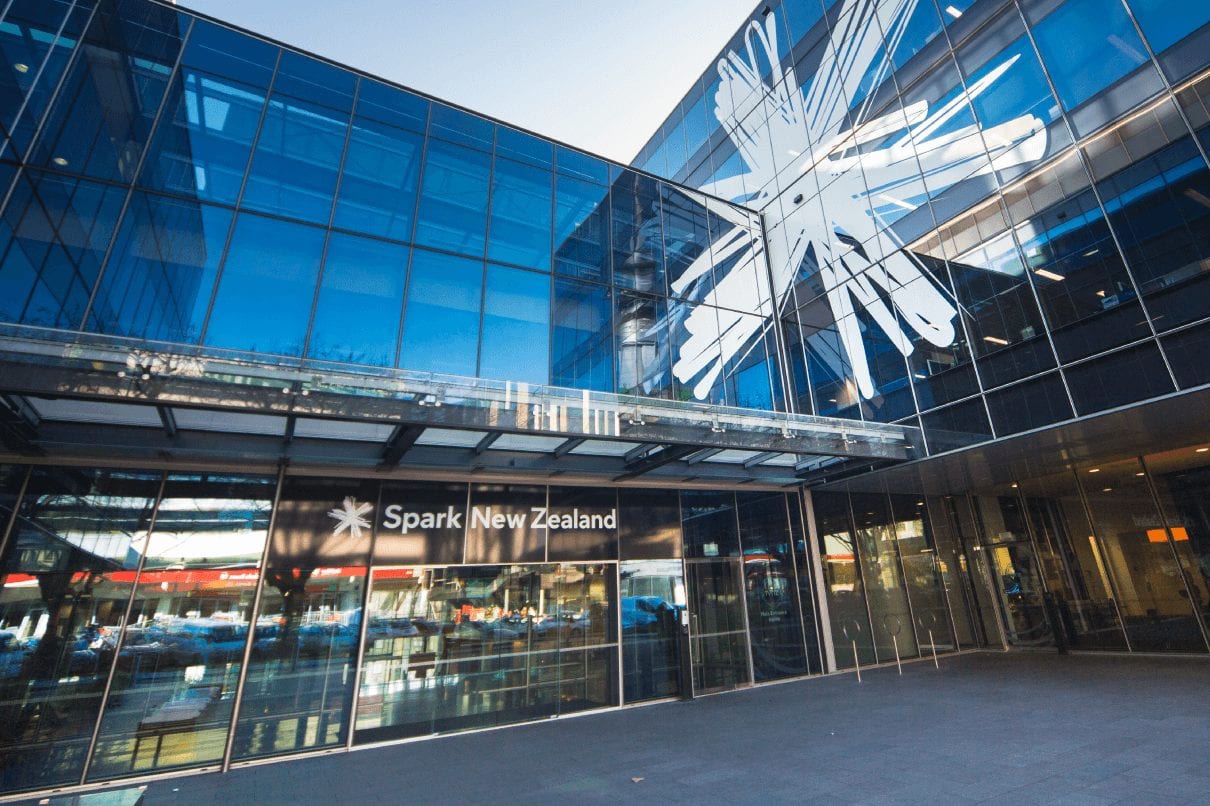
    New Zealand operator Spark has been cautioned against advertising its high-speed fiber services as “gigabit” plans by competition regulator the Commerce Commission.

    The ISP launched its fastest fiber service yesterday, labeling it “Ultra Fast Fibre MAX” instead of the planned Gigabit name.

    The Commerce Commission held that advertising the service as a Gigabit speed would mislead consumers into expecting speeds of 1,000Mbps, whereas the Spark service will deliver speeds of between 700Mbps and 900Mbps.

    As well as Spark, the Commission also plans to get into contact with other ISPs making similar claims, noting that it has received enough consumer complaints to deem the action necessary.

    The Commission hasn’t made a formal ruling, but said Spark had recognized the concerns the regulator had raised and decided to take action accordingly.

    But the Telecommunications Users Association has criticized the decision as being “pedantic”, noting that other markets advertise similar-speed plans as Gigabit services, and that technical constraints will mean services always fall below their full potential speeds.

  • Mobile marketing cuts printing cost for Pizza Hut

    Mobile marketing cuts printing cost for Pizza Hut

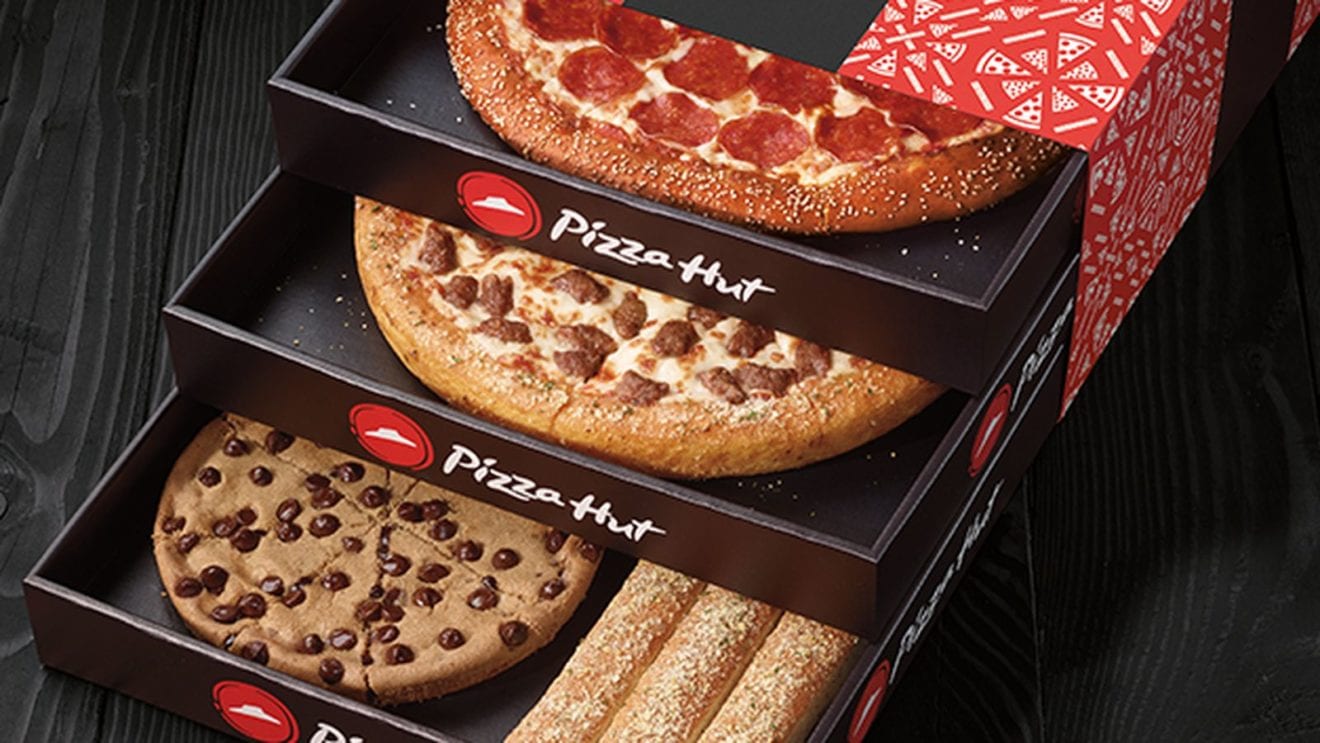
    With over 70 restaurants in the city, half of Pizza Hut’s business in Hong Kong is dine-in. This gives the diner a great incentive, but at the same time, huge pressure to improve its customer experience.

    In 2014, Pizza Hut started its mobile marketing campaign project. The primary objective was to better serve its customers. Additionally, it wanted to cut out a huge portion of its printing costs on direct marketing materials.

    Pizza Hut has been a customer of Salesforce. “When we started the mobile marketing campaign project in 2014, however, we didn’t know that Salesforce Marketing Cloud could help us to manage marketing campaigns,” said Ravel Lai, group IT director at Jardine Restaurant Group Hong Kong and Macau, in an interview with Computerworld Hong Kong. Jardine Restaurant Group operates Pizza Hut and the KFC restaurants throughout the city.

    Lai’s team studied different marketing solutions and decided to adopt Salesforce Marketing Cloud. “We considered other marketing tools such as those from Oracle and Adobe. We had even approached IBM, but they didn’t have a marketing solution,” he recalled.

    Evaluating a marketing solution was different from that of an IT solution. “This was not a traditional ERP solution, but something new to the IT team. We invited the marketing people and bosses at Pizza Hut and KFC to view the solution demo, and then we let everybody vote,” Lai said.

    Extra 7-10% revenue

    “We were not trying to solve a particular technology problem, but to improve on our marketing campaign management,” said Lai.

    In the past, Pizza Hut used to mail cash coupons to its customers. This involved different stages of production, which were all time-consuming, such as graphic design and printing, before it can finally distribute and mail out the coupons.

    With the new solution, conducting mobile marketing campaigns has become much easier. Now, Pizza Hut would only need to involve an in-house graphic designer to design the digital marketing material, which could be ready for distribution in just two hours.

    “Last year on one rainy morning, I asked my team to send a mobile message along with a coupon to our customers. After preparing the customer segmentation, we decided to send the message to 15,000 housewives and office workers at around 11:00 am to catch up with lunchtime at noon,” said Lai. “The results were good, as we generated an extra 7-10% in revenue for the day.”

    90% printing cost savings

    In the past, Pizza Hut used to distribute paper coupons to customers. The printing and mailing costs involved had been 10 times higher than if the marketing campaigns were conducted on Salesforce Marketing Cloud.

    “This is a very good tool for us to do the job. Instead of sending physical leaflets, we now use the mobile marketing platform, which incurs just 10% of the original printing cost,” said Lai.

    “Besides, the replacement of physical leaflets with mobile marketing messages makes Pizza Hut more environmentally friendly, too.”

    Express ticket

    According to Lai, many restaurant groups have developed their own mobile applications, but their primary function is largely limited to remote ticketing. “When everybody does the same thing, we ask ourselves, ‘How should we do it differently?’”

    To distinguish its restaurant mobile app from the competition, Lai borrowed the idea of “Fast Pass” from Disneyland theme park. A Disneyland Fast Pass allows a visitor to shorten his or her waiting time by getting a pass in advance for selected attractions, and return within specific timeframes.

    Using Pizza Hut HK’s mobile app, a user can obtain a queue number before they even reach the restaurant. This cut down the time and money required for us to issue queue numbers.

    By doing proper customer segmentation on Salesforce Marketing Cloud, Pizza Hut can send messages to customers whose last visit was over one month. The typical message would read: “Dear customer, you visited us one month ago and purchased a meal in our restaurant. We are so sorry that you had to wait for 15 mins. Here is an express ticket for you so you can jump queue upon your next visit. The express ticket is good for two weeks,” Lai suggested.

    Loyalty points reward system

    Pizza Hut HK’s mobile app also provides a points rewarding system. With every HK$5 of purchase at the restaurant, a customer gets one point. “With 50 points, our customers can redeem four pieces of chicken wings,” Lai said.

    Pizza Hut’s loyalty points are transferrable. “When you come to the restaurant with your friends, you and your friends can combine the points together to redeem the reward, for example, 50 points for a pizza,” said Lai.

    Social CRM

    With Salesforce Marketing Cloud, Pizza Hut’s mobile marketing campaign platform has enabled the restaurant group to tap on social CRM. “When I sold the idea of social CRM to the management, I emphasized not just on the benefits, but the improvement on the customer journey,” Lai said.

    Regarding Pizza Hut’s implementation of mobile marketing campaign project, Lai summed up, “If I do it now, I am the pioneer. If I do it later, I would just be a follower.”

  • McDonald’s social media blitz: 200 staff added to Tweet & Like

    McDonald’s social media blitz: 200 staff added to Tweet & Like

    Gearing up for a McDonald’s social media blitz, the fast food giant has recruited 200 staff from tech-savvy online companies.

    The new recruits have come from companies such as Amazon and PayPal and are stationed in the McDonald’s head office in Oakbrook Illinois, in Singapore and London.

    Their challenge is help the iconic burger brand catch up with rivals in using social media to monitor customer experiences, engage with customers and monitor what is trending online.

    Just two years ago, McDonald’s was not even following or responding to online comments on its brand or products – yet its name is mentioned every one to two seconds.

    “We seemed deaf and mute,” Paul Matson, director of social and digital engagement at McDonald’s US, said in an interview with the Wall Street Journal.

    Matson believes the expanded team will help win business from social media-addicted millennials – some 78 per cent of whom visited a McDonald’s restaurant at least once a month during the first quarter of 2016.

    Besides improved monitoring and communication, the company is using social media to test market products and concepts – replacing more traditional focus group research. The spin-off from that is increased exposure of the concepts, wider engagement and a far great sample base than focus groups allow.

  • Wonderful Indonesia promoted in Qatar

    Wonderful Indonesia promoted in Qatar

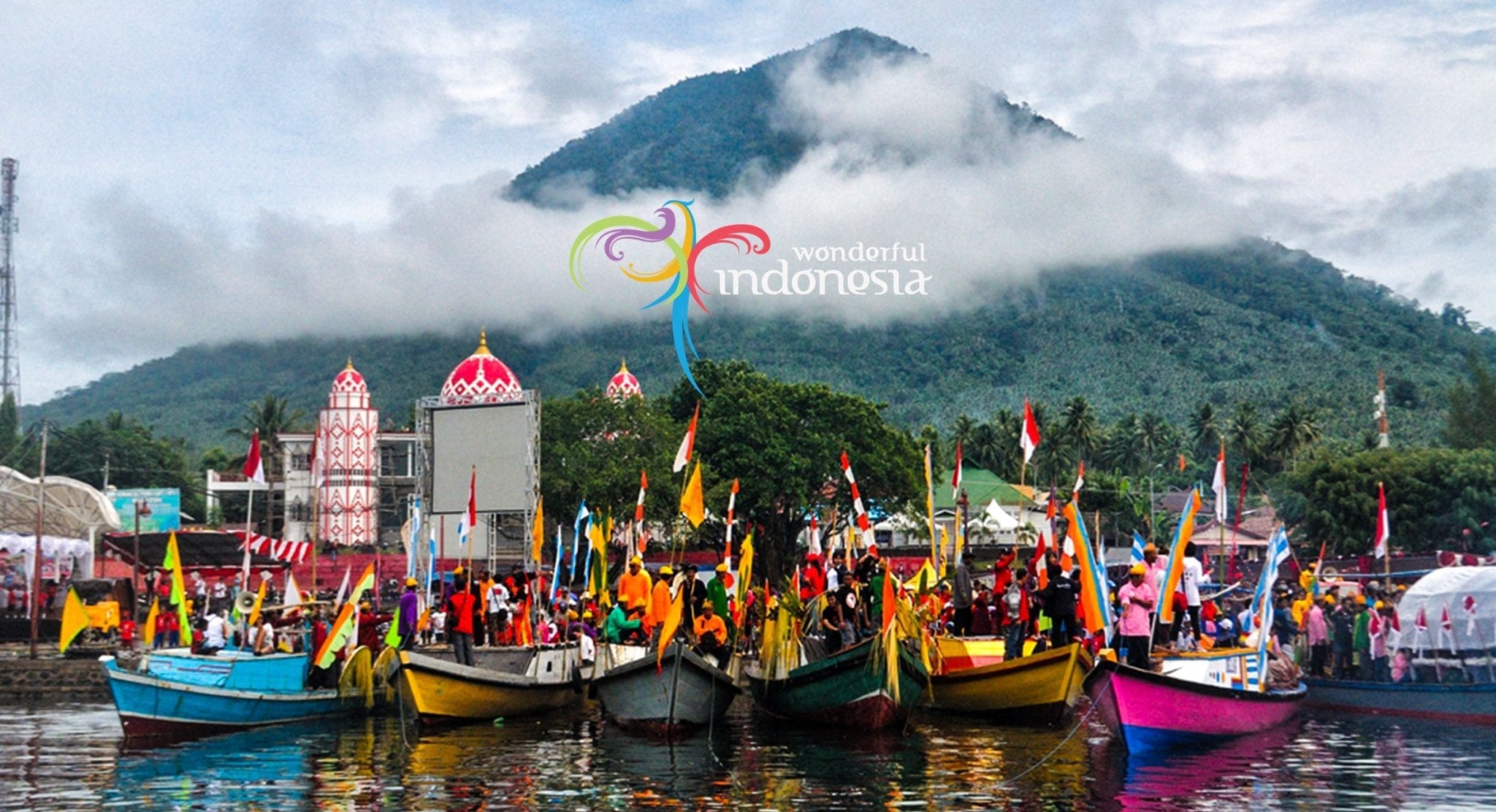
    The Indonesian Embassy in Doha, Qatar, has promoted the countrys tourism brand “Wonderful Indonesia” by introducing its culinary richness to mark the 40th anniversary of the two countries diplomatic ties.

    The event to promote Indonesias traditional snacks featuring the culinary richness of different ethnic groups was attended by representatives of the diplomatic corps in Doha, the embassys spokesperson Boy Dharmawan informed ANTARA News here Friday.

    Several snacks served to the guests were Ketan Srikaya, sweet custard with sticky rice; gethuk cake, traditional snack made from cassava; onde-onde, glutinous rice flour balls; wajik sticky rice; jalangkote, fried pie filled with chicken; Lemper, steamed sticky rice cake with beef or chicken; and apem, rice flour cakes, he remarked.

    “The cakes served are delicious,” Thai Ambassadors wife Benj Chaiyindeepum said when asked to comment on the taste of the served snacks.

    Benj was one of the 16 spouses of ambassadors of different countries in Qatars capital city who attended the event, he added.

  • ‘Wonderful Indonesia’ campaign boosts tourism industry

    ‘Wonderful Indonesia’ campaign boosts tourism industry

    The government’s efforts to promote tourism in the archipelago with its Wonderful Indonesia campaign have had a positive impact, the president director of tour and travel company Panorama Sentrawisata said on Tuesday.

    Budi Tirtawisata said that in the first six months of this year, his company booked a 19 percent increase in gross revenue to Rp 2.38 trillion, from Rp 1.99 trillion in the same period last year, as more foreigners were drawn to Indonesia.

    “The government’s free visa policy is also contributing to growth in the tourism sector,” Budi told reporters at a press conference in Jakarta.

    Budi was upbeat the company’s business volume would increase, and possibly double, in the second half of 2016, compared to the first half, because more tourism activities were expected to take place in the period.

    “The peak season for tourist visits to Indonesia is during the summer, which occurs in the second half of the year,” Budi said, adding that more tourists would also visit the country during the Christmas holidays in December.

  • Google rolls out Accelerated Mobile Pages for ads

    Google rolls out Accelerated Mobile Pages for ads

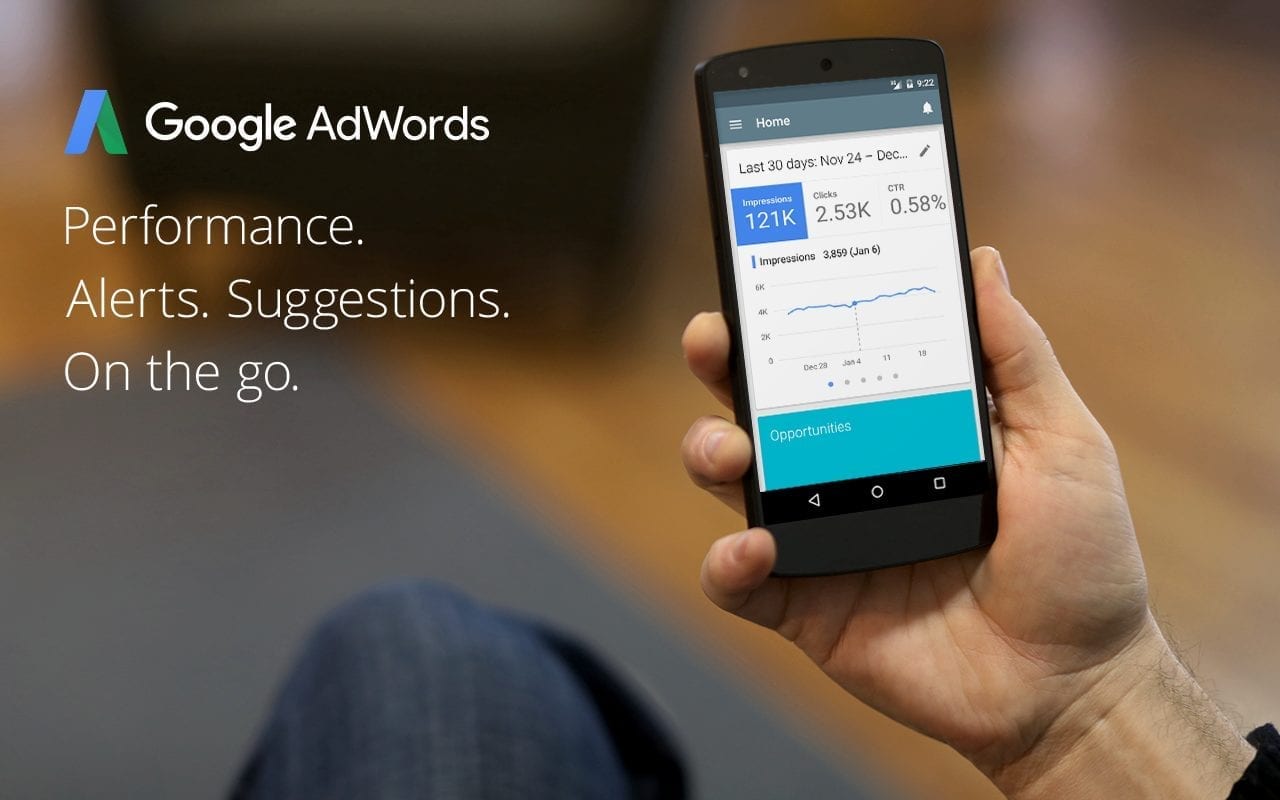
    Google first unveiled and rolled out its Accelerated Mobile Pages (AMP) project in October last year in a bid to allow content to load faster on mobile devices. Last week the company announced a solution designed to address the problem of slow loading ads.

    For the uninitiated, AMP is an open-source project that allows a mobile browser to load web pages much faster by simplifying the underlying HTML code for faster loading. In a way, the new AMP for ads (A4A) does the same by allowing marketers to create optimized ads that will load as fast as AMP-formatted content.

    “With AMP for Ads, we’re bringing everything that’s good and fast about AMP to ads. Unfortunately, most advertisers’ campaign creatives are not fully optimized for mobile experiences,” wrote Paul Muret, the vice president of Display, Video and Analytics at Google in a blog entry.

    “AMP for Ads allows advertisers to build beautifully-designed ads in AMP HTML so that the entire AMP experience, both the publisher’s content and the advertiser’s creative, load simultaneously at AMP-speed,” he wrote.

    The performance speedup is achieved by separating ad requests from ad rendering. This allows for faster ad rendering at no impact to the client CPU or memory cost. AMP pages will continue to support non-AMP ads at the moment.

    “From the client’s perspective making the request itself is super cheap, but its side effect (the rendering of the ad) is expensive,” explained Malte Ubl, who is the tech lead for the AMP project in a lengthy update. “By separating the two, A4A achieves much faster ad rendering at no additional CPU and memory cost.”

    Speeding up the loading time aside, A4A will take advantage of AMP’s features by minimizing resource impact. This is achieved by only animating display elements that are only visible on the screen, and throttling refresh rates in cases where the device is unable to achieve a specified target.

    There is no question that slow load times can drive users away, and is especially important for mobile devices. Like AMP, there is no reason that A4A will not meet with similar levels of success with marketers.

  • Red Bull apologises to Indonesia over offensive ad

    Red Bull apologises to Indonesia over offensive ad

    Red Bull has publicly apologised for shooting a commercial in which an athlete performed acrobatic stunts across one of Indonesia’s ancient holy temples, an official said Thursday.

    Red Bull has issued an apology in Indonesia’s national newspapers admitting it shot an advert at the 9th-century Borobudur temple “without permission from the appropriate authorities”

    The energy drink manufacturer issued an apology in national newspapers admitting it shot the video at the 9th-century Borobudur temple “without permission from the appropriate authorities”.

    The video — in which a famous “free running” athlete is shown jumping between the temple’s stone stupas — triggered outrage in Indonesia, where Borobudur is a revered Buddhist site and national icon.

    In one scene, the athlete is seen walking past a sign clearly stating “No Climbing” in both English and Indonesian before performing acrobatics throughout the UNESCO-listed heritage site.

    The video was shot secretly despite the crew having been issued a warning by temple guards, Borobudur Conservation Agency head Marsis Sutopo told AFP.

    “They must have shot again while our guards were not looking,” he said.

    The video, uploaded online on March 18, sparked outrage within Indonesia and prompted the government to threaten a legal suit against Red Bull.

    Authorities later issued a warning to the drink company after determining no physical damage had been incurred.

    Red Bull met with government officials in early June and agreed to place formal apologies in national newspapers.

    “We want to set an example because we painstakingly try to conserve this historical site,” education ministry official Hilmar Farid told AFP.

    “It was obvious as there was a “No Climbing” sign there too.”

    Red Bull have also been asked to shoot a new video explaining the importance of protecting holy sites, Farid added.

  • Ksubaka’s PlaySpots Deliver Friso Gold Engagement Campaign

    Ksubaka’s PlaySpots Deliver Friso Gold Engagement Campaign

    Ksubaka today announced that it has successfully delivered an interactive in-store engagement campaign in CRV, WuMart and MerryMart retail stores in China for Friso Gold.

    The objectives:

    The campaign objectives were to attract in-store shoppers to a Friso Gold interactive experience and communicate to mums that Friso helps prevent heat and constipation in babies because the Friso Gold molecules are smaller and easier to digest.

    Equally as important, was to collect data through an onscreen shopper survey to verify that the Friso Gold Interactive Experience was effectively reaching the target audience and educate new potential customers about the product benefits.

    The campaign experience:

    Ksubaka designed a Friso Gold interactive experience, which was provisioned over-the-air to 231 playSpots across 37 retail stores (comprising a mix of CRV, WuMart and MerryMart) within the Ksubaka media network. The gameplay involved catching as many small Friso molecules as possible within 30 seconds, while avoiding the larger molecules falling from a competitor’s product. Shoppers caught the molecules by moving a baby back and forth on bottom of the screen. To emphasise the difference between small and large molecules, when the baby caught the Friso molecules they smiled and raised their hands in happiness and when they caught the large molecules the frowned and cried. 

    At end of the gameplay, key product messages were reiterated along with a pack shot and the shopper was offered a 1 for 1 discount by scanning a WeChat QR Code to get a coupon. The short survey was then displayed on-screen asking shoppers for a little information on their preferences.   

    The results:

    Working to a set of agreed KPIs, the Ksubaka Friso Gold 31 day campaign delivered:

    • Campaign Exposures – 4.4 million +193% on KPI
    • Shopper Impressions – 6.6 million +200% on KPI
    • Mojo engagement – 82K +64% on KPI (Mojo is a completed shopper brand engagement that ends at the reward screen)
    • Total number of surveys completed 1.3k

    “The Friso Gold campaign is an excellent example of how Ksubaka is able to drive mass consumer engagement at the point of purchase while, at the same time, giving live and meaningful insight for brands,” said Julian Corbett, CEO and founder, Ksubaka.

  • How smaller retailers can win market share and drive growth

    How smaller retailers can win market share and drive growth

    I’m always interested in the small business owners I meet across the world, many running generations-old businesses that offer one-of-a-kind treasures. These shop owners, with their time-honored craftsmanship, quickly win over even the most casual window shopper, effortlessly converting passersby into loyal customers.

    Creating this sort of memorable customer experience is one of the keys to success for small retailers in the fashion and luxury goods sector.

    However, as the worlds of fashion, luxury and media descend upon New York for Fashion Week, these experiences and transactions seem increasingly quaint and inconsequential; one could be forgiven for thinking that high fashion remains the exclusive preserve of global retailers and big-name luxury brands.

    While that may once have been true, it’s no longer the case. Remarkably, more and more fashion retailers are starting to embrace being ‘small’ as a strategy for success and growth. Increasingly user-friendly technology tools are helping smaller retailers to speak and deliver to their niche customer sets across all channels with the same voice as they would in a shop in Hong Kong.  So what is driving their success?

    Tech-savvy

    According to research from eMarketer, e-commerce growth is projected to double the retail industry average at least until 2017. Half of all shoppers discover new products when searching with smartphones, and 82 percent of smartphone owners look online for product information when shopping. Smartphones already account for over 40 percent of ecommerce transactions in Japan and South Korea, so it is no wonder that small retailers are realizing that they need to be as tech-savvy and flexible as their customers. That means engaging and delighting shoppers on mobiles, social media and online channels.

    Highly personal

    Technological advancements and the democratizing power of the Internet have allowed retailers to scale up without sacrificing intimacy and personal service. As customers no longer think about retailers’ brands in a silo, neither does the small retailer. They analyze insights from website visitor traffic, social media interactions, and newsletter click-through rates to better understand their customers. Any retailer with a Facebook page can now easily discover that their average customer is, for example, female, aged between 16 and 24, listens to Adele, and by using this data to precisely tailor their sales and marketing strategy, they can more effectively engage and delight their customers.

    Cultivate and engage a community

    It is much more profitable to sell to loyal customers than to constantly look for new ones. A Bain study showed that just a five percent growth in customer retention could boost profitability by 75 percent.

    Small retailers are starting to use this insight to build loyal online communities, which do the selling for them. No wonder a brief Google search on the words ‘e-commerce’ and ‘social media’ turns out 101 million results, with articles such as ’12 Social Media Tactics to Drive Traffic to your E-commerce Site’ being the most visited. Another way is through loyalty programs, which 30 percent of independent retailers are planning to implement in 2016. This is on top of the quarter of independent retailers who already have a loyalty program in place.

  • Ribbit.me Rebrands as Loyyal

    Ribbit.me Rebrands as Loyyal

    Ribbit.me announces that it has renamed as Loyyal, in order to better reflect the underlying industry and the Company’s business objectives.

    Loyyal has built the first universal loyalty and rewards platform using distributed ledger and smart contract technology, introducing frictionless interoperability to the currently fragmented industry.

    “As our company has evolved in such a short period of time, we feel that the name Loyyal better represents who we are and what we do,” said Greg Simon, Loyyal CEO and co-founder.

    “We seek to increase loyalty program operator’s ability to dynamically incentivize each customer uniquely by removing technological barriers, so a twist on the word loyal is a perfect way to reinforce our message,” said Sean Dennis, COO and co-founder.