Tag: Mobile

  • Mobiles sold in India must have panic button from 2017

    Mobiles sold in India must have panic button from 2017

    India’s telecoms ministry will mandate that all mobile phones sold in the country from 2017 must include a ‘panic button’ providing easy access to emergency services.

    As part of the new norms phones sold from 2018 will also have to include GPS navigation systems.

    While it is not yet clear what form the panic button system will take, it is likely to allow customers to call emergency services by pressing or holding a single button or pressing the power button several times in a row.

    The regulation also applies to feature phones, and will likely be achieved by holding down a button on the keypad.

    The move forms part of a wider campaign to help ensure the safety of women in the wake of growing reports of violence including rape and molestation. Women’s safety has been a political priority since the high-profile fatal gang rape of a 23 year old student on a Delhi bus in 2012.

    While India currently lacks a central number for calling emergency services, the government is aiming to introduce one this year.

    Manufacturers selling devices in India – including international smartphone giants like Apple and Samsung – will need to be compliant with the new regulations from next year.

  • Akamai addresses mobile performance challenges

    Akamai addresses mobile performance challenges

    Akamai Technologies has upgraded its flagship web performance solution Akamai Ion to improve the platform’s mobile capabilities.

    Ion is designed to accelerate the delivery of websites, web applications and mobile apps over fixed and cellular connections. The new Ion release focuses on overcoming key problem areas, which can result in much faster experiences for all users.

    Ion offers optimizations that are designed to address the challenges imposed by the realities of today’s modern web. For example, the prevalent use of CSS in web design can result in poor mobile experiences because rendering web pages is dependent on when CSS files are delivered to browsers. Further, increasing amounts of third-party content, including links to social networks, advertising and sponsored content, can also create performance bottlenecks.

    The introduction of new web protocols and standards, such as HTTP/2, also means site owners will need to deliver content to all users and ensure the best possible experience independent of whether users’ browsers support these protocols or not.

    Ion also  features a number of new capabilities designed to deliver better and more consistent mobile experiences by addressing the unique challenges associated with mobile devices such as cellular connections and underpowered devices.

    Ion offers improved browsing experiences by focusing on the ability to re-sequence CSS files, so that mobile audiences can view and interact with mobile web pages sooner, even over cellular connections.

    Ion also introduces Preconnect to help prevent embedded third party URLs from becoming bottlenecks in web page performance by establishing connections with embedded third-party hosts even before the browser asks for those connections.

    Akamai is now making HTTP/2 support broadly available to all customers – the first CDN to offer such broad availability of the new standard.

    To help all users realize the best possible experience, the new version of Ion offers HTTP/2 aware Front End Optimizations (FEO). This means Ion can apply the most appropriate client-side performance optimizations whether the browser supports HTTP/2 or not – without the need for custom setup.

  • Mobile money service launched in Bangladesh

    Mobile money service launched in Bangladesh

    Financial inclusion in Bangladesh just took a stride closer to reality with the launch of a new international remittance receiving service via a partnership between MasterCard, Western Union, bKash and BRAC Bank.

    The new service enables bKash’s registered customers to use their mobile phones to receive remittances from abroad directly into their bKash accounts.

    A subsidiary of BRAC Bank and a joint venture between BRAC Bank and Money in Motion LLC of USA, bkash serves the low income masses of Bangladesh to achieve broader financial inclusion by providing services that are convenient, affordable and reliable.

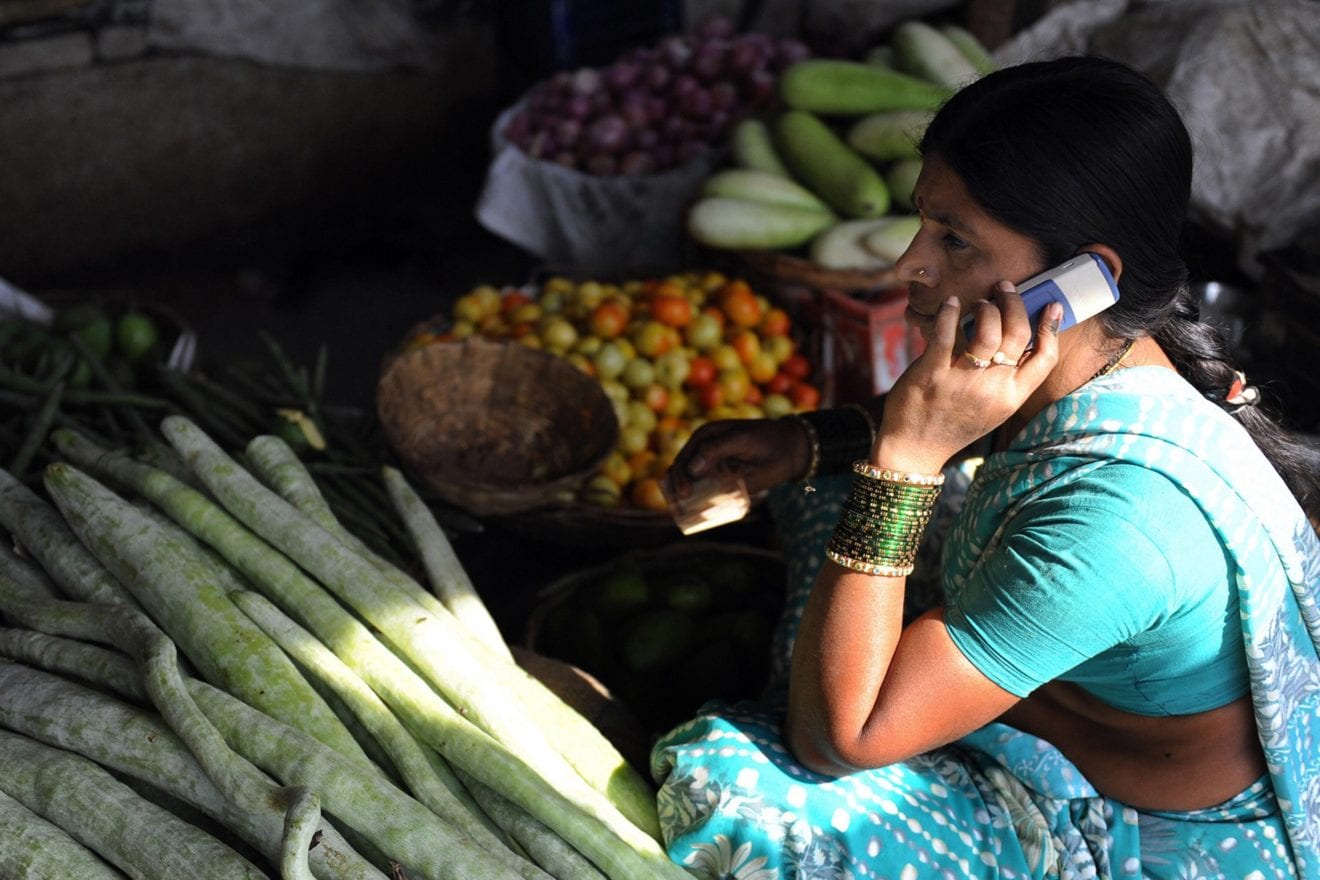
    With 70% of the population living in rural Bangladesh many of whom have no access to formal financial services, it is also the eight largest receiver of international remittances in the world. Under 15% of Bangladeshis are connected to the prescribed banking system whereas over 68% have mobile phones.

    World Bank South Asia Financial Inclusion Index 2014These phones are not only devices for talking, but can be used for more useful and difficult processing tasks. bKash was conceived primarily to use these mobile devices and the universal telecom networks to extend financial services in a protected manner to the under-served distant population of Bangladesh.

    By using the new service, bKash’s registered customers can receive remittances from every Western Union send market and channel directly into their bKash account, 24 hours a day.

    MasterCard’s Matthew Driver said: “This relationship is another step towards achieving our global commitment to make the financial system accessible to 500 million more people by 2020. Working with companies such as bKash and Western Union is crucial to taking advantage of the latest technology; digitizing money transfers and supporting financial inclusion efforts in the South Asia region and worldwide. The choice, flexibility and convenience of this new bKash service will help to expand financial inclusion to some of the most remote parts of this thriving nation.”

    Western Union’s Jean Claude Farah said international money transfers over mobile phones will accelerate financial inclusion in Bangladesh where there are currently more mobile phones than there are customers with bank accounts.

    In 2011, the Bangladesh Bank, the country’s central bank, issued the Mobile Financial Services (MFS) Guidelines and mandated that the model where MFS must be bank-led but also clearly indicated that partnerships with mobile operators must be forged to reach customers. The first two MFS providers to emerged as leaders early on were BRAC/bKash and Dutch Bangla-Bank/DBBL.

    Like many parts of developing Asia, financial inclusion is part of the government via the central bank’s strategic plan, aimed at ensuring these products meet the needs of the traditionally underserved segments of society. Among the services on priority list include expanding access to financial services to women, poor and rural populations; and formalizing financial services by promoting registered transactions.

  • Yooya exceeds 4b views

    Yooya exceeds 4b views

    Yooya said it has achieved over four billion lifetime views, with more than 2.75 billion added in the last seven months, driven by a combination of an increasing number of distribution partners and a growing stream of compelling new content.

    This development coincides with Yooya securing $3 million at a post-money valuation of $13 million in its Series Seed financing round.

    FastForward Innovations led the latest investment round, with previous investor Dream Incubator of Tokyo also joining the round.

    Yooya has been instrumental in helping content producers monetize China’s fragmented online video market by providing a single platform for content distribution, rights management, and advertising solutions.

    Yooya brings together many key components essential to the equation, including licensing at scale, automated ad sales, consolidated data and analytics, and simplified content distribution.

    For advertisers looking to tap into the large-scale engagement online video in China offers, Yooya provides a single point of contact to access distribution across all major video platforms and access to hundreds of channels, covering key advertising demographics and interest categories.

    “This growth means that finally there is a viable managed platform on which to build better monetization and more effective video-based advertising,” said Yooya CEO Rick Myers.

    Currently with over 200 million network views on average per month, Yooya predicts it will hit more than 800 million video views per month before the end of 2016, representing month-on-month growth of 40%.

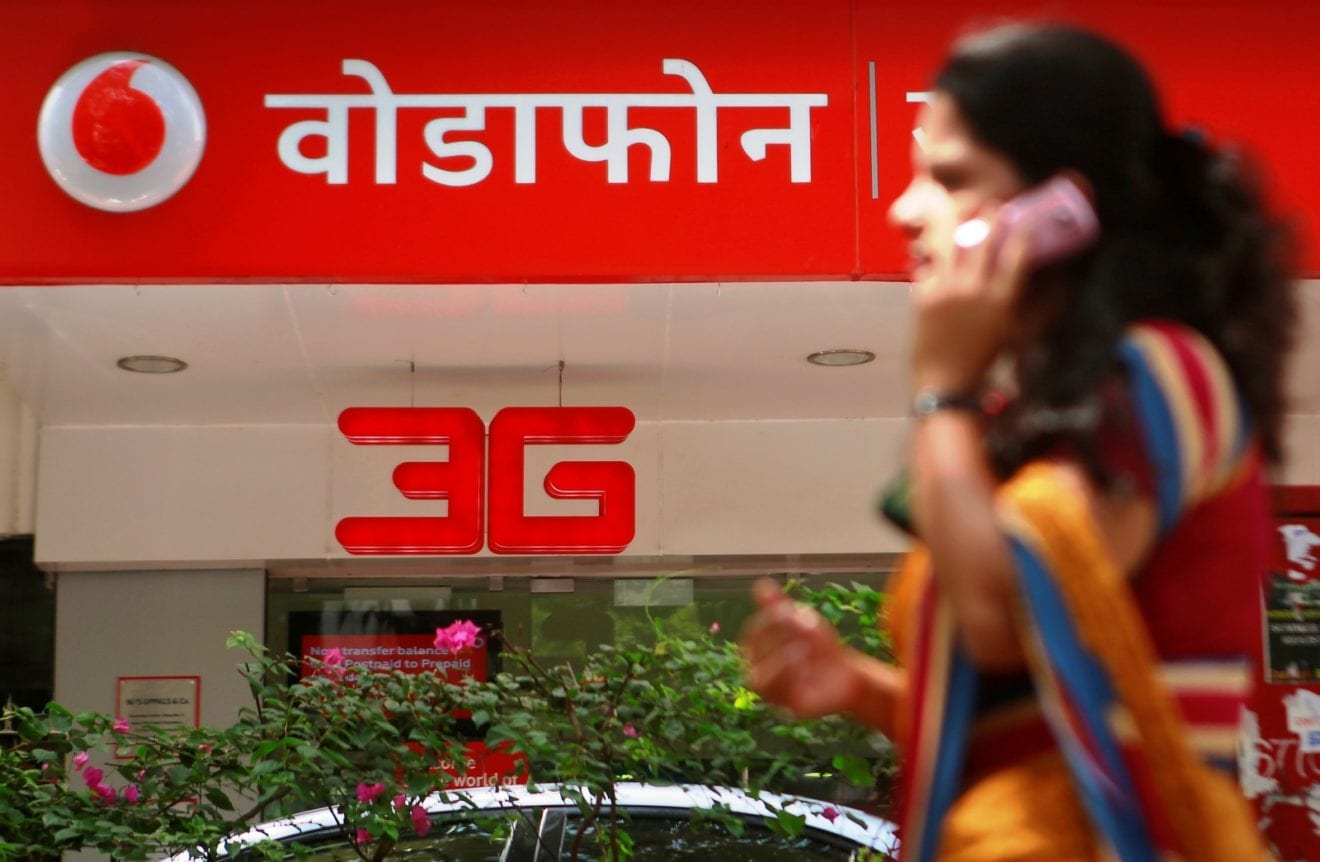
  • Vodafone said to start preparations for Indian IPO

    Vodafone said to start preparations for Indian IPO

    The company has asked interested investment banks to sign NDAs so it can provide more detailed information about the unit, citing people familiar with the matter.

    Vodafone may be ready to pick advisers by next month, the sources said. Around 10% of the Indian unit could be sold as part of the IPO. Vodafone India has a potential valuation of around $20 billion, which would make the IPO the largest in India to date.

    Vodafone has been planning to conduct an IPO for Vodafone India for some time, but macroeconomic, regulatory and market conditions have stood in the way.

    On the record, Vodafone spokesperson Matt Morgan commented that “[w]e have previously stated that we have started preparations for a potential IPO, which includes private conversations with banks, but this is a lengthy process and no decision will be made until we are at the end of it.”

  • Telenor may exit the Indian market

    Telenor may exit the Indian market

    Telenor India is gearing up to launch LTE services across its footprint, but according to reports Telenor’s days in India’s telecom sector may be numbered.

    CEO Sharad Mehrotra told that the operator has already upgraded 7,000 mobile sites to LTE.

    Telenor India plans to have its entire network upgraded by the end of the current financial year, which in India ends on March 31.

    The operator has awarded Huawei with a 12.4 billion rupee ($186.3 million) contract to modernize all 25,000 of its base stations across the six circles.

    But according to a separate report, Telenor is also considering exiting the Indian telecom market due to its negative experiences to date.

    Besides only holding spectrum in seven circles, Telenor India also has limited data spectrum and no 3G services. The company has only around a 5% share of India’s mobile market with its 2G-only operations.

    Despite investing over $3 billion since 2008 trying to build its Indian business, the loss of its Indian telecom licenses during the 2012 spectrum scandal was a setback the operator has been unable to come back from.

    According to the report, Telenor is seeking a valuation of $1.6 billion to $1.8 billion for its Indian business, but experts believe the company could find it difficult to find a buyer at this price.

  • 43% of Hong Kong consumers shop on smartphones

    43% of Hong Kong consumers shop on smartphones

    Mobile shopping has taken hold in Hong Kong, with more than two in five consumers making purchases via their mobile device in the past three months, the latest MasterCard Online Shopping Survey reveals.

    The widespread use (98.8%) of internet-enabled smartphones in the city has set the backdrop for more and more Hong Kong consumers (42.9%) choosing to engage in mobile shopping, marking an 18.3% increase since 2011.

    The survey also indicated that an increasing number of local shoppers are now embracing new payment technologies, with 11.2% currently using digital wallets compared to 7% last year.

    Similar to previous years, convenience (53.2%) continues to be the key driver for mobile shopping, followed by the growing availability of apps that make it easy to shop (33.8%) and the ability to shop on the go (28.4%).

    Almost half (48.6%) of local respondents said they had downloaded a shopping app on a mobile phone in the last six months, and the most popular items bought via mobile shopping include clothing and other fashion accessories (24.3%), movie tickets (21.9%) and toys and gifts (16.2%).

    Hotel accommodation (14.3%) and items from supermarkets (12.4%) also climbed up the list as some of the most common spending categories among local consumers.

    The majority of Hong Kong consumers (84.2%) made at least one purchase online in the past three months, and their average length of online shopping experience is 3.2 years. And 81.8% of local consumers planned to shop online in the next six months.

    But over three quarters (77.8%) regarded security of payment facility as a key consideration when shopping online.

    When asked about the major improvement area for online shopping, more than half of the respondents (54.4%) also expressed that one should be assured that transactions are secure.

    “While Hong Kongers cited convenience as the top motivating factor for mobile and online shopping, we also understand that security of payment facility remains a key consideration,” said Anna Yip, head of Hong Kong and Macau, MasterCard.

    Overall, consumers in Asia-Pacific are embracing new payment technologies with one in five (19.5%) using digital wallets, a two-fold increase from two years ago (9.7%). Emerging markets are leading the way with smartphone users in China (45%), India (36.7%) and Singapore (23.3%) being the region’s biggest adopters of digital wallets.

    In terms of online shopping, China continues to lead the Asia-Pacific region as in previous years, with almost every respondent (97%) having shopped online at least once in the previous three months. However, when it comes to mobile shopping, India surpassed China (76.1%) for the first time, with 76.4% of respondents indicating that they had made a purchase through their smartphones.

  • OCBC launches banking app for Apple Watch

    OCBC launches banking app for Apple Watch

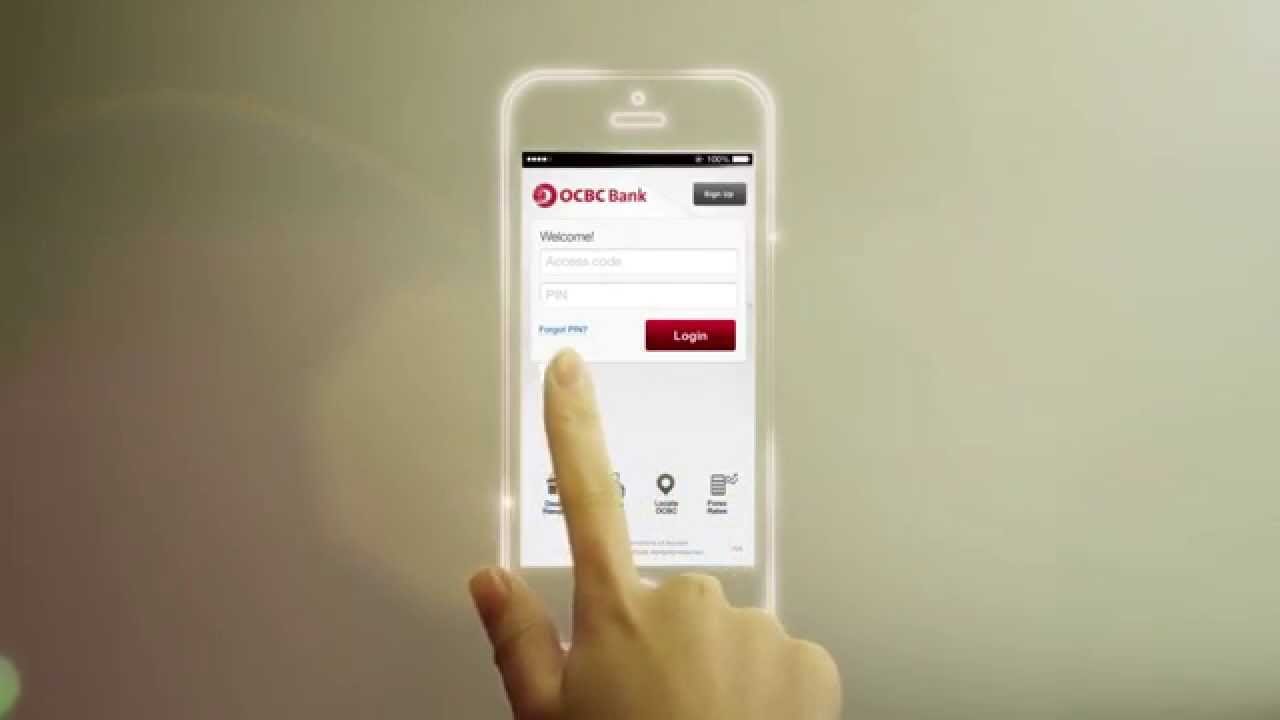
    Singapore’s OCBC Bank has launched a new mobile banking app designed for the Apple Watch.

    With the app, users can have instant access to their personal banking information, including the full list of their balances – bank accounts, cards and investments, recent transactions, and the location of the nearest OCBC Bank branch or ATM, on their Apple Watch.

    Customers must first perform a one-time activation on their OCBC iPhone mobile banking app before using the Apple Watch app. Once activated, account information and recent transactions can be viewed on Apple Watch, without the need to login to mobile banking.

    This service is available for customers using mobile devices such as iPhone 5, iPhone 5S, iPhone 6, iPhone 6 Plus, iPhone 6S or iPhone 6S Plus operating on iOS 9 and Apple Watch devices running on WatchOS2.

    The service can only be activated on a single pair of Apple Watch and iPhone devices at one time and all account numbers displayed on the watch are partially masked with only the last four digits revealed. No information is stored on the phone or watch and for security purposes, customers can choose to set a passcode on their Apple Watch.

    Market intelligence firm IDC estimates the worldwide wearable device market will reach a total of 111.1 million units shipped in 2016, a strong 44.4% increase from the 80 million units shipped in 2015. By 2019, the five-year compound annual growth rate (CAGR) of wearable devices would be 28%, with Apple smart watch devices taking the lion’s share of the market.

    “Smartwatches represent the next generation of personal mobile devices, and our Apple Watch app will offer the convenience, security and choice that customers demand when it comes to everyday banking on-the-go,” said Aditya Gupta, OCBC Bank’s Singapore head of e-business, said.

    “We are confident the Apple Watch app will be a big hit with our fast-growing number of customers who are mobile and digitally-savvy.”

  • Telstra announces new head of retail

    Telstra announces new head of retail

    One of Australia’s most senior telecommunications executives, Kevin Russell, will join Telstra this month as Group Executive Telstra Retail. In this new role, he will lead the company’s consumer, business, stores and product functions.

    Russell replaces Karsten Wildberger, who resigned last December to return to Europe.

    Wildberger left Telstra on March 31, and short term arrangements are in place until Russell commences in late April.

    Russell, 49, has a wealth of telecom and technology experience in Australia, US, Europe, Asia and the Middle East.

    He has held executive roles for SingTel Optus, most recently as Country Chief Officer and CEO Consumer, Australia, as well as senior positions at Hutchison Whampoa Group in Australia and internationally.

    Telstra CEO Andrew Penn said Russell would bring substantial expertise to the retail role at an important time for Telstra. Russell will report directly to Penn.

    “We are looking forward to welcoming Kevin to the Telstra leadership team. He has an impressive track record working for several of the world’s largest telcos in a range of demanding markets,” Penn said in a statement.

    “He has passionately worked to build customer experiences in new and existing major consumer brands and service business clients. He has managed major programs across national fixed and mobile networks and is well regarded in the local technology community.”

    Russell was with SingTel Optus from January 2012 to March 2014, holding the positions of COO, CEO Consumer, Australia then the combined role of Country Chief Officer and CEO Consumer, Australia.

    He is currently CEO for a Silicon Valley-based technology start-up.

    Meanwhile Telstra has also appointed controversial former Nokia CEO Stephen Elop to the newly created role of group executive for technology, innovation and strategy.

    Ken Hu appointed Huawei CEO

    Huawei deputy chairman Ken Hu (pictured) will become the company’s acting CEO from April 1 to September 30, in accordance with the company’s Rotating CEO system.

    The rotating CEO acts as the primary person in charge of the company’s operations and crisis management during his tenure and is responsible for convening and chairing the meetings of board of directors’ executive committee and the company’s executive management team, Huawei said in a statement.

    Hu is a member of Huawei’s board of directors and executive management team (EMT) and is also chairman of Huawei USA.

    As part of his role as deputy chairman, Hu is head of Huawei’s human resources committee and is responsible for the company’s leadership and organizational development. He is also the head of the company’s global cyber security committee which oversees the development of Huawei’s global cyber security strategies and the establishment of an end-to-end cyber security assurance system.

    With 20 years of experience in the telecoms industry, Hu is integral to the strategic direction of the company and instrumental to Huawei’s efforts to expand its business in the global markets. He joined Huawei in 1990.

  • Huawei moves further into mobile payments

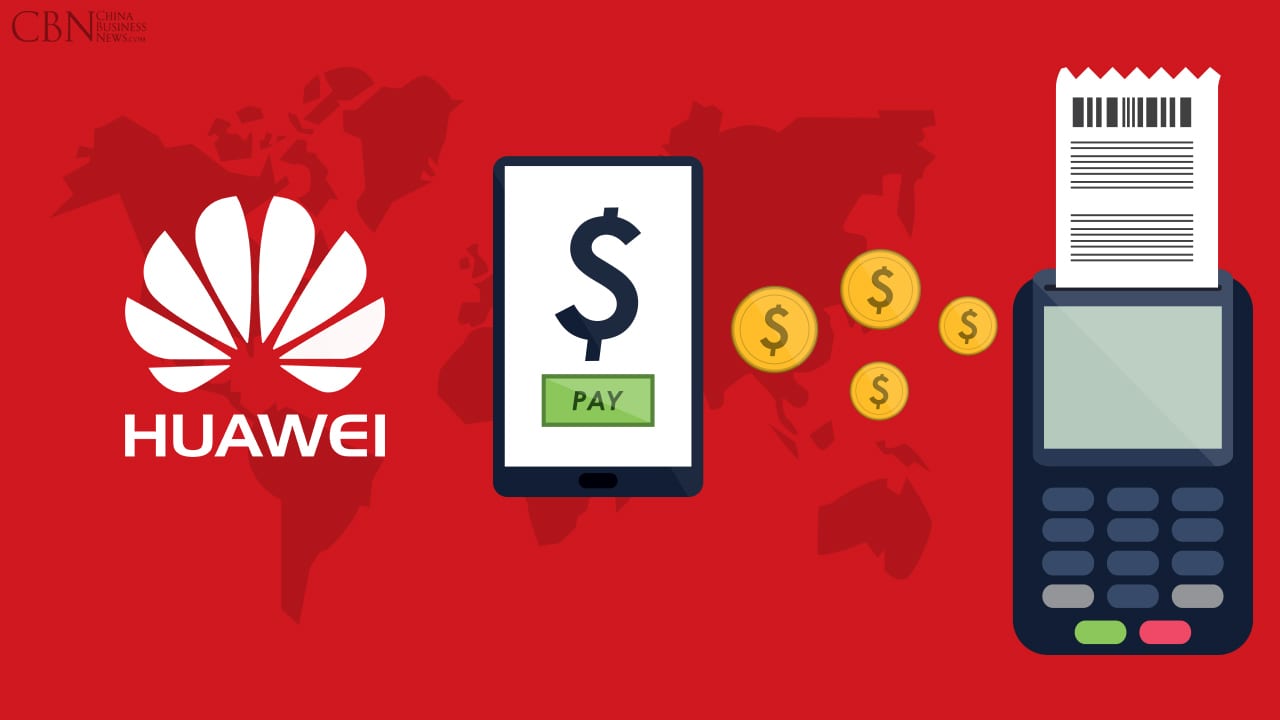
    Huawei moves further into mobile payments

    Apple and Samsung recognize that revenue from the sale of mobile devices, alone, cannot keep shareholders happy.

    With the vendors venturing into what is arguably one of the most exciting spaces in the financial services space – payments – it begs the questions of who will follow suit and whether the market can afford multiple payment providers.

    Not to be left behind, Chinese mobile phone device manufacturer, Huawei, is accelerating its payments ambition in 2016 with two significant announcements in the first quarter of 2016.

    The first is an agreement with Bank of China to jointly co-develop what the two organizations are claiming to be the next mobile based payment system under the Huawei Pay label. This was followed by a separate announcement with China UnionPay, the country’s state-run bank-card processor.

    This is not Huawei’s first foray into payment. Unofficially, Huawei Pay debuted in China with the launch of the company’s latest flagship smartphone – the Mate S in December 2015 following a test run of the payment service in September 2015. Using NFC technology, placing the Mate S in close proximity to a China UnionPay POS terminal with Quick Pass function will launch the Huawei Pay service.

    Users can complete the transaction via fingerprint authentication. The partnership with UnionPay holds the promise of extending Huawei Pay across China to a broader spectrum of Huawei handset users – mostly smartphones equipped with fingerprint sensors and an NFC chip simply by downloading the Huawei Pay app.

    China UnionPay, which holds a monopoly on bank-card payments in the country, also works with Apple Pay, which was launched in China last month.

    Local market research firm iResearch estimate that third party mobile payment transactions reached 2.42 trillion yuan in the third quarter of 2015, a 64% jump from Q2 2015. The China Internet Network Information Center estimated mobile payments to have risen to 357 million, up 60% from the previous year.

    The Chinese mobile payment market is expected to get very crowded rapidly with other mobile device manufacturers, including Xiaomi, ZTE and Lenovo, rumored to be developing their own mobile payment service. Xiaomi is doing so following its acquisition of a local payment company – Jiefu Ruitong in early 2016.

    According to iResearch China’s mobile payment is dominated by Alipay (70%) and WeChat Wallet (19%). To compete in this market Huawei plans to secure the assistance of more banks as part of its smartphone launch strategy. Without releasing details the company said it is designing more payment scenarios for its smartphone users.

  • Ecommerce Turns into Mcommerce in China

    Ecommerce Turns into Mcommerce in China

    The shift of ecommerce sales from the desktop to mobile devices has been under way in China for a couple of years. And according to data from the end of 2015, the tilt toward mobile is clear.

    Analysys International Enfodesk reported that nearly two-thirds of retail and consumer-to-consumer (C2C) ecommerce sales in China in Q4 2015 occurred via mobile. That was up from 55.5% the previous quarter—the first time mobile accounted for a majority of ecommerce sales in the country.

    2015 may have been a turning point, but the rise of mobile has been ongoing since early 2013, when 9.0% of retail and C2C ecommerce sales occurred via mobile devices.

    eMarketer estimates that mcommerce sales were just shy of the 50% mark as a share of ecommerce sales for the full year last year.

    This year, eMarketer forecasts retail mcommerce sales in China will grow by 51.4%, to reach 55.5% of retail ecommerce sales in the country this year. That will still amount to just 10.9% of total retail sales, however.

    By 2019, the end of our forecast period, mobile users in China will spend nearly $1.5 trillion on mobile commerce, which will amount to nearly a quarter of the country’s retail market.

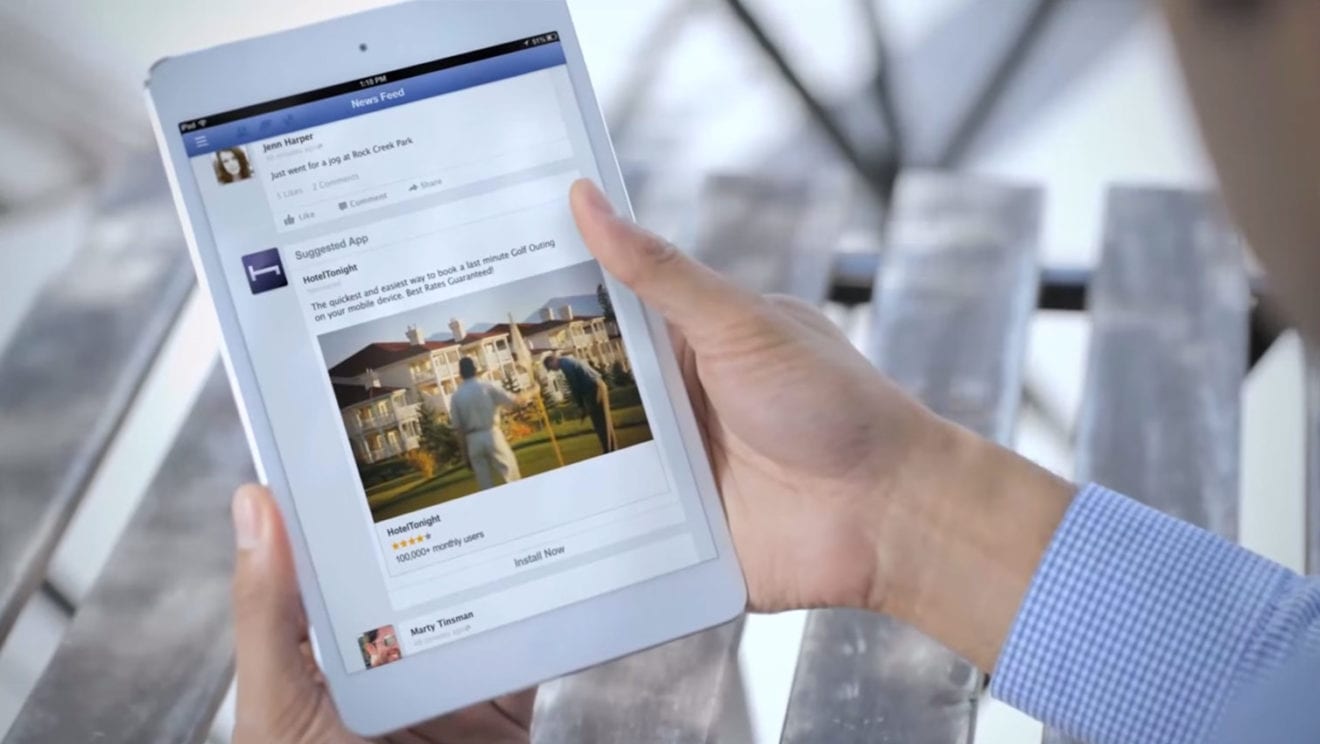
  • Mobile ads help Facebook double Q4 profit

    Mobile ads help Facebook double Q4 profit

    Facebook last week revealed another quarter of soaring revenue and profit for the last quarter of 2015, thanks to the popularity of mobile ads on its social networking platform.

    The results come on the back of sales in Q4 2015 that rose 52% to $5.84 billion from a year ago, which contributed to profit increasing to $1.56 billion. The profit is more than double the $701 million from just a year ago.

    Mobile ads made up 80% of the company’s total ad business for the fourth quarter of 2015 compared to just 23% in the same quarter in 2012.

    “Our strategy is working and we have many more opportunities ahead,” said Mark Zuckerberg, who is back after taking two months to spend time with his newborn daughter. “So we’re going to continue investing to deliver more great results, over the long-term.”

    The company now has 1.59 billion users that log into Facebook each month, which is likely to further boost the company’s sales and revenues in the months and years ahead.

    Marketers are heading to Facebook due to its ability to get well-targeted ads that are relevant. By making sure that ads blend in with what people would like to see in their feeds anyway, Facebook was able to boost the percentage of marketing messages in the latest quarter.

    While it is not known how much of Facebook’s Q4 sales came from the Asia Pacific (APAC), we did observe a sharp increase in Facebook spending in the region last year as advertisers spend more on Facebook ads than before.

    The CPM (Cost per 1,000 impressions) for the APAC region grew 66% quarter-over-quarter in Q3 last year, more than the EMEA (27%) and the Americas (13%) regions.

  • Governement Prepare Regulation for Foreign OTT Companies

    Governement Prepare Regulation for Foreign OTT Companies

    Communication and Informatics (Kominfo) Ministry is reported to have been preparing a regulation on foreign over the top (OTT) content provider companies operating in Indonesia. The regulation is expected to be issued at the end of March 2016. One of the articles in the regulation will oblige foreign OTT companies to form establish a legal entity in Indonesia. Bambang Heru Tjahjono,

    Director General of Informatics Application of the Kominfo, confirmed the plan. “Yes, [the regulation will be issued] at the end of March,” Bambang told us on Sunday, March 20, 2016.

    Bambang however, dismissed reports saying that the Kominfo would ban foreign OTTs who failed to establish a business entity in Indonesia.

    In an attempt to response to emerging foreign OTTs, Bambang said that the government will offer win-win solutions. “We will not necessarily ban foreign OTTs. The most important thing for Kominfo is [to focus on] customer service and consumer protection issues,” Bambang said.

    According to Nonot Harsono, Chairman of the Indonesian Telematics Society, regulation on foreign OTTs, particularly related to the obligation to establish a business entity in Indonesia, is required to maintain Indonesia’s sovereignty.

    Nonot explained that the presence of foreign OTTs in Indonesia without permanent business entity is comparable to vendors selling their merchandises inside a house without permission. The lack of license and business entity, Nonot added, could be considered as unethical conduct and ignoring the government’s sovereignty.

  • OTT Content Providers Must Establish Office, Ministry Says

    OTT Content Providers Must Establish Office, Ministry Says

    The Communication and Informatics Ministry (Ministry) plans to issue a regulation that mandates over the top (OTT) content provider companies to establish a permanent business entity in Indonesia starting on April 2016.

    “The Ministry obliges OTT content provider companies to establish a business entity,” said Ismail Cawidu, Head of Information and Public Relation of the Ministry on Friday, March 18, 2016.

    The obligation will also apply to foreign OTT content provider companies in Indonesia, including Facebook, Twitter, and Whatsapp. Ismail said that these companies can still operate in Indonesia if they could establish a permanent representative office in the country. Ismail added that foreign OTT content provider companies must also cooperate to protect consumers’ confidential information.

    Ismail said that if foreign OTT content provider companies cannot establish a permanent business entity, they are allowed to cooperate with similar companies in Indonesia.

    Ismail stated that the Communication and Informatics Minister Rudiantara had promised that the regulation will be completed on April 2016. “The regulation will be announced in the beginning of April 2016, but we don’t know whether it will be immediately enter into force or there will be a transition period,” Ismail said.

    Failing to comply with the regulation, Ismail said, OTT content provider companies will be subjected to sanctions. “The app could be blocked, or the company’s bandwidth may be reduced so the company cannot operate its website freely,” Ismail said.

  • Mobile e-commerce to fuel Chinese retail

    Mobile e-commerce to fuel Chinese retail

    Despite the slowdown in China’s GDP growth, the Alibaba Group believes the country’s consumer economy will weather the storm and grow handsomely, largely fuelled by mobile e-commerce.

    According to a recent report titled The New China Playbook by he Boston Consulting Group (BCG) in association with the with AliResearch, Alibaba Group’s research arm, even if China’s GDP growth slows to 5.5 per cent, which is a full point below the 6.5 per cent government target, the country’s consumer economy will expand by more than half to $6.5 trillion in 2020 from $4.2 trillion in 2015.

    According to the report, e-commerce is expected to play a major role in the development of China as a consuming nation, a transition that is being accelerated by the growth of shopping via smartphones and other mobile devices.

    “One of the most revolutionary changes in the Chinese consumer economy has been the astounding growth of e-commerce,” the BCG said. In 2010, online transactions made up only 3 per cent of total private consumption in China; online channels today account for 15 per cent of the total, a share that BCG projects will rise to 24 per cent in 2020 (in contrast, online shopping currently accounts for about 7.5 per cent of private consumption in the US).

    The BCG does not foresee a marked slowdown in the growth of e-commerce. Over the next five years, private online consumption is expected to surge at a compound annual growth rate of 20 per cent, compared with 6 per cent annual growth in offline retail sales. Chinese consumption will grow by more than half to $6.5 trillion over the next five years from $4.2 trillion in 2015. E-commerce on the whole will account for 42 per cent of that growth.

    BCG identified three distinct “megatrends.” First, rising incomes are fueling greater spending, and in new areas not seen before. Then there’s the growing prominence of China’s “young generation.” And finally, the shift from bricks-and-mortar retail to e-commerce will continue to play an ever-bigger role in China’s economy.

    Overall, an incremental $2.3 trillion in annual consumer spending that China is expected to add over the next five years is almost like adding another Japanese consumer market onto the global economy, the report said.