Tag: Mobile

  • Mobile and Internet Usage Propels Southeast Asia’s Retail Ecommerce Sector

    Mobile and Internet Usage Propels Southeast Asia’s Retail Ecommerce Sector

    Southeast Asia has all the ingredients for a promising ecommerce market—rising internet and mobile penetration, a growing middle class with greater discretionary spending, and an increasing supply of digital platforms. Still, many challenges continue to hamper ecommerce growth in the region, as explored in a new report, “Ad Fraud in the US: How More Sophisticated Methods Are Hurting Mobile, Video and Performance Measurement”

    Retail sales in the six largest economies in Southeast Asia—Indonesia, Malaysia, Philippines, Singapore, Thailand and Vietnam—will total $786.45 billion this year, representing 3.6% of worldwide sales. Indonesia, the most populated country in Southeast Asia, will also have the largest retail market, with $245.86 billion in sales. Thailand and Vietnam will follow, at roughly $190 billion and $161 billion, respectively.

    Retail potential in Southeast Asia is determined in large part by population size and purchasing power. Collectively, these six nations benefit from having a population of over 561 million people as of 2016, according to estimates from the US Census Bureau. And that number will continue to expand, growing to nearly 583 million people in 2020, adding about 21.7 million new consumers over the next four years.

    Robust economic growth in these markets is giving way to rising incomes and expanding middle classes. Data from the International Monetary Fund (IMF) shows that total GDP rose from $1.824 trillion in 2010 to $2.462 trillion in 2016. These figures, which account for inflation, are forecast to rise even further, topping $3.346 trillion by 2020.

    Southeast Asia is also experiencing a boom in urbanization, which will also help drive further retail expansion across the region. Generally, retail players focus on urban areas because they have the greatest opportunity (i.e., large population sizes) and favorable conditions for development—such as developed transportation systems, supply chains and technology. Several of the most densely populated cities in Southeast Asia are also the ones growing quickly in population size and retail infrastructure.

    Additionally, rapid ecommerce growth continues to increase in Southeast Asia. eMarketer estimates that the digital retail market—including retail products ordered online via mobile—will reach $14.04 billion in 2016, up from $10.50 billion in 2015, an increase of 33.6% year over year

    Nonetheless, ecommerce’s contribution to retail sales in Southeast Asia is still relatively small. In the six countries tracked by eMarketer, digital retail sales will make up 1.8% of total retail sales in 2016, with the lowest ecommerce share in the Philippines (0.9%) and the highest in Singapore (4.5%). These figures stand in sharp contrast to the more developed ecommerce markets in China and South Korea, where digital retail will represent 18.4% and 12.1%, respectively.

    Southeast Asia is on the cusp of an ecommerce boom, as fast-growing mobile and internet usage propels consumer spending. There are over 262 million internet users residing in these six markets. And many of these consumers are mobile-first internet users, or people who primarily access the web through their mobile phones. eMarketer estimates that about 177 million people—or 67.5% of internet users—will own and use a smartphone in 2016.
  • Australia may require mobile network sharing

    Australia may require mobile network sharing

    Australian competition regulator ACCC has launched an inquiry into whether to mandate the establishment of a wholesale mobile roaming service, particularly in regional areas.

    The regulator is considering declaring a wholesale domestic mobile roaming service, which mobile providers could use to provide coverage in areas where they do not operate their own network.

    The inquiry will seek to evaluate how consumer demands for mobile service are evolving and whether this differs in regional and urban areas.

    In addition, the ACCC will evaluate the likely investment plans of established mobile operators absent a declaration, as well as whether there are any barriers to extending the reach of mobile networks.

    While the ACCC has previously considered mandating the provision of mobile roaming in regional areas in 1998 and 2005, ACCC chairman Rod Sims said much has changed since this time.

    “Network coverage is clearly a key feature of a mobile service, and each of the mobile network operators has extended its networks since we last looked at this issue in detail,” he said.

    “We do think it’s time we look at the issue again in detail, and examine some of these key matters, including consumer demand, network investment, and barriers to competition. We consider the most efficient way to do that is to consider all of the issues carefully through a declaration inquiry.”

    But he stressed that the regulator has not yet formed any opinion as to whether the declaration is needed, and that the inquiry could instead find that consumers would be harmed by the introduction of such a requirement because it could give mobile operators less incentive to invest in expanding their networks.

  • SCB Easy Application on the Fritz Pending Upgrade

    SCB Easy Application on the Fritz Pending Upgrade

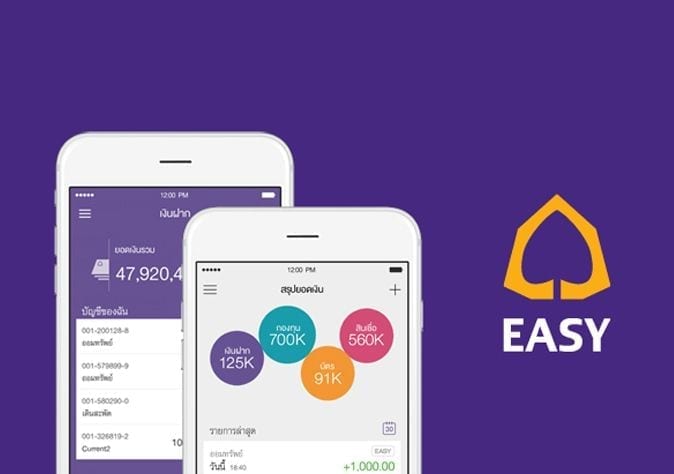
    Customers of Siam Commercial Bank (SCB) might have recently found out the hard way that the SCB Easy App is on the fritz and hasn’t been working as properly as it should’ve been.

    SCB has already suspended the service of the app yesterday, in order to be able to properly update the system.

    According to SCB, the disruption of service was due to the increased use of system for financial transactions. However, the app will hopefully be up and running again by Sept. 10 after the system upgrade.

    Customers, fortunately, are still able to use the bank’s services through other channels, including their website: www.scbeasy.com

  • 5G connections tipped to reach 690m by 2025

    5G connections tipped to reach 690m by 2025

    There will be around 690 million 5G connections by 2025, five years after the standard is expected to be approved, Strategy Analytics predicts.

    The research firm expects 5G to account for 7% of mobile connections by this time, driven by early adopters in the US, South Korea and Japan.

    China has also laid out a 2020 5G launch plan, Strategy Analytics notes, which will help accelerate adoption.

    Operators including NTT DoCoMo, SK Telecom, Verizon and AT&T are leading the charge

    Commercial 5G handset sales are meanwhile expected to exceed 300 million by 2025, according to Strategy Analytics director Ken Hyers.

    “While the first commercial 5G handsets will appear in small numbers in 2020 in South Korea and Japan, from 2021 more countries including the US, UK, Sweden, UAE and China will see their own launches,” he said.

    “By 2022 tens of millions of 5G handsets will be sold, and as a proportion of total handset sales will reach low single digit percentages.”

    The first trial 5G handsets expected to emerge in 2018 are expected to have issues including short battery life, no 4G handover or unstable connectivity, Strategy Analytics said. But these teething problems are expected to have been largely resolved once commercial handsets reach the market.

  • Taiwan Mobile to offer enterprise IoT services

    Taiwan Mobile to offer enterprise IoT services

    Taiwan Mobile plans to offer enterprise IoT services in the Taiwanese market using the Cisco Jasper Control Center platform.

    The operator plans to offer plug-and-play IoT services that can be configured to provide analysis, automation and diagnostic intelligence.

    The company will offer services for any industry, with a particular focus on segments including connected cars, mobile payment, manufacturing, smart cities and public transport.

    “Enterprises throughout Taiwan are eager to deliver new, value-added IoT services to their customers,” Taiwan Mobile senior director of mobile marketing and IoT services Eddie Chan said.

    “Companies are increasingly focused on offering services that generate recurring revenue while improving the customer experience. Taiwan Mobile is excited to be at the forefront of enabling this transformation for businesses throughout Taiwan via the industry-leading Cisco Jasper IoT platform.”

    Cisco acquired US-based Jasper and its cloud-based IoT service platform for $1.4 billion in March, as part of efforts to gain a stronger foothold in the burgeoning new market segment.

    The Cisco Jasper Control Center offers real-time monitoring, management and control over IoT services, and is scalable to global implementations thanks to the company’s partnership with 30 global mobile operator groups representing more than 120 mobile networks worldwide.

  • Telstra ramps up mobile offers as streaming go small screen

    Telstra ramps up mobile offers as streaming go small screen

    New research reveals mobile video streaming is growing at more than 30% a year and on-demand TV, sports and music is changing when and where Australians watch their favorite entertainment, according to Telstra.

    To help customers make the most of the mobile streaming revolution, Telstra has included a three-month subscription to all three leading streaming video providers Netflix, Stan and Presto on selected mobile plans.

    Also, Telstra mobile plan customers can now enjoy Apple Music with data-free music streaming which means listening to all your favorite songs, albums and playlists without tapping into their data allowance.

    Further, Telstra launched a new app that makes it easy to discover all the sports and entertainment content included in Telstra mobile plans.

    “Telstra mobile customers can now get Netflix, Stan and Presto, unmetered Apple Music and free access to live NRL or AFL, Netball and Basketball, providing an unmatched mobile entertainment experience,” said Michele Garra, Telstra’s executive director for media.

    She said Australians have embraced streaming video services like Netflix in their lounge rooms and that appetite is now seen translated to phones and tablets outside the home.

    “Network traffic surges during the morning and afternoon commute, suggesting two new prime-time periods are emerging, as people discover how easy it to continue watching their favorite shows on the go,” said Garra.

    Garra said to make it easier for customers to discover the full range of entertainment options available to them as part of their plan Telstra is introducing the Telstra TV+ app for mobiles.

  • M1 to deploy NB-IoT network by 2017

    M1 to deploy NB-IoT network by 2017

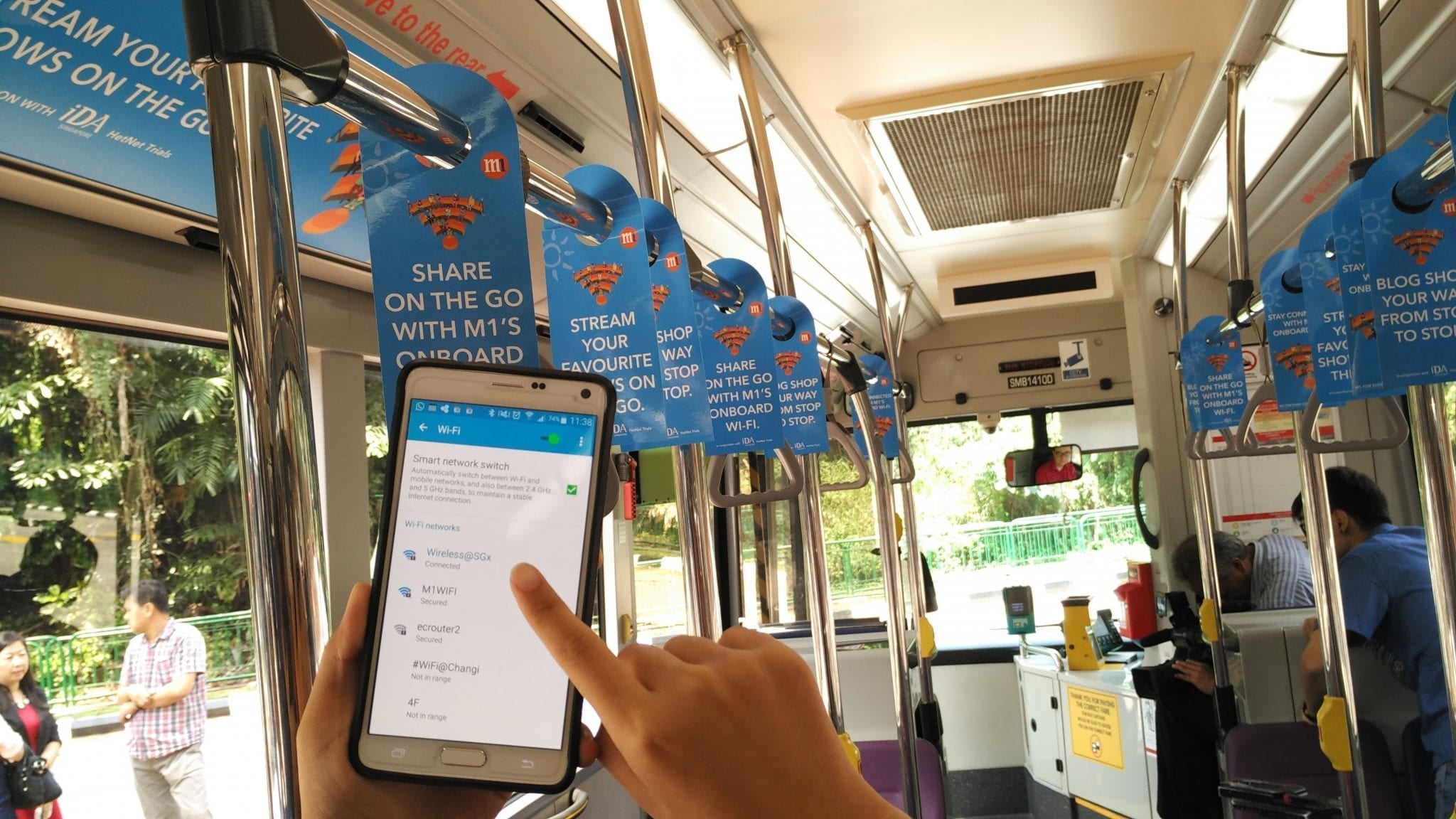
    M1 and Nokia have teamed up to roll out the first nationwide commercial narrowband Internet of Things (NB-IoT) network in Singapore by 2017.

    When completed, the deployment – Nokia’s first large-scale deployment with an operator partner in Asia – is expected to be among the world’s first commercial NB-IoT deployments.

    NB-IoT networks and devices are designed to deliver improved network performance for M2M (machine-to-machine) communications – low-bandwidth, robust indoor penetration, and low power consumption, while delivering the benefits of licensed spectrum such as network reliability and security.

    The NB-IoT standards were finalized by the GSMA Standards body 3GPP in June 2016. Commercial NB-IoT devices are expected to be available by mid-2017.

    According to Bell Labs Consulting, there will be up to five billion IoT devices connected through mobile networks by 2020. In Singapore, NB-IoT deployment will support the nation’s journey to become a Smart Nation underpinned by data to deliver anticipatory services to its people.

    “NB-IoT is emerging to be a potentially promising technology for smart city’s machine-to-machine type of applications and services. We look forward to working with NB-IoT partners to explore the use of NB-IoT in developing innovative Smart Nation services that improve our citizens’ lives and make our businesses more productive,” said Jacqueline Poh, Chief Executive-designate, Government Technology Agency (GovTech).

    Sandeep Girotra, Nokia’s Senior Vice President of Asia-Pacific and Japan, said Nokia’s joint collaboration of NB-IoT deployment with M1 lays an important groundwork for further application of LTE-based IoT services.

    M1 also recently announced it is working with Nokia on Singapore’s first commercial HetNet deployment.

  • StarHub brings back 12GB+ mobile data bundles

    StarHub brings back 12GB+ mobile data bundles

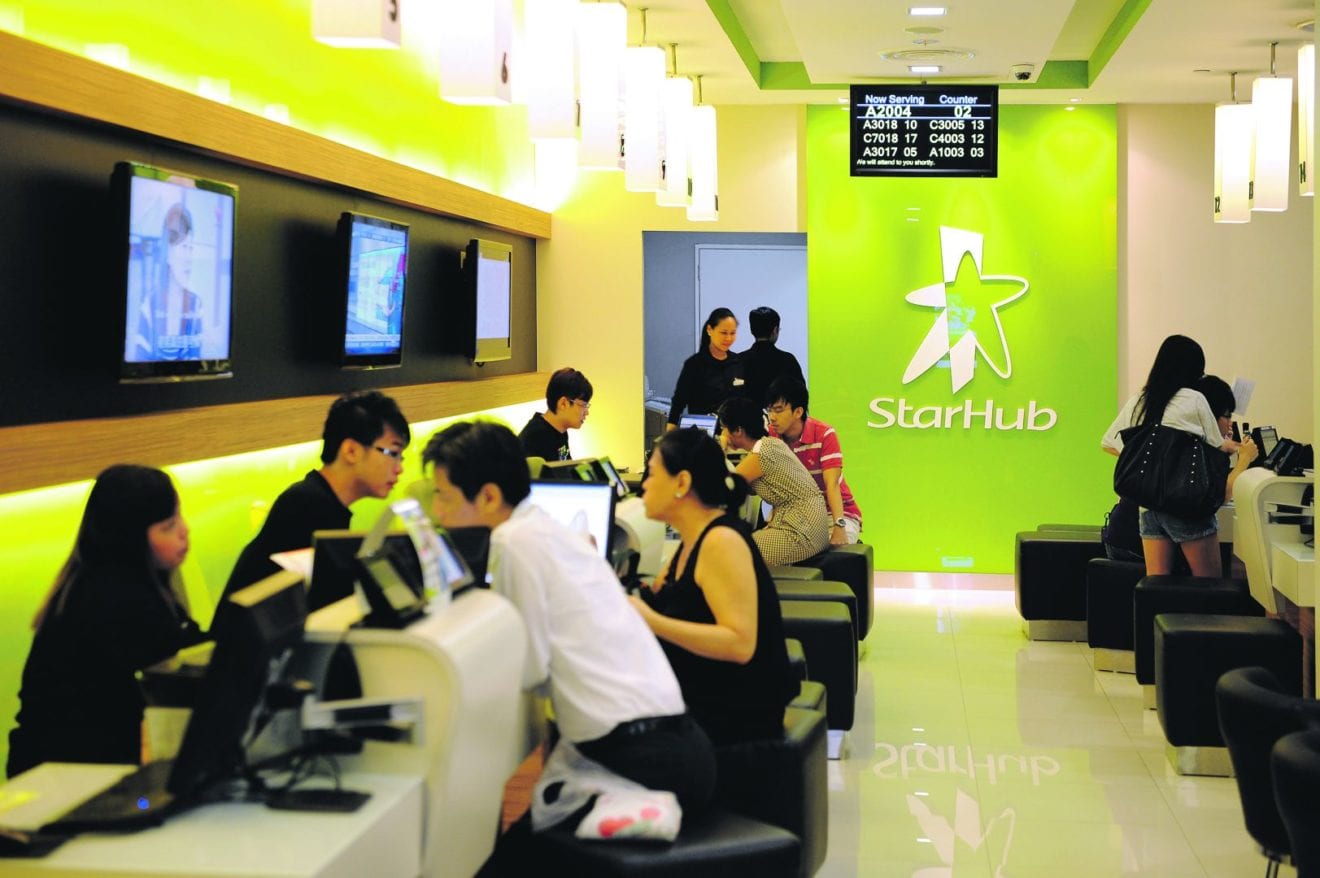
    Singapore’s StarHub has launched a new range of plans bundling large volumes of mobile data with 1Gbps fiber broadband subscriptions.

    The operator’s new SurfHub plans include between 12GB and 24GB of 4G data as well as the 1Gbps home broadband plan.

    Prices start at under S$100, which is about half the cost of a standalone 12GB mobile plan, StarHub head of product and marketing Wang Li-Na said.

    “We know customers miss the freedom that huge data bundles offer and wish they were as affordable as before. Faster 4G technologies have catalysed the adoption of data-intensive services, and our customers are now sharing more and watching for longer on their smartphones, she said.

    “With SurfHub, we want to continue giving our Hubbing customers the best value, which is what StarHub is known for.”

    The plans also come with between 150 minutes and 700 minutes of talk time and 1000 to 1500 SMS, and offers for 50% off value-added services including international roaming, multiSIM and the StarHub Go Select online streaming service.

    StarHub has also increased the mobile data allocation for its five-services-in-one pack HomeHub Go – which combines 3G and 4G mobile broadband, fiber home broadband, fiber TV and home phone services – to 15GB.

  • VNPT launches mobile satellite services

    VNPT launches mobile satellite services

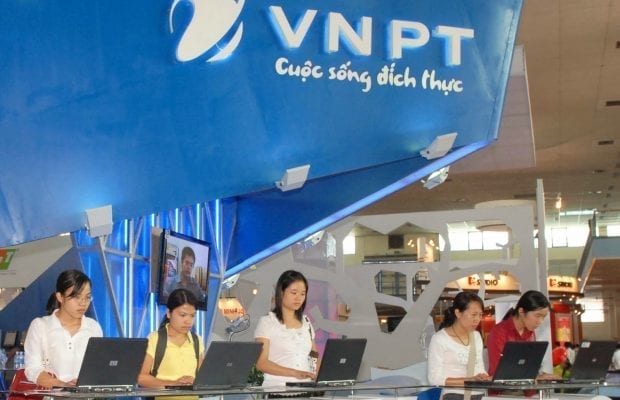
    Vietnamese military-run operator VNPT has launched mobile satellite services via subsidiary VinaPhone.

    The operator has signed an agreement with Thuraya to expand its coverage to 100% of Vietnam’s territory – as well as two thirds of the world – by utilizing the Thuraya network.

    Thuraya will provide its land and maritime handsets for the services, which will allow postpaid customers to make voice calls send SMS and use GPS.

    Services will be offered for consumers and government agencies as well as enterprise customers, particularly those in the mining, fishey, transport, construction and tourism industries.

    In the initial launch phase VNPT will introduce Thuraya’s XT-Lite satellite handsets and the SF2500 maritime communication system. The latter product supports voice capabilities, crew calling, GPS tracking, geo-fencing and SMS services..

    “The launch of mobile satellite services confirms our dedication to the primary mission of VNPT, consolidating technology to serve the needs of society,” a VNPT representative commented.

    “The mobile satellite service marks a significant step for the VNPT VinaPhone mobile network, allowing it to cover all of Vietnam, thereby eliminating communication black spots.”

    VNPT’s Vinaphone was the first mobile network to cover all provinces and cities across Vietnam in 1999, and to cover all districts in 2006.

  • Inditex Group to introduce m-payment in Sept

    Inditex Group to introduce m-payment in Sept

    Mobile payment is coming to stores belonging to fashion retailer Inditex Group in September, chairman and executive Pablo Isla announced recently during the company’s annual general meeting.

    Inditex has eight brands and more than 7,000 stores throughout the world. These brands include Zara, Pull&Bear, Massimo Dutti, Bershka, Stradivarius, Oysho, Zara Home and Uterqüe.

    Initially, the company’s in-house developed application, InWallet, will facilitate mobile payment at any of the group’s brands in Spain. The service will also allow all receipts to be issued electronically. Isla said the new service has been designed to enhance the shopping experience and aims to significantly simplify the purchase and returns process.

    Customers can activate the service directly from the online app and add the payment cards they want to use on the account in a safe and secure way.  The app has been developed entirely in-house by Inditex as part of the group’s efforts to continually upgrade technology to improve the overall customer experience.

    Isla also announced that the RFID technology rollout across all Zara stores is on track for completion by the end of this year and due to be rolled out in the rest of the group’s brands starting next year.

    Meanwhile, the Inditex chief has launched an ambitious recycling program that would collect customers’ unwanted clothing when shopping online.

    Under the plan, between 1,500 and 2,000 clothes collection containers will  be installed in several Spanish cities in collaboration with Caritas. Simultaneously, Zara will continue installing containers in the bricks and mortar stores, and in September all Zara stores in Spain will have a container for recycling.

    Caritas will sort the clothing to further the garment’s life through its distribution channels or allow for recycling for the development of new textile raw materials.  The pilot test will initially trial in Madrid with the aim of gradually introducing the scheme all over Spain.

    Inditex said it will donate €3.5 million ($3.9 million) over two years to this project, which will also encompass the modernization of Cáritas’s garment sorting and treatment plants.

  • Singtel, Ericsson complete SEA’s first 5G demo

    Singtel, Ericsson complete SEA’s first 5G demo

    Singtel and Ericsson have completed the first live demonstration of 5G prototype technology, achieving a peak throughput of 27.5Gbps.

    The demonstration used Ericsson’s 5G radio prototypes to showcase the capabilities offered by the new networking technology, which also included demonstrating a latency as low as 2ms.

    At the demonstration, Singtel and Ericsson also showcased the world’s first end-to-end low latency live video streaming over 5G.

    Ericsson and Singel signed an MoU last year to collaborate on testing technology candidates for the 5G standard. Last week, the companies completed a live trial of pre-standard License Assisted Access (LAA) technology over Singtel’s 4G network.

    Singtel group CTO Tay Soo Meng said the collaboration is aimed at ensuring the operator’s customers have access to the latest mobile technologies.

    “We strive to upgrade our networks with cutting-edge enhancements, constantly offering our customers all the possibilities that technology brings. Singapore is at the forefront of the most connected cities in the world and now we want to take it to the next level,” he said.

    “5G is very important to the Singtel Group as it will support advanced communication needs. To ensure the Group continues our technology leadership in the mobile communications domain, we are exploring, studying and trialling pre-5G technologies with Ericsson.”

    The operator is preparing for the anticipated standardization of 5G in 2020 by deploying key pre-5G technologies including carrier aggregation, 256QAM and NB-IoT.

  • Globe targets 95% mobile coverage by end-2018

    Globe targets 95% mobile coverage by end-2018

    The Philippines’ Globe Telecom has laid out a plan to extend mobile coverage to 95% of the nation’s municipalities and cities by end-2018.

    The operator has submitted a proposal with regulator NTC to use the spectrum due to be acquired through the co-purchase of conglomerate San Miguel Corporation’s telecoms assets, including its valuable 700-MHz spectrum, to help achieve its coverage target.

    Under the plan, Globe will deploy around 4,500 SDN-enabled base stations and upgrade the capacity of its existing equipment to improve the customer experience.

    By the end of the year, Globe plans to upgrade around 30% of its network nationwide, or around 2,200 existing cell sites, to support the new spectrum.

    With the submission the operator is implicitly making the case for being allowed to proceed with the purchase of the SMC telco assets.

    Antitrust body PCC plans to conduct a full investigation into the buyout, and the chief of the new Department of Information and Communications Technology recently ordered a spectrum audit as a result of the deal.

    Globe has also committed to providing ultrafast broadband in 2 million households by 2020, and plans to invest $2 billion for its fixed broadband expansion program.

  • DMI, Wing launch mobile payments in Cambodia

    DMI, Wing launch mobile payments in Cambodia

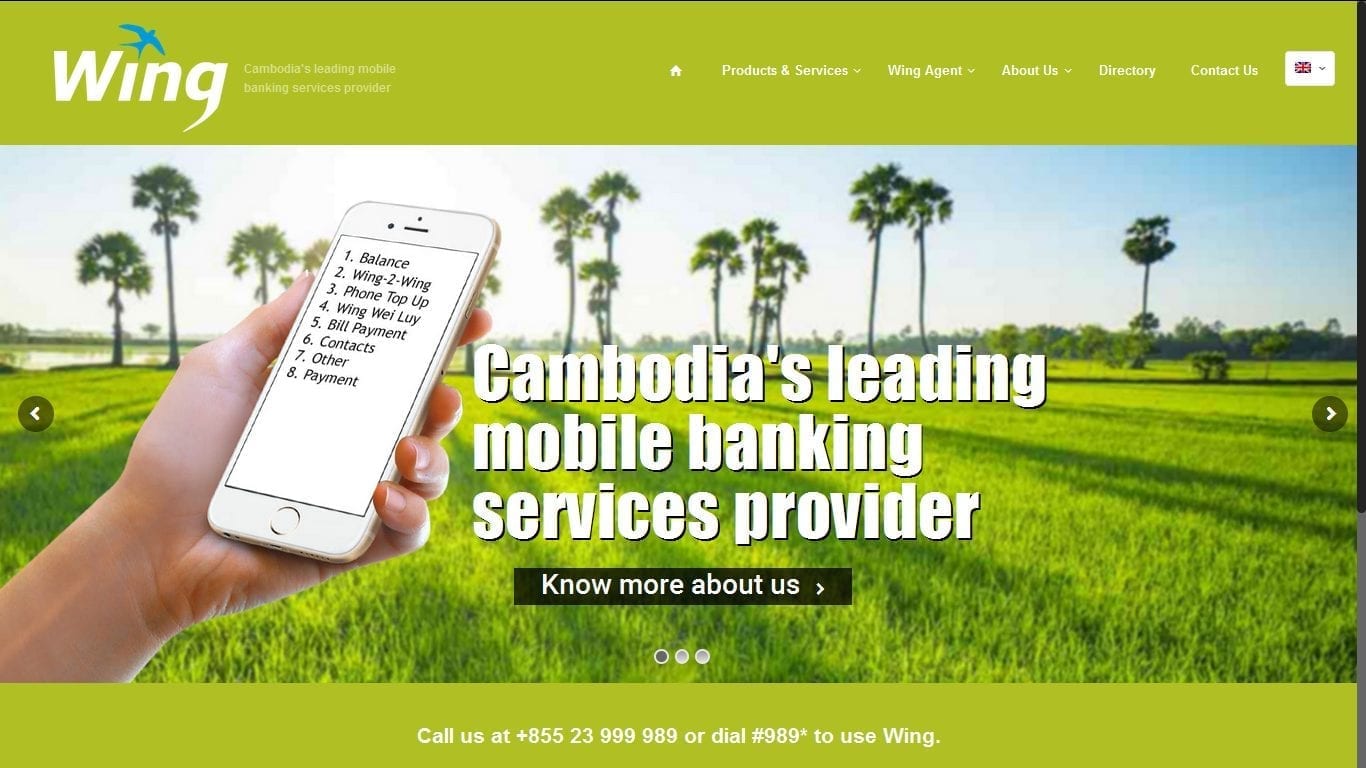
    Enterprise mobility vendor DMI has teamed up with Cambodian mobile banking service provider Wing to offer mobile payment services in the market.

    The companies have developed an app for iOS and Android to allow customers to transfer, deposit and withdraw money via any mobile phone.

    Using the app, customers can pay bills, top up their mobile credit, send money to other users, donate to charity and find the nearest Wing Cash Xpress outlet.

    Cambodia has a significant unbanked population – only around 10% of the population of 15.5 million are in possession of bank cards. The mobile app is designed to address this customer segment.

    The app is available in both English and Khmer and has been designed by DMI to be quick to set up and use.

    “Following the launches of hundreds of mobile solutions all over the world, DMI is very proud to deliver a project in Cambodia for Wing,” DMI International COO Daniel Karlstrom said.

    “DMI is one of the leading technology companies in Cambodia and our collaboration has resulted in a world-class solution that is tailored for the Cambodian market and developed in-country by our Khmer team.”

  • India’s YES BANK taps Gemalto for secure m-payments

    India’s YES BANK taps Gemalto for secure m-payments

    India’s YES BANK has deployed Gemalto technology to secure mobile payment transactions for its customers under India’s recently implemented Unified Payments Interface (UPI).

    YES BANK, India’s fifth largest private sector bank, has adopted Gemalto’s SafeNet Network HSM for the purpose.

    UPI, India’s online payments solution, enables all account holders to send and receive money from their smartphones with a single identifier – such as mobile number or virtual payments address – without entering any bank account information.

    The SafeNet Network HSM (formerly SafeNet Luna SA HSM) provides end-to-end data security and encryption to protect user credential confidentiality and the private keys responsible for digital signing.

    “With a widespread network of over 860+ branches and 1,625+ ATMs Pan India, we’re committed to taking a customer-centric approach to our banking services,” said Anup Purohit, CIO at YES BANK.

    “The Unified Payments Interface offers clients revolutionary convenience when it comes to banking and payments, and we want to ensure the highest levels of security for users of the platform. We’re thrilled to integrate Gemalto’s industry-leading SafeNet HSM technology into the UPI application to support this initiative.”

  • Singtel launches mobile newsstand service

    Singtel launches mobile newsstand service

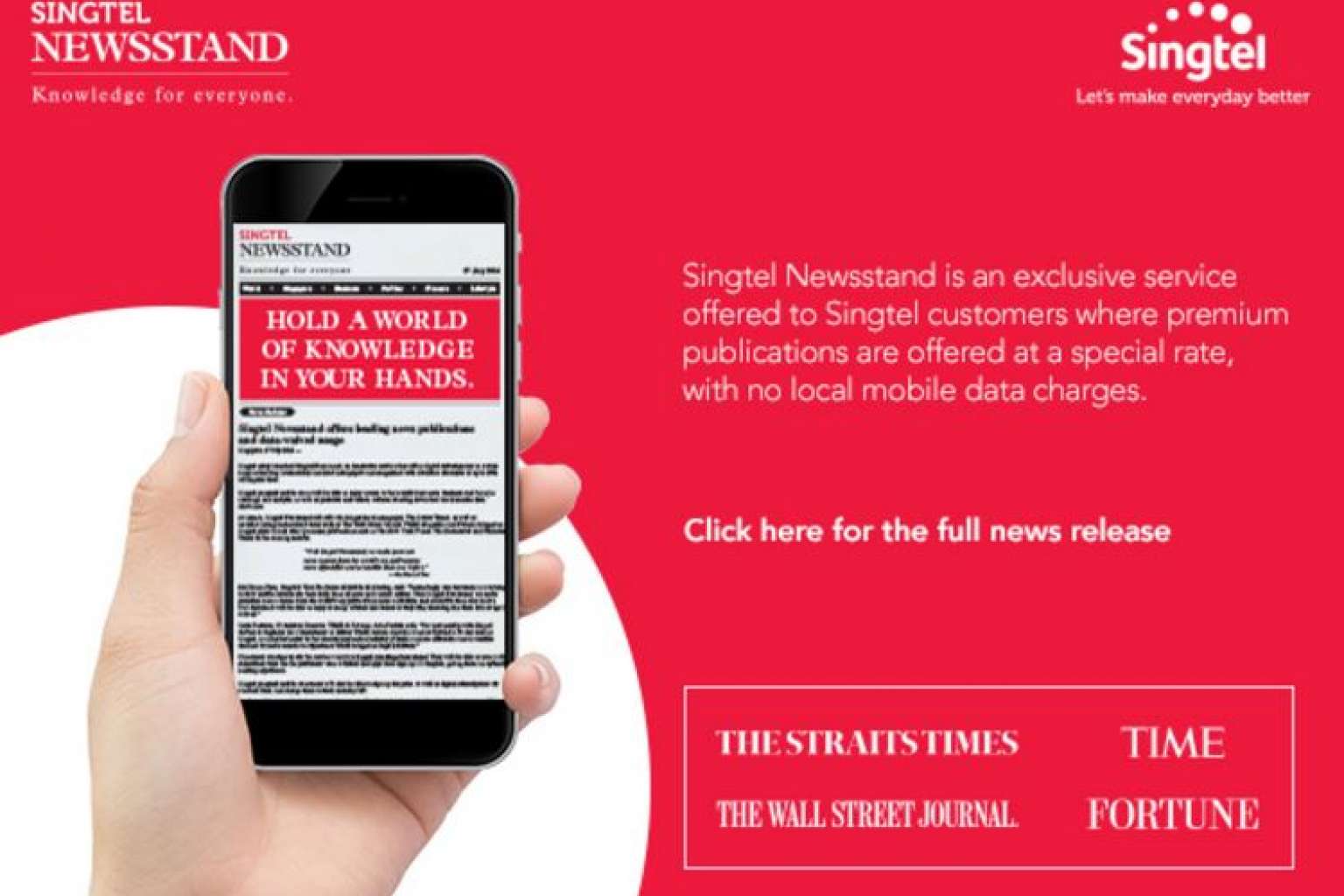
    Singtel has launched a new service offering subscriptions to digital newspapers and magazines at discount rates, and with unmetered access to their content.

    The Singtel Newsstand service will at launch offer Singapore’s largest newspaper the Straits Times, as well as international publications including the Wall Street Journal, TIME and Fortune Magazine.

    The titles will be offered at discounts of up to 20% off regular rates, and Singtel postpaid customers will be able to access online articles, podcasts and videos from the publications without drawing on their data allowances.

    Singtel said it plans to add other publications including the New York Times, the Economist and the Financial Times in the coming months.

    The operator will also offer postpaid customers the option to sign up for print subscriptions to the publications and be charged via their monthly mobile bill.

    Singtel has partnered with Samsung to offer a free three months subscription to Singapore customers who purchase Samsung devices from Singtel from now until mid next year.

    Singtel vice president of mobile marketing Diana Chen said the new initiative reflects the fact that the operator’s customers are increasingly using their mobile devices to access news and current affairs daily.

    “With Singtel Newsstand, we make premium news content from the world’s top publications more affordable and accessible than ever before,” she said.