Tag: Mobile

  • Ant Financial teams with Thailand’s Ascend Mobile

    Ant Financial teams with Thailand’s Ascend Mobile

    Ant Financial Services Group has announced a strategic agreement with Thailand fintech company Ascend Money.

    Under the agreement Ant Financial will invest in Ascend Money, with the aim of accelerating the growth of a mobile lifestyle and digital financial services platform in Thailand and support the company’s growth in Southeast Asia.

    Headquartered in Bangkok, Thailand, Ascend Money operates in six countries, including Thailand, Indonesia, the Philippines, Vietnam, Myanmar and Cambodia. Ascend Money targets two under-served groups, including digital consumers with its innovative mobile wallet application and the under-banked with its massive agent network.

    It currently provides payment services such as domestic and international remittance, bill payment, top up services, online and offline payments and payroll services. Future services will include lending, insurance and investment.

    Together with Ant Financial, Ascend Money will grow its online and offline payment and financial services ecosystem and strengthen its payment services for users and merchants. The deal represents Ant Financial’s first-ever investment in a Thailand-based company. With this partnership Ant Financial, which also runs Alipay, the largest mobile lifestyle and payment app in China, will provide Ascend Money with strategic and technical support for the growth of its business.

    Leveraging Ant Financial’s capabilities in payment, Big Data, risk control and cloud computing capabilities, the partnership with Ascend Money aims to offer Thai consumers comprehensive and equal access to financial services. Ascend Money is Ant Financial’s first partner in Southeast Asia and second globally after Paytm in India.

    “Ascend Money’s mission is to enable everyone access to innovative financial services, leading to better lives,” said Suphachai Chearavanont, Chairman of Ascend Group. “The shared vision of financial inclusion and company values in creating opportunity and sustainability have lead us to this partnership.”

    “Ant Financial is setting its footprint worldwide, not only to provide services for its Chinese users, but to promote equal access to financial services globally,” added Ant Financial SVP Douglas Feagin.

    “Partnerships are vital for Ant Financial’s growth and we want to work alongside companies around the world who share our missions.”

    In early 2015 Ant Financial joined forces with Paytm, the world’s fourth largest e-wallet, to promote secured digital payment to local users in India. Ant Financial is also working with dozens of global payment partners, including Concardis, Ingenico, Wirecard and Zapper in Europe, First Data and Verifone in North America, Paysbuy and Counter Services in Southeast Asia, Recruit in Japan and KICC and ICB in Korea.
  • Smartfren launches carrier billing with Fortumo

    Smartfren launches carrier billing with Fortumo

    Indonesia’s Smartfren has launched direct carrier billing for the operator’s 12.5 million subscribers, in collaboration with mobile payments company Fortumo.

    The partnership will allow Smartfren to support carrier billing from Google Play and the Windows Phone Store, as well as select digital media and gaming companies.

    The World Bank estimates that only around 5 million of Indonesia’s 250 million citizens have a credit card, limiting most customers’ access to online content. By contrast over 65 million Indonesians own a smartphone.

    “With direct carrier billing supported by Fortumo, our subscriber will be able to purchase their in-app items and premium memberships as easy as deducting their own Smartfren balance or bill, and this is fully supported by our widest 4G LTE network for the best experience to enjoy the services,” Smartfren SVP of digital services Revie Sylvaina said.

    In August, Smartfren rival Indosat Ooredoo made a similar deal to bring Fortumo’s direct carrier billing services to its own mobile customer base. Fortumo has also recently announced partnerships with Tri in Indonesia and Globe Telecom in the Philippines.

  • India to have nearly 1b mobile subs by 2020

    India to have nearly 1b mobile subs by 2020

    India has become the second-largest mobile market in the world, and is on track to reach nearly 1 billion unique subscribers by 2020, according to the GSMA.

    A new report from GSMA Intelligence indicates that by the end of June 2016, 616 million unique users had subscribed to mobile services in India, making the country the second-largest mobile market globally.

    India is also expected to see a significant increase in mobile subscriptions, broadband and connectivity with almost a billion unique mobile subscribers expected by 2020. This marks a period of rapid development of the country’s mobile economy, according to the study.

    The country overtook the US in 2016 to become the world’s second-largest smartphone market with an installed base of 275 million devices.

    According to the report, improving affordability, falling device prices and operator investments in network coverage and quality will help deliver an additional 330 million unique subscribers in India by 2020, lifting the country’s penetration rate to 68% per cent of the population, an increase from 47% in 2015.

    India is also seeing an technology shift to mobile broadband services. The number of 3G/4G mobile broadband connections is forecast to reach more than 670 million by 2020, 48% of the total connection base.

    There will also be an accelerating move to 4G over this period. The number of 4G connections is forecast to grow rapidly, growing from just 3 million at the end of 2015 to 280 million by 2020. In addition, the industry is set to invest heavily, with operator capex growing to $34 billion for the period 2016 to 2020.

    “With this report, all signs point to a period of tremendous growth for India’s mobile economy, which will strongly support and enable the government’s ‘Digital India’ initiative aimed at providing broadband connectivity to all,” GSMA director general Mats Granryd said.

    “To fully realize India’s tremendous market potential, review and reform in key areas, including modernizing regulation and long-term planning for spectrum allocation, would accelerate mobile broadband access and adoption across the country,” he adds.

  • MatchMove adds HCE functionality to Wallet OS

    MatchMove adds HCE functionality to Wallet OS

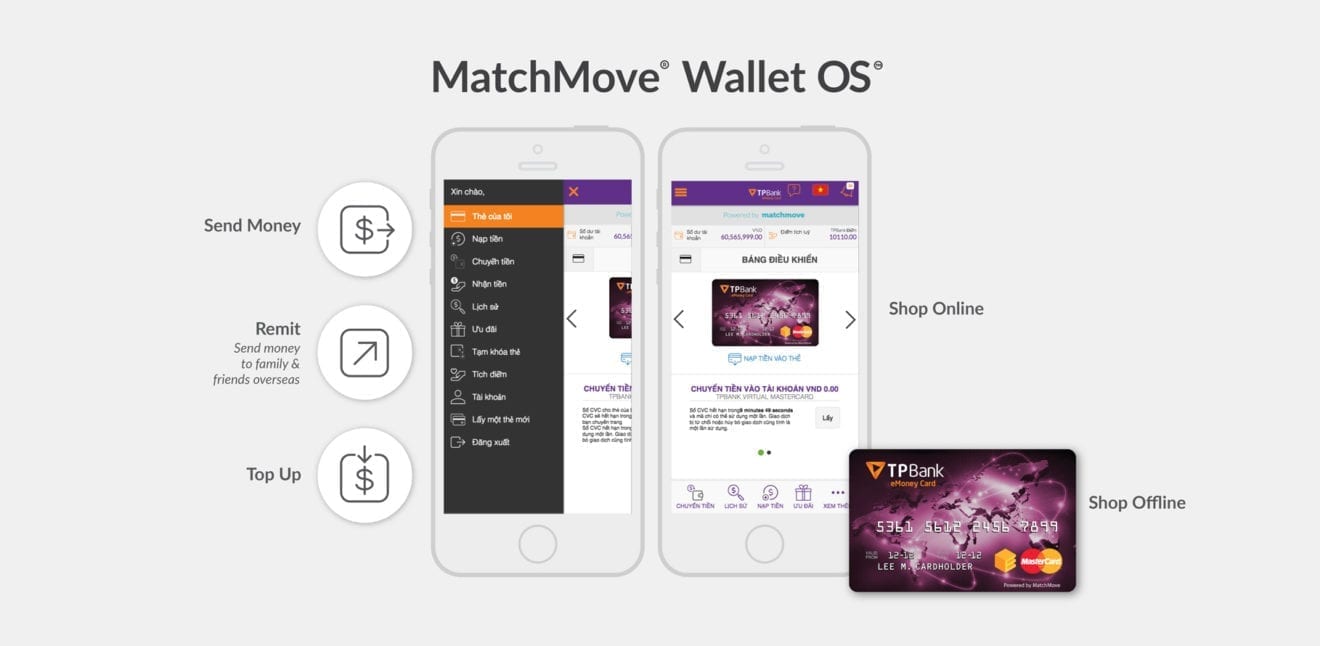
    Mobile wallet company MatchMove has added host card emulation (HCE) functionality to its Wallet operating system, in partnership with US-based contactless technology vendor SimplyTapp.

    The deployment is expected to benefit MatchMove’s existing partners and future customers who wish to offer a contactless payment experience to consumers globally, but do not wish to be tied to a specific payment network.

    MatchMove’s HCE-enabled technology is device agnostic and able to operate on any Android device running version 4.4 and above with NFC capability.

    Starting in Singapore, users with MatchMove-powered virtual cards will soon be able to enjoy a hassle-free tap and pay experience at relevant NFC-enabled in-store terminals, for instance, Mastercard’s Paypass. The Asiawide capability will be available for new enterprise and startup customers by the end of Q4.

    “By leveraging on SimplyTapp’s expertise in HCE and pairing it with our current MatchMove platform, we are enabling our customers who use our OS for a wide range of new services and capabilities, such as using only a virtual card for physical payment, using the virtual wallet for loyalty across multiple merchants and even for instant cross-border remittance,” Matchmove CEO Shailesh Naik said.

    This further differentiates MatchMove from other payment solutions that still require digitising plastic cards on mobile devices.”

  • Nokia to transform Globe’s fixed, wireless networks

    Nokia to transform Globe’s fixed, wireless networks

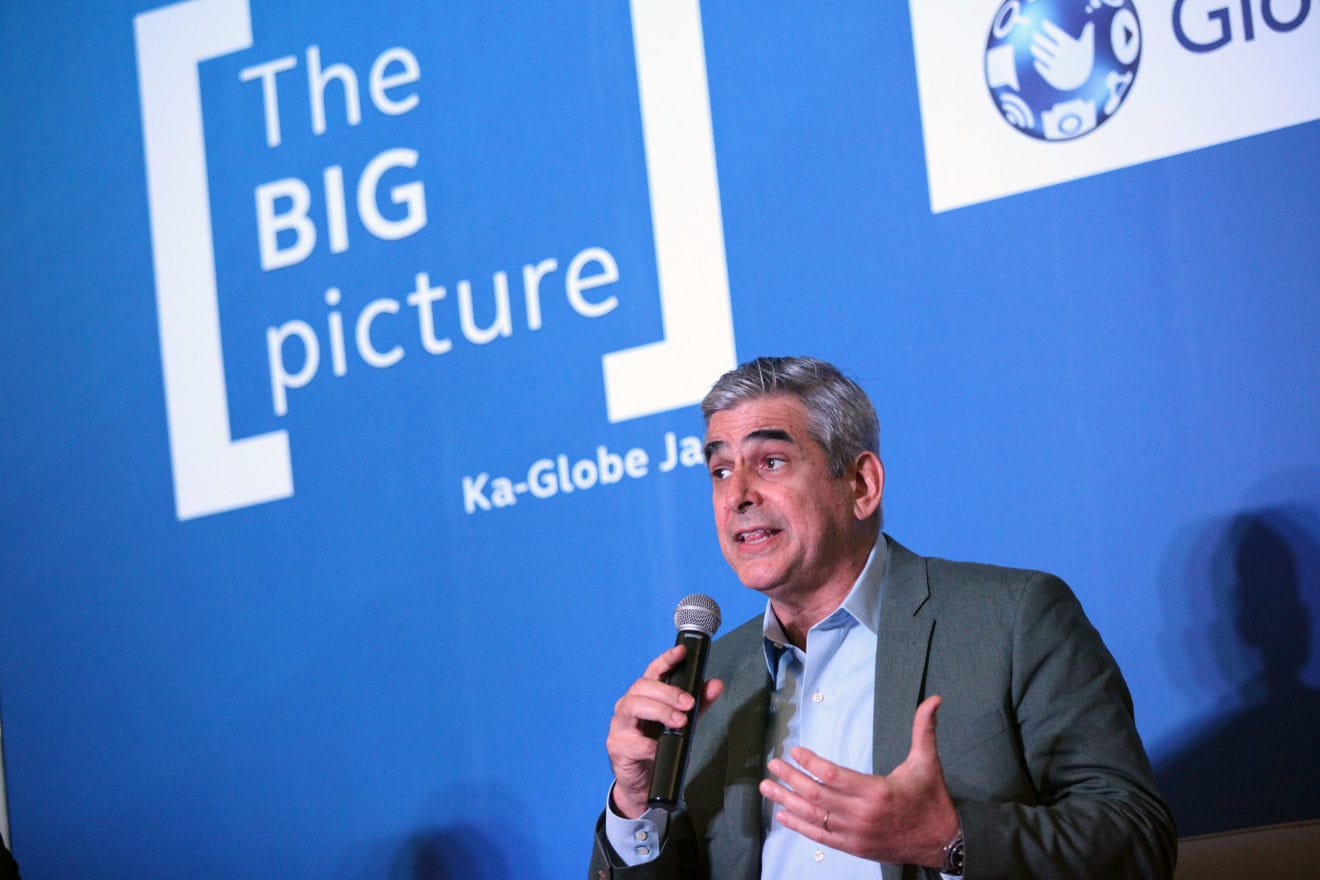
    The Philippines’ Globe Telecom has contracted Nokia to transform the operator’s fixed and mobile networks into a flexible cloud-based infrastructure ready for 5G and the IoT.

    Globe has signed two frame agreements  with the vendor – one covering wireless networks and the other for IP, optical and SDN technologies – to set the stage for the upgrade.

    Under the collaboration, Nokia will deploy its 4.5G Pro technology including 5G-ready base stations and small cells, in the Visayas and Mindanao regions. Some of the areas in these regions will be receiving broadband for the first time as a result of the deployment.

    Nokia will also set Globe up to support mobile edge computing and advanced carrier aggregation technologies on its network.

    The fixed agreement will involve the deployment of IP, optical and carrier SDN technologies across the Philippines, allowing the operator to deliver coverage to more regions, and to provide flexible data services over Nokia’s SDN platform to enterprise customers nationwide.

    “As the Philippines’ leading fixed and mobile service provider, we are devoted to improving people’s connected lives day-by-day. With Nokia’s innovative technologies, we are confident to lead the 5G and cloud network evolution,” Globe CEO Ernest Cu said.

    Last week, Globe’s rival PLDT announced that its wireless division Smart achieved data speeds of 1.4Gbps over LTE-A during a trial conducted with Huawei. The trial used five-carrier aggregation technology to achieve the blazing fast speeds.

    “It will take time for carrier aggregation on five frequencies to be deployed, largely because capable handsets are not yet commercially available. But the excellent results of these tests have encouraged us to roll out LTE-A using two or three component carriers which can already be utilized by several handset models in the market,” PLDT and Smart CTO Joachim Horn said.

  • Apple, Deloitte enter mobile business tie-up

    Apple, Deloitte enter mobile business tie-up

    Apple and Deloitte has entered into a partnership to help companies transform the way they work by taking advantage of the iOS platform.

    As part of the joint effort, Deloitte is creating a first-of-its-kind Apple practice with over 5,000 strategic advisors who are solely focused on helping businesses change the way they work across their entire enterprise.

    Apple and Deloitte will also collaborate on the development of a new service offering from Deloitte Consulting called EnterpriseNext, designed to help clients fully take advantage of the iOS ecosystem of hardware, software, and services in the workplace.

    The new offering will help customers discover the highest impact possibilities within their industries and quickly develop custom solutions through rapid prototyping.

    “We know that iOS is the best mobile platform for business because we’ve experienced the benefit ourselves with over 100,000 iOS devices in use by Deloitte’s workforce, running 75 custom apps,” said Punit Renjen, CEO of Deloitte Global.

    “Our dedicated Apple practice will give global businesses the expertise and resources they need to empower their mobile workforce to take advantage of the powerful ecosystem iOS, iPhone, and iPad offer, and help them achieve their ambitions, while driving efficiency and productivity.”

  • Global m-banking userbase to hit 2b by 2021

    Global m-banking userbase to hit 2b by 2021

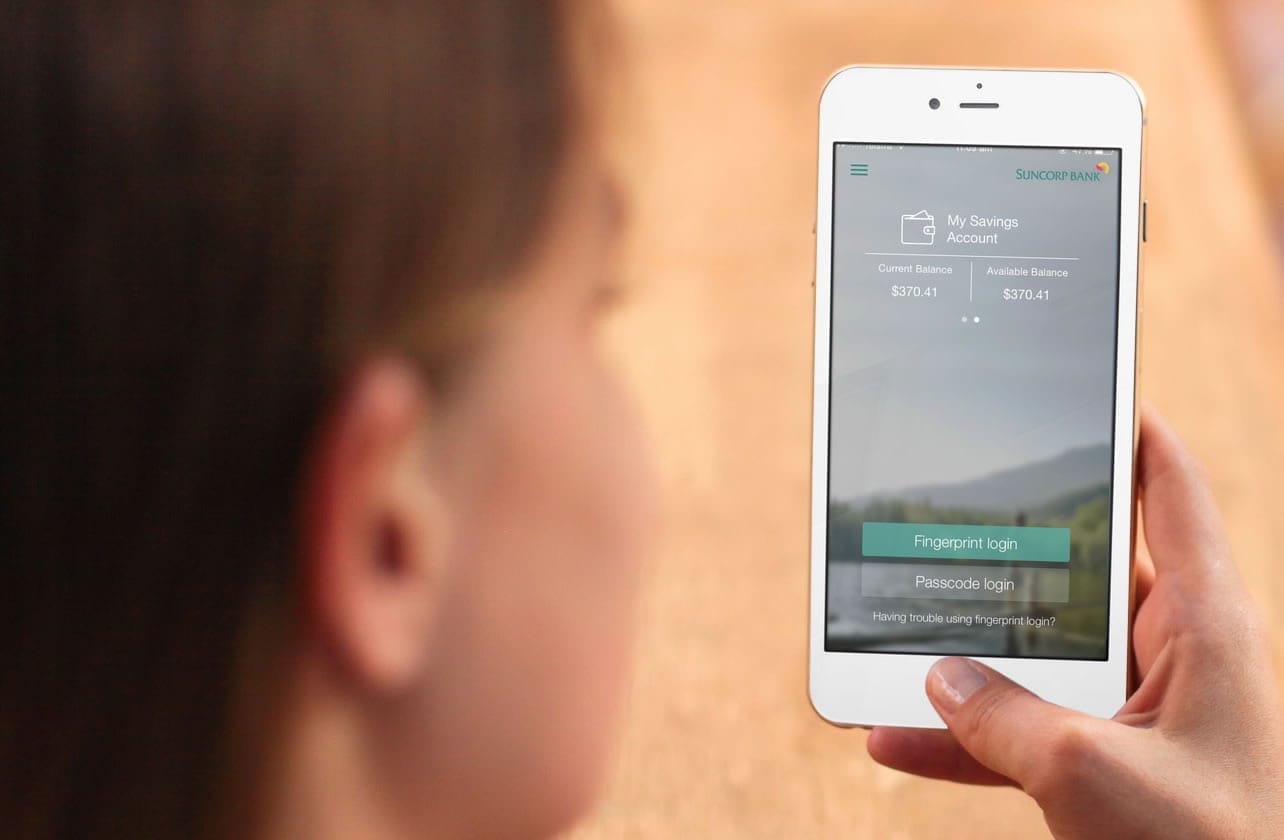
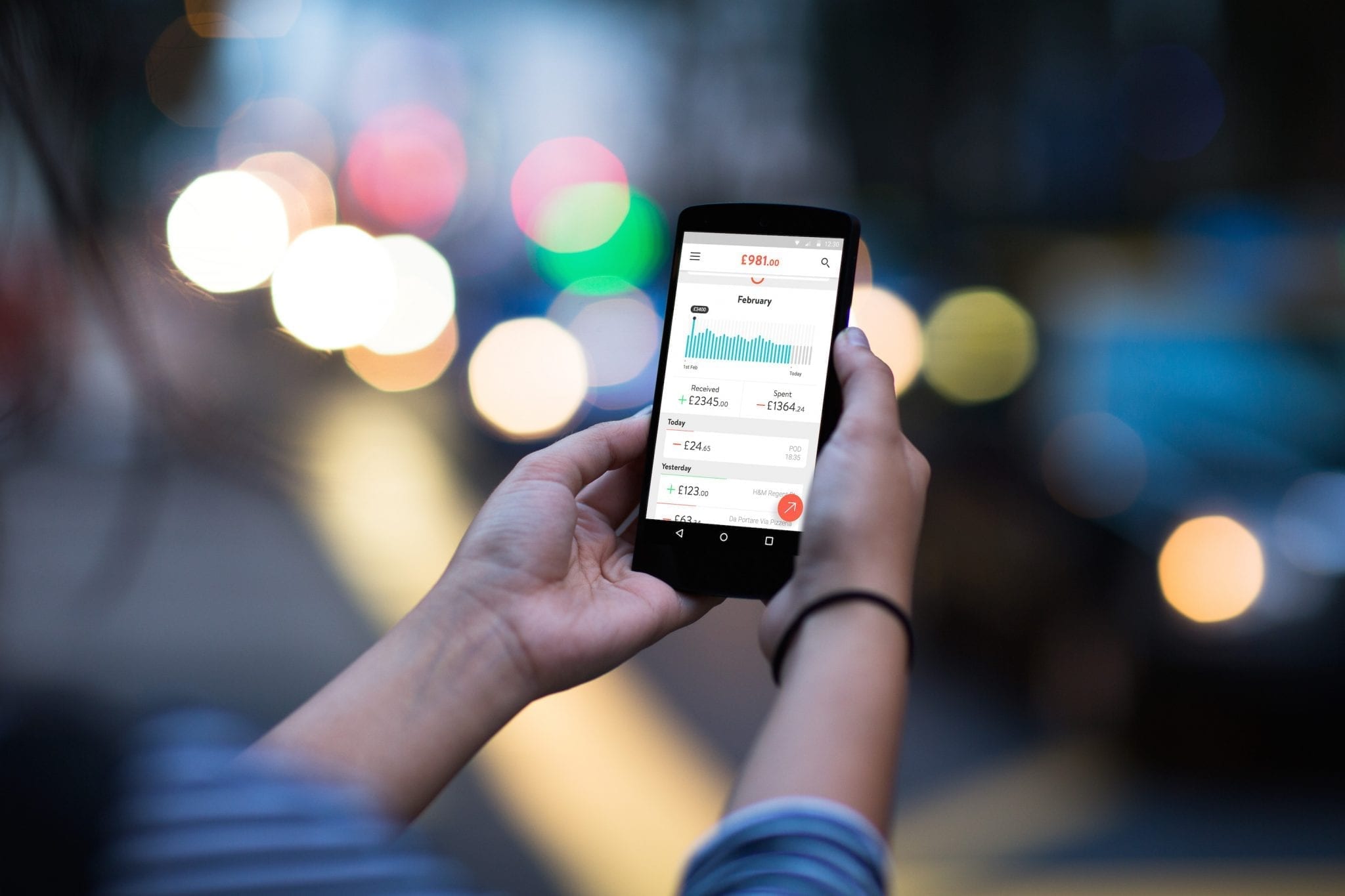
    Over 2 billion consumers worldwide will have used their mobile devices for banking purposes by the end of 2021, up from 1.2 billion this year, Juniper Research predicts.

    Growth in mobile banking is being driven by consumer adoption of banking apps the changing way consumers manage their finances, the research firm said.

    The study found that the number of mobile banking logins are now exceeding that of internet banking logins in many markets. For example, the BBA (British Trade Association for Banking) announced that banking app logins in the UK reached a record 11 million per day during 2015, compared to 4.3 million internet banking logins during the same period.

    Meanwhile, a recent consumer survey conducted by Juniper Research found that around 65% of mobile banking customers in the US and the UK use an app to conduct banking services.

    The report found that banks are becoming increasingly concerned that their market position is being undermined by tech companies and pure-play vendors enabled by technology and regulations to enter the marketplace.

    Additionally, by 2017, banks in the EU will be compelled to open their APIs. This will result in many innovative new products that analyze (with permission) user data to create more attractive financial services for customers.

    “Recent industry shifts highlight why traditional banks must respond rapidly to retain market share by cultivating new revenue channels and enhancing existing base through sustained innovation,” research author Nitin Bhas said.

    “However the challenge here for new players is to increase market share and maintain profitability in the long-run.”

  • GTel Mobile has become Vietnam’s fourth 4G licensee

    GTel Mobile has become Vietnam’s fourth 4G licensee

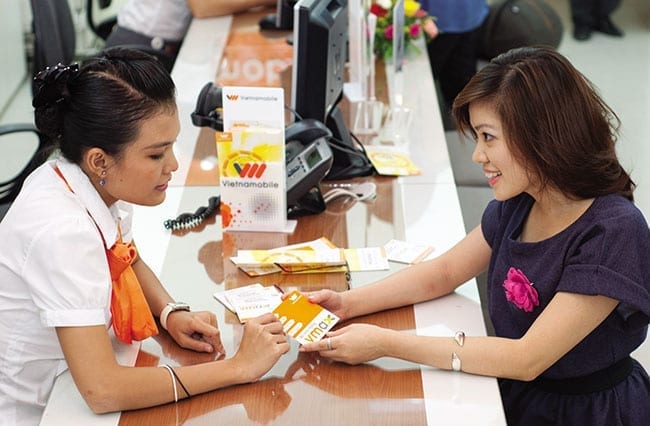
    GTel Mobile has become Vietnam’s fourth 4G licensee, joining MobiFone, Viettel and VNPT in securing a license.

    As with the major operators, GTel Mobile has secured permission to deploy 4G services on the 1800-MHz band.

    GTel Mobile is owned by Vietnam’s Global Telecommunications Corporation (GTC).

    The operator was originally established as a joint venture between Russia’s Vimpelcom and GTC, providing services under the Beeline brand, but Vimpelcom sold its indirect 49% stake in April 2012. The company now provides services under the Gmobile brand.

    The news comes days after the government revealed it had allocated 4G licenses to MobiFone, Viettel and VNPT. The telecoms ministry has set a target of ensuring at least 95% of Vietnam’s population is covered with 3G or 4G infrastructure by 2020.

    GTel’s license acquisition leaves Vietnamobile as the market’s only operator yet to secure a 4G license, the report adds.

  • Mobile Banking Users in Indonesia Remains Low

    Mobile Banking Users in Indonesia Remains Low

    Research institute Microsave reported that only 0.73 percent of cellphone users in Indonesia have utilized online financial services.

    “The figure is lower than those of Malaysia with 5.79 percent and Cambodia with 2.73 percent,” Microsave Country Development Senior Manager Grace Retnowati said on Wednesday, October 12, 2016.

    Grace revealed that the number of SIM card users in Indonesia stands at almost 200 million. At least 20 percent of them are cellphone users.

    “Mobile device utilization for financial services remains low, although the Internet network coverage has reached 90 percent,” Grace added.

    In addition, Grace pointed out that only 36 percent of Indonesian people own bank accounts.

    “The awareness level for mobile banking services is only 0.3 percent,” Grace went on.

    According to Grace, the digital financial literacy is important for middle-class and low-income people.

    “The digital financial services are expected to boost the annual GDP by US$3.7 trillion in 2025 or six percent when compared to the conventional financial services,” Grace said.

    Grace suggested that payments made via smartphone would reduce the cost of financial services by 80 to 90 percent.

    “The cost efficiency will allow financial institutions to provide low-cost services,” Grace said.

  • Smartphone sales growth continues to slow

    Smartphone sales growth continues to slow

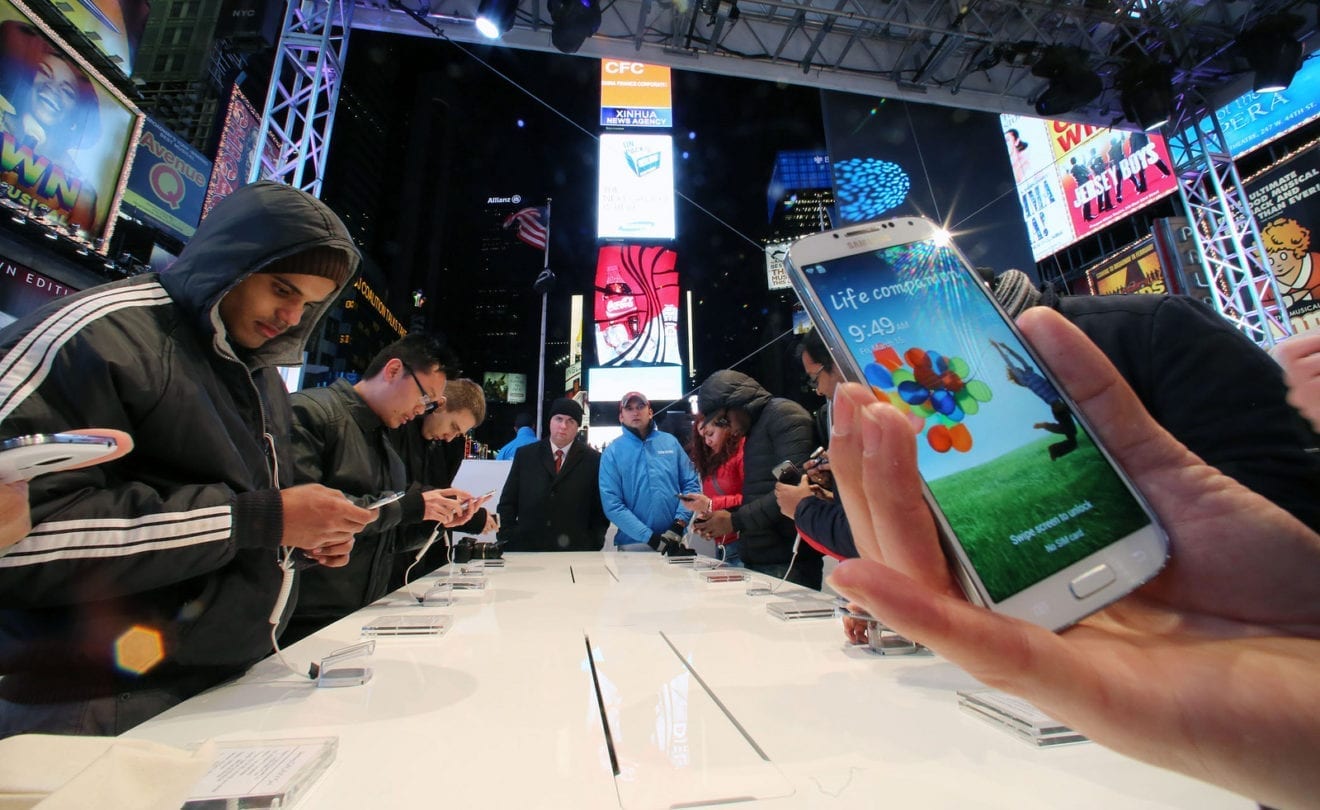
    The global smartphone market is on track to grow just 4.5% during 2016, rocked by a decline in sales in the premium segment, Gartner predicts.

    The research firm estimates that premium smartphone sales will decline 1.1% for the year, with owners having less incentive to upgrade to the latest models.

    Overall smartphone sales are on track to reach 1.5 billion units in 2016. While the market is slowing as smartphones reach global saturation, Chinese vendors are stimulating sales in the Android segment of the market by offering more affordable premium devices.

    But Gartner expects the market for premium smartphones to return to 3.5% growth next year as stronger replacement cycles emerge.

    The predicted upswing is also in anticipation of Apple’s expected launch of a new iPhone with a new design and features attractive enough to convince smartphone owners to upgrade.

    Total mobile phone shipments are meanwhile on place to fall 1.6% in 2016, while tablet sales are set to decline from 196 million units in 2015 to 177 million in 2016.

    Worldwide combined device shipments – which also include PCs, laptops and related devices, are expected to decline for the second consecutive year, falling 3% to 2.34 billion units.

  • India passing China as top mobile growth market

    India passing China as top mobile growth market

    India is set to overtake China as the most significant mobile growth market worldwide, and Asia is becoming the growth engine of the entire mobile ecosystem, according to the GSMA.

    In a new report, the GSMA predicts that over one billion additional people worldwide will be connected to mobile networks by 2020.

    Around a third of these new users (337 million) will come from India, compared to more than 200 million from China.

    China and India, combined with Indonesia, Pakistan, Bangladesh and Myanmar, will meanwhile collectively account for around 60% of the world’s expected 1.1 billion new subscribers by the end of the decade.

    The report also shows that 46% of the global population is using mobile phones to access the internet, and that this is expected to increase to 60% by 2020. This will make mobile phone ownership the key factor driving global internet penetration.

    Smartphones may also have grown to become the most commonly owned consumer electronics device, with penetration above 80% in some Asian markets including Korea and Singapore. By contrast, smartphone adoption rates in India stand at only 25%, leaving plenty of room for growth.

    Revenue from mobile services worldwide is meanwhile projected to grow by around 2% annually through to 2020, with slowing revenue growth being compensated for with new revenue opportunities resulting from growing mobile internet adoption and the move to higher-speed networks.

  • APAC consumers shop more on mobile

    APAC consumers shop more on mobile

    Mobile users in APAC purchase more frequently from their devices, but are less satisfied than their counterparts elsewhere, according to a new survey.

    The in-depth survey of mobile users from around the world was conducted by the Interactive Advertising Bureau (IAB).

    APAC consumers take the lead

    The IAB surveyed 3,800 respondents in 19 countries, including regional countries such as Singapore, China, Japan and Australia, and found that APAC consumers take the lead in frequent mobile purchases.

    Specifically, a third of mobile users make a weekly purchase on mobile in APAC, which is higher than the worldwide average of a quarter of mobile users. China in particular boasts of a 47% weekly purchase rate on mobile.

    On the flip side, respondents in APAC are 50% more likely to have a previous negative purchase experience, with only three in four consumers satisfied with their mobile purchase in the region compared to four in five globally.

    As a result, APAC consumers are also 11% less likely to make a repeat mobile purchase in the next 6 months, says the IAB report.

    The findings underscore the need for marketers in the region to be more transparent in their marketing efforts, and to address the negative purchase experiences cited as a key barrier to repeat purchase.

    “Many markets in APAC are mobile-first, and consumers are now mature online buyers with more discerning tastes than the global average,” says Miranda Dimopoulos, CEO IAB Singapore.

    “Advertisers who make an effort to understand their needs and craft the right messages have a tremendous opportunity to cut through the noise and seize market share.”

    “While mobile purchasers are high in APAC, poor buying experiences have dampened initial enthusiasm,” says Regina Goh, IAB mobile committee chair and managing director at ad-tech provider Blis. “Sellers in the region need to consider the consumer’s journey from the first click to post-purchase to ensure customers are delighted and come back for more.”

    The full IAB report can be downloaded here.

  • Marketers prefer prudent spending on mobile advertising

    Marketers prefer prudent spending on mobile advertising

    While penetration of smartphones and mobile services continues to increase in Asian markets, mobile advertising is not as prevalent as is assumed. Brand owners still allocate a substantial amount of money to advertise on conventional media.

    According to data from the Asia Pacific branch of the Mobile Marketing Association (MMA), the average company in Asia will spend only 7 to 10 percent of their marketing budgets on mobile advertising despite rising smartphone usage across the region.

    This is particularly apparent in Indonesia as some companies increase focus on mobile advertising, but it does not necessarily translate to higher marketing dollars.

    MMA Asia Pacific managing director Rohit Dadwal explained that despite an increased percentage in mobile ad spending, the format would likely end up as the third-largest ad platform in Indonesia after television and radio in the coming years due to the size and reach of conventional media in the country.

    Dadwal explained that the average brand in Indonesia allocated between 14 and 15 percent of their marketing budget for mobile-based advertising and spent the remaining budget on broader platforms, such as television, which is considered the most popular advertising platform in Southeast Asia’s largest economy.

    Currently, in terms of an overall advertising budget, not a lot of local brands have moved into mobile marketing, as the share has yet to reach 5 percent of the marketing industry.

    “The main effect of the rise of mobile usage is that companies will start to allocate more money for mobile advertising from their budgets little by little, from 10 to 20 percent currently to about 30 percent in the near future,” Dadwal said during a recent discussion in Jakarta.

    A suitable strategy for mobile marketers, he added, is not to look at the landscape as a place where mobile advertising will triumph over other media but to see both mobile and more traditional media as integrated platforms where marketing campaigns can run parallel with each other.

    “It’s no secret that mobile advertising poses a threat to other forms of advertising. However, to succeed in marketing today, you shouldn’t use a completely mobile strategy. You need a marketing strategy that includes mobile because it will help you with your overall marketing objectives in the end,” Dadwal said.

    Previously, client leadership partner of Mindshare Indonesia media agency Wendy Soeweno commented that brands, conventional or digital, would still focus on television and radio advertising because of the scope and range television and radio provide in Indonesia.

    Television and newspapers used to be the biggest recipients of advertising spending. The tide is turning. Digital ads are poised to take 25 percent of ad spending in Indonesia by 2019 from 7.3 percent in 2015, according to forecasts by eMarketer.

    Digital ads almost tripled to US$835 million in 2015 from $234.2 million in 2013 and the figure is expected to increase more than four times to $4.9 billion by 2019.

    “We believe that communicating with consumers through the digital world is significant to building our brand,” corporate secretary of Unilever Indonesia Sancoyo Antarikso said recently.

    Unilever, one of the country’s biggest spenders on advertising, has been intensifying the placement of its product commercials through Google’s video sharing platform YouTube.

    In terms of strategies, Dadwal elaborated on how the integrated mobile-conventional approach was working currently and acknowledged that there could be a major shift to mobile marketing happening in the future.

    According to a joint study by Google and Singaporean investment company Temasek, Indonesia is poised to have the fourth-largest amount of internet users in the world with 215 million people connected by 2020. Meanwhile, smartphone usage in Indonesia currently includes approximately 43 percent of the population.

  • Renault, Nissan buy French tech firm to develop mobility apps

    Renault, Nissan buy French tech firm to develop mobility apps

    Renault SA and Nissan Motor Co announced on Tuesday they would buy French software development company Sylpheo as they compete with global automakers and tech firms to develop new services including ride hailing and car sharing.

    The French and Japanese automakers said that the acquisition, under which they would absorb Sylpheo’s 40 engineers and consultants, would boost their software development and cloud engineering expertise.

    “The Sylpheo team of software developers and cloud engineers joining the Alliance will have a unique opportunity to work on our next generation of connected cars and other advanced technologies,” said Ogi Redzic, Renault-Nissan’s senior vice president of Connected Vehicles and Mobility Services.

    “They will be playing a critical role in this new era of tremendous change for the global auto industry.”

    Automakers from Toyota Motor Corp (7203.T) to General Motors (GM.N) have been investing in software firms and mobility start-ups to position themselves for the rise of autonomous driving, ride-sharing and other connected services which threaten the traditional vehicle ownership model that has dominated the past century.

    Sylpheo will develop the applications for the alliance’s connected car service platform, a Renault spokeswoman said. She said the acquisition was part of the alliance’s recruitment push to hire 300 technology experts to better compete in the fast-growing mobility services sector.

    These services will be integrated with autonomous driving technologies. In July, Nissan launched a suite of semi-autonomous driving functions in one of its Japanese minivan models which enables the vehicle to drive on single lane motorways and navigate congestion.

    The two companies plan to launch more than 10 vehicles with autonomous drive technology by 2020. Nissan is aiming to develop autonomous multiple-lane driving functions, including lane changes, by 2018, and functions for full urban driving, including intersection turns, by 2020.

  • Singtel launches triple mobile data add-on

    Singtel launches triple mobile data add-on

    Singtel has announced a new mobile data add-on allowing customers to triple their mobile data allocations for a flat fee.

    The new DataX3 addon will be available to Singtel’s Combo Plan customers for S$9.90 per month. Combo Plans offer base data allocations ranging from 2GB to 12GB.

    It joins the ComboX2 addon, which launched earlier this year and allows customers to double their allocations for S$5.90 per month.

    Singtel has also launched WiFi calling for all Singtel mobile postpaid customers. The service is available without the use of an app, and offers seamless WiFi to 4G handover.

    The service is being made available at no additional cost. At launch, the service is available on compatible iPhone, Samsung Galaxy and Sony Xperia smartphone models.

    “WiFi Calling is a network innovation which offers added convenience and an enhanced mobile experience to customers. Our customers can now have mobile coverage even in difficult to reach places such as basements and windowless rooms, as long as there is a WiFi signal,” Singtel CEO consumer Singapore Yuen Kuan Moon said.

    “This service extends our extensive mobile network to cover a wider footprint and complements our ongoing efforts in delivering the fastest and widest 4G service in Singapore.”