Tag: Mobile

  • Liquid Pay targets 25,000 retailers in Singapore with QR code mobile payments

    Liquid Pay targets 25,000 retailers in Singapore with QR code mobile payments

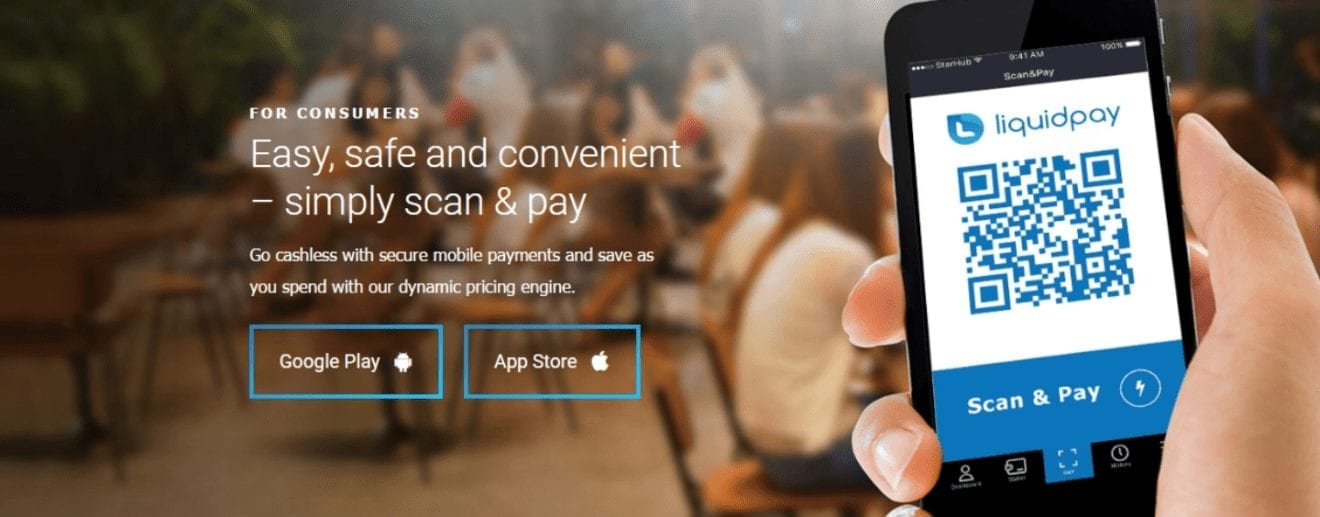
    Some 25,000 retail locations in Singapore are expected to accept a new mobile payment service within the next 12 months. Liquid Pay enables consumers to make payments by scanning a QR code at the point of sale, and compare merchant discounts and rewards from within the mobile app.

    “Liquid Pay has just successfully completed trials at select hawker stalls in Bukit Timah and Tiong Bahru markets, food and beverage (F&B) outlets at One-North/Galaxis and all Spinelli Coffee Company outlets,” Liquid Pay says.

    “Deployment to 30 more hawker centres and multiple F&B chains is expected to complete before the end of the year, with the target of 25,000 acceptance points in Singapore within 12 months.”

    “By adding their credit and debit cards onto the Liquid Pay app, consumers are able to compare the various card discounts and merchant rewards when making payments,” the company adds.

    Offers and rewards

    “To pay for their purchase at checkout, consumers scan the merchant’s individual QR code at the point of sale with Liquid Pay’s QR code reader.

    “Consumers can then view the savings, offers and rewards available with different payment methods, select the most beneficial one for that particular purchase and complete their transaction.

    “Merchants accept payments via QR codes without the need to upgrade equipment or make any costly upfront investment. Merchants and banks can also deepen engagement with customers by extending dynamic, real-time, hyper-personalised promotions and offers.

    “Liquid Pay’s robust architecture also enables banks and merchants to introduce e-cards (prepaid, debit, credit, discount and gift cards) instantaneously, with contextual data analytics for deep consumer insights.”

  • BlackBerry launches branded smartphone in Hong Kong

    BlackBerry launches branded smartphone in Hong Kong

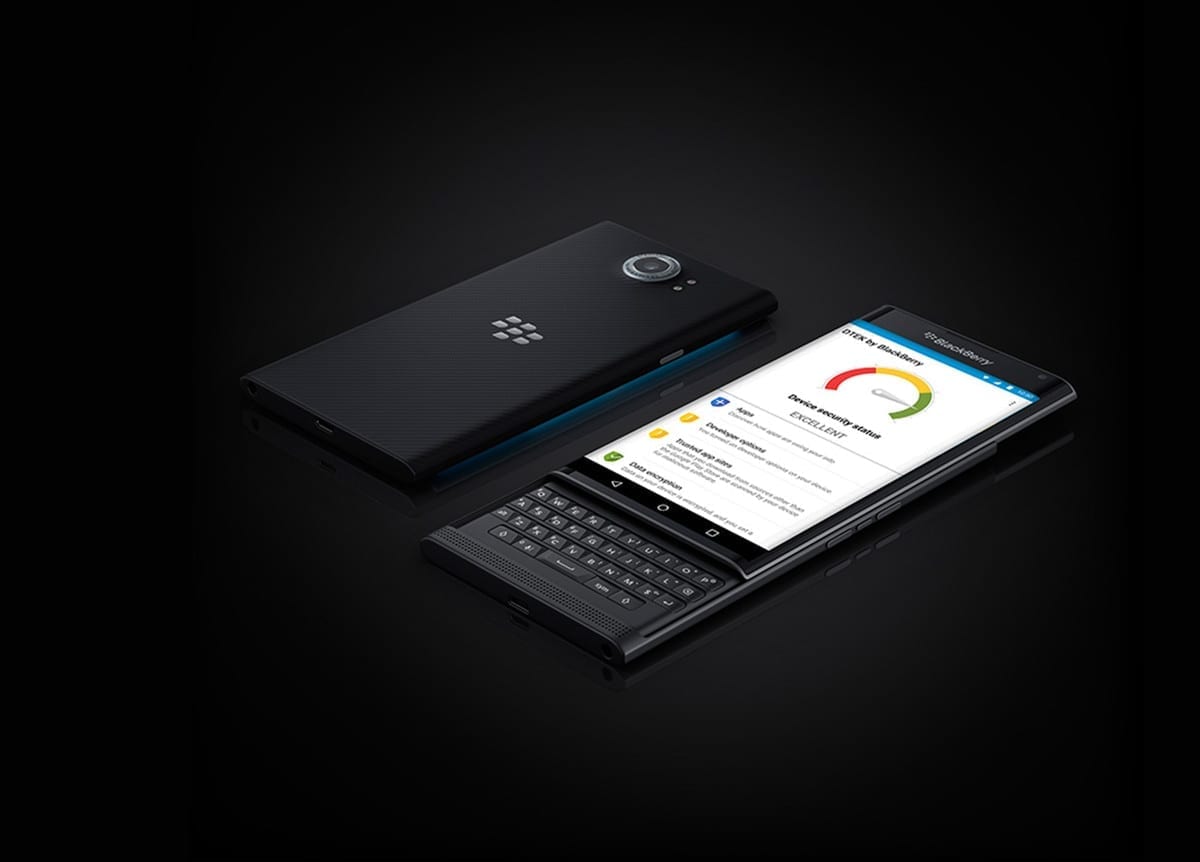
    BlackBerry has launched a new branded smartphone, the Android-based DTEK60, in Hong Kong.

    The DTEK60 is the second device in the DTEK series of Android smartphones. BlackBerry launched the DTEK50TM in Hong Kong in September.

    In line with BlackBerry’s decision to stop producing its own smartphone hardware, as announced in September, the device was manufactured and partly designed by China’s TCL. BlackBerry is providing its enterprise messaging and security software.

    The DTEK60 includes a fingerprint sensor for unlocking the devices and authorizing purchases, an intelligent keyboard designed to learn from users to increase accuracy and speed, the BlackBerry Hub for consolidating messages and a customizable convenience key providing quick access to commonly-used applications.

    The device has a 5.5” Quad HD display, an 8 megapix front and 21 megapixel rear camera and a battery life that supports up to 24 hours of mixed use.

    It comes preloaded with BlackBerry’s full suite of enterprise mobility management and secure productivity solutions, and supports advanced security features including a secure boot process, Android OS hardening and full disk encryption.

    “With the DTEK60, BlackBerry continues to focus on our strengths: state-of-the-art software and security solutions. When you see our logo it means security, from our class-leading enterprise software to devices secured by BlackBerry software,” BlackBerry COO Ralph Pini said.

  • Starbucks launches mobile payment app in Indonesia

    Starbucks launches mobile payment app in Indonesia

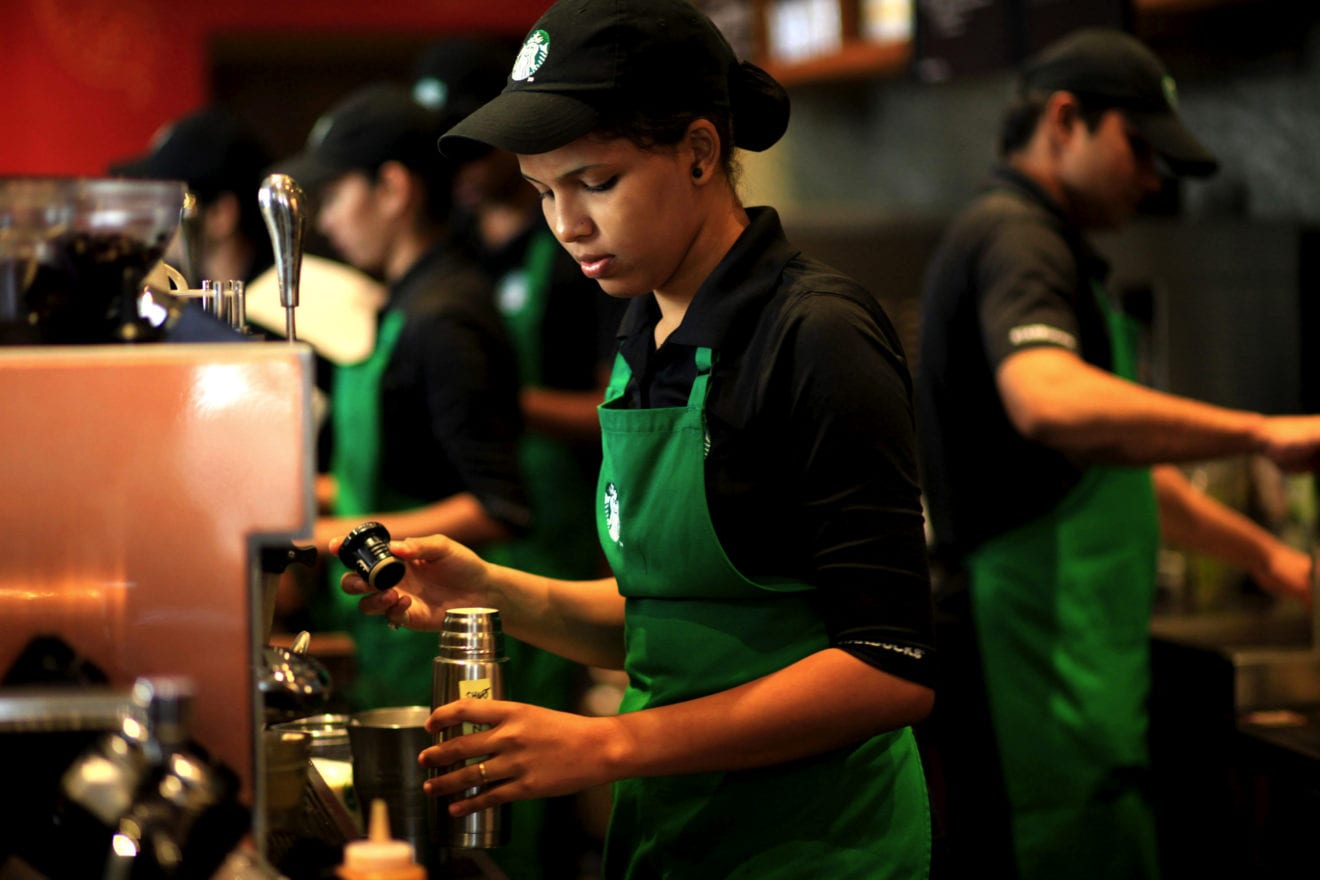
    Starbucks recently launched a mobile application in Indonesia to allow customers to pay for in-store purchases at the coffee marker’s more than 260 stores across the country.

    Building on the cashless payment system Starbucks Indonesia introduced in 2013 with Starbucks Card, the move is part of the broader plan to expand the company’s digital ecosystem.

    The new Starbucks Indonesia Mobile App for iPhone and Android allows customers to quickly pay for in-store purchases by scanning the barcode linked to a registered Starbucks Card. Customers can register multiple Starbucks Cards onto their account, which are linked to the Starbucks mobile app.

    The app also compiles the latest information on Starbucks products in a browsable menu of beverage, food, and merchandise, as well as feature a convenient store locator.

    “This is the latest Starbucks innovation which aims to provide an enhanced experience and meet customers’ needs in the digital space while continuing to provide an exceptional experience in our stores,” Starbucks Indonesia VP of marketing and operations Roger van Tongeren said.

  • India to become handset component hub

    India to become handset component hub

    India is on track to manufacture $80 billion worth of mobile phone components over the next five years, new research suggests.

    This will help India become a global manufacturing hub, the study conducted by IIM Bangalore and market research firm Counterpoint Research has revealed.

    This presents a significant opportunity from the domestic demand perspective to manufacture mobile phones in the country and source local components, driving the government’s Make in India initiative and reduce dependency on imports.

    “India can potentially be the world leader in mobile phone manufacturing ecosystem and this has to be done in a phased manner,” said Aruna Sundararajan, secretary, ministry of electronics and IT, government of India, at an event here where the study findings were released.

    India has beaten the US to become the second largest global smartphone market in terms of users in early 2016 and is on track to cross half a billion smartphone users mark within the next five years.

    The contribution of domestically manufactured mobile phones has increased from 14% in 2014 to 67% in 2016 and is further estimated to reach 96% by 2020. However, 67% of the handsets manufactured in India contribute to just six per cent of the true local value addition with most of the OEMs still importing Semi Knocked Down components (SKDs).

    “Out of 50 facilities from original equipment manufacturers to original design manufacturers and electronics manufacturing services to component suppliers involved in manufacturing of mobile phones in India, almost three-fourth are Indian manufacturers, followed by Taiwanese with 10% and Chinese with 10 %,” the study revealed.

    “Under the proposed plan, we estimate that more than $15 billion worth components will be sourced locally over the period of five years through 2020 creating over a million direct and indirect jobs in India.”

  • iPay you now: Singapore’s millennials demanding mobile wallets

    iPay you now: Singapore’s millennials demanding mobile wallets

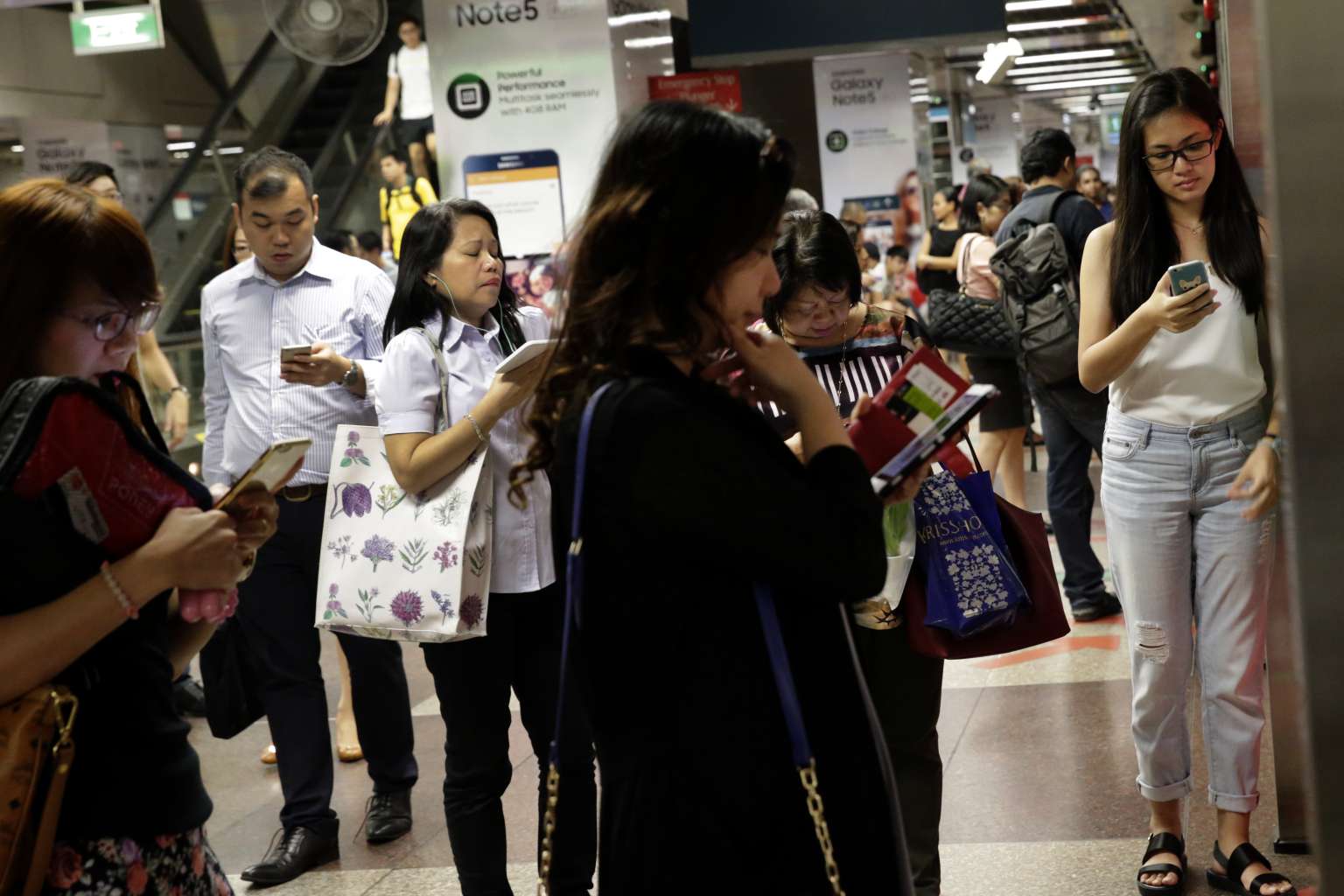
    Millennials demand faster and easier ways to pay. It seemed awkward at first, as J.D Power Director Gordon Shields recalls it, having to pay using his phone at a local supermarket in Singapore. He tells how the checkout assistant confusingly shouted “Apple Pie, Apple Pie” across the store when he handed her his iPhone in an attempt to pay using the mobile app Apple Pay at that time.

    “It makes you wary of trying the payment option again,” he says, although the cashier team finally managed to make it work.

    Launched in just May by Apple and followed in June by Samsung and Android, mobile wallets have now been adopted by one in four Singaporeans but one in three millennials. Shields said that as mobile wallets allow transactions to be made quickly and also for notifications to be registered on the mobile phone, this allows cardholders to have access to their most recent account activities, as well as to receive any alerts or messages from the card issuer on their account.

    “It also helps to improve overall transparency over the account and can work to provide greater control on spending – either for someone who wants to manage their spend on certain categories, or others who may be working towards a certain cashback or rewards spend target,” he says.

    He adds, “In essence, as consumers like to have greater transparency over their accounts and prefer quicker access and control, without going through certain hurdles with OTPs or hard tokens, mobile wallets offer a good solution. However, the barriers to usage are multifold, including acceptance level across merchants, perception of fraud or misuse by cardholders, as well as the simple awkwardness for some users when trying the first time.”

    Contactless payments using mobile phones in Singapore have gained popularity only this year with more than 30,000 retail points in Singapore have enabled payment through apps such as Apple Pay, Samsung Pay, and Android Pay.

    “We expect overall usage to increase, as people move more to having their cards and loyalty programmes on the smartphone rather than in the physical wallet. However, how fast the growth will be still remains unclear,” he explains.

    A certain way to gauge how fast mobile wallet will gain more traction is by looking at how banks in Singapore embrace the innovation. OCBC Bank says it has seen over 35% growth in contactless payments for the past year.

    “It was an easy decision to embrace digital wallets, be it Apple Pay, Samsung Pay or Android Pay, as we want to make this convenient payment method available to as many OCBC customers as possible,” says OCBC lifestyle financing group head Desmond Tan.

    For Usman Khalid, Standard Chartered Singapore’s payments head, mobile wallets dissolve friction from payments.

    “Customers have strongly embraced these platforms as part of their lifestyles, with our customer engagement metrics showing a positive increase. We are also seeing significant growth in customers’ overall contactless spends,” he notes.

    Standard Chartered says it is the only international bank in Singapore to have launched services in three mobile wallets for its clients. As the technology cuts across all three mobile phone operating systems, Khalid said they have seen consumers use mobile wallets for small ticket size “everyday spend” categories such as supermarkets, coffee shops and fast food restaurants.

    Meanwhile, Maybank Singapore Community Financial Services Head Choong Wai Hong notes that their card members have the option to pay using Samsung Pay app. More than the ease of using one, Choong says customers could rely on the added security the technology offers.

    “The mobile wallet is also safe to carry and use. While some consumers may forget to bring their cards or wallets when leaving home, they rarely forget their mobile phones. Hence it provides the added comfort that they have their wallets with them even when they forget to bring their physical cards,” he underscores.

    Wai stresses that one challenge for banks is to get more customers to adopt the new mode of payment.

    “Another challenge is that not all models of mobile handsets support the respective mobile payment apps, so we have seen cases where customers want to embrace this form of digital payment, but their current mobile handsets are not compatible,” he says.

    Out of all the apps, only Android Pay can be used by older NFC-enabled mobile phones. Samsung Pay and Apple Pay support only the latest handsets of their respective brands.

    But for users who had positive experience using mobile wallets, Wai acknowlodges it is likely that there will be high penetration of mobile wallets in the long run.

    “In the short to medium term, what’s more likely is the scenario of consumers using a combination of physical card payment and mobile payment. Furthermore, physical cards are still necessary for payment in other countries where there is no or low mobile payment acceptance,” he says.

    OCBC’s Tan has the same sentiment, adding that financial institutions should speed up their innovation process or risk becoming a laggard in this rapidly-changing world of payments.

    “We are expecting digital wallets to lead the next revolution in the rapidly growing world of payments,” he foresees.

    Some banks have gone so far as creating contactless ATMs. UOB, aside from launching Asia Pacific’s first contactless payment option through its UOB Mighty app, has promised to roll out 60 contactless ATMs around the city-state by January next year. It ambitiously eyes to replace all of its 634 ATMs with NFC-enabled ones by the end of 2018.

    UOB Head for Personal Financial services Dennis Khoo says the bank even worked with partners to introduce contactless mobile payments at all MRT stations in Singapore.

    “This means that UOB cardmembers can now simply top up their EZ-Link cards at any General Ticketing Machine with a tap of their smartphone,” he notes. “It is as important to grow acceptance points in areas that are most relevant to our customers’ lives, from retail and groceries to transit. “

    He, like Shields, believes that it will be millennials who will advance the adoption of mobile wallet technology in Singapore.

    “We have noticed that they are generally early adopters of new innovations such as contactless mobile payments. As they will soon make up the largest demographic of consumers in Singapore, it is natural that they will continue to influence and shape the consumer landscape in Singapore,” he concludes.
  • With close to 55%, Japan has highest mobile commerce transactions

    With close to 55%, Japan has highest mobile commerce transactions

    Mobile commerce conversion rates are highest in Japan, the U.K and South Korea for Q2 2016 states the State of Mobile Commerce Report released by performance marketing technology company, Criteo. The company claims to have studied 1.7 billion transactions across desktop and mobile sites worth $720 billion in annual sales, covering over 3,300 online retail businesses for this report.

    Global numbers

    • Mobile Vs Desktop: With close to 55% of its retail commerce transactions done through mobile phones, Japan tops the list of countries in the world with the highest mobile retail commerce transactions for Q2 2016 followed by United Kingdom and South Korea with a little over 50% and 48% of its retail commerce transactions, respectively.
    • Smartphone Vs Tablet: For the first time, smartphones have superseded tablets delivering majority of the mobile commerce transactions. South Korea recorded over 95% of its mobile retail commerce transactions were done through smartphones while Japan and Brazil recorded close to 90% and over 80% of its mobile retail ecommerce transactions through smartphones, respectively.
    • Apps Vs Mobile Web: According to the report, apps convert 3x more than mobile website in Q2 2016. Globally, 54% of the transactions were driven through mobile apps while 46% of the transactions were driven by mobile web in Q2 2016.
    • According to the report, new app users are twice as likely to return within 30 days vs. mobile web users.
    • Average order value higher on apps vs mobile web: $127 seems to be the average order value on apps compared to $91 and $100 on mobile web and desktops respectively.
    • Apps’ conversion rates highest: The conversion rate for transactions is highest on mobile apps (3x) followed by desktop (2x) while mobile web is the lowest.
    • Mobile-friendly websites aid higher transactions: According to the report, countries with mobile-friendly websites seem to have the greatest share of mobile transactions. With close to 90% mobile-friendly websites, Japan has over 50% mobile transactions followed by U.K with little over 85% mobile-friendly websites and nearly 50% mobile transactions. In the third place, with over 95% mobile-friendly websites, South Korea has close to 50% mobile transactions.
    • Leading retailers vs Emerging retailers: The report also notes that leading retailers that succeed retaining users and attracting views drive 39% more mobile web conversions more than emerging retailers. The report defines leading retailers as mobile app that attract more products browsed per user than lower tiers while emerging retailers are mobile-commerce enabled apps that are accessible via at least one operating system.

    U.S Market

    • In Q2 2016, Android has a market share of 68% superseding iOS (31%) although iOS continues to generate the maximum number of mobile commerce transactions done on smartphones with 14.6% compared to Android devices (8.8%).
    • In the same quarter, 70% of mobile commerce transactions were done on smartphones compared while the remaining was done on tablets.
    • Contributing over 40% to mobile commerce transactions in the U.S, fashion and luxury retail is the category with the highest number of transactions in the quarter followed by Mass Merchants (close to 40%) and Health & Beauty (30%).
  • Singapore ranks 2nd in global connectedness

    Singapore ranks 2nd in global connectedness

    Singapore is the world’s most connected and globalized country, according to DHL’s Global Connectedness Index (GCI).

    All but two of the top 10 most globalized countries in the world are located in Europe, with Singapore and the United Arab Emirates as the exceptions.

    The 2016 edition of the report shows that global connectedness, measured by cross-border flows of trade, capital, information and people, surpassed its 2007 pre-crisis peak during 2014.

    In 2015, globalization’s post-crisis expansion slowed, but the data indicate that it did not go into reverse. Currently available evidence — still preliminary in some areas — suggests that the world was about 8% more connected in 2015 than in 2005.

    North America is the second most globally connected region and leads on the capital and information pillars, with the United States as the most connected country in the Americas. Overall the US is ranked 27th out of the 140 countries measured by the GCI.

    North America had the largest gain in overall global connectedness during the past two years,

    followed by South & Central America & the Caribbean. Countries in South & Central Asia and Sub-Saharan Africa suffered a drop in their average levels of global connectedness.

    Suriname, Jamaica and Fiji were the biggest gainers in terms of rank changes from 2013 to 2015, moving up 23 (112th to 89th), 22 (107th to 85th) and 20 (94th to 74th) places respectively.

    Suriname’s rise was driven by a substantial broadening of its international interactions, whereas Jamaica and Fiji increased on both the depth and breadth dimensions of their global connectedness.

    Nigeria, Togo and Nicaragua experienced the largest decreases in terms of overall rank, dropping 28 (67th to 95th), 21 (72nd to 93rd) and 19 (71st to 90th) places respectively.

  • Telenor launches mobile wallet in Malaysia

    Telenor launches mobile wallet in Malaysia

    Telenor Group has launched a new mobile wallet service in Malaysia targeted at the underbanked segments of the market.

    The service is has been built based on the Malaysian money services business Prabhu, which Telenor acquired in May.

    The service has been rebranded Valyou, Telenor’s mobile wallet brand. While Telenor was forced to shut down its Valyou service in its home market of Norway last year due to lower than expected demand, the service will live on in Malaysia.

    Valyou supports cross-border international mobile remittance including money transfers to seven countries as well as over-the-counter remittance at local retailers. It is open to subscribers from any mobile operator and supports all smartphone types.

    Valyou is currently available as and Android app and will soon be coming to iOS.

    “Malaysia ranges among the regional frontrunners when it comes to digital payments, and we are happy to expand Telenor’s financial services footprint with Valyou,” Telenor SVP and head of financial services Tine Wollebekk said.

    “Our ambition is to explore end to end digital remittance to all relevant corridors, including both Telenor’s own financial services markets – such as Pakistan, Bangladesh or Myanmar – but also to other countries that are important for the local migrant community.”

  • Philippines based mobile payment service Abra joins hands with Codapay

    Philippines based mobile payment service Abra joins hands with Codapay

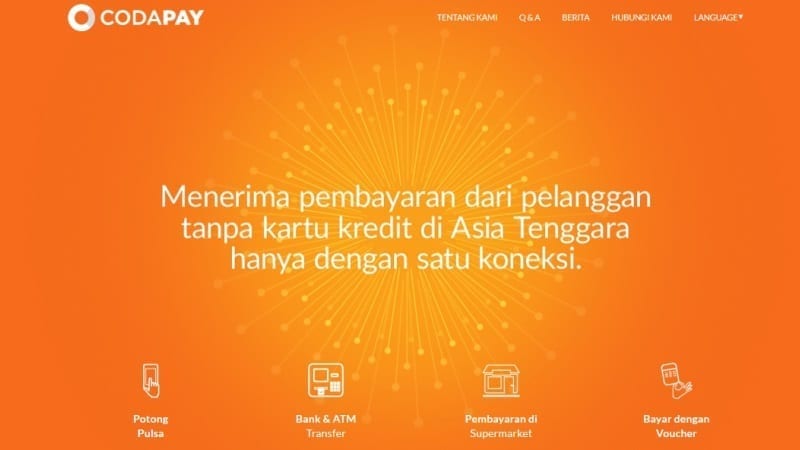
    Philippines-based mobile payment service Abra has announced a partnership with Singapore-based e-payment gateway Codapay.

    With this new deal, Abra users in the Philippines will be able to purchase Steam wallet codes, Skype credit, Amazon gift cards and Battle.net cards by paying with Abra at Codapay’s retail site, Codashop.

    “It is Abra’s goal to provide its users a better way to send and receive money, and to pay for things online. I am incredibly happy to partner with Codapay, a company whose vision of financial inclusion aligns with ours,” said Bill Barhydt, founder and CEO of Abra, in an official press statement.

    Founded in 2014, Abra leverages on blockchain technology to store digital cash on users’ smartphones. Credits in the mobile wallet can be topped up via any accredited Abra teller (which incurs a small fee) or through the users’ bank accounts. Users can also transfer cash to other users via the app — including cross-border money transfers between Philippines and the US.

    To date, it has raised a total of US$14 million in three funding rounds.

    While mobile payment services such as Smart Money and GCash have been operating in the Philippines for a decade, the country is experiencing a surge in mobile payment adoption due to the increasing smartphone penetration rate and growth of e-commerce (which is set to hit US$1.01 billion in revenue this year).

    Additionally, a Mastercard survey revealed that 17 per cent of consumers and 15 per cent of consumers in Philippines have made mobile commerce purchases and p2p transactions respectively.

  • Ant Financial deploys V-Key tech for m-payment security

    Ant Financial deploys V-Key tech for m-payment security

    Ant Financial Services Group has deployed technology from Singapore-based V-Key to augment mobile payment security.

    V-Key will provide a virtual software solution called V-OS for Ant Financial to secure transactions on e-Commerce platform AliExpress, Ant Financial’s sister company. V-Key will also provide cryptographic services and trusted environments to help secure payments processed by Alipay on AliExpress, along with risk management for each transaction.

    V-OS, which is currently deployed by top banks, mobile payment providers, and governments globally, is the world’s first virtual secure element. With V-OS, card and cardholder data will be encrypted, providing for more secure user authentication.

    V-Key’s solutions allow businesses to roll out cloud-based payments, trusted digital identity and authentication necessary for mobile banking and other secured mobile applications. V-Key brings advanced user data protection to its partners without the need to use any form of hardware secure elements. Its mobile security solution works on both iOS and Android devices.

    “As more users opt for mobile payments, account safety assumes utmost importance. V-Key’s unique technology helps us deploy our risk engine to enhance mobile security. The partnership is part of our commitment to secure our services,” Ant Financial VP of fraud management Jason Lu said.

  • Aussie mobile customers’ private data up for sale

    Aussie mobile customers’ private data up for sale

    Private information on Australian mobile subscribers are being sold off by unscrupulous members of offshore call centers, according to an investigative report.

    The private details of customers from the market’s three operators – Optus, Telstra and Vodafone – are being offered for sale by a call center business named AI Solutions, run by Indian businesman Imran Khan.

    Information including home addresses, dates of birth, alternative numbers, billing statements and call history are being offered for between A$350 ($260) and A$1,000, the report states. Prices are higher for VIPs , politicians, police and celebrities.

    Security industry sources spoken to for the report say the practice of call center workers selling off Australian customer details has been long-standing, and potentially involves more than one company.

    In a press statement, a Vodafone Hutchison Australia spokesperson said the company is “aware there are individuals who do attempt to illegally access data through various channels from companies and organisations which hold customer information,” and has “invested millions of dollars over recent years in security systems and processes, and have a number of safeguards in place to prevent unlawful access of customer information.”

    For offshore call centers, security safeguards include paperless offices, a no mobile phone policy, no access to third party websites, email monitoring, role based systems access, continuous agent training and disciplinary process.

    An Optus spokesperson said the company has referred the matter to federal police, and Telstra said the company does everything it can to protect customer data.

  • TV, video viewing shifts rapidly towards mobility

    TV, video viewing shifts rapidly towards mobility

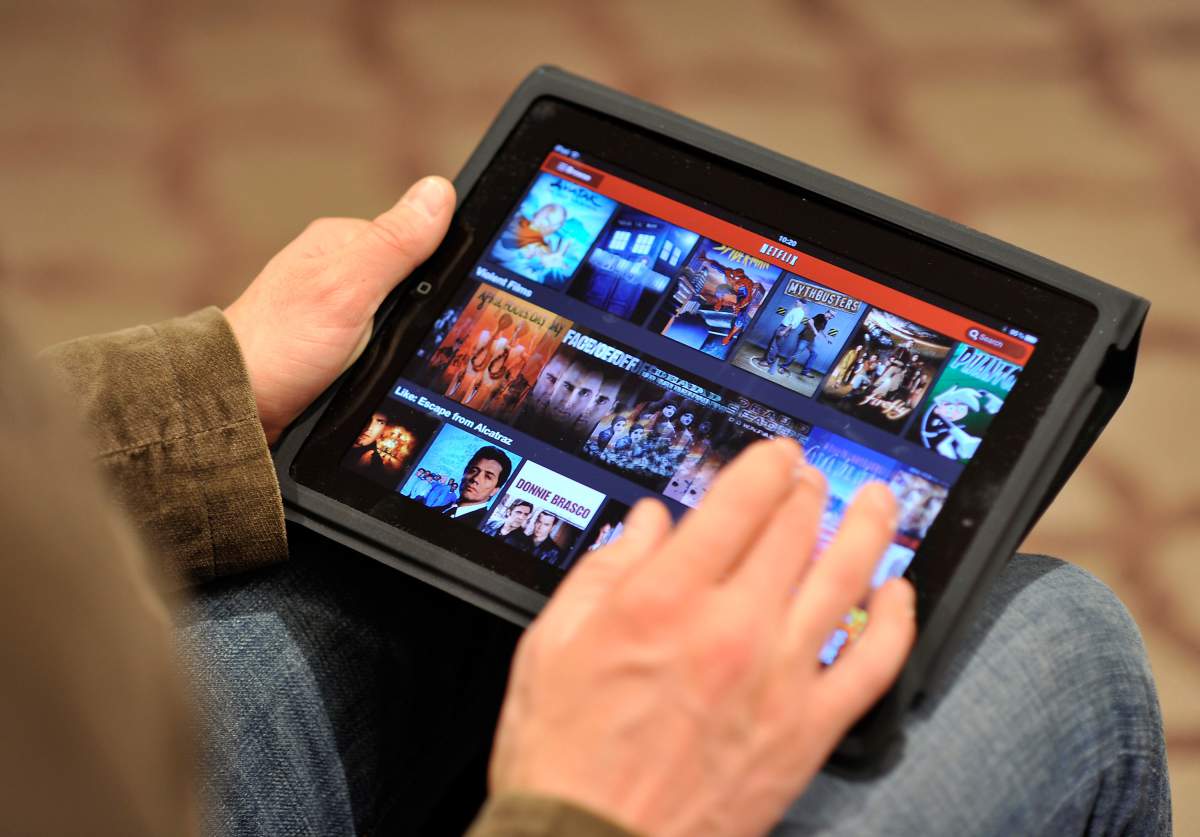
    Average viewing times on mobile devices has grown by more than 200 hours a year since 2012, driving up overall TV and video viewing by an additional 1.5 hours a week, according to the latest Ericsson ConsumerLab TV & Media Report.

    The surge in mobile viewing is offset with a decline in fixed screen viewing of 2.5 hours a week, however the appetite for TV and video is not waning.

    Weekly share of time spent watching TV and video on mobile devices has grown by 85% (2010-2016). On fixed screens it has gone down by 14% over the same period.

    Also, 40% of consumers globally are “very interested” in a mobile data plan that includes unrestricted video streaming.

    In the US, 20% of mobile viewing is paid-for content using services such as Netflix, Hulu, and Amazon Prime.

    A major issue is low consumer satisfaction when trying to find something to watch, 44% of US consumers say they can’t find anything to watch on linear TV on a daily basis, an increase of 22% compared with last year (36%).

    In contrast, US consumers spend 45% more time choosing what to watch on VOD services than linear TV.

    Paradoxically, 63% of consumers claim that they are very satisfied with content discovery when it comes to their VOD service, while only 51% say the same for linear TV.

    The findings suggest that although the VOD discovery process is more time consuming than with linear broadcast TV, consumers rate it as less frustrating, as it implicitly promises the opportunity to find something they want to watch, when they want to watch it.

  • Mobile money halves overseas remittance costs

    Mobile money halves overseas remittance costs

    The average cost of sending international remittances with mobile money is less than half that of using global money transfer operators (MTOs), a new GSMA report reveals.

    Such lower prices contribute directly toward achieving targets within United Nations sustainable development goal (SDG) 102. Lower transaction fees also translate directly into additional income for remittance recipients.

    “Through mobile money services, the industry is directly supporting the goal of expanded financial inclusion for migrants and their families by reducing international remittance costs,” GSMA Chief Regulatory Officet John Giusti said. “The potential gains of achieving this target could be as high as $20 billion in additional income for remittance recipients.”

    The report noted that if people were able to send remittances from a mobile money account, the average cost of sending $200 was 2.7%, compared to 6% when using global MTOs.

    GSMA estimates that there are more than 400 million registered consumer accounts for mobile money across over 90 countries.

    “While today mobile money services are largely used for domestic transactions, international transfers represent the fastest-growing segment of mobile money services. In just a few years’ time, mobile money has moved from a purely domestic service to one that allows migrants to send remittances between more than 20 countries globally,” Giusti explained.

    World Bank data shows that more than 250 million people live outside their country of birth and regularly send money home, providing a financial lifeline to their families and contributing to the economies of their home countries.

    In 2015, global remittances totalled $581.6 billion, of which $431.6 billion, or nearly 75%, was sent to the developing world. However, the cost of international transfers remains high and directly impacts the income of remittance recipients.

  • V-Key Partners with Ant Financial To Secure Mobile Payments

    V-Key Partners with Ant Financial To Secure Mobile Payments

    V-Key, a global leader in digital security, and Ant Financial Services Group, the leading global tech company that provides online and mobile financial solutions, have entered into a collaboration. Under the partnership, V-Key will provide a virtual software solution called V-OS for Ant Financial to help secure transactions on AliExpress, one of Alibaba Group’s international retail ecommerce platforms. (Ant Financial is a related company of Alibaba Group). V-Key will also provide cryptographic services and trusted environments to help secure payments processed by Alipay on AliExpress, along with risk management for each transaction.

    V-OS, which is currently deployed by top banks, mobile payment providers, and governments globally, is the world’s first virtual secure element. With V-OS, card and cardholder data will be encrypted, providing for more secure user authentication. V-Key’s solutions allow businesses to roll out cloud-based payments, trusted digital identity and authentication necessary for mobile banking and other secured mobile applications. V-Key brings advanced user data protection to its partners, without the need to use any form of hardware secure elements, which can be less secure. Its mobile security solution works on both iOS and Android devices. 

    Speaking on the pressing need for V-Key’s fast-growth, as well as its mission to work with its partners to secure mobile transactions against fraudulent activities, Benjamin Mah, co-founder and Chief Executive Officer of V-Key said: “With the rapid uptake in mobile payments, e-commerce threats are becoming smarter, bigger, more sophisticated. They pose a threat not just to end-users, but also to the reputation of our partners. To stay ahead, V-Key has invested considerable time and effort to build the world’s leading virtual mobile cybersecurity suite of solutions. With our all-in-one virtual element V-OS, we look to future proof mobile wallets against advanced threats by protecting end-user information. In doing so, we look to create a safer transaction environment for our fast-growing number of partners.” 

    V-Key’s solutions are certified by leading industry bodies including FIPS 140-2 (USA) and Info-communications Media Development Authority of Singapore. It has been rigorously stress tested by the likes of global analysts, e-commerce players, government agencies and regulatory bodies globally, including Ant Financial, Core Security Technologies, UL Transaction Security, MWR InfoSecurity, Quarkslab, Upyun, Vantage Point Security, Resolvo Systems among others.

    Jason Lu, Vice President of Fraud Risk Management at Ant Financial, said,”As more users opt for mobile payments, account safety assumes utmost importance. V-Key’s unique technology helps us deploy our risk engine to enhance mobile security. The partnership is part of our commitment to secure our services. In the process, we are enabling more and more businesses and partners to expand their global market reach.”

    V-Key was founded in 2011, and has services in Singapore – where it is headquartered – as well as key markets across Asia-Pacific and the US. Through its partners, including Ant Financial as well as some of the leading banking and financial institutions and government agencies, it has already amassed over 30 million end-users.

  • Mobile financial services booming in emerging markets

    Mobile financial services booming in emerging markets

    The total transaction value of mobile financial services in emerging markets will reach $500 billion in 2021, up from $198 billion in 2016, Juniper Research estimates.

    The estimates include revenue from domestic money transfers, deposits on loans, insurance products, and savings accounts.

    The research argues that by introducing insurance offerings, operators had the opportunity to substantially reduce churn levels.

    It cited the example of Telenor Suraksha life insurance scheme in India, which has seen nearly 50% of its 45 million user base sign up since its December 2015 launch.

    “The model underpinning the Surakhsa scheme – requiring consumers to top-up airtime on a monthly basis to receive the insurance cover – should be widely replicated. It enables operators to maintain average revenue levels within low-income, low-ARPU prepaid environments and allows consumers to reap the benefits of micro-insurance cover,” said Lauren Foye, research analyst, Juniper Research.

    However, the research cautioned that a key challenge would be tailoring financial service products to the needs of individual markets. It cited the case of several early implementations of mobile financial services in markets such as India, the Philippines and Nigeria achieving limited adoption where products were often ill-suited to their target audience.

    Opportunity in New Markets

    The research also highlighted the Asia-Pacific as a region which, while currently under-served due in part to the complexity of national regulations, has strong potential for future product launches.

    Whilst restrictions have been in place previously, largely due to cultural beliefs, Juniper found that attitudes are changing in under-served regions, with Indonesia acquiring its first ever microloans product Kashmi in 2017.

    Additionally, specialized products have been launched to address religious requirements, such as Achuwat in Pakistan which provides interest free loans to meet Sharia requirements.