Tag: Mobile

  • China Telecom Global teams with HKT on m-payment

    China Telecom Global teams with HKT on m-payment

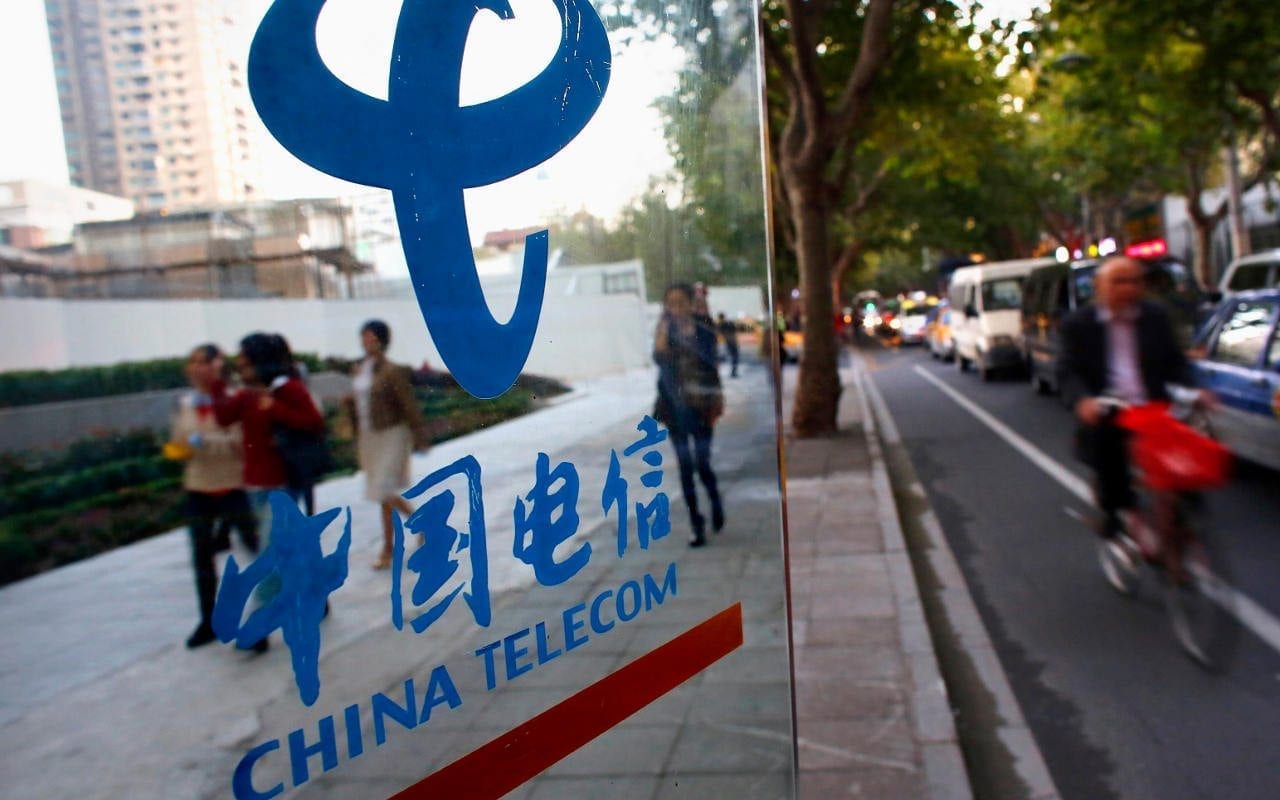
    China Telecom Global (CTG) has entered an agreement with HKT Payment, the mobile payment subsidiary of Hong Kong operator HKT, to issue a co-branded mobile payment solution.

    The companies will collaborate to issue a co-branded virtual Tap & Go card for subscribers to CTG’s CTExcel multinational mobile brand.

    Tap and Go is the contactless mobile payment technology used by HKT Payment for its stored value facilities (SVF) mobile payment service.

    Through the collaboration CTExcel customers will be able to take advantage of the payment option at a wide range of merchants, China Telecom Global CEO Deng Xiaofeng said.

    “We think mobile payment is an area that will help CTG to differentiate its mobile solution with extra benefits. This partnership is the first step into this space in Hong Kong and aims at empowering CTExcel users to enjoy smart and convenient mobile payment at over 6 million merchant outlets worldwide as well as online,” he said.

    HKT Payment head Monita Leung added that in addition to the extensive global payment network, “the unique Tap & Go peer-to-peer payment services PayBuddy and PayMaster enable our partner to reach and engage wider markets including children and young adults.”

    CTG has separately agreed to provide the network in China and Hong Kong for for global roaming and IoT solutions provider UROS Uni-fi Roaming Solutions.

    Under the agreement, CTG will provide 4G mobile services in both markets, delivered via both traditional SIM cards and eSIM technology.

    ““CTG is excited to support UROS for its connectivity requirements across HK and mainland China. With its CTExcel brand, CTG is committed to providing high quality mobile service across the regions for both consumers and enterprises without compromising quality and reliability,” Deng said.
  • Singtel, Telkomsel to Launch Mobile Remittance Service in Indonesia

    Singtel, Telkomsel to Launch Mobile Remittance Service in Indonesia

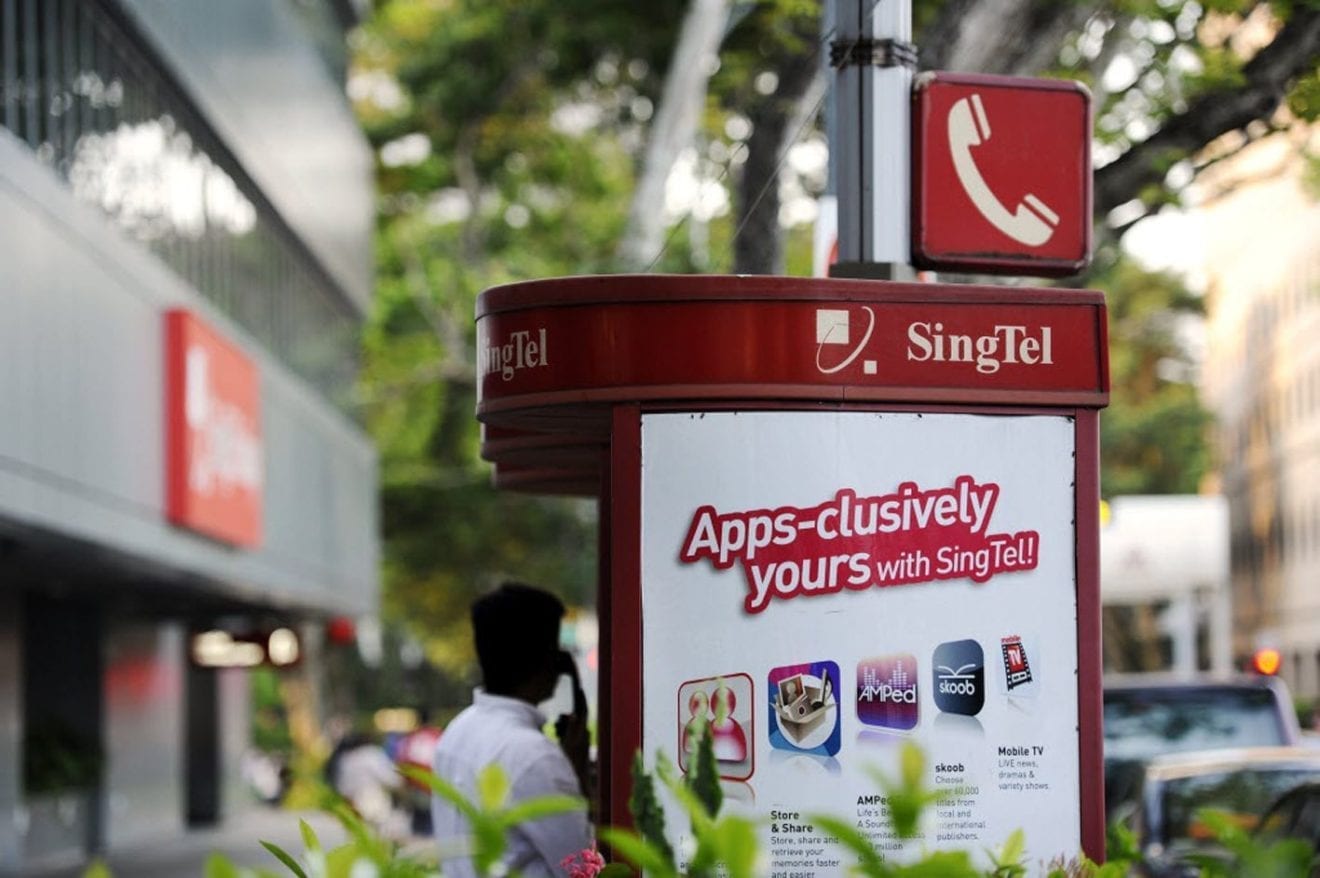
    Singapore Telecommunications, known as Singtel, is partnering with Indonesian operator Telkomsel to launch a real-time mobile remittance service in Indonesia, to boost its mobile money initiatives and tap into the relatively unbanked market in that country.

    The service is the first collaboration for Singtel and Telkomsel “on mobile money initiatives to drive innovation in both markets,” according to a press release on Sunday.

    The new service allows customers in Singapore to send money to about 4,500 cash withdrawal points across Indonesia via the Singtel Dash app, a mobile payments solution. The locations are post office branches managed by PT Pos Indonesia, a state-owned company responsible for providing the country’s postal services.

    Both telcos have also announced future plans to offer a mobile remittance service to Telkomsel’s TCash, an app which offers a digital mobile money service in Indonesia.The remittance service will involve SingCash, a subsidiary formed by Singtel in 2011 to provide mobile remittance and payment services.

    “Indonesia is one of our main remittance corridors,” said Yuen Kuan Moon, chief executive of Consumer Singapore at Singtel. There are 200,000 Indonesians living and working in Singapore, with outward remittances from Singapore to Indonesia worth over $409 million annually.

    Currently, remittance money services in Singapore remain limited and many workers resort to taking days off to go to remittance outlets in order to send money home.

    Singtel is making a push into digital technologies as competition in Singapore’s telcos industry continues to intensify. It announced earlier in March that it is working with e-commerce player Lazada Singapore to create an online marketing portal for small and midsize enterprises.

  • Singtel, Telkomsel enter mobile money alliance

    Singtel, Telkomsel enter mobile money alliance

    Singapore’s Singtel and Indonesia’s Telkomsel have teamed up to launch a real-time mobile remittance service to Indonesia.

    The new service is being offered by SingCash under the Singtel Dash brand. It will allow customers in Singapore to send money to the state-owned PT Pos Indonesia’s 4,500 cash-out points across the nation.

    The initiative marks the first collaboration between Singtel and Telkomsel on a mobile money initiative.

    The agreement is expected to be expanded in the future to cover more cash pick-up points, and to support mobile remittance directly to Telkomsel’s TCash mobile wallet from Singtel mobile wallets.

    According to the Embassy of the Republic of Indonesia in Singapore, there are 200,000 Indonesians living and working in Singapore, and outward remittance from Singapore to Indonesia totals more than $409 million per year.

    “Telkomsel’s partnership in Singtel’s remittance service is one effort to support our government in promoting financial inclusion for Indonesian people, especially the unbanked segment,” Telkomsel CEO Ririek Adriansyah said.

    “Foreign remittance enables them to improve their quality of life as well as provide an opportunity to begin saving for the future. We believe every little effort to promote financial inclusion will also accelerate the growth of Indonesia’s economy.”

  • Smart’s 2016 revenue grows 26% on mobile data growth

    Smart’s 2016 revenue grows 26% on mobile data growth

    The Philippines’ Smart Communications has reported a 26% increase in revenues for 2016 to 25.5 billion pesos ($509 million), in a result attributed to sustained growth in the company’s mobile data business.

    Smart, the wireless subsidiary of incumbent operator PLDT, said mobile data revenues for the year grew a strong 42% to 17 billion pesos.

    During the year, data revenues edged out voice calls and text messages as the operator’s largest wireless revenue source for the first time. Total usage reached 148,000 terabytes, up 49% from 2015.

    “The shift to data and digital services continues to gain momentum. With access to PLDT’s extensive fixed line network, Smart is rolling out the country’s fastest mobile internet network to address the growing demand of our subscribers for data services at home, their schools and offices and while on the go,” PLDT chief revenue officer Eric R. Alberto said.

    To help meet the steep rise in demand for mobile data, Smart has accelerated its rollout of LTE and 3G data networks and is incorporating the use of low-brand frequencies such as 700-MHz. The upgrade has now been completed in Metro Davao and is now underway in Metro Manila and Metro Cebu.

    Smart is also adopting LTE-A technology in selected areas, and recently entered a 5G partnership  with Huawei aimed at preparing its network for an evolution to the standard.

  • HKT, Huawei co-found C-V2X consortium

    HKT, Huawei co-found C-V2X consortium

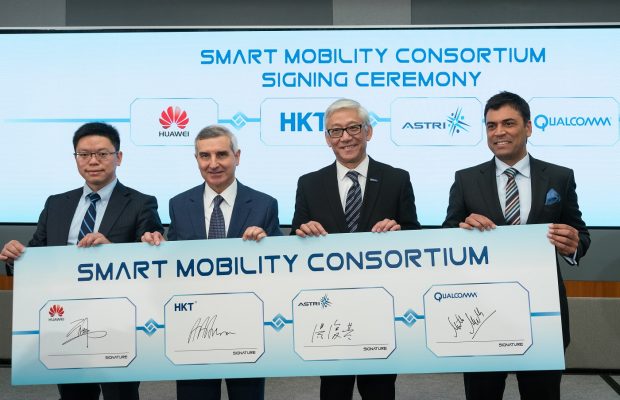
    The Hong Kong Applied Science and Technology Research Institute (ASTRI), operator HKT and vendors Huawei and Qualcomm have formed a consortium aiming to build a smart mobility system for Hong Kong using cellular vehicle-to-everything (C-V2X) technologies.

    The consortium aims to revolutionize Hong Kong’s transportation sector using C-V2X, a standard covering both network-based and direct communications for vehicles.

    A C-V2X powered smart mobility system will therefore enable vehicles to connect to both the cloud and each other, as well as to pedestrians and to traffic infrastructure.

    Vehicles can use the “co-operative awareness” this enables to improve mobility safety as well as autonomous driving, and can help law enforcement and traffic and urban planners to plan and monitor the safety and efficiency of traffic movements.

    The consortium aims to use C-V2X to introduce intelligent transport services including a warning mechanism for collision and control, assistance for cruise control and parking, and alert systems for speed and lane violations.

    It plans to work with government, the automobile industry and other stakeholders to realize this vision. The project is also expected to generate opportunities for other sectors including shipment, ridesharing, home-delivery, insurance, infotainment and mobile healthcare.

    “Hong Kong is a well-connected city with good infrastructure. If we complement these strengths with the latest innovation in science and technology, Hong Kong can become one of the most sophisticated and advanced smart cities in the world,” ASTRI chairman Wong Min-yam commented.

    “This Smart Mobility Consortium is a giant step in that leap. ASTRI is developing state-of-the-art applications, platforms and prototypes which can benefit not just Hong Kong, but potentially other cities in this region too. We, as the SAR’s largest technological R&D institution, are partnering with three eminent organisations to bring revolutionary changes to the way we manage our city’s traffic.”

    The consortium plans to carry out C-V2X pilot in the second quarter of this year. “Our trial sites will likely be at Hong Kong Science Park and the Chinese University of Hong Kong. We hope to extend the pilot to East Kowloon at a later stage,” said Peter Lam, managing director for engineering at HKT.

    “For C-V2X implementation, dedicated spectrum in 5.9GHz is needed. We will try to seek a spectrum testing license from the government to do the pilot,” he added.

  • DBS to launch mobile-only banking service in Indonesia

    DBS to launch mobile-only banking service in Indonesia

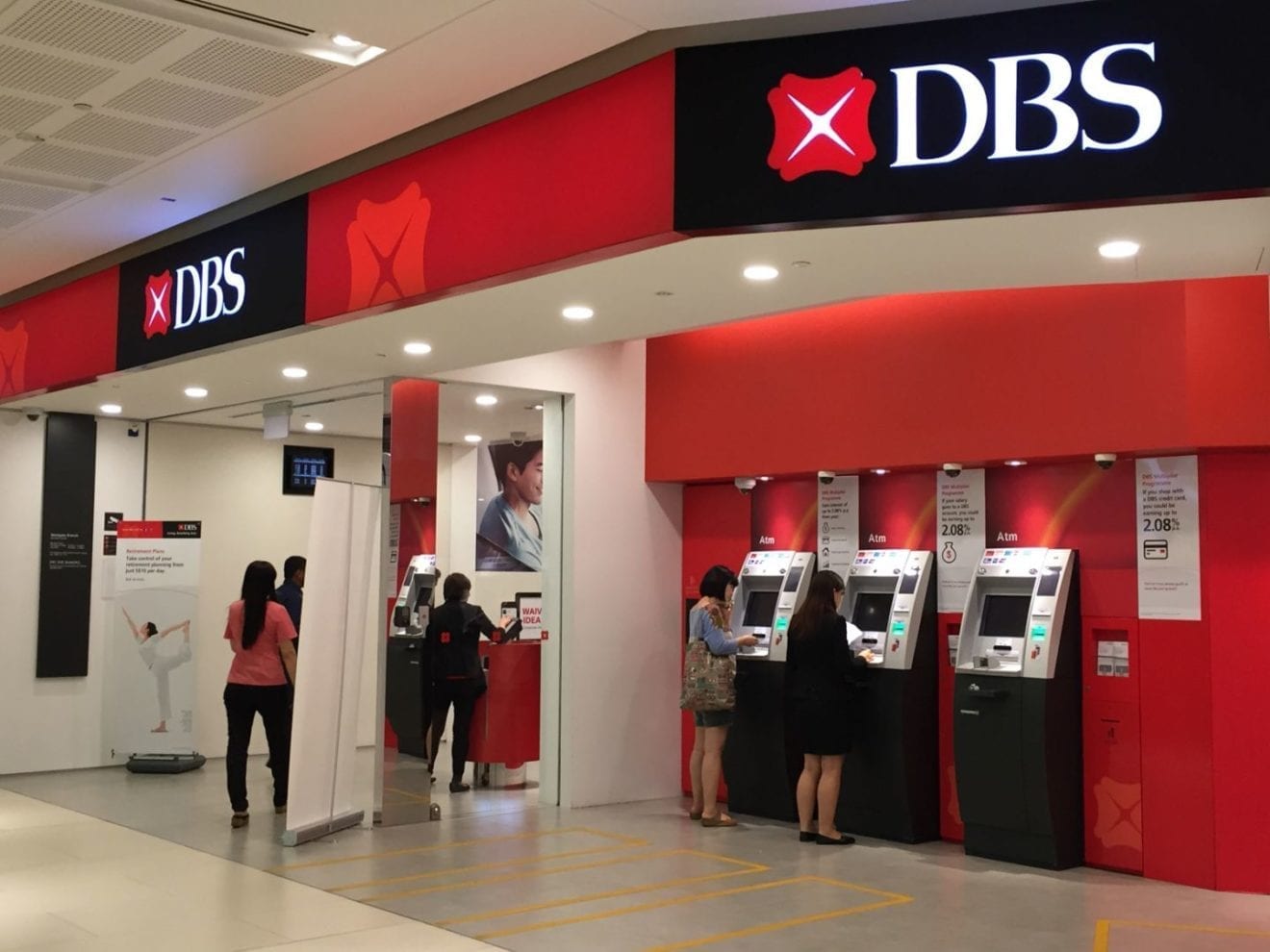
    The Development Bank of Singapore (DBS) plans to introduce a smartphone-based mobile banking option for the Indonesian market as a way to further digitalize the banks’ operations and utilize digital innovation to its advantage.

    Digital transformation is part of a larger agenda for DBS, seeing that the need for digitalization is no longer seen by the banking industry as a threat to its business but as a tool of cooperation to innovate services, said Bank DBS Indonesia’s head of digital banking, Leonardo Koesmanto.

    DBS will open a new mobile-only bank in Indonesia in the early part of the second quarter of 2017 to promote a more digital, branchless and signature-less experience for its customers in this market. The system will function through biometrics and will require the presence of an electronic ID (e-KTP) to register or use its operations.

    “We are taking the more scalable digital route because these days, bigger banks are shrinking their number of branches. With this investment we can serve more people more effectively,” Leonardo said on Wednesday.

    It is likely that DBS’s mobile-only banking option in Indonesia will be rolled out through a soft launch around next month, in order to assess the feasibility of the technology and root out teething faults. The idea has already been tried by DBS in India.

    DBS currently has around 30 physical branches in Indonesia. Leonardo commented that in order for banks to truly achieve growth in a market, they would need 300 to 400 branches.

  • China to end domestic roaming fees by October

    China to end domestic roaming fees by October

    China’s big three mobile operators have revealed plans to stop charging domestic roaming fees by October.

    China Mobile, China Telecom and China Unicom have announced they will end the practice of charging inter-province roaming voice and data fees.

    The operators are also planning to introduce discount pricing for small and midsize businesses in a bid to encourage corporate customers to adopt more network technologies such as cloud computing.

    The operators are responding to pressure from the government to reduce the price of telecoms services to spur consumer spending and encourage greater adoption of network technologies.

    China has also been seeking to encourage price competition in the mobile sector, and opened up the market to MVNOs in 2013.

    These efforts were also extended to the fixed broadband market in 2014.  According to the Reuters report, the government recently announced it has approved applications from 198 private enterprises seeking to provide broadband services under a pilot project.

    China’s move to abolish domestic roaming will take the industry one step closer to meeting current GSMA chairman and Bharti Airtel founder Sunil Bharti Mittal’s recent call and doing away with roaming altogether – including international roaming.

  • Mobile commerce in Singapore to pass $850m in 2017

    Mobile commerce in Singapore to pass $850m in 2017

    Despite a slower economic outlook, more than a third (38%) of online adults in Singapore interviewed in a 2016 study by PayPal say they will be spending more online this year, largely due to the convenience it brings.

    Notably, another 78% who predicated an increase in their online spend also cited convenience as the reason.

    Specifically, survey results showed that Singaporeans are turning their attention to spending on day-to-day items, with predicted growth for household goods (21%), groceries, food and beverage, and alcohol (15%), and baby and children’s supplies (12%) topping the list.

    Results indicate an increasing growth in mobile spend as Singaporeans spend more time on their mobile devices, with mobile shopping spend predicted to increase by 42% this year over 2016. This amounts to more than S$1.2 billion ($848 million), almost a third of the forested total online spend of S$3.5 billion in the country.

    The numbers explain the mobile first attitudes of firms in the region, and makes sense when one considers that the Asia Pacific is the leading region in terms of mobile connection penetration.

    In addition, two thirds (68%) of all cross-border shoppers interviewed in the region have made a cross-border purchase on a smartphone in the past 12 months, which is the highest net incidence out of all regions surveyed.

    “2017 looks to be a year of growth and opportunities for savvy businesses that are equipped to take their sales online, on mobile and in-app. This in turn provides endless choices and possibilities for the mobile-savvy generation as they live their lives on the go,” said Rahul Shinghal, general manager for PayPal Southeast Asia.

    PayPal’s study dovetails with another study late last year which concluded that the Asia Pacific region leads the world in mobile payment. Conducted by Kantar TNS, the study of over 70,000 consumers found that over half of connected users use their smartphones to pay for goods or services at point of sales via apps.

  • 47% of mobile users still only call and text

    47% of mobile users still only call and text

    Despite the great strides being made to bring mobility services to the global population, recent research indicates that nearly half of mobile users worldwide still only use their devices to make calls and send SMS.

    The consumer research from GSMA Intelligence, covering 56 markets collectively representing 80% of the world’s population, found that 47% of adult mobile phone owners only make calls and send texts.

    But this segment is expected to shrink to 29% by 2030 as users across the developing world benefit from advances in mobile innovation, affordability and availability.

    The report ranked countries covered in terms of their citizens’ mobile engagement, or the frequency and diversity of use of mobile devices. South Korea and Qatar ranked equal first in terms of  engagement. The only other APAC nation to make it into the top 10 was Australia in seventh place.

    “In an era of mobile being near ubiquitous around the world and at the centre of people’s lifestyles, there is a growing need to measure mobile user engagement levels to identify future industry growth opportunities,” GSMA chief strategy officer Hyunmi Yang said.

    “Consumer behaviours are continuing to change as mobile devices get smarter, services grow richer and societies become more connected. The Global Mobile Engagement Index is a unique industry tool to help understand these shifting trends.”

    The research found that in some markets – such as Myanmar – smartphone ownership is relatively high but engagement remains low due to digital illiteracy and a lack of relevant local content.

  • Nokia adds 10Gbps PON to mobile transport solution

    Nokia adds 10Gbps PON to mobile transport solution

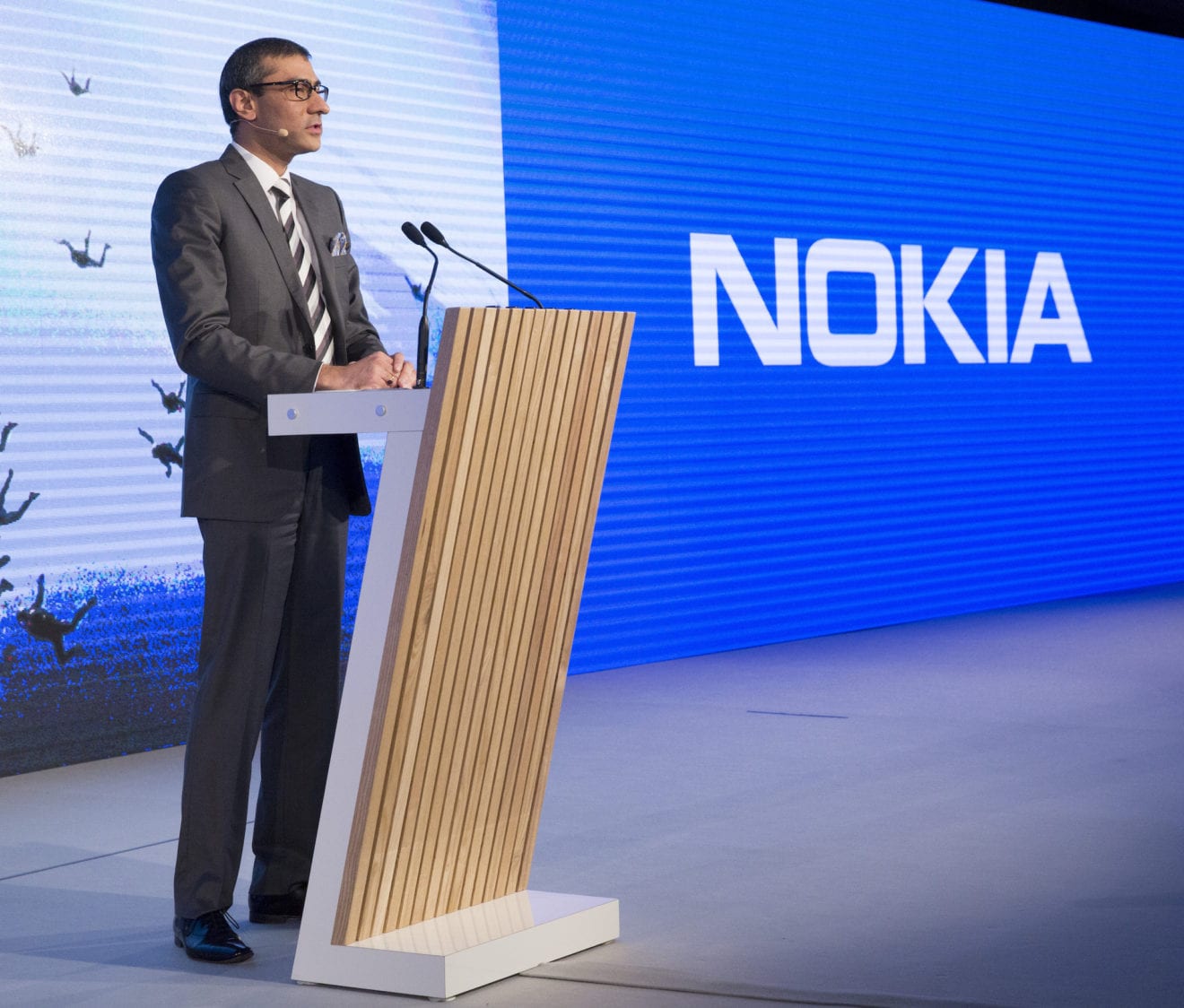
    Nokia has added 10Gbps PON and point-to-point fiber to its access portfolio to help meet demand for high-capacity mobile transport in the 5G era.

    The mobile transport solution is designed to allow operators to use existing PONs used in FTTH deployments to gain the capacity and coverage 5G requires.

    The portfolio is also being used as part of a Bell Labs proof-of-concept to demonstrate the flexibility of 10G symmetrical PON networks for low latency applications such as mobile fronthaul.

    By adding gateway functionality, Nokia is able to convert mobile fronthaul CPRI signals to Ethernet, the company said.

    “The biggest opportunity on the horizon for fixed networks is the arrival of 5G. It’s clear that 5G will require very high capacity and low delay, but what is less certain is just how much capacity will be required for backhaul and what latency will be sufficient,” Nokia president of fixed networks Federico Guillen said.

    “We take the guesswork out of the equation. Our solution allows operators to access existing PON networks that have virtually unlimited capacity to meet their needs today, with the added flexibility to add 10G PON evolutions gradually as demand for more bandwidth and services increases. The massive throughput and cell densification strategy of 5G make it a perfect match for existing FTTH deployments.”

    Meanwhile Calix announced it has worked with New Zealand’s Northpower Fibre to complete the first demonstration of 10Gbps NG-PON2 technology in a live network.

    Northpower Fibre plans to deploy NG-PON2 technology based on Calix’s AXOS software-defined access architecture to help differentiate in New Zealand’s growing Ultra-Fast Broadband (UFB) marketplace stimulated by the government’s second phase of the UFB program.

    “New Zealand is undergoing a major broadband vitalization effort, and we see the emergence of NG-PON2 technology as a major enabler going forward,” Northpower Fibre CEO Darren Mason said.

    “As attention in the second phase of UFB shifts from the cities to bring fiber broadband to more rural areas, Northpower Fibre will be leading the way having committed to connect 12 new towns to fiber within the next four years.”

  • Mobile growth marketer expands to Japan

    Mobile growth marketer expands to Japan

    Growth marketer platform YouAppi is expanding into the Japanese market.

    With the official opening of YouAppi Japan, the company will be able to help Japan-based CMOs and those targeting the country to acquire users over online channels and identify fraud better.

    The company, founded in 2012, uses its OneRun platform for a variety of marketing functions for its clients, from discovery to user acquisition on video, social and other channels through app re-engagement.

    The platform features advanced anti-fraud functionality to help CMOs reduce their risks, and offers a single point for streamlining mobile media buying and combining machine learning with the company’s proprietary predictive algorithms that reportedly analyze over 250 terabytes of data every day.

    With Yoshie Nakabayashi at the helm as the country manager of YouAppi Japan, the company aims to help leading brands, agencies and publishers in Japan to improve their mobile experience.

    “A year after closing our B Funding Round which was earmarked for Asia, I’m excited that we delivered nearly 600% growth in the region in 2016, and are now opening a strategically important office in Tokyo,” YouAppi CEO and co-founder Moshe Vaknin said.

    According to the company, it ran 15,000 campaigns for 450 leading advertisers with 100 billion monthly impressions served around the world over the last four years.

  • Cost savings to boost mobile wallet business

    Cost savings to boost mobile wallet business

    In the mobile wallet business, volume business and long-term supplier contracts can deliver cost savings for buyers, according to market research firm Technavio.

    According a new report from the company, cost savings can be achieved through adoption of technology, supplier competition, adoption of negotiation strategies, optimization of procurement practices and bundling of services.

    In terms of technology, the researcher points to adoption of NFC, HCE, BLE and QR codes through the efforts of Apple, Google and Samsung.

    Consumers need to perceive mobile payments as an easy and convenient mode of payment via the integration of the mobile banking and payment experiences.

    Consumers are comfortable making financial transactions using mobile channels developed by trusted financial institutions such as banks. Converging these two into one seamless experience is crucial to bridge the gap and push consumers into making mobile payments online or at POS.

    A fast, simple, and seamless mobile payment process can enhance brand reputation and differentiation in the market. Customers consider personalized user experiences on payment interfaces, fast and efficient check-outs, and multiple payment options (debit/credit cards, internet banking) as important features in mobile wallets. A 2016 market study on mobile commerce predicts about two billion mobile phone/tablet users will make mobile commerce transactions globally in 2017.

    Beyond basic P2P money transfers and bill payment services, Technavio says suppliers are strategically partnering with network operators and banks to provide localized and real-time offerings such as loyalty points, discounts, and ratings and reviews across popular retail, entertainment, and hospitality businesses.

    Technavio says suppliers must offer mobile wallet services that can smoothly process financial transactions and possess fast, secure user interfaces with relevant communication on discounts, loyalty, and re-purchase benefits to meet the requirement of procurement professionals. They must also enhance the safety and security of personal and financial data of the customers with multi-layered mobile technology.

  • Mobile wallet spending set to grow 32% in 2017

    Mobile wallet spending set to grow 32% in 2017

    Global mobile wallet spending is on track to grow nearly 32% in 2017 to reach $1.35 trillion, a new study from Juniper Research predicts.

    Although at the moment transactions are concentrated in China and East Asia, the research firm predicts that brands such as PayPal and Apple wallets which can be used both instore and online means that wallets will increasingly become the default payment mechanism in other markets.

    The study found that mobile spend is currently concentrated in China and East Asia owing to the success of Alipay and WeChat.

    The report claims that PayPal’s choice to use a HCE (Host Card Emulation) NFC solution to enable POS payments is a key disruptive moment in the wallet wars. It also attributes Paypal’s future mobile wallet success to the on-going success of its social payments subsidiary Venmo.

    Research author Dr. Windsor Holden noted that “Network operators remain wedded to offline payments based on an NFC SIM card, at a time when more agile competitors are deploying integrated HCE wallets that also enable online usage.”

  • Mobile contributed 6.2% to Bangladesh GDP in 2015

    Mobile contributed 6.2% to Bangladesh GDP in 2015

    Mobile technologies and services generated 6.2% of the GDP of Bangladesh in 2015, a contribution that amounted to around $13 billion of economic value, according to GSMA Intelligence.

    In the same year, mobile operators and the ecosystem provided employment to more than 760,000 people across Bangladesh, the report further stated. One-third of this was created directly in the ecosystem, while the rest is generated indirectly in other sectors as a result of the demand for production inputs generated by the mobile sector.

    “GSMA Intelligence findings clearly demonstrate the substantial contribution that mobile makes to the Bangladeshi economy,” GSMA head of spectrum Brett Tarnutzer said.

    “By systematically pursuing a policy framework that increases certainty, acknowledges market realities and removes regulatory barriers to investment and innovation, the Bangladeshi government and its citizens stand to achieve so much in the coming years.”

    In terms of public contribution, the mobile ecosystem generated about 10% of the government’s revenue in 2015, valued at $2.42 billion through general taxation, mobile-specific taxes, and spectrum licenses.

    Mobile’s overall impact includes the direct impact of the mobile ecosystem as well as the indirect impact and the increase in productivity brought about by the use of mobile technologies.

    GSMA added that Bangladesh performs close to the regional averages across metrics of mobile market development, despite a lower income than neighboring countries. Bangladesh is above the Asian average in terms of unique subscriber market penetration at 53%, while only slightly below with regard to mobile internet penetration at 33% and 3G at 20% of all mobile connections.

    Thus, it sees the potential for further growth if a supportive policy environment is put in place.

    GSMA Intelligence expects that the economic contribution of the mobile industry in Bangladesh will continue to increase. In value-added terms, it is estimated that the ecosystem will generate $17 billion by 2020. This forecast relies on a favorable macroeconomic environment and on a moderate expansion in demand and supply in the mobile market, as the number of mobile internet users and mobile coverage both increase.

    Employment opportunities are also set to expand from 780,000 jobs in 2016 to 850,000 jobs in 2020, an increase of around nine percent during that period.

    The amount of spectrum, and the terms on which it is made available, fundamentally drive the cost, range, and availability of mobile services. To ensure that this mobile vision becomes a reality, it is imperative that the spectrum is allocated in a way that encourages the rapid deployment of mobile broadband infrastructure, resulting in high quality, affordable mobile services for consumers across Bangladesh,” added Tarnutzer.

  • Mobile to continue driving growth in Lunar New Year online shopping

    Mobile to continue driving growth in Lunar New Year online shopping

    Lunar New Year shopping is getting more mobile. Thirty-two percent of all e-commerce transactions happened on a mobile device while more than six in 10 consumers browsed on a combination of PCs and mobile devices, before making a final purchase on either device.

    These were among the findings based on an analysis of 65 million online transactions in Hong Kong, Singapore and Taiwan before, during and after Lunar New Year in 2016 conducted by performance marketing technology company Criteo.

    “Easy navigation and shorter checkout processes on mobile sites and applications, and multi-channel integration are key to improving retail sales before, during and after Lunar New Year in 2017,” it concluded.

    The company’s deep-dive into consumer browsing and buying activity revealed that in the two weeks before and after the first day of Lunar New Year, consumers browsed and purchased retail products more actively than before – an 81 percent increase in online visitors to e-commerce sites and a 68 percent increase in e-commerce sales.

    Two trends are expected to impact regional retailers during the Lunar New Year season this year.

    The first trend is that mobile devices will be used to make high value purchases. Criteo said that desktops were once the king of big-ticket purchases, but in 2017, consumers in Hong Kong, Singapore and Taiwan will feel equally comfortable purchasing expensive items on smartphones.

    The Average Order Value (AOV) on mobile applications was 27 percent higher than desktops in the second quarter of 2016. The AOV on mobile browsers was only 9 percent lower than desktop during the same period, according to Criteo’s 1H 2016 State of Mobile Commerce Report.

    The second trend is that retailers will see a high web influence on offline sales.

    Shoppers in Hong Kong, Singapore and Taiwan are becoming experts at “showrooming” – the phenomenon of looking at items at a brick-and-mortar store while checking the prices available online.

    In Singapore, while in physical stores, 62 percent of local shoppers are browsing similar products online and comparing prices to ensure they get the best deals, according to Edelman Intelligence’ Singapore Consumers Online Shopping Survey in September 2016.Sixty-nine percent of these consumers end up purchasing the same product or service online rather than offline.

    In Hong Kong and Taiwan, 32 percent and 47 percent of consumers are looking to make purchases online, rather than offline, according to Google’s 2016 Consumer Barometer.

    “Consumers have come to expect exclusive online collections and discounts during this period, timing their purchases so they have the best deals and new clothes or jewellery to symbolise the new beginning. They also tend to continue shopping indoors and online throughout all 15 days of Lunar New Year,” said Yvonne Chang, Executive Managing Director, Asia-Pacific, Criteo.

    “Given the fluid nature of online shopping behavior and intense competition, retailers must use advanced technology that delivers personalized engagement, based on each consumer’s buying habits, expressed interests and online surfing history to leverage this opportunity,” she added.