Retail News CRM

Tag: Mobile

  • 1 in 4 Hong Kong consumers shop via mobile

    1 in 4 Hong Kong consumers shop via mobile

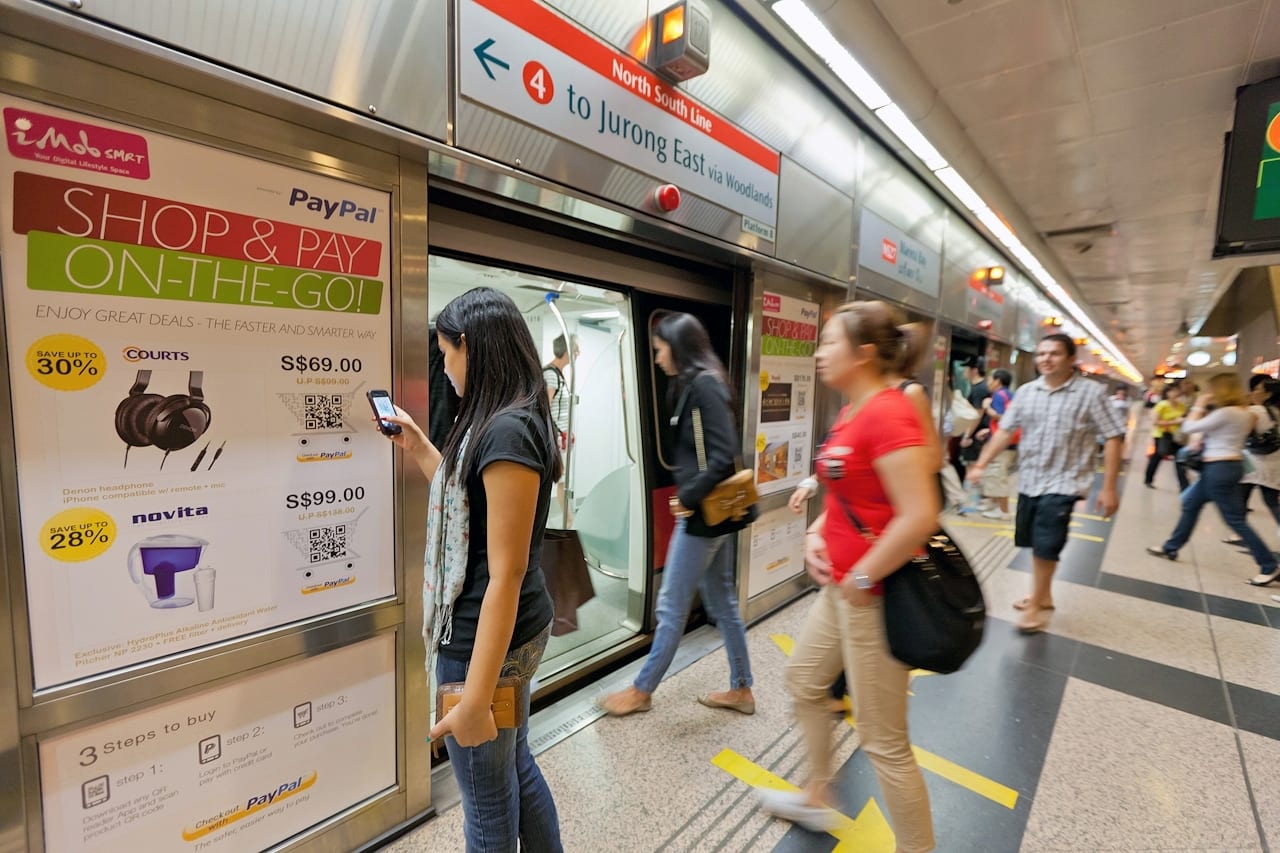
    More than one in four Hong Kongers (25.5 percent) shopped online via their mobile phones in the past six months, but the majority are concerned about security and identity theft.

    These are among the findings of a recent online survey conducted by Zogby Analytics and commissioned by TransUnion.

    The online survey of 500 adults, conducted by Zogby Analytics and commissioned by TransUnion, revealed that two in three Hong Kongers have shopped online more than three times in the past six months, including 20.9 percent who have shopped more than 10 times.

    While the far majority (76.8 percent) still preferred to make online purchases from a PC or laptop, 42.6 percent also used other devices, including mobile phones (25.5 percent) and tablets (17.1 percent). Most of them (65.3 percent) spent or would spend less than HK$1,000 on a single item.

    Even with online shopping becoming increasingly popular, 53.3 percent said security and identity theft is their main concern when shopping online, followed by 22.1 percent who worry that the item they purchase will not be as it appears on the website.

    “Hong Kongers are more and more comfortable shopping online and e-commerce offers a popular way to buy gifts during the hectic holiday period. However, our research demonstrates that consumers in Hong Kong might not be as aware of online security threats as they ought to be,” said Samuel Ho, chief executive officer for TransUnion Hong Kong.

    Ho said it is essential for holiday shoppers to protect their personal and financial data online.

    Besides creating strong passwords, setting a unique one for each shopping account and device, and only making purchases at encrypted shopping websites, consumers should also monitor their credit reports often so that unauthorized purchases won’t go unnoticed.

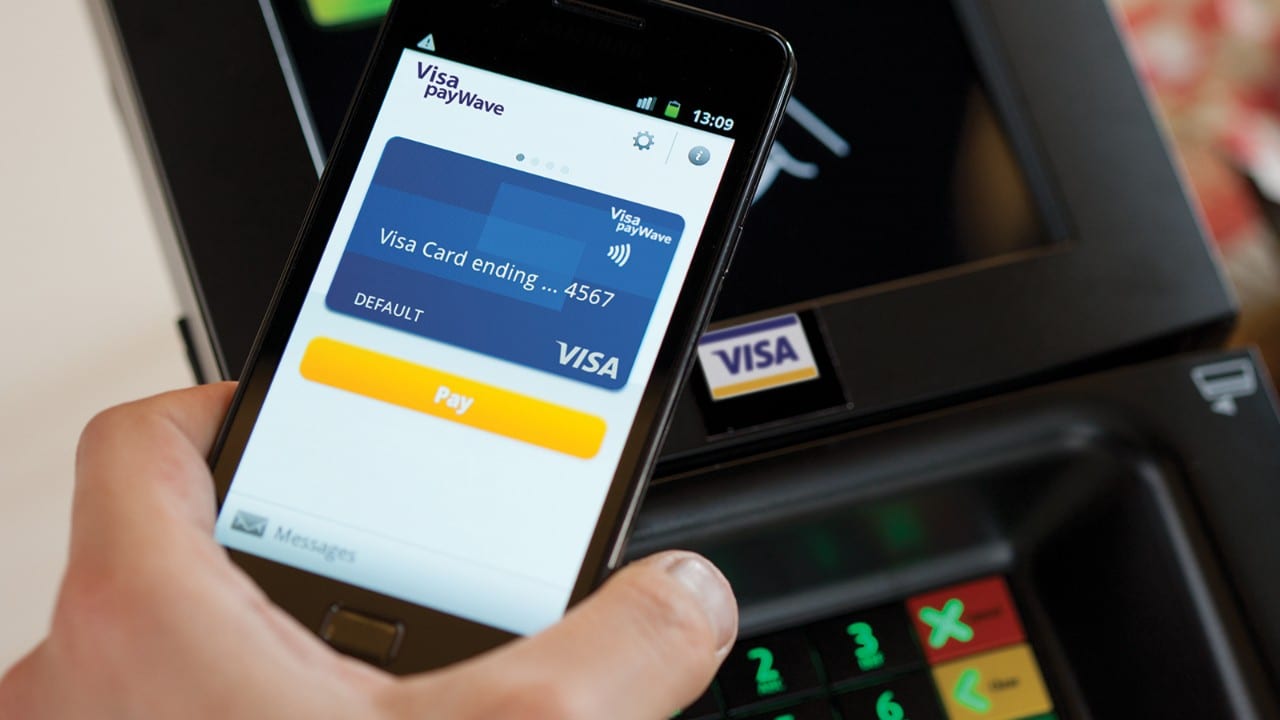
  • Hong Kong Regulates Mobile and Contactless Payment Systems

    Hong Kong Regulates Mobile and Contactless Payment Systems

    Hong Kong recently introduced a new regime to regulate stored value facilities (SVFs) and retail payment systems (RPSs) offered by non-financial institutions. The primary new legislation is the Payment Systems and Stored Value Facilities Ordinance (“Ordinance”), which amends and replaces the previous Clearing and Settlements System Ordinance. The Hong Kong Monetary Authority (HKMA) is now responsible for supervising the activities of non-financial institutions operating in this area.

    Issuers of multiple purpose SVFs must now obtain a specific approval and license from HKMA for such SVFs, regardless of whether these are operated through a device or not. However, an SVF which is used only for purchases from a single retailer remain exempt from this requirement. In addition, while there is no automatic approval and license requirement for RPSs, HKMA is entitled to decide on which RPSs will be subject to its regulation.

    The new regime seems to track the increasing use and proliferation of such new payment systems, as well as the increased risk of data loss and theft and fears that unnecessary personal data may be embedded and accessible within the chips in contactless cards.

    Companies operating in this area should check whether the new requirements apply to them and commence applications for licenses if necessary. While there is a grace period until November 2016 before penalties can be imposed, it is unclear how long the administrative processes will take in practice and there is a risk of significant fines or suspension of business for failure to meet the deadline.

  • Warehouse Managers Must Get Mobile

    Warehouse Managers Must Get Mobile

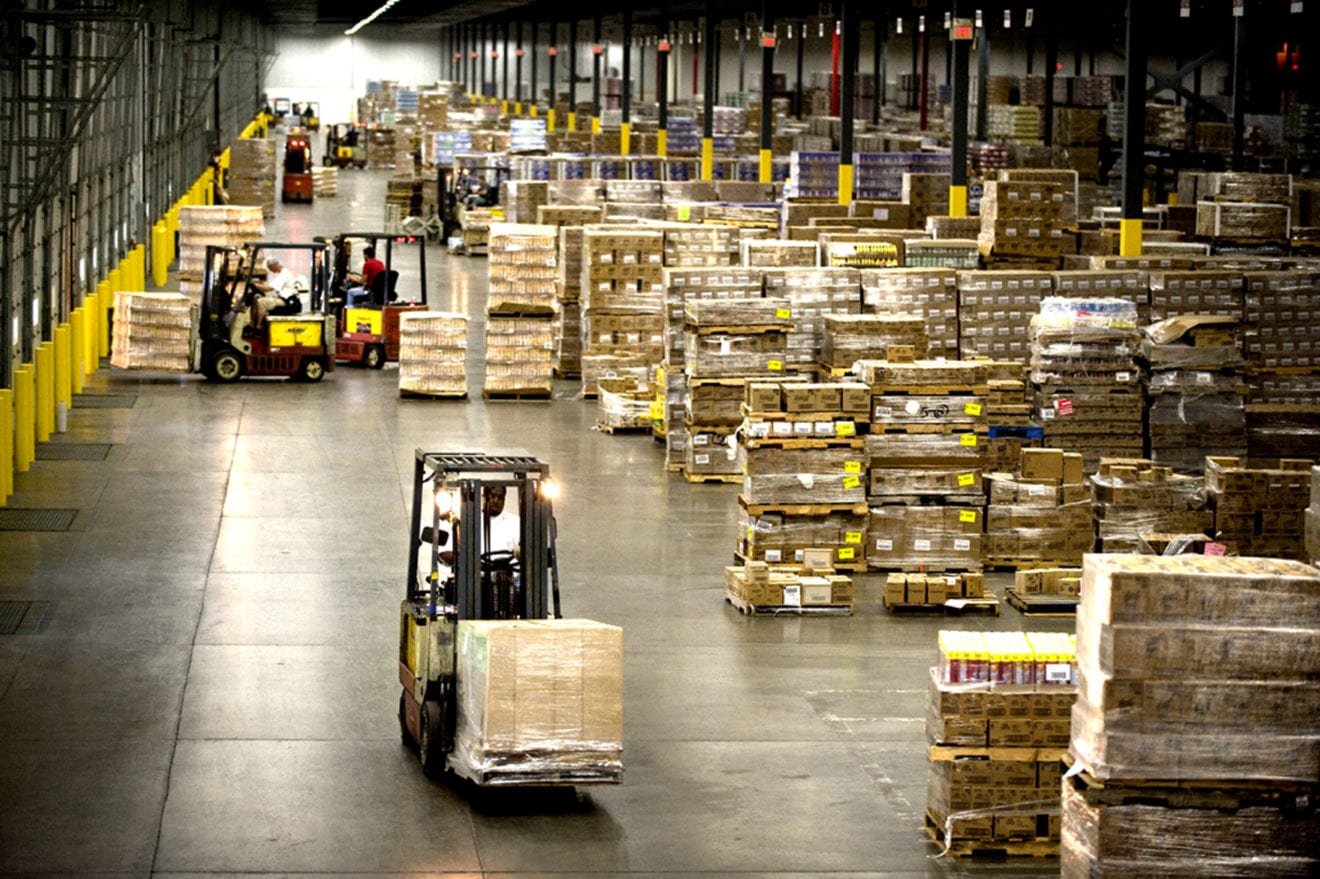
    Today’s warehouse managers face many challenges, not the least of which are meeting higher service levels and operational cost constraints. In this environment, it’s more important than ever that managers spend time on the floor, managing associates to drive optimal levels of productivity and monitoring work throughout the warehouse. This represents a difficult balancing act, however, as distribution centre managers and supervisors traditionally lack access to critical real-time data anywhere but the office.

    With this issue in mind, Manhattan Associates recently conducted a survey of supply chain executives and managers to better understand their struggle—and how mobile tools may be able to alleviate the challenges. The findings underscore that legacy, PC-based labour management systems (LMS) are effectively chaining managers to their desks, and preventing them from spending valuable time with associates. For example, 63 percent of respondents said lack of access to a computer keeps them from the warehouse floor, and 58 percent pointed to the need to review reports as another barrier against more associate engagement.

    Numerous studies have documented that employees are more productive when given frequent, real-time feedback on their performance, and how their work aligns with broader company goals. As such, it’s essential that distribution centre managers break out of the back-office for good, or risk poor morale and warehouse throughput.

    According to Manhattan Associates’ survey, increased mobility could address these challenges. Thirty-three percent of respondents said a mobile solution would increase their floor time by 50 percent or more, and an additional 28 percent indicated that mobile would free up at least 25 percent more time for on-site activities. In keeping with these findings, respondents reported that greater engagement is the chief benefit of providing managers with mobile tools. Additional advantages include:

    • Increased oversight (42 percent)
    • Real-time data (33 percent)
    • Supervisor productivity (21 percent)
    • Exception management (19 percent)

    In addition to recognising the benefits of mobility, our survey results indicate that warehouse managers are well on their way to implementing these solutions. Eighty-one percent of respondents said they either currently have mobile capabilities for managers, or have plans to deploy them in the near-term. Among the most desired functions in a mobile app were:

    • Employee productivity (85 percent)
    • Work management (85 percent)
    • Exception management (66 percent)
    • Labour requirements (49 percent)

    It’s evident that mobile solutions enable warehouse managers to spend much-needed time engaging with employees without sacrificing reporting requirements or other equally critical responsibilities.

    To help distribution managers and staff alike break away from their desktops and be more engaged and effective in the warehouse, Manhattan Associates launched its own Mobile Distribution Management solution earlier this year. The Manhattan solution provides everything warehouse managers need to interact and effect change among employees and execute tasks out on the warehouse floor. Combining data and functionality from Manhattan’s Warehouse Management and Labour Management solutions, Mobile Distribution Management allows warehouse and distribution managers to:

    • Systematically record active interactions with employees, including observations and performance measurements
    • Review work in the warehouse by wave, job function and task/activity
    • Put a task on hold, re-prioritise a task, assign a task to an employee or release a set of tasks to be completed
    • Monitor, plan and forecast work in real-time
    • Track the status for a particular customer, including order look-ups and wave progress

    While Labour Management and Warehouse Management Solutions have long been integrated, sharing performance data in person with employees was limited to static reports run at infrequent intervals. Mobile management, however, improves the manager/employee interaction by connecting both parties to performance reports in real time.

    Intelligent decision

    With mobile solutions, managers can also update information while an operational change is being made, and potentially reverse changes quickly to avoid work stoppages. Examples of active capabilities include task reprioritisation, release and reassignment. Outbound tasks in particular have the potential to benefit the most due to their high complexity and rapid pace.

    Supervisors can send real-time metrics (e.g., picking and packing rates by team or individual members; rankings; actual versus goal performance) via display screens and desktop dashboards to employees on the warehouse floor. This enables them to make better decisions in real time. The data also can be pushed to mobile devices, enabling management to monitor activity from any location or through pre-set, threshold alert notifications.

    What is the market’s understanding of mobile supply chain management?

    Engagement and communication techniques in the warehouse were traditionally centred around decidedly low-tech items, like bulletin boards and newsletters. With the increasing adoption of technology in the warehouse, big screen TVs for example, companies are introducing some great new ways to facilitate informational flow with minimal work. Large screens broadcast details like top performers on the floor and the most current KPIs, so that everyone is on the same page. This enables managers to make information available anywhere and anytime while integrating both quantitative and qualitative data.

    With mobile phones and tablets entering the scene also and showing up on the warehouse floor, mobility is having a huge impact on warehouse management. With a continuous drive for greater efficiency, improved productivity and enhanced service levels by companies in the Southeast Asia region, mobile is becoming a major focus for supply chain infrastructure upgrades and we expect this to remain the case for many years to come.
     

  • Mobile commerce on rise

    Mobile commerce on rise

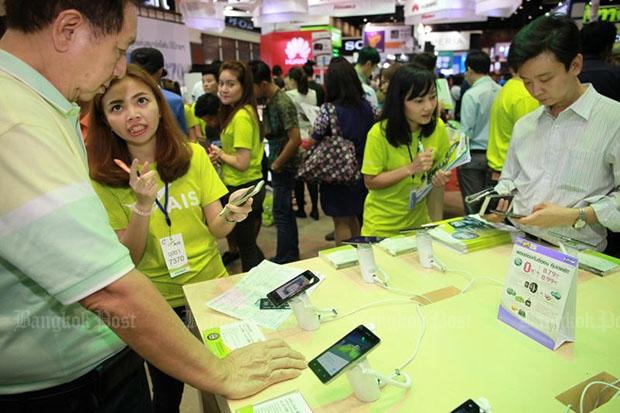
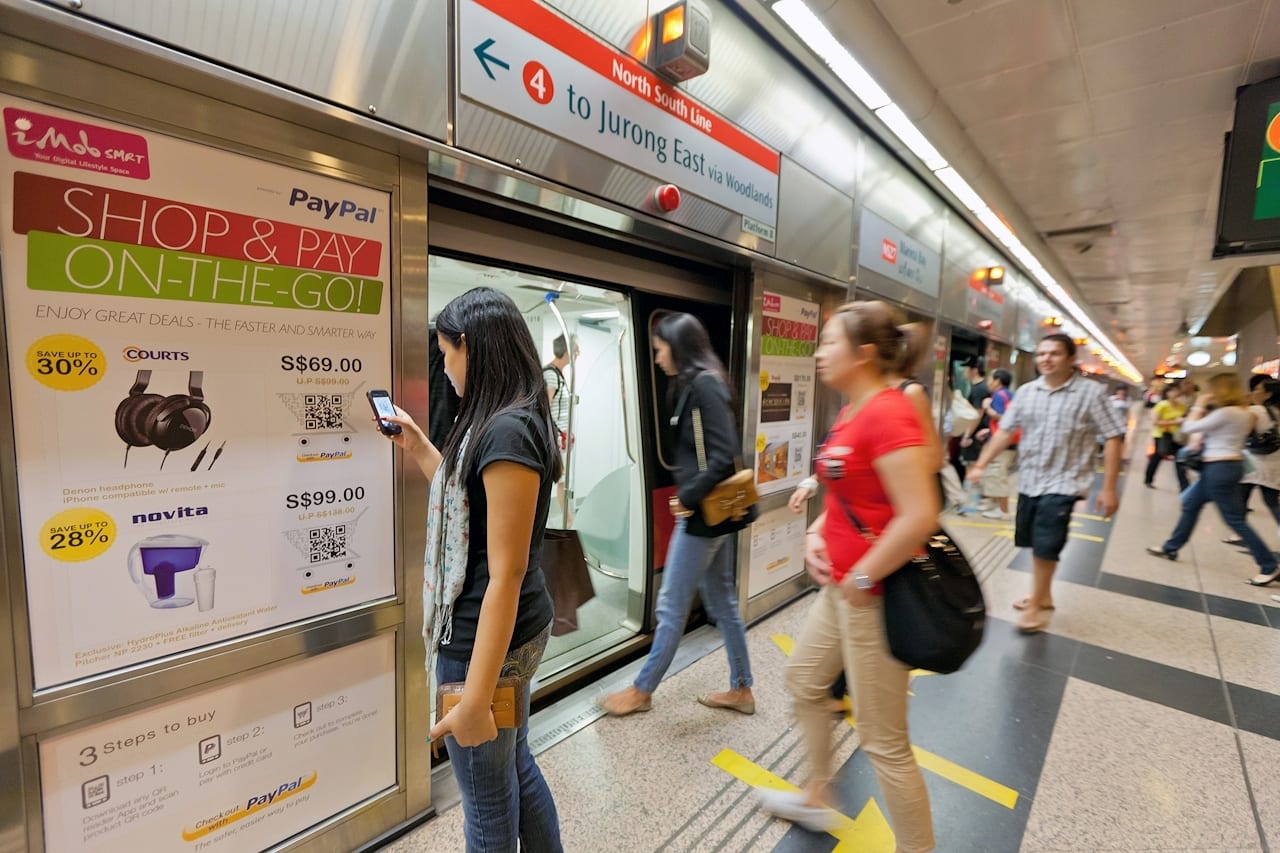
    Mobile commerce in Thailand has continued to cement itself as a significant online marketplace thanks to the greater availability of high-speed wireless broadband internet and affordable smartphones, say global internet and online retail companies.

    Attractive mobile commerce campaigns by e-commerce operators is also attributed to the surge in mobile commerce.

    Compared with the US, Japan and South Korea, Thailand’s online retail industry remains tiny, accounting for less than 1% of the total retail market, Lazada Thailand chief executive Alessandro Piscini told a seminar yesterday entitled “E-Commerce: The Secret Success for the Online Generation”.

    However, he said imminent fourth-generation commercial wireless broadband service was expected to boost the number of mobile internet users and lower mobile tariff rates.

    “Half of Lazada Thailand’s total online sales came from mobile phones, a five-fold increase from last year,” Mr Piscini said, adding that health and beauty products, mobile devices and fashion items were the top-three sellers.

    To further boost sales, Lazada Southeast Asia and its partners will hold its biggest sale of the year, Online Festival, from Nov 11 to Dec 12, providing up to 10 million products in 13 categories.

    Ratthasart Korrasud, senior director of the Electronic Transactions Development Agency (ETDA), said it encouraged retailers and manufacturers to comply with the UN Standard Products and Services Code, a taxonomy of products and services for use in e-commerce, for more efficient and accurate classification of products and services.

    The ETDA is also promoting the use of its online complaint centre among e-commerce users to ensure consumers’ trust and confidence in e-commerce.

    Wanna Swuddigul, director of digital and online business at Ek-Chai Distribution System, said local retailers must quickly expand to the online channel to accommodate rapidly changing consumer lifestyles.

    Thailand’s e-commerce is among Southeast Asia’s top three for growth potential thanks to its population, greater development of wireless infrastructure and Thais being highly engaged online.

    Tesco Thailand’s online sales, expected to account for less than 1% of total sales this year, are forecast to rise to 5% of the total by 2020, said Ms Wanna.

    Deepesh Trivedi, Facebook’s head of retail and e-commerce for Southeast Asia, said Thailand’s e-commerce would continue growing, driven mainly by the increasing number of mobile internet users.

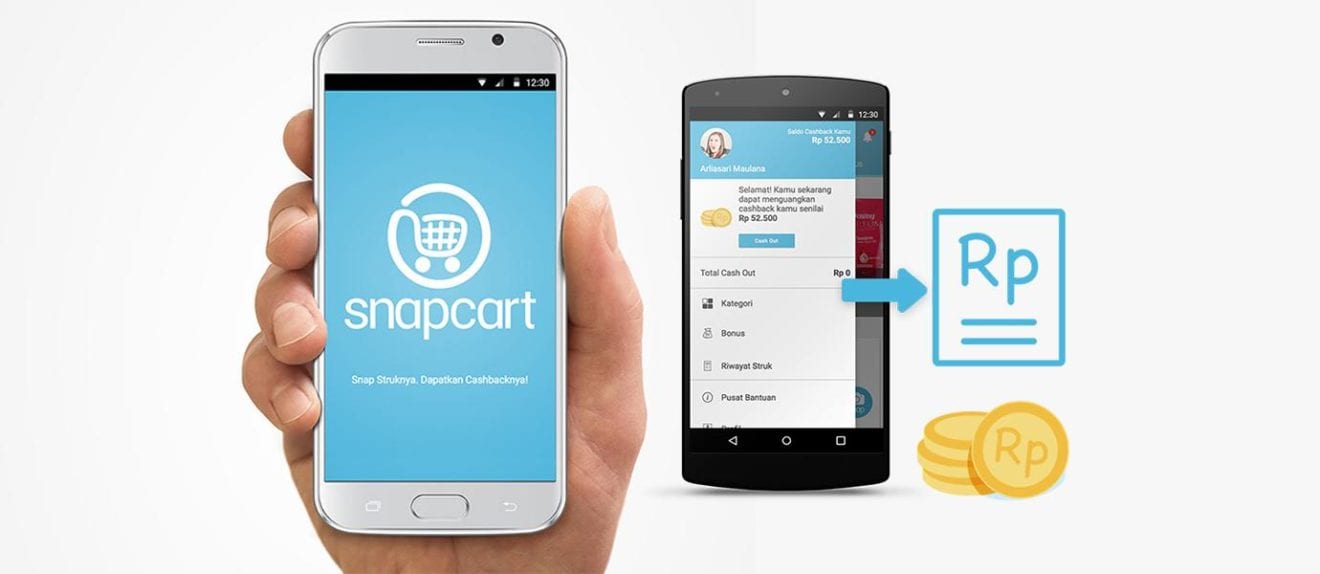
  • Indonesia’s Snapcart Turns The Humble Receipt Into Big Data For Brands And Retailers

    Indonesia’s Snapcart Turns The Humble Receipt Into Big Data For Brands And Retailers

    Smartphones could give retailers and brands unprecedented insight into consumer spending and behavior just by allowing you to photograph your receipt.

    That’s the premise of a new technology startup that launched in Indonesia today. Snapcart is backed by Ardent Capital — the VC firm behind Southeast Asia’s logistics network aCommerceand numerous e-commerce startups — and it aims to turn oft-discarded receipts into data gold mines.

    The theory is simple. Physical retailers and brands know little about consumers and their shopping habits beyond survey-based data and estimates from research firms like Nielsen. Yet, the precious information is contained within a small piece of paper that shoppers typically throw away with little regard: the receipt. Snapcart is incentivizing users to take photos of their receipts and upload them into its app in exchange for cashback and rewards.

    On paper, it’s a win-win — what consumer doesn’t like free stuff? And what brand or advertisers isn’t willing to pay up (incentives) to get fresh insight into their customers?

    The concept isn’t entirely new. Ibotta, a U.S. company backed by over $20 million from investors, provides cash back for access to similar data. Unlike Ibotta, which requires users to photo both their receipt and individual product barcodes for in-store purchases, Snapcart uses artificial intelligence to pull product information right from a receipt, so users take just one photo.

    Jakarta-based Snapcart has launched with two prominent, global brands — Nestlé and L’Oréal — but says it is in talks with another 20 or so partners. Founder Reynazran Royono — formerly with Proctor and Gamble and Boston Consulting — told TechCrunch he came up with the idea when reflecting on his experience as a consultant and a spell at e-commerce firm Berniaga.com, now OLX.co.id. Online retailers have access to a treasure trove of shopper data that physical retailers can only dream of, Royono said, and Snapcart aims to help change things.

    The main challenge looks to be gaining scale among shoppers — Snapcart claims it has 12,000 pre-launch installs of its app. Snapcart said it will initially work with brands, which it is leveraging for marketing and other opportunities for exposure among consumers, and over time it plans to include physical retailers through in-store integrations. It is first focused on grocery items, because they are daily necessities, but will branch out into other verticals over time, Royono explained.

    The company is starting live in Indonesia, Southeast Asia’s biggest country with a population of 250 million and ample opportunity, but Royono said he plans to expand across Southeast Asia towards the end of 2016. Snapcart is currently raising new funding, which he said should give it a good 18 months of runway.

    “Snapcart is the most promising big data business in Southeast Asia we’ve seen so far,” Adrian Vanyl, CEO of Ardent Capital, said in a statement. “For brands, it is data they’ve fantasized about, but never had any practical way to actually collect.”

  • Indonesians pressure the country’s largest telco to lower data costs

    Indonesians pressure the country’s largest telco to lower data costs

    Indonesians are pissed off about Telkomsel’s data package pricing policy. While they’re considered expensive for Jakartans, Telkomsel – Indonesia’s state-owned and largest mobile carrier – charges up to twice as much for the same amount of data if you happen to live in a bad “zone.”

    To protest this, activist Djali Gafur started a petition called “Internet for the people“. It has already accumulated over 10,000 signatures.

    Telkomsel divides the archipelago into 12 districts. Jakarta, as well as most parts of Java and the surrounding islands are in Zone 1, and tariffs actually go up as the areas get more remote. West Papua’s Raja Ampat district, for example, is in Zone 12.

    “We in Zone 12 don’t have a choice,” says Gafur in the petition on Change.org. It’s true because Telkomsel is often the sole carrier in remote areas. The others don’t even bother because the infrastructure costs outweigh the opportunities.

    Gafur demands that people in his area get access to the internet for an equal price, so that they too can participate in things like education, tourism, government, and creative industries online. “If [the connection] is a little slow, that doesn’t even matter so much,” he adds.

    Indonesia’s ICT Minister Rudiantara has since responded to the petition, and met with Telkomsel’s president director to discuss the matter, according to local media.

    Rudiantara said that the government is looking into subsidizing Telkomsel in areas where it is the only operator on the ground, supported by the Universal Service Obligation (USO) fund.

    The USO in its current form has been in place since 2005. Mobile phone carriers operating in Indonesia have to contribute 1.25 percent of their gross revenue into a shared pool, which non-profit government agencyBP3TI deploys toward connectivity programs in remote areas.

    Apparently, BP3TI is not quick enough to keep up with the demand for affordable mobile internet connectivity in the remote parts of Indonesia.

    Indonesia currently has no regulation on data tariffs, but according to Rudiantara, discussions on this will take place in 2016. In order to allocate funds from the USO to support Telkomsel in said remote zones, USO’s structure has to be changed. That will take time. For now, it’s up to Telkomsel to respond to the increasing frustration from people in zone 12.

  • Five Indonesian telcos launch LTE on 1800-MHz

    Five Indonesian telcos launch LTE on 1800-MHz

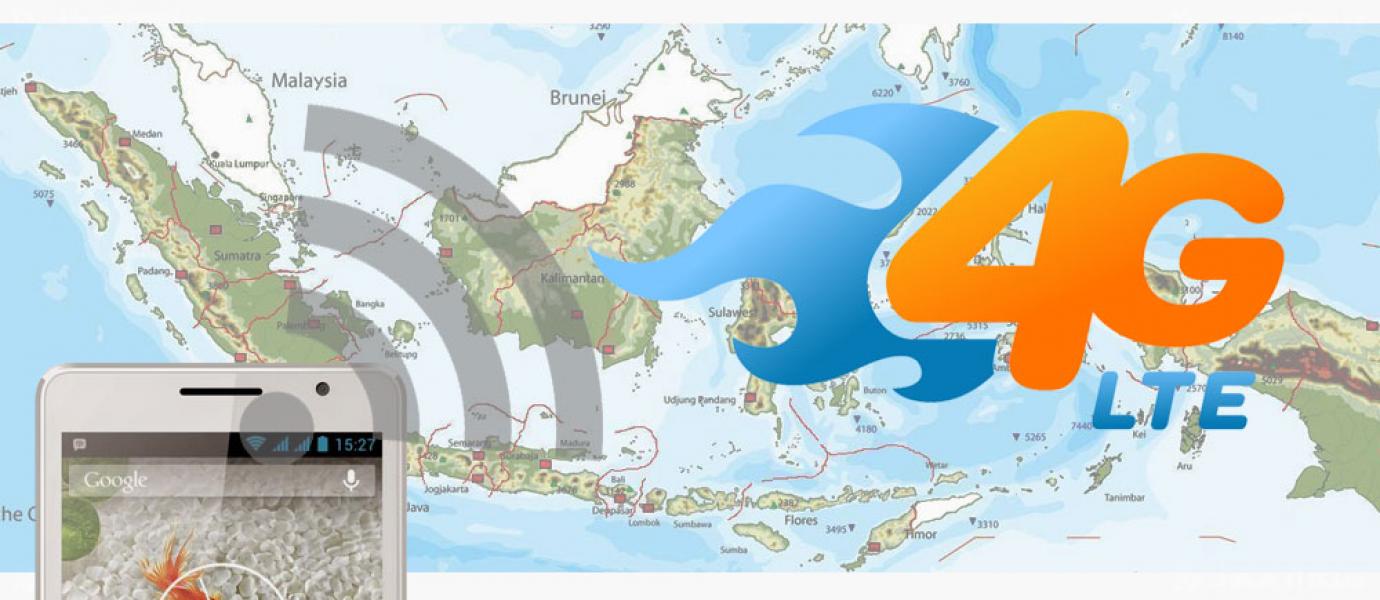
    Indonesia’s five largest mobile operators have all launched 1800-MHz LTE services, while a new player has indicated an intention to enter the LTE market.

    Telkomsel, PT Indosat, XL Axiata, Hutchison’s 3 and Smartfren all recently rolled out 4G services over the band in various cities and regions.

    Telkomsel switched on its network in Makassar, South Sulawesi, Indosat went live in Balikpapan, East Kalimantan, XL held a lunch on the island of Lombok, 3’s network has been rolled out to Banjarmasin, South Kalimantan, while Smartfren activated its network in Batam, Riau Islands.

    Mobile operators have been rushing to roll out LTE services in Indonesia after the government opened up use of the 1800-MHz band for 4G.

    Telkomsel, XL Axiata and Indosat have already launched LTE over the 900-MHz band. Incumbent Telkomsel already has 620,000 LTE subscribers, while XL Axiata has around 200,000.

    The report adds that Berca Hardayaperkasa, a unit of Central Cipta Murdaya, has revealed plans to enter the increasingly crowded 4G market as well. The company is targeting a launch in Bali, Makassar and Pekanbaru in October.

    Central Cipta Murdaya has committed up to $150 million to deploy the service in the three cities. The company is ultimately planning to launch in 12 cities outside Java. Berca was originally a Wimax operator, having secured 2300-MHz spectrum in 2009.

  • ‘Go mobile’ urges Alibaba

    ‘Go mobile’ urges Alibaba

    Mobile and differentiation were the key words when Alibaba Group Holding’s top executives introduced their strategy to 800 merchant attendees last week at the annual meeting of sellers on Taobao, its largest Chinese web marketplace.

    About 9 million merchants sell 1 billion items on Taobao.com, according to Alibaba, and mobile has become the marketplace’s major shopping venue. Alibaba reported that purchases from mobile devices accounted for 42 per cent of sales on its Chinese retail marketplaces in the quarter to December 31, 2014.

    Taobao.com is responding by creating new mobile services for merchants, including some that focus on social media marketing. In March, Taobao.com launched Xiaopu (which means “small booth” in Chinese), a feature in the Taobao app that enables merchants to upload product listings more quickly through mobile devices and connect more effectively with consumers through social media.

    “Xiaopu simplifies the steps to manage a store and could reduce the time to upload a product listing from 20 minutes to three minutes. For example, merchants can scan a bar code on a product to post a product,” says Zhang Kuo, director of Alibaba’s mobile business.

    “Xiaopu also allows merchants to post messages on Chinese social network Weibo to reach followers based their location. Consumers could buy products that are close to them, and even get the product from a merchant in person.”

    More than 2 million merchants have begun to use Xiaopu, according to Taobao.com.

    The focus on social media reflects its growing role in driving traffic to Taobao merchants, and the declining traffic from mobile consumers using Taobao’s internal search engine. “The mobile traffic from searches is decreasing. Now only 50 per cent of our mobile traffic comes from search, and more traffic is coming from recommendations in online communities and social media,” Zhang says.

    Alibaba also is taking steps to promote products that are unique or novel, as it tries to move away from its reputation as a wide-open online bazaar where sellers compete solely on price. In its latest move in this direction, Taobao.com launched a promotional event in March called Week of New Forces to sell about 100,000 apparel products through banners in prominent positon on the home page of the marketplace. Almost all the products come from youthful designers or rising web-only apparel brands that target a specific group of young consumers, according to Alibaba.

  • Convenience stores in Taiwan look at mobile app potential

    Convenience stores in Taiwan look at mobile app potential

    Two major convenience store chains in Taiwan are trying to introduce mobile apps to give customers access to a greater range of services and boost sales as e-commerce could soon revolutionize the convenience store industry.

    President Chain Store Corp, which operates Taiwan’s largest convenience store chain, said it is currently building a big data and cloud computing system and developing omnichannel payment solutions. These solutions, including ibon, icash 2.0 and iChannel digital media platforms, will enable delivery of products ordered online through its 5,000 outlets, the company said.

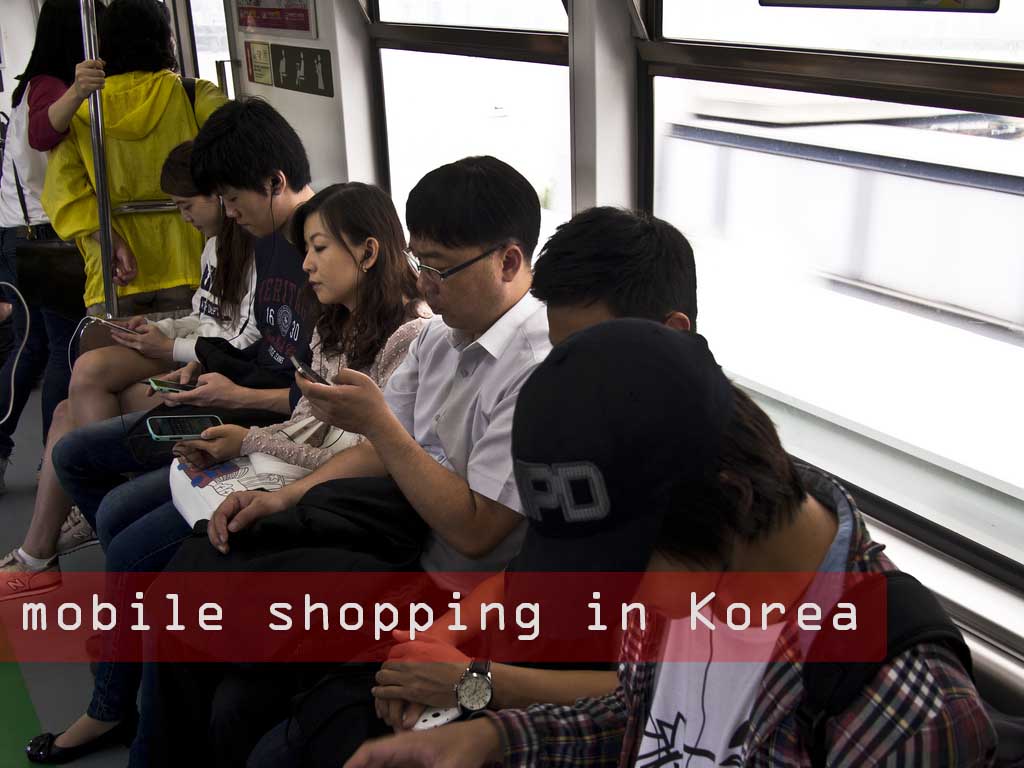
  • Korea mobile shopping hits new high

    Korea mobile shopping hits new high

    South Koreans are spending more online on mobiles than ever before.

    Korea mobile shopping spend reached a new record in 2014, crossing the 10 trillion won mark for the first time.

    Thanks to the ubiquity of smartphones and tablets, annual sales volumes for mobile shopping in Korea first exceeded the 10 trillion won (US$9 billion) mark last year.

    According to the “Distribution Industry Whitepaper 2015” released by the Korea Chamber of Commerce and Industry (KCCI), the total volume of mobile shopping sales was 13.1 trillion won – up a massive 12.5 trillion won from 2011 when the KCCI first started tracking mobile shopping sales figures.

    “As search and payment solutions through mobile devices continue to improve, online shopping channels are moving from PCs to mobile,” the KCCI said.

    In fact, the sales volume of online shopping through PCs decreased by 1.8 trillion won, but mobile sales increased by 7.2 trillion won.

    Meanwhile, offline shopping channels have mixed feelings of joy and sorrow. While traditional powerhouses such as the big box retailers (down 3.4 per cent), department stores (down 1.6 per cent) and supermarkets (up 0.8 per cent) showed negative or stagnant sales growth, convenience stores saw an increase of 8.7 per cent last year.

  • Most Taiwan mobile shoppers spend over USD32 a month

    Most Taiwan mobile shoppers spend over USD32 a month

    A large majority of Taiwanese who make purchases on mobile devices spend more than NT$1,000 (USD31.9) a month, according to a survey conducted by the government-sponsored Institute for Information Industry.

    The Market Intelligence Center (MIC) under the III, cited a survey as saying that almost 70 percent of respondents who have purchased goods through their mobile devices spent at least NT$1,001 (US$31.68) a month on such purchases.

    The survey, conducted between Nov. 20 and Dec. 3, found that 62.5 percent of respondents said they made purchases on mobile devices, such as smartphones and tablet computers.

    According to the survey, 30.4 percent of those who used mobile devices to shop spend NT$500-NT$1,000 a month on average, 33.1 percent said they spend NT$1,001-NT$2,000 a month, and 16.6 percent said they spend NT$2,001-NT$3,000 a month.

  • Study: Asia-Pacific to account for 41.4pc of global e-commerce sales

    Study: Asia-Pacific to account for 41.4pc of global e-commerce sales

    Asia-Pacific will account for 41.4 percent of worldwide e-commerce sales and is set to overtake the US as the world’s biggest e-commerce market, the latest research by Worldwide Business Research (WBR) shows.

    The research was conducted as part of the 3rd Annual e-Tail Asia conference to be held in Singapore in March.

    The study also found that e-commerce leaders in the region sees customer experience as the most crucial focus in 2015, followed by mobile marketing and cross border marketing.

    In the latest research conducted by Worldwide Business Research (WBR), e-commerce leaders across Asia-Pacific identified Customer Experience as the most crucial focus area for 2015, followed by Mobile Marketing and Cross border Marketing.

    The research was conducted as part of the 3rd Annual e-Tail Asia conference to be held in Singapore in March.

  • Mobile wallet outshines credit cards in India

    Mobile wallet outshines credit cards in India

    Mobile wallet may be a new concept, but Indians seemed to have adopted the mechanism faster than credit cards. While there are about 10-12 companies operating in the mobile wallet space, Noida-based Paytm has more than 20 million active users. The number is actually higher than the cumulative number of credit cards in India.

    According to the Reserve Bank of India (RBI), the total number of credit cards issued by 55 scheduled commercial banks in India is 19.9 million as of October 2014. HDFC Bank issued the highest number of credit cards – 5.6 million – followed by 3.3 million by ICICI Bank.

    On the other hand, banks have issued as many as 441 million debit cards in India so far.

  • PLDT, Rocket Internet create JV for mobile payment in emerging markets

    PLDT, Rocket Internet create JV for mobile payment in emerging markets

    Looking to drive the massive adoption of online and mobile payment solutions in emerging markets, the Philippine Long Distance Telephone Company (PLDT) Internet platform Rocket Internet AG are establishing a global Joint Venture for payment services.

    Under the agreement, PLDT will contribute the intellectual property, platforms and business operations of its mobile-first payment platform Smart e-Money Inc., a pioneer in mobile banking and mobile wallet services in the Philippines, which has handled transactions valued at approximately EUR3.4 billion (USD4 billion) in 2013.

    With over 5 million active customers and 300.000 trade accounts, SMI owns and manages the Philippines’ biggest “branchless banking” network, certified at the highest global security and governance standards as a financial service platform.

    “We look forward to continuing the long-term success story of Smart Money and optimizing the synergies between e-commerce and innovative mobile-first payment solutions,” said Napoleon L. Nazareno, President and CEO of PLDT.

    Rocket, on the other hand, will contribute its participations in Paymill Holding GmbH and Payleven Holding GmbH, two of its payment platforms for high growth, small-and-medium-sized e-commerce businesses across Europe.

    Oliver Samwer, Founder and CEO of Rocket Internet, said its network of companies combined with PLDT’s 14 years of experience in the mobile payment industry will allow the partnership to deliver world-class innovations in mobile money and micro-payments around the world.

  • LINE introduces mobile payment service

    LINE introduces mobile payment service

    Mobile platform LINE recently introduced a mobile money and transfer purchasing service called Line Pay, which is a new feature included in its 4.8 version update.

    With 170 million monthly active global users, LINE said the platform will provide a means through which shoppers can make make secure and convenient payments anytime, anywhere, straight from their smartphone.

    In the first phase of its release, LINE Pay will support only payments on LINE store. Users can register their credit cards to purchase paid content such as stickers and apps.
    All charges on the LINE Store made via LINE Pay will receive discounts of up to 25 percent for a limited time.

    In the future, the company said more offline shops and additional features such as money transfers between LINE users will be included.

    To ensure security in transactions, a LINE Pay-exclusive passwords is required, which prevents features from being used even if the account is logged in to by a third party. LINE said it also utilizes a monitoring system to detect and report accounts that are suspected of illicit activity and will work to ensure a safe and secure payment service for its users.