Tag: Mobile

  • Korea’s convenience stores to use mobile payments more

    Korea’s convenience stores to use mobile payments more

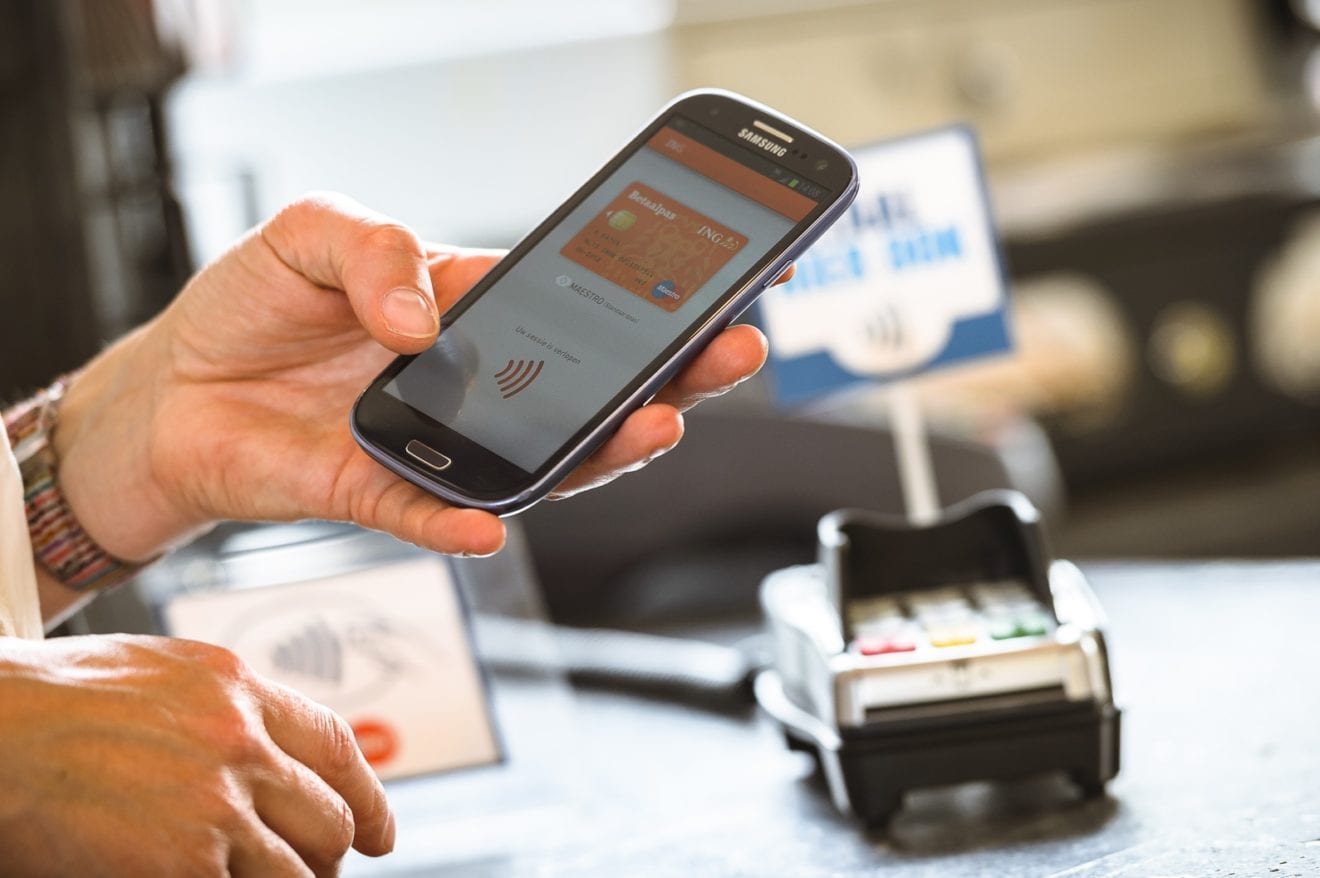
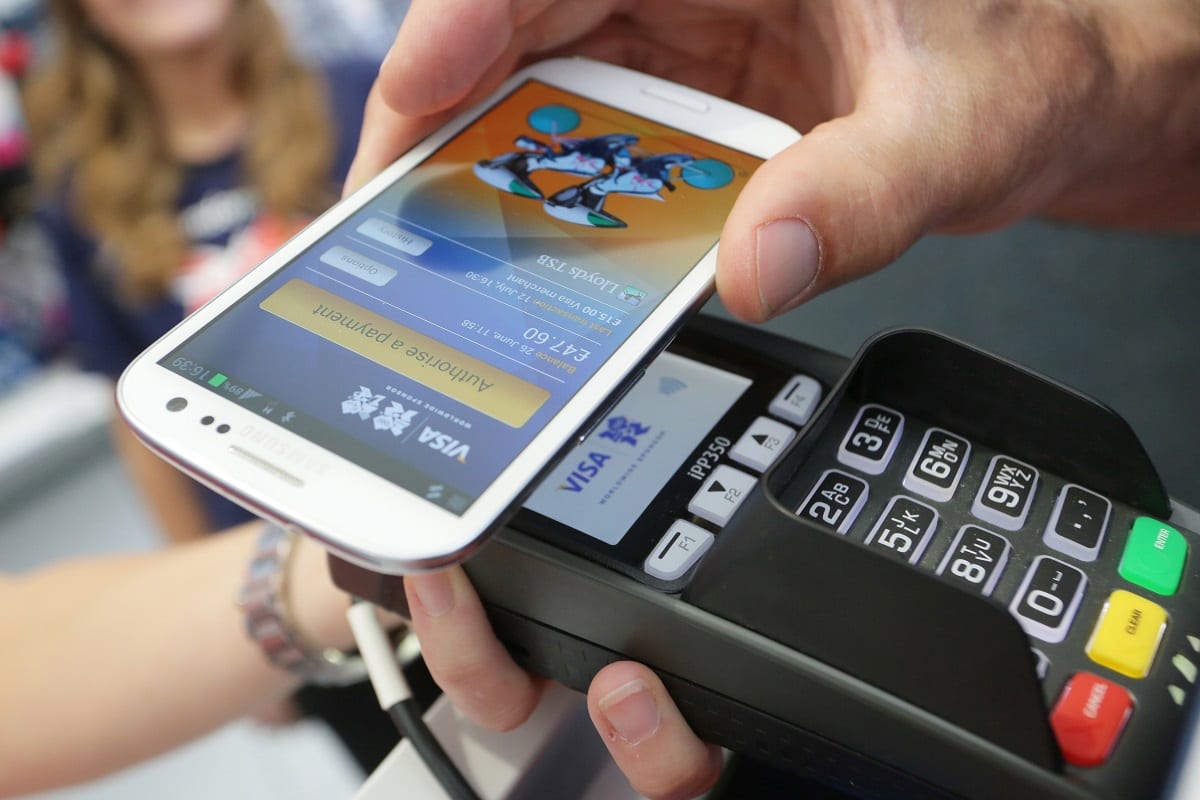
    Mobile payments at South Korean convenience stores have more than doubled this year thanks to the greater use of smartphones and the expansion of mobile settlement services. South Korea’s top convenience store chain CU said the number of so-called easy mobile payments at its outlets soared 121.5 per cent year on year in the first 10 months.

    Convenience chain operators in Asia’s fourth-largest economy adopted the easy mobile payment system in 2011, but the service only started to take off last year.

    The percentage of mobile payments out of total settlements at convenience stores expanded to 3.5 per cent this year, compared with 1.9 per cent last year and just 1 per cent in 2015.

    “The number remains in the single-digit range, but the easy mobile-settlement system has been growing at an exponential pace,” a CU spokesperson said.

    Currently, CU allows customers to use Samsung Electronics’ Samsung Pay and 19 other payment tools at its stores.

    Samsung Pay accounted for 85.5 per cent of CU’s mobile settlements during the January-October period, followed by Kakaopay with 4 per cent and LG Pay with 2.8 per cent.

    Industry sources said retailers in South Korea have been ramping up efforts to develop their own mobile payment platforms as more tech-savvy consumers turn to their smartphones to make mobile payments at South Korean convenience stores.

    Some seven in 10 South Koreans are known to own a smartphone, the fourth-highest smartphone penetration rate in the world.


  • China Unicom more than doubles nine-month profit

    China Unicom more than doubles nine-month profit

    China Unicom has revealed it expects to report a more than doubling of its profit for the first nine months of the year, despite facing significant pressure on mobile service revenues. The operator’s unaudited results show a 116.6% increase in net profit for the first three quarters of 2018 to 8.87 billion yuan ($1.28 billion).

    Mobile service revenue grew an estimated 7.2% year-on-year to 125.42 billion yuan, despite the company’s ongoing implementation of a national policy requiring operators to upgrade network speeds while reducing tariffs for customers.

    The nation’s operators have agreed to reduce the cost of mobile data services by at least 30% by the end of the year.

    China Unicom also stopped charging domestic data roaming fees from July in response to another government directive. Roaming fees for domestic long distance calls were abolished last year.

    In a statement to the Hong Kong Stock Exchange, China Unicom said it was able to mitigate these pressures on its mobile revenues by optimizing tariff packages and more heavily promoting large data bundles to its customers.

    Fixed line revenues are meanwhile expected to have grown 5.2% year-on-year to 73.22 billion yuan.

    China Unicom’s profit for the nine month period also includes a 1.47 billion yuan influx resulting from an increase in its share of the profit from tower infrastructure joint venture China Tower following its public listing and new share issuance.

    The company added that it is anticipating a seasonal increase in competition during the fourth quarter, but it has strategic plans in place to cope with any challenges.

  • Australia launches fourth Mobile Black Spot round

    Australia launches fourth Mobile Black Spot round

    The Australian government has opened applications for the fourth round of the national Mobile Black Spot program, designed to improve mobile coverage in regional and remote Australia. Mobile network and infrastructure providers have been given until December 10 to submit their applications for taking part in the program to install mobile base stations at designated locations. Construction is expected to commence early next year. The government has allocated A$25 million ($17.8 million) in funding for the latest round of the program, which is designed to subsidize the deployment of base stations in unprofitable areas.

    The program has a focus on public interest premises, including economic centers, emergency services, health and educational facilities, local government facilities, as well as community and non-profit organizations.

    Co-funding is provided by state and local governments, the market’s mobile operators Optus, Telstra and Vodafone, businesses and local communities.

    Locations for the deployment were nominated by local and state governments and federal politicians, but local communities can still seek funding for locations not on the database.

    Under the first three rounds of the A$220 million federal government program, 867 new base stations are being delivered at a total cost of A$680 million.

  • Softbank said to pick banks to lead $27b mobile IPO

    Softbank said to pick banks to lead $27b mobile IPO

    Japan’s Softbank has reportedly selected the banks that will serve as lead underwriters for the IPO of its domestic mobile business. The operator has picked banks including Nomura Holdings, Mizuho Financial, Sumitomo Mitsui Financial, Goldman Sachs and Deutsche Bank to underwite the offer for around 3 trillion yen ($26.82 billion) worth of shares, citing unnamed sources. This would make the IPO the largest ever, beating Alibaba Group’s $25 billion IPO from 2014.

    According to the sources, Softbank currently plans to start marketing the IPO next month and could list shares on the Tokyo Stock Exchange by mid-December, but this timing is subject to change.

    Softbank’s founder Masayoshi Son is seeking to squeeze value from its telecoms assets to raise funds for his Vision Fund, which aims to raise $100 billion from global investors every two to three years to invest in promising startups and emerging technologies.

    The operator is expected to market most of the shares on offer to Japanese investors.

  • H&M invests $20M in payments firm Klarna

    H&M invests $20M in payments firm Klarna

    Fast-fashion retailer H&M has taken an investment stake of less than 1% in Swedish fintech company Klarna for $20 million, reported the Financial Times reported. Beginning next year, Klarna will provide both in-store and online payment services for H&M, beginning with 14 European countries, including the U.K. and Sweden, according to a press release. The partnership could expand into the U.S. and Asia.

    By integrating payments across H&M’s channels, the goal is to provide customers “a seamless, personalized and engaging shopping experience,” the press release said. The new capabilities will involve frictionless mobile, in-store and online payments and will simplify deliveries and returns. It will also allow shoppers to determine when and how they pay, including try-before-you-buy services.

    The next generation of the H&M app and H&M Club loyalty and payment program will include these new features, the companies said.

    Facing a declining stock price and following a 10-quarter same-store sales slump, H&M has been moving aggressively throughout 2018 to bolster technology and merchandising. In March the company reported declining profits because of “weak sales development as well as higher markdowns,” but CEO Karl-Johan Persson predicted 25% sales growth for the rest of the year. The company has refocused on e-commerce and refined its merchandising mix and store count, even closing stores so as to expand on Alibaba’s Tmall.

    The company is using big data and artificial intelligence to customize the assortments in individual stores. H&M wants to reduce markdowns by using algorithms to analyze store receipts, returns and loyalty-card data, and is testing the technology in a Stockholm store. In August, it announced the roll-out of a new e-commerce site and mobile app, equipped with visual search capabilities specifically for the U.S. market. H&M is testing voice interactive mirrors at its New York City flagship store, which offer selfies, style advice and discounts via QR codes.

    The retailer is also investing in its supply chain by making it faster, more flexible and efficient through the use of proximity sourcing and automated warehouses. H&M plans to bring RFID to 1,800 stores in 2019. Earlier this year, it announced the launch of a new brand called Nyden aimed at Millennials and their increasing rejection of fast fashion. This follows the introduction last year of stores with a broader range of apparel for men, women and children branded as Arket. These stores also include home goods and some have cafes.

    H&M is investing in advanced technology that spans its online and offline channels, products and support services such as payments. Now it has invested in Klarna, which is known for a technology that allows customers to arrange for financing at the point of sale. For H&M, the retailer hopes the partnership will smooth out and streamline its payments options, delivery and return processes.

    “We want to make it possible for customers to move freely between the various channels and choose how they want to shop and experience our offering online and in-store,” H&M Head of Business Development Daniel Claesson said in the release. “This partnership will bring tailor-made payment solutions to our customers and accommodate evolving shopping patterns and needs.”

  • Telstra wins $12.3m outdoor advertising contract

    Telstra wins $12.3m outdoor advertising contract

    Australian operator Telstra has secured an A$17 million ($12.3 million) contract with fleet operator P2P Transport to provide connectivity for a mobile digital advertising solution.

    Telstra will provide access to its mobile and IoT network and its digital media capabilities to support the project to provide advertising on 900 P2P vehicles as they travel throughout the nation, starting with an initial 300 taxis.

    P2P Transport leases vehicles including taxis and limousines to individual taxi drivers, ride-sharing drivers and limousine operators.

    The advertising solution will allow advertisers to deliver specific messaging for particular times and locations, such as by pushing out messages advertising food options during lunchtime.

    It uses Australian-developed GPS-enabled screens purpose built for the taxi industry, that use integrated power to prevent the need to drain the vehicle’s battery.

    “It’s getting more difficult for organizations to cut through the noise in the market today and P2P Transport’s solution is a fantastic example of forward-thinking that capitalizes on technology to create a smarter, more targeted way of reaching potential customers,” Telstra Enterprise chief customer officer John Ieraci said.

    “We’re really excited to work with P2P Transport to support this next generation mobile advertising solution using our comprehensive IoT offering and business-grade mobile network.”

  • Myanmar telcos launch mobile scam info campaign

    Myanmar telcos launch mobile scam info campaign

    Myanmar’s mobile operators have teamed up to increase awareness of the importance of mobile security in the wake of a rise in the number of mobile phone scams targeting the nation.

    MPT, Ooredoo Myanmar, Telenor Myanmar and MyTel have launched a join information campaign covering various types of mobile phone fraud and steps consumers can take to protect themselves.

    The operators said Myanmar’s rapid increase in mobile penetration over the last few years has made the market an attractive target for both local and international cybercriminals.

    Over the last few weeks, there has been an increase in the number of missed call scams, involving tricking consumers into dialling back premium rate services, as well as smishing scams, involving sending SMS to coerce users into filling their information into an online form believing they are updating their contact details or registering for a special offer from a legitimate business.

    The operators are advising their customers not to install applications or download files from untrusted sources, avoid answering calls from international numbers they do not know and hang up immediately on calls where nobody appears to be on the other end.

    The advice also covers tips including avoiding providing callers with PINs and one-time passwords, or SIMs from unknown sources, and conducting a factory reset before selling or giving away a phone.

  • Consumers watch almost 7 hours of online video per week

    Consumers watch almost 7 hours of online video per week

    Consumers worldwide are watching more online video than ever, with average consumption growing to of 6 hours and 45 minutes per week, according to a new survey.

    This figure is even higher in Singapore, with the average Singaporean watching eight hours and 13 minutes of online video content each week.

    This were the findings of the new “State of Online Video” report from Limelight Networks, which was based on 5,000 responses from consumers living in Europe, Asia (Japan, Philippines, Singapore, South Korea) and the US. Only those who watch one hour or more of online video content per week were polled.

    Insights from report

    What are some insights that could be gleaned? For one, performance issues with online video continue to turn Singaporean viewers off. Specifically, the experience of video buffering was cited as the most frustrating aspect of watching a video online (46%) followed by poor video quality of online content (32%), with more than half (59%) reporting they will stop watching a video if it re-buffers twice.

    Singaporeans are also price-sensitive and will cancel services due to price increases. Some 63% of Singaporean respondents said that price is the reason why they would cancel a subscription video on-demand (SVOD) service. This is second to only Italy (70%) and exceeds the global average (55%).

    Marketers will be glad to know that Singaporeans are tolerant of advertising in online videos. Indeed, 87% are not opposed to a short advertisement before an online video if the content they are viewing is free. However, they are less accepting of mid-roll ads in free content, and only 24% willing to accept multiple advertisements.

    “Singaporean viewers are very savvy when it comes to exploring online mediums, especially for their entertainment needs. We expect this trend to continue in the coming years, especially in the area of growing video on-demand adoption,” said Jaheer Abbas, the senior director of Southeast Asia and India at Limelight Networks.

    “Yet, service providers should be aware that factors such as price and quality have strong influence on viewers. To encourage viewers to make the switch from traditional television options, the issue of latency and quality at a competitive price need to be addressed. At Limelight, we seek to partner with businesses to make this possible, by enabling live broadcast streaming in less than a second, providing online viewers with the same experience enjoyed by broadcast viewers,” he said.

  • Security concerns inhibiting m-payment adoption in Hong Kong

    Security concerns inhibiting m-payment adoption in Hong Kong

    More than half (53%) of Hong Kong residents polled during a recent survey conducted by the Hong Kong Internet Registration Corporation (HKIRC) said concerns over cybersecurity and privacy risks are major barriers to greater adoption of mobile payments.

    Other barriers that have been cited in the survey include technical instability and the lack of support for mobile payment from most local merchants in the city

    In speaking about the survey, HKIRC deputy CEO Bonnie Chun allayed the primary fear of using mobile payment, pointing out that the government ‘has already put a lot of regulations in place to ensure the industry strictly follow their guidelines. We suggest the government promote its policies via different channels such as social media among others,” said Chun.

    She added that the government should keep on educating the public about the different ways of maintaining safe online hygiene such as changing one’s passwords regularly, using two-factor authentication, not using public Wi-Fi connections for making payment transaction and downloading mobile apps only from reliable sources.

    “Also, mobile payment providers should increase their transparency on how they handle personal data. They should try not to collect too much personal data during the registration process to increase users’ confidence.”

    Mobile payment gets a foothold in Hong Kong

    The survey polled 1,200 residents in the city between the ages of 18 and 65, who belong to various industry sectors.

    Survey results showed that mobile payment is now gaining a foothold in the city with 23% of respondents using mobile payment and is now in the top three payment methods in Hong Kong after credit cards (37%) and Octopus Card (25%).

    While 93% of respondents between the ages of 18 to 25 have used it before, a high percentage – 77% – of older respondents aged 56 to 67 have also used mobile payments.

    More than a quarter of respondents or 28% have been using mobile payments two to three times a week. About 88% of respondents use their mobile phone for transactions of less than HK$500 ($64).

    The survey showed that respondents want to be able to use mobile payment in three areas: public transport, government bills and clinic,

    “The future of mobile payment in Hong Kong is very positive. When we start using mobile payment in public transport, people will become more familiar with it and the adoption rate will increase,” Chun said

  • Zong 4G – No.1 Data Company of Pakistan Continues its Expansion Nationwide

    Zong 4G – No.1 Data Company of Pakistan Continues its Expansion Nationwide

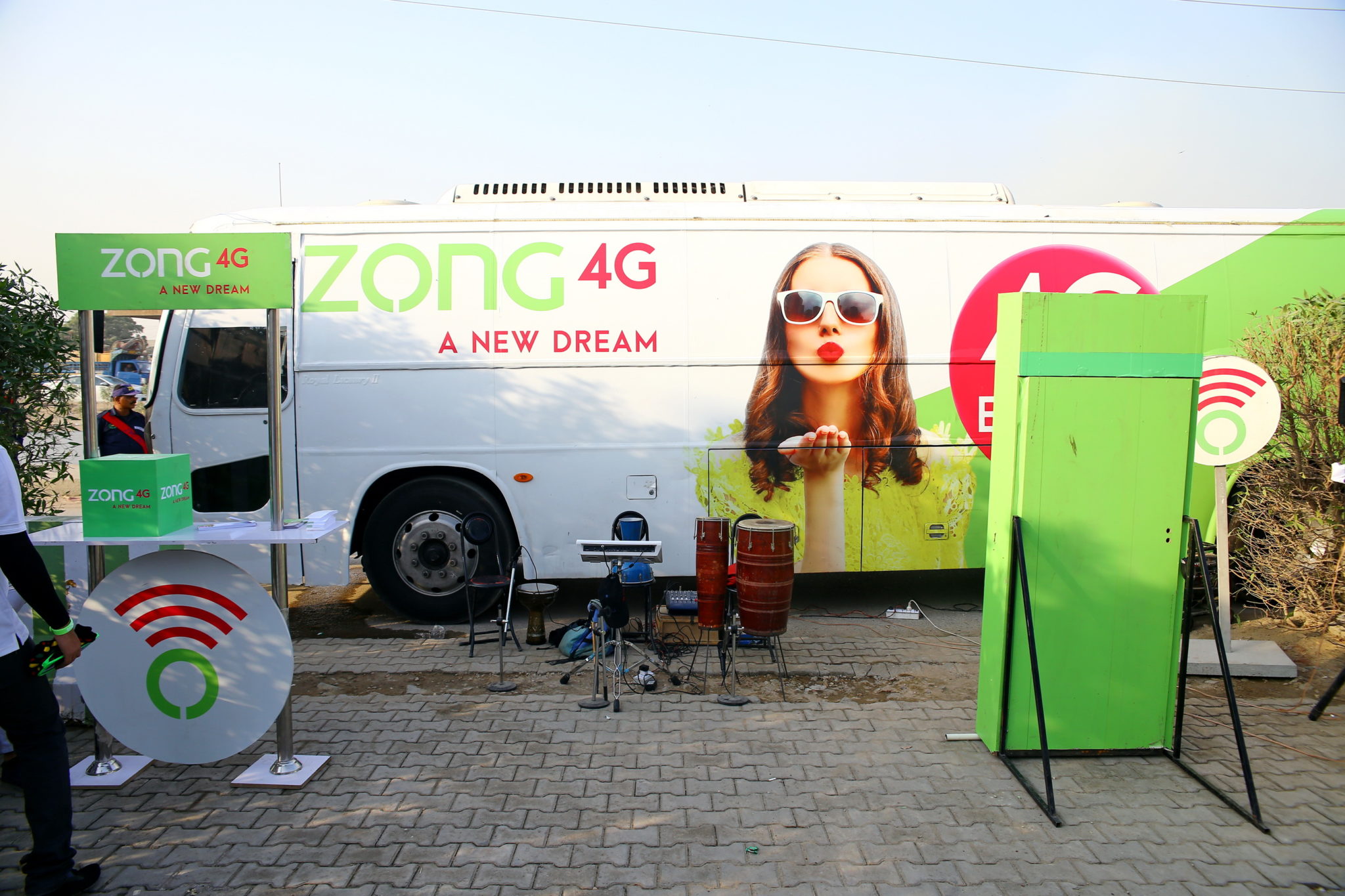
    In a prolific development, Pakistan’s largest telecom network Zong 4G has launched its operations in the port city of Gwadar, a future international business hub which has already seen foreign and local investment amounting in billions of dollars and rupees.

    The launch of fastest 4G services in Gwadar implies that foreign citizens from across the globe and local residents who have been pursuing their respective business endeavours in the port city will have unhindered access to the fastest 4G technology against reasonably affordable tariff. The move is likely to boost online businesses in the fast developing international city and the adjoining belt of rural Sindh.

    With its 4G consumer-base already having exceeded the 6 million mark, Zong eyes to keep expanding its matchless voice and data services.

    “Zong 4G’s network expansion symbolises our customer-centric approach to ensure that the interests of consumers stay above all the rest by offering them best and affordable network,” the telecom company said in a statement.

    “We keep expanding our operational portfolio to ensure enhanced operations in cities, towns, villages, and far-flung areas,” it said.

    The ongoing momentum of the rapid network expansion implies that Zong 4G continues to invest heavily in modernisation of the mobile network to respond to growing market needs.

    Innovation, performance and reliability have long been Zong’s hallmark. The No.1 Data Company of Pakistan epitomises professional excellence and digitised supremacy coupled with its customer-oriented policies with an aim to deliver the best but at highly affordable rates.

  • Most Yum payments via mobile now

    Most Yum payments via mobile now

    Mobile payments accounted for 56 per cent of Yum China Holdings first-quarter sales, up from 31 per cent 12 months earlier.

    Unaudited results for the period show the fast-food giant’s total revenues grew 15 per cent year over year to US$2.2 billion (6 per cent if foreign currency translation excluded). Total system sales grew 6 per cent, with 9 per cent growth at KFC partially offset by 1 per cent decline at Pizza Hut, excluding foreign exchange.

    Same-store sales grew 3 per cent, with an increase of 5 per cent at KFC partially offset by a 5 per cent drop at Pizza Hut, excluding foreign exchange.

    Restaurant margin was 17.9 per cent, compared with 20.4 per cent in the previous year.

    Operating profit grew 33 per cent to $395 million, while net income grew 41 per cent to $288 million.

    During the quarter, the company completed the acquisition of an extra 36 per cent equity interest in an unconsolidated affiliate, Wuxi KFC, for cash consideration of about $98 million, taking its stake to 83 per cent.

    Also during the quarter the group opened 203 restaurants, taking its total store count to 8112 across more than 1200 cities.

    Online delivery contributed 16 per cent to company sales, up from 13 per cent 12 months earlier. Delivery services are now available in 970 cities, up from 700.

    At the end of March, the KFC loyalty program had more than 120 million members while that for Pizza Hut had about 40 million members.

  • FavePay reaches 2 million customers

    FavePay reaches 2 million customers

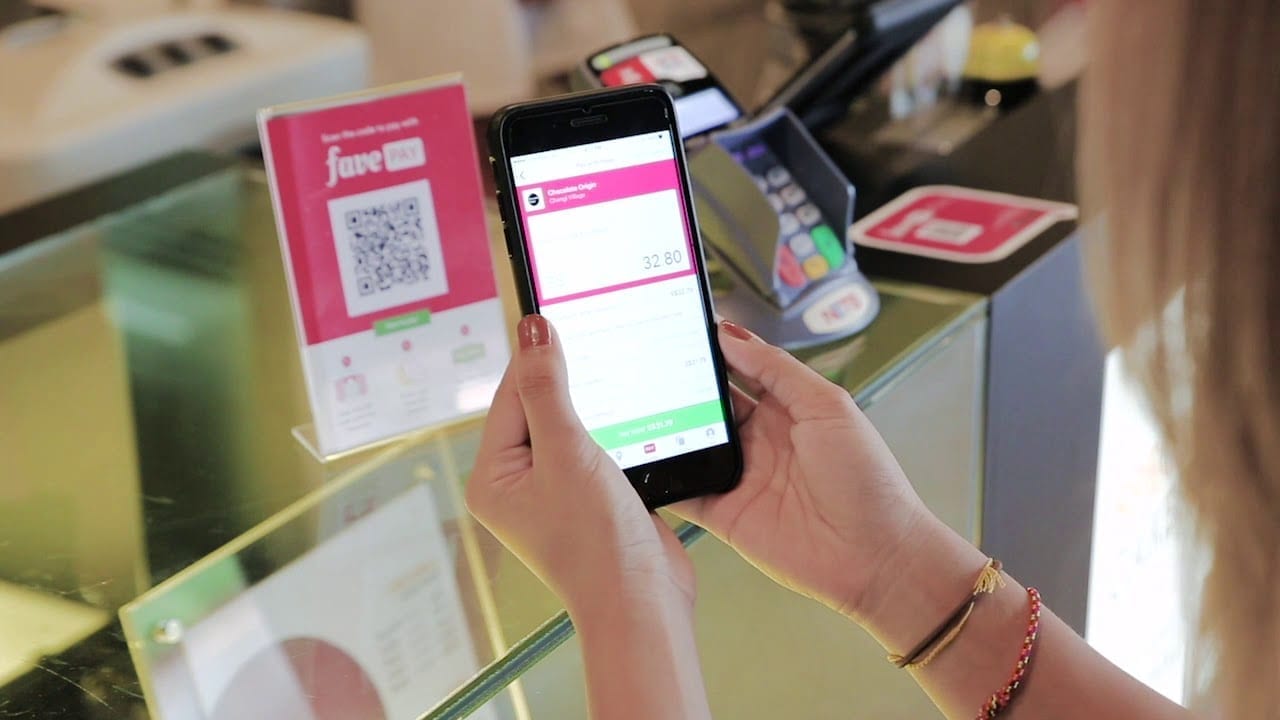
    Just eight months since its launch, mobile payment platform FavePay is now operational in more than 10 cities in three countries across Southeast Asia.

    FavePay aggregates multiple payment options from popular credit and debit cards such as Visa, MasterCard and American Express. With mobile-wallet providers coming on board soon, the platform simplifies what to retailers can seem a fragmented payments landscape.

    FavePay says it processed more than US$10 million in the first three months of this year – double the value of the preceding quarter – and it now has 2 million customers using its service at retail stores and restaurants, including Food Republic.

    Besides its payment-by-mobile functionality, FavePay can offer its customers discounts and cashback offers within the app.

    “With US$32 billion in mobile payments projected in Southeast Asia by 2021, we are excited to help build this cashless ecosystem together with other financial technology partners and banks to achieve the vision of a cashless Southeast Asia in the coming years,” says Fave founder Joel Neoh.

    “We are highly complementary to the mobile payment ecosystem by opening up immediate payment acceptance to thousands of restaurants and retail stores. We allow offline businesses to easily attract mobile customers and drive repeat visits, delivering a seamless experience that tech-savvy consumers across the board are looking for.”

    FavePay business partners include Subway Singapore, Tung Lok Group, Food Republic, Famous Amos, Haagen-Dazs, Starbucks Malaysia and Circle K Malaysia.

    “After looking at various cashless payment options available, we decided to partner with FavePay because of its established track record, extensive user database of over 2 million users and its robust technical architecture and speed of implementation,” says Raphael Chan, Subway Singapore’s country director. “Because of FavePay’s cashback function, Subway now has a fast and effective way to launch its consumer reward and retention program, at scale and quickly, too.”

  • China smartphone sales fall sharply in Q1

    China smartphone sales fall sharply in Q1

    Chinese smartphone shipments suffered a steep decline in the first quarter, according to estimates from two separate research firms. Canalys estimates that shipments had their biggest ever decline during the quarter, falling more than 21% year-on-year to 91 million units – the lowest sales since the fourth quarter of 2013.

    Eight of the top 10 smartphone vendors recorded annual declines in shipments, with Gionee, Meizu and Samsung’s sales shrinking to less than half of their sales figures from the same quarter a year ago, the company said.

    Market leader Huawei recorded a modest growth rate of 2% to 24 million units, while second placed Oppo saw a decline of 10% to 18 million units and third ranked Vivo saw shipments decline 10% to 15 million units.

    But Xiaomi managed to buck the trend with a shipment growth of 37% to 12 million units, overtaking Apple to take fourth place. Canalys Research analyst Mo Jia said the results show that the Chinese smartphone market is increasingly becoming a four-horse race..

    “The level of competition has forced every vendor to imitate the others’ product portfolios and go-to-market strategies,” he said.

    “But the costs of marketing and channel management in a country as big as China are huge, and only vendors that have reached a certain size can cope. While Huawei, Oppo, Vivo and Xiaomi must contend with a shrinking Chinese market, they can take comfort from the fact that it will continue to consolidate, and that their size will help them last longer than other smaller players.”

    Counterpoint: Chinesee smartphone market faced its steepest ever decline during the quarter

    Meanwhile Counterpoint estimates that the Chinese smartphone market fell 8% year-on-year and 21% sequentially, with the top five brands capturing a record 82% of the market.

    The company predicts that Xiaomi recorded 51% growth and increased its market share to 13.1%, but still placed Apple ahead with a market share of 14.3%.

    The research firm’s top three rankings mirror that of Canalys, with Huawei on top with a market share of 21.6%, followed by Oppo at 17.6% and Vivo at 15.5%.

    Looking ahead, Canalys has predicted that the Chinese smartphone market will return to growth in the second quarter.

    “The inventory issues that Oppo and Vivo suffered in Q4 and Q1 are now behind them. New smartphones will definitely entice people to upgrade, but vendors are more careful of avoiding oversupply in the channel,” Jia said.

    “China’s smartphone market may see a short period of stagnancy as vendors refocus on research and development, relying on new use cases to excite refreshes rather than spending heavily on the channel and marketing.”

  • Malaysia 4G service performance below global average

    Malaysia 4G service performance below global average

    The race for LTE dominance in Malaysia is still in its infancy as operators scramble to deliver consistent quality of service nationwide.

    Statista data points to smartphone penetration in Malaysia of 62.8% in 2017 with a forecast of 68.46% by 2022. Adoption is fueled by nationwide mobile connectivity with usage in areas such as mobile shopping, social media and general internet surfing according to market research firm GfK.

    “Shopping apps, especially, are also gaining popularity, paving the path for mobile payments. More consumers today are contributing to the growth of mobile commerce (m-commerce) in Malaysia, making payments through their mobile devices for retail items, airline tickets, and services such as Grab and Uber,” observed Stanley Kee, Managing Director for Southeast Asia, GfK.

    According to the EY report “Decoding the Malaysian digital DNA: from smart to savvy” 78% of surveyed Malaysians use of the technology has improved their communication with friends and family, albeit at the expense of sleep (25%).

    As more consumers turn to their smartphones to research new products or services (83%) or make purchases online rather than in person (38%), experience and speed will trump convenience as a metric for selecting the best service provider. That said, price remains an important factor in Malaysian buying psyche.

    With more operators defaulting to LTE or 4G as the solution to consumer’s appetite for connectivity, OpenSignal published a comparative study of the performance of the mobile operators in the country.

    Four years since Maxis launched the first LTE service in Klang Valley (January 2013), five operators now claim to offer 4G service although OpenSignal reported only two operators as having LTE availability scores higher than 75%. 4G services aren’t yet ubiquitous, but they’re getting there.

    “Yes held onto our 4G availability award with a score of 92.5%, but Unifi Mobile (the new brand name for Telekom Malaysia’s Webe) and Celcom demonstrated the biggest growth spurts in our availability results. Unifi’s 4G availability increased by 10 percentage points in six months, while Celcom’s score increased by more than 7 percentage points,” said Kevin Fitchard, Open Signal lead analyst.

    Maxis has extended its lead in 4G speed metric, averaging LTE downloads to 24.4Mbps. Celcom came in second with a 16.3Mbps LTE download average. But Malaysia’s other operators fell short of the global 4G average of 16.9Mbps. U Mobile and Unifi in particular are struggling to boost LTE speeds. Both scored below 10Mbps in OpenSignal test.

    Asked about the growing interest among operators for 5G service Fitchard took a pragmatic view saying: “Countries that are still building out their 4G networks and services like Malaysia will likely be occupied with that task for the next several years. But today 5G isn’t really an option for any operator globally, so everyone has to wait,” he concluded.

  • Mobile wallets seeing strong adoption in SEA

    Mobile wallets seeing strong adoption in SEA

    A new study from Juniper Research predicts that 2.1 billion consumers worldwide will use a mobile wallet to make a payment or send money in 2019, up 30% from the 1.6 billion in 2017.

    The study claimed that while contactless card payments were far more prevalent than NFC mobile payments in many markets, leading wallets were seeking to redress the balance by enabling both online and offline options.

    The researcher cited a number of wallets have augmented payments offerings with banking services in a bid to deliver a holistic financial portfolio for consumers.

    Kenya’s M-PESA led the way in sub-Saharan Africa, focusing initially on P2P (Person-to-Person) money transfer services. China’s Alipay achieved critical mass as the de facto payment mechanism in the country’s burgeoning eCommerce market, although it continues to face strong challenge from Tencent’s Wexin Pay (known as WeChat Pay internationally).

    In India, the government’s demonetization initiative saw mobile wallets rapidly gain traction. However, this is now being threatened by new regulations on KYC checks imposed by the RBI (Reserve Bank of India), resulting in a sharp drop in transactions in March 2018.

    The Juniper report, Mobile Wallets: Service Provider Analysis, Market Opportunities & Forecasts 2018-2022, argued that while QR code-based in-store payments had seen quite astonishing levels of adoption in China, successful use cases in Europe and North America were likely to be limited to ‘closed loop’ wallets such as those deployed by Starbucks and WalMart.

    According to the research, the greater security offered by NFC-based wallets, which include tokenized credentials and, increasingly, biometric authentication, make them more attractive to both consumers and merchants.

    That said, technology deployment costs continued to limit adoption of such solutions at the point of sales counter.

    “QR code based payments are likely to have significant growth in markets such as India and sub-Saharan Africa, due to the negligible implementation costs. However, their greater susceptibility to alteration to include viruses and phishing scams is likely to act as a major deterrent elsewhere,” report author Dr. Windsor Holden observed.