Retail News CRM

Tag: nokia

  • Official roadmap shows when your Nokia phone will receive Android 10

    Official roadmap shows when your Nokia phone will receive Android 10

    Now that we know the name of the next version of Android, the next question you have is “when will my phone receive it?” If you own a Nokia phone (made by HMD Global under license from Nokia), we can give you that information right now, straight from the manufacturer’s mouth. Nokia has released a roadmap giving us a quarter-by-quarter look at its schedule for updating its Android phones. Keep in mind that there could be changes made along the way; in the past, we’ve seen manufacturers regret that they released any type of schedule for software updates. Disappointed Android users are an angry group, but HMD Global apparently feels confident enough to release the roadmap.

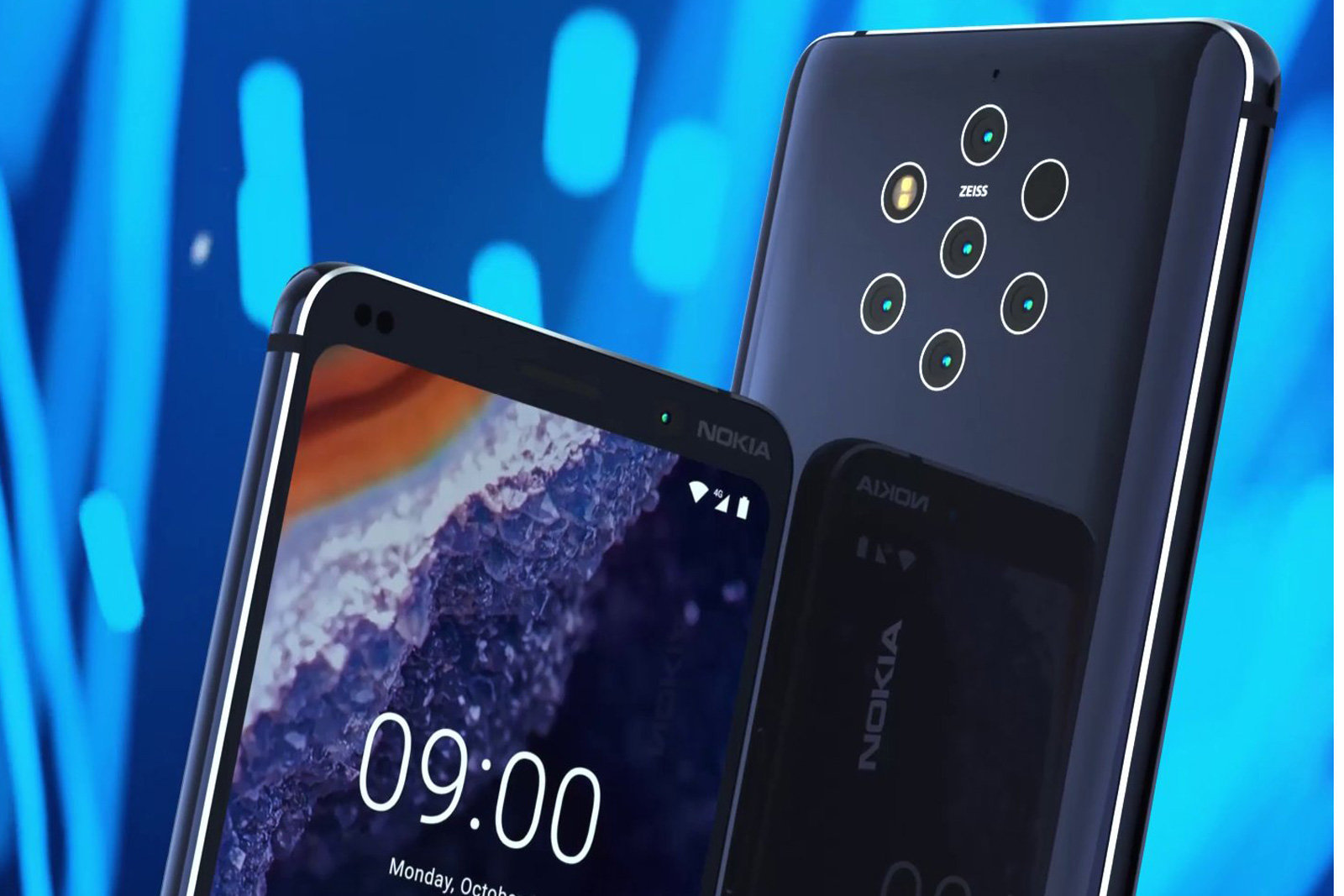
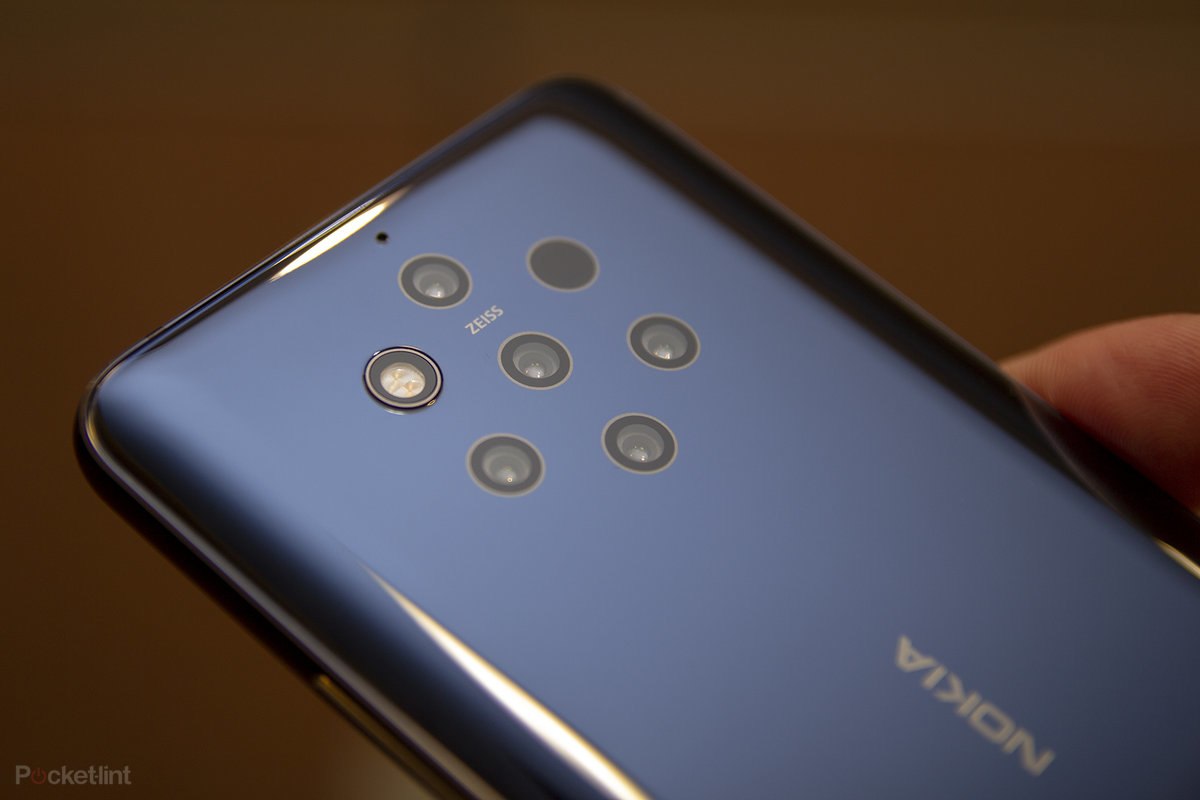
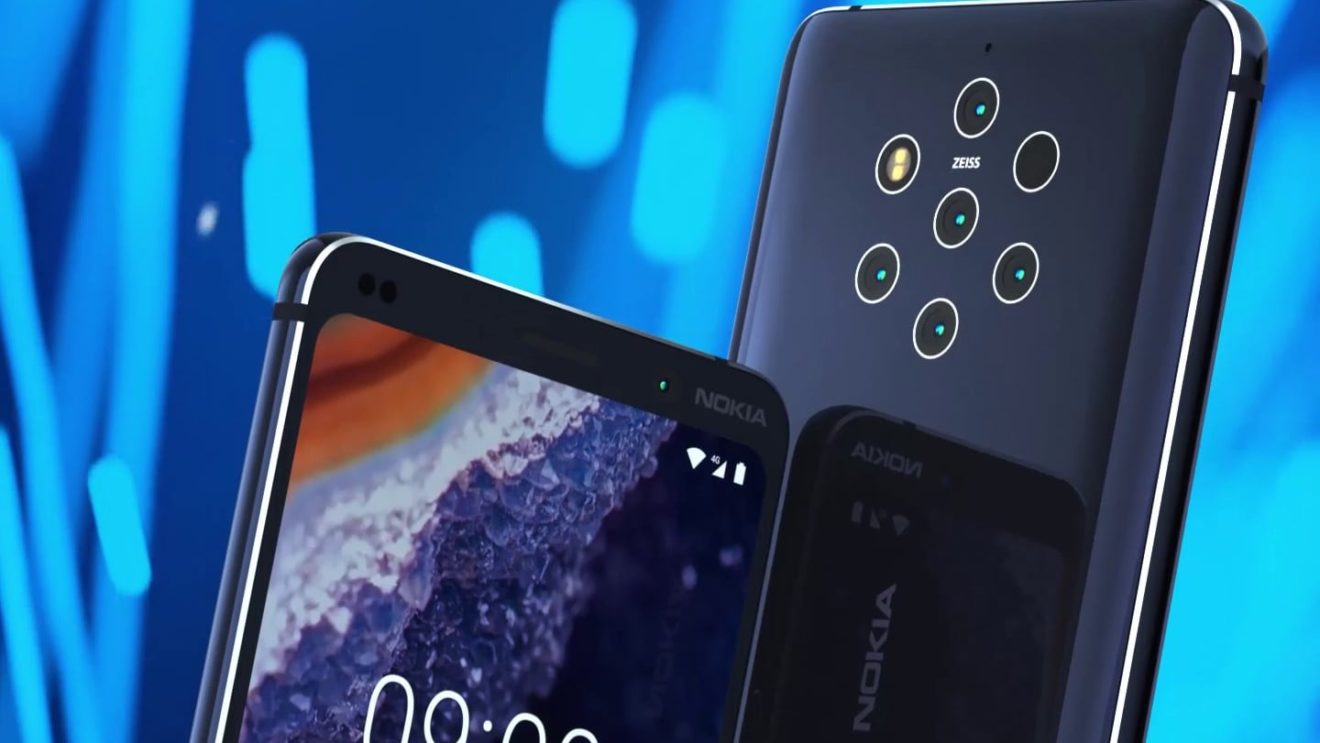
    During the middle of the fourth quarter of this year (approximately sometime in November), Nokia plans on disseminating Android 10 to the Nokia 7.1, Nokia 8.1 and the Nokia 9 PureView.  That will be followed with an update to the next group of phones early in January 2020. That batch includes the Nokia 6.1, Nokia 6.1 Plus and the Nokia 7 Plus. Early in the first quarter (which runs from January through March), Android 10 will be sent out to the Nokia 2.2, Nokia 3.1 Plus, Nokia 3.2 and the Nokia 4.2. A few weeks after those phones are updated, the latest Android build will be pushed out to the Nokia 1 Plus, Nokia 5.1 Plus and the Nokia 8 Sirocco. And four phones will be updated during the second quarter of 2020 (April through June. Those models are the Nokia 2.1, Nokia 3.1, Nokia 5.1, and the Nokia 1.

    HMD Global has been pretty good about updating its phones and even kept its promise to bring Android 9 Pie to the 2017 version of the Nokia 6 back in February. The latter is powered by a Snapdragon 430 chipset and has 3GB of memory.

    Android 10 features a new gesture system for navigating through the UI, system-wide dark mode, Focus Mode for Digital Wellbeing allowing users to mute notifications from distracting apps, Live Captions, improved notification settings and more.
  • The Nokia 8.2 could land later this year with a pop-out camera system

    The Nokia 8.2 could land later this year with a pop-out camera system

    It’s been almost eight months since HMD Global first introduced the Nokia 8.1 to the world and that means a successor shouldn’t be too far away. According to MySmartPrice, the company is actively developing the smartphone right now and, if everything goes to plan, it could introduce some rather drastic changes.

    After fully embracing the notch on last year’s model, HMD Global reportedly has plans to ditch the controversial design feature in favor of one that’s slightly less intrusive. Specifically, the Nokia 8.2 will apparently represent the company’s first smartphone with a pop-out camera system. This will house a new 32-megapixel selfie camera and ultimately remove the need for any kind of notch or cut-out on the display, thus creating an all-screen design.
    In regards to the smartphone’s internal characteristics, today’s report points towards the presence of 8GB of RAM and 256GB of storage as standard. The Nokia 8.2’s processor wasn’t mentioned but previous leaks suggest a Snapdragon 700 series chip could make the cut alongside support for next-generation wireless networks in an attempt to produce a cheaper 5G device.
    Accompanying all of this will reportedly be stock Android 10 Q straight out of the box as part of the Android One program. The final version of this software is on track for release in mid-August which suggests HMD Global’s next Nokia-branded smartphone probably won’t arrive until September at the very earliest.
  • Leaked photo shows Nokia feature phone running a special version of Android

    Leaked photo shows Nokia feature phone running a special version of Android

    Do you remember the last feature phone you owned before getting a smartphone? Once you purchased a smartphone, you figured that you would never consider buying a feature phone again. But suppose you could purchase such a device powered by Android? 9to5Google posted a photograph today that it received from an anonymous source. The image shows a device that resembles a Nokia feature phone running the Android operating system. The phone doesn’t use a touchscreen for navigation and relies instead on a d-pad, number keys and some other buttons (how could we have been so primitive back then). There is no app switcher on the device.

    The handset was created by Nokia. Some of the markings on the number keys seem to dovetail with ones used on earlier Nokia phones. The home screen features a microphone icon near the top of the display; while this is indeed Google’s microphone icon, it isn’t clear whether it will be used to make requests of Google Assistant or to ask questions to Google Search. Some app icons can be seen on the bottom of the display for the camera, Chrome Browser, and YouTube. There is also an unknown icon showing white arrows in a green circle, one pointing right and the other left. A yellow flap can be seen on the left side of the circle. The square in the middle is most likely the app drawer; navigating to that icon will show you all of the available apps on the phone

    On the upper part of the display from the center to the right corner is the status bar that shows the status of the network being used (4G in this case), a signal strength bar, battery indicator and the time. On the bottom, there are three options, “Alert,” “Select,” and “Settings.” The first option might be used instead of the non-existent pull-down notification shade to receive notifications and alerts. The photo also shows that the phone is hidden under a rubber case. Ironically, Android was originally developed for non-touchscreen handsets. The word is that when then Apple-CEO Steve Jobs unveiled the original iPhone in January 2007, developers quickly changed paths and turned Android into an operating system for touchscreen phones.
    There is no indication when (or even if) such a phone will be produced. Without having to power a large touchscreen, battery life would probably be stellar, even with a much smaller capacity battery than what you might find on what passes for a low-end Android phone these days (actually, some budget Android phones, like the Moto G7 Power, possess large batteries). And the price would most likely undercut any touchscreen Android phone available today.
    HMD Global, which has the right to use the Nokia name on mobile phones through 2024, brought back the popular Nokia 3310 feature phone in 2017. The original was one of the best-selling phones of all time with sales of 126 million units. The newer version of the phone had some updated specs including a 2.4-inch color screen, a 2MP rear camera, and a microSD slot. And while the battery sports a rather low capacity of 1200mAh battery, on a feature phone like the Nokia 3310, that is enough to keep the device running for a long time between charges.
    This might be something that will appeal to those seeking a backup phone or a cheap phone for the kids. And since it will run on Android, it should have a lot more functionality than that LG Dare you used to carry around.
  • U Mobile contracts Nokia for Single RAN deployment

    U Mobile contracts Nokia for Single RAN deployment

    Malaysia’s U Mobile has contracted Nokia to help the operator expand the delivery of mobile data services across the nation.

    Under the three year agreement, U Mobile will deploy a Nokia Single RAN network at greenfield locations across Malaysia, as well as microwave and IP-based mobile transport technologies.

    The deployment will enable U Mobile to end its reliance on RAN sharing agreements by extending its own footprint across Malaysia.

    Both companies also plan to collaborate on a live 5G network trial later this year aimed at demonstrating enhanced mobile broadband capabilities, as well as 5G use cases such as VR streaming and e-sports.

    “U Mobile has been aggressively expanding our network across Malaysia in our drive to bring our customers a superior experience. We are delighted to be able to leverage on Nokia’s expertise in our network expansion journey,” U Mobile CTO Woon Ooi Yuen said.

    “We are of course also looking forward to working with Nokia as part of our Road To 5G Strategy. We have in our plan to conduct several 5G live trials with Nokia later this year for various use cases. Currently, we already have in place Nokia’s AirScale base stations which are 5G-ready and hence, ready for trials.”

  • Nokia, FAW Group to use 5G to transform China’s automotive sector

    Nokia, FAW Group to use 5G to transform China’s automotive sector

    Nokia has signed a strategic MoU with FAW Group, the Chinese state-owned automotive manufacturing company, to carry out joint research in smart connected cars, industrial IoT (IIoT), smart manufacturing and digital transformation.

    Nokia will deploy a 5G trial network on FAW’s campus in Changchun, the capital of northeast China’s Jilin province, to support R&D in autonomous driving and connected car applications.

    As well as the commercial 5G solution, Nokia will provide security, big data, cloud and 5G slicing technology to accelerate FAW’s digital transformation, according to a company statement.

    In addition, Nokia will provide end-to-end system integration, helping FAW to implement smart manufacturing with automation solutions, such as autonomous AGVs, AR/VR machine vision, and AI-enhanced quality inspection.

    FAW Group is one of the biggest automakers in China. Through collaboration with Nokia, the company intends to maintain its dominant position in the market by using digital technologies to enable autonomous driving, IoT and smart manufacturing.

    FAW, together with eight automobile OEMs including Guangzhou Automobile Group and Dongfeng Motor Group, has recently acquired a combined 31.2% in Smart Connection Technology, the Internet of Vehicle unit of China Unicom.

  • The Nokia 4.2 is now available to pre-order

    The Nokia 4.2 is now available to pre-order

    Two months after unveiling the smartphone at MWC 2019, HMD Global has today announced that the Nokia 4.2 is coming to the United States in two weeks’ time. In anticipation of its release, pre-orders for the smartphone have already been opened up at Amazon and B&H. Best Buy should also start accepting pre-orders today but it is yet to active the page on its website. Shipments for the smartphone are due to commence on May 14. Also, the Nokia 4.2 will be available to purchase in-store at select Best Buy stores starting June 9.

    Regarding its price, the Nokia 4.2 is set to retail at $189 across the U.S. In terms of specifications and features, it offers Qualcomm’s Snapdragon 439 paired with 3GB of RAM and 32GB of storage. This chipset won’t be breaking any records any time soon, but it should certainly provide a decent level of performance for the price.

    Other Nokia 4.2 details include a notched 5.7-inch display and an 8-megapixel selfie camera. The smartphone, which will be available in Black and Pink Sand, also boasts a 13-megapixel rear camera and an additional 2-megapixel depth sensor that should help with background blur. Completing the entire setup is stock Android 9 Pie as part of the Android One program, a 3,000mAh battery, and support for T-Mobile, AT&T, Cricket, and Metro networks.

  • Nokia 9 PureView update fixes one issue and Creates a new One

    Nokia 9 PureView update fixes one issue and Creates a new One

    Last week, the Nokia 9 PureView received a software update which was meant to fix the unreliable fingerprint sensor. And while bad reads are now far less frequent, we won’t go as far as to say that the fingerprint reader works better. Over the weekend, reports emerged on Twitter that after the update, users were able to unlock the Nokia 9 with unregistered fingerprints. Naturally, we put our unit to the test as well. Unfortunately, we can confirm that it is possible to unlock it with an unregistered finger.

    The false positive appears to be somewhat random, it’s not just the phone mistaking another fingerprint for the real one consistently. There’s no way to always force the error, but it didn’t take too much time before we were successful with our attempts. This means that if someone gets a hold of your phone they’ll likely be able to unlock it eventually. The most likely explanation for the vulnerability seems to be that Nokia tweaked the fingerprint reader algorithms to give a positive read with less certainty of a match.

    Original article:

    You might have read our review of the Nokia 9 PureView from earlier this month and noticed that we gave the phone a score of “4” out of 10. We discovered that the optical in-display fingerprint scanner would not always register our attempts to unlock the phone. Sometimes it requested that we press harder, or told us to try again. But help is on the way to those Nokia 9 PureView owners who have suffered from the same problems.

    A tweet disseminated on Friday by HMD chief product officer Juho Sarvikas revealed that an update is being pushed out to improve the in-display biometric reader on the phone. The message suggests that after the update is installed, Nokia 9 PureView users should register their fingerprints again for the “best experience.” The executive also notes that while the update is being sent out in stages, it is already available in most markets.

    One Nokia 9 PureView owner who already received the 250.4MB update says that he saw a big improvement after installing it; he was able to unlock the phone using the in-display fingerprint scanner 9 times out of 10 without having to press hard. The update also improves the quality of photographs taken with the phone’s cameras and speeds up the processing of such photos. It also boosts the color accuracy and contrast of the display and includes the April Android security patch.

    If you own the device and have yet to receive the update, you can always try the face unlock option to open the handset. However, as we pointed out in our review, it is not as secure as the fingerprint scanner and can’t be used to validate payments. In addition, facial recognition on the Nokia 9 PureView is not only slow, but is also a hit or miss proposition. Using a PIN might be the best bet until the update is received.

  • Nokia unveils Factory in a Box 2.0

    Nokia unveils Factory in a Box 2.0

    Nokia is showcasing the second generation of the vendor’s Factory in a Box container solution at the 5G Arena during Hannover Messe 2019 in Germany.

    Factory in a Box 2.0 is designed to demonstrate how industry 4.0 solutions for manufacturers can be packed, transported and brought online within hours.

    The solution combines additive manufacturing technologies with augmented and virtual reality and robotics solutions, as well as connectivity using Nokia’s private 4G/5G equipment.

    Meanwhile a semi-automated production workflow has been integrated with Nokia’s Worldwide IoT Network Grid, which is designed to help mobile operators deliver a better global IoT experience to enterprise customers.

    Finally, the solution is designed with a Nokia Digital Automation Cloud, which is targeted at industrial environments large and small.

    “We could tell from the positive feedback we received on the Factory in a Box last year that there is a lot of potential for this concept in the manufacturing industry,” Nokia VP of supply network and engineering Grant Marshall aid.

    “This year, we have raised the bar again, and Factory in a Box 2.0 is now connected to Nokia WING and has Nokia DAC on board, making it even more flexible, secure and efficient.”

  • Google Maps update brings Nokia’s classic Snake Game

    Google Maps update brings Nokia’s classic Snake Game

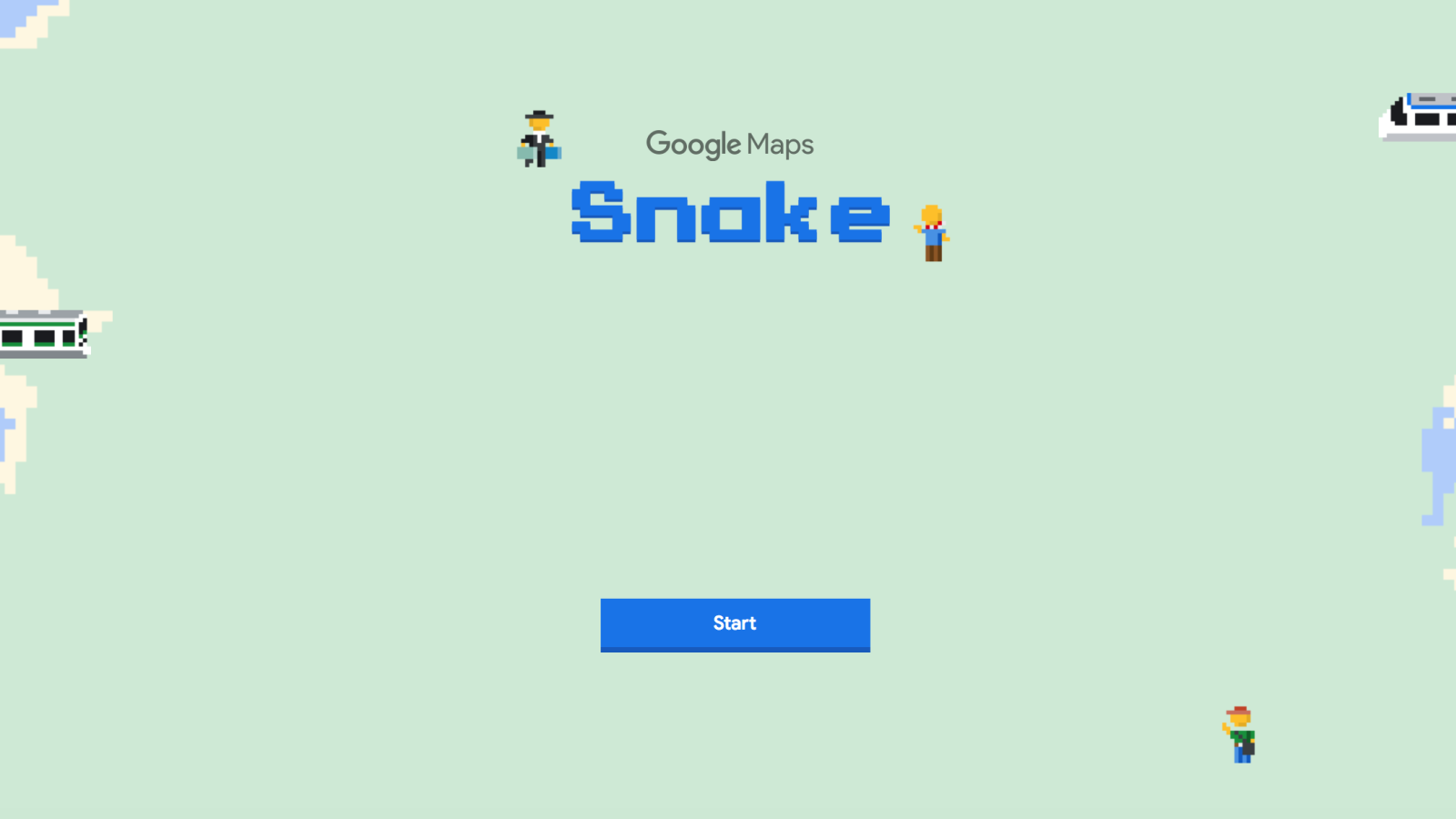
    The classic Snake game that made its debut on Nokia phones back in 2007 and achieved popularity not long after, is now available to all Google Map users. Well, let’s say that a very improved version of that game can now be played by Android and iOS users directly in Google Maps.

    Apparently, Google continues the tradition of celebrating April Fools with a long-lasting gag that will be available to those using some of its services on mobile and desktop. This year Google has decided to make Maps the main platform of its gag.

    All Android and iOS users will be able to play Snake on their phones and achieve high scores by picking up as many passengers and visiting as many iconic locations as possible. You’ll be able to play in different locations across the world, such as Cairo, London, San Francisco, Sao Paolo, Sydney, and Tokyo, or simply choose to play in the World.

    In order to start playing Snake, you’ll have to open the Google Maps app, tap on the menu icon on the top left corner, then select “Play Snake” to start playing directly in the app.

    Depending on what city you chose to play in, you’ll have to gather passengers with your ever-growing train and visit important locations around the world, including Big Ben, the Great Sphinx of Giza, and the Eiffel Tower.

    The Snake game is now rolling out worldwide on Android and iOS and will be available from within the Google Maps app for about a week.

  • Sony Mobile insists the end is not near after it closes a smartphone plant

    Sony Mobile insists the end is not near after it closes a smartphone plant

    While Sony’s fall from grace in the global mobile industry hasn’t been as dramatic as those suffered by Nokia, BlackBerry, and even HTC, it’s more than obvious the Japan-based tech and entertainment behemoth needs to do something about its smartphone division. Unfortunately, as the company’s various attempts at revising and transforming the Xperia portfolio over the last few years have failed to turn a profit, the time has come for more drastic austerity measures.

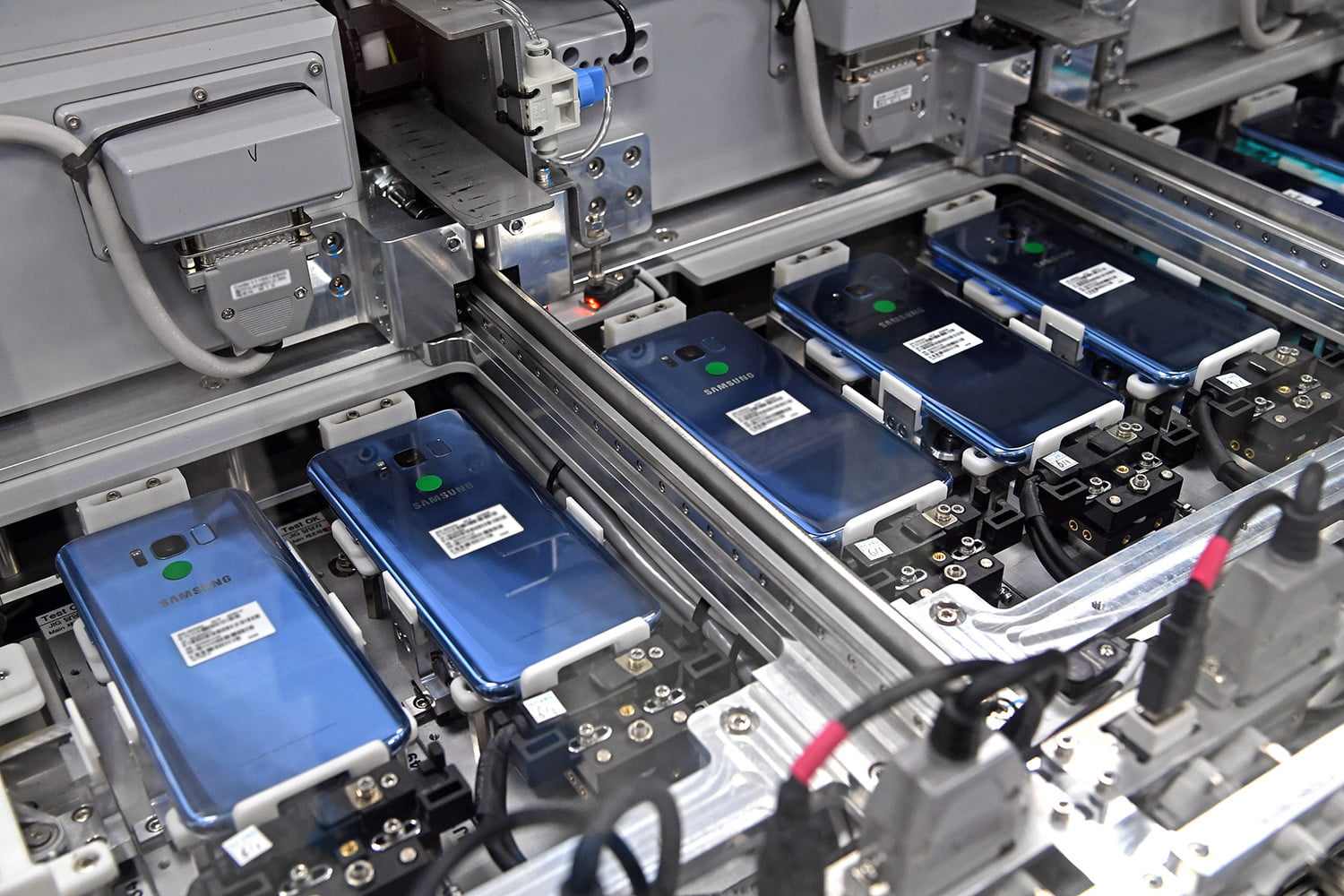
    After laying off 200 employees in Europe to cut costs across a number of mobile business areas, Sony has confirmed long-rumored plans to close an entire factory in China earlier today. The Beijing plant will reportedly cease all smartphone manufacturing activities in “the next few days”, although Sony does intend to “shift production” to a different factory in Thailand in a move expected to greatly contribute to reducing expenses by around 50 percent.

    The ultimate goal is to make the smartphone division profitable again as early as 2020 after years and years of bleeding serious money, but it remains to be seen how much of a mobile business Sony will be left with when that happens. According to the latest official estimates, yearly Xperia shipments are down to as little as 6.5 million units. To put that number into perspective, Samsung’s Galaxy S10 lineup was projected to hit 10 million global unit sales in just its first month of availability.

    Of course, Sony has repeatedly claimed in the past year or so it has no intention to abandon the smartphone market on the eve of a 5G revolution. Once again, the company is highlighting its strategic measures are simply meant to strengthen the business rather than killing it piece by piece. And while it’s definitely not unprecedented to see a major smartphone vendor cut its Chinese costs, it remains unclear exactly how much of Sony’s Bejing operations will “shift” to Thailand.

    Either way, this probably won’t impact the Xperia 1 launch or even the rumored Xperia 2. What comes next, however, is anyone’s guess.

  • Some Nokia phones were spotted sending user data to China

    Some Nokia phones were spotted sending user data to China

    HMD Global has managed the Nokia smartphone brand impressively well since it took over in December 2016, but now the Finnish company has found itself in hot water. In a report published earlier today, Norway’s public broadcaster NRK claims to have found proof that certain Nokia smartphone have been transmitting unencrypted user information to China. Allegedly, on-device data such as GPS location, the device serial number, and even the user’s phone number were being transmitted back to a Chinese server.

    The server in question was under the domain “vnet.cn,” which is reportedly managed by state-owned carrier China Telecom. From the look of things, every time the Nokia 7 Plus units were powered on, data would immediately be transferred over to the server. Similarly, simply turning on the display or unlocking the device would trigger the same process.
    Fortunately for consumers, this issue was present only a “single batch” of Nokia 7 Plus units. Presumably, the smartphones were initially intended for the Chinese market but ultimately made it into the hands of European consumers. Moreover, since the issue has been raised, HMD Global has removed the infringing files from the devices.
  • Vodafone Idea contracts Nokia for LTE expansion

    Vodafone Idea contracts Nokia for LTE expansion

    India’s Vodafone Idea has awarded Nokia a contract to improve the operator’s LTE coverage and capacity.

    Under the contract, Nokia will provide Single RAN Advanced, massive MIMO and small cell technology across multiple Indian telecoms circles to support the operator’s network consolidation and modernization program.

    The small cell deployment will help improve both indoor and outdoor coverage and capacity in the circles. Vodafone Idea will also adopt dynamic spectrum sharing technology to make the most productive use of the converged company’s spectrum.

    “Vodafone Idea is undertaking the world’s biggest telecom network integration in India [following the merger between Vodafone India and Idea Cellular], and creating India’s most advanced, secure and cost-efficient network,” Vodafone Idea CTO Vishant Vora said.

    “Extensive use of UBRs, dynamic spectrum sharing, massive MIMO and HetNets are key to our plan in this integration exercise, and we are very happy to partner with Nokia to deploy these futuristic, next generation technologies to prepare a future-proof network for the digital era.”

    Last month Vodafone Idea also contracted Ericsson to deploy LTE equipment for the network integration program, including radio systems and transport equipment from Ericsson’s 5G-ready Ericsson Radio System portfolio.

  • Cambodia’s SINET to expand into residential market

    Cambodia’s SINET to expand into residential market

    Cambodia’s largest enterprise-focused ISP SINET has selected Nokia to support its expansion into the residential market with FTTH services.

    Under the agreement, Nokia will roll out a nationwide access network starting in major housing apartments and gated communities – known as borey – in Phnom Penh and Siem Reap.

    SINET plans to deliver broadband services targeted at residents living in newly built gated areas and apartment buildings using Nokia’s Gigabit capable GPON Mini optical line terminal solution.

    SINET CEO Meta Sy said the company plans to use the high speeds and qualities available with GPON technologies to stand out from the crowd and gain a competitive foothold in the residential market.

    “The Cambodia market is crowded with low-quality residential broadband services available at low prices using many off-the-shelf access equipment with little consideration to long term quality and reliability,” he said.

    “When we decided to deploy GPON in borey and housing apartments, we wanted a quality-based and future-proof offering that would set us apart from the competitions. That means the service has to be on-par with international broadband standard in terms of speed, reliability, efficiency and ease of troubleshooting which are key criteria why we selected Nokia.”

  • Smart, Nokia to pilot 5G deployments in schools

    Smart, Nokia to pilot 5G deployments in schools

    The Philippines’ PLDT and mobile division Smart have signed an agreement with Nokia to pilot the deployment of 5G technologies and services in schools.

    The agreement will see PLDT, Smart and Nokia collaborate to identify real-world 5G standalone solutions for use in schools, colleges and universities, including arificial intelligence, drones and advanced IoT applications.

    The companies will levearge the PLDT-Smart Technolab in Makati and the Nokia Technology Center in Quezon City for the project.

    In addition, the agreement covers deploying 5G standalone products and services, such as 5G handsets and applications, in the Philippines.

    “We are happy to partner with Nokia to help develop intelligent solutions and technologies for the benefit of the Philippine education sector,” PLDT-Smart chairman and CEO Manuel V. Pangilinan said.

    “As the country’s leading and most trusted technology enabler, PLDT and Smart are excited to work with Nokia and the academe in realizing our 5G vision,” added the company’s chief revenue officer Ernesto R. Alberto.

    PLDT and Smart claim to be the best positioned company to deploy 5G in the Philippines due to its status as the operator as the country’s most extensive fiber network, which now spans over 244,000 route kilometers.

  • PTCL engages Nokia to deploy 100G OTN

    PTCL engages Nokia to deploy 100G OTN

    Pakistan’s PTCL has deployed a new 100G optical transport network in partnership with Nokia.

    The Nokia DWDM network utilizes PTCL’s extensive fiber footprint to provide multipath redundancy.

    It will be instantly upgradeable to 200G and 400G per wavelength as demand dictates, and the software-defined network (SDN) capabilities of the solution will allow the operator to increase network capacity and efficiency.

    The network also uses set-partition quadrature phase shift keying (SP QPSK) modulation technology to allow PTCL to cover very long distance links with improved signal-to-noise tolerance and latency.

    Finally, the solution has been designed to allow for the easier launch of services based on ROADM (reconfigurable optical add-drop multiplexer) technology.

    “We are committed to providing a world class network experience to our subscribers and this deployment is a significant step in that direction,” PTCL CTIO Saad M Waraich said.

    “Nokia’s state of the art optical network technology and their expertise will help us to differentiate our portfolio as we provide our business and consumer subscribers with faster and more reliable broadband and carrier services.”

    Nokia this week also announced it has secured a five-year contract to expand the 4G network capacity and coverage of another Pakistani operator, Jazz.