Retail News CRM

Tag: payments

  • Walmart Exits Japan, Amplifies E-commerce In Other Asian Markets: A Strategic Pivot

    Walmart Exits Japan, Amplifies E-commerce In Other Asian Markets: A Strategic Pivot

    In a notable shift within the Asian retail landscape, Walmart is making headlines by announcing the closure of its stores in Japan, yet continues to navigate the maze of international markets by expanding its e-commerce services in other regions. The retail giant, known for its expansive reach, has acknowledged that the Japanese market presents unique challenges that have led to this strategic retreat.

    Walmart’s Departure from Japan: A Strategic Move

    Walmart’s decision to close its Japanese stores underscores the fierce competition and distinctive consumer preferences characteristic of the market. The retail behemoth failed to gain the foothold it expected, despite its innovative attempts to adapt. The company will fully shutter its 85 locations by the end of the year, a transition that underscores its need to recalibrate priorities.

    Yet, don’t count Walmart out just yet. While it pulls back from the Land of the Rising Sun, it is ramping up its investments in markets like India and China, where e-commerce is booming. By enhancing its digital capabilities and refining its supply chain, Walmart hopes to capture the growing consumer base flocking online.

    Boosting E-Commerce: A Focus on Digital Growth

    Across Asia, Walmart is ramping up its efforts in e-commerce, which is no small feat given the rapid digital transformation taking place. The company is heavily investing in technology, aiming to streamline its operations and improve the shopping experience for customers. With interactive websites and user-friendly apps, they are poised to draw in more shoppers seeking convenience and efficiency.

    As part of this digital push, Walmart is also eyeing partnerships with local delivery services to facilitate faster shipping, bringing a fresh twist to the traditional retail model. This shift not only showcases Walmart’s adaptability but also reflects the ever-evolving demands of today’s consumers.

    With its sights set on revitalizing its international strategy, Walmart’s actions present an intriguing chapter in the retail narrative, raising the question: Is agility the new competitive advantage in retail?

    As we watch how these dynamics unfold, one thing is for certain—there’s never a dull moment in retail.

    Questions & Answers

    Why is Walmart closing its stores in Japan?
    Walmart is closing its Japanese locations due to challenges in gaining significant market share and adapting to unique consumer preferences.

    How is Walmart expanding its operations in Asia?
    Walmart is focusing on boosting its e-commerce presence, particularly in markets like India and China, investing in technology and local delivery partnerships.

    What does this mean for the future of retail in Asia?
    Walmart’s shift highlights the importance of adaptability and digital transformation, signaling a trend where agility may become a key competitive advantage.

  • India’s Payments Authority Unveils Cybersecurity Training Programs to Strengthen Digital Transaction Safety

    India’s Payments Authority Unveils Cybersecurity Training Programs to Strengthen Digital Transaction Safety

    The retail landscape in Asia is constantly evolving, and recent trends point to a significant shift towards innovative consumer engagement. As brands fight to capture attention in this competitive market, clever strategies are emerging to attract and retain customers.

    Engaging Storytelling in Retail

    Gone are the days of simple promotional strategies. Retailers are now harnessing the power of storytelling to create emotional connections with their audience. By weaving narratives around their products and brands, companies can foster loyalty and engagement, making the shopping experience memorable. This approach not only caters to traditional shoppers but also resonates deeply with younger consumers who favor brands that tell a story.

    Embracing Technology and Personalization

    As digital transformation continues to sweep across the industry, tech-savvy retail players are leveraging advanced technologies to enhance customer experiences. Personalized recommendations, powered by artificial intelligence, are becoming the norm rather than the exception. This seamless integration of data-driven strategies allows retailers not only to meet the demands of individual customers but also to anticipate their needs.

    While in-store experiences may seem traditional, they are evolving with the incorporation of augmented reality (AR) and virtual reality (VR). Imagine stepping into a virtual store where you can try on clothes or visualize furniture in your home before making a purchase! It’s a thrill for consumers and a game-changer for retailers looking to redefine shopping.

    Sustainability Takes Center Stage

    Amidst these trends, sustainability has emerged as a critical focus for retail. Consumers are increasingly leaning towards brands that prioritize eco-friendliness and ethical practices. Retailers are responding by adopting sustainable sourcing and minimizing waste in their operations. This commitment to sustainability not only attracts environmentally-conscious shoppers but also enhances brand reputation.

    In the whirlwind of retail innovation, it’s clear that staying relevant means being adaptable. Brands that embrace change while keeping their core values intact are likely to thrive.

    Questions & Answers

    What role does storytelling play in modern retail?
    Storytelling creates emotional connections between consumers and brands, fostering customer loyalty and making shopping experiences more memorable.

    How is technology influencing consumer behavior in retail?
    Technology, particularly through personalized recommendations and immersive AR/VR experiences, enhances how consumers interact with brands, often driving sales and engagement.

    Why is sustainability important for retailers today?
    Sustainability appeals to a growing segment of environmentally-conscious consumers, helping brands improve their reputation and attract new customers.

  • Over a third of APAC Consumers Use AI to Shop, with adoption across generational groups, Adyen’s Research shows

    Over a third of APAC Consumers Use AI to Shop, with adoption across generational groups, Adyen’s Research shows

    Adyen, the global financial technology platform of choice for leading businesses, today published its 2025 Annual Retail Report which highlights a rising momentum in AI adoption across APAC’s retail landscape. 

    A poll of 41,000 consumers across 28 markets including Singapore, Australia, Hong Kong, India, Japan, and Malaysia reveals that over a third (38%) of APAC consumers now use AI to help them get their shopping done. This is a 39% surge from 2024, with more than one in ten APAC consumers (11%) having used AI for shopping for the first time over the past 12 months.

    The experience for APAC consumers has been positive. 63% say that AI inspires their purchase decisions from outfits to meals, faster than anyone else can. AI also serves as a search tool, with 62% of APAC consumers wanting to find unique brands and shopping experiences using AI, a development that highlights the chance for brands to combine partnerships and cross-selling to drive customer sales. 59% of APAC consumers are now open to making purchases using AI in the future.

    AI Adoption Prevalent Across Generations 

    Generations across APAC are increasingly exploring shopping with AI. It is most popular among Generation Z (ages 16 to 27), especially in places like Malaysia and Hong Kong, where 74% and 64% of Gen Z shoppers use AI, respectively. Older generations are also catching on; in Singapore, Generation X (44 to 59 years) and Millennials (28 to 43 years) recorded the biggest increases1 in their use of AI in shopping over the past 12 months, at 45% and 28% respectively. 30% of those aged 60 and over say they currently use AI to support them in making purchases. 

    “The introduction of AI in shopping has created new shopper journeys that are more exciting than ever. From it, we see an emergence of new consumer behaviors — one characterized by personalization and convenience,” said Warren Hayashi, President, Asia Pacific, Adyen. “For retailers, embracing AI isn’t just about staying current; it’s about meeting evolving consumer expectations and staying competitive in a fast-changing retail landscape.”

    Retailers Look to AI for Growth

    When asked how they plan to boost revenues in 2025, many APAC retailers pointed to AI and emerging technologies as key strategies. More than a third (34%) said they would invest in AI to support business activities across areas like sales and marketing, product innovation, and security and fraud prevention. 

    “Retailers generate vast amounts of payments data through their daily operations, presenting a substantial untapped opportunity,” said Hayashi. “Where AI comes into play is to drive conversions at scale. Building on this potential, we recently launched an AI-powered payment optimization solution called Adyen Uplift. By training AI on all of the transactions Adyen processes, we help retailers identify genuine shoppers at scale, and fly them through checkout securely and with minimal friction.” 

    Enabling Safer Payments Amid the AI boom 

    While AI sparks excitement, 26% of APAC consumers now feel more worried about the possibility of fraud and scams. One in five don’t enable their devices to remember their payment details in anticipation of fraud. 

    “Besides optimizing revenue, AI could aid in the fraud-fighting efforts of retailers,” said Hayashi. “By training AI on the thousands of transaction data retailers process each day, it can spot anomalies, identify patterns, and predict fraud attempts – ultimately ensuring consumer trust and protecting retailers’ hard-earned revenue.”

    Currently, 40% of retailers in APAC use AI to help prevent fraudulent transactions in their stores.

    Beyond AI, Unified Commerce Offering Still Key 

    While investment in new technologies is welcome, less than half (46%) of APAC retailers currently enable customers to shop easily across online and offline channels. Understanding the importance of an omnichannel strategy, a further 19% of business leaders plan to enable this over the next 12 months. 

    Having an online presence creates new channels for brands to connect with customers. In today’s digital world, 46% of APAC consumers expect to be able to easily shop with a business across multiple touch points including social media, apps, and the online store, with the rise of social commerce seeing more than 36% of APAC consumers using social media to shop.

    Despite this, APAC shoppers still have a strong preference for physical stores. 42% of shoppers like both equally, while the remaining shoppers choose brick-and-mortar (35%) over online platforms (22%). Consumers still prefer to see and feel the product (48%) and try on items (41%) before purchasing, and appreciate the immediacy of having their items on hand upon purchase (35%).

  • More Vietnamese opt for QR payments

    More Vietnamese opt for QR payments

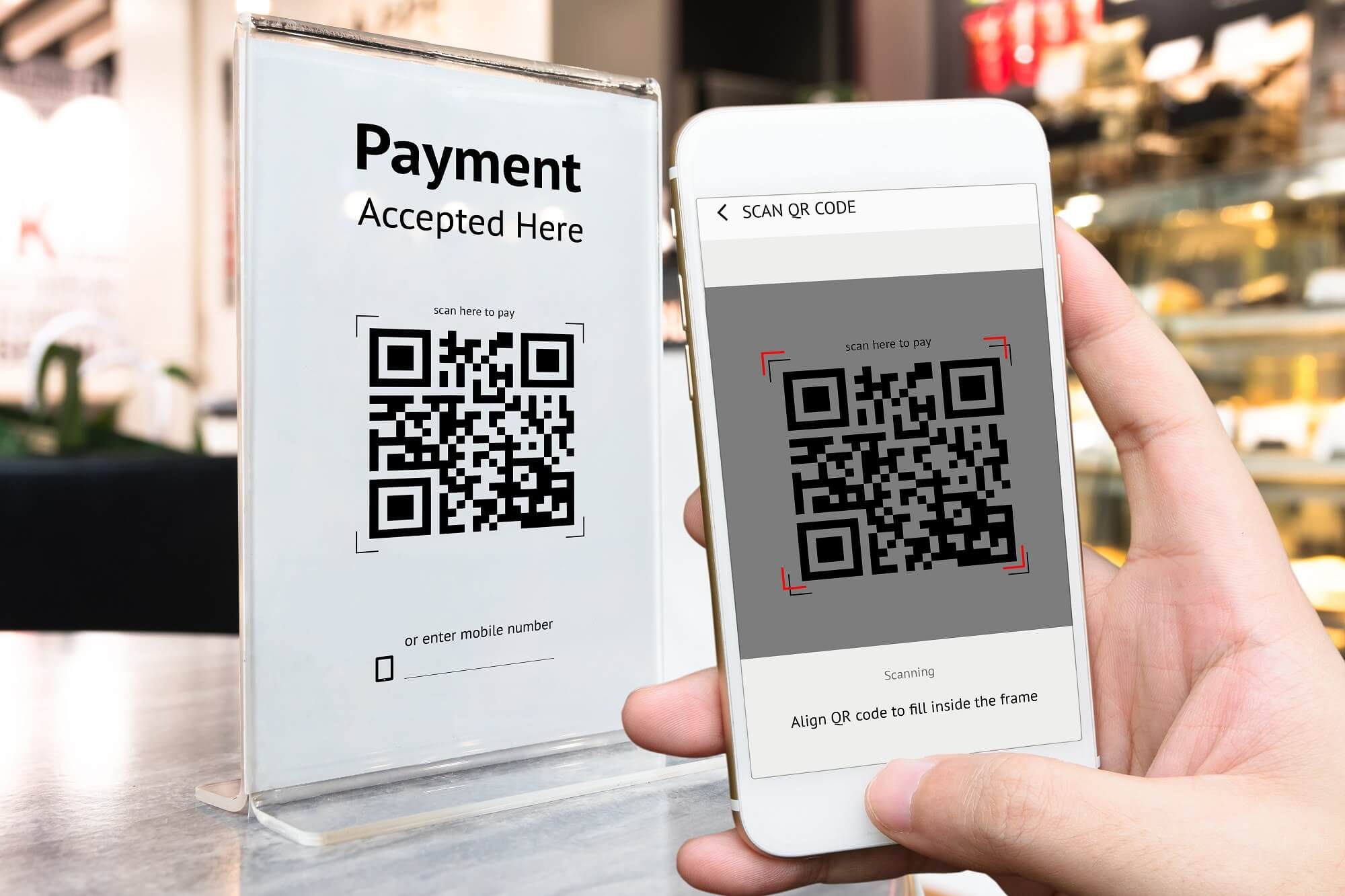
    It has been months since Hai Van last checked her purse, since she makes almost all payments by scanning QR codes with her phone.

    The media company in Hanoi’s Cau Giay District says: “Whether it is having breakfast and lunch at the office, making supermarket trips in the evening or hanging out with friends at a cafe, QR payments are readily available, and the deductions are made directly from my e-wallet.

    “Occasionally I have to transfer money or pay cash when making online purchases. But other than that, most transactions are done through scanning codes.”

    This began unexpectedly over a year ago amid Covid-19.

    “Once, I was buying from a street vendor without any loose change, and the lady offered a QR code to pay,” she says.

    Without a purse with cash and cards, her handbag’s weight has reduced in half.

    “I am more worried about running out of phone battery than forgetting my purse.”

    The Tam, owner of a grocery store in Vinh Phuc Province, has also grown accustomed to receiving payments through online bank transfer instead of cash.

    For over a year his store has had a QR code displayed in the most prominent place with the sign “QR Payment Accepted.”

    He says: “Customers in the village often do not carry cash. Rather than buy at another shop on credit, they gradually got into the habit of coming to mine for QR payment.

    “Gone are the days when I had to count money and give back change… all there is to do now is check the numbers.”

    Now almost half of all transactions at his store are done by scanning codes.

    After gaining popularity through e-wallet apps such as VNPay, MoMo and Viettel Money, QR codes are now directly integrated into bank apps.

    Last year, Napas set up VietQR, simplifying this process and allowing customers of any bank in the system to transfer money to another bank just by scanning.

    The State Bank of Vietnam’s payments department said digital banking services, especially electronic payments, are growing rapidly.

    In the first half of this year, the number and value of transactions via mobile phones increased by 98.3% and 84.3%.

    “I have witnessed people in rural areas easily make payments using QR codes,” Tran Quy, director of the Vietnam Digital Economy Development Institute, says.

    According to statistics from the Ministry of Information and Communications, the country has 81.4 million mobile Internet subscribers, an imperative for using QR codes.

    But many experts say full potential has yet to be achieved.

    In The Tam’s case, seniors and children, a major demographic among his grocery store customers, are often unable to use QR codes due to the need for a smartphone linked to a bank account.

    Not everyone in the countryside even among other age groups has these two readily available, he says.

    His store has encountered payment errors on numerous occasions due to an unstable Internet connection, he says.

    “Just one wrong transaction and I might have to retrace the whole thing, which takes a long time.”

    Hoang Quynh, an office worker in Ho Chi Minh City who used to have three or four e-wallets with QR scanning facility but has cut down to one, says: “Sometimes stores would have an array of codes but I still cannot pay unless it includes the provider of my application. I wish there was a co

  • Stores’ claims of accepting Pi payment turn out to be misleading

    Stores’ claims of accepting Pi payment turn out to be misleading

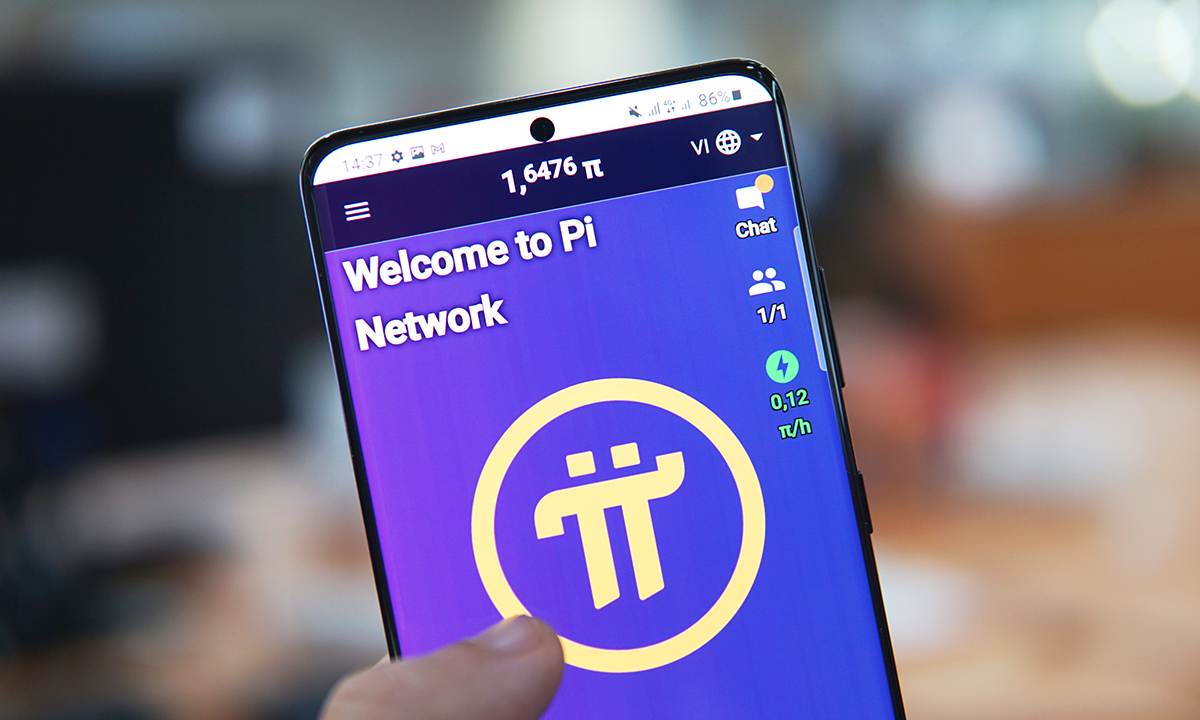
    Some stores accept payment in cryptocurrency Pi but only partially and require buyers to pay mainly in cash.

    “I saw a post selling a used iPhone 11 and thought I could buy it with a dozen Pi tokens,” Thanh Son of HCMC said.

    But it turned out he could only pay 10 percent with Pi and the remaining VND12.5 million ($535) had to be paid in cash.

    “I can easily buy the same phone for VND12.5 million without spending a single Pi,” he said wistfully, adding it was a trick sellers used to entice Pi owners.

    He later contacted some other sellers and got pretty much the same answer.

    “Some places require a smaller proportion of cash but they undervalue Pi.”

    Some investors had begun to claim they bought food and equipment using Pi on social media since July 13 when the cryptocurrency’s developers allowed it to be traded.

    Cryptocurrencies are not legal tender in Vietnam, and issuing, trading or using one for payment attract fines of up to VND100 million.

    Sellers try to avoid legal risks by calling deals using Pi “exchanges” rather than “transactions.”

    A person who asked not to be identified said they had put down a VND10 million deposit for a car after the dealer made an offer “exclusively for the Pi owner community.”

    But the seller actually does not accept payment using Pi.

    He reportedly told the person: “Once Pi enters the open mainnet phase, you guys, Pi owners, can offer it for legal tender. Then you bring the legal tender to us and take your car.”

    The dealer claimed over 100 people had deposited. It is far from clear when, and if ever, the crypto will become legal tender.

    There is a chance the people would lose their deposits, an expert warned.

  • Technical Standards To Simplify Digital Payments

    Technical Standards To Simplify Digital Payments

    The Swiss Bitcoin Association recommends the first technical standards for simplified payment verification (SPV) using digital currencies, eliminating the need to download entire the blockchain for transactions.

    Switzerland’s Bitcoin SV Technical Standards Committee today recommended its first digital currency standard for simplified payment verification (SPV), enabling transactions to occur without having to download the entire blockchain.

    This standardized format is now in use across three prominent ecosystem applications, the Bitcoin SV node software, Merchant API (mAPI), ElectrumSV and ElectrumX.

    The first BSV technical standard progressing to the recommended stage – the final stage for technical standards – represents a significant achievement for the Bitcoin SV Technical Standards Committee, says Technical Committee Chair Steve Shadders.

    The Swiss government today adopted a report on the digitalization of the financial markets, identifying opportunities and risks and laying out action points for the coming years.

  • Soon we may be using more secure payment cards thanks to Samsung

    Soon we may be using more secure payment cards thanks to Samsung

    Samsung has announced the S3B512C security chip, its new fingerprint security chip developed in partnership with Mastercard, designed primarily for payment cards. According to the company, the chip is the ‘industry’s first all-in-one security chip solution’ and would be able to provide faster and safer interactions while making purchases. Because Samsung’s chip uses biometric authentication, the chip would also remove the need to enter your PIN code on a keypad.

    The S3B512C chip has a fingerprint sensor as well as a tamper-proof secure element (SE) that meets international security requirements, and a secure processor. The chip captures the user’s biometric data via its fingerprint sensor. Then, using the SE, it stores and authenticates the received information. After that, the chip analyzes the data by using its secure processor.

    With its biometric authentication, Samsung’s security chip may prevent fraudulent transactions which could otherwise be made with lost or stolen traditional cards. Because it has securely saved the owner’s fingerprint, a card using Samsung’s chip will check if the person performing the transaction is indeed the rightful owner. The chip also utilizes anti-spoofing technology, which prevents unauthorized users from fooling the security system using tactics such as artificial fingerprints.

    According to Samsung, although the S3B512C chip is primarily designed for payment cards, it could also be used in cards intended for highly secure authentication, such as student or employee access cards. In addition, by utilizing a fingerprint sensor, a tamper-proof secure element, and a secure processor, the S3B512C may assist card makers in reducing the number of required chips in manufacturing biometric payment cards and might help optimize card design processes.

    Although Samsung’s new security chip sounds very promising, currently, there is no information on when Mastercard will implement Samsung’s new chip.

    Currently, Mastercard offers fingerprint-authenticated payment cards, but they are not as secure as the new Samsung chip and don’t use anti-spoofing technology.

  • Apple gives in to Korea’s law and allows outside payments to developers

    Apple gives in to Korea’s law and allows outside payments to developers

    The first of its kind, a law preventing app market operators—the likes of Apple and Google—from necessitating app developers to use specific payment systems were imposed by Korea’s National Assembly in September 2021. Today, on January 11, 2022, Apple has agreed to the regulation and will allow payment systems different from its own in the App Store.

    Apple did not say the exact fee it will be charging app developers for using an outside payment system, but it did say it will be lower than that for its own, which is 30 percent. The exact commission rate for outside payments and the date on which it will be implemented will be determined after discussions with Korea’s ICT regulator are finished, said the tech giant.

    Google agreed to the new regulation a bit earlier, back on December 18. It charges 26 percent for outside payments. It’s expected that Apple will decide on a similar percentage as well.

    While this might seem like a huge win for app developers, and it is a win, some industry officials are concerned about whether there will be any substantial effects. One such official said that, in actuality, it is much easier and more convenient for developers to use the payment systems that Apple or Google offer, for example, than to do that with outside ones.

    A good example of that is the payment system of Korea’s own One Store market operator. Even though it charges only 5 percent commission for using outside payment methods and 20 percent for its in-house one, developers choose to use the latter.

    The regulation, therefore, does not help app developers at all. It will only end up burdening app users because app developers will reflect commissions charged for payment systems at the prices of their apps. But this is the furthest a government can regulate, given that most countries operate under a capitalist system.

    No matter how effective things turn out to be, the successful implementation of the regulation itself is enough of a big step on its own. It is the first domino to be pushed and could likely be the one to set a chain reaction across other countries that will try and achieve the same goal in their way.

  • Singapore and Philippines Step Up Digital Payment Cooperation

    Singapore and Philippines Step Up Digital Payment Cooperation

    The regional neighbors aim to boost cross-border collaborations that will strengthen Asean regional payments and provide financial inclusivity to Overseas Filipino Workers (OFWs) and micro-small-to-medium-sized enterprises (MSMEs).

    The central banks of Singapore and the Philippines have signed an agreement at the World Fintech Festival Philippines to boost payments cooperation, which includes the linkage of the two countries’ QR and real-time payment systems.

    The agreement expands on the Fintech Innovation Function Cooperation Agreement, which was signed between the two countries in 2017. According to the announcement, the 2021 agreement will make cross-border payments cheaper, more inclusive, and more transparent and drive financial inclusion, particularly underserved Filipinos.

    MAS managing director Ravi Menon called the agreement a concrete step towards the vision of an ASEAN network of interconnected real-time payment systems.

  • Multi-Currency Wallet YouTrip to Grow B2B Offerings

    Multi-Currency Wallet YouTrip to Grow B2B Offerings

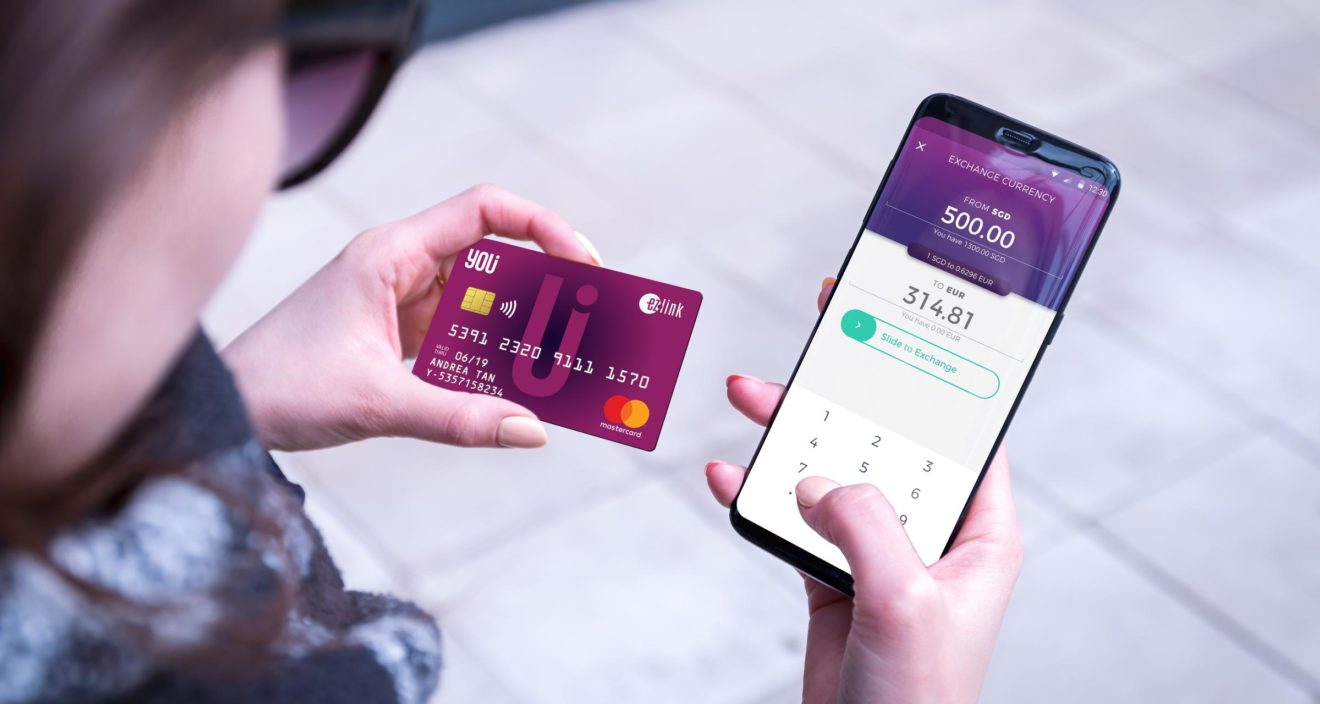
    Singapore-based YouTrip aims to scale its product offerings, including venturing into the B2B payments space, and accelerate its expansion across Southeast Asia.

    YouTrip has raised $30 million in a Series A funding round driven by returning investors from major Asian family offices and prominent financial technology investors, bringing its total funding since launch to $60 million, it said in an announcement on Tuesday.

    The company has set its sights on the growing B2B payments space, as it said SMEs are showing a strong willingness to adopt digital banking services, specifically for cross-border payments. To cater to this segment, it will be rolling out its YouBiz product in Singapore in the first quarter of 2022, and with plans to bring it to five other Southeast Asia countries in the next 12 months. It has already received over 1,000 sign-ups in a beta launch.

    It is a segment with a deep market, as companies increasingly operate in a distributed and borderless manner and we expect their cross-border payment needs to go up, Arthur Mak, co-founder said in the announcement.

    This latest round also gives us the resources to strengthen our multiple growth engines to stay resilient and well-primed for expansion into new vistas, Caecilia Chu, co-founder, said.

    YouTrip said its transaction volume has rebounded to pre-COVID levels, driven by strong traction in cross-border e-commerce transactions and return of travel spending. Exponential growth is expected in the upcoming months following the opening of more Vaccinated Travel Lanes in Singapore and progressive return of regional travel.

    According to YouTrip, it has processed over $800 million in card spending globally, with almost 20 million transactions and over 1.5 million app downloads.

  • Apple Pay and iPhone NFC restrictions can get Apple fined by the EU

    Apple Pay and iPhone NFC restrictions can get Apple fined by the EU

    Antitrust investigations from the European Commission on tech giants such as Apple, Google, and Facebook have been going strong in the past couple of years, and tech giants have already faced fines from the EC on some dubbed ‘anticompetitive’ behaviors.

    Fines for anticompetitive behavior with Apple Pay and NFC against Apple are being finalized. The investigation has been going on since last year when the EC antitrust regulators have focused on Apple Pay and the iPhone’s NFC chip that makes contactless payments possible and began to scrutinize the practice. What the commission started investigating, in the beginning, was whether Apple unfairly locked out other contactless payment services by restricting the use of the NFC chip inside iPhones.

    The report from the EC states that Apple will get charged for “anti-competitive practices related to its NFC chip technology”, but the exact details are still unclear. It is possible these charges could force Apple to “open up its mobile payment system to rivals”.

    The EU competition enforcer is currently drafting a statement of objections that will express the concerns. The document is expected to be sent to Apple next year.

    Apple has been opening up access to the NFC chip in iPhones in recent years; however, third-party contactless payment systems have had a hard time in comparison to Apple Pay integration with iOS, so this could have been an issue for antitrust regulators. The way that the NFC chip in an iPhone works seems to give an advantage to Apple Pay which antitrust regulators do not like. For example, when an iPhone comes near to an NFC reader, the Wallet and Apple Pay interface is immediately automatically shown, something third-party systems cannot do on the iPhone.

    Earlier this year, the European Commission concluded in another investigation (this one is a preliminary conclusion at the moment, not a final decision, so keep that in mind) that Apple is indeed in breach of anti-competitive laws. More precisely, the investigation here was about Apple Music and music streaming services, and whether Apple was favoring its own solution on iPhones and thus making it harder for third-party music streaming services to compete.

    This anti-competitive behavior was related to the high commission fees that Apple imposed on third-party apps in the App Store and that the company does not allow app developers to tell users there are other payment methods… sounds familiar? Maybe yes, as this is the same complaint game maker Epic Games had against Apple and why the popular Fortnite game is no longer to be found on the App Store, for more than a year now.

    The aforementioned preliminary conclusion does not impose any fines or regulations yet, as it is not final. The next step is for the commission to review the case with Apple.In this case, after the period of reviewing it with Apple, the commission will decide whether to proceed with formal charges. If found in breach of competition law, the EC can force Apple to change the rules of the App Store or pay a fine for past offenses, which can go up to 10% of annual revenue.

    It is not only Apple that the EC is investigating for breaching competitive laws. Under investigation are also other tech giants such as Google, and even Amazon (for anti-competitiveness in the smart home market). The EC is also investigating the voice assistants on devices from Apple, Google, and Amazon, for the same issues.

  • B2B Payments Firm Spenmo Receives Funding for Regional Build-Out

    B2B Payments Firm Spenmo Receives Funding for Regional Build-Out

    The Singapore-based startup has secured one of the largest Series A funding rounds to date in the country, which will allow it to expand in Southeast Asia.

    Spenmo has announced a $34 million raise in a Series A investment round led by New York-based private equity and venture capital firm Insight Partners, according to a statement on Wednesday.

    The fundraising round, which was oversubscribed by a multiple of five, saw the participation of Lee Fixel’s Addition, Salesforce Ventures, Alpha JWC, Global Founders’ Capital, Broadhaven, Operator Partners and Commerce Ventures, alongside several high-profile angel investors.

    Spenmo helps businesses manage payments, and its products include smart corporate cards and automated bill payments. It graduated from the Y-combinator startup accelerator in 2020. Since its launch in Singapore last year, it has expanded across Southeast Asia, bringing on several thousand customers, Spenmo said.

    The company said it sees growth opportunities in the region, which has over 20 million small and medium sized businesses that  largely do not use any software to manage their payables other than piecemeal solutions such as spreadsheets or manpower.

    Our space has typically been thought of as a back-office function, but finance and accounts payables is a critical part of running a business, Mohandass Kalaichelvan, CEO and Founder of Spenmo, said.

  • Payments Platform 2C2P Partners Atome to Grow BNPL Reach

    Payments Platform 2C2P Partners Atome to Grow BNPL Reach

    The regional partnership will support thousands of merchants across Southeast Asia, as competition in the Buy Now Pay Later (BNPL) space heats up.

    Global payments platform 2C2P is partnering Buy Now Pay Later (BNPL) brand Atome, which will allow its network of online and offline merchants across the region to offer BNPL as an alternative payment method to their customers.

    Merchants using 2C2P’s platform in Singapore and Malaysia will be able to offer their customers the option to pay using Atome, either online or in-store, which allows them to make payments over three months with zero interest, service fees or annual fees.

    Headquartered in Singapore, Atome has a presence across Southeast Asia, India and Greater China. The platform was launched in 2019, and currently partners over 5,000 online and offline retailers in nine markets.

    Its partnership with 2C2P is expected to roll out in other markets such as Thailand, Philippines and Indonesia in the near future, the announcement said.

    BNPL payment methods have seen surge in popularity, particularly among millennials and Gen Z consumers. Merchants are also tapping on its growth to increase customer conversion, average order size and repeat sales.

    The market is estimated to grow to $33.6 billion by 2027, with Asia being the fastest-growing regions due to increasing rates of mobile Internet penetration, according to a 2020 study by Coherent.

    Earlier this month, U.S. fintech giant PayPal announced a mostly cash deal to acquire Japan BNPL platform Paidy for ¥300 billion (about $2.7 billion). Square, run by Twitter CEO Jack Dorsey bought Australian BNPL platform Afterpay for $29 billion last month.

  • South Korea set to ban Google, Apple in-app payment dominance

    South Korea set to ban Google, Apple in-app payment dominance

    South Korea is likely to bar Google and Apple from requiring software developers to use their payment systems, effectively stopping them from charging commissions on in-app purchases, the first such curbs on the tech companies by a major economy.

    An amendment of the Telecommunications Business Act, dubbed the “Anti-Google law,” that takes aim at app store operators with dominant market positions, is being considered by lawmakers in South Korea, who have pushed the issue of the commission structure since mid-2020.

    In a statement, Apple said the bill “will put users who purchase digital goods from other sources at risk of fraud, undermine their privacy protections, make it difficult to manage their purchases.”

    The iPhone maker said it believes “user trust in App Store purchases will decrease as a result of this proposal — leading to fewer opportunities for the over 482,000 registered developers in Korea who have earned more than KRW8.55 trillion to date with Apple.”

    Adam Hodge, the spokesman for the U.S. Trade Representative’s office, said U.S. officials were still considering how to balance the views of the U.S. tech companies with the Biden administration’s push to increase competition in the industry.

    “We are engaging a range of stakeholders to gather facts as legislation is considered in Korea, recognizing the need to distinguish between discrimination against American companies and promoting competition,” Hodge said.

    Both Apple and Google have faced global criticism because they require software developers using their app stores to use proprietary in-app payment systems that charge commissions of up to 30% on in-app purchases.

    “For gaming apps, Google has been forcing app developers to use its own payment system … and it wants to expand its policy to other apps like music or webtoon,” said Kwon Se-hwa, a general manager at the Korea Internet Corporations Association, a nonprofit group representing Korean IT firms.

    “If the new bill becomes the law, developers will have options to use other independent payment systems,” Kwon said.

    Naomi Wilson, vice president of policy for Asia at the Information Technology Industry Council, a trade group that includes Apple and Google, said the legislation would violate South Korea’s multilateral and bilateral trade commitments.

    “If enacted, the bill would present challenges both for app developers and app stores seeking to do business in the Korean market,” she said, urging Korean legislators to re-examine the obligations for app markets and ensure they do not disproportionately affect U.S. companies.

    The European Union last year proposed the Digital Markets Act, taking aim at app store commissions. The rules are designed to affect large companies, but some European lawmakers are in favor of tightening them to specifically target American technology giants.

    Earlier this month in the United States, a bipartisan trio of senators introduced a bill that would rein in app stores of companies that they said exert too much market control, including Apple and Google.

    In South Korea, the home market of Android phone maker Samsung Electronics, Google Play Store earned revenue of nearly 6 trillion won ($5.15 billion) in 2019, according to a government report published last year.

    Earlier this year, Google said it would lower the service fee it charges developers on its app store from 30% to 15% on the first $1 million they earn in revenue in a year. Apple has made similar moves.

    For Apple too, commissions from in-app purchases are a key part of its $53.8 billion services business and are a major expense for some app developers.

    In May, an antitrust lawsuit filed by the maker of the popular game Fortnite against Apple revealed that the game maker paid $100 million in commissions to Apple over two years.

  • Three times more scammed via bank transactions than Bitcoin payments in Australia

    Three times more scammed via bank transactions than Bitcoin payments in Australia

    Bitcoin remains the most popular cryptocurrency playing a role as an investment vehicle and also a payment medium. However, scammers are exploring the payment aspect to defraud victims resulting in losses of millions of dollars.

    According to data compiled by cryptocurrency trading simulator Crypto Parrot, Australians lost an equivalent of AUD 26.65 million in scams where Bitcoin was the payment method in 2020. Despite Bitcoin being a new payment method, the fraud linked to the cryptocurrency ranked second behind banks.

    Scams involving bank transactions amounted to AUD 97.65 million, which is at least 3.7 times more than the amount lost in bitcoin payments scams. Other unspecified payment methods ranked third at AUD 24.17 million while cash ranked fourth at AUD 8.57 million. Credit cards emerged fifth at AUD 8.1 million.

    Elsewhere in terms of reported scams in 2020, payments methods not provided ranked top at 190,959 cases, followed by banks at 8,215. Credit cards rank third at 6,267 cases, followed by PayPal at 2,761. Other payment methods ranked fifth at 2,680 cases. Bitcoin cases emerged sixth at  1,985.

    The coronavirus health crisis partly played a role in Bitcoin being used as a payment method for scams in Australia.

    According to the research report: “Amid the pandemic, most people spend more time online on social media platforms, which became perfect grounds for targeting potential victims. Notably, victims deployed social media to share their referral codes with friends and contacts, bringing more people into the group involving the fake investment scheme. Overall, social media is an excellent tool for scammers who understand most people face the fear of missing out.”

    Furthermore, Bitcoin’s underlying nature of being decentralized and anonymous contributed to the crypto being utilized as a payment method in scams. Notably, this status means that the beneficiaries cannot be traced easily.