Retail News CRM

Tag: payments

  • Thailand Reins in Speculation in Digital Assets

    Thailand Reins in Speculation in Digital Assets

    The country’s finance regulator is banning licensed digital asset exchanges from trading meme coins, fan-based tokens, NFTs, and social coins as part of its ongoing regulatory action against crypto trading.

    The Thai Securities and Exchange Commission (SEC) is prohibiting exchanges in the country from providing services related to utility tokens or cryptocurrencies to ensure customer protection and ward off attempts by anyone using digital assets to operate a grey business, the regulator announced on Friday.

    As a result, meme coins like Doge, which has attracted the interest of investors in the past year as its price surged by as much as 10,000 percent this year, will no longer be allowed to be traded in Thailand. The SEC said such coins have «No clear objective or substance or underlying, and whose price runs on social media trends.

    According to «The Bangkok Post,» the move came amid reports that publicly listed mobile phone retailer Jay Mart was making plans to launch the country’s first non-fungible tokens (NFTs) linked to nine local stars and celebrities. However, Jay Mart said it would go ahead with the launch this week as planned, though the NFTs will be listed on foreign exchanges.

    NFTs have garnered increasing popularity in recent months, particularly as a way to sell and invest in digital artworks as verification of authenticity and ownership are stored on the blockchain

  • Citi Hires Ex-EY Partner for Asia Digital Payments

    Citi Hires Ex-EY Partner for Asia Digital Payments

    Citi has hired a former partner from Ernst & Young to lead the upcoming launch of a new digital payment solution in the region.

    James Lloyd joins the treasury and trade solutions (TTS) unit as its Asia Pacific head of Spring by Citi – upcoming digital payments offering – according to an internal memo.

    In his Hong Kong-based role, Lloyd reports to Sanjeev Jain, APAC head of payments and receivables, TTS, and Anupam Sinha, global head of domestic payments and Receivables, TTS.

    Lloyd joins from EY where he was a partner within the strategy and transactions practice, leading the firm’s dedicated regional fintech capabilities and serving as APAC leader for its global payments practice.

    Spring by Citi

    The Spring by Citi offering aims to help corporate and institutional clients reach end-customers by enabling digital payments across preferred methods, be it credit cards, instant payments or digital wallets.

    The offering is scheduled for launch in the fourth quarter this year starting with Singapore, Australia and Hong Kong before adding more markets in 2022.

    A spokesperson for the bank confirmed the new appointment.

  • Coles doubles down on payments with launch of Flypay for grocery

    Coles doubles down on payments with launch of Flypay for grocery

    By using Flypay, Coles customers will no longer need to enter their payment and delivery information separately when shopping at Coles group retailers online.

    Once customers set up their Flypay account, all they do is select ‘Flypay’ when completing the transaction.

    This new way to pay also includes the Flybuys reward card, so customers can collect points.

    Coles chief of emerging businesses George Saoud said the new system makes shopping online faster, easier and more secure.

    “Coles is committed to helping our customers shop more easily anytime, anywhere, and we are thrilled to introduce Flypay as a payment option for customers shopping at any of our online liquor retailers,” he said.

    The payments system was co-developed by Coles and Bell Identification, a Visa solution.

    Visa head of merchant sales and acquiring Dan Parsons said speedy and secure ways to pay are “more important than ever”.

    Eligible retail outlets include:

    • Coles online
    • Coles Liquor
    • Liquorland
    • First Choice Liquor and Liquor Market

    More Coles-branded retailers will be added in the coming months, according to the group.

    The Foundation for Alcohol Research and Education (FARE) has flagged concern about easy online ordering of alcohol during COVID-19.

    FARE chief Caterina Giorgi said it would be “seriously worrying” if it were easier for retailers to sell alcohol to people who are intoxicated or who are underage.

    “Even now, fundamental community standards around the way alcohol is sold are not upheld by online alcohol retailers and there is not enough alcohol industry accountability,” she said.

    “Alcohol companies have been taking advantage of people’s fear and anxiety by urging us to drink to cope with the COVID-19 pandemic.

    “This is concerning because the evidence shows that drinking alcohol can make people’s stress, anxiety and depression worse.”

    There are also concerns around alcohol-fuelled harm according to Ms Giorgi.

    “Alcohol-fuelled harm in the home is often invisible and there are strong indications of family and intimate-partner violence escalating,” Ms Giorgi said.

    “As online alcohol retailing increases and expands across platforms we need common sense controls in place to keep families and communities healthy and safe, including ending rapid and late-night delivery and requiring age verification at point of sale and delivery.”

    “We are most concerned about children and young people, and people who are intoxicated being sold alcohol well into the night by online alcohol retailers who aren’t even required by law to verify proof of age.”

    However, a Coles spokesperson told Savings.com.au that Flypay does not make it any easier to pay for alcohol than other ways to pay.

    “We take our responsible service of alcohol obligations seriously,” they said.

    “While Flypay makes it easier for customers to complete their transaction, it does not make it any easier to purchase alcohol than using any other form of payment.

    “For online alcohol purchases, customers need to show ID when they have it delivered.

    “This is the same process for card purchases or Paypal, which we already offer on these websites.”

    In the past week, FARE released a study in conjunction with Women’s Safety NSW that found 51% of family violence specialists across that state have seen an increase in the involvement of alcohol in cases since the COVID-19 restrictions were introduced.

    Earlier in May, FARE also released a report that found in just one hour on a Friday night, 107 sponsored alcohol advertisements were displayed on a person’s Facebook and Instagram accounts – one alcohol advertisement every 35 seconds.

    The report found 58% of the ads’ main message was getting easy access to alcohol without leaving the home.

  • Afterpay and Stripe Partner to Offer ‘Buy Now, Pay Later’ Payments for Merchants

    Afterpay and Stripe Partner to Offer ‘Buy Now, Pay Later’ Payments for Merchants

    Afterpay the leader in “Buy Now, Pay Later,” today announced a partnership with Stripe, the technology company building economic infrastructure for the internet. The two companies are joining forces to offer Afterpay’s payment service to Stripe merchants through an easy and seamless integration.

    The partnership allows both new and existing Stripe merchants to easily offer Afterpay – giving their shoppers the opportunity to receive their items immediately and pay in four installments, without the need to take out a traditional loan or pay upfront fees or interest. Businesses on Stripe can start accepting Afterpay in minutes—there’s no application, onboarding, or underwriting process to get started.

    “Stripe is delighted to partner with Afterpay to make it easy and fast for online businesses to offer their customers Buy Now, Pay Later. We’ve seen strong demand from users around the world for flexible payment options, and this partnership gives businesses on Stripe an effective tool for capturing more sales and reaching new customers,” said Noah Pepper, Stripe’s Business Lead for APAC.

    Afterpay and Stripe are also extending the payment service to top e-commerce platforms, with Squarespace — the all-in-one website building platform — being the first platform to leverage the partnership and offer Afterpay to its customers.

    By offering Afterpay, Squarespace enables merchants to build a fully integrated checkout experience with ease, while maintaining the look and feel of their brand. Merchants will also experience the benefits of offering customers a flexible payment option, which is proven to attract new customers and deliver higher conversions and average order values.

    “Afterpay has been a top requested feature from our customers,” said Paul Gubbay, Chief Product Officer at Squarespace. “Through this partnership, we’re glad to be able to offer our merchants even more flexibility in how they transact with their customers and increase topline sales without having to sacrifice the design elements that are unique to their brand.”

    “Millennial and Gen Z consumers are demonstrating a clear preference for flexible payment options that allow them to budget and spend responsibly,” said Ben Presseley, Afterpay’s SVP of Global Sales Strategy and Operations. “By partnering with Stripe and Squarespace, we’re equipping retailers with the tools to meet this consumer demand – offering the younger generation a way to use their own money and pay over time, always free of interest.”

    Stripe merchants in Australia, New Zealand and the US can now integrate Afterpay, and will be available to merchants in the UK and Canada soon. Squarespace offers the combined integration of Stripe and Afterpay to their Commerce customers in Australia, New Zealand and the US, and will be available to Canadian customers soon.

  • China’s Central Bank Signals Break-Up Risk for Non-Bank Players

    China’s Central Bank Signals Break-Up Risk for Non-Bank Players

    The latest draft rules proposed by the People’s Bank of China signals even more regulatory tightening against the mainland fintech sector including the potential to even break up non-bank institutions deemed to hinder payment development.

    The People’s Bank of China (PBoC) proposed this week that it could advise the state council’s antitrust committee to take action should non-bank institutions severely hinder the healthy development of the payment service market.

    Actions suggested include the ability to break-up non-bank financial institutions that are deemed to be too dominant and abusive of their leading market positions.

    This spells more tightening for the likes of payment giants like Ant’s Alipay or Tencent’s Tenpay which own the majority of mainland China’s digital payment market share.

    According to guidelines released earlier this month, the PBoC defines a digital payments monopoly as any non-bank service provider with at least half of the market share for online transactions.

    Two non-bank providers with a combined market share of two-thirds or three providers with three-quarters will also qualify for antitrust investigations.

    Two or three firms having less than a 10 percent market share will not trigger investigations, the PBoC added.

    The new rules spell headwinds for China’s leading fintech giants whose dominance could at the very least potentially face supervision over capital adequacy requirements especially if they offer deposit products with interest rate payments, if not a full break up.

    While onlookers remain cautious, some have expressed optimism about limited intervention due the risk of such actions resulting in curbed innovation.

    Globally, regulations have actually intensified to rein in the dominance of big tech. In our view, this is meant to prevent market abuse, said UBS Global Wealth Management’s APAC CIO Min Lan Tan in a recent virtual roundtable. Regulators will be careful not to stifle innovation. Significant changes in business models or the breakup of companies, we think, is unlikely.

  • Digital payment firm Vietnam’s second startup unicorn

    Digital payment firm Vietnam’s second startup unicorn

    VNPay has become the second unicorn startup in Vietnam and one of 12 companies in Southeast Asia with a valuation of $1 billion.

    The payment company was listed as a unicorn in the recent “e-Conomy SEA 2020” report by Google and its partners, alongside well known firms like Indonesia’s ride-hailing firm Gojek and Singapore’s e-commerce platform Lazada.

    VNPay, which manages a network of payment systems using QR codes in major cities, is currently partnering with over 40 banks and 20,000 companies. The company has over 15 million monthly users who access its app to transfer money, pay utility bills and buy bus tickets.

    The company was one of the startups that attracted the highest investments in the Southeast Asian fintech industry last year, with a total of $1.7 billion being poured into this industry, up 40 percent from 2018, the Google report said.

    VNPay reportedly received $300 million from Japan’s Softbank Vision Fund and Singapore’s sovereign wealth fund GIC last year.

    The first Vietnamese startup with a valuation of over $1 billion was tech firm VNG in 2014. Its valuation has now increased by over 50 percent to $1.5-1.7 billion.

    Vietnam targets having five unicorn tech firms by 2025 and 10 by 2030 as part of its Industry 4.0 advancement plans, the Ministry of Planning and Investment said in a report last year.

  • Google Pay continues to expand in the US, nearly 90 new banks now supported

    Google Pay continues to expand in the US, nearly 90 new banks now supported

    Google Pay is pretty big in the US, and starting this week it will get even bigger. Currently, thousands of banks and financial institutions offer customers support for Google Pay, so the 89 names added this week will probably feel like a grain in the sand.

    The list of 89 banks that now support Google Pay is below, so if you didn’t find yours among the 3,000 supported banks listed on Google’s support site, you can look for it here. The list is ordered alphabetically for easier reading

    1st Trust Bank, Inc. (KY), Algonquin State Bank, Alliance Bank Central Texas (TX), Bank of Advance (MO), Bank of Herscher (IL), Bank of Newington (GA), Bank of Old Monroe (MO), Bossier Federal Credit Union (LA), Buckeye State Bank (OH), Central Valley Community Bank, Clean Energy Federal Credit Union (CO), Clearwater Credit Union, Community Partners Savings Bank (IL), Dover Federal Credit Union (DE), E-Central Credit Union, Exchange Bank of Northeast Missouri (MO), Families and Schools Together Federal Credit Union, Farmers – Merchants Bank of Illinois (IL), Farmers and Drovers Bank, Financial Horizons Credit Union, First Century Bank (TN), First Federal Savings Bank (IN), First Financial Bank, NA.

    First Nebraska Bank, FirstCapital Bank of Texas, Fort Davis State Bank Franklin Mint Federal Credit Union, Gateway Metro Federal Credit Union, Genoa Community Bank, Gowanda Area Federal Credit Union, GreenState Credit Union (IA), Greenville Heritage Federal Credit Union, Gulf Capital Bank (TX), HNB First Bank (AL), Hardin County Savings Bank (IA), Harris County Federal Credit Union (TX), Heartland Credit Union (IL), Heartland Credit Union (MI), Honolulu Fire Department FCU (HI), Hurricane Creek Federal Credit Union (AR)

    Jersey State Bank (IL), Jolt Credit Union (MI), KSW Federal Credit Union, Lakeview Federal Credit Union, Latrobe Area Hospital FCU (PA), Live Life Federal Credit Union, Magnolia Bank (KY), Martha’s Vineyard Savings Bank (MA), Millyard Bank (NH), Minnwest Bank (MN), Mountain Credit Union (NC), Mt. McKinley Bank, Needham Bank (MA), Northwest Christian Credit Union, One Community Bank (WI), One Source Federal Credit Union (TX), Partners Bank of California, Pawtucket Credit Union, People’s United Bank, National Association (CT).

    Peoples Bank & Trust Co (MO), Plains Commerce Bank Raritan Bay Federal Credit Union Rio Grande Valley Credit Union, Rollstone Bank & Trust (MA), SPE Federal Credit Union (PA), Sabine Federal Credit Union, Saco Valley Credit Union, Safra National Bank of New York (NY), San Luis Valley Federal Bank, Savings Bank of Walpole (NH), Secured Advantage, Federal Credit Union, Sentry Credit Union (WI), Southbridge Credit Union (MA).

    Springfield First Community Bank, St. Louis Bank, Susquehanna Valley Federal Credit Union, Taunton Federal Credit Union, Telcomm Credit Union (MO), Texas Regional Bank, The Bank of Salem (MO), The New Orleans Firemen’s Federal Credit Union, Treasury Department Federal Credit Union (DC), TruStar Federal Credit Union (MN), United Credit Union, Varo Bank, National Association, WESLA Federal Credit Union, WESTcoasin Credit Union (WI), Wells River Savings Bank (VT), and WestStar Bank (TX).

    Ok, 3,000 is a big number, but there’s a chance that many Google Pay users won’t find their banks on this huge list. Well, judging by the constant wave of banks and financial institutions that are getting Google Pay support each month, sooner or later we’ll be able to use the mobile payment service across all America.

  • Hong Kong fintech STATRYS secures USD $5M

    Hong Kong fintech STATRYS secures USD $5M

     Statrys, a Hong Kong-based digital payment services platform, has recently accepted a USD $5M funding round to help kick off its newest products to a rapidly growing market. This round was led via a closed-door funding arrangement with an angel investor in the region with the expectation for Statrys to carve out market share in the growing digital payment and remittance space. 

    The global digital payment and remittance market was valued at USD $2.99 billion in 2019 and is expected to continue growing at a CAGR of 27.6%. According to a recent report by MarketWatch, the global digital payments and remittance market is expected to reach USD $16.79 billion by 2025. 

    Statrys is an innovative payments solution alternative geared towards SMEs, startups, and entrepreneurs who require flexible banking and advanced Forex solutions that can enable them to grow globally. The new funding round is a part of Statry’s global growth strategy, starting with a big push into Asia to help support SMEs and entrepreneurs with business accounts, Forex needs, and other payments solutions that larger payment processors charge higher fees for, or banks simply won’t provide. 

    “After a few months of operations, our business has already reached upwards of HKD500mil remittance and HKD200mil FX dealings. This clearly validates our original assumption that there is a big demand for the services we provide at STATRYS. This new financing will help us to accelerate 

    the development of the company both in terms of products, with the addition of local currency accounts, payment card, integration with accounting software, and geographically, as we will target new markets in South-East Asia” said Bertrand Theaud, Founder & CEO of Statrys. 

    The first project the new funding has been used for was the recent September website overhaul that moved to reinforce Statrys’s branding and deliver a better user experience when it comes to site navigation and usability. 

    The main value that Statrys will bring to SMEs specifically in Asia is the ease of setting up a business account in the face of traditional Asia-based banks where creating business accounts with bootstrapped funding or light runway can oftentimes end in failure. By offering a payment platform that can operate with the same functions of a traditional bank while not actually being a bank, Statrys can fill gaps for SMEs and startups that otherwise couldn’t find themselves with a bank or with a bank that restricts smaller businesses in overall services offered. 

    Among other platform features, integrations are the next big goal post for Statrys to cross for clients with other tools at the heart of their operations. The Statrys-Xero integration which is currently in development, is one of many other integrations planned for Statrys, that will help synchronize payments to their Xero account, bridging a gap between payments and accounting software that never existed before with traditional banks. 

    Statrys’s Forex trading features offer payments and trades in 11 different currencies with plans for more to come in the future. The new funding round is intended to also expand the company’s presence, or ability to serve clients, in other ASEAN countries like Singapore, Thailand and Indonesia where competitors have less focus on solutions for SME customers, startups and entrepreneurs. 

    “Flow of business, and therefore flow of payments, between China, Hong Kong and South-East Asia is rapidly growing. We anticipate that this trend will accelerate with the combined effect of the China-US trade war and the changes in global supply chain that will result from the Covid-19 pandemic. We want to position STATRYS to answer the needs of companies present in these regions as they are looking for better solutions to deal with payments and FX. ” says Bertrand 

    Statrys will also be launching its own Statrys Debit Payment MasterCard for Hong Kong so local Hong Kong entrepreneurs can make payments from their Statrys business accounts at all MasterCard participating retailers and vendors, currently in HKD only. 

    Already quickly becoming an office-name in Hong Kong, Statrys aims to take digital payments and Forex to more SMEs globally with the same price-competitiveness. Compliance is at the heart of every transaction and trade on the Statrys platform, where SMEs can feel safe to make the payments they need around the globe in any currency Payments don’t just happen in Asia, so it’s likely that future funding rounds are around the corner with the expectation to take Statrys out of Asia and beyond. 

  • Payments Platform PPRO Enters Indonesia

    Payments Platform PPRO Enters Indonesia

    The cross-border payments specialist is integrating e-wallet leaders Doku and Ovo into its global portfolio. The new integrations help to accelerate market entry and boost conversion for businesses hoping to tap on Southeast Asia’s largest e-commerce market, where credit card penetration is less than 5 percent of the population, the company said in an announcement.

    PPRO’s local payments platform-as-a-service provides partners with the ability to accept locally preferred payment methods through one contract and one API. Its integrations feature a total of four payment types: e-wallet, internet banking, bank transfers, and cash for consumers who prefer to pay at ATM and convenience stores.

    Indonesia is a strategic market for our top-tier customers and their merchants, who are being pressed to globalize faster than ever in the wake of the pandemic. Indonesia is also one of the world’s most complex regions regarding compliance, regulations, and consumer preferences, Kelvin Phua, PPRO global head of payment networks, said.

    Indonesia’s e-commerce market is set to grow 50 percent year-over-year to $35 billion in 2020, with many consumers using online shops for the first time this year due to the pandemic, PPRO said, citing a recent survey by management consulting company Redseer

    Founded in 2006, PPRO is backed by the likes of PayPal, Citi Ventures, and HPE Growth Capital. The company currently works with Alipay, WeChat Pay, GrabPay, Bancontact, iDEAL, BLIK, Boleto Bancario, and other local payment methods on its platform.

    In 2019, the company began its push to increase global coverage with the expansion of its Asia-Pacific (APAC) operations out of Singapore and partnered GrabPay to support its payments and e-commerce solutions in Singapore.

  • BigPay gears up for regional expansion, with early access coming to Singapore users in coming weeks

    BigPay gears up for regional expansion, with early access coming to Singapore users in coming weeks

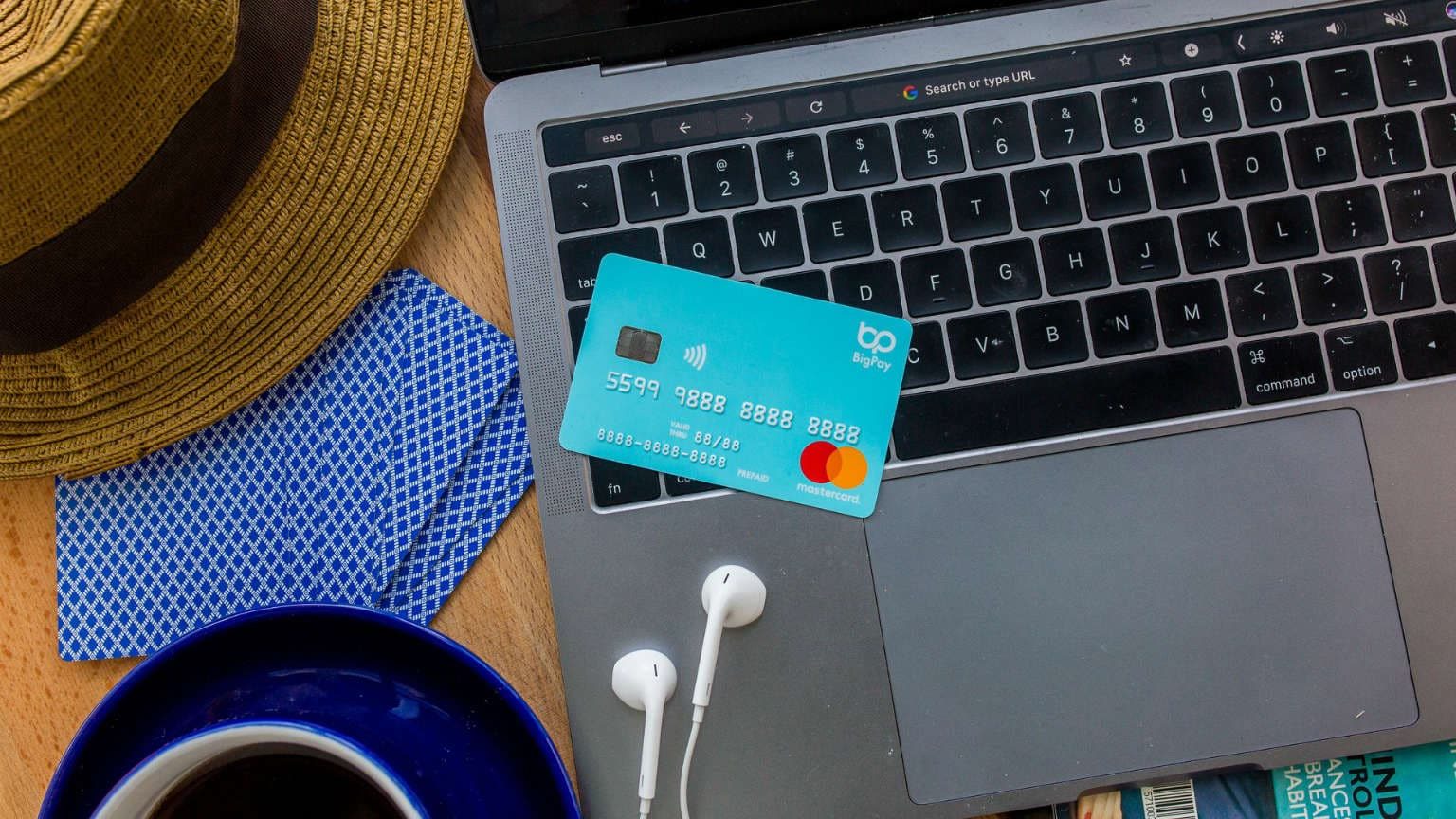
    BigPay is coming to Singapore, after 2 years of rapid growth with over 1 million users in Malaysia. The fast-growing Fintech is on an aggressive growth path and is getting ready to make its mobile money app and prepaid Visa card available to all Singapore residents in the coming weeks.

    “We quietly opened up our waiting list on the app earlier this year and already have 20,000 people ready to get early access” said Christopher Davison, Co-Founder and CEO. “People are turning to digital financial services and the pandemic has accelerated the need for fair and transparent alternatives to traditional banking – which is exactly what BigPay stands for.”

    Launched in 2018, BigPay has grown to be one of the largest e-money issuers in Malaysia by gross transaction value. The company’s business was unscathed by the global pandemic, showing strong growth in international money transfers and online spending thanks to the worldwide acceptance of its card. BigPay has received its licence from the Monetary Authority of Singapore to operate in Singapore early this year.

    BigPay will make its two core features – payments and remittance – available in Singapore. Users will be able to seamlessly open an account from their mobile phones and make payments at any local or international merchant. They will also be able to make free and instant money transfers to friends, split bills, manage work expenses and track their spending all in one integrated app.

    In addition, Singapore users will be able to remit money quickly and at a competitive rate to 10 markets, namely: Malaysia, China, the Philippines, Indonesia, Thailand, Vietnam, India, Bangladesh, Nepal and Australia, with more to come.

    Operating on a challenger bank model, BigPay’s goal is to give consumers access to all the mainstream financial products typically offered by retail banks – at a much lower cost and with greater efficiency. BigPay also plans to launch new business lines such as loans, insurance and wealth management in the coming months, as well as expand to other Southeast Asian markets early in 2021.

  • Alternative payments move mainstream in India

    Alternative payments move mainstream in India

    Alternative payments have moved mainstream in India amid Covid-19, according to GlobalData.

    Payment platforms such as mobile and digital wallets have gained popularity among online shoppers, gradually replacing traditional payments during the pandemic.

    “The adoption of alternative payments has been on the rise since demonetization in 2016,” said Ravi Sharma, lead banking and payments analyst at GlobalData. “The recent Covid-19 outbreak has further accelerated the usage of alternative payments as consumers are increasingly using electronic payments to avoid exposing themselves to disease vectors while merchants are also insisting on the digital mode of payments.”

    GlobalData’s 2020 Banking & Payments Survey found that the share of alternative payments in online transactions in India stands at 54 percent this year, followed by payment cards and cash, which accounted for 30.1 percent and 8.1 percent, respectively.

    Google Pay has been one of the beneficiaries with 9.3 percent share in the e-commerce payments, a significant surge from 3.5 percent share last year.

    “While alternative payment tools were initially available for online payments, they are now being used for in-store payments as well,” Sharma said.

    “With merchants increasingly opting for QR code-based payments due to their cost-effectiveness, alternative payments will disrupt the country’s overall consumer payments space in a big way.”

  • Consumers embrace tap-and-go payments in pandemic’s wake

    Consumers embrace tap-and-go payments in pandemic’s wake

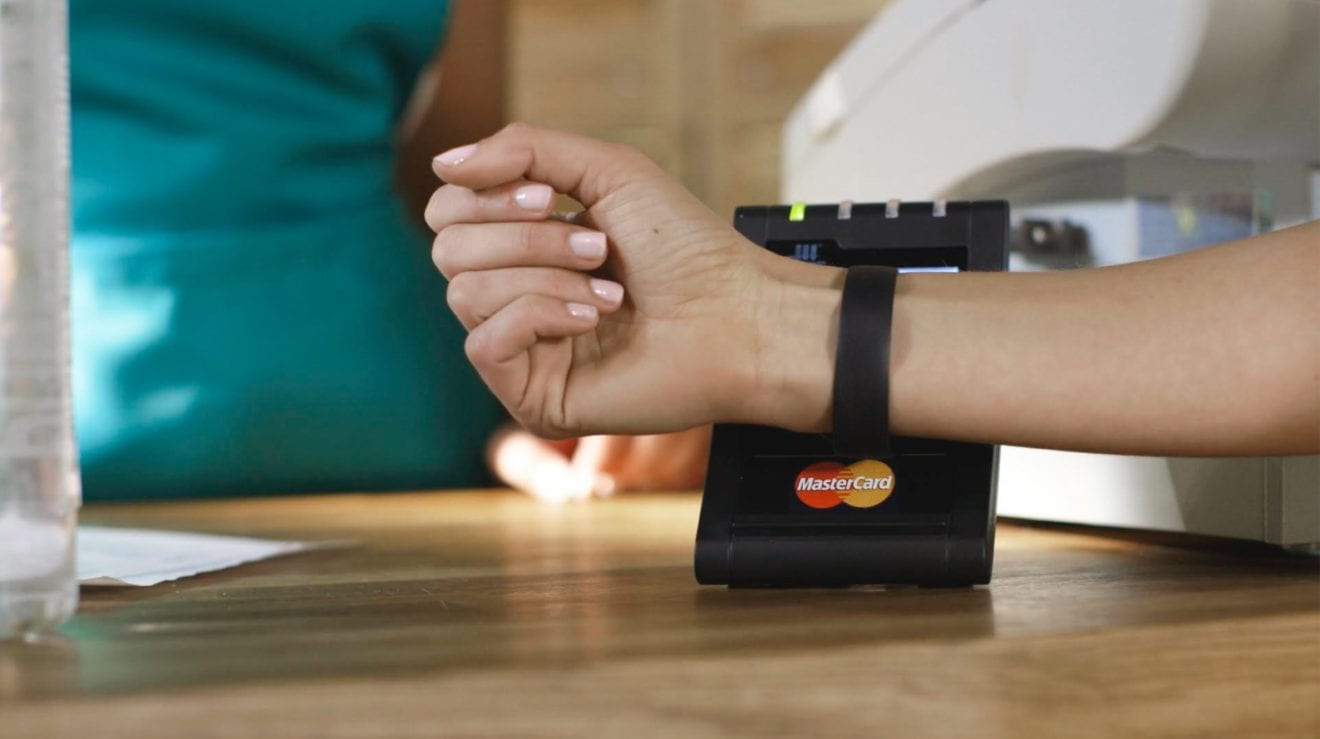
    Ninety-one percent of Asia-Pacific consumers and 79 percent of people globally say they are now using tap-and-go payments, according to a survey by credit card firm Mastercard.

    Polling by the firm, which focused on shifting consumer behaviors in 19 countries, shows accelerated and sustained adoption of contactless payments globally in the midst of the coronavirus pandemic.

    The survey identified concerns among consumers about point-of-sale cleanliness and safety as being a prompt for tap-and-go contactless payments, with 46 percent of respondents internationally and 51 percent of Asia-Pacific respondents swapping their top-of-wallet cards for one offering a contactless feature.

    “Contactless is here to stay,” the firm said in a statement. “We are in a sustained period where consumers are making purchases in a very focused way. That’s reinforcing contactless use in markets where adoption is more mature and it’s stimulating use in newer markets. This trend appears to be here to stay as 74 percent of people globally and 75 percent in Asia Pacific state they will continue to use tap-and-go after the pandemic is over.”

    Meanwhile, a separate study by AksjeBloggen predicts the global digital-payments market, in general, will reach US$6.7 trillion in value by 2023, as usage continues to rise to an estimated 6.1 billion people. Digital payments worldwide are currently valued at $4.7 trillion.

    The survey revealed that online buying and selling of goods and services would remain the largest revenue stream of the global digital-payments industry in the coming years, reaching $4.5 trillion transaction value in 2023. China is the world’s largest digital-payments market, with an estimated $1.9 trillion transaction value this year.

  • Mastercard study shows consumers moving to contactless payments for everyday purchases as they seek cleaner

    Mastercard study shows consumers moving to contactless payments for everyday purchases as they seek cleaner

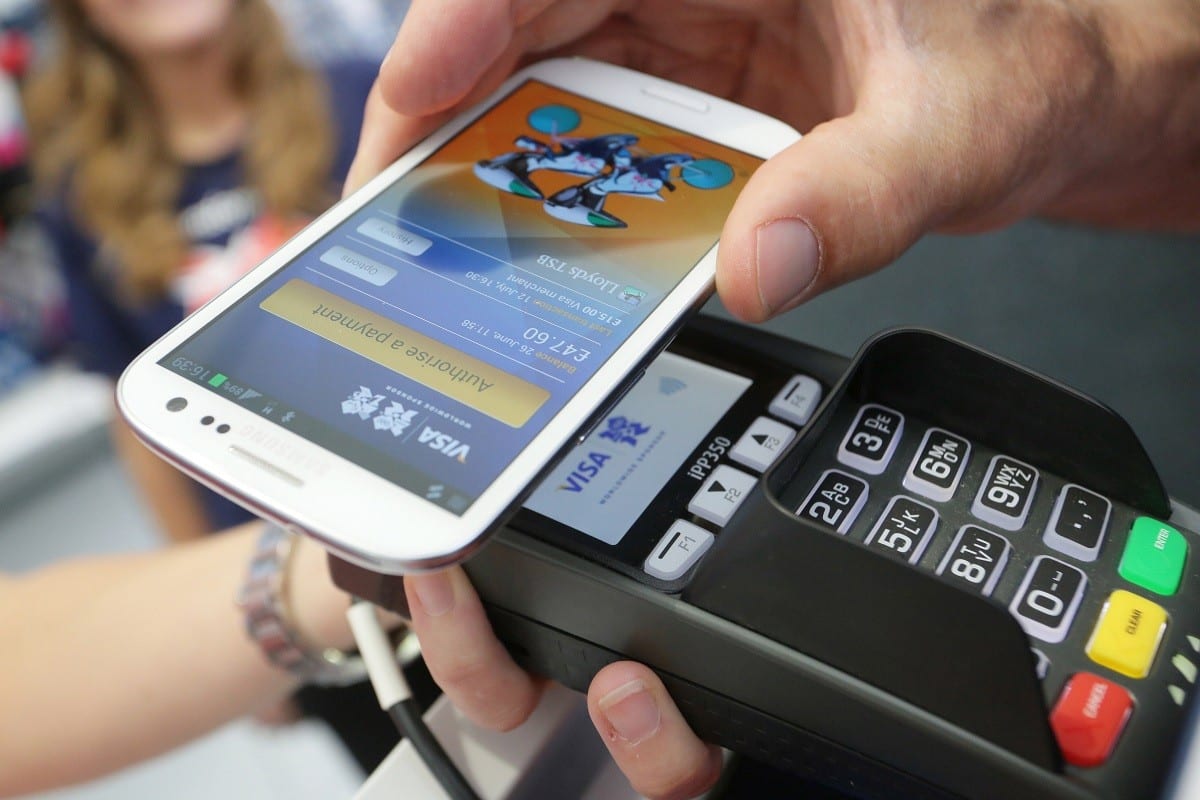
    During February and March, as many countries imposed or strengthened social distancing measures due to COVID-19, a significant majority of consumers turned to contactless card payments for necessary purchases. Citing safety and cleanliness, 79 percent of people worldwide and 91 percent in Asia Pacific say they are now using tap-and-go payments.

    Consumer polling by Mastercard, studying changing consumer behaviors in 19 countries around the world, paints a picture of accelerated and sustained contactless adoption.

    The act of going to the store for eggs, toilet paper, medicine and other necessities has changed dramatically this year. Shoppers have had to adjust to new challenges when buying everyday supplies – a shift in behavior that is particularly clear at checkout as people express a desire for contactless cards and voice concerns over cleanliness and safety at the point of sale.

    The new Mastercard survey shows:

    • Contactless cards move to top of wallet – Perceptions of safety and convenience have spurred a preference for contactless cards and reminded consumers of the ease of tapping. Globally, 46  percent of respondents have swapped their top-of-wallet card for one that offers contactless. In Asia Pacific, 51 percent of people have made the swap.
    • Confidence in contactless – COVID-19 has increased concerns about cash usage and led to positive perceptions about contactless due to the safety and peace of mind it provides. The majority of respondents (82 percent) globally view contactless as the cleaner way to pay, with 80 percent in Asia Pacific saying the same. Contactless payments are up to 10 times faster than other in-person payment methods, enabling customers to get in and out of stores faster.  
    • Contactless is here to stay – We are in a sustained period where consumers are making purchases in a very focused way. That’s reinforcing contactless use in markets where adoption is more mature and it’s stimulating use in newer markets. This trend appears to be here to stay as 74 percent of people globally and 75 percent in Asia Pacific state they will continue to use contactless after the pandemic is over.

    “Mastercard’s survey shows a clear shift to contactless – especially in Asia Pacific – as COVID-19 changes the payments landscape and the way people shop now and in the future,” said Sandeep Malhotra, Executive Vice President, Products & Innovation, Asia Pacific, Mastercard. “The fact that 3 in 4 people intend to keep using tap-and-go after the pandemic is a strong sign that consumers see the long-term benefits of having a safer, cleaner way to pay, checking out faster and being more socially responsible.”

    Contactless Tipping Point

    Mastercard has been spearheading the worldwide shift to contactless for years, championing the simple, safe and fast way to pay. Now, as consumers increasingly seek ways to get in and out of stores quickly without touching payment terminals, Mastercard data reveals more than 40 percent growth in contactless transactions globally in the first quarter of 20201. More than 80 percent of contactless transactions are under US$25, a range typically dominated by cash.

    While countries worldwide are at different stages of contactless card deployment and usage for daily shopping, Mastercard’s insights on trends at grocery stores and pharmacies – where many day-to-day essentials are being purchased – showed nearly all regions experienced significant spikes in February and March.

    Reinforcing changing behaviors and consumer checkout preferences, Mastercard saw the number of tap-and-go card payments at grocery stores and pharmacies grow twice as fast as non-contactless transactions globally and 2.5 times faster in Asia Pacific2.

    Just last month, Mastercard announced commitments to increase contactless payment limits in more than 50 countries worldwide in Europe, the Middle East, Africa, Asia Pacific, Canada, Latin America and the Caribbean. Limit increases were part of Mastercard’s global effort to make sure consumers, merchants and small businesses have the resources to pay safely, receive payment and maintain operations during the COVID-19 crisis.

  • Digital Payments in China Surge

    Digital Payments in China Surge

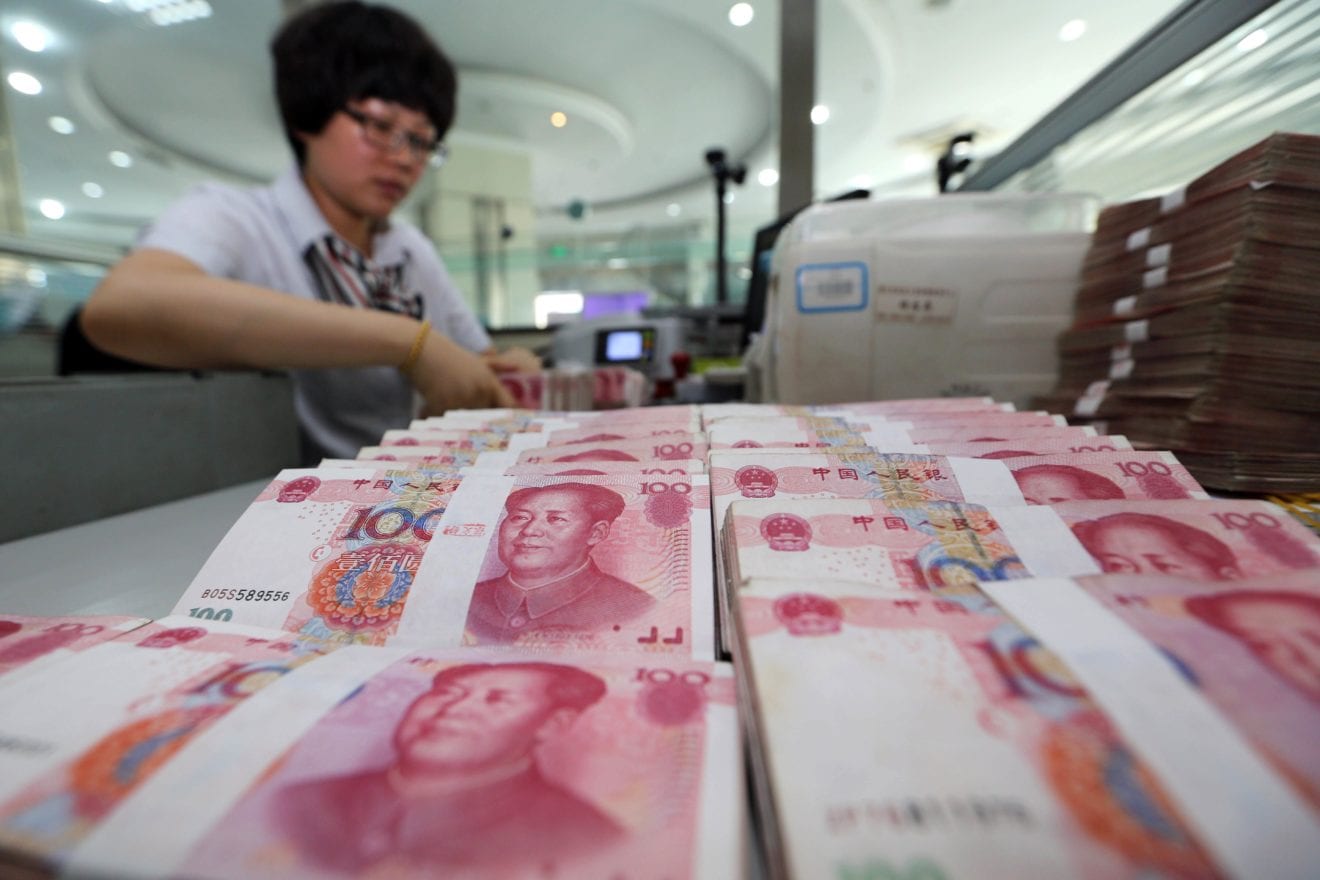
    China’s digital payment market grew to $8.4 trillion in the last quarter of 2019 and there are signs of still robust momentum in the months following the outbreak.

    By transaction volumes, Alipay retained the top rank with 55.1 percent followed by Tencent’s two platforms – WeChatPay and QQ Wallet – at 38.9 percent, according to a report (Mandarin only) by independent research firm iResearch.

    The remaining 6 percent where split between 1qianbao (1.4%), JD Pay (0.9%), UMPay (0.6%), 99bill (0.6%), Yeepay (0.5%), China UMS (0.3%), Sunin Pay (0.2%) and others (1.5%).

    59.8 trillion yuan ($8.4 trillion) in total digital payment representing a year-on-year increase of 13.4%

    Even in the midst of an ongoing coronavirus outbreak, the Chinese digital payment market signaled strength, the report underlined.

    Beijing-based grocery startup Meicai attracted 800,000 new users in one week on an online platform that connects farmers with consumers and restaurants. Between March 18 and 22, Alipay registered average daily purchase of nearly 1.1 million cups of milk tea via branding programs.

  • Digital payments and E-commerce in India rise as consumers stay home

    Digital payments and E-commerce in India rise as consumers stay home

    Digital payments in India have risen by 10 percent over the last month, despite a 30-per-cent decline in online travel spending.

    According to payments platform Razorpay, as human interactions are reducing across the country, consumer payment habits are changing. “For the first time ever, online grocery shopping climbed the ladder with a growth of 9 percent, and government and utility bill payments grew by 30 percent, reflecting precautionary measures that customers are taking by staying indoors,” the company said in a statement.

    Advisories against overseas travel and the closure of borders by a growing number of nations have led to a significant reduction in travel from India.  Last year, according to Statista, the travel sector accounted for 40 percent of digital payments in India.

    Correspondingly, digital payments for hospitality services, which typically account for 10 percent of payments processed by Razorpay, fell by 12 percent over the last month.

    Consumers fearful of running out of essential supplies during the coronavirus crisis saw the grocery category move into the top three sectors on the platform, growing 9 percent.

    UPI (19.6 percent), NetBanking (11.5 percent), and Wallets (10.3 percent) became the three leading modes of payments during the pandemic.

    “From a macroeconomic perspective, we are seeing an increase in the demand for digital payments across a few sectors – grocery, e-commerce and utility bills have gone up, given the social isolation,” said Harshil Mathur, CEO, and co-founder at Razorpay.

    “On the flip, people are having to stay indoors and not having enough spending power, this can make the overall consumer spending go down creating a lasting (negative) impact.”