Tag: Philippines

  • Jollibee Foods takes full ownership of Tim Ho Wan

    Jollibee Foods takes full ownership of Tim Ho Wan

    Jollibee Foods Corporation has fully acquired Tim Ho Wan, taking over the remaining 8 percent of the Hong Kong restaurant business for SG$20.2 million (US$15.1 million).

    Since January this year, Jollibee has held a 92 percent stake at Titan Fund, the owner and manager of Tim Ho Wan.

    In a stock exchange filing, JFC said its subsidiary Jollibee Worldwide signed an agreement with Titan Fund to acquire the remaining minority stake.

    Founded in 2009, Tim Ho Wan now has 80 stores across 11 countries. It will be Jollibee’s flagship brand for its Chinese cuisine segment.

    Aside from its dimsum, Tim Ho Wan is also known for barbecue pork buns, steamed rice roll stuffed with barbecue pork, pan fried turnip cake, and steamed egg cake.

  • PLDT’s VITRO, HGC Partner to Strengthen Philippine Data Center Connectivity

    The partnership includes HGC’s integration into the VITRO Partner Network (VPN), a collaboration led by PLDT Enterprise that brings together carriers, system integrators, and technology firms. This network allows partners to integrate VITRO’s infrastructure into their services seamlessly.

    Gary F. Ignacio, VITRO’s Chief Commercial Officer, expressed that the collaboration will open up new opportunities for VITRO and extend its reach by leveraging HGC’s global network.

    This enables HGC to extend its presence to the new VITRO Sta. Rosa Data Center, which PLDT describes as the Philippines’ first and largest hyperscale-grade facility. HGC will deliver connectivity and telecom services to hyperscalers and enterprises co-located at VITRO Sta. Rosa, offering expanded reach and more connectivity choices.

    HGC also stated that the agreement strengthens its Point of Presence (PoP) in the Philippines and fosters an ecosystem that supports further expansion of its data center connectivity. This move reinforces HGC’s position within the country’s rapidly evolving technology and digital infrastructure landscape.

    Michael De Castro, HGC’s first Vice President for In-Country Project Investment and President of HGC’s Digital Well Infrastructure Corp (DWIC), noted that the partnership aims to achieve HGC’s goal of delivering its globally recognized quality of service.

    He explained that this will be accomplished by combining VITRO’s advanced infrastructure with HGC’s extensive premium fiber-optic network in Luzon, including Metro Manila and key areas of Mindanao, along with th

  • Globe Expands Network with New Cell Sites in Central Luzon

    Globe Expands Network with New Cell Sites in Central Luzon

    Globe Telecom has constructed six new towers in Bulacan, including two in Marilao and one each in Angat, Doña Remedios Trinidad, Hagonoy, and San Jose Del Monte, while expanding a total of 22 additional sites across the province.

    In Nueva Ecija, the company has built six new towers, located in Aliaga, Gapan City, General Tinio, San Isidro, Santa Rosa, and Talavera, and expanded 11 existing sites to provide enhanced digital services to both urban and rural areas.

    Globe Telecom has added five new cell towers in Apalit, Floridablanca, Mexico, San Luis, and Sasmuan in Pampanga to improve network coverage.

    In Tarlac, three new sites were added in Bamban, Concepcion, and Tarlac City, with additional site upgrades further improving the province’s overall network coverage. Approximately 15 existing sites were upgraded to boost network capacity and coverage.

    Joel Agustin, Globe’s SVP of Service Planning and Engineering, emphasized that the company’s network expansion across Central Luzon highlights its dedication to delivering world-class connectivity to all Filipinos.

    Agustin noted that the addition of the new towers and expansion sites aims to improve connectivity and empower communities to prosper in the digital age.

    Globe’s ongoing network expansion aligns with its mission to close the digital divide in the Philippines. The company aims to offer all Filipinos access to digital benefits, promoting inclusive growth nationwide through continuous infrastructure upgrades and network expansion.

  • Philippines probes Grab over alleged sexual assault of Vietnamese passenger

    Philippines probes Grab over alleged sexual assault of Vietnamese passenger

    Philippine regulators have launched an investigation into the alleged robbery and sexual assault of a Vietnamese woman who booked a ride using the Grab ride-hailing app.

    The Philippines’ Land Transportation Franchising and Regulatory Board has requested the firm to explain the incident and given it five days to comply, quoting the agency’s chair Teofilo Guadiz III as saying on Wednesday. If found to be negligent, the firm could be suspended for at least 30 days and face fines.

    The robbery and sexual assault allegedly occurred on Sept. 5 when a Vietnamese woman booked a ride in Parañaque City.

    During the ride, the driver reportedly allowed another passenger to board the car.

    This passenger then reportedly took the woman’s phone and cash, which amounted to 35,000 Philippine pesos (US$623), before raping her inside the vehicle. The driver was arrested by the police on Sept. 7.

    Grab’s Philippine unit said on Thursday that the driver involved in the case has been permanently banned from the platform.

    It has reached out to the victim to offer assistance and will fully cooperate with the Philippine police in the investigation.

  • Philippines rice imports up 19% in 8 months

    Philippines rice imports up 19% in 8 months

    Rice imports to the Philippines amounted to 2.8 million metric tonnes (MT) during the first 8 months of this year, 19% higher than he same period last year, data from the country’s Department of Agriculture (DA) showed.

    In its latest report, the department’s Bureau of Plant Industry (BPI) said in August alone, rice from abroad increased to 296,350.9 MT compared to 167,403 MT in July. However, it was still lower than the average monthly arrival of 400,000 MT logged in the earlier months.

    Agriculture Assistant Secretary and spokesman Arnel de Mesa said rice prices have been decreasing. Regular and well-milled rice is sold at around 45 PHP (US$0.8) per kilo and even as low as PHP42, he added.

    According to the report, Vietnam remained the Philippines’ top source of the staple during the period, shipping over 2.17 million MT or around 77% of the country’s total imports in the January-August period. It was followed by Thailand (371,390 MT), Pakistan (156,121 MT) and Myanmar (66,910 MT).

    Last year, inbound shipments of rice totaled 3.6 million MT, down 5.9% from the record-high 3.82 million MT in 2022. The DA projects rice imports for this year will not exceed last year’s volume.

  • Kopi Kenangan to enter the Philippines and India

    Kopi Kenangan to enter the Philippines and India

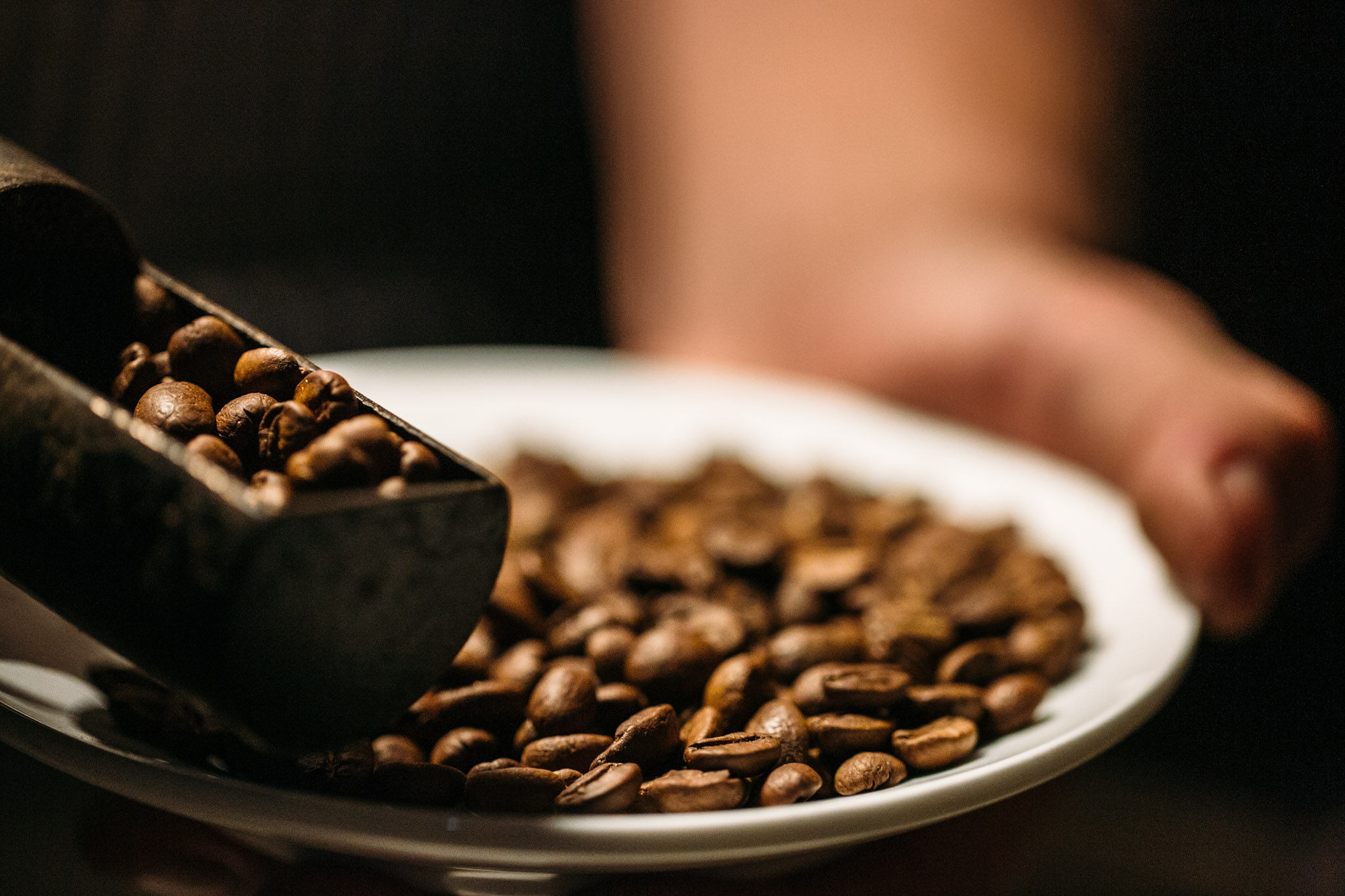
    Indonesian coffee chain Kopi Kenangan – also known as Kenangan Coffee – is expanding its global footprint, beginning with the launch of its first stores in India and the Philippines.

    The company will open its first Philippine store in October at SM Mall of Asia, Pasay City.

    In India, Kopi Kenangan will make its debut early next year through a licensing agreement with a local F&B business. However, specific details have yet to be finalised.

    During its initial expansion phase in Southeast Asia, the company said it would focus on establishing at least 10 stores in shopping centres.

    “Our expansion into Malaysia and Singapore is a testament to our commitment to serving quality coffee to more people around the world,” said Edward Tirtanata, founder and CEO of Kopi Kenangan.

    “Moving forward, we hope to continue expanding our reach by opening 500 international Kenangan Coffee outlets across various countries,” he said.

    Founded in 2017, Kopi Kenangan is one of the largest branded coffee chains in Indonesia, with more than  900 outlets across 60 cities.

    The brand made its international debut in Malaysia in 2022, followed by an expansion into Singapore last year, where it currently operates 48 and seven locations, respectively.

  • Wendy’s Philippines sold to new owner as Dennis Uy exits food retail

    Wendy’s Philippines sold to new owner as Dennis Uy exits food retail

    Wendy’s Philippines and Conti’s Bakeshop, run by Filippino businessman Dennis Uy, have been sold to a local entrepreneur.

    Uy has decided to sell his Eight8Ate Holdings company, which operates the two chains, to Crystal Jacinto. The sale comes after the multibillion-peso food retailing business bundle has been on the market for almost two years.

    Jacinto, who runs European Wellness Villa Medica Manila – a health and wellness centre specialising in anti-aging and disease management solutions, will take full control of the company, according to the news agency’s sources. She is also reportedly backed by her husband and Malaysian businessman Jaya Sudhir.

    Wendy’s, which had 70 stores as of June, and Conti’s, which had 74 stores, were acquired by Uy in 2019, shortly before the pandemic.

    Conti’s is considered the more profitable of the two brands, which led to the bundling of Wendy’s in the deal.

    The sale also includes the remaining shares of Conti’s founding sisters – Cecille Conti Maranon, Carole Conti Sumulong, and Angela Conti Martinez – who have agreed to sell their residual stake directly to Jacinto, cites the news agency.

    Neither Uy nor Jacinto has yet to comment on the transaction at the time of writing.

    Apart from Eight8Ate Holdings, Uy is also the founder of Udenna, a conglomerate involved in petroleum, oil and gas, shipping, logistics, real estate, education, and gaming.

  • Philippines’ Cebu Pacific fuels recovery with relaunched routes, aircraft orders

    Philippines’ Cebu Pacific fuels recovery with relaunched routes, aircraft orders

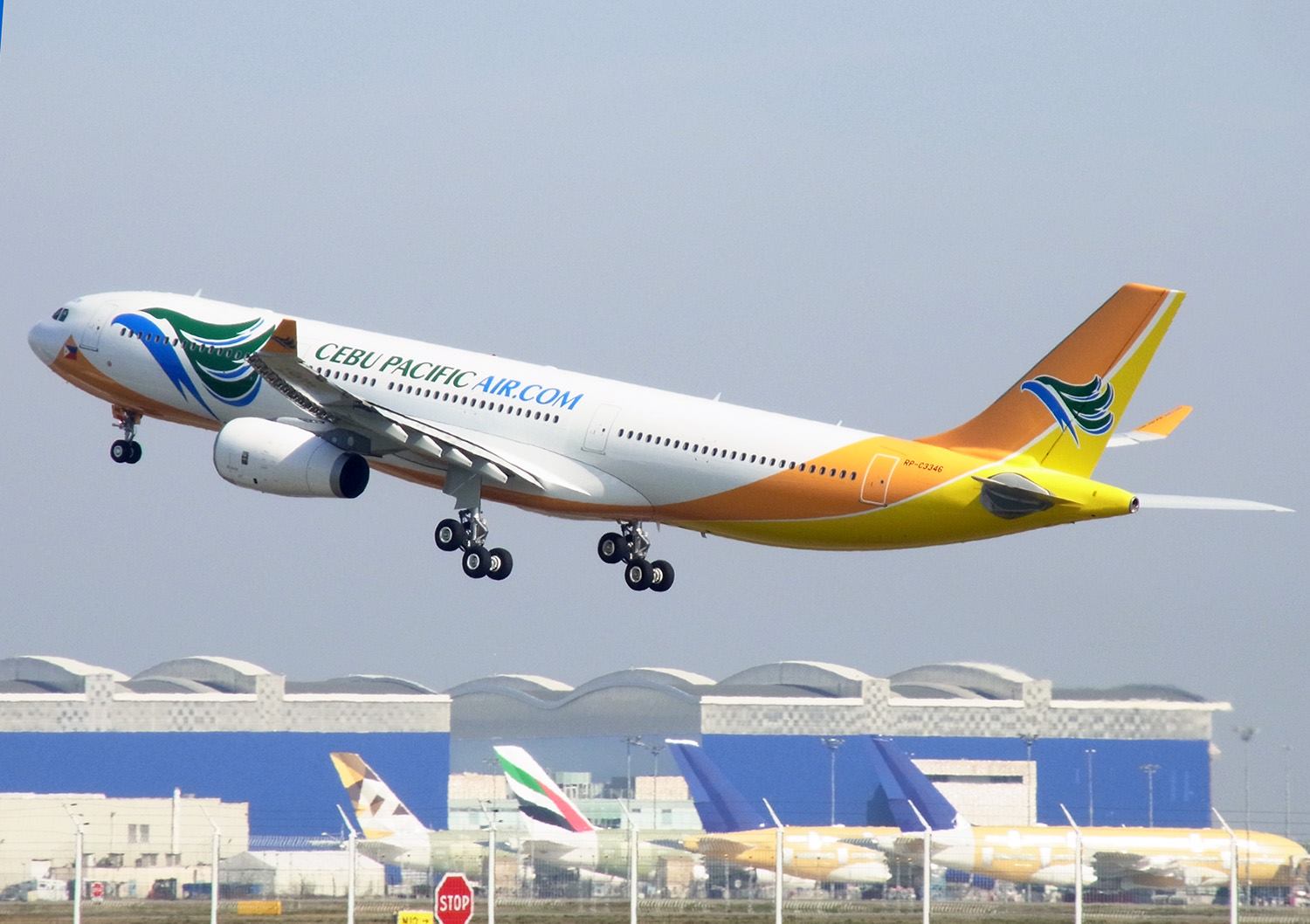
    Philippine budget airline Cebu Pacific has been relaunching routes to international destinations and ordering new jets to fuel its post-pandemic recovery.

    The country’s biggest airline this month relaunched routes to Taiwan, Hong Kong, Singapore, and opened a new direct route between Manila and Thailand’s Chiang Mai.

    This year it has received 10 new aircraft, including three Airbus NEOs which were added to its fleet this month. It now operates 70 Airbus aircraft and 15 ATR turboprop planes.

    In July the airline signed a memorandum of understanding with Airbus to purchase up to 152 aircraft in a $24 billion deal, the biggest order in Philippines aviation history.

    “As the demand for air travel to continues to rise, we are confident that we will be able to cater to more passengers looking to connect with other people or discover new destinations with Cebu Pacific,” president and chief commercial officer Xander Lao said in a press release.

    It now operates in 35 domestic and 26 international destinations spread across Asia, Australia, and the Middle East.

    Cebu Pacific is also considering acquiring AirSWIFT, another Philippines aviation company which mostly operates short-range flights to and from resorts.

    Leaders of the two airlines aim to reach an agreement in the upcoming months, according to local media.

    With strong discounts such as zero-fare flights and limited offers, the company served 20.86 million passengers last year, while its competitor Philippines Airlines recorded only 14.7 million.

    The Philippines saw the number of passengers on international flights more than doubled last year to 24.81 million, nearly 80% of 2019 levels, according to the Civil Aeronautics Board.

  • Philippines spends $1.2B on Vietnamese rice in H1

    Philippines spends $1.2B on Vietnamese rice in H1

    Rice was the Vietnamese product with the highest export value to Philippines in the first six months of 2024, with a turnover of $1.2 billion, up 41% over the same period last year.

    According to data from the Vietnam Trade Office in the Philippines, Vietnamese rice has been leading the market in the Philippines, Vietnam’s largest rice export partner, for many years.

    In June, the Philippines reduced rice import tax from 35% to 15% until 2028, and is expected to increase import volume from 4 million to 4.5 million tons. This is deemed a great opportunity for Vietnamese rice in the second half of the year.

    However, although rice export opportunities are expanding, many businesses are still cautious due to high input prices and the impact of storms that could reduce rice supply at the end of the year.

    The Vietnam Trade Office in the Philippines recommends that businesses need to balance costs to offer competitive prices and maintain market share. At the same time, the Ministry of Industry and Trade, the Embassy and the Vietnam Trade Office will also support businesses in trade promotion activities, advertising and improving product quality to increase export value, it said.

    Last year, Vietnam exported more than 3 million tons of rice to the Philippines, down 3% compared to 2022. However, thanks to the increase in prices, export turnover reached $1.75 billion, up 17.6% compared to the previous year.

  • Philippines lowers rice import tax to 15%

    Philippines lowers rice import tax to 15%

    The Philippines, one of the world’s largest rice buyers, has announced a reduction in rice import taxes from 35% to 15%, effective from early this August through 2028.

    This can be seen as the latest action by the Philippine government to tackle inflation, especially increasing rice prices in the market so far this year.

    In the first quarter of 2024, the Philippines’ economy was relatively stable, except for the price increase of some essential consumer goods, particularly rice, which saw an increase of about 24.4%. The rice prices account for approximately 9% of the Consumer Price Index (CPI) of the Southeast Asian country.

    According to the Vietnam Trade Office in the Philippines, Vietnam’s largest buyer to date, accounting for over 80% of the total rice imported into the Philippine market.

    As of May 23, Vietnam exported 1.44 million tons of rice to the Philippines, accounting for 72.9% of the country’s total grain imports. The Philippines’ reduction of the rice import tax is said to increase opportunities for Vietnamese rice in the market.

    Latest data from the Department of Agriculture’s Bureau of Plant Industry, the Philippines’ total rice imports rose by 20.3% to 1.97 million tons in the reviewed period. The country’s total rice imports are estimated to reach about 4 million tonnes in 2024.

  • Indonesian coffee brand Tomoro Coffee plans expansion in the Philippines

    Indonesian coffee brand Tomoro Coffee plans expansion in the Philippines

    Indonesian coffee chain Tomoro Coffee has announced a US$10 million investment to expand its presence in the Philippines.

    According to World Coffee Portal, Tomoro Coffee aims to establish 100 stores in the country by the end of this year.

    The first Tomoro Coffee store in the Philippines opened in April at the Wynn Plaza apartment complex in Manila. Since then, the chain has opened five sites in the country, including a three-story flagship location at Far Eastern University this month.

    Tomoro Coffee, which boasts more than 500 outlets in Indonesia since its launch last August, is aggressively pursuing international growth.

    Its recent milestones include debuting in China last year, in Singapore in February, and opening a roastery in Jakarta in May.

    The brand plans to produce 2400 tonnes of coffee annually to support its expansion.

    “We are pleased to announce our expansion into the Philippines and are committed to providing fresh coffee to our customers regularly,” said Tomoro Coffee.

    “This marks a significant step in our journey to reach 1000 stores across Southeast Asia within the next 12 months.”

    Tomoro Coffee is actively seeking franchise partners to facilitate its expansion.

  • Singapore and The Philippines further liberalise international air services to improve air connectivity between and beyond both countries

    Singapore and The Philippines further liberalise international air services to improve air connectivity between and beyond both countries

    Singapore and the Philippines signed a Memorandum of Understanding (MOU) to upgrade and further liberalise international air services between both countries. The MOU was signed by Mr Yee Ping Yi, Singapore’s Deputy Secretary of the Ministry of Transport and Mr Enrique Antonio J. Esquivel III, the Philippines’ Assistant Secretary for Aviation and Airports on 9 May 2024.

    The MOU upgrades the bilateral Air Services Agreement (ASA), which was signed in 2010 and last amended in 2015. It allows Singapore and Philippine airlines to offer up to 150 weekly codeshare services to carry passengers between Singapore and Manila, with airlines from third countries as codeshare partners. This is a significant increase from the current limit of 35 weekly codeshare services. The new limit of 150 weekly codeshare services will double by end-March 2026, and will be fully lifted by end-March 2027.

    In addition, there will be no limit on codeshare services between Singapore and other points in the Philippines, as well as between Singapore and any points in the Philippines involving airlines from ASEAN or the European Union.

    The upgraded ASA also allows Philippine airlines that are fully owned or controlled by nationals of other countries to access the traffic rights exchanged in the ASA, as long as their principal place of business is in the Philippines. Previously, only airlines that were substantially owned and effectively controlled by Philippine nationals could do so.

    Mr Yee Ping Yi, Deputy Secretary of the Ministry of Transport said: “It is important to provide a favourable regulatory environment so that our carriers can capitalise on new business opportunities. This MOU will facilitate improved air connectivity between and beyond both countries and is a win-win outcome for both countries.”

  • Qantas to launch new route from Manila to Brisbane

    Qantas to launch new route from Manila to Brisbane

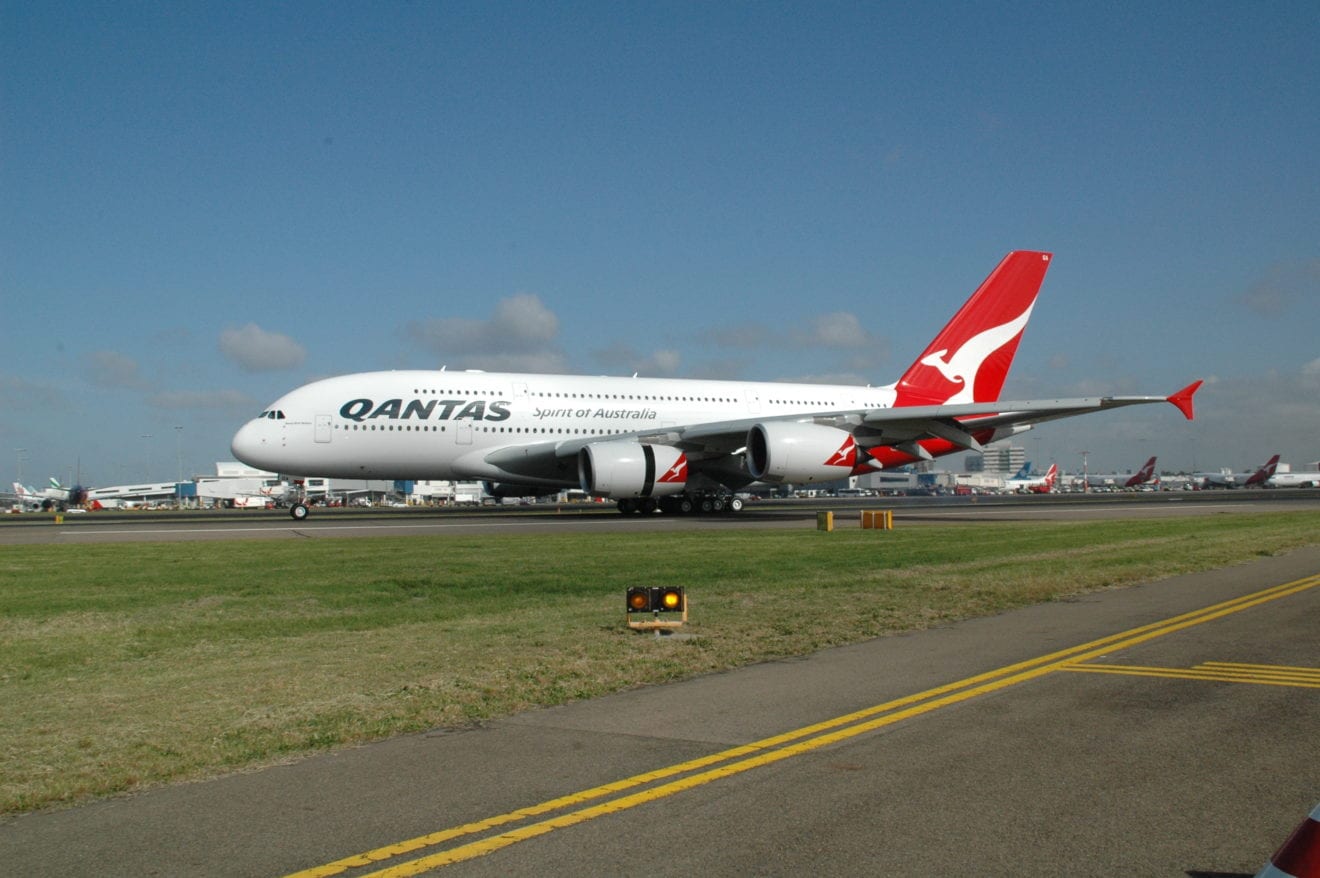
    Qantas has today announced it will launch a new route from Manila with direct flights to Brisbane in Queensland, Australia.

    From 28 October 2024*, the flights will operate four days per week with the Airbus A330 aircraft, marking the first flights set to be operated by the Australian national carrier between the two cities in more than ten years.

    The flights add to Qantas’ existing daily service to Sydney and will add more than 100,000 seats between the Philippines and Australia each year.

    Tickets for the new Manila-Brisbane route will be available for sale at qantas.com and through travel agents in the coming days.

    The flights will be operated by Qantas’ fleet of A330 aircraft with 27 Business Class suites in 1-2-1 configuration, with each suite featuring direct aisle access and converting into a lie-flat bed. All Qantas international fares include checked baggage allowance, food and beverages and inflight entertainment as standard with every booking.

    Qantas recently announced it would accelerate a program to introduce ‘fast and free’ Wi-Fi across its existing fleet of international aircraft, including Airbus A330 aircraft with enough bandwidth for every passenger to enjoy a fast and consistent connection. The service will be progressively introduced on Qantas flights between Manila and Australia from next year.

    Qantas International CEO Cam Wallace shares, “The Philippines is a very important part of our Asia network, so we’re pleased to be growing with a new route to Australia. This new connection will strengthen business links between our two countries. The flights will also make it easier for Filipinos to visit family and friends living in Queensland, as well as offering a new gateway for travellers to explore the region.”

    He adds, “We know large numbers of our customers have been travelling between Manila and Brisbane via our existing Sydney service, which gives us great confidence about how this route will perform when flights start.”

  • E-commerce Outsourcing Philippines: Cynergy BPO on How 24/7 Multilingual Support Has Become the New Gold Standard

    E-commerce Outsourcing Philippines: Cynergy BPO on How 24/7 Multilingual Support Has Become the New Gold Standard

    In today’s digital age, where the sun never sets on the global marketplace, the imperative for e-commerce businesses to provide 24/7 multilingual support has never been more pronounced. Cynergy BPO, a leading outsourcing advisory firm in the Philippines, is at the forefront of championing this essential service paradigm, recognizing it as the new gold standard in customer care. With the digital marketplace operating non-stop across different time zones, the ability to offer immediate, culturally attuned customer service has become a critical determinant of success in the international e-commerce arena.

    Leveraging its extensive experience in collaborating with Fortune 500 retailer such as eBay, Sears, and Home Depot, the Cynergy BPO is adept at understanding the nuances of global consumer behavior. The firm emphasizes the significance of not just communicating but connecting with customers in their native language, ensuring that every interaction is meaningful and personalized. “In the realm of global e-commerce, the power of language and cultural understanding cannot be underestimated. It’s about making every customer feel valued and understood, transcending geographical and linguistic barriers,” says John Maczynski, CEO of the advisory firm.

    The demand for around-the-clock service reflects a consumer base that shops online at all hours, expecting not only instant responses but also interactions that are culturally and linguistically relevant. Ralf Ellspermann, CSO of Cynergy BPO, further elaborates on the importance of this service, “Offering multilingual support around the clock is not just about being available; it’s about being present in a way that deeply resonates with the customer’s cultural context and expectations.”

    The firm’s strategic BPO advisory services are instrumental in forging successful partnerships between e-commerce companies and the Philippines’ highly skilled multilingual customer service providers. “Our goal is to facilitate connections that not only meet but exceed the dynamic needs of a diverse global clients,” Maczynski emphasizes. This commitment to excellence extends to ensuring that e-commerce outsourcing providers can deliver a seamless, culturally rich customer experience, leveraging the Philippines’ renowned hospitality and technological prowess.

    Plus, the adaptation of cutting-edge technology in customer service, such as AI-driven chatbots and CRM systems, has further enabled providers to offer personalized and efficient support across various channels. “Integrating technology with human empathy allows us to provide a customer service experience that is both innovative and genuinely caring,” Ellspermann notes.

    The transformative effect of offering 24/7 multilingual support on business growth is significant. It not only enhances brand loyalty and customer satisfaction but also positions e-commerce businesses as leaders in the global market. “Being able to effectively communicate with customers in their language, at any time, sets a brand apart, fostering a global community of loyal customers,” states Maczynski 

    As e-commerce continues to expand its global footprint, the integration of 24/7 multilingual support will increasingly become a defining feature for companies that excel in customer experience. Cynergy BPO is at the helm of this evolution, advocating for comprehensive support services as the standard of excellence. Through their expertise and strategic partnerships, the advisory firm is enabling businesses to achieve unparalleled customer loyalty and success on an international scale.

    Cynergy BPO is not merely navigating the shift towards global customer service standards; it is actively shaping the future of global commerce. By endorsing the adoption of 24/7 multilingual support as the new benchmark, the firm ensures its clients are well-equipped to meet the demands of today’s global consumer, paving the way for a future where exceptional customer service transcends borders and languages, defining the very essence of e-commerce outsourcing success in the Philippines.




  • Love, Bonito unveils new brand identity, revamped assortment strategy

    Love, Bonito unveils new brand identity, revamped assortment strategy

    Southeast Asian omnichannel fashion brand Love, Bonito has unveiled its new brand identity after 13 years of operation, introducing a change in its assortment strategy as part of the campaign.

    The brand’s name was redesigned with a cleaner font, while the clean bold logo was complemented by a heart-shaped monogram that was formed by the brand’s initials ‘LB’. While the brand is commonly known for its signature peach tone, the brand has expanded its colour palette with Bold Brown, Cool Pink and Heart Red.

    The company said its new image reflects the maturity and sophistication alongside its loyal community. The new look will be rolled out in physical stores in key markets such as Singapore, Malaysia, Indonesia and Hong Kong, with the flagship in Tun Razak Exchange Mall being the first location to be fully rebranded. The brand will also shift to a sassier tone of voice.

    “While many of our Asian cultures have been known to be more conservative, we want the world to see who the multifaceted Asian women are in this 21st century,” said Dione Song, CEO of Love, Bonito. “By doing so, we too want to let Asian women know that it is perfectly alright to be unabashedly ourselves while keeping to our roots and heritage.

    “Our consistent double-digit year-on-year growth since 2020 has been an encouraging sign,” Song added. “The vision of being the go-to destination for Asian women is big, and we are just getting started.”

    Love, Bonito said it will reduce the number of styles produced by 60 percent, streamlining its assortment to three key lines: Signatures, Staples, and capsule collections.

    “Our assortment overhaul was born out of the desire to create a resilient business as we continuously widen our global footprint,” said Pat Achakulwisut, chief commercial officer at Love, Bonito. “We want to make smarter strategic investments across various business functions, from design, production, merchandising to supply chain as well as overall operations.”

    The campaign follows the brand’s expansion into the US and the Philippines last year. Love, Bonito ships to 20 countries worldwide.