Tag: Philippines

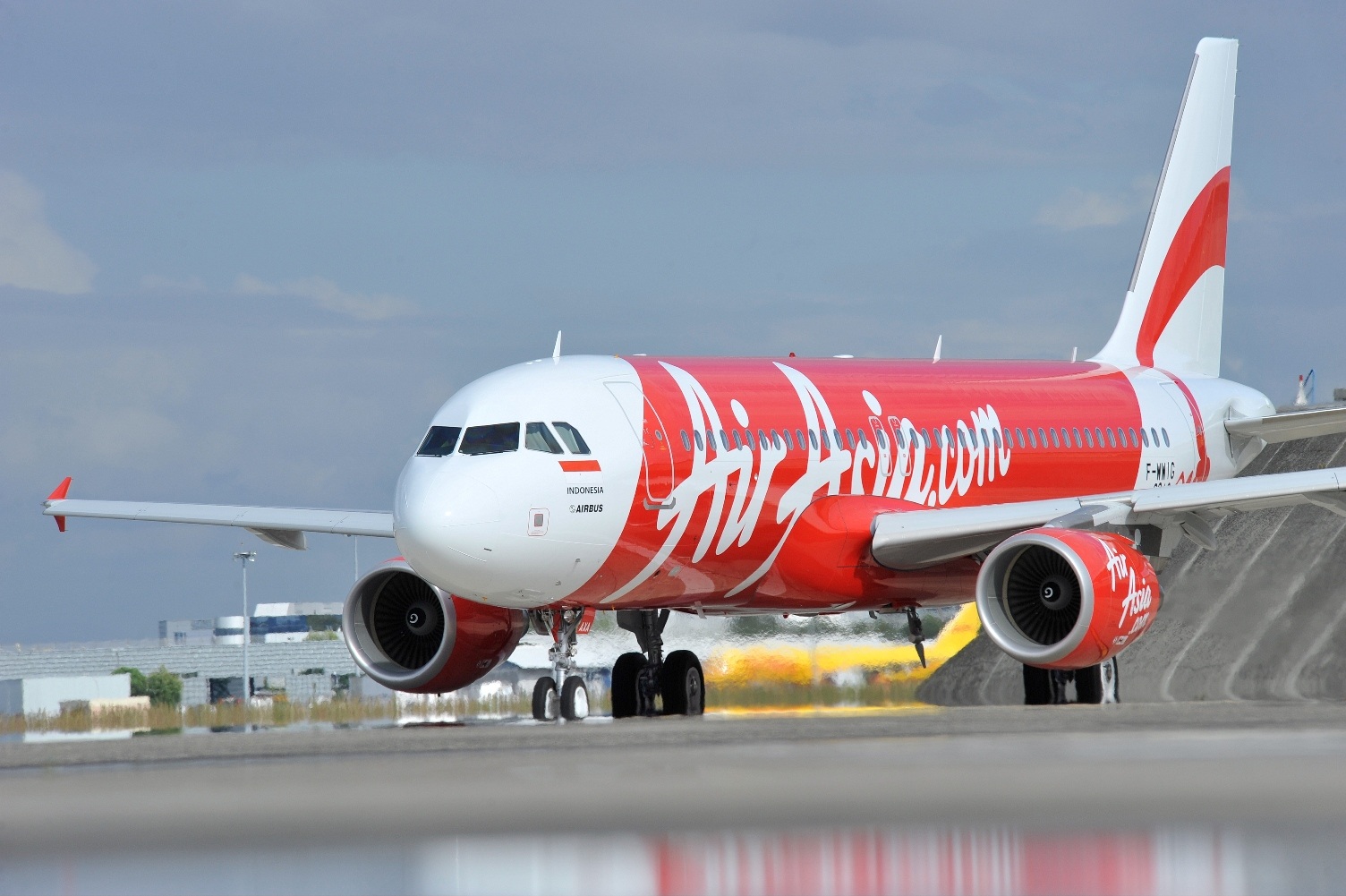
  • Philippines Cracks Down on AirAsia Malaysia: Website Shut for Excessive Pricing Practices

    Philippines Cracks Down on AirAsia Malaysia: Website Shut for Excessive Pricing Practices

    The Philippine government has thrown a wrench in AirAsia’s online ticket sales by ordering the airline’s platform, AirAsia Move, to cease operations due to exorbitant pricing practices.

    Transportation Secretary Vince Dizon announced on June 2 that the Civil Aeronautics Board had issued a cease-and-desist order while teams collaborated with law enforcement to shut down the site.

    The aviation authority, tasked with regulating airfare caps in the Philippines, revealed that the company jacked up its prices following transport disruptions in Tacloban City, triggered by the closure of a vital bridge for truck access. “We will throw the full weight of the law on these unscrupulous online platforms that exploit our citizens,” Dizon declared with resolve.

    Plans are underway to swiftly file charges of “criminal economic sabotage” against the Malaysian-owned platform, Capital A Berhad. Over the preceding weekend, AirAsia Move controversially priced a one-way ticket from Manila to Tacloban City via Philippine Airlines at an astonishing PHP77,000 (US$1,382)—three times higher than the fare listed by the national carrier, as reported by the Transportation Ministry. “Clearly, this is just absurd,” Dizon asserted at a recent briefing, labeling AirAsia Move’s actions as nothing short of criminal.

    Questions & Answers

    What prompted the Philippine government to take action against AirAsia Move?
    The government acted after discovering that AirAsia Move was charging excessive fares, particularly following transport disruptions in Tacloban City.

    What is the Philippine government’s plan regarding AirAsia Move?
    Authorities intend to file a case for “criminal economic sabotage” against AirAsia Move to hold the platform accountable for its pricing practices.

    How high were the ticket prices set by AirAsia Move compared to the national carrier?
    AirAsia Move charged PHP77,000 for a one-way ticket from Manila to Tacloban City, which is three times the fare on Philippine Airlines’ website.

  • Alo Yoga Launches First Store in the Philippines, Expanding Its Global Reach

    Alo Yoga Launches First Store in the Philippines, Expanding Its Global Reach

    Alo Yoga’s Southeast Asian Adventure Begins

    Global wellness and lifestyle brand Alo Yoga has officially made its mark in the Philippines with the grand opening of its debut store at Greenbelt 5. Spanning an impressive 235.5 square meters, the flagship store showcases Alo Yoga’s extensive range of premium activewear and lifestyle apparel for women, men, and unisex enthusiasts alike.

    This milestone not only highlights Alo Yoga’s commitment to luxury activewear but also cements its status as a leader in holistic wellness across Southeast Asia.

    The opening event, hosted in collaboration with SSI Group, Inc., attracted Manila’s luminaries from the worlds of fashion, wellness, and vibrant content creation, making it a sparkling affair to remember. Best of all? The store is officially open for business!

    Questions & Answers

    What product range is available at the new Alo Yoga store?
    Alo Yoga’s new store features a comprehensive collection of premium activewear and lifestyle apparel suitable for women, men, and unisex.

    Who partnered with Alo Yoga for the store opening event?
    The opening event was organized in collaboration with SSI Group, Inc., bringing together Manila’s fashion, wellness, and content creation elite.

    When did the Alo Yoga store officially open its doors?
    The store is now officially open to the public, welcoming customers to explore its offerings and indulge in the brand’s luxurious lifestyle.

  • Philippines Sees Nearly 21% Decline in Rice Imports: A Shift in Agricultural Landscape

    Philippines Sees Nearly 21% Decline in Rice Imports: A Shift in Agricultural Landscape

    The Philippines is witnessing a notable shift in its rice import landscape, as the archipelago’s imports fell sharply to 1.7 million tons within the first five months of 2025. This represents a significant decline of 20.9% compared to the same period last year.

    Domestic Production on the Rise

    A contributing factor to this decrease is a slight improvement in domestic rice production, which reached 4.69 million tons in the first quarter of 2025. This is a modest increase from the 4.68 million tons produced during the same quarter a year prior. Despite this short-term dip in imports, the United States Department of Agriculture (USDA) forecasts that the Philippines will continue to hold its position as the world’s largest rice importer in 2025. The USDA anticipates imports to climb to 5.4 million tons, with a further increase to 5.5 million tons expected in 2026. The driving forces behind this expected rise include a growing population, increased tourism, and the enduring role of rice as a staple in the Filipino diet.

    Government Initiatives to Stabilize Prices

    In light of these trends, the Philippine government is taking proactive measures to stabilize rice prices and ensure they remain accessible to consumers. An executive order signed in June 2024 reduces the tariff on imported rice to 15%, a rate that will remain in effect until 2028, with periodic assessments every four months.

    Agriculture Secretary Francisco Tiu Laurel Jr. has hinted that the Department of Agriculture may propose a gradual hike in import tariffs during the upcoming harvest season. This initiative aims to bolster support for local farmers while managing the influx of imported rice, showcasing the country’s commitment to balancing domestic agricultural productivity with the need for imports to meet national consumption demands.

    In a twist of fate, while the country may be reducing its rice imports, it certainly isn’t skimping on its love for this beloved staple!

    Questions & Answers

    What are the main reasons for the decrease in rice imports in the Philippines?
    The decrease is primarily due to a slight increase in domestic rice production, which rose to 4.69 million tons in early 2025, providing a modest buffer against imports.

    How much rice does the USDA expect the Philippines to import in the coming years?
    The USDA projects that rice imports will reach 5.4 million tons in 2025 and increase to 5.5 million tons in 2026, positioning the Philippines as the leading rice importer globally.

    What measures is the Philippine government taking to stabilize rice prices?
    The government has reduced the tariff on imported rice to 15% under an executive order, effective until 2028, while considering gradual increases in tariffs to support local farmers amidst rising import needs.

  • Shakey’s Pizza Sets Ambitious Goal: 430 New Locations Planned for 2025 Expansion

    Shakey’s Pizza Sets Ambitious Goal: 430 New Locations Planned for 2025 Expansion

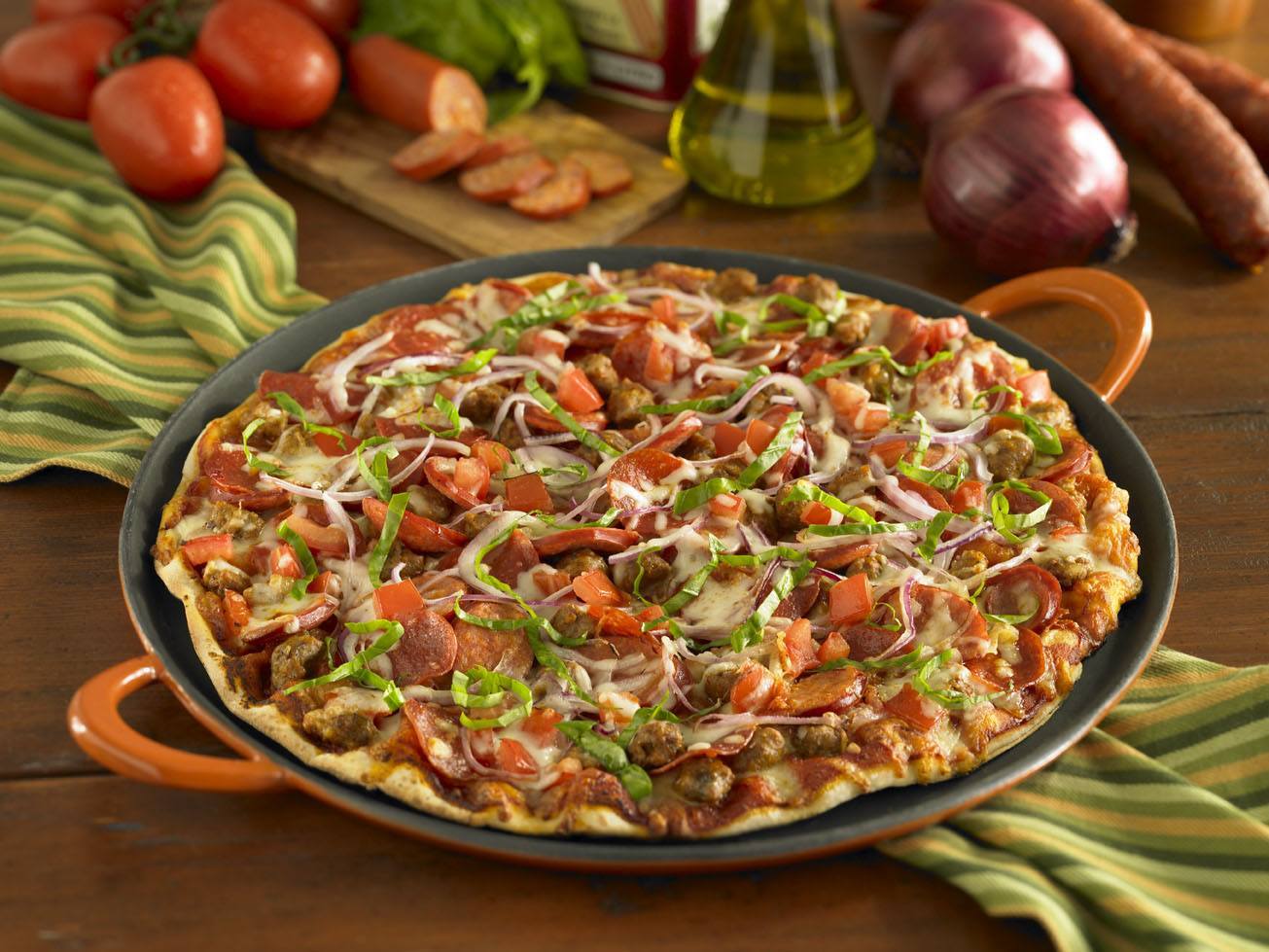
    Shakey’s Pizza Asia Ventures Inc. (SPAVI) is on a sizeable growth trajectory, aiming to launch an impressive 430 new stores this year. Following the first quarter, the company reported a global total of 2,671 stores, buoyed by the addition of 52 outlets primarily under the popular Potato Corner brand.

    Since Q1 2024, SPAVI has expanded its footprint with 439 new openings, including 130 international locations, bringing its overseas branches to nearly 20% of its total network. This push means more pizza lovers can enjoy their slices far and wide!

    During the first quarter, SPAVI announced a net income after tax of PHP182 million—a tantalizing 6% increase from the previous year. Same-store sales also saw a positive uptick, growing by 2%, or an adjusted 4% considering the leap year and the early Easter holiday in 2024. The company has also rolled out its 50th anniversary campaign, which aims to attract even more customers as they celebrate this milestone.

    Looking ahead, SPAVI remains optimistic about reaching its ambitious targets for double-digit revenue and profit growth by 2025. One can almost hear the pizza ovens heating up in anticipation!

    Questions & Answers

    What is the total number of stores SPAVI plans to open this year?
    SPAVI is poised to open 430 new stores in 2024.

    How much was the net income after tax for Q1 2024?
    The company reported a net income of PHP182 million for the first quarter.

    What percentage of SPAVI’s network is made up of international branches?
    International branches now account for nearly 20% of SPAVI’s total store network.

  • Jollibee Launches Exciting New Campaign ‘Gamejoy’ to Break into the Gaming World

    Jollibee Launches Exciting New Campaign ‘Gamejoy’ to Break into the Gaming World

    Jollibee has just rolled out an exciting initiative across its stores in the Philippines, introducing Gamejoy, a campaign that lets customers score in-game credits simply by enjoying their meals. With this innovative approach, every Gamejoy Combo meal unlocks special Gamejoy Credits—Jollibee’s brand-new virtual currency.

    The Sweet Taste of Rewards

    These enticing credits can be redeemed through UniPin, a popular e-wallet platform catering to gamers, opening up a treasure trove of over 10,000 games from leading publishers like Garena, NetEase, and OurPalm. It’s not just chicken and fries; it’s your ticket to an exhilarating gaming experience!

    A Vision to Connect

    According to Dorothy Dee Ching, Jollibee’s VP and head of marketing, the objective was to create a rewards system that transcends genres and platforms—a perfect blend of food and fun. Joey David-Tiempo, CEO of Octopus & Whale, emphasized that the campaign needed to be more than a standard brand association. “This is Jollibee—a global Filipino icon,” he remarked, adding that the concept had to resonate culturally and be seamless enough for everyone, regardless of whether they’re into Call of Duty Mobile or Eggy Party.

    Game On with Every Meal

    By purchasing designated meals, customers earn in-game value, each combo paired with a unique code to unlock Gamejoy Credits. It’s a fun twist on dining out that elevates the experience beyond just a meal. Who knew your lunch could become a gaming adventure?

    Questions & Answers

    What is the purpose of the Gamejoy campaign?
    The Gamejoy campaign aims to reward customers with in-game credits for purchasing meals, allowing them to enjoy over 10,000 games through the corresponding credits.

    How do customers earn Gamejoy Credits?
    Customers earn Gamejoy Credits by purchasing Gamejoy Combos, which come with codes that unlock the credits for use in the UniPin platform.

    Why is the campaign significant for Jollibee?
    This campaign is notable as it blends the food experience with gaming, tapping into a cultural connection and creating a rewards system that appeals to a wide audience of gamers, making dining with Jollibee a more interactive experience.

  • Jollibee Hong Kong unveils new design concept

    Jollibee Hong Kong unveils new design concept

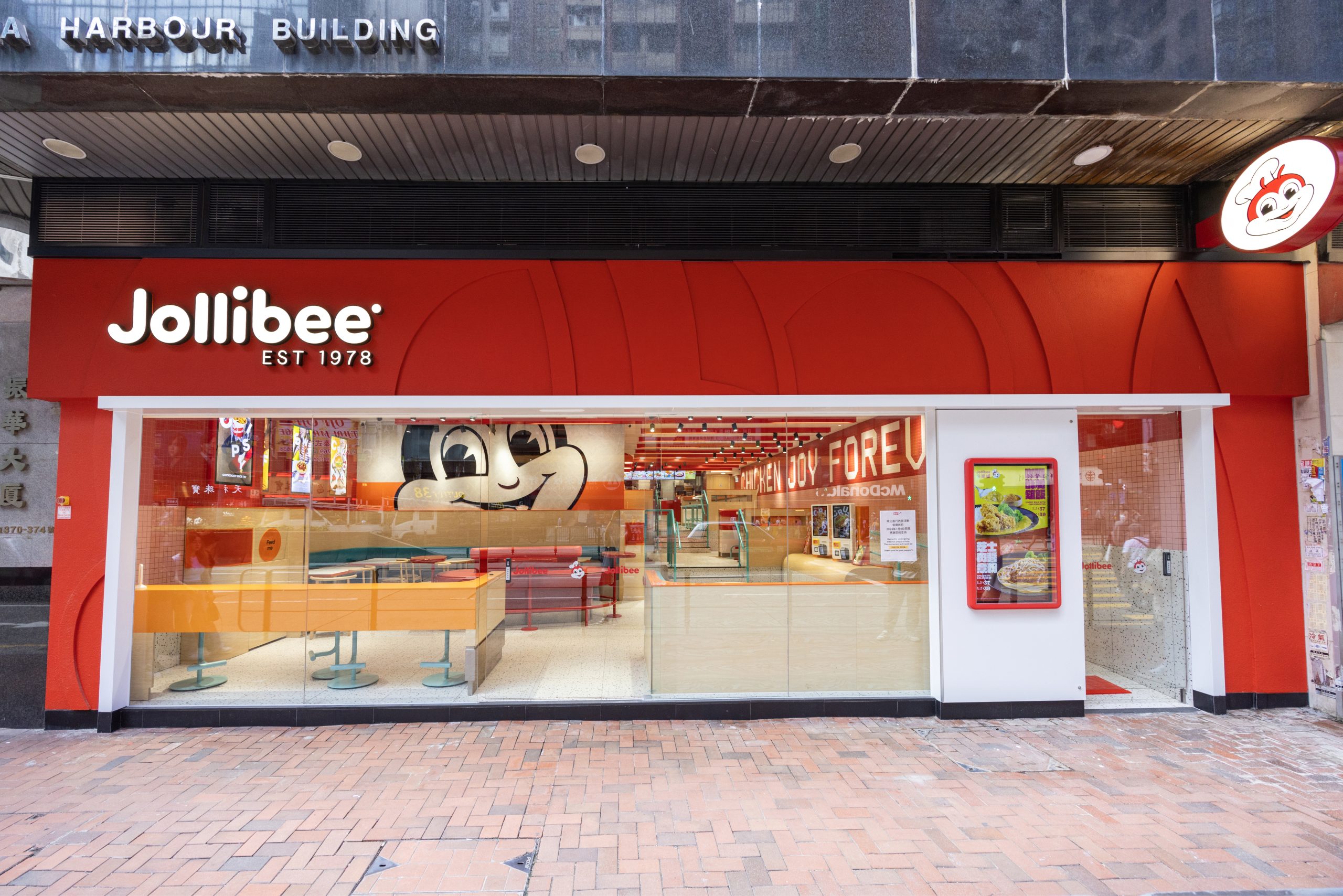
    The renowned Filipino fast-food chain, Jollibee recently revealed a revitalized restaurant concept in Hong Kong which has been developed by the London-based design studio, Shed. This reimagined design will be implemented in five new stores. It incorporates a specially chosen color scheme, combined materials, custom-built furniture, and illustrative components, all of which are influenced by Jollibee’s Filipino roots.

    A Playful Identity with a Sophisticated Touch

    Shed’s co-founder Matt Smith stated that the fresh design maintains the brand’s lively persona while infusing it with a more polished look to appeal to international markets. Smith mentioned, “Our objective was not merely to create a distinctively unique design but to ensure that the pervasive sense of joy resonates universally, expressed uniformly across all design and brand touchpoints.”

    Reimagined Mascots and Store Layout

    The redesign also reinterprets Jollibee’s mascots, merging their familiar charm with contemporary branding techniques. According to the team at Shed, the underpinning idea of their concept is to place a smile at the center of all aspects, which is reflected in every feature of the visual identity and store configuration.

    Carl Tan, chairman of Jollibee Foods China, elaborated on this, stating, “Each detail has been meticulously aligned with the original strategy, resulting in a true tribute to the spirit of Jollibee. The outcome is a setting that we’re immensely proud of – one that radiates warmth, vibrancy, and a sense of joy.”

    The first two outlets to showcase this redesign are located in the basement of the Metropole Building on Peking Rd, in Tsim Sha Tsui, and on the ground floor of the China Harbour Building, on King’s Rd, at North Point.

    Questions & Answers

    What overarching idea does the new store concept of Jollibee revolve around?
    The new store concept is hinged on the idea of “putting a smile at the heart of everything,” which impacts all facets of the visual identity and store layout.

    Who is responsible for this new design?
    London-based design studio, Shed is responsible for creating the new design for Jollibee.

    Where are the first two redesigned Jollibee outlets located?
    The first two redesigned outlets are situated in the basement of the Metropole Building, on Peking Rd, in Tsim Sha Tsui, and on the ground floor of the China Harbour Building, on King’s Rd, at North Point.

  • VinFast Plans to Launch 100+ Electric Vehicle Service Centers Across the Philippines

    VinFast Plans to Launch 100+ Electric Vehicle Service Centers Across the Philippines

    VinFast, Vietnam’s rising star in electric vehicle (EV) manufacturing, is gearing up to revolutionize the automotive landscape in the Philippines. In an exciting announcement, the company revealed a partnership with four key Philippine firms to roll out over 100 authorized service centers throughout the country in 2025.

    Forging Strategic Partnerships

    The collaboration features prominent names like Goodyear Philippines, Tire King and Rubber Products, Power Tread Services, and Marcjan Cavite. These partners will manage VinFast service centers, ensuring that maintenance, repairs, and customer support for EVs meet global standards—something that has become a hallmark of the VinFast brand.

    Excitingly, VinFast and Goodyear plan to kick off their endeavor with the launch of 50 authorized service centers this year, while Marcjan Cavite will launch eight, and Tire King and Power Tread will each establish seven. These centers aren’t just ordinary workshops; they must adhere to stringent regulations regarding facilities, equipment, and technician qualifications. Genuine parts and exceptional service will be prioritized for VinFast vehicle owners.

    Supporting the Network Expansion

    To assist in this ambitious rollout, VinFast is committed to providing extensive support to its partners. This includes personnel training, technical consulting, and operational expertise, ensuring a smooth and rapid expansion of their service network.

    This latest initiative builds on previously signed memoranda of understanding with Philippine partners JIGA and Motech, firmly positioning VinFast to enhance after-sales services while expanding its footprint in the burgeoning EV market.

    Just shy of a year since VinFast made its debut in the Philippines, the company is already making waves with its innovative smart EV models, competitive sales strategies, and an expanding after-sales network.

    Charting a Path for Sustainable Future

    In its quest for a greener tomorrow, VinFast is dedicated to cultivating a comprehensive “For a Green Future” ecosystem in Southeast Asia. This ambitious vision focuses on developing robust charging infrastructure and service centers—an operational model that has already proven effective in Vietnam and is now being replicated in dynamic markets like the Philippines.

    For those wondering if the EV boom will take off as swiftly as a VinFast model off the assembly line, one might find it hard to resist a ride in one of their electric beauties!

    Questions & Answers

    What are the partnerships VinFast has formed in the Philippines?
    VinFast has partnered with Goodyear Philippines, Tire King and Rubber Products, Power Tread Services, and Marcjan Cavite to establish over 100 authorized service centers.

    When will the service centers be operational?
    The first wave of 50 service centers is expected to launch in 2025, with additional centers rolling out throughout the year.

    How does VinFast support its service partners?
    VinFast provides comprehensive support, including training for personnel, technical consulting, and operational expertise, to facilitate the rapid establishment of its service network.

  • VinFast Announces Plans for 100+ EV Service Centers Across the Philippines

    VinFast Announces Plans for 100+ EV Service Centers Across the Philippines

    Vietnam’s electric vehicle manufacturer VinFast is revving up its presence in the Philippines with an ambitious plan to establish over 100 authorized service centers by 2025. This initiative is the result of a strategic partnership with four significant Philippine companies: Goodyear Philippines, Tire King and Rubber Products, Power Tread Services, and Marcjan Cavite.

    New Horizons for EV Maintenance

    Under the recently signed memoranda of understanding (MoUs) and service level agreements (SLAs), these firms will run official VinFast service centers, offering maintenance, repairs, and dedicated customer care, all in accordance with VinFast’s stringent global standards.

    The rollout is set to be swift, with VinFast and Goodyear Philippines collaborating to introduce 50 authorized centers this year alone. Meanwhile, Marcjan Cavite plans to launch eight centers, while Tire King and Power Tread each target seven. These facilities are designed to meet high standards for equipment and technician qualifications, ensuring that VinFast owners receive only genuine parts and premium services.

    A Commitment to Excellence

    VinFast is also extending a hand of support to its partners, offering training, technical consulting, and operational expertise to facilitate the rapid establishment of this service network. This latest expansion builds upon previous agreements with Philippine partners JIGA and Motech, further underscoring VinFast’s determined strategy to bolster its EV ecosystem and enhance after-sales services in the country.

    Since entering the Philippine market nearly a year ago, VinFast has been making waves with its innovative EV models, competitive sales strategies, and a burgeoning after-sales network. Its broader ambition in Southeast Asia is to foster a “For a Green Future” ecosystem, focusing heavily on building charging infrastructures and service centers—a successful model already thriving in Vietnam and now actively being pursued in the promising Philippine market.

    As electric vehicles soar in popularity, VinFast is not just plugging into a trend; it’s setting the pace for the future.

    Questions & Answers

    What companies is VinFast partnering with in the Philippines?
    VinFast is collaborating with Goodyear Philippines, Tire King and Rubber Products, Power Tread Services, and Marcjan Cavite to establish service centers.

    How many service centers does VinFast plan to open this year?
    VinFast, in partnership with Goodyear Philippines, plans to launch 50 service centers this year, along with additional centers by its other partners.

    What support will VinFast provide to its service partners?
    VinFast will offer comprehensive support including personnel training, technical consulting, and operational knowledge to ensure a swift rollout of the service network.

  • JD Sports Set to Launch Two Flagship Stores in the Philippines!

    JD Sports Set to Launch Two Flagship Stores in the Philippines!

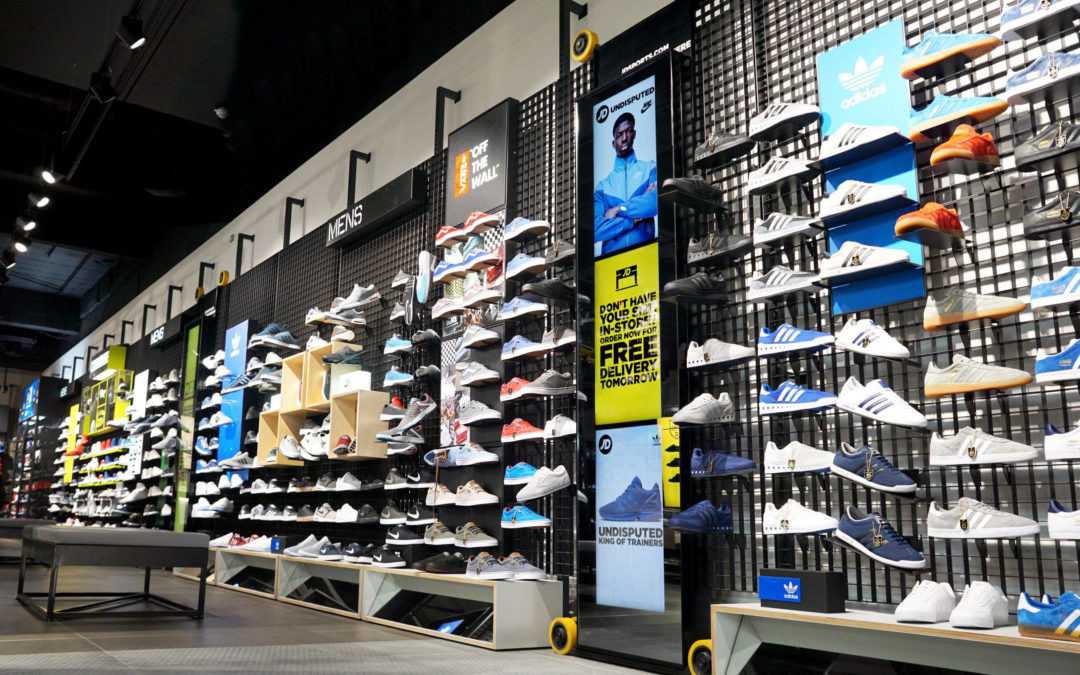
    UK-based sports fashion retailer JD Sports is making a splash in the Philippines with plans to open two stores in 2025, tapping into the country’s growing streetwear and sneaker culture. The first location will debut at the bustling SM Mall of Asia come June, while a second shop will follow in the trendy Glorietta shopping center in July.

    Exclusive Offerings for Style-Conscious Shoppers

    Bringing the UK vibe to Manila, JD Sports, introduced by SSI Group, Inc., promises an exciting array of exclusive sneakers, apparel, and accessories from top global sportswear brands. Celebrated for its deep-rooted connection to sneaker culture and street style, JD is almost a rite of passage for fashion-forward consumers around the globe.

    In a statement, SSI Group emphasized that this venture is part of its broader strategy to introduce premium international brands to Filipino shoppers while enhancing local retail landscapes. So, gear up, Philippines — the sneaker game is about to get even more stylish!

    How did JD Sports decide on the Philippines for their expansion? And does this mean the local sneaker scene is getting a major upgrade? Only time will tell!

    Questions & Answers

    What types of products will JD Sports offer in the Philippines?
    JD Sports will provide a diverse selection of exclusive sneakers, apparel, and accessories from leading global sportswear brands.

    When will the JD Sports stores open in the Philippines?
    The first store is set to open in June 2025 at SM Mall of Asia, with a second location following in July at Glorietta.

    Who is responsible for bringing JD Sports to the Philippines?
    The brand is being introduced by SSI Group, Inc., which aims to elevate the local retail experience by bringing in renowned international brands.

  • Tom van Wijlick Launches New Watch Brand to Meet Rising Consumer Demand

    Tom van Wijlick Launches New Watch Brand to Meet Rising Consumer Demand

    Tom van Wijlick, an emerging force in the watch industry, shares his journey from an IT entrepreneur to the founder of two successful watch brands, Lebois & Co and Airain. With a passion for horology ignited by his childhood Swatch, van Wijlick has set out to revitalize legacy watch brands that have historical significance while appealing to today’s watch enthusiasts.

    From Passion to Profession

    The Genesis of a Watch Enthusiast

    Van Wijlick’s journey into the world of watches began when he unearthed his first Swatch. Inspired by the joy he saw in others with these timepieces, he transitioned from running a small IT company to trading watches in 2012. “Seeing the joy a beautiful timepiece brought to people quickly became my motivation,” he recalls.

    A Bold Leap into Brand Creation

    His foray into brand-making started alongside his cousin with the launch of an online boutique for Gérald Clerc in 2013. Recognizing the growing potential within the watch sector, van Wijlick sought to create a brand that could capture the hearts of collectors and enthusiasts. The revival of Lebois & Co—once a defunct name—was the pivotal moment that marked the beginning of this new chapter.

    Reviving Heritage: Lebois & Co and Airain

    The Distinctive Character of Each Brand

    In 2020, van Wijlick acquired Airain, a brand with military roots connected to the French Army. “Lebois is the more elegant of the two, known for chronographs and chronometers, while Airain focuses on utilitarian designs, particularly in aviation,” he explains, emphasizing how each brand complements the other.

    A Commitment to Craftsmanship

    With the successful launch of the Heritage Chronograph, van Wijlick is now focused on expanding this collection with both historically inspired models and contemporary designs. He aims to capture wider consumer interest by combining quality and authenticity at a fair price point.

    Anticipating the Future

    Van Wijlick teases that new models are on the horizon. “We are currently working on the final touches… collectors and enthusiasts won’t have to wait much longer,” he assures.

    Trends Reshaping the Watch Industry

    A Growing Appeal for Lesser-Known Brands

    As consumer demand surges for authentic and independent brands, van Wijlick observes a shift in the market. “More and more people are becoming interested in lesser-known brands,” he points out. The digital landscape has granted these brands greater visibility, making it easier for consumers to discover unique offerings.

    The Importance of Swiss-Made Quality

    Even amidst global competition, Swiss provenance retains its prestigious status. With a commitment to manufacturing in Switzerland, van Wijlick reinforces the brand’s dedication to quality and craftsmanship that collectors expect.

    Strategic Market Expansion

    Focused Growth in Key Markets

    The brands are currently experiencing notable traction in Europe and Asia, with plans for a press event in Milan aimed at enhancing their presence in Italy, a critical market for luxury watches.

    Looking Beyond

    In addition to expansion in established markets, van Wijlick is eyeing opportunities in regions like Australia and Mexico. “Lebois & Co and Airain have a lot of potential beyond our current core regions,” he states, highlighting the growing global enthusiasm for niche brands.

    Conclusion: A New Dawn for Heritage Brands

    As Tom van Wijlick continues to innovate within the watch industry, his vision signifies a positive shift for heritage brands striving to resonate with modern consumers. The blend of tradition and contemporary appeal may well redefine consumer trends in the luxury watch sector.

    Questions & Answers

    1. What inspired Tom van Wijlick to enter the watch industry?
    His passion for watches began with a childhood Swatch and evolved into a career after he saw the joy these timepieces brought to others.

    2. What sets Lebois & Co and Airain apart?
    Lebois & Co focuses on elegant designs and chronographs, while Airain draws from its military aviation roots, providing a more utilitarian aesthetic.

    3. How are the brands planning to expand in the future?
    The brands aim to grow their presence in key markets like Italy, while exploring opportunities in new regions like Australia and Mexico, which offer significant potential for niche brands.

  • Coconut Prices Surge in Asia Amid Climate Impact on Supply

    Coconut Prices Surge in Asia Amid Climate Impact on Supply

    on
    Vina T&T, a major player in the fruit export sector, is making headlines as it offers a staggering VND 220,000 (approximately US$8.47) for a dozen coconuts—the highest recorded price to date. With prices more than doubling year-on-year, this surge reflects broader trends impacting the coconut market worldwide, influenced by supply disruptions and rising consumer demand.

    Coconut Prices on the Rise

    Industry experts indicate that coconut prices are increasing at an alarming rate, paralleling the volatility seen in gold prices. Nguyen Dinh Tung, CEO of Vina T&T, highlighted the challenges in supply, revealing that the company currently exports seven containers of coconuts weekly, which only meets two-thirds of its international buyers’ needs.

    Global Trends Impacting Supply

    The surge in coconut prices is not confined to Vietnam. Countries like Sri Lanka, the Philippines, and Thailand—significant exporters of the nut—are experiencing a similar escalation in prices, with increases ranging from 50% to 100% year-on-year. For instance, coconuts now retail for $2.90 per kilogram in Thailand and up to $4.28 in the Philippines.

    Supply chain disruptions due to extreme weather events are primarily responsible for this instability. El Niño is causing heatwaves and droughts, while La Niña brings excessive rainfall and storms, adversely affecting coconut yields. Additionally, pest outbreaks have further complicated production, as demand from key markets—particularly China and the United States—continues to push prices upward.

    Vietnam’s Growing Coconut Export Market

    Despite the challenges, Vietnamese coconuts are carving out a strong niche in global markets thanks to their competitive pricing and exceptional quality. The Ministry of Agriculture and Environment reports robust growth in fresh coconut exports from Vietnam in the first four months of this year, particularly to the U.S. and China.

    As the world’s fifth-largest coconut exporter, Vietnam boasts 200,000 hectares of orchards, producing approximately two million tons annually. Last year alone, the value of coconut exports and related products reached nearly $1.1 billion, with coconuts accounting for $390 million. Following the U.S. opening its market to Vietnamese coconuts in August 2023, exports skyrocketed eleven-fold within less than a year.

    The formal export protocol signed with China in August 2024 has also dramatically increased shipments, positioning Vietnam as a key supplier in a market that consumes an estimated four billion coconuts annually.

    Future Outlook

    According to Dang Phuc Nguyen, General Secretary of the Vietnam Fruit and Vegetable Association, Vietnamese coconuts are gaining popularity, especially in summer among consumers in the U.S. and China. He predicts that fresh coconut exports could reach an unprecedented $500 million by the end of this year, highlighting the brand’s potential for expansion and establishing itself as a significant player in the international market.

    The recent trends in the coconut market, marked by soaring prices and growing demand, signal a shifting landscape for both producers and consumers. As demand continues to rise, the potential for Vietnam’s coconut industry to grow and expand is substantial, making this a crucial moment in retail news.

    Questions & Answers:

    1. Why are coconut prices rising so dramatically? Coconut prices are climbing due to supply chain disruptions caused by extreme weather conditions such as droughts and excessive rainfall, alongside increased global consumer demand.

    2. How is Vina T&T responding to the rising prices? Vina T&T has increased its farm gate price to a record VND 220,000 for a dozen coconuts, but it still struggles to meet the high demand from international buyers.

    3. What does the future hold for Vietnam’s coconut exports? With strong growth anticipated, Vietnamese coconut exports are projected to reach $500 million this year, bolstered by access to key markets like the U.S. and China.

  • SM Prime’s $9B Expansion Plan Unveils Ambitious Retail Growth Strategy

    SM Prime’s $9B Expansion Plan Unveils Ambitious Retail Growth Strategy

    SM Prime Launches Ambitious Expansion Plan Amid Rising Consumer Trends

    In a bold move reflecting the growing consumer wealth in the Philippines, SM Prime Holdings is set to embark on its most extensive expansion and diversification initiative since opening its first mall in 1985. With plans to enhance its portfolio and respond to surging consumer demand, the leading mall operator aims to redefine the retail landscape in the country’s booming economy.

    A Comprehensive Expansion Blueprint

    SM Prime’s chairman, Henry Sy Jr., emphasized the urgent need for growth during the recent stockholders meeting. “We need to continue expanding and investing because the opportunities just keep growing,” he stated. With a clear roadmap, the company plans to open 10-15 new shopping malls and up to five integrated property developments. Additionally, the agenda includes establishing eight hotels, two convention centers, a dozen office and residential towers, and four luxury residential projects.

    Sustainable Funding Strategy

    Company president Jeffrey Lim revealed that the majority of the funding for this ambitious expansion will be sourced from internal cash flow, showcasing SM Prime’s commitment to sustainable growth. This strategic approach positions the company well against increasing competition from major players like Ayala Land and Robinsons Land, as the retail sector continues to evolve.

    Market Leadership and Strong Performance

    Currently, SM Prime boasts an impressive footprint as the Philippines’ largest mall operator, managing 87 shopping malls that encompass a total gross floor area of 9.4 million square meters. Additionally, its diverse portfolio includes 10 hotels, over 2,600 rooms, eight convention centers, and more than 22 office buildings.

    In the first quarter of 2023, SM Prime reported a net income of 11.9 billion pesos, an 11% year-on-year increase. Revenue also surged by 7% to 32.8 billion pesos, powered by heightened rental collections and robust real estate sales. Notably, malls remained the cornerstone of profitability, contributing 69% to the company’s earnings.

    Addressing External Challenges

    Despite the challenges posed by new U.S. tariffs, SM Prime remains optimistic about its market positioning. Lim noted that the Philippines’ predominantly domestic economy, coupled with limited exposure to adverse external factors, offers a buffer against potential risks. Continued consumer spending and favorable macroeconomic conditions are expected to further bolster growth.

    “We have a solid foundation, and we are confident in our capacity to generate long-term, sustainable value for our shareholders,” Lim remarked.

    The Future of Retail in the Philippines

    This significant expansion by SM Prime signals a transformative period for the retail sector in the Philippines, poised to adapt to shifting consumer trends and preferences. As the brand expands its presence and invests in diversified developments, the ripple effects on local economies and consumer experiences will be noteworthy.

    Questions & Answers

    1. What is SM Prime’s expansion plan? SM Prime plans to open 10-15 new malls, five large-scale property developments, eight hotels, two convention centers, and other residential projects.
    2. How is the expansion being funded? The majority of the funding will come from internal cash flow, demonstrating a commitment to sustainable growth.
    3. What are the potential impacts of this expansion? The expansion is expected to enhance the retail landscape, boost local economies, and improve consumer experiences across the Philippines.
  • Zus Coffee Aims for 200 New Outlets Across Southeast Asia in 2023

    Zus Coffee Aims for 200 New Outlets Across Southeast Asia in 2023

    Zus Coffee Eyes Major Expansion with 200 New Outlets in Southeast Asia

    Company Targets Multi-National Growth in 2024

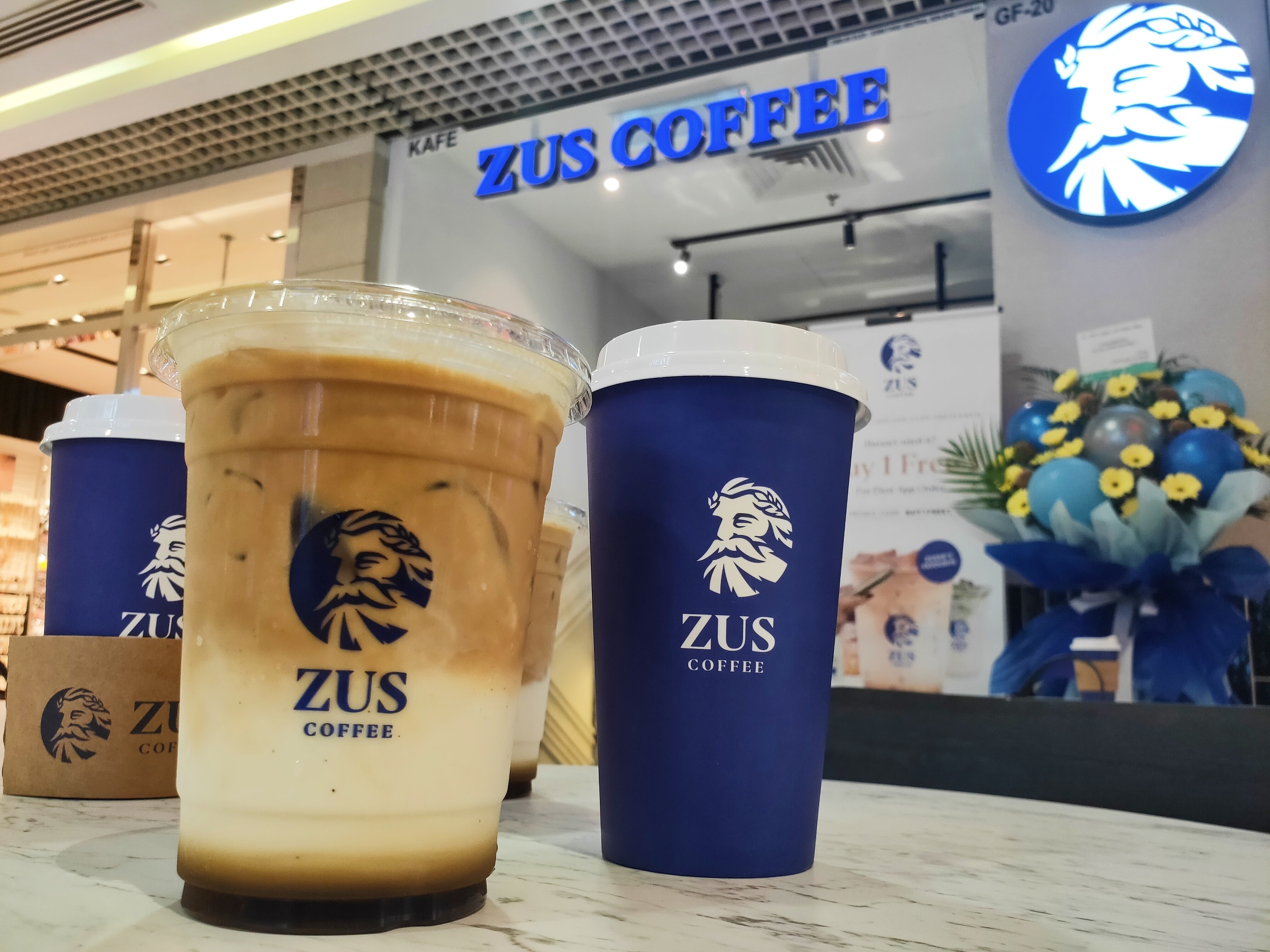
    Malaysia’s prominent coffee chain, Zus Coffee, is set to make a significant impact on the Southeast Asian market by launching 200 new outlets this year. In an exclusive interview with Bloomberg, CEO Venon Tian detailed the ambitious expansion plans that include new locations in Malaysia, the Philippines, Singapore, Thailand, and Indonesia.

    Strategic Store Launches Across the Region

    The expansion strategy involves opening at least 107 new stores in Malaysia, 80 in the Philippines, and 6 in Singapore, alongside penetrating the Thai and Indonesian markets for the first time. This move reflects Zus Coffee’s robust growth trajectory and its ambition to solidify its position as a major player in the region’s coffee retail sector.

    Surpassing the Competition

    Since its inception in 2019, Zus Coffee has experienced remarkable success, recently surpassing Starbucks to become Malaysia’s leading coffee chain. With 743 outlets, Zus has significantly outpaced Starbucks, which operates 320 locations in the country. Zus Coffee also boasts 120 outlets in the Philippines, underlining its strong regional presence.

    Rewarding Taste with Value

    In its most recent financial report, Zus Coffee revealed a substantial threefold increase in net income, reaching RM37 million (approximately US$8.4 million) in 2024. This impressive growth can be attributed to the brand’s focus on market-specific flavors, such as palm sugar-infused drinks in Malaysia and unique purple yam coffee in the Philippines.

    Innovation Meets Accessibility

    Transitioning from a delivery-focused kiosk to a widespread coffee retailer, Zus Coffee has enhanced its sales strategy, with around 70% of sales now derived from online channels, including delivery and pickup options. The brand’s tech-driven approach and efficient store construction allow it to offer coffee at prices over 20% lower than Starbucks, amplifying its appeal to a diverse customer base.

    Tian emphasizes the brand’s mission: “It’s about how we make quality coffee accessible to most people,” which resonates through its mid-range pricing strategy that sits between RM5 at convenience stores and RM11 at premium outlets.

    As Zus Coffee embarks on this ambitious expansion, the potential impact on the retail sector is significant. With increasing consumer trends toward affordability and localized flavors, Zus is poised to reshape the coffee landscape in Southeast Asia, providing fresh competition that prioritizes quality and accessibility.

  • Filipino Billionaires’ Wealth Soars by $7.6B Amid Retail Growth

    Filipino Billionaires’ Wealth Soars by $7.6B Amid Retail Growth

    In a landscape marked by resilience and growth, the wealth of Filipino billionaires has captured the attention of the retail and investment sectors alike. As these influential figures expand their businesses and adapt to emerging consumer trends, their stories exemplify the dynamic nature of the Philippine economy.

    Manuel Villar: The Visionary Behind Villar Land Holdings

    Manuel Villar, 75, reigns as the wealthiest among Filipino billionaires, with an estimated net worth of $17.2 billion as of March 7, up from $11 billion the previous year, according to Forbes. Leading Vista Land & Lifescapes, Villar’s empire includes retail chains like Vista Malls and AllHome, alongside Golden MV Holdings, which focuses on mass housing and memorial parks.

    In a significant move last September, Golden MV acquired multiple firms holding 366 hectares of prime real estate within Villar City, a visionary 3,500-hectare township south of Manila. This strategic acquisition reinforces Villar’s commitment to developing a legacy that melds community and commerce, culminating in the recent name change to Villar Land Holdings Corp., approved by shareholders in December.

    Enrique Razon Jr.: Driving Growth in Shipping and Beyond

    At the helm of International Container Terminal Services, Enrique Razon Jr., 65, is a force in the shipping industry. The company, which processed over 13 million twenty-foot equivalent units of cargo in 2024, is enhancing its global footprint through strategic investments. In 2024 alone, the firm allocated $517 million for modernization projects in ports across Mexico and Brazil, with plans to invest a record $580 million for further expansion this year.

    Razon’s diverse interests extend beyond logistics; he also holds significant stakes in the casino sector with Bloomberry Resorts and in infrastructure through Prime Infrastructure Capital, managing essential assets in energy and water. His net worth rose to $10.9 billion, reflecting a $900 million increase from last year.

    Ramon Ang: The Multinational Conglomerate Leader

    Ramon Ang, 71, stands as chairman and CEO of San Miguel Corporation, a titan in the Philippines with roots dating back to 1890. Originally a brewery, the company now boasts a vast portfolio that spans food, beverages, packaging, fuel, and infrastructure.

    In a testament to its robust market performance, San Miguel’s core net income surged 22% to PHP52.3 billion (approximately $929 million) last year, fueled by strong sales across various sectors. Ang’s wealth climbed to $3.7 billion, signaling continued confidence in the company’s growth trajectory.

    Lucio Tan: Innovating Across Industries

    Lucio Tan, 90, has marked his presence in the industry since 1982 with Asia Brewery. As founder of LT Group, he has diversified into tobacco, liquor, banking, and real estate. In 2024, LT Group reported a 12% revenue increase to PHP129 billion, bolstered by improvements across core businesses. Tan’s fortune has now reached $3 billion, a notable 20% rise from last year.

    Henry Sy Jr.: Navigating New Challenges

    As the eldest son of late billionaire Henry Sy Sr., Henry Sy Jr., 71, represents the legacy of SM Investments, the Philippines’ colossal conglomerate. From a 1958 shoe store to today’s diversified empire, which includes SM Prime Holdings and BDO Unibank, the firm reported a net profit of PHP82.6 billion last year, an increase of 7% from 2023.

    However, shares of SM Investments experienced a 15% decline in early 2024, impacting the wealth of Sy and his siblings. As of March 7, Henry Jr. has a net worth of $2.3 billion, a decrease from $2.5 billion last year.

    Looking Ahead: The Retail Sector’s Vibrant Future

    The upward trajectories and diverse investments of these prominent figures showcase not just their individual successes but also the evolving landscape of the Philippine retail and real estate sectors. As these billionaires continue to expand their empires, the potential impacts on consumer trends and market dynamics remain significant, suggesting a promising future for both investors and consumers alike.

  • McDonald’s renews 20-year franchise deal in the Philippines

    McDonald’s renews 20-year franchise deal in the Philippines

    McDonald’s has renewed its 20-year master franchise agreement in the Philippines, extending its partnership with Golden Arches Development Corporation (GADC) until 2045.

    Under the new agreement, the company retains exclusive rights to own, develop, operate and sub-franchise McDonald’s restaurants nationwide.

    GADC, led by founder and chairman George Yang, has operated the fast food giant’s Philippine business since opening the first McDonald’s store in 1981.

    The chain operates 792 stores in the Philippines, with the majority in the National Capital Region.

    Reflecting on the franchise’s early days, Yang recalled applying for the rights in the late 1970s.

    “I confidently said 10 stores,” he continued. “This year, we’ll be opening our 800th store.”

    McDonald’s Philippines has introduced several firsts to the local quick-service restaurant sector. It was the first in the country to launch an online delivery platform in 2009, followed by the McDelivery app in 2014.

    The brand was also an early adopter of third-party delivery aggregators such as Grab and Foodpanda, where it is now one of the largest merchants.

    Last year, McDelivery accounted for 19 per cent of the company’s total sales.

    Kenneth Yang, GADC president and CEO, said digital transformation has played a key role in McDonald’s growth in the market.

    “These platforms have helped scale the business and improved how we operate,” he said.

    “We are not stopping here. Our teams constantly work on new opportunities driven by evolving customer preferences and behaviours.”

    GADC is 51 percent owned by the Yang family, with the remaining 49 percent held by Alliance Global Group Inc, chaired by tycoon Andrew Tan.