Tag: Philippines

  • Jollibee Group Unveils Global Expansion Plan With Comprehensive Rebranding Strategy

    Jollibee Group Unveils Global Expansion Plan With Comprehensive Rebranding Strategy

    Jollibee Foods Corporation (JFC) has recently undergone a rebranding effort, now going by Jollibee Group, with an eye on further global expansion.

    Rebranding for Global Growth

    Despite retaining its legal entity as JFC, the firm has announced that this comprehensive rebranding will encompass a new visual identity, a simplified brand hierarchy, and harmonized naming across all business divisions. The objective is to further fortify the company’s global footprint and enhance its brand value.

    Jollibee Group’s global president and CEO, Ernesto Tanmantiong, explained the reasoning behind this significant move: “Our fundamental aim is to bring joy through superior flavor. This purpose is the driving force behind our innovation, it shapes our customer promise, and it propels our momentum forward.”

    Unveiling the New Identity

    The introduction of the fresh identity took place during internal events, such as the supplier summit and the annual stockholders’ meeting, which were attended by employees and partners. The company is currently deploying this new identity through global media channels and corporate communications.

    Tanmantiong further added, “As we expand globally, we’re not only extending our reach, but also establishing a company that is not only known for business success but also for the joy and quality we bring to people’s lives.”

    Jollibee Group currently has a strong presence in 33 countries, with over 9000 outlets, including locations in the US, the Middle East, and Southeast Asia. Its diversified portfolio includes well-known brands such as Tim Ho Wan, The Coffee Bean and Tea Leaf, Jollibee, Chowking, Greenwich, Red Ribbon, and Mang Inasal.

    Questions & Answers

    What is the main reason for Jollibee Group’s rebranding?
    The main reason for the rebranding is to position the company for further global expansion and enhance its brand value.

    How was the new identity introduced?
    The new identity was introduced during internal events including a supplier summit and the annual stockholder’s meeting. It is now being introduced through global media and corporate communications.

    How many stores does Jollibee Group operate and in how many countries?
    Jollibee Group currently operates more than 9000 stores across 33 countries, including the US, the Middle East, and Southeast Asia.

  • UnionBank Completes Citibank IT Integration in Just Nine Months: A Remarkable Achievement for the Philippines’ Banking Sector

    UnionBank Completes Citibank IT Integration in Just Nine Months: A Remarkable Achievement for the Philippines’ Banking Sector

    UnionBank of the Philippines is making waves in the banking sector after its strategic acquisition of Citibank’s consumer banking operations in the country. In just nine months, the bank has successfully integrated Citibank’s IT systems and unveiled a new Credit Decision Engine (CDE) that is reshaping its customer onboarding and credit approval process.

    This sophisticated new system has automated over 80 percent of applications for credit cards and personal loans, slashing the onboarding time to under 15 minutes per customer. At its peak, UnionBank has been able to book an impressive 50,000 new credit card and loan accounts each month. The seamless blending of systems is a testament to UnionBank’s commitment to enhancing customer experience while maintaining service continuity.

    Since completing the acquisition in 2022 for over SGD 900 million (US$700 million), the bank has absorbed nearly one million new customers. Manoj Varma, UnionBank’s head of consumer banking, acknowledged the pivotal role of the FICO Platform in this transition, noting that it has not only improved operational efficiency but also fostered financial inclusion across the Philippines.

    Credit Decision Engine: A Game Changer for Lifestyle Banking

    The new CDE is a groundbreaking tool designed to evaluate applicants through a combination of bureau data and alternative sources. This advanced system allows UnionBank to extend credit to previously underserved demographics, including gig economy workers and customers with limited credit histories. By implementing risk-based verification, the CDE expedites approvals for low-risk applicants while applying stricter checks for higher-risk segments. The result? Nearly 40 percent of the credit decision-making process has been automated, leading to fewer manual interventions and errors.

    This shift towards automation not only boosts accuracy and speed but is also in lockstep with UnionBank’s mission to promote financial inclusion. “UnionBank has shown how technology isn’t just about algorithms and efficiency, it’s about empowering people,” remarked Nikhil Behl, FICO’s head of software. He further commended UnionBank for building a scalable, inclusive onboarding experience that is both efficient and customer-centric.

    Last year marked another significant expansion for UnionBank, as it extended its use of the FICO Platform to manage credit card limit decisions and real-time authorizations. This strategic move has enhanced its customer management capabilities and fortified its standing as a forward-thinking player in the retail banking landscape.

    Questions & Answers

    What innovations has UnionBank introduced following its acquisition of Citibank’s consumer banking business?
    UnionBank has integrated Citibank’s IT systems and launched a new Credit Decision Engine that automates over 80 percent of credit card and loan applications, significantly reducing onboarding time.

    How does the Credit Decision Engine support financial inclusion in the Philippines?
    The CDE allows UnionBank to evaluate applicants using both bureau data and alternative sources, making it possible to extend credit to underserved populations, like gig workers, and those with limited credit histories.

    What impact has the automation of credit decisions had on UnionBank’s operations?
    The automation has reduced manual interventions and errors by nearly 40 percent, improving accuracy and speed while aligning with UnionBank’s strategy to enhance customer experience and financial accessibility.

  • 7-Eleven Philippines targets 5000 stores by next year

    7-Eleven Philippines targets 5000 stores by next year

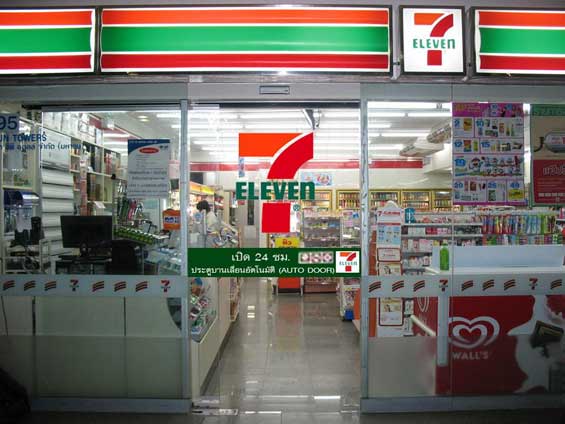
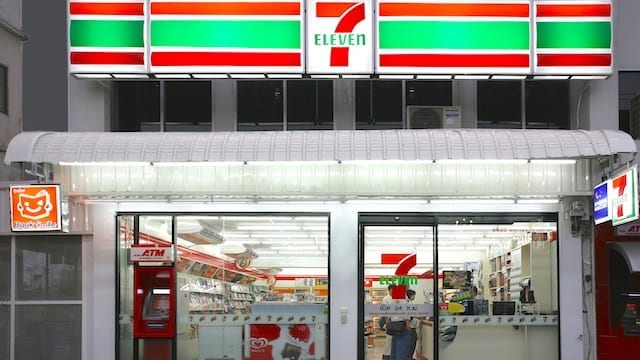
    Philippine Seven Corporation (PSC), the entity managing 7-Eleven stores in the Philippines, has its sights set on bolstering its network to a landmark 5000 stores across the nation by the next year.

    On Track for Expansion

    Providing an update at a press briefing, PSC Chairman Jose Victor Paterno voiced the company’s confidence about achieving this ambitious target. He indicated that it is a reasonable assumption to expect the 5000-store mark to be realized within the upcoming year.

    At the conclusion of last year, PSC had a total of 4130 7-Eleven locations strewn across the Philippines. The organization is planning to inaugurate between 450 and 500 additional stores throughout the current year.

    Financial Support for Rollout

    To aid the rollout of these new locations, a capital expenditure program worth PHP5.5 billion (US$97 million) has been established. This fund represents a marginal decrease from the previous allocation of PHP6 billion.

    Aiming to Serve Underserved Markets

    This planned expansion forms a crucial element of PSC’s wider strategy. The company aims to cater to underserved markets and react to the escalating demand for easily accessible and convenient retail options in every corner of the nation.

    Questions & Answers

    What is the expansion target set by Philippine Seven Corporation?
    The company is planning to expand its network to a total of 5000 stores nationwide by the next year.

    How many new 7-Eleven stores does PSC plan to open this year?
    PSC aims to inaugurate between 450 and 500 new locations in the current year.

    What is the objective of PSC’s expansion strategy?
    The strategy aims to reach and serve underserved markets and respond to the increasing demand for accessible and convenient retail options across the nation.

  • Banana Sisters Boosts Global Expansion With Second Flagship Store In Southeast Asia

    Banana Sisters Boosts Global Expansion With Second Flagship Store In Southeast Asia

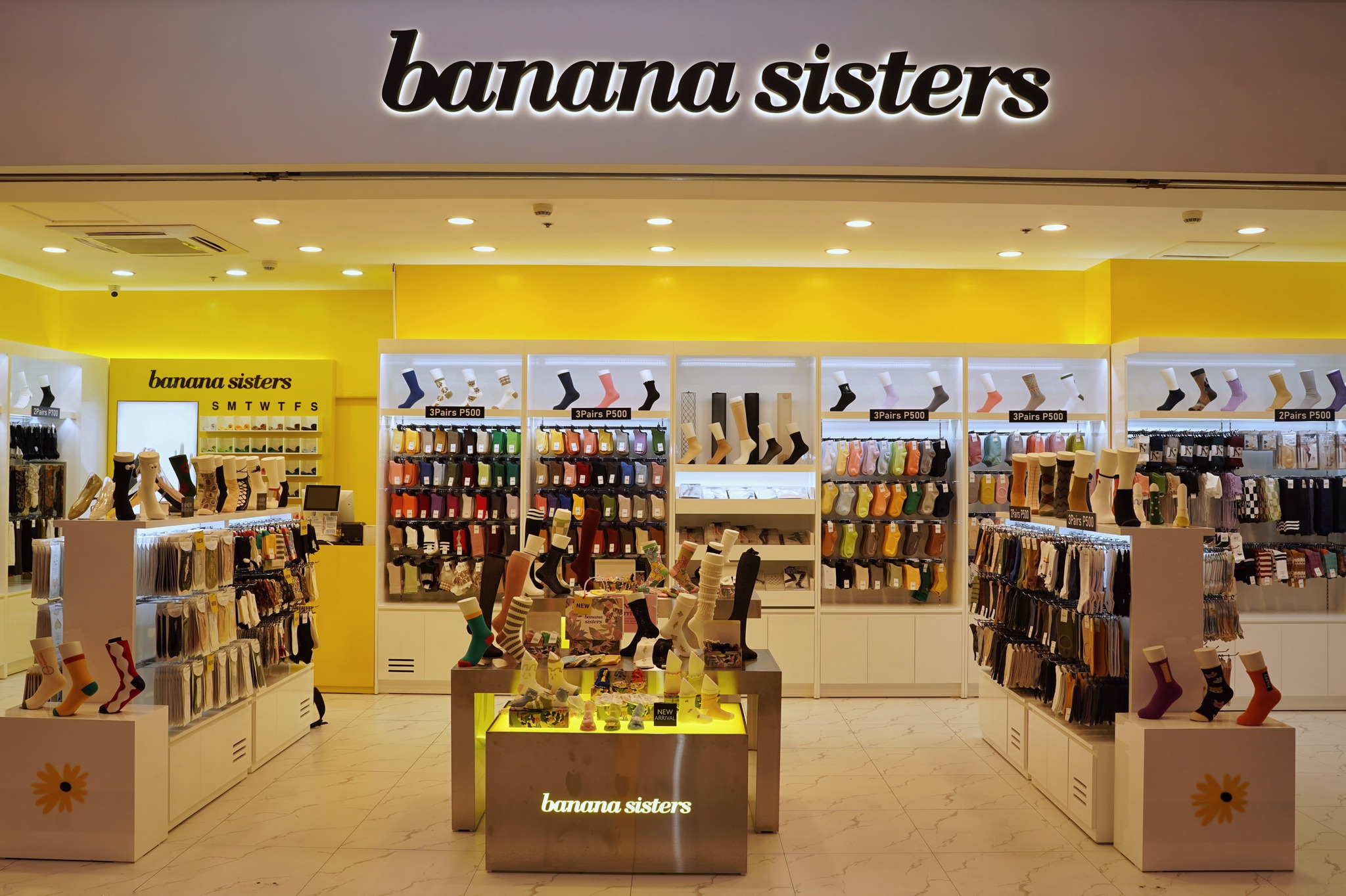
    Banana Sisters, a South Korean legwear brand, has broadened its global presence by launching its second international flagship store in the SM Mall of Asia. This move forms part of the company’s broader expansion plan in Southeast Asia.

    The new retail outlet occupies a 46-square-meter area situated on the third floor of the mall’s Entertainment section. Shoppers will find an impressive variety of approximately 300 different sock styles in the store. Additionally, the store boasts a range of branded merchandise such as T-shirts, caps, and a selection of eco-friendly bags.

    Banana Sisters is the umbrella company for several sub-brands. These include Banana Sisters, which caters to women, Banana Brothers for men, Biarritz offering chic styles, Bitz for sportswear, and Banana Kids for children’s wear.

    In addition to expanding through physical stores, Banana Sisters also plans to establish an e-commerce platform dedicated to the Philippines. This online venture is set to launch by the end of next year and will provide local payment options and nationwide delivery service.

    Yong Ju Jung, the CEO of Banana Sisters, affirmed that the store at the Mall of Asia will play a crucial role in expanding the brand’s presence in the region.

    Questions & Answers

    What is Banana Sisters’ recent strategic move in Southeast Asia?
    Banana Sisters, a South Korean legwear company, has launched its second international flagship store in the SM Mall of Asia.

    What can shoppers expect to find in the new Banana Sisters store?
    The store boasts approximately 300 different sock styles, as well as a range of branded apparel and accessories, including T-shirts, caps, and eco-friendly bags.

    What are Banana Sisters’ future plans besides expanding their physical stores?
    The company has plans to launch a dedicated Philippine e-commerce platform by the end of next year, offering local payment options and nationwide delivery.

  • 7-eleven Eyes Nationwide Expansion: 5000 Stores In Philippines By Next Year

    7-eleven Eyes Nationwide Expansion: 5000 Stores In Philippines By Next Year

    Philippine Seven Corp (PSC), the company that operates 7-Eleven stores domestically, has plans to significantly increase the number of outlets across the country by next year. The ambitious goal is to expand their current network to an impressive 5000 branch total.

    Ambition for Expansion

    During a recent press briefing, PSC Chairman Jose Victor P Paterno confirmed that the company is well on its way to reaching this considerable goal. He expressed confidence by stating it was “safe to say” that the 5,000-store landmark will be achieved by next year.

    As it stood at the close of last year, PSC was operating 4,130 7-Eleven stores throughout the Philippines. This indicates an intent to open between 450 and 500 new outlets over the course of this year.

    Funding the Growth

    The expansion will be facilitated by a PHP5.5-billion (US$97 million) capital expenditure program. Although this is somewhat less than the previous PHP6-billion allocation, it is by no means a small investment.

    Strategic Expansion

    The planned growth of 7-Eleven outlets is not just about increasing numbers. PSC’s strategy is to target areas that are currently underserved in terms of retail, responding to the growing nationwide demand for retail options that are both accessible and convenient.

    Questions & Answers

    What is the goal of Philippine Seven Corp (PSC) for their 7-Eleven outlets by next year?
    The company aims to expand its current network to a total of 5000 stores nationwide.

    How many new 7-Eleven stores does PSC plan to open this year?
    PSC plans to open between 450 and 500 new outlets over the course of this year.

    What is the strategy behind PSC’s expansion of 7-Eleven outlets?
    The expansion is part of a broader strategy to reach underserved markets and respond to increasing demand for accessible and convenient retail options nationwide.

  • Globe Telecom Aims for 100% Renewable Energy in Over 3,000 Cell Sites by 2028

    Globe Telecom Aims for 100% Renewable Energy in Over 3,000 Cell Sites by 2028

    Globe Telecom is set to revolutionize its energy sourcing by transitioning more than 3,000 cell sites in Metro Manila and the Calabarzon region to renewable energy by 2028. This ambitious initiative aims to eliminate approximately 5.5 million kilograms of greenhouse gas (GHG) emissions annually while tapping into around 80 million kilowatt-hours of clean electricity each year. Talk about a telecom company with an environmental conscience!

    Yoly Crisanto, Globe’s Chief Sustainability and Corporate Communications Officer, emphasized the significance of this move. “By expanding our sourcing of renewable energy to thousands of additional sites, we are taking deliberate steps toward our net-zero goals and proving that clean energy is not only viable but necessary across all operational levels,” she stated.

    Pioneering the telecom sector, Globe has become the first operator in the Philippines to embrace the Energy Regulatory Commission’s Retail Aggregation Program (RAP), which allows companies to merge their energy demand across multiple facilities within the same franchise area. By participating in RAP, Globe gains greater flexibility in selecting its power supplier, accelerating its clean energy transition.

    The company has teamed up with ACEN Renewable Energy Solutions (ACEN RES), part of the Ayala Group, to facilitate this extensive shift toward sustainable energy.

    Irene Maranan, Senior Vice President and Head of Communications & Sustainability at ACEN, remarked, “By enabling the shift of over 3,000 sites to renewable energy, we are not only accelerating Globe’s Scope 2 emissions reduction but also advancing our collective net-zero ambition as a group.”

    Since 2019, Globe has ramped up its decarbonization strategy, becoming a participant in the Green Energy Option Program (GEOP) and the Retail Competition and Open Access (RCOA) framework. The company currently powers 33 high-consumption facilities with renewable energy, 22 of which operate under power purchase agreements (PPA) with ACEN RES.

    In a concrete demonstration of its commitment, Globe sourced 24% of its electricity from renewable sources in 2023. Moreover, it has deployed over 38,000 green network solutions, including energy-efficient hardware and alternative fuel systems, to enhance operational efficiency and reduce emissions.

    With ambitious sustainability goals, Globe aims to cut both direct and indirect emissions by 42% and reduce emissions from its value chain by 25% by 2030, using 2021 as a baseline. By 2050, the company is targeting a staggering 90% reduction in its total carbon footprint.

    Questions & Answers

    How does Globe Telecom plan to reduce its greenhouse gas emissions?
    Globe aims to transition over 3,000 cell sites to renewable energy by 2028, which is projected to eliminate around 5.5 million kilograms of greenhouse gas emissions annually.

    What is the Retail Aggregation Program, and how does it benefit Globe?
    The Retail Aggregation Program allows Globe to consolidate its energy demand across facilities, providing flexibility in energy sourcing and accelerating the move to clean energy.

    What sustainability targets does Globe have for the coming years?
    Globe aims to cut direct and indirect emissions by 42% and reduce value chain emissions by 25% by 2030, with a long-term goal of achieving a 90% reduction in its total carbon footprint by 2050.

  • Globe Business Harnesses Data-Driven Strategies to Fuel Growth in the Digital Marketplace

    Globe Business Harnesses Data-Driven Strategies to Fuel Growth in the Digital Marketplace

    As the digital economy rapidly transforms industries across Southeast Asia, the Philippines is strategically positioning itself to become a pivotal hub for innovation, data, and connectivity. With soaring digital consumption and an advantageous location, the country stands at the forefront of this technological wave.

    In an exclusive interview with Telecom Review Asia, Raymond Policarpio, Vice President and Head of Strategy Management and Business Investments at Globe Business, the corporate arm of Globe Telecom, shed light on the Philippines’ journey to becoming a cornerstone in the global digital economy.

    Charting the Philippines’ Path in the Global Digital Economy

    The Philippines is primed to emerge as a major regional digital hub, bolstered by soaring data consumption rates. Among international data consumers, Filipinos rank high, particularly on platforms like Meta and YouTube. However, to fully realize this potential, robust infrastructure development is essential.

    While neighboring Southeast Asian nations such as Malaysia, Indonesia, Singapore, and Hong Kong are stepping up as regional leaders, the Philippines offers unique advantages, including a strategic location and a sizeable, predominantly working-age demographic. The pivotal challenge lies in enhancing the country’s infrastructure capabilities.

    At Globe Business, addressing this infrastructure gap is a top priority. The company is heavily investing in modernizing its digital infrastructure, encompassing expansive domestic fiber networks and international subsea cables. Additionally, investments in cable landing stations (CLS) and data centers are paramount to ensure the infrastructure remains modern, reliable, and prepared for future needs. These developments are critical not just for technological progress, but positioning the nation in the global digital landscape.

    The Role of Data Centers and Subsea Cables in Digital Advancement

    In today’s data-driven world, information is the new gold, yet it requires the right storage and access solutions. The adage “build it and they will come” rings true—the current volume of data already flowing through the Philippines promises to multiply as we introduce enhanced data centers. Access to this information hinges on robust cable systems, both domestically and internationally.

    Globe Business is actively developing these vital data centers through its subsidiary, STT GDC Philippines, while also forming strategic partnerships for broader infrastructure cooperation. This initiative promises to propel the nation’s digital transformation.

    In the past year, the company launched a domestic submarine cable network to handle rising local data traffic. On the international front, the Asia Link Cable (ALC), expected to connect the Philippines with regional powerhouses Singapore and Japan by 2026/2027, exemplifies these efforts. With several additional cable systems in progress, Globe is focused on scaling infrastructure to keep pace with America’s data surge.

    Infrastructure Investments: Balancing Profit with Purpose

    At Globe Business, the evaluation of infrastructure investments encompasses not only financial returns but also broader societal impact. Leading the Strategy Management team means emphasizing the importance of value creation. Policarpio highlights that when establishing subsea cables, for example, it can take five to seven years for them to come online, necessitating forward-thinking vision to unlock their true potential, not just for Globe but for the entire country.

    The company opts to prioritize sustainability and nation-building, focusing on expanding accessibility for consumers and enterprises alike. This strategic value-driven approach underpins their infrastructure investments.

    The Cloud Revolution: Embracing Trends in Local Business

    Data remains the linchpin, propelling the rise of cloud adoption among businesses. The burgeoning data ecosystem not only fuels interest in cloud computing but also in cybersecurity and artificial intelligence.

    Large enterprises are increasingly embracing cloud solutions, yet what’s particularly intriguing is the rapid cloud uptake among small and medium-sized enterprises. Many SMEs may not fully grasp the intricacies of cloud technology, but they unknowingly leverage it through AI-driven tools and cloud applications from providers like Google and Microsoft.

    Globe Business is responding with comprehensive solutions spanning connectivity, cloud services, and security while offering guidance to SMEs navigating their digital transformation journeys. Helping these businesses thrive is integral to Globe’s mission, as the adoption of cloud and AI technologies becomes an everyday reality.

    Collaboration: The Key to Infrastructure Growth

    Within the competitive telecommunications landscape, collaboration stands crucial at Globe Business. Policarpio asserts that authentic infrastructure growth can stem only from cooperative partnerships, aligning shared objectives among global and local players alike.

    Ongoing Projects to Fortify the Digital Landscape

    Globe Business is diligently engaged in enhancing the country’s digital infrastructure through various significant initiatives. A cornerstone project is the Philippine Domestic Submarine Cable Network, built in partnership with local collaborators to create a fiber-rich and reliably modern backbone tailored to the archipelago’s diverse connectivity needs.

    The company continues to expand its fiber network across the nation while establishing more cable landing stations to meet rising data demands from global titans such as Microsoft, Google, and Meta. The upcoming ALC will link the Philippines to regional hubs like Singapore and Japan, reflecting shifting internet traffic trends driven by geopolitical dynamics. Furthermore, sustained investments in data centers are vital to nurturing this thriving digital ecosystem.

    Questions & Answers

    How is Philippines’ digital infrastructure progressing and what role does Globe Business play?
    The Philippines is advancing as a digital hub, with Globe Business investing heavily in infrastructure such as data centers and subsea cables to support its burgeoning data consumption.

    What impact do data centers have on the country’s digital growth?
    Data centers act as essential receptacles for the ever-increasing data flow, enhancing access and storage capabilities crucial for the Philippines to thrive digitally.

    How does Globe Business measure the success of its infrastructure investments?
    Globe Business emphasizes sustainability and societal value over mere profitability, measuring success by how its investments contribute to accessibility and nation-building.

  • Popeyes Expands In The Philippines: New Franchising Program Launched Amid Record-breaking Performance

    Popeyes Expands In The Philippines: New Franchising Program Launched Amid Record-breaking Performance

    Popeyes, the renowned American fast food brand, has initiated its franchise program in the Philippines. This move comes in the wake of the country’s stellar performance, making it the leading global market for Popeyes in terms of transactions, as reported by the company’s parent organization, Restaurant Brands International (RBI).

    Franchising: The Logical Next Step

    Dustin Ngo, the Managing Director for Popeyes Philippines, expressed his views on the new franchising initiative. According to Ngo, franchising was the logical next phase in the company’s growth trajectory. He lauded it as a lucrative investment opportunity that aligns perfectly with Popeyes’ expansion plans over the next three years.

    Franchise investment for a 1000sqm drive-thru store varies between PHP$45 million and $50 million, equivalent to US$793,000 to $800,000. The investment package encompasses construction, equipment, training, and a 10-year franchise fee. The continued costs include an 8 per cent royalty and a 5 per cent advertisement fee, calculated based on sales.

    Comprehensive Support for Franchise Partners

    RBI, along with the local team, will offer comprehensive support to ensure a smooth and efficient setup and operation for the franchise partners. The objective is to make the operation of Popeyes franchises as hassle-free as possible.

    Dan Hayton, the Chief Operating Officer of Popeyes Philippines, further elucidated this point. He expressed the company’s desire for franchise partners to run their Popeyes franchise effortlessly, with the operation starting up as easily as turning a key.

    Questions & Answers

    What is the investment range for opening a Popeyes franchise in the Philippines?
    The investment for a 1000sqm drive-thru store ranges from PHP$45 million to $50 million (US$793,000 to $800,000), which includes costs for construction, equipment, training, and a 10-year franchise fee.

    What are the ongoing costs for a Popeyes franchise?
    The ongoing costs include an 8 per cent royalty and a 5 per cent advertisement fee, calculated based on sales.

    What kind of support does Popeyes provide to its franchise partners?
    Popeyes, in collaboration with RBI and the local team, provides comprehensive end-to-end support. The focus lies on ensuring a fast setup and operational efficiency for the franchise partners.

  • Cafe Amazon Drives Record-breaking Quarter For Thailand’s Ptt Oil And Retail Business

    Cafe Amazon Drives Record-breaking Quarter For Thailand’s Ptt Oil And Retail Business

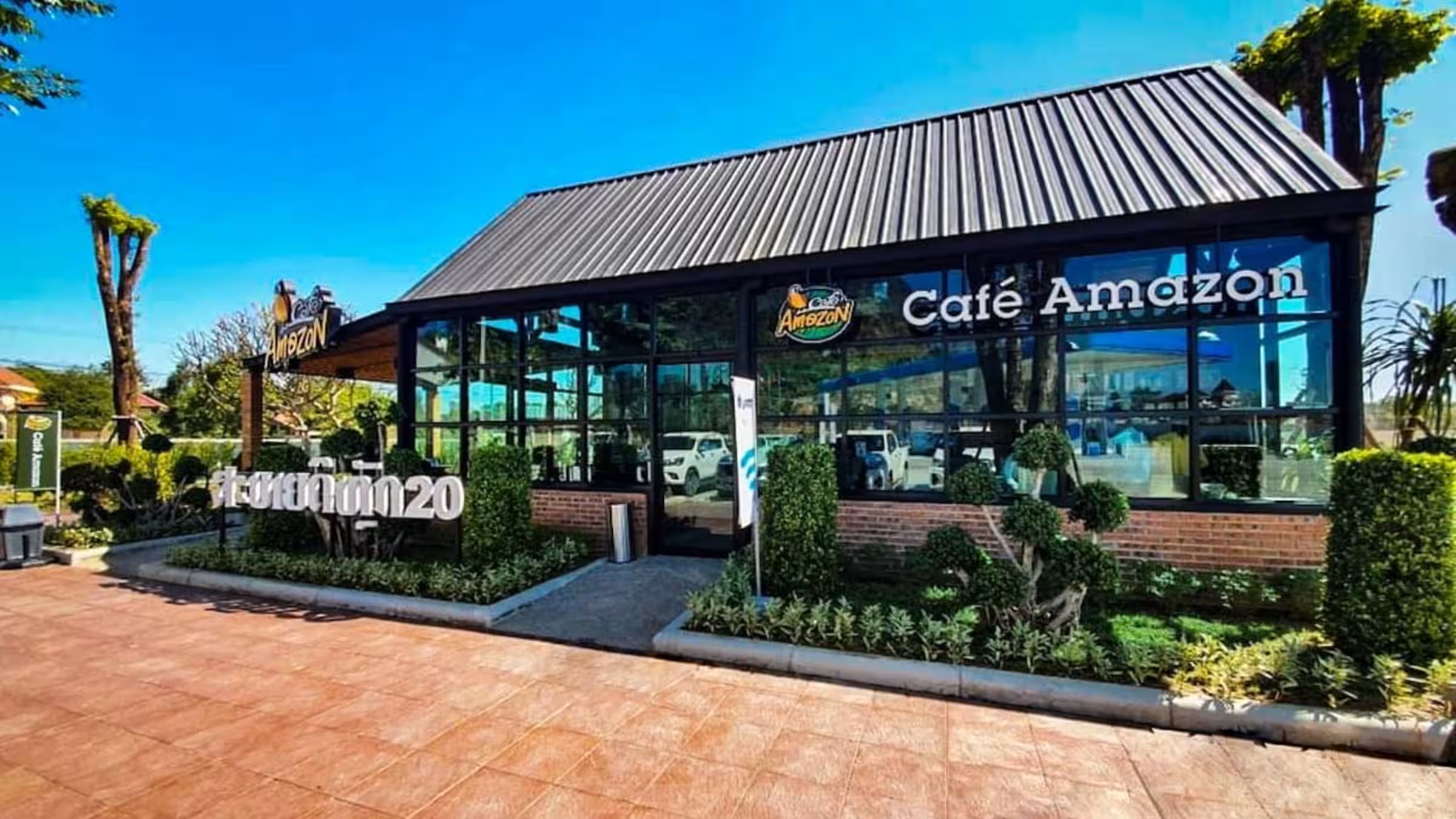
    PTT Oil and Retail Business (OR), the lifestyle and retail subsidiary of Thailand’s PTT Group, has announced a record-breaking financial performance for the first quarter of this year. This success is largely attributable to its leading brand Cafe Amazon, which experienced a period of significant expansion throughout Southeast Asia.

    Noteworthy Performance

    Cafe Amazon sold over 112 million cups of coffee during the first quarter, emphasizing the strength of the brand. With 391 stores now in operation outside of Thailand, the cafe chain has become a key driver of OR’s earnings growth. The company’s total revenue hit an impressive US$5.6 billion, with net profits increasing by 46 per cent from the last quarter to approximately $134 million. This represents a 17.6 per cent growth year-on-year.

    ML Peekthong Thongyai, CEO of OR, credited the robust performance to the resilience of the business model. “Our strong performance this quarter underscores our long-term strategic direction. We are expanding with a clear purpose, delivering value for individuals, contributing to community prosperity and demonstrating our commitment to environmental responsibility.”

    Global Expansion

    Cafe Amazon’s reach extends to nine markets. These include Cambodia, Laos, Vietnam, the Philippines, Malaysia, Oman, Saudi Arabia, Bahrain, and Japan.

    The cafe chain is part of OR’s wider Global Business segment. This segment reported a 30.8 per cent year-on-year increase in sales volume together with an 81.5 per cent rise in EBITDA.

    Peekthong reiterated the company’s mission beyond monetary profit. “We’re not just about selling fuel or coffee. Our goal is to build platforms that strengthen local economies, encourage entrepreneurship, and facilitate long-term, sustainable growth.”

    OR oversees 415 PTT Stations and 391 Cafe Amazon outlets across Asia and the Middle East.

    Questions & Answers

    What factors contributed to OR’s record-breaking financial performance?
    The company attributes its success to the significant expansion of Cafe Amazon, which sold over 112 million cups of coffee in the first quarter.

    What markets does Cafe Amazon currently operate in?
    The cafe chain operates in nine markets, including Cambodia, Laos, Vietnam, the Philippines, Malaysia, Oman, Saudi Arabia, Bahrain, and Japan.

    What is OR’s greater mission beyond selling products?
    OR aims to build platforms that strengthen local economies, promote entrepreneurship, and facilitate sustainable, long-term growth.

  • Chagee: Chinese Tea Giant Set To Brew Success In The Philippine Market

    Chagee: Chinese Tea Giant Set To Brew Success In The Philippine Market

    Chagee: The Chinese Tea Brand Poised to Enter Philippine Market

    Chagee, a renowned Chinese tea brand, is poised to infiltrate the Philippine market. This expansion is earmarked for August, with three branches slated for unveiling in Metro Manila.

    The fresh outlets will be strategically located at notable locales such as SM North EDSA, Robinsons Galleria, and Venice Grand Canal Mall.

    A Modern Take on Traditional Tea

    Chagee has carved a niche for itself as a contemporary tea bar that fuses traditional Chinese tea-making techniques with an emphasis on natural ingredients.

    The brand’s signature concoctions are milk-based tea beverages, expertly brewed using whole tea leaves from a variety of plants including green, black, and oolong. These teas are free from artificial sweeteners or flavorings, underscoring the brand’s commitment to all-natural products.

    Chagee’s Global Footprint

    With its roots in Yunnan, China, Chagee has successfully extended its reach across Asia and beyond. The company presently boasts of over 6000 stores worldwide. Its international presence can be felt in a number of markets such as Malaysia, Thailand, Singapore, and the United States among others.

    Questions & Answers

    What is Chagee?
    Chagee is a Chinese tea brand that is recognized for infusing modern flavors with traditional Chinese tea-making methods.

    Where are the new Chagee outlets in the Philippines going to be located?
    The new Chagee outlets in the Philippines are planned to be located at SM North EDSA, Robinsons Galleria, and Venice Grand Canal Mall.

    What distinguishes Chagee’s tea beverages?
    Chagee’s signature tea beverages are milk-based and are brewed using whole tea leaves from a variety of plants such as green, black, and oolong. These teas are free from artificial sweeteners or flavorings.

  • PLDT, Smart, and DICT Unite to Boost Digital Skills Among Filipinos

    PLDT, Smart, and DICT Unite to Boost Digital Skills Among Filipinos

    PLDT and its wireless subsidiary, Smart Communications, Inc. (Smart), are joining forces with the Department of Information and Communications Technology (DICT) in an ambitious effort to enhance digital literacy among Filipinos, with a particular focus on underserved communities. The initiative, dubbed “Tech for Good, Tech for All,” aims to equip more citizens with essential digital skills, ensuring that no Filipino is left behind in an increasingly connected world.

    “Through this program, we are working with the DICT to build a digitally empowered nation, allowing more Filipinos to thrive in a digital economy,” said Stephanie V. Orlino, AVP and Head of Stakeholder Engagement Team at PLDT and Smart. This collaborative effort seeks to bridge the digital divide and foster greater inclusion as the Philippines advances towards a more connected future.

    In an exciting start to this initiative, PLDT and Smart organized a Basic Digital Literacy session during the ‘Training of Trainers’ for key personnel from the ICT Literacy and Competency Development Bureau (ILCDB) and DICT Center managers. This session focused on practical skills essential for the digital age, such as smartphone usage, social media navigation, and online selling—tailored specifically for seniors and those new to technology. Yes, even Grandma can learn to sell her craft items online!

    These trainers — tasked with overseeing the country’s Tech4ED-DTCs (Technology for Education, Employment, Entrepreneurs, and Economic Development – Digital Transformation Centers) — are key figures in community-based digital hubs providing critical access to e-government services and educational resources. “At the DICT, we are committed to ensuring every Filipino, regardless of location, has the tools and skills to engage in today’s digital landscape,” stated Jimmicio S. Daoaten, Director IV of ILCDB of DICT. By localizing training opportunities, the project empowers individuals to actively participate in the country’s digital revolution.

    This innovative approach aligns with the global Digital Transformation Centers (DTC) Initiative launched by the International Telecommunication Union (ITU) and Cisco in 2019. With PLDT and Smart acting as the exclusive telecommunications partners in the Philippines, this partnership underscores the PLDT Group’s unwavering commitment to fostering inclusive digital progress across the nation.

    Questions & Answers

    How does the “Tech for Good, Tech for All” initiative aim to assist underserved communities?
    The initiative seeks to equip Filipinos in underserved communities with essential digital skills by providing access to training programs that focus on practical uses of technology, thus bridging the digital divide.

    What specific skills are being taught in the Basic Digital Literacy sessions?
    The sessions cover practical digital skills such as smartphone usage, social media navigation, and online selling, specifically tailored for seniors and individuals new to technology.

    What is the significance of the Tech4ED-DTCs?
    Tech4ED-DTCs are community-based digital hubs that provide critical access to e-government services and learning resources, playing a vital role in facilitating digital inclusion and education.

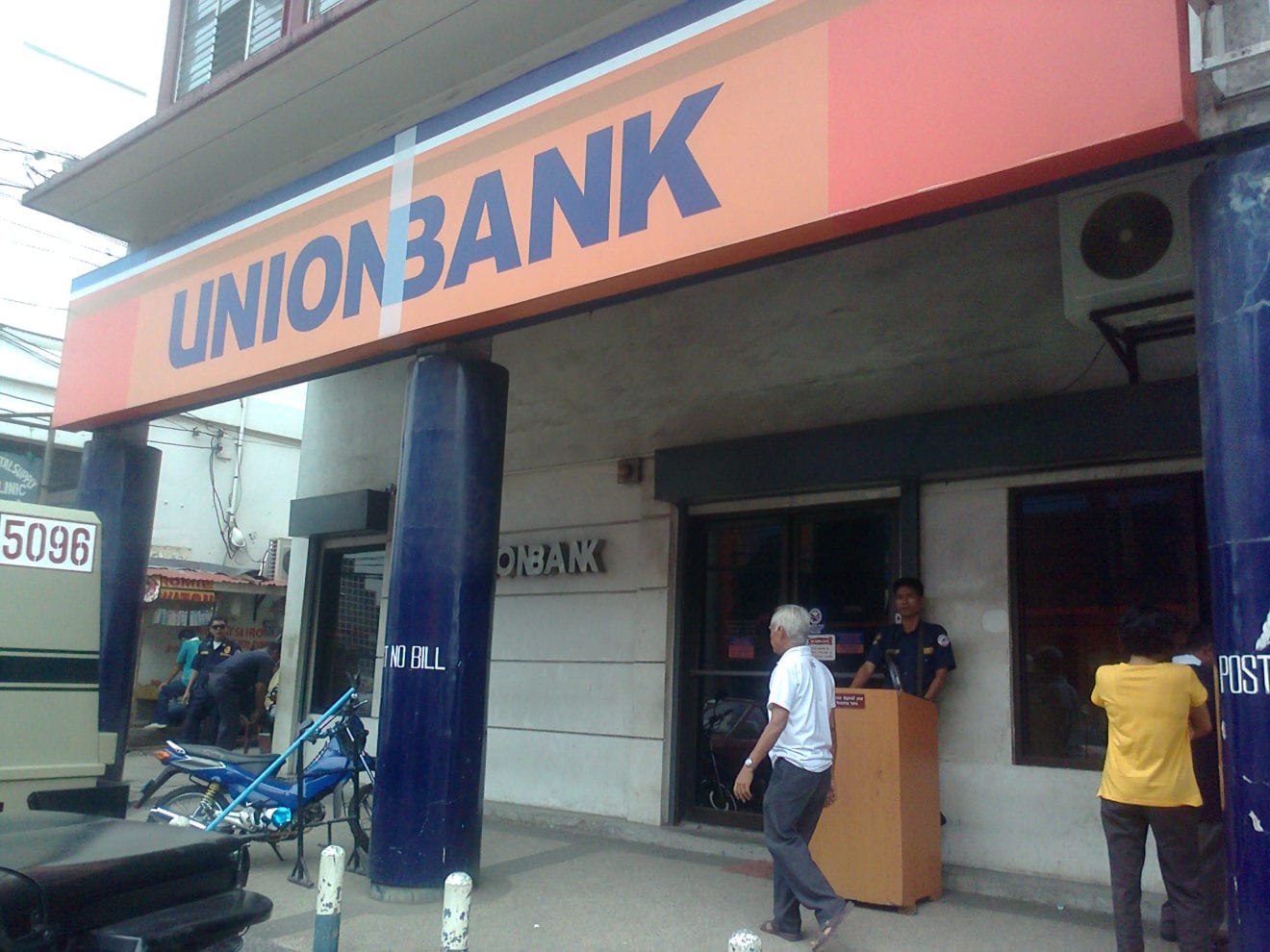
  • Union Bank of the Philippines Welcomes Five New Senior Officers to Strengthen Leadership Team

    Union Bank of the Philippines Welcomes Five New Senior Officers to Strengthen Leadership Team

    The retail landscape in Asia is witnessing a transformative shift as brands increasingly adopt hybrid shopping models in response to changing consumer preferences. As physical and digital shopping environments converge, retailers are finding innovative ways to enhance customer engagement and streamline their operations.

    Navigating the Hybrid Shopping Wave

    With the pandemic forcing a rethink of traditional shopping habits, many retailers are now enhancing their omnichannel strategies. This trend is particularly evident in Southeast Asia, where the integration of e-commerce and brick-and-mortar shopping experiences has taken center stage. Retailers are employing an assortment of tactics, from click-and-collect services to interactive in-store technologies that provide a seamless transition between online and offline shopping.

    Embracing Technology for Enhanced Customer Experience

    Technology has become a cornerstone in this hybrid shopping revolution, with a growing number of retailers leveraging data analytics and artificial intelligence to personalize the shopping journey. Stores are not merely spaces for transactions anymore; they’re evolving into experience centers where customers can immerse themselves in brands. Picture this: a mall filled with interactive kiosks and virtual reality displays, transforming mundane shopping trips into mini-adventures.

    Changing Consumer Behaviors and Expectations

    As consumer behaviors evolve, so do expectations. Shoppers now seek instant gratification and convenience, a demand that has prompted retailers to rethink their supply chains and operational processes. This includes offering faster delivery options and more flexible return policies. Additionally, as sustainability rises to the forefront of consumer consciousness, retailers are increasingly focusing on eco-friendly practices, from sourcing sustainable materials to reducing waste in their operations.

    Challenges Ahead: Striking the Right Balance

    While the hybrid model offers numerous benefits, it also presents challenges. Retailers must find the right balance between online and offline experiences to ensure they meet consumer expectations without straining resources. The challenge is akin to juggling flaming torches while riding a unicycle—challenging yet thrilling for those who dare to embrace it.

    Innovative Collaborations Driving Growth

    Innovative partnerships are becoming increasingly essential in this evolving landscape. Collaborations between technology companies and retailers are paving the way for enhanced shopping experiences, whether through advanced payment solutions, logistics support, or customer insights. As retail transforms into a more interconnected ecosystem, brands that forge strategic alliances are likely to enjoy a competitive edge.

    A Bright Future for Asian Retail

    As we move forward, the hybrid shopping model is expected to define the future of retail across Asia. With brands making strides towards integrating technology and prioritizing sustainability, the next chapter in retail promises not just growth but a reimagining of what shopping can be.

    This new era invites not only retailers to adapt but also inspires consumers to engage with brands in more meaningful ways than ever before.

    Questions & Answers

    What is driving the hybrid shopping model in Asia?
    Changing consumer preferences, combined with the impact of the pandemic, are compelling retailers to create seamless experiences that meld online and offline shopping.

    How are retailers leveraging technology to enhance customer experiences?
    Many retailers are incorporating data analytics and AI to personalize shopping journeys, while also creating immersive in-store environments through interactive technologies.

    What challenges do retailers face in implementing a hybrid model?
    Retailers must carefully balance their resources to deliver satisfying online and offline experiences while navigating the complexities of modern consumer expectations.

  • Korean Retail Giant E-mart Invests $150m For Philippine Expansion: Aims To Enhance Local Shopping Experience

    Korean Retail Giant E-mart Invests $150m For Philippine Expansion: Aims To Enhance Local Shopping Experience

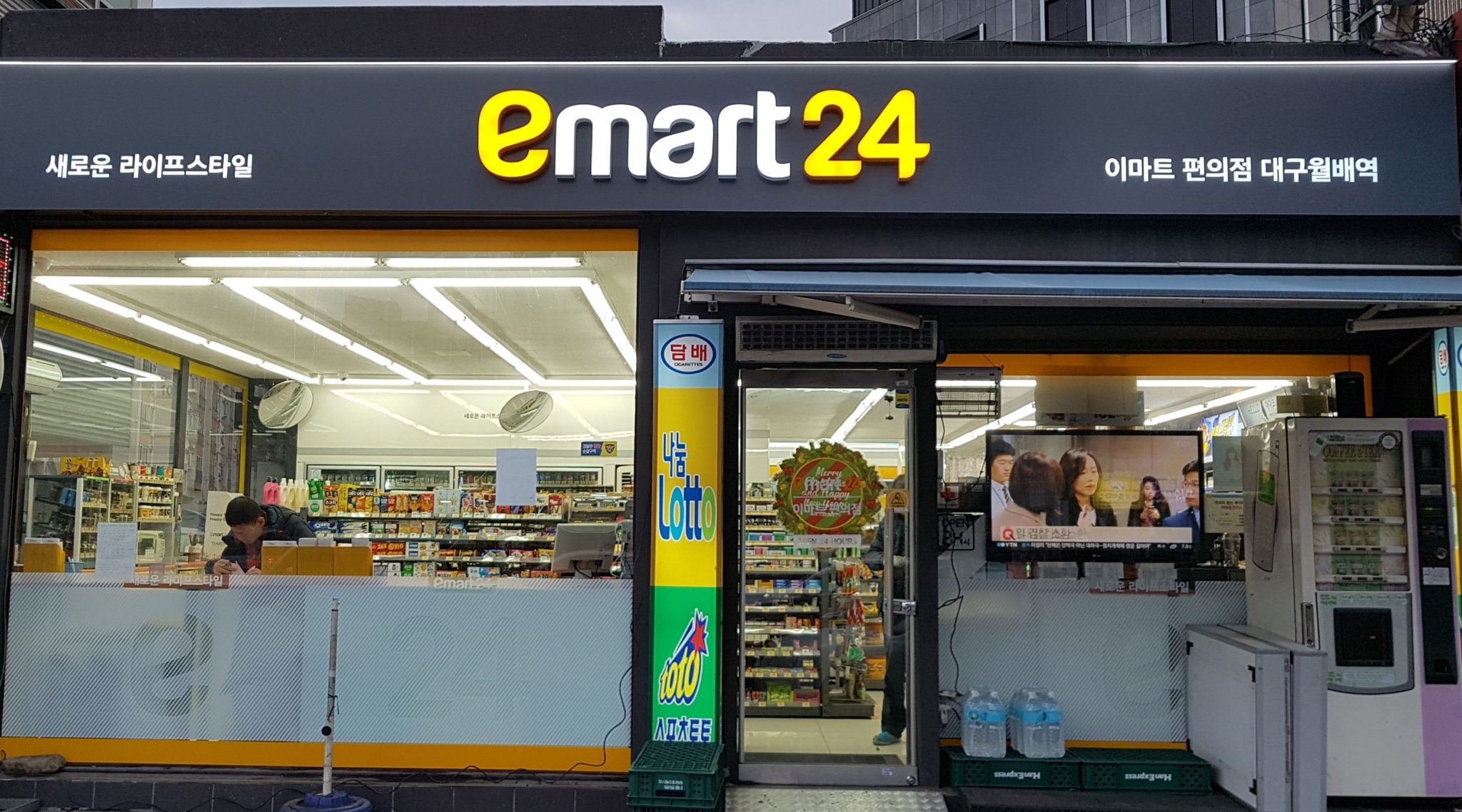
    In a bold move to capture a growing market, Korean discount department store chain E-Mart has announced its ambitious expansion into the Philippines. With a combined investment of approximately $150 million, E-Mart is set to open five new stores across the archipelago over the next few years, targeting the burgeoning middle class and their increasing appetite for affordable yet quality retail experiences.

    Targeting the Filipino Market with Strategic Stores

    Initially, E-Mart plans to establish its presence in major urban centers such as Metro Manila and Cebu, locations brimming with potential customers eager for diverse shopping options. Local market analysis suggests that Filipino consumers are increasingly drawn to retail environments that offer both value and variety — a niche that E-Mart aims to fill with its unique blend of products, from groceries to electronics.

    The decision to invest in the Philippines is not just a stroke of luck; it’s rooted in the company’s successful South Korean model. This version of a “hypermarket” approach has won hearts back home, where E-Mart has over 150 locations. The Philippine economy has shown resilience, making it ripe for the chain’s budget-friendly offerings and expansive range of home goods.

    Creating a Dazzling Retail Experience

    But expanding into a vibrant market like the Philippines involves more than just placing stores. E-Mart has committed to tailoring its shopping experience for Filipino customers, incorporating local products alongside its beloved Korean offerings. This strategy not only caters to local tastes but also fosters a sense of community, turning shopping into a delightful cultural exchange rather than a mere transaction. Imagine snatching up your favorite local snack right next to an imported Korean delicacy—talk about a shopping thrill!

    To bolster its brand awareness, E-Mart is launching an engaging marketing campaign that traverses traditional advertising to digital platforms, ensuring maximum reach among potential customers. Employing social media strategies and local influencers will further elevate its profile, especially among younger, tech-savvy shoppers who dominate the market.

    Facing Challenges with Optimism

    While the Philippines offers a promising landscape for retail growth, E-Mart’s entry will not be without challenges. Navigating bureaucratic hurdles and building a reliable supply chain in a new environment will require deft planning and local insights. However, the chain’s leadership remains undeterred, viewing these obstacles as mere stepping stones toward establishing a lasting legacy in the Filipino retail space. “We are excited to connect with Filipino consumers and be part of their daily lives,” the company stated in a recent press release.

    Looking Ahead: What’s Next for E-Mart?

    The anticipated openings are expected to create a buzz in the local markets, potentially leading to not just retail growth but also new job opportunities for the local workforce. As E-Mart lays the groundwork for its future, the attention will be on how well it integrates into the Filipino retail landscape and meets the expectations of its new customer base. For now, all eyes will be on the first store launch, which promises to deliver both value and innovation, as well as a much-needed upgrade to the local shopping scene.

    Questions & Answers

    What is E-Mart’s investment plan in the Philippines?
    E-Mart plans to invest approximately $150 million to establish five new stores in the Philippines over the next few years.

    Which locations are targeted for E-Mart’s new stores?
    The first E-Mart stores are set to open in major urban centers, particularly in Metro Manila and Cebu, to attract a large customer base.

    How does E-Mart plan to engage with the local market?
    E-Mart aims to tailor its offerings by incorporating local products alongside Korean goods and is launching a comprehensive marketing campaign that includes social media outreach.

  • EdgePoint Philippines’ CEO Fuels Digital Infrastructure Expansion Across the Nation

    EdgePoint Philippines’ CEO Fuels Digital Infrastructure Expansion Across the Nation

    In a region where digital demand is skyrocketing, EdgePoint Philippines is stepping up its efforts to roll out next-generation infrastructure that promises to close connectivity gaps across the country. Leveraging shared infrastructure models alongside advanced technologies like 5G, the company is redefining the telecommunications landscape and empowering service providers to scale their operations effectively while serving underserved communities and enterprises.

    In an exclusive discussion with Telecom Review Asia, William Walters, the Chief Executive Officer of EdgePoint Philippines, unpacked the company’s ambitious infrastructure strategy for emerging markets. He emphasized how the firm is rapidly fostering digital connectivity through co-location partnerships and 5G-compliant solutions.

    Rapid Growth and Strategic Partnerships in the Philippines

    Since its entry into the Philippine market in 2022, EdgePoint has quickly ascended to become the fourth-largest independent tower company in the country. Today, it operates 3,000 active sites, including over 150 customized build-to-suit structures, and boasts a tenant count exceeding 3,300. While its focus has predominantly been in Luzon, the company has also made significant strides in Visayas, enhancing connectivity across these regions.

    “Our strategy revolves around forming strategic partnerships with established cellular operators, like Smart PLDT, to facilitate the rollout of organic sites and co-location,” Walters explained. “Co-location stands out as a crucial element, enabling mobile network operators to cut costs and bolster their coverage through shared infrastructure at designated locations.”

    The Philippines’ common tower policy, introduced in 2020, has proved a pivotal driver of scalable infrastructure development, enabling multiple mobile network operators to optimize shared assets.

    “With the current tower-to-population ratio being one tower for every 3,500 people, our mission is laser-focused on addressing this gap through a combination of strategic tower construction and co-location solutions,” Walters added.

    Advancing 5G Connectivity Through Collaboration

    Partnerships play a significant role in EdgePoint’s quest to propel 5G forward. As the demand for more robust infrastructure mounts, the company finds itself uniquely positioned to meet the soaring calls for network densification.

    “To address the needs of tomorrow, we focus on identifying gaps and collaborating with key stakeholders to create solutions,” he noted. “Our engagement with customers and local authorities is continuous, and we leverage data analytics to uncover high demand areas, allowing us to prioritize infrastructure enhancements where they are needed most.”

    A particularly creative approach involves augmenting their Remote Monitoring Systems with specialized expertise, facilitating real-time operations and maintenance across their widespread infrastructure. This move not only trims operational costs but enhances efficiency and responsiveness as well.

    Moreover, through the Connectivity for Communities (CFC) program, EdgePoint partners with local NGOs to better connect underserved regions, aiming to equip schools and communities with digitally enabled facilities.

    Bridging the Digital Divide: A Commitment to Community Development

    For EdgePoint, bridging the digital divide isn’t just a project; it’s a core value. Walters outlined that the company’s vision extends beyond mere infrastructure: “We believe everyone should have reliable connectivity. The Philippines, with its unique geographical challenges, presents both challenges and opportunities for achieving digital equity, a significant catalyst for social and economic development.”

    The CFC initiative has positively impacted over 6,500 students by establishing twelve digital classrooms in collaboration with local organizations, facilitating access to online education, healthcare services, and more. Notably, three of these classrooms are in the Philippines, with plans to double that number by year-end.

    “We know that infrastructure alone isn’t enough; that’s why we released a white paper earlier this year proposing essential policy reforms for advancing digital equity in Southeast Asia,” Walters explained, highlighting the necessity of collaborative approaches among industry stakeholders and policymakers.

    Scaling Operations with Local Insight

    As EdgePoint continues its expansion across Southeast Asia, the company is keen on striking a balance between scaling operations and adapting to the nuanced demands of each local market. “We believe sustainable growth is built on understanding the unique dynamics of each region,” Walters asserted.

    This philosophy is evident in their approach to staffing. Strong local teams bring invaluable insights into regulatory landscapes and customer preferences, while regional resources help ensure timely, effective deployment.

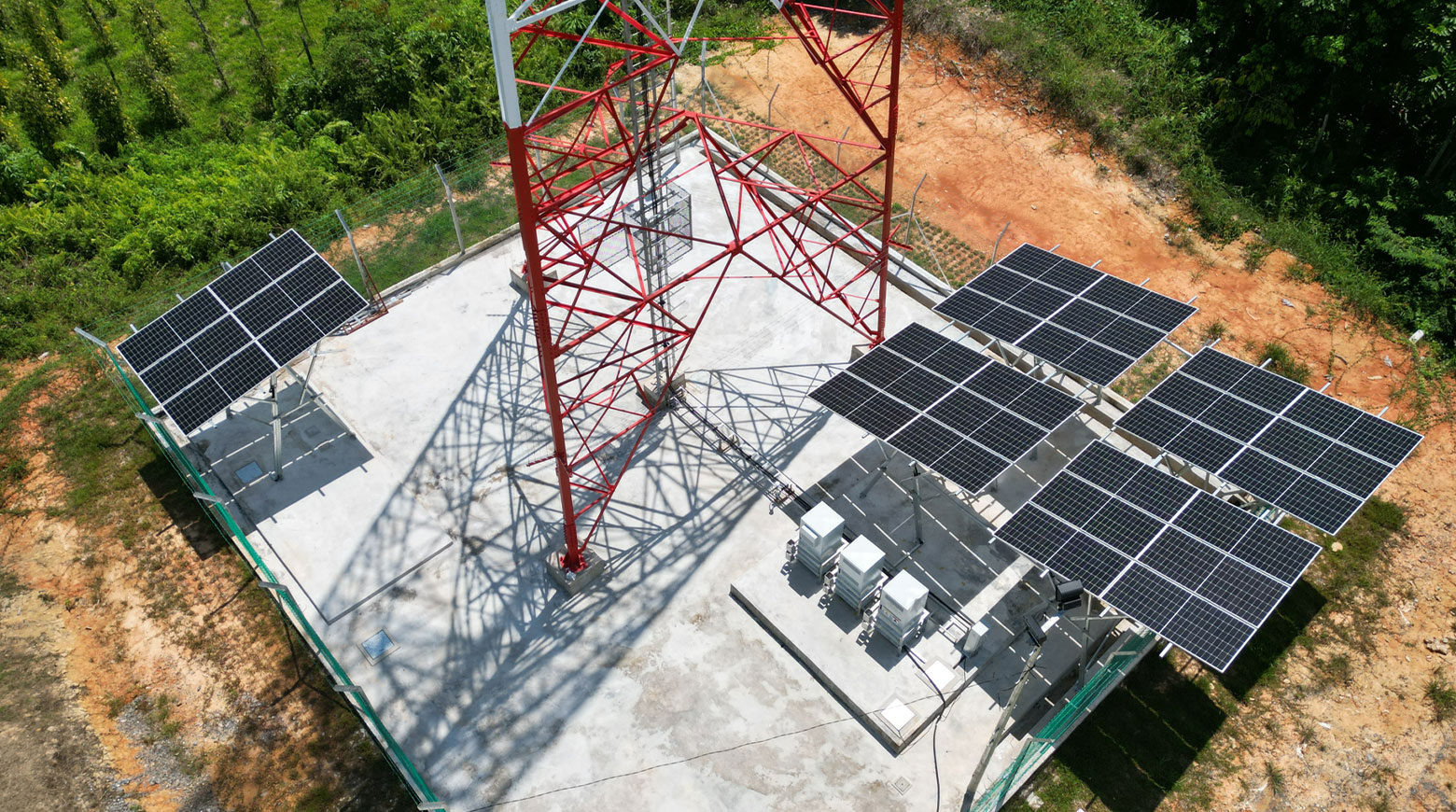
    For instance, tower designs and energy solutions are tailored to local needs, an urgent necessity in the Philippines where renewable energy is essential. Currently, EdgePoint boasts 24 solar hybrid sites across the archipelago.

    “We actively collaborate with regulators, local authorities, and industry partners to align our efforts with national digital goals, ensuring we create a meaningful impact that goes beyond mere network coverage,” Walters concluded. Perhaps, in this interconnected world, the true victory lies in empowering communities—one digital classroom at a time.

    Questions & Answers

    How has EdgePoint positioned itself in the Philippines since its entry?
    EdgePoint has quickly risen to become the fourth-largest independent tower company in the Philippines, operating 3,000 active sites and expanding its footprint in both Luzon and Visayas since entering the market in 2022.

    What role does co-location play in EdgePoint’s strategy?
    Co-location allows mobile network operators to share infrastructure at designated sites, reducing costs and improving coverage, which is a central part of EdgePoint’s infrastructure strategy.

    How is EdgePoint addressing the digital divide in underserved communities?
    Through its Connectivity for Communities program, EdgePoint is establishing digital classrooms and providing connectivity and digital tools to underserved areas, positively impacting over 6,500 students and enhancing their access to education and essential services.

  • Philippine Thrift Banks Surge to $19.5 Billion in Assets, Marking 6% Growth in 2024

    Philippine Thrift Banks Surge to $19.5 Billion in Assets, Marking 6% Growth in 2024

    The Philippine thrift banking sector revealed strong performance indicators as it reported total assets reaching $19.5 billion (PHP1.1 trillion) by the end of 2024, marking a 6% increase from the previous year. The data, released by the Chamber of Thrift Banks (CTB) in July 2025, spotlighted significant growth in lending activities, with core loan portfolios expanding by an impressive 14.7% to $13.8 billion (PHP777.28 billion).

    Deposits on the Rise

    Meanwhile, deposit liabilities in the sector also saw an upswing of 4.7%, reaching $14.67 billion (PHP826 billion). This growth reflects a resilient demand for thrift banking services, even as the economy faces various challenges. The sector’s capital base remains robust at $3.08 billion (PHP174 billion), boasting a capital adequacy ratio of 17.88%, comfortably above the regulatory benchmarks.

    A Commitment to Progress

    “We are pleased to report that the Chamber of Thrift Banks has continued to demonstrate remarkable growth and adaptability through the years,” stated CTB President Mary Jane Perreras. Under her leadership, the CTB is advocating for crucial regulatory adjustments, including a proposed reduction of the Minimum Liquidity Ratio from 20% to 16%, to better align with the realities of thrift banks.

    Digital Innovation Takes Center Stage

    Perreras noted that many member banks have successfully enhanced their digital infrastructure and adopted advanced cybersecurity protocols. “In today’s interconnected financial landscape, offering digital literacy programs is essential to protecting consumers,” she asserted. Collaborations with fintech firms and low-code platform providers have allowed thrift banks to introduce customized digital services with greater efficiency—a move that has infused new energy into traditional banking practices.

    Looking Ahead

    As the sector looks to the future, the CTB remains focused on promoting sound risk management, operational excellence, and sustainable growth. “Our goal is to strengthen the thrift banking sector’s contribution to inclusive economic development, ensuring our members remain key providers of financial access in communities across the country,” Perreras emphasized, hinting at a vision where thrift banks not only survive but thrive in the evolving market landscape.

    Questions & Answers

    What growth rate did Philippine thrift banks achieve in lending activities?
    Philippine thrift banks recorded a significant growth rate of 14.7% in core loan portfolios, totaling $13.8 billion (PHP777.28 billion).

    What initiatives is the CTB pursuing for regulatory changes?
    The Chamber of Thrift Banks is advocating for a reduction in the Minimum Liquidity Ratio from 20% to 16% to better reflect the operational realities of thrift banks.

    How are thrift banks enhancing their services in the digital age?
    Many member banks are upgrading their digital infrastructure, adopting cybersecurity measures, and collaborating with fintech firms to offer customized digital services, thus improving consumer protection and service efficiency.