Tag: Philippines

  • United Airlines expands Asia network with new flights to Vietnam, Thailand, Philippines

    United Airlines expands Asia network with new flights to Vietnam, Thailand, Philippines

    The United Airlines plans to add daily flights to Vietnam and Thailand in October, further expanding the network for the U.S.-based carrier that already has the most Asia service, reported CNBC.

    In the expansion, its airplanes from Los Angeles and San Francisco that are headed for Hong Kong will then go on to the two new destinations: Thailand’s Bangkok and Vietnam’s Ho Chi Minh City, with service set to begin on Oct. 26.

    On Oct. 25, United Airlines plans to add a second daily nonstop flight from San Francisco to Manila, the Philippines, and on Dec. 11, it will launch nonstops from San Francisco to Adelaide, Australia, which will operate three days a week.

    The news site noted that the carrier has been adding far-flung destinations not served by rivals to its routes, like Nuuk, Greenland, and Bilbao, Spain, which will start later this year. Getting the mix right is especially important as carriers seek to grow their lucrative loyalty programs and need attractive destinations to keep customers spending.

  • PLDT Strengthens Digital Growth with Data Center Expansion

    PLDT Strengthens Digital Growth with Data Center Expansion

    PLDT Chief Operating Officer, Menardo Butch G. Jimenez, emphasized the increasing potential of tech-focused telcos in the region’s changing digital landscape. He mentioned, “We have already built 10 data centers and are finishing our 11th and biggest facility, which shows how strongly we believe that data centers are an important part of PLDT’s revenue growth.” He also said that PLDT has experienced strong growth rates in its data center business over the past five years.

    Through its subsidiary, ePLDT, PLDT has become a leader in the Philippines data center industry. The company operates a network of VITRO data centers, providing solutions for customers’ increasing IT outsourcing needs. The VITRO Sta. Rosa Data Center, the largest and most advanced in the country, is positioned to be the Philippines’ artificial intelligence (AI) hub, forming the first AI ecosystem in the nation.

    Jimenez also highlighted that data sovereignty laws represent a significant upcoming development, noting that localized data storage regulations enforced by the government will drive the demand for domestic data centers. Looking forward, PLDT is preparing for an AI-powered future by offering GPU-as-a-Service (GPUaaS) to meet the growing need for high-performance computing (HPC) due to AI and machine learning (ML) adoption.

    Through investments in data centers, AI infrastructure, and green energy, PLDT is solidifying its position as a leader in digital transformation and shaping the future of the telecommunications industry.

  • Jollibee Foods targets 10,000 global restaurants this year

    Jollibee Foods targets 10,000 global restaurants this year

    The Philippines-headquartered restaurant group Jollibee Foods plans to have 10,000 eateries globally this year, with a focus on North America.

    The company, known for its fried chicken Jollibee chain, eyes to invest PHP18-21 billion (US$312-364 million) to open up to 800 new stores this year.

    Last year it had 9,766 outlets.

    “We’re not in all 50 states [in the U.S.]. We’re in only maybe 15 states,” Richard Shin, the company’s chief financial and risk officer, told reporters on Tuesday, as reported by Nikkei Asia.

    Jollibee launched its first U.S. location in California in 1998, and expanded its presence in the country and Canada to 103 by the end of last year. It also has 266 stores under other brands in North America.

    The company plans to use the franchising model to launch more regional stores.

    In 2024, Jollibee’s net profit rose 17.7% to PHP10.3 billion, driven by double-digit revenue growth from new stores and acquisitions. The company forecasts 8% to 12% growth in system-wide sales for 2025 – covering both company-owned and franchised locations – and targets up to 8% growth in its store network.

    Jollibee has also pursued an aggressive acquisition strategy, recently purchasing South Korea’s Compose Coffee, fully acquiring Hong Kong’s Tim Ho Wan, and adding Taiwan’s Moon Moon to its portfolio.

    It also holds stakes in China’s Yonghe King and U.S. brands Smashburger and The Coffee Bean & Tea Leaf.

  • Dickey’s Barbecue Pit debuts in Manila

    Dickey’s Barbecue Pit debuts in Manila

    has opened its first location in the Philippines at Manila’s Parqal Mall.

    The two-story restaurant seats 90 guests and features a full bar and table service, blending Texas-style barbecue with Filipino flavours.

    The menu includes Dickey’s signature slow-smoked brisket, ribs, sausage, and locally inspired dishes such as pork belly, rice, and regional appetisers.

    Beyond Manila, the American barbecue chain is eyeing further expansion, with a second location planned for Clark, a former US Air Force base.

    “This is more than barbecue – it’s about sharing Texas culture and creating a gathering place for families and friends,” said Laura Rea Dickey, CEO of Dickey’s Barbecue Pit.

    “Barbecue is about bringing people together,” added the CEO. “We’re proud to share a true taste of Texas with the world – and Manila is just the start of something even bigger.”

    The Manila opening is part of Dickey’s broader expansion in Southeast Asia, following recent launches in Singapore, Japan, and Pakistan. Additional locations in Metro Manila are also in the pipeline.

    Since its launch in 1941, Dickey’s Barbecue Pit has expanded to more than 866 locations across the US and globally.

  • Jollibee posts double-digit growth, boosted by coffee and tea brands

    Jollibee posts double-digit growth, boosted by coffee and tea brands

    Jollibee Foods Corporation (JFC) posted strong double-digit growth in 2024, with its coffee and tea brands playing a key role in driving revenue and profits.

    The company’s revenue rose 10.6 percent year-on-year (YoY) to US$4.7 billion, while EBITDA (earnings before interest, taxes, depreciation, and amortisation) increased 17 percent to $295 million.

    JFC’s system-wide sales (SWS) climbed 13 percent YoY to $6.8 billion, supported by a 14 percent increase in the Jollibee brand.

    The Philippine market saw an 11.4 percent rise in SWS, with same-store sales growth (SSSG) of 7.9 percent. Internationally, Jollibee recorded 22 percent growth, led by Vietnam (16.8 percent), EMEA excluding Vietnam (11.6 percent), North America (8.1 percent), and China (13.2 percent).

    “The sustained growth of our business reflects the global strength of the Jollibee brand,” said Jollibee Group CEO Ernesto Tanmantiong

    “We also made significant progress in our coffee and tea segment, particularly with the acquisition of Compose Coffee, which expanded our store network to more than 5000 locations, 78 percent of which are franchised.”

    Meanwhile, JFC’s international SWS grew 17.6 percent, primarily driven by its coffee and tea brands.

    The Coffee Bean & Tea Leaf (CBTL) saw a 16 percent increase in sales, Highlands Coffee grew by 13 percent, and Compose Coffee—acquired in August last year—contributed 7.9 percent to international growth. Meanwhile, EMEA-based Philippine brands grew by 27 percent.

    Despite overall strong results, CFO Richard Shin said the company faced challenges in its China business, which declined 8.3 percent due to economic headwinds affecting consumer spending.

    “While same-store sales growth turned positive in the fourth quarter, we still need to strengthen daily sales and profitability in this segment,” he said.

    “Our focus remains on long-term growth and creating value for shareholders.”

    Looking ahead, JFC aims to accelerate its coffee and tea expansion, with plans to open 700 to 800 new stores this year.

  • Jollibee secures approval to lift foreign ownership limit

    Jollibee secures approval to lift foreign ownership limit

    F&B giant Jollibee Foods Corporation (JFC) has received approval from the Philippine Stock Exchange (PSE) to remove its 40 percent foreign ownership limit.

    The decision follows the company’s amendment request to its articles of incorporation, which also includes removing its ability to own, acquire, mortgage, pledge, or encumber land.

    Article 12 of the Philippine Constitution restricts foreign ownership of land and certain businesses to 40 per cent, with the remaining 60 per cent reserved for Filipino citizens or corporations.

    Following the change, JFC is now positioned to accommodate more foreign investors.

    AP Securities research analyst Jose Cipres said the move allows the company to raise additional capital for expansion through a sale-leaseback transaction.

    “They could use the proceeds from the sale of land to expand their current store portfolio, translating to higher earnings,” explained Cipres.

    Meanwhile, Unicapital equity research analyst Jeri Alfonso said removing the foreign ownership limit is a good catalyst for JFC.

    “Given this current market condition, this will provide a big boost to the company in terms of trading volume,” Alfonso added.

  • Philippines arrests 100 suspects in online scam farm raid

    Philippines arrests 100 suspects in online scam farm raid

    Philippine authorities arrested around 100 people on Friday in a raid on a suspected online scam farm in Manila they said extorted victims.

    The raid in the Makati financial district was part of a crackdown against online crime operators that often act under the guise of gaming firms.

    Agents from the Presidential Anti-Organized Crime Commission (PAOCC) and the National Bureau of Investigation, armed with assault rifles, surrounded two offices of a lending agency and arrested the suspects as they worked side-by-side at computers.

    The suspects, many of them young Filipinos, allegedly sought out victims via TikTok and other social media, offering collateral-free loans of up to 25,000 pesos (US$428).

    Borrowers were charged 35% weekly interest and those who fell behind on payments were harassed, humiliated and threatened with having their personal information spread online, PAOCC director Gilberto Cruz told reporters at the scene.

    “Some of those they harassed developed mental problems, others fell into depression, and there have even been some suicide incidents that occurred because of the harassment perpetrated by these people,” Cruz said.

    The suspects could be charged with fraud and other violations under the country’s cybercrime laws, he added.

    The raided company, Wewill Tech Corp, required victims to provide personal information and family photographs, which the scammers then used for threats, according to Cruz.

    Some victims of similar scams have reported having coffins and funeral wreaths delivered to their homes, he said.

    Authorities are checking the nationality of the owners, Cruz said, adding that they had arrested Chinese suspects running similar operations in the past.

    The scam farm owners are suspected to be remnants of online gaming operators that were banned under orders of President Ferdinand Marcos last year, he said.

    “Most of their keyboard workers are Filipino” and communicated with victims in the local language, Cruz told reporters.

  • Korean sandwich brand Eggdrop lands in the Philippines

    Korean sandwich brand Eggdrop lands in the Philippines

    Korean sandwich brand Eggdrop has opened its first store in the Philippines, located in the SM Mall of Asia.

    The brand is known for making egg sandwiches using brioche buns, organic eggs, and other fresh ingredients. Some of its signature offerings are Garlic Bacon Cheese, Avo Holic, and Mr Egg.

    Eggdrop said to maintain its standards; the company uses a local supply chain to guarantee freshness while supporting Filipino farmers.

    Stuart Wong, head of Eggdrop Philippines, said he was inspired by seeing Eggdrop in the Korean drama Hospital Playlist.

    “It made me want to share this experience with Filipinos,” he added.

    “The joy of taking that first bite of an Eggdrop sandwich is unforgettable.”

    The company plans to open a second store in Bonifacio Global City (BGC) early this year to advance its expansion across Asia.

  • PLDT, Smart Lead National Drive to Protect Telecom Infrastructure

    PLDT, Smart Lead National Drive to Protect Telecom Infrastructure

    In partnership with public and private stakeholders, including local government units and communities, the companies aim to ensure reliable connectivity and uninterrupted service across the nation.

    “Protecting our infrastructure is not just about safeguarding our business operations; it is about ensuring that our customers and communities can rely on uninterrupted connectivity and technology that are essential for our country’s development within a safe and secure cyber environment,” said Atty. Roy Ibay, Vice President and Head of Regulatory at Smart and convenor of PROTECTA Pilipinas, a public-private partnership dedicated to safeguarding technology and telecommunications infrastructure nationwide.

    PLDT, Smart, and the Cybercrime Investigation and Coordinating Center (CICC) spearheaded the launch of a coalition focused on telecommunications infrastructure protection. The launch brought together key stakeholders, including the Philippine Chamber of Telecommunication Operators; advocacy group, CITIZENWATCH Philippines; think-tank, Infrawatch PH; the PNP Anti-Cybercrime Group; the Federation of International Cable TV Association of the Philippines (FICTAP); and the Manila Electric Co. (Meralco).

    In collaboration with the Metropolitan Manila Development Authority (MMDA), PLDT has taken proactive measures to protect fiber optic cables from accidental damage during roadworks, particularly during excavation and digging activities.

    Beyond partnerships with government agencies and industry players, PLDT Group has been encouraging its customers and communities to report illegal activities such as cable theft, breakage, and related incidents to local authorities.

    These initiatives reflect PLDT and Smart’s commitment to enhancing telecommunications infrastructure protection, improving customer experience nationwide, and supporting the United Nations (UN) Sustainable Development Goal (SDG) 9, which focuses on industry, innovation, and infrastructure.

    These efforts also align with the government’s push for digital transformation, which aims to bridge the digital divide and ensure internet access for more Filipinos across the nation.

  • Smart Communications Launches First 5G Max City

    Smart Communications Launches First 5G Max City

    The company plans to roll out additional Smart 5G Max Cities in 2025, aiming to bring faster and more reliable 5G connectivity to more Filipinos across the country.

    Debbie Hu, Head of Wireless Network at Smart, stated that the achievement forms part of Smart’s broader commitment to building robust, future-ready infrastructure. She mentioned that, starting with BGC as a blueprint, the company aims to expand the Smart 5G Max experience—which is already benefiting residents, workers, and businesses in BGC—to more cities and areas across the Philippines. This expansion is intended to boost productivity and enhance the digital lifestyle of Filipinos.

    During a recent event, 5G users (at its peak) outnumbered 4G users for the first time, highlighting the power of Smart 5G Max. According to Hu, this is the first time 5G user count has exceeded that of 4G at their events during peak traffic times. Independent speed tests conducted during the event also revealed that Smart’s 5G network outperformed competitors, demonstrating download speeds that were at least three times faster and upload speeds that were twice as fast.

    “Our speed advantage empowers users with instantaneous access to content, seamless streaming, and uninterrupted online gaming, cementing Smart 5G as the superior choice for customers,” said Kristine Go, Senior Vice President for Wireless Consumer Business at Smart. “After hosting the country’s first-ever Smart 5G Max-powered concert in the Philippines in BGC, which highlighted the possibilities of ultra-fast, ultra-low latency, and reliable 5G networks, we are now eyeing to extend Smart’s superior 5G experience outside of Metro Manila to benefit more content creators, streamers, and gamers, unlocking endless 5G-powered opportunities in every corner of the nation.”

    Smart continues to lead the charge in advancing 5G adoption in the Philippines with its latest milestone. In addition to expanding and upgrading its mobile network, which currently covers 97% of the population, Smart boasts the largest integrated network in the Philippines.

    Through its innovative mobile products and services, Smart also supports PLDT Group’s efforts in bridging the digital divide, enhancing connectivity, and contributing to the United Nations (UN) Sustainable Development Goals (SDGs); especially SDG 9, which focuses on industry, innovation, and infrastructure.

  • Globe Telecom Accelerates Connectivity through PPPs

    Globe Telecom Accelerates Connectivity through PPPs

    Engr. Emmanuel Estrada, Vice President, Globe Telecom, stressed the significance of collaboration between the government and private sector, addressing the evolving digital needs of Filipinos.

    Globe Telecom noted its active participation in initiatives, such as the Connectivity Plan Task Force, spearheaded by the Private Sector Advisory Council.

    The initiative, comprising mobile network operators, tower companies, and government stakeholders, aims to maximize the capacity of the existing networks by constructing more than 150 new sites and exploring cutting-edge technologies, including satellite services, for geographically isolated and disadvantaged areas (GIDA).

    Estrada highlighted the significance of government policies in effectively driving PPPs and the need to revise outdated regulations.

    These strategies focus on creating transparent, consistent, and stable policy frameworks to attract private sector investment and foster mutually beneficial long-term partnerships.

    Estrada accentuated, “The old, antiquated policies are no longer effective and relevant in today’s digital economy. Once that is addressed, let’s streamline all the processes.”

    Estrada also noted Globe Telecom’s progress, particularly EO (Executive Order) 32, which has accelerated the company’s network developments over the last three years.

    “Those antiquated polices, some dating back to 1931, are the ones that we need to really work on together with the government,” he added.

    Globe Telecom reported a 20% improvement in processing permits from 2022 to 2024, thanks to simplified procedures introduced by various local government units. This progress is credited to Executive Order (EO) 32, which streamlined the permitting process for telecommunications infrastructure.

    Underscoring the importance of the synergy between technology and valuable real-world applications, Estrada stressed that PPPs must provide innovative solutions to meet the digital needs of the public.

    While 96% of the Philippines’s total population is covered by at least 3G or 4G, only 63% have active subscriptions.

    The Globe Telecom VP emphasized the importance of enhancing network usability beyond social media platforms, prioritizing applications that add value to areas, including education, healthcare, and finance.

    “First, let’s fix connectivity, and once that’s done, let’s improve usability,” Estrada stressed. “It’s one thing to have the connection but us


  • Singtel and Ericsson Partner to Power Tuas Port with 5G

    Singtel and Ericsson Partner to Power Tuas Port with 5G

    This partnership will support PSA Singapore’s plans to create the world’s largest fully automated port by the 2040s to meet the increasing demand for global transshipment.

    The existing automated vehicles at the port, like automated guided vehicles (AGVs), will be upgraded to 5G to improve real-time shipment tracking and streamline crane operations for smoother cargo transportation between ships and the berth.

    To facilitate these upgrades, Singtel will provide a network slice from its 5G network to offer dedicated resources such as high speeds, high bandwidth, and low latency for mission-critical applications. They will also create secure private networks tailored to the port’s security needs to prevent data breaches and unauthorized access. The implementation of 5G will enable PSA to handle 65 million twenty-foot equivalent units (TEUs) annually once Tuas Port is fully operational, nearly double the current capacity.

    Singtel’s CEO, Mr. Ng Tian Chong, noted that 5G’s capabilities will enhance communication and data transfer, achieving more efficient port operations. PSA’s Regional CEO, Mr. Nelson Quek, expressed that they are commitment to leveraging cutting-edge technologies like 5G to optimize port operations and respond to customer needs effectively.

    Ericsson’s Head of Singapore, Philippines, and Brunei, Mr. Daniel Ode, emphasized that 5G is transforming the seaport sector by improving efficiency and eliminating human error. PSA will explore 5G applications like predictive maintenance using drones and extended reality (XR) to enhance efficiency and reduce downtime over the next three years.

    Singapore’s seaport is already one of the most efficient globally, and the implementation of 5G will further enhance its capabilities. Singtel has been investing in advanced technologies to help businesses accelerate digital transformation. They have achieved nationwide 5G standalone coverage and conducted trials at Sentosa to demonstrate viable 5G use cases for industries requiring fast speeds and low latency. Singtel’s focus on unlocking advanced 5G features like network slicing will drive widespread enterprise adoption and foster innovation.

  • Viettel Cyber Security’s Free Service Uncovers Risks for Philippine Businesses

    Viettel Cyber Security’s Free Service Uncovers Risks for Philippine Businesses

    In response to the growing need for enhanced cybersecurity, Viettel Cyber Security (VCS) has launched a free, innovative cyber threat check service specifically designed for businesses in the Philippines.

    The service provides real-time alerts on threats such as data breaches and compromised company accounts, along with personalized recommendations. Customers can access the service by simply entering their domain, allowing the system to conduct an automated scan.

    The VCS free cyber threat check quickly evaluates a company’s cybersecurity status. Within minutes, businesses receive a detailed report outlining vulnerabilities and risks, complete with metrics, severity scores based on asset value and threat intensity, and actionable recommendations from VCS. This real-time, no-cost service offers expert insights, helping companies of all sizes proactively protect their digital assets, prioritize critical risks, and strengthen their defenses—without the need for complex setup.

    The VCS free cyber threat check report offers essential insights into cybersecurity risks, helping businesses identify and address potential vulnerabilities. The report detects:

    • Compromised Accounts: Provides details on any compromised accounts associated with the organization.
    • Data Leaks: Supplies information on data breaches that may have exposed sensitive information.
    • Brand Phishing: Identifies fraudulent websites and phishing attempts that imitate the organization’s brand.
    • Impersonation Threats: Detects unauthorized entities attempting to impersonate the brand or business.
    • Unusual Open Ports: Highlights any open ports that could pose security risks.
    • Malware Infections: Identifies systems within the organization that may be infected with malicious software.
    • Web Security and Protocol Configuration: Assesses the security settings of the company’s web assets.

    After completing the scan, VCS compiles the findings and offers customized recommendations, including actionable solutions for each identified vulnerability. This detailed report helps businesses proactively enhance their cybersecurity measures and effectively manage risks.

  • Vietnam durian exports to China surpass Thailand’s

    Vietnam durian exports to China surpass Thailand’s

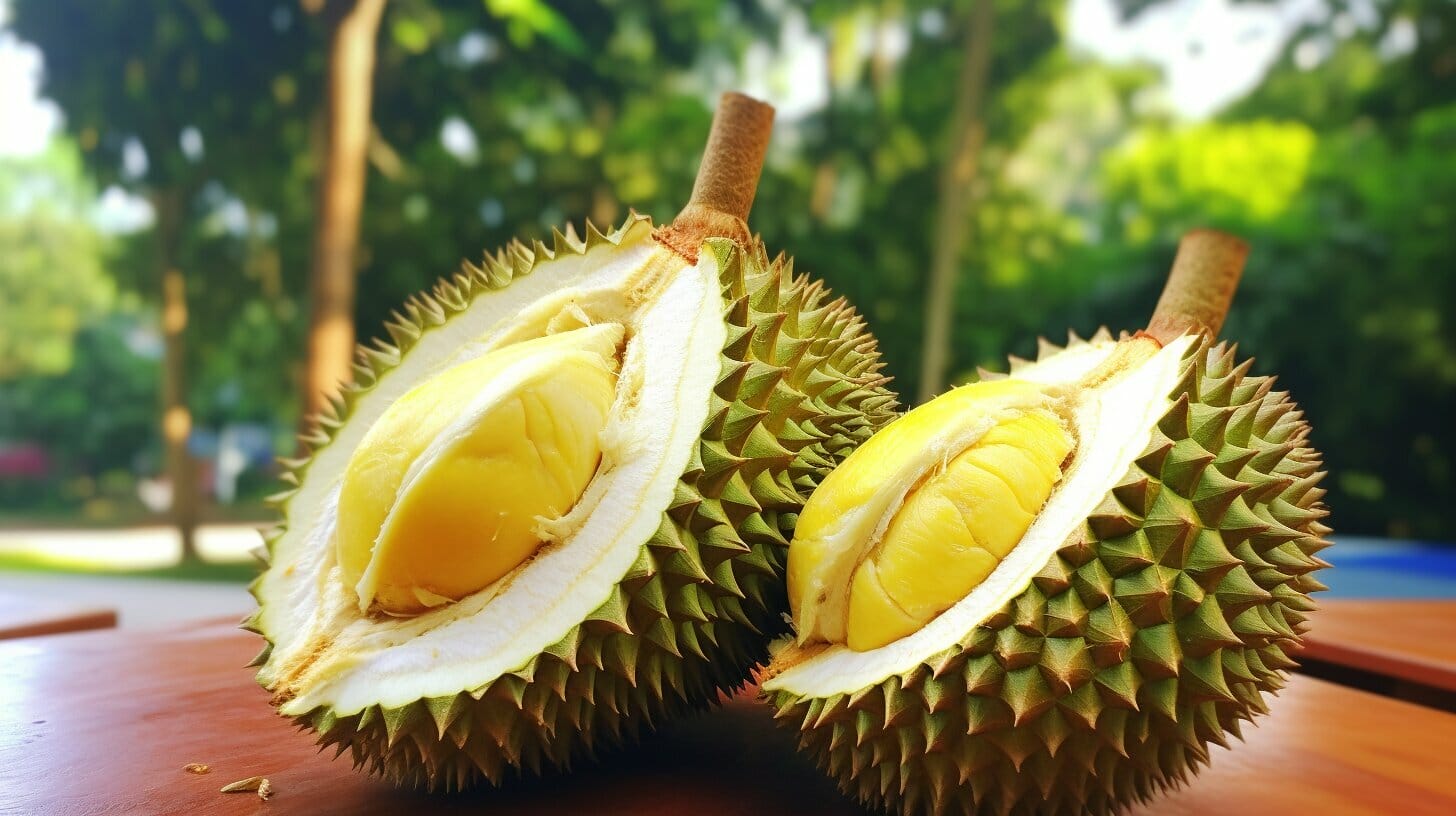
    Vietnam exported 177,000 tons of durians worth US$640.72 million to China in September, surpassing Thailand as the top supplier of the fruit to that market.

    China spent $894.58 million in all to import 228,000 tons of durian in September, with Vietnam accounting for 77.6% of it, Thanh Nien newspaper reported last Thursday, citing data from China’s General Administration of Customs.

    But Thailand remained the leader in the first nine months, exporting nearly 755,000 tons of the fruit worth $3.73 billion, accounting for 54.7%, according to Dan tri online newspaper. But the figures represented year-on-year declines of 14.1% in volume and 13.3% in value.

    During the period Vietnam shipped 618,000 tons worth $2.45 billion, up 72.2% in volume and 57.3% in value.

    According to Dang Phuc Nguyen, general secretary of the Vietnam Fruit and Vegetable Association, Vietnam typically has an edge over Thailand around year-end when it has off-season durian to export to China unlike Thailand, whose harvest ends well before that.

    He said Chinese demand also rises at that time as consumers ramp up purchases for the year-end holidays and the Lunar New Year.

    Vietnam enjoys transport advantages such as road and rail links with China, which helps its exporters save time and costs, he added.

    In a bid to boost its competitiveness, Thailand’s Digital Economy Promotion Agency recently rolled out a project called One Tambon, One Digital that aims enhance durian farmers’ productivity, strengthen consumer trust in Thai durians, and promote high-value products on a global scale, particularly amid competition from China and nearby nations, the Bangkok Post reported.

    The initiative will help over 6,100 farming households adopt digital platforms to record cultivation data and train 12,200 farmers in 23 provinces in e-commerce and Good Agricultural Practices, which is required to export durian.

    The country has 163,200 hectares under durian, and grows 1.53 million tons of the fruit annually.

    Durian accounted for 69% of its fruit exports in 2023, with China being the primary export market.

    Vietnam shipped 500,000 tons of durian worth $2.3 billion that year, with 90% going to China. It has 154,000 ha under the fruit and an output of 1.2 million tons.

    It previously surpassed Thailand in durian exports to China earlier this year, shipping 32,750 tons in the first two months of 2024. Thailand’s exports in the same period plunged by half to 19,000 tons.

  • Watsons opens 8000th Asia store in Manila

    Watsons opens 8000th Asia store in Manila

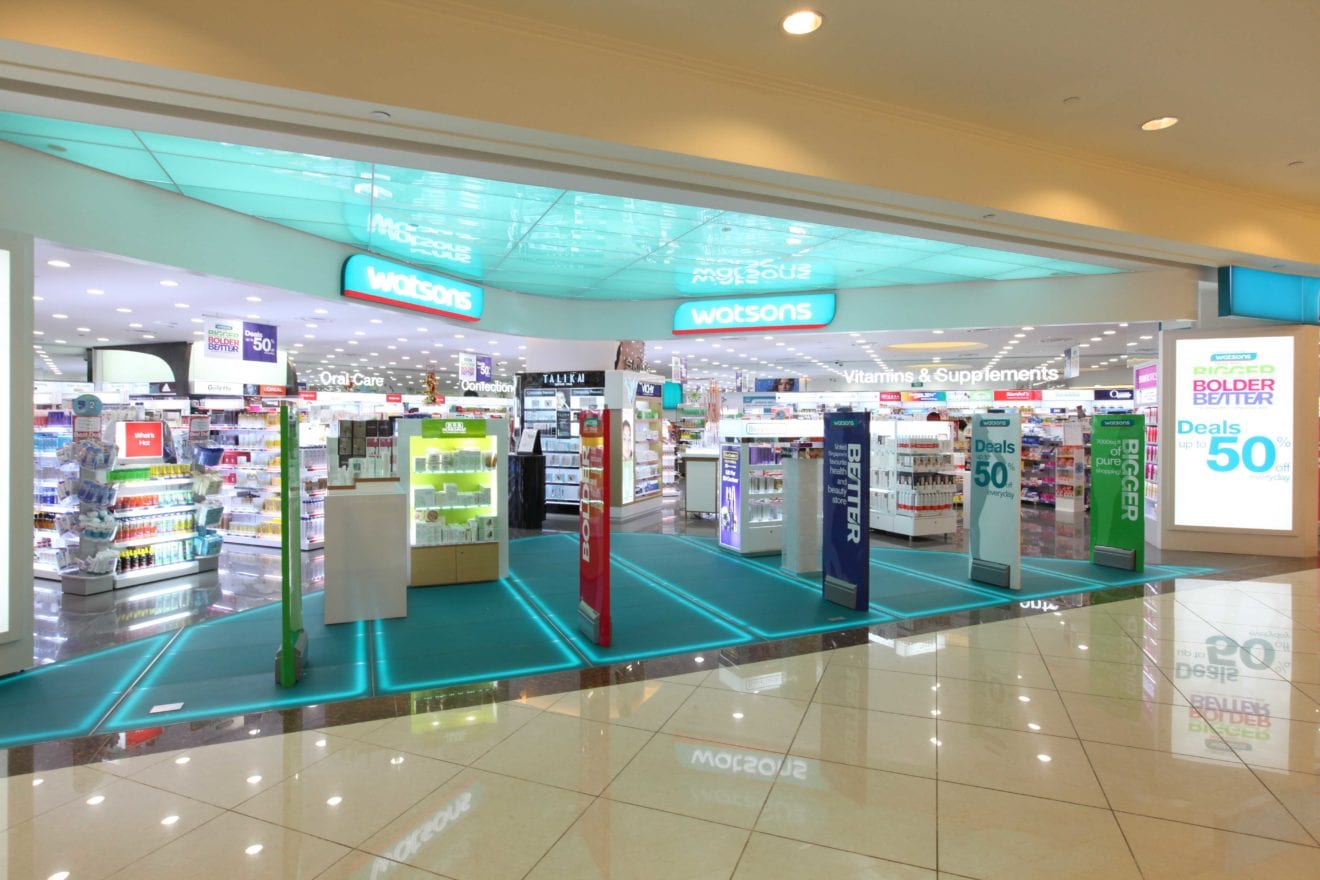
    Health and personal care retailer Watsons has opened its 8000th Asia store at SM Mall of Asia in Manila.

    “The Philippines has been selected for this momentous occasion because it’s one of the fastest-rising economies in Asia and a strategic market for AS Watson,” said Malina Ngai, CEO of AS Watson Group.

    “This vibrant and highly potential market has a young demographic that increasingly focuses on health and beauty, aligning perfectly with Watsons’ expertise.”

    The new store forms part of the company’s commitment to enhancing its offline plus online customer experience.

    Watsons currently operates 8000 stores and more than 1500 pharmacies in Asia, Europe, and Middle East.