Tag: Philippines

  • Chagee: Chinese Tea Giant Set To Brew Success In The Philippine Market

    Chagee: Chinese Tea Giant Set To Brew Success In The Philippine Market

    Chagee: The Chinese Tea Brand Poised to Enter Philippine Market

    Chagee, a renowned Chinese tea brand, is poised to infiltrate the Philippine market. This expansion is earmarked for August, with three branches slated for unveiling in Metro Manila.

    The fresh outlets will be strategically located at notable locales such as SM North EDSA, Robinsons Galleria, and Venice Grand Canal Mall.

    A Modern Take on Traditional Tea

    Chagee has carved a niche for itself as a contemporary tea bar that fuses traditional Chinese tea-making techniques with an emphasis on natural ingredients.

    The brand’s signature concoctions are milk-based tea beverages, expertly brewed using whole tea leaves from a variety of plants including green, black, and oolong. These teas are free from artificial sweeteners or flavorings, underscoring the brand’s commitment to all-natural products.

    Chagee’s Global Footprint

    With its roots in Yunnan, China, Chagee has successfully extended its reach across Asia and beyond. The company presently boasts of over 6000 stores worldwide. Its international presence can be felt in a number of markets such as Malaysia, Thailand, Singapore, and the United States among others.

    Questions & Answers

    What is Chagee?
    Chagee is a Chinese tea brand that is recognized for infusing modern flavors with traditional Chinese tea-making methods.

    Where are the new Chagee outlets in the Philippines going to be located?
    The new Chagee outlets in the Philippines are planned to be located at SM North EDSA, Robinsons Galleria, and Venice Grand Canal Mall.

    What distinguishes Chagee’s tea beverages?
    Chagee’s signature tea beverages are milk-based and are brewed using whole tea leaves from a variety of plants such as green, black, and oolong. These teas are free from artificial sweeteners or flavorings.

  • PLDT, Smart, and DICT Unite to Boost Digital Skills Among Filipinos

    PLDT, Smart, and DICT Unite to Boost Digital Skills Among Filipinos

    PLDT and its wireless subsidiary, Smart Communications, Inc. (Smart), are joining forces with the Department of Information and Communications Technology (DICT) in an ambitious effort to enhance digital literacy among Filipinos, with a particular focus on underserved communities. The initiative, dubbed “Tech for Good, Tech for All,” aims to equip more citizens with essential digital skills, ensuring that no Filipino is left behind in an increasingly connected world.

    “Through this program, we are working with the DICT to build a digitally empowered nation, allowing more Filipinos to thrive in a digital economy,” said Stephanie V. Orlino, AVP and Head of Stakeholder Engagement Team at PLDT and Smart. This collaborative effort seeks to bridge the digital divide and foster greater inclusion as the Philippines advances towards a more connected future.

    In an exciting start to this initiative, PLDT and Smart organized a Basic Digital Literacy session during the ‘Training of Trainers’ for key personnel from the ICT Literacy and Competency Development Bureau (ILCDB) and DICT Center managers. This session focused on practical skills essential for the digital age, such as smartphone usage, social media navigation, and online selling—tailored specifically for seniors and those new to technology. Yes, even Grandma can learn to sell her craft items online!

    These trainers — tasked with overseeing the country’s Tech4ED-DTCs (Technology for Education, Employment, Entrepreneurs, and Economic Development – Digital Transformation Centers) — are key figures in community-based digital hubs providing critical access to e-government services and educational resources. “At the DICT, we are committed to ensuring every Filipino, regardless of location, has the tools and skills to engage in today’s digital landscape,” stated Jimmicio S. Daoaten, Director IV of ILCDB of DICT. By localizing training opportunities, the project empowers individuals to actively participate in the country’s digital revolution.

    This innovative approach aligns with the global Digital Transformation Centers (DTC) Initiative launched by the International Telecommunication Union (ITU) and Cisco in 2019. With PLDT and Smart acting as the exclusive telecommunications partners in the Philippines, this partnership underscores the PLDT Group’s unwavering commitment to fostering inclusive digital progress across the nation.

    Questions & Answers

    How does the “Tech for Good, Tech for All” initiative aim to assist underserved communities?
    The initiative seeks to equip Filipinos in underserved communities with essential digital skills by providing access to training programs that focus on practical uses of technology, thus bridging the digital divide.

    What specific skills are being taught in the Basic Digital Literacy sessions?
    The sessions cover practical digital skills such as smartphone usage, social media navigation, and online selling, specifically tailored for seniors and individuals new to technology.

    What is the significance of the Tech4ED-DTCs?
    Tech4ED-DTCs are community-based digital hubs that provide critical access to e-government services and learning resources, playing a vital role in facilitating digital inclusion and education.

  • Union Bank of the Philippines Welcomes Five New Senior Officers to Strengthen Leadership Team

    Union Bank of the Philippines Welcomes Five New Senior Officers to Strengthen Leadership Team

    The retail landscape in Asia is witnessing a transformative shift as brands increasingly adopt hybrid shopping models in response to changing consumer preferences. As physical and digital shopping environments converge, retailers are finding innovative ways to enhance customer engagement and streamline their operations.

    Navigating the Hybrid Shopping Wave

    With the pandemic forcing a rethink of traditional shopping habits, many retailers are now enhancing their omnichannel strategies. This trend is particularly evident in Southeast Asia, where the integration of e-commerce and brick-and-mortar shopping experiences has taken center stage. Retailers are employing an assortment of tactics, from click-and-collect services to interactive in-store technologies that provide a seamless transition between online and offline shopping.

    Embracing Technology for Enhanced Customer Experience

    Technology has become a cornerstone in this hybrid shopping revolution, with a growing number of retailers leveraging data analytics and artificial intelligence to personalize the shopping journey. Stores are not merely spaces for transactions anymore; they’re evolving into experience centers where customers can immerse themselves in brands. Picture this: a mall filled with interactive kiosks and virtual reality displays, transforming mundane shopping trips into mini-adventures.

    Changing Consumer Behaviors and Expectations

    As consumer behaviors evolve, so do expectations. Shoppers now seek instant gratification and convenience, a demand that has prompted retailers to rethink their supply chains and operational processes. This includes offering faster delivery options and more flexible return policies. Additionally, as sustainability rises to the forefront of consumer consciousness, retailers are increasingly focusing on eco-friendly practices, from sourcing sustainable materials to reducing waste in their operations.

    Challenges Ahead: Striking the Right Balance

    While the hybrid model offers numerous benefits, it also presents challenges. Retailers must find the right balance between online and offline experiences to ensure they meet consumer expectations without straining resources. The challenge is akin to juggling flaming torches while riding a unicycle—challenging yet thrilling for those who dare to embrace it.

    Innovative Collaborations Driving Growth

    Innovative partnerships are becoming increasingly essential in this evolving landscape. Collaborations between technology companies and retailers are paving the way for enhanced shopping experiences, whether through advanced payment solutions, logistics support, or customer insights. As retail transforms into a more interconnected ecosystem, brands that forge strategic alliances are likely to enjoy a competitive edge.

    A Bright Future for Asian Retail

    As we move forward, the hybrid shopping model is expected to define the future of retail across Asia. With brands making strides towards integrating technology and prioritizing sustainability, the next chapter in retail promises not just growth but a reimagining of what shopping can be.

    This new era invites not only retailers to adapt but also inspires consumers to engage with brands in more meaningful ways than ever before.

    Questions & Answers

    What is driving the hybrid shopping model in Asia?
    Changing consumer preferences, combined with the impact of the pandemic, are compelling retailers to create seamless experiences that meld online and offline shopping.

    How are retailers leveraging technology to enhance customer experiences?
    Many retailers are incorporating data analytics and AI to personalize shopping journeys, while also creating immersive in-store environments through interactive technologies.

    What challenges do retailers face in implementing a hybrid model?
    Retailers must carefully balance their resources to deliver satisfying online and offline experiences while navigating the complexities of modern consumer expectations.

  • Korean Retail Giant E-mart Invests $150m For Philippine Expansion: Aims To Enhance Local Shopping Experience

    Korean Retail Giant E-mart Invests $150m For Philippine Expansion: Aims To Enhance Local Shopping Experience

    In a bold move to capture a growing market, Korean discount department store chain E-Mart has announced its ambitious expansion into the Philippines. With a combined investment of approximately $150 million, E-Mart is set to open five new stores across the archipelago over the next few years, targeting the burgeoning middle class and their increasing appetite for affordable yet quality retail experiences.

    Targeting the Filipino Market with Strategic Stores

    Initially, E-Mart plans to establish its presence in major urban centers such as Metro Manila and Cebu, locations brimming with potential customers eager for diverse shopping options. Local market analysis suggests that Filipino consumers are increasingly drawn to retail environments that offer both value and variety — a niche that E-Mart aims to fill with its unique blend of products, from groceries to electronics.

    The decision to invest in the Philippines is not just a stroke of luck; it’s rooted in the company’s successful South Korean model. This version of a “hypermarket” approach has won hearts back home, where E-Mart has over 150 locations. The Philippine economy has shown resilience, making it ripe for the chain’s budget-friendly offerings and expansive range of home goods.

    Creating a Dazzling Retail Experience

    But expanding into a vibrant market like the Philippines involves more than just placing stores. E-Mart has committed to tailoring its shopping experience for Filipino customers, incorporating local products alongside its beloved Korean offerings. This strategy not only caters to local tastes but also fosters a sense of community, turning shopping into a delightful cultural exchange rather than a mere transaction. Imagine snatching up your favorite local snack right next to an imported Korean delicacy—talk about a shopping thrill!

    To bolster its brand awareness, E-Mart is launching an engaging marketing campaign that traverses traditional advertising to digital platforms, ensuring maximum reach among potential customers. Employing social media strategies and local influencers will further elevate its profile, especially among younger, tech-savvy shoppers who dominate the market.

    Facing Challenges with Optimism

    While the Philippines offers a promising landscape for retail growth, E-Mart’s entry will not be without challenges. Navigating bureaucratic hurdles and building a reliable supply chain in a new environment will require deft planning and local insights. However, the chain’s leadership remains undeterred, viewing these obstacles as mere stepping stones toward establishing a lasting legacy in the Filipino retail space. “We are excited to connect with Filipino consumers and be part of their daily lives,” the company stated in a recent press release.

    Looking Ahead: What’s Next for E-Mart?

    The anticipated openings are expected to create a buzz in the local markets, potentially leading to not just retail growth but also new job opportunities for the local workforce. As E-Mart lays the groundwork for its future, the attention will be on how well it integrates into the Filipino retail landscape and meets the expectations of its new customer base. For now, all eyes will be on the first store launch, which promises to deliver both value and innovation, as well as a much-needed upgrade to the local shopping scene.

    Questions & Answers

    What is E-Mart’s investment plan in the Philippines?
    E-Mart plans to invest approximately $150 million to establish five new stores in the Philippines over the next few years.

    Which locations are targeted for E-Mart’s new stores?
    The first E-Mart stores are set to open in major urban centers, particularly in Metro Manila and Cebu, to attract a large customer base.

    How does E-Mart plan to engage with the local market?
    E-Mart aims to tailor its offerings by incorporating local products alongside Korean goods and is launching a comprehensive marketing campaign that includes social media outreach.

  • EdgePoint Philippines’ CEO Fuels Digital Infrastructure Expansion Across the Nation

    EdgePoint Philippines’ CEO Fuels Digital Infrastructure Expansion Across the Nation

    In a region where digital demand is skyrocketing, EdgePoint Philippines is stepping up its efforts to roll out next-generation infrastructure that promises to close connectivity gaps across the country. Leveraging shared infrastructure models alongside advanced technologies like 5G, the company is redefining the telecommunications landscape and empowering service providers to scale their operations effectively while serving underserved communities and enterprises.

    In an exclusive discussion with Telecom Review Asia, William Walters, the Chief Executive Officer of EdgePoint Philippines, unpacked the company’s ambitious infrastructure strategy for emerging markets. He emphasized how the firm is rapidly fostering digital connectivity through co-location partnerships and 5G-compliant solutions.

    Rapid Growth and Strategic Partnerships in the Philippines

    Since its entry into the Philippine market in 2022, EdgePoint has quickly ascended to become the fourth-largest independent tower company in the country. Today, it operates 3,000 active sites, including over 150 customized build-to-suit structures, and boasts a tenant count exceeding 3,300. While its focus has predominantly been in Luzon, the company has also made significant strides in Visayas, enhancing connectivity across these regions.

    “Our strategy revolves around forming strategic partnerships with established cellular operators, like Smart PLDT, to facilitate the rollout of organic sites and co-location,” Walters explained. “Co-location stands out as a crucial element, enabling mobile network operators to cut costs and bolster their coverage through shared infrastructure at designated locations.”

    The Philippines’ common tower policy, introduced in 2020, has proved a pivotal driver of scalable infrastructure development, enabling multiple mobile network operators to optimize shared assets.

    “With the current tower-to-population ratio being one tower for every 3,500 people, our mission is laser-focused on addressing this gap through a combination of strategic tower construction and co-location solutions,” Walters added.

    Advancing 5G Connectivity Through Collaboration

    Partnerships play a significant role in EdgePoint’s quest to propel 5G forward. As the demand for more robust infrastructure mounts, the company finds itself uniquely positioned to meet the soaring calls for network densification.

    “To address the needs of tomorrow, we focus on identifying gaps and collaborating with key stakeholders to create solutions,” he noted. “Our engagement with customers and local authorities is continuous, and we leverage data analytics to uncover high demand areas, allowing us to prioritize infrastructure enhancements where they are needed most.”

    A particularly creative approach involves augmenting their Remote Monitoring Systems with specialized expertise, facilitating real-time operations and maintenance across their widespread infrastructure. This move not only trims operational costs but enhances efficiency and responsiveness as well.

    Moreover, through the Connectivity for Communities (CFC) program, EdgePoint partners with local NGOs to better connect underserved regions, aiming to equip schools and communities with digitally enabled facilities.

    Bridging the Digital Divide: A Commitment to Community Development

    For EdgePoint, bridging the digital divide isn’t just a project; it’s a core value. Walters outlined that the company’s vision extends beyond mere infrastructure: “We believe everyone should have reliable connectivity. The Philippines, with its unique geographical challenges, presents both challenges and opportunities for achieving digital equity, a significant catalyst for social and economic development.”

    The CFC initiative has positively impacted over 6,500 students by establishing twelve digital classrooms in collaboration with local organizations, facilitating access to online education, healthcare services, and more. Notably, three of these classrooms are in the Philippines, with plans to double that number by year-end.

    “We know that infrastructure alone isn’t enough; that’s why we released a white paper earlier this year proposing essential policy reforms for advancing digital equity in Southeast Asia,” Walters explained, highlighting the necessity of collaborative approaches among industry stakeholders and policymakers.

    Scaling Operations with Local Insight

    As EdgePoint continues its expansion across Southeast Asia, the company is keen on striking a balance between scaling operations and adapting to the nuanced demands of each local market. “We believe sustainable growth is built on understanding the unique dynamics of each region,” Walters asserted.

    This philosophy is evident in their approach to staffing. Strong local teams bring invaluable insights into regulatory landscapes and customer preferences, while regional resources help ensure timely, effective deployment.

    For instance, tower designs and energy solutions are tailored to local needs, an urgent necessity in the Philippines where renewable energy is essential. Currently, EdgePoint boasts 24 solar hybrid sites across the archipelago.

    “We actively collaborate with regulators, local authorities, and industry partners to align our efforts with national digital goals, ensuring we create a meaningful impact that goes beyond mere network coverage,” Walters concluded. Perhaps, in this interconnected world, the true victory lies in empowering communities—one digital classroom at a time.

    Questions & Answers

    How has EdgePoint positioned itself in the Philippines since its entry?
    EdgePoint has quickly risen to become the fourth-largest independent tower company in the Philippines, operating 3,000 active sites and expanding its footprint in both Luzon and Visayas since entering the market in 2022.

    What role does co-location play in EdgePoint’s strategy?
    Co-location allows mobile network operators to share infrastructure at designated sites, reducing costs and improving coverage, which is a central part of EdgePoint’s infrastructure strategy.

    How is EdgePoint addressing the digital divide in underserved communities?
    Through its Connectivity for Communities program, EdgePoint is establishing digital classrooms and providing connectivity and digital tools to underserved areas, positively impacting over 6,500 students and enhancing their access to education and essential services.

  • Philippine Thrift Banks Surge to $19.5 Billion in Assets, Marking 6% Growth in 2024

    Philippine Thrift Banks Surge to $19.5 Billion in Assets, Marking 6% Growth in 2024

    The Philippine thrift banking sector revealed strong performance indicators as it reported total assets reaching $19.5 billion (PHP1.1 trillion) by the end of 2024, marking a 6% increase from the previous year. The data, released by the Chamber of Thrift Banks (CTB) in July 2025, spotlighted significant growth in lending activities, with core loan portfolios expanding by an impressive 14.7% to $13.8 billion (PHP777.28 billion).

    Deposits on the Rise

    Meanwhile, deposit liabilities in the sector also saw an upswing of 4.7%, reaching $14.67 billion (PHP826 billion). This growth reflects a resilient demand for thrift banking services, even as the economy faces various challenges. The sector’s capital base remains robust at $3.08 billion (PHP174 billion), boasting a capital adequacy ratio of 17.88%, comfortably above the regulatory benchmarks.

    A Commitment to Progress

    “We are pleased to report that the Chamber of Thrift Banks has continued to demonstrate remarkable growth and adaptability through the years,” stated CTB President Mary Jane Perreras. Under her leadership, the CTB is advocating for crucial regulatory adjustments, including a proposed reduction of the Minimum Liquidity Ratio from 20% to 16%, to better align with the realities of thrift banks.

    Digital Innovation Takes Center Stage

    Perreras noted that many member banks have successfully enhanced their digital infrastructure and adopted advanced cybersecurity protocols. “In today’s interconnected financial landscape, offering digital literacy programs is essential to protecting consumers,” she asserted. Collaborations with fintech firms and low-code platform providers have allowed thrift banks to introduce customized digital services with greater efficiency—a move that has infused new energy into traditional banking practices.

    Looking Ahead

    As the sector looks to the future, the CTB remains focused on promoting sound risk management, operational excellence, and sustainable growth. “Our goal is to strengthen the thrift banking sector’s contribution to inclusive economic development, ensuring our members remain key providers of financial access in communities across the country,” Perreras emphasized, hinting at a vision where thrift banks not only survive but thrive in the evolving market landscape.

    Questions & Answers

    What growth rate did Philippine thrift banks achieve in lending activities?
    Philippine thrift banks recorded a significant growth rate of 14.7% in core loan portfolios, totaling $13.8 billion (PHP777.28 billion).

    What initiatives is the CTB pursuing for regulatory changes?
    The Chamber of Thrift Banks is advocating for a reduction in the Minimum Liquidity Ratio from 20% to 16% to better reflect the operational realities of thrift banks.

    How are thrift banks enhancing their services in the digital age?
    Many member banks are upgrading their digital infrastructure, adopting cybersecurity measures, and collaborating with fintech firms to offer customized digital services, thus improving consumer protection and service efficiency.

  • EdgePoint Philippines’ CEO Champions Digital Infrastructure Growth, Empowering Retail Innovation in the Nation

    EdgePoint Philippines’ CEO Champions Digital Infrastructure Growth, Empowering Retail Innovation in the Nation

    In the rapidly evolving digital landscape of Southeast Asia, EdgePoint Philippines is making significant strides to close the connectivity gap that has hindered many underserved communities. With the rise of digital demand, the company is ambitiously rolling out next-generation infrastructure and leveraging innovative shared models along with advanced technologies like 5G.

    Accelerating Growth in the Philippines

    During an exclusive interview with Telecom Review Asia, CEO William Walters elaborated on EdgePoint’s strategic approach to infrastructure in emerging markets. Since its entry into the Philippine market in 2022, EdgePoint has quickly established itself as the country’s fourth-largest independent tower company, boasting over 3,000 active sites and partnerships with more than 3,300 tenants, including built-to-suit projects. Though primarily based in Luzon, the company has also expanded its operations into the Visayas region, enhancing digital connectivity across the archipelago.

    “Our growth strategy revolves around key partnerships, particularly with a major cellular operator like Smart PLDT,” Walters explained. “Through this collaboration, we focus on organic site development and co-location offerings.” The co-location model not only minimizes costs for mobile network operators (MNOs) but also boosts deployment speed and network efficiency. With the enactment of the common tower policy in 2020, EdgePoint is seizing the moment to further drive scalable development, enabling MNOs to share tower assets effectively.

    Building a 5G-Ready Future

    Walters underscored the vital role of 5G in transforming connectivity and emphasized EdgePoint’s commitment to creating robust infrastructure capable of supporting this leap forward. “Digital infrastructure providers like us are crucial in the 5G landscape; we supply the physical sites and connectivity solutions needed for efficient deployment,” he stated, showcasing the company’s proactive involvement in filling infrastructure gaps.

    Utilizing data analytics to pinpoint areas with high unmet demand, EdgePoint collaborates closely with both customers and local authorities to optimize network enhancements. Remote Monitoring Systems, powered by strategic partnerships, bolster real-time visibility and maintenance, enhancing operational efficiency while reducing costs.

    Connecting Communities: A Priority Initiative

    EdgePoint’s commitment extends beyond infrastructure; the company aims to tackle the pressing issue of the digital divide. “Bridging this gap is not just an obligation; it’s an opportunity,” noted Walters, commenting on the unique challenges posed by the Philippines’ geography.

    The Connectivity for Communities (CFC) program is a testament to EdgePoint’s philosophy. Having established 12 digital classrooms that benefit over 6,500 students across Southeast Asia—three of which are located in the Philippines—the initiative facilitates access to online learning, healthcare, and employment opportunities. With plans to double this outreach by year’s end, EdgePoint is determined to empower marginalized groups through reliable internet access and digital literacy.

    Moreover, the company has released a white paper advocating for policy reforms to address connectivity challenges across the region, stressing the need for robust telecommunications infrastructure and increased government financing for rural connectivity.

    Local Insights Fueling Regional Strategy

    As EdgePoint expands across Southeast Asia, it remains focused on tailoring its approach to meet the unique needs of each local market. “Sustainable growth is about understanding the specific dynamics at play,” Walters asserted. The company prioritizes hiring local teams who have valuable insights into customer preferences and regulatory frameworks, ensuring that operations are both effective and culturally relevant.

    “For instance, in the Philippines, the demand for renewable energy solutions is critical, and we are already deploying 24 solar hybrid sites to meet this need,” he added. By combining local understanding with regional expertise, EdgePoint can create a meaningful impact beyond mere network coverage.

    Questions & Answers

    What distinguishes EdgePoint’s growth strategy in the Philippine market?
    EdgePoint’s growth strategy is anchored in strategic partnerships, particularly with cellular operators like Smart PLDT, focusing on the development of organic sites and co-location opportunities that enhance operational efficiency.

    How is EdgePoint addressing the digital divide in underserved communities?
    Through initiatives like the Connectivity for Communities program, EdgePoint is providing reliable internet access and digital literacy tools to underserved populations, significantly impacting thousands of students and their communities.

    What role do local teams play in EdgePoint’s operations across Southeast Asia?
    Local teams are crucial in EdgePoint’s strategy, as their insights into regulatory landscapes and customer preferences ensure that the company effectively tailors its solutions to address the unique challenges of each market.

  • Globe Business Calls on Enterprises to Steer Innovation and Embrace Disruption in Today’s Market

    Globe Business Calls on Enterprises to Steer Innovation and Embrace Disruption in Today’s Market

    Globe Business, the enterprise arm of Globe Telecom, gathered industry leaders and tech innovators at its G Summit 2025 with an uncompromising message: embrace disruption as an opportunity, not a threat. This year’s summit, themed ‘Disrupt,’ focused on the imperative for Philippine industries to adopt bold transformation strategies and weave disruption into their ongoing narratives.

    “Disruption is not a fleeting trend. At Globe Business, it’s a foundational belief that encourages us to think boldly, act swiftly, and foster meaningful connections with our customers,” said KD Dizon, Vice President and Head of Globe Business. The summit invited participants to reconsider not just their business models but their roles in shaping the future.

    The era of disruption demands proactive leadership. We can either wait for disruption to happen to us or be architects of disruption through bold, decisive action.

    Leaders from both international and local arenas delved into topics like redefining business models, data transformation, and the intricacies of AI-powered innovation. A standout feature of the event was the introduction of the Spectrum Code, an interactive tool that allowed participants to identify their core values surrounding digital leadership. Responses created a live “spectrum cloud,” illuminating each participant’s Core Spectrum Persona and directing them to tailored breakout sessions.

    The sessions, infused with insights from Globe’s technology partners including Google, ZScaler, Zimperium, Orca, Hexnode, Zoom, Versa Networks, Aruba, Ciena, Blackpanda, and Huawei, explored crucial themes such as cloud-first strategies, cybersecurity challenges, and innovation pathways for growth. It’s clear that collaboration is key—even tech companies know that great things happen in tandem.

    Participants also had the opportunity to engage with the Experience Labs, a hands-on demo arena showcasing the practical applications of Globe Business’s offerings. Live demonstrations illustrated how the company and its partners harness secure cloud operations, AI-driven productivity, and cyber defense, all bolstered by Globe’s robust connectivity infrastructure.

    Ultimately, G Summit 2025 underlined Globe Business’s commitment as a driving force in the realm of digital transformation. As enterprises navigate the increasingly intricate digital landscape, the call was clear: act with resolve and take the reins of innovation.

    “Disruption begins with leadership, not merely in title, but through the daily choices we make,” Dizon continued. “G Summit serves as our rallying cry for enterprises to stop waiting for change and to become catalysts for it. Together, we can lead with purpose and redefine the landscape of Philippine business.”

    Questions & Answers

    What was the main focus of G Summit 2025?
    The summit centered on urging Philippine industries to embrace disruption as a continuous strategy for transformation, encouraging proactive leadership.

    What was the Spectrum Code, and how did it enhance participants’ experiences?
    The Spectrum Code was an interactive tool that helped participants identify core values guiding their digital leadership, which informed their breakout session placements.

    How did Globe Business illustrate its offerings at the summit?
    Through the Experience Labs, Globe Business showcased live demonstrations of secure cloud operations, AI-driven productivity, and cyber defense solutions, emphasizing the importance of connectivity.

  • Manila Set to Unveil 2,680 New Hotel Rooms by 2025: Exciting Growth in Hospitality Awaits!

    Manila Set to Unveil 2,680 New Hotel Rooms by 2025: Exciting Growth in Hospitality Awaits!

    According to a recent report by Colliers, the Philippine hospitality sector is on the upswing, bolstered by significant infrastructure improvements and an influx of international visitors. In 2024, the country welcomed nearly 5.95 million tourists, a figure ensuring it’s still catching up to pre-pandemic expectations. Despite not hitting the ambitious tourist arrival targets, spending reached a record-breaking PHP 760 billion, making the Philippines a leader in Southeast Asia regarding per-visitor expenditures.

    Emerging Opportunities for Developers

    With an optimistic outlook for the future, Colliers advises developers to keep an eye on emerging destinations, particularly with the newly approved 99-year land lease law making strides through the legislative process. This development is poised to attract foreign brands and facilitate the creation of integrated leisure hubs, providing a fertile ground for investment.

    Foreign Brands Join Forces with Local Developers

    In a striking trend, foreign hotel brands are aggressively expanding by forming partnerships with local developers in both established and up-and-coming markets. Major players such as Dusit, Wyndham, Accor, Marriott, and The Ascott Group are leading the charge. The ongoing integration of land lease extensions and Real Estate Investment Trusts (REITs) is anticipated to further drive investment, especially in tourism-centric townships and convention facilities.

    Rising Occupancy Rates Amid Construction Delays

    Metro Manila has seen its hotel occupancy rates rise to 64% in the latter half of 2024, with Average Daily Rates (ADRs) climbing by 2.7% year-on-year. As we moved into the first quarter of 2025, demand for Meetings, Incentives, Conferences, and Exhibitions (MICE) facilities remained robust, particularly in the Makati Central Business District, Fort Bonifacio, and the Bay Area. Four- and five-star hotels particularly benefitted from this increased demand, reflecting the resurgence in business travel. Though room supply struggled due to construction delays, the market anticipates the addition of 2,680 new rooms in 2025, primarily located in Makati and the Bay Area. Interestingly, outside the capital, occupancy rates soared to between 70% and 80% in areas like Clark and Cebu.

    A Bright Outlook for the Future

    Colliers anticipates consistent occupancy levels and a modest ADR increase of 3% in 2025, driven by rising foreign arrivals and thriving MICE activity. Developers are encouraged to collaborate closely with airport infrastructure projects to pinpoint future growth corridors and capitalize on the evolving travel landscape.

    Questions & Answers

    How has tourist spending changed in the Philippines recently?
    In 2024, tourist spending in the Philippines hit a record PHP 760 billion, making the country a leader in Southeast Asia for per-visitor expenditure.

    What major trends are influencing hotel development in the Philippines?
    Foreign hotel brands are actively partnering with local developers in both established and emerging markets, with new land lease laws set to stimulate investment in integrated leisure hubs.

    What are the expected occupancy rates for Philippine hotels in 2025?
    Colliers is forecasting stable occupancy levels and a 3% increase in Average Daily Rates in 2025, fueled by increasing international arrivals and strong MICE demand.

  • Philippines’ Proposed Bill Paves the Way for Exciting Telecom Reforms

    Philippines’ Proposed Bill Paves the Way for Exciting Telecom Reforms

    A new law aimed at transforming the telecommunications landscape in the Philippines has ignited widespread debate, bringing President Ferdinand Marcos Jr. to the spotlight as he prepares to weigh its implications before signing. The Konektadong Pinoy Act, also known as the Open Access in Data Transmission Act, seeks to enhance internet accessibility, reduce costs, and elevate service quality, particularly in underserved regions. Proponents assert that the legislation is a game-changer, designed to welcome new market entrants by dismantling regulatory barriers, such as the need for a legislative franchise.

    Controversy Brews Among Key Industry Players

    Nonetheless, the Philippine Chamber of Telecommunications Operators (PCTO), an organization representing major telecom firms like PLDT and Globe Telecom, has voiced significant concerns. The group is urging a closer examination of the law, warning that it could lead to weakened regulatory oversight, potential national security threats, and industry destabilization.

    “We support increased connectivity for all Filipinos, but the bill lowers accountability standards and exposes the nation to risks from unregulated infrastructure and foreign influence,” remarked Atty. Froilan Castelo, PCTO President and Globe’s General Counsel.

    Lowering Standards or Opening Doors?

    The controversial bill eliminates the requirement for new data transmission firms to secure a legislative franchise or a Certificate of Public Convenience and Necessity (CPCN). Castelo cautioned that this action removes critical safeguards meant to evaluate financial, legal, and technical capabilities, creating an unbalanced landscape where established players adhere to stricter regulations while newcomers operate with leniency.

    Further complicating matters, the PCTO criticized provisions exempting satellite operators from mandatory registration with the Department of Information and Communications Technology (DICT) and the National Telecommunications Commission (NTC). “This appears to contradict the law’s professed commitment to technology neutrality and opens a dangerous backdoor,” Castelo said, possibly evoking visions of rogue satellites spiraling out of control.

    Moreover, the bill gives new operators a two-year grace period to meet cybersecurity requirements and does not mandate them to service geographically isolated and disadvantaged areas (GIDAs), raising concerns that rural communities might be left in the digital dust.

    Castelo highlighted past experiences, referencing the POGO law as a cautionary tale about the pitfalls of hastily passed legislation: “We’ve seen the fallout from poorly vetted laws. We can’t afford another misstep that creates larger issues down the line.”

    Fears Echo in Established Telecom Giants

    PLDT echoed similar apprehensions during its recent annual stockholders’ meeting. Marilyn Aquino, a senior legal advisor to PLDT and its Chairperson, cautioned that the open-access policy may compel existing telecom providers to share their infrastructure with newcomers who aren’t bound to invest in network development—a prospect that some might liken to inviting a raccoon into the pantry.

    Supporters Remain Optimistic

    Despite the backlash, advocates for the Konektadong Pinoy Act are standing firm. Economic Planning Secretary Arsenio Balisacan emphasized that the proposed reforms aim to enhance competition, reduce prices, and expand digital access. The World Bank has labeled the Philippines an “outlier” in Southeast Asia regarding internet access, with only one-third of households boasting fixed broadband and about 70% of the population using mobile internet.

    As the Konektadong Pinoy Act awaits the President’s signature, it has the potential to critically reshape the future of digital connectivity in the Philippines.

    Questions & Answers

    What is the primary goal of the Konektadong Pinoy Act?
    The Konektadong Pinoy Act aims to enhance internet access, reduce costs, and improve service quality, particularly in areas that are currently underserved.

    What concerns do major telecom companies have about the new law?
    Major telecom firms are worried that the bill could weaken regulatory oversight, create national security risks, and lead to an unbalanced industry where new entrants face less scrutiny than established businesses.

    How does the law impact rural communities?
    The law does not require new providers to serve geographically isolated and disadvantaged areas (GIDAs), raising concerns that these communities could remain underserved in the digital landscape.

  • Globe Teams Up with Bridge Alliance and Thales for Innovative Enterprise IoT Proof of Concept Launch

    Globe Teams Up with Bridge Alliance and Thales for Innovative Enterprise IoT Proof of Concept Launch

    In a significant leap towards advancing the Internet of Things (IoT) landscape in the Philippines, Globe Telecom has joined forces with Thales, a global leader in eSIM technology, and the regional telecom consortium Bridge Alliance. This partnership is set to kick off a groundbreaking proof of concept (PoC) for the GSMA SGP.32 standard, marking a first for the country and opening new avenues for businesses seeking enhanced connectivity solutions.

    New Frontiers in Connectivity

    This collaboration allows Globe to pilot the latest GSMA specifications, offering scalable, flexible, and secure connectivity tailored for enterprise IoT applications. Central to this initiative is Thales’s Adaptive Connect Services, which will facilitate the integration of the SGP.32 eSIM IoT Remote Manager and Fleet Manager—tools designed to tackle a variety of regional and local challenges head-on.

    Building a Regional Network

    Bridge Alliance, which includes notable telecom operators like Singtel from Singapore, Optus from Australia, and AIS from Thailand, will oversee the project management. The consortium is committed to ensuring the technology’s regional readiness while simulating cross-border applications among its members. This collaborative effort will also enable Thales to showcase the interoperability of its platform with the new SGP.32 standard, a move that could set the stage for a game-changing shift in enterprise connectivity.

    Empowering Enterprises with eSIM Technology

    The PoC is poised to demonstrate how businesses can efficiently manage IoT devices via eSIMs, enabling features such as remote bulk provisioning, SIM profile switching, seamless interconnectivity, and rapid activation. “With the PoC, we are laying the groundwork for IoT deployments that meet the evolving needs of Philippine enterprises,” stated Globe President and CEO Carl Cruz. “Our goal is to simplify how businesses connect their devices and help them unlock greater efficiency, flexibility, and reach.”

    Security and Seamlessness for Client Success

    Jon Cahilig, Thales Asia’s Head of Sales for Mobile Connectivity Solutions, praised the integration of Thales’s solutions with Globe and Bridge Alliance services. He emphasized that this collaboration will offer enterprise clients a secure and seamless platform to manage their IoT connectivity needs. “This also provides an opportunity for all IoT companies to introduce their SGP.32 devices to a broad market when they participate in this collaborative project,” he added, hinting at an expansive future for IoT innovations.

    Looking ahead, Globe plans to launch the PoC in the third quarter of 2025, following final development steps. The initiative will continue until SGP.32-compatible devices are commercially available. Upon readiness, Globe intends to invite original equipment manufacturers (OEMs) and its business clients to explore and test their IoT devices on the new platform.

    Questions & Answers

    How does the partnership between Globe Telecom and Thales enhance IoT connectivity in the Philippines?
    The partnership allows Globe to test advanced GSMA specifications for secure and scalable IoT solutions, simplifying how businesses connect their devices and increasing efficiency.

    What is the role of Bridge Alliance in this collaboration?
    Bridge Alliance will manage the project and ensure regional readiness of the technology, facilitating cross-border enterprise applications among its member operators.

    When will the proof of concept begin, and what will it offer to businesses?
    The PoC is set to launch in the third quarter of 2025; it will provide businesses with a platform to manage IoT devices through features like remote provisioning and SIM profile switching.

  • Maison Ladurée returns to Philippines with first Southeast Asia flagship

    Maison Ladurée returns to Philippines with first Southeast Asia flagship

    Maison Ladurée, the luxury patisserie based in France, is poised to launch its first flagship store in Southeast Asia, specifically in the Philippines. The move marks an important milestone for the brand as it expands its international presence.

    Flagship Store Location

    The store, christened Ladurée Tropical, will be located at BGC High Street, in Manila. The concept behind its name and design has been meticulously crafted to cater to the Philippine market, a strategic approach to ensure that the brand resonates with local customers.

    Ladurée made its first foray into the Philippines in 2015, when it opened a flagship store in 8 Rockwell, Makati. However, in 2019, the store had to close its doors as a result of the global pandemic.

    The Vision For Ladurée Philippines

    Karan Gopwani, CEO of Gastronova, the company helmimg Ladurée’s revival in the Philippines, said that the goal is to create a uniquely Filipino Ladurée experience. “Our vision is to make Ladurée feel as though it was born in the Philippines rather than imported into it,” he explained.

    The new venue will house both the Ladurée Café, for casual coffee experiences, and the Salon de Thé, which features full-service dining. Gopwani stated that this dual offering was a calculated bold move that goes beyond anything previously attempted.

    A Blend of French and Filipino Flavors

    The menu, masterminded by executive chef Katrina Torres, will be a blend of French cuisine crafted specifically for Ladurée and signature items from its Paris menu. This delightful fusion combines the brand’s famed pastries with savory dishes tailored to local tastes, featuring ingredients from the Philippines.

    Torres expressed enthusiasm about this culinary fusion, saying, “Our aim is to create a blend that beautifully complements both local tastes and the classic elegance of Ladurée.”

    Questions & Answers

    When is Maison Ladurée planning to launch its first flagship store in Southeast Asia?
    Maison Ladurée is planning to launch its first flagship store in Southeast Asia this month.

    What will the new Maison Ladurée store in the Philippines offer?
    The new store will house both a Ladurée Café, for casual coffee experiences, and a Salon de Thé, which features full-service dining. The menu will feature a blend of French and Filipino dishes.

    Who is responsible for the culinary offerings at the new Ladurée store?
    The menu at the new Ladurée store has been masterminded by executive chef Katrina Torres. It will offer a culinary fusion that complements both local tastes and the classic elegance of Ladurée.

  • Philippines-Vietnam Sign Strategic Partnership

    Philippines-Vietnam Sign Strategic Partnership

    At the sidelines of the APEC Summit in Manila in November of 2015, Foreign Affairs Secretary Albert del Rosario and Vietnam Deputy Prime Minister and Minister of Foreign Affairs Pham Binh Minh signed the strategic partnership agreement on behalf of their respective governments on the sidelines of a bilateral meeting between President Benigno S. Aquino III and Vietnam President Truong Tan Sang.

    This strategic partnership is expected to go beyond the security dimension and urges the Philippines and Vietnam to cooperate more closely in areas that will deepen the ties between them.

    Converging strategic interests: not anchored

    Convergence of interests in preserving and promoting peace, stability and the rule of law in the South China Sea have paved the way for the establishment of the strategic partnership. However, the existence of common challenges is not the sole consideration for the strengthening of bilateral relations as it does not ensure the sustainability of a partnership. A strategic partnership anchored on the South China Sea issue is not the be-all and end-all of the relations. Equally important is the need to go beyond the South China Sea issue and develop the political, economic and socio-cultural aspects of the relations as national interests are not confined within the bounds of the security realm. This is aimed at further deepening cooperation, particularly in the areas of economic, agricultural, defense, and maritime engagement—areas that are truly vital to the strategic interests of both nations.

    Engagement between the two countries will be sustained through increased dialogue at high levels. This is stated in the Joint Statement on the Strategic Partnership issued by the Philippines and Vietnam, which states that there will be an increase in the frequency and modes of bilateral exchanges at all levels, including political parties, heads of state and government, national agencies, the legislature, local government units, and technical working groups. A hotline between senior leaders is also to be established. Hence, the strategic partnership will facilitate avenues for cooperation and reinforce people-to-people links.

    The strategic partnership is holistic and not just security-oriented. The Philippines and Vietnam are seeking to work closely together in the pursuit of common interests and objectives.

    People-to-people ties

    The partnership opens doors to broaden the two sides’ people-to people relationship. The bedrock of state-to-state relations is people-to-people linkages. Having a sense of appreciation and understanding of each other’s culture and values can potentially broaden and deepen mutual understanding between states and peoples. In 2014, amidst tensions in the South China Sea, Vietnamese and Filipino naval personnel played football, volleyball, and tug-of-war. Both sides displayed the importance of camaraderie through sports diplomacy.

    The rise of bilateral and regional educational and cultural exchanges (e.g. ASEAN Youth Cultural Forum, ASEAN Youth Summit, ASEAN University Network Scholarships, joint Philippines-Vietnam human resource development and training cooperation programs), influx of tourists brought about by visa-free travel and direct flights between Manila and Ha Noi have also facilitated close interaction between peoples. Increased dialogues between and among the business sectors, experts and policy makers, and among other concerned stakeholders have paved the way for the sharing of best practices. Hence, experiences obtained from these opportunities could increase improved perceptions, preferences, and the capacity to make informed reactions among decision makers from both sides. These opportunities for interaction and cooperation contribute to confidence-building as sustained cooperation between states requires a high level of trust.

    Economic and socio-cultural cooperation

    For the strategic partnership to be sustainable, both sides should also intensify their economic cooperation. Vietnam is a fast-growing developing country with a GDP per capita of USD 2,052.3 as of 2014.1 The country’s low wage and cost of utilities have attracted foreign direct investments, especially in the export-oriented manufacturing sector. This has helped Vietnam accelerate its economic growth to 6.0 percent in 2014. Vietnam’s main exports include telephones and mobile phones, textiles and garments, consumer electronics, footwear, crude oil and fishery.2 Moreover, Vietnam is one of the largest exporters of rice in the world (e.g. Vietnam supplies a third of the Philippines’ rice imports).3

    As Vietnam’s government prioritizes the development of electronics, textiles, food processing, agricultural machinery, and tourism industries, it is seen to be a bright investment spot in Southeast Asia which the Philippines could take advantage of. Retail systems like supermarkets, traditional markets, shopping malls, and online services are identified as a developing sector in Vietnam. It is a potential market for investment activities along with the food and agricultural processing sector.4 Philippines-Vietnam economic relations could further progress when mutually favorable conditions for the entry and expansion of investments, in accordance with respective laws and regulations, are created and maintained.

    Moreover, the easing of restrictions on foreign investment in real estate in July 2015 is expected to revive the property market in Vietnam. These developments will likely result in an upsurge in demand for well-planned residential and commercial properties, and therefore for professionals (e.g. architects, landscape designers, and engineers), technology transfer, and more importantly, investment in the infrastructure sector (including telecommunications and electricity services).

    On the socio-cultural front, as ASEAN integrates, the need for English language services will be crucial. This is an opportunity for the Philippines to work with Vietnam in the field of education, particularly in English language skills training.

    Further steps

    Beyond the strategic concerns, the two sides agree that other functional areas are ripe for further cooperation and engagement. In the years ahead, the Philippines-Vietnam strategic partnership should bear fruit for the peoples of the two countries and benefit the wider ASEAN region through shared peace and stability.


  • AirAsia’s Cebu-Kaohsiung service Started August 1st

    AirAsia’s Cebu-Kaohsiung service Started August 1st

    AirAsia is set to commence operation of its direct service to Kaohsiung International Airport in Taiwan from Mactan-Cebu International Airport (MCIA) in Cebu beginning Thursday, August 1, 2019.

    AirAsia will service the Cebu-Kaohsiung route thrice weekly every Tuesday, Thursday, and Saturday using an Airbus A320 aircraft with 180 all-economy seats.

    GMR Megawide Cebu Airport Corporation (GMCAC), together with the Mactan-Cebu International Airport Authority (MCIAA), welcomed this development, with some officials saying they are excited, as it will help position Cebu as a hub not just in the country but in Southeast Asia.

    “We at the MCIA community are excited by the opening of AirAsia’s Cebu-Kaohsiung route. GMCAC is committed to positioning Cebu as a hub in Southeast Asia and in the Philippines. Our location makes MCIA the ideal jump-off point to other tourist destinations in the central and southern islands, and we are making this happen through strategic airline marketing efforts and partners such as AirAsia,” GMCAC President Louie Ferrer said.

    Ferrer also expressed his thanks to the carrier.

    “AirAsia has been one of our most dynamic partners in developing international connectivity and we thank them for their continued support of MCIA and Cebu,” he said.

    A water cannon salute will welcome the inaugural flight from Kaohsiung to Cebu and its passengers on Thursday, August 1, at 4:40 p.m.

    “The Philippines continues to be one of the top holiday destinations for Taiwanese. As the only Philippine airline to connect Cebu and Clark directly to Kaohsiung, we are pleased to be able to contribute to Philippine tourism and bring Cebuanos and Kapampangans closer to southern Taiwan as well,” said Philippines AirAsia President and CEO Dexter Comendador in a statement.

    AirAsia will also launch the Clark-Kaohsiung route on the same day marking Kaohsiung as the airline’s 10th international destination to be launched this year.

    “While Taipei has been one of the recently favored travel destinations of Filipinos, we urge the Cebuanos to explore the different sights and distinct flavors that can only be experienced in Kaohsiung,” said Aines Librodo, GMCAC Airline Marketing and Tourism Development head.

    From Mactan-Cebu International Airport, AirAsia flies to 13 destinations, namely, Manila, Clark, Davao, Cagayan De Oro, Puerto Princesa, Caticlan, Kuala Lumpur, Singapore, Seoul, Shenzhen, Macau, Taipei, and Kaohsiung.

    With the addition of this new route, Mactan-Cebu airport is now connected to 28 domestic destinations and 23 international destinations with nine Philippine-based and 17 foreign airline partners.

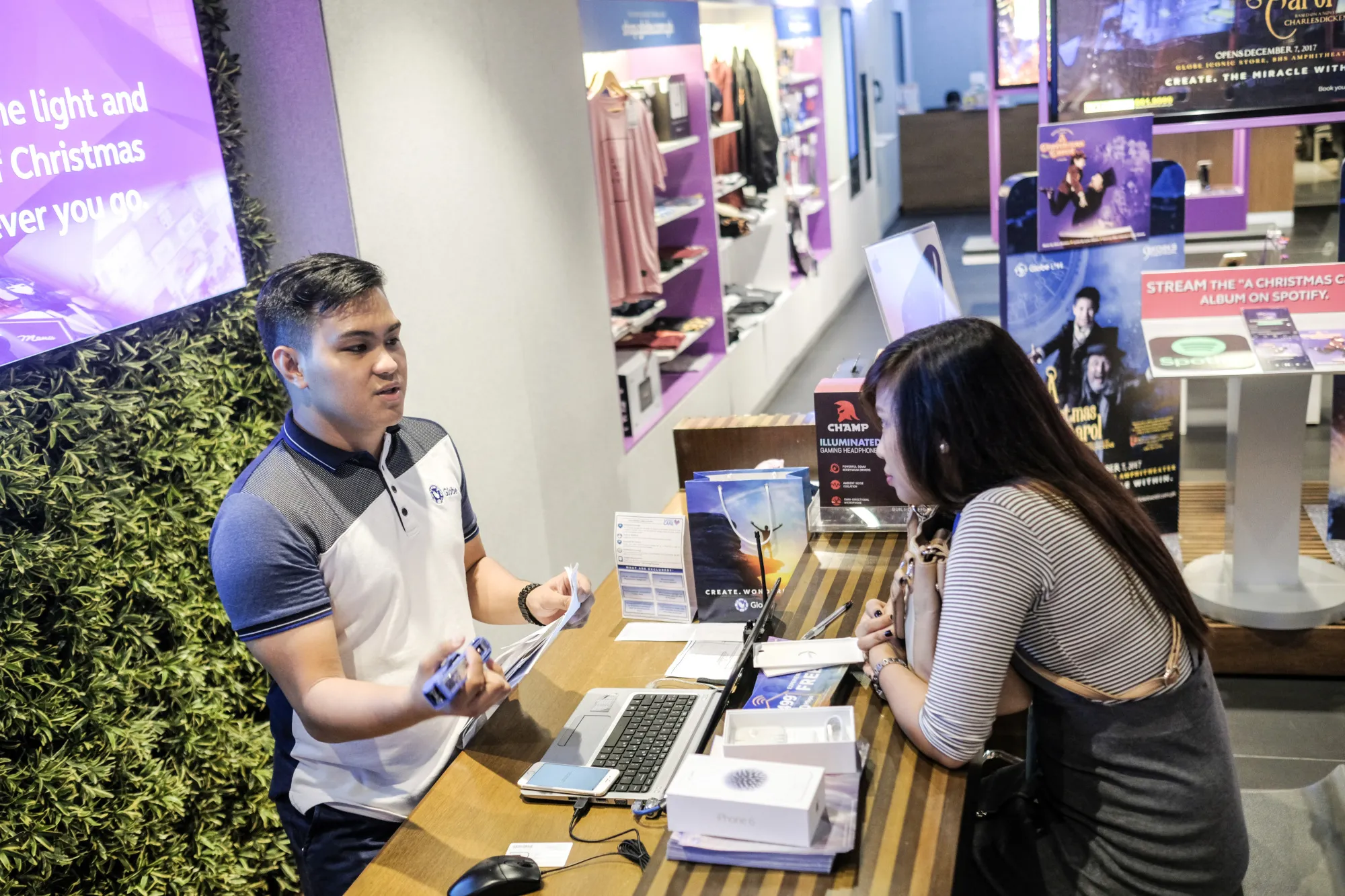
  • Nokia Philippines launches new concept stores

    Nokia Philippines launches new concept stores

    Nokia Philippines has launched a new concept store in Iloilo City.

    HMD Global, the home of the smartphone brand, says the move aims to further boost Filipinos’ awareness of Nokia’s return to the local market.

    At SM Iloilo’s Cyberzone area, the new outlet adds to the 14 Nokia stores and kiosks in SM malls across the nation.

    “We are dedicated to making Nokia phones more accessible to the market,” says HMD Global Philippines country manager Shannon Mead.

    While last year marked Nokia’s comeback in the Philippine market, HMD Global teamed up earlier with e-commerce firms Argomall and Lazada Philippines. And last week, HMD Global secured $100 million in new investment to boost Nokia’s brand reach and portfolio.