Tag: Philippines

  • IFC Provides $70 Million for Shared Mobile Infrastructure Project in Philippines

    IFC Provides $70 Million for Shared Mobile Infrastructure Project in Philippines

    The International Finance Corporation (IFC) announced that it is providing $70 million to fund a shared mobile infrastructure project in the Philippines.

    In a press release, the organization said it is collaborating with Renewable Energy Infrastructure (CREI) Phils Inc. to help address the digital gap in the country through tower-sharing.

    The $70 million financing package consists of a $25.5 million loan from IFC and the provision of a facility worth $44.5 million.

    IFC’s investment will allow CREI Phils, a newly formed tower company in the Philippines, to fund the construction of over 600 w towers by next year. For the first time in the country’s history, these towers will be shared on an open-access basis. Aside from creating a competitive market for tower colocations, the loan will help increase mobile network capacity, allowing operators to expand high-speed mobile networks (4G and 5G) across the country, offering better services at more affordable rates.

    According to the 2020 Global Digital Overview, the number of internet users in the Philippines has more than tripled from 23 million (2010) to 73 million (2020). Yet, the quality of mobile connectivity is inadequate given its pervasive network congestion. The country ranks 95th out of 142 countries for mobile internet download speed. Further, the number of mobile subscribers per tower – a measure of network congestion – is more than double the regional average. According to market estimates, to fill the gap, the Philippines would need a significant number of new towers built in the next seven to eight years to support the government’s network capacity requirements.

    “We are thrilled to be working alongside IFC in supporting the government of the Philippines’ development of its mobile infrastructure sector,” stated Kadri Hakim, CEO of CREI. “Despite the challenging market conditions triggered by the pandemic, IFC’s long-term funding will allow us to meet our ambitions of expanding our digital infrastructure portfolio in the Philippines. Our management team’s extensive knowhow gained through 15 years of telecoms operations across South-East Asia and Africa combined with IFC’s deep knowledge of the country’s telecoms regulatory regime and its experience as an investor in tower companies, will enable us to effectively develop and grow our operations in the country.”

    The company’s entry into the Philippines telecoms market brings robust expertise in the design, construction and operation of towers, as well as the provision of efficient energy solutions that help displace and reduce the use of diesel fuel on towers connected to the grid. In line with the nation’s climate goals, this project will lead to significant greenhouse-gas (GHG) savings. IFC will also assist the company align its environmental and social practices with IFC’s performance standards.

    “Digital connectivity is more important than ever for businesses and people to thrive,” said Jean-Marc Arbogast, IFC Country Manager for the Philippines. “By supporting the entry of a new company, IFC’s investment will contribute to a strong independent tower market in the Philippines, increasing competition, creating jobs, spurring economic growth and help cut emissions.”

  • Rice exports jump 20 pct

    Rice exports jump 20 pct

    Vietnam exported 4.2 million tons of rice in the first seven months, 20 percent up year-on-year, according to the Ministry of Agriculture and Rural Development.

    But earnings were only 9 percent higher at US$2 billion since global rice prices have fallen by over 10 percent to $489 a ton.

    Exports to the U.S. grew fastest at 65.3 percent, followed by the Philippines, Vietnam’s top market, at 48.6 percent.

    Domestic prices also fell as adverse weather affected rice quality and demand was low compared to previous months.

    Exporters have slowed down purchases from farmers and await the peak harvest season.

  • PLDT’s Trans-Pacific Cable System Is Now Activated

    PLDT’s Trans-Pacific Cable System Is Now Activated

    The last test 14,000-kilometer cable system is the fastest in the country, enabling direct data cable link to the US and Japan. It’s also expected to improve the Philippines’ international data capacity and boost its digital infrastructure.

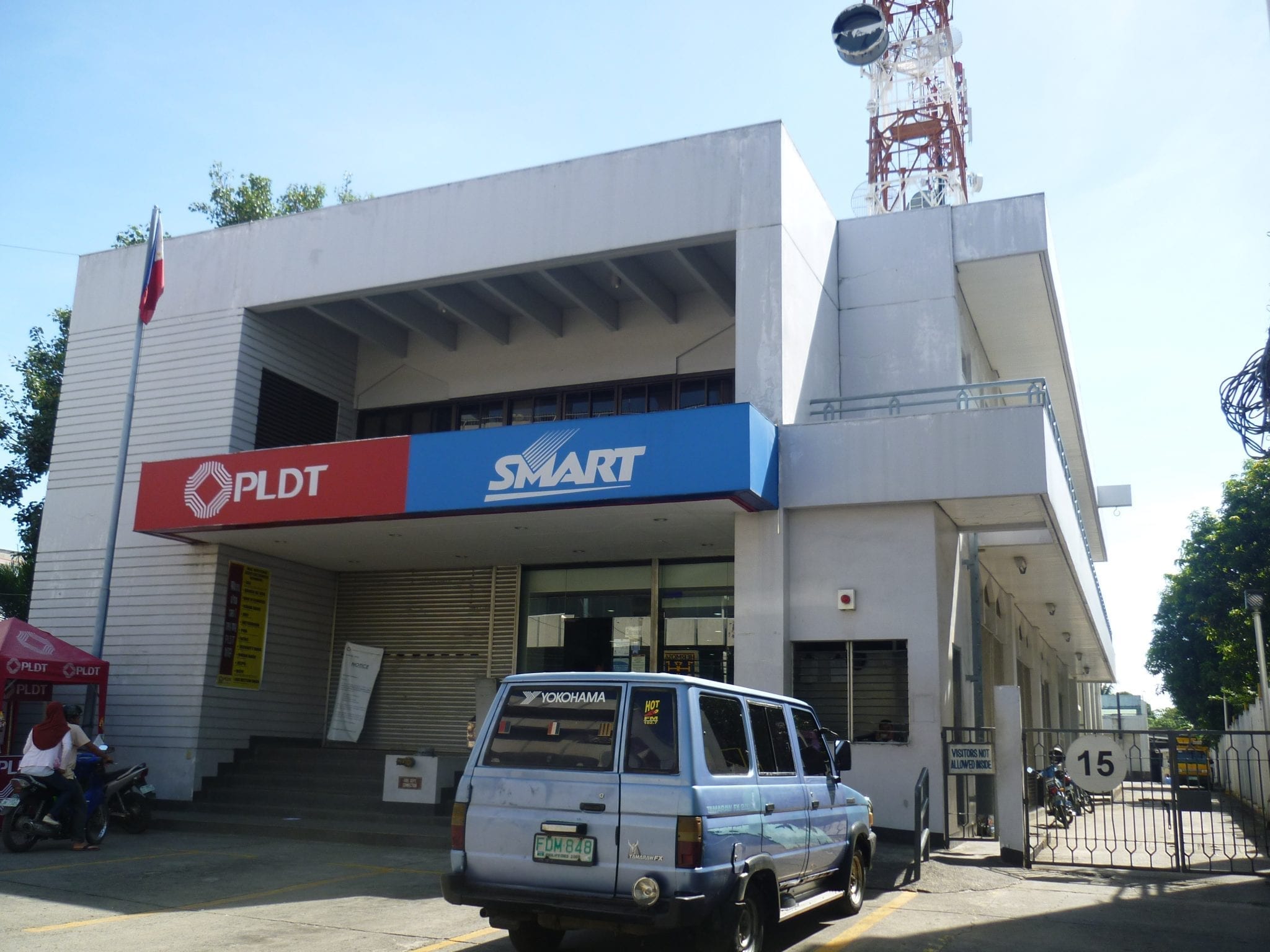
    PLDT and Smart President and CEO Alfredo Panlilio said, “The PLDT Group takes pride in leading our nation’s digital advancement, made possible through dynamic synergies with government and private sector partners.”

    He added, “Our investment in Jupiter will exponentially boost the Philippines’ international capacity, ramp up the global trade of digital services and propel the nation’s digital economy, while increasing internet speed and reliability for Filipinos.”

    The company also said that this new system will triple PLDT’s international capacity to about 60 Terabit/s, which will be beneficial for the country since a large volume of Internet content and services consumed by Filipinos goes through servers from the US and Japan.

    Currently, PLDT has extensive participation in 16 international submarine cable networks and is set to expand further with the completion of two more major international cable systems, namely Asia Direct Cable (ADC) and the APRICOT cable system, set to be completed in the next two years. It also operates the most expansive fiber optic network among local ISPs at 803,000 kilometers, linking all islands in the archipelago with fiber connectivity and powering local economies and communities in the cities and regions.

  • NOW Telecom Partners with SBA Towers for Infrastructure Support

    NOW Telecom Partners with SBA Towers for Infrastructure Support

    According to NOW Corporation’s disclosure to the Philippine Stock Exchange, they are in talks with SBA Towers Philippines about a lease of build-to-suit sites, towers, and passive telecommunications infrastructure and facilities to be used for the installation of NOW’s facilities and equipment in order to provide telecommunications and internet services.The company said this is included in NOW Group’s plan of beefing up its 5G wireless network technology, a strengthening that will allow the delivery of up to 20 gigabit per second speed to enterprises and homes.

    NOW Telecom President and COO Engr. Rene L. Rosales said, “It is an integral policy in NOW Group’s roadmap to partner with trusted vendors that are part of the Clean Network. We look forward to working with SBA Towers Philippines whose expertise is providing support to operators like NOW to achieve our vision.”

    NOW Telecom is a public telecommunications entity and was granted a 25-year legislative franchise to construct, install, establish, operate and maintain wire and/or wireless telecommunications systems. It also holds a cellular mobile telecommunications system license granted by the National Telecommunications Commission.

    It is one of only four cellular mobile license holders apart from Philippine telco giants SMART, Globe Telecom and Dito Telecommunity.


  • How the Philippines Is Heading Towards a Digital Future

    How the Philippines Is Heading Towards a Digital Future

    In the next three years, 5G connections across the globe will reach 400 million, according to a recent study by the Global Systems of Mobile Communications Association (GSMA).

    Its Mobile Economy Asia Pacific 2022 report suggests that 148 million of these connections will include the Asia Pacific, with 333 million new mobile internet users in the region.

    While among the countries that are still lagging behind its regional neighbors in terms of fast internet connectivity, the Philippines is now gearing up for large-scale projects supporting what its new leader envisions to be a Digital Philippines.

    Most recent data provided by GSMA indicates that the Philippines has been advancing on 5G technology compared to its regional neighbors. Using Speedtest Intelligence data, Singapore stood ahead of its regional neighbors on median 5G upload speeds, recording 246.01 in the first quarter of this year, while the Philippines logged a median download speed of 163.51 Mbps. It also showed that LTE performance in the country has improved, from 11.15 Mbps in the first quarter of 2021 to 15.53 Mbps in the same period of 2022.

    Despite the improvements in internet connectivity, the country still sees some crucial challenges, including the growing digital divide among Filipinos.

    In light of the recent political transition in the country, how does it plan to bridge this gap as it moves forward towards a more innovative future?

    President’s Goal to Digitalize the Philippines, Bridge Digital Divide

    During his first State of the Nation Address, Philippine President Ferdinand Marcos Jr. stressed his goal to digitalize the country including government processes, as well as to enable universal connectivity. These are part of his plans to boost the development of the digital economy as a way to stimulate economic recovery from the pandemic.

    Latest data from Statista.com shows that, as of February this year, the Philippines has 79.6 million internet users, a 72.7% internet users penetration.

    The President stated in his speech, “As the world moves into rapid digitalization, the digital divide will be more pronounced. The depth and breadth at which these technologies will be transformative in our lives is fully expected.”

    He said that he sought the help of the country’s ICT chief to deploy digital connectivity across various islands in the country.

    In response, DICT Secretary Ivan John Uy told a local news agency that areas underserved by telecoms companies will be covered by a satellite-based internet to be provided by SpaceX’s Starlink, with availability expected by the end of this year.

    President Marcos further noted, “All relevant modes of digital transport should be utilized. These may be through a combination of terrestrial or submarine fiber optics, wireless, and even satellite technology.”

    Marcos added that they will address connectivity challenges by implementing two of the government’s priority measures, including the common tower plan that will allow telecom and internet service providers to share towers. And another is the National Broadband Plan that aims to fast-track the development of the Philippines’ network infrastructure.

    He said that the Philippines cannot just “stand idly by” amid the scale and speed at which all these technological changes are happening across the globe.

    Local Telecom and ICT Operators Pledge To Support Government’s Plans

    President Marcos’ plans were welcomed by major telecom operators and those from the information and communications technology (ICT) sector, who have expressed their support and commitment to the new administration’s goal to have a more innovative and technologically advanced economy.

    Among them is the PLDT Group, who expressed their willingness to cooperate with the President’s roadmap towards economic growth. In a statement, PLDT and Smart President and CEO Alfredo S. Panlilio said, “We support the government’s thrust to connect our countrymen and make sure that no Filipino is left behind as the world becomes more digital.”

    He added, “We are also prepared to assist in the government’s digitalization efforts, empowering its vision of an agile bureaucracy that is responsive to the needs of the public.”

    With President Marcos’ aim to employ digital solutions in order to streamline public services across government agencies nationwide, PLDT Group also said that it has continued to broaden the reach and capacity of its fiber infrastructure, which now allows its fiber-to-the-home services to be extended to upland areas in the country.

    It also continues to invest in its network, with 518.5 billion pesos spent in the last decade up to 2021.  Network-related projects accounted for the bulk of the 89 billion pesos spent for 2021. Capex guidance for this year is 85 billion pesos.

    Meanwhile, PLDT Group’s major industry competitor, Globe Telecoms, has also echoed the same response to the new Philippine leader’s call for a digital economy.

    The company affirmed its support of the government’s goal to digitalize government processes and deliver universal connectivity nationwide.

    Globe’s President and CEO, Ernest Cu said, “The administration can count on the universe of Globe’s digital solutions– from new technologies our core telco business offers to our portfolio companies in fintech healthtech, edutech and more– to provide innovative services to make its digitalization and connectivity goals a reality.”

    The CEO and Co-Founder of Converge ICT Solutions also pledged support to the government’s plans for universal connectivity. Dennis Uy said in his statement, “We’re pleased that the new administration is prioritizing universal connectivity, especially at this critical time when digitalization is at the heart of everything that we do. Converge is supportive of this initiative, as we push for digital democracy in the Philippines.”

    Converge boasts its nationwide rollout of fiber network, which has now reached 12 million homes as of the first four months of this year. As of March, 645,000 fiber ports were installed in the country.

  • Starbucks plans rapid expansion in Thailand

    Starbucks plans rapid expansion in Thailand

    Starbucks Thailand has announced an expansion strategy, which calls for opening 30 new coffee shops in Thailand every year until 2024 – 90 in all – according to Bangkok Post.

    The company claims to be prepared to expand again this year, after sales improved during the first half of this year. In addition, Starbucks Thailand also says it will concentrate on expanding its digital platform channels, add more drive-thru locations, and introducing novel beverages.

    Nednapa Srisamai, MD of Starbucks Thailand, told the Bangkok Post that the brand’s well-known profile in the country created an opportunity to expand the network. While a major regional tourist destination, Thais also have a coffee-drinking culture.

    Starbucks began its operation in Thailand by opening its first coffeehouse in July 1998 and was acquired under the joint venture between Dairy Farm subsidiary Maxim’s and Singapore-headquartered Fraser & Neave (F&N) in 2019 in a deal valued at US$500 million.

    Last year, the brand introduced its largest store in the region, Starbucks Reserve Chao Phraya Riverfront, located at IconSiam in Bangkok.

    Starbucks also plans to strengthen its digital presence after partnering with Grab earlier this year to launch Starbucks Rewards aiming to enhance the customer experience in Southeast Asia’s six largest markets – the Philippines, Thailand, Singapore, Malaysia, Indonesia and Vietnam.

  • AirAsia launched food delivery and ride-hailing in the Philippines

    AirAsia launched food delivery and ride-hailing in the Philippines

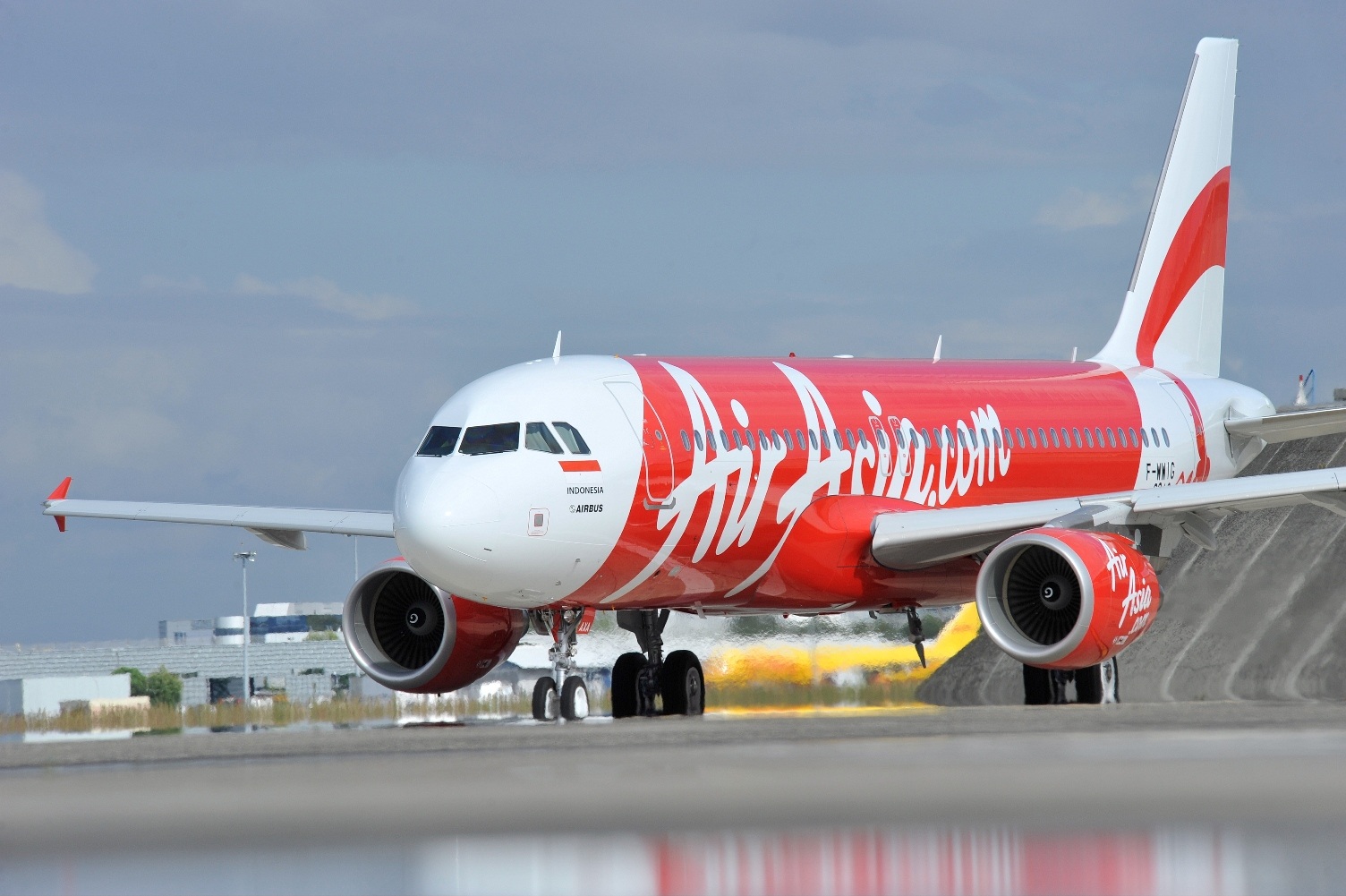
    Malaysia-based multinational low-cost airline AirAsia has expanded its portfolio by including two new businesses set to launch in the Philippines’ capital, Manila, by the end of 2022.

    AirAsia Super App will soon operate a ride hailing and food delivery service after it already secured a franchise from the Land Transportation Franchising and Regulatory Board (LTFRB) for its ride-hailing service.

    The app officially launched in the Philippines in April 2021 and expanded its services to other Asian markets, including Malaysia, Indonesia, Singapore, and Thailand.

    The platform offers a full suite of services and comes with an integrated rewards programme and a mobile app. It offers affordable flight and hotel bookings, ecommerce capabilities, food and parcel delivery, ride hailing, financial and health services, as well as on-demand education, among others.

    The super app AirAsia aims to boost digitalisation in the APAC region while setting the tone for a cashless economy and catering to the underbanked population category.

  • Cebu Pacific resumes flights to Australia

    Cebu Pacific resumes flights to Australia

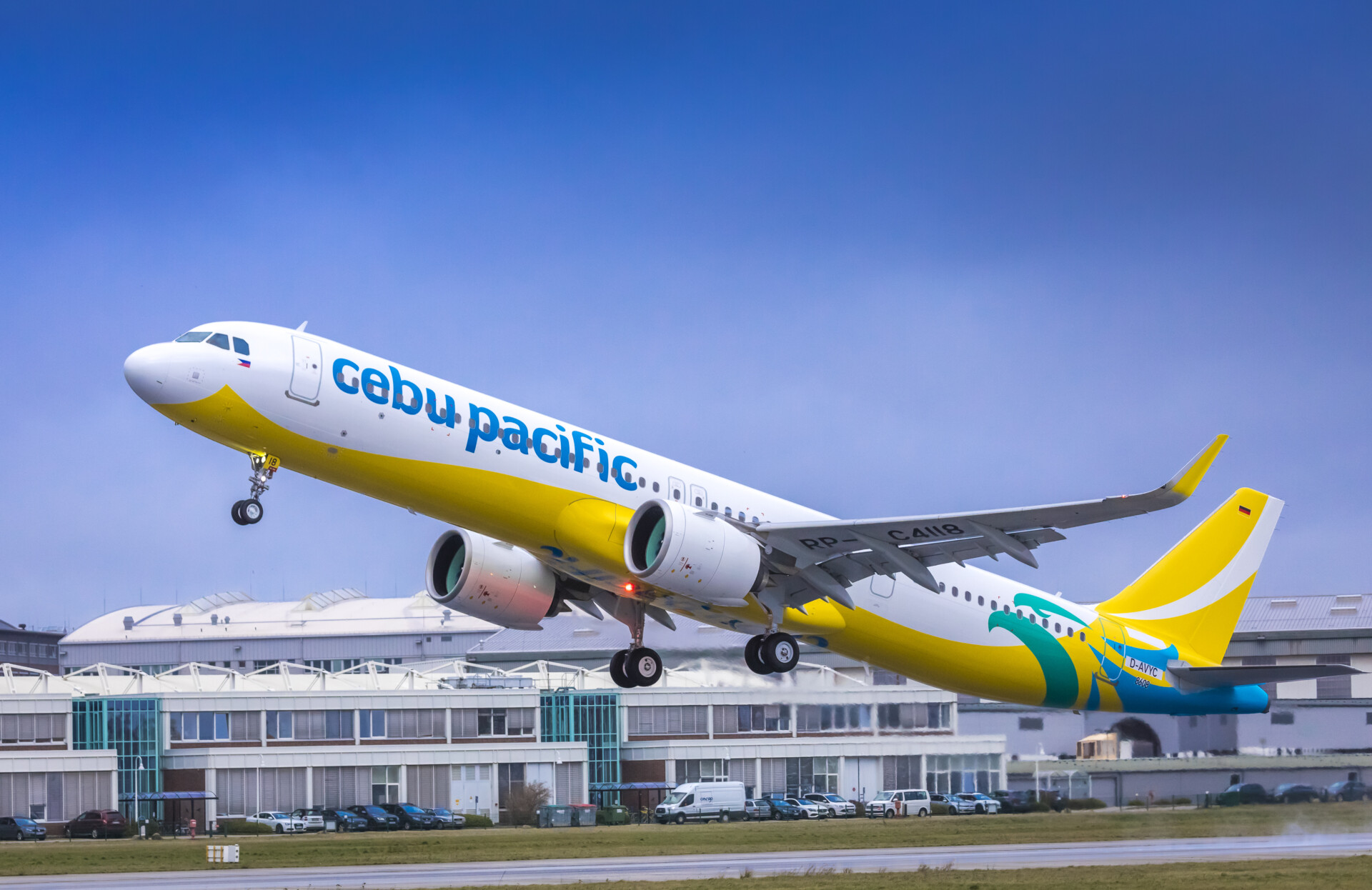
    Budget carrier Cebu Pacific said on Sunday it has expanded its Asia Pacific footprint with the resumption of its flights to Australia.

    With the easing of travel restrictions in the Philippines and Australia, Cebu Pacific has resumed its thrice weekly flights between Manila and Sydney.

    “With this route resumption, we are pleased to fly once again to and from this destination after more than two years. We know that many are excited to visit Sydney’s attractions like the Sydney Opera House, Harbour Bridge, Bondi beach, Taronga Zoo and many more,” said Xander Lao, Chief Commercial Officer at Cebu Pacific.

    He added: “This also allows Filipinos to reunite with friends and family. We will continue working on boosting seamless connections across our network to address demand.”

    Sydney requires arriving tourists to present printed copies of their Covid-19 Vaccination Certificate upon check-in. Travelers must also complete and submit their Digital Passenger Declaration form at least 72 hours before departure.

    Coming home, boosted Filipinos no longer need to take a Covid test pre-departure.

    As countries continue to reduce Covid-19 measures, Cebu Pacific plans to revitalize its international network. Its domestic network has already been restored to 100 percent of its pre-pandemic capacity.

    Last month, the airline announced that it will ramp up its flights to Singapore from Manila and Cebu.

    In an advisory, Cebu Pacific said it will double the daily frequency of its Manila-Singapore operations starting July 1, while its thrice weekly Cebu-Singapore route will reopen on July 15.

    “We are delighted to continue ramping-up our international flight frequencies, not only in Manila, but also in Cebu. We know majority of the traveling public have been looking forward to travel internationally again, especially since a lot of countries have eased their restrictions. We continue to work towards the expansion of our international network while we maintain operating over 100 percent of our pre-pandemic domestic capacity,” Lao said.

  • Philippines’ New ICT Chief Stresses Importance Digitalizing Public Transactions

    Philippines’ New ICT Chief Stresses Importance Digitalizing Public Transactions

    The newly appointed head of the Philippines’ Department of Information and Communications Technology, or DICT, said that the agency will ensure more efficient public service delivery through digitalization.

    The department’s executive attended a turnover ceremony where he stressed the importance of innovating  e-governance in the country by streamlining government transactions through digitalization.

    The ICT chief Ivan John Uy, was also welcomed by his department’s officials and employees during the event. He stated, “We in the DICT have a very peculiar mandate, and that mandate cuts across all government agencies– to ensure that through ICT, we will be able to deliver to the Filipino people a better government, a more efficient government, a government that is easier to transact with, a government that is more competent and a government that is not corrupt.”

    Uy also said that he fully supports the plans of the new government under President Ferdinand Marcos, Jr. to speed up  digital infrastructure development in the Philippines.

  • Globe Backs Digitalization Plans Of New Philippine Government

    Globe Backs Digitalization Plans Of New Philippine Government

    Globe Telecom has announced that it supports the digitalization plans of the Philippines’ new administration.

    One of the leading digital solutions providers, Globe stated that it is ready to collaborate with the government to provide its industry leading product line and services to improve digitalization in public offices and agencies, as well as deliver speedier and more reliable transactions to the public.

    Globe’s CEO, Ernest Cu, said in a statement, “We welcome the new administration’s goal of increasing digitalization in government for streamlined processes. This will ultimately redound to improved public service– an aspiration that Globe deeply shares with the government as we serve a customer base of 92 million people.”

    He added, “Our network and infrastructure are ready to support the government and we look forward to working closely with the new administration to achieve this shared goal.”

    Globe has so far installed 234 additional cell sites across the country as of the first quarter of 2022, pursuant to its goals of 1,700 new sites this year. And it has put up 91 new tower companies, each on air since the beginning of this year.

    The company also upgraded more than 3,500 mobile sites, and accelerated its 5G coverage by installing 380 new 5G sites, all by the end of the first quarter of this year.

  • Cebu Pacific Resumes Sydney Flights With Its Airbus A330neo

    Cebu Pacific Resumes Sydney Flights With Its Airbus A330neo

    Another international airline has returned to Sydney, with Cebu Pacific resuming its popular flights between Sydney and Manila on July 1. Cebu Pacific had carved out a niche in Australia by offering a low-cost alternative to Qantas and Philippine Airlines before the pandemic but paused its flights in March 2020. Now the airline is back with thrice-weekly return flights.

    The return of Cebu Pacific is another step forward for Sydney Airport, which lost a lot of carriers at the pandemic’s start. Most, but not all, have returned or planned to return and the airport is keen to get as many former airlines back as possible. In 2019, the most recent year of uninterrupted flying for airlines, 776 660 people flew on the Australia – Philippines country pair, with airlines offering 3,429 nonstop flights. Cebu Pacific competed with Qantas and Philippine Airlines on the country pair, with the low-cost carrier snagging 35% of the market in terms of passenger numbers.

    Landing in Sydney on a wild and wet Saturday morning, Cebu Pacific was the last of the three carriers to resume flights between Australia and the Philippines.

    “With this route resumption, we are pleased to fly once again to and from this destination after more than two years,” said Cebu Pacific Chief Commercial Officer Xander Lao. “We know that many are excited to visit Sydney’s attractions. This route also allows Filipinos to reunite with friends and family.”

    It takes around eight and a half hours to cover the 3,879 miles (6,243 kilometers) between the two cities. The flights down to Sydney are overnight services, while flights up to Manila are civilized daytime journeys. At 23:20 every Monday, Wednesday, and Friday, a Cebu Pacific Airbus A330-900 will operate flight 5J39 to Sydney (SYD), arriving at 09:50 the following day. Heading up to Manila (MNL), 5J40 will depart Sydney at 11:20 every Tuesday, Thursday, and Saturday and touch down in Manila at 17:50 on the same day.

    While Cebu Pacific generally undercuts its competitors on this route, you’ll be on the receiving end of an authentic medium-haul low-cost flying experience. Cebu Pacific fits 436 passengers on its A330-900s in a standard 3-3-3 layout across the entire plane. This is an impressive number of passengers, but there won’t be much room to move during your eight-plus hours in the air. Baggage, seat selection, and meals are all add-ons.

    Cebu Pacific’s return to Australia coincides with that country dropping the last of its COVID-related travel restrictions. The longstanding policy of checking vaccination certificates and current status before boarding an Australia-bound flight ends this week. Australia is also axing its previously compulsory but deeply flawed digital passenger declaration app in favor of returning to the low-tech but infinitely preferable hard copy arrival declaration. It marks a return to pre-pandemic arrival processes in Australia.

    Meanwhile, the Philippines is open to all fully vaccinated international tourists as they can present proof of complete COVID-19 vaccination and at least one booster shot. However, there do remain some domestic travel restrictions and guidelines imposed by the national and local governments to help control the spread of COVID-19 within the Philippines.

  • PLDT, Smart Lauds Government’s New Cybercrime Lab

    PLDT, Smart Lauds Government’s New Cybercrime Lab

    Philippines’ major telecoms group, Smart and PLDT said it welcomes the country’s new Digital Forensics Platform and Laboratory launched by the Cybercrime Investigation and Coordinating Center, or ICC.

    The new facility aims to improve the government’s initiatives to fight cybercrime, especially, online sexual abuse and exploitation of children.

    Following the unveiling of this new laboratory, the group said that it has strengthened its cyber security systems as it continues its cooperation with the local government in fighting across the digital landscape.

    The new facility will help CICC to work closely with other law enforcement agencies in the country to conduct comprehensive digital and forensic investigations.

    The group’s Chief Information Security Officer, Angel Redoble, meanwhile stressed that they will continue to address these challenges in the cyberspace.

    “Children became more vulnerable to cyberattacks after the pandemic forced them to stay at home and get online to study and connect with friends, and cyber criminals have also been targeting them. We have fortified our cyber defenses and strengthened our coordination with the government to make the internet safer for kids.”

    According to PLDT and Smart, they have beefed up their efforts to support the government in its crackdown on online child abuse. By the end of May this year, it has blocked nearly 300,000 URLs linked to these criminal activities.

    The group has also collaborated with other private and public sectors in urging the country’s president to sign into to law the bill against online child sexual abuse before he steps down from office on June 30.

  • ZTE and IPMA partner for innovative project management in Philippines

    ZTE and IPMA partner for innovative project management in Philippines

    ZTE has signed an MOU (Memorandum of Understanding) on strategic cooperation with International Project Management Association (IPMA) Philippines in Manila. The strategic cooperation between IPMA Philippines and ZTE Philippines further recognizes ZTE’s mature corporate project management capability.

    This is ZTE’s first overseas IPMA corporate membership, and the company has become a corporate member simultaneously certificated by IPMA International and IPMA Philippines.

    IPMA is a non-profit international academic organization, with commitment to promoting professional development of international project management. IPMA, PMP and PRINCE2, are known as the three major international project management organizations. IPMA’s membership certification is widely recognized, representing the highest-level certification of project management across the globe.

    At the ceremony, IPMA Philippines and ZTE Philippines principally agreed on joint development and win-win collaboration. IPMA will invite ZTE to deeply participate in industry symposiums, industry forums and professional training meetings, as well as joint application for telecommunications-related awards and reviews of outstanding project management cases. In return, ZTE will give its priority to the interviewees who have passed the IPMA certification.

    “With the development of its business in the Philippines for more than 15 years, ZTE has extensive experience in project management and project delivery,” said Jin Zhichao, General Manager of ZTE Philippines. “ZTE is keen to explore and learn excellent experience and effective management approaches from different industries or IPMA corporate members, further improving the level of ZTE’s project management and corporate competitiveness. At the same time, we are willing to share our own experience with them.”

    “I am looking forward to the cooperation between the two parties. IPMA has been developing project management competencies for years, and regularly organized various symposiums and forums every year,” said Prof. Mariano Roque Senga, Chairman of IPMA Philippines. “I hope ZTE, as a leading enterprise in the field of telecommunication engineering, can participate in exploration and in-depth cooperation with other corporate members on project management approach.”

  • Ex Grab exec launches Philippine grocery-delivery startup Supah

    Ex Grab exec launches Philippine grocery-delivery startup Supah

    Social commerce startup SariSuki has introduced a new rapid grocery delivery service called Supah that delivers groceries across select parts of Metro Manila.

    During a media round table in Pasig City on Wednesday, SariSuki Co-Founder and Chief Executive Officer Brian P. Cu said that Supah offers a delivery service for grocery items such as snacks, condiments, beverages, fresh produce, and dry and frozen goods within 15 minutes.

    Supah’s delivery services are currently available in Makati City, Bonifacio Global City in Taguig, Pasig City, Mandaluyong City, San Juan City, Binondo district in City of Manila, and both New Manila and Timog areas of Quezon City.

    “Our business puts tremendous value on our customers’ time and needs. We see doing the grocery as effortless, time-saving and economical, while still making it possible to attend to other things. Thanks to our efficient ecosystem of suppliers, vendors and riders, we are able to fulfill this commitment without a delivery fee,” Mr. Cu said.

    Supah currently has eight “dark stores” where the goods are stored, and over 100 riders that cater close to 5 million people, and categorizes under quick commerce.

    Mr. Cu, a former president of Grab Philippines, said that Supah has been “quietly tested” since March over certain areas and has garnered a positive response, adding that the company raised around $11 million last year to fund the new venture.

    “When we first started it, no one thinks they need 15 groceries until they get groceries in 15 minutes, sometimes even a little bit less. The goal of Supah is [to] help reduce the time used up by today’s busy consumers in going to the supermarket, and in spending time away from the other activities that they can use with the time that they have,” Mr. Cu said.

    Lance Y. Gokongwei, JG Summit Holdings, Inc. president and chief executive, said that the company can help Supah by making products from its Universal Robina Corp. (URC) more accessible.

    JG Summit’s corporate venture capital, JG Digital Equity Ventures (JGDEV), is an investor in SariSuki. Mr. Gokongwei is also a board director of SariSuki.

    “I think my role really is to advise and provide some experience that I can share. As far as the JG Summit resource, of course, our ecosystem, we want to help as much as possible in terms of making products, for instance, from URC as accessible as possible to the company,” Mr. Gokongwei said.

    “Supah offers great potential as it tries to address the consumers’ evolving needs in grocery shopping by finding the optimal balance among several critical factors like speed, assortment, value, and convenience. This innovative technology will help shape the future of grocery shopping in the country,” he added.

    Moving forward, Mr. Cu said that the company seeks to expand, saying that 40 dark stores is enough to cover the entirety of Metro Manila.

    “We’re looking at expansion. But we want to prove (there’s) enough demand in the existing stores that we have now before we start investing in expansion,” Mr. Cu said.

    “To cover the entire Metro Manila in 15 minutes, we need to have 40 dark stores. But we’re not saying that we’re going to go to 40 next year,” he added.

  • Chinese hot pot chain Haidilao to launch in the Philippines

    Chinese hot pot chain Haidilao to launch in the Philippines

    Haidilao, the largest hot pot restaurant chain in China, will open its first store in the Philippines next month, the Department of Trade and Industry (DTI) said Friday.

    The DTI said Haidilao International Holding Ltd. would continue to open more restaurants within the year, creating at least 400 jobs. The DTI has yet to divulge further details, such as the number of stores and locations of Haidilao.

    According to the agency, the expansion plans of Haidilao in the Philippines took two years.

    The Philippine Trade and Investment Center in Hong Kong (PTIC-HK) and the restaurant chain owner started discussions on the latter’s plan in the first half of 2020.

    PTIC in Hong Kong and Guangzhou both assisted Haidilao to open its first branch in the country.

    In a virtual meeting with the Board of Investments (BOI) last month, Haidilao executives discussed the details of their operations here.

    “The intention of Haidilao is to present a superior dining experience and offer quality food for Filipinos at a reasonable price. In addition, Haidilao intends to fuse the Filipino taste into its menu and integrate Filipino core values in its service,” the DTI said in a statement.

    Haidilao was founded in 1994 in Sichuan, which is known for its extremely spicy food, particularly hot pot.

    The company now has over 1,000 restaurants in China, Hong Kong, Macau, Singapore, Malaysia, Taiwan, Australia, United States, United Kingdom, Canada, Thailand, Indonesia, South Korea, and Japan among others.