Tag: Philippines

  • PAGCOR Reports Nearly 33 Million USD Profit From Casino Operations in 2020

    PAGCOR Reports Nearly 33 Million USD Profit From Casino Operations in 2020

    The Philippine Amusement and Gaming Corporation, or shortly PAGCOR reports nearly 33 million USD profit from casino operations in 2020. The revenues of PAGCOR fell to a great extent due to the COVID-19 pandemic and the restrictions that came with it.

     PAGCOR operates numerous state-owned casinos and slot machine clubs throughout the Philippines. It has its own casino brand, the Casino Filipino, and the corporation is responsible for the regulation of other private gambling venues as well.

    2020 Has Been a Tough Year

    Andrea D. Domingo, the chairman and CEO of PAGCOR, claims that the offshore gaming operations and the revenues of the government-owned corporation declined mainly because of the pandemic.

    The local gaming industry employs about 132,000 direct hires. It also generates many other economic activities and businesses like restaurants, hotels, malls in Integrated Resorts (IRs), services, transport and real estate. There will be more economic employment opportunities when other gaming stations and casinos open,” Andrea Domingo said in her keynote address during the kickoff of ICE-Sigma Asia Digital on June 8 2020.

    In March 2020, PAGCOR had to suspend the gaming operations in the Philippines to help the government fight against the COVID-19 and avoid the further spread of the virus amongst the citizens. This measure forced Filipinos to look for other ways to fulfill their passion and be able to gamble. For example, they started to play in online casinos. This report about online casinos shows those casinos which are legal to play in the Philippines.

    Finally, traditional casinos had to wait to be reopened until the end of August. However, they could operate only with a 30% capacity limit.

    Huge Decrease in Revenues

    According to the statement of comprehensive income, PAGCOR was able to close 2020 with a total revenue of 624 million USD (Php30 billion) from gaming operations. This number is the lowest seen in the last seven years, so the corporation had some struggles last year. Compared to the previous year, PAGCOR revenues declined by 60.41%. In 2019, PAGCOR’s total revenues stood at 1.57 billion USD (Php75.76 billion). In 2020, over 148 million USD (Php7.14 billion) was the income from casino customers, and more than 562 million USD (Php27.05 billion) came from junket operations, non-casino customers, and other income.

    While PAGCOR’s income from junket gaming operations (nearly 8.3 million USD – Php398 million) was halved compared to last year, the income from licensed casinos also fell largely, to more than 239 million USD (Php11.52 billion). The income from the Philippine Offshore Gambling Operators (POGOs) was the least affected by the decrease, it went down by more than 18% to nearly 97 million USD (Php4.66 billion).

    Reduced Expenses

    As the corporation had less income in 2020 than it had in the previous year, less money was deducted from the income in the form of gaming taxes and contributions towards the government. The amount of taxes and contributions dropped by 60.41% from 827 million USD (Php39.77 billion) to 328 million USD (Php15.75 billion).

    Although PAGCOR had to suffer a huge decline in revenues, the corporation’s expenses also dropped by more than 42%. The total expenses decreased to 388.55 million USD (Php18.68 billion) from the previous 670.61 million USD (Php32.24 billion). PAGCOR cut costs mainly by making fewer payments to corporate social responsibility projects, although these did not stop altogether. Also, PAGCOR had reduced costs (for example, maintenance and other operating expenses) as a consequence of the casinos being closed for several months in 2020.

    PAGCOR’s Profit Fell by 83.75%

    After all, PAGCOR reported almost 33 million USD profit (Php1.57 billion) from casino operations in 2020. It is 83.75% less than in 2019 when it was 201.14 million USD (Php9.67 billion).

    Future Expectations

    When it comes to the expectations for 2021 and the upcoming years, it is hard to say if PAGCOR will be able to produce the same amount of revenues as it had back in 2019, before the whole COVID-19 crisis has hit the gaming industry, or not. Everything will depend on the fact whether the casinos can be reopened fully, and how successfully PAGCOR can expand online gambling in the Philippines.

    Currently, because of the pandemic, there are still some special restrictions in place in the country that have to be also applied in the casinos. For example, only every second slot machine can operate, and there is a maximum limit regarding the number of players at the table. Only three players are allowed to play at the same time per table. Moreover, at the entry, it is obligatory to measure the temperature of everyone who wants to enter the casino, and every player has to wear a mask inside the building.

    Although the number of new COVID-19 cases seems to be stabilized now between 1500 and 2000 per day, it is not sure how long these restrictions will remain in place. Also, we can’t rule out the possibility of having more strict measures in the future that can come again with the closure of the casinos.

    Online Gambling Expansion May Be the Solution

    To increase the revenues from casino operations and mitigate the financial loss caused by the pandemic recently, PAGCOR’s main focus is on the expansion of online gambling. It has permitted certain land-based casino resorts (for example, City of Dreams, Solaire, and Okada in Manila) to provide online gambling activities in December. Those casinos that hold a Philippine Inland Gaming Operator (PIGO) license can expand their activities to offer online gambling for verified high rollers. So those gamblers who want to play online must be frequent visitors of the casino resort in question, and they must be already registered in the casino’s player database.

    While PAGCOR permitted legal online gambling only for high rollers, it is still not sure if the corporation will potentially extend these online casino games to non-high rollers in the future.

    According to CEO Andrea D. Domingo, the Philippine Inland Gaming Operator licenses are beneficial to everyone. Firstly, PIGOs are a great way to collect revenues. The incomes from PIGO operations are taxed at a quite high rate, 30%. Secondly, these licenses can effectively help to stop illegal online gambling in the Philippines.

    All things considered, hopefully, 2021 and the years after can be more profitable for PAGCOR than 2020 was. Even if the land-based casinos are not operating at full capacity now, there is a chance that higher revenues may be expected due to the newly introduced PIGO licenses and the increasing income from off-shore gaming operations.
  • Everything is put in place for Cebu Pacific operator’s crucial stock offer to rescue airline

    Everything is put in place for Cebu Pacific operator’s crucial stock offer to rescue airline

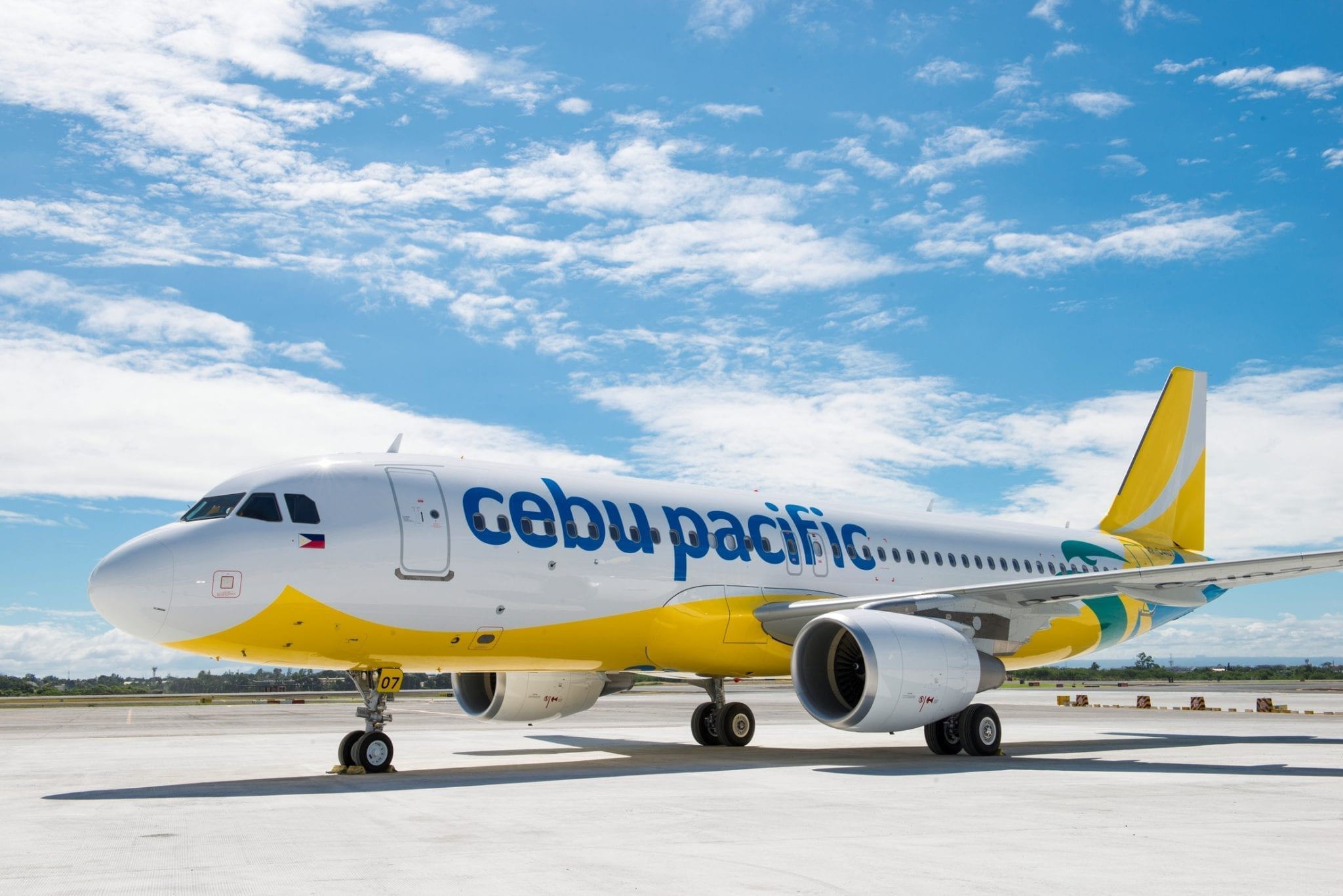
    It’s all systems go for the upcoming P12.5-billion stock rights offer of Cebu Air Inc. next month.

    In a disclosure to the local bourse on Wednesday, the operator of loss-making budget carrier Cebu Pacific released the final terms for the fundraising activity meant to keep the airline afloat while lingering coronavirus fears prevent a full take-off to recovery.

    The mega stock rights offer is part of a larger recovery plan worth $500 million that the airline announced last October, which also included a private investor placement of an equal amount. It was unclear whether the balance had been raised already.

    Under the offer, existing common shareholders may buy convertible preferred shares at a conversion price of P38 apiece. Preferred shareholders are entitled to receive fixed dividends with a yield of 6% per year, but they will not have voting rights that common stockholders enjoy.

    Shares will be sold from March 3 to 9, while a tentative listing date was set on March 29. Cebu Air will sell a total of 328.9 million convertible preferred shares to investors for this crucial fundraising activity.

    A chunk of the proceeds worth P4.8 billion will serve as repayment to advances by JG Summit Philippines Ltd., its parent firm. A smaller P3.9 billion would go to aircraft operating lease payments due this year, while P3.3 billion would settle old debts.

    The balance of P384 million would be spent on “general corporate purposes,” primarily for passenger refunds in case cash generated from lackluster operations are insufficient for settlement.

    Unlike regional counterparts that handed bailouts to their cash-strapped carriers like Malaysia and Thailand, the Philippines has been reluctant in spending taxpayers’ money to rescue local airlines on the brink of financial collapse.

    Although Cebu Air is yet to release its full-year financial results, the airline has expected losses to amount to “almost P25 billion” in 2020 that, if realized, will be a reversal of the P9.12 billion in profits in 2019.

    Apart from raising new funds, Cebu Air was also forced to downsize its workforce by 75% last year due to tepid flight operations.

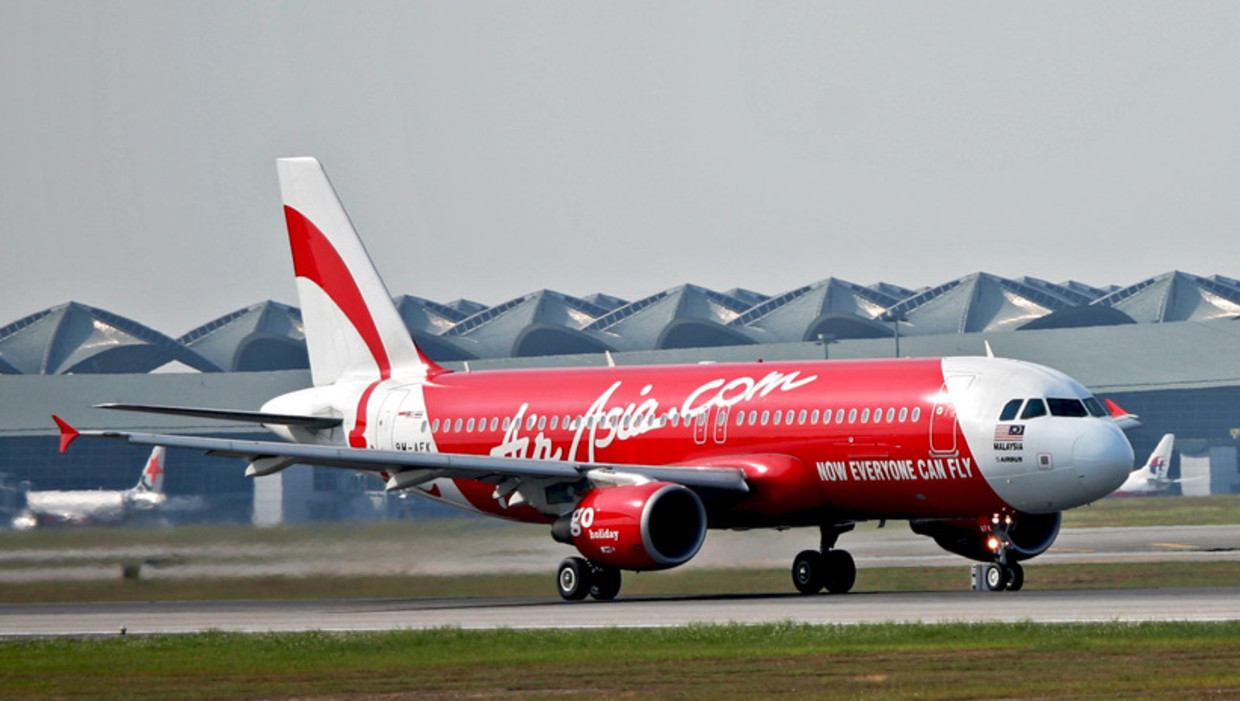
  • AirAsia offers cheap flights to Boracay, Bohol, Palawan

    AirAsia offers cheap flights to Boracay, Bohol, Palawan

    AirAsia is offering discounted one-way flights to several destinations in the Philippines. Cebu to Davao flights can be availed for as low as P98, while Manila flights to Cagayan de Oro, Cebu, Kalibo, and Tacloban can be booked for only P288.

    For as low as P317, travelers from Manila can book flights to Caticlan (Boracay), Bohol, Davao, Iloilo, General Santos and Puerto Princesa.

  • Cebu Pacific receives seven-star rating on Covid-19 compliance

    Cebu Pacific receives seven-star rating on Covid-19 compliance

    Cebu Pacific, the Philippines’ largest national flag carrier, has been rated 7/7 stars by global airline quality rating company AirlineRatings.com for its compliance with the safety measures against coronavirus disease (Covid-19).

    With the airline’s multi-layered approach to safety, the rating company highlighted how CEB perfectly scored in its seven categories, including Covid-19 website information and instructions, social distancing while boarding, flight attendant’s personal protection equipment, compulsory wearing of face masks, modified meal service, passenger’s sanitizer kit, and deep disinfection of aircraft.

    To get a Covid-19 compliance star as part of the overall safety rating, airlines must pass four of these seven criteria. These standards are based on those set out by the International Air Transport Association (IATA), the International Civil Aviation Organisation (ICAO), and the World Health Organisation (WHO) on regional and international safety guidelines.

    CEB remains committed to prioritizing the safety of its passengers and personnel as it continues to implement enhanced bio-security preventive measures. These include daily extensive cleaning and disinfection protocols for all aircraft and facilities, antigen testing before duty for all frontliners and crew members, and contactless flight procedures.

    These are all in accordance with global best practices and the highest safety standards. Aircraft are equipped with hospital-grade HEPA air filters, which make the inflight transmission of Covid-19 low or virtually non-existent.

  • Muji ready to open largest Philippines retail store yet

    Muji ready to open largest Philippines retail store yet

    Fans of Japanese minimalist brand Muji will be delighted to know that the retailer is planning to open its “largest” store in the Philippines — soon.

    Muji announced this last night in a social media post, where it told followers to “stay tuned for more info.” It did not divulge where the new store will be located.

    The pandemic has hit the retail sector in the Philippines severely, with countless brick-and-mortar stores closing inside now-empty malls. Rents in malls are expected to fall by 2%, while registered online businesses have increased to 75,876 in September from 1,753 in March. Many Filipinos now prefer to buy from e-commerce platforms Lazada and Shopee, mainly because they fear that they will get infected with the coronavirus if they venture outside their homes.

    The changes taking place have prompted Muji Philippines to launch its own pick-up and delivery service in August.

  • Acer opened first flagship store in the Philippines

    Acer opened first flagship store in the Philippines

    The first Acer flagship store in the Philippines has finally opened its doors to consumers on January 15. It is the largest in the country to date and is located at the SM Megamall Cyberzone.

    This new tech haven will house the best products from Acer and Predator brands, intricately displayed for an elevated shopping experience. It is interactive and much more customer-friendly.

    A sure eye-catcher for gamers and tech enthusiasts alike, the store is divided into two sections, dedicated for Acer and Predator products. Acer sticks to its minimalistic personality and is designed with light earthy tones with a long table and shelves where the products are displayed. On the other hand, the Predator comes in a striking sleek black interior all throughout.

    In observance of the existing health protocols in the country, Acer requires each customer to wear a face mask and face shield, undergo a temperature check upon entrance, and fill up a health declaration form. Appropriate social distancing will be strictly followed as well.

    “We are very excited for gamers and tech enthusiasts to come and experience what the Acer flagship store has in store for them. It’s our first opening this 2021, and definitely not the last. We are optimistic that it will allow consumers to get to know our products better and eventually find the perfect device fit for their needs,” said Acer Philippines Managing Director Manuel Wong.

    The event was a success, attended by executives from the ICT giant and its esteemed partners. Following the grand launch, Acer will throw in premium items to the first 10 customers who will purchase an Acer or Predator laptop. But it doesn’t stop there! Watch out for huge discounts and freebies across both brands from January 15 to 24, 2021!

  • UAE among top export destinations of Cebu Pacific for Philippine produce and goods

    UAE among top export destinations of Cebu Pacific for Philippine produce and goods

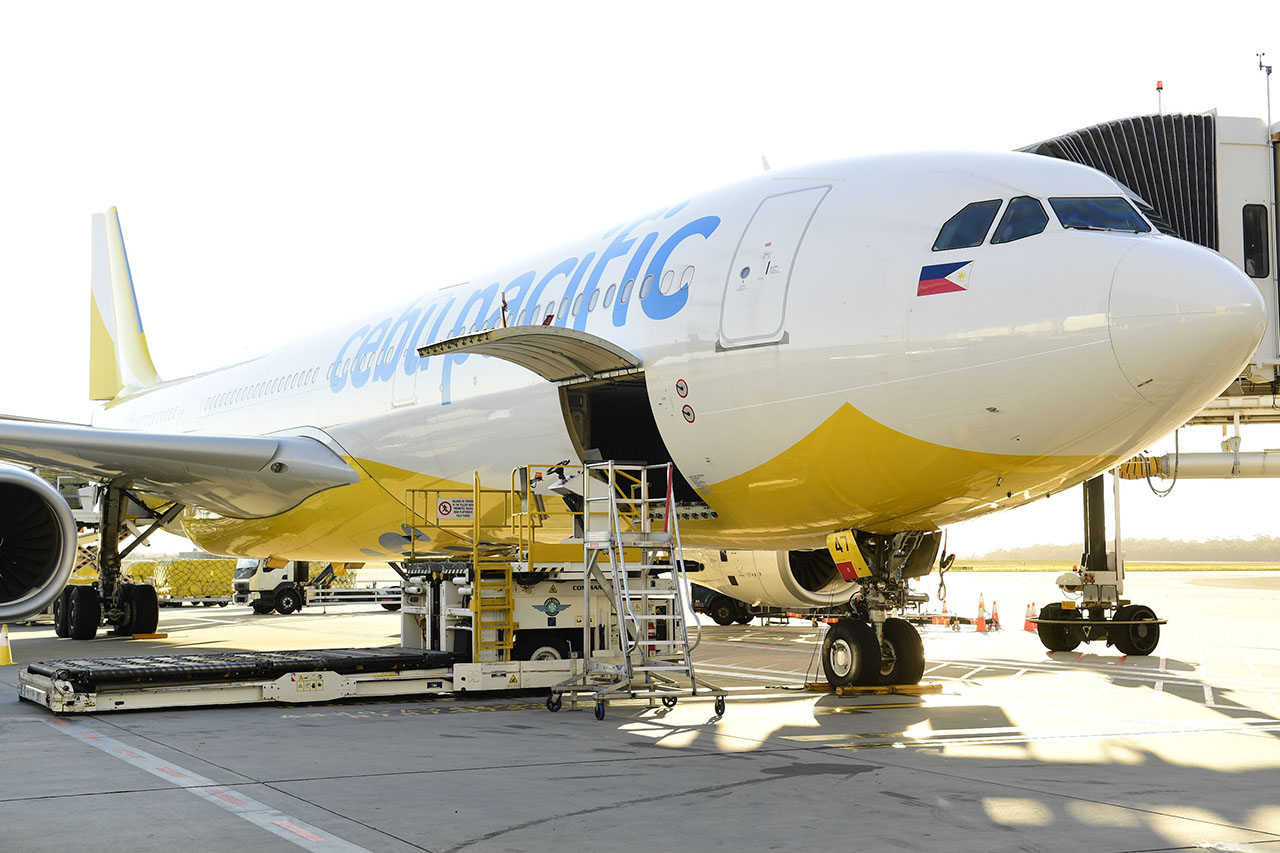
    Cebu Pacific (CEB), the Philippines’ largest national carrier, continues to fly Philippine produce and goods via its direct flights to the UAE amidst the current pandemic.

    In its steadfast commitment to serving the Filipinos in the UAE including in months with stern movement restrictions, CEB has conducted 12 cargo flights from the second and third half 2020 (Q2 to Q3 of 2020) for Manila to Dubai and vice versa. Prior to the onset of the global health crisis, the airline had operated in first quarter (Q1 of 2020) 75 cargo flights on the same route for the export of food commodities from the Philippines.

    According to the cargo data released by CEB from January to September 2020, the UAE is one of the top global export destinations of the airline for Philippine produce. Of the total 37,405 kilograms of fruit exported to various international destinations, 29 percent or a total of 10,674 kilograms were delivered to Dubai. It ranked second to Hong Kong, where the airline delivered 55 per cent or a total of 20,641 kilograms of fruit in the same period.

    The Philippine mango topped CEB’s list of most exported fruits, amounting to 27,132 kilograms. This was followed by Philippine lime or calamansi, soursop or guyabano, sapota or chico, and turnip or singkamas at 6,178 kilograms.

    According to Charmaine Yalong, Commercial Attaché of Philippine Trade and Investment Centre (PTIC) of the Department of Trade and Industry, the increasing demand for Filipino food products in the UAE may be attributed to the high disposable incomes of consumers, primarily owing to the large presence of Filipinos in the country, as well as the growing proportion of Filipino brands being mainstreamed in the market.

    “The continued support to Philippine exporters, through trade referrals and organization of Philippine participation in trade exhibitions and outbound business missions, contributed to the increasing presence of Philippine products in the UAE. As such, aside from gratifying the cravings of our kababayans for native Philippine products, the cosmopolitan tastes of locals and expatriates in the UAE are now being catered to as well. A wide range of these products are now available side-by-side with other products from Asia, Europe and the United States in the shelves of supermarkets here in the UAE,” Yalong said.

    Yalong highlighted that during the first half of 2020, Philippine food exports to UAE has seen sustained growth. Aside from fruits, the Philippines saw an uptick trend on the export of its processed food and beverages to the UAE which accounted for a whopping US$20.86 million or AED76.61 million. Also on the list were pineapple and by-products, US$14.02 million; fresh bananas, US$12.9 million; tuna, US$3.3 million; and fresh/processed fish, US$0.59 million.

  • Philippine Airlines suspends all UK flights

    Philippine Airlines suspends all UK flights

    Philippine Airlines has suspended flights to and from London till the end of February 2021 as Britain battles a new coronavirus strain, said a report.

    The airline said it supports all measures that seek to curb any potential increase in Covid-19 cases during the holiday season and beyond.

    Passengers already in transit and those who arrived in the Philippines from the UK before December 24 will be allowed to enter the country, but they must undergo stricter quarantine and testing protocols, the report cited Presidential spokesman Harry Roque as saying.

  • Cebu Pacific 2nd PH airline to ban citizens from countries with new coronavirus variant

    Cebu Pacific 2nd PH airline to ban citizens from countries with new coronavirus variant

    Cebu Pacific Air said it will stop carrying foreigners coming from countries included in an expanded travel ban amid the appearance of a new coronavirus variant.

    Cebu Pacific added it will allow only Filipino citizens on its flights from Hong Kong, Nagoya (Japan), Singapore and Seoul (South Korea).

    “CEB will not accept foreign nationals who originated from, transited via, or visited within 14 days prior to arrival in the Philippines, any of the 20 countries specified in the IATF resolution,” Cebu Pacific said, referring to the Inter-Agency Task Force Resolution No. 91.

    The IATF resolution said the ban will run from Dec. 30 this year through Jan. 15, 2021.

    The countries are Denmark, Ireland, Japan, Australia, Israel, the Netherlands, Hong Kong, Switzerland, France, Germany, Iceland, Italy, Lebanon, Singapore, Sweden, South Korea, South Africa, Canada, Spain and the United Kingdom.

    Cebu Pacific said affected passengers may avail themselves of free rebooking within 90 days, a full refund or make use of its travel fund, which is valid for two years.

  • Cebu Pacific now offers antigen tests to passengers

    Cebu Pacific now offers antigen tests to passengers

    The Philippines’ largest carrier, Cebu Pacific (CEB), commercially launches its Test Before Boarding (TBB) process for passengers flying from Manila, after its successful pilot run with the local government of General Santos. This process makes use of an antigen test taken just hours before the scheduled time of departure, with results released within 30 minutes.

    The TBB testing facility at the NAIA Terminal 3 is now open for walk-ins from 2AM to 2PM daily. CEB passengers will only have to register onsite and pay the fee directly to CEB’s diagnostic partner, Philippine Airport Diagnostic Laboratory (PADL).

    Throughout the pilot run from 3-14 December 2020, CEB tested a total of 1,143 passengers, three of whom tested positive and were not allowed to proceed with their flight. Only those who tested negative were allowed to board the aircraft. Subsequently, based on the data provided by the local government of General Santos, CEB passengers were retested after their 7-day quarantine and results were still negative, showing consistency with the earlier results of the TBB process.

    “Following the successful TBB pilot, Cebu Pacific is ready to offer this option to all their passengers. We are urging everyone to take advantage of this convenient alternative, especially since the testing site is strategically located at the airport, making the whole process easy and hassle-free for our residents,” said Mayor Ronnel Rivera of General Santos City.

    Apart from General Santos, the local governments of Butuan, Dipolog, and Pagadian also accept negative antigen test results as a pre-travel requirement. CEB passengers going to these destinations may also conveniently avail of the TBB beginning December 17, 2020.

    As a number of local and international destinations require negative RT-PCR test results prior to entry, CEB is offering RT-PCR tests for only PHP 3,300 (approx. USD68)viaits three partner laboratories, namely PADL, Health Metrics, Inc. (HMI), and Safeguard DNA Diagnostics Inc. (SDDI).

    Passengers booked on Cebu Pacific and Cebgo can easily choose and book appointments online. One will simply have to click on the “Testing Options” tab and choose from any of those in the list. From there, they will be redirected to each laboratory’s page to finalize their schedule online.

    “We remain committed to making flights affordable for everyone and seeing that testing is required by a number of destinations at the moment, we have partnered with accredited laboratories that may offer affordable testing options. We look forward to the day trust and confidence in air travel have been restored, but until then, let us all work together towards that,” said Candice Iyog, CEB vice president for Marketing and Customer Experience.

    Testing is just one out of the three key steps CEB strictly implements to regain passenger confidence. Other approaches include safety and sanitation, as well as track and trace. CEB continues to implement a multi-layered approach to safety and has been rated 7/7 stars by airlineratings.com for its COVID-19 compliance. Passengers are also constantly reminded to register in the Department of Transportation’s Traze App for a more efficient contact tracing process.

  • Cebu Pacific considers sending more aircraft to Alice Springs

    Cebu Pacific considers sending more aircraft to Alice Springs

    Philippine low-cost carrier Cebu Pacific Air is considering putting more aircraft in long-term storage, as it weighs a volatile demand environment amid the coronavirus pandemic.

    The carrier has 14 aircraft in long-term storage at Asia Pacific Aircraft Storage in Alice Springs, Australia, says Alex Reyes, vice president for cargo at Cebu Pacific.

    Cebu Pacific also operates Airbus A321neos. These comprise seven Airbus A321s, two A330s, four ATR72-600s, and one A320.

    “We are looking to put more aircraft for long-term storage, but this is still under study given the volatility in market demand and travel restrictions,” says Reyes.

    Cerium fleets data indicates that overall the airline has 30 aircraft in service and 23 in storage. It also has 56 aircraft on order from Airbus. These comprise 24 A321neos, 16 A320neos, and 16 A330-900s.

    The airline’s in-service fleet comprises 12 A320s, seven A321neos, six A330-300s, and five A320neos.

    “We have had positive discussions with Airbus and our engine suppliers regarding our pending orders,” says Reyes.

    “The current plan is in line with our conservative forecast in the coming years, given our current situation. We will proceed as planned per our long-term vision, which includes the continuation of an orderly exit strategy of older aircraft that began before COVID-19.”

    He adds that the airline continues to target sale & leaseback transactions, per its pre-pandemic plans.

    Cebu Pacific has been working to restore flights after operating less than 10% of its domestic network from June to November. It is now operating 400-450 flights weekly to 28 domestic and eight international destinations.

    In its third-quarter ended 30 September, Cebu Pacific and its units reported an operating loss of Ps6.7 billion ($139 million), reversing the Ps873 million quarterly operating profit it made last year.

    Revenue for the period plummeted 89% to Ps2 billion, outpacing a 52% year-on-year decline in expenses. The revenue decline was led by a dramatic 97% drop in passenger revenue year on year.

  • Cebu Pacific steadily restores capacity in complex Covid-19 times

    Cebu Pacific steadily restores capacity in complex Covid-19 times

    Cebu Pacific Air has highlighted the bewildering array of coronavirus-related protocols as it works get passengers flying again.

    In a virtual media roundtable, Cebu Pacific head of commercial Alex Reyes says travelers confront “a very complex situation” when making a decision about flying. As with many airlines, Cebu Pacific has a page listing testing and other requirements for various destinations, but it is extremely difficult to keep it fully updated.

    “We try to capture all of the current regulations in place now,” he says. “It’s not perfect because the regulations are constantly changing…whether at the country level or even at the city level. They are constantly evolving and changing, as they react to the unique circumstances of their own locality.”

    More often than not, he says, people still opt to buy a ticket, but there are travelers that are put off by the complexity involved in booking a flight and dealing with the correct testing protocols.

    “I think the traveling public understands is that it is massively complex right now. Everyone is doing their part to try and make sure that yes, you can fly or no, you cannot fly. Or you get to fly as long as you do X, Y and Z.”

    The key is making the process “clear and transparent” to travelers.

    Covid-19 has hit the Philippines hard, including strict lockdowns earlier in the year that all but completely shut down air travel from mid-March to early June. According to the Johns Hopkins Coronavirus Resource Center, the country has 444,164 infections, second only to Indonesia in Southeast Asia.

    Nonetheless, Cebu Pacific has been working to restore flights after operating less than 10% of its domestic network from June to November. It is now operating 400-450 flights weekly to 28 domestic and eight international destinations.

    It has also relaunched services to leisure locations such as Bohol, Coron, Siargao, and Boracay.

    On international routes, the only service operating at normal, pre-Covid-19 capacity is Manila-Dubai, operated daily with an Airbus A330. The carrier recently increased frequencies to Nagoya and Seoul Incheon, and will restart flights to Taiwan on 18 December.

    Still, the low-cost carrier derived 66% of its third-quarter revenue from cargo. It has converted an A330 for cargo work and is carrying cargo on the seats of passenger aircraft.

    In addition, the airline is conducting a trial where passengers are tested at Manila’s Ninoy Aquino International Airport before flights to the southern city of General Santos. From 3 to 14 December, passengers will undergo a free antigen test prior to boarding their flight. Only passengers who test negative will be allowed to board.

    “It’s an approach we’re taking to assure the traveling public and local governments that we are not transporting any asymptomatic Covid-19 patients into their city or locality,” says Reyes. “It is another layer of protection to respond to the pandemic.”

    After analyzing the results of the trial, the airline will consider rolling.

  • Singapore and Philippines to Boost Data Connectivity

    Singapore and Philippines to Boost Data Connectivity

    Bangko Sentral ng Pilipinas and the Monetary Authority of Singapore have agreed to promote the adoption and implementation of policies to aggregate, store, process, and transmit data across borders for banks and non-bank financial institutions.

    While the increasing use of data in financial services and the increasing use of technology to supply financial services offer a range of benefits, they also pose new and complex risks for markets and challenges for policymakers and regulators, the two sides said in a joint announcement on Monday.

    Data mobility in financial services supports economic growth and the development of innovative financial services, and benefits risk management and compliance programs, by enabling stronger supervision of cross-border money laundering, terrorist financing patterns, and proliferation financing while strengthening defense against cyberattacks and allowing the regulators to manage and assess risk on a global basis, the statement noted.

    The two regulators said that covered institutions should be allowed to transfer data, including personal information, across borders by electronic means to facilitate business activities, and the location where covered institutions can store and process their data should not be restricted as long as BSP and MAS have full and timely access to the data necessary to fulfill their regulatory and supervisory mandate.

  • Cebu Pacific extends flexible booking options

    Cebu Pacific extends flexible booking options

    CEBU Pacific (CEB) extends the coverage of its flexible booking options for passengers traveling until Dec. 31, 2020.

    The Travel Fund, valid for two years, can be used to book flights up to 12 months ahead, given that transactions are done before the fund expires. This means customers can use their Travel Funds to book trips potentially until 2023.

    This virtual wallet will consist of the full cost of the ticket and can even be used for purchasing ancillaries such as baggage allowance and seat blocking.

    For customers with existing Travel Funds, the two-year validity will be applied retroactively.

    Those who wish to postpone travel plans may opt to rebook their flights as many times as possible. A minimal fare difference may apply.

    Those with canceled flights will continue to have the following options: placing the full cost of the ticket in a Travel Fund valid for two years; rebooking flights with no limit (both rebooking fee and fare difference are waived if new travel date is within 90 days); or availing of a full refund.

    One simply has to go to the “Manage Booking” portal on the Cebu Pacific website. Bookings can be modified up to two hours before the flight.

  • Cebu Pacific refunds hit P2.7B as virus grounded flights

    Cebu Pacific refunds hit P2.7B as virus grounded flights

    Cebu Pacific said ­refunds to customers for flights canceled due to the COVID-19 crisis already reached P2.7 billion, with billions of pesos more to be returned.

    The budget airline assured passengers their refund requests would be processed but it could take up to six months from the time of filing.

    “We understand how difficult this situation is for everyone and we sincerely apologize for the delay,” Cebu Pacific said in an update to flyers this week.

    The latest figure was higher by P300 million from its previous update last September. At the time, Cebu Pacific also suggested total refund request during the pandemic reached nearly P5 billion.

    Cebu Pacific said it was currently processing refund requests filed in June.

    Like other airlines, it was severely hit by the global health crisis while strict lockdowns grounded flights for extended periods during the summer travel season and in August.

    The industry is currently operating a fraction of its pre-pandemic network as broad travel restrictions remain in place and customers defer their travel plans.

    Refunds add to the financial strain at a time when airlines are struggling to generate revenues.

    In its update, Cebu Pacific pointed to efforts to raise fresh capital. That includes an earlier-announced plan to raise $500 million selling shares and bonds to strengthen its balance sheet.

    Local carriers will no longer have to worry about new refund filings with the passage of the Bayanihan to Recover as One Act last September. While in effect, the law allows airlines to instead issue travel vouchers.

    Cebu Air Inc., which operates Cebu Pacific, earlier announced a P9.1-billion loss in the first half of 2020, during which there was an almost three-month strict lockdown of major cities across the Philippines.

    The loss reverses a P7.14-billion profit in the January to June period of 2019.