Tag: Philippines

  • Cebu hoteliers ink pact with AirAsia

    Cebu hoteliers ink pact with AirAsia

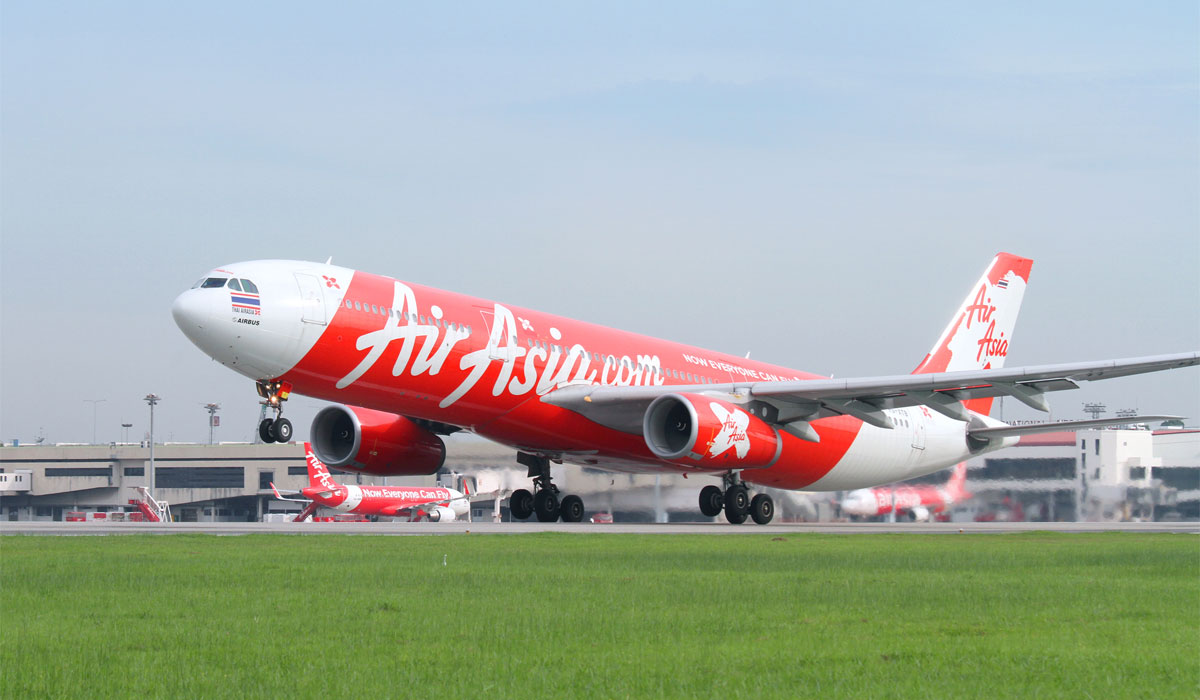
    Philippines AirAsia inked a partnership with the Hotel, Resort and Restaurant Association of Cebu (HRRAC) to help boost tourism and economic recovery in Cebu at a ceremony hosted last Friday.

    Under the Memorandum of Agreement, the Malaysian carrier will become the official airline partner of HRRAC’s hotel members to revitalize the tourism sector and economy of the island province.

    “Tourism stakeholders including AirAsia are united with stakeholders such as the HRRAC, the Department of Tourism and the local government unit in rebooting the tourism industry in Cebu, a vital industry that contributes to the Philippine economy,” said the airline’s CEO Ricky Isla during the signing ceremony.

    “But to succeed, we must offer travelers not just sights but also added value to their money. It is through partnerships that we provide exciting options and promos for our guests who are excited to be rediscovering Cebu as the global health situation is improving,” Isla told the Philippines News Agency.

    AirAsia will come to the table with partnership opportunities for HRRAC member companies to tap the sales potential of the airline’s a-Access, an incentive card that of holiday experiences and discounts.

    “The Covid-19 pandemic has demonstrated to the tourism industry that trust, partnership, and solidarity are essential for revitalizing travel as we anticipate the reopening of borders,” HRRAC president Alfred Reyes, who is also general manager of bai Hotel Cebu.

    Isla noted the long-term objective was to revive the meetings, incentives, conventions, and exhibitions (MICE) industry in Cebu, especially to encourage regional events to meet in Cebu once the pandemic is under control. Cebu was a top choice for MICE events, many of them Asia-wide conventions and exhibitions.

    “We aim to bring back the strong image of the Philippines as a MICE destination,” Isla concluded.
  • Vietnamese rice faces competition from India in Philippines

    Vietnamese rice faces competition from India in Philippines

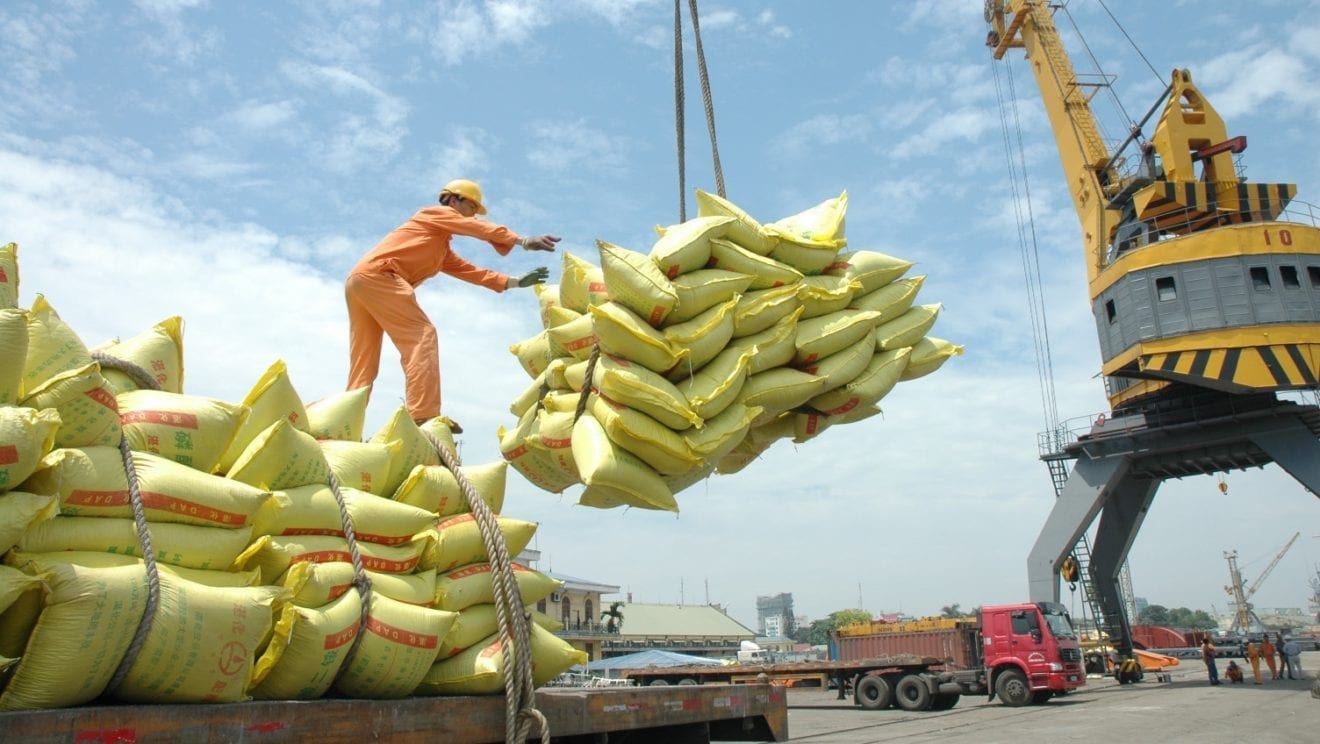
    The Philippines is set to import a lot of rice from India at $100 cheaper per ton than Vietnamese rice as it diversifies its supply sources.

    A report by the Agricultural Products Processing and Development Department (Agrotrade) shows that in the first five months of this year, Vietnamese rice exports reached 2.7 million tons at $1.48 billion, down 11.3 percent in volume and 5 percent in value over the same period last year.

    There’s no significant demand by foreign traders as they wait for the summer-autumn harvest season, the report said.

    On the other hand, the price of Vietnamese rice is much higher than that of India and Thailand. A ton of Vietnamese rice is $20 higher than that of Thai rice and over $100 per ton over Indian rice.

    On average, Vietnam’s rice export price in the first four months of this year reached $543 per ton, up 15.4 percent year-on-year. The Philippines is Vietnam’s largest rice-consuming market, accounting for 35.6 percent, but export to this market decreased 20.7 percent in volume and 4.9 percent in value over the same period last year. Similarly, rice exports to Indonesia also decreased sharply by 71.1 percent year on year.

    According to Agrotrade, market demand in the coming time will be high, but Vietnamese rice will face competition in the international market when the prices of Thai and Indian rice are more attractive to buyers.

    Recently, the Philippines eliminated import duties for ASEAN, non-ASEAN, and “Most Favored Nation” (MFN) nations with the goal of increasing imports of cheaper rice from India and Pakistan.

    Specifically, the Philippines has lowered import duties for MFN on rice to a single rate of 35 percent. It had previously imposed a 40 percent in-quota tariff rate and 50 percent out-of-quota tariff rate.

    On June 7, Philippines Finance Minister Carlos Dominguez announced that the country would seek more rice from countries outside Southeast Asia with the goal of diversifying supplies and keeping import prices at a reasonable price. Accordingly, India is a country with cheaper rice that can become a main supplier.

    Vietnam has been the main rice supplier to the Philippines so far. In addition, the Philippines also buys rice from Thailand and India, apart from other countries outside Southeast Asia.

    Vietnam is set to produce 43 million tons of paddy and export 6.5 million tons of rice this year, according to the Ministry of Agriculture and Rural Development.

    The nation was the world’s second-largest rice exporter last year at 6.25 million tons.

  • Singapore Fintech Gets Digital Bank License in Philippines

    Singapore Fintech Gets Digital Bank License in Philippines

    Unobank will be entirely regulated under the Digital Banking License framework in the Philippines.

    DigibankAsia, a Singapore-headquartered fintech, has become the first fintech to receive a license to operate a digital bank in the Philippines, it announced in a statement on Tuesday.

    Uno, which is operated by Singapore-based DigibankAsia, has been working with digital services and consulting firm Xebia, fintech software provider Backbase, cloud banking provider Mambu and Amazon Web Services, for its rollout in the Philippines, which has among the lowest banking penetration in Southeast Asia.

    The Bangko Sentral ng Pilipinas’ vision and foresight to digitize the local banking industry is future-forward and apt, because ultimately it will help align the Philippines as a modern banking center for the region, Manish Bhai, Unobank CEO, said in the announcement.

    According to Uno, it aims to bridge the financial inclusion gap to help pave the way for all Filipinos to have access to basic financial services, and hopes to extend its services to the rest of Southeast Asia and South Asia.

    Around 70 percent of the population of the Philippines is considered unbanked, while the country has very high mobile penetration, with 60 percent owning a smartphone and 67 percent of the population using the internet.

    The country’s banking regulator previously issued two digital banking licenses, which are conversions from previous bank licenses.

  • Philippines Targets Ex-Wirecard COO

    Philippines Targets Ex-Wirecard COO

    The Wirecard scandal continues to unravel as authorities in the Philippines file criminal complaints against its former chief operating officers and others.

    The Philippine’s National Bureau of Investigation (NBI) filed criminal complaints against individuals involved in the Wirecard scandal over accused violation of banking, cybercrime and e-commerce laws, according to a report citing a text message from Justice Minister Menardo Guevarra.

    NBI recommended charge against ex-Wirecard COO Jan Marsalek, Manila-based lawyer Mark Tolentino, Joey Dela Cruz Arellano, Judith Singayan Pe, and other unnamed individuals, according to a separate statement from the prosecutor general’s office.

    If found guilty, the charged individual could face up to 12 years of imprisonment and a maximum fine of around $42,000.

    Wirecard continues to face the aftermath of a scandal involving 1.9 billion euros ($2.3 billion) of missing funds despite documents that allege its previous existence and witness by auditor EY.

    Tolentino’s law firm was used by Wirecard to open foreign currency bank accounts with BDO Unibank and Bank of the Philippine Islands (BPI) – the two banks that the German firm claimed held the now missing funds.

    Arellano is being accused of issuing forged documents confirming that Wirecard held cash at BPI and receiving payments for the task by Pe and other unnamed individuals.

  • Omotesando Koffee to open first Philippines cafe in Manila

    Omotesando Koffee to open first Philippines cafe in Manila

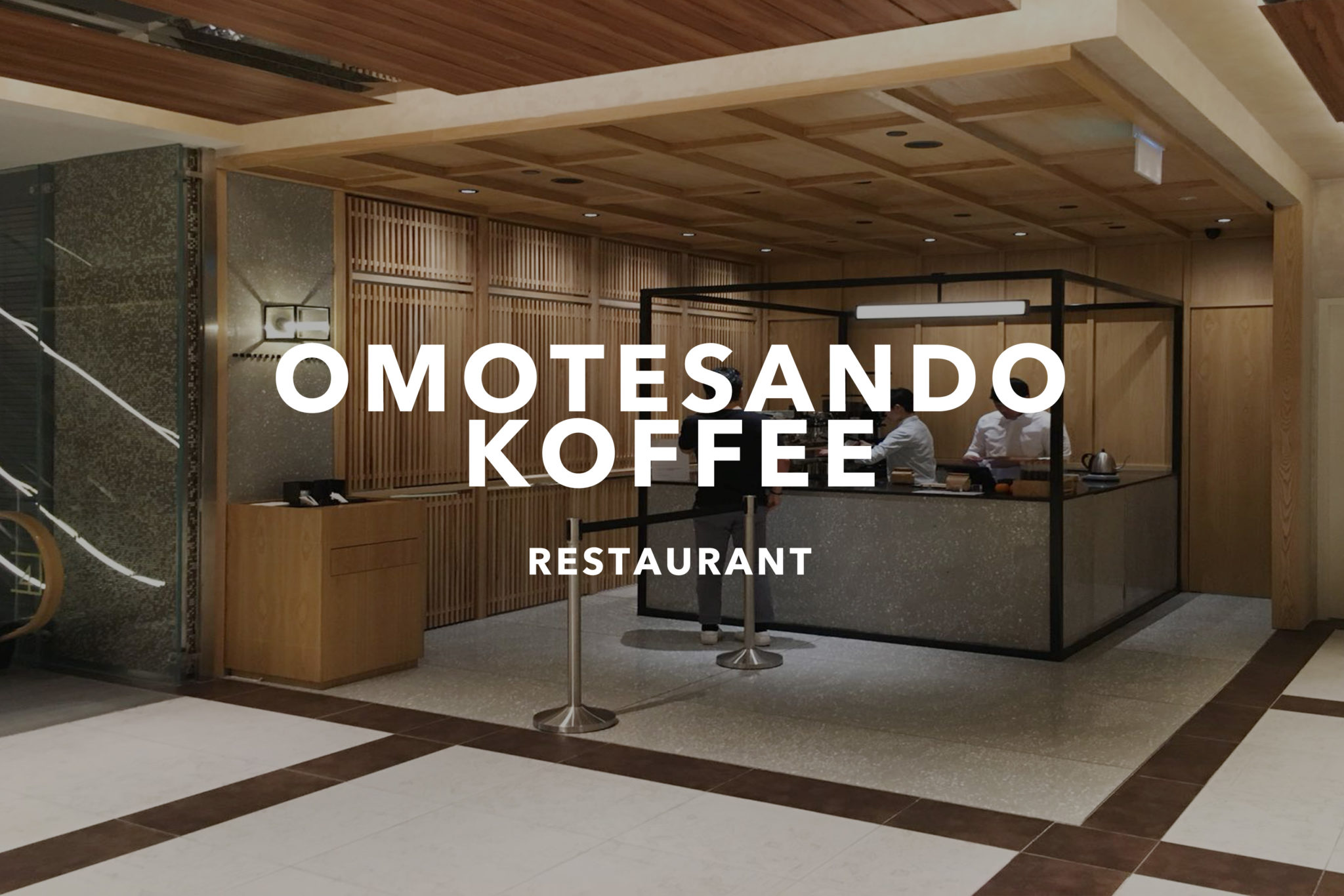
    Japanese coffee shop Omotesando Koffee is officially opening its first Metro Manila branch in Power Plant Mall, Makati City, tentatively slated for an August 2021 launch.

    The famous Zen-style, minimalist coffee shop from Tokyo will be brought into the Philippines by H&F Retail Concepts, the group behind luxury fashion brands Univers, Homme et Femme, Balenciaga, Comme des Garcons, and Fred Perry.

    David Ong, owner and head barista of The Curator and EDSA Beverage Design Group, will be helping out.

    “Well, the cat’s been out of the bag for a while now. This is just formalizing it further. The opening of the first branch is fast approaching, and we’re helping out a little bit,” Ong wrote on Instagram on Tuesday, June 1, posting a call-out for interested baristas to apply.

    According to Ong, two more Omotesando Manila locations will be opening this year, but the hiring process will be for this branch initially.

    News that Omotesando Koffee would open in Metro Manila first circulated late 2020, when the original brand’s Instagram page added “Manila” to a list of locations on their Instagram bio, alongside Tokyo, Hong Kong, Singapore, Bangkok, and London.

    Omotesando Koffee first opened as a humble pop-up shop in Omotesando Hills, Tokyo in 2011, growing in popularity for 5 years until it closed in December 2015 due to the “aging building” it was located in.

    They opened their first Hong Kong branch a year later, and expanded to cities around the world, including a re-opening in Shibuya, Tokyo as Koffee Mameya.

  • Cebu Pacific’s US$250 Million convertible Bonds Private Placement

    Cebu Pacific’s US$250 Million convertible Bonds Private Placement

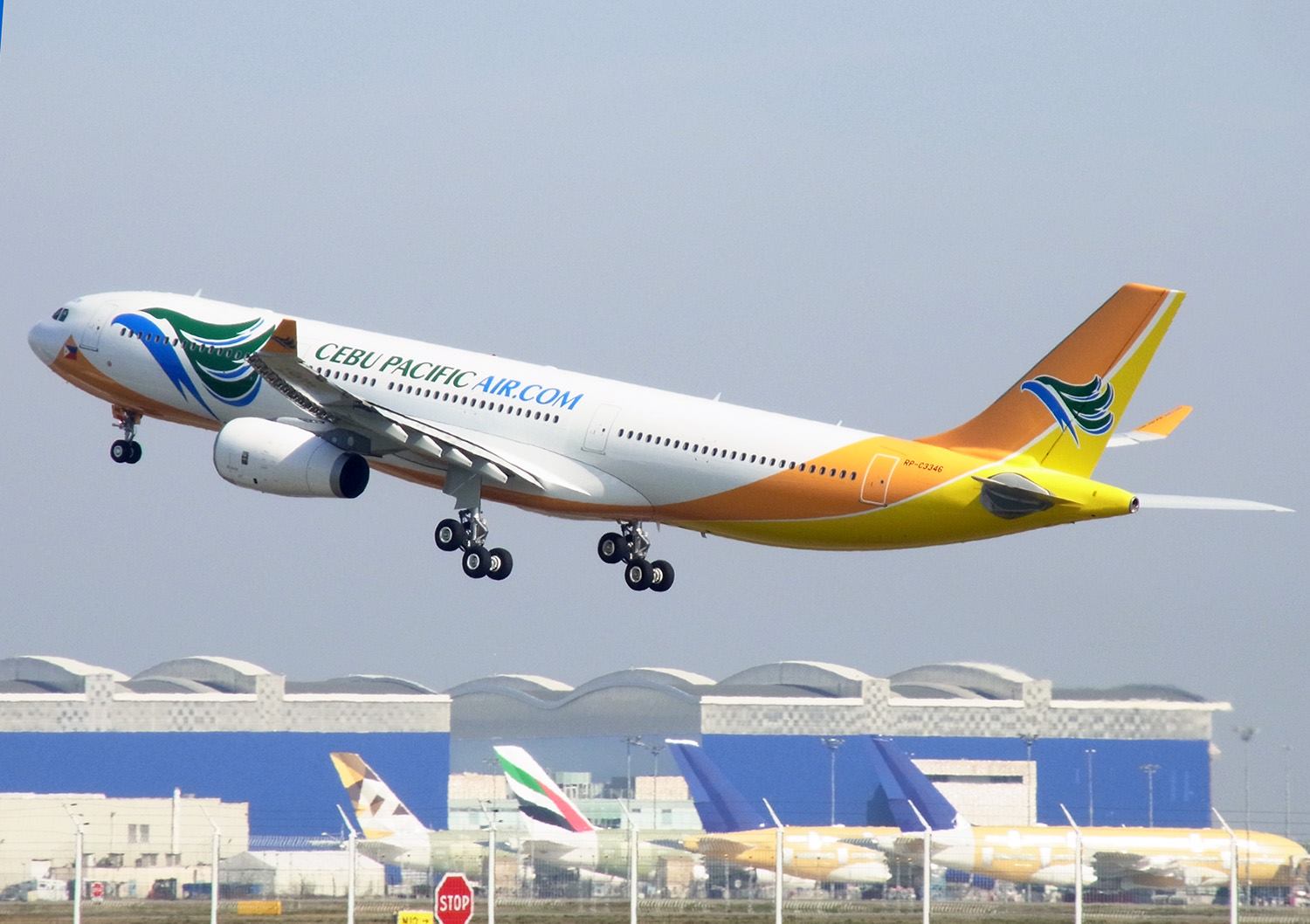
    Clifford Chance has advised the investors involved in the placement. International Finance Corporation, IFC Emerging Asia Fund, LP and Indigo Philippines LLC, an affiliate of private equity firm Indigo Partners LLC, were the investors inolved in the private placement of US$250 million convertible bonds due 2027 by low-cost carrier Cebu Air, Inc. (Cebu Pacific) listed on the Philippines Stock Exchange. The bonds are convertible into common shares of Cebu Pacific. The shares issued as a result of the conversion of the convertible bonds will be listed on the Philippines Stock Exchange.

    The private placement was part of a broader business transformation exercise that was launched by Cebu Pacific in response to the Covid-19 pandemic. The proceeds will be used to fund working capital requirements, repayment of debt and lease obligations, and critical capital expenditures of Cebu Pacific and its subsidiaries.

    The project involved a cross-border team of Clifford Chance experts in international corporate, debt, and capital markets transactions, led by partners Johannes Juette (Picture – Singapore), Virginia Lee (Hong Kong) and Gareth Deiner (Singapore), senior associates Claire Neo (Singapore) and Ryan Wong (Hong Kong) and associate Anson Wong (Hong Kong), with specialist advice provided by partner Fergus Evans (Singapore) and senior associate Nattawat Vilasdechanon (Singapore) for their expertise in aircraft financing.

  • Cebu Pacific airlifts more COVID vaccines

    Cebu Pacific airlifts more COVID vaccines

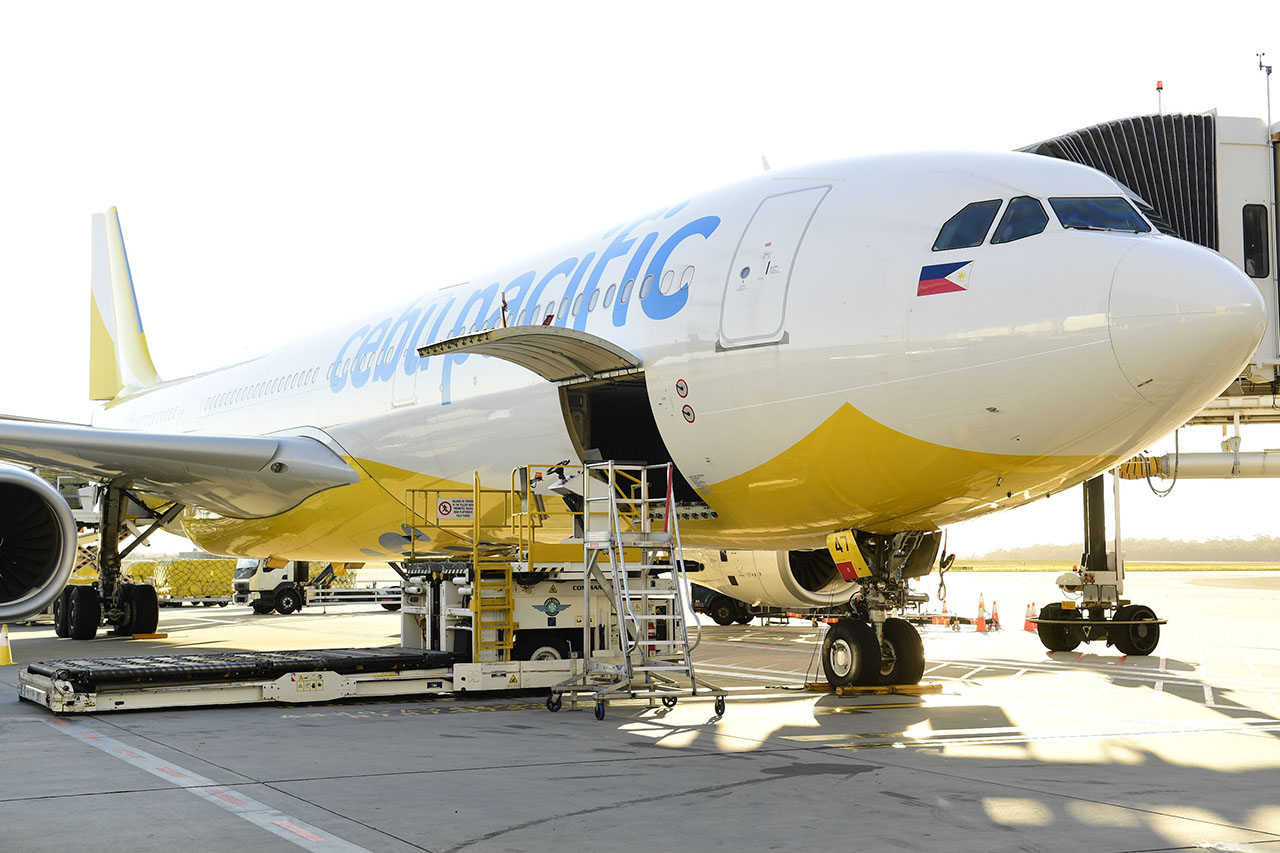
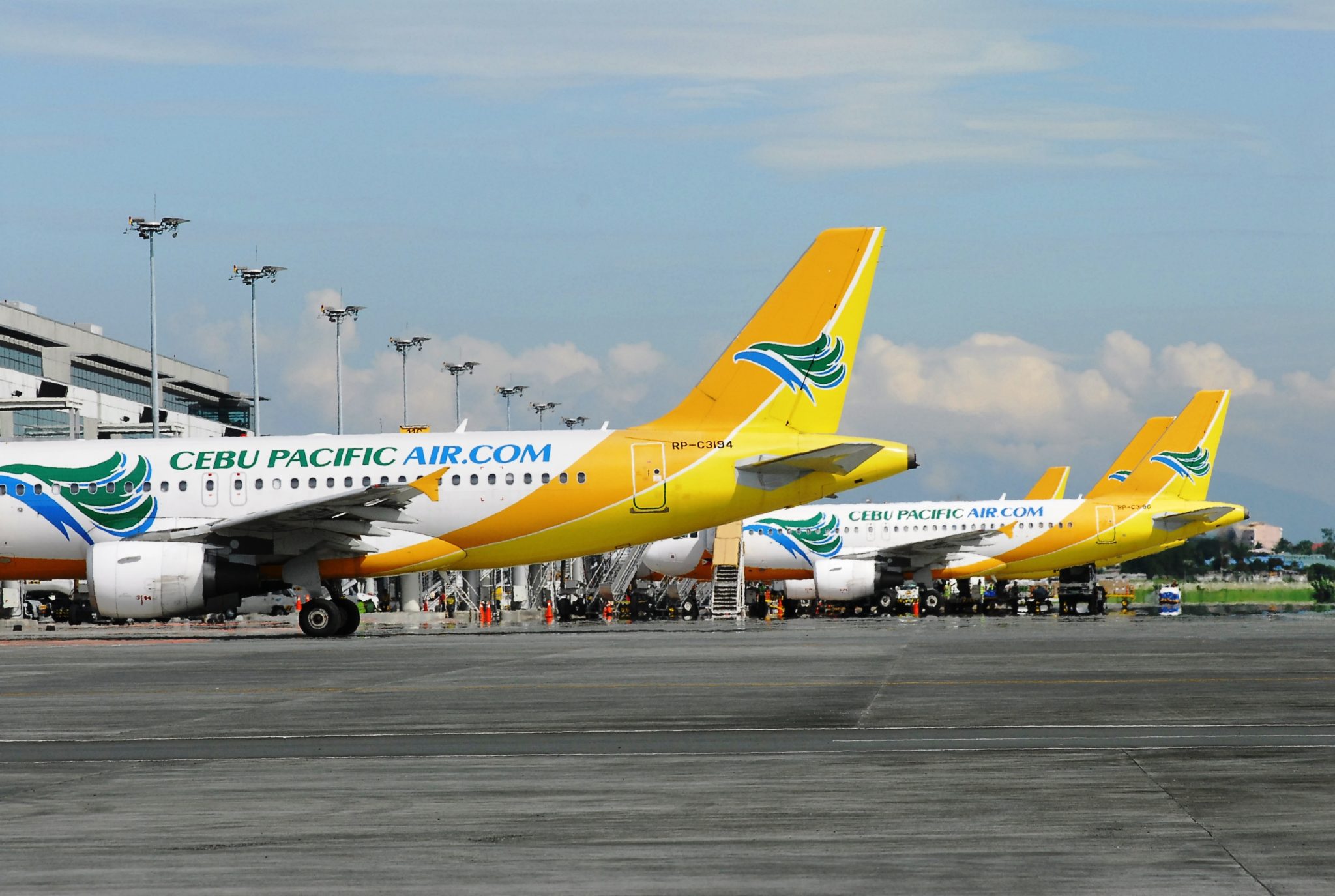
    The Philippines’ leading carrier Cebu Pacific safely delivered some 1.5 million doses of vaccines against coronavirus disease 2019 (COVID-19) in coordination with the Department of Health (DOH).

    The China-made doses recently arrived at the Ninoy Aquino International Airport (NAIA) via 5J 671.

    CEB is in full support of the nation’s vaccination program as it helps ensure these life-saving COVID-19 vaccines are flown safely to the Philippines, and distributed across the rest of the archipelago.

    “This large shipment of COVID vaccines with Cebu Pacific brings us closer to our goal of protecting every Filipino as fast as possible,” said Sec. Carlito Galvez, Jr., chief implementer of the National Task Force against COVID-19. “We are grateful to Cebu Pacific for joining forces with the government to support us in ensuring the success of this vaccine roll-out.”

    “We are thankful for the continued trust of the Philippine government and the DOH, and restate our intention to support our country’s fight against COVID-19 in any way we can. We look forward to picking up more vaccines from across the globe and aid in distributing across our widest domestic network,” Alexander Lao, Cebu Pacific Chief Strategy Officer.

    Upon unloading from CEB’s A330 aircraft, all vaccines were thoroughly inspected by the authorities prior to uplifting to refrigerated trucks via electric forklifts.

    On May 4, Cebu Pacific transported 6,200 COVID-19 vaccines from Manila to Puerto Princesa. Apart from Palawan, the carrier has delivered more than half a million doses of vaccines to six other cities in the country namely Bacolod, Cotabato, Legazpi, Tacloban, Tuguegarao, and Zamboanga.

    Following last week’s shipment of 500,000 Sinovac vaccines from Beijing to Manila, CEB has already transported more than 2.5 million COVID-19 doses since March 2021.

    CEB operates the widest domestic network in the Philippines covering 32 destinations, on top of its six international destinations. Its 74-strong fleet, one of the youngest in the world, includes two dedicated ATR freighters and one A330 freighter.

  • Woolworths to launch 150 products through Philippine grocer Robinsons

    Woolworths to launch 150 products through Philippine grocer Robinsons

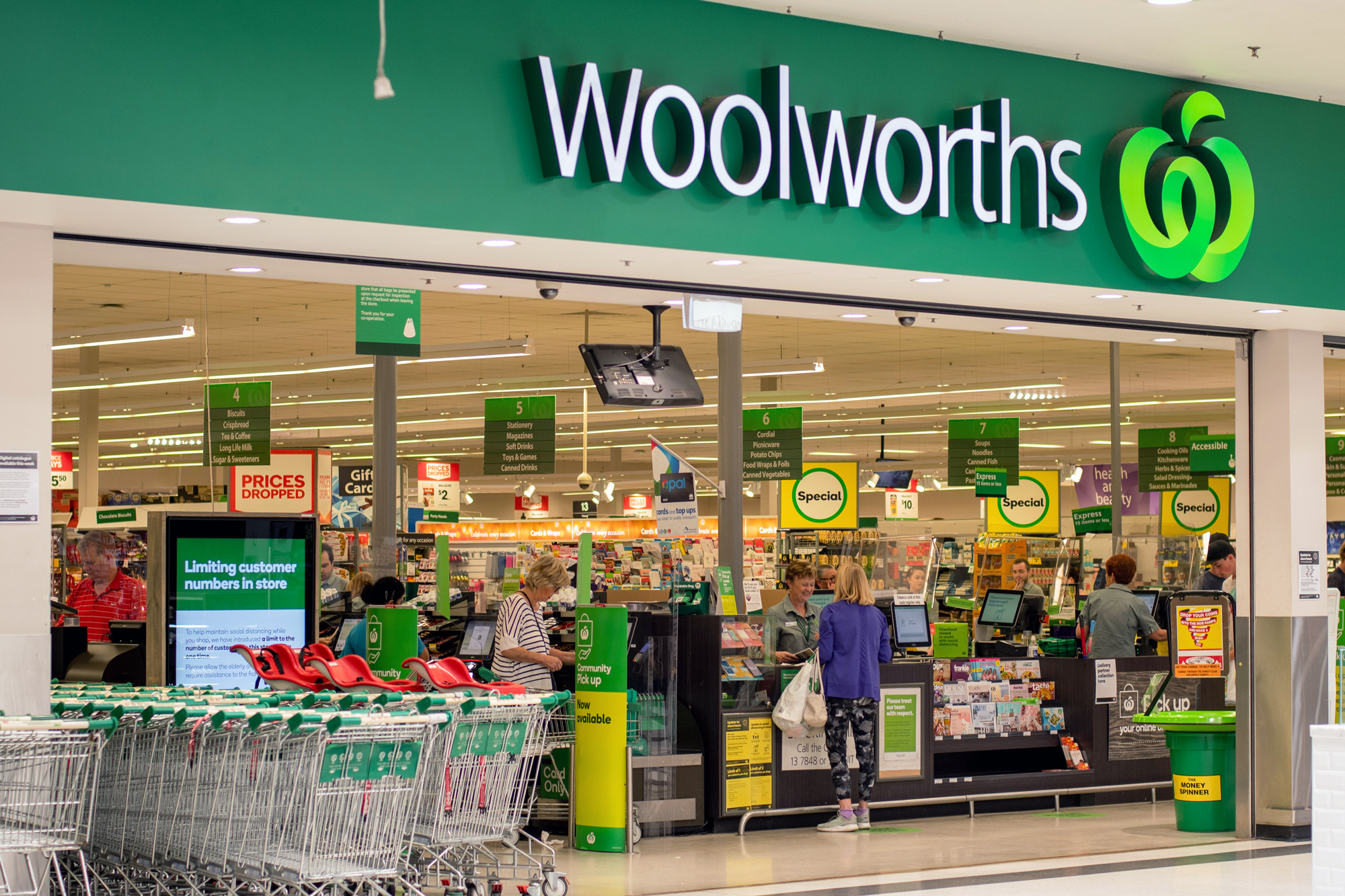
    Woolworths has partnered with the Philippines retail group Robinsons to launch a range of more than 150 products in the Southeast Asian country.

    Filipinos now can buy products from popular Australian brands, including milk, wine, honey, cereals, and baby food at Shopwise, The Marketplace, and selected Robinsons Supermarket branches.

    “It has always been our thrust to continue offering new products that will excite our shoppers every time they visit our stores,” said Jody Gadia, MD of supermarket segment at Robinsons Retail.

    “Woolworths’ values are consistent with the Robinsons Supermarket Group’s focus on health and wellness.”

    According to Gadia, Philippines consumers can find Australian products at Robinsons physical stores about 10 to 15 percent cheaper than other imported goods sold in the Philippines.

    International sales head at Woolworths, Brian Newton, the group’s expansion in the Philippines results from the growing demand for healthier options during the pandemic.

  • Cebu Pacific Raises $250 Million As Gokongwei’s Airline Prepares For Travel Recovery

    Cebu Pacific Raises $250 Million As Gokongwei’s Airline Prepares For Travel Recovery

    Cebu Pacific Air, the low-cost airline controlled by Philippine tycoon Lance Gokongwei and his siblings as part of JG Summit Holdings, said it has raised $250 million through the sale of convertible bonds to the International Finance Corp. and U.S. private equity firm Indigo Partners.

    The bonds can be converted into 318.75 million common Cebu Pacific shares at 68 pesos a piece, according to a filing with the Philippine Stock Exchange. The company didn’t disclose the specific investments made by IFC through its IFC Emerging Markets Fund and by Indigo partners through its Philippine subsidiary.

    The funds will provide the carrier some much-needed capital. Cebu Pacific, just like most travel-related businesses, suffered a net loss of 22.2 billion pesos ($459.4 million) last year as passenger traffic dropped 78% to 5 million. Both international and domestic travel came to an abrupt halt as the Philippines grappled with the Covid-19 pandemic. The country is among the hardest hit by the deadly virus in Southeast Asia.

    “At Cebu Pacific Air, our focus has been on bringing the vaccine into the country and getting back to regular travel,” Gokongwei told attendees to the 2021 Forbes Asia CEO Webinar late last month.

    The funds raised from the convertible bond issue form part of the the $500 million the airline aims to raise as it restructures operations in preparation for a vaccine-led recovery in the travel industry.

  • Cebu Pacific operator lists convertible preferred shares at stock exchange

    Cebu Pacific operator lists convertible preferred shares at stock exchange

    Cebu Air the listed operator of budget carrier Cebu Pacific, announced on Monday that 328.95 million of its convertible preferred shares with a par value of P1 per share are now ready to be traded on the main board of the Philippine Stock Exchange (PSE).

    “Despite the numerous challenges that airlines are currently facing, Cebu Pacific was able to raise approximately P12.49 billion ($256 million) from existing shareholders,” Cebu Air said in a disclosure to the stock exchange on Monday.

    The listed company added that the success of its fund-raising activity is “reflective of the belief that shareholders have, not only in the long-term prospects of Cebu Pacific, but also its vital role in the economic recovery of the Philippines.”

    The company has said the amount raised would help it address financial liabilities, including repayment of an advance by JG Summit Philippines Ltd., aircraft operating lease payments, principal debt repayments, and passenger refunds, among others.

    Cebu Air recently announced that its board approved a P16-billion, 10-year loan from local banks.

    The loan would be used to fund its capital expenditures and other general corporate purposes.

    The loan should also provide a cushion against “unexpected working capital requirements that may stem from fuel price and foreign exchange rate volatility,” Cebu Air said in an announcement.

  • Rice price surges 18 pct

    Rice price surges 18 pct

    Vietnam’s rice price in the first two months surged 18.2 percent year-on-year to $547.9 per ton, but with lower volume in most markets.

    Total volume fell 29.4 percent to over 656,000 tons, according to Vietnam Customs.

    The Philippines remained the largest importer but with volume down 28 percent year-on-year to 256,000 tons.

    Other markets that saw volumes drop by double-digits include Malaysia (–75 percent), the United Arab Emirates (–56 percent) and E.U. (–23 percent).

    China claimed second place with a 140-percent increase to 159,200 tons.

    Strong rises in volume were seen in Taiwan, up 80 percent, and France, up 47 percent.

    Vietnam’s rice exports grew by 9.3 percent last year to $3.07 billion, according to the Ministry of Industry and Trade.

  • Pomelo expands its online presence with localised Philippines store

    Pomelo expands its online presence with localised Philippines store

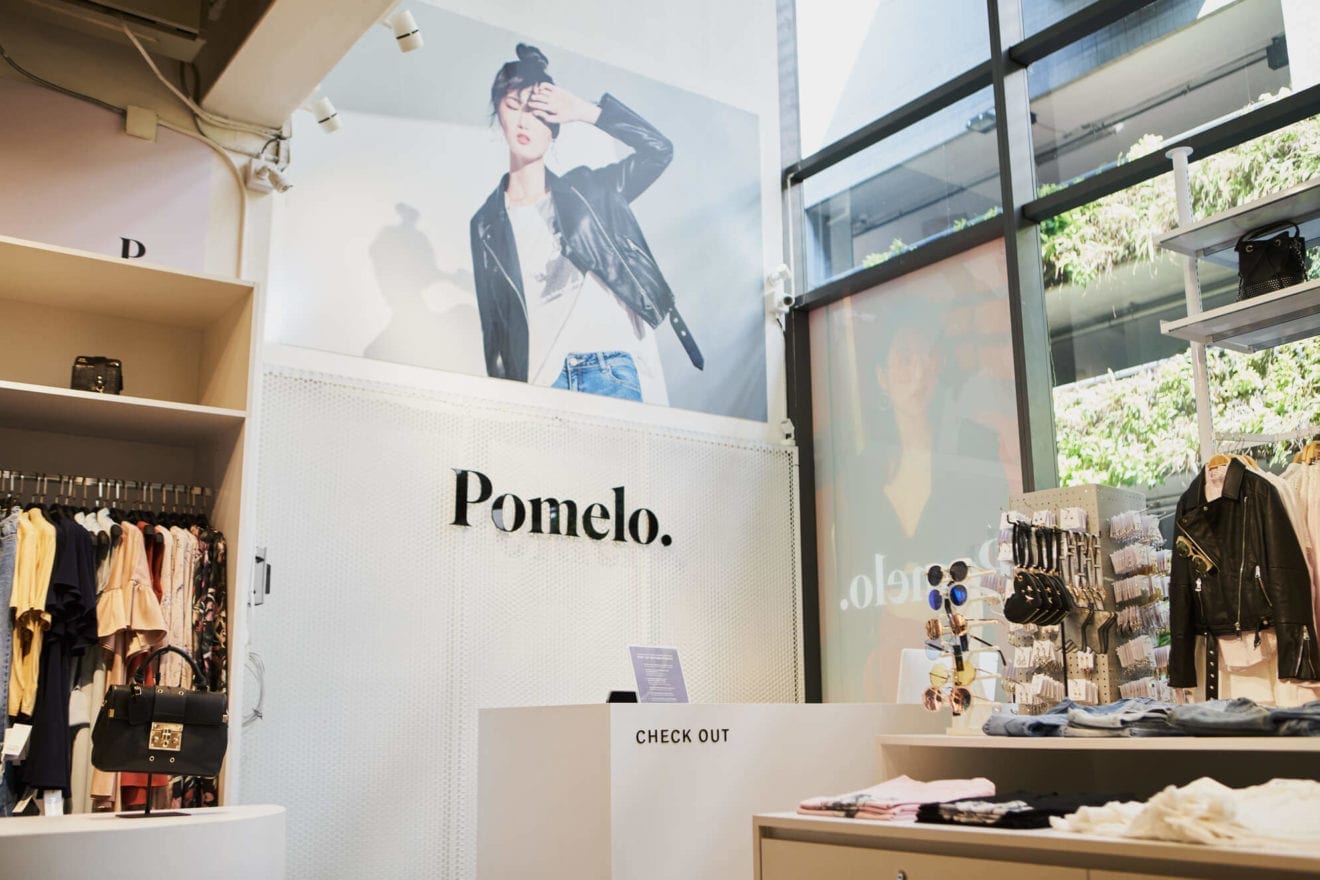
    The omnichannel fashion platform has launched a localized online store in the Philippines as part of its digital expansion across Southeast Asia.

    According to Pomelo, monthly orders from the Philippines currently account for around 10 percent of Pomelo’s total orders. Coinciding with the brand’s eight-year anniversary, the launch will help the brand strengthen their presence in Southeast Asia and increase its market share in the Philippines. Currently, the brand’s listing on Zalora Philippines has amassed more than 100,000 unique orders from locals.

    The Philippines’ online store will house Pomelo’s exclusive collaborations and fashion-forward apparel, including the brand’s new Spring/Summer 2021 Collection. The store will also feature the brand’s cashback reward and loyalty program, ‘Pomelo Perks.’

    This year in particular has seen the brand’s efforts to expand across the region increase with new stores launched in Singapore and Indonesia. The brand will also launch a flagship store in Malaysia this May.

  • First Neobank Launches in the Philippines

    First Neobank Launches in the Philippines

    The opportunity is ripe for the digital-only bank in the country, which has a population of over 100 million – 70 percent of whom is currently unbanked – spread across a vast territory of 7,600 islands.

    Tonik has rolled out its long-awaited deposit, payment, and card products to consumers in the Philippines, where it hopes to disrupt the traditional retail banking sector.

    The digital-only bank intends to boost financial inclusion, as previously unbanked customers can have accounts set up within five minutes through its mobile app, which come with a virtual MasterCard debit card. Accounts can be topped up via interbank transfer, debit card, or in cash at close to 10,000 retail agents across the country.

    Tonik said its use of technology will dramatically cut operating costs, and allows it to offer «game-changing» interest rates and not to charge unfair fees to customers. It plans to expand its offer to include a physical debit card and to allow customers to take out an all-digital consumer loan.

    We expect our proposition for the #NeoNormal to resonate particularly strongly with the “digital natives” in the Philippines, who constitute most of the population,» Long Pineda, president of Tonik Digital Bank, said in an announcement on Friday.

    Tonik is headquartered in Singapore, and is backed by venture capital funds including Sequoia India and Point72.

  • Nokia chosen by Globe Telecom for 5G rollout in the Philippines

    Nokia chosen by Globe Telecom for 5G rollout in the Philippines

    Under the terms of the agreement, Nokia will provide equipment and services from its comprehensive 5G AirScale portfolio to build out the Radio Access Network (RAN), including base stations and other radio access products. Globe Telecom will also use Nokia’s high-capacity AirScale massive MIMO Adaptive Antenna solution, which utilizes the latest 64TR radios, to boost coverage and performance.

    Utilizing the new 3.5GHz spectrum band for dense urban coverage, Globe Telecom will be able to provide end-users with high peak speeds typical on 5G network. The deal will also see the expansion of the existing FDD/TDD LTE network infrastructure. These solutions will enable Globe Telecom to roll out 5G services across the two major islands of the Philippines and offer customers superior speeds, capacity, and lower latencies while reducing complexity.

    Nokia will provide its NetAct solution for network management and seamless daily network operations as well as deliver digital design and deployment and optimization and technical support services.

    Nokia is an existing partner of Globe Telecom and provides a wide range of solutions including wireless, IP, optical, and fixed network products, and services.

    Ernest Cu, President and CEO, Globe Telecom, said:“We’re pleased to continue our partnership with Nokia to deliver compelling 5G experiences to our customers. We are going full steam ahead in delivering 5G in more areas, as this technology brings us closer to our goal of providing #1stWorldNetwork in the Philippines.”

    Tommi Uitto, President of Mobile Networks, Nokia, commented: “It’s exciting to be part of this project to deliver 5G services to citizens across the Philippines and see our industry-leading 5G RAN solutions underpin the network. The expanded and upgraded 5G network will deliver exciting new solutions to even more people and businesses and our technology will play a fundamental role in delivering these compelling connectivity experiences.”

  • AirAsia Group details $40m assistance to Philippines AirAsia

    AirAsia Group details $40m assistance to Philippines AirAsia

    AirAsia Group has disclosed that it extended approximately $40 million in advances and corporate guarantees to Philippines AirAsia in November-December.

    The low-cost airline group on 19 November provided a $19.1 million corporate guarantee to Filipino bank BDO Unibank. This was in relation to the restructuring of a three-year, $35 million loan to Philippines AirAsia, the group says in a 26 February disclosure to Bursa Malaysia.

    On 29 December, AirAsia Group through AirAsia Berhad provided AirAsia with a corporate guarantee and cash advances amounting to Ps991 million ($20.4 million), with Citibank Philippines as the beneficiary. In support of that move, AirAsia Group pledged one of AirAsia Berhad’s spare engines for an uncommitted short-term revolving credit facility applied for by Philippines AirAsia.

    AirAsia Group’s latest annual report for 2019 indicates that AirAsia Berhad is the legal name for the Malaysia-based LCC AirAsia, and AirAsia Inc refers to the AirAsia Philippines airline. The same report states that AirAsia Group’s effective equity interest in the Filipino carrier stood at 40%.

    The group says in its latest disclosure that the financial assistance was provided “in the ordinary course of business and to facilitate the running of the operations and financial affairs” of AirAsia Philippines.

    It adds that these do not have any material effect on its earnings per share, net assets per share and gearing of the company and its subsidiaries.