Tag: Philippines

  • Foodpanda grows q-commerce with more than 2,500 7-Eleven stores  across Singapore, Malaysia, Taiwan and the Philippines

    Foodpanda grows q-commerce with more than 2,500 7-Eleven stores across Singapore, Malaysia, Taiwan and the Philippines

    What’s more convenient than a convenience store? An online one, of course – delivering food, and essentials to customers’ doorsteps quickly, at the touch of a button. foodpanda, the leading delivery platform in Asia Pacific, marks a new milestone with the announcement of more than 2,500 7-Eleven stores on its app, making the leading convenient store available in Singapore, Taiwan, Malaysia and the Philippines.

    With this partnership, foodpanda brings hundreds of 7-Eleven items including hot food, ready-to-eat insta-meals, snacks and alcohol and even pre-paid mobile phone cards into customers’ hands within an average delivery time of 20 minutes. Deliveries can be made anytime, anywhere, 24/7 via foodpanda.

    In the beta phase for integration into the foodpanda “shops” feature, the number of 7-Eleven orders on foodpanda shops grew 50% month-on-month over the past six months. 7-Eleven stores on foodpanda offer over 1,000 unique items on average across the four markets.

    The most convenient convenience store, powered by technology

    As a pioneer in quick commerce, or q-commerce, foodpanda believes in using technology to better the lives of their customers. With 7-Eleven – a brand synonymous with convenience – on the foodpanda platform, consumers enjoy easy access to the choice and variety for their daily essentials.

    In the Philippines, the largest variety available from a 7-Eleven store via foodpanda is almost 1,600 unique items. In Taiwan, consumers have a preference for post-dinner orders from 8pm to midnight, especially for snacks. We see similar trends across the other markets in Asia as foodpanda continues to provide consumers with better varieties and access to on-demand convenience.

    Industry watchers like IGD have predicted growth in online grocery retail with more brick-and-mortar retailers partnering with delivery and technology companies to grow their online footprint, even prior to the COVID-19 pandemic. This is in line with the rise of the ‘convenience economy’ over the past few years, as consumers get accustomed to food and grocery deliveries. COVID-19 has accelerated this evolution and process. IGD reported that online grocery penetration is expected to remain at elevated rates post-COVID-19 as consumers stay home more. The report also predicts that consumers will continue using online deliveries when social distancing measures are lifted to save time.

    As a leading platform for on-demand deliveries in the Asia Pacific region, foodpanda supports the entire delivery ecosystem to ensure that it satisfies consumers’ appetite for greater choice and convenience through its expansion plans. This partnership underscores foodpanda’s dual focus on growing its core food delivery business as well as its q-commerce offerings.

  • Cebu Pacific promotes Philippine tourism with ‘Juan Love’ campaign

    Cebu Pacific promotes Philippine tourism with ‘Juan Love’ campaign

    The resilience of the country’s tourism sector was put to the test as local businesses and industries had to deal with the immense challenges brought about by the COVID-19 pandemic.

    However, it also brought out the Filipino spirit of Bayanihan, sparking hope for the nation as everyJuan provided support to one another.

    As an airline that strongly believes in #EveryJuanWillFlyAgain, Cebu Pacific further encourages everyJuan to step up and support the country as it gradually recovers.

    The country’s leading carrier has launched its newest campaign “Juan Love – One love for the Philippines.” At a time when borders are slowly reopening, this online campaign aims to inspire everyJuan to travel again – to see the places they have missed and experience the local culture and cuisine unique to every destination.

    The Juan Love campaign will not only highlight the beauty and wonders of Philippine destinations but will also capture how flying supports the people keeping the tourism industry afloat. Each flight, each tourist will help people sustain livelihoods – everyJuan for everyone.

    As this campaign showcases the scenic spots, thrilling activities, and native delicacies each destination is known for, Juan Love will also shed light on all the local businesses and fellow Filipinos making all these possible.

    “We are delighted that Cebu Pacific came up with this heartfelt initiative. More than rekindling the desire of Filipinos to travel once again, the Juan Love campaign also puts a spotlight on the people whose jobs and livelihoods depend on the inclusive growth brought about by tourism,” expressed Secretary Berna Romulo-Puyat of the Department of Tourism.

    “We are always grateful for the support, and rest assured that we will continuously collaborate with the aviation sector so we may all help our industries, and our economy, recover,” she also said.

    Staying true to its commitment to provide safe, affordable, and fun-filled air travels for everyJuan, Cebu Pacific celebrates local tourism with a series of exciting Juan Love Seat Sales!

    “We have been continuously working hand-in-hand with our partners in the government to help ensure the nation bounces back from this crisis. We believe as more destinations open up for tourist travel, we are able to support the small businesses and communities,” said Candice Iyog, Cebu Pacific Vice President for Marketing and Customer Experience.

    “With the launch of our Juan Love campaign, we hope everyJuan joins us in showing one love for the Philippines,” Iyog added.

    A total of one million seats to domestic destinations will be up for grabs throughout the ‘ber’ months for the Juan Love push.

  • Cebu Pacific and SIAEC dismantle maintenance joint ventures

    Cebu Pacific and SIAEC dismantle maintenance joint ventures

    Cebu Pacific Air (CEB) and SIA Engineering are unwinding their partnership in both their joint venture MRO companies based in the Philippines.

    These are Aviation Partnership (Philippines) Corporation (APPC), 51% owned by SIAEC and 49% by CEB, and SIA Engineering Philippines Corporation (SIAEP), 65% owned by SIAEC and 35% by CEB, established in 2005 and 2008, respectively. SIA Engineering Philippines is based in Clark.

    APPC is based in Manila and provides line maintenance, light aircraft checks, technical ramp handling, and other MRO services, at Manila, Cebu, Davao, and Clark, as well as other secondary airports in the Philippines.

    Clark-based SIAEP provides airframe maintenance, repair, de-lease checks, cabin retrofits, and overhaul services for Boeing 737, Airbus A320, and A330 aircraft, as well as line maintenance at Clark.

    CEB is acquiring SIAEC’s entire 51% stake in APPC for a cash consideration of nearly $5.61 million.

    SIAEC is acquiring CEB’s 35% stake in SIAEP for $7.74 million cash and states that this will be accounted for as an equity transaction.

    CEB and SIAEC signed on 26 October a share sale and purchase agreement for each entity. When completed, each joint venture company will become a wholly-owned subsidiary of the acquiring partner while the divesting partner will cease to hold any equity interest.

    The valuation for each transaction was arrived at after arm’s length negotiations on a willing-buyer, willing-seller basis, taking into account the net asset value and financial performance of each joint venture, among other factors.

    SIAEC states in a disclosure to the Singapore Exchange that based on each entity’s unaudited financial statements for the financial year ended 31 March, 51% of APPC’s net asset value was equivalent to $4.76 million and 35% of SIAEP’s net asset value was $9.32 million.

    According to CEB’s disclosures to the Philippine Stock Exchange, its financial statements for the quarter ended 30 June put its net carrying value of a 35% stake in SIAEP at $7.5 million while 51% of APPC’s net asset value works out to $4.5 million.

    CEB says that acquiring APPC is in line with its overall strategy to align line maintenance operations with its network and service requirements more closely, “for significant operational efficiencies and optimization of resources for an even stronger competitive advantage.”

    SIAEC says that the SIAEP acquisition fits its strategy to strengthen core competencies and enhance the entity’s status as the group’s center of excellence for narrowbody aircraft MRO offerings.

    It states: “The SIAEC Group is now in a stronger position to seize new opportunities, and provide customers with cost-competitive and integrated MRO solutions, from airframe to engines and components, for modern aircraft fleets of various sizes and composition.”

  • Jollibee increases stake in Tim Ho Wan

    Jollibee increases stake in Tim Ho Wan

    Despite uncertainties in the food industry due to the coronavirus pandemic, Jollibee Foods Corporation is increasing its stake in the ultimate holding entity of popular restaurant chain Tim Ho Wan.

    Through its subsidiary Jollibee Worldwide, it increased its stake in the Michelin-starred restaurant to 85% from 60% by purchasing the 25% interest of Aragon Investments in Titan Dining, the private equity fund and ultimate holding entity of Tim Ho Wan.

    The transaction worth SGD36.3 million to be paid in cash is expected to be completed on October 30.

    In May 2018, Jollibee invested SGD45 million in Titan Dining, representing a 45% stake. The deal gave Jollibee an opportunity to acquire a “substantial ownership” in the dim sum restaurant chain’s master franchisee in the Asia Pacific in 7 years.

    When the deal was made, Tim Ho Wan and its affiliate Dim Sum Pte Ltd, which owns and operates Tim Ho Wan stores in Singapore, also had franchisees in Cambodia, Indonesia, Japan, Macau, Taiwan, Thailand, Vietnam, Australia, and the Philippines.

    In October 2019, Jollibee increased its investment to SGD120 million, representing a 60% stake.

    Jollibee then opened the first Tim Ho Wan restaurant in China in September 2020.

    Jollibee currently has 3,247 restaurants in the Philippines and 2,566 stores overseas.

  • Dairy Farm sells Rose Pharmacy chain to Robinson Retail

    Dairy Farm sells Rose Pharmacy chain to Robinson Retail

    Listed Robinsons Retail Holdings reported on Friday that it acquired local drugstore chain Rose Pharmacy Inc. through its subsidiary South Star Drug Inc.

    In a disclosure, the Gokongwei-led retailer said South Star Drug and Dairy Farm International Holdings Inc. subsidiary Mulgrave Corp. B.V. (MCBV) signed a share purchase agreement to buy Rose Pharmacy.

    Dairy Farm acquired a 49-percent share in Rose Pharmacy in 2015 before increasing it to 100 percent in November 2018.

    “I am delighted that Rose Pharmacy will be part of our portfolio as it takes us back to our hometown in Cebu, where my father and JG Summit Holdings and RRHI founder John Gokongwei Jr. started as an entrepreneur. Mr. John also admired Rose Pharmacy for its strong brand reputation in the Visayas and Mindanao,” Robinsons Retail President and Chief Executive Officer Robina Gokongwei-Pe said in the disclosure.

    “The deal also further bolsters our strategic partnership with Dairy Farm to strengthen our position in Philippine multiformat retailing. We first worked with Dairy Farm for the acquisition of Rustan Supercenters Inc. in 2018, which deepened our footprint in the premium supermarket space. Our acquisition of Rose Pharmacy yet again offers ripe opportunities for innovation through strategic synergies,” she added.

    Rose Pharmacy was established as a family-run drugstore in Cebu City in 1952. It generated P9 billion in net sales last year and has over 300 branches in the Visayas and Mindanao.

    “Rose Pharmacy is a very strategic addition to our drugstore portfolio with its highly regarded brand in VisMin and complementary network to South Star Drug’s strong presence in Luzon and Metro Manila,” South Star Drug Managing Director David Goh said.

    “Together, we can leverage our scale and synergies to drive wider product assortment, better customer service and offer greater value to our customers across Philippines when they need it most,” he added.

  • Online marketplaces thriving in the Philippines after Covid-19 crisis

    Online marketplaces thriving in the Philippines after Covid-19 crisis

    The coronavirus crisis has divided retail companies into two distinct groups: those with functioning e-commerce businesses, and those without. Many of the have-nots won’t survive.

    The winners: The pandemic forced Amazon to hire more workers and overhaul its supply chains. But Jeff Bezos’ juggernaut has emerged stronger than ever, repeatedly trouncing Wall Street’s sales expectations.

    Other retailers that invested heavily in e-commerce before the pandemic are also thriving. Walmart is one example, but there are other less obvious success stories. Ikea, which is best known for its cavernous big box stores, reported a 45% increase in online sales over the 12 months to August.

    Going bust: The ranks of the less fortunate include companies that didn’t fully embrace online shopping, or that relied too heavily on sales in malls. J. Crew, Brooks Brothers, Sur La Table and Men’s Wearhouse owner Tailored Brands have all filed for bankruptcy in recent months. The company behind Pringle sweaters and Harris Tweed is also at risk of collapse.

    The question: Will consumers keep buying online once the pandemic fades?

    US e-commerce sales will increase 18% to $710 billion this year, research firm eMarketer estimated in June. Global sales will nearly match that pace of expansion, rising 16.5% to $3.9 trillion.

    There is some early evidence that consumers won’t revert to their old ways. A research paper from McKinsey earlier this year said trends in China suggest that between three and six percentage points of market share gained by online channels will be “sticky.”

    The longer the pandemic drags on, the more likely that consumers stick to their new habits. Companies are racing to adapt.

    “We’re seeing a much broader set of the retail ecosystem really seeing e-commerce as a top priority, and that has certainly amplified since Covid,” Bill Ready, Google’s president of commerce, told me in an interview.

    “Consumers have dramatically shifted their shopping to online over the past six months,” said Ready, adding that shoppers are embracing e-commerce innovations such as curb-side pickup in large numbers.

    Google has accelerated its own e-commerce plans in response to the pandemic, Ready said. The search giant is now allowing retailers in Europe, the Middle East and Africa to list products on its shopping tab for free, after doing the same earlier this year in the United States.

    What next: The stakes are high, especially for small businesses that were slow to get started and are now desperately trying to catch up.

    “Previously, many retailers might have said, ‘well, e-commerce is a relatively small part of the overall business, maybe 10%,’” said Ready. “Now that’s grown dramatically to 30% or 40% plus for many retailers.”

    Even e-commerce giants can’t afford a misstep. Investors will be watching closely later this week when Amazon celebrates its annual Prime Day with deep discounts on Tuesday and Wednesday.

    The event, which will be held roughly three months later than usual, is expected to generate $9.9 billion in global sales for Amazon, up 43% from last year’s event, according to eMarketer.

    India’s equivalent bonanza, which pits Walmart-owned Flipkart against Amazon in a fierce discounting battle, kicks off later in the week.

    What a Biden presidency would mean for banks

    As the nation’s biggest banks prepare to report their latest earnings this week, these titans of Wall Street face a conundrum.

    Many financial services executives are supporting Joe Biden over President Trump — even though a Biden win could be a slight negative for the industry, my CNN Business colleague Paul R. La Monica reports.

    The rub: Deregulation championed by the White House, Trump’s tax cuts of 2017, and low interest rates ushered in by Trump-nominated Fed boss Jerome Powell have helped fuel a market rally that was — at least until Covid-19 hit — good for bank profits.

    But according to a recent analysis from S&P Market Intelligence, Biden’s proposed tax plan could lead to a combined $7 billion increase in corporate taxes annually for the nation’s top 10 banks.

    Executives from JPMorgan Chase, Citigroup, Bank of America, Wells Fargo, Goldman Sachs and Morgan Stanley will almost certainly be asked about the election during this week’s earnings calls with analysts and investors.

    Counterpoint: The S&P analysts noted that a higher corporate tax rate could actually boost bank valuations. That’s because many big banks have assets on their books that would actually increase in value if tax rates went up.

    What’s more, Biden is unlikely to push for a significantly higher corporate tax rate, some experts say.

    “With the economy likely still struggling to recover from the pandemic-induced recession … moderate Democrats in conservative states … would push back on a significant tax increase,” Isaac Boltansky, an analyst for Compass Point Research & Trading, wrote in the S&P report.

  • Cebu Pacific to raise $500 million in fresh capital

    Cebu Pacific to raise $500 million in fresh capital

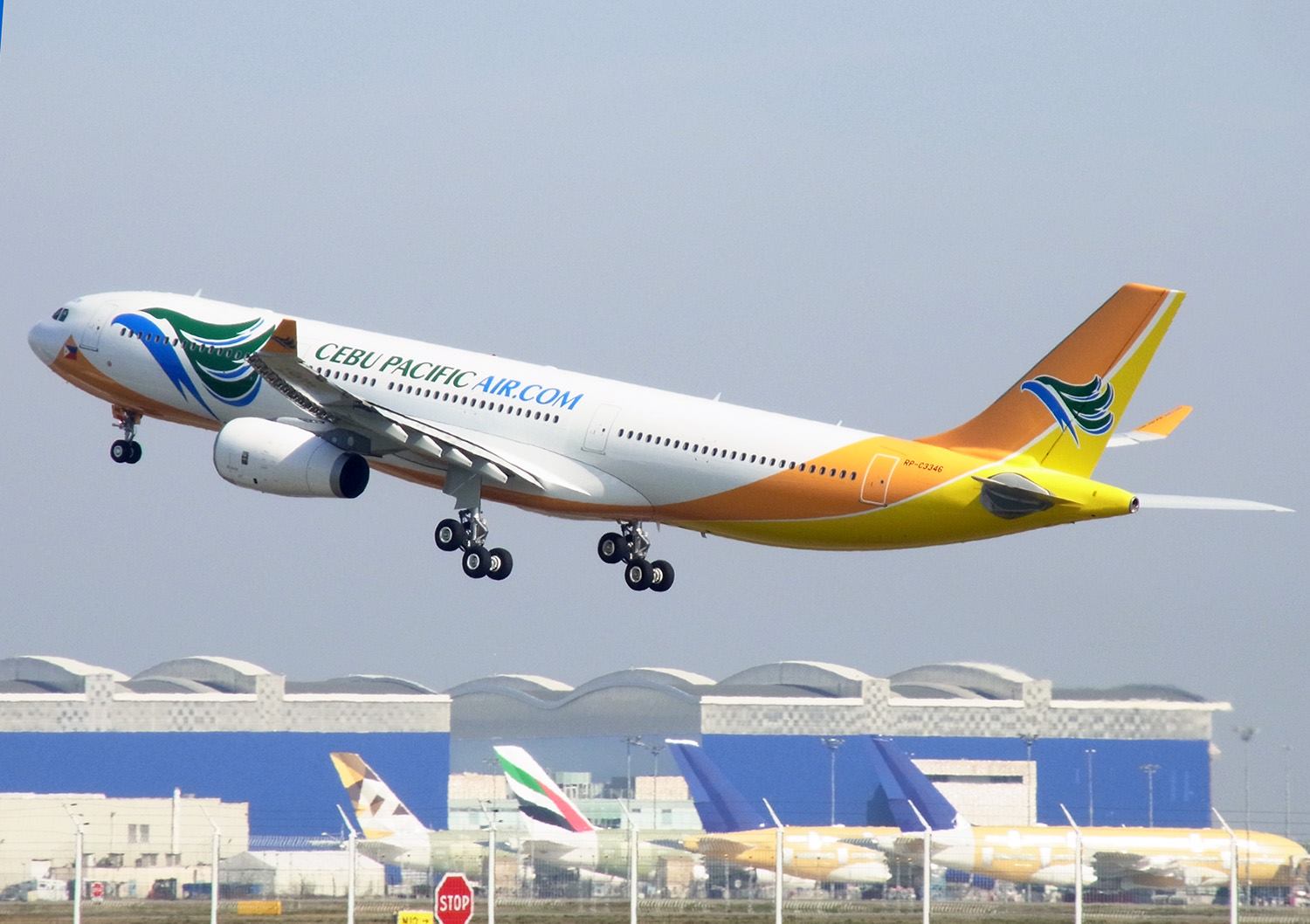
    Cebu Pacific announced plans to raise up to $500 million in additional capital — by selling preferred shares and bonds — as it undertakes a restructuring exercise that sees it cut its fleet and network to cope with reduced travel demand.

    The Philippine low-cost carrier discloses that it will raise up to $250 million in new convertible preferred shares and another $250 million in a private placement of convertible bonds.

    Proceeds from the recapitalization exercise, subject to shareholder approval by November, will help strengthen the carrier’s balance sheet, it adds.

    It also comes as part of a wider business transformation exercise that the carrier is undertaking.

    Like many carriers in and around the region, Cebu Pacific has acutely felt the impact of the coronavirus outbreak, which has seen travel restrictions crimp demand.

    It notes that it is only operating about 15% of pre-pandemic capacity. For the first six months of the year, Cebu Pacific reported a 61% year-on-year decline in revenue, at Ps17.3 billion ($357 million).

    It also reported an operating loss of Ps6.29 billion for the quarter ended 30 June, widening the Ps693 million loss incurred in 2020’s first quarter.

    “Due to this exceptional change in market conditions and industry dynamics, [Cebu Pacific] saw the urgent need to fast track its transformation. It is currently implementing a business transformation exercise that involves the right-sizing of network and fleet to meet new demand, and improvement of operations efficiency through process and policy enhancements and digitalization, among others,” the carrier discloses.

    Cebu Pacific adds that since the start of the pandemic, it has been accelerating efforts in digitalization, “resulting in a significantly reduced unit cost, allowing the carrier to continue offering affordable air travel”.

    “This capital raising exercise will provide the airline with the needed runway to withstand the financial challenges it faces as it slowly goes back to pre-Covid business levels and settles into the ‘new normal’,” it states.

  • Cebu Pacific now halfway through refund claims

    Cebu Pacific now halfway through refund claims

    Budget carrier Cebu Pacific is asking passengers for patience as it works through a pile of refunds that reached almost P5 billion. Like other airlines, Cebu Pacific has been hit hard by the COVID-19 pandemic, which forced the mass cancellation of flights and prospective trips.

    “We understand how challenging this whole situation is, and we sincerely apologize for the delay,” Cebu Pacific said in an advisory to passengers.

    Cebu Pacific said it had already refunded over P2.4 billion to customers but this was just about half of the requests received.

    “Since the start of this pandemic, we have received an unprecedented number of refund requests due to flight cancellations brought about by the lockdown,” Cebu Pacific said.

    “Our refund process than was originally not designed to handle this volume of requests, and this resulted in a backlog. We have since then revamped our procedures in order to address this,” it added.

    Cebu Pacific said processing of refund requests would take about six months.

    “We remain committed to our customers to complete pending refunds and will update them once these have been processed. We are currently halfway through refund requests filed last April,” Cebu Pacific said.

    At present, Cebu Pacific has restored just 10 percent of its pre-COVID network.

    Cebu Air Inc, which operates Cebu Pacific, announced a P9.1-billion loss in the first half of 2020, which included the almost three-month lockdown of major cites across the Philippines.

    The loss reverses a P7.14-billion profit in the January to June 2019. With the recent signing of the Bayanihan to Recover as One Act, airlines will have the option to stop issuing refunds for new requests while the law is in effect.

    Under the law, they will be allowed to issue travel vouchers instead.

  • SNAP deals on AirAsia Philippines

    SNAP deals on AirAsia Philippines

    To boost domestic tourism in the Philippines, AirAsia has partnered with local hotels to launch SNAP – the new way to travel.

    SNAP is a new flight + hotel combo platform on airasia.com which offers convenient fly and stay packages at unbeatable prices introduced in the Philippines at the weekend.

    AirAsia Philippines CEO Ricky Isla said: “This initiative has opened up opportunities to work with partner hotels, as we start to recover from the effects of the pandemic which have devastated the travel and tourism industry. We look forward to forming more partnerships with more hotels in the future.”

    AirAsia is offering an introductory SNAP promotion of up to 50% off on flights when you book a flight plus hotel via SNAP. The promotional fare is available on airasia.com from 21 to 27 September 2020, for travel from 21 September 2020 to 25 March 2021.

  • Dh200 airfare to fly Dubai-Manila with Cebu Pacific in September offer

    Dh200 airfare to fly Dubai-Manila with Cebu Pacific in September offer

    At a base fare of Dh200 from Dubai to Manila, the Philippines’ no-frills carrier Cebu Pacific has unveiled a week-long airfare discount blitz on Tuesday (September 1, 2020).

    The move is aimed to boost demand and post-COVID-19 confidence among flyers, especially overseas Filipino workers and their families in the UAE.

    The quoted discounted fare is valid for one-way travel only, inclusive of base fare. It also does not include taxes and fees, “web administration fee”, and fuel surcharge.

    The carrier is known for its “Piso” fare (1-peso, $0.021) offers. But, with the lingering threat from COVID-19, it remains to be seen whether such price-drops would indeed translate to a post-recovery spike in travel demand.

    The airline has also stated that promo fares offered are limited and are non-refundable — but rebookable subject to fees and charges.

    Flight changes, availing of prepaid baggage allowance for check-in baggage and web check-in service can also be done up to 4 hours before scheduled flight. International fare is on a book and buy basis, according to the airline.

    The Philippine economy, like the rest of the world, is reeling from the coronavirus pandemic. Up to 3,000 companies reportedly went bust in the last seven months.

    Quarantine measures remain in place for travelers as the Philippines reported 224,000 COVID-19 infections, with 158,000 recoveries and 3,597 deaths as of September 1, 2020.

  • Cebu Pacific enhances Manage Booking portal

    Cebu Pacific enhances Manage Booking portal

    The Philippines’ largest national flag carrier, Cebu Pacific (CEB), has enhanced its Manage Booking portal to allow passengers to easily update their contact information after booking has been finalized. This is available for both passengers who booked online or through a travel agency.
    “Now more than ever, we have seen how important it is for airlines to have the accurate passenger contact information – not only to keep passengers updated on any flight changes but also to support contact tracing efforts if needed,” said Candice Iyog, CEB Vice President for Marketing & Customer Experience.
    The improved Manage Booking portal also aims to provide support to local government units in the Philippines who require passenger details prior to the flight.
    “We believe that with this multi-layered approach to safety and convenience, we will be able to restore trust and confidence in air travel for everyone,” she added.
    Beginning today, passengers may conveniently update their contact information anytime, from post-booking until check-in, through CEB’s Manage Booking portal on the website.
    Cebu Pacific increased its number of flights between Dubai and Manila to twice weekly beginning August 13. Dubai-Manila flights are scheduled every Monday and Friday, while the Manila-Dubai route operates every Sunday and Thursday.
  • Cebu Pacific strengthens contact info database

    Cebu Pacific strengthens contact info database

    The Philippines’ leading carrier, Cebu Pacific has enhanced its Manage Booking portal to allow passengers to easily update their contact information after booking has been finalized.  This is available for both passengers who booked online or through a travel agency.

    “Now more than ever, we have seen how important it is for airlines to have the accurate passenger contact information – not only to keep passengers updated on flight changes but also to support contact tracing efforts,” said Candice Iyog, CEB VP for Marketing & Customer Experience.

    This enhancement will provide support to local government units who require passenger details prior to the flight.

    “We believe with this multi-layer approach to safety and convenience, we will be able to restore trust and confidence in air travel for everyone”, added Iyog.

    Beginning today, passengers may already conveniently update their contact information anytime, from post-booking until check-in, through CEB’s Manage Booking portal on the website.

    Fill out necessary details on the manage booking page, then select which flight you’d want to modify. Click on “Update Guest Details” and click continue until done.

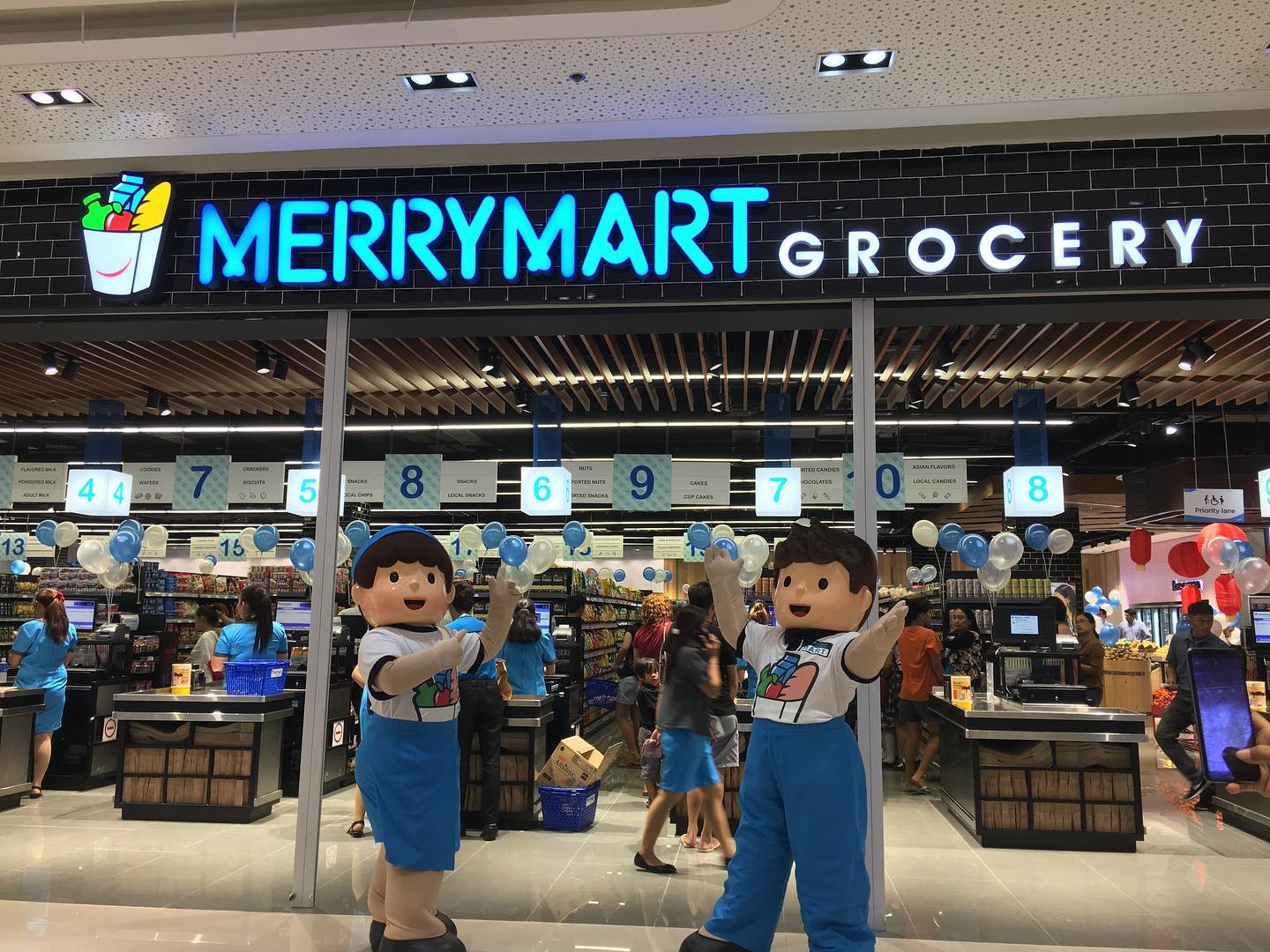
  • MerryMart set to open it’s first drive-thru store

    MerryMart set to open it’s first drive-thru store

    Philippines grocery chain MerryMart will launch its inaugural drive-thru outlet in Iloilo City in January.

    MerryMart’s new drive-thru is in part a response to the impact of the coronavirus pandemic. The firm is planning to deploy this concept in multiple locations at various major thoroughfares.

    The firm’s owner, Edgar “Injap” Sia II, launched an IPO several months ago on the strength of his achievements in the fast-food franchising sector via the Mang Inasal restaurant chain, which was eventually purchased by Jollibee a decade ago. MerryMart’s concept takes its cues from Sia’s innovations in the former business.

    Funds from the IPO are being used for network expansion.

    The MerryMart stores will be serviced by distribution centers operated by sister business DoubleDragon as the firm expands nationwide. The firm currently has nine branches and is aiming to run 1200 outlets within the decade with total revenues of US$2.46 billion.

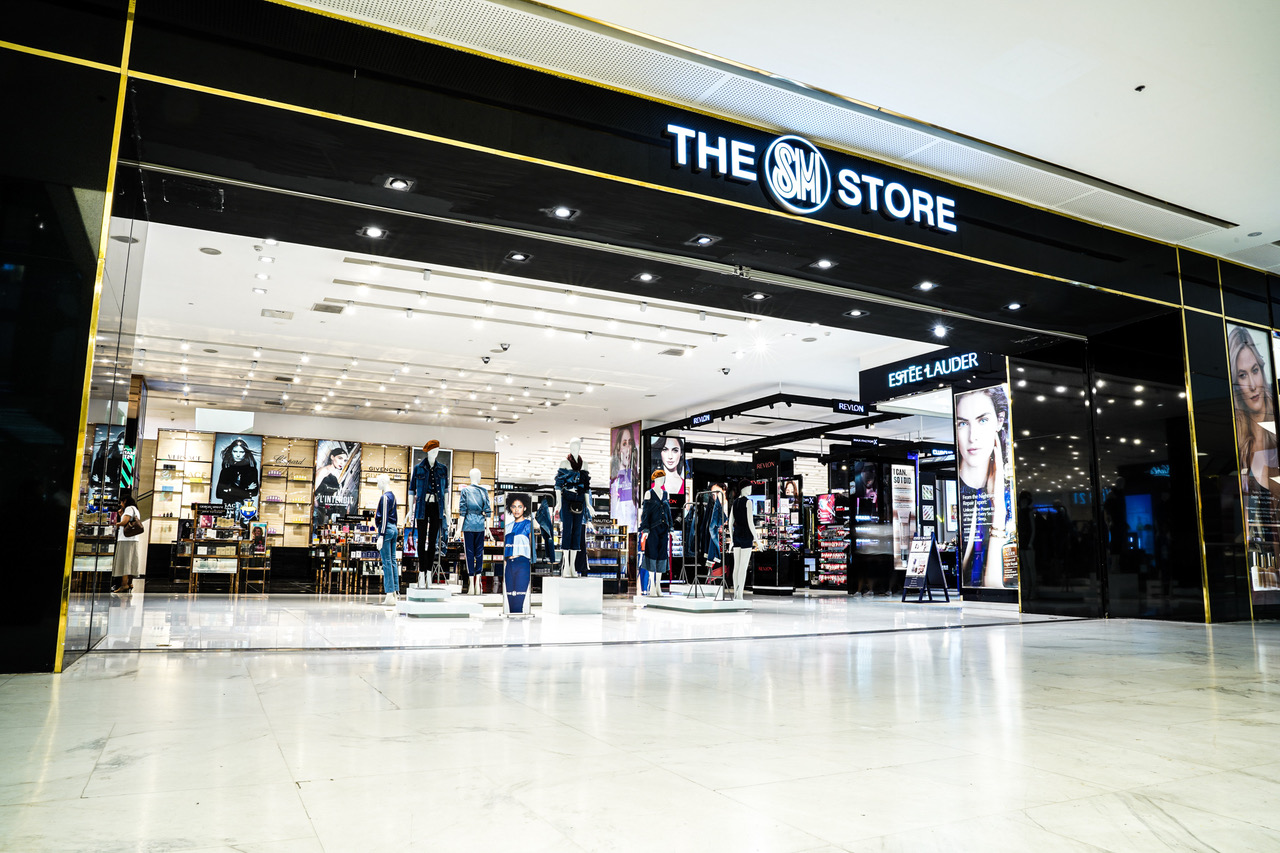
  • The SM Store Advances Omnichannel Merchandising Strategies with Aptos Technology

    The SM Store Advances Omnichannel Merchandising Strategies with Aptos Technology

    Aptos, a recognized market leader in retail technology solutions, today announced that The SM Store, the largest department store chain in the Philippines, will deploy Aptos Merchandise Financial Planning to optimize its omnichannel merchandising strategies. The solution will provide end-to-end support for the retailer’s merchandise planning activities across its bricks-and-mortar and online channels.

    The SM Store, formerly known as SM Department Store, has over 60 stores strategically located in key cities throughout the Philippines and carries a wide range of apparel, accessories, housewares, general merchandise and lifestyle products. The SM Store is part of SM Retail, Inc., a significant player in the retail industry in the Philippines.

    SM Retail has come a long way since its founder, Henry Sy Sr., realized his dream to open a shoe store in Manila in 1958. Today, SM’s retail operations are the country’s largest and most diversified, with food, nonfood and specialty retail stores.

    With the guiding principle of offering a one-stop shopping experience, The SM Store continues to enhance the way it engages with its loyal customers. This has included investments in its online shopping platform, ShopSM, allowing customers to shop anytime, anywhere.

    As customers’ browsing and buying behaviors have expanded, so too has The SM Store’s complexity in planning merchandise across channels. In order to delight customers with the right merchandise while consistently meeting financial goals, the Aptos solution will provide end-to-end support for The SM Store’s merchandise financial planning activities. This includes strategic planning and budgeting, planning by attributes, buying and assortment strategy, in-season management, and more.

    Once deployed, Aptos Merchandise Financial Planning will be utilized by over 120 merchandise planners within The SM Store business. The Aptos solution was selected over competitive offerings due to its ability to support The SM Store’s different shop formats and an increasing number of channels, the ease of use and intuitiveness of the application, and the flexibility of the solution to evolve with The SM Store over time.

    “SM’s tagline of ‘We’ve got it all for you’ emphasizes the importance this retailer places on its merchandising strategy, buying decisions and vast assortment,” said Noel Goggin, Aptos CEO and culture leader.

    “Merchandise planning is the foundation of developing, buying and delivering the best assortments to customers while achieving margin and inventory investment targets. With Aptos Merchandise Financial Planning, The SM Store can optimize product distribution and stock levels across channels — a powerful differentiator as it advances its omnichannel vision. We are proud to work with this customer-centric and highly diversified retailer, a true leader in the dynamic and growing Philippine retail market.”


  • Cebu Pacific to refund tickets of 1.5M passengers

    Cebu Pacific to refund tickets of 1.5M passengers

    Budget carrier Cebu Pacific will provide refunds to an estimated 1.5 million passengers as 50 percent of its fleet remains grounded due to the coronavirus pandemic.

    Charo Logarta Lagamon, corporate communications director for Cebu Pacific Air, assured that passengers who requested refunds since April or earlier will be refunded by August.

    “All of a sudden, we have a situation where hundreds of thousands of passengers are all clamoring for a refund in a 160-day time frame. It’s not that simple to refund, especially now that there’s no cash flow in the airline. Nothing is going in and everything is going out,” she said in a Zoom meeting Friday, Aug. 7.

    Lagamon said they are doing their best to fast-track the process and that there are reforms underway to help in the refund process.

    She said the airline will reimburse payments made through credit or debit card while for those who paid in cash, the refund will be deposited in the bank account of the customer.

    Moreover, to stay afloat during these challenging times, the airline also implemented cost-cutting measures like the layoffs of 800 employees, which is 20 percent of the airline’s 4,000 employees.

    Company officials also had pay cuts.

    “Our second-quarter performance was very challenged due to the prolonged Covid-19 situation,” she said.

    Meanwhile, Cebu Pacific placed 14 of its 76 aircraft in long-term storage in Alice Springs, Australia to preserve the airline’s condition. Others were parked in the different hubs in the country.