Tag: Philippines

  • Smart Partners With Omnispace to Explore Space-Based 5G Technologies

    Smart Partners With Omnispace to Explore Space-Based 5G Technologies

    PLDT’s wireless subsidiary Smart Communications is collaborating with US-based Omnispace to explore and demonstrate the capabilities of space-based 5G communications using low earth orbit (LEO) satellites.

    In a statement, the Head of PLDT’s Technology Strategy and Transformation Office, Arvin Siena said, “This collaboration with Omnispace will allow our companies to work together to define use cases for the Philippine market.”

    He added that possible use cases include enabling 5G connectivity in remote areas, incorporating IoT and sensors for use in monitoring weather disturbances and natural calamities, and augmenting network coverage for disaster relief, maritime and telematics for vessels and equipment.

    “This is also part of PLDT’s broader initiatives to future-proof our services, including Smart 5G. This includes exploring opportunities to team up with companies like Omnispace, to test the interoperability of our network with their 3GPP-compliant 5G non-terrestrial network (NTN), which will support the 5G ecosystem of the future,” Siena added.

    Having launched Omnispace Spark-1 and Spark-2 in April and May, respectively, the company recently completed the deployment phase of Omnispace Spark™. This program is the initial phase in the company’s development and delivery of the world’s first global 5G-capable satellite network.

    The Omnispace 5G NTN global network will interconnect with terrestrial or land-based mobile networks to serve mobile subscribers utilizing the company’s 2 GHz mobile satellite spectrum allocation and operating in 3GPP band n256.

    As the world’s first 3GPP-compliant 5G NTN system, the Omnispace network is expected to deliver the power of 5G directly to billions of devices everywhere, extending the reach of mobile connectivity to enable people and assets to communicate in real-time through a single, seamless global service.

    “We are excited to announce this collaborative agreement with Smart Communications, which shares our vision of delivering reliable mobile connectivity to consumer, government and enterprise users, everywhere,” said Brian Pemberton, Omnispace. “Together with Smart, we seek to bridge the digital divide, while also providing the communications infrastructure to power the development of the Filipino economy of the future.”

    PLDT and Smart’s pioneering foray into satellite-powered communication is part of their broader initiative to deliver world-class customer services across the country, complementing the nationwide rollout of their fiber infrastructure, and wireless networks based on 4G and 5G technologies.

  • SmarTone to Terminate 2G Services on October 14

    SmarTone to Terminate 2G Services on October 14

    SmarTone said that it would terminate its 2G services on October 14. This comes after Hong Kong’s Office of the Communications Authority announced the Communications Authority’s decision to grant prior consent to the application by SmarTone to discontinue its 2G services.

    In a press release, the company said that in response to the massive growth of mobile data usage in recent years and the decreasing market demand for 2G services, spectrum resources currently deployed for 2G network will be reallocated efficiently to drive 5G network development, bringing more innovative services and a better network experience to its customers.

    SmarTone said that in entering the 5G era, the need for and usage of mobile data and digitalized services are growing. The number of SmarTone customers upgraded to 5G has been increasing. As of April 2022, the number of SmarTone customers using 2G handsets or devices only accounts for less than 0.1% of its customer base.

    To fully appropriate the existing spectrum resources utilized by the 2G network (i.e. the 900 MHz and 1800 MHz bands of spectrum), the spectrum will be reallocated on October14 to better provide more advanced mobile services to customers using SmarTone’s 4G and 5G networks. SmarTone’s existing 2G network will continue as normal until October 14.

    Norman Tam, Deputy Chief Executive Officer of SmarTone, said, “The value of ‘Building Network with Heart’ has always been at the core of SmarTone’s development, and we will continue to adapt to the ever-changing needs of our customers to deliver the best possible user experience in 5G and beyond.”

    To facilitate a smooth migration from 2G to more advanced mobile networks, SmarTone has been facilitating the affected customers to upgrade their 2G handsets or devices to options that have supported a higher generation mobile network since early 2021.

    SmarTone is also working with a few enterprise customers who are still using 2G devices to ensure their smooth transition to 4G/5G services. SmarTone will continue to assist the affected customers in their upgrade of handsets or devices for the enjoyment of its 4G/5G services, and endeavor to offer proper arrangements to those who do not intend to upgrade from 2G.

  • Will Satellite Technology Be a Game-Changer in the Philippines?

    Will Satellite Technology Be a Game-Changer in the Philippines?

    The Philippines will soon have the first satellite-based internet connectivity in the country as SpaceX’s Starlink is set to be up and running by the end of this year.

    Starlink is a satellite internet constellation under Elon Musk’s SpaceX, offering satellite Internet access coverage to 40 countries, and aims to expand globally. It features speeds of up to 200 Mbps and latency as low as 20ms for residential use.In July, the company announced that Starlink Internet Services Philippines Inc. will already be available in the country, the first in Southeast Asia to be welcoming what is dubbed Starlink Technology.

    The Philippine government said they welcome this latest industry development as this will help enhance connectivity nationwide. The Department of Information and Communications Technology (DICT) secretary joined SpaceX representatives in Manila during the announcement of SpaceX’s rollout.

    The country’s ICT chief, Ivan John Uy, said that SpaceX stands by its commitment to provide satellite internet access to remote areas in the country. “The DICT is closely following the directives of President Ferdinand Marcos Jr., that is to provide digital connectivity across the many islands of the Philippines by building the country’s digital infrastructure, that will also lead to effective e-governance.”

    He added, “This will bridge the digital divide in the country especially in an archipelagic country like the Philippines where laying fiber cables or establishing cell towers in mountainous areas can be challenging.”

    According to a report by DataReportal, the Philippines’ internet penetration rate reached 68%, or about 76 million internet users.

    There are currently three major internet services providers in the Philippines, including those operated by two telecommunication giants, PLDT and Globe. But with many areas in the country still unserved or underserved, demand for internet connectivity continues to increase.

    From this year into the next, the DICT aims to speed up the deployment of internet infrastructure to connect several regions in the country. The plan also includes building cell towers and hi-throughput satellites servicing certain provinces.

    And with the introduction of satellite technology in the country, officials say that this will serve as a solution to connectivity challenges.

    Starlink is expected to connect rural and remote areas where there’s unstable or completely unavailable connectivity. Through this development, DICT said Filipinos from far-off areas can have better access to education, health services and online banking, among other digital needs.

    And to ensure that people in these geographically isolated and disadvantaged areas get to access the internet, the government also said they may start the free rollout of Starlink-powered internet hubs by the first quarter of next year.

    Moreover, satellite technology will also be ideal for those countries prone to natural disasters like the Philippines. Based on the company’s experience in 40 countries since it began operation in October 2020, SpaceX Government Affairs Senior Manager Rebecca Hunter said that Starlink’s technology has withstood “all sorts of inclement weather,” including heavy rains and cloudy weather.

    Some major natural disasters in the Philippines have affected communication access, including last year’s typhoon, which damaged telecommunications infrastructure, leaving people without internet access.

    How is Satellite Technology Changing the Local Telecom Industry

    Since SpaceX unveiled its plans to launch its services in the Philippines, several other satellite internet services providers have also followed suit.

    One of the largest telecom firms in the country, Globe, announced in April that it partnered with AST SpaceMobile Inc. to deliver the first satellite broadband service directly to standard mobile phones in the country. The company said this is part of its expansion to improve such service across the nation     .

    Its major competitor, PLDT also boasts that it has completed successful testing of high-speed broadband connectivity with Canada’s Telesat’s Phase 1 Low Earth Orbit satellite. This test allows opportunities for the telecom operator and its wireless unit, Smart, to use innovations in the satellite industry to expand      high-speed mobile and Internet services to more hard-to-reach communities.

    The Head of Technology at PLDT and Smart, Mario Tamayo, said in a statement, “This year, with our successful test with Telesat, we are a step closer to bringing satellite connectivity innovations and services to businesses and homes in the deepest rural and remote areas of the country.”

    The Smart wireless unit has also collaborated with US-based AST SpaceMobile and is scheduled to test space-based cellular broadband technology.

    The third telecom player in the Philippines, DITO Telecommunity, recently announced that it is      also planning to deploy satellite technology in a bid to expand its coverage, especially to those underserved areas.

    Local media reported that the company was already in talks with prospective satellite service operators to achieve this goal.

    Last year, internet service operator, Converge, also partnered with a foreign satellite company to provide satellite broadband connections to more than 2,000 public schools.

    A report by local media, Business World, also suggested that the local telecommunications regulator is expecting more foreign satellite broadband providers to enter the market. However, no further details were revealed.

    Earlier this year, telecommunications firm Philippine Telegraph and Telephone Corp. (PT&T) teamed up with Singapore-based next-generation broadband satellite operator Kacific Broadband Satellites Ltd.      to “offer high-speed satellite internet at a more economical cost.”

    In 2019, the Asian Development Bank signed a deal to provide a $50 million financing package to      Kacific to deliver satellite-based, low-cost, high-speed, wholesale broadband internet connections to the Philippines and other countries in Asia and the Pacific.

    As to whether or not satellite technology is a threat to existing telecom service providers in the country, PLDT Group’s President and CEO, Al Panlilio, doesn’t think so. During a stockholder’s meeting last June, he said that they welcome new technologies, including satellite, as these would enable wider reach, including to remote communities.

    SpaceX Executive Rebecca Hunter, in concurrence, said that Starlink will not compete with the country’s telecom operators, but instead will fill in the gaps particularly in the unserved and underserved areas in the country to further expand connectivity.

  • DITO Slapped With Interconnection Penalty by Globe After Filing Anti-Trust Complaints vs Telco Giants

    DITO Slapped With Interconnection Penalty by Globe After Filing Anti-Trust Complaints vs Telco Giants

    The Philippines’ two pioneering telecom firms, Globe and PLDT’s wireless unit Smart, hit back at new industry player DITO after it filed a complaint against the two firms for their alleged anti-trust practices.

    Local media reports cited Globe’s statement saying that it had asked the local telecoms regulator to penalize DITO with 622 million pesos’ worth of fines for violating telecom rules. The statement said DITO made “fraudulent calls” through its network to Globe, calls which allegedly sidestepped “proper voice traffic channels”.It said that an average of 1,000 fraudulent calls were allowed to pass daily through DITO’s network to Globe users, which breaches the interconnection rules. Globe said the calls were “fraudulent” as they were international in origins that were masked as calls being made locally.

    According to reports, Globe also asked the local telecom regulator to allow its “temporary disconnection” of interconnection trunk lines with DITO until it resolves all alleged illegal bypass operations coming from its network and until it pays Globe all existing charges for what it says are fraudulent calls.

    Smart meanwhile said in a statement that DITO’s complaint was “baseless” and denied that they are in any way involved in anti-trust activities against DITO.

    A day before Globe’s move, DITO filed with the Philippine Competition Commission two separate complaints against Smart and Globe. It accused them both of abusing their market dominance by imposing interconnection barriers, resulting in low interconnection for calls made by DITO subscribers to Globe and Smart.

    The Philippine Competition Commission said in a statement, “Our Competition Enforcement Office (CEO) is now evaluating the merits of Dito’s complaints. The Commission has 10 days within which to decide whether or not to give due course to the complaint. If given due course, our CEO will proceed to investigate the charges and if it subsequently finds sufficient basis, file with the Commission en banc a Statement of Objections against the allegedly erring entities. The PCC shall also consult with the National Telecommunications Commission for related regulatory concerns.”

  • Cebu Pacific retimes, cancels 31 flights Tuesday

    Cebu Pacific retimes, cancels 31 flights Tuesday

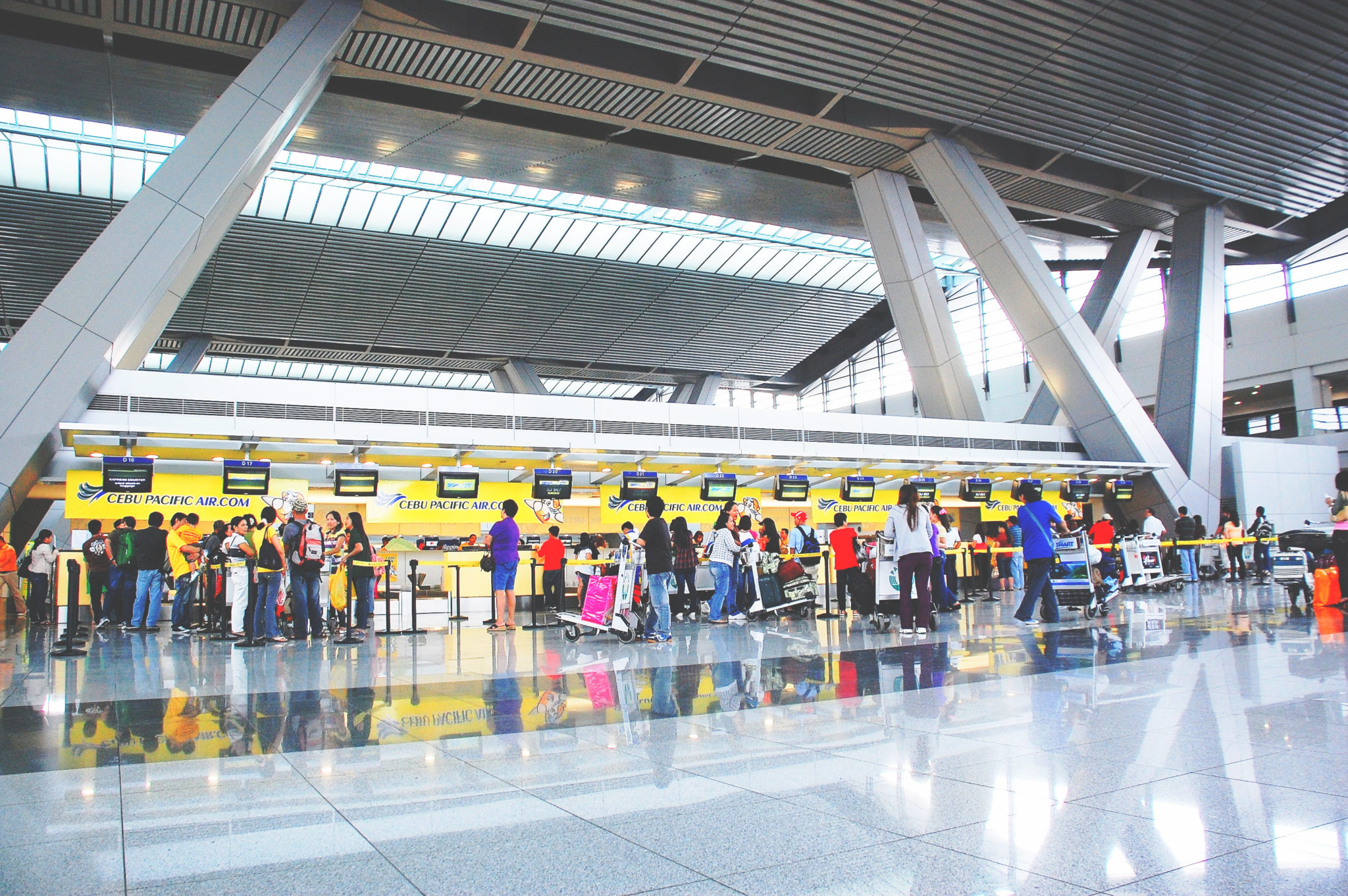
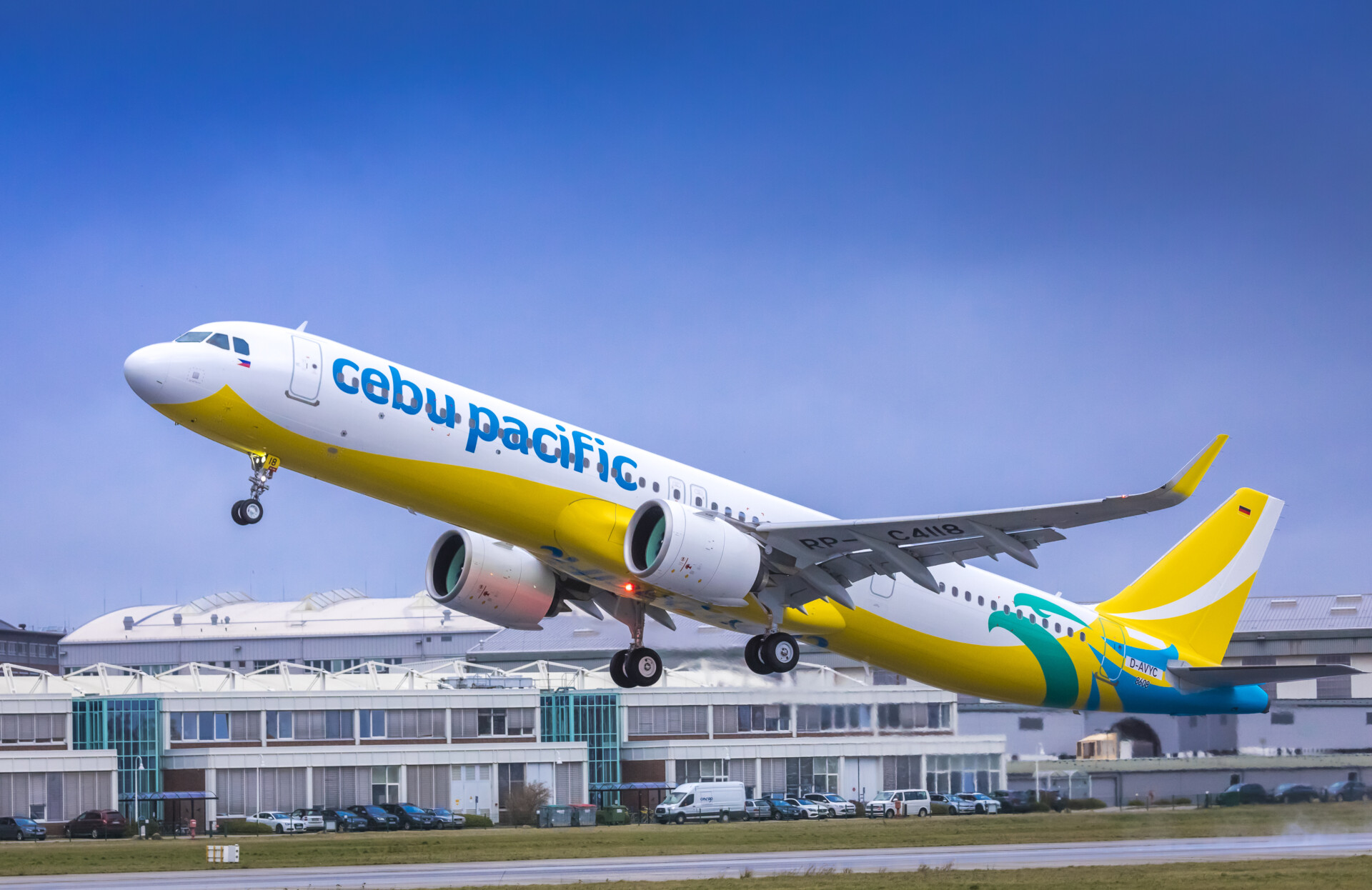
    Low-cost carrier Cebu Pacific (CEB) on Tuesday announced the retiming and cancellation of 31 flights, saying these are the affected flights during the memorial rites for former President Fidel Ramos.

    Spokesperson Carmina Romero said a notice to airmen (NOTAM) restricting the movement from 11 a.m. to 1 p.m. was issued for a planned showering of petals.

    An advisory posted on its Facebook page showed the carrier has canceled 28 domestic flights, and has retimed three international flights because of the activity.

    “We cannot reschedule all (the flights). We can only consolidate so much,” Romero told the Philippine News Agency as to why CEB had to cancel flights instead of retiming them like these three:

    • 5J273 Hong Kong – Manila New ETD 11:15 a.m. /New ETA 1:25 p.m.
    • 5J188 Manila – Seoul (Incheon) New ETD 3:40 p.m. / New ETA 6:50 p.m. KST
    • 5J189 Seoul (Incheon) – Manila New ETD 9:05 p.m. KST / New ETA 12:05 a.m.

    The 28 canceled flights are:

    • DG6041/6042 Manila – Coron – Manila
    • 5J659/660 Manila – Tacloban – Manila
    • 5J851/852 Manila – Zamboanga – Manila
    • 5J641/642 Manila – Puerto Princesa – Manila
    • 5J483/484 Manila – Bacolod – Manila
    • 5J963/964 Manila – Davao – Manila
    • 5J453/454 Manila – Iloilo – Manila
    • 5J553/554 Manila – Cebu – Manila
    • 5J911/912 and 5J919/920 Manila – Boracay – Manila
    • 5J643/644 Manila – Puerto Princesa – Manila
    • 5J621/622 Manila – Bohol – Manila
    • 5J327/328 Manila – Legazpi – Manila
    • DG6029/6030 Manila – San Jose – Manila

    “As the situation remains fluid, other flight schedules may also be affected,” the advisory read.

  • Converge ICT Now Offers Data Center Service Connectivity Solution

    Converge ICT Now Offers Data Center Service Connectivity Solution

    Philippines’ fiber broadband provider Converge ICT Solutions, Inc. announced it is now offering its Data Center Express (DC Express) to address high-capacity requirements of its customers from the residential and business sectors.

    DC Express delivers clear channel, dedicated connectivity between data centers, such as those used in BPOs, banks and multinational companies, through Converge’s Data Center Interconnect Network. This product leverages the latest DWDM (Dense wavelength division multiplexing) technology for high-capacity requirements to reach data transfers of up to 100 Gbps to data centers in the Philippines and, in the future, key international data centers as well.

    DC Express is complemented by the Optical Transport Network, for customers who want to use their own network terminals for their high-capacity requirements.

    Aside from supporting Ethernet connectivity, this service also supports different protocols to interconnect customer equipment housed in the data centers. For the subscriber’s Storage Area Networking requirements, Fiber Channel is the best solution as DC Express supports FC800 (20G) and FC3200 (40G) for business-critical applications.

    DC Express aims to cater to the connectivity needs of enterprises whose equipment is based in data centers. The service can be provisioned quickly, has enterprise-grade SLAs, and has a 24-hour support and restoration team.

    Converge Chief Operations Officer, Jesus Romero, said in a statement, “DC Express is yet another expansion of our services, leveraging on our inter-data center connections, to ensure faster, better, and more secure data transfer for our enterprise subscribers.”

  • IFC Provides $70 Million for Shared Mobile Infrastructure Project in Philippines

    IFC Provides $70 Million for Shared Mobile Infrastructure Project in Philippines

    The International Finance Corporation (IFC) announced that it is providing $70 million to fund a shared mobile infrastructure project in the Philippines.

    In a press release, the organization said it is collaborating with Renewable Energy Infrastructure (CREI) Phils Inc. to help address the digital gap in the country through tower-sharing.

    The $70 million financing package consists of a $25.5 million loan from IFC and the provision of a facility worth $44.5 million.

    IFC’s investment will allow CREI Phils, a newly formed tower company in the Philippines, to fund the construction of over 600 w towers by next year. For the first time in the country’s history, these towers will be shared on an open-access basis. Aside from creating a competitive market for tower colocations, the loan will help increase mobile network capacity, allowing operators to expand high-speed mobile networks (4G and 5G) across the country, offering better services at more affordable rates.

    According to the 2020 Global Digital Overview, the number of internet users in the Philippines has more than tripled from 23 million (2010) to 73 million (2020). Yet, the quality of mobile connectivity is inadequate given its pervasive network congestion. The country ranks 95th out of 142 countries for mobile internet download speed. Further, the number of mobile subscribers per tower – a measure of network congestion – is more than double the regional average. According to market estimates, to fill the gap, the Philippines would need a significant number of new towers built in the next seven to eight years to support the government’s network capacity requirements.

    “We are thrilled to be working alongside IFC in supporting the government of the Philippines’ development of its mobile infrastructure sector,” stated Kadri Hakim, CEO of CREI. “Despite the challenging market conditions triggered by the pandemic, IFC’s long-term funding will allow us to meet our ambitions of expanding our digital infrastructure portfolio in the Philippines. Our management team’s extensive knowhow gained through 15 years of telecoms operations across South-East Asia and Africa combined with IFC’s deep knowledge of the country’s telecoms regulatory regime and its experience as an investor in tower companies, will enable us to effectively develop and grow our operations in the country.”

    The company’s entry into the Philippines telecoms market brings robust expertise in the design, construction and operation of towers, as well as the provision of efficient energy solutions that help displace and reduce the use of diesel fuel on towers connected to the grid. In line with the nation’s climate goals, this project will lead to significant greenhouse-gas (GHG) savings. IFC will also assist the company align its environmental and social practices with IFC’s performance standards.

    “Digital connectivity is more important than ever for businesses and people to thrive,” said Jean-Marc Arbogast, IFC Country Manager for the Philippines. “By supporting the entry of a new company, IFC’s investment will contribute to a strong independent tower market in the Philippines, increasing competition, creating jobs, spurring economic growth and help cut emissions.”

  • Rice exports jump 20 pct

    Rice exports jump 20 pct

    Vietnam exported 4.2 million tons of rice in the first seven months, 20 percent up year-on-year, according to the Ministry of Agriculture and Rural Development.

    But earnings were only 9 percent higher at US$2 billion since global rice prices have fallen by over 10 percent to $489 a ton.

    Exports to the U.S. grew fastest at 65.3 percent, followed by the Philippines, Vietnam’s top market, at 48.6 percent.

    Domestic prices also fell as adverse weather affected rice quality and demand was low compared to previous months.

    Exporters have slowed down purchases from farmers and await the peak harvest season.

  • PLDT’s Trans-Pacific Cable System Is Now Activated

    PLDT’s Trans-Pacific Cable System Is Now Activated

    The last test 14,000-kilometer cable system is the fastest in the country, enabling direct data cable link to the US and Japan. It’s also expected to improve the Philippines’ international data capacity and boost its digital infrastructure.

    PLDT and Smart President and CEO Alfredo Panlilio said, “The PLDT Group takes pride in leading our nation’s digital advancement, made possible through dynamic synergies with government and private sector partners.”

    He added, “Our investment in Jupiter will exponentially boost the Philippines’ international capacity, ramp up the global trade of digital services and propel the nation’s digital economy, while increasing internet speed and reliability for Filipinos.”

    The company also said that this new system will triple PLDT’s international capacity to about 60 Terabit/s, which will be beneficial for the country since a large volume of Internet content and services consumed by Filipinos goes through servers from the US and Japan.

    Currently, PLDT has extensive participation in 16 international submarine cable networks and is set to expand further with the completion of two more major international cable systems, namely Asia Direct Cable (ADC) and the APRICOT cable system, set to be completed in the next two years. It also operates the most expansive fiber optic network among local ISPs at 803,000 kilometers, linking all islands in the archipelago with fiber connectivity and powering local economies and communities in the cities and regions.

  • NOW Telecom Partners with SBA Towers for Infrastructure Support

    NOW Telecom Partners with SBA Towers for Infrastructure Support

    According to NOW Corporation’s disclosure to the Philippine Stock Exchange, they are in talks with SBA Towers Philippines about a lease of build-to-suit sites, towers, and passive telecommunications infrastructure and facilities to be used for the installation of NOW’s facilities and equipment in order to provide telecommunications and internet services.The company said this is included in NOW Group’s plan of beefing up its 5G wireless network technology, a strengthening that will allow the delivery of up to 20 gigabit per second speed to enterprises and homes.

    NOW Telecom President and COO Engr. Rene L. Rosales said, “It is an integral policy in NOW Group’s roadmap to partner with trusted vendors that are part of the Clean Network. We look forward to working with SBA Towers Philippines whose expertise is providing support to operators like NOW to achieve our vision.”

    NOW Telecom is a public telecommunications entity and was granted a 25-year legislative franchise to construct, install, establish, operate and maintain wire and/or wireless telecommunications systems. It also holds a cellular mobile telecommunications system license granted by the National Telecommunications Commission.

    It is one of only four cellular mobile license holders apart from Philippine telco giants SMART, Globe Telecom and Dito Telecommunity.


  • How the Philippines Is Heading Towards a Digital Future

    How the Philippines Is Heading Towards a Digital Future

    In the next three years, 5G connections across the globe will reach 400 million, according to a recent study by the Global Systems of Mobile Communications Association (GSMA).

    Its Mobile Economy Asia Pacific 2022 report suggests that 148 million of these connections will include the Asia Pacific, with 333 million new mobile internet users in the region.

    While among the countries that are still lagging behind its regional neighbors in terms of fast internet connectivity, the Philippines is now gearing up for large-scale projects supporting what its new leader envisions to be a Digital Philippines.

    Most recent data provided by GSMA indicates that the Philippines has been advancing on 5G technology compared to its regional neighbors. Using Speedtest Intelligence data, Singapore stood ahead of its regional neighbors on median 5G upload speeds, recording 246.01 in the first quarter of this year, while the Philippines logged a median download speed of 163.51 Mbps. It also showed that LTE performance in the country has improved, from 11.15 Mbps in the first quarter of 2021 to 15.53 Mbps in the same period of 2022.

    Despite the improvements in internet connectivity, the country still sees some crucial challenges, including the growing digital divide among Filipinos.

    In light of the recent political transition in the country, how does it plan to bridge this gap as it moves forward towards a more innovative future?

    President’s Goal to Digitalize the Philippines, Bridge Digital Divide

    During his first State of the Nation Address, Philippine President Ferdinand Marcos Jr. stressed his goal to digitalize the country including government processes, as well as to enable universal connectivity. These are part of his plans to boost the development of the digital economy as a way to stimulate economic recovery from the pandemic.

    Latest data from Statista.com shows that, as of February this year, the Philippines has 79.6 million internet users, a 72.7% internet users penetration.

    The President stated in his speech, “As the world moves into rapid digitalization, the digital divide will be more pronounced. The depth and breadth at which these technologies will be transformative in our lives is fully expected.”

    He said that he sought the help of the country’s ICT chief to deploy digital connectivity across various islands in the country.

    In response, DICT Secretary Ivan John Uy told a local news agency that areas underserved by telecoms companies will be covered by a satellite-based internet to be provided by SpaceX’s Starlink, with availability expected by the end of this year.

    President Marcos further noted, “All relevant modes of digital transport should be utilized. These may be through a combination of terrestrial or submarine fiber optics, wireless, and even satellite technology.”

    Marcos added that they will address connectivity challenges by implementing two of the government’s priority measures, including the common tower plan that will allow telecom and internet service providers to share towers. And another is the National Broadband Plan that aims to fast-track the development of the Philippines’ network infrastructure.

    He said that the Philippines cannot just “stand idly by” amid the scale and speed at which all these technological changes are happening across the globe.

    Local Telecom and ICT Operators Pledge To Support Government’s Plans

    President Marcos’ plans were welcomed by major telecom operators and those from the information and communications technology (ICT) sector, who have expressed their support and commitment to the new administration’s goal to have a more innovative and technologically advanced economy.

    Among them is the PLDT Group, who expressed their willingness to cooperate with the President’s roadmap towards economic growth. In a statement, PLDT and Smart President and CEO Alfredo S. Panlilio said, “We support the government’s thrust to connect our countrymen and make sure that no Filipino is left behind as the world becomes more digital.”

    He added, “We are also prepared to assist in the government’s digitalization efforts, empowering its vision of an agile bureaucracy that is responsive to the needs of the public.”

    With President Marcos’ aim to employ digital solutions in order to streamline public services across government agencies nationwide, PLDT Group also said that it has continued to broaden the reach and capacity of its fiber infrastructure, which now allows its fiber-to-the-home services to be extended to upland areas in the country.

    It also continues to invest in its network, with 518.5 billion pesos spent in the last decade up to 2021.  Network-related projects accounted for the bulk of the 89 billion pesos spent for 2021. Capex guidance for this year is 85 billion pesos.

    Meanwhile, PLDT Group’s major industry competitor, Globe Telecoms, has also echoed the same response to the new Philippine leader’s call for a digital economy.

    The company affirmed its support of the government’s goal to digitalize government processes and deliver universal connectivity nationwide.

    Globe’s President and CEO, Ernest Cu said, “The administration can count on the universe of Globe’s digital solutions– from new technologies our core telco business offers to our portfolio companies in fintech healthtech, edutech and more– to provide innovative services to make its digitalization and connectivity goals a reality.”

    The CEO and Co-Founder of Converge ICT Solutions also pledged support to the government’s plans for universal connectivity. Dennis Uy said in his statement, “We’re pleased that the new administration is prioritizing universal connectivity, especially at this critical time when digitalization is at the heart of everything that we do. Converge is supportive of this initiative, as we push for digital democracy in the Philippines.”

    Converge boasts its nationwide rollout of fiber network, which has now reached 12 million homes as of the first four months of this year. As of March, 645,000 fiber ports were installed in the country.

  • Starbucks plans rapid expansion in Thailand

    Starbucks plans rapid expansion in Thailand

    Starbucks Thailand has announced an expansion strategy, which calls for opening 30 new coffee shops in Thailand every year until 2024 – 90 in all – according to Bangkok Post.

    The company claims to be prepared to expand again this year, after sales improved during the first half of this year. In addition, Starbucks Thailand also says it will concentrate on expanding its digital platform channels, add more drive-thru locations, and introducing novel beverages.

    Nednapa Srisamai, MD of Starbucks Thailand, told the Bangkok Post that the brand’s well-known profile in the country created an opportunity to expand the network. While a major regional tourist destination, Thais also have a coffee-drinking culture.

    Starbucks began its operation in Thailand by opening its first coffeehouse in July 1998 and was acquired under the joint venture between Dairy Farm subsidiary Maxim’s and Singapore-headquartered Fraser & Neave (F&N) in 2019 in a deal valued at US$500 million.

    Last year, the brand introduced its largest store in the region, Starbucks Reserve Chao Phraya Riverfront, located at IconSiam in Bangkok.

    Starbucks also plans to strengthen its digital presence after partnering with Grab earlier this year to launch Starbucks Rewards aiming to enhance the customer experience in Southeast Asia’s six largest markets – the Philippines, Thailand, Singapore, Malaysia, Indonesia and Vietnam.

  • AirAsia launched food delivery and ride-hailing in the Philippines

    AirAsia launched food delivery and ride-hailing in the Philippines

    Malaysia-based multinational low-cost airline AirAsia has expanded its portfolio by including two new businesses set to launch in the Philippines’ capital, Manila, by the end of 2022.

    AirAsia Super App will soon operate a ride hailing and food delivery service after it already secured a franchise from the Land Transportation Franchising and Regulatory Board (LTFRB) for its ride-hailing service.

    The app officially launched in the Philippines in April 2021 and expanded its services to other Asian markets, including Malaysia, Indonesia, Singapore, and Thailand.

    The platform offers a full suite of services and comes with an integrated rewards programme and a mobile app. It offers affordable flight and hotel bookings, ecommerce capabilities, food and parcel delivery, ride hailing, financial and health services, as well as on-demand education, among others.

    The super app AirAsia aims to boost digitalisation in the APAC region while setting the tone for a cashless economy and catering to the underbanked population category.

  • Cebu Pacific resumes flights to Australia

    Cebu Pacific resumes flights to Australia

    Budget carrier Cebu Pacific said on Sunday it has expanded its Asia Pacific footprint with the resumption of its flights to Australia.

    With the easing of travel restrictions in the Philippines and Australia, Cebu Pacific has resumed its thrice weekly flights between Manila and Sydney.

    “With this route resumption, we are pleased to fly once again to and from this destination after more than two years. We know that many are excited to visit Sydney’s attractions like the Sydney Opera House, Harbour Bridge, Bondi beach, Taronga Zoo and many more,” said Xander Lao, Chief Commercial Officer at Cebu Pacific.

    He added: “This also allows Filipinos to reunite with friends and family. We will continue working on boosting seamless connections across our network to address demand.”

    Sydney requires arriving tourists to present printed copies of their Covid-19 Vaccination Certificate upon check-in. Travelers must also complete and submit their Digital Passenger Declaration form at least 72 hours before departure.

    Coming home, boosted Filipinos no longer need to take a Covid test pre-departure.

    As countries continue to reduce Covid-19 measures, Cebu Pacific plans to revitalize its international network. Its domestic network has already been restored to 100 percent of its pre-pandemic capacity.

    Last month, the airline announced that it will ramp up its flights to Singapore from Manila and Cebu.

    In an advisory, Cebu Pacific said it will double the daily frequency of its Manila-Singapore operations starting July 1, while its thrice weekly Cebu-Singapore route will reopen on July 15.

    “We are delighted to continue ramping-up our international flight frequencies, not only in Manila, but also in Cebu. We know majority of the traveling public have been looking forward to travel internationally again, especially since a lot of countries have eased their restrictions. We continue to work towards the expansion of our international network while we maintain operating over 100 percent of our pre-pandemic domestic capacity,” Lao said.

  • Philippines’ New ICT Chief Stresses Importance Digitalizing Public Transactions

    Philippines’ New ICT Chief Stresses Importance Digitalizing Public Transactions

    The newly appointed head of the Philippines’ Department of Information and Communications Technology, or DICT, said that the agency will ensure more efficient public service delivery through digitalization.

    The department’s executive attended a turnover ceremony where he stressed the importance of innovating  e-governance in the country by streamlining government transactions through digitalization.

    The ICT chief Ivan John Uy, was also welcomed by his department’s officials and employees during the event. He stated, “We in the DICT have a very peculiar mandate, and that mandate cuts across all government agencies– to ensure that through ICT, we will be able to deliver to the Filipino people a better government, a more efficient government, a government that is easier to transact with, a government that is more competent and a government that is not corrupt.”

    Uy also said that he fully supports the plans of the new government under President Ferdinand Marcos, Jr. to speed up  digital infrastructure development in the Philippines.