Tag: price

  • China raises retail fuel prices

    China raises retail fuel prices

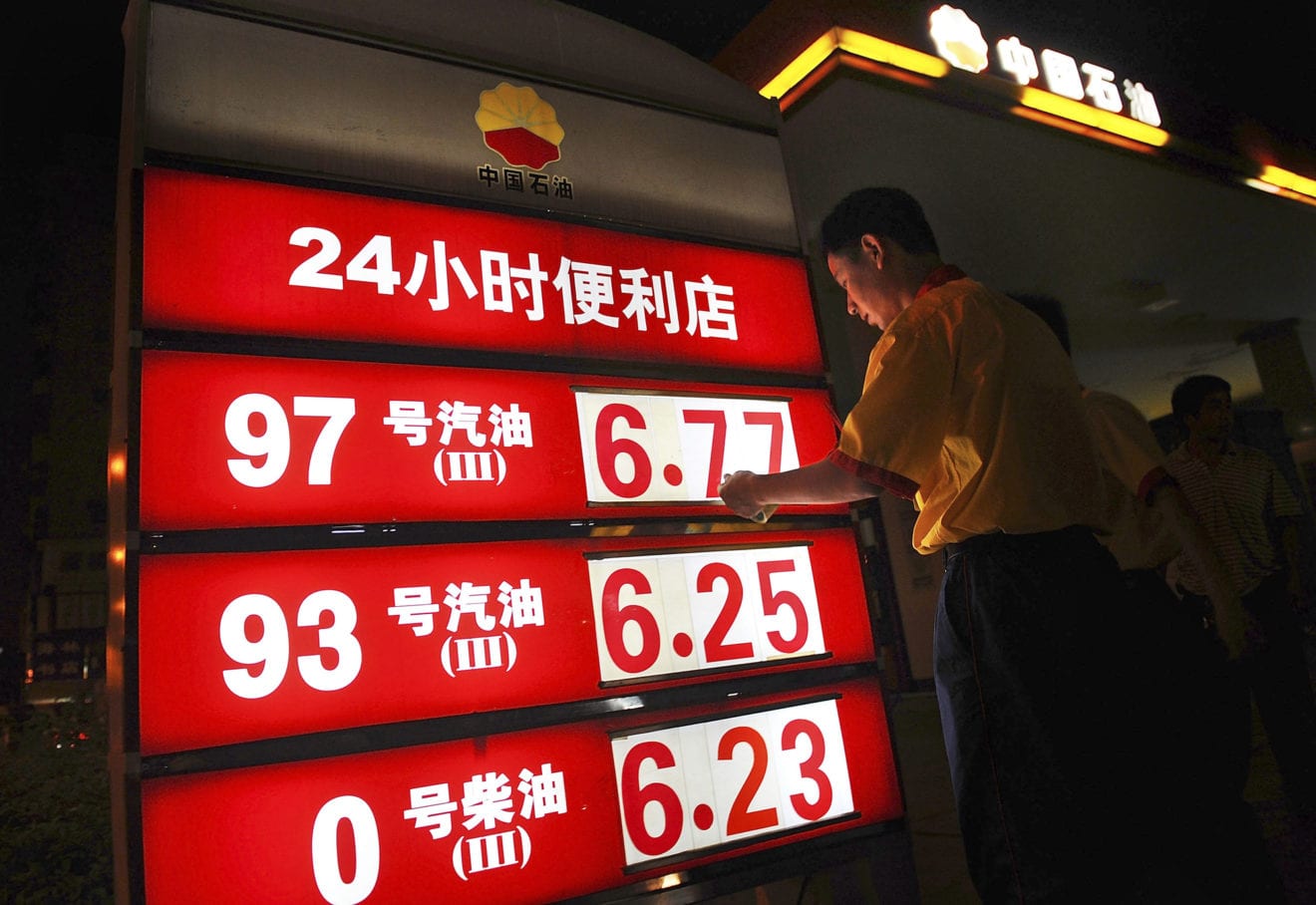
    China will raise the retail prices of gasoline and diesel for the second time this year as international oil prices increase, the country’s top economic planner said Tuesday.

    Both gasoline and diesel prices will rise by 50 yuan (7.3 U.S. dollars) per tonne from Wednesday, according to the National Development and Reform Commission (NDRC).

    Oil prices on international markets have risen since the Organization of the Petroleum Exporting Countries (OPEC) delivered more than 90 percent of the output cuts they agreed last year. However, higher output in the United States and other oil producers will lead to oversupply in the short term, according to the NDRC price monitoring center.

    International oil prices will continue to fluctuate between 50 and 60 U.S. dollars per barrel in the first quarter, the center predicted.

    Under the current pricing mechanism, if international crude prices change by more than 50 yuan per tonne and remain at that level for 10 working days, the prices of refined oil products such as gasoline and diesel in China will be adjusted accordingly.

  • China cuts retail fuel prices again

    China cuts retail fuel prices again

    China will cut the retail prices of gasoline and diesel for the first time this year as international oil prices fell, the country’s top economic planner said Wednesday.

    Both gasoline and diesel prices will be reduced by 70 yuan ($10.2) per tonne starting Thursday, according to the National Development and Reform Commission (NDRC).

    Analysts attributed the lower international oil prices to recovery of drilling activity in the United States and a stronger US dollar.

    Under the current pricing mechanism, if international crude oil prices change by more than 50 yuan per tonne and remain at that level for 10 working days, the prices of refined oil products such as gasoline and diesel in China will be adjusted accordingly.

  • Singapore’s consumer prices rise for first time in 2 years

    Singapore’s consumer prices rise for first time in 2 years

    After a record two years of negative inflation, consumer prices in Singapore finally rose in December last year, with headline inflation coming in at 0.2 per cent.

    The rise in the consumer price index (CPI) was due to a larger increase in private road transport cost, which rose by 1.7 per cent in December following a 0.2 per cent rise in November. The rise was the result of higher petrol prices and car park fees, said the Monetary Authority of Singapore (MAS) and Ministry of Trade and Industry (MTI) on Monday (Jan 23).

    Services inflation edged up to 1.6 per cent from 1.5 per cent in November, mainly due to a faster pace of increase in holiday expenses, which more than offset the larger contraction in telecommunication services fees.

    Food inflation was 2 per cent, unchanged from the previous month. Accommodation costs fell by 3.8 per cent in December, similar to the previous month, reflecting continued softness in the housing rental market, MAS and MTI said.

    Overall retail goods inflation eased to zero per cent in December from 0.2 per cent in November, largely on account of a fall in the prices of personal care products.

    December’s increase comes after the headline consumer price index stayed flat in November from a year earlier, coming off a deflationary trend for the first time in two years.

    For the whole of 2016, headline inflation came in at -0.5 per cent for the second consecutive year.

    Core inflation, which excludes the cost of accommodation and private road transport, was slightly lower at 1.2 per cent compared to 1.3 per cent in November. The decline was mainly due to a fall in retail goods inflation more than offsetting an increase in services inflation, MAS and MTI said.

    For the whole of 2016, core inflation rose to 0.9 per cent, from 0.5 per cent the year before.

  • Fuel prices increase at pumps in Cambodia

    Fuel prices increase at pumps in Cambodia

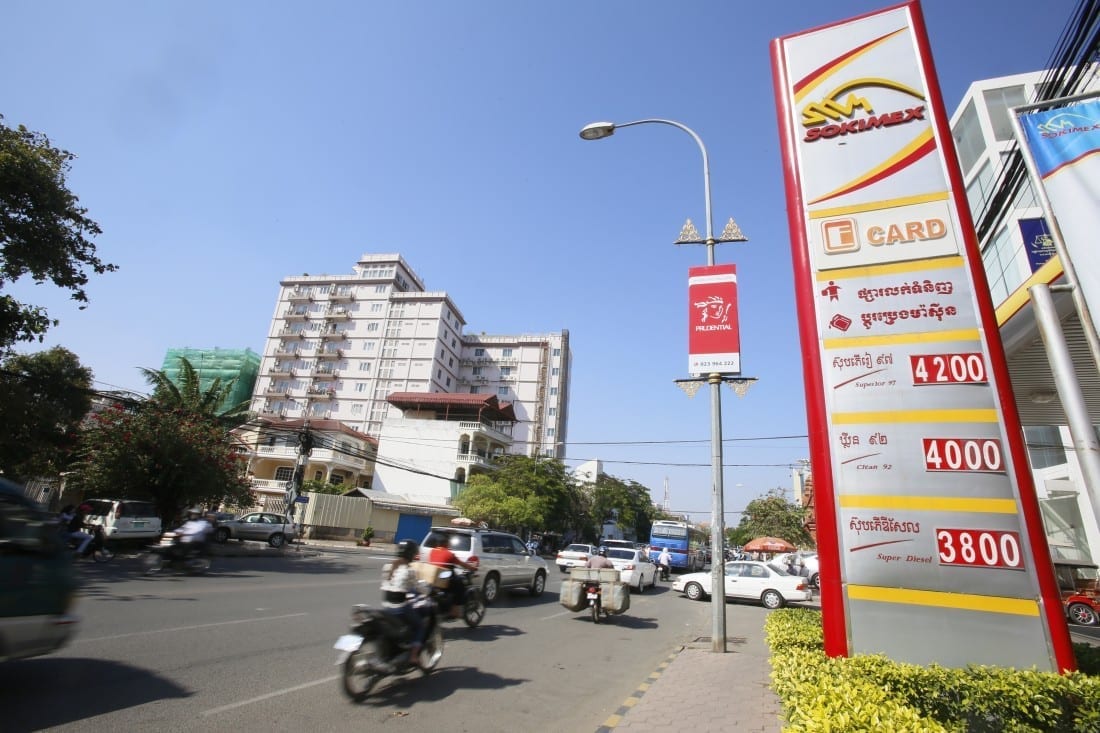
    Road users can expect to pay up to 500 riel ($0.12) more per liter of fuel due to the increase in global crude oil prices after the government last March pegged local prices to that of the international market, a Commerce Ministry official said yesterday.

    From today until January 21, drivers can expect to pay 3,850 riel ($0.95) per liter for Gasoline 95, up 500 riel ($0.12), 3,750 riel ($0.93) per liter for Gasoline 92, up 450 riel ($0.11), and 3,450 riel ($0.85) per liter for diesel, up 450 riel ($0.11).

    “Please understand that the mechanism is just to prevent gas prices from increasing higher than that of the global gas price or when global gas prices go down, all local retail gas stations in Cambodia are also compelled to bring down the prices,” Commerce Ministry spokesperson Soeng Sophary said.

    “This formula is not intended to keep gas prices in Cambodia low even when global gas prices are on the rise.

    “We just want to prevent retailers from increasing their prices beyond that of global prices. We will follow the global market price,” she explained.

    Gas prices have been steadily increasing since November last year.

    The government last March announced that it would be standardizing retail gas prices in Cambodia by pegging them to world oil prices in the wake of the plunging global crude oil price the year before.

    The Commerce Ministry was tasked with releasing updated prices to all retail stations every 10 days, on the first, 11th and 21st of each month.

    Ms. Sophary attempted to quell dissatisfaction over the increase in prices by explaining that the new mechanism of calculating prices made Cambodia susceptible to world oil prices, which fluctuate according to global markets.

    “We are easily affected if there is any issues going on within those larger economies,” she said. “We cannot ask to lower gas prices when the global economic system is always changing since we have to follow the global situation.

    “The price could go down after US President-elect Donald Trump takes office later this month or it could increase if there are any issues in the EU or if there is ongoing terrorism in Turkey,” she said, adding that Cambodia would only be able to experience consistently low gas prices if it could produce its own refined product.

    PTT (Cambodia) deputy managing director Bin Many Mialia told yesterday that he understood the price hike given the new pricing mechanism, but remained optimistic as given the uncertainty of the global political climate, world oil prices could see a reduction next month.

    “The price for gas in Cambodia goes up and down since we are solely, 100 percent dependent on international gas prices. We cannot adjust the price, increase it or lower it, we cannot predict what the gas price will be. It’s up to the international market price,” Mr. Many Mialia said.

    “Now we see the trend of the oil price being high, but we will wait and see next month whether it continues to increase or if it will fall. All the countries don’t know what the US policy will be like or what the regional situation will be,” he added.

    According to a report from the Cambodia Import-Export Inspection and Fraud Repression Directorate-General, oil imports to Cambodia increased by one percent in the first 11 months of 2016, while the value of oil imported dropped by about 28 percent.

    The report showed that from January to November 2016, Cambodia imported 1.5 million tons of oil, compared with 1.49 million during the same period in 2015.

    Gas prices decreased by 16 percent, while diesel and petroleum prices dropped 19 percent and 28 percent respectively.

    The value of the oil imported throughout those 11 months last year stood at $615 million compared with $858 million the year before.

  • China’s diesel demand likely to rise ahead of Lunar New Year

    China’s diesel demand likely to rise ahead of Lunar New Year

    China’s diesel demand is likely to pick up pace ahead of the Lunar New Year as traders stock up barrels ahead of the festivities and as construction activity picks up in some areas, four trade sources said on Thursday.

    Implied diesel demand in October in China, the world’s second-largest oil user, rose to 3.4 million barrels per day, up 6.4 percent from September and 1.3 percent higher than the same time last year, according to Reuters calculations using official data.

    That is the highest level since at least March this year with implied diesel demand rising in only three months so far this year, the data showed.

    Demand for diesel in November to December is expected to be even higher, traders said.

    “China is having many policies to boost the economy now, so demand will pick up a bit, but by how much is a question,” said a source with a state-owned refiner.

    China’s economy looks set to hit its 6.5 percent to 7 percent growth target as increased government spending and increasing housing demand spur a construction boom.

    Diesel is used to power trucks for industry and for construction.

    First-quarter Chinese diesel demand may rise by 75,000 bpd from the year ago period, based on the industrial recovery, consultants JBC Energy said in a note on Thursday.

    Demand is also picking up ahead of the Lunar New Year period as traders start to stockpile the fuel and as winter consumption of the fuel has increased for heating and back-up power generation, a second source with a state-owned refiner said.

    “China has also been increasing the retail prices, so demand from traders is picking up as they start to fill up tanks,” the source added. China will raise retail diesel prices by 95 yuan ($13.66) per tonne from Thursday, its third increase since Nov. 30.

    China’s diesel stocks at the end of November fell to a record low after refineries tempered production while they upgraded facilities to produce higher-quality fuels in order to meet stricter emissions limits that the country is introducing from Jan. 1.

    Regulations introduced in September that imposed stronger penalties and ramped up inspections to prevent trucks being overloaded with goods also boosted demand for diesel, traders said.

    “The trucks have to make more trips, so this consumes more diesel,” a shipping source said.

  • Price of land on the rise in HCM City

    Price of land on the rise in HCM City

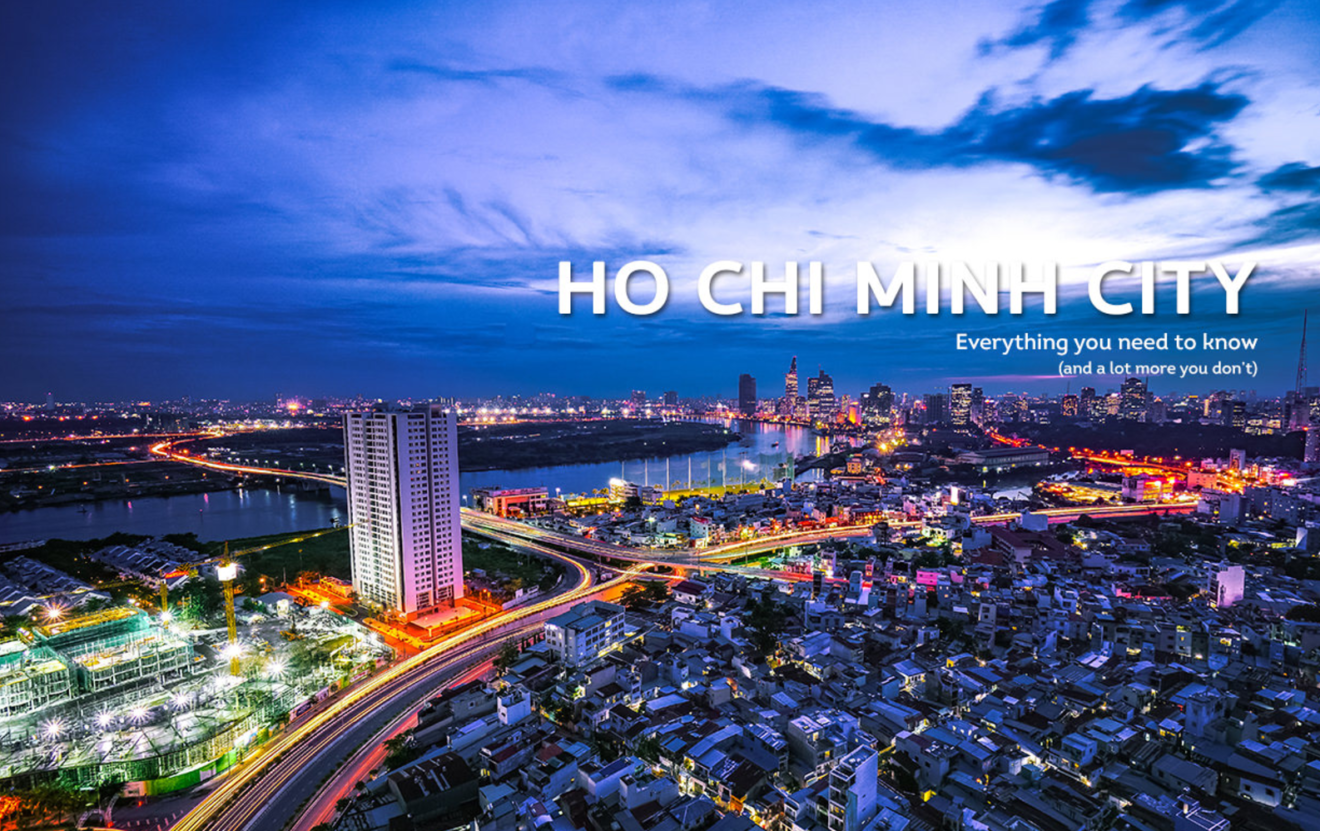
    Land prices in HCM City and neigbouring provinces are increasing, with real estate industry insiders attributing it to high liquidity.

    Nguyễn Quốc Anh, deputy director of Đại Việt Group, said prices have been rising in all districts in the city since the end of last year.

    He quoted real estate website batdongsan.com.vn as saying that land prices surged 51 per cent last September.

    They are up 34 per cent in Thủ Đức District, 54 per cent in Hóc Môn, 37 per cent in Bình Tân and 13 per cent in District 7.

    Anh said that since the end of last year demand has been strong, with both speculators and people with actual housing needs buying.

    Nguyễn Thanh Trang of District 7 said she bought land in Bình Tân and made a profit of over 30 per cent within half a year.

    Brokers said areas where prices have increased are ones where residential projects are mushrooming or infrastructure would be improved in future.

    Explaining further, they said when an apartment or housing project is announced, land prices jump in the vicinity.

    A year ago a 60sq.m piece of land in District 9, 15km from downtown, cost VNĐ600 million (US$28,000). Now the same land costs VNĐ800-900 million ($40 million).

    Prices in more central parts have risen even more.

    For instance, in Linh Đông Ward of Thủ Đức District, 8km from downtown, now costs VNĐ18-25 million ($810-1,100) per square metre. A year ago it was only VNĐ14-16 million ($636-720).

    The rise is attributed to the new Phạm Văn Đồng Street which runs to the Gò Dưa traffic intersection.

    Furthermore, three apartment projects are being developed on this road.

    Districts 7 and Nhà Bè too have seen prices jump after authorities indicated several bridges would be built there and many streets expanded together with flyovers and tunnels.

    Neighbouring provinces like Đồng Nai, Bình Dương, and Long An where tourism is developing are also seeing land prices go up sharply.

    Brokers said liquidity is very good in these markets, with buyers coming from HCM City and elsewhere and acquiring lands without haggling much.

    But as prices go up, some are reminded of the property bubble that burst in 2008-10.

    Lê Hoàng Châu, chairman of the HCM City Real Estate Association, admitted that the risk of a bubble exists and said buyers should exercise caution when investing.


  • Hong Kong electronics pricing losing edge

    Hong Kong electronics pricing losing edge

    Hong Kong’s reputation as a go-to destination for cheap electronics prices is under threat.

    According to a survey of 72 global markets by South American eCommerce vendor Linio.com, Hong Kong electronics are not the cheapest in the world – in fact in the case of some products, Hong Kong ranks in the middle to most expensive.

    hong-kong-ranking

    Venezuela proved the most expensive market for every one of the 14 products compared, due to out-of-control inflation

    Linio.com’s 2016-17 Technology Price Index takes into account the cost of smartphones, laptops, games consoles, tablets, smart devices, and other gadgets, ranking the countries on the average cost of all products researched.

    The entire table can be viewed online.

    second-most-expensive-countries

    To conduct the research Linio looked at the costs of all products in the study from several brick-and-mortar chain stores and smaller retailers in all major cities in each country. The study also took into account average costs from at least three reputable online outlets in each country. Taxes and other associated purchasing costs, minus delivery, were also accounted for.

    The results, which were ranked in order of average cost of all products researched, reveal that Hong Kong has an overall ranking of 12. Hong Kong also ranks in the top 10 most affordable countries for iPad Mini, Apple Watches, and External Hard Drives.

    “At Linio, we place a high value on transparency with our customers, and we hope that our index helps people more confidently interpret variations in tech price around the world,” said Andreas Mjelde Linio’s CEO. “Increasingly, the average citizen is a global one, and with a better understanding of global markets comes empowerment to travel, shop, and live smarter.”

    most-affordable-countries

  • Gold down in Asia after China industrial output

    Gold down in Asia after China industrial output

    Gold prices fell in Asia on Monday after China data mildly disappointed and investors infrastructure spending plans by president-elect Donald Trump with the Republican part in control of both house of the U.S. Congress.

    China said fixed asset investment for October rose 8.3%, beating the 8.2% rise seen year-on-year and industrial production gained 6.1%, below the expected 6.2% rise seen and retail sales increased 10.0%, below the 10.7% increase seen.

    Earlier, Japan reported third quarter GDP jumped 0.5% quarter-on-quarter and at a 2.2% pace year-on-year, handily beating expected gains of 0.2% and 0.9% respectively. Separately, comments from Bank of Japan Governor Haruhiko Kuroda on inflation were noted.

    Gold for December delivery on the Comex division of the New York Mercantile Exchange fell 0.55% to $1,217.55 a troy ounce. Also on the Comex, silver futures for December delivery dropped 1.03% to $17.203 a troy ounce, while copper futures jumped 2.31% increase to $2.565 pound.

    Copper was boosted last week after Trump raised the prospect of increased infrastructure spending, while recent signs of strengthening demand in China have also underpinned prices.

    Later this week, investors will be looking to congressional testimony by Fed Chair Janet Yellen on Thursday for fresh indications on whether interest rates will rise next month.
    Last week, gold prices fell to five month lows on Friday as risk appetite recovered following Trump’s victory in the U.S. presidential election, sapping investor demand for safe haven assets.

    Market sentiment was boosted by optimism that increased fiscal spending and tax cuts under a Trump administration will spur economic growth and inflation.

    Gold prices were also pressured lower by the stronger U.S. dollar and ongoing expectations for a Federal Reserve interest rate increase in December.

    Expectations for higher U.S. interest rates remained intact amid optimism that a pick-up in growth will allow the Fed to tighten borrowing costs.

    Investors currently price an 81.1% chance of a rate hike at the Fed’s December meeting; according to federal funds futures tracked Investing.com’s Fed Rate Monitor Tool.

    Gold is sensitive to moves in U.S. rates, which lift the opportunity cost of holding non-yielding assets such as bullion, while boosting the dollar in which it is priced.

  • Thai farmers receive government loans to stabilize market prices

    Thai farmers receive government loans to stabilize market prices

    Thailand is the world’s second largest rice exporter, and it is confronted by a fall in prices that has mostly affected the rice farmers, with prices hitting a thirteen months low. Now the Thai Government has taken action and has proposed a set of measures with would help alleviate the pressure from the country’s rice farmers.

    According to Thailand’s Minister of Commerce Apiradee Tantraporn, rice farmers will receive 10,500 baht, or 299 US dollars, for every tonne of white paddy stored. The measure is aimed at all Thai farmers, with those who store Thai Pathum Thani fragrant rice to receive 11,300 baht, that is 322 US dollars, per tonne.

    “The overall budget is set at 18 billion baht ($514 million). This is to help relieve grievances farmers are facing while the main crop is being harvested,” Mrs. Apiradee Tantraporn told journalists.

    Last week, the government announced it would offer loans worth 1,3 billion US dollars to jasmine rice farmers, if they store the grain for at least six months to slow down market supply.

    Another measure the government has taken is easier access to open rice paddy markets. Mrs. Tantraporn said this is in order to boost competition among rice farmers and for their benefit, in the middle of this period’s price depression. According to state officials, in the province of Udon Thani’s retail centres and PTT gas stations, markets will be opened in the next weeks. Here the farmers will be allowed to sell their rice and negotiate the prices directly with the buyers, circumventing the need for intermediaries.

    Action is also taken in Lopburi and Sukhothai, where the government and other agencies have joined forces in order to promote and allow farmers to sell their rice directly. In Sukhothai, milled rice was on sale at up to 40% discount prices, while in Lopburi, the Si Sa Ket police was put together a market for farmers to sell the rice to their families and police staff.

    In total, there will be no less than  109 open markets organised in 44 provinces, all with the sole purpose to to help farmers sell rice paddy directly to consumers.

  • Rising price of gold leaves hefty dent in jeweller Luk Fook’s sales

    Rising price of gold leaves hefty dent in jeweller Luk Fook’s sales

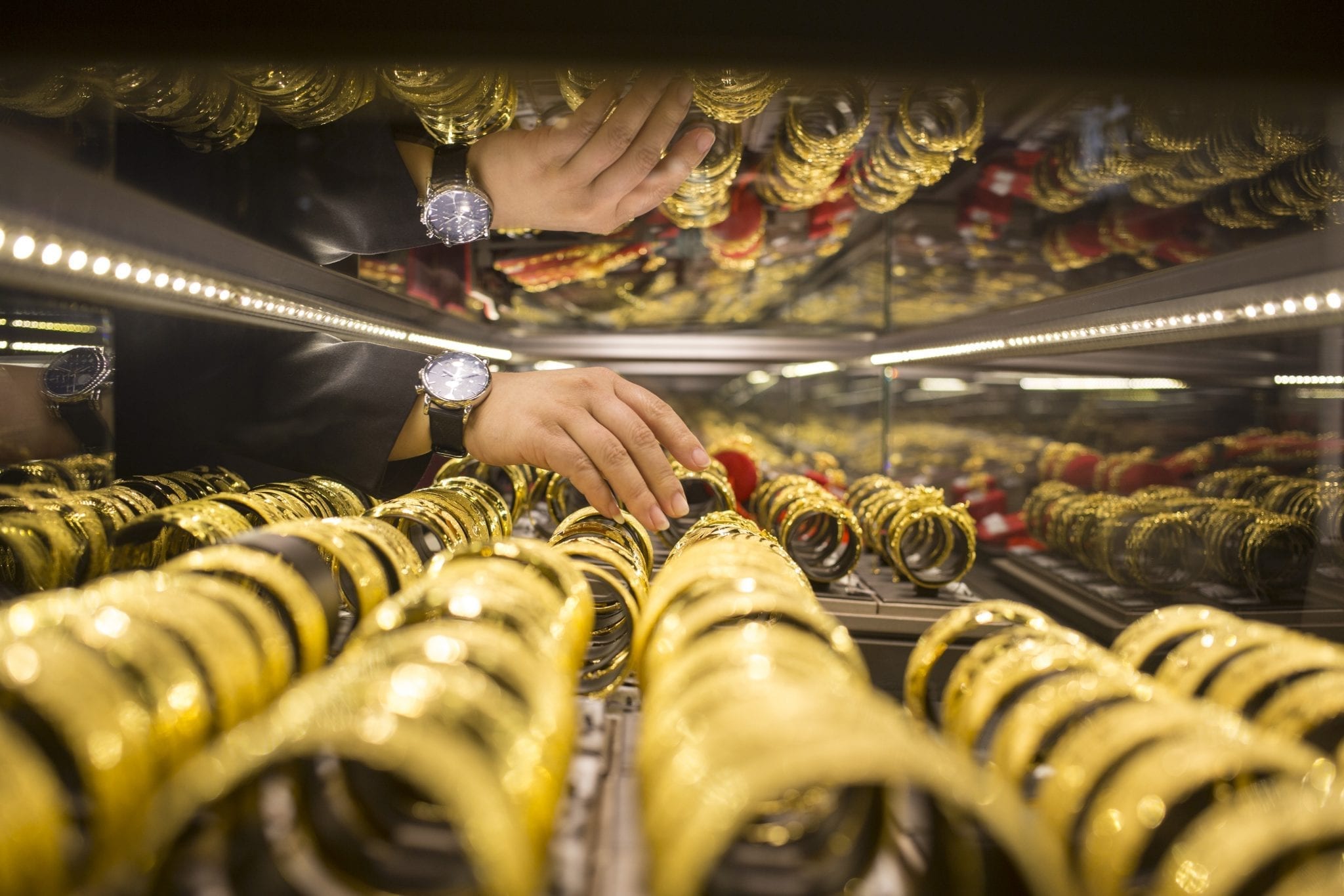
    Surging gold prices, and a mini gold rush in 2015 have been blamed by leading Hong Kong jewellery retailer Luk Fook Holdings for a sharp fall in sales during its second quarter.

    The retailer which operates over 1,400 retail outlets in mainland China, Hong Kong, Macau, Singapore and North America, saw same store sales decline 37 per cent in the three months to September (its second quarter) on the same period last year, which was weaker than expected, Bank of America Merrill Lynch analyst Tina Long said in a note.

    Much of the decline was due to gold sales, which recorded a 47 per cent fall in same store sales in the second quarter year on year , worse than competitor Chow Tai Fook’s 36 per cent decline.

    Sales of gemsets, items designed using various types of gem stones, fell 14 per cent, better than the 23 per cent drop seen by peers, but started moving into single digit growth in September and October.

    Sales were better in the mainland than in Hong Kong, which still accounts for 75 per cent of its revenue. Mainland sales fell 23 per cent, while combined sales for Hong Kong and Macau fell 37 per cent in the second quarter.

    Luk Fook’s management said in a statement the deterioration in gold sales this year was being compared with what had been a high base in 2015, thanks to the mini gold rush in July and August.

    That had been coupled with “overall sluggish retail sentiment” and the gold price rally in the same period this year.

    Daiwa analyst Jamie Soo noted that Hong-Kong based competitor Chow Tai Fook had released sales performance figures for the same period which showed a “similarly lacklustre performance”.

    Gold prices rallied to a three-year high in July as investors chose “safe haven” assets following Britain’s vote in June to leave the European Union.

    Gold futures were trading at over US$1,370 per ounce in July and August, but have dropped back down to $1,267.

    Both Long and Soo expect things to get brighter for the jewellery retailer, with Soo noting September had seen low single digit growth, mainly driven by an improvement in sales of gemsets.

    “Management also indicated that there has been slight improvement in gemset sales in Hong Kong and Macau,” he said.

    This momentum had continued into China’s national “golden week” holiday in October, and the management has said they believe there were signs of stabilisation, Soo said.

    Long expected a more favourable movement in the gold price and a better-than-expected recovery in consumer sentiment to help push the price objective up.

    “We think that sales bottomed in July, and kept improving thereafter with positive growth for gemsets seen in both September and October in Hong Kong and mainland,” Long said.

    Long estimated this year’s net income to slip from HK$959 million last year to HK$951 million before bouncing up to HK$1,072 million next year, still down on 2015’s HK$1,615 million.

    Long expected the share price to trend upward, helped by lower rental costs for retail outlets, although she lowered her price objective for Luk Fook from HK$21.70 to HK$21.00.

    “Luk Fook would be the biggest beneficiary from the recent upward trend of gold price due to its smallest hedging ratio of 15 per cent to 20 per cent,” she said.

    “We see re-rating more likely as sentiment towards gold stocks improves.”

    But Long warned that there were a number of risks to the rating, including a slowdown in Hong Kong tourist growth and depreciation of the yuan and gold prices.

    Retail sales in Hong Kong plunged 10.5 per cent in August on dwindling visitor numbers – the steepest decline since February, and the 18th consecutive monthly contraction.

    Luk Fook Holdings was trading at HK$20.25 on Monday, while Chow Tai Fook was trading at HK$5.63.
  • This is how much the new MacBook Pro will cost in Singapore

    This is how much the new MacBook Pro will cost in Singapore

    The hotly-anticipated Touch Bar Mac machines are here and they are packed with shiny upgrades. Apple has launched two new models that are thinner and lighter than ever – a 13-inch MacBook Pro (14.9mm) and a 15-inch MacBook Pro (15.5mm).

    The key features on the refreshed MacBook Pros include a context-sensitive, customisable Touch Bar that replaces the physical function key strip, giving fast access to popular commands, quick actions and your commonly-used apps and programs

    Touch ID makes its debut on the laptop, allowing you to authorise payments, switch accounts and say goodbye to typing in long passwords.

    Apple has also pumped up the battery life to 10 hours and simplified the machine’s exterior, trimming down various ports on the chassis, relying primarily on four Thunderbolt 3 ports for connectivity and power. But do not worry, the headphone jack is still there.

    The laptops are scheduled to ship in 2-3 weeks and you can order them now at the Apple Store.

    The 13-inch, 2.9GHz dual-core Intel Core i5 MacBook Pro with Touch Bar and Touch ID costs S$2,588, while the 15-inch, 2.7GHz quad-core Intel Core i7 MacBook Pro costs S$3,948. Both machines are available in Space Grey and Silver.

  • Surge in Coal Prices Buoys Miners’ Shares

    Surge in Coal Prices Buoys Miners’ Shares

    A recovery in coal prices in recent months has buoyed shares of local coal companies and returned confidence to a sector that has long struggled with low demand.

    Indonesia’s thermal coal benchmark price rose to $63.93 per metric ton in September — its highest in 17 months — continuing a five-month rally after bottoming out in May, according to the latest data compiled by the Ministry of Energy and Mineral Resources.

    China, traditionally Indonesia’s main coal market, has capped its domestic coal mining output, forcing electricity producers to start importing coal once more. Limited stocks from the main exporters, such as Australia and Indonesia — due to a prolonged wet season — also stoked the commodity’s price in the global market.

    Against that setting, shares of Bumi Resources, Indonesia’s largest coal producer, surged by as much as 23 percent this week after the Indonesia Stock Exchange (IDX) lifted a suspension on the company’s shares on Wednesday. The suspension began on June 30 after Bumi failed to submit its first-quarter financial report.

    NH Korindo Securities head research analyst Reza Priyambada said positive sentiment from the commodity’s price has buoyed even a debt-ridden company such as Bumi.

    Shares of state-controlled miner Tambang Batubara Bukit Asam, have risen 70 percent in the past five months. Indo Tambangraya Megah, the local coal mining unit of Thailand’s Banpu, rose 47 percent in the same period.

    However, Reza warned that in the longer term, miners’ share prices would depend on their own fundamental performance.

    “It all depends on how the coal miners are making their next moves. For example, extending or renewing their coal contracts, or diversifying their businesses,” Reza said.

    Indonesia’s coal production fell 14 percent to 241.1 million tons of oil equivalent last year compared to a year earlier, as demand from China and other markets decreased, according to the BP Statistical Review of World Energy 2016.

    For coal producers, the power sector is another business alternative to mitigate their losses from last year’s weak coal prices. The power sector is attracting several coal producers because the government wants to add 35,000 megawatts to the national power grid to boost investment.

    Adaro Energy, whose shares surged 164 percent so far this year, diversified its business from coal production to power generation. Construction of the company’s 2,000-megawatt coal-fired power plant in Batang, Central Java, has finally started and it is expected to generate $80 million per month for the consortium that built and operates it, when it starts operations in 2020.

    Coal will remain the main supply for power plants, which will eventually boost domestic consumption of the resource and provide long-term benefits to miners and producers.

    Oil and gas giant British Petroleum also noted that coal consumption in Indonesia — now the eight-largest coal user in the world — will continue to grow as most of the country’s power under President Joko “Jokowi” Widodo’s 35,000-megawatt program would come from coal.

  • Industries to enjoy lower gas prices in 2017

    Industries to enjoy lower gas prices in 2017

    More industries will enjoy lower gas prices by the beginning of next year as the government rushes to find a solution to cost issues.

    President Joko “Jokowi” Widodo has demanded that his Cabinet take concrete steps by the end of November to enable gas prices to fall below US$6 per million British thermal units (mmbtu) for 10 industrial sectors and one industrial zone starting in January next year.

    Currently, only seven industries enjoy the lower gas prices, but the government plans to add pulp and paper, food and beverages, and textiles to the list.

    Indonesia’s gas prices are around $9 per mmbtu, higher than most of its Southeast Asian neighbors. Both Malaysia and Singapore, for example, sell gas at around $4 per mmbtu.

    “I calculated it the other day and found that a figure between $5 and $6 [per mmbtu] is possible. Simplify and cut down the supply chain, so that it will be more efficient,” Jokowi said before a closed-door meeting.

    “This will affect the gas sector’s investment climate. Gas prices must remain enticing for investors to continue investing in our upstream sector, which will support the development of infrastructure, transmission and distribution.”

    The government has been trying to lower gas prices for some time to boost income tax through improved industrial productivity.

    High prices have forced many factories in North Sumatra to close down and as many as 20,000 workers have been laid off since 2000, data from the Association of Gas-Consuming Companies (Apigas) shows.

    Industry Minister Airlangga Hartarto said the economic benefit of lower gas prices could reach Rp 31 trillion ($2.39 billion) if prices were cut to $4 per mmbtu, with an additional distribution cost of $1.50 to $2. He added that the 10 industrial sectors contributed around Rp 1,200 trillion, or 10 percent, of gross domestic product (GDP). The gas price cut is expected to increase their contribution to GDP as costs fall.

    The Energy and Mineral Resources Ministry previously issued a regulation that allows companies to obtain an additional price cut of $2 per mmbtu from the minister if gas prices climb higher than $6 per mmbtu.

    However, the regulation only applies to seven industries. Wider coverage for other industries is deemed essential as they expect to use more gas for production in the coming decade. The fertilizer and petrochemical industries use the most natural gas, as it is an essential component of their end products.

    The fertilizer industry used 791.22 million standard cubic feet per day (mmscfd) of natural gas by the end of last year and is projected to need around 1,028.22 mmscfd in 2020.

    Meanwhile, the petrochemical industry used 295 mmscfd in 2015 and is expected to increase its usage to 708 mmscfd in 2020.

    State-owned fertilizer producer Pupuk Indonesia president director Aas Asikin Idat expressed hope that gas prices nationwide could be cut to $3 to $4 per mmbtu from the current price range of $6.50 to $8.50.

    “Any price cuts will be extremely helpful because it is difficult to compete now with the current prices.”

    Aas said that under the current pricing scheme, the production cost difference between Pupuk Indonesia and producers in the US and China could reach $50 per ton. Pupuk Indonesia’s production cost hovers at around $240 per ton at present.

    Separately, state-owned oil and gas firm Pertamina’s executive director Dwi Soetjipto said lowering gas prices in Indonesia even further would be difficult because of geological and cost-related issues. “Indonesia’s gas reserves can be found in small pockets that are found scattered around the country, unlike other countries in the Middle East that have large reserves in one location. This means the transportation per volume cost is higher,” he said.

    “Moreover, the use of high-tech equipment will need more capital expenditure as well.”

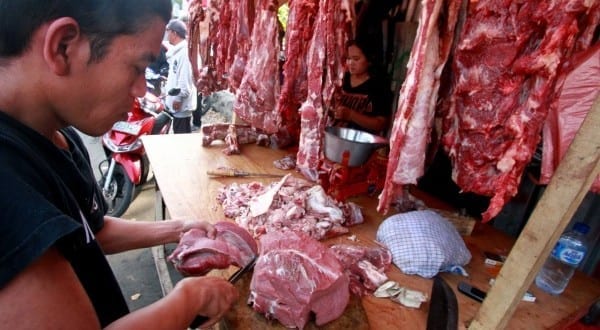
  • Indonesia to set retail beef prices

    Indonesia to set retail beef prices

    The Trade Ministry says it will set reference prices for a number of basic food items at the consumer level, including beef.

    Writing in today’s Agri Commodities Daily Alert, Comm Bank’s Tobin Gorey said the policy announced yesterday was effectively a government mandated price ceiling, aimed at maintaining domestic price stability.

    “The retail price range for fresh beef will reportedly be between 50,000‑105,000 rupiah (A$5‑A$10.60/kg),” Mr Gorey said.

    “Fresh beef is currently trading at around 114,000 rupiah (A$11.55/kg) in Jakarta wet markets.”

    The announcement follows earlier news that Indonesia will officially begin importing lower cost buffalo meat from India. The buffalo meat is being sourced from 10 meatworks located in foot and mouth disease (FMD)-free zones.

    Indonesia is Australia’s largest export market for cattle and fifth biggest market for boxed week. Last year Australia exported 618,323 live cattle worth A$548.8 million and 39,134 tonnes of boxed beef valued at A$244m.

  • Chinese retail prices on the new iPhone 7 may drag down sales

    Chinese retail prices on the new iPhone 7 may drag down sales

    This is clearly a big change in the industry, and as big changes oftentimes go, people aren’t immediately excited about it. People also seem frustrated with Apple’s new wireless headphone option, the “AirPods”, which will retail for around $160. That’s even more impressive when you consider Apple Watch was only on sale for 8 months of the year. It means for all those who sit at their desks,charge the phone and plug in their headphones to listen to music, Apple’s latest smartphone isn’t going to cut the mustard -you simply can’t do both. Apart from having aLightning input at the rear of the dock, there is a 3.5mm output jack as well.

    We expect more third-party solutions to arrive in the next few weeks to make this less of a pain in the rear. This is only slightly more useful than the one port on the phone. AirPods auto-pair with all your iCloud-connected devices except Apple TV.

    Schiller mentioned that the Lightning adapter Apple includes with every iPhone 7 is a way the company is helping ease the transition from the 3.5 mm jack. Apple killed the 3.5mm audio port with the iPhone 7 and iPhone 7 Plus.

    Apple initially quoted shipping dates of two to three weeks after September 16, but the company quickly pushed ship dates back to four to six weeks for some versions of the black iPhone 7s. And, these standalone left/right AirPods only play music when they detect that they’re in your ear.

    They’re just standard Bluetooth, with a little bit of “secret sauce” for easy pairing with Appledevices. When Apple unveiled the iPhone 7, people took issue with its lack of a headphone jack.

    “Apple has a very long history of removing features we all thought were necessary, and then convincing us that we didn’t need them”, said Ask, noting that Apple paved the way in phasing out the use of floppy discs and optical drives in computers.

    The Bluetooth or Lightning allow for the transfer of audio signals to the headphones digitally.