Retail News CRM

Tag: price

  • Galaxy Note 7 most costly in Europe, cheapest in Korea

    Galaxy Note 7 most costly in Europe, cheapest in Korea

    Samsung Electronics’ Galaxy Note 7, which was launched Friday globally, is the most expensive in Europe and cheapest in South Korea, according to the tech firms’ online stores Friday.

    The new phablet costs around 1.06 million won ($948) in Germany, 1.07 million won in France and Spain and 1.09 million won in the UK, according to Samsung’s online stores, reports the Korea Herald.  The prices set for European consumers are around 70,000 won to 100,000 won higher than the price set for Korean consumers. The Galaxy Note 7 is being sold for 988,900 won here, along with freebies such as the Gear Fit 2.

    “Prices in Europe are normally set higher than in other regions, considering higher consumer prices in the region,” Samsung’s official said, adding, “The prices are not entirely set by Samsung but with local mobile carriers.”

  • Yamaha, Honda, Suspected of Cartel Practice

    Yamaha, Honda, Suspected of Cartel Practice

    PT Yamaha Indonesia Motor Manufacturing (YIMM) and PT Astra Honda Motor (AHM) have been suspected of involved in motorcycle cartel practice. The suspicion was raised after an investigation conducted by the Commission for the Supervision of Business Competition (KPPU). Both companies are suspected of controlling prices of 110 to 125cc Automatic Scooter products.

    KPPU’s investigation team, led by Frans Adiyatma, explained that they have found an electronic mail sent by YIMM President Director Yoichiro Kojima to Yamaha Indonesia marketing team.

    “Kojima instructed the marketing team to adjust their prices in accordance with Honda motorcycle price increase,” Frans said on Tuesday.

    The price fixing was suspected to occur following an agreement made between Kojima and Mr. Inuma, President Director of Astra Honda Motor. An email dedicated to YIMM Vice President Dyonisius Beti mentioned that “President Kojima-san has requested us to follow Honda price increase many times since January 2014, because of his promise with Mr Inuma, president of AHM at a golf course.”

    KPPU Chief Syarkawi Rauf said that the investigation was carried out to protect consumers and to allow consumers to purchase motorcycles at competitive prices.

    In response to the allegation, Yamaha General Manager M. Masykur argued that his company had never been involved in cartel practices. “Yamaha has been doing business in Indonesia for 42 years, the company will certainly comply with Indonesian laws,” Masykur stated.

  • Food Prices Spark Inflation in June

    Food Prices Spark Inflation in June

    The National Statistics Agency (BPS) head Suryamin said that inflation in June 2016 was 0.66 percent with increase in food prices as a factor. In addition, increase in air fares had contributed significantly to inflation. “An 8.27 percent increase in air fares had contributed to 0.08 percent of inflation,” he said yesterday, July 3, 2016.

    According to Suryamin, price hike occured in 38 out of 82 cities in the consumer price index (CPI) survey. Food commodity which contributed significantly to inflation was broiler chicken, which experienced price increase by 5.36 percent with 0.07 contribution to inflation. The increase occured in 74 out of 82 cities in the CPI. “Price increase occured due to price hike at the distributors,” he said.

    Suryamin said that food commodity with third highest contribution to inflation was fresh fish. Price of fish soared by 2.15 percent with 0.06 percent contribution to inflation. Other cause of inflation was broiler chicken eggs with 5.86 percent increase in price and contributed 0.04 percent to inflation. Other commodity was sugar which price had risen by 6 percent since early Ramadan. Its contribution to inflation was 0.04 percent. “Potato and carrot also contributed to inflation,” he said.

    Other commodities that contributed to inflation were rice, spinach, apple, electricity prices, gold and jewelries, and public transport fares, which contributed 0.02 percent each to inflation. Of 13 commodities that contributed to inflation, Suryamin said that only one had held back inflation. “The one that held back [inflation] was shallot,” he said.

    Director General of Horticulture, Agriculture Ministry, Spudnik Sujono has given his assurance that shallot and chili peppers supplies are safe until August.

  • No price fixing among petrol retailers in Singapore, says competition watchdog

    No price fixing among petrol retailers in Singapore, says competition watchdog

    Local prices mirror global trends.

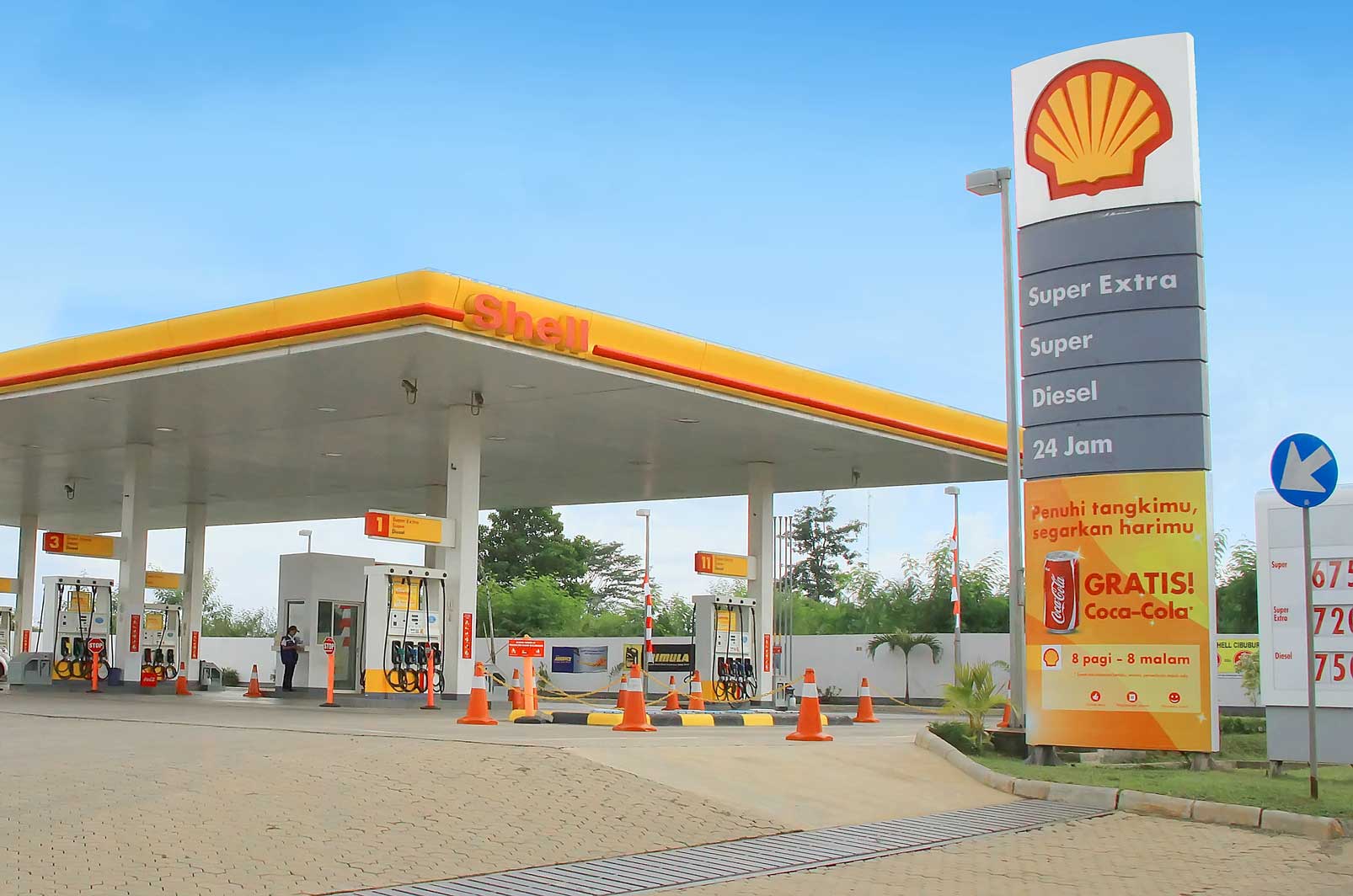
    There is no evidence to suggest that petrol companies conspire to control oil prices in Singapore, according to a study by the Competition Commission of Singapore (CCS).

    The study showed that local oil retailers base their prices on the Mean of Platts Singapore (MOPS) price, which refers to the cost at which petrol companies purchase the refined wholesale petrol from the refineries.

    The CCS said that listed retail petrol prices was observed to move in tandem with the price of MOPS over a six-year period between 1 January 2010 and 31 January 2016, although the pass-through was neither complete nor immediate.

    The MOPS price also made up less than a third of listed retail petrol prices. Other components of retail prices include operating costs, taxes and duties, land costs, discounts and rebates. The cost of these non-fuel components have generally increased in the past few years, the report noted.

    For the period of June 2014 to January 2016, crude oil price fell by an average of 59 SGD cents, or 67%. Consequently, MOPS price fell by 52 SGD cents or 53%, and the listed price of Octane 95 fell by 35 SGD cents or 15%.

    Including discounts, rebates and levy increase in February 2015, the effective price that consumers paid for Octane 95 was found to have fallen by 45 SGD cents, or -24%.
    This indicates a “relatively high level of pass-through” of the fall in MOPS price to consumers over this period. the report noted.

    “The operating income margin of the petrol companies has also increased, but the increase is smaller relative to the increase in the non-fuel components. There is no evidence to suggest collusion in petrol pricing, even though petrol companies monitor and react to each other’s published prices,” the CCS said.


  • Malaysia, Indonesia & Thailand to shore up rubber price

    Malaysia, Indonesia & Thailand to shore up rubber price

    Asia’s top rubber producers have agreed to cut exports by 615,000 tonnes for six months from March, moving to lift prices that have tumbled to their lowest since the global financial crisis amid excess supply.

    Benchmark rubber futures in Singapore and Japan rallied 2-3% on the news. The benchmarks sank in January to their lowest levels since end-2008 to early 2009.

    Thailand, Indonesia and Malaysia, which produce nearly 70% of the world’s natural rubber, said in a joint statement that the move was to address a decline in rubber prices which has had “a direct effect on the income of rubber smallholders in our three countries.”

    Thailand will cut exports by 324,000 tonnes, Indonesia by 238,740 tonnes and Malaysia by 52,260 tonnes, according to a statement from the International Tripartite Rubber Council (ITRC), which groups the three producers.

    The total cuts account for nearly 6% of global natural rubber output.

    “The three countries’ ministers believe that cutting exports and boosting domestic use of rubber will drive up prices and fix the price slump, making prices fair for rubber farmers,” Thailand’s agriculture ministry said in a statement.

    Previous efforts by major rubber producers to cut exports or output have only had a fleeting impact on prices amid a slowdown in top rubber importer China. In 2014, the ITRC members also agreed to cut exports to curb excess supply.

    Before that, they collectively cut shipments by 300,000 tonnes in 2012-13, or roughly 3% of 2012 global output. The intervention only briefly supported prices and Indonesia called for the pact to be discontinued.

    Besides cutting exports, the three countries today also agreed to increase domestic consumption of rubber – including for road and railway construction.

    “We are optimistic with joint implementation of these measures, rubber price will recover and continue to be fair and remunerative to all smallholders and other stakeholders in the natural rubber industry,” the ITRC said in the statement.

    Thailand, the world’s top rubber producer and exporter, will cut its rubber exports by 50% starting March, said the Rubber Authority of Thailand.

    “The three countries will cooperate in cutting exports by 615,000 tonnes from March to August,” said Chao Songarvut, acting director of the Rubber Authority of Thailand, adding that the move was to drive up prices.

  • Vegetables prices increases threefold in China

    Vegetables prices increases threefold in China

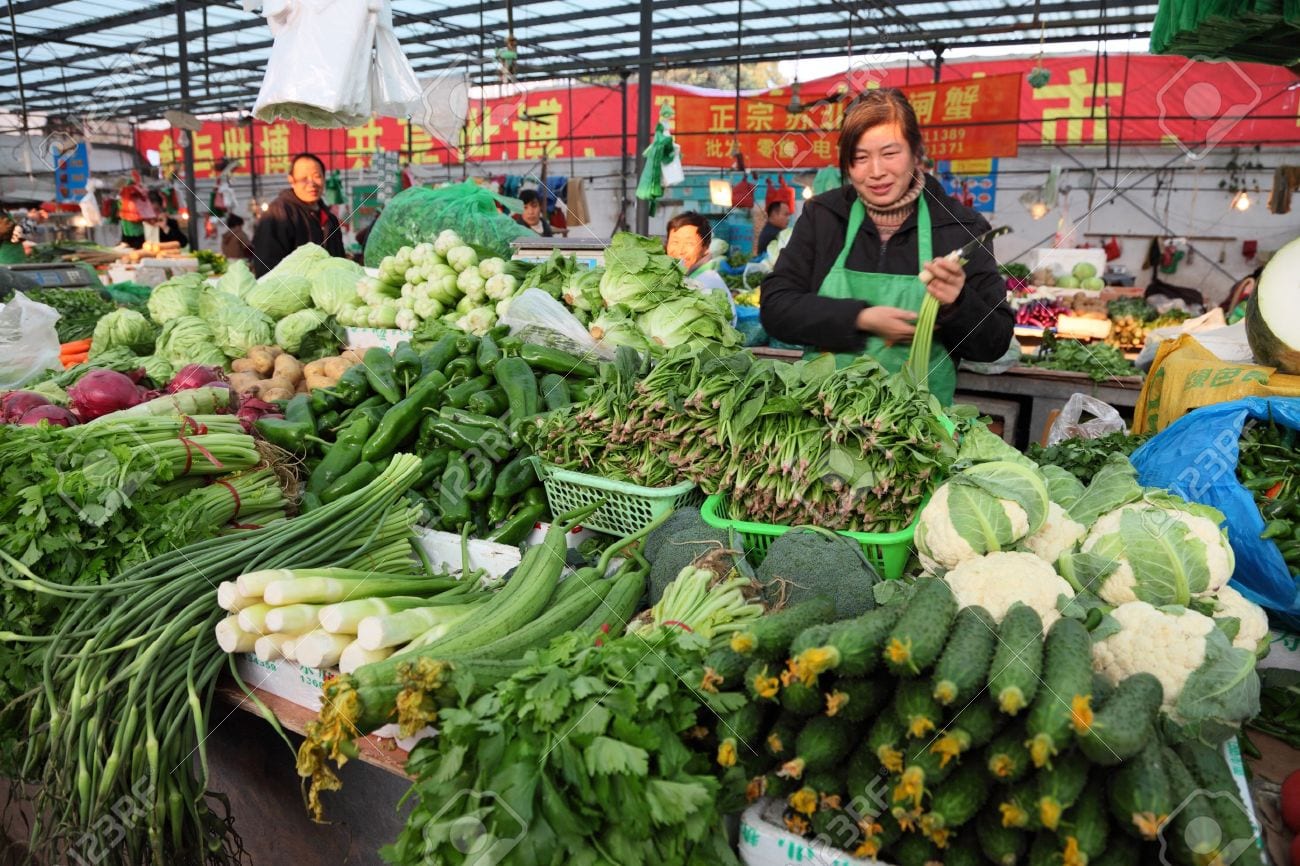
    Severe cold weather affecting in Southern China throughout the weekend as residents are racing to stock up on the essential foods and vegetables so they’ll have the capacity to stay at home in the following couple of days, causing some chaos to local authorities. Pictures from stores across the nation appeared in social media that shows big crowd and empty shelves.

    Ahead of snowmageddon, the price of essentials tripled at supermarket stores.  In some part of the country the cost of pork has surged from 14 yuan for each 600 grams to 19 yuan, while the costs of vegetables have tripled from 5 yuan for every 500 grams to 15 yuan.

    The Local Authorities called residents to relax and stop hoarding. But to little benefit with the coming days forecasted to be the coldest winter in 35 years with the temperature in Shanghai’s urban territories will plunged to minus 7 while it could get as low as less 10 in rural regions.

    The National Meteorological Center forecasts that temperatures will soon dive by as much as 13 degrees across the nation. Even Hainan isn’t getting away from this cool wave with temperatures anticipated that would go down to a comfortable 13 degrees.

    As of now, the frosty climate is bringing about a few issues in Shanghai where two water channels have braked and many long- distance transports have been canceled. Shanghai occupants are reminded to store some water in basins and wrap up outside water channels with fabric.

  • Singapore’s electricity market to be fully liberalised in Q2 of 2018

    Singapore’s electricity market to be fully liberalised in Q2 of 2018

    Singapore’s electricity market will be fully liberalised in the second half of 2018, allowing households to have more choice in their power consumption, Minister of Trade and Industry (Industry) Mr S Iswaran said today (Oct 26).

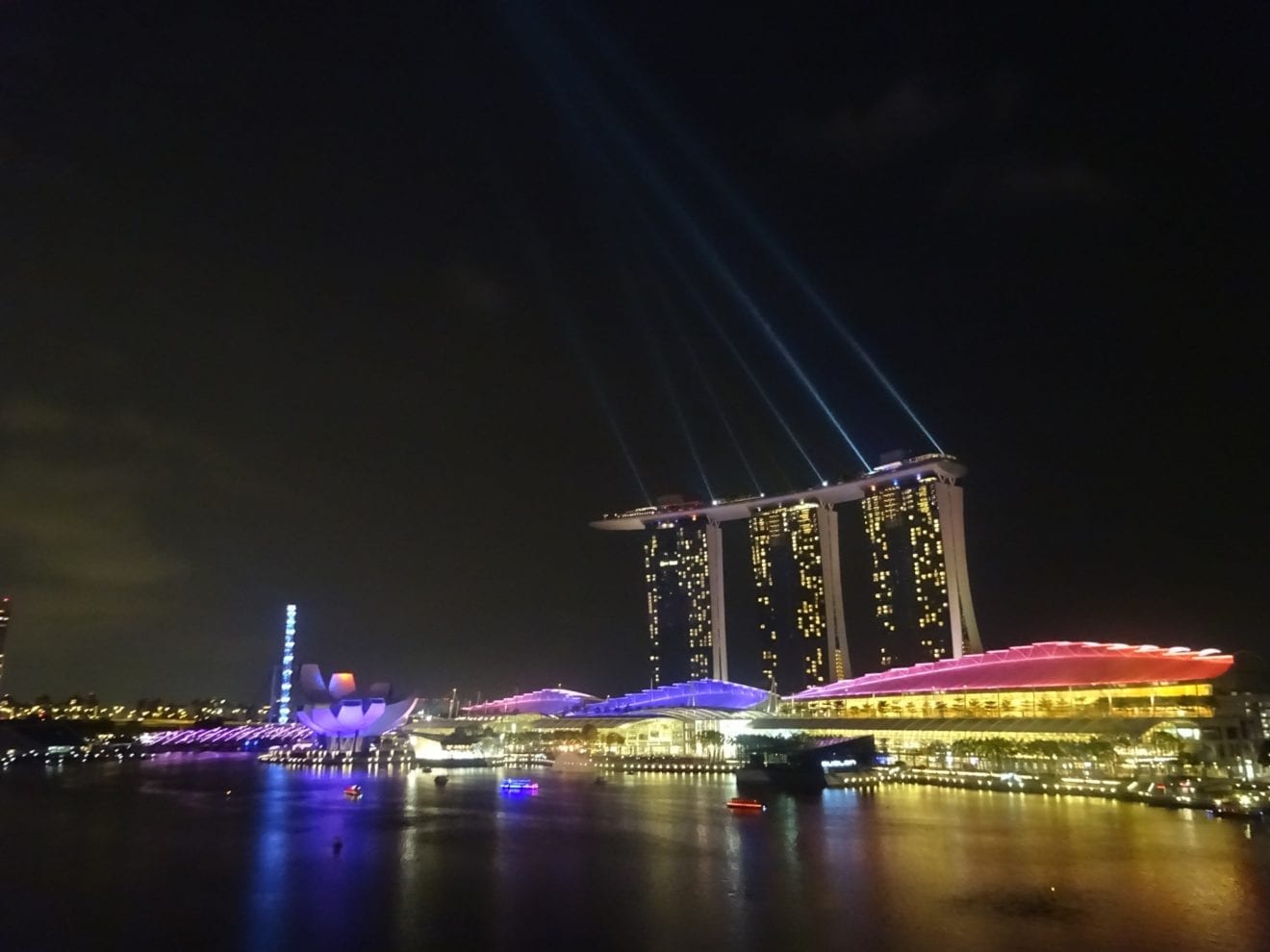
    The announcement came during Mr Iswaran’s opening address at the Singapore International Energy Week 2015 held at the Sands Expo and Convention Centre at Marina Bay Sands earlier today.

    Energy Market Authority (EMA) hopes to achieve “full retail competition” which will enable 1.3 million consumers – mostly households – to “have flexibility and choice in their electricity consumption”.

    Earlier this year on July 1, lowering the contestability threshold from 4MWh to 2 MWh allowed commercial and industrial (C&I) consumers – from large users such as petrochemical companies to smaller users like coffee shops and kindergartens – to participate in the contestable market and better manage their energy costs by purchasing from a retailer instead of remaining on the regulated tariff with SP services.

    EMA will release more details on the plans for full retail competition soon.

    The government also plans to establish a Secondary Gas Trading Market (SGTM) to allow gas buyers and sellers to trade gas on a short-term basis domestically.

    With an SGTM, EMA hopes to “enhance Singapore’s position as a hub for LNG and gas trading activities.”

    EMA will issue a consultation paper later today to seek industry feedback on the design for a domestic SGTM.

    Furthermore, EMA intends to “put out more information on the projected growth on the longer term energy market outlook in Singapore”.

    This would include information on the projected growth of electricity system demand, as well as a mix of sources coming from gas plants, solar and electricity imports by 2030.

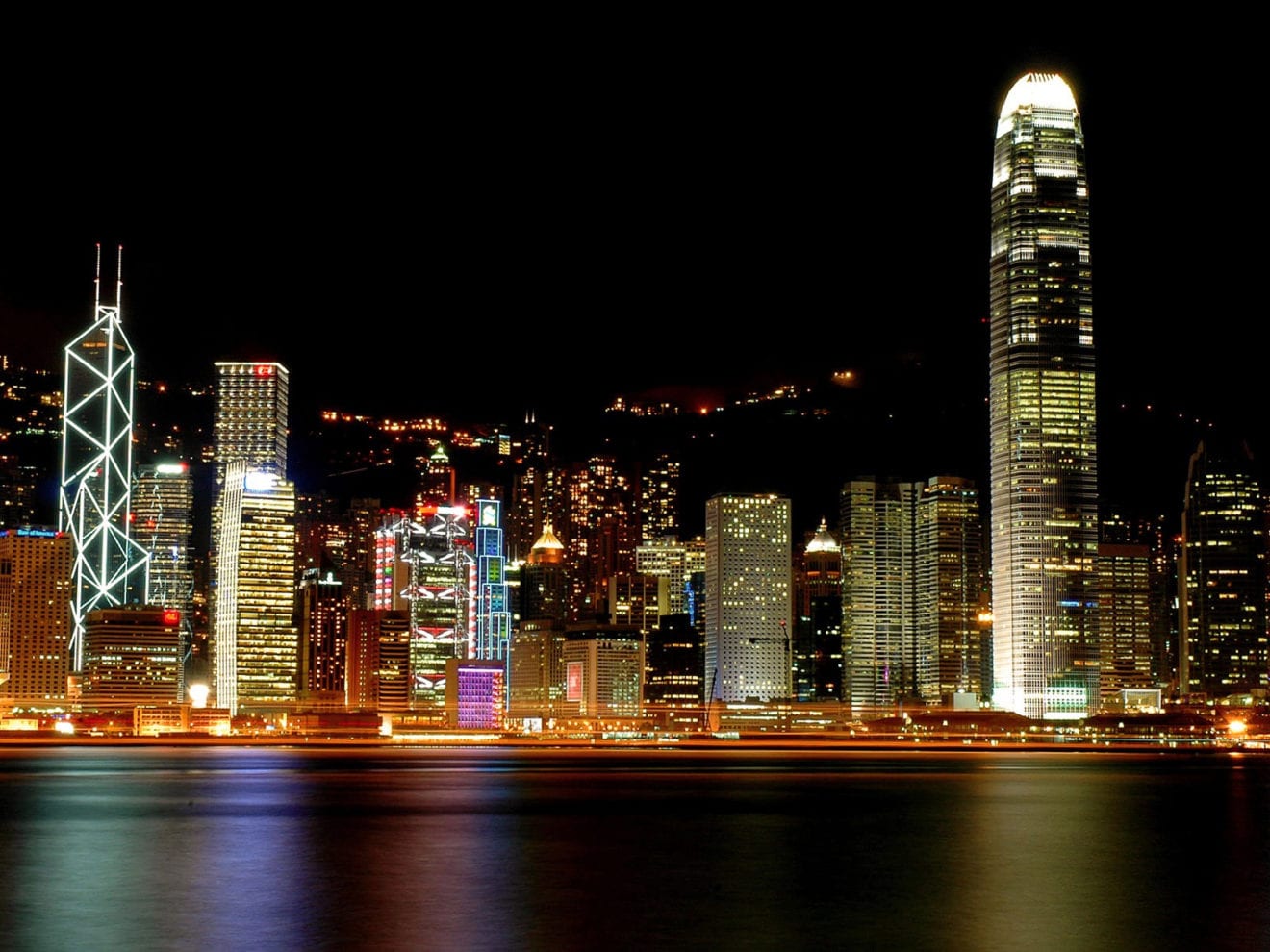
  • Hong Kong house prices to fall by 30% by 2017

    Hong Kong house prices to fall by 30% by 2017

    The price of buying a home in Hong Kong could fall by 30 percent between now and 2017, according to forecasts.

    Quick, cut down on bubble tea and start saving for the property bubble to burst!

    Eva Lee of market leader USB says buying demand will be hurt by lower inflation, rising unemployment rates and a deteriorating economy. Something to look forward to then.

    “Unlike past down cycles that were triggered by global economic shocks, we believe this round of price reversals will be triggered by a deteriorating local economy. Thus, we think price drops may come more gradually and over multiple years,” Lee said in a briefing, according to the SCMP.

    Home prices have jumped 340 percent since Hong Kong was in the grip of the SARS epidemic in 2003. This quarter, however, the Hang Seng Properties Index fell 15 percent, with property stocks declining an average of 20 percent over the past four months.

    Lee also notes that 42 percent of Hong Kong’s retail sales were contributed by tourists last year.

    “It is the highest level we have ever seen in the world and it is an unhealthy market. Hong Kong will get hit immediately once the number of tourist arrivals falls,” she said.

    While that may be bad news for the economy, it’s also good news for renters, who could see residential rents falling 10 percent and luxury retail rents by 25 percent over the same period.

    Can you see your landlord actually putting your rent down though? Nah, us neither.

  • Singapore consumer prices post biggest drop in 5 years

    Singapore consumer prices post biggest drop in 5 years

    Consumer prices in the Republic fell 0.8 per cent in August, the biggest year-on-year drop since November 2009.

    The decline, which came after a 0.4 per cent fall in July, was mainly due to the lower cost of private road transport, according to a joint news release from the Ministry of Trade and Industry (MTI) and the Monetary Authority of Singapore (MAS) on Wednesday (Sep 23).

    The cost of private road transport fell by 2.9 per cent in August after a decline of 0.1 per cent in July, as a result of the high base a year ago when Certificate of Entitlement (COE) premiums for cars saw a sharp increase, as well as a one-year road tax rebates for petrol vehicles.

    Accommodation cost declined by 2.9 per cent following the 2.8 per cent drop in the previous month, reflecting the continued softening of the housing rental market, MTI and MAS said.

    Services inflation edged down to 0.5 per cent from 0.6 per cent in July, while the cost of retail items fell by 0.6 per cent, mainly due to lower clothing and footwear prices. Food inflation was 1.9 per cent, unchanged from the previous month.

    Core inflation, which excludes the cost of accommodation and private road transport, fell to 0.2 per cent from 0.4 per cent in July, reflecting lower services and retail goods inflation, the news release said.

    “MAS Core Inflation and CPI-All Items inflation could rise towards the end of the year and are expected to pick up further in 2016, as the effects of the budgetary measures and the drag from the past fall in global oil prices dissipate on a year-ago basis,” it said.

    For 2015 as a whole, core inflation and CPI are projected to come in at the lower half of the forecast range of 0.5 to 1.5 per cent and -0.5 to 0.5 per cent, respectively.


  • Warning bell for the end of Hong Kong’s 12-year property rally is ringing louder

    Warning bell for the end of Hong Kong’s 12-year property rally is ringing louder

    The warning bell signalling the end of Hong Kong’s 12-year property rally is ringing louder with more experts predicting that the stock market rout and economic uncertainties at home and abroad will accelerate a price correction.

    Analysts widely expect home prices could fall as much as 10 per cent this year. Hong Kong home prices have risen 9.8 per cent since January after soaring more than 360 per cent from 2003.

    “The worrying factor is Hong Kong’s economy, especially the retail market. Some retailers will be forced to close their business or cut staff if the coming Christmas holidays fail to lift sales. It will certainly affect the home buying desire,” said Alvin Cheung Chi-wai, an associate director at Prudential Brokerage.

    He notes the increasing number of transactions recently sold for below market price in the secondary residential market.

    “It is a reverse trend. Previously, flats in the secondary market kept setting records. Today, vendors have to lower their asking prices on rising expectations home prices are going to fall,” said Cheung, who expects home prices could decline 10 per cent next year.

    His forecast comes in the wake of JP Morgan predicting flat values could drop 5 to 10 per cent a year over the next three years.

    The number of flats in the secondary residential market changing hands at steeper discounts is also on the rise. Such cases were seen from blue-chip housing estates in Taikoo Shing to mass-market homes in Castle Peak Road in the New Territories.

    One case in point was a 714 sq ft unit in Taikoo Shing – the most actively traded housing estate in Quarry Bay – which sold on Sunday for HK$12 million, or HK$16,807 per square foot, 6 per cent below prevailing transaction prices, agents said.

    A 572 sq ft unit at Belvedere Garden in Castle Peak Road sold for HK$4.98 million, or HK$8,706 per square foot, according to Louie Lui, a senior manager at Centaline’s Belvedere Garden branch.

    “It is the lowest price in terms of per square foot in the past 12 months,” he said.

    Buying sentiment may further be hit after UBS lowered its year-end target for the stock market’s Hang Seng Index to 19,775 points. The blue-chip index closed 3.28 per cent higher at 21,259.04 points yesterday.

    “Now, as we have seen a combination of the three pillars of Hong Kong’s economy weakening (tourism and re-export) or showing signs of weakness (property), along with decelerating economic growth in China, we believe our ‘black-sky’ scenario could be a better portrayal of the challenges in the current environment,” UBS said.

    Eva Lee, a property analyst with UBS, said stock market turbulence would certainly affect buying confidence.

    “But it is not a key factor to trigger a price correction. The property market outlook still hinges on the performance of our economy,” she said. The brokerage house forecasts home values will fall 5 to 10 per cent this year.

    Morgan Stanley said home prices would decline 5 per cent from the current level to the end of this year and remain flat next year.

    Joseph Tsang, the managing director of property consultancy JLL’s Hong Kong office, believes the worst-case scenario for the mass-market home sector would be a decline of 5 per cent next year because demand remains solid.

    “Development cost for mass residential projects is HK$12,000 to HK$13,000 per square foot. I believe downside risk for unit pricing not exceeding HK$15,000 per square foot will be limited,” he said.

    On September 5, Kowloon Development’s special financing scheme helped to boost the sale of its Upper East development in Hung Hom. It sold 328 units or 89 per cent of the total over the weekend.

    The developer launched the first batch of 368 flats at prices as low as HK$3 million. Buyers will only require as little as a 5 per cent deposit through its scheme of providing second mortgages of up to 35 per cent on top of the bank’s 60 per cent.

    Tsang said the luxury residential sector, particularly for flats worth HK$20 million to HK$100 million, could have room for a 10 per cent downward adjustment once interest rates rose.

    He said individual owners offering flats at discounts had not developed into a trend.

    “There are always some owners who offload their flats at low prices for some personal reasons. But most vendors still have strong holding power and refuse to sell at a low price,” he said.


  • Government thanks retail stores for maintaining prices of goods

    Government thanks retail stores for maintaining prices of goods

    The Thai government has expressed its gratitude toward store owners for keeping prices of every item at an affordable level until November this year.

    Deputy Spokesperson to the Prime Minister’s Office, Major General Sansern Keawkamnerd has revealed that the Ministry of Commerce has received cooperation from 205 retail stores across Thailand in not raising the prices of household goods and fresh food before November.

    Many food vendors have also been asked to sell at least one ready to eat meal at a maximum price of 25 baht until September this year.

    The Deputy Spokesperson said this is to help shoulder the cost of living for Thai people. He also added that stable fuel prices at present would continue to help keep commodity prices at a reasonable level.

  • Hong Kong residential property prices reached record high in May

    Hong Kong residential property prices reached record high in May

    Residential property prices in Hong Kong reached a record high in May, increasing more than 20% compared with the same month last year.

    The growth in values continues despite the government’s series of property market cooling measures.

    The transaction volume of new homes reached over 8,700 for the first half of 2015, the data from the Rating and Valuation Department shows.

    According to an analysis by international real estate firm Knight Frank it is a result of strong housing demand, ample liquidity partly attributable to the previous rally in the Mainland and Hong Kong stock markets and the continual return of wealthy Mainland investors to the city’s residential sector.

    Amid positive market sentiment, property developers have been actively acquiring residential sites this year, in line with the government’s target to boost housing supply. In early July, a large residential site in So Kwun Wat in Tuen Mun, estimated to require an investment of up to HK$8 billion, was sold for HK$3.82202 billion, representing the second highest ever accommodation value in the area.

    During the third quarter of this year the Hong Kong government will release three residential sites for sale. It has indicated that additional land may be launched by the end of September, depending on the market situation and progress of preparatory work.

    ‘The annual private housing supply target of 19,000 flats is considered achievable this year. Despite the rising supply, we expect home prices to continue rising this year, as it will take time for the new sites to be developed into flats,’ the Knight Frank report concludes.

    Meanwhile in Greater China the Grade-A office market remained active in June, driven by continual expansion demand from Chinese financial institutions, most notably fund and asset management companies.

    Knight Frank believes that Grade-A office rents in Central will continue rising steadily in the second half of 2015.

    Last month, with rents in prime retail districts softening, mid-range retailers gained opportunities to enter high profile streets at lower rents. Retail sales are not expected to recover in the near term.

    Knight Frank says that prime retail rents will continue to come under downward pressure for the remainder of the year.

  • China cuts retail oil prices

    China cuts retail oil prices

    The prices of gasoline and diesel in China will respectively be cut by 110 yuan and 105 yuan (18 U.S. dollars) per tonne, the National Development and Reform Commission (NDRC), China’s top economic planner, said in a statement Monday.

    The adjustment will come into effect Tuesday. The benchmark retail price of gasoline will drop by 0.08 yuan per liter and that of diesel by 0.09 yuan.

    Prices of refined oil products in China are adjusted when international crude prices translate into a change of more than 50 yuan per tonne for 10 working days.

    Crude prices fell last week, weighed on concerns of oversupply after the Organization of the Petroleum Exporting Countries (OPEC) decided to keep its daily output at 30 million barrels for the next six months.

    The NDRC has reduced oil prices for four times and raised them five times this year, tracking changes in international crude oil prices.

  • Ikea Korea in pricing highlight

    Ikea Korea in pricing highlight

    The costs of couches and wardrobes bought by Ikea Korea, the native unit of Swedish furnishings big, are 15-20 per cent larger than these in different nations, a ballot exhibits.

    The survey by native shopper advocacy group Shopper Analysis confirmed that the worth of 126 merchandise bought within the nation averaged 522,717 gained (US$471.80), which is 15-20 per cent larger in contrast with the fee in Germany, Japan and the US.

    The typical worth was the bottom in Japan at 437,578 gained, adopted by Germany with 453,737 gained and the US with 455,344 gained. They have been calculated utilizing the overseas trade charges on June 15 and solely embrace merchandise which are bought in all 4 markets.

    Costs of some 100 particular person merchandise bought in South Korea have been costlier that these within the three different nations, the report confirmed.

    A Shopper Analysis official stated that merchandise with worth tags larger than 100,000 gained have been usually bought at a better value than in different nations, whereas low-end gadgets have been cheaper in South Korea.

    Ikea Korea refuted the survey outcomes, saying that it considers a mixture of elements, together with overseas change, inventory and tariff charges, in setting costs in every nation.

    The Swedish furnishings model has been embroiled in numerous shopper grievance instances since its native debut in December. A lot of the complaints have been concerning the worth gaps in contrast with different markets, whereas a map product labeling the East Sea because the Sea of Japan additionally sparked backlash in February this yr amid fraying ties between Seoul and Tokyo.

  • Might retail inflation at Three-month excessive of 5.01%

    Might retail inflation at Three-month excessive of 5.01%

    Shopper Worth Index-based inflation rose to a three-month excessive of 5.01 per cent in Might, even because the meals phase noticed a decline within the fee of worth rise, official knowledge confirmed on Friday.

    The inflation had stood at four.87 per cent in April 2015 and eight.33 per cent in Might 2014. Whereas it justifies the Reserve Financial institution of India (RBI)’s cautious stance in slicing the coverage fee earlier this week, RBI was extra nervous about meals inflation, which declined.

    Meals inflation was right down to four.80 per cent from 5.11 per cent in April 2015. Within the year-ago interval, it had stood at eight.89 per cent.

    Whereas the meals inflation was greater within the city areas at four.84 per cent towards four.74 per cent within the rural elements, the state of affairs was fairly reverse in case of mixed inflation. General inflation stood at 5.52 per cent in villages and four.41 per cent within the city areas.

    Whilst meals inflation was down, the costs of pulses rose on the elevated fee. Inflation in pulses elevated to 16.62 per cent in Might from 12.52 per cent. This was the one phase amongst meals gadgets that noticed double-digit inflation. Earlier this month, the Cupboard had determined to import pulses to tame costs.

    Sugar costs noticed a decline, although. In April, costs dropped 5.99 per cent, whereas in Might these turned cheaper by 7.Three per cent.

    The sugar sector has been battling a state of affairs of glut. Earlier this week, the Cupboard gave the sector a tender mortgage of Rs 6,000 crore to pay a part of its Rs 21,000-crore dues to farmers.

    Nevertheless, corporations weren’t glad as a result of it didn’t remedy the issue of over-supply and depressed costs.

    Elsewhere, home lease, an city phenomenon, inched down barely from four.65 per cent to four.64 per cent.

    Nevertheless, gasoline and lightweight noticed inflation rise to five.96 per cent