Retail News CRM

Tag: price

  • Lotteria burgers get 2.2% more expensive

    Lotteria burgers get 2.2% more expensive

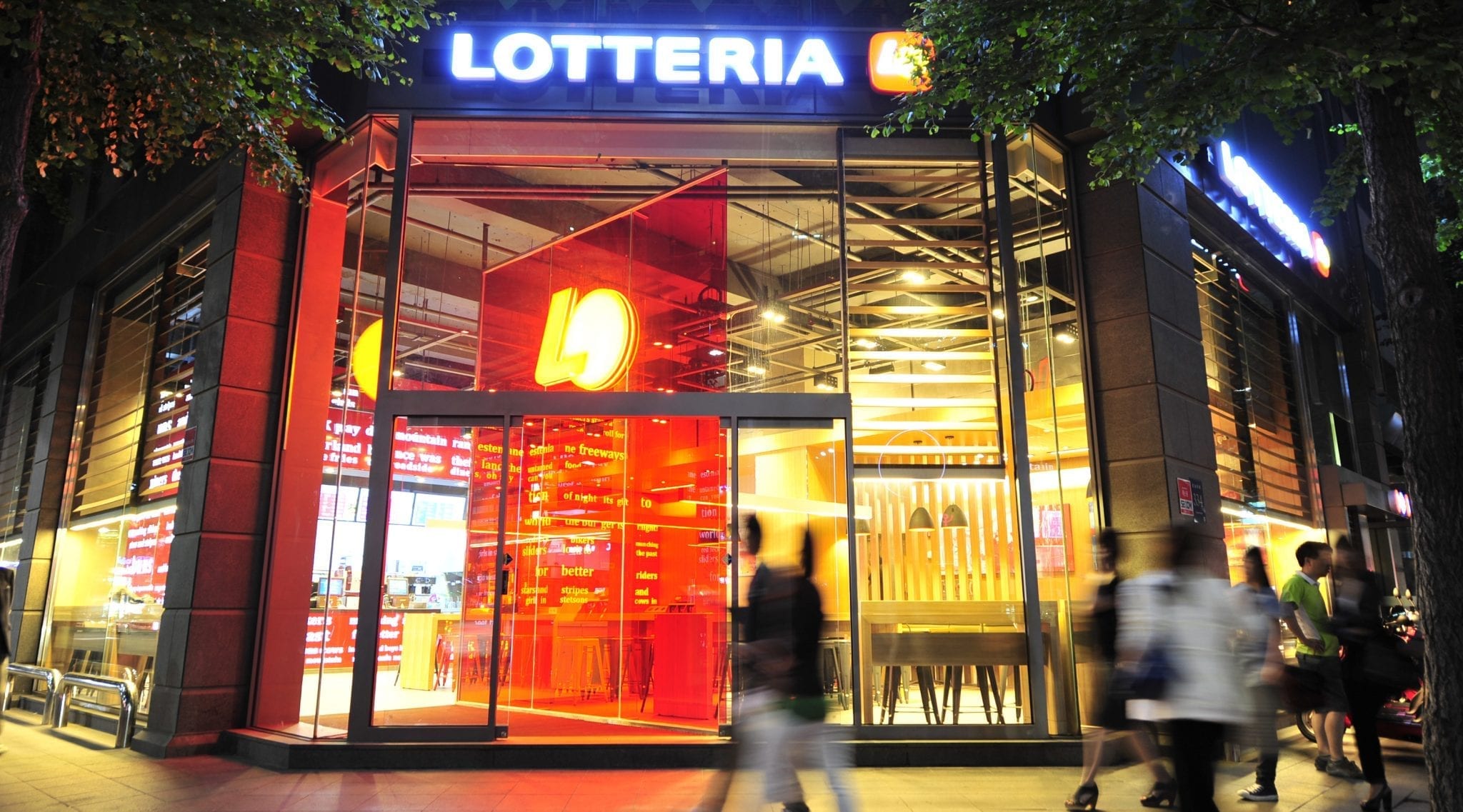
    Lotteria is raising burger prices. The fast food franchise announced Wednesday that it was going to raise the price of 11 of its burgers by an average of 2.2 percent. Its Teri Burger, for example, will now cost 2,300 won ($2.04), up from the original 2,000 won. The price of the Classic Cheese Burger will rise from 4,000 won to 4,200 won.

    “We have decided to increase prices due to economic factors, but hope to offer customers higher quality and service,” read a statement from the franchise.

    Cafe franchise Angel-in-us Coffee also announced it would raise prices of 17 of its beverages by an average of 2.7 percent, or 200 won. Both Lotteria and the cafe chain are operated by Lotte GRS, the food business subsidiary of Lotte Group.

    Angel-in-us cited higher prices of ingredients – like coffee beans and milk, as well as higher labor costs – for the beverage price hike.

  • Hong Kong retail rent rises (too) fast

    Hong Kong retail rent rises (too) fast

    Prime Hong Kong street-shop rents rose 4 per cent in the first three quarters of this year, ahead of the up-to 3 per cent rise prediction by Savills a year ago. In a third-quarter real estate briefing released yesterday, Savills said shopping-centre retail rents, which Savills expected would fall as much as 5 per cent, have actually risen 2 per cent year to date.

    Savills expects prime Hong Kong street-shop rents and shopping centre rents will rise by about 2 per cent next year.

    “In the retail market, despite the headwinds of a weaker RMB, more competition from regional cities and elevated new supply in the New Territories, rents will rise modestly,” the company predicted.

    “New infrastructure in the form of the High Speed Rail Link and the Macau Bridge will improve accessibility for mainlanders, while domestic consumption expenditure is expected to remain reasonably robust. Online retail continues to make limited gains in the Hong Kong market.”

    Savills said prime street shops proved the only real estate category in Hong Kong to post a decline in sale value on a per square foot basis, falling 3 per cent – a stark contrast to the 10-12 per cent rise in flatted factories and warehouses, and 8 per cent rise in luxury apartments.

    The company predicts prices for prime high street shops are likely to fall by up to 5 per cent next year.

  • Korea’s gas prices fall quickly thanks to fuel tax cuts

    Korea’s gas prices fall quickly thanks to fuel tax cuts

    The government fuel tax cut, which was implemented to ease the burden on rising crude oil prices, has turned out to be more effective than initially expected. According to the Ministry of Trade, Industry and Energy on Sunday, the average price of gasoline at gas stations nationwide was 1,575.2 won ($1.40) per liter during the second week of November. This is an 85.2 won, or 5 percent, drop, from the 1,660.4 won average just a week earlier.

    Diesel prices have also dropped to an average 1,419.2 won per liter, down 56.2 won, or 3.8 percent, from the first week of this month, when it was an average 1,475.4 won for the same amount.

    On Saturday, the ministry said the average price of gasoline had further fallen to 1,556.8 won per liter – 133.5 won less than the 1,690.3 won it sold for on Nov. 5, the night before the government’s fuel tax cut went into effect.

    On average, the government cut 15 percent off of all fuel taxes including gasoline and diesel in the hopes of easing the burden created by rising international crude prices. It was the first fuel tax cut adopted in a decade.

    “As the situation [of low-income households and small and medium-sized enterprises] becomes more difficult with rising international crude prices, we have decided to aim for a psychological effect that will help the economy by increasing disposable incomes,” Ko Hyoung-kwon, deputy finance minister said in late October.

    Among gas stations, the government-supported Altteul Gas Station saw the biggest drop in prices – its gasoline costs 135.5 won less than it did on Nov. 5.

    Other major brands including SK, GS, S-Oil and Hyundai Oilbank have cut gasoline prices by 133.3 won.

    By region, Jeju lowered its gasoline prices the most. The island has seen a 169.4 won drop in average price compared to Nov. 5. Daejeon followed, as prices have fallen an average of 149.6 won, while Incheon came in third after seeing a 142 won drop.

    Seoul gas stations on average lowered their prices by 134.9 won while Gyeonggi gas prices fell by 137.2 won per liter.

    Seoul and Gyeonggi account for 39 percent of all fuel sold in the country.

    However, as of Saturday, 173 gas stations around the country – 1.5 percent of the nation’s gas stations – have not taken part in lowering fuel prices. The ministry said that these gas stations failed to deplete all of the gas that they had stockpiled before the Nov. 6 fuel tax cut was implemented.

    The fuel tax cut will be applied for six months.

  • Korea’s snack prices increase as costs rise

    Korea’s snack prices increase as costs rise

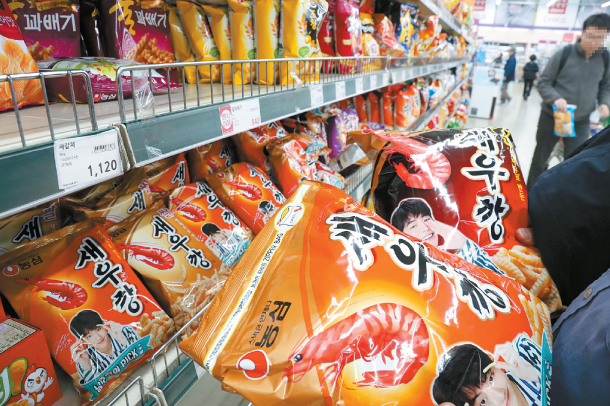
    Nineteen Nongshim snacks, including its famous Shrimp Crackers, will cost more beginning tomorrow, the company announced on Tuesday. “We have decided to raise prices in the face of accumulated pressure from rising production, labor and management costs,” said a Nongshim spokesperson. “We have tried to minimize the scope of the price rise in consideration of our consumers.”

    According to the company, Nongshim will raise the prices of 19 out of its 23 snacks by an average of 6.7 percent beginning from Nov. 15.

    A 90-gram (3.17 ounces) bag of Shrimp Crackers, one of the company’s iconic products, will now cost around 100 won ($0.08) more than the current 1,200 won. The prices of other favorites, such as Onion Rings, Honey Twist Snacks and Tako Chips, will rise by 6.1 percent, while the price of Pretzels will jump by 7.4 percent.

    Tomorrow’s hike will mark the first time in over two years that Nongshim has increased snack prices. It upped the price of 15 of its snacks by an average of 7.9 percent in July 2016. In Feb. 2014, it increased the price of Shrimp Crackers by 10 percent.

    Earlier this year, competitors Crown-Haitai Confectionery and Lotte Confectionery began charging more for some of their snacks, both citing rising production costs.

  • Vietnam retains current price ceilings on domestic flights

    Vietnam retains current price ceilings on domestic flights

    While several carriers want the price ceilings for domestic flights raised, inflation concerns have prevailed, for now. The current price ceiling, fixed by the Transport Ministry in August 2015, is set to remain unchanged for the time being as a new draft circular on air transportation rates.

    Under the draft circular on air transportation prices, prices for five different classifications range from VND1.6 million ($68) to VND3.75 million ($160) per one-way ticket.

    The lowest ceiling applies to flights for distances of 500 kilometers and less to remote rural areas, islands and mountainous areas that require a socioeconomic development boost.

    The highest price ceiling of VND3.75 million ($160) applies for flights of more than 1,280 kilometers.

    The maximum service charges listed above are for economy seats, not including value added tax and other charges like baggage, service and security fees.

    In July, several carriers had suggested that the price ceilings be raised since fuel prices were higher than when the current ceilings were introduced in 2015.

    But the Civil Aviation Administration of Vietnam (CAAV) advised that current price levels be maintained to follow the government’s directive on curbing inflation.

    As of now, the ticket prices listed by carriers are 76-79 percent of the ceiling.

    The CAAV acknowledged that the ceiling prices need to be adjusted, especially for long flights, adding that it will re-assess the situation next year and propose new price brackets if needed.

    Vietnam’s aviation industry has been booming in recent years. The country served more than 94 million air passengers in 2017, up 16 percent from the previous year, including 13 million foreigners.

  • Louis Vuitton is lowering its retail prices in China

    Louis Vuitton is lowering its retail prices in China

    LMVH maison Louis Vuitton is lowering its retail prices in China. In a statement issued by the maison to the newspaper Jing Daily, the brand announced that it had decided to “lower prices on a wide range of products to support the government’s efforts to reduce the cost of luxury goods sold in China”.

    The Ministry of Finance in Beijing, starting from the first of July, has lowered taxes on imports for an average of 20.7 percent, with a view to favoring purchases in the country. In 2011, luxury goods sold outside of China were about 68 percent cheaper than those same products sold in China; thanks to the measures adopted over time, in 2017 the difference decreased to 16 percent.

    The new prices of Louis Vuitton would have already been updated on the Chinese e-commerce of the brand and in stores. The estimate is that of a cut between 300 yuan (about 40 euros) and 1,500 yuan (just under 200 euros) on different products; the average price reduction, according to the headline, would therefore be between 3 and 5 percent.

    It is still unclear whether other luxury fashion houses will follow the same strategy as Louis Vuitton, but a chain effect is expected. For example, since 2015, Chanel has adopted a “harmonized” pricing policy, with the aim of reducing the price gap in China and abroad, and thus encouraging purchases in the country.

  • Vietnamese coffee prices keep dipping

    Vietnamese coffee prices keep dipping

    Coffee prices in the Central Highlands have been decreasing since the beginning of the year, and are not likely to recover any time soon, according to the Ministry of Agriculture and Rural Development.

    The price stands at VND35,100–35,500 ($1.55-1.56) per kilogram, down VND400–600 from the end of last year.

    This is the lowest price in the last two months and Vietnamese farmers are holding on to their stock without selling, a ministry report said.

    It attributed the price to favorable weather in Brazil, the world’s top coffee exporter; and the start of a new season in Indonesia, another major producer and exporter.

    With global supply remaining high, a price rise is unlikely to happen soon.

    However, Vietnam still enjoyed a positive export situation in the first four months of the year, exporting 41,700 tons of coffee worth $161 million, an increase of 23.5 percent in volume and 19.6 percent in value.

    Germany and the U.S. remain the largest markets for Vietnamese coffee, respectively accounting for 13 and 11 percent of total exports, according to the agriculture ministry.

  • Nissan India set to hike prices from January 2018

    Nissan India set to hike prices from January 2018

    Nissan Group of India on Tuesday announced a price revision across its Nissan and Datsun range of models.

    The prices of the Nissan and Datsun models will rise by up to Rs 15,000 effective 1 January 2018.

    Jerome Saigot, managing director, Nissan Motor India, said: “With the rise in input and manufacturing costs, Nissan has decided for a price hike across all the Nissan and Datsun models with effect from 1 January 2018. The revised pricing will help us to optimize our manufacturing efficiencies and continue to serve our customers pan-India.”

    Recently, Nissan and Datsun have been ranked among top 6 auto companies in India for customer satisfaction. The Datsun redi-GO has been ranked among the top 3 cars in the entry compact segment by the JD Power 2017 India Initial Quality Study.

  • Bitcoin surges above $16,000 as concerns mount

    Bitcoin surges above $16,000 as concerns mount

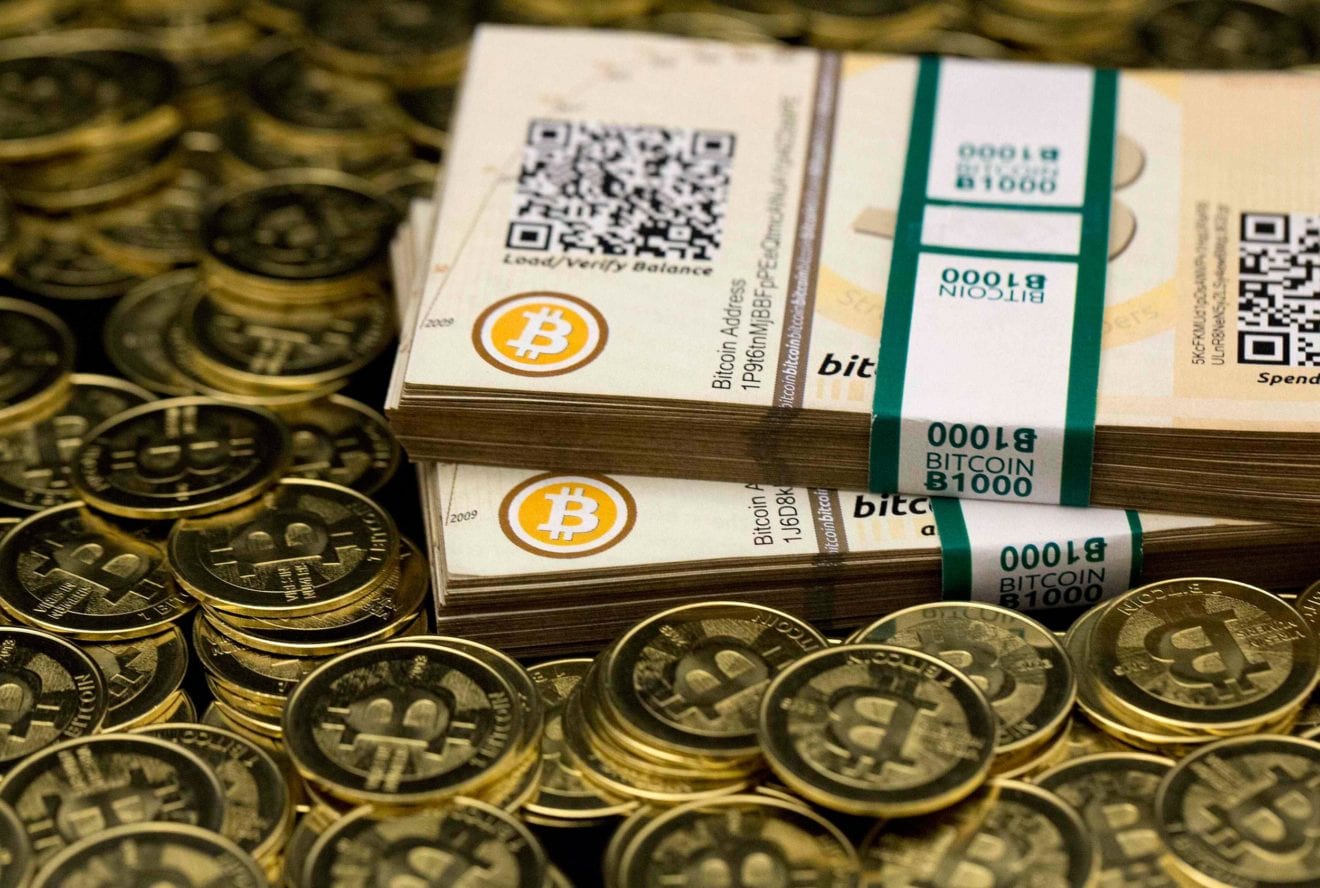
    Bitcoin flirted with $17,000 on Thursday, triggering a warning the cryptocurrency was like a “train with no brakes” and prompting fresh concern about its looming launch on mainstream markets.

    Still under $14,000 in Asian trading hours, it smashed through $15,000 in European trading and got as high as $16,777 before pulling back, according to Bloomberg data. Near 2145 GMT, bitcoin stood at $16,070.

    The rally came just a day after the virtual currency, which has been used to buy everything from an ice cream to a pint of beer, hit the $12,000 mark for the first time. The eye-popping rise has seen the currency’s value soar more than 50 percent in just one week, and from just $752 in mid-January.

    Bitcoin — which came into being in 2009 as a bit of encrypted software — has no central bank backing it and no legal exchange rate.

    It has surged dramatically in the past month, driven by growing acceptance among traditional investors of an innovation once considered the preserve of computer nerds and financial experts, and sometimes more shady users.

    But some, including the U.S. Federal Reserve, have warned against dabbling in bitcoin as it could threaten financial stability, and fears of a bubble have increased as the price has soared.

    “Bitcoin now seems like a charging train with no brakes,” said Shane Chanel, from Sydney-based ASR Wealth Advisers. “There is an unfathomable amount of new participants piling into the cryptocurrency market.”

    But he warned: “Once the hype slows down, we will most certainly see some sort of correction.”

    Financial industry concerns 

    There also are mounting concerns about its introduction into the mainstream financial system after a U.S. regulator last week cleared the way for bitcoin futures to trade on major exchanges, a decision which analysts say has helped spur the recent rally.

    The Commodity Futures Trading Commission decision allows bitcoin derivatives to be offered on the Cboe Futures Exchange starting this weekend and on the world’s biggest futures venue, the Chicago Mercantile Exchange (CME), from December 18.

    But the Futures Industry Association, which groups some of the world’s biggest derivatives brokerages, criticized the CFTC’s move in a letter to the regulator, saying contracts are being rushed through without properly weighing the risks.

    “A more thorough and considered process would have allowed for a robust public discussion among clearing member firms, exchanges and clearing houses,” the association said.

    Bitcoin transactions happen when heavily encrypted codes are passed across a computer network.

    Goldman Sachs, an FIA member, plans to clear bitcoin futures contracts for some clients, meaning it will serve as intermediary to enable transactions, a spokeswoman said.

    “Given that this is a new product, as expected we are evaluating the specifications and risk attributes for the bitcoin futures contracts as part of our standard due diligence process,” she said.

    The NiceHash marketplace was meanwhile on Thursday investigating a security breach resulting in the theft of bitcoin.

    “Clearly, this is a matter of deep concern and we are working hard to rectify the matter in the coming days,” NiceHash said in a statement.

    “In addition to undertaking our own investigation, the incident has been reported to the relevant authorities and law enforcement and we are co-operating with them as a matter of urgency.”

    Bitcoin and other virtual currencies use blockchain, which records transactions that are updated in real time on an online ledger and maintained by a network of computers.

    In 2014 major Tokyo-based bitcoin exchange MtGox collapsed after admitting that 850,000 coins — worth around $480 million at the time — had disappeared from its vaults.

    Bitcoin’s use on the underground Silk Road website, where users could use it to buy drugs and guns, also raised suspicions about the virtual money.

  • Food prices rise, butter hits record high

    Food prices rise, butter hits record high

    New Zealand food prices rose in August, with fruit and vegetables, meat, and groceries such as butter more expensive than a year earlier.

    Butter prices hit a record high of $5.39 per block, up 11 per cent in the month and 62 per cent from a year earlier.

    The food price index advanced 0.2 per cent on a seasonally adjusted basis in the month, and gained 2.3 per cent for the year to August, Statistics New Zealand said.

    Fruit and vegetables cost 5.5 per cent more than a year earlier, while meat, poultry and fish prices rose 0.6 per cent and grocery food prices increased 2.8 per cent.

    The annual butter price increase is the largest in percentage terms since 2010, Stats NZ said. Chocolate prices also rose 3.4 per cent in the month.

    “We have seen butter prices rising lately due to New Zealand’s export driven market,” consumers price index manager Matthew Haigh said.

    “Butter prices have experienced all-time highs in the global market, and this also drives the price here at home.”

    Food prices account for about 19 per cent of the consumers price index, which is the Reserve Bank’s mandated inflation target when setting interest rates.

    Vegetable prices increased 8.7 per cent on an annual basis, driven by higher prices for kumara, potatoes and cucumbers, and were up 5.4 per cent in the month. Fruit prices rose 0.3 per cent annually, but dropped 0.5 per cent in the month, as avocados and strawberries became cheaper in August.

    The price of chicken rose 3.3 per cent in the year to August 2017, but dropped 2.4 per cent in the month, while beef fell 2.6 per cent annually and was down 2.5 per cent on a monthly basis and pork dropped 8.6 per cent in the year.

  • Domestic gold prices fall sharply

    Domestic gold prices fall sharply

    Gold prices slumped in the Vietnamese market on Tuesday morning. On the Hà Nội market, selling price of one tael, or 1.205 ounces, of State-owned SJC’s gold declined by VNĐ190,000 (US$8.3) to VNĐ36.75 million.

    On the buying side, the price of each tael also fell VNĐ160,000, trading at VNĐ36.53 million.

    In the southern cities of HCM and Cần Thơ and central Đà Nẵng City, one tael of SJC’s gold declined VNĐ250,000 during selling, trading at VNĐ36.73 million. Meanwhile, one tael was being bought at VNĐ36.53 million.

    Bảo Tín Minh Châu Gold Jewellery Company and Doji Gold and Jewellery Corporation (DOJI) listed their selling prices at VNĐ36.68 million and VNĐ36.70 million, respectively. Buying rates of their gold were listed at VNĐ36.62 million and VNĐ36.60 million, respectively.

    On the Asian market, gold is trading at some $1,325 per ounce, equivalent to VNĐ36.36 million per tael.

    On global gold trading website Kitco.com, the price of gold slipped 1.2 per cent per ounce to end at $1,330.24 per ounce, the largest drop since July 3. Last Friday, global gold price hit a yearly peak of $1,357.54 per ounce.

    Thus, the price of one tael of gold in Việt Nam is some VNĐ410,000 higher than that on the world market.

    Global gold prices declined due to an upward trend in the dollar rate following an uptick in risk appetite fuelled by relief that North Korea did not test-fire missiles or conduct nuclear tests over the weekend as some had feared, Reuters reported.

    Assets traded primarily in dollars, such as gold, are very sensitive to currency fluctuations. An increase in the dollar rate will lead to gold becoming more expensive compared with other currencies and the demand for gold also decreases, the website said.

    Meanwhile, the worst-case scenario due to Hurricane Irma’s impact, the most powerful hurricane ever recorded in the Atlantic, looked to have been avoided, easing concerns of investors about the negative impact of the storm on the US economy.

  • BI launches food price information center

    BI launches food price information center

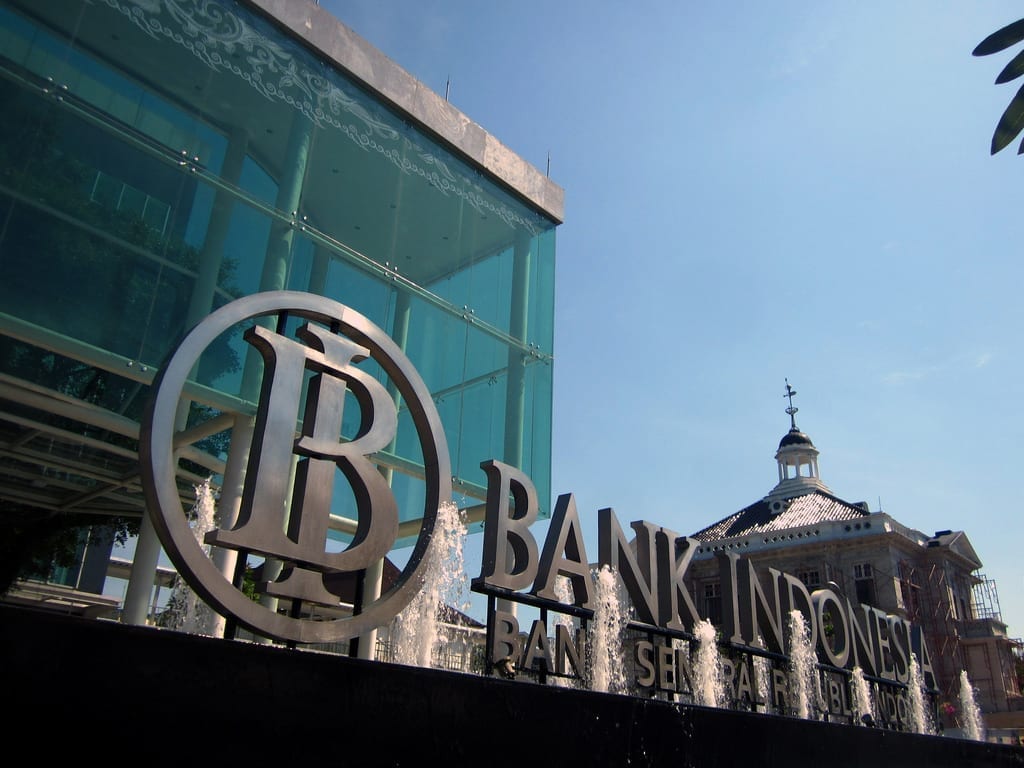
    The central bank of Indonesia, Bank Indonesia (BI), has launched a Strategic Food Price Center website (PIHPS) application which will serve as a reference of pricing information to help those in charge of making policy on inflation management.

    BIs Governor Agus Martowardojo said, at the PIHPS launch here on Monday, that data collection was one of important factor in controlling price to manage inflation.

    “The success of inflation policy application requires not only information but also supporting data. We follow the presidents directive, stated on April 11, 2016, to develop food information system center,” Agus stated.

    He explained that at an early stage, PIHPS will focus on 10 food commodities that contribute more than 50 percent to inflation of the volatile foods category.

    Referring to PIHPSs website at www.hargapangan.id site, the 10 strategic food commodities are rice, beef, chicken, chicken egg, red chili, cayenne pepper, onion, garlic, cooking oil, and sugar.

    Controlling the prices of these 10 food commodities has become the foundation of BI and the government to control inflation of volatile foods.

    Data presented by PIHPS is compiled from 164 traditional markets from 34 provinces. The data collected from 9.00 to 11.00 Jakarta time will be validated by BI at 10.00 to 12.00 and then published at 13.00 Jakarta time.

    PIHPS can be accessed at www.hargapangan.id or by downloading PIHPS National at android and Apple iOS operating system for free.

    In future, the Central Bank will develop the application by extending data coverage that includes modern markets, wholesalers, and producers, Agus remarked.

    “In 2018, we will collect data at the producer level for the 10 commodities, and we will also develop the site, hoping that wider access to food information will gradually lower the price fluctuations,” Agus revealed.

    Through PIHPS, the Central Bank wants to keep the inflation at 3-5 percent this year by paying particular attention to volatile foods, considering that its pressure from administered prices will be high following the energy subsidy adjustment policy that is applied this year.

    BI and the government want to keep volatile foods inflation in the range of 4-5 percent year on year from this year.

    The government has listed an overall inflation assumption of 4 percent in the 2017 State Budget.

  • Central bank to launch app for monitoring food prices

    Central bank to launch app for monitoring food prices

    Bank Indonesia (BI) plans to launch a mobile app through which the public and regional administrations can monitor harga pangan (the prices of staple foods) on a daily basis.

    The public would be able to use the app to avoid being deceived, while the regional administrations can use it to observe when prices go too high so they can tackle them faster.

    The public can already download the app or use it on the hargapangan.id website, but it has not been officially launched.

    The program managed by the Information Center for Strategic Food Prices (PIHPS) collects data from traditional markets in 82 cities in all 34 provinces in the country for 10 commodities: rice, shallots, garlic, red chili, birdseye chili, beef, chicken, eggs, sugar and vegetable oil.

    “The PIHPS has been running, but we’ll wait for the official launch,” Dody Budi Waluyo, the BI governor’s assistant for monetary and economic policy, said recently.

    “BI keeps improving the program. We’ll also collect prices not only from traditional markets, but also from modern markets; also maybe from big traders and touch on more commodities, as well as prices at the producers’ level. The point is we keep innovating with this,” he added.

    Previously, BI deputy governor Sugeng told the media that the central bank also plans to create a data system to track supplies of staple foods in the regions.

    All the aforementioned systems were developed so BI and the government could come up with better policies to achieve a 4 to 5 percent inflation rate.

  • Vietnam’s coffee prices hit highest since late 2011 on lack of good beans

    Vietnam’s coffee prices hit highest since late 2011 on lack of good beans

    Vietnam’s domestic coffee prices edged up this week to the highest since late 2011 on a shortage of beans qualified for exports as the harvest has been hit by rain, traders said.

    Unseasonal rain from October to December last year in the Central Highlands coffee belt delayed the 2016/2017 crop harvest, resulting in more black and broken beans, with one exporter saying quality was at its worst since 2008. The rainy season normally ends in early October in Vietnam, the world’s top robusta producer and exporter.

    Prices rose to a range of VND46,700-47,300 ($2.05-2.08) per kilogram of robusta on Monday in Dak Lak Province, Vietnam’s largest coffee growing area, from VND46,500-47,100 last Friday when May robusta futures ended nearly unchanged at $2,184 per ton on London’s market. Vietnamese coffee prices closely follow London’s futures.

    At VND47,300 per kg, prices are the highest since the week ending September 16, 2011 when the beans stood at VND47,400. The bitter beans are used mostly for making instant coffee.

    “Nobody is selling, and the raw material is too bad for processing, while there is a lack of export-standard coffee,” said a Vietnamese dealer in Buon Ma Thuot, the capital of Dak Lak. The province produces one third of Vietnam’s total coffee.

    Without using the color sorting machine, the black and broken bean ratio reached 7-8 percent, he said, well above the export standard that requires the defect rate to be at only 5 percent. The dealer declined to be identified by name, but his company has a factory in Dak Lak for processing and exporting robusta beans.

    The shortage of export-standard beans has emerged earlier than expected.

    Last week Do Ha Nam, general director of Intimex, Vietnam’s largest coffee export firm, said that Vietnam could fall short of beans in May or June due to rising shipments and dwindling domestic stocks.

    On the other hand, the price hike shows India’s ban on the import of Vietnamese coffee in place since March 7 has little impact on Vietnam’s market. India often buys Vietnamese robusta grade 3, with 25 percent black and broken beans.

    “India has stopped its import, thus raising the volume of Vietnam’s low-quality coffee,” the Dak Lak-based dealer said, referring to India’s ban, which also targets pepper and four other commodities from Vietnam.

    India’s ban was issued after Vietnam had ruled to suspend the import of India’s five commodities for 60 days starting March 1, citing the infection of peanut beetle.

    Businesses in both countries have opposed the restrictions, saying the import right should be brought back to avoid negative impact on prices, while cargoes infected by insects should undergo fumigation as usual.

    Last Friday the Vietnamese government said it had requested the Indian government to abolish the ban.

    A Vietnam Pepper Association official was quoted by a local newspaper as saying amendments to the restrictions would be made after officials from Vietnam’s agriculture ministry met with the Indian embassy in Hanoi last Thursday to tackle the issue.

    The low-quality coffee beans are estimated to account for 20-30 percent of Vietnam’s output in the 2016/2017 harvest that ended in January, well above the ratio of 1-13 percent observed in previous years, the Dak Lak-based dealer said.

    “Rain during the harvest has caused early flowering, and which could result in multiple stages of harvesting as cherries will ripe at different time,” he said.

  • China raises retail fuel prices

    China raises retail fuel prices

    China will raise the retail prices of gasoline and diesel for the second time this year as international oil prices increase, the country’s top economic planner said Tuesday.

    Both gasoline and diesel prices will rise by 50 yuan (7.3 U.S. dollars) per tonne from Wednesday, according to the National Development and Reform Commission (NDRC).

    Oil prices on international markets have risen since the Organization of the Petroleum Exporting Countries (OPEC) delivered more than 90 percent of the output cuts they agreed last year. However, higher output in the United States and other oil producers will lead to oversupply in the short term, according to the NDRC price monitoring center.

    International oil prices will continue to fluctuate between 50 and 60 U.S. dollars per barrel in the first quarter, the center predicted.

    Under the current pricing mechanism, if international crude prices change by more than 50 yuan per tonne and remain at that level for 10 working days, the prices of refined oil products such as gasoline and diesel in China will be adjusted accordingly.