Tag: price

  • Toyota To Increase Prices Of Its Cars From April

    Toyota To Increase Prices Of Its Cars From April

    Toyota Kirloskar Motors today announced that it will be hiking the prices of some of its models from April 1, 2019. The company said that till now it had been absorbing the additional costs through refinement in its production process, but the increase in the price of raw materials and the sky rocketing input costs has made it difficult for the company to contain the costs of its vehicles.

    N. Raja, Deputy Managing Director, Toyota Kirloskar Motor, said “Toyota Kirloskar Motor will increase the prices of some of its products effective 1st April 2019. We have been absorbing additional costs through a bouquet of cost reduction measures including refinement in production process. However, considering the trend of continuous increase, we are constrained to pass on a small portion to the customers. The company will continue its efforts to contain costs and offer the best value to our loyal customers.”

    The company has, however, not indicated the quantum hike of the increase in the costs of its cars and neither has it indicated on the models which are covered under this price hike.

  • How to get the right online pricing strategy in 2019

    How to get the right online pricing strategy in 2019

    More than 70 per cent of e-commerce retailers are leaving money on the table – and it all comes down to a single digit in their online pricing strategy.

    ‘Left-digit bias’, or the economic behavior where consumers use the leftmost-digit of a price tag in guiding their decision making, is an age-old observation in the brick-and-mortar world. (For example, $5 is perceived as significantly more expensive than $4.99, while $4.99 is perceived as just one cent more than $4.98.)

    While this concept isn’t new – research was conducted as early as 1936 – with consumer spending increasingly moving online, the more pressing question now is whether the same principle can be applied to online businesses.

    It turns out the answer is “yes.” In looking at more than six years of anonymised data from 100,000+ online businesses operating on Stripe, we discovered that the left-digit bias holds the same sway over consumers online, as it does offline. And this is especially acute across subscription businesses models, such as media streaming services and even software-as-a-service.

    Today, more than 70 per cent of online businesses worldwide are not taking advantage of this pricing model, potentially costing their businesses millions of dollars. Meanwhile, online merchants that have made the switch to an optimal pricing model stand to gain a potential revenue uptick of several percentage points or more.

    Here are some key takeaways for online businesses looking to tune up their pricing strategies in 2019 and take advantage of left-digit bias:

    0 is the most popular pricing strategy:

    Despite the popularity of prices ending in 9 offline, the most popular pricing strategy for online merchants is actually 0. The only exception here were items priced in euros.

    Pricing ending in 9 are only second-most popular, with 27 per cent of subscription prices ending in 9.

    Prices ending in 5 are also popular, perhaps because the number is an optically pleasing midpoint.

    While these are the patterns for pricing among merchants, it does not mean that they are optimal for consumers, as we’ll see below.

    It’s time to bring back 9:

    Cross referencing merchant pricing with merchants that received the most website traffic and those that are VC-funded revealed that more sophisticated businesses are more likely to set prices ending in 9 compared to other online businesses.

    While correlation doesn’t equal causation, it is reasonable to assume that these more ‘popular’ businesses are likely larger, more well-funded, or have made it a priority for them to analyse a different online pricing strategy.

    This could be an opportunity for smaller firms that do not have the same resources to analyse pricing strategies to take advantage of the left-digit bias identified by their larger or better funded counterparts.

    .

    Left-digit bias applies to luxury items too:

    There is a widely-held opinion that only sale items should end in 9. However, this misconception may actually be causing merchants to miss out on significant gains.

    According to the study, left-digit pricing was found to be influential with both luxury ($700, $800, $900 and greater in cost) and non-luxury items. In fact, new customers cluster at these higher-priced cutoff points, buying products whose prices end in 9.

    Implementing your pricing strategy:

    For online businesses looking to test the 9-digit pricing in the new year, there are a few considerations to keep in mind:

    • Larger online merchants with the benefit of higher volumes should consider testing 9-digit pricing on a portion of their offerings. The evidence shows that pricing items and subscriptions in such a way stimulates consumer buying behaviour for items as inexpensive as $0.99, all the way up to the hundreds of dollars.
    • Smaller, high-growth merchants should simply consider 9-digit pricing as a smart default. At lower volumes, running pricing experiments can take a much longer time and are prone to data ‘noise’. Instead, these businesses ought to consider 9-digit pricing as standard practice, helping to potentially level the playing field against larger competitors.

    Pricing is key in today’s competitive market, especially for lean online businesses. It can set a business apart from competitors and close a transaction with a fickle consumer. This is especially crucial in an industry where revenue gains of even a few percentage points can go a long way to ensuring long-term growth and success.


  • Petronas Chemicals share price up on higher profit

    Petronas Chemicals share price up on higher profit

     Petronas Chemicals Group Bhd’s share price up 0.66% or 6 sen this morning, after its net profit jumped 27.9% to RM1.29 billion for the fourth quarter ended Dec 31, 2018 (Q4). As at 11.56am, the stock stood at RM9.22 with 2.93 million shares changing hands. The group said the higher profit was due to lower tax expenses and higher share of profits from joint ventures and associates.

    Its revenue also increased by 6.8% to RM5.06 billion compared with RM4.74 billion in the previous year’s corresponding quarter.

    It has proposed to declare a second interim dividend of 18 sen per share amounting to RM1.44 billion in respect of the financial year ended Dec 31, 2018.

  • Gold prices rise on trade talk optimism; Fed stance limits gains

    Gold prices rise on trade talk optimism; Fed stance limits gains

    Gold prices edged higher on Friday as optimism over U.S.-China trade talks pressured the dollar, but signs of the U.S. Federal Reserve raising interest rates again this year capped gains. Spot gold inched 0.1 percent higher to $1,324.59 per ounce at 0408 GMT. The metal was headed for a second straight weekly rise, up almost 0.3 percent. The precious metal had hit a 10-month high on Thursday, but later erased the gains.

    U.S. gold futures were subdued at $1,327.7 per ounce.

    “On a day-to-day basis, gold is a function of changing currency markets and the U.S. dollar. Medium outlook is a lot more to do with geopolitical issues and yields,” said Kyle Rodda, a market analyst with IG Markets.

    The dollar index against a basket of six major currencies was set to decline about 0.3 percent this week, which could be its biggest weekly fall in a month..

    “The fact that gold was overbought-driven very much by a new yield environment and tensions around the world has helped keep gold prices elevated,” Rodda said.

    Gold had hit a 10-month high of $1,346.73 on Wednesday, but minutes from the Fed’s January policy meeting indicated there might in fact be a rate hike this year, erasing gains in gold.

    “Dovish signals from U.S. Federal Open Market Committee officials for the shorter term have kept global equities steady whilst applying bearish pressures on the non-interest bearing asset,” Phillip Futures said in a note.

    Higher interest rates reduce investor interest in non-yielding bullion.

    Markets were looking for further indications of progress on trade talks with U.S. and Chinese negotiators resuming high-level talks on Thursday to hash out a deal that could end their trade war, just over a week before a U.S.-imposed deadline.

    The United States and China have started to outline commitments in principle on the stickiest issues in their trade dispute, marking the most significant progress yet toward ending a seven-month trade war, according to sources familiar with the negotiations, Reuters reported exclusively.

    Indicative of investor sentiment toward bullion, holdings of SPDR Gold Trust, the world’s largest gold-backed exchange-traded fund, fell 0.63 percent to 789.51 tonnes on Thursday.

    Meanwhile, palladium was up 0.3 percent to $1,473.00 per ounce, having surpassed the key $1,500 level for the first time on Feb. 20.

    The autocatalyst metal was on track for a third straight week of gains, up nearly 3 percent. Platinum gained 0.6 percent to $824, and was set for its best week since early January.

    Silver was little changed at $15.81 per ounce. It was on course to snap two consecutive weekly losses.

  • Higher fuel prices dent AirAsia X’s Q4 performance

    Higher fuel prices dent AirAsia X’s Q4 performance

    AirAsia X Bhd suffered a net loss of RM99.27 million in the fourth quarter ended Dec 31, 2018 compared with a net profit of RM84.42 million a year ago due to higher fuel prices. In a filing with Bursa Malaysia, the airline reported an increase in average fuel price to US$89 per barrel during the quarter from US$69 per barrel a year ago, which resulted in a lower net operating profit of RM27.4 million from RM120 million a year ago.

    In addition, the group provided an impairment on amount due from joint venture amounting to RM24 million during the quarter under review.

    During the quarter, the group reported a 1% improvement in cost per available seat kilometre (CASK) to 12.27 sen while CASK ex-fuel improved by 16% from 8.22 sen to 6.94 sen a year ago, due to enhanced cost management.

    Revenue for the quarter fell 5.93% to RM1.15 billion from RM1.22 billion a year ago.

    For the financial year ended Dec 31, 2018 (FY18), the group also swung into the red registering a net loss of RM312.7 million compared with a net profit of RM98.89 million a year ago while revenue fell marginally to RM4.54 billion from RM4.56 million a year ago.

    AirAsia X said its current forward booking trend and average fares for the first quarter of 2019 are within expectation and prospects are anticipated to remain encouraging.

    The airline will be adding up to five aircraft through operating leases this year via AirAsia X Thailand while AirAsia X Malaysia will remain with 24 aircraft.

    AirAsia X Malaysia will focus on maximising aircraft utilisation of its current fleet and leverage on the group’s strategy in new route launches as well as increasing frequencies of core routes.


  • Malaysia property market to remain flat in 2019: Rahim & Co

    Malaysia property market to remain flat in 2019: Rahim & Co

    The property market is expected to remain flat this year before picking up again next year, said Rahim & Co International Sdn Bhd. Executive chairman Tan Sri Abdul Rahim Abdul Rahman said the property market will remain flat across all sectors this year, except for the warehousing sub-sector, which will be driven by growth of e-commerce.

    He said the overall market will take about 12 months to begin picking up, in line with the anticipated resolution of the trade war between the US and China.

    Rahim & Co director of research Sulaiman Akhmady Mohd Saheh said the residential market will take one to two years to improve due to affordability issues while the office market will remain slow for more than a year due to incoming supply.

    He said asking rents for offices have dropped 20% while effective rents have dropped 8-10%.

  • Palm oil prices to remain steady in 2019: MPOC

    Palm oil prices to remain steady in 2019: MPOC

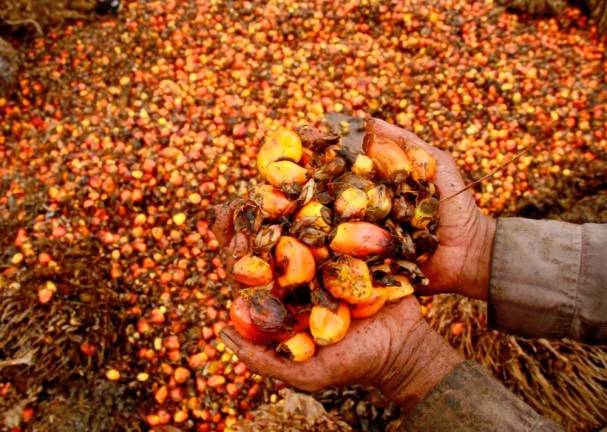
    Malaysian palm oil prices are set to hold steady in 2019 at an average of RM2,303 a tonne, according to estimates by the Malaysian Palm Oil Council (MPOC), while global output of the tropical oil is expected to rise by 3 million tonnes. “Global palm oil production is projected to be 72 million tonnes, with Malaysia and Indonesia as leading producers,“ the MPOC said in an online conference presentation.

    Rising production could cap recent price gains for palm oil, which has been recovering after touching a 3-year low last November at RM1,940 a tonne.

    Benchmark palm oil was trading at RM2,281 a tonne. The tropical oil averaged RM2,308 last year, according to Refinitiv Eikon data.

    MPOC, Malaysia’s key marketing agency for palm oil, also estimated that Malaysian output would rise to 20.2 million tonnes in 2019 and pegged Indonesian production at 42.8 million tonnes.

    Malaysia produced 19.5 million tonnes of palm oil last year, while Indonesia’s 2018 output stood at 42 million tonnes, based on estimates by the Indonesia Palm Oil Association.

    Malaysian palm oil output is expected to rise as newly replanted areas start to mature, but the increase will be marginal due to ageing trees and a possible El Nino in 2019 that will curb production, the MPOC said in its presentation.

    “Indonesian production is forecast to reach a record high of 42.8 million tonnes in 2019 due to improving weather conditions as well as newly maturing areas,“ it added.

    Palm oil exports in 2019 are also expected to increase in 2019, in line with an expected rise in demand from key importer India due to its declining domestic oilseed production.

    “India is expected to increase its (vegetable oil) imports by 500,000 tonnes, reaching 15.15 million tonnes, out of which palm oil will account about 10 million tonnes,“ said the MPOC presentation.

    Industry regulator the Malaysian Palm Oil Board forecast Malaysia’s a slight rise in production to 20.3 million tonnes this year due to favourable weather conditions and an expansion in oil palm matured area, according to an online presentation.

    It estimated Malaysia’s 2019 exports at 17.2 million tonnes, up from 16.5 million tonnes last year, due to “expected stronger palm oil demand from major markets.”

  • Cola, sugar prices shoot up 10% in Korea

    Cola, sugar prices shoot up 10% in Korea

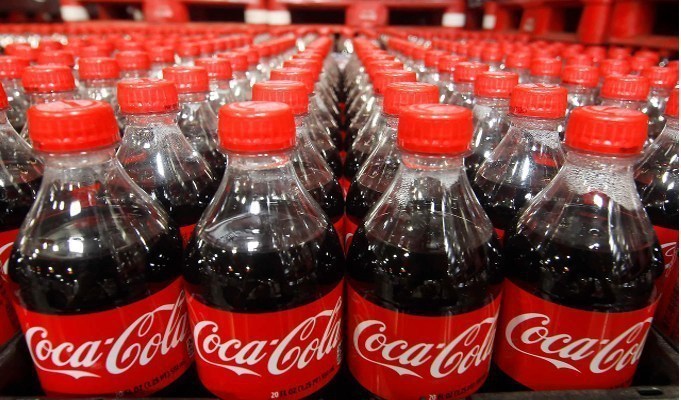
    Processed food prices rose in January, with soybean paste, sugar and cola all jumping up around 10 percent compared to a year earlier. The Korea Consumer Agency (KCA) said Monday that 18 of 26 major processed foods measured both in 2018 and 2019 cost more in January than the previous year. The highest price hikes on year included sugar at 11 percent, soybean paste at 9.8 percent and cola at 9.7 percent. Among processed grain foods, instant rice products rose the most, by 5.6 percent. Prices for cup ramyeon noodles, one of the country’s favorite snacks, rose 3.4 percent.

    The KCA releases prices for a basket of around 30 major processed food categories every month. The basket price data serves as a separate indicator of real price changes for consumers. Other tracked products include beer, coffee mix and curry.

    Compared to the previous month, the average basket price for January rose 0.2 percent to 122,686 won ($109) from 122,491 won. Soybean paste prices rose on month by 4.7 percent and curry by 1.4 percent. Average cola prices rose 6.0 percent from December. The soft drink’s price rose last month after two months of declines.

    The KCA reported that the basket’s price was most affordable from large retail stores compared to traditional markets, department stores and large-size supermarkets.

    Meanwhile, products that declined in price on year included cooking oil at minus 6.1 percent, orange juice at minus 5.3 percent and red pepper paste at minus 4.9 percent.

    The data comes as consumer prices for January rose by 0.8 percent from 2018, according to Statistics Korea. The consumer price index for “living necessity food” rose 2.6 percent last month from the previous year.

  • Gold rises as growth concerns, US govt shutdown weigh on dollar

    Gold rises as growth concerns, US govt shutdown weigh on dollar

    Gold prices rose on Thursday as the dollar declined due to concerns the prolonged U.S. government shutdown will limit economic growth at the same global growth is slowing as well. Spot gold was up 0.1 percent at $1,283.31 per ounce, as of 0326 GMT, while U.S. gold futures were down 0.1 percent at $1,282.60 per ounce. “We are seeing a weaker U.S. dollar for the moment, which is in general supportive for gold,” Michael McCarthy, chief market strategist at CMC Markets said.

    However, McCarthy cautioned that bullion price gains are limited by slowing investor buying as indicated by price charts used by technical traders.

    “The issue for gold is there is a very heavy resistance seen around $1,290 and $1,310. A further weakening of the U.S. dollar could be supportive. But, we need something to really push gold through the resistance level,” he said.

    The U.S. dollar index, which measures the greenback against a basket of six major currencies, fell for third day, dropping 0.3 percent during that period. However, Asian shares rose on Thursday after Wall Street managed to end higher.

    On Wednesday, U.S. President Donald Trump said that the United States was doing well in trade talks with China, saying at a White House event that China “very much wants to make a deal.”

    However, a prolonged U.S. government shutdown reminded investors of risks to growth to the economy.

    White House economic adviser Kevin Hassett said in a CNN interview the U.S. economy could see zero growth in the first three months if the partial government shutdown lasts for the whole quarter.

    Meanwhile, investor focus turned to the European Central Bank (ECB), which is widely expected to keep its monetary policy unchanged at its first policy meeting of 2019 that ends later on Thursday.

    Market watchers also expect ECB to acknowledge growing threats to the euro zone economy.

    “The ongoing trade war, Brexit and slow global growth narrative are supportive for gold at present levels, as is Chinese seasonal demand,” MKS PAMP Group said in a research note.

    “That being said, Comex non-commercial and exchange-traded fund (ETF) holdings remain extended, so we expect a bit of tug of war in the short-term between $1,270-$1,300.”

    Holdings of SPDR Gold, the largest gold-based ETF, was at its highest since June 2018.

    Among other metals, palladium, which hit a record high of $1,434.50 an ounce last week on low inventories and rising demand, rose 0.1 percent to $1,348.50 an ounce.

    Silver was down 0.1 percent $15.35 an ounce, while platinum was steady at $795.

  • Apple took unfair profits: Korea FTC

    Apple took unfair profits: Korea FTC

    Korea’s corporate watchdog claimed Apple Korea has bargaining power over local mobile carriers and that it has reaped unfair profits from them in a statement Monday. According to the Fair Trade Commission (FTC), experts called in by the antitrust body said Apple Korea exploited its market position to place part of its advertising costs on local telecommunications companies.

    The statement comes after exchanges between the FTC and the iPhone maker during a deliberation on the company’s position on Jan. 16. It was the second round of hearings since the first deliberation in December.

    Apple Korea has been under investigation by the FTC since 2016 on whether it forced carriers to pay advertising and warranty costs.

    Korea’s fair trade law prohibits abuse of one’s position during a transaction.

    Apple Korea claimed through its expert witnesses, which included economists and business experts, that it does not have leverage over local carriers and defended its actions, saying that its advertisement fund was able to help all parties involved.

    The experts also argued that Apple’s involvement in advertisements was justifiable to maintain the iPhone brand.

    Expert witnesses for the FTC responded that Apple Korea can be regarded as being in a position of power over carriers and that the advertisement fund served to collect additional profit from them. They also stated that the company’s activities in taking part of carrier advertisements cannot be seen as part of their branding strategy.

    The FTC’s Economic Analysis Division provided similar analysis to those made by its witnesses.

    The hearings on the investigation will continue, with the third round of deliberations scheduled for Feb. 20.

    The antitrust body said that the third hearing will discuss specific actions made by Apple. It is unclear whether the third hearing will be the last.

    If found to have abused its position, Apple Korea could face fines worth up to two percent of its related sales.

    The iPhone maker has a history of trouble with the FTC.

    The company made corrective measures under the corporate watchdog for its product replacement policy back in 2011 and its services agreements with local companies in 2016.

  • Indian rice prices slip as demand lags; Vietnam awaits major harvest

    Indian rice prices slip as demand lags; Vietnam awaits major harvest

    Rice export prices slipped in India as the rupee weakened and demand waned, prompting buyers to turn to other markets such as Vietnam. India’s 5 percent broken parboiled variety eased to $379-$384 per tonne this week from the $382-$387 range last week. “Demand is still weak due to higher prices,” said an exporter based in Kakinada in the southern state of Andhra Pradesh, adding that despite the fall, prevailing high rates were prompting buyers to look at other markets, such as Vietnam.

    The Indian rupee hit a month low on Thursday, increasing exporters’ margins from overseas sales and thereby prompting a reduction in prices.

    Export prices in India had shot up after the central state of Chhattisgarh, a leading rice producer, raised minimum paddy buying prices to 2,500 rupees per 100 kg from 1,750 rupees.

    In neighboring Bangladesh, an increase in domestic rates for rice could prompt the government to cut the import duty on the staple grain, traders said.

    The south Asian country, which emerged as a major importer of the grain in 2017 after floods destroyed crops, imposed a 28 percent duty in June last year to support its farmers after local production revived.

    In Vietnam, rates for 5 percent broken rice fell to $355-$360 a tonne from $370-$375 last week ahead of the country’s largest harvest, expected to begin in two weeks.

    “Indonesia’s state food procurement agency’s recent announcement that it may not import rice this year has also weighed on prices,” a Ho Chi Minh City-based source said.

    “We are negotiating a deal for around 10,000 tonnes to be delivered late February, and we are stuck at pricing. We’re asking for $360 and they are offering $345,” the trader said, adding that the shipment would be bound for Africa.”

    Another trader said China’s move to limit rice shipments from Vietnam may not be as bad as some traders initially feared.

    “It’s only the beginning of the year now and importing countries can change their import plans, especially when hit by natural disasters,” the trader said.

    In second biggest exporter Thailand, prices of the benchmark 5 percent broken variety widened to $385-$400, free on board Bangkok, from $390-$400 the previous week, mostly due to fluctuations in the value of the domestic currency.

    “Demand remains flat, but some exporters are starting to talk about possible orders from the Philippines,” a Bangkok-based trader said.

    The Thai market is likely to see additional supplies flowing in toward the end of this month, from the seasonal harvest, and this could in turn move prices, another trader in Bangkok said.

  • Hong Kong high-street retail rents ease

    Hong Kong high-street retail rents ease

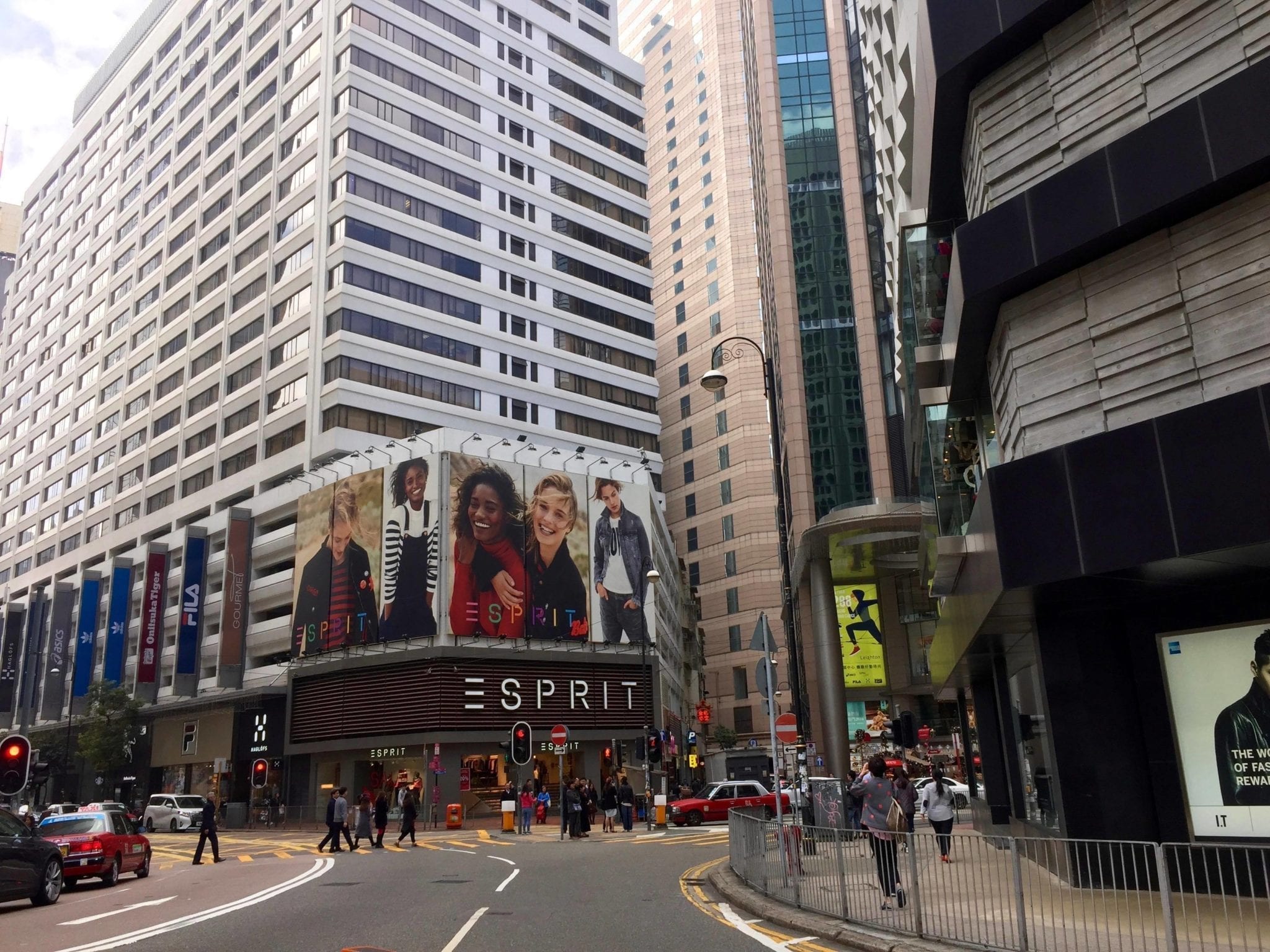
    Vacancy rates in tier 1 streets in the four core retail districts edged up by 0.2 percentage points from 3.6 per cent in the third quarter to 3.8 per cent in the last quarter. However, the full-year vacancy rate fell by 0.3 percentage points to 3.8 per cent compared to 4.1 per cent a year earlier.

    CBRE said market sentiment weakened in the fourth quarter, impacted by the US-China trade conflict and volatility in the stock market.

    While retail sales rose by 6 per cent year on year in October, growth slowed to just 1.4 per cent in November – the slowest monthly increase since June 2017.

    “Visitor arrivals remained solid, recording 15.9 per cent growth year on year in October and November combined, the strongest quarterly growth last year,” said CBRE’s report.

    “This ensured continued strong leasing demand from health, personal care and cosmetics retailers.”

  • Property prices likely to continue downtrend in Malaysia: PropertyGuru

    Property prices likely to continue downtrend in Malaysia: PropertyGuru

    Property prices in the country are likely to continue their downtrend for at least the first half of the year (1H19), despite improving consumer sentiment and proactive government policies announced in the Budget 2019, online property company PropertyGuru said. It said in a statement that this is validated by the company’s Market Index, which shows that asking prices of homes in Malaysia continue to show a 2.3% drop year-on-year.

    The Market Index is an analysis of over 250,000 property listings aggregated and indexed. PropertyGuru said its online portal, which has over 1.3 million Malaysians searching for properties, has seen a surge of interest in the following property hotspots identified in the various states of Kuala Lumpur, Selangor, Penang and Johor.

    While there has been a dip in asking prices, it said the demand for properties in Kuala Lumpur is still strong with the most popular and highly searched areas being Bangsar, Mont Kiara and Cheras.

    It said the property types that are most searched in these three areas are condominiums, followed by apartments and townhouses, noting the reason for high-rises being the most preferred property type in Kuala Lumpur may be due to the more affordable entry price points.

    In terms of the price bracket, PropertyGuru said many are searching below the RM300,000 bracket which is not feasible for the locations that are preferred, since many of these locations are priced above the affordability range.

    The company said demand for properties in Selangor continues to be high despite declining prices, with properties in Petaling Jaya, Shah Alam, and Subang Jaya topping the list in this order.

    It said properties that are most searched for in these areas are condominiums, followed by apartments and two-storey terrace houses, with many looking at transit-oriented development properties.

  • GM Korea to cut prices after disappointing sales

    GM Korea to cut prices after disappointing sales

    GM Korea, the Korean unit of General Motors, said Tuesday it has cut the prices of mainstay models in an effort to revive lackluster sales. Starting Tuesday, GM Korea revised the prices of its major models — such as the Impala sedan, Trax, and Equinox sport-utility vehicles — by up to 3 million won ($2,700). The company expects its “customer-focused pricing approach” to strengthen the position of those key Chevrolet vehicles in the Korean market, Cesar Toledo, vice president in charge of sales, customer care and aftersales at GM Korea, said in a statement.

    “Winning more customers, growing market share and sustaining trust in our brand are all crucial ingredients in building a sustainable GM Korea for the long term,” he said.

    GM Korea struggled with weak sales in Korea due to a lack of new models and labor-management disputes over jobs last year.
    In the January-November period, GM Korea’s sales fell 12 percent to 420,447 vehicles from 479,058 a year earlier. Sales figures for December are set to be released today.

    To drive up sales, the carmaker plans to introduce 15 vehicles into the local market over the next five years. It has launched the U.S.-made Equinox and the upgraded Chevy Spark since June. The Traverse SUV will be the next model to be added to its lineup.

    GM holds a 77 percent stake in GM Korea, with the state-run Korea Development Bank and SAIC Motor controlling 17 percent and 6 percent, respectively.

  • Vietnam’s PVOIL seeks multiple partners

    Vietnam’s PVOIL seeks multiple partners

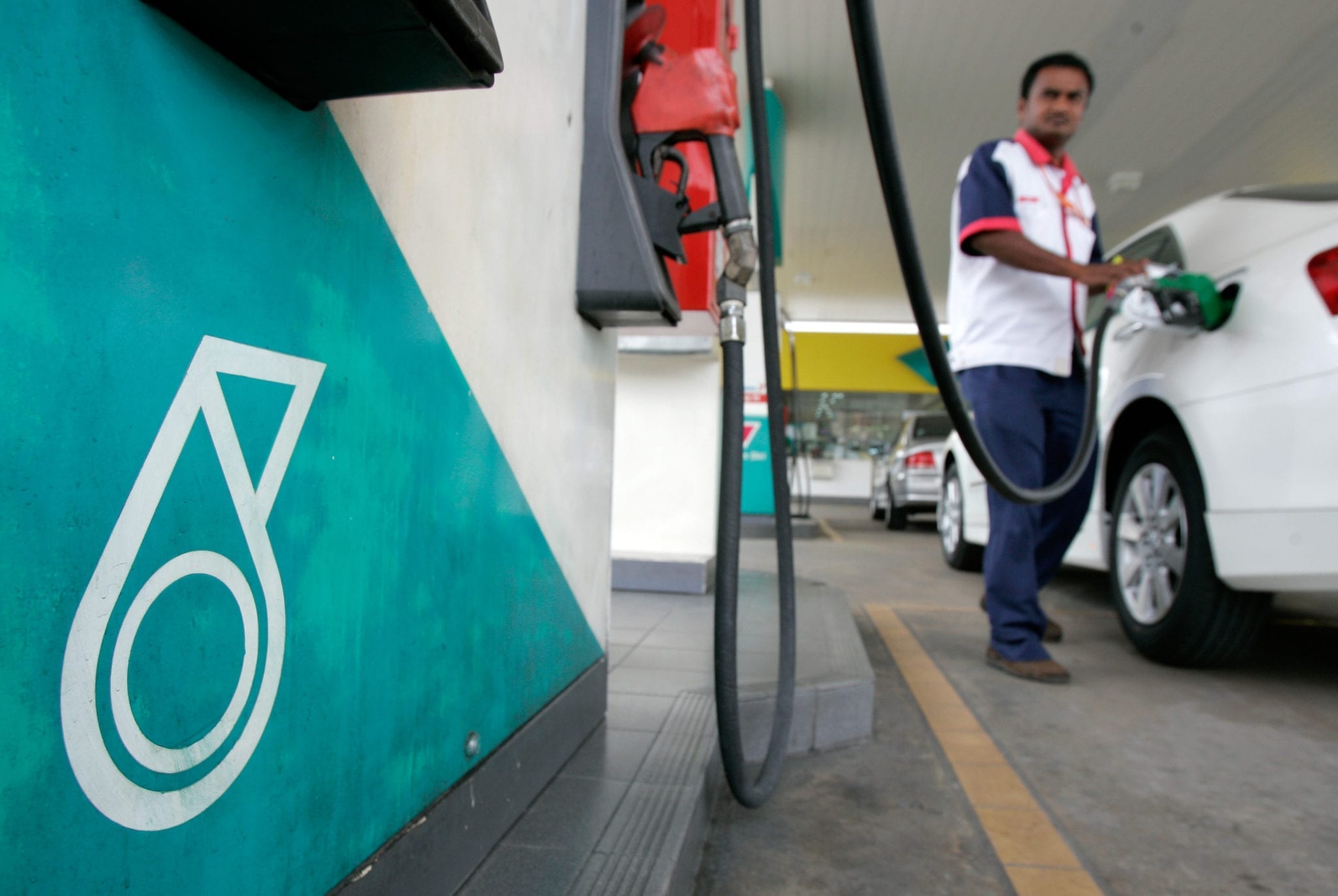
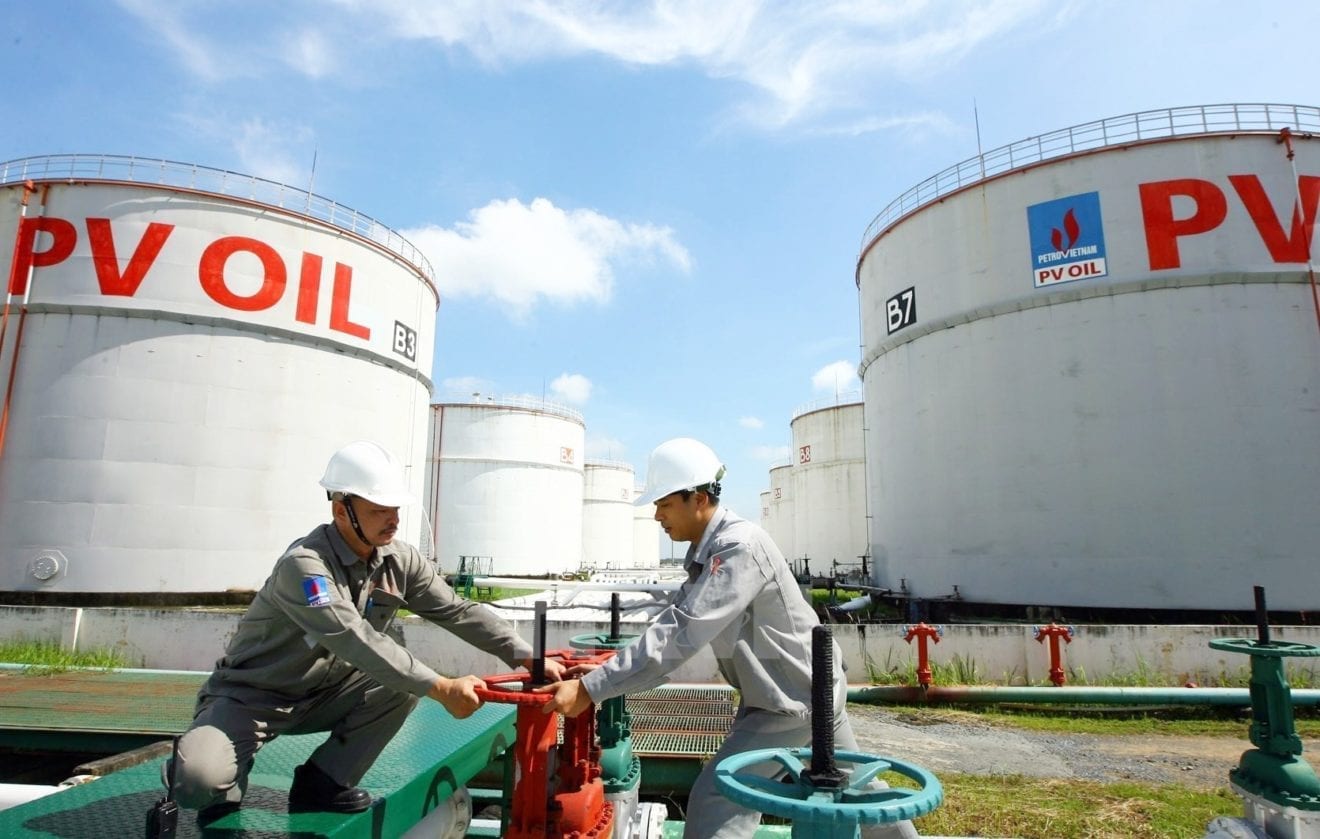
    Vietnam’s second-largest oil retailer, PV Oil, is seeking multiple buyers, instead of a single strategic investor, for a 44.72 percent stake. Although many investors expressed interest in becoming strategic partners with PetroVietnam Oil (PV Oil), including British-Dutch oil company Shell, South Korea’s SK Energy, and Idemitsu, a Japanese petroleum company, complicated administrative procedures have discouraged them, analysts say.

    PV Oil requires a strategic partner to hold the stake for at least 10 years.

    According to a new and revised divestment plan for PV Oil, the company is expected to raise at least $300 million from the divestment, Cao Hoai Duong, CEO of PV Oil, said.

    The bidding is expected to start in 2019.

    Last December, Deputy Prime Minister Vuong Dinh Hue had approved that state-owned PetroVietnam, the parent company of PV Oil, would reduce its ownership in PV Oil to 35.1 percent by selling a 44.72 stake to strategic investors.

    In January this year, VND4.18 trillion ($184 million) was raised through the sale of a 20 percent stake in PV Oil in an initial public offering (IPO).

    Vietnam maintains a 49 percent cap on foreign ownership limit in PV Oil.

    PV Oil runs 540 filling stations on its own and has about 3,000 locations operated by agents, mostly in northern Vietnam, as well as about 120 gas stations in Laos.

    PetroVietnam is one of the three biggest state-owned groups in Vietnam and a major contributor to state coffers.