Tag: report

  • Zara parent company boosted profit and sales

    Zara parent company boosted profit and sales

    Spanish clothes retailer Inditex, has reported its net profit for the first fiscal quarter of 2016 rose 6 per cent, after global sales lifted by 12 per cent.

    Inditex said profit for February through April was 554 million euros ($A843.61 million), up from 521 million euros for the same period last year.

    The company’s shares were up 2.7 per cent at 28.74 euros in Wednesday morning trading in Madrid.

    The company said sales reached 4.88 billion euros, a 12 per cent increase on the same period in 2015.

    Inditex says it opened 72 new stores in the period for a total of 7085 and added 11,900 jobs in the process. During the first quarter, the retailer expanded its reach to 90 markets, having opened inaugural stores in Aruba and Nicaragua. At the end of the first-quarter, the Group reported 7085 physical stores.

    Founded in 1975 by Amancio Ortega, Inditex operates eight store brands including Massimo Dutti, Bershka and Oysho.

  • Chow Tai Fook’s Profit Dives 46% in Fiscal 2016

    Chow Tai Fook’s Profit Dives 46% in Fiscal 2016

    Chow Tai Fook reported profit tumbled 46 percent in the past fiscal year as fewer tourists visited Hong Kong and a downturn in Greater China reduced consumer spending.

    Profit slumped to $383.6 million (HKD 2.98 billion) in the 12 months that ended March 31, the Hong Kong-based jewelry retailer said. Revenue slid 12 percent to $7.3 billion (HKD 56.59 billion). Jewelry sales in mainland China dropped 11 percent and in Hong Kong and Macau declined 15 percent.

    Tourist arrivals from the mainland retreated 8.6 percent in Hong Kong and 3.7 percent in Macau during the fiscal year, the jeweler pointed out. Mainland China contributed more than 50 percent of group revenue during the year, a figure that has increased over the past three years. The jeweler said it is still “confident” about the long-term growth potential in the region.

    The “persistently weak retail sentiment” and a “decline” in the number of tourists, particularly from the mainland due to a “strengthening” of the U.S. dollar, continued to affect operations, Chow Tai Fook said.

    “The increasingly affluent and sophisticated Chinese consumers continue to look for more personalized products and shopping experience,” the company added.

    The company, however, pointed out its core operating profit – a non-IFRS measure that Chow Tai Fook believes is a useful measure of its operational performance – fell 24.5 percent, a better outcome compared with net income.

  • The smartphone boon and bane

    The smartphone boon and bane

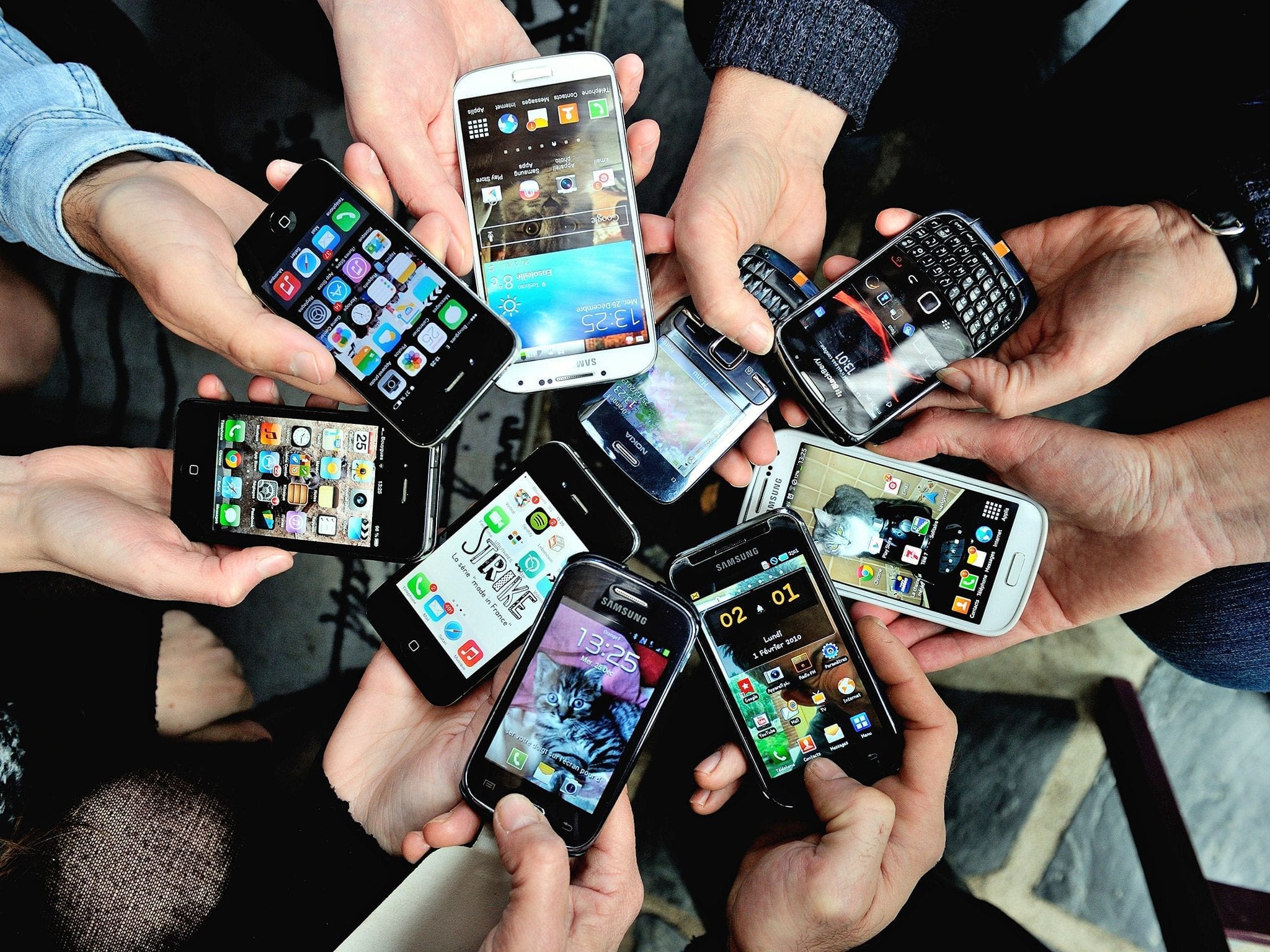
    Feature phones are on their last days, if not their last breath. Consumers’ massive shift in preference for smartphones have decimated feature phone sales.

    The upward mobility of smartphones contrasted with the downward spiral of feature phones has been an intriguing trend to observe. After all, it was only a decade ago when feature phones were enjoying its peak in popularity.

    The upheaval of the mobile industry arrived when Steve Jobs introduced the iPhone to the world in 2007. Steve Ballmer, Microsoft’s chief executive back then, claimed it was the most expensive phone in the world.

    Nowadays, feature phones are not ubiquitous anymore as new players from China, led by Xiaomi, continue to enter the market. These new upstarts not only produce smartphones with industry standard software and applications, but also price them very affordably.

    Asia-Pacific smartphone prices are predicted to drop to an average of $215, making it the region with the lowest price. APAC will be the region with the largest increase in smartphone usage from 2013 to 2019 with approximately 2 billion new smartphone users, where Singapore ranks the highest globally in smartphone users penetration.

    According to a recent survey, 90% of respondents in Singapore say they have access to smartphones. Factors which help facilitate this rapid adoption are fast connectivity and the availability of real-time information access at users’ fingertips.

    As smartphones become increasingly affordable, businesses become more complex specifically the IT infrastructure. Apart from individual and personal use, businesses also encourage employees to use their own devices for work with initiatives such as “bring your own device” (BYOD).

    Enterprises have gained a significant advantage with the modern development of mobile, but these positives also come with new challenges.

    When it comes to devices for businesses, applications play a big role. More and more enterprises are deploying business applications on smartphones and adopting cloud-based business models.

    This enables increased mobility and productivity, making businesses more efficient than ever. Unfortunately, now with various applications installed on smartphones and critical data being so easily accessible, businesses are more prone to virtual threats.

    In 2014, 16 million mobile devices have been contaminated by scams, and hackers are increasingly targeting mobile applications. It has been said that mobile apps are considered “low-hanging fruit” since it is rather fast and easy to exploit the vulnerability of apps as apps exist in an unregulated ecosystem.

    In Singapore alone, mobile security threats have affected 70% of companies. The majority of organizations saying “yes” to employees using their mobile phones for business without giving proper education on BYOD policies also contributed to this number. This trend will cease any time soon as the hackers are expected to continue focusing on mobile devices.

    Given the changes of this behavior and the advancement of technology on smartphones, organizations and governments will need to be able to serve this increasing number of mobile customers and employees while delivering applications and services seamlessly and securely.

    Businesses have always demanded agility and availability without worrying about the security of critical data. That mindset must shift — application security needs to be a top priority for businesses.

    With the rise of smartphones and mobile devices usage for business, the risk of enterprises’ critical data is increasing as well. Business flexibility provided by smartphones comes with a greater responsibility that requires enterprises to step up to secure and manage the applications to keep preforming.

    This generation will see the end of “dumb” phones, and the next might even see them in museums. With such rapid changes in the technology scene, it will be no surprise if the next big thing comes faster than the shift of feature phones to smartphones.

    Asia Pacific holds the biggest stake for smartphones companies, and any respectable industry player must look to the East whenever there is a shift in the mobile telecom enterprise industry.

  • Shoe manufacturer Le Saunda down at heel for fiscal year

    Shoe manufacturer Le Saunda down at heel for fiscal year

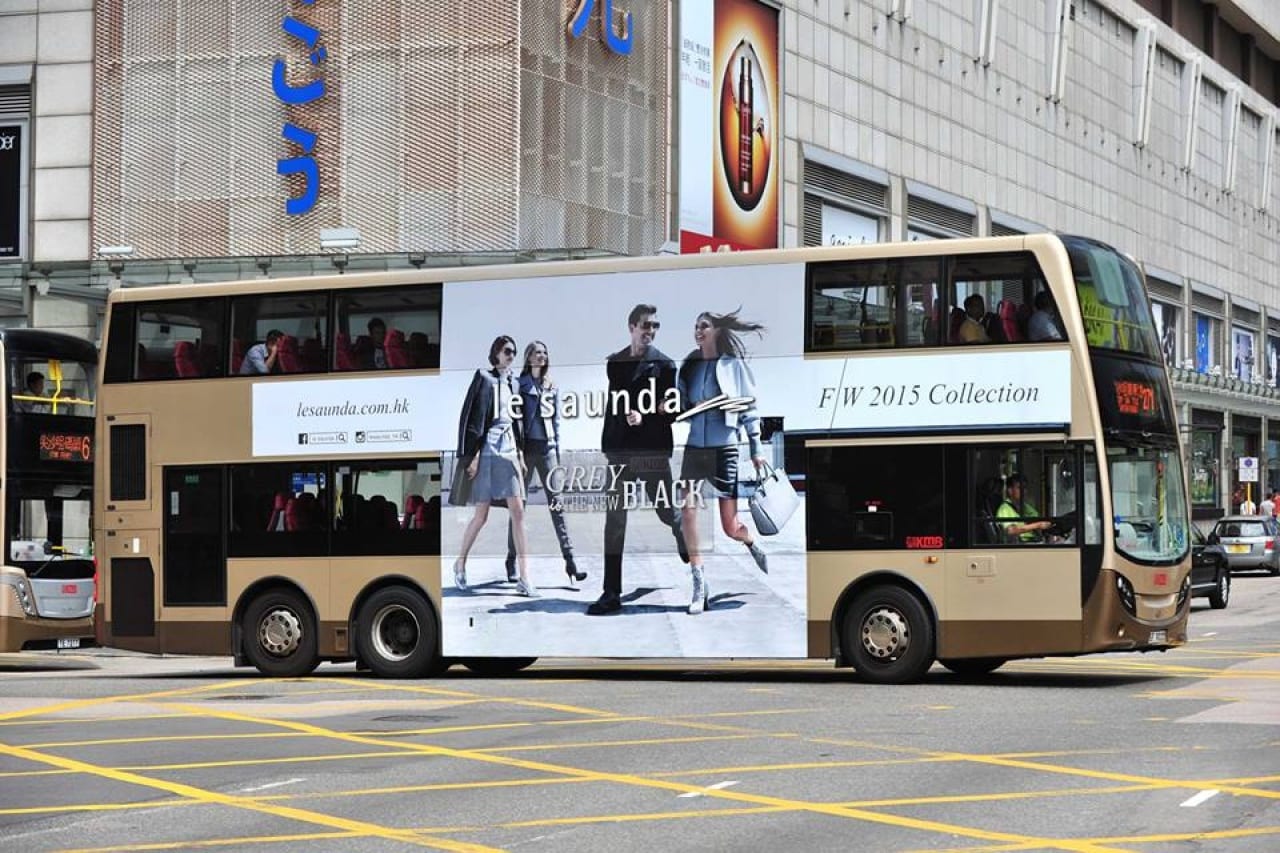
    Le Saunda Holdings Limited – a company primarily engaged in the manufacture and retail of Le Saunda ladies and men’s shoes, CNE footwear (an O2O brand) and Linea Rosa high-fashion footwear brand – announced a consolidated profit of RMB122.1 million (MOP149.42 million) for the fiscal year ending February 2016, in a filing on the Hong Kong Stock Exchange. This represents a 35.5 per cent year-on-year drop for the fiscal year compared to 2014/2015’s RMB189.3 million.

    The group has a total of 896 stores, located mostly in Mainland China, with 12 operating in Hong Kong and Macau.
    Sales in Hong Kong and Macau plunged 29.2 per cent year-on-year, at RMB110.7 million as compared to the RMB156.4 million seen in the previous fiscal year, causing a change in the Hong Kong and Macau business units ‘from profitable to making loss’ – a loss of RMB10.596 million – notes the filing. Over the fiscal year eight stores in the two SARs were phased out, noting that ‘after the shop rental in Hong Kong adjusts back to a normal level, the opportunities of opening new stores would appear again.’

    The group note opines that it is ‘the pattern of consumers’ behaviour that has been changing,’ despite the fact that ‘urban disposable income is actually on the rise […] ongoing weakness is noted in consumer spending.’

    For the fiscal year in question the group’s total revenue decreased by 3.7 per cent year-on-year to RMB1.621 billion. For the Macau segment total revenue amounted to MOP16.52 million, a 47.4 per cent drop compared to the MOP31.41 million registered in the previous fiscal year.

    A total drop of 0.9 per cent was seen in the group’s retail sales in Mainland China, amounting to RMB1.51 billion, which was noted as ‘better than the overall decline in the Group’s revenue,’ in the filing, attributable to a ‘stable loyal customer base brought by the Group’s reputation of products with “sophisticated styles with top quality”,’ as well as ‘consistent moves to close underperforming stores and open new ones to drive sales,’ complimented by the ‘launch of popular casual designs with elements favoured by young people to meet the market demands . . . [and] . . . a higher ratio of repeat purchases benefiting from innovative marketing approaches on both online and offline channels to facilitate close interaction with VIP customers.’

    Future predictions note that ‘the Group anticipates the lacklustre sentiments prevailing in the retail market will last for one to two years’ and that ‘retailers will still face enormous challenges ahead.’ To conquer this, the group will focus on: ‘formal footwear for the medium to high-end market’ as well as focusing on the product mix to ‘explore the young-line products with unique functional and fashionable items’. La Saunda also seeks to transform itself from a vertically integrated offline retailer to ‘an omni-channel operator which is highly data-oriented,’ as well as to ‘introduce a new retail model with swift O2O deployment,’ notes the filing.

    The group employs 5,286 people, of whom 150 are based in Hong Kong and Macau.

  • L’Occitane sales on the up despite disappointing performance in Hong Kong

    L’Occitane sales on the up despite disappointing performance in Hong Kong

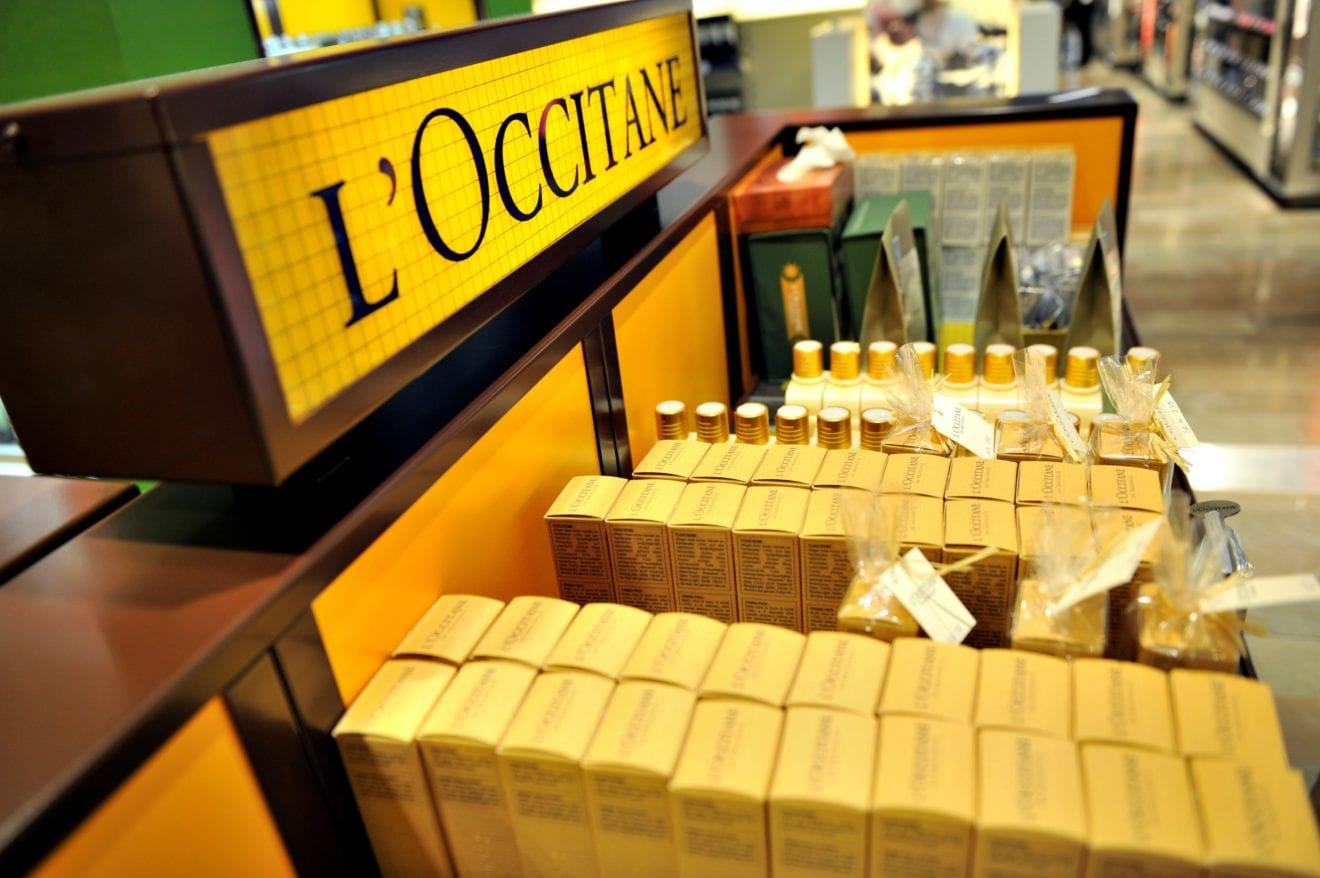
    French beauty brand L’Occitane has announced sales for the year ending March 31 increased by 8.9 percent at 1.28 billion euros.

    Growth surged on in China – which saw sales grow by 16.8 percent – France, Japan, Brazil and Russia however a poor performance in Hong Kong saw total retail sales in Hong Kong and Macau fall by 15.2 percent. The disappointing results were attributed to a fall in mainland Chinese tourists visiting the region, which also affected Hong Kong’s travel retail sector.

    L’Occitane has a strong presence in Hong Kong with 36 stores in the region.

  • Hong Kong leads Asia retail expansion

    Hong Kong leads Asia retail expansion

    Asia Pacific remains retail industry’s growth engine – with Hong Kong at the top of the Asia retail cross-border expansion rankings.

    Despite the sharp decline in Hong Kong retail sales during the last 18 months or so, Hong Kong is the second most favoured destination for global retailers entering new markets – top in Asia and second only to London internationally.

    JLL’s Destination Retail report, which looks at the top cities worldwide for retailing, reveals 50 major global cities which have risen to the top of the list for mainstream, premium and luxury retailers’ expansions. While the list is dominated by cities in Asia Pacific, those in the Middle East are coming on strong, propelled by an ever-increasing array of international retailers. In a battle between historic, established markets versus modern newcomers, JLL indexed the global cross-border retailer activity and attractiveness of 50 meccas and found:

    • London stands at the forefront of international retailing as a global retail powerhouse, and the Number 1 retail market.
    • One-third of the top 15 global retail cities are located in the Middle East (Dubai 4th, Kuwait City 9th, Abu Dhabi 11th and Jeddah and Riyadh tied for 12th.).
    • Asia Pacific outranks all regions with 18 cities making the cut driven by sheer market size.
    • Cities in the United States make up just over one-quarter of the top 50 cities, with only one city (New York 5th) in the top 15.

    “Structural change is sweeping the retail industry as technology and eCommerce platforms become more sophisticated; however, demand for the right physical space, in the right location, is stronger than ever,” said James Brown, director of global retail research for JLL.

    “Borders are becoming less of an issue for retailers pursuing opportunities overseas and we’re seeing the global retail landscape shifting fast to accommodate the change.”

    JLL’s report examines the presence of 240 international retail brands and 140 international cities, including the drivers of their growth, opportunity and barriers, and also ranks and assesses the vitality and attractiveness of cities.

    The top 10 ranked cities on the list are:

    Size matters

    The sheer size of Asia Pacific’s leading cities – in terms of population and economic might – is one of the most compelling drivers for retailers’ expansion into the region.

    “Many Asian markets benefit from a burgeoning middle class and growing levels of affluence, which are attractive in particular to a wide-range of retailers,” the report concludes.

    “The cities also benefit from large amounts of new, fit-for-purpose modern retail space.”

    Hong Kong remains Asia’s leading shopping destination, with top brands from luxury to fast fashion competing for prime locations. Across the region, cities are catching up to modern retail markets in Europe and the US.

    China is the second largest economy in the world, and its key cities, Shanghai and Beijing, have undergone a transformation in the last two decades driven by a swelling middle class and high concentration of high-net-worth individuals. Both are now firmly on international retailers’ maps as key locales for tremendous brand exposure and test markets. Key cities outside of Greater China that are also gaining attention from international retailers include Tokyo, Singapore, Seoul, Osaka and Bangkok.

    Europe’s retail powerhouse

    London has the highest presence of international retailers compared to its global peers, and edges out Hong Kong in terms of international luxury brand presence. London continues to be a magnet for new brands thanks to its unique blend of market size, maturity and high degree of transparency. The UK capital has a long history of success, driven by a diverse base of locals and tourists, and many retailers regard London as the entry point to Europe, including recent entrants J.Crew, Arc’teryx, Club Monaco, Kit and Ace, and John Varvatos.

    Middle East hotbed

    The Middle East’s top cities, including Dubai, Kuwait City, Abu Dhabi, Jeddah and Riyadh are emerging as business and travel hubs, and are increasingly catching the eye of global retail brands. The cities’ strong in-place tourism plays an important role in increasing the flow of foreign money, a key driver for retail spend. The markets each have large quantities of affordable retail space, supported by franchise structures, which present viable options for international retailers and reduce their operational risk at entry. Additionally, the domestic retail market in the Middle East is not as mature as other regions, allowing international brands to enter without too much competition from domestic brands. JLL’s report found that pent up shopping demand across the region has spurred some of the highest sales volumes for retailers.

    Stars, stripes and strong sales

    While the Americas region only captures one-quarter of the top 50 cities for attractiveness, 15 out of the 16 cities identified are located in one country, the US. The ‘Land of Opportunity’ has more retail space than any other country with 12.8 billion sqft, and presents retailers with several options for entry, either in malls, shopping centers, power centers or general retail space. While the US remains one of the most advanced retail markets globally, with significant amounts of retail spend, the market overall is daunting to international retailers. The portal cities of New York, San Francisco, Miami, Chicago and Los Angeles remain robust with global brands, but the 137 remaining key markets are largely untapped by international retailers.

    Looking forward

    “Expansion into new markets is catching on quicker than ever, but not without risk. International retailers that are focused on measured and balanced growth will find that the world’s mega-retail cities are a productive opportunity,” said David Zoba, chairman of JLL’s Global Retail Leasing Board.

    The acceleration of international brand expansion across the world’s best and most attractive cities in the next decade will continue, driven by fast-growing middle classes, new powerhouse economies and rising tourism.

    “Retailers who succeed in acquiring the right space and at the right time are expected to benefit from successful and profitable growth.”

  • McKinsey report shines light on online-to-offline services

    McKinsey report shines light on online-to-offline services

    As world’s largest and fast-growing e-commerce market, China is expecting the potentialgrowth of the online-to-offline services, which are cutting into incumbents’ margins, accordingto the latest McKinsey’s survey of China’s Internet users.

    “Online-to-offline services can win consumers and even convince them to spend more thanthey might want to,” said Gong Fang, a partner at McKinsey’s Shanghai office.

    China’s online retail market is the world’s largest after 2015 sales grew to approximately $630billion, nearly 80 percent bigger than that of the US. E-commerce in China accounts for 13.5percent of all retail spending.

    “In an e-commerce market as large and fast as China’s, retailers and consumers will have noshortage of opportunities, especially in low-tier cities where online and e-commercepenetration remains relatively low,” said Alau Lau, senior partner and head of McKinseyDigital in Asia.

  • Singapore retail sales defy predictions, fall 3.2% in February

    Singapore retail sales defy predictions, fall 3.2% in February

    Retail sales in Singapore dropped 3.2 per cent in February from the same month a year ago, defying economists’ predictions for an expansion in consumer spending and providing more evidence of a slowing economy.

    The retail sales contraction followed the revised 7.6 per cent growth in January, said the Department of Statistics yesterday, and was in contrast to the 3.4 per cent increase forecast by 12 economists in a Bloomberg poll. Excluding motor vehicles, retail sales slumped by 9.6 per cent as all but three out of 13 segments that make up the index fell.

    Apart from motor vehicles, higher sales were seen only at mini-marts and convenience stores, as well as for medical goods and toiletries. The total retail sales value in February was estimated at S$3.4 billion. The data came a day after the Monetary Authority of Singapore unexpectedly eased its policy, guiding the local currency to a zero appreciation stance against the currencies of its major trading partners, as the economy registered no growth in the first quarter.

    From the previous month, retail sales rose 1.7 per cent in February; excluding motor vehicles, they fell 1.1 per cent, showed the Department of Statistics data.

  • Online shopping in rural China nearly doubles in 2015

    Online shopping in rural China nearly doubles in 2015

    Online shopping is thriving in rural China, with last year’s transactions nearly double the 2014 amount, a Ministry of Commerce official said.

    Online purchases in rural areas were up 96 percent year on year to 353 billion yuan (US$55 billion) in 2015, said assistant minister of commerce Wang Bingnan, at a briefing.

    China now has more than 3,000 commercial websites specifically targeting rural areas, Wang told reporters, but acknowledged that a lack of properly trained people, poor competitiveness, an incomplete marketplace and weak infrastructure were hindering expansion. The ministry hopes to improve the logistics network and train more people.

    Despite an economic slowdown, online retail sales in China remained strong, jumping 33.3 percent year on year to 3.88 trillion yuan in 2015.

  • Robinsons Philippines income jumps 21.9 per cent

    Robinsons Philippines income jumps 21.9 per cent

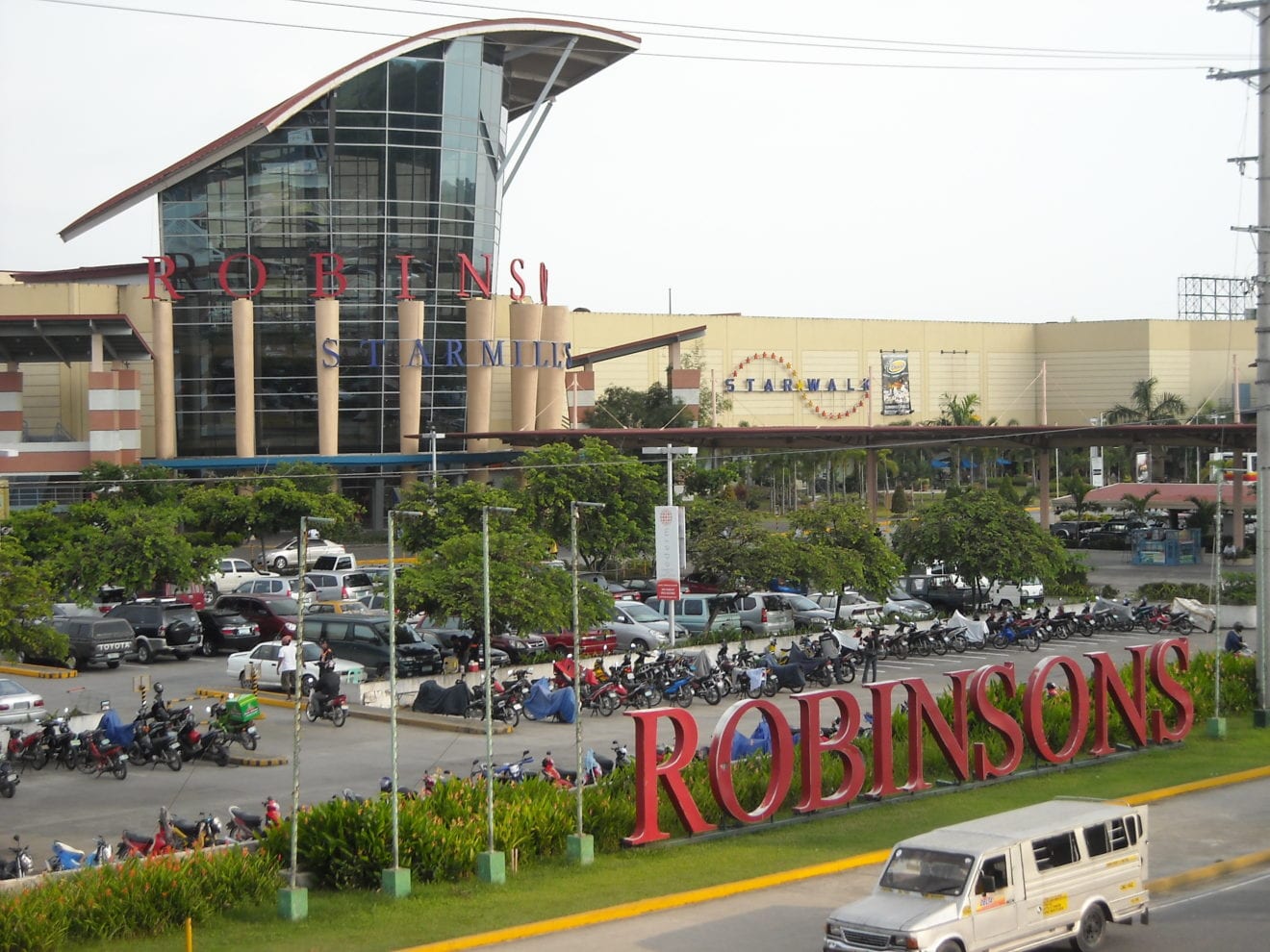
    Robinsons Philippines has reported a 21.9 per cent increase in net income in 2015 to P4.3 billion ($90 million) on the back of same-store sales growth and sales from newly opened stores.

    Same-store sales growth for Robinsons Retail Holdings grew 4.1 per cent in 2015, exceeding the 2-3 per cent consolidated same-stores sales target for the year.

    The company’s consolidated net sales reached P90.9 billion last year, up 13 per cent from P80.4 billion in 2014.

    The retail holding firm of the Gokongwei group reported opening 2015 with 179 new stores and ended the year with a total of 1506 stores.

    “I am heartened by the strong same-store sales growth performance of all our retail formats in 2015, despite the intensifying competition,” Robinsons Retail President and CEO Robina Gokongwei-Pe said.

    “We have also gotten into a good start this 2016 with solid same-store sales growth for the first two months of the year as we benefited from increased consumer spending from a still robust domestic economy. We will continue with our footprint expansion, with focus on areas outside Metro Manila,” Gokongwei-Pe said.

    The opening of new stores expanded the company’s gross floor area by 9.7 per cent year-on-year, the company said.

  • South Korea’s online shopping keeps double-digit growth

    South Korea’s online shopping keeps double-digit growth

    Online shopping in South Korea maintained a double-digit monthly growth as consumers increasingly prefer purchases online rather offline amid widespread penetration of smartphones, a government report showed Monday.

    Combined retail sales, including those online and offline, reached 29.18 trillion won (25.46 billion U.S. dollars) in February, up 2.9 percent from a year earlier, according to Statistics Korea.

    Online shopping jumped 22.7 percent from a year earlier to 4.69 trillion won in February, while mobile shopping through smartphones surged 54.0 percent to 2.39 trillion won.

    The figures showed consumers preferring purchases in cyberspace to visiting offline stores in one of the world’s most Internet-connected country.

    In 2015 when the Middle East Respiratory Syndrome (MERS) outbreak weighed down on South Korea’s private consumption, online shopping posted a double-digit monthly growth. Mobile shopping through smartphones surged more than 40 percent every month last year.

    In February, online sales of bags, cosmetics, furniture and leisure items recorded a double-digit increase compared with a year earlier.

    Main items purchased through mobile phones in February were baby products, shoes, clothing and cosmetics, which accounted for about two thirds of total mobile shopping in February.

  • Economy Hong Kong’s retail sales drop hardest in 17 years

    Economy Hong Kong’s retail sales drop hardest in 17 years

    Hong Kong’s retail sales plunged in February, as the economic slowdown in China prompted fewer visits from the mainland.

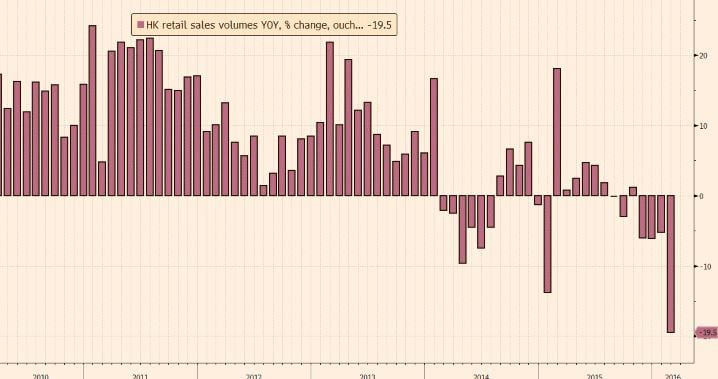
    On an annual basis, the total value of retail sales in February dropped by 20.6 per cent to HK$37bn, from January’s 6.6 per cent drop. The drop in February was the worst since January of 1999.

    After stripping out price changes, the total volume of retail sales decreased by 19.5 per cent, the worst since September of 1998.

    Combining January and February figures, the value of sales of luxury goods like jewellery, watches and clocks, which mainland Chinese tourists often visit Hong Kong to buy, decreased by 24.2 per cent. This was followed by 11.4 per cent decrease in clothes, a 12.3 per cent decline in commodities in department stores, and 7.7 per cent decrease in medicines and cosmetics.

    In a statement, Hong Kong’s Census and Statistics Department said:

    Apart from the severe drag from the protracted slowdown in inbound tourism, the asset market consolidation might also have weighed on local consumption sentiment.

    The near-term outlook for retail sales will still be constrained by the weak inbound tourism performance and uncertain economic prospects. The Government will continue to monitor closely the retail sales performance and its repercussions on the wider economy and job market.

    With Chinese consumers unwilling to spend on luxury goods, Swiss watchmakers, known for their luxury watches, are having a hard time, with UBS cutting earnings forecast.

  • Real Singapore retail sales rise

    Real Singapore retail sales rise

    Real Singapore retail sales recovered slightly in January, rising 1.4 per cent year-on-year.

    The headline figure widely reported by business media of a 7.5 per cent increase included motor vehicles.

    Real retail sales fell 0.5 per cent from December to January, and by 1.2 per cent with vehicles included.

    The total retail sales value in January 2016 was estimated at $4.1 billion, higher than the $3.8 billion in January 2015.

    Retail sales Jan 2016 Singapore

    Medical goods and toiletries and department stores showed the strongest year-on-year gains, while telecommunications goods and computers accounted for by far the largest fall.

    The accompanying charts show the sales trends by product category.

    Sales of food & beverage services (seasonally adjusted) increased 2.4 per cent month-on-month in January Year-on-year, they declined by 0.6 per cent in January.

    The total sales value of food & beverage services in January 2016 was estimated at $685 million.

  • China retail sales growth slows further

    China retail sales growth slows further

    Official retail sales data from the mainland shows a continuation of slowing growth this year.

    According to the National Bureau of Statistics (NBS) China retail sales of consumer goods rose 10.2 per cent in January and February combined.

    That follows growth of 11.7 per cent in December and 10.7 per cent for the entire 2015 calendar year.

    According to the NBS, Chinese consumers bought 5.29 trillion yuan (US$815.2 billion) worth of consumer goods in the first two months of 2016.

    Urban areas accounted for nearly 86 per cent of China retail sales, rural areas 14 per cent. Sales in rural areas rose by 10.9 per cent – faster than the 10.1 per cent in the cities.

    Online sales also continue to rise sharply, soaring 27.2 per cent year-on-year for the first two months of this year, to 636.1 billion yuan. Online now accounts for about 12 per cent of China’s total retail market.

  • Hengdeli Achieves Sustainable Growth for 2015

    Hengdeli Achieves Sustainable Growth for 2015

    Hengdeli Holdings Limited, a world-leading retailer of internationally renowned brand watches, announced its annual results for the year ended 31 December 2015 (the “year under review”).

    In 2015, the overall operating environment was very challenging and negatively impacted on the business development of the Group, resulting in weak sales of internationally renowned brand watches. Despite this, the Group’s industrial sector achieved relatively good results due to a series of reforms and innovations. During the year under review, the Group recorded revenues of RMB13,302,724,000, representing a year-on-year decrease of 9.9%. Retail sales amounted to RMB9,373,354,000, a year-on-year decrease of 11.6%. Revenue from industrial sector and others amounted to RMB539,991,000, a year-on-year increase of 25.9%. The Group recorded net profit of RMB190,164,000, a year-on-year decrease of 67.4%. Profit attributable to equity shareholders amounted to RMB144,868,000, a year-on-year decrease of 71.3%. This decrease in profits was mainly due to one-off revenue from the disposal of properties, which was included in the profit for the year of 2014, as well as a drop in sales and gross profit and impairment of goodwill and available-for-sale securities.

    Mr. Zhang Yuping, Chairman and the Executive Director of Hengdeli, said, “In 2015, the overall business environment remained unstable. The increasingly diversified shopping locations and consumption patterns of Mainland Chinese consumers aggravated the harsh environment for product sales as a whole in the Greater China region, especially in Hong Kong. Businesses are faced with a loss of customers and a rise in labor costs. Despite these highly challenging business circumstances, the Group held fast to its operating principle of “healthy and sustainability” to ensure business stability and to better safeguard the interest of shareholders.”

    During the year under review, the Group continued to be guided by the principle of “healthy and sustainability” along with “aiming for optimizing inventory and guaranteeing profits.” The Group also insisted on keeping in place a policy of mutual complementary and interactive operations across the Greater China region, including Mainland and Hong Kong, with mid-end brands serving as the mainstay in its brand mix in order to meet the affordability demands of the general public, and second, third and fourth tier cities as the main sales regions. The Group also continued to adjust the layout of retail network, constantly improving store quality and optimizing the inventory mix. The Group carefully steered business forward through strengthened scientific management and prudent operations. Despite the Group’s various efforts, it was unable to stem the decline in sales as affected by adverse macro condition and subdued consumer demand. Retail sales from Mainland China decreased 7.4% as compared with that of the previous year. Under dismal overall conditions, sales of Elegant Hong Kong decreased 26.8% year-on-year along in line with the overall market trends. As at 31st December 2015, after adjustments and optimization, the Group operated a total of 482 retail outlets across Mainland China, Hong Kong, Macau and Taiwan.

    The industrial sector which is engaged in the manufacture of watch accessories made substantial progress during the year under review. Based on a previously launched marketing strategy and after more than one year of re-alignment and integration, the industrial sector has established a new business model comprising upstream and downstream operations of the watch industrial chain, spanning watchcase manufacturing, packaging products and commercial space design, to production and decoration as well as self-development of brands. A number of companies in the sector have earned goodwill in their respective markets, while a wide customer base covering China, Switzerland, the U.S. and other nations in the Asia-Pacific region was established. Co-operation with brand suppliers has been increasing and a close collaborative relationship with mutual trust and interest sharing was formed. Benefiting from quality management and bold innovations, overall performance of the industrial sector improved remarkably with sales increasing by approximately 35% year-on-year, reflecting a healthy uptrend and promising growth potential. The industrial sector is seen as becoming a strong driving force for the Group’s overall development and turning into an important business arm of the Group in the foreseeable future.

    Following highly focused preparations and various enhancements , “censh.com” (www.censh.com), a new consumption model that merges the “Internet + Hengdeli”, was officially launched online during the year under review. “censh.com” is a media-based e-commerce cross-platform within the Group that operates its major flagship – “censh.com” (www.censh.com), drawing together a number of popular mobile internet software platforms, including WeChat, Weibo and other mobile communication applications. It provides a one-stop solution for six major functions, namely: e-commerce, ERP, product data management, customer resources management, call center and messaging. It offers a comprehensive online to offline service experience to watch lovers. The Group believes that with the successful online operation of “censh.com”, the online and offline resources will become highly synergistic, and will contribute significantly to the overall development of the Group.

    The Group’s customer service network and maintenance business, renowned as a top-notch, retail group leader for internationally renowned watch brands, has been fully integrated and comprehensively covers the Greater China region. During the year under review, the Group added the CK brand into its comprehensive customer services arrangements with brand suppliers, including: Tissot, Mido, and Certina from the SWATCH Group, as well as others. The Group also entered into exclusive watch maintenance agent agreements with: Movado, Milus, Blita, LOCMAN, Million Horn and others. To date, the Group has become the maintenance agent for 74 international brands such as those from the SWATCH Group and LVMH Group and also serves as the exclusive maintenance agent for 45 of those brands.

    In the brand distribution business, the Group has always maintained a sound co-operative relationship with numerous brand suppliers and brand retailers, and has received active general support from them. The Group has about 400 wholesale customers in over one hundred cities across China, distributing and exclusively distributing world-famous watch brands. For the coming year, the Group will continue to maintain and deepen its relationships with suppliers and retailers, while exploring new measures under the “new normal” economic climate to achieve harmonious growth and win-win situation.

    In the coming year, the Group will hold on to a stable and healthy growth policy, while at the same time harboring a pragmatic view and fostering an innovative spirit in the search for a new development model to benefit the Group. We will also continue to make structural adjustments while ensuring healthy growth and seeking business sustainability. The Group will maintain a healthy and stable level of sale and inventory on the one hand while investing more resources in our industrial sector to help bolster faster development. The overall aim is to open up a road of continuous development for the Group amid today’s “new normal” economic climate and generate higher value for shareholders and the community at large.

    Mr. Zhang concluded, “In 2016, as the road to full global economic recovery is still long and winding, China’s economy will also be faced with significant downward pressures. For this reason, the Group believes that under the new normal economic climate, the growth in sales for watches in the Greater China region will continue to lose steam. However, the long-term economic trend in China remains fundamentally favorable, which will offer unprecedented opportunities and challenges. By leveraging our core competitiveness, the Group will identify and take advantage of any and all new opportunities to achieve business breakthroughs and expand business despite the current headwinds and challenges. Ultimately we remain cautiously optimistic about the future prospects of the Group.”