Tag: report

  • Vipshop sales soar

    Vipshop sales soar

    Vipshop, the Chinese online discount retailer, says it boosted sales by as much as 63 per cent in the last quarter.

    The US-listed company says it expects revenue to be between RMB8.6 billion (US$1.349 billion)  and RMB8.7 billion ($1.365 billion). But that is less than its earlier guidance of RMB9.1 billion to RMB9.3 billion.

    “The weaker-than-expected preliminary third quarter results for total net revenue are partially driven by the warmer-than-expected fall weather in China, which caused customers to delay purchases of relatively higher-priced autumn and winter apparel,” the company said in a stock exchange disclosure.

    The preliminary, unaudited results are based on management’s initial review of operations for the quarter to September 30, and remain subject to change based on management’s ongoing review of the third quarter results.

  • China retail sales surprise

    China retail sales surprise

    October figures for China retail sales show a surprise 11 per cent leap year on year.

    It seems that while the commentators were talking about how China’s economy was nodding off, consumers were out spending.

    Total retail sales of consumer goods during the month reached 2,827.9 billion yuan, or US$442.939 billion.

    From January to October, the total retail sales of consumer goods reached 24,435.9 billion yuan, up by 10.6 percent year-on-year.

    October retail sales in urban areas rose 10.8 per cent and in rural areas by 12.2 per cent.

    From January to October, retail sales in urban areas rose 10.4 per cent and in rural areas by 11.8 per cent.

    Online sales for the first nine months of this year totalled 2,948.4 billion yuan, an increase of 34.6 per cent year-on-year. Sales of  food and clothing rose 41.2 per cent and 24.4 per cent respectively.

  • Yue Yuen sales rise on retail rollout

    Yue Yuen sales rise on retail rollout

    The world’s largest branded athletic and casual footwear manufacturer and retailer Yue Yuen Industrial says retail and wholesale sales of sportswear in Greater China rose 19.6 per cent in the first nine months of this year, due to an expanding store network.

    Yue Yuen operates more than 6000 retail stores and concessions across Greater China under its own name as well as the international brands it manufactures for.

    Total sportswear sales reached US$1.7 billion compared to US$1.456 billion in the same period last year. Other factors in the growth were the company’s efforts to increase efficiency and a better merchandise selection.

    Sales of athletic shoes were up by 3.4 per cent and sales of casual shoes were down by 5.6 per cent. The total volume of shoes sold increased by just 1.1 per cent to 231.4 million pairs for the period.

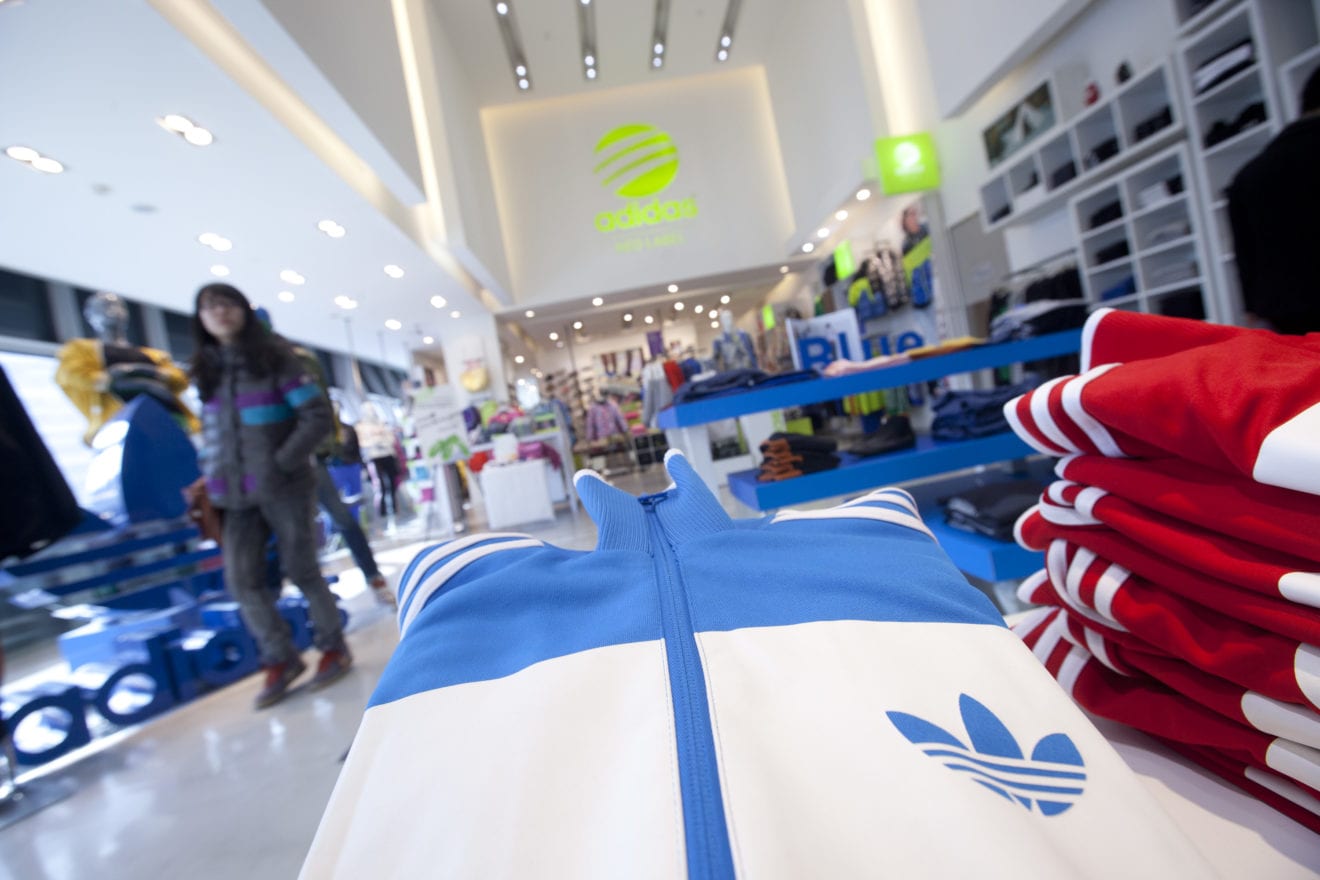
    Hong Kong listed Yue Yuen designs and makes shoes for brands including Nike, Crocs, Adidas, Reebok, Asics, New Balance, Puma, Timberland and Rockport as well as operating its own network of retail stores under the YY Sports brand, through subsidiary Pou Shen.

    The increased athletic shoes and sportswear sales helped boost Yue Yuen’s overall revenue by 5.8 per cent to US$6.3 billion and gross profit by 9.1 per cent to $1.422 billion. Total net profit attributable to owners of the company was $285.6 million, up 36.6 per cent year on year, according to figures filed with the stock exchange.

    Pou Shen, which opened 771 new points of sale during the nine months, increased its gross profit by 32.5 per cent to $566.5 million due to management’s strategy to concentrate on the retail business, improved operating efficiency, and better procurement of inventory.

    YY Sport instore wide

  • Mobile payment race intensifies

    Mobile payment race intensifies

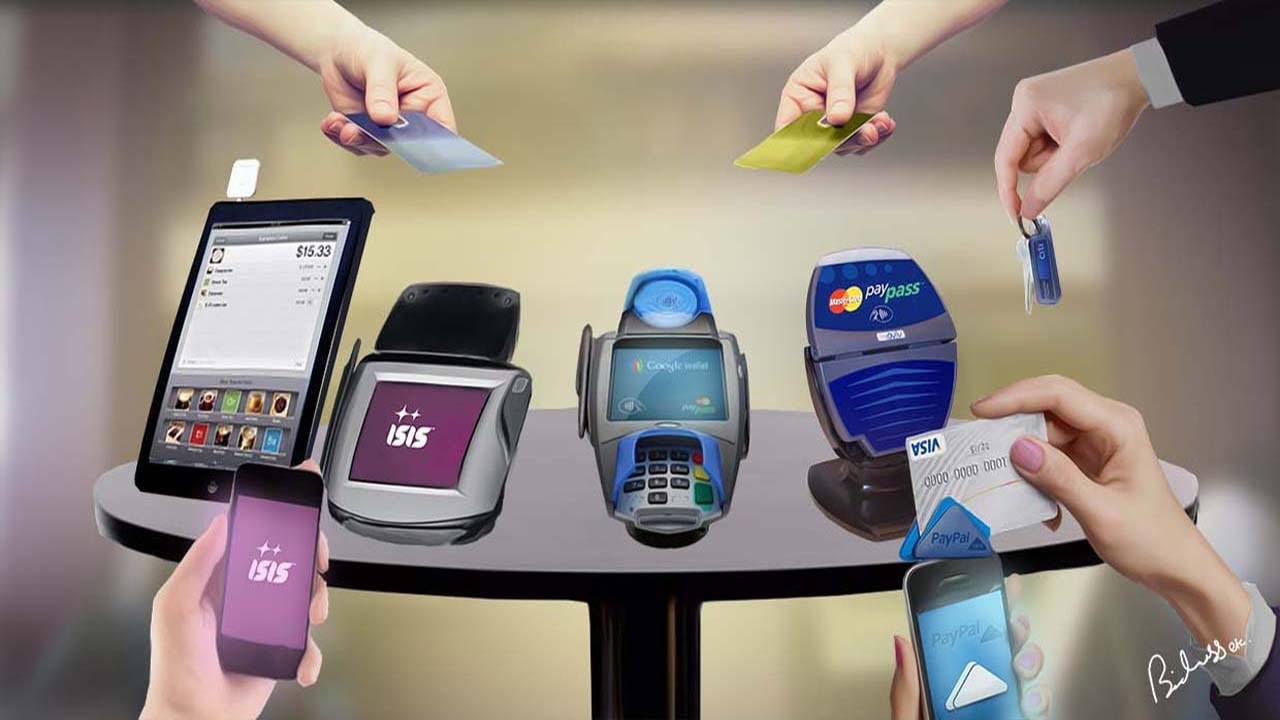
    From smartphone-makers to retail firms, more companies are jumping on the mobile payment bandwagon in a bid to take the initiative for hassle-free digital payments.

    As there is no single dominant player or set of standards yet, the mushrooming mobile payment market is flooded with more than 20 related applications in Korea and may look like a hodgepodge of technologies for some.

    Many industry officials, however, had a positive outlook on the fledgling market, anticipating that the mobile payment systems would further proliferate and one day kill plastic cards.

    “There will be a tenfold increase in the mobile payment services next year, and it is highly likely considering the great growth potential with most websites requiring online payment solutions,” forecast Park So-yeong, chief executive of electronics payment PayGate and chairperson of the Korea Fintech Forum, an organization for the financial technology sector.

    She added that the market needs a set of standards in order to enhance convenience for consumers, and small retailers that may want to adopt the contactless payment technology in the coming years.

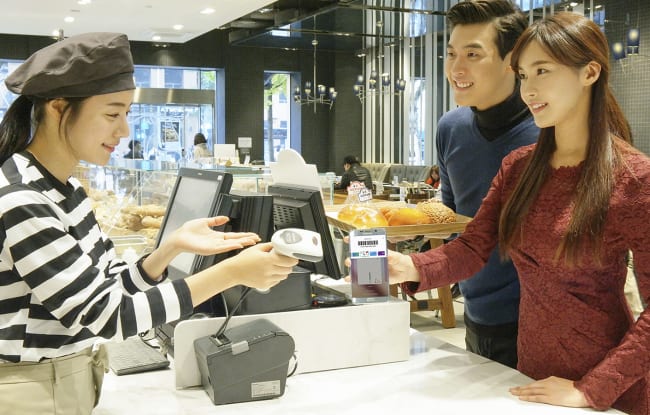
    Users try to use mobile payment system Samsung Pay. (Samsung)

    Some said that the growing number of mobile payment apps ironically cause inconvenience due to the lack of standardized technologies, arguing new payment services will come and go until the emergence of strong market leaders.

    “Even Kakao, operator of Korea’s most used mobile messenger, has not been able to rule the mobile payment market,” said an industry source, adding that the firm’s KakaoPay takes up less than 10 percent of payments on Baedal Minjok, the largest food ordering app in Korea.

    Other mobile payment services providers include retail colossuses Shinsegae and Lotte, as also Internet giant Naver and LG Electronics.

    The Korean mobile payment market more than quintupled to 5.7 trillion won ($4.9 billion) in the second quarter this year from 1.1 trillion won in the first quarter of 2013, according to state-run statistics organization Statistics Korea.

    Highly considered as one of the potential market leaders, Samsung is gaining momentum to win the mobile payment race.

    After U.S. tech giant Apple launched contactless mobile payment system Apple Pay last year, Seoul-headquartered Samsung Electronics rolled out its own system in August.

    Despite its somewhat belated start, Samsung Pay has been garnering quite an upbeat response from reviewers and users around the world.

    Accumulative payments crossed the 100 billion won mark with the number of Samsung Pay subscribers exceeding 1 million in two months since its launch in Korea.

    Samsung Pay is often said to have a competitive edge over Apple Pay thanks largely to its better compatibility with the Magnetic Secure Transmission and Near Field Communications technologies.

    Apple Pay allows users to make purchases only with NFC terminals while Samsung Pay is compatible with both magnetic swipe and NFC terminals.

    “Some even say Samsung Pay is the last hope for the Korean tech giant’s mobile business unit, which is being squeezed hard between Apple in the premium handset segment and Chinese upstarts in the low end,” a market official said.

    The tech behemoth is also beefing up partnerships with credit card firms and banks to allow Samsung Pay users to use ATMs with the mobile service.

    Some of the global financial firms include Chase, Visa, American Express and MasterCard.

    Local investment firm BNK Securities anticipated the shipment of Samsung smartphones equipped with Samsung Pay worldwide will reach 22.5 million units — 11.4 million in Asia and 11.1 in North America — next year.

    The increasing popularity of the Samsung payment solution and the expanding mobile payment ecosystem has become a boon for Samsung’s partners and component makers for biometric sensors — used in smartphones to authenticate users.

    Among the beneficiaries are the Korea Information Certificate Authority, which develops user authentication solutions, and Amotech.

    KICA provides fingerprint identification solutions for Samsung Pay and the latter supplies chip modules used for the payment system.

    KICA’s share price doubled to 21,000 won in the two months that Samsung Pay was released, and is now hovering between 12,000 won and 14,000 won.

    It is also expected that Samsung would install its payment solutions in a variety of its products, including smart TVs, mid-range and low-end smartphones, running on the Tizen operating system.

    The Tizen OS has been jointly developed by a group of global tech firms including Intel.

    Fingerprint scanners will be more widely deployed in budget Samsung smartphones to beef up security of the mobile payment app.

  • Ever-Glory in sales slump

    Ever-Glory in sales slump

    Nasdaq-listed, Chinese fashion retailer Ever-Glory International Group has reported a third quarter plunge in same store sales of 21 per cent.

    Wholesale sales fell 10.9 per cent with total company revenue down 15.3 per cent to US$118.6 million.

    Wholesale sales fell the most in Mainland China, Germany and Japan and in European markets in general.

    The company operated 1188 stores at the end of September, compared to 1137 a year earlier.

    Gross profit decreased 4.4 per cent to $32.3 million, compared to $33.8 million last year, with gross margin up 310 basis points to 27.3 per cent compared to 24.2 per cent last year.

    Gross profit for retail business increased 3.6 per cent to $22.4 million. Retail gross margin increased 1130 basis points to 47.5 per cent from 36.2 per cent.

  • Hermes Asia sales rise despite downturn

    Hermes Asia sales rise despite downturn

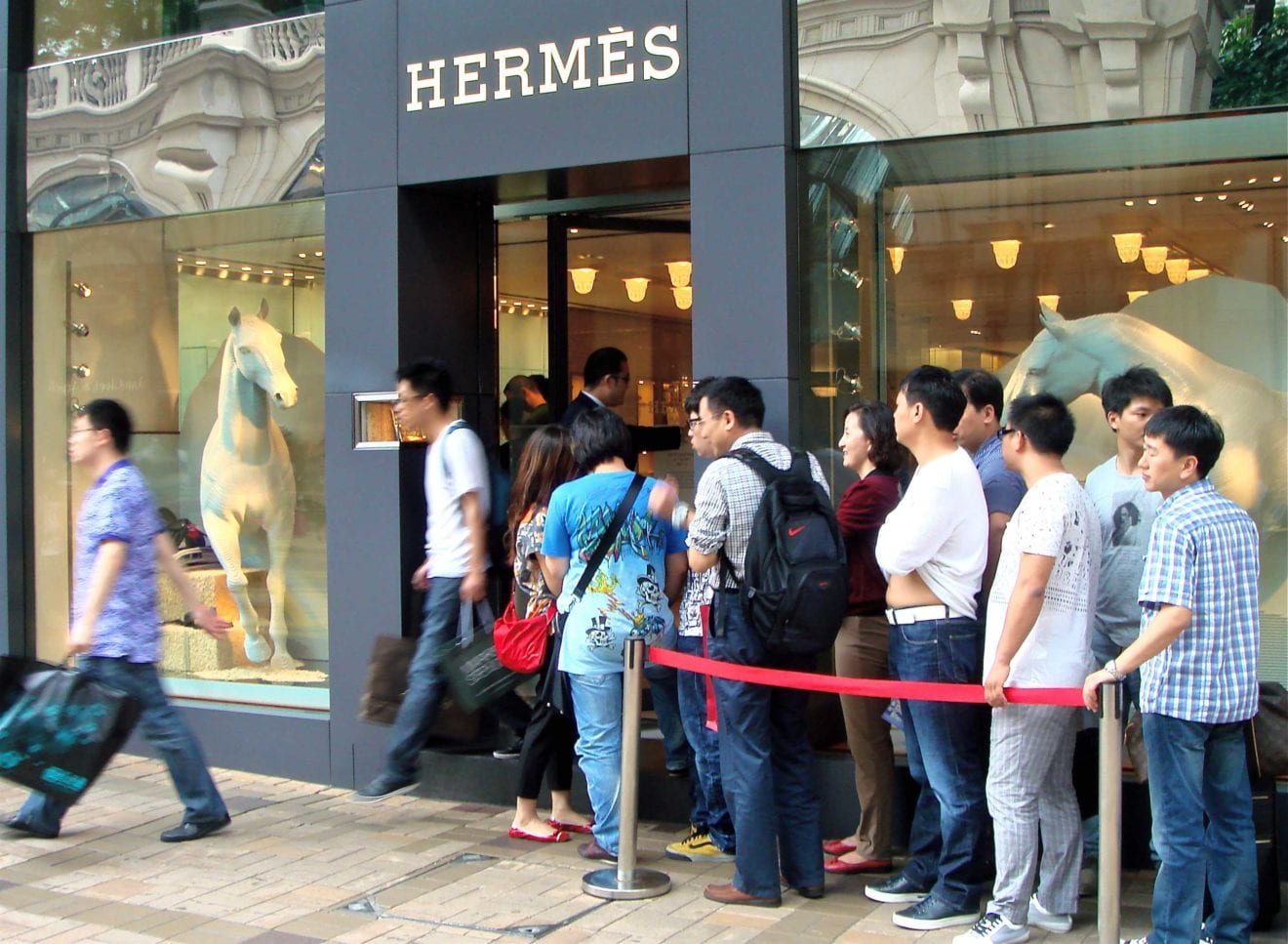
    French luxury label Hermes has managed to increase its sales in Asia despite the challenges in Hong Kong and the Mainland.

    The company says it achieved five per cent sales growth during the first nine months of this year in Asia excluding Japan – where sales rose a whopping 19 per cent.

    The Hermes Asia performance was due to the opening of the Maison Hermès in Shanghai in September 2014. Sales in the region improved “in spite of a difficult context in Hong Kong, Macao and to a lesser extent in continental China”.

    Globally, the brand posted sales growth of 19 per cent at current exchange rates and nine per cent at constant exchange rates, consolidated revenue reaching €3.443 billion.

    The brand’s leather goods and saddlery products grew the most – up 12 per cent – sustained by the increase in production capacities at two new sites in Isere and Charente.

    Dynamic sales in ready-to-wear and accessories –  up nine per cent – stem mainly from the success of fashion accessories and the latest ready-to-wear collections.

    The silk and textiles division grew by three per cent, despite challenges in China, and the perfume division rose six per cent.

    Watch sales fell two per cent, largely due to the category’s decline in Asia, excluding Japan.

    Gold jewellery sales helped its ‘other’ category to achieve 12 per cent growth.

    Hermes says despite the economic, geopolitical and monetary uncertainties around the world, the group is sticking with its medium-term goal for 2015: revenue growth at constant exchange rates of eight per cent.

  • Real Singapore retail sales slump 4.5 per cent

    Real Singapore retail sales slump 4.5 per cent

    Real Singapore retail sales – the data which excludes motor vehicles – slumped 4.5 per cent from August to September according to government data.

    Year on year sales fell 1.4 per cent, recorded Statistics Singapore.

    The total retail sales value in September 2015 was estimated at $3.4 billion, higher than the $3.2 billion in September 2014 (including motor vehicles).

    Singapore retail sales September 2015

    Sales of food & beverage services (seasonally adjusted) decreased 1.6 per cent in September over August and by 2.7 per cent year on year.

    The total sales value of food & beverage services in September 2015 was estimated at $629 million, lower than the $647 million in September 2014.

    Adding to the concern is that September was the month the city hosted the annual Formula One Grand Prix, traditionally a high driver of inbound tourists.

    The greatest impact on retail sales was a 12.3 per cent decline in sales of watches and jewellery and a 10.2 per cent fall in sales of recreational goods, month on month.

    Sales of clothing, footwear, medical goods, toiletries, optical goods, books, furniture, household equipment; and sales at mini-marts, convenience stores and department stores declined between 2.3 per cent and 8.8 per cent.

    On the upside, retail food and beverage sales, phones, computers and sales at supermarkets rose between 0.8 per cent and 1.7 per cent.

    Singapore F&B September sales 2015

    Year on year, sales at supermarkets, department stores and of medical goods and toiletries grew between 2.8 per cent and 3.9 per cent.

    Sales of optical goods, books, recreational goods, clothing, footwear, phones, computers, watches, jewellery, food, furniture and household equipment; and at mini-marts and convenience stores, declined between 0.4 per cent and 9.9 per cent year on year.

    In the restaurant and hospitality data, fast food sales rose 6.3 per cent year on year, while restaurants declined 7.2 per cent.

  • China’s Retail Sales Rose in October

    China’s Retail Sales Rose in October

    China’s total retail sales of consumer goods rose 11.0% year-over-year (or YoY) to 2.8 trillion yuan in October. The data indicated better-than-expected growth in retail sales and a slight improvement from September’s rise of 10.9%.On a year-to-date (or YTD) basis from January to October, the total retail sales of consumer goods reached 24.4 trillion yuan, up by 10.6% YoY.

    The sale of mobile phones, building materials, and household products led to the strong growth in retail sales.

    Chinas Retail Sales Continue to Rise 2015-11-17Enlarge Graph

    A rise in retail sales is a step toward the transition of the Chinese economy from an export-oriented to a consumer-driven economy. This is highly recommended because export orders are falling due to weak global demand. This is the aim of Chinese authorities as well. However, with the slowdown in Chinese local and foreign sales, an increase in retail sales comes as a surprise and a bright spot in the Chinese economy.

    E-commerce played a major role in driving up retail sales. From January to September, the national online retail sales of goods and services grew 34.6% YoY to 3.0 billion yuan, according to the National Bureau of Statistics of China.

    Some of the leading players in China’s e-commerce segment are Alibaba Group Holding, Baidu, JD.com, NetEase, and 58.com.
    Urban retail sales of consumer goods rose 10.8% YoY to 2.4 trillion yuan in October. On a YTD basis, urban retail sales rose 10.4% YoY to 21.0 trillion yuan.
    Rural areas have become a major source of retail sales growth. Retailers are focusing on rural China to increase the penetration of e-commerce. In October, rural retail sales rose 12.2% YoY to 0.38 trillion yuan. On a YTD basis, they rose 11.8% to 3.4 trillion yuan.

    The Clough China Class A ETF (CHNAX), the Guinness Atkinson China & Hong Kong ETF, and the Eaton Vance Greater China Growth Class A ETF (EVCGX) have more than 10% exposure to the consumer discretionary sector. So a rise in retail sales would benefit them the most.

    However, the John Hancock Greater China Opportunities Class A ETF (JCOAX) had only 6.4% of its assets invested in the consumer discretionary sector. So a rise in retail sales will have a lesser impact on the performance of that fund.

  • Singapore’s retail sales rose 4.6% year-over-year

    Singapore’s retail sales rose 4.6% year-over-year

    The Oct results suggested a slowdown developing as far as consumer spending is concerned which may temper expectations of strong pickups in the economic growth of the 4th quarter. Core prices had been expected to inch up by 0.1%.

    The Commerce Department said retail sales edged up 0.1 per cent last month after being unchanged in both September and August.

    Economists watch the retail sales report closely because it provides the first indication each month of the willingness of Americans to spend. Nonstore retailers were up 7.1% from October 2014 and motor vehicle and parts dealers were up 6.2% from a year ago.

    Personal income, reflecting Americans’ pretax earnings from salaries and investments, climbed 0.1% in September.

    Substantial weakness was also visible among networking stocks, as reflected by the 2.2 percent loss posted by the NYSE Arca Networking Index.

    Holiday spending is projected to jump 3.7 percent this year to $630.5 billion, a gain that would be above the 10-year average in holiday sales growth of 2.5 percent, according to the National Retail Federation. Friday’s report showed gas station sales declined 20.1 per cent from a year earlier in October.

    But that is not necessarily a surprise, as consumers typically pare back other types of discretionary spending after a big-ticket purchase like an automobile, said Joshua Shapiro, chief USA economist for MFR Inc.

    Estimates for retail sales in the survey ranged from little change to a 0.8 per cent increase.

    Receipts at sporting goods and hobby stores gained 0.4 percent and sales at restaurants and bars rose 0.5 percent.

    Other measures have sent mixed signals about consumer spending.

    US businesses boosted their stockpiles in September by the largest amount in three months, while sales were flat.

    Sales at auto dealerships fell 0.5 percent last month after rising 1.4 percent in September.

    Federal Reserve is expected to increase interest rates next month as the jobs data has been strong and economy has shown strength. Friday’s report could be a key factor as the Fed scrutinizes economic data ahead of its decision at a December 15-16 meeting.

  • Courts Asia expansion drives huge profit rise

    Courts Asia expansion drives huge profit rise

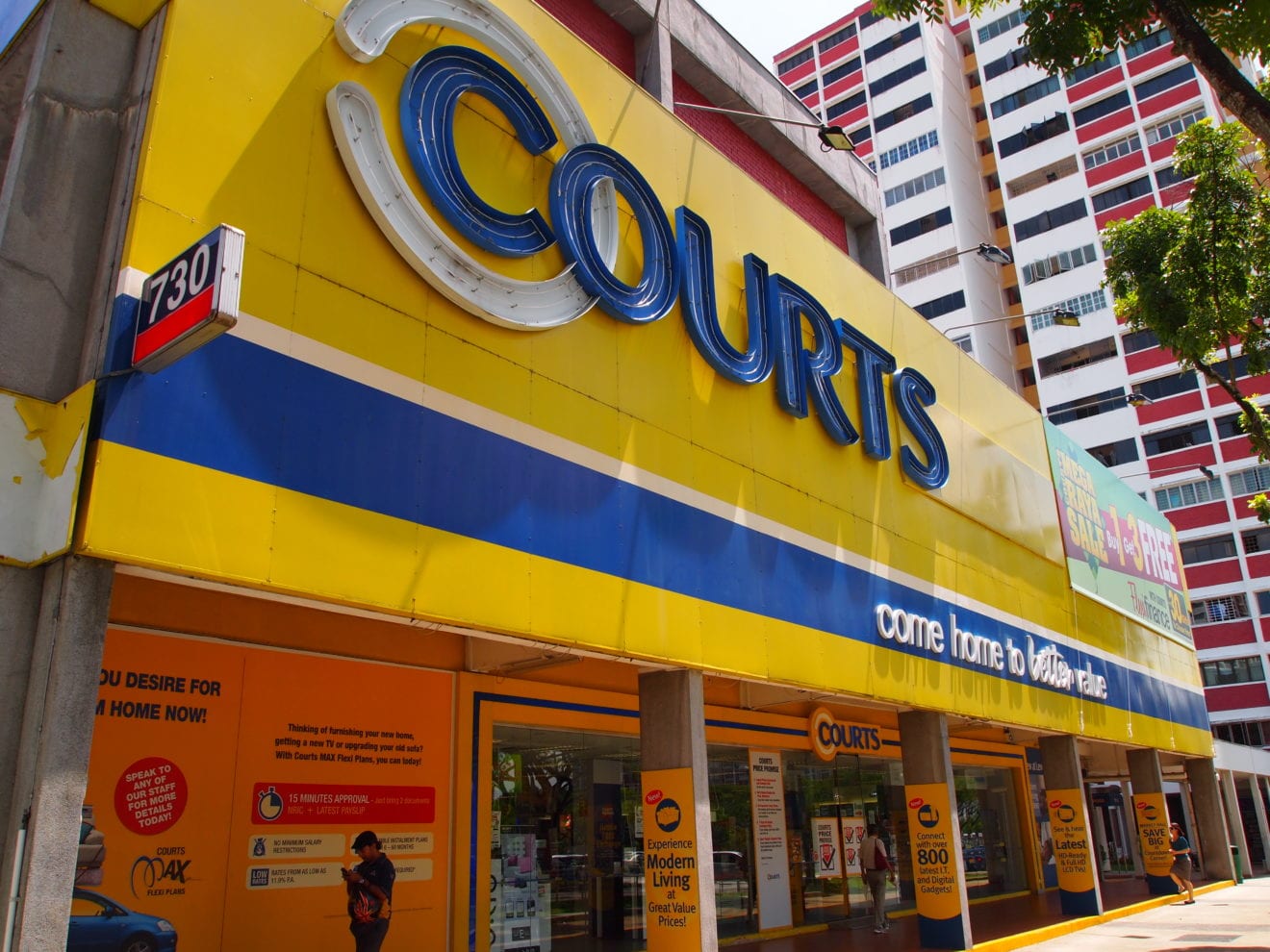
    Courts Asia’s strategy of spreading its interests into neighbouring countries is paying off already.

    The company has today announced a 253 per cent quarterly increase in profit to S$6 million and a 77.8 per cent rise to S$12.1 million for the first half year. Gross profit for the second quarter rose 12.4 per cent thanks to a focus on higher gross profit margin and higher sales.

    While Courts Asia’s second quarter last year was exceptionally challenging, the high growth from a low base should not cast a shadow over an exceptional retail strategy, especially given the almost stagnant nature of the Singapore retail market this year, Courts Asia’s main market, where sales actually slipped 2.6 per cent.

    Revenue in neighbouring Malaysia, its second biggest market accounting for 35 per cent of total sales, rose 13 per cent in Singaporean currency and 27 per cent in Malaysian Ringgit, mainly due to bulk sales for digital products. That in itself is an achievement as consumer spending in Malaysia tanked after the introduction of GST on April 1.

    “Malaysia has continued to post a good showing with active marketing of our refreshed Courts branding and credit campaign nationwide,” said group CEO Dr Terry O’Connor. “Likewise, we will focus on improving store productivity and cost-saving initiatives as we move forward.”

    In Indonesia, where the company is just getting started, sales rose 5.8 per cent with two new stores opening. A fourth new store is due to be trading by Christmas.

    “In Indonesia, we are progressing well and sales from our three stores, namely the Megastore in Bekasi and two smaller stores in Mega Bekasi Hypermall and Bogor, have kicked-in. Our second Megastore, located in BSD City, Southwest of Jakarta, begins operations by December this year. This new store also represents our fourth store in the country, and we expect economies of scale and operational efficiency coming into the next financial year,” said O’Connor.

    In Singapore, Courts is pinning its growth strategy on introducing new retail formats. The first JYSK Danish lifestyle store opened in Bukit Timah in September and US hardware brand ACE Hardware will follow by year’s end. O’Connor says exclusive partnerships with the two brands align with the company’s strategy of offering a comprehensive suite of solutions for the home.

    “We will be expanding both JYSK and Ace Hardware stores islandwide within the next five years.

    “Beyond cost-saving initiatives, we are focused on optimising the productivity and yield of each of our stores. In Singapore, we continue to rejuvenate our retail concepts to meet changing consumer trends and drive healthier margins.

    “Singapore’s retail environment remains subdued, but we expect a continued stream of demand for household appliances and furniture given the expected increase in supply of HDB flats in 2016. This is in line with recent policy changes such as the higher income ceiling and more Central Provident Fund (CPF) grants that have widened the pool of eligible buyers.”

    In both Malaysia and Indonesia, Courts Asia is targeting the burgeoning middle classes.

    “The recently announced Budget 2016 in Malaysia is slated to boost growth and home ownership with the planned construction of 351,000 housing units. We anticipate that this will drive further demand for affordable furniture and household appliances over the medium term.

    “In Indonesia, we plan to leverage on the country’s growing middle class and its strong standing as one of the region’s fastest growing nations by opening a total of six new stores in Indonesia over the next 12 months,” he concluded.

  • Michael Kors Japan sales soar

    Michael Kors Japan sales soar

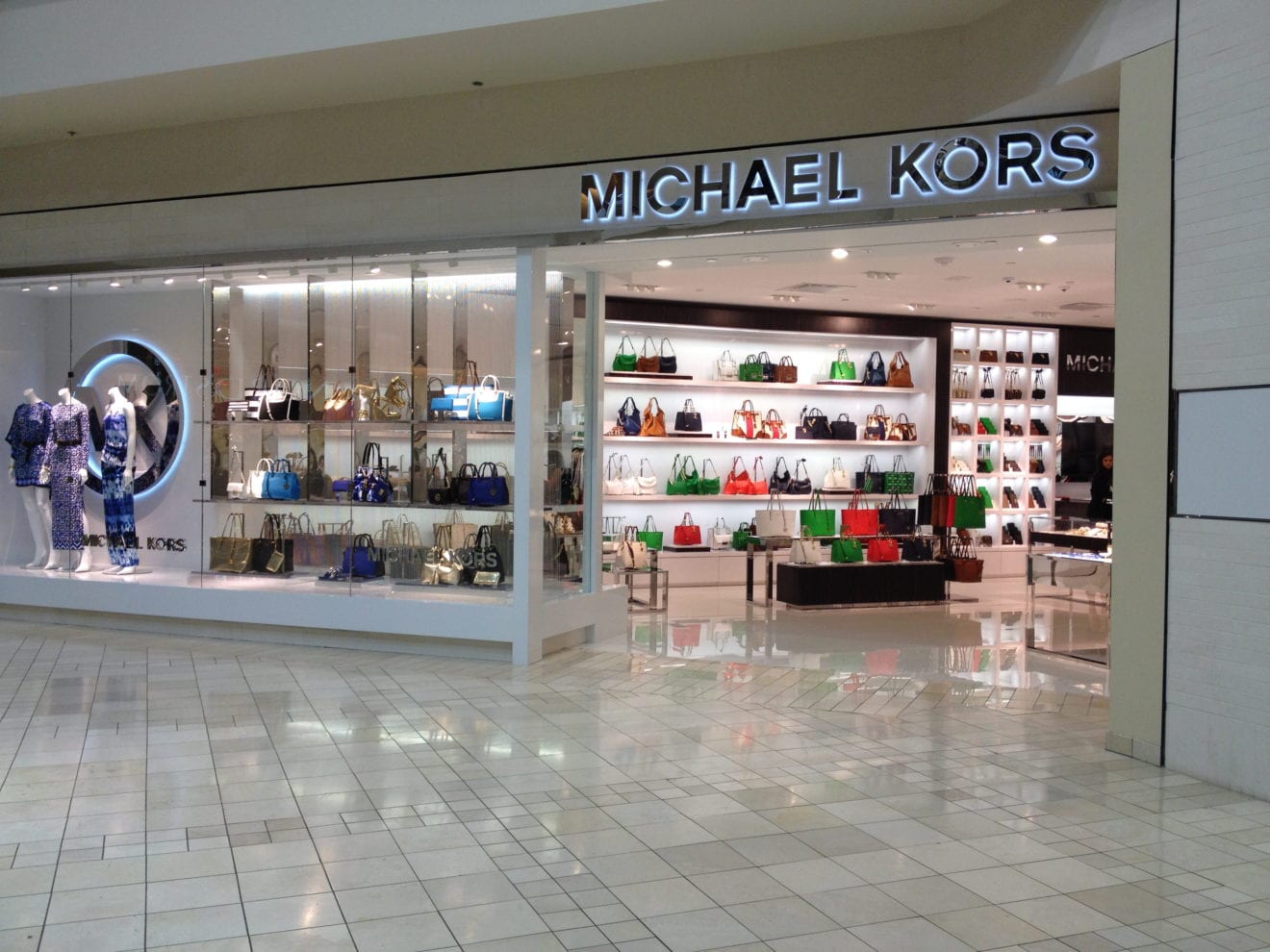
    Michael Kors Japan sales continue to soar as rising US fashion player expands its global success.

    Revenue in Japan for the last quarter rose 60.7 per cent on a constant currency basis.

    While that figure was carved back to 36.1 per cent after the exchange rate was taken into account, it shows stellar growth in the Asian nation, which is now Michael Kors’ second largest market behind the US.

    Globally, although still in positive territory, sales growth at Michael Kors continues to slow. Total revenue was up by 6.9 per cent during the quarter, a sequential worsening of the 7.3 per cent growth posted during the first quarter, and a long way down on the double digit increases recorded across the prior fiscal year.

    But while some of this is due to currency fluctuations, according to Conlumino CEO Neil Saunders, this does not explain away all of the decline.

    “Of particular concern are the same store sales numbers which were down by a sharp 8.5 per cent over the same period last year. While this represents a slight improvement on the 9.5 per cent dip recorded last quarter, it is still a dismal outcome and one which has diminished productivity and profitability. At total level retail sales remained in positive territory, saved only by the addition of some 116 new stores over the past year,” he said.

    “All that said, while Michael Kors is now feeling some pressure on the bottom line, with net income falling by 6.8 per cent over last year, it remains in a much better financial position than a number of its luxury rivals. Indeed, its return on invested capital is over 10 percentage points higher than Coach and some 20 percentage points higher than Ralph Lauren,” noted Saunders.

    “Margins, while having weakened due to both exchange rates and discounting, remain comparatively robust. As such, Michael Kors’ capacity to weather the slowdown in demand for its products is, in our view, reasonable.”

    But demonstrating it is capable of dealing with slowing demand does not mean Michael Kors wants to be in such a position, said Saunders.

    “One of the current issues for the company is that its brand simply does not have the cachet that it once did and is, to some extent, suffering from over-exposure. Nowhere is this truer than in the North American market where the proliferation of the brand over recent years has diluted its value.

    “Steps have been taken to remedy this, including lessening the reliance on traditional products like handbags by introducing more contemporary accessories like oversized wallets and cross body satchels. However, while these are helpful additions which balance out the range, they do not necessarily address the problem of ubiquity that the brand faces.”

    While Michael Kors can look to overseas for growth, as it is successfully demonstrating in Japan, the problem is that with unfavorable exchange rates this translates into a less helpful boost than it once did.

    “Europe is a case in point: here sales on a local currency basis rose by a fairly good 20.6 per cent. However, when exchange rates are factored in this growth is reduced to a paltry 2.3 per cent.

    “Given these dynamics, it is difficult to see how Michael Kors can return to strong growth in the near future,” concluded Saunders.

  • GM China sales up 15% in October

    GM China sales up 15% in October

    The automaker said its sales were up 15 percent year-over-year in October and Buick sales jumped 42 percent from a year ago. Monthly sales for the brand hit more than 100,000 for the first time.

    “GM is well-positioned to capture the growth opportunities in the SUV, MPV (multi-purpose vehicles) and luxury segments, and our new products are gaining market share,” GM China President Matt Tsien said in a statement. “The recently announced government incentive for vehicle purchases helped boost buying sentiment starting in October.”

    Cadillac sold an October record 5,757 luxury vehicles, up 23 percent year-over-year, while Baojun brand sales soared 113 percent to 51,589 vehicles, also a record for October. Chevrolet sales fell 8.4 percent to 51,173 vehicles, which GM blamed mostly on vehicle model changeover. Wuling brand sales also decreased 6.8 percent to 116,786 vehicles because of a decline in the mini-commercial vehicle market, GM said.

    Through October, GM says its retail sales in China are up 2.9 percent year-over-year to a record nearly 2.82 million vehicles.


  • Chinese account for 31% of global luxury sales

    Chinese account for 31% of global luxury sales

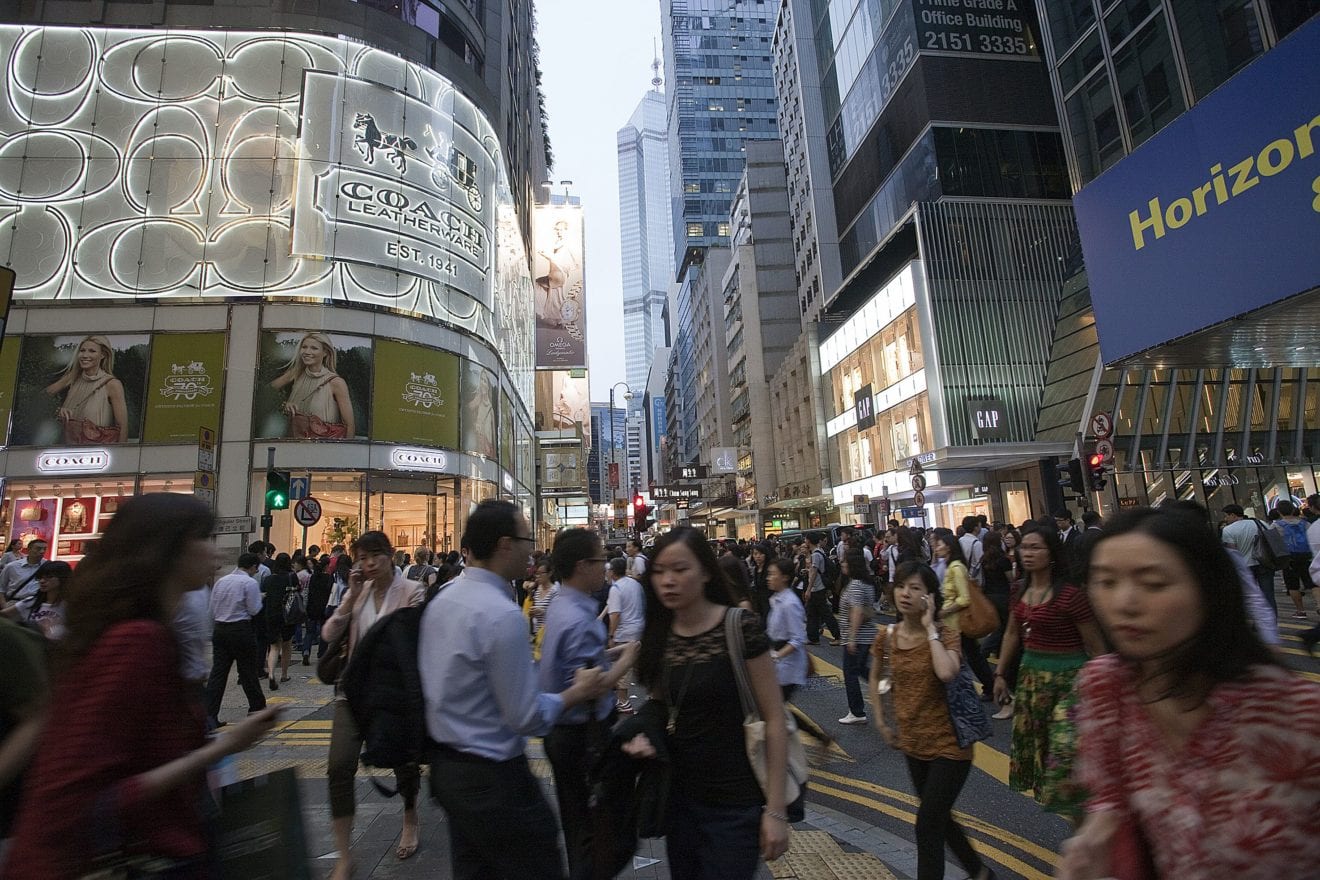
    Chinese shoppers now account for 31 per cent of the world’s annual luxury sales.

    According to Bain & Company’s 2015 Worldwide Luxury Report, the overall luxury industry will surpass €1 trillion in retail sales value in 2015.

    The market delivered healthy growth of five per cent year on year (at constant exchange rates), driven primarily by luxury cars (eight per cent), luxury hospitality (seven per cent) and fine arts (six per cent).  Aided by global currency fluctuations and continued jet-setting of “borderless consumers,” the personal luxury goods market ballooned to over a quarter trillion euros.

    That sector – including leather accessories, fashion, hard luxury and fragrance & cosmetics – reached €253 billion in 2015. This represents 13 per cent growth at current exchange rates, while real growth is significantly slowing to between one and two per cent.

    But the report warns that luxury brands will need the right pricing model to win against hard to predict currency volatility in the year ahead, which has impacted heavily on luxury retailers especially.

    While global tourists flocked to Europe and Japan to capitalise on a weak euro and yen, the Americas region, stagnant in real terms, was strongly inflated by the super dollar, thus capturing more than a third (34 per cent) of the global market spend in 2015.

    Meanwhile, Asia registered the worst historical performance (at constant exchange rates), driven by the lacklustre trend of Mainland China and the sharp drop in sales in Hong Kong and Macau.

    “For the last several years, we’ve referenced ‘luxury’s new normal’ with a deceleration of the personal luxury goods market. Now, we are starting to feel the impact of that slow-down,” said Claudia D’Arpizio, a Bain partner in Milan and lead author of the study.

    “The challenge for luxury brands in this environment is how to successfully navigate through hard-to-predict volatility.”

    According to Bain’s research, Chinese consumers continue to spend the largest share of luxury purchases (31 per cent) globally, followed by Americans (24 per cent) and Europeans (18 per cent).

    Chinese consumers are flocking to mature markets in droves, especially Europe, where an analysis of European tax-free shopping data, conducted in partnership with Global Blue, shows Chinese tax-free purchases increased by 64 per cent, particularly among the accessible and aspirational luxury segments, thanks to a weak euro.

    Americans also increased their tax-free spending in Europe by 67 per cent, aimed largely at the high end of the luxury spectrum.  Meanwhile, Russians cut their European spending by 37 per cent, and spending among the Japanese in Europe withered by 16 per cent.

    “Undoubtedly, Chinese consumers play a primary role in the growth of luxury spending worldwide,” said Federica Levato, principal at Bain and co-author of the study.

    “For years, we have known that they spend far more abroad than in Mainland China, but what’s changing is that they’re spending little money in historically popular destinations, such as Hong Kong and Macau, and are instead gravitating to new locales, such as Europe, South Korea or Japan, to benefit from currency fluctuations that drive favorable price gaps.”

    In terms of constant exchange rates, the US market did not deliver.  The “super dollar” was too expensive for many global tourists and though local consumption is growing, it was barely sufficient to offset the lost tourism revenue. Nevertheless, the US is the confirmed largest luxury market in terms of global luxury value, reaching €79 billion; New York City alone outweighed all of Japan.

    Another trend evident this year is the impact of eCommerce, which grew to seven per cent market share in 2015, nearly double its penetration since 2012. Luxury globetrotters have also fuelled the performance of airport retail, which posted 29 per cent growth in current exchange rates (18 per cent in constant exchange rates) and now accounts for six per cent of the global luxury market.

    With the growing middle class in economies such as China seeking good quality and good value, the off-price channel has more than doubled to nearly €26 billion.  Mark-downs are also increasing in prevalence across more than 35 per cent of the luxury market, with a strong relevance in department and specialty stores, as well as online.

    The Price of Luxury

    According to Bain, the number one challenge facing most luxury brands is establishing the right pricing model.

    The rise of eCommerce and global tourism growth create greater transparency around international price differentials. Additionally, price-conscious luxury shoppers are struggling to reconcile the price of luxury products with their real value. As a result, luxury brands must assess how to mitigate volatility and how best to deliver at local and global levels. This includes managing inventory to accommodate fluctuations in tourism and coordinating pricing and mark-downs across markets and channels.

    Luxury brands also face a host of tough issues such as rethinking their store footprint and the role of their stores in a world of growing digitalisation, as well as figuring out how to delight local customers even as masses of tourists flock to stores in mature markets.

    “Relentless price increases over the last decade, aimed at creating a more exclusive position in the market and maximising touristic flows are now starting to backfire on luxury brands,” said D’Arpizio.

    “They face the long-term challenge of rebuilding credibility and trust among consumers, rather than simply making shortsighted, tactical pricing adjustments to benefit from market fluctuations.”
  • SM Retail posts solid sales growth

    SM Retail posts solid sales growth

    SM Retail of the Philippines has reported a 6.5 per cent increase in sales over the first nine months of the year to PHP145.3 billion (US$3.1 billion).

    Profit rose 21 per cent to PHP4.6 billion (US$98.2 million).

    Reviewing its operating divisions over the period, the company said its SM Food Retail Group (SM Markets) continued to expand in both urban and rural communities in various parts of Luzon, Visayas and Mindanao, adding 20 new stores, most of which are standalone Savemore stores.

    From historically operating anchor stores based in malls, SM Markets now follows a multi-format growth strategy to address the lack of organised retail in many parts of the country.

    SM Markets also recently invested in the minimart business with Alfamart, a successful minimart operator in Indonesia, and forged partnerships with WalterMart and Citymalls to further facilitate its provincial growth. Acquisition of existing chains of stores is another part of its growth strategy, the latest of which was the three stores of Cherry Foodarama.

    The SM Store will maintain its strategy of growing as an anchor store in SM Malls which are targeting expansion in the provincial areas. The SM Store continues to be the leading player in the country’s department store business, enjoying a wide-reaching and loyal customer base. It competes by providing the widest assortment of products and services, complemented by well-designed stores.

    As at the end of September, SM Retail had 294 stores, comprising 51 The SM Stores, 41 SM Supermarkets, 43 SM Hypermarkets, 130 Savemore stores and 29 WalterMart stores

  • South Korea retail sales surge

    South Korea retail sales surge

    South Korea retail sales rose to their highest level in four months in September, as Koreans put the Mers scare behind them and ventured back into stores.

    Data from Statistics Korea show retail sales totalled 31.13 trillion won (US$27.32 billion) during the month, a 4.1 per cent increase on September 2014.

    Department store and discount store sales started to slide in June when the Middle East Respiratory Syndrome (Mers) crisis peaked. From spending of 31.43 trillion won in May, sales fell to 29.35 trillion won in June and 29.45 trillion won in August.

    Rising sales of food, cosmetics and apparel led the rebound in September. Food and beverage sales rose 14.5 per cent, cosmetic sales rose 3.9 per cent and clothing by 0.6 per cent year on year.

    Furniture sales, too, rebounded – up 3.7 per cent.

    Spending at convenience stores soared 32.8 per cent, at discount department stores by 10.4 per cent and in department stores by 5.7 per cent.

    Online shopping spending rose by 18.3 per cent to 4.32 trillion won, accounting for 13.9 per cent of the nation’s total retail spend.