Tag: report

  • Singapore Retail sales up 7.5% in January as car sales surge

    Singapore Retail sales up 7.5% in January as car sales surge

    Singapore’s retail sales increased 7.5 percent in January on a year-on-year basis, mainly due to a spike in sales of motor vehicles, said the Department of Statistics Singapore (SingStat) on Tuesday.

    On a month-on-month basis, retail sales dropped 1.2 percent in January. Excluding motor vehicles, retail sales decreased 0.5 percent.

    The total retail sales value in January was estimated at 4.1 billion Singapore dollars (3 billion U.S. dollars), higher than 3.8 billion Singapore dollars (2.8 billion U.S. dollars) in January in 2015.

    Compared to January 2015, retailers of motor vehicles, medical goods and toiletries and department stores recorded increases of between 11.9 percent and 50.9 percent in sales in January 2016. Similarly, retail sales of supermarkets, mini-marts and convenience stores, wearing apparel and footwear and optical goods and books rose between 1.4 percent and 7.9 percent.

    In contrast, retail sales of telecommunications apparatus and computers decreased 30.5 percent in January 2016 over January 2015. Retail sales of watches and jewellery, food and beverages, petrol service stations, recreational goods and furniture and household equipment also declined between 0.8 percent and 8.4 percent over the same period.

    The total sales value of food and beverage services in January 2016 was estimated at 685 million Singapore dollars (500 million U.S. dollars), lower than the 689 million Singapore dollars (503 million U.S. dollars) in January 2015.

    The Retail Sales Index and the Food and Beverage Services Index measure the short-term performance of retail and Food and Beverage service industries based on their sales records. The sales figures exclude taxes.

  • Chinese Estates shares falls as much as 11 per cent despite rise in core profit

    Chinese Estates shares falls as much as 11 per cent despite rise in core profit

    Shares of Chinese Estates dropped as much as 11 per cent on Tuesday despite its core profit jumping 3.4 times last year to HK$16.78 billion, mainly driven by asset disposals.

    The company’s shares end the day 8.65 per cent or HK$1.80 lower at HK$19 after hitting an intraday low of HK$18.50.

    The hefty increase in core earnings, excluding revaluation gains on investment properties, folllowed the sale of investment properties including a Tsim Sha Tsui commercial building, The One, and buildings in Chengdu, Chongqing and Shanghai.

    In a filing to the Hong Kong stock exchange, Chinese Estates said a final dividend of 1 HK cent would be paid, down 98 per cent from 50 HK cents a year ago.

    Shareholders received a conditional interim dividend of HK$2 in January. The group will continue to closely monitor the changes in local consumption patterns – Lau Ming-wai, Chinese Estates

    Net profit, including revaluation gains on investment properties, fell 11.67 per cent to HK$7.72 billion last year due to lower rental income after its disposal of Silvercord and The One in Tsim Sha Tsui.

    Turnover tumbled 41.22 per cent to HK$1.54 billion.

    “The group remains cautiously optimistic in the rental income growth from its retail investment properties,” said chairman Lau Ming-wai, who is the son of Joseph Lau Luen-hung, the firm’s controlling shareholder.

    The group’s overall gross rental income from Hong Kong tumbled 35.23 per cent to HK$1.09 billion last year. Rental income from retail properties fell 50.8 per cent, while rental income from non-retail properties rose 7.09 per cent.

    Lau said some retail business sectors had shown indications of reaching their peaks, especially tourist-related business.

    “Although the group’s well-located retail investment properties in Hong Kong leased well during the year, the group will continue to closely monitor the changes in local consumption patterns, refine its tenant mix, boost customer flow and spending for its retail investment properties by organising various marketing and promotional activities,” he said.

    Lau said the disposal of MassMutual Tower in Wan Chai in January would mean the rental income contribution from office buildings would be significantly lower this year.

    Chinese Estates sold the MassMutual Tower to Evergrande Real Estate for HK$12.5 billion.

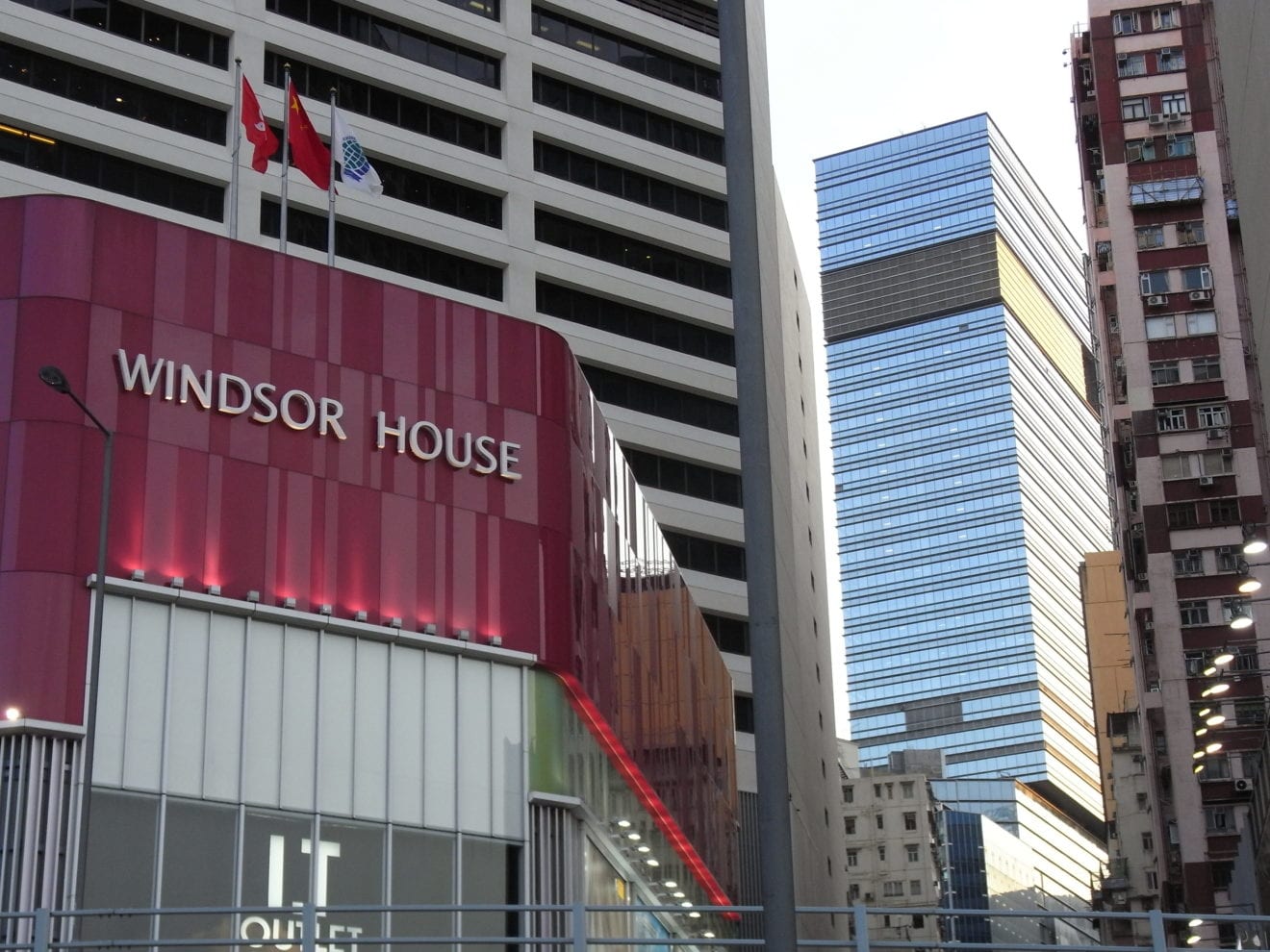
    In December , the firm sold the Windsor House in Causeway Bay for HK$12 billion to a company wholly owned by Joseph Lau. The deal will be completed this year.

    It said the majority of the sale proceeds from the sale of Windsor House would be declared as a dividend.

    This month, it said it had entered into a sale and purchase agreement with an independent party to acquire a London freehold property at St George Street, Mayfair, for £121.7 million (HK$2.33 billion).

  • Hongkong Land’s 2015 results in line with expectations and support its ratings

    Hongkong Land’s 2015 results in line with expectations and support its ratings

    Hong Kong, March 10, 2016 — Moody’s Investors Service says Hongkong Land Holdings Limited’s (HKLH) results in 2015 reflected lower underlying profit but were in line with expectations and continue to support its A3 issuer rating.

    The results also support the A2 issuer rating of Hongkong Land Company Limited, a wholly-owned subsidiary of HKLH.

    The outlook for all ratings remains stable.

    “HKLH’s overall financial profile remained strong, despite the company reporting lower profitability and weaker financial metrics in 2015 as a result of lower earnings in its property development business,” says Joe Morrison, a Moody’s Vice President and Senior Credit Officer.

    HKLH’s revenues for 2015 grew by 3% year-on-year to $1.93 billion, as both rental income and property development revenue experienced moderate growth during the year.

    However, its adjusted EBITDA fell by around 14% year-on-year to $1.08 billion in 2015 due to an 11% year-on-year drop in the underlying operating profit of its property development business to $354 million. The drop was caused by completion and delivery of lower margin projects along with lower provision write-backs for two residential projects in Singapore during the year.

    Nevertheless, HKLH’s financial profile continues to support the A3 rating level. HKLH ‘s adjusted EBITDA interest coverage — which excludes fair value gains, but includes dividends from associates and joint ventures — was 7.9x for FY2015, down from 9.3x in 2014, while adjusted debt/EBITDA increased moderately to 3.6x from 3.4x.

    “The company’s investment property business remained strong in 2015, and the limited office supply situation in Central will continue to support its rental and occupancy rates over the next two years,” says Morrison.

    HKLH’s office vacancy rate declined to 3.4% at end-2015 from 5.4% at end-2014, while average office rents remained stable. Retail space remained fully let, with average net rent increasing around 3.3% year-on-year to HKD221 per square feet.

    The vacancy rate of HKLH’s Singapore office portfolio remained low at 3% at end-2015 compared to 1.7% at end-2014. However, taking into account the committed area under new leases, the adjusted vacancy would have been 1% at end-2015.

    The company’s rental income grew around 1% year-on-year to $851 million, benefitting from positive rental revisions for its Central office and retail portfolio during 2015.

    Moody’s expects HKLH’s EBITDA interest coverage and adjusted debt/EBITDA to weaken moderately over the next 2 years, as the company raises debt for potential land acquisitions and development projects.

    The impact should be mitigated by the contribution from property development. At end-2015, HKLH had unrecognized contracted sales of USD821 million for its projects in Mainland China, with around 70% scheduled for delivery in 2016.

    HKLH’s liquidity profile remained robust. The company had cash of $1.6 billion and committed unutilized facilities of $2.5 billion at end-2015. These resources are more than sufficient to cover its short-term debt of $169 million over the next 12 months.

    The principal methodology used in these ratings was Global Rating Methodology for REITs and Other Commercial Property Firms published in July 2010.

    Hongkong Land Holdings Ltd is a Bermuda-incorporated holding company engaged in property investment, management, and development. HKLH is 50%-owned by Jardine Strategic Holdings Ltd. (A2 stable).

    The Hongkong Land Company Ltd (A2 stable), incorporated in Hong Kong, is a wholly owned subsidiary of HKLH and holds the group’s portfolio of 5 million square feet of prime office and retail space in Hong Kong, the Central portfolio.


  • Singapore economy grew 2% in 2015, weakest since 2009

    Singapore economy grew 2% in 2015, weakest since 2009

    The Republic’s economy expanded by 2 per cent in 2015, the weakest annual growth since 2009 when the economy was hit by the global financial crisis, according to figures released by the Ministry of Trade and Industry (MTI) on Wednesday (Feb 24).

    The figure was a sharp drop from the 3.3 per cent growth the previous year, and was revised downwards from the 2.1 per cent growth initially projected.

    Growth was mainly supported by the wholesale and retail trade, and finance and insurance sectors, according to MTI.

    For the fourth quarter, the economy expanded by a slower-than-expected 1.8 per cent from a year ago, after industrial production in December suffered its biggest year-on-year slump in eight months. The initial estimate was for a growth of 2 per cent.

    On a quarter-on-quarter seasonally-adjusted annualised basis, the economy expanded by 6.2 per cent in the fourth quarter, MTI said.

    The MTI has maintained its forecast of growth between 1 per cent and 3 per cent this year.

    “Even though global growth is expected to improve, the continued slowdown in China, the services-driven nature of growth in the US, as well as the trends of in-sourcing in China and the US, may mean that external demand for our exporters may not see a significant boost this year,” said MTI’s Permanent Secretary Ow Foong Pheng.

    “Lower oil prices have weakened the prospects for new rig orders for firms in the marine and offshore segment, and heightened the risks of further deterrents and cancellations of existing orders,” she added.

    The economic data also showed that labour productivity, as measured by value added per worker, grew by 0.5 per cent in the fourth quarter – the first improvement since the first quarter of 2014 – driven by the wholesale and retail trade, and construction sectors.

    For 2015 as a whole, overall labour productivity fell by 0.1 per cent, marginally improving from the decline of 0.5 per cent in 2014.

  • Parkson Retail Asia profit down 71.6% in Q2

    Parkson Retail Asia profit down 71.6% in Q2

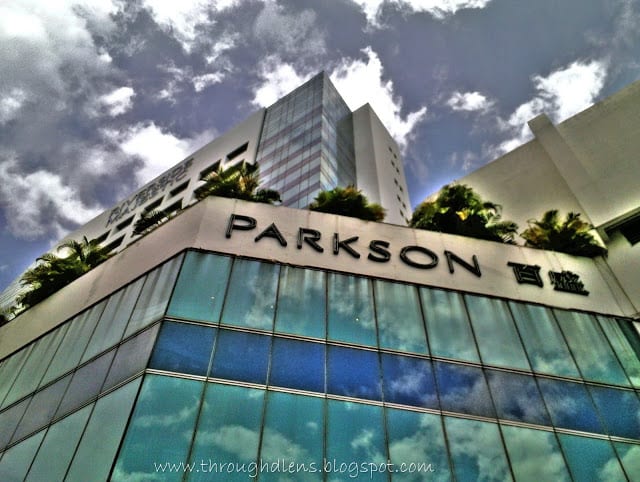
    Department store operator Parkson Retail Asia has posted a second quarter net profit of $2.9 million, down 71.6 per cent from the same period a year ago.

    Revenue in the three months to Dec 31 fell 12 per cent to $103.5 million, driven by a 7.3 per cent fall in same store sales growth in Malaysia and 5.2 per cent fall in same store sales growth in Myanmar.

    Some new stores were also in their first year of operations, which is an initial loss-making period, the group said.

    Earnings per share stood at 0.43 cents, down from 1.51 cents a year ago.

    Net asset value per share was 27 cents as at Dec 31, up from 22 cents as at June 30 last year.

    “The Malaysia operations for the next reporting quarter may encounter muted consumer sentiment, however, this drag will be buffered by progressive normalisation of sales post-GST (Goods and Services Tax ),” the group said in a statement to shareholders after market close on Feb 3.

    It said that it expects Vietnam’s retail environment to improve in the second half, while demand from Indonesia’s middle class will remain robust.

    “The Myanmar operations may be affected by the possible closure of FMI Centre, where the store is located, for re-development. However, the landlord has not confirm on the timing for the redevelopment,” the group added.

  • Indonesia’s Low Internet Penetration Rate Curbs Economic Growth

    Indonesia’s Low Internet Penetration Rate Curbs Economic Growth

    Each day the world’s Internet users watch an average of 8.8 billion YouTube videos, share 186 million photos on Instagram, make 152 million Skype calls, purchase 36 million products through Amazon, send 207 billion emails, post 803 million Tweets, and make 4.2 billion searches on Google.

    Although digital technologies have spread rapidly across the globe, the World Bank says digital dividends have lagged behind for part of the global population. The Washington-based financial institution defines digital dividends as “the broader development benefits from using these technologies”. For example, the business community can use digital technologies to expand their business, people can use these technologies to find jobs and the government can use it to enhance services. In other words, digital technologies support financial inclusion, job creation, and overall economic growth.

    However, the fruits of these dividends are unevenly distributed. One of the key solutions in order to let all people enjoy the benefit of digital technologies is to enhance Internet connectivity. But the World Bank also states that well developed Internet access alone is not enough. “Countries also need to work on the ‘analog complements’ by strengthening regulations that ensure competition among businesses, by adapting workers’ skills to the demands of the new economy, and by ensuring that institutions are accountable.

    In essence, two factors are the cause that digital dividends cannot be enjoyed by part of the world population. Firstly, almost 60 percent of the world population still lacks Internet access, hence cannot participate in the digital economy in a meaningful way. Secondly, some of the perceived benefits of digital technologies are offset by emerging risks.

    The first factor should be combated by governments by encouraging (affordable) access to the Internet (and other digital technologies) for its citizens, while creating conducive regulations for the Internet and mobile operators.

    After India and China, Indonesia has the highest amount of people who are not connected to the Internet. The World Bank report stated that the Indonesian government is on the right track to address these aforementioned issues. For example, the Indonesian government is currently finalizing an e-commerce road-map that aims to improve and develop the country’s e-commerce industry. Previously, the Indonesian government said it may allow foreign investors to own a 100 percent stake in Indonesian e-commerce companies in this road-map.

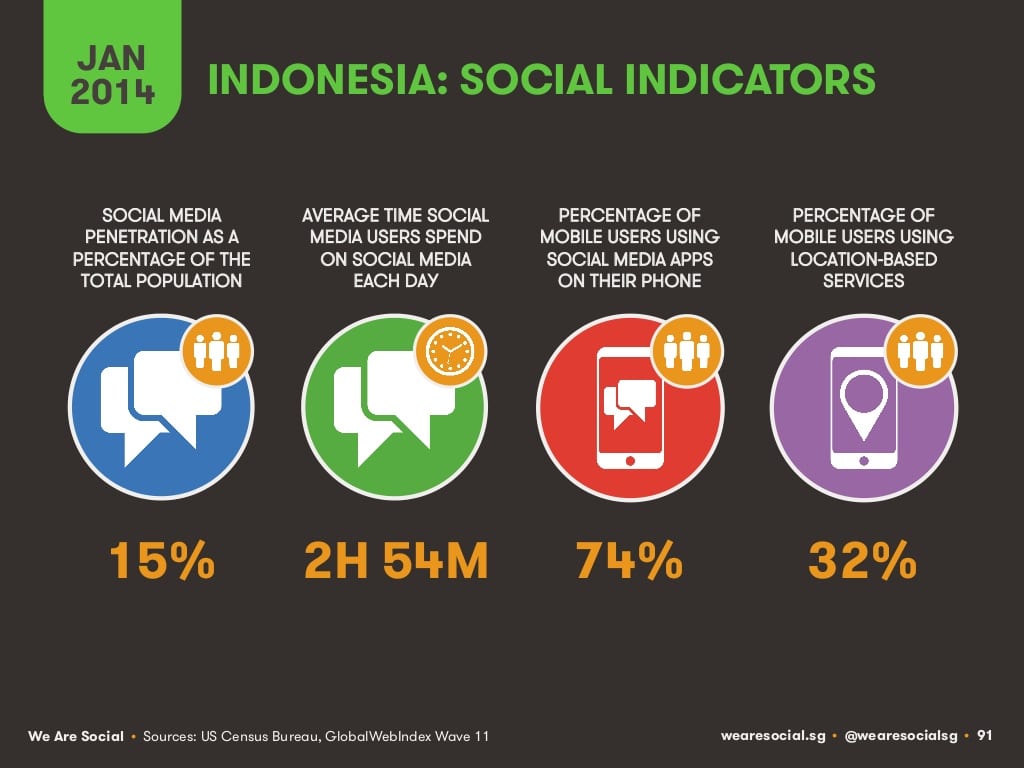
    According to the Association of Internet Service Providers in Indonesia (APJII), Indonesia had around 88.1 million Internet users in 2014, up 22 percent (y/y) from 71.9 million in the preceding year. Given that the total population of Indonesia numbers more than 250 million individuals, Indonesia’s Internet penetration ratio stood at around 35 percent in 2014. This low rate implies there is still ample room for growth in the online business industry.

  • Indonesia retail sales growth rebounds

    Indonesia retail sales growth rebounds

    Indonesia retail sales rose 10.2 per cent year on year in November, according to data from Bank Indonesia.

    The rise followed a lesser 8.7 per cent growth in October, a figure revised downwards by 0.1 per cent this week.

    But the bank predicts weaker growth in December – as little as 6.7 per cent – with retailers pessimistic despite expectations of increasing sales of recreational goods, cultural items and parts and accessories.

    Bank Indonesia surveys 700 retailers in 10 cities to compile the monthly trend data.

    Food, beverages and tobacco were the major drivers of November’s growth.

    The bank said the survey expected price pressures will cool off over the  next three months.

  • Vietnam’s retail sales jump 9.5% last year

    Vietnam’s retail sales jump 9.5% last year

    Viet Nam’s retail sales of goods and services rose 9.5 per cent this year, the largest increase since 2011, as low inflation and strong economic growth bolstered consumer confidence, data from the General Statistics Office (GSO) revealed.

    Sales were estimated at VND3,242 trillion (US$148 billion), GSO said. Vu Manh Ha, domestic trade economist of the GSO, attributed the significant rise in 2015 to the country’s 0.63-per cent CPI year-on-year rise, the lowest increase in the past 14 years.

    Ha said the low CPI increase meant stable prices for several essential products, adding that manufacturers and suppliers could sell their products without raising prices, which encouraged consumption.

    Retail sales growth was also triggered by the increasing number of newly-opened supermarkets and convenience stores throughout the countries, enhancing competition among product suppliers, Ha said.

    The government said on Saturday that Viet Nam’s gross domestic product grew 7 per cent in the forth quarter and 6.7 per cent in 2015, the biggest expansion in five years.

    According to GSO, retail sales of goods, which account for 76 per cent of the total sales, reached VND2,470 trillion ($112 billion), up 11 per cent from last year.

    Revenue in some sectors saw a handsome increase. Food and foodstuffs saw an increase of 15 per cent, household appliances rose 15 per cent, garments and textiles up 13 per cent and transport services are estimated to increase 10 per cent.

    Retail sales of accommodation, restaurant and catering services reached VND372.2 trillion ($17 billion), accounting for 12 per cent of the total revenue, posting a 5.2 per cent year-on-year increase.

  • Retail sales slumps 7.8 per cent in HongKong

    Retail sales slumps 7.8 per cent in HongKong

    Hong Kong retail is going on its year-long downturn, with an estimate of total retail deals drooping 7.8 percent to HK$38.1 billion last November contrasted to figures a year before. This is the most noticeable bad month to month execution since January previous year ago, denoting its twelfth consecutive month of turn down.

    The city’s once blasting retail area is on its voyage to record its most exceedingly bad year since 2003 when SARS hit as the value of retail sales in the initial 11 months a year ago fell by 3.1 percent contrasted to the same period in 2014.  Among all the retail classifications, jewellery, watches and clocks and other gifts positioned most exceedingly bad, with deals down 20.6 percent. They were trailed by commodities in retail chains and attire, with deals declining 4.8 percent and 8.6 percent for each.

    Most retail classifications saw sales retreat in November, with just three outlets recording growth: sales of grocery stores; food, mixed beverages and tobacco; and motor vehicles and parts. They extended 1.4 percent, 1.4 percent and 7.8 percent respectively. Alongside the estimation of retail deals, November volumes additionally diminished by six percent contrasted to a year before.  A government representative said the “distinctly” slack retail deals were for the most part tottered by the lull in inbound tourism. Local utilization conclusions were prone to be influenced by a troubling financial viewpoint and late securities exchange remedies, he said.

  • Hong Kong retail sales worse than expected in November

    Hong Kong retail sales worse than expected in November

    Hong Kong’s retail sales by value declined for a ninth consecutive month in November, falling by a worse-than-expected 7.8% from a year earlier as inbound tourism slowed further, the Census and Statistics Department said Monday.

    The decline deepened from October’s 3.0% fall, and was more severe than the median forecast of a 6.5% decrease from three economists surveyed by The Wall Street Journal.

    Hong Kong’s 2015 retail sales are expected to suffer their biggest annual decline since the outbreak of severe acute respiratory syndrome, or SARS, in 2003. Retail sales by value for January-November fell 3.1% from a year earlier, steeper than the 2.3% decline recorded in 2003 when tourists shunned Hong Kong for several months during the SARS outbreak.

    Hong Kong’s retail sales by volume fell 6.0% in November from a year earlier, reversing October’s 1.2% rise, and worse than the survey’s median forecast of a 3.2% contraction.

    A government spokesman said retail sales dropped amid weak tourism. “The increased downside risks to the economic outlook and recent stock market corrections might also have resulted in more cautious local consumption sentiment,” the spokesman added.


  • Singapore Food and Drink Report Q1 2016 Market Report

    Singapore Food and Drink Report Q1 2016 Market Report

    Food consumption will remain modest over our forecast period, registering a compound annual growth rate of 2.1% over 2014-2019.Technological innovations and cost-saving measures by mass grocery retailers will be realised in 2017, and a steady rise in food consumption will be observed. We forecast real GDP growth of 2.5% in 2016, with economic activity remaining tepid over our forecast period.

    A tight labour market will continue to put upward pressure on labour costs, reducing food manufacturing competitiveness. Rising incomes will bode well for the food and drink industry; however, low consumer confidence will partially offset growth in the short term.

    Headline Industry Data
    – Total food consumption growth in 2016: +1.8%; compound annual growth rate (CAGR) to 2019: +2.1%
    – Per capita food consumption growth in 2016: +0.1%; CAGR to 2019: +0.4%
    – Alcoholic drinks sales growth in 2016: +4.5%; CAGR to 2019: 5.1%
    – Soft drink sales growth in 2016: +2.7%; CAGR to 2019: +2.1%
    – Total mass grocery retail sales growth in 2016: +2.7%; CAGR to 2019: +3.0%

    The Singapore Food & Drink Report features Publisher Research’s market assessment and independent forecasts for food and drink expenditure, consumption, sales, and imports/exports and forecasts for the mass grocery retail sector. The report also includes analyses of major regulatory developments, the background macroeconomic outlook and competitive landscape comparing national and multinational companies by leading products and services, sales, investments, partners and expansion strategies.

    Publisher’s Singapore Food & Drink Report provides industry professionals and strategists, sector analysts, business investors, trade associations and regulatory bodies with independent forecasts and competitive intelligence on the food and drink industry and the mass grocery retail market in Singapore.

    Key Benefits
    – Benchmark Publisher’s independent food and drink industry forecasts for Singapore to test other views – a key input for successful budgeting and strategic business planning in the Singaporean food and drink market.
    – Target business opportunities and risks in Singapore through our reviews of latest industry trends, regulatory changes and major deals, projects and investments.
    – Exploit latest competitive intelligence on your competitors, partners and clients via our Company Profiles (inc. SWOTs, KPIs and latest activity) and Competitive Landscape Tables.

    Coverage
    Summary of Publisher’s key industry forecasts and views, covering food and drink manufacturing and consumption and the mass grocery retail market.

    Industry SWOT Analysis
    Analysis of the major strengths, weaknesses, opportunities and threats within the food, drink and mass grocery retail sectors and within the broader political, economic and business environment.

    Publisher’s Food and Drink Risk Reward Index
    Publisher’s Risk Reward Index provides investors (food and drink manufacturers and mass grocery retailers) looking for opportunities in the region with a clear country-comparative assessment of a market’s risks and potential rewards. Each of the country markets are scored using a sophisticated model that includes more than 40 industry, economic and demographic points. These provide indices of highest to lowest appeal to investors, with each position explained.

    Food Forecasts
    Publisher’s food chapter is divided into sections such as meat, fish, confectionary, dairy and canned foods, and provides insight into each market’s food industry, centred on a forecast to end-2019 for the sector.

    The chapter includes the following elements:
    – Industry Forecast Scenario: Historical data series and a forecast to end-2019 for growth of key indicators within a market’s food industry. Indicators include food consumption, food consumption as % of GDP, canned food sales, confectionery sales and food and drink imports and exports, among others.
    – Industry Developments: A summary of corporate developments, including news on M&As, FDI, expansions, closures and financial results, in addition to analysis and explanation of the latest industry events and how these could influence further investment.
    – Market Overview: An overview of the structure of the market, introducing the key players and discussing underlying trends.

    Drink Forecasts
    Segmented the same way as Publisher’s food chapter, the drink section provides insight into each market’s drink industry, centred on a forecast to end-2019 for the sector. Forecast indicators include alcoholic and soft drink sales by value, volume and sub-sector and tea and coffee sales, among others.

    Mass Grocery Retail Forecasts
    Segmented the same way as Publisher’s food and drink chapters, the mass grocery retail section provides insight into each market’s grocery retail industry, centred on a forecast to end-2019 for the sector. Forecast indicators include mass grocery retail sales by format (including supermarkets, hypermarkets, convenience and discount stores) and a breakdown of the organised retail sector versus the traditional sector, among others.

    Competitive Landscape
    Illustration of the mass grocery retail and food and drink industries via rankings tables comparing revenues, number of outlets and number of employees. This chapter also includes data-rich, in-depth regional analysis of the market position, business strategies and investment potential of the region’s leading mass grocery retail and food and drink operators.

    Company Profiles
    – Examines the competitive positioning and short- to medium-term business strategies of key industry players. Strategy is examined within the context of Publisher’s industry forecasts, our macroeconomic views and our understanding of the wider competitive landscape to generate company SWOT analyses.
    – The latest financial and operating statistics and key company developments are also incorporated within the company profiles, enabling a full evaluation of recent company performance and future growth prospects.

    Sources
    The Food & Drink reports draw on an extensive network primary sources, such as multilateral organisations, government departments, industry associations, chambers and company reports.

  • eGG Optical continues stellar growth

    eGG Optical continues stellar growth

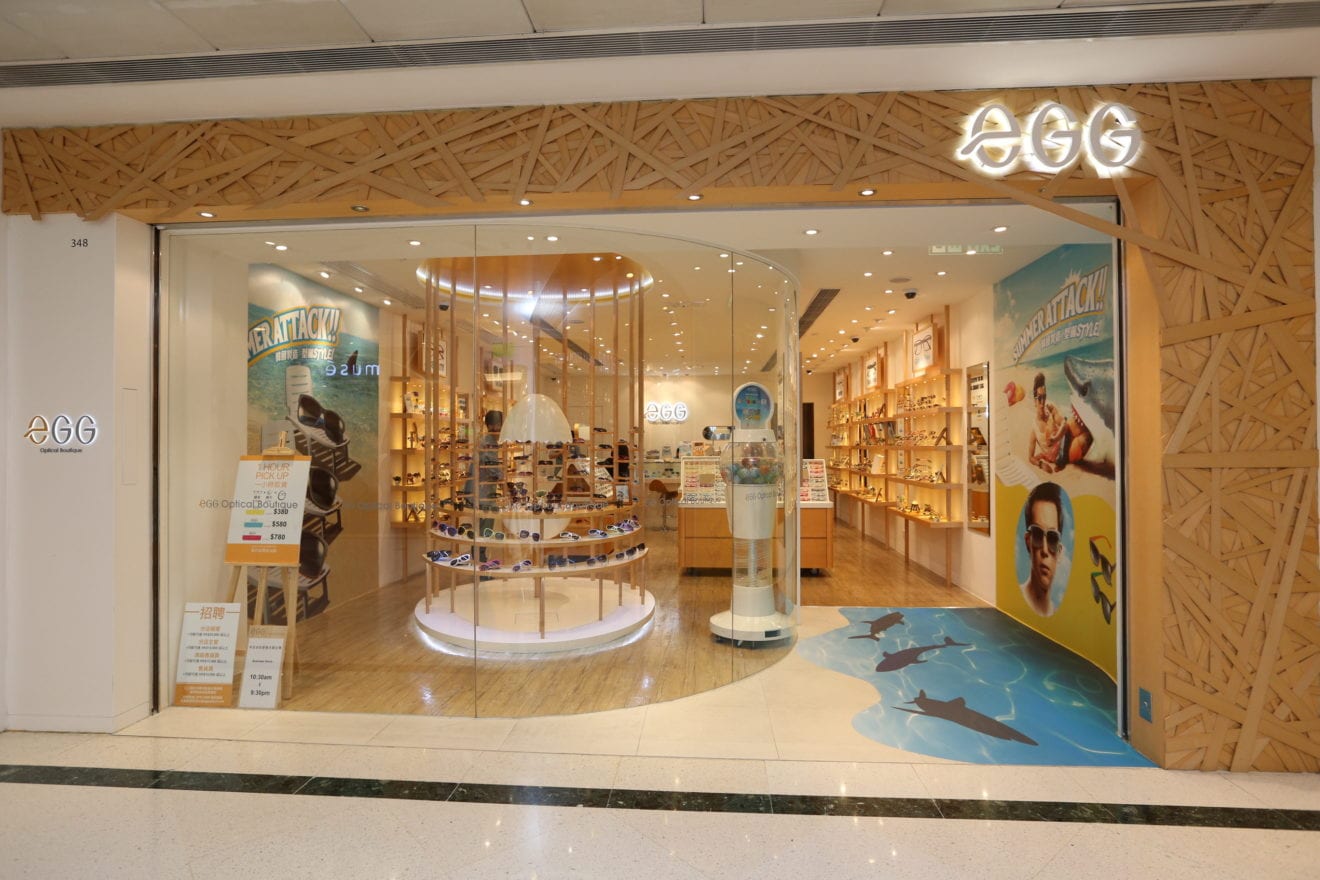
    Hong Kong based fashion eyewear chain eGG Optical Boutique is continuing its stunning growth trajectory.

    According to parent Stelux, the chain’s sales increased by 46.4 per cent to HK$80.5 million in the six months to September 30.

    Its 21 Hong Kong stores have now reached breakeven point and the 34 Mainland China stores cut their operating loss to just $3.3 million. Same store growth in all markets continued to grow.

    A further three stores have recently opened in Southeast Asia.

    Stelux believes the eGG Optical Boutique fast fashion eyewear concept has found favour with shoppers because it captures consumer preference for trendy and fancy optical eyewear.

    In the first half of last financial year the Hong Kong operations lost $500,000 and in the second half $200,000, finishing the year with just 15 stores. That a further six have been opened in the first six months of this year demonstrates the confidence Stelux has in the new brand. Its Hong Kong stores improved sales by 45 per cent due to both network expansion and increasing same store sales.

    In the mainland, eGG Optical’s sales rose 48.8 per cent to $31.0 million.

    “The loss was reduced to $3.3 million owing to significant operating improvements in Northern China and close to breakeven achieved in Southwestern China through turnover growth,” reported Stelux.

    “Combined with eGG’s attractive and eye-catching shop visual merchandising and ability to attract consumer traffic appreciating lifestyle and fashion design, the group will capture the opportunities in the current soft leasing market to further expand into Mainland China.”

  • Hong Kong retail sales figures released

    Hong Kong retail sales figures released

    At last: some “relative improvement” in retail sales data to encourage embattled retailers.

    Hong Kong retail sales in October fell three per cent year on year, provisionally estimated at $37.2 billion.

    A government spokesman said retail sales showed “some relative improvement in October, helped mainly by the visible growth in the sales of certain consumer durable goods amid the launch of new smartphone models”.

    “Yet the fall in the sales of jewellery, watches and clocks, and valuable gifts remained notable, reflecting the drag from the slowdown in tourist spending.”

    October’s fall was less than half the revised estimate of September’s sales which were down 6.3 per cent.

    Year to date sales are down 2.7 per cent on last year.

    After netting out the effect of price changes over the same period, the volume of total retail sales in October increased by 1.2 per cent from a year earlier. The revised estimate of the volume of total retail sales in September decreased by three per cent. For the first 10 months of 2015, retail sales rose 1.1 per cent in volume year-on-year.

    As expected, it was the jewellery, watches and clocks sector, the most valuable category, which fell the hardest – down 17 per cent in October. Apparel sales were down 5.7 per cent, electrical goods by 10.9 per cent, medicines and cosmetics by 2.4 per cent, Chinese drugs and herbs by 5.9 per cent, furniture by 4.2 per cent and department store sales by 2.2 per cent.

    Supermarket sales rose 1.5 per cent, food, alcohol and tobacco by 3.7 per cent and miscellaneous consumer durables by 36 per cent.

    “The outlook for retail sales will likely be still constrained by the lacklustre performance of inbound tourism. The possible impacts of the dimmer global economic outlook on local consumer sentiment also need to be watched over,” the spokesman said.

  • Bosideng sales slumps

    Bosideng sales slumps

    Chinese down apparel brand Bosideng has seen sales revenue slump 10 per cent – and profit nearly halved in the first half year.

    Down apparel sales, which account for almost half the group’s turnover, fell 14.6 per cent.

    While Bosideng blamed its poor performance on “tremendous challenges” facing China’s apparel industry, there was one telling line in its interim report which suggests a deeper problem:

    “The increasing popularity of the Internet and online shopping that stimulated the proliferation of information, coupled with the speedy expansion of an increasing number of overseas brands in the PRC market, have not only offered more choices for consumers, but also made consumers more sensitive to product prices and styles.”

    “And styles”. Bosideng is having to face the reality that growing an apparel business so dependent on a functional, rather than fashionable, product range may have its limitations.

    But there are signs it is adapting.

    The company said that as Mainland China’s economic growth slows the gap is narrowing between first and second-tier cities and rural areas. That has prompted national brands to switch their development mode from one that relies on store opening to swift response in various stages of business operation, “including branding, products, logistics and retail sales, so as to meet the expectations of the market and consumers”.

    “The group has actively explored and gradually shifted from the traditional wholesale business model to a retail model that draws closer to the market and the consumers. This allows the group to build a more solid business foundation for future development and to seek healthy and sustainable development.”

    The down business, by nature, is seasonal, with demand naturally higher in winter months, prompting offseason sales and promotional activity in the first half of the year. Part of the reason for the sales decline in the last half was an increase in the discounting to reduce inventory.

    Bosideng also stepped up its efforts to implement more stringent production and product plans.

    “Through in-depth analysis of retail statistics, the group was able to arrange the production of various product styles more accurately to avoid unnecessary inventories… For instance, two brands – Snow Flying and Bengen – developed minimal new styles, whereas Combo devoted all efforts in stock clearance this year and did not design new styles.”

    It has also commenced trial marketing, ranging some new styles in physical stores prior to finalising production and sales plans to test and understand the market reaction in order to avoid excess inventory.

    The company is also continuing to optimise its retail network, shutting down underperforming stores to enhance store quality: the number of outlets in the down apparel business – both self operated and third party – fell by a net 548 in the period, to 6051.

    Some stores which are usually shuttered over summer, or sub-let by third party distributors, were kept open as outlets to help reduce inventory. Bosideng supplied the product, the distributors met the overheads, saving the group distribution costs and adding sales channels for stock clearance.

    Bosideng is also shifting its focus away from department stores more towards shopping malls, reflecting changing lifestyles of Chinese consumers.

    This year, it has opened pop up stores for the first time in six prime shopping centres to assess potential to showcase new lines.

    “The pop up stores attracted customer flow with innovative displays and eye-catching designs. Various live events, performances and games were introduced to increase interaction with consumers, thus enhancing brand recognition. The pop-up stores were well received by the market, which not only successfully became talk of the town with widespread media coverage, but also drove the group’s local sales performance. The group believes that it will accelerate store opening in large-scale shopping malls in the long run to allow the retail network of the group to better satisfy the needs of the consumers.”

    Meanwhile, diversification away from down appears to be bearing fruit.

    During the period, revenue from Jessie brand increased by 18.8 per cent year on year to approximately RMB158.3 million. Following the adjustment of the brand’s retail network over the past two years, the net number of Jessie retail outlets increased by five to 216 this year. Jessie has been focusing on enhancing the profitability of self-operated stores and implementing refined management and further optimised product mix.

    In wholesale, Jessie optimised the ordering system at the trade fairs and increased the mix and match references and provided more guidelines to distributors so as to increase associated orders. “As a result, revenue from self-operated and wholesale business recorded a significant increase.”

    But revenue from its Mogao brand  decreased by 21.9 per cent year-on-year to approximately RMB128.2 million, largely due to a net reduction of 21 stores to 284 during the period. It also dropped its womenswear lines to focus purely on menswear, so the last period was essentially one of repositioning. Bosideng says the change was well received by distributors and this year it will step up branding efforts, especially on new media.

    Internationally, Bosideng’s London flagship store has accumulated “considerable retail experience and deeper understanding of the consumer preference of the local market”.

    “The London flagship store will… step up its efforts in expanding the popular down apparel series this year. Fully utilising its extensive resources in down apparel products, the group will assist the flagship store to further optimise the product mix so as to drive its sales and profitability.”

    For the record, Bosideng reported total sales revenue of RMB2,563.7 million, a gross profit margin down 11.3 percentage points to 36.1 per cent, its operating profit margin down by 5.6 percentage points to 5.2 per cent and a profit attributable to shareholders down 48.3 per cent to RMB130.7 million.

    In the year ahead, Bosideng says it will continue to reduce inventory and significantly reduce the development of traditional and basic styles to avoid overlapping with old stocks.

    “At the same time, the group will introduce more hi-tech fabrics in order to satisfy the growing demand for functional down apparel in the market, providing more value-for-money, high quality and trendy down apparel products to customers.”
  • China’s QKL Stores’ sales decline

    China’s QKL Stores’ sales decline

    Nasdaq-listed Chinese supermarket chain QKL Stores says its revenue fell four per cent in the last quarter, its profit by 4.5 per cent.

    “Our third quarter results generally met our levels of expectation,” said Zhuangyi Wang, chairman and CEO.

    “The variety, value and freshness of our products continue to resonate with our customers driving sales higher. This store growth was also driven by in-store promotional events such as store anniversary celebrations.”

    But he said sales and profit were impacted by “a challenging environment” for retail businesses, mainly due to the rising costs and the emerging eCommerce channel.

    “However, we are still confident on the domestic needs because of the urbanisation of the third and fourth tier cities that we will achieve a fundamental improvement in the consumer purchasing power during the process.”

    Third quarter revenue totalled $58.6 million, down from $61.1 million in the same quarter last year. Gross profit was $9.8 million, down from $10.3 million.

    “We look forward to the upcoming holiday season as we have a number of exciting marketing initiatives planned,” said Wang.

    “Our balance sheet is healthy with a strong cash position, low level of debt and stable flow of cash from operations. We continue to make progress with our store operations and that can result in greater sales and profits over time.”

    Based in Daqing, China, QKL Stores is a regional supermarket chain company operating in Northeastern China and Inner Mongolia. It operates 45 supermarkets, hypermarkets and department stores – two less than at the same time last year.