Tag: Retail

  • Alibaba Challenges Meituan In Local-lifestyle Domain With Amap’s Ai-powered ‘street Stars’ Feature

    Alibaba Challenges Meituan In Local-lifestyle Domain With Amap’s Ai-powered ‘street Stars’ Feature

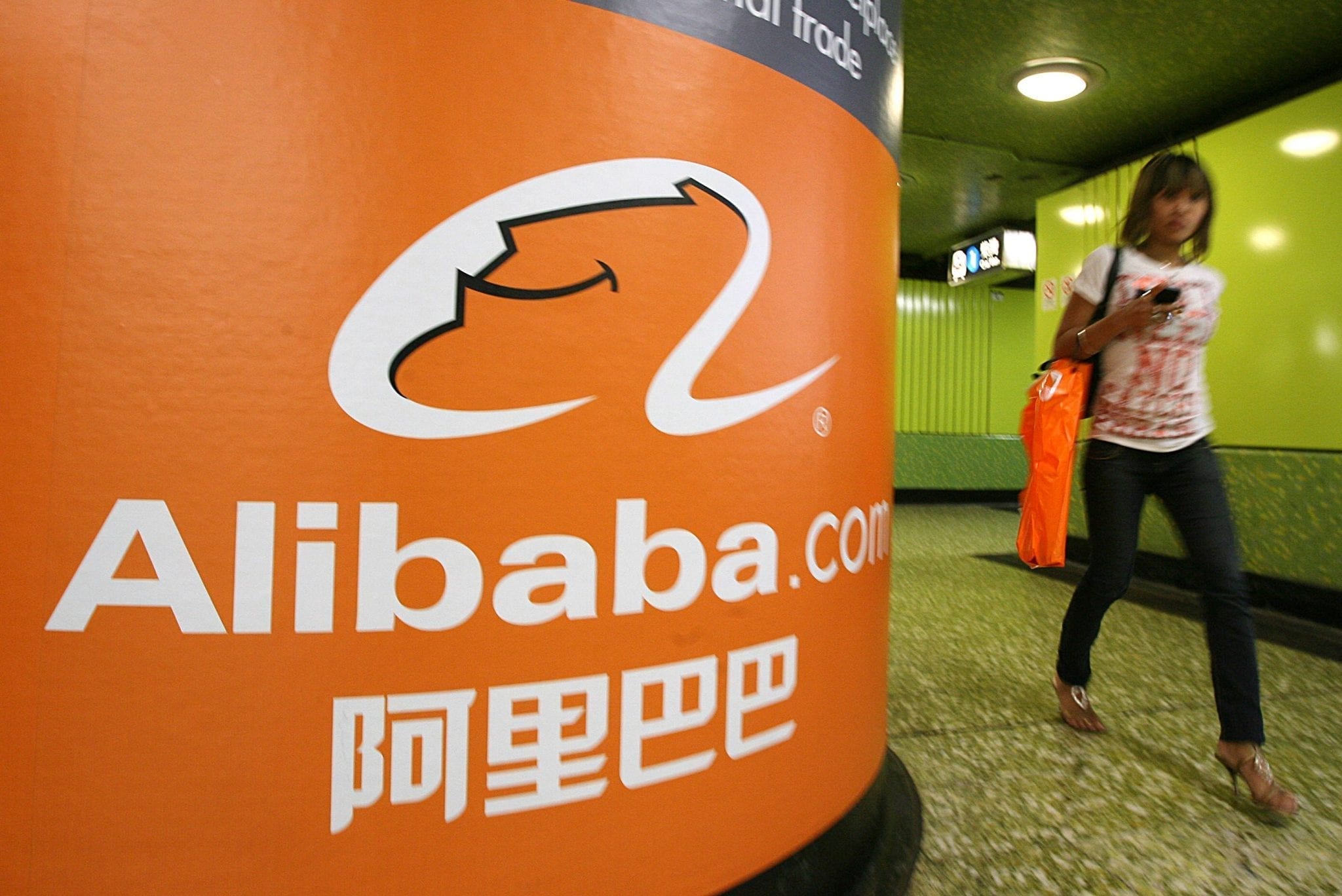
    Alibaba’s navigational application, Amap, is diversifying its functionality beyond its primary aim of providing directional services. It is venturing into the local-lifestyle domain, a territory traditionally occupied by competitor Meituan. This move is marked by the introduction of its own classification system for restaurants, hotels, and tourist attractions.

    Competing for Market Share in “Instant Retail”

    Alibaba and Meituan are well-established tech enterprises in China. Currently, they are deeply engaged in an intense rivalry for dominance in the “instant retail” sector. This field is characterized by immediate delivery services and has seen a rapid influx of consumers due to the provision of extensive discounts and coupons.

    The competitive landscape of this sector has led to increased attention from regulatory bodies, who are concerned about a potential harmful price spiral. In the Chinese context, sluggish property rates and unstable employment conditions have contributed to a consistent dip in consumer confidence. This has pressured corporations to adopt aggressive pricing strategies and provide subsidies to stimulate consumer spending.

    “Street Stars”: Amap’s New Feature

    Amap announced a new feature named “Street Stars” on Wednesday. This feature, powered by advanced artificial intelligence algorithms, aims to rank destinations for its 170 million daily active users. To promote this new feature, Amap is offering subsidies amounting to 1 billion yuan (approximately US$140.43 million). These subsidies are intended to provide users with coupons for ride-hailing or in-store services. The initial launch phase is expected to encompass 300 cities, and will include around 1.6 million local business listings.

    In China, consumers have historically depended on applications such as Meituan’s Dazhong Dianping for restaurant suggestions, reservations, and other services. Meituan recently announced that it would distribute 25 million consumption coupons as part of an overhaul of Dianping’s takeaway service from highly-rated restaurants.

    During a recent after-earnings discussion with analysts, Alibaba Group CEO Eddie Wu highlighted Amap’s AI-driven transformation. He emphasized the strategic importance of the app’s new direction, positioning it as a “new gateway for future lifestyle services”. This is part of Alibaba’s broader plan to design what it refers to as a “comprehensive consumption platform”.

    Regulatory Challenges

    However, concerns exist regarding the potential interference of Chinese regulators in these plans. E-commerce and food delivery giants in China have already been summoned by authorities for several meetings. The ongoing price war, which contradicts the government’s official stance against cutthroat competition, is a particularly contentious issue.

    Questions & Answers

    What is Alibaba’s Amap diversifying into?
    Amap is venturing into the local-lifestyle domain, traditionally occupied by its competitor Meituan. It plans to introduce its own classification system for restaurants, hotels, and tourist attractions.

    What is “Street Stars”?
    “Street Stars” is a new feature of Amap powered by advanced artificial intelligence algorithms. It aims to rank destinations for its 170 million daily active users.

    What are regulators’ concerns about the “instant retail” sector?
    Regulators are concerned about a potentially harmful price spiral in the sector. This is driven by aggressive pricing strategies and subsidies offered by companies to stimulate consumer spending, especially in the context of sluggish property rates and unstable employment conditions in China.

  • Tokyo’s Grade A Office Leasing Set for Strong Performance in Second Half of 2023

    Tokyo’s Grade A Office Leasing Set for Strong Performance in Second Half of 2023

    The corporate world is buzzing, and Tokyo’s office leasing market is feeling the effects. According to the latest insights from JLL, a robust demand from companies is set to keep leasing volumes strong in the latter half of the year. The appetite for office space continues to grow, even as external risks loom, such as tariffs and global economic slowdowns. It seems that in the fast-paced landscape of corporate Japan, many businesses see their future as firmly grounded in tangible office spaces.

    Positive Predictions Amid Market Fluctuations

    Recently, Oxford Economics provided a forecast indicating a modest GDP growth of 0.8% by the end of 2025, alongside a consumer price index (CPI) prediction of 2.8%. While these figures paint a picture of stability, they come with caveats, primarily from potential tariffs affecting corporate activity and a possible downturn in overseas economies.

    Demand for Quality Office Spaces is Sky-High

    JLL’s report highlights that demand for existing office buildings remains resilient due to a substantial influx of headcounts and a trend toward high-quality relocations. In fact, net absorption in the Tokyo office market reached 30,816 square meters in Q2 2025, driven by significant activity in the information services, wholesale, retail trade, and professional services sectors. You could say the Tokyo office market is the land of opportunity—just without the neon lights.

    Rents Continue their Relentless Climb

    As companies vie for the best locations, rents have skyrocketed for six consecutive quarters. By the end of Q2 2025, average rents stood at JPY 36,237 per tsubo per month, marking a 2.0% quarterly increase and a striking 5.9% increase year-on-year. The Akasaka/Roppongi and Otemachi/Marunouchi areas, known for their premium real estate, have reported particularly tight vacancies and landlord-friendly market conditions.

    Vacancy Rates Plummet in Prime Locations

    Tokyo’s Grade A office vacancy rate averaged just 2.4% in Q2, reflecting a decline of 10 basis points quarter-on-quarter and 120 basis points year-on-year. The Otemachi/Marunouchi and Akasaka/Roppongi submarkets are seeing availability shrink to nearly non-existent levels, signaling that demand significantly outpaces supply.

    Capital Values Surge Despite Economic Uncertainty

    In line with rising rents, capital values in Q2 2025 rose 2.9% quarter-on-quarter and 9.5% year-on-year. This upswing can be attributed to the impenetrable ongoing demand and stable cap rates observed throughout the quarter. A standout transaction this quarter was Mitsubishi Estate’s acquisition of the Akasaka Park Building—a move that underscores the enduring allure of Tokyo’s real estate market.

    Questions & Answers

    What factors are contributing to the strong demand for office leasing in Tokyo?
    The strong demand can be attributed to increased headcount within corporations and a tendency towards relocating to higher-quality office spaces, driven by an appetite for premium environments.

    How have rental rates changed in Tokyo’s office market?
    Rentals have climbed for six consecutive quarters, with averages reaching JPY 36,237 per tsubo per month by Q2 2025, marking a 5.9% year-on-year increase.

    What are the implications of plummeting vacancy rates in key submarkets?
    The declining vacancy rates in districts like Otemachi/Marunouchi indicate a significant demand-supply imbalance, with nearly no space left available, making it a landlord’s market.

  • Moments Health Brand Makes Retail Debut In New Zealand’s Chemist Warehouse Stores

    Moments Health Brand Makes Retail Debut In New Zealand’s Chemist Warehouse Stores

    The health and wellness brand, Moments, has marked its debut in the physical retail market of New Zealand. The brand’s wide-ranging products, including adult toys, condoms, and lubricants, are now available in Chemist Warehouse stores across the country and online.

    Moments’ Debut in Physical Stores

    Nikhil Daftary, the MD and founder of Moments, shared that although the brand has been accessible in New Zealand since 2019, its products were previously exclusively sold online. The brand’s foray into a physical retail environment represents a new chapter in its growth. “New Zealand represents an exciting market for us due to its progressive and open-minded attitude towards sexual health,” said Daftary.

    By bringing Moments’ products to Chemist Warehouse outlets, the company aims to engage with more women, empowering them to purchase sexual health and wellness products with confidence.

    Range of Products

    The range of products that Moments offers at Chemist Warehouse includes five variants of condoms – the Mega Thin 0.03 and dual-lubricated types among them. The product line also includes two kinds of lubricants, one of which is bubble gum-flavored, and a complete range of pleasure toys such as Mood, CEO, Baddie, and Vibin’.

    Beyond its retail operations, Moments also supplies between eight and ten million condoms annually to the New Zealand government via its Pharmac contract.

    Brand’s History

    Since its inception in 2017, Moments has distributed over 60 million products across Australia and New Zealand. The brand has also donated in excess of 5 million condoms to charities that focus on women’s and sexual health.

    Questions & Answers

    What types of products does Moments offer at Chemist Warehouse stores?
    Moments offers a range of products including five condom variants, two kinds of lubricants, and a full line-up of pleasure toys.

    When did Moments first become available in New Zealand?
    Moments has been available in New Zealand since 2019, although initially, it was only available online.

    How many condoms does Moments supply to the New Zealand government each year?
    Moments supplies between eight and ten million condoms annually to the New Zealand government.

  • Singapore’s Retail Sector Sees Robust Growth In July, Led By Tech Industry

    Singapore’s Retail Sector Sees Robust Growth In July, Led By Tech Industry

    In July, the retail sector in Singapore displayed promising growth, with most categories reporting an uptick in sales.

    July’s Retail Sales Growth

    Singapore’s retail industry experienced an impressive 4.1% increase in July, a significant improvement over June’s modest 0.5% rise, when motor vehicle sales are excluded from the total. The total estimated retail sales value for the month was SG$3.6 billion (US$2.8 billion), with online sales accounting for 15.5% of this figure.

    On a seasonally adjusted basis, July’s retail sales figures represented a 3.8% increase from the previous month.

    Industries Contributing to Retail Growth

    The majority of industries within the retail trade sector contributed to July’s growth. The most substantial improvement was observed in the computer and telecommunications equipment industry, which reported a year-on-year increase in sales of 11.1%.

    Sales in the watches and jewellery sector, as well as supermarkets and hypermarkets, rose by 9.6%. Department stores, cosmetics, recreational goods, along with optical goods and books, also experienced sales uplifts, ranging between 4.1% and 8.6%.

    However, not all industries enjoyed a rise in sales. Food and alcohol, apparel and footwear, and petrol service stations saw declines in sales of between 2% and 5.6%.

    Growth in Food and Beverage Services

    The food and beverage services sector also registered growth in July. This sector saw a rise of 1.7% in sales, an improvement over the flat growth reported in June. The total sales value of F&B services was approximately SG$1 billion, with online sales representing 25.9% of this figure.

    Questions & Answers

    Which retail sector experienced the most substantial growth in July?
    The computer and telecommunications equipment industry reported the most significant growth, with sales up 11.1% year-on-year.

    Did all retail sectors in Singapore experience growth in July?
    No, the food and alcohol, apparel and footwear, and petrol service stations sectors saw a decline in sales.

    How did the food and beverage services sector perform in July?
    The food and beverage services sector saw a 1.7% rise in sales, compared to flat growth in June. Online sales made up 25.9% of the total sales in this sector.

  • Over 70% of Singaporeans Embrace AI as a Valuable Tool for Holiday Shopping

    Over 70% of Singaporeans Embrace AI as a Valuable Tool for Holiday Shopping

    In the fast-evolving landscape of holiday shopping, the future is undoubtedly digital—and Singaporeans are embracing it with open arms. As the holiday season approaches, a striking 74% of consumers in the city-state are turning to artificial intelligence (AI) tools for gift inspiration, according to the 2025 Holiday Shopping Report from IAS. This data reveals a significant shift in how people are making purchasing decisions, with 27% planning to use AI for online research on products and gift ideas.

    Ads as Essential Decision-Makers

    Interestingly, advertisements are playing a pivotal role in guiding consumer choices. The report highlights that three-quarters of shoppers find that ads significantly influence what they buy. “Instead of wish lists scribbled on paper, shoppers this year are guided by algorithms, trusted platforms, and festive ads that meet them at just the right moment,” says IAS. Despite rising economic pressures, the spirit of giving remains robust, with many Singaporeans intent on either maintaining or increasing their spending this season.

    Spending Trends Indicate Consumer Optimism

    According to the report, 57% of respondents are planning to spend more during the holidays, while 66% will be vigilant about discounts. Discounts emerge as the primary driver of holiday spending for 74% of shoppers, followed closely by festive content at 53% and family recommendations at 51%.

    Holiday Shopping Patterns Unveiled

    The early bird catches the present: half of all shoppers begin their holiday shopping as early as August or October, with the majority of expenditures peaking in November. Laura Quigley, Senior Vice President of APAC at Integral Ad Science, notes, “Our data shows impressions alongside holiday content surge by 150% between November 15 and December 3, a clear signal for brands to frontload their campaigns.”

    The Intersection of Trust and Technology

    With the rising consumer trust in ads and the innovative role of AI in gift discovery, this festive season presents an unparalleled opportunity for brands—not just to capture attention, but to convert that interest into tangible sales. As Quigley aptly puts it, “The opportunity isn’t just to capture eyeballs, but to convert them into meaningful outcomes.” It’s an exciting time for retailers who can navigate this new digital terrain.

    Questions & Answers

    How are Singaporeans using AI tools for their holiday shopping?
    Many Singaporeans are leveraging AI tools for gift inspiration, with 74% integrating these technologies into their shopping experience, particularly for online research about products and gifts.

    What role do advertisements play in consumer purchasing decisions?
    Advertisements significantly influence consumer choices, with three in four shoppers acknowledging that ads guide their buying decisions, highlighting the effectiveness of advertising during the festive season.

    When do most shoppers start their holiday shopping in Singapore?
    Half of the shoppers in Singapore begin their holiday shopping as early as August to October, while the peak spending period is in November, according to the report findings.

  • Hong Kong’s Retail Sales Rise For Third Consecutive Month Amid Increased Tourism

    Hong Kong’s Retail Sales Rise For Third Consecutive Month Amid Increased Tourism

    July’s retail sales in Hong Kong experienced an upward trend, marking the third consecutive month of positive growth. Sales figures showed a 1.8% year-on-year increase, achieving a total value of HK$29.7 billion ($3.8 billion). This increase followed a more modest growth of 0.7% in June.

    Sales Volume Increases

    In addition to this financial upturn, retail sales volume also saw a rise of 1% in July compared to the previous year. This is a significant improvement from the 0.3% decrease experienced in June. However, a broader look at the year reveals that retail sales decreased in value by 2.6% and in volume by 4% over the first seven months of 2025 compared to the same period in 2024.

    A government representative expressed optimism about these figures, suggesting that consumer sentiment is expected to remain consistent. Furthermore, this spokesperson highlighted the positive impact of government initiatives that encourage tourism and large-scale events, all of which are predicted to provide benefits to retail businesses.

    Tourist Arrivals Boost Retail

    Data from the Hong Kong Tourism Board showed an increase in visitor arrivals during July. A total of 4.39 million visitors marked a 12% increase from the same month the previous year. This is a noticeable acceleration compared to the 3.48 million in June, 4.08 million in May, and 3.85 million in April.

    Of these visitors, 3.51 million originated from mainland China, an 11.8% increase in comparison to the previous year. Despite the increasing number of visitors, spending habits indicate a more conservative approach with many choosing to limit their overall expenditure.

    Specific Sector Performance

    Particular sectors within the retail industry showcased robust growth. Jewellery, watches, clocks, and valuable gifts saw sales surge by 9.4% year-on-year in July, up from a rise of 6.9% in June. The clothing, footwear, and allied products segment, however, saw a marginal growth of 0.1%, a slight recovery from a 4.6% drop in June.

    Questions & Answers

    How much did Hong Kong’s retail sales increase in July?
    Sales rose by 1.8% year-on-year, achieving a total value of HK$29.7 billion ($3.8 billion).

    What was the growth in the number of visitors from mainland China?
    The number of visitors from mainland China increased by 11.8% compared to the previous year, reaching a total of 3.51 million in July.

    Which retail sector saw the most significant growth?
    The sector of jewellery, watches, clocks, and valuable gifts saw the most substantial growth with a 9.4% year-on-year rise in sales in July.

  • Jakarta Mall Rental Rates Rise 0.5% in Q2: A Sign of Optimism in Retail Space Market

    Jakarta Mall Rental Rates Rise 0.5% in Q2: A Sign of Optimism in Retail Space Market

    Rental prices in Jakarta’s vibrant retail landscape are holding strong despite a lull in new supply. According to a recent report from JLL, mall rents in the bustling Indonesian capital have risen approximately 0.5% in the second quarter of 2025. This increase is particularly pronounced in popular shopping centers where occupancy levels run high, suggesting that premium real estate continues to be a hot commodity. Analysts predict that rental rates will remain in the single digits for the remainder of the year.

    International Brands Drive Retail Expansion

    The retail scene is buzzing with activity, notably due to international brands that represented around 55% of new store openings during this period. Among the notable entrants are a slew of Chinese tea companies, making their debut in the thriving Jakarta market. This influx highlights Jakarta’s appeal as a burgeoning marketplace while underscoring the strategic partnerships that many retailers forge with influential retail groups. These relationships offer substantial bargaining power, enabling tenants to negotiate favorable lease terms and achieve reasonable rent increases.

    Active Lifestyles Fuel Sports Retail Growth

    As Jakarta residents increasingly embrace active lifestyles, the demand for sports retail has soared. Both local and international brands are capitalizing on this trend by opening flagship stores designed to attract health-conscious shoppers. However, the search for retail space has become competitive, prompting brands to explore alternative locations, both within and outside traditional shopping malls.

    Prime Retail Space Constraints

    This quarter marked a significant milestone with no new prime shopping malls making their debut. Consequently, vacancy rates have stabilized around 4%, despite the shrinking pool of available retail space. Some tenants are now opting for creative solutions such as island or booth locations to ensure they maintain visibility among consumers. With no immediate plans for new premium malls, expanding brands—particularly in the food and beverage sector—are increasingly targeting busy areas with outdoor options that resonate with today’s health-oriented lifestyle.

    Innovative Approaches Among Developers

    The outlook for Jakarta’s retail scene suggests a shift in development strategies as opportunities for new premium shopping malls diminish. Developers are now focused on crafting retail environments that reflect evolving market trends, with an emphasis on lifestyle malls and compound spaces. Although limited availability of prime locations may benefit developers, any decisions regarding rent adjustments are likely to be made with caution, as they must navigate the complexities of economic fluctuations and consumer foot traffic.

    Questions & Answers

    What factors are contributing to the rise in rental prices in Jakarta?
    An increase in occupancy rates at popular shopping centers and a surge in international brand openings are key factors driving rental prices upward in Jakarta.

    How are retailers adapting to the lack of new retail space?
    Many retailers are exploring alternative locations, including smaller islands or booths, to maintain visibility amidst a competitive environment where traditional mall space is becoming scarce.

    What types of retail developments are expected in the near future?
    Developers are anticipated to pivot toward creating lifestyle malls and compound spaces, aligning with contemporary consumer trends, as new premium malls are unlikely to be constructed in the next year.

  • Alibaba Leverages Ai To Expand Cloud Business, Despite Falling Short Of Revenue Projections

    Alibaba Leverages Ai To Expand Cloud Business, Despite Falling Short Of Revenue Projections

    Alibaba, the Chinese multinational, has highlighted the significance of artificial intelligence (AI) in its plans to broaden its cloud computing business. This comes as the company experienced robust quarterly development in the sector, although its broader operations fell short of revenue projections.

    The Market Reaction

    Alibaba’s shares listed in the U.S. rose by 8% at the opening of the New York market on Friday after the results were announced.

    The revenue for Alibaba’s cloud division experienced a surge of 26% to a total of 33.40 billion yuan (equivalent to US$4.67 billion). This significant increase outpaced the anticipated rise of 18.4%. Yet, the weaker-than-expected progress in its e-commerce business overshadowed this achievement, with the total revenue falling short of estimates by 2%.

    Alibaba’s Position in AI

    Alibaba has emerged as one of the most competitive players in China’s AI sector, frequently introducing updates.

    In the past year, the company has invested over 100 billion yuan in AI infrastructure and product research and development, according to Group CEO, Eddie Wu.

    Wu stated that their investments in AI are beginning to bear fruit. He sees a clear trajectory for AI to power Alibaba’s robust growth in the future.

    Overall Performance and Revenue

    The overall revenue for the company for the quarter ending on June 30 was 247.65 billion yuan. This fell short of the average estimate of 252.92 billion yuan as calculated by LSEG.

    Alibaba reported its revenue from its China E-commerce Group for the first time, which includes platforms like Taobao and Tmall, its new instant commerce business, a food delivery app called Ele.me, and a travel agency called Fliggy. The group reported a revenue growth of 10%.

    On the other hand, Alibaba’s operational income saw a decrease of 3% year on year. The adjusted earnings before interest, tax and amortization dropped 14%, primarily due to investments in the instant commerce sector.

    Response from Rivals and Analysts

    The business rivals of Alibaba, PDD Holdings and Meituan, which are currently vying for market share in the instant retail space, issued warnings that rising investments could impact profits in the upcoming quarters.

    Analysts and executives from both companies have noted that competition has been escalating over the period.

    Analyst Angelo Zino from CFRA commented that while the shift towards quick commerce and AI investments had brought about meaningful operational changes, profitability was affected by growth initiatives such as user acquisition and technology infrastructure expenditure.

    Future Plans for Alibaba

    Alibaba plans to utilize its quick commerce business to broaden its overall e-commerce consumer base. The company aims to target a 30 trillion yuan addressable market. Jiang Fan, the CEO at Alibaba’s e-commerce business group, has projected that the quick commerce segment could contribute 1 trillion yuan in yearly incremental gross merchandise volume over the following three years.

    The revenue from international commerce saw a rise of 19%, propelled by expansion in crucial markets like Europe and the Middle East.

    Alibaba also announced its repurchase of shares in its logistics unit Cainiao from Fosun International. The transaction amounted to $349.8 million.

    Questions & Answers

    What is Alibaba’s recent investment in AI?
    Alibaba has invested over 100 billion yuan in AI infrastructure and product research and development in the past year.

    What is the expected contribution of the quick commerce segment to Alibaba’s revenues?
    The quick commerce segment is projected to contribute 1 trillion yuan in annualized incremental gross merchandise volume over the next three years.

    What was Alibaba’s recent significant transaction?
    Alibaba repurchased shares in its logistics unit Cainiao from Fosun International, amounting to $349.8 million.

  • Immersive Retail Revolution: How Ar And Vr Are Transforming Asia’s Shopping Experience

    Immersive Retail Revolution: How Ar And Vr Are Transforming Asia’s Shopping Experience

    As the retail landscape in Asia continues to evolve, a new wave of technology is redefining how consumers engage with brands. A recent report from tech analysts reveals that immersive shopping experiences, powered by augmented reality (AR) and virtual reality (VR), are steadily gaining traction among retailers throughout the region. These tech innovations are not merely trendy; they are reshaping consumer expectations and offering a fresh perspective on the shopping journey.

    The Rise of Immersive Retail Experiences

    In the bustling marketplace of Asia, where traditional retail meets high-tech innovation, brands are tapping into immersive experiences to capture the attention of digital-savvy consumers. From virtual fitting rooms that allow shoppers to try on clothes without stepping into a store to interactive product displays that engage multiple senses, these technologies are providing a unique blend of convenience and excitement that online shopping has often lacked.

    Take, for instance, a leading fashion retailer that recently launched a VR experience, allowing customers to step into a virtual boutique filled with their latest collections. Shoppers can see how clothing fits in a lifelike manner and even receive personalized style suggestions based on their preferences. “It’s like having a personal stylist,” one enthusiastic shopper remarked after trying it out, capturing the mixture of practicality and novelty that immersive shopping offers.

    Consumer Adoption and Market Potential

    Surveys indicate that a significant portion of consumers in urban areas across Asia are open to using AR and VR technologies in their shopping habits. Nearly 65% of respondents expressed interest in experiencing products in augmented environments before making a decision. This growing interest points to a remarkable shift in consumer behavior, as shoppers increasingly lean towards experiences that blend the physical and digital realms.

    Retailers are paying attention. According to market experts, the global AR and VR market for retail is expected to reach a staggering USD 1.6 billion by 2025. Brands that leverage these technologies not only keep up with the competition but also position themselves as pioneers in customer experience transformation. Talk about a tech-savvy retail revolution ready to unfold!

    Challenges in Implementation

    Despite the promising outlook, integrating AR and VR into retail operations is not without its hurdles. High costs, technical constraints, and the need for consumer education pose significant challenges for brands. Retailers need skilled personnel to manage these technologies and ensure a seamless experience that resonates with users. The question remains: can these retailers effectively bridge the gap between innovative technology and practical execution?

    Nevertheless, the potential rewards are enticing enough to spur investment. Brands that master the art of immersive shopping can foster deeper emotional connections with consumers, bridging the transactional gap that many shoppers now experience.

    Transforming the Retail Landscape

    As Asia embraces the future of retail, the line between innovation and traditional practices continues to blur. With immersive experiences poised to redefine how consumers interact with brands, the retail sector stands on the brink of an exciting transformation. It seems even shopping is evolving, proving that what was once a tedious chore is now becoming an adventure. Now that’s a plot twist worth discussing!

    Questions & Answers

    What drives the interest in AR and VR shopping experiences in Asia?
    Consumer interest is largely driven by the desire for interactive and personalized shopping experiences that blend convenience with excitement, making the retail journey both enjoyable and efficient.

    What challenges do retailers face when adopting AR and VR technologies?
    Challenges include high implementation costs, technical constraints, and the need for consumer education to ensure a smooth and user-friendly experience.

    How significant is the market potential for AR and VR in retail?
    The AR and VR retail market is projected to reach USD 1.6 billion by 2025, indicating substantial growth potential as retailers continue to innovate and adapt to consumer expectations.

  • Singapore Emerges as Asia Pacific’s 6th Easiest Business Hub, Surpassing Vietnam and Thailand

    Singapore Emerges as Asia Pacific’s 6th Easiest Business Hub, Surpassing Vietnam and Thailand

    Singapore has found itself in a challenging position in the latest Global Business Complexity Index, landing 48th out of 79 global destinations for 2025. This index, which scrutinizes how easy or difficult it is to set up and operate businesses around the world, reveals a landscape where the top-ranked countries exhibit significant complexity and the lower-ranked ones showcase simpler business environments.

    Asia’s Competitive Landscape

    In the Asia Pacific region, Singapore’s ranking pales in comparison to its neighbors, trailing behind New Zealand (77th), Hong Kong (76th), Thailand (56th), Vietnam (54th), and Taiwan (51st).

    A Comprehensive Evaluation

    Compiled by TMF Group, a global professional services firm now in its 12th iteration, the index assesses a whopping 79 locations representing 94% of global GDP and 95% of foreign direct investment inflows. The evaluation is based on 292 distinct indicators spanning legislation, compliance, accounting standards, tax procedures, and human resources practices.

    Investment and Infrastructure Benefits

    The report highlights Singapore’s ongoing investment in physical and digital infrastructure—supported by enhancements to its ports, airports, and digital networks—which bolsters its status as a pivotal trade hub in the region. According to Singapore Business Review, this focus on infrastructure elevates Singapore’s appeal in a highly competitive landscape.

    A Work-Life Balance Conundrum

    Interestingly, there has been a positive shift in the “human resources and payroll” category, with Singapore attracting global talent through streamlined immigration policies and competitive salaries. However, the flip side of progress comes with heightened regulatory complexity. Stricter anti-money laundering measures and tighter corporate service regulations have made the business climate more intricate.

    Balancing Transparency and Bureaucracy

    Mark Weil, CEO of TMF Group, acknowledges the intent behind Singapore’s compliance frameworks, stating they are designed to ensure transparency and maintain financial integrity. Yet, they inevitably introduce additional bureaucratic hurdles for firms looking to thrive. “Regulatory bodies like the Monetary Authority of Singapore are known for their efficiency but also for upholding high standards, particularly in finance and data governance,” Weil remarked in a recent interview with The Straits Times.

    Challenges in Talent Acquisition

    Weil also pointed out complications arising from restrictions on hiring foreigners in certain sectors and stringent employment pass requirements, which can stymie recruitment efforts. New flexible work policies introduced late last year have added another layer of complexity for companies navigating Singapore’s evolving regulatory framework.

    The Southeast Asian Perspective

    Other Southeast Asian economies didn’t fare too poorly either, with the Philippines ranking 26th, Malaysia at 27th, and notably, Indonesia impressively at 14th. On the global stage, Greece takes the crown of the most complex business environment, followed by France, Mexico, and Turkey, driven largely by their multifaceted regulatory setups.

    Questions & Answers

    How does Singapore rank in comparison to other countries in Asia?
    Singapore ranks 48th out of 79 destinations in the Global Business Complexity Index, falling behind countries like New Zealand, Hong Kong, and Thailand in the Asia Pacific region.

    What factors contributed to Singapore’s ranking?
    The ranking took into account Singapore’s regulatory complexity amid stricter anti-money laundering measures and enhanced corporate regulations, despite improvements in human resources recruitment.

    Which country is deemed the most complex globally, and why?
    Greece is recognized as the most complex market globally, primarily due to ongoing legislative changes related to tax, accounting, and human resources.

  • China’s Gen Z Champions a Transformative Shift Towards Emotional and Sustainable Shopping Habits

    China’s Gen Z Champions a Transformative Shift Towards Emotional and Sustainable Shopping Habits

    Generation Z is revolutionizing China’s consumer landscape, prioritizing personal well-being, emotional fulfillment, and sustainability while leaving behind the materialistic pursuits of earlier generations. This cohort, despite representing only 15% of the population, wields an impressive influence on economic trends.

    Instead of hoarding possessions, Gen Z is favoring experiences and wellness investments. From premium skincare lines to spa memberships and limited-edition collectibles, spending for these consumers is more about enhancing happiness than simply acquiring items. This shift prompts local and international brands to swiftly adapt to their new demands.

    A recent report by People’s Daily highlights the pivotal role Gen Z plays, revealing that 64% of Chinese consumers, led by this demographic, prioritize emotional fulfillment in their purchasing decisions. Products like character plushies, themed souvenirs, and blind-box toys have surged in popularity, offering joy while sidestepping the trappings of overconsumption.

    The significance of health and sustainability cannot be overstated in this context. Take Lululemon, which recently reported a remarkable 21% growth in same-store sales in China, a direct reflection of Gen Z’s enthusiasm for fitness and social interaction. Their commitment to these values reinforces the brand’s relevance in a crowded market.

    Alongside wellness, environmental awareness plays a crucial role in shaping purchasing decisions. A study from Daxue Consulting indicates that 40% of Chinese consumers favor eco-friendly products, with a striking 90% of Gen Z actively searching for recyclable options. It seems being “green” is becoming the new chic.

    Furthermore, Gen Z’s demand for transparency and authenticity is redefining the marketplace. E-commerce platforms like Douyin and Taobao are integral to this transformation, where consumers prioritize trustworthy information and tailor-made products over mass-produced alternatives. This trend is urging companies to adopt more responsible and transparent practices in their operations.

    The convergence of these factors is fostering what’s being termed the “emotional economy.” Here, consumer preferences actively shape production and investment strategies, aligning with ethical and societal aspirations. Fund managers are increasingly directing their attention toward youth-centric, socially responsible products and services, crafting a retail environment that merges personal well-being with broader social and environmental goals.

    Questions & Answers

    How is Generation Z changing consumer priorities in China?
    Generation Z is moving away from materialism and instead values personal wellness, emotional fulfillment, and sustainability, significantly influencing purchasing behavior.

    What role do platforms like Douyin and Taobao play for Gen Z consumers?
    These platforms provide reliable information and personalized product recommendations, which resonate with Gen Z’s preference for authenticity and quality over mass production.

    What does the “emotional economy” signify for retailers?
    The “emotional economy” highlights how consumer preferences, especially from Gen Z, are shaping production and investment strategies to align with ethical and societal goals, pushing brands toward more responsible practices.

  • Asia’s Retail Revolution: Embracing Digital, Personalization, Sustainability, And Experiential Shopping

    Asia’s Retail Revolution: Embracing Digital, Personalization, Sustainability, And Experiential Shopping

    As the retail landscape continues to evolve rapidly in Asia, businesses are gearing up for the challenges and opportunities ahead. With consumer behavior shifting toward digital channels and a preference for personalized shopping experiences, retailers are finding innovative ways to adapt and thrive.

    Embracing Digital Transformation

    The COVID-19 pandemic accelerated a digital shift already underway, and now, retailers are fully embracing e-commerce. In 2022, online retail sales in Asia reached an impressive $1.4 trillion, reflecting a rise that even the most optimistic of forecasters couldn’t have predicted. Brands are investing heavily in technology to streamline logistics, improve inventory management, and enhance the online shopping experience.

    The Power of Personalization

    Personalization is becoming a cornerstone of retail strategy. Customers are not just looking for products; they seek experiences that resonate with their individual preferences. Retailers utilizing data analytics are able to provide targeted recommendations and tailored promotions, making shoppers feel special and valued—just like a barista who remembers your usual order.

    Sustainability Takes Center Stage

    Another trend reshaping the retail sector in Asia is the increasing demand for sustainability. Today’s consumers are more conscious of their environmental impact, leading brands to reevaluate their sourcing and production practices. Companies are not only focusing on eco-friendly materials but also on reducing waste across their supply chains. Retailers who embrace this shift stand to capture a growing market segment that prioritizes planet-friendly purchasing.

    The Rise of Experiential Retail

    As online shopping flourishes, brick-and-mortar stores are reimagining their roles to provide unique experiences that cannot be replicated online. By hosting events, interactive displays, and immersive experiences, retailers are enticing customers to step away from their screens and into the store. This approach not only boosts foot traffic but also fosters community connection and brand loyalty.

    Conclusion: A Dynamic Future Awaits

    With technological advancements surging and consumer preferences shifting, the fate of the retail sector in Asia is evolving at breakneck speed. Brands that successfully navigate this landscape will not only survive but thrive, transforming challenges into opportunities for growth. The question remains: who will dance ahead of the retail rhythm, and who will miss the beat?

    Questions & Answers

    How has the pandemic influenced retail trends in Asia?
    The pandemic has significantly accelerated the shift towards e-commerce and digital transformation, prompting retailers to enhance their online presence and customer engagement.

    What role does personalization play in modern retail?
    Personalization fosters a stronger connection between brands and consumers, with retailers leveraging data analytics to provide tailored shopping experiences that resonate with individual preferences.

    Why is sustainability becoming a vital aspect of retail strategy?
    Consumers are increasingly prioritizing environmentally friendly practices in their purchasing decisions, prompting retailers to adopt sustainable sourcing and production methods to meet this demand.

  • The Future of Urban Retail: Blending Community, Lifestyle, and Commerce

    The Future of Urban Retail: Blending Community, Lifestyle, and Commerce

    Urban retail is undergoing one of the most dramatic shifts in decades. Once defined by department stores, shopping malls, and busy downtown corridors, the retail landscape is being reinvented. The traditional model of purely transactional retail—where consumers simply enter, purchase, and leave—is giving way to something more dynamic: a blend of community, lifestyle, and commerce. This transformation is shaping how people shop, socialize, and connect in cities across the world.

    Moving Beyond Transactions

    Today’s consumers want more than products; they want experiences. A clothing boutique is no longer just about racks of apparel—it’s about the story, the environment, and the connection that comes with the purchase. Urban retailers are responding by rethinking how they engage with customers. Spaces are being designed to foster exploration, encourage interaction, and create memories.

    For instance, some bookstores have reinvented themselves as community hubs with cafés, live readings, and co-working spaces. Fitness studios are merging with retail, selling branded lifestyle apparel and healthy snacks. Even grocery stores are reimagining themselves with in-store dining, cooking classes, and events that make shopping less of a chore and more of an outing.

    The Rise of Hybrid Spaces

    A big driver of this change is the rise of hybrid spaces—retail concepts that combine shopping with entertainment, hospitality, or wellness. These spaces turn a visit into an experience rather than just a transaction. Picture walking into a sneaker store that doubles as an art gallery, or a coffee shop where you can also browse vinyl records or vintage clothing.

    These hybrid spaces not only attract diverse audiences but also encourage customers to linger longer, deepening brand connection. In dense urban centers, where competition for attention is fierce, creating places that offer multiple reasons to visit is becoming essential.

    Digital and Physical Worlds Collide

    No conversation about the future of retail is complete without technology. Smartphones have fundamentally reshaped consumer behavior, and urban retailers are weaving digital experiences into physical storefronts. QR codes, augmented reality, and virtual try-ons allow customers to interact with products in new ways. Mobile apps seamlessly connect in-store purchases with online accounts, loyalty programs, and home delivery services.

    Rather than seeing e-commerce as a threat, many retailers are embracing it as part of a holistic ecosystem. Click-and-collect options, in-store pickup for online orders, and even live-streamed shopping events held inside stores are blurring the lines between the physical and digital worlds. The best retailers understand that the modern customer doesn’t want to choose between convenience and community—they want both.

    Local Identity and Community Ties

    Another defining aspect of the urban retail transformation is the embrace of local identity. Consumers are increasingly drawn to brands that reflect the character of their city or neighborhood. Pop-up markets, collaborations with local artists, and limited-edition product drops create a sense of uniqueness and exclusivity.

    Retailers that invest in community engagement—whether by hosting workshops, sponsoring neighborhood events, or giving back through local partnerships—are earning loyalty beyond the transaction. For many city dwellers, shopping at a store isn’t just about what they buy, but about what that brand represents in their lives and their communities.

    Health, Wellness, and Lifestyle Convergence

    Retail is also intersecting with broader lifestyle movements. Wellness, fitness, and sustainability are increasingly integrated into the retail experience. Urban consumers expect retailers to support not just their shopping needs but their values and aspirations. That’s why many stores now highlight eco-friendly products, showcase transparent sourcing, and design spaces that feel restorative and inspiring.

    As Aaron Keay has pointed out in discussions about consumer shifts, the lines between industries—health, tech, retail, and hospitality—are disappearing. The next generation of urban retail spaces will reflect this convergence, offering products and experiences that align with consumers’ desire for healthier, more intentional living.

    The Role of Investment and Innovation

    Investors are paying close attention to these shifts. Traditional retail models have struggled in recent years, but those embracing innovation and community-driven experiences are gaining momentum. For entrepreneurs and investors, the opportunity lies in supporting concepts that merge lifestyle with commerce in creative, scalable ways.

    Aaron Keay has emphasized that the future belongs to retailers who create ecosystems rather than standalone storefronts. These ecosystems thrive on blending digital engagement, physical experiences, and meaningful community ties.

    Looking Ahead

    The urban retail landscape of the future will look very different from the malls of yesterday. It will be defined by spaces that are social, experiential, and deeply connected to the neighborhoods they serve. The winners will be the brands that move beyond the transaction to build real community, blending lifestyle and commerce in ways that feel authentic and exciting.

    As consumers continue to demand experiences that enrich their lives, urban retail has a chance to redefine itself—not just as a place to shop, but as a vital part of the cultural and social fabric of the city.


  • Marquise Baby Expands Retail Reach: Baby Essentials Now More Accessible In Australian Convenience Stores

    Marquise Baby Expands Retail Reach: Baby Essentials Now More Accessible In Australian Convenience Stores

    Marquise Baby, a well-known Australian baby care brand, is set to increase its retail reach by making its products more readily available in convenience store chains throughout the country.

    Expansion Into Convenience Stores

    The brand has initiated the distribution of its main line of nappies across Ampol service stations nationwide. The distribution expansion also includes the ongoing rollout of both nappies and wipes to as many as 700 7-Eleven stores across Australia.

    Meeting Customer Demand

    This strategic move by Marquise Baby is in response to a growing demand from parents for more conveniently accessible baby essentials.

    Sam Griffin, the director of Marquise Baby, expressed the company’s commitment to catering to the evolving needs of today’s busy parents. He emphasized the brand’s dedication to being available to consumers wherever they need them the most. This includes offering services such as direct-to-consumer subscriptions, availability in thousands of convenience stores across the country, and delivery services through retail partners via platforms like Uber Eats and DoorDash.

    Brand Legacy and Recognition

    Having been in the market for over nine decades, Marquise Baby has built a reputation for its minimalist, sensitive skin-friendly products. Their baby wipes, composed of 99.7 percent water and manufactured in New Zealand, have become one of the brand’s most purchased products.

    The company’s commitment to quality has been acknowledged with several awards in the recent past. These include the Silver for Best Nappy at the 2025 Mum Central Awards, the Silver for Best Baby Wipes at the Clean & Conscious Awards, and two Expert Choice Awards at the Kiindred Awards.

    Questions & Answers

    What is the reason for Marquise Baby’s expansion into convenience stores?
    The company has noted an increase in demand from parents for easily accessible baby essentials, which motivated them to make their products more readily available in convenience stores nationwide.

    What are some of the other services offered by Marquise Baby?
    The brand is keen on meeting the needs of its customers wherever they are. As such, Marquise Baby offers direct-to-consumer subscriptions, availabilities in local convenience stores, and a delivery service through its retail partners via platforms like Uber Eats and DoorDash.

    What awards has Marquise Baby recently won?
    Marquise Baby has been recognized with several awards, including the Silver for Best Nappy at the 2025 Mum Central Awards, the Silver for Best Baby Wipes at the Clean & Conscious Awards, and two Expert Choice Awards at the Kiindred Awards.

  • Singapore’s Retail Spaces Set for a 2% Rent Hike This Year—What It Means for Shoppers and Stores!

    Singapore’s Retail Spaces Set for a 2% Rent Hike This Year—What It Means for Shoppers and Stores!

    Amid a landscape of recovering tourist arrivals, Singapore’s retail sector is preparing for a bumpy ride, navigating uncertain economic waters. A recent report by Savills highlights that while there is potential for growth, particularly from the influx of tourists, the economy is set for subdued performance through the latter half of the year. This is primarily due to anxieties surrounding Liberation Day tariffs and a notable decline in non-oil domestic exports, which many businesses rushed to ship in anticipation of these increased costs.

    Retail Struggles Amid Economic Uncertainty

    Domestic-oriented sectors, particularly retail and food & beverage, are feeling the pinch, having reported subdued performance in the first half of the year. Savills notes that while the distribution of government consumption vouchers, such as CDC and SG60, could provide a temporary boost to retail activity, a sideways trend in overall sales is anticipated. This stagnation is largely fueled by cautious hiring sentiments and the softening indicators of resident employment, which could further limit consumer spending power. Adding to the complexity is Singapore’s strong currency, which continues to tempt shoppers to look overseas for value.

    Suburban Resilience Amid Central Region Pressures

    Interestingly, while the retail market braces for a challenging period, the tapering supply pipeline could bring some stability to occupancy rates and rents in the next two years. However, the overarching mood remains cautious, with both hiring and spending expected to lag. Suburban malls, particularly those well-connected to transport hubs and serving dense communities, may find themselves somewhat insulated from these broader industry challenges. In contrast, malls located in the Central Region are likely to experience continued pressure from declining spending power.

    A Shift in Tenant Dynamics

    Savills anticipates a rising tenant turnover rate as struggling stores vacate prime locations. While landlords may swiftly fill these coveted units with new tenants, they might need to offer shorter leases or attractively lower rental incentives to maintain occupancy in less desirable spaces. As the region gears up for a rebound in tourism, Orchard Road’s malls are expected to benefit, with rental prices projected to rise.

    The silver lining in this retail narrative is the expectation that both Orchard Road and suburban mall rents could see an uptick of up to 2% by 2025, fueled by the ongoing recovery of tourist arrivals. As the tide of tourism begins to lift Singapore’s retail waters, it seems that for some, the return of shoppers may indeed feel like a breath of fresh air amidst the uncertainty.

    Questions & Answers

    What factors are influencing Singapore’s retail sector performance this year?
    Singapore’s retail sector is grappling with uncertainties stemming from Liberation Day tariffs, a reduction in non-oil domestic exports, and softening resident employment, which collectively dampen consumer spending power.

    How are suburban malls poised to perform compared to those in the Central Region?
    Suburban malls with good transport connectivity and a solid residential base may remain more resilient, whereas Central Region malls may struggle under pressure from declining spending capacity.

    What is the forecast for retail rents in Singapore for 2025?
    Retail rents in both Orchard Road and suburban malls are expected to increase by up to 2% in 2025, spurred by a resurgence in tourist arrivals.