Tag: Retail

  • Singapore Government Announces Wage Increase For 53,000 Retail Workers Over Next Three Years

    Singapore Government Announces Wage Increase For 53,000 Retail Workers Over Next Three Years

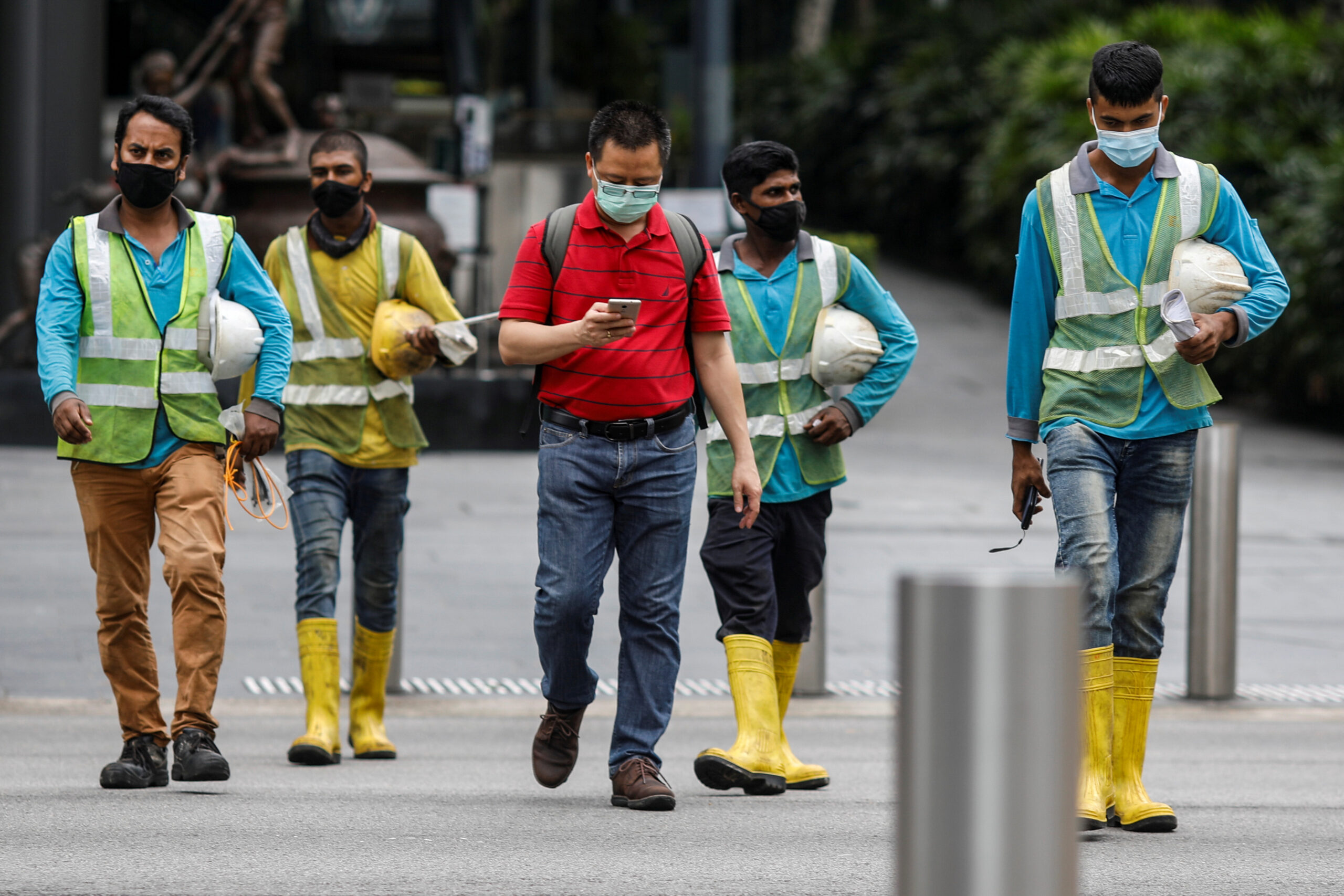
    The government of Singapore has made public plans to elevate the wages of over 53,000 retail workers residing in the country within the forthcoming three years.

    Progressive Wage Model Adoption

    The Ministry of Manpower revealed their acceptance of the Progressive Wage Model (PWM) on Monday. This model proposes a systematic progression of wages for retail employees based on their levels and the requisite training at each level. Devised by the Tripartite Cluster for Retail Industry (TCR), the PWM aims to ensure that workers’ wages correlate with their skills and productivity.

    As per the PWM, full-time retail assistants and cashiers will see a rise in their baseline monthly gross wages from the current $2175 to $2305 in September. This trend will continue with further increments to $2435 in the subsequent September and $2565 in September 2027.

    Wage Hike for Senior Roles

    There will be similar wage increases for senior retail assistants and cashiers starting from this September. Their wages will increase from the current $2395 to $2535, followed by further increments to $2680 in 2026 and $2820 in 2027.

    The wages of assistant retail supervisors will also be raised from $2635 to $2790 in September, with subsequent increases to $2950 next year and $3100 in 2027. However, the wages of retail supervisors and managers will vary according to market conditions.

    Part-Time Worker Consideration

    Part-time workers who clock in less than 35 hours a week will also benefit from a close to 6% rise in their hourly gross pay from September 1. Further wage increases will continue to be applied in the ensuing years.

    The PWM requirements, which are mandatory, will cover retail employees who are Singapore citizens and permanent residents. A review of the wage schedule will be carried out by the TCR next year.

    Training Requirements

    Employers will have to ensure that their retail workers meet the prescribed training requirements, including the Workforce Skills Qualification module or a relevant qualification from Institute of Higher Learning conferred by MOE-registered educational institutions. Employers will be given a grace period to comply with these training requirements.

    TCR co-chair Ryan Chioh acknowledged the challenges of rising costs and manpower constraints in the industry, but expressed that “the PWM, with structured wage progression and targeted training, helps businesses tackle these pressures while building a skilled and motivated workforce.”

    The PWM recommendations are the result of TCR’s extensive engagement with retail employers, the National Trades Union Congress, and industry associations.

    Singapore Retail Sales Update

    As per the most recent data from the Department of Statistics, retail sales in Singapore (excluding motor vehicles) experienced a modest increase of 0.4% in June, following stagnant growth in May.

    Questions & Answers

    What is the Progressive Wage Model (PWM)?
    The Progressive Wage Model is a wage structure that proposes a systematic progression of wages for retail employees based on their levels and the requisite training at each level.

    Who will be affected by the PWM in Singapore?
    The PWM will impact over 53,000 resident retail workers in Singapore, including full-time and part-time employees who are Singapore citizens and permanent residents.

    What changes will employers need to make in light of the PWM?
    Employers will need to ensure that their retail employees meet training requirements and are paid according to the wage schedule stipulated by the PWM. They will be given a grace period to comply with these changes.
  • Shaping Retail: The Rising Influence Of Social Media And Sustainability In China’s Consumer Market

    Shaping Retail: The Rising Influence Of Social Media And Sustainability In China’s Consumer Market

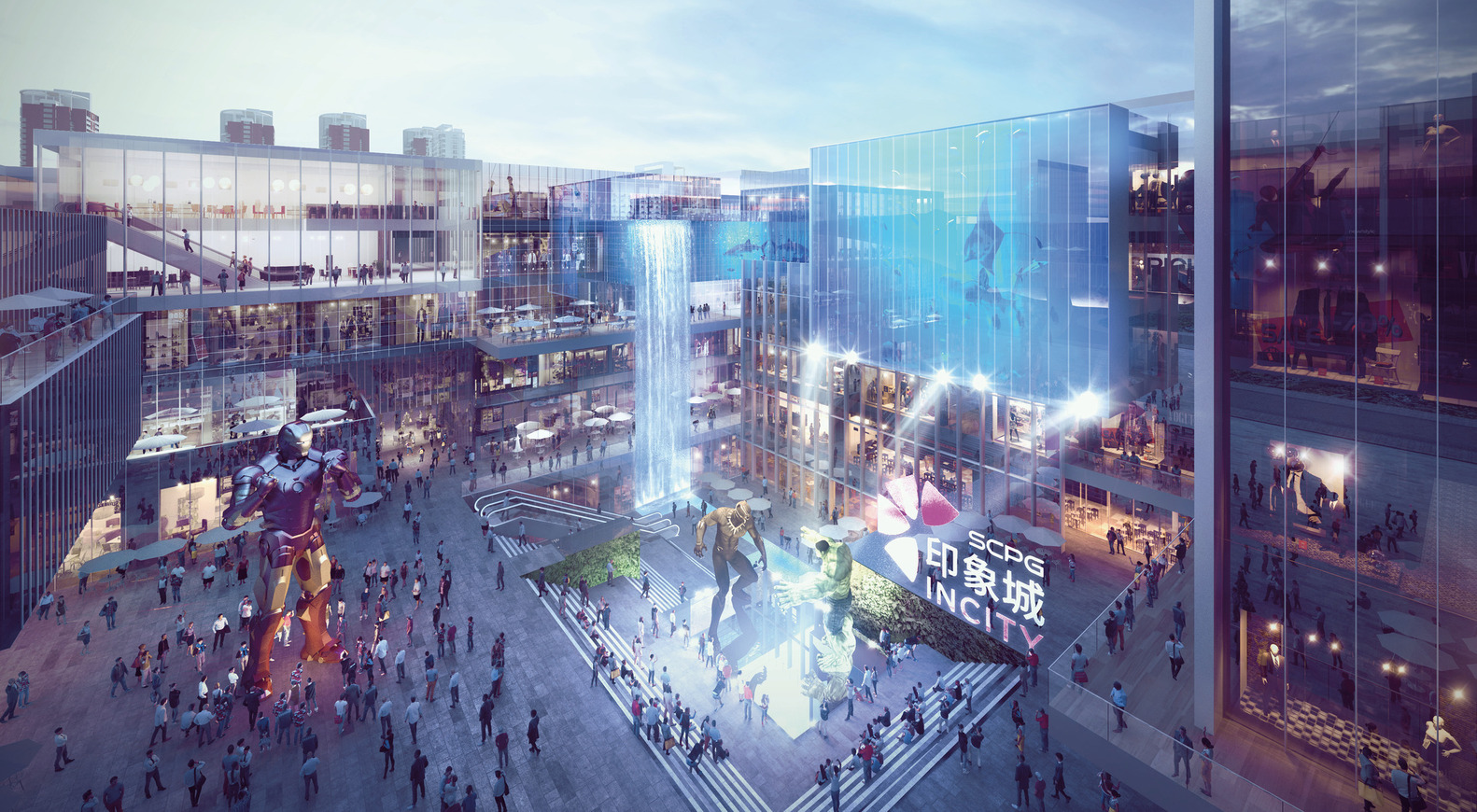
    China’s retail landscape continues to shift, thanks in part to the rapid rise of influencer marketing and e-commerce innovations. The impact of social media influencers on consumer behavior is shaping how brands connect with the younger demographic, pushing retailers to rethink their strategies. The digital-first approach has turned traditional advertising on its head, creating an engaging marketplace where authenticity and relatability reign supreme.

    The Power of Influencer Collaborations

    In a vibrant social media-driven economy, brands are increasingly leveraging influencers to showcase their products. The rise of live-stream shopping, where personalities present products in real-time, has become a game-changer. For example, platforms like Douyin and Kuaishou have made it easier for brands to reach vast audiences while providing a platform for consumers to shop as they watch. Unlike the conventional shopping experience, which often feels transactional, this format fosters a sense of community and entertainment—who knew shopping could be so much fun?

    Shifting Retail Trends

    Retailers are witnessing significant changes fueled by innovations such as augmented reality (AR) and personalized shopping experiences. AR technology allows customers to virtually try on clothes or visualize furniture in their homes before making a purchase. Additionally, personalized recommendations based on shopping habits are creating unique consumer experiences, enhancing satisfaction and loyalty.

    Sustainability Meets Consumer Demand

    Sustainability is also at the forefront of consumer concerns, influencing purchasing decisions across Asia. Brands that prioritize eco-friendly practices are finding favor with environmentally conscious consumers, leading to a surge in demand for sustainable products. Retailers are being called upon to embrace greener practices, from sourcing materials responsibly to adopting sustainable packaging solutions.

    As the retail sector adapts to these changes, collaboration between brands, influencers, and consumers will be crucial. Innovative strategies paired with a genuine understanding of consumer needs will be the key to navigating this complex yet exciting landscape. In an era where online shopping is the norm, the ability to blend entertainment and shopping may just be the secret sauce for success.

    Questions & Answers

    What role do influencers play in the modern retail landscape?
    Influencers serve as powerful marketing tools, showcasing products to their followers and creating engaging content that translates into sales, particularly through live-stream shopping platforms.

    How is technology shaping shopping habits in Asia?
    Technological advancements like augmented reality are transforming the shopping experience, allowing consumers to try products virtually and receive personalized recommendations, making shopping more interactive and tailored.

    Why is sustainability becoming a key focus for retailers?
    Consumer demand for sustainable practices has increased, with many shoppers preferring brands that adopt eco-friendly methods, thus pushing retailers to integrate sustainability into their business models to retain market competitiveness.

  • Hong Kong Rises To Second In Asia’s Smart City Rankings: A Look At Its Success

    Hong Kong Rises To Second In Asia’s Smart City Rankings: A Look At Its Success

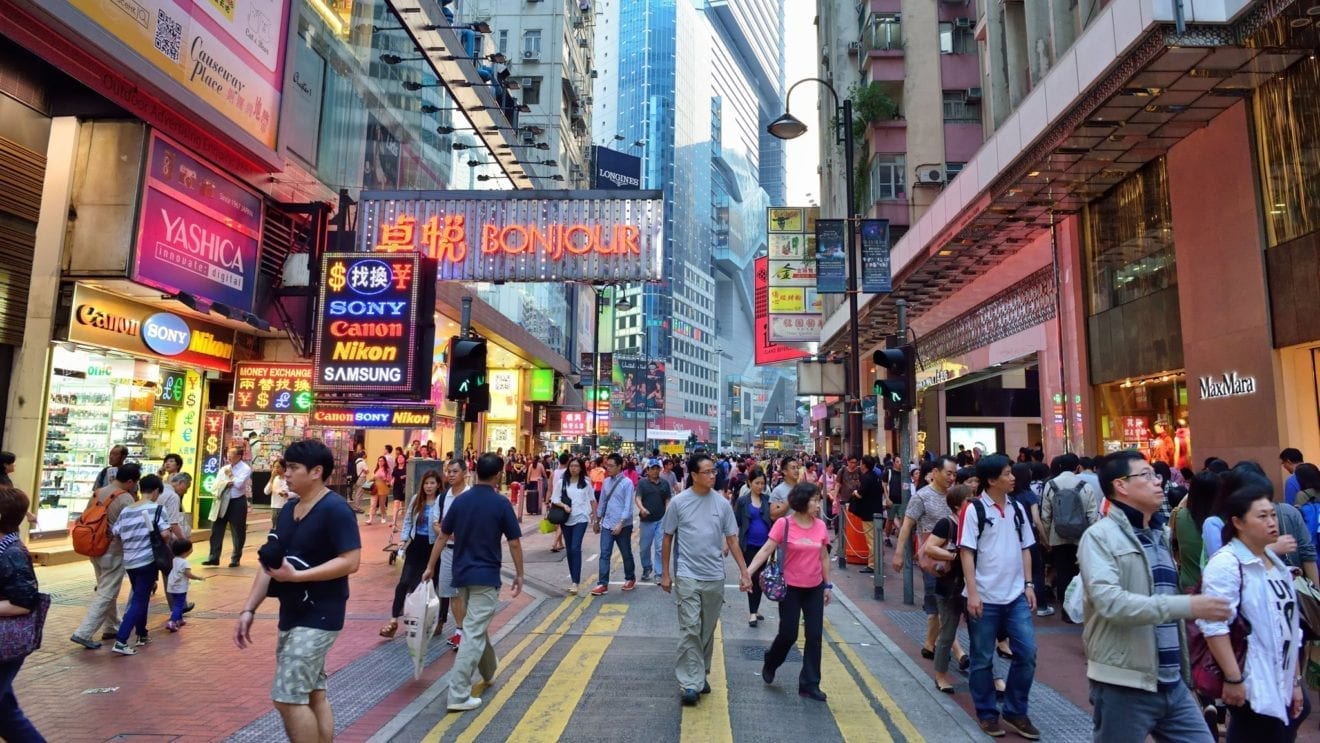
    In a recent evaluation of global urban centers, Hong Kong has emerged as a standout performer within Asia, claiming the second spot in the region, just behind Tokyo, which secures the fifth position worldwide. This assessment comes from the ISUI Smart City Index 2025, prepared by the Hong Kong Polytechnic University in collaboration with the International Society for Urban Informatics (ISUI).

    Smart City Development Takes Center Stage

    Released on Wednesday, the index scrutinizes the impact of smart city advancements on residents’ quality of life across 73 cities worldwide, including 25 in Asia. The evaluation rests on six essential dimensions: citizens, environment, social landscape, economy, infrastructure, and governance. An impressive 97 specific indicators, derived from publicly available data like the ratio of facilities to residents, contributed to this comprehensive analysis.

    Hong Kong’s Sustainable Edge

    Hong Kong’s remarkable standing can be attributed to its commitment to environmental sustainability, robust digital economic growth, and effective governance structures, as reported by The Standard. The index underscored the city’s strides toward carbon neutrality, bolstered by a sophisticated digital infrastructure and an open-access spatial data sharing platform that now offers over 1,000 datasets from various municipal departments for public access.

    Improving and Inspiring

    Professor John Shi, president of ISUI and the study’s lead academic, remarked on Hong Kong’s leap from ninth place in 2023 to its current rank. “It’s very strong, very encouraging. The city is excelling in its smart city development,” he stated, as quoted by Hong Kong broadcaster RTHK. He also stressed that the findings could play a pivotal role in shaping future policies, particularly in expanding active transportation infrastructure, such as cycling paths and electric vehicle charging stations.

    Global Competitors in the Mix

    Other notable Asian cities also shone in the index with South Korea’s Seoul at 13th, China’s Beijing at 15th, and Singapore at 21st. On the global stage, Stockholm, Sweden, took the top honors, succeeded by Washington, D.C., Barcelona, and London.

    Questions & Answers

    How does Hong Kong’s smart city ranking compare to previous years?
    Hong Kong climbed from ninth place in 2023 to secure second place in Asia this year, highlighting significant improvements in its smart city initiatives.

    What factors contributed to Hong Kong’s high ranking?
    The city’s achievements in environmental sustainability, digital economic development, and effective governance were crucial to its high ranking in the ISUI Smart City Index.

    How do other Asian cities rank in the smart city index?
    In addition to Hong Kong and Tokyo, Seoul ranked 13th, Beijing 15th, and Singapore 21st, showcasing a competitive landscape among leading Asian urban centers.

  • Chinese E-commerce Giants Disrupt South Africa’s Retail Sector, Claiming 3.6% Market Share

    Chinese E-commerce Giants Disrupt South Africa’s Retail Sector, Claiming 3.6% Market Share

    The South African retail market has witnessed significant disruption with the entry of Chinese e-commerce firms, Shein and Temu. Together, they constitute 3.6% of the nation’s retail sector, specifically the clothing, textile, footwear, and leather (CTFL) market. This translated to 7.3 billion rand (US$405 million) in sales in 2024.

    Disrupting the Retail Landscape

    Shein made its debut in the South African market in 2020, with Temu following in 2024. Both companies have effectively shaken up the local retail scene with competitive pricing, strategic marketing, and tax loopholes that initially provided them with an advantage over domestic retailers.

    The allure of these platforms for cost-conscious shoppers has had significant effects on local retailers. In response, these retailers appealed to regulatory bodies last year to address the tax loophole, which was subsequently closed.

    Impact on Market Shares

    The Localisation Support Fund (LSF) report indicates that the market share of domestic CTFL retailers has gradually dwindled from 75.3% in 2011 to 74% in 2024. In comparison, international physical store brands such as H&M, Zara, and Cotton On hold a combined market share of 3.4%.

    Shein and Temu together now hold a 3.6% share of the CTFL market, and a commanding 37.1% of South Africa’s e-commerce CTFL market. In particular, Shein has cornered 28% of the online women’s CTFL sales.

    Sean Mercer, a principal consultant at consulting firm BMA, observed that international retailers had spent 13 years building their market share. In contrast, Shein and Temu have managed to equal and even surpass this in a mere five years.

    Questions & Answers

    What market share do Shein and Temu hold in South Africa’s retail sector?
    Shein and Temu together hold a 3.6% share in South Africa’s retail sector, specifically in the clothing, textile, footwear, and leather market.

    What strategy did Shein and Temu use to disrupt the South African retail market?
    Shein and Temu disrupted the South African retail market with competitive pricing, strategic marketing, and by leveraging tax loopholes that initially provided them with an advantage over domestic retailers.

    How has the entry of Shein and Temu affected local retailers?
    The entry of Shein and Temu has significantly impacted local retailers, leading to a decline in their market share. The cost-effective offerings of these e-commerce platforms have drawn cost-conscious shoppers, affecting the sales of local retailers.

  • Singapore retail sales inch up 0.4 per cent in June

    Singapore retail sales inch up 0.4 per cent in June

    In June, retail sales in Singapore, not including motor vehicles, exhibited a modest 0.4% rise year-on-year, as reported by the Department of Statistics. This minor upswing follows a period of stagnant growth in May. With seasonal adjustments, retail sales showed a 1.4% decrease compared to May.

    The estimated overall retail sales value stood at SG$3.3 billion (US$2.6 billion), with online sales accounting for 16.2% of this figure.

    Industry Performance

    Most industries within the retail sector garnered an uptick in sales. The computer and telecommunications equipment industry saw a 7.3% increase, optical goods and book sales rose by 5.9%, and recreational goods experienced a 5.6% surge in sales.

    Additional categories such as watches and jewelry, cosmetics and medical goods, supermarkets and hypermarkets, as well as furniture and household equipment also witnessed increases ranging from 1.3% to 5.5%.

    However, not all areas of retail prospered. Petrol service stations, along with food and alcohol retailers, saw their sales decrease by 5.9% and 5.2%, respectively. Furthermore, the apparel and footwear segment, as well as minimarts and convenience stores, underwent a 2.6% reduction in sales.

    Food and Beverage Services

    Food and beverage service sales showed a marginal 0.1% increase amounting to SG$962 million in June, following a 1% rise in May. This modest growth was largely attributed to increased sales from food caterers and fast food outlets, which somewhat balanced the declining sales from restaurants, cafes, and food courts.

    Questions & Answers

    What was the overall increase in Singapore’s retail sales in June, excluding motor vehicles?
    There was a 0.4% increase in Singapore’s retail sales for the month of June, not including motor vehicles.

    Which sectors saw an increase in sales?
    Most industries within the retail sector saw an increase in sales. These include the computer and telecommunications equipment industry, optical goods and books, recreational goods, watches and jewelry, cosmetics and medical goods, supermarkets and hypermarkets, and furniture and household equipment.

    Which sectors experienced a decrease in sales?
    Sales decreased in petrol service stations, food and alcohol retailers, apparel and footwear segment, as well as minimarts and convenience stores.

  • Singapore Retailers Association announces The Singapore Retail Festival celebrating fresh, energised experiences

    Singapore Retailers Association announces The Singapore Retail Festival celebrating fresh, energised experiences

    In a bold move to offer shoppers unique and one-of-a-kind retail moments beyond sales to rejuvenate the retail industry and re-establish Singapore as a shopping destination for the world, the Singapore Retailers Association (SRA) announced the inaugural Singapore Retail Festival (SRF).

    SRF, to be held from 26 September to 12 October, 2025, will be an industry-wide celebration of innovation and transformation to reignite consumer excitement in visiting physical stores, while spotlighting the innovation, creativity, and spirit of Singapore’s retail sector.

    Mr Ernie Koh, President of Singapore Retailers Association, remarked that “by bringing back the magic of discovery, engagement, and on-ground experiences, the Singapore Retail Festival is looking to transform the everyday shopping journey into something fresh, vibrant, and memorable – strengthening Singapore’s position as a dynamic and future-ready retail destination for both Singaporeans and tourists. Shoppers can look forward to a dynamic, value-driven celebration of Singapore retail that reflects the changing needs of today’s consumers and the modern retail landscape”.

    This new initiative by the association was conceived to provide the much-needed united push with collective marketing, to amplify visibility and footfall across Singapore’s retail ecosystem, especially for the physical stores. SRA will work with retailers and key partners such as BHG, Eu Yan Sang, Harvey Norman, IN GOOD COMPANY, Metro, OG, Pet Lovers Centre, TANGS, TC Acoustic, Watson’s, among other retailers, and Brands for Good (BFG) to reimagine the festival, focusing on value beyond price and emphasising experiential retail, meaningful consumer engagements, and innovation.

    Mr Koh added that “this is no longer just a sale. It’s a celebration of Singapore’s retail creativity, and the unique value presented by its retail community. The Singapore Retail Festival represents a united push to uplift our retail sector. It’s about delivering value beyond discounts, creating one-of-a-kind moments that shoppers simply cannot find anywhere else.”

    One of the key features of SRF will be the introduction of experiential retail concepts from interactive in-store activations to limited-time concepts such as pop-ups, workshops, masterclasses, sensory or personalisation activities, to create immersive environments that excite and engage shoppers and reward them from stepping out to enjoy the vibrancy of the retail scene. This feature, among others such as exclusive value-driven offerings in the form of limited-time product drops, bundles and exclusive collaborations, offering unique and meaningful buys that go beyond conventional discounts, will make the festival markedly different from the Great Singapore Sale (GSS), the once much-anticipated annual affair that placed Singapore on the world map for great shopping. Once synonymous with deep discounts, GSS gradually lost its lustre with increasing competition from neighbouring cities often offering retail experiences at a lower price.

    What’s New

    •  Exclusive Value-Driven Offerings: The festival would feature limited-time, specially curated product offerings and exclusive collaborations for unique and meaningful buys that go beyond conventional discounts.
    • Experiential Retail Concepts: From interactive in-store activations to limited-time concepts such as pop-ups, to create immersive environments that excite and engage shoppers for memorable experiences and Instagram-worthy compelling alternatives to the convenience of online shopping.
    • New Retail Brands: SRF will spotlight not just established household names but also new retail brands entering the scene. These newcomers bring fresh ideas, niche offerings, and bold concepts that appeal to evolving consumer tastes, adding vibrancy and diversity to the overall retail experience. Their participation also reflects Singapore’s continued appeal as a launch pad for innovative retail ideas.
    • Thematic Celebrations: Each year, the SRF will adopt a distinct theme to keep the experience fresh, relevant, and aligned with consumer trends – something to look out for and experience first-hand. This approach not only allows for creative storytelling and curated retail experiences, but will also help drive year-on-year excitement and deeper engagement for both retailers and shoppers.

    Introduced in celebration of Singapore’s 60th year of independence, the festival will also coincide with the Formula 1 Singapore Grand Prix 2025 this year, leveraging the seasonal surge in international visitors and tourists. More detailed information on SRF 2025 will be announced later.

    SRA invites retailers across the island to join the festival by contacting SRA to share innovative retail ideas for collaboration and indicate their interest to participate in the festival. Please refer to the annex of the attached document for the list of confirmed participating retailers and malls to date.

  • U.S. Tariffs Take a Toll on Financial Stocks: What You Need to Know

    U.S. Tariffs Take a Toll on Financial Stocks: What You Need to Know

    The recent imposition of a staggering 39 percent import tariff on Swiss products by the U.S. has sent ripples through the Swiss economy, and while banks and insurance firms may not be the immediate targets of these tariffs, the repercussions are making their presence felt across the financial landscape.

    The Swiss stock market experienced a notable downturn following the announcement, with the Swiss franc also sliding against both the euro and the dollar. However, the market’s slump cannot be attributed solely to U.S. tariffs. A public holiday closure on Friday meant that the Swiss stock exchange only now has the opportunity to reckon with negative shifts seen in the U.S. and European markets, which were already beleaguered by disappointing labor market data.

    As trading resumed, the Swiss Market Index (SMI) was down 0.7 percent at 11,755 points, a slight recovery from sharper declines earlier in the session. The Swiss Leader Index (SLI), which represents Switzerland’s 30 largest companies, was also down 0.65 percent at 1,956 points.

    Financial Stocks Feel the Squeeze

    Among the hardest-hit stocks in the SLI are those sensitive to economic fluctuations, with staffing company Adecco leading the pack with a 2.8 percent drop, followed by ABB at 1.5 percent and Sika down 1.6 percent. Financial stocks are not immune either, as seen with Julius Baer’s shares which fell by 2.3 percent to CHF 53.96, and UBS dipping 1.1 percent to CHF 30.11. Vontobel likewise succumbed to market pressures, declining 0.7 percent to CHF 59.00.

    In a spark of unexpected resilience, Partners Group staged a modest recovery, now just 0.3 percent lower at CHF 1,098.50, after plummeting to CHF 1,056 earlier in the day. In the insurance sector, the performance was mixed; with Swiss Re down by a mere 0.2 percent, Swiss Life holding steady, and Zurich Insurance seeing a small gain of 0.3 percent.

    Hope Flickers Amidst Uncertainty

    The media has described the tariffs as a “bludgeon,” “hammer,” or even “shock,” reflecting the heavy toll they have taken on both the Swiss economy and its political climate. For those who once viewed Donald Trump’s economic policies as a beacon of hope for liberalism, this swift about-face is undoubtedly causing reconsideration.

    Amidst the turmoil, there remains a glimmer of hope that ongoing negotiations could lead to a reduction in the tariff rate on Swiss imports, potentially aligning closer to the 15 percent rate that is applied to EU goods. In a world characterized by uncertainty, the prospect of such outcomes—though it often feels like catching smoke with bare hands—cannot be ruled out.

    Questions & Answers

    What impact will the U.S. tariffs have on the Swiss financial sector?
    Although Swiss banks and insurance companies aren’t the direct targets of the tariffs, the overall economic strain is expected to affect the financial sector indirectly.

    How did the Swiss stock market respond to the tariffs?
    The Swiss stock market faced immediate declines following the tariff announcement, with the SMI dropping 0.7 percent shortly after trading resumed.

    Is there potential for tariff reductions in the future?
    There is hope that ongoing discussions may lead to a reduction in tariff rates, possibly aligning with the rates imposed on EU goods.

  • Tourist Tax-Free Spending Plummets, Foreshadowing Challenges for Japan’s Retail Sector

    Tourist Tax-Free Spending Plummets, Foreshadowing Challenges for Japan’s Retail Sector

    Sales at Japanese department stores have shown signs of slowing in recent months, raising concerns that even the wealthiest shoppers may be curbing their extravagant expenditures. This shift is attributed partly to the ripple effects of U.S. President Donald Trump’s aggressive tariff policies, which have begun to take a toll on consumer sentiment.

    Once a hotspot of opulence, where luxury purchases were practically an everyday occurrence, the shopping landscape is shifting. Data from the Japan Department Stores Association indicates that, while the overall department store sales dipped by 0.4% year-on-year in August, the high-end segment is particularly feeling the pressure. Consumers that once splurged with abandon are now more discerning, raising eyebrows and speculation in the retail sector.

    In a bid to attract the scrupulous shopper, renowned stores like Tokyo’s Isetan Shinjuku have embraced technology, launching an innovative smartphone app tailored for overseas visitors. This app offers users enticing discount coupons as well as comprehensive information about the store in English, Chinese, and Korean. Such initiatives not only enhance the shopping experience but also seek to capture a significant slice of the lucrative tourist market.

    As retailers grapple with these changes, they are stepping up efforts to adapt. The high-end fashion scene finds itself at a crossroads, where luxurious brands must navigate a delicate balance between aspirational pricing and accommodating the evolving preferences of their consumer base. Will the lavish lifestyles of the past return, or are shoppers’ appetites for luxury purchases shifting irreversibly? Only time will tell, but for now, retailers seem to be polishing their strategies and hoping for a spark of that former extravagance — who wouldn’t want a weekend shopping spree to feel like a scene from a Hollywood film?

    Questions & Answers

    How have recent economic factors impacted Japanese department store sales?
    Japanese department store sales have dipped by 0.4% year-on-year, with concerns that high-end consumers are becoming more discerning due to factors like U.S. tariffs.

    What strategies are department stores implementing to attract overseas customers?
    Stores like Isetan Shinjuku have launched smartphone apps offering discount coupons and information in multiple languages, aimed at enhancing the shopping experience for foreign tourists.

    What does the future hold for high-end retail in Japan?
    As consumer preferences evolve, luxury brands face a challenge in balancing aspirational pricing with the desires of a more cautious shopping base, raising questions about the future of extravagant spending.

  • H&M’s Balancing Act: Navigating Sustainability Goals Amid Rising Retail Competition

    H&M’s Balancing Act: Navigating Sustainability Goals Amid Rising Retail Competition

    In the fast-paced world of retail, brands often find themselves caught in a web of immediate consumer demands and long-term strategic planning. One company feeling the heat is H&M, which has recently made headlines for its sustainability initiatives and focus on ethical fashion. However, as the Swedish retailer grapples with fluctuating sales and increasing competition, a closer look at its approach reveals a mixture of innovation, challenges, and the occasional misstep.

    H&M’s Sustainability Journey

    H&M has positioned itself at the forefront of sustainability, pledging to use 100% recycled or other sustainably sourced materials by 2030. This ambitious commitment resonates well with eco-conscious consumers, particularly younger shoppers who prioritize sustainability in their purchasing decisions. Still, the journey has not been without pitfalls; the brand has faced scrutiny over greenwashing accusations, raising questions about the authenticity of its efforts.

    Facing Market Challenges Head-On

    As of mid-2023, H&M has reported a notable dip in sales, attributed partly to changing consumer preferences and the rise of fast fashion competitors who are nimble and aggressive. The retailer’s recent focus on overhauling its online platform and optimizing supply chains indicates a strategic pivot to better meet contemporary retail demands. A dash of urgency is in the air, as the brand aims to strike the right balance between sustainability and competitiveness — ensuring it doesn’t lose its footing in the rapid race that is retail.

    The Asian Market Landscape

    In Asia, where retail dynamics differ significantly from those in Europe and the Americas, H&M has been investing heavily. The brand has recently opened new flagship stores in key markets such as Bangkok and Shanghai, designed to deliver a more personalized shopping experience. It’s a gamble aimed at turning foot traffic into sales, as traditional shopping experiences are making a resurgence post-pandemic. Who knew that physical stores would have to go full circle and embrace digital experiences, incorporating tech-savvy elements while still allowing customers to feel the fabric before they buy?

    Looking Ahead

    The company is betting on strategic collaborations to further enhance its offerings. Partnerships with local designers and influencers have become pivotal in creating collections that resonate with diverse Asian consumers. By understanding local tastes and trends, H&M strives to craft a more cohesive brand narrative that appeals across cultural lines. The road ahead will require diligence and adaptability, and as H&M navigates these waters, the aim remains clear: to redefine what it means to be a responsible retailer in a rapidly evolving marketplace.

    Questions & Answers

    What sustainability goals has H&M set for itself?
    H&M aims to use 100% recycled or other sustainably sourced materials by 2030, reflecting its commitment to ethical fashion.

    What challenges is H&M currently facing in the retail market?
    H&M is dealing with declining sales due to shifting consumer preferences and stiff competition from fast fashion brands.

    How is H&M adapting to the unique demands of the Asian market?
    The retailer is opening flagship stores in major Asian cities and collaborating with local designers to tailor its offerings to regional tastes.

  • Hong Kong Retail Sales Rise In June, Slower Pace Indicates Stabilization

    Hong Kong Retail Sales Rise In June, Slower Pace Indicates Stabilization

    In June, Hong Kong experienced an increase in retail sales, albeit at a slower pace than the previous month of May. The total retail sales for the special administrative region came in at HK$30.1 billion (US$3.8 billion), marking a 0.7 per cent year-on-year growth. This rise, however, was less than the 2.4 per cent increase witnessed in May, which was the first surge in retail sales observed in over a year.

    The Impact of Price Changes

    When considering the impact of price changes during this period, the provisional estimate of retail sales for June revealed a 0.3 per cent year-on-year decrease. This is in comparison to a 1.9 per cent uptick seen in May.

    Industry-Specific Performance

    Breaking down the increase in retail sales by industry, the sectors of jewellery, watches and clocks, and valuable gifts led the pack, enjoying a 6.8 per cent upswing in June. The following industries also saw notable growth: medicines and cosmetics, with a 6 per cent increase; commodities in department stores, with a 5.7 per cent rise; and optical shops, which saw a 1 per cent surge in sales.

    On the other hand, some sectors witnessed a decline in sales. Sales of wearing apparel dipped by 4.3 per cent, while food, alcoholic drinks and tobacco dropped by 1.5 per cent. Additionally, sales in furniture and fixtures saw a significant decrease of 16.3 per cent, with books, newspapers, stationery and gifts experiencing a 4.7 per cent fall.

    First-Half Overview

    Looking at the bigger picture, retail sales in Hong Kong for the first half of the year showed a downward trend, dropping by 3.3 per cent when compared to the same period last year.

    However, a government spokesperson conveyed optimism, noting that the retail sector has been exhibiting signs of stabilization in recent months. The spokesperson cited several favourable factors contributing to this trend, including the steady rise in employment earnings, a robust stock market, and concerted efforts from the government and businesses to promote tourism. These factors are anticipated to augment consumer sentiment and provide a strong support for the retail sector.

    Questions & Answers

    What was the value of retail sales in June in Hong Kong?
    The value of retail sales in Hong Kong in June was HK$30.1 billion (US$3.8 billion), representing a 0.7 per cent year-on-year increase.

    Which sectors led the growth in Hong Kong’s retail sales in June?
    The sectors of jewellery, watches and clocks, and valuable gifts led the growth in June with a 6.8 per cent increase. Other sectors experiencing growth included medicines and cosmetics, commodities in department stores, and optical shops.

    What are the factors contributing to the stabilization of Hong Kong’s retail sector?
    The stabilization of Hong Kong’s retail sector can be attributed to the continuous increase in employment earnings, a solid stock market performance, and government and business efforts to boost tourism.

  • Small Sellers Struggle to Keep Up Amid E-Commerce Surge: Challenges and Opportunities Ahead

    Small Sellers Struggle to Keep Up Amid E-Commerce Surge: Challenges and Opportunities Ahead

    Tuan Anh, a seller operating his online printed T-shirt shop in Ho Chi Minh City, has made the difficult decision to close his business after struggling to make sales. Despite his hopes of earning some extra money on the side, Tuan Anh found the competitive landscape daunting. “There are too many competitors on e-commerce platforms”. “The only way to sell is by running ads, which is not feasible for small vendors like me who lack funds.”

    This sentiment is echoed across the industry. According to recent data from Metric, the first half of the year saw a staggering decline of 80,000 in the number of e-commerce vendors securing at least one order, reflecting the increasing challenges faced by small sellers. “The market is increasingly favoring larger sellers capable of maintaining stable order volumes,” noted a representative from Metric.

    Market Gains, but Not for Everyone

    While the e-commerce sector appears to be thriving, particularly for larger players, smaller sellers are struggling to keep pace. Consultancy firm YouNET ECI reported that the gross merchandise value generated by the four largest multi-category retail platforms—Shopee, TikTok Shop, Lazada, and Tiki—reached an impressive VND222.1 trillion (approximately US$8.8 billion) during the first half of the year, marking a 23% increase year-on-year. Yet, in stark contrast, the number of active sellers on these platforms dipped by 1.3% to 578,700.

    Nguyen Phuong Lam, director of market analysis at YouNet ECI, emphasized that while official brand stores enjoyed significant revenue growth of 34%, smaller vendors continue to falter. Data from Metric reveals that shop malls, although representing only 3.4% of the total shops, accounted for a robust 28.7% of sales. This trend highlights consumers’ increasing preference for trust and reliability when shopping amidst an influx of low-quality goods.

    Marketing Woes for Small Sellers

    The hurdles for small sellers don’t stop at competition; limited marketing resources significantly hinder their visibility. Nguyen Khac Tu, founder and CEO of Bigshop, an established electronics and household appliance retailer, pointed out, “If vendors on Shopee do not run ads, they get very few orders. Similarly, TikTok Shop livestreams without advertising attract hardly any viewers.” Coupled with rising platform fees, the environment has become stifling for many small, under-resourced sellers.

    YouNet ECI’s Lam reiterated the detrimental impact of escalating fees. “With mounting pressure from rising platform costs, many small, unprofessional, or under-invested sellers feel compelled to exit the market,” he commented. Adding to these challenges, the days of quick profits from low-quality goods seem to be fading fast, as stricter regulations targeting product quality and a crackdown on counterfeit items push some sellers out.

    Future Prospects Amidst Challenges

    Despite these obstacles, the e-commerce market continues to expand at a rapid pace. Metric forecasts a notable 21.6% sales increase in the third quarter of 2025, predicting that the gross merchandise value for the four dominant platforms will hit VND122.8 trillion. Long-term projections from the e-Conomy report by Google, Temasek, and Bain & Company envision Vietnam’s online market soaring to $63 billion by the decade’s end—nearly triple the anticipated figure for 2024.

    However, the road to success is becoming increasingly exclusive to professional shops equipped with the necessary financial backing. Lam further stressed that today’s consumers expect quality and cannot tolerate platforms being mere dumping grounds for surplus inventory. “Serious investment in branding, service quality, and robust financial preparation is vital for survival,” he emphasized. “Vietnam’s e-commerce market no longer has room for short-term thinking.”

    In light of the current challenges, a proposed E-commerce Law aims to enhance market quality and transparency. This legislative initiative seeks to impose stricter accountability on platforms, mandating the removal of any violating products within 24 hours of detection, and requires sellers to verify their identities for traceability. Nguyen Huu Tuan, director of the E-commerce and Digital Technology Development Center, expressed that sellers will face tighter regulations regarding product ownership and labeling, with comprehensive details mandatory for all listings. “The days of posting products with arbitrary information are over,” he declared. And it appears, in the evolving e-commerce landscape, the only thing more certain than growth is the push for professionalism.

    Questions & Answers

    What challenges are small online sellers facing in Vietnam’s e-commerce market?
    Small sellers are encountering intense competition and limited marketing resources, making it difficult for them to gain visibility and secure orders. Rising platform fees further exacerbate these challenges, forcing many to exit the market.

    How are larger platforms performing compared to smaller sellers?
    Larger platforms like Shopee and TikTok Shop are thriving, with significant increases in gross merchandise value, while the number of active small sellers is declining as they struggle to compete.

    What legislative changes are being proposed to improve the e-commerce landscape?
    A proposed E-commerce Law aims to enhance market transparency and accountability, requiring platforms to promptly remove violating products and enforce stricter identity verification for sellers.

  • Revolutionizing Retail: Sensetime And K11’s Art-tech Pop-up Transforms Hong Kong’s Shopping Scene

    Revolutionizing Retail: Sensetime And K11’s Art-tech Pop-up Transforms Hong Kong’s Shopping Scene

    Hong Kong’s shopping landscape is poised for a remarkable transformation with the introduction of a unique retail pop-up venture by SenseTime and Hong Kong’s own K11 Art Mall. This innovative concept aims to blend art, technology, and retail in a synergy that promises to captivate shoppers and art aficionados alike. Designed to be an immersive experience, the pop-up installation is scheduled to run through October 2023, positioning itself at the forefront of the city’s retail evolution.

    A Fusion of Art and Technology

    Visitors to the pop-up can expect to walk through a mesmerizing journey where AI-generated art meets high-quality merchandise. Imagine stepping into a space where the boundaries between the virtual and the physical dissolve, offering a fresh perspective on both shopping and artistic appreciation. SenseTime, renowned for its advancements in artificial intelligence, has created interactive art pieces that respond to visitors, sparking engagement in ways that traditional retail environments seldom achieve.

    A Unique Shopping Experience

    What sets this venture apart isn’t just the novelty of AI-driven artwork. Shoppers will also have the opportunity to purchase selected products that feature these unique designs, allowing them to take home a piece of the experience. It’s not every day that a shopping bag can feel like a piece of the Metaverse! The K11 Art Mall aims to create a space where shopping transcends mere transaction and evolves into an exploration of culture and creativity.

    Community Engagement and Cultural Impact

    In addition to promoting consumer engagement, the pop-up event is a conscious effort to promote local artists alongside technological marvels. By showcasing their work, SenseTime and K11 Art Mall are nurturing a vibrant cultural scene in Hong Kong. This initiative reflects a broader trend within the retail industry across Asia, where brands are increasingly recognizing the importance of blending cultural elements with shopping experiences to enrich consumer interaction.

    As the pop-up continues to draw attention, it stands as a testament to the changing face of retail in Asia. With consumer preferences evolving towards experiences rather than mere products, forward-thinking brands are learning to adapt by integrating art, technology, and community into their retail strategies.

    Questions & Answers

    What can visitors expect from the SenseTime and K11 Art Mall pop-up?
    Visitors can look forward to an immersive experience that merges AI-generated art with unique merchandise, creating a intertwined environment that redefines shopping.

    How does this initiative support local artists?
    The initiative showcases local artists, providing them with a platform to reach new audiences while intertwining cultural elements into the shopping experience.

    What broader trend does this pop-up reflect in the retail industry?
    This pop-up exemplifies a growing trend where retailers are focusing on experiential shopping, merging art, technology, and cultural engagement to attract modern consumers.

  • Tourist Tax-Free Spending Plummets, Raising Concerns for Japan’s Retail Future

    Tourist Tax-Free Spending Plummets, Raising Concerns for Japan’s Retail Future

    The vibrant world of Japanese department stores is currently facing a challenging downturn, with recent reports indicating a slowdown in consumer spending among a wealthy demographic. This shift appears to be part of a broader trend influenced by international economic factors, including U.S. President Donald Trump’s aggressive tariff policies, which have begun to bite.

    The Numbers Tell a Story

    Statistics from June reveal a sobering 7.8% decline in department store sales compared to the previous year, landing at 461.5 billion yen (approximately $3.1 billion). A significant contributor to this downturn is the staggering 40.6% drop in tax-free shopping by foreign tourists, which plummeted to just 39.2 billion yen, as reported by the Japan Department Stores Association on Friday.

    The Impact of Shifting Consumer Habits

    This slowdown in retail activity can be attributed to several factors, including changing consumer preferences and market volatility. The once-gilded shopping spree that characterized luxury spending appears to be giving way to a more cautious approach, raising eyebrows in the industry. As one analyst whimsically noted, “Even the most extravagant spenders can feel the pinch when the global economy plays hardball.”

    Looking Forward

    As Japanese retailers navigate this challenging landscape, the focus will inevitably shift to strategies that can rekindle consumer enthusiasm and entice foreign visitors back into their stores. Flexibility and innovation may be key players in this ongoing narrative as the industry adapts to the evolving economic tides.

    Questions & Answers

    What is contributing to the slowdown in Japanese department store sales?
    The slowdown is primarily attributed to a decrease in spending among wealthy consumers, influenced by external economic pressures, particularly U.S. tariff policies, along with a significant drop in tax-free shopping by foreign tourists.

    How much did department store sales decline in June?
    In June, department store sales in Japan fell by 7.8% year-on-year, amounting to 461.5 billion yen (about $3.1 billion).

    What specific segment of shopping saw the most significant decline?
    Tax-free shopping by foreign visitors saw a dramatic 40.6% decline, falling to 39.2 billion yen, highlighting the challenges in attracting international consumers.

  • Taiwan’s Retail Sales Slump For Third Consecutive Month Amid Tariff Negotiations

    Taiwan’s Retail Sales Slump For Third Consecutive Month Amid Tariff Negotiations

    Retail sales in Taiwan experienced a decline of 2.9 percent in June, falling to a total of NT$390 billion (US$13.3 billion). This downward trend marks the third consecutive month of sales decreasing.

    Decline in Retail Sales

    The drop in sales fell within the anticipated range of 0.4 to 3.4 percent. The sectors most affected were those of cars, motorcycles, auto parts, and accessories, which faced a significant decrease of 17.3 percent in year-on-year sales. The slump in demand for these industries was largely due to customers waiting for the results of tariff negotiations between Taiwan and the United States.

    The fabric and clothing sector also felt the impact, with sales falling 6.3 percent. This was attributed to fewer holidays in the period. Additionally, department stores recorded a 3.6 percent decrease in sales.

    Food and Beverage Industry

    The food and beverage sector, after experiencing growth for three consecutive months, also reported a decline of 2 percent. The primary factor contributing to this downturn was a reduction in restaurant sales.

    Overall Retail Sales

    For the second quarter, overall retail sales in Taiwan slid by 1.6 percent, and by 0.4 percent for the first half of the year. Looking ahead, the Ministry of Economic Affairs predicts retail sales growth for July to vary between a 2 percent drop and a 1 percent rise.

    Questions & Answers

    What was the overall decline in retail sales for Taiwan in June?
    The overall decline in retail sales for Taiwan in June was 2.9 percent.

    Which sector experienced the most significant decrease in sales?
    The sector of cars, motorcycles, auto parts, and accessories experienced the most significant decrease in sales, with a drop of 17.3 percent year-on-year.

    What projections have been made for retail sales growth in July?
    The Ministry of Economic Affairs predicts that retail sales growth for July will range between a 2 percent drop and a 1 percent rise.

  • McDonald’s to sell Hong Kong retail spaces valued at US$153 million

    McDonald’s to sell Hong Kong retail spaces valued at US$153 million

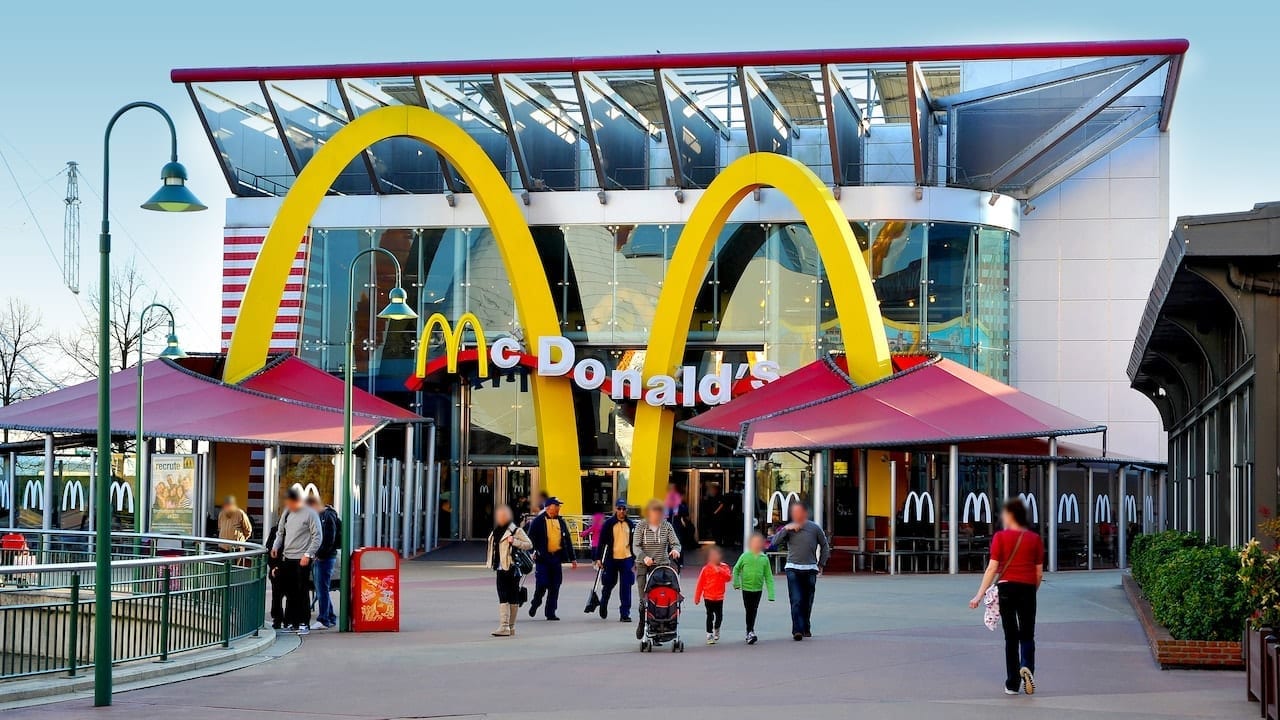
    Fast-food giant McDonald’s has announced plans to sell eight top-tier retail properties in Hong Kong, collectively estimated to be worth HK$1.2 billion (US$152.89 million). Jones Lang LaSalle (JLL), appointed as the exclusive agent for the sale, reported the news earlier this week.

    The properties will be sold via public tender, with the process scheduled to conclude on September 16. Buyers will have the flexibility to purchase the properties either separately or as a comprehensive portfolio. All the properties come with enduring leases with McDonald’s, which adds to their appeal.

    Previously, there had been reports that McDonald’s was considering selling all of its 23 stores in Hong Kong, the total market value of which is roughly HK$3 billion (US$382 million). The current sale of eight stores represents the first phase of this broader asset disposal strategy.

    This move is part of McDonald’s larger efforts to refine its asset base in the region. In 2017, McDonald’s sold its 20-year master franchise rights for China and Hong Kong to a consortium led by Citic Group and private equity firm Carlyle, while maintaining ownership of its real estate portfolio.

    Questions & Answers

    What is the estimated market value of the eight Hong Kong properties that McDonald’s plans to sell?
    The total market value of the eight properties is estimated to be around HK$1.2 billion (US$152.89 million).

    How will the sale of these properties be conducted?
    The sale will occur via public tender and is scheduled to conclude on September 16.

    What is McDonald’s broader strategy for its assets in the region?
    This sale is part of McDonald’s larger efforts to optimize its regional asset base. The company previously sold its 20-year master franchise rights for China and Hong Kong to a consortium, while retaining ownership of its real estate portfolio.