Tag: Retail

  • U-Mobile and MICTH Join Forces to Speed Up 5G Expansion Across Malacca

    U-Mobile and MICTH Join Forces to Speed Up 5G Expansion Across Malacca

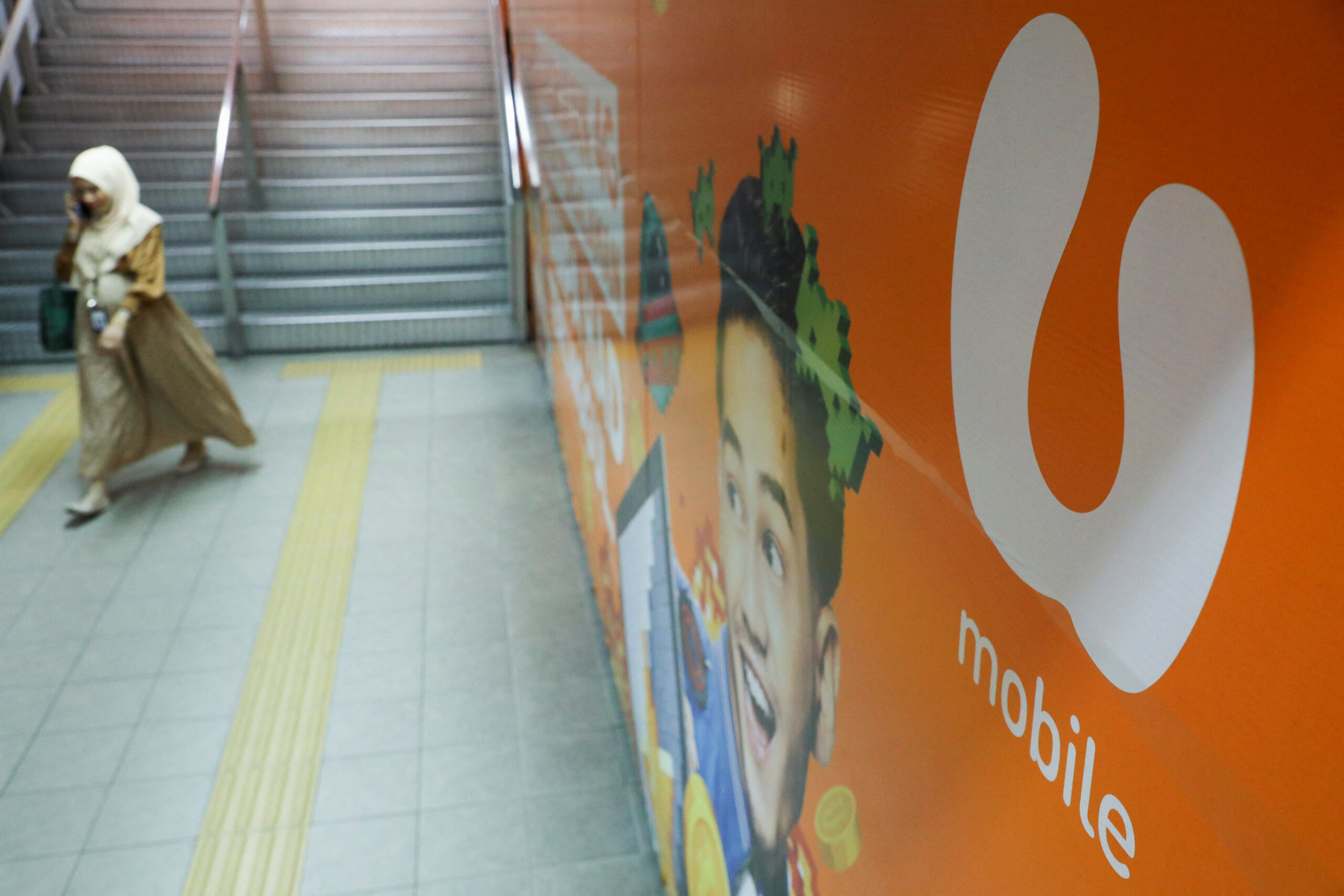
    U Mobile has officially partnered with Melaka ICT Holdings Sdn Bhd (MICTH) through a memorandum of understanding (MoU) that seeks to accelerate the deployment of U Mobile’s Next Gen 5G network within the region of Malacca. This collaboration is poised to bring faster, more reliable connectivity to consumers and businesses alike.

    Strengthening Infrastructure for a Digital Future

    Under the terms of this agreement, MICTH will provide U Mobile with access to its extensive tower and site infrastructure, along with essential support for site implementations throughout the state. The two organizations plan to leverage their combined expertise to establish an efficient rollout process for 5G technology, enabling a broader and quicker expansion of coverage.

    Woon Ooi Yuen, U Mobile’s Chief Technology Officer, expressed enthusiasm about the collaboration, emphasizing MICTH’s pivotal role in driving rapid deployment in the state. “As Malacca’s state-backed ICT leader, MICTH plays a vital role in accelerating deployment in the state, supporting our ambition to achieve 80% nationwide CoPA by the second half of 2026,” Woon remarked. He added that this partnership will significantly enhance 5G connectivity, propelling both consumer experiences and enterprise capabilities, while also aligning with Malacca’s broader digital transformation strategy to grow its digital economy.

    A Vision for Inclusive Connectivity

    Dr. Nazdiana Ab Wahab, CEO of MICTH, reiterated the organization’s commitment to fostering seamless and inclusive connectivity throughout Malacca. “MICTH remains steadfast in its commitment to ensuring seamless and inclusive connectivity across the state, supporting Malacca’s digital transformation and infrastructure development for the benefit of the economy and the people of Malacca,” she stated, encapsulating the ambition behind the partnership.

    The MoU was formalized during an appreciation ceremony held in Kuala Lumpur, coinciding with the Malacca State Telecommunication Synergy event. Key figures in attendance included U Mobile’s Head of Network Programs and Rollout, Jaime Chee Kar Yean, as well as Datuk Fairul Nizam Roslan, the Malacca Executive Council Member for Science, Technology, Innovation, and Digital Communication. The occasion was graced by the presence of Malacca Chief Minister, Datuk Seri Utama Ab Rauf Yusoh, and State Secretary, Datuk Azhar Arshad.

    Questions & Answers

    What is the primary goal of the MoU between U Mobile and MICTH?
    The main goal of the MoU is to accelerate the rollout of U Mobile’s Next Gen 5G network in Malacca, enhancing connectivity for consumers and businesses across the state.

    How will MICTH support U Mobile in this partnership?
    MICTH will provide U Mobile access to its tower and site infrastructure, along with comprehensive assistance for site implementations to facilitate the deployment of 5G technology.

    Who were the key figures present at the signing of the MoU?
    The signing was attended by notable figures including U Mobile’s Head of Network Programs, Jaime Chee Kar Yean, Malacca Executive Council Member Datuk Fairul Nizam Roslan, and Chief Minister Datuk Seri Utama Ab Rauf Yusoh, among others.


  • Walmart Unveils Four Cutting-Edge AI ‘Super Agents’ with Strategic Tech Recruitment Boost

    Walmart Unveils Four Cutting-Edge AI ‘Super Agents’ with Strategic Tech Recruitment Boost

    The retail landscape in Asia has been buzzing with activity as major players adapt to the evolving market dynamics. With the ongoing embrace of e-commerce and a resurgence of physical shopping, businesses are honing their strategies to capture the attention of an increasingly discerning consumer base.

    Asia’s Digital Retail Rise

    Digital retail in Asia has witnessed unprecedented growth, fueled by a blend of technological advancements and changing consumer behavior. According to recent reports, the region is on track to surpass a staggering $2 trillion in online sales this year. Beyond mere numbers, this seismic shift reflects a cultural transformation — imagine purchasing a new outfit with a few swipes on your smartphone while sipping bubble tea. It’s convenience served with a splash of personality.

    Bricks and Mortar Make a Comeback

    While e-commerce continues to thrive, the allure of physical retail stores has not dimmed. Many brands are rethinking their brick-and-mortar strategies, merging the tactile experience of shopping with digital savviness. Retailers are increasingly investing in immersive experiences that engage shoppers beyond traditional transactions, sparking excitement for customers keen to explore the latest trends in person.

    Adaptation in the Face of Challenges

    Retailers in Asia are not just riding the wave of digital sales; they are also navigating significant challenges like supply chain disruptions and inflationary pressures. Industry leaders are finding innovative ways to address these hurdles, from streamlining operations to diversifying their supply chains. The savvy among them are even leveraging local artisans and manufacturers to reduce lead times and foster closer community ties.

    Eco-Conscious Consumers Drive Sustainability Efforts

    An emerging trend is the demand for sustainability — consumers are increasingly making purchasing decisions based on a brand’s environmental impact. This rising awareness has prompted retailers to embrace more sustainable practices, integrating eco-friendly products into their offerings and emphasizing transparency in their supply chains. For many brands, being green is not just a marketing gimmick; it’s a commitment to the planet that resonates with their audience.

    Looking Ahead: The Future of Retail in Asia

    The future of retail in Asia looks bright and dynamic. As companies continue to innovate and adapt, the sales strategies of tomorrow will be shaped by technology, sustainability, and a deeper understanding of consumer needs. Expect to see more personalized shopping experiences, AI-driven recommendations, and, possibly, a few unexpected trends that could take the market by storm — like that grassroots coffee shop that becomes a nationwide sensation overnight.

    Questions & Answers

    How is e-commerce changing the retail landscape in Asia?
    E-commerce is revolutionizing retail in Asia by driving online sales to unprecedented levels, with projections exceeding $2 trillion this year, transforming consumer shopping habits along the way.

    What trends are influencing brick-and-mortar stores?
    Bricks-and-mortar stores are evolving to enhance customer engagement, blending physical allure with digital conveniences to attract shoppers who enjoy the tangible shopping experience.

    Why is sustainability becoming a key factor for consumers?
    Sustainability is rising in importance as more consumers are considering a brand’s environmental impact in their purchasing decisions, leading retailers to adopt eco-friendly practices and increased transparency.

  • Asian Retailers Revolutionize Shopping Experience Amid E-commerce Surge And Pandemic Challenges

    Asian Retailers Revolutionize Shopping Experience Amid E-commerce Surge And Pandemic Challenges

    As retailers across Asia grapple with the seismic shifts wrought by e-commerce and the COVID-19 pandemic, one company is forging a distinct path by embracing an innovative, customer-centric approach. With soaring demands compelling brands to rethink their strategies, the spotlight is now on how these businesses can leverage digital tools to enhance the shopping experience while staying grounded in the needs of consumers.

    Transforming the Retail Experience

    The metamorphosis of retail has never felt so urgent. Traditional brick-and-mortar establishments are increasingly blending their physical offerings with digital solutions—an evolution driven by a desire not only for survival but for a renaissance in customer engagement. Take the booming popularity of live commerce in Asia, for instance, a format that combines video streaming with shopping, allowing consumers to purchase items in real-time as they watch entertaining hosts showcase products. It’s like TV shopping, but on a TikTok diet. This approach has seen huge participation rates, especially among younger demographics, effectively turning shoppers into active participants in the purchasing process.

    Innovative players in the market are capitalizing on this shift. By utilizing data analytics and AI, retailers can personalize shopping experiences to an unprecedented degree—from tailored offers sent straight to consumers’ smartphones to predictive inventory management that eliminates out-of-stock woes. As one industry expert noted, the success of retail now hinges on its ability to understand and anticipate customer needs in a rapidly changing landscape.

    Technology Meets Tradition

    Retailers navigating this dynamic environment are finding that striking the right balance between technology and traditional values can yield remarkable dividends. Innovations like augmented reality (AR) are being deployed to bridge the gap between online and offline shopping. Imagine trying on clothes virtually before making a purchase—a convenience that not only enhances customer satisfaction but also reduces return rates that have plagued online retailers.

    Meanwhile, loyalty programs are being revitalized to reward not only purchases but engagement, turning passive consumers into loyal advocates for brands. This transformation signals a shift where relationships, rather than mere transactions, take center stage in the retail arena.

    Challenges Ahead

    Despite these strides, challenges remain pronounced. Supply chain disruptions and increasing costs due to inflation are causing retailers to rethink their operations. Moreover, high consumer expectations for seamless service, whether online or offline, can be daunting. As one CEO aptly remarked during a recent industry conference, “In a world where customers are kings, delivering a mere pizza is not enough—you better have a side of innovation served hot with that.”

    With competition intensifying on all fronts, retailers must exhibit agility and responsiveness. The race for attention in the bustling Asian market demands that brands are not only quick to adapt but also innovative in their approach, leveraging technologies that resonate with their core audience.

    In the journey to reshape retail, it is clear that adaptability is no longer optional; it’s essential. The path forward will undoubtedly involve embracing change and continuously experimenting with new concepts while maintaining the integrity of the customer experience.

    Questions & Answers

    How is live commerce influencing retail in Asia?
    Live commerce is transforming retail by blending entertainment with shopping, allowing consumers to purchase items in real-time as they engage with hosts, particularly appealing to younger audiences.

    What role does technology play in enhancing customer experience?
    Technology is central in personalizing shopping experiences through data analytics, while innovations like augmented reality help bridge online and offline experiences by enabling virtual try-ons.

    What challenges do retailers face in the current environment?
    Retailers face challenges like supply chain disruptions, rising operational costs, and heightened consumer expectations, necessitating agility and innovation in their strategies to remain competitive.

  • Taiwan’s Retail Sales Suffer Third Consecutive Month Of Decline Amidst Auto Sector Slump

    Taiwan’s Retail Sales Suffer Third Consecutive Month Of Decline Amidst Auto Sector Slump

    Retail activity in Taiwan took a hit in June, as sales dropped by 2.9% to approximately NT$390 billion or US$13.3 billion, marking the third consecutive month of decline.

    Industry Specific Declines

    The slump was consistent with the projected range of a 0.4% to 3.4% decrease in sales. The most significant dip was observed in the automotive sector, with car, motorcycle, and auto parts and accessories sales plummeting by 17.3% year on year. This industry-wide slowdown was exacerbated by customers holding off on purchases while awaiting the outcome of Taiwan’s tariff discussions with the United States.

    Meanwhile, the fabric and clothing industry also suffered, recording a 6.3% drop in sales. This decline was partly due to a reduction in the number of holidays in June. Similarly, department stores experienced a 3.6% drop in sales.

    Food and Beverage Sector

    The food and beverage industry, which had previously enjoyed three months of consecutive growth, reported a 2% decrease in sales. According to the Ministry of Economic Affairs, this decline was largely driven by a slump in restaurant sales.

    Overall Retail Landscape in Taiwan

    Cumulatively, the country’s retail sales slid by 1.6% for the second quarter and 0.4% for the first half of the year. Looking ahead, the Ministry of Economic Affairs predicts that retail sales growth in July could range from a 2% decline to a 1% increase.

    Questions & Answers

    What was the overall decline in Taiwan’s retail sales in June?
    Sales fell by 2.9% to approximately NT$390 billion or US$13.3 billion.

    Which sector experienced the most significant sales decline?
    The automotive sector, which includes cars, motorcycles and auto parts and accessories, experienced the most steep decline with a drop of 17.3%.

    What are the projected retail sales for July as per the Ministry of Economic Affairs?
    The Ministry expects the retail sales growth for July to range between a decrease of 2% and an increase of 1%.

  • DFI Retail Group Surmounts Static Sales With Strong Profit Growth: Health And Beauty Sectors Lead The Way

    DFI Retail Group Surmounts Static Sales With Strong Profit Growth: Health And Beauty Sectors Lead The Way

    Despite relatively stationary sales figures, Hong Kong’s DFI Retail Group has reported robust profit growth in the first half of the fiscal year. Sharing profits with shareholders saw an impressive rise of 39 per cent to US$105 million in the six months concluding on June 30. Additionally, subsidiary profits also marked an increase by 3 per cent, reaching $75 million.

    Growth Drivers

    The management cites several reasons for this significant growth. Enhanced profitability in health and beauty sectors, increased contributions from associates, and steady revenue growth trends are the primary contributors to this success. For the first half of the year, subsidiary revenue totalled $4.4 billion, a marginal increase of 0.3 per cent on a comparable basis. This figure excludes the impact of the increased cigarette tax in Hong Kong and the sale of the Hero Supermarket business in Indonesia the previous year.

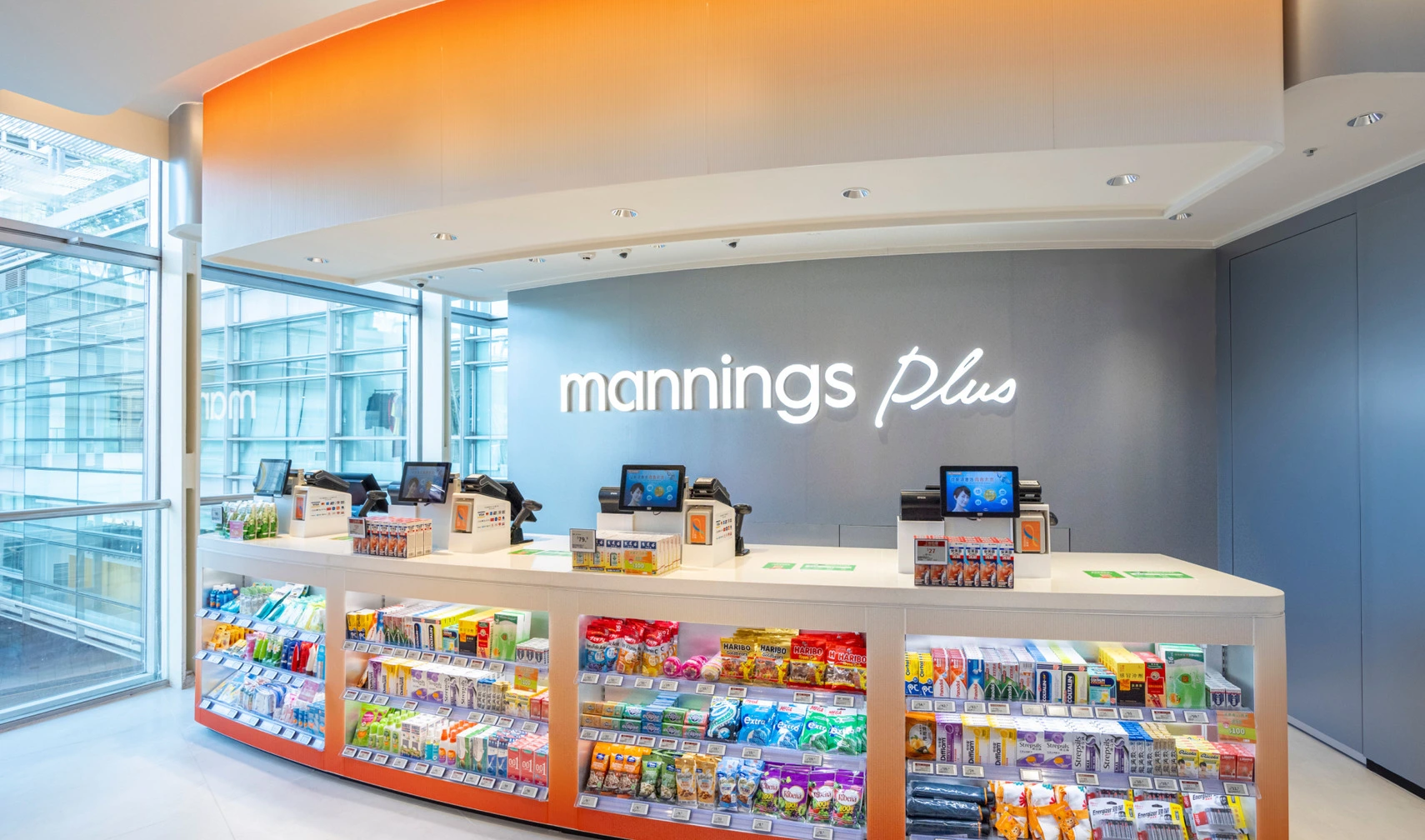
    Total revenue, accounting for 100 per cent of associates and joint ventures, noted a 1 per cent rise to $8.2 billion. The health and beauty division experienced a 4 per cent rise in sales, highlighting the growing brand value of Mannings and Guardian.

    Revenue Fluctuations

    On the other hand, the convenience segment, operating 7-Eleven stores in Hong Kong, Macau, Guangdong province, and Singapore, saw a 4 per cent revenue decline. The food division registered a slight dip in sales, not considering the sale of the Hero Supermarket.

    The home furnishings division, which runs Ikea in Hong Kong, Macau, Taiwan, and Indonesia, continues to face challenges due to fierce competition and changes in consumer purchasing patterns.

    CEO’s Remarks

    “Our ongoing portfolio evolution allows us to focus resources on high-profit businesses and growth initiatives. It also provides strategic flexibility for non-organic opportunities,” remarked Group CEO Scott Price.

    Despite lowering its revenue outlook for the full year, DFI has upgraded its profit guidance. Revenue growth is now anticipated to rise between 0.5-1 per cent, as opposed to the previously estimated 2 per cent. In contrast, an underlying attributable profit is expected to be within the range of $250-270 million, compared to the previously estimated $230-270 million.

    The group asserts its confidence in navigating the evolving market landscape, backed by strategic initiatives designed to increase market share and profit growth across all businesses.

    Questions & Answers

    What was the reason for the significant profit growth?
    Enhanced profitability in health and beauty sectors, higher contributions from associates, and steady revenue growth trends were the primary contributors to the growth.

    How did the convenience segment perform?
    The convenience segment, which operates 7-Eleven stores in various locations, reported a 4 per cent revenue decline.

    What are the expectations for the full-year revenue growth and profit?
    Revenue growth is now anticipated to rise between 0.5-1 per cent, while an underlying attributable profit is expected to be within the range of $250-270 million.

  • South Korea’s ‘mallcations’ Trend: Unprecedented Weather Boosts Indoor Retail Sales

    South Korea’s ‘mallcations’ Trend: Unprecedented Weather Boosts Indoor Retail Sales

    As South Korea experiences an intense summer marked by unprecedented heatwaves and monsoon downpours, there’s been a noticeable uptick in customers choosing to spend their leisure time indoors. This trend, known as “mallcations,” is resulting in a significant surge in sales for department stores and outlet malls.

    Increased Footfall and Sales

    Major retailers have reported a sharp increase in foot traffic from July 1 to 17, compared to the same time frame last year. Lotte Department Store noted a 10% surge in visitor numbers, while Shinsegae and Hyundai Department Store registered increases of 14% and 13% respectively, translating into sales growth of 11.1% and 10.7%. Meanwhile, Hyundai Premium Outlet, which boasts an underground parking feature, saw its sales skyrocket by 21.2%.

    This changing consumer behavior is largely attributed to the unpredictable weather conditions, making air-conditioned indoor spaces far more appealing than outdoor venues. Notably, families are driving an increase in food and beverage (F&B) sales: Lotte observed a 10% rise, while Shinsegae and Hyundai reported increases of 15.8% and 12.4% in F&B revenue respectively.

    Seasonal Products and Experiences

    As the summer vacation season looms, seasonal product categories have also shown strong sales performance. Sales of swimwear at Lotte have jumped by 15%, supported by a government tax incentive for cultural activities. Appliance sales have increased by 10% under an energy efficiency rebate program.

    Cooling bedding has emerged as another hot-selling item. Shinsegae saw a 33.7% surge in its bedding category, while Hyundai recorded growth of 23.9% in sportswear and 18.8% in home living products.

    In addition to the increase in sales, retailers are also rolling out immersive, summer-themed experiences to capitalize on the increased footfall. Lotte is set to launch a “Summer Gourmet Week” across all its locations, complete with sweepstakes for F&B customers. The retail chain will also host a “Summer Wine Festa”, offering discounts on spirits, and pop-up jewelry boutiques catering to seasonal accessory shoppers.

    Shinsegae, on the other hand, has introduced pop-ups featuring surfing gear and is hosting art exhibitions. Hyundai Department Store is revamping its spaces with a Hawaiian resort theme under the “Hu’i Hu’i Maui” campaign which will run through August 21.

    Reinventing Retail

    With the Korean climate becoming increasingly erratic, retailers are adopting climate-proof leisure strategies. They are redefining malls as not just shopping centers, but as cool and curated summer destinations.

    Questions & Answers

    What is a “mallcation”?
    A “mallcation” refers to the trend of consumers spending their leisure time indoors at malls due to unfavorable weather conditions.

    What factors have contributed to the growth in foot traffic and sales for retailers?
    Unpredictable weather conditions, the appeal of air-conditioned indoor spaces, and the introduction of immersive, summer-themed experiences by retailers have contributed to the increase.

    How are retailers capitalizing on the rising trend of “mallcations”?
    Retailers are rolling out immersive, summer-themed experiences and pop-up shops, hosting art exhibitions, and transforming their spaces to provide a more engaging and enjoyable shopping experience for consumers.

  • Retail Sales Soar in Shanghai as Visa-Free Access Opens New Opportunities

    Retail Sales Soar in Shanghai as Visa-Free Access Opens New Opportunities

    China’s new visa policies and tax refund reforms are having a transformative impact on international travel and retail in Shanghai, according to a recent report by Savills. The city has seen a remarkable increase in international arrivals and shopper engagement, driven by enhanced accessibility and an appealing cultural landscape.

    Since December 2023, China has opened its doors wider, implementing visa-free entry for citizens from 43 countries and extending transit periods to 240 hours for 54 others. These changes have led to an impressive 2.6 million international arrivals in Shanghai during the first trimester of 2025—marking a 37.1% year-on-year increase. Notably, visitor numbers surpassed pre-COVID levels in both December 2024 and April 2025, signaling a vibrant revival of tourism.

    This influx has not only extended tourists’ stays but has also sparked a shopping spree in the city. Leveraging its well-developed infrastructure, affordable flight options, and rich cultural offerings, Shanghai has positioned itself as a prime destination for both leisure and business travelers alike.

    In April, the government took additional steps to encourage spending by lowering the minimum tax refund threshold to $28 (RMB200) and significantly increasing the annual reimbursement cap to $2,785 (RMB20,000). More stores and malls are now included, with visitors able to claim an immediate 11% refund at over 3,300 participating tax refund outlets, including major shopping havens along East and West Nanjing Road, Xujiahui, and Zhuyuan.

    The impact of these reforms has been palpable. During the Labour Day holiday in 2025, inbound tourist spending soared to $63.39 million (RMB455 million), an astonishing 211.6% increase compared to the previous year.

    Retailers are eager to capitalize on this growth, adopting high-quality, immersive experiences to meet the evolving needs of consumers. Visitors are increasingly drawn to Chinese brands, shopping fervently for fashion, designer bags, themed toys, and food—reflecting a diverse and vibrant retail landscape.

    South Korea, Japan, and Thailand emerged as the top three origin countries for tourists in Q1 2025, with notable increases in visitors from Thailand (+242.75%), South Korea (+142.37%), and Indonesia (+118.51%). The profile of these travelers is skewing younger; approximately 40% of incoming tourists are between the ages of 20 and 35, according to Mastercard.

    These “digital natives” are not just wandering the aisles; they’re active on social media throughout their shopping journeys, making seamless online-to-offline engagement crucial for brands seeking to connect with them meaningfully.

    Brands such as SHUSHU/TONG and Songmont report that nearly half of their clientele now consists of international visitors. Meanwhile, brands like Pop Mart and Miniso are capitalizing on trendy IP partnerships and social media buzz to attract attention and drive sales.

    The dining scene is also thriving, with restaurants like Haidilao and Long Time Ago experiencing higher foot traffic from foreign patrons than locals during peak hours. To cater to this diverse clientele, many establishments have introduced multilingual menus and AI translation tools, ensuring that no one is lost in translation, or worse, in flavor.

    Despite this positive momentum, some caution remains as consumer sentiment is tempered by broader economic uncertainties, with value-for-money becoming a deciding factor for many shoppers.

    Nonetheless, the marketplace is energized by emerging brands, particularly in sectors like outdoor apparel, pet services, and global bistros. Additionally, themed malls focusing on ACG (anime, comics, games) culture and immersive experiences are rapidly gaining popularity among niche audiences.

    As major attractions such as Lego and Harry Potter theme parks loom on the horizon, expectations are high for these developments to further enhance Shanghai’s reputation and stimulate cross-sector consumption in retail, hospitality, and tourism.

    Questions & Answers

    How have China’s visa policies impacted tourism in Shanghai?
    China’s recent visa-free entry policies have resulted in a significant rise in international arrivals, with 2.6 million tourists flocking to Shanghai in just the first four months of 2025—a 37.1% increase from the previous year.

    What measures have been taken to encourage foreign spending in Shanghai?
    In April, the government lowered the minimum tax refund threshold to $28 and doubled the annual cap to $2,785. This allows more tourists to enjoy immediate tax refunds at over 3,300 designated stores, driving a substantial increase in visitor spending.

    Which demographics are primarily driving tourism in Shanghai?
    Younger travelers, particularly those aged 20 to 35, make up about 40% of all inbound visitors. This group tends to engage heavily with social media, making their shopping experiences intertwined with digital interactions.

  • Mainland Chinese Brands Revitalize Hong Kong’s Retail Landscape with Exciting New Offerings

    Mainland Chinese Brands Revitalize Hong Kong’s Retail Landscape with Exciting New Offerings

    As the sun dipped below the skyline, transforming Tsim Sha Tsui into a lively tableau of lights and sounds one Friday evening in mid-June, a curious scene unfolded at Prince Beef Brisket and Offal Noodles. While the neighborhood hummed with the excitement of tourists and locals alike, eager patrons flocked to other dining spots, leaving the modest noodles shop eerily quiet. Just steps away, the sleek ambiance of Hefu Noodle drew a steady stream of customers into its stylish, spacious interior, proving a stark contrast to Prince’s dimly lit confines.

    Competition Raises the Stakes

    “They have taken away half of our business since they opened in December,” Ms. Fung, a dedicated employee at Prince Noodles, expressed with palpable sadness. “Their mainland owner has deep pockets for top-notch decorations.” This sentiment resonates all too well in today’s cutthroat retail landscape where every detail counts and competition can be both a challenge and a catalyst for innovation.

    The influx of visitors to the more visually appealing Hefu has not just drained traffic but has nearly turned Prince’s once-bustling noodle shop into a ghost of its former self.

    The Price of Transformation

    As retail environments evolve, the importance of ambiance and experience grows ever more critical. Hefu’s higher investment in aesthetics isn’t merely a frivolous expense; it’s a strategy that seems to pay dividends in attracting customers who are not just seeking a meal, but an experience.

    In a region that thrives on sophisticated taste and quality dining, even the smallest enhancements can tip the scales in favor of one establishment over another. In this case, it appears the allure of a polished dining atmosphere has won over traditional comforts.

    And while Prince Beef Brisket and Offal Noodles may not offer the same polished experience, there’s a certain charm to its simplicity that can’t be overlooked. Indeed, for many, a quick, hearty bowl of noodles is a classic comfort, reminiscent of home, where the depth of flavor is king—not the glittering decor. Still, as Ms. Fung reflects on the changing tide, it’s clear that retaining loyal customers while attracting new ones will require a delicate balance between tradition and modernization.

    Looking Ahead for Legacy Brands

    As competition intensifies in Tsim Sha Tsui, legacy brands like Prince must navigate the shift in consumer expectations. The challenge lies in successfully merging their rich culinary heritage with the contemporary dining trends that are sweeping the region. Whether through strategic renovations, innovative menu offerings, or enhanced customer experience, the path forward will demand creativity and nimble adjustments.

    Questions & Answers

    How has Hefu Noodle impacted its competition since opening?
    Hefu Noodle has significantly affected nearby establishments like Prince Beef Brisket and Offal Noodles, reportedly siphoning off about half of their customer base since its inception in December last year.

    What factors are driving customer preferences in Tsim Sha Tsui?
    Consumers are increasingly drawn to restaurants that offer a visually appealing atmosphere alongside quality meals. The combination of aesthetics and a great dining experience is becoming essential for attracting patrons.

    What challenges do legacy brand restaurants face today?
    Legacy brands must adapt to changing consumer expectations that prioritize an appealing dining environment alongside traditional comfort foods. This can mean investing in renovations or updating their menus to remain competitive.

  • Singapore’s Retail Sector: May’s Stability And Varied Industry Performances

    Singapore’s Retail Sector: May’s Stability And Varied Industry Performances

    Singapore’s Retail Sector in May

    In May, Singapore’s retail sector, excluding sales of motor vehicles, saw a stable performance. This follows a 0.8% growth in April and an increase of 0.7% in March. The data was gathered and released by the Department of Statistics. The total retail sales amounted to SG$3.6 billion (US$2.8 billion), with online sales contributing 14.5%.

    On a seasonally adjusted basis, however, there was a 0.6% decrease in retail sales in May compared to April.

    Performance across Industries

    Different sectors within the retail industry showed varied performances. The computer and telecommunications equipment industry saw the most significant growth. Sales in this sector rose by 9.2% compared to the same period in the previous year. Supermarkets and hypermarkets followed suit, recording a 7.2% increase.

    On the other hand, petrol service stations, as well as the clothing and footwear sector, reported declines. Sales dropped by 9.4% in petrol service stations and by 5.3% in the apparel and footwear industry.

    Food & Beverage Services

    The food and beverage (F&B) services sector also saw a rise in sales. In May, F&B sales increased by 1.4%, following a 1.3% increase in April. The total sales value for F&B services was about SG$1 billion. Online sales accounted for 25.2% of this figure.

    Questions & Answers

    What was the overall performance of Singapore’s retail sector in May?
    The retail sector in Singapore, excluding motor vehicles, remained stable in May after recording a growth of 0.8% in April and 0.7% in March.

    Which sectors within the retail industry showed the most growth?
    The computer and telecommunications equipment sector saw the most growth, with a 9.2% year-on-year increase. This was closely followed by supermarkets and hypermarkets, which reported a 7.2% rise in sales.

    How did the food and beverage services perform in May?
    The food and beverage services sector saw a 1.4% increase in sales in May, extending the growth of 1.3% recorded in April. The total sales value was estimated at SG$1 billion, with 25.2% of sales coming from online.

  • South Korea’s Retail Sales Surge 7% in May, Signaling Strong Consumer Confidence

    South Korea’s Retail Sales Surge 7% in May, Signaling Strong Consumer Confidence

    South Korea’s retail sector demonstrated remarkable resilience in May 2025, achieving a 7% year-on-year growth, spurred primarily by an ongoing boom in online sales. Data from the Ministry of Trade, Industry and Energy (MOTIE) revealed that this robust performance marks a continued recovery for both digital and traditional retail.

    Online Sales Take the Lead

    The online retail landscape saw a significant surge, with sales climbing by an impressive 13% compared to the same month last year. Meanwhile, the offline segment showed modest growth, with sales up a slight 0.9%, marking a positive turnaround for hypermarkets and department stores following the Seollal holiday season in January.

    Positive Trends in Hypermarkets and Department Stores

    Hypermarkets enjoyed a 0.2% bump in sales, whereas department stores reported a 2.3% increase, driven by high demand for luxury items and an uptick in customer spending during visits. Super supermarkets (SSMs) also continued their winning streak for the third consecutive month, with a 1% growth attributed to a steady flow of shoppers. However, not all segments experienced growth; convenience store sales dipped slightly by 0.2%.

    A Mixed Bag for Offline Goods

    Within the offline categories, food products increased by 1%, while luxury goods, particularly jewelry and watches, saw a remarkable 8.1% rise. But the picture wasn’t entirely rosy—home appliances and cultural items faced a sharp decline of 7.8%, with kids and sports goods decreasing 2.5% and fashion and miscellaneous items falling by 3.7%. If retail were a game of musical chairs, some segments might want to consider making a quick exit.

    Online Retail Remains a Powerhouse

    Online retail retains its status as the primary growth engine, with exceptional gains in services (up 37.3%) and food products (up 18.2%). The rising popularity of food delivery, e-coupons, travel packages, and cultural content significantly bolstered these statistics. Yet, it wouldn’t be the retail world without some hiccups; fashion and clothing sales saw a 4.6% decline, while sports-related items plummeted by a staggering 12.7%, extending a worrying downward trend.

    MOTIE’s analysis is derived from a comprehensive survey of 23 major retailers, encompassing 13 offline businesses—including department stores, hypermarkets, convenience stores, and super supermarkets—alongside 10 online platforms. As South Korea’s retail landscape evolves, it paints a vivid picture of changing consumer preferences and the dynamic interaction between online and offline shopping environments.

    Questions & Answers

    What drove the growth in South Korea’s retail sector in May 2025?
    The 7% year-on-year growth was primarily driven by a significant increase in online sales, which surged by 13% compared to the previous year.

    How did physical stores perform during this period?
    Offline sales saw a modest rise of 0.9%, with department stores and hypermarkets showing positive trends after the Seollal holiday season.

    Which retail categories witnessed the strongest and weakest performances?
    Luxury goods like jewelry and watches experienced an 8.1% increase, while fashion and sports-related items struggled, with declines of 4.6% and 12.7%, respectively.

  • Columbia Sportswear Unveils Its Biggest Store Yet in Japan, Elevating Outdoor Retail Experience

    Columbia Sportswear Unveils Its Biggest Store Yet in Japan, Elevating Outdoor Retail Experience

    As consumers in Asia increasingly navigate a complex retail landscape, retailers are adapting to meet their evolving preferences and expectations. The recent wave of innovations confirms that traditional shopping habits are undergoing significant transformation, reflecting broader societal changes influenced by technology and lifestyle shifts.

    Tech-Savvy Consumers Demand Seamless Experiences

    More than ever, shoppers are seeking convenience, efficiency, and personalization in their shopping experience. According to a recent survey, nearly 70% of consumers across Asia indicate that they prefer an omnichannel approach, blending online and offline shopping experiences. Retailers who fail to meet these demands risk losing market share to competitors who offer seamless transition between their digital platforms and brick-and-mortar stores.

    Mobile shopping, in particular, has seen an exponential rise, with consumers often using their smartphones not only for purchases but also for comparing prices, reading reviews, and accessing loyalty rewards. A surprising 80% of respondents stated they frequently use mobile apps while shopping in physical stores, highlighting the need for retailers to invest in robust digital environments to engage their customers effectively.

    The Rise of Sustainable Retail

    Sustainability is no longer a mere buzzword; it’s a vital part of the retail narrative in Asia. Brands that prioritize eco-friendly practices are resonating with consumers, particularly the younger demographic, who are increasingly making purchasing decisions based on a company’s environmental credentials. Recent figures show that 64% of consumers would pay more for products that are sustainably sourced. Retailers who embrace this shift not only enhance their brand image but also foster a loyal customer base motivated by shared values.

    Innovative concepts, such as using recyclable materials and incorporating circular economy principles, are becoming the standard for leading brands. Some retailers are even launching initiatives that allow consumers to return used goods for discounts on future purchases, turning past purchases into a sustainable cycle.

    Experiential Retail Takes Center Stage

    The age-old maxim that “experiences sell” holds truer now than ever. Retailers are realizing that creating engaging and unique in-store experiences can significantly elevate foot traffic and customer loyalty. From interactive displays to themed events, shops are transforming into destinations rather than just sales points.

    One notable example is the integration of augmented reality in stores, allowing customers to visualize products in their own spaces before purchasing. These immersive experiences break the monotony of traditional shopping and invite customers to engage with brands in unprecedented ways, turning routine errands into adventures.

    A Look Ahead: What’s Next for Retail in Asia?

    As we ponder the future, it’s clear that adaptability is key for retailers navigating this dynamic market. Brands that harness data analytics to understand consumer behaviors and preferences will undoubtedly be at the forefront. The integration of artificial intelligence and machine learning for personalized marketing also holds great promise, providing retailers with insights into individual customer journeys.

    In conclusion, as Asia’s retail sector continues to evolve, the focus on seamless experiences, sustainability, and unique engagements is reshaping the shopping landscape. Retailers who embrace these trends will not just survive but thrive, making a lasting impression in the hearts of consumers.

    Questions & Answers

    How important is sustainability to Asian consumers?
    Sustainability has become critical, with recent surveys revealing that 64% of consumers are willing to pay extra for sustainably sourced products, indicating a significant shift in purchasing priorities.

    What role does technology play in modern retail?
    Technology is central to retail evolution, as a staggering 70% of consumers prefer omnichannel shopping experiences and 80% use mobile apps while in-store, underscoring the importance of digital integration.

    Why is experiential retail gaining popularity?
    Experiential retail is favored because it turns routine shopping into exciting adventures, with interactive displays and events that engage customers in meaningful ways, driving foot traffic and loyalty.

  • China Implements Ban on Excessive Discounting Practices by Online Retailers to Promote Fair Competition

    China Implements Ban on Excessive Discounting Practices by Online Retailers to Promote Fair Competition

    In a decisive move signaling a shift in China’s retail landscape, authorities are gearing up to impose stricter regulations on online retail platforms that have been compelling third-party merchants into a relentless price-cutting frenzy. This comes as part of an updated unfair competition law, set to take effect on October 15.

    Under the revised legislation, online retailers will face prohibitions against pressuring vendors to sell products and services at prices below their cost. Moreover, any actions that “disrupt market order” will also come under scrutiny. This change aims to protect smaller merchants from the aggressive tactics employed by larger platforms that have historically prioritized profit margins over fair competition.

    This announcement reflects growing concerns about the sustainability of the retail environment in an era where price wars can lead to significant losses for vendors and a decrease in the overall quality of products available to consumers. As the race to the bottom intensifies, many are left wondering: who really wins? Perhaps it’s time for a check-up on the retail pulse, as the law attempts to balance the scales in favor of fair trading practices.

    With the clock ticking down to the law’s implementation, the retail sector is buzzing with anticipation. Will this reform change the game for how business is conducted online? Only time will tell, but one thing is clear: the days of reckless discounting might just be numbered.

    Questions & Answers

    What does the amended unfair competition law entail?
    The law prohibits online retailers from forcing third-party merchants to price their products below cost and engaging in practices that disrupt market order, effective October 15.

    What is the aim of these new regulations?
    These regulations aim to create a fairer retail environment, protecting smaller merchants from aggressive pricing strategies employed by larger platforms.

    How might this law impact consumers?
    While consumers may see some initial price increases as vendors adjust, the law could ultimately lead to a more stable market with improved product quality and service levels.

  • Vietnam Achieves Impressive $7.6B Trade Surplus in First Half of the Year

    Vietnam Achieves Impressive $7.6B Trade Surplus in First Half of the Year

    Vietnam’s export landscape has painted a promising picture, showcasing a remarkable 14.4% rise in export earnings, while imports surged by 17.9%, culminating in a notable trade surplus of $7.63 billion, according to the National Statistics Office (NSO) under the Ministry of Finance.

    June Brings Strong Export Growth

    In June alone, the export turnover surged by 16.3% compared to the same month last year, a solid indication of vibrant market activity. While the domestic economic sector faced a slight 5.7% dip, the foreign-invested sector, including crude oil, rebounded with a striking 24.4% increase, demonstrating robust foreign confidence.

    Mid-Year Export Performance

    From January to June, Vietnam’s total export value climbed to $219.83 billion, reflecting a 14.4% increase year-on-year. The domestic sector contributed $58.28 billion—an uptick of 9.4%—accounting for 26.5% of total exports. In contrast, the foreign-invested sector, which includes crude oil, saw a remarkable contribution of $161.55 billion, up 16.4%, thus representing 73.5% of all exports.

    Export Giants Take Center Stage

    A total of 28 export items broke the $1 billion barrier, collectively comprising a staggering 91.7% of the total export value. Impressively, nine items exceeded $5 billion in value, contributing 72.3% to the overall sums. Processed industrial goods firmly held their ground as the export champions, generating $194.28 billion and accounting for 88.4% of the total. Agricultural and forestry products added $19.12 billion (8.7%), while seafood reached $5.11 billion (2.3%), and fuel and mineral products totaled $1.34 billion (0.6%).

    Import Landscape and Trade Dynamics

    On the import front, Vietnam’s spending tallied up to $212.2 billion over the first half of the year, marking an increase of 17.9% year-on-year. A striking 33 imported items exceeded $1 billion in value, representing an impressive 89.0% of total imports, with six surpassing the $5 billion mark, accounting for 56.8% of the overall figures.

    The United States stood as the largest importer of Vietnamese goods during the first half, with turnover reaching $70.91 billion, while China remained the biggest source of imports into Vietnam, valued at $84.7 billion. Notably, Vietnam’s trade surplus with the U.S. reached $62 billion, a significant 29.1% increase from the previous year. The surplus with the EU also saw a healthy expansion of 11.6%, amounting to $19 billion. Adding some sparkle to the numbers, Vietnam’s trade surplus with Japan soared to $1.2 billion, up a staggering 69.1% compared to the same period last year.

    Deficits with Key Partners

    Despite these triumphs, challenges remain, as Vietnam continues to face trade deficits with several major partners. Notable among these are China, with a deficit of $55.6 billion (up 42.2%), the Republic of Korea at $14.6 billion (up 0.1%), and ASEAN nations collectively at $7.5 billion (an increase of 67.4%).

    Questions & Answers

    What drove the significant increase in Vietnam’s exports during the first half of 2023?
    The surge in exports can be attributed mainly to the performance of the foreign-invested sector, which saw an impressive growth of 24.4%, particularly in processed industrial goods.

    How did Vietnam’s trade surplus with the U.S. compare to previous years?
    Vietnam’s trade surplus with the U.S. rose to $62 billion, marking a substantial 29.1% increase from the previous year, underlining the strength of this trading relationship.

    Which countries are key players in Vietnam’s import and export dynamics?
    The U.S. remains Vietnam’s largest market for exports, while China is the predominant source of imports, showcasing the complex interdependence within the regional trade landscape.

  • Chinese Discount Retailer Surges as Consumers Seek Affordable Goods in Growing Demand

    Chinese Discount Retailer Surges as Consumers Seek Affordable Goods in Growing Demand

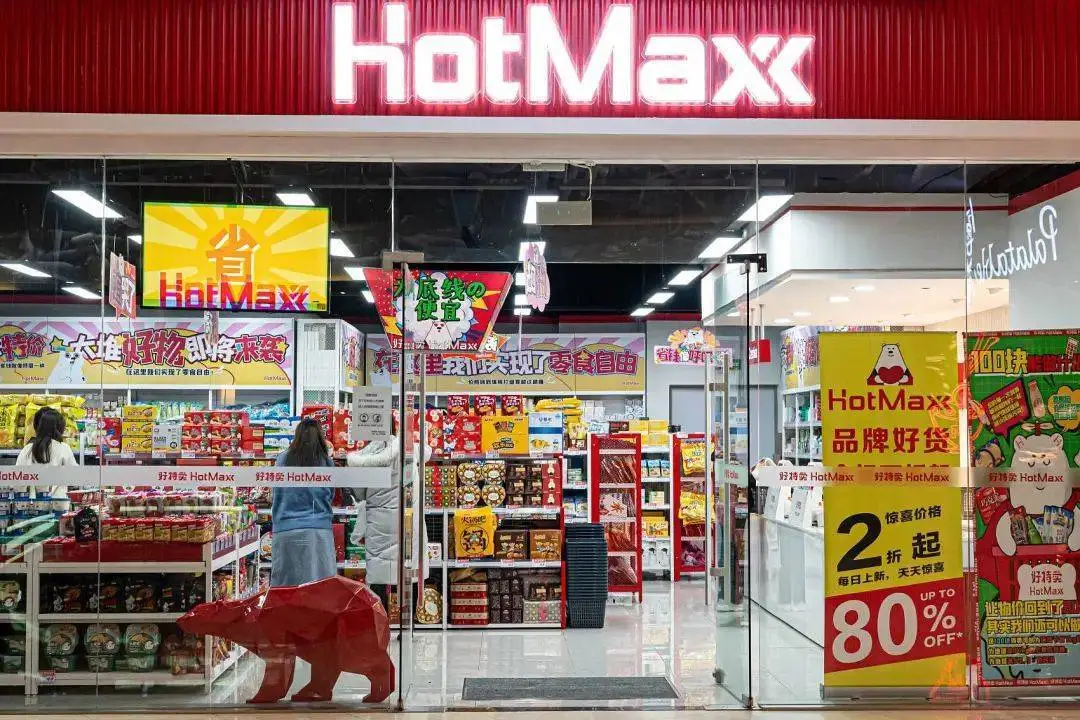
    In a vibrant response to shifting consumer behavior amid an economic slowdown, Chinese discount store sensation HotMaxx is quickly becoming the go-to destination for price-savvy shoppers. The retailer’s strategy of offering branded goods at jaw-droppingly low prices has turned heads and wallets alike, particularly as consumers tighten their belts.

    Managed by Shanghai’s Xinguo Technology, HotMaxx’s “super warehouse” outlet in a Nanjing shopping mall has garnered immense popularity since its debut in December. This retail gem proudly displays an eclectic range of discounted products, from Nike apparel to Doritos chips, and even the occasional Hermes bag—because who doesn’t want to snag a luxury item at a fraction of the cost?

    The festive atmosphere in the store is palpable as shoppers sift through aisles stuffed with savings. Many are drawn to the thrill of finding items typically reserved for high-end retailers, but at prices that could make even the savviest shoppers do a double-take. The allure of spending less and finding great deals is certainly hard to resist!

    HotMaxx’s success illustrates a profound shift in retail dynamics in China, where value-driven shopping is gaining traction. The fusion of convenience, accessibility, and quality has positioned HotMaxx as not only a retail player but a trendsetter in the increasingly competitive landscape of discount retail.

    As the retailer continues to expand its footprint, it’s clear that HotMaxx is not just selling products; it’s tapping into the psyche of a consumer base eager for both savings and satisfaction. If there’s one lesson from this booming warehouse wonder, it’s that in retail, the stakes—and savings—have never been higher.

    Questions & Answers

    What strategy is HotMaxx using to attract customers in a challenging economic environment?
    HotMaxx has embraced a pricing strategy that focuses on offering branded goods at significant discounts, appealing to consumers who are more cautious with their spending amid an economic slowdown.

    What unique products can shoppers expect to find at HotMaxx’s super warehouse outlet?
    Customers can explore a diverse array of discounted items, including popular brands like Nike, snack favorites like Doritos, and even luxury items such as Hermes bags, all at reduced prices.

    How does the atmosphere at HotMaxx contribute to its appeal?
    The vibrant shopping experience at HotMaxx, characterized by enthusiastic bargain hunters and a treasure-hunt vibe, adds an exciting dimension to the retail experience, making it more than just a store but a destination for savvy shoppers.

  • France Slaps Shein with $47M Fine Over Deceptive Business Practices: What This Means for Retail

    France Slaps Shein with $47M Fine Over Deceptive Business Practices: What This Means for Retail

    In a notable crackdown on misleading retail practices, France’s antitrust authority has levied a hefty fine of 40 million euros (approximately $47.17 million) against fast-fashion giant Shein. The company, founded in China, has been scrutinized for alleged deceptive business strategies, including misleading discount promotions, as a result of a nearly year-long investigation.

    The French Competition, Consumer Affairs, and Fraud Prevention Agency reported that Infinite Style E-Commerce (ISEL), the entity that oversees Shein’s sales, misled customers by manipulating discount information. The company has accepted the fine and the findings of the agency.

    Discount Dilemmas and Regulatory Repercussions

    As per French law, the reference price for discounts must reflect the lowest price offered by a retailer in the 30 days leading up to a promotion. However, Shein ran afoul of these regulations by neglecting to consider prior pricing or, rather creatively, inflating prices before applying discounts. The agency’s findings suggest that Shein effectively “deceived consumers about the authenticity of discounts they could benefit from,” a revelation that casts a shadow over the retailer’s credibility.

    Results of the Investigation: Numbers That Speak

    The investigation examined a vast array of products on Shein’s French website from October 2022 to August 2023, and what it uncovered was startling: 57% of the advertised deals were found not to be offering any true price reduction, while 19% reflected discounts that were less beneficial than presented, and 11% represented actual price hikes disguised as discounts. It seems that Shein’s pricing tactics were about as transparent as a foggy window.

    Shein Responds: A Commitment to Compliance

    In light of the allegations, Shein has stated that ISEL was made aware of the breaches concerning reference pricing and environmental regulations as early as March last year. Following this notification, corrective measures were implemented within a mere two months. Shein emphasized that all the issues identified had been rectified over a year ago and reaffirmed its commitment to adhering to French regulations.

    Questions & Answers

    What specifically led to Shein’s fine in France?
    The French antitrust agency fined Shein for misleading customers about discount authenticity, particularly by failing to adhere to regulations around discount references.

    How did the investigation assess the validity of Shein’s discounts?
    The investigation revealed that a significant portion of Shein’s advertised deals—57%—did not offer real savings, and many promotions were deceptive, some even involving price increases.

    What steps did Shein take in response to the allegations?
    Shein indicated that upon being informed of the regulatory breaches, it implemented corrective actions swiftly, declaring that all issues had been addressed more than a year ago.