Tag: Retail

  • Malaysia Rockets Up 11 Spots in Global Economic Competitiveness Rankings!

    Malaysia Rockets Up 11 Spots in Global Economic Competitiveness Rankings!

    Malaysia has made impressive strides in the realm of global economic competitiveness, climbing 11 spots to secure the 23rd position in the 2025 World Competitiveness Ranking—the country’s highest ranking since 2020. According to the Ministry of Investment, Trade, and Industry, this upward trajectory signals Malaysia’s ambition to rank among the world’s top 12 economies by 2033, as reported by the state-owned media, Bernama.

    Factors Driving Competitive Gains

    The ministry attributes this remarkable ascent to three key factors: robust economic performance, enhanced government efficiency, and improved business effectiveness. Malaysia now proudly holds the fourth position globally for economic performance, a notable jump from eighth place last year. Both government and business efficiency have also shown impressive gains, each climbing eight positions in the rankings.

    International Trade Taking Flight

    A standout highlight of this year’s report is the dramatic leap of 11 places in the international trade sub-factor, landing Malaysia in sixth place. This rise is fueled by substantial growth in exports of goods and services, a diversification of trade markets, and increased tourism revenues—elements that have collectively strengthened Malaysia’s trade surplus.

    Looking Ahead with Optimism

    The ministry remains optimistic about the future, believing that with strong governance and continued collaboration between federal and state governments, alongside close partnerships within the private sector, Malaysia is well on its way to achieving its competitive aspirations by 2033. The World Competitiveness Ranking, an annual report conducted by the Institute for Management Development in Switzerland, evaluates nations based on their ability to cultivate business-friendly environments that foster long-term prosperity.

    As Malaysia climbs the competitive ladder, it may soon be up against some surprising rivals in the world of global trade.

    Questions & Answers

    What is Malaysia’s current position in the World Competitiveness Ranking?
    Malaysia is ranked 23rd in the 2025 World Competitiveness Ranking, marking its highest position since 2020.

    Which factors contributed to Malaysia’s rise in the rankings?
    Key factors include economic performance, government efficiency, and business efficiency, with significant improvements noted across these areas.

    What is Malaysia’s goal for the future in terms of global competitiveness?
    Malaysia aims to be among the world’s top 12 most competitive economies by 2033, bolstered by strong governance and public-private partnerships.
  • Surprising Leader: Southeast Asia’s Smallest Nation Outshines 500 Major Companies in Revenue Rankings!

    Surprising Leader: Southeast Asia’s Smallest Nation Outshines 500 Major Companies in Revenue Rankings!

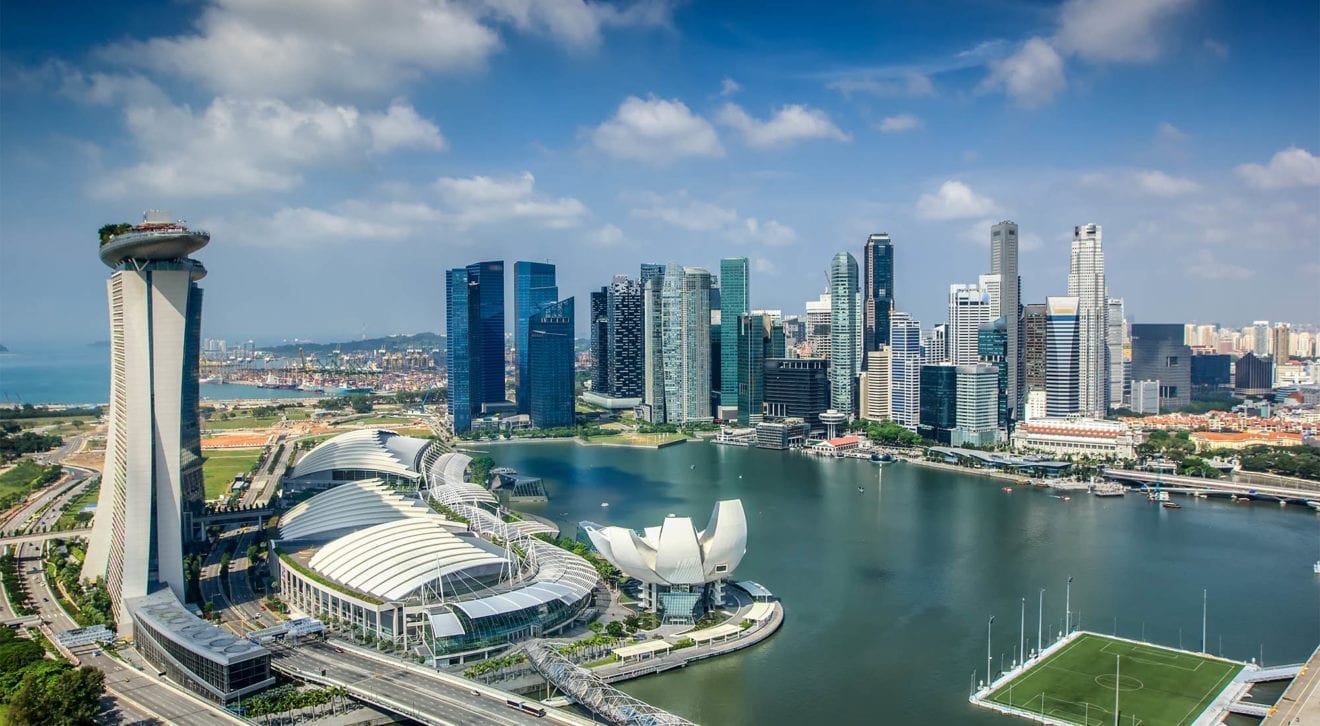
    While the city-state claimed the fourth spot in the rankings, Singapore’s 81 companies amassed an impressive US$637 billion in revenue last year, according to a recent report by a prominent U.S. business magazine. This staggering sum represents a third of the total revenue of $1.8 trillion collected by all firms listed and is nearly double that of Thailand, which came in second with revenues of $352 billion.

    Leading the Charge

    At the helm of this economic powerhouse is Trafigura Group, Southeast Asia’s largest company, specializing in commodities such as oil, gas, metals, and minerals. For the second consecutive year, Trafigura secured the top position with a remarkable revenue of $243.2 billion, nearly quadrupling the revenue of Singapore’s second-largest firm, agribusiness giant Wilmar.

    Profitable Banks Shine

    Despite not holding the highest revenue figures, three major Singaporean banks—DBS, OCBC, and UOB—emerged as the most profitable firms in the region, as reported by Singapore Business Review. It’s a fascinating twist that highlights profitability can sometimes outshine sheer revenue.

    An Evolving Landscape

    The Southeast Asia 500, now in its second year following its launch in 2024, spotlights a diverse array of businesses from Cambodia, Indonesia, Malaysia, the Philippines, Singapore, Thailand, and Vietnam. The total revenue generated by this year’s top 500 firms saw a modest increase of 1.7%, trailing the more robust 4.1% GDP growth witnessed across the economies represented in the ranking.

    Clay Chandler, Executive Editor for Asia at Fortune, noted the magazine’s increasing interest in the region. He explained that Southeast Asia is becoming a pivotal engine for global growth. “The region has become a crucial manufacturing and export hub, which is drawing significant capital flows,” he stated, adding that Trump-era tariffs have reshaped global trade dynamics and spurred a pivot towards Southeast Asia.

    Singapore’s strategic positioning as a regional hub enhances its appeal for businesses looking to expand into neighboring markets like Malaysia and Indonesia. Amidst this dynamic backdrop, it’s clear that the Lion City continues to roar as a key player in the Asian economy.

    Questions & Answers

    Which company topped the revenue rankings in Singapore?
    Trafigura Group led the charge, generating an impressive $243.2 billion in revenue.

    How do Singapore’s banks compare in terms of profitability?
    Despite not having the highest revenue, DBS, OCBC, and UOB were noted as the most profitable companies in the region.

    What is the significance of the Southeast Asia 500 ranking?
    This ranking highlights the growing importance of Southeast Asia as a critical manufacturing and export hub and showcases a mix of various types of businesses from across the region.

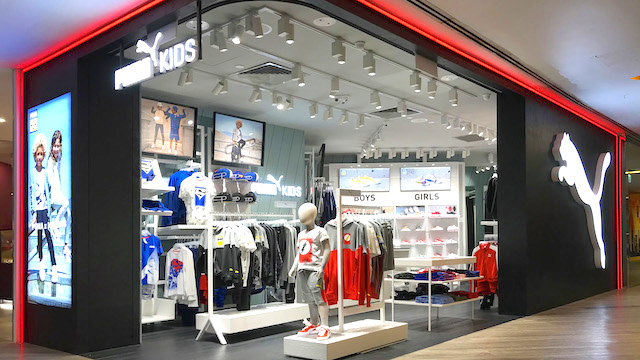
  • Puma and Adyen Showcase the Speed and Flexibility of Unified Commerce

    Puma and Adyen Showcase the Speed and Flexibility of Unified Commerce

    Retail’s Big Show APAC (NRF 2025 APAC), world’s leading sports brand Puma and global financial technology platform Adyen shared how their strategic partnership is transforming retail operations and customer experiences across Asia Pacific and beyond.

    From flagship stores to high-pressure, high-volume environments like Formula 1 events, Puma is leveraging Adyen’s unified commerce platform to deliver fast, frictionless, and flexible customer experiences—online, offline, and everywhere in between.

    Since 2020, Puma has partnered with Adyen to consolidate its previously fragmented payment systems. Before that, multiple providers across different markets led to issues with fraud, reconciliation delays, and inconsistent customer experiences. By migrating to Adyen’s single platform, Puma has streamlined backend operations, improved reporting accuracy, and accelerated store and event rollouts in Singapore, Hong Kong, Malaysia, Australia and New Zealand, the UK, and other European markets.

    This partnership underscores a growing trend among global retailers to consolidate fragmented payment systems into unified platforms—streamlining operations and enhancing the customer journey across every channel.

    Key Highlights:

    • From Fragmented to Unified: Before 2020, Puma operated with a mix of payment providers across different markets, resulting in operational inefficiencies and inconsistent customer experiences as a multinational business when scaling. Adyen’s unified platform now powers both online and in-store payments in a single ecosystem.
    • Accelerated Rollouts: In Australia, Puma deployed Adyen’s POS terminals across 26 stores in under a month—fully remotely, effectively eliminating the cost of in-person deployment in a vast geographic market. Singapore and other markets have since adopted the same agile deployment model.
    • Omnichannel Innovation: Puma is enhancing its omnichannel model to drive conversion rates and ensure seamless transactions, preventing missed sales opportunities by helping customers complete purchases in the moment. Customers can buy online and return in-store, or purchase in-store and receive goods from other store locations or warehouses—eliminating friction and keeping the buying process convenient.
    • Customer-Led Payment Strategy: Puma adapts to local consumer preferences, whether that’s credit cards, e-wallets, or Buy Now, Pay Later (BNPL), Puma can quickly activate local payment methods via Adyen’s platform—meeting regional preferences without technical complexity.
    • F1-Ready Payments: At high-volume events like Formula 1, Puma leverages Adyen’s mobile and scalable solution to process thousands of transactions efficiently—supporting seamless customer journeys in high-pressure environments. This enables high-speed setups and smooth customer flows during major global events.

    “With Adyen, Puma is not only simplifying operations but also enhancing customer experiences on a global scale,” said Ben Wong, General Manager, Southeast Asia & Hong Kong at Adyen. “Retail today is about agility, speed, and personalization. From F1 events to everyday store operations, our partnership with Puma is a clear example of how unified commerce can empower retailers to operate smarter, move faster, and adapt to rapidly changing market conditions. Whether it’s enabling remote rollouts, supporting local payment preferences, or handling massive event transactions, we’re proud to help Puma deliver a seamless experience that puts the customer first.”

  • Chinese Consumers Embrace Cautious Spending Amid Slowing Economic Growth Trends

    Chinese Consumers Embrace Cautious Spending Amid Slowing Economic Growth Trends

    China’s consumer market is shifting gears as it embarks on a journey defined by slower, single-digit growth and a more cautious spending landscape, according to the latest insights from McKinsey & Company. This transformative phase comes after a comprehensive survey encompassing over 17,000 consumers, revealing that while sentiment is mixed, shoppers are adapting to a more stable—albeit restrained—economic atmosphere. Gone are the days dominated by optimism; spending is now increasingly dictated by income and assets.

    Steady Growth Amid Challenges

    With China’s GDP projected to grow around 5% in 2024 and early 2025, annual consumption is expected to reach 2.3% in 2025, mirroring the 2.4% increase from 2024. The urbanization trend is supporting structural growth, evidenced by an increase in the urbanization rate from 65.2% in 2022 to 67% in 2024.

    Confidence in Limbo

    Despite a semblance of stabilization in consumer confidence, the outlook varies widely across demographics. More than one-third of respondents indicated feelings of “job anxiety,” with almost half of urban residents considering the job market “challenging,” according to the People’s Bank of China (PBOC). While overall confidence appears to be stabilizing, rural areas have seen a surge, buoyed by faster income growth and government revitalization strategies. In 2024, rural incomes surged by 6.6%, compared to a 4.5% increase in urban regions.

    Generational Divide

    Conversely, affluent elderly urban dwellers experienced a staggering 20% drop in confidence, largely due to asset depreciation. Low-income millennials in Tier 1 and Tier 2 cities remain the most pessimistic, grappling with job insecurity and rising expenses. Interestingly, Tier 3 consumers and urban Gen Z still exhibit a sense of optimism, even amid the specter of high youth unemployment.

    Shifting Priorities

    The latest consumer behavior trends indicate a shift from a confidence-driven outlook to one that emphasizes concrete financial factors. Many shoppers are prioritizing personal fulfillment and maintaining their quality of life, even if it means tapping into savings. Affluent urban consumers expect to ramp up daily spending by 2.6% this year, channeling their resources toward home upgrades, automobiles, and enriching experiences. Spending is becoming increasingly intentional, with consumers on the hunt for value and emotional returns rather than mindless aspirational purchases.

    Adapting to Evolving Demands

    Companies must recalibrate their strategies to cater to this pragmatic, value-driven demand. Although challenges loom large, the market still brims with potential for brands that can align themselves with the evolving priorities of consumers—a quest that is as critical as it is rewarding.

    Questions & Answers

    How is consumer spending in China changing?
    Consumer spending is shifting from being driven by optimism to being more influenced by individual income and asset stability, with consumers focusing on intentional spending.

    What demographic factors are influencing consumer confidence?
    While overall confidence is stabilizing, rural consumers are more optimistic due to income growth and government support, contrasting with elderly urban residents facing declining asset values.

    What should companies do to remain competitive in this market?
    Brands need to adjust their strategies to meet the pragmatic and value-driven demand of consumers, focusing on emotional returns and practical purchases over mere aspirational spending.

  • Retail Revolution: How Giants Adapt To Consumer Trends, Tech Innovations, And Sustainability

    Retail Revolution: How Giants Adapt To Consumer Trends, Tech Innovations, And Sustainability

    Retail News has gathered all the latest buzz from the retail sector, and it’s alive with exciting developments. Here’s what’s making waves.

    Retail Giants Adapt to Evolving Consumer Trends

    In a rapidly changing market, retail giants are not just keeping up; they’re reinventing the shopping experience. Companies are increasingly tapping into technology to enhance customer engagement. With the rise of augmented reality (AR) and artificial intelligence (AI), retailers like Zara and H&M are using these innovative tools not only to attract tech-savvy consumers but also to streamline inventory management and optimize pricing strategies.

    Armed with insights from data analytics, these brands are customizing their offerings, ensuring that shoppers not only find what they need but also discover new favorites tailored to their tastes. And as consumers embrace sustainability, retailers are shifting their focus toward more eco-friendly practices, including sourcing materials responsibly and reducing waste throughout their supply chains.

    The Rise of Omnichannel Shopping

    Omnichannel retailing has emerged as a game-changer, blurring the lines between physical and digital shopping experiences. Shoppers today expect seamless transitions from online browsing to in-store purchasing. Retailers are meeting this demand by integrating their platforms, making it easier for customers to pick up online orders in store or return items purchased online with ease.

    A recent survey revealed that over 75% of consumers prefer shopping with retailers that offer this flexibility. This shift is not just a trend; it’s a transformation that is likely to shape the future of retail. As retailers refine their omnichannel strategies, they are learning to ensure that personalized experiences await consumers at every turn – whether they’re shopping on their phones or strolling through a brick-and-mortar store.

    Sustainable Practices Become Central

    Meanwhile, sustainability is no longer an afterthought but a central tenet of retail philosophy. Brands across Asia are increasingly prioritizing green initiatives to appeal to a socially conscious consumer base. Uniqlo, for instance, is investing in recycling programs and responsible sourcing, while Adidas is stepping up its use of recycled materials in product lines.

    Not only does this commitment help the environment, but it also strikes a chord with consumers who are more likely to support brands that echo their values. As the adage goes, “You are what you wear,” and more shoppers are keen to wear their hearts on their sleeves—literally.

    And in an unexpected twist, it seems that socially responsible shopping might even trend faster than the next TikTok dance fad.

    Challenges on the Horizon

    Despite the positive developments, retailers are not without challenges. Inflationary pressures and supply chain disruptions are forcing companies to rethink their pricing strategies and inventory practices. With costs rising, many brands are walking a tightrope between delivering value and maintaining profitability.

    As tricky as it sounds, the ability to adapt to these challenges and communicate transparently with consumers will be crucial for brands looking to remain competitive.

    As the retail landscape continues to evolve at a dizzying pace, businesses must not only stay informed but also engage with their customers in innovative ways. After all, who doesn’t love a good bargain or a fun shopping experience?

    Questions & Answers

    What are the key technologies influencing retail today?
    Brands are leveraging augmented reality and artificial intelligence to elevate customer engagement and efficiency while providing personalized experiences.

    How important is sustainability in retail?
    Sustainability is becoming a core element of retail strategy, as consumers increasingly gravitate toward brands that prioritize eco-friendly practices.

    What challenges are retailers currently facing?
    Inflation and supply chain issues remain significant hurdles for retailers, necessitating a thoughtful approach to pricing and inventory management.

  • Experiential Commerce: Retail’s Evolving Frontier In Asia

    Experiential Commerce: Retail’s Evolving Frontier In Asia

    In a dynamic retail landscape where consumer preferences can shift at a moment’s notice, companies are continually seeking innovative ways to engage their audience. The latest trend captivating the market is the rise of experiential commerce, a blend of physical experiences and digital interaction. This exciting approach not only enriches the shopping experience but also strengthens the bond between brands and consumers.

    Experiential Commerce: A Game Changer for Retail

    As digital shopping habits become more ingrained, retailers realize that the tactile experience of in-store shopping remains irreplaceable. Experiential commerce merges these two worlds, embracing interactive elements that draw customers into a memorable journey. Think carefully curated in-store events, exclusive pop-up shops, or immersive brand experiences—each designed to intrigue and connect with shoppers on a deeper level.

    Taking a page from tech giants, retailers are utilizing augmented reality to elevate engagement. Imagine walking into a store and using an app to visualize how a piece of furniture might look in your home or exploring a virtual fitting room that allows you to try on clothes from the comfort of your smartphone. These technologies invite customers to engage with products in ways that were previously unimaginable, making the shopping experience not just about buying but also about discovery and entertainment.

    Localisation is Key

    In Asia, companies are tailoring their strategies to reflect regional cultures and preferences. Localisation is not just about language; it’s about understanding the subtleties of consumer behavior. For example, in countries where social media influencers hold sway, brands are harnessing these figures to add authenticity to their campaigns, creating relatable experiences that resonate with local audiences.

    Collaboration with local artisans and influencers helps retailers foster a sense of community, blending traditional practices with modern marketing methods. By doing so, they not only promote local talent but also craft unique narratives that appeal to the geographically and culturally diverse Asian market.

    An Ever-Changing Landscape

    As brands adapt to these trends, consumer expectations only continue to rise. The challenge lies not just in keeping up, but in anticipating what’s next. The inclusion of gamification in shopping, for instance, is rapidly taking off. Imagine a shopping experience where you can earn points, unlock rewards, or even enter contests—all while browsing products. This adds a layer of excitement and engagement that transforms the mundane act of shopping into something truly thrilling.

    Retailers are also exploring sustainability, a growing concern among consumers. Integrating eco-friendly practices within these experiential frameworks not only enhances brand reputation but also attracts a conscientious customer base eager to support businesses aligned with their values.

    Looking Forward

    As the retail landscape continues to evolve, the integration of experience, technology, and locality will play crucial roles in shaping the future. Retailers willing to embrace these trends will not only enhance customer loyalty but also redefine the very essence of shopping in Asia.

    In this spirited journey of retail innovation, one thing is clear: the line between shopping and entertainment is blurring, inviting consumers into a world that is as engaging as it is fulfilling. After all, who said shopping couldn’t be fun?

    Questions & Answers

    What is experiential commerce?
    Experiential commerce is a retail approach that combines physical experiences with digital interaction to create engaging shopping journeys for consumers.

    How are Asian retailers adapting to market trends?
    Asian retailers are focusing on localization, understanding cultural preferences, and collaborating with local influencers to create relatable experiences that resonate with consumers.

    What role will sustainability play in the future of retail?
    Sustainability will become increasingly important as consumers prioritize eco-friendly practices, compelling retailers to integrate these values into their experiential offerings.

  • Hecho En Mexico Debuts Ready-to-heat Packs At Coles Supermarkets Nationwide

    Hecho En Mexico Debuts Ready-to-heat Packs At Coles Supermarkets Nationwide

    The Melbourne-based Mexican fast-food chain, Hecho En Mexico, has made moves to broaden its horizons into the retail market by introducing two of its most popular dishes in ready-to-heat packs.

    The launch, resulting from a collaboration with cooked-protein provider Country Cooked, includes two of the chain’s fan favorites: Hecho En Mexico Chicken Fajitas and Hecho En Mexico Pulled Pork Tacos. The chicken fajitas consist of a 12-hour marinated chicken fajita mix, while the pulled pork tacos feature seasoned Mexican pulled pork.

    The convenient packs are inclusive of six flour tortillas and tomatillo salsa. Customers need only add shredded cheese and lime to have a well-rounded meal ready in under 20 minutes.

    Since making its first appearance in Fitzroy, Melbourne back in 2013, Hecho En Mexico has experienced rapid growth, resulting in the opening of over 20 restaurants across Australia.

    Loui Marcocci, the co-founder of Country Cooked, expressed his optimism about this new venture. According to him, this partnership illustrates the increasing opportunities for fast-service restaurants to venture into the retail sector.

    Marcocci highlighted that Hecho En Mexico had already been utilizing Country Cooked’s products in its restaurants. He expressed how this move is mutually beneficial, extending the brand’s reach to retail consumers and offering fans of the restaurant the convenience of purchasing their favorite dishes at their local Coles supermarket.

    The new Hecho En Mexico range is currently accessible at Coles supermarkets nationwide.

    Questions & Answers

    What is Hecho En Mexico’s new venture?
    Hecho En Mexico, in collaboration with Country Cooked, is launching two of its popular dishes in ready-to-heat packs for retail.

    What dishes are included in the ready-to-heat range?
    The range includes the Hecho En Mexico Chicken Fajitas, a 12-hour marinated chicken fajita mix, and Hecho En Mexico Pulled Pork Tacos, made with seasoned Mexican pulled pork.

    Where are the ready-to-heat packs available for purchase?
    The ready-to-heat packs are available at Coles supermarkets nationwide.

  • AI Sovereignty: How Nations Can Harness Technology to Shape Their Futures

    AI Sovereignty: How Nations Can Harness Technology to Shape Their Futures

    Artificial intelligence (AI) has shifted from being merely a competitive advantage for businesses to an essential cornerstone of national security and economic prosperity. In response, nations around the globe are crafting robust strategies to boost their AI capabilities.

    A Broader Definition of AI Sovereignty

    While some may view AI sovereignty as solely linked to infrastructure development, a more comprehensive perspective is crucial. It should encompass a broad set of competencies that empower a country or region to create and maintain its own AI technologies.

    Local Innovations Take Center Stage

    According to Rena Bhattacharyya, Chief Analyst and Practice Lead for Enterprise Technology and Services at GlobalData, achieving AI sovereignty involves various elements: chip design and manufacturing, AI processing facilities, data sovereignty, the development of AI models (including large language models), a supportive regulatory environment, and a skilled workforce. “AI sovereignty should consist of capabilities related to these crucial domains,” she noted.

    As global advancements accelerate due to sovereign AI strategies, businesses must remain agile to meet shifting requirements and competitive pressures. Bhattacharyya stressed the importance of a flexible strategy that not only ensures continuity and resilience but also addresses evolving AI needs. “Organizations need to be able to pivot when necessary,” she said. This might involve leveraging solutions from local markets rather than relying on distant vendors.

    Seizing the Moment for Talent Development

    Building local expertise is pivotal for implementing a successful AI strategy. Companies and governments outside the U.S. have a unique opportunity to expand their talent pools significantly. Bhattacharyya remarked, “The current immigration and visa challenges in the U.S., coupled with increased AI investments from governments worldwide, create an attractive landscape for tech-savvy individuals who would typically seek opportunities in the U.S.” With a wealth of opportunities emerging across various nations, AI professionals may find local prospects just as appealing as those in Silicon Valley.

    So, will this be the moment when AI becomes completely a local affair? Only time will tell, but it’s clear that the global race for AI talent is more competitive than ever.

    Questions & Answers

    What is AI sovereignty?
    AI sovereignty refers to a nation’s capability to develop and sustain its own AI technologies, which includes everything from chip design to skilled workforce development.

    Why is local talent important for AI development?
    Local talent is essential for executing a robust AI strategy, enabling companies and governments to innovate and compete effectively in the global landscape.

    How are countries responding to the shift in AI dynamics?
    Countries are enhancing their AI strategies by focusing on local capabilities, talent acquisition, and developments in response to global AI trends and challenges.

  • Mumbai’s Retail Market Set to Expand by 1.4 Million Sq Ft from 2026 to 2029!

    Mumbai’s Retail Market Set to Expand by 1.4 Million Sq Ft from 2026 to 2029!

    The Mumbai retail landscape is poised for an exciting transformation, with JLL analysts forecasting a vibrant expansion of premium malls packed with new local and global brands—all designed to elevate the shopping journey.

    Promising Growth on the Horizon

    As optimism reigns in the retail sector, JLL anticipates that around 1.40 million square feet of additional premium space will become available from 2026 to 2029, energizing the market with fresh offerings. “The retail sector is expected to see more traction across all submarkets due to upbeat market sentiment,” JLL has reported.

    Quarterly Trends Reveal a Surge

    The momentum in Mumbai’s retail market has gained significant traction, with a marked increase in demand quarter-on-quarter, attributed largely to the completion of three new malls in the first quarter of 2025. This resulted in a net absorption of 0.3 million square feet, with the Suburbs submarket seeing significant lease activity. Popular names such as Decathlon, Cinepolis, Timezone, Play N Learn, Lifestyle, and Enamor expanded their footprints across well-regarded malls during this period.

    New Malls Make Their Debut

    The retail scene welcomed three new centers in Q1 2025: Sky City Mall and Aurum Square Mall in the Suburbs, along with The Rise I in the Prime South submarket. Together, these venues added an impressive 1.35 million square feet of operational space this quarter.

    Rental Prices on the Climb

    As demand for prime retail environments continues to grow, rents have increased moderately, led by high occupancy rates and bustling foot traffic. Landlords are becoming more assertive in negotiations, aware that premium retail spaces are now commanding higher rates. Overall, rents and capital values saw an upward trend across the board, particularly in the Suburbs and Prime North submarkets, following the closure of an average-category mall and the robust performance of other high-end locations. Interestingly, yields dipped slightly as capital values surged ahead of rent increases.

    Mumbai’s retail scene is not just on the rise—it’s shaping up to be a shopper’s paradise filled with delightful experiences and encounters around every corner. Who knew retail could make such a strong comeback?

    Questions & Answers

    What new brands are entering the Mumbai retail market?
    Several exciting brands like Decathlon and Cinepolis are expanding their presence in Mumbai as new malls open up.

    How much retail space is expected to be added in the coming years?
    An estimated 1.40 million square feet of premium retail space is set to hit the market between 2026 and 2029.

    What factors are driving the increase in rental prices?
    The rise in rental prices is primarily due to high occupancy rates, increased demand for premium malls, and the completion of new retail spaces.

  • Singapore retail vacancies rise despite steady demand for prime space

    Singapore retail vacancies rise despite steady demand for prime space

    In the first quarter of this year, Singapore experienced a rise in retail vacancy rates, a phenomenon attributed to the healthy demand for prime locations and steady rental growth, as reported by real estate specialists Savills.

    Increased Retail Vacancy Rate

    The retail vacancy rate across the island escalated to 6.8% during the first quarter due to the introduction of 323,000 square feet of new retail space, exhibiting an increase from the previous quarter’s 6.2%.

    Following five quarters of an upward trend in net take-up, the first quarter saw a net demand of -129,000 square feet, a result of a decrease in occupied space across most regions.

    The recent inauguration of Punggol Coast Mall and the refurbishment of The Cathay have further contributed to the rising vacancy rates, owing to the time that these establishments require to be fully occupied.

    Prime Mall Demand and Rental Rates

    On the other hand, landlords of prime malls situated along Orchard have reported a robust demand for lease renewals. This trend is particularly noticeable among luxury retailers, a scenario that has empowered landlords to negotiate higher rents due to a limited supply.

    The exiting of current tenants is balanced by the immediate occupation by new retailers entering the Singaporean market. An example of this is the Japanese thrift shop brand 2nd Street, which recently replaced Pomelo at a location in Somerset.

    Rental Pressure and Future Predictions

    The report identified early indications of rental rates coming under pressure in the Central Region, highlighted by a 0.2% quarter-on-quarter decline in the Central Area and a 1.1% decrease in the Fringe Area. The average monthly rent in the Orchard Area and Suburban Area remained static at SG$23.2 (US$18) per sqft and $14.7 per sqft respectively.

    In terms of future supply, the report anticipates a fairly consistent pipeline of about 597,000 square feet of retail space this year, compared to 679,000 square feet last year.

    For the entirety of the year, Savills predicts that rents in Orchard will touch the upper limit of the 1-2% forecast range, while suburban rents will lean toward the lower end of this range.

    According to Savills, the escalating global trade tensions could potentially cast a negative shadow on Singapore’s export-dependent economy, particularly in the latter half of the year. This could adversely affect business recruitment and wage growth, subsequently leading to a slump in retail sales. The report concludes that the retail sector is set to witness more churn this year as underperforming tenants either endure their leases before relocating or terminate their agreements prematurely if they find their business unsustainable.

    Questions & Answers

    What led to the rise in retail vacancy rates in Singapore?
    A surge in new retail space, coupled with the time required for new establishments to be fully occupied, resulted in an increase in retail vacancy rates.

    What trend was observed among landlords of prime malls in Orchard?
    Landlords of prime malls in Orchard observed a strong demand for lease renewals, especially from luxury retailers, enabling them to negotiate higher rental rates owing to limited supply.

    What is the effect of escalating global trade tensions on Singapore’s retail market?
    Escalating global trade tensions can negatively impact Singapore’s export-dependent economy, potentially affecting business hiring and wage growth, and leading to weakened retail sales.

  • Dollar Surges Against Dong Amid Global Market Softening: What Retailers Need to Know

    Dollar Surges Against Dong Amid Global Market Softening: What Retailers Need to Know

    The U.S. dollar is enjoying a modest rise against the Vietnamese dong, but it’s singing a different tune when faced with major global currencies. This development marked Thursday morning as Vietcombank nudged its rate up by 0.04%, setting the dollar at VND26,210. Meanwhile, the State Bank of Vietnam adjusted its reference rate to VND24,990, a slight increase of 0.03%. Interestingly, in the black market, the greenback surged by 0.21%.

    Globally, however, the dollar was experiencing a slip, with reports from Reuters indicating that President Donald Trump might be leaning towards a more conciliatory approach in tariff discussions. Coupled with mounting hopes for cuts from the Federal Reserve, this resulted in the dollar shrinking in strength. Specifically, it fell 0.43% against the Japanese yen and 0.34% against the Swiss franc, trading at 143.98 and 0.81725, respectively.

    As for the broader picture, the dollar hit its lowest level against a basket of currencies since April 22, dropping to 98.327. On the other hand, the euro is basking in recent victories, having surged against a swath of currencies in its last session. Carol Kong, a currency strategist at Commonwealth Bank of Australia, noted that “expectations of fewer European Central Bank rate cuts have lent some support to the euro,” highlighting a shift in market sentiment that seems to favor the single currency.

    In these fluctuating currency tides, it’s clear that the dollar’s journey is anything but predictable—might we see it dancing back into favor soon, or is the decline here to stay?

    Questions & Answers

    What impact does the rise of the dollar against the dong have on the Vietnamese economy?
    The dollar’s rise can lead to increased costs for imports, potentially affecting inflation and consumer spending in Vietnam.

    What does the dollar’s drop against major currencies indicate about the U.S. economy?
    The dollar’s decline suggests increasing market confidence in foreign currencies, likely fueled by expectations of policy changes from the U.S. government and Federal Reserve.

    How do currency fluctuations affect consumers directly?
    Currency fluctuations can influence the prices consumers pay for imported goods and services, ultimately impacting their purchasing power.

  • Vietnam Poised to Boost Market Access for U.S. Exports, Reveals Economic Minister

    Vietnam Poised to Boost Market Access for U.S. Exports, Reveals Economic Minister

    During a pivotal meeting with Senator Roger Marshall in Washington D.C. on Wednesday, Vietnam’s Minister of Industry and Trade reaffirmed the nation’s commitment to strengthening its Comprehensive Strategic Partnership with the United States. This bold step aims to bolster economic and trade cooperation, benefiting both countries’ citizens and businesses.

    Negotiating New Trade Horizons

    At the heart of the discussions was the ongoing Reciprocal Trade Agreement talks between the two nations. The minister emphasized Vietnam’s steadfast commitment to pursuing these negotiations based on mutual respect for sovereignty and political systems, as well as a balance of interests, all in line with international commitments and the developmental statuses of both nations.

    He expressed confidence that Senator Marshall would leverage his influential standing within the Republican Party, along with his deep knowledge in trade, agriculture, and innovation, to champion Vietnam’s interests throughout the negotiation process. The minister also called on Marshall to foster cooperation between Vietnam and Kansas, particularly in sectors where the state excels, such as agriculture, aerospace, and biotechnology.

    Building Stronger Partnerships

    Senator Marshall responded positively, noting Vietnam’s proactive stance and integrity in the negotiations. He pledged to discuss the matter with the President and relevant Cabinet members, anticipating fruitful results from both parties. He also commended the minister’s visit, recognizing it as a doorway to enhanced collaboration across various fields.

    Later that same day, the Vietnamese minister engaged with leaders from Nike and Walmart, both of which have made significant investments and maintained substantial operations within Vietnam. During his discussion with Nike executives, he commended the company’s long-term commitment to the country, where nearly half of Nike’s global footwear is produced, generating over 450,000 jobs for locals. Addressing potential concerns regarding the impact of current tariff policies, he proposed strategic initiatives to support Nike’s continued success in Vietnam, emphasizing that the company is viewed not just as an investor but as a vital strategic partner in Vietnam’s sustainable development and international integration.

    Boosting Walmart’s Commitment

    In his talks with Walmart, the world’s largest retail corporation, the minister recognized the company’s role in promoting Vietnamese goods worldwide. He encouraged Walmart to amplify its procurement of high-value, environmentally friendly products and even consider creating a strategic sourcing hub in Vietnam. Furthermore, he highlighted the importance of strengthening supplier capacity by sharing technical standards and offering training initiatives.

    Addressing the challenges Walmart has encountered in Vietnam, the minister assured that the Ministry of Industry and Trade, along with the Ministry of Finance and other relevant agencies, would work together to enhance policies for better transparency and alignment with global practices.

    As negotiations for the Reciprocal Trade Agreement reach a crucial stage, the minister called on Nike and Walmart to actively champion the process and foster a fair, balanced, and sustainable agreement between the U.S. and Vietnam. He reiterated that Vietnam not only wishes for these companies to flourish in its market but also sees them as key allies in creating a green, transparent, and sustainable supply chain, enhancing economic ties between the two nations.

    Earlier, on June 10, the minister had a productive meeting with ExxonMobil executives regarding ongoing collaborations in energy projects in Vietnam, highlighting the significance of ExxonMobil’s commitment to providing reliable energy while minimizing greenhouse gas emissions, thus aligning with Vietnam’s carbon neutrality goals. The ExxonMobil representatives expressed strong confidence in Vietnam’s economic growth prospects, a testament to their commitment to developing multiple projects in the region.

    Questions & Answers

    What key message did the Vietnamese minister convey to Senator Marshall?
    The minister emphasized Vietnam’s determination to enhance its partnership with the U.S. and focus on economic and trade cooperation for mutual benefits.

    How does Vietnam view its relationship with Nike and Walmart?
    Vietnam sees both companies as strategic partners, essential for sustainable development rather than just as investors.

    What specific areas did Vietnam hope to collaborate on with Kansas state?
    The minister called for cooperation particularly in agriculture, aerospace, and biotechnology, where Kansas has significant strengths.

  • Schneider Electric Expands Home Electrical Portfolio to Meet Homeowners’ Aspirations for Smarter Living

    Schneider Electric Expands Home Electrical Portfolio to Meet Homeowners’ Aspirations for Smarter Living

    Schneider Electric, the global leader in digital transformation of energy management and automation, has reaffirmed its commitment to the home electricals market with a wide range of innovative new products to communicate the differentiated value proposition to homeowners, retailers, electricians, home builders, architects and more.

    With a sharp focus on innovation, localization, and category leadership, the company has identified homes as an important growth engine for its overall business. India’s residential market is projected to grow at a CAGR of over 10%[1], driven by rising incomes and greater demand for smarter living. Schneider Electric is leveraging this growth by expanding its consumer-focused portfolio and enhancing brand visibility, positioning itself to lead the smart home revolution in India.

    The company has unveiled its new integrated marketing campaign “Bring Home the Smart.” to communicate with the homeowners. The high-octane marketing campaign forges a deeper emotional connection with homeowners and other key stakeholders like retailers, builders, architects, and electricians. Rooted in the cultural shift where homes have become sanctuaries of peace, convenience, and care, the campaign redefines smart living as a source of ease, intelligence, and reliability. The campaign, thus, moves beyond the functional messaging to highlight Schneider Electric’s global strengths in technology and innovation to create meaningful offers for the Indian market.

    Schneider Electric’s direct engagement strategy is built on three core pillars: strengthening channel partnerships, launching differentiated products, and investing in consumer awareness and brand-building. At the heart of this strategy is a new campaign that highlights the company’s innovative home automation range. Key offerings include the Miluz Zeta switches with an industry-first Air Quality Indicator (AQI)—a unique feature that monitors indoor air quality in real time; Miluz Zeta motion-sensing LED foot lamps, designed to enhance safety and convenience throughout the home, lighting the way to safer nights where every step is guided; and the Wiser Smart Home Automation solution, which seamlessly adapts to diverse lifestyles. Wiser offers advanced features such as GPS-enabled appliance control and an energy management system, enabling smarter, more efficient living. These innovations exemplify Schneider Electric’s commitment to blending intuitive technology with everyday usability and elegant design.

    Ms. Sumati Sahgal, Vice President – Home & Distribution, Schneider Electric India, added: “This is a defining moment in our journey to build stronger brand affinity with Indian consumers. Our switches and home automation range are thoughtfully designed to meet the evolving needs of today’s households—where design, convenience, safety, and sustainability go hand in hand. With ‘Bring Home the Smart’ campaign we aim to make smart living more accessible, intuitive, and delightful for every Indian home.”

    Mr. Rajat Abbi, Vice President – Marketing, Greater India, Schneider Electric, said “With our new ‘Bring Home the Smart Campaign’, we’re redefining smart living by shifting the narrative from complexity to intuitive comfort — where intelligent technology seamlessly integrates into everyday life, empowering consumers to focus on what truly matters. Through this integrated marketing campaign, our aim is to creatively communicate the differentiated value proposition of our innovative offers to our customers.”

  • Korean shoppers buy more eco-produce, but prices remain a hurdle

    Korean shoppers buy more eco-produce, but prices remain a hurdle

    Increasingly, consumers in South Korea are choosing eco-friendly agricultural products, but a key obstacle to wider adoption remains: high prices. This was revealed in a recent government survey.

    The Ministry of Agriculture, Food and Rural Affairs disclosed that 76.8% of the participants in the survey reported having bought eco-friendly produce at least once over the previous year. This marks a slight growth, 0.6 percentage points, compared to 2024.

    The main reasons consumers gave for choosing eco-friendly produce were perceived safety (39.5%) and family health (31.1%). Environmental protection also influenced their decision (13.6%). Taste and quality were not as important, with only 4.8% and 3.1% naming these factors, respectively.

    Yet, the higher cost of such products remains a significant deterrent. Of those who did not buy eco-friendly products, 65.1% stated that the higher prices, in comparison to conventional alternatives, dissuaded them.

    The most commonly bought items were strawberries, tomatoes, mushrooms, and leafy vegetables. Most consumers (68.1%) made these purchases at large supermarket chains. However, online purchasing has been steadily increasing, particularly through early morning delivery services, making up over 35% of transactions in 2025.

    Even with the increased interest from consumers, the market experienced a drop in overall sales. In 2024, the number of online and offline retailers selling eco-friendly products increased to 6,099, yet total revenue decreased by 158.3 billion won to 2.04 trillion won. Certified organic product sales also fell by 81.3 billion won to 904.5 billion won. The majority of retailers blamed the decline on dampened consumer sentiment due to continuing economic uncertainty.

    As a countermeasure, the ministry plans to introduce initiatives such as production subsidies and promotional discounts to lower the cost of eco-friendly foods. “We are dedicated to reducing the price obstacle through consumer incentives and production support to expand the eco-friendly food market,” says Kim Jung-wook, Director of Agri-Food Innovation Policy at the ministry.

    Questions & Answers

    What are the primary reasons South Korean consumers choose eco-friendly produce?
    The main reasons are perceived safety and family health.

    Why do some consumers avoid buying eco-friendly products?
    High prices compared to conventional alternatives are the main deterrent.

    What steps is the Ministry of Agriculture, Food and Rural Affairs taking to support the eco-friendly food market?
    They are planning to introduce initiatives such as production subsidies and promotional discounts to make eco-friendly foods more affordable.

  • One-Third of Asian Companies Set Their Sights on Expanding Trade with South Asia

    One-Third of Asian Companies Set Their Sights on Expanding Trade with South Asia

    According to a comprehensive 2025 survey conducted by HSBC, over a third of Asian companies are shifting their trade focus towards South Asia and Europe, while more than a quarter are scaling back their dealings with North America. The poll, encompassing over 2,750 international firms across seven Asian markets, reveals a striking trend: around 83% of respondents have begun reevaluating their long-term business strategies in light of recent changes in trade policies.

    This seismic shift in approach is fueled by a pervasive sense of uncertainty, with 81% of businesses expressing increased caution regarding expansion and investments. Amid these challenges, many Asian firms are bracing for an average revenue decline of 18% due to persistent supply chain delays. Aditya Gahlaut, the region head of Global Trade Solutions, Asia at HSBC, notes, “In the face of trade uncertainty, numerous companies are hitting the pause button on capital expenditure to better assess the evolving landscape.” His insights hint that while capital expenditures may take time to devise, one constant remains: “Wherever trade flows, investment follows.”

    Breaking down the numbers, 38% of Asian firms are eager to boost trade with South Asia, while 36% are targeting increased business with Europe. Interestingly, North America presents a mixed bag; although 28% intend to decrease trade with the region, a separate 23% still pursue greater engagement. The survey further indicates that over the next two years, more than half of Asian firms (52%) are considering or actively moving production to, or increasing production in, China. Following closely behind, 39% are eyeing South Asia, with Europe at 35%, the US at 29%, and the Middle East at 28%.

    However, rising costs are casting a shadow over this new trade landscape, with 51% of firms expressing concerns linked to tariffs and other trade-related expenses. A significant number (34%) have already adjusted prices to offset these increased costs, and another 51% plan to follow suit. In a world of shifting trade dynamics, it seems companies are not only navigating the currents but also learning to ride the waves.

    Questions & Answers

    What percentage of Asian companies are planning to increase trade with South Asia? 38% of Asian firms are looking to enhance their trade relations with South Asia.

    How many firms expressed concern about rising costs? Over 51% of Asian companies are worried about increased costs due to tariffs and trade-related factors.

    What trend is observed regarding North American trade? While 28% of firms plan to reduce trade with North America, 23% remain optimistic and seek to expand their business in the region.