Tag: Retail

  • VN-Index Achieves Third Consecutive Session of Gains in Retail Sales

    VN-Index Achieves Third Consecutive Session of Gains in Retail Sales

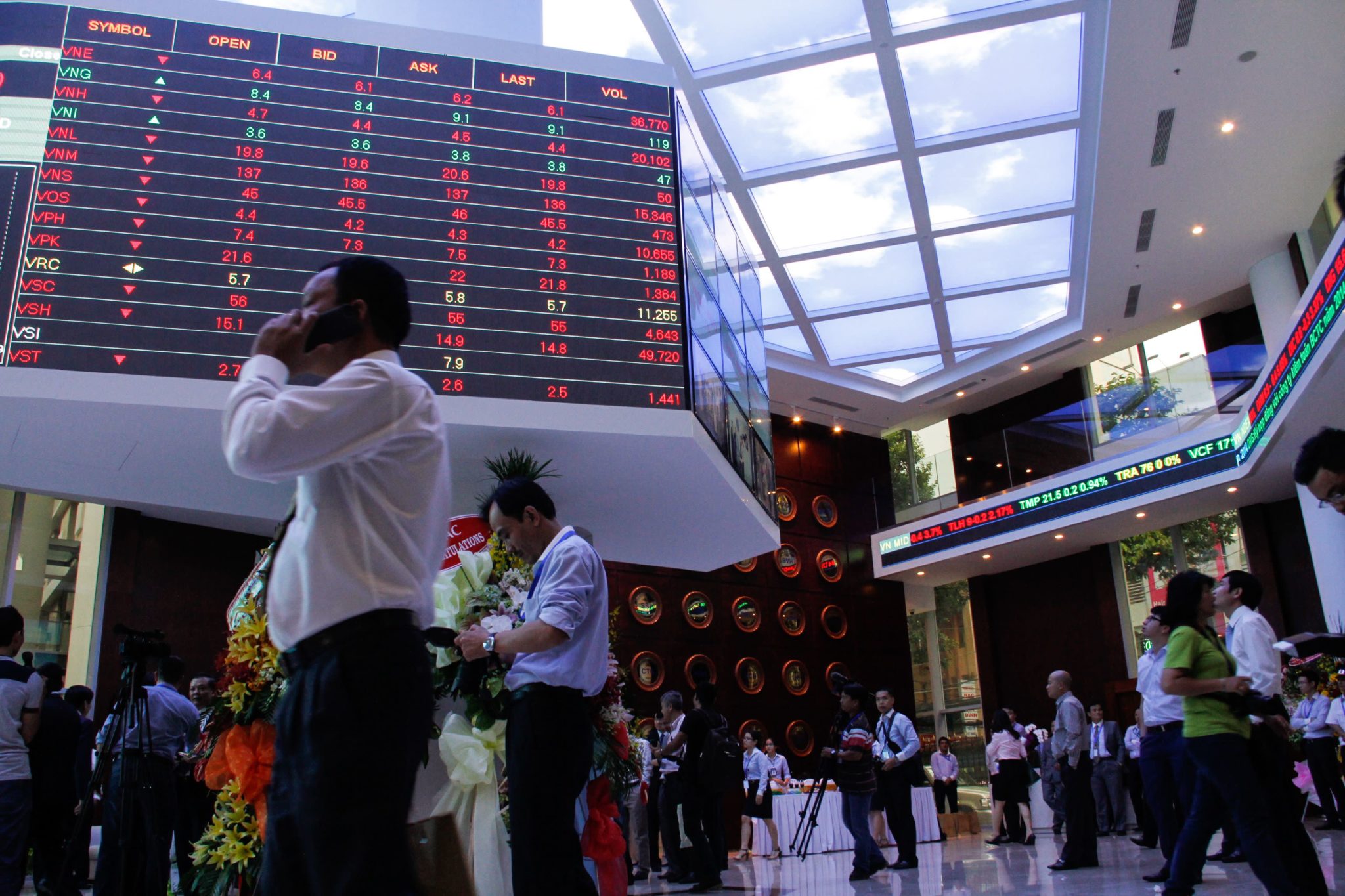
    Vietnam’s benchmark VN-Index experienced a notable increase of 0.68% on Wednesday, reaching 1,250.37 points. This marks a positive trend to kick off the month, as the index continues its three-day upward trajectory.

    Trading Highlights

    The VN-Index closed 8.42 points higher, following a previous gain of 1.9 points. Despite this rise, trading activity on the Ho Chi Minh Stock Exchange saw a decline of 3.4% from the previous session, totaling VND17.2 trillion (approximately USD 662.6 million).

    Key Stock Performances

    Within the VN-30 basket, which includes the 30 largest stocks by market capitalization, 14 companies reported positive gains.

    • Vingroup (VIC) surged by 4.11%, demonstrating strong performance as part of Vietnam’s retail news landscape.
    • Bao Viet Holdings (BVH) rose by 3.16%, reflecting increasing consumer trends in the insurance sector.
    • Vietnam Rubber Group (GVR) climbed 2.26%, signaling positive growth within the commodity market.

    Conversely, several blue-chip stocks stumbled:

    • Masan Group (MSN) fell by 1.77%.
    • HDBank (HDB) slid down by 1.41%.
    • SSI Securities Corporation (SSI) experienced a drop of 1.3%.

    Foreign Investment Insights

    Amidst these fluctuations, foreign investors emerged as net buyers, investing approximately VND900 billion. Top purchases included shares from Dat Xanh Group (DXG) and Nam Long Investment Corp (NLG), indicating strong interest in the real estate market.

    In parallel, the HNX-Index for mid and small-cap stocks on the Hanoi Stock Exchange rose by 0.55%, while the UPCoM-Index dipped slightly by 0.02%.

    Conclusion: Impact on the Retail Sector

    The steady increase in the VN-Index reflects a robust sentiment in the market, which could encourage further investments in various sectors, including retail and real estate. As consumer demand continues to surge, brands are expected to expand their presence while adapting to emerging consumer trends.

    Questions & Answers

    1. What is the current status of the VN-Index? The VN-Index has risen 0.68% to 1,250.37 points, marking its third consecutive gain.

    2. Which stocks contributed to the VN-Index’s rise? Key performers include Vingroup (VIC), Bao Viet Holdings (BVH), and Vietnam Rubber Group (GVR), all showing significant increases.

    3. How are foreign investors participating in the market? Foreign investors were net buyers, investing around VND900 billion, with a focus on stocks from Dat Xanh Group and Nam Long Investment Corp.

  • Vietnam and US Launch Exciting New Bilateral Trade Negotiations

    Vietnam and US Launch Exciting New Bilateral Trade Negotiations

    Vietnam and U.S. Initiate Bilateral Trade Negotiations: A New Era in Economic Cooperation

    In a timely move to enhance economic collaboration, Vietnamese Trade Minister Nguyen Hong Dien engaged in a pivotal phone conversation with U.S. Trade Representative Jamieson L. Greer on April 23, 2025. This dialogue marks the commencement of crucial bilateral trade negotiations aimed at crafting a future trade pact.

    A Strategic Partnership for Economic Growth

    The negotiations are set to outline key principles, scope, and a roadmap for advancing trade between the two nations, as highlighted by Vietnam’s Department of Foreign Market Development. Minister Dien emphasized Vietnam’s commitment to its comprehensive strategic partnership with the U.S., stressing a focus on deepening economic ties that are balanced, stable, and sustainable.

    Open Dialogue for Mutual Benefit

    During the discussion, Minister Dien expressed Vietnam’s readiness to address U.S. concerns, aiming to seek solutions that align with the interests of both countries. In response, Greer praised the initiative, indicating optimism about discovering effective solutions that would bolster sustainable economic cooperation.

    Sustained Communication for Progress

    Both officials underscored the importance of ongoing communication between their negotiating teams to expedite the talks and ensure a streamlined process. This proactive approach positions both nations for potential growth as they navigate the complexities of international trade.

    Furthermore, this announcement comes at a time when the Trump administration is strategically delaying reciprocal tariffs on various trading partners, including Vietnam, for a 90-day period, while a temporary 10% tariff remains in effect.

    Implications for the Retail Sector and Consumers

    With the initiation of these bilateral trade negotiations, the potential for increased trade flow could reshape the retail landscape in both Vietnam and the U.S. As the two economies explore new avenues for collaboration, consumers may benefit from greater product availability and competitive pricing.

    Questions & Answers

    1. What are the main goals of the U.S.-Vietnam trade negotiations?
      The primary objectives include outlining principles, scope, and a roadmap for a future trade pact that enhances economic cooperation between the two nations.
    2. How does this negotiation impact current tariffs? The negotiations unfold during a 90-day delay on reciprocal tariffs by the Trump administration, with a temporary 10% tariff remaining in place on certain goods.
    3. What does this mean for consumers in both countries? Increased collaboration could lead to more diverse product availability, better quality, and competitive prices for consumers in both Vietnam and the U.S.
  • Retail Sales Surge as Consumer Demand Drives Brand Growth in New Store Openings

    Retail Sales Surge as Consumer Demand Drives Brand Growth in New Store Openings

    As consumer demand surges, brands are seizing the opportunity to escalate their growth strategies and expand their presence in the retail sector. Key players are not only adapting to shifting consumer preferences but also redefining their market strategies to capture a larger share of the evolving landscape.

    Rising Consumer Demand Drives Growth

    Recent reports indicate a notable surge in consumer demand across various sectors, with trends leaning toward online shopping and sustainable products. Retailers are witnessing this transformation first-hand, as customers gravitate towards brands that align with their values and expectations. This shift presents both challenges and opportunities in adapting to shopper behaviors that have been reshaped by the pandemic.

    Strategic Brand Expansion Initiatives

    Leading brands are actively pursuing expansion strategies aimed at reaching untapped markets. For instance, popular names in fashion retail are opening new stores in urban centers while enhancing their digital presence to cater to a diverse audience. By leveraging e-commerce platforms and improving logistics, these companies are well-positioned to respond to consumer trends effectively.

    Innovative Approaches to Sustainability

    As sustainability continues to play a critical role in consumer decision-making, brands are tailoring their practices to incorporate eco-friendly materials and ethical labor practices. Recent initiatives reveal that companies prioritizing sustainability not only meet consumer expectations but also set themselves apart in a competitive marketplace.

    Future Implications for the Retail Sector

    The ongoing shifts in retail dynamics signal a promising future for brands willing to innovate and adapt. As consumer trends evolve, those who embrace flexibility and responsiveness will likely thrive, paving the way for a more exciting retail landscape. This consumer-driven environment enhances the shopping experience and influences purchasing behaviors, ultimately impacting the broader retail sector.

    As brands continue to expand their presence and embrace these consumer trends, the retail landscape is poised for significant transformation, creating new opportunities for both retailers and shoppers alike.

  • Pomelo Fashion to Celebrate Exciting Store Opening in Laos

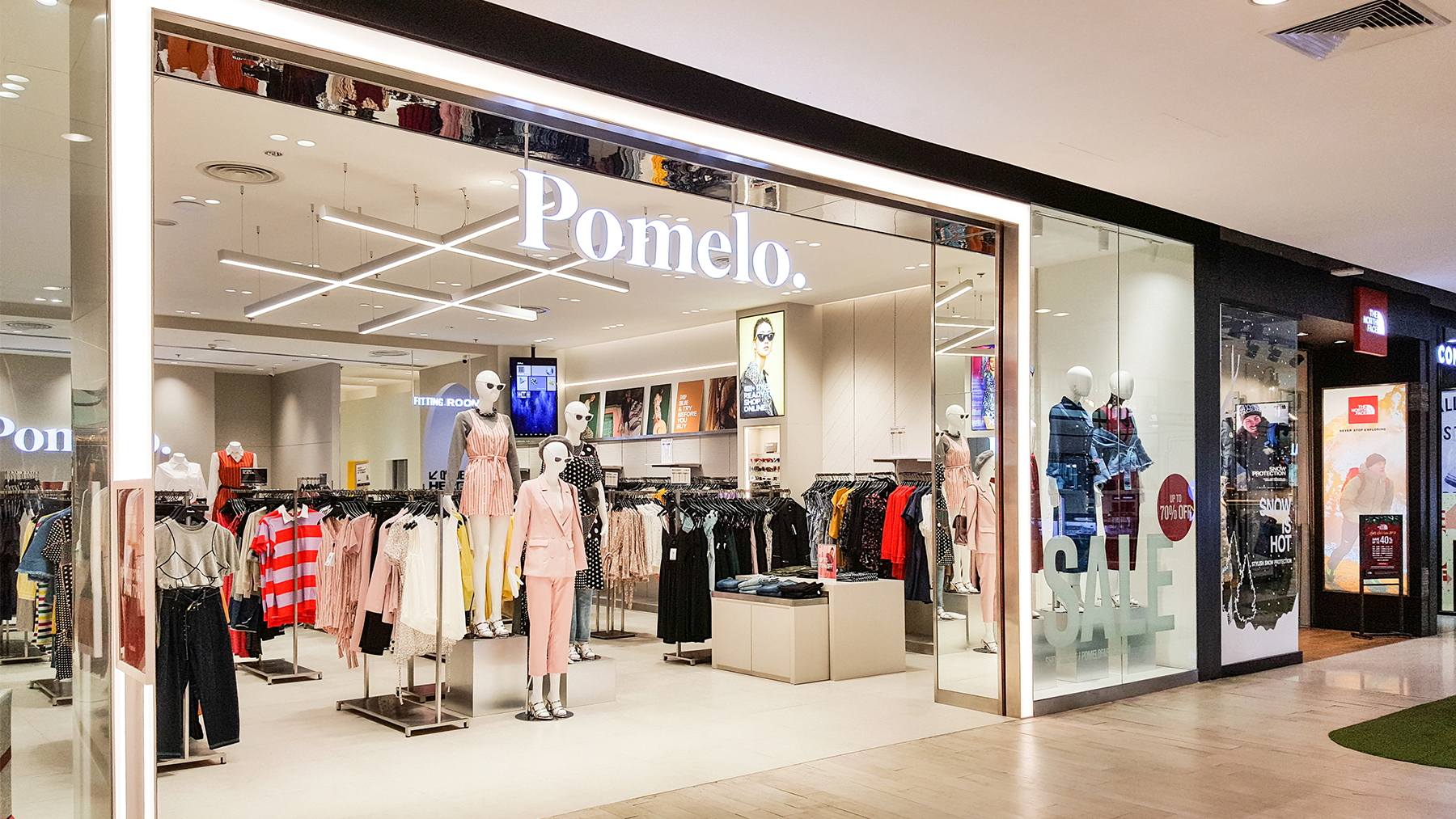
    Pomelo Fashion to Celebrate Exciting Store Opening in Laos

    In the ever-evolving landscape of retail, companies are taking bold steps to expand their footprint in response to surging consumer demand. This trend highlights the dynamic nature of today’s retail environment, where adaptability and innovation are key.

    Strong Growth in Consumer Trends
    Recent industry reports indicate that consumer spending is on the rise, with retail sectors such as e-commerce and health & wellness experiencing particularly robust growth. This surge is prompting brands to rethink their market strategies. Companies like XYZ Retail are leading the charge, implementing new initiatives to cater to this growing appetite.

    Strategic Brand Expansion
    XYZ Retail has announced plans to broaden its geographical presence by opening new stores in key metropolitan areas. This strategic move not only aims to capture a larger market share but also seeks to enhance customer engagement. By aligning their offerings with local preferences, XYZ Retail is poised to strengthen brand loyalty across diverse consumer segments.

    Leveraging Digital Platforms
    Additionally, many brands are recognizing the importance of digital platforms in driving sales. The integration of e-commerce with traditional retail operations is becoming standard practice, enabling companies to reach consumers in more efficient ways. This digital-first approach is expected to revolutionize customer experiences, as brands strive to meet the expectations of tech-savvy shoppers.

    The Impact on the Retail Sector
    The current trajectory of brand expansion and innovation is set to reshape the retail sector significantly. As companies amplify their efforts to meet evolving consumer preferences, shoppers can anticipate an increasingly diverse range of products and services. This transformation has the potential not only to boost the variety available to consumers but also to create a more competitive marketplace.

    Questions & Answers


    1. What are the current trends in consumer spending? Consumer spending is increasing, particularly in sectors like e-commerce and health & wellness, prompting brands to adapt their strategies.

    2. How is XYZ Retail expanding its presence? XYZ Retail is opening new stores in strategic urban locations to better engage with customers and capture more market share.

    3. What role does digital integration play in retail evolution? Brands are increasingly integrating e-commerce with traditional retail to enhance customer experiences and meet the demands of tech-savvy consumers.

  • Vietnam Investment Seminar 2025: Strengthening Vietnam-Taiwan Retail Partnerships

    Vietnam Investment Seminar 2025: Strengthening Vietnam-Taiwan Retail Partnerships

    On May 9, a significant event targeting global investors will unfold at the Hsinchu Science Park in Taiwan. The Vietnam Investment Seminar promises to deliver essential insights into Vietnam’s burgeoning investment landscape, emphasizing collaboration opportunities and attractive incentives for foreign direct investment (FDI).

    Vietnam: A Rising FDI Powerhouse

    Vietnam is rapidly establishing itself as a leading destination for foreign investments, buoyed by a stable political environment and competitive incentives. The country’s modernization efforts have enhanced its industrial infrastructure, making it an appealing choice for international investors. Among its many provinces, Vinh Phuc stands out for its favorable industrial land availability, strategic location, and robust government support for businesses.

    Event Collaborators: Bridging Taiwan and Vietnam

    The seminar is a collaborative initiative by CNCTech Industrial and the Taiwan Science Park Association of Science and Industry (ASIP). The event will feature representatives from various Vietnamese ministries, highlighting the importance of government engagement in fostering foreign investment. ASIP encompasses companies from Taiwan’s leading science parks, including Hsinchu—often termed Taiwan’s “Silicon Valley.” This setup offers participants direct access to numerous high-tech partners and insights into successful industry practices.

    What to Expect from the Seminar

    Participants can look forward to a wealth of knowledge and networking opportunities, including:

    • Expert Presentations: Detailed discussions on Vietnam’s FDI incentives, investment procedures, and competitive advantages.
    • Showcasing Vinh Phuc Province: Insight into the province’s dynamic growth and industrial capabilities.
    • Case Studies: Success stories from Taiwanese companies thriving in Vietnam.
    • Networking Events: Engage directly with Vietnamese government representatives, CNCTech Industrial experts, and Taiwanese high-tech firms.
    • Investor Support Services: A comprehensive overview of CNCTech Industrial’s offerings, which include legal consultations and factory management.

    CNCTech Industrial, part of the larger CNCTech Group, will also showcase its standardized industrial parks and extensive investor support ecosystem. With over 600 hectares of industrial land in Vietnam, the company has successfully attracted a variety of FDI enterprises from Japan, Taiwan, China, and South Korea.

    Strengthening Ties for Future Growth

    The Vietnam Investment Seminar 2025 aims to cultivate new business connections while aligning Taiwan’s innovative industries with Vietnam’s expanding industrial base. By enhancing these relationships, the seminar seeks to spur the next wave of investment into Vinh Phuc and beyond.

    Event Details

    • Date: May 9, 2025
    • Venue: Meeting Room 203, 2nd Floor, Industrial Park Association Building, No. 2, Chien Yeh 1st Road, Hsinchu Science Park, Taiwan
    • Registration: Participants must register by May 6 here.

    As the retail sector continues to evolve, events like the Vietnam Investment Seminar not only foster international collaboration but also pave the way for increased consumer choice and economic benefits. With a concerted focus on investment, Vietnam’s growth trajectory is set to benefit not just investors, but consumers looking for greater product variety and innovation.

  • UBS Settles Credit Suisse U.S. Tax Case for $511 Million

    UBS Settles Credit Suisse U.S. Tax Case for $511 Million

    UBS Resolves Credit Suisse Tax Investigation with $510 Million Settlement

    The U.S. Department of Justice has concluded its protracted investigation into Credit Suisse’s tax practices, resulting in a settlement considerably lower than initial projections.

    In a significant development within the retail banking sector, Credit Suisse Services—now a subsidiary of UBS Group—will pay over $510 million to resolve two major U.S. tax inquiries. The settlement, announced by the Department of Justice (DOJ), addresses serious misconduct involving American clients.

    Major Allegations and Settlement Details

    The guilty plea from Credit Suisse reveals its role in aiding U.S. taxpayers to conceal assets totaling more than $6 billion across offshore accounts. This included over $4 billion hidden in at least 475 undeclared accounts in Switzerland and an additional $2 billion linked to U.S. assets in Singapore. These actions occurred despite Credit Suisse’s previous admissions of guilt in a 2014 agreement aimed at achieving full compliance with U.S. tax laws.

    A Settlement Lower Than Expected

    Speculation surrounded the potential settlement amount, with earlier reports suggesting a figure much higher than the final tally of $511 million. This sum is broken down into $371.9 million related to Swiss misconduct and $138.7 million for issues tied to Singapore. Two critical factors may have influenced the lower resolution: changes in the administration’s enforcement priorities and the decline in interest in prosecuting past Credit Suisse executives following UBS’s acquisition.

    Continued Misconduct Up to 2021

    The DOJ’s findings confirm that Credit Suisse continued to assist American clients in tax evasion well beyond its 2014 commitment to compliance. Bankers engaged in activities such as crafting fraudulent donation documents and misrepresenting account holders as recently as 2021.

    Connections to Singapore and Ongoing Litigation

    The investigation’s ties to Singapore include claims of undisclosed funds associated with Georgian billionaire Bidzina Ivanishvili, who is currently pursuing legal action against Credit Suisse for alleged fraud. UBS has emphasized its non-involvement in misconduct, reiterating its stringent “zero tolerance” policy toward tax evasion.

    Looking Ahead: Financial Impact Still Unclear

    The ramifications of this settlement for UBS are still being assessed. While UBS anticipates a credit this quarter resulting from a contingent liability adjustment following its acquisition of Credit Suisse, a related charge will also be recorded.

    As this case culminates, it brings to light ongoing challenges within the retail banking sphere, particularly regarding compliance with tax regulations. The implications of this case could resonate through the sector, prompting a reassessment of regulatory practices and consumer trust in financial institutions.

  • Gold Prices Surge Near Historic Peak Amid Rising Consumer Demand

    Gold Prices Surge Near Historic Peak Amid Rising Consumer Demand

    In a landscape marked by global market shifts, Vietnam’s gold prices remain resilient, hovering near historic highs. As consumer demand continues to shape this precious metal’s valuation, local investors are navigating a dynamic market climate.

    Steady Gains in Pricing

    On Saturday morning, the price of gold in Vietnam saw a slight increase. The Saigon Jewelry Company reported a rise of 0.41%, bringing the price to VND 121 million (approximately USD 4,650.01) per tael, which equals 37.5 grams or 1.2 ounces. Similarly, gold rings observed a bump of 0.86%, priced at VND 116.5 million per tael.

    Yearly Surge Driven by Global Factors

    Gold prices in Vietnam have surged an impressive 43.7% this year. Analysts attribute this meteoric rise to various factors, including escalating geopolitical tensions, increased purchases by central banks, and higher import tariffs imposed by the United States. The State Bank of Vietnam recently highlighted these global influences as key drivers of local gold market trends.

    Global Market Trends

    Despite Vietnam’s strong performance, global gold prices experienced a dip, falling 2% on Friday. This downturn is linked to a strengthening dollar and reports indicating easing U.S.-China trade tensions, particularly as Beijing exempted certain U.S. goods from tariffs. As a result, spot gold decreased by 1.7% to USD 3,292.99 an ounce, reflecting an overall decline of 1.2% for the week.

    Looking Forward: Implications for Retail and Consumers

    The fluctuations in gold prices not only signify important trends in the retail market but also carry implications for consumer behavior and investment strategies. As consumers remain cautious, the state of gold prices could influence purchasing decisions in the jewelry sector and beyond. Stakeholders in the retail industry must stay attuned to these developments to effectively respond to evolving consumer trends and market conditions.

  • Stability Prevails in Singapore’s Retail Sales Amid Consumer Demand Trends

    Stability Prevails in Singapore’s Retail Sales Amid Consumer Demand Trends

    Singapore’s Political Landscape: Stability Persists Amid Growing Challenges

    Amid rising consumer concerns and economic pressures, Singapore’s political scene sees a reaffirmation of the status quo as the People’s Action Party (PAP) retains power.

    In a political landscape marked by uncertainty, Singapore holds its position as a leading financial hub, drawing parallels with global giants like New York and London. This weekend’s elections have revealed not only the resilience of the PAP but also the complex dynamics that shape the future of this Southeast Asian city-state.

    The Enduring Influence of the People’s Action Party

    For 60 years, the PAP has been synonymous with governance in Singapore, a legacy built by the late Lee Kuan Yew. His vision transformed the nation from a developing country into a thriving economy, establishing a reputation for stability and reliability. Despite occasional challenges, Singaporeans have consistently supported the PAP, reflecting their trust in the party’s ability to maintain these foundational values.

    A New Face: Prime Minister Lawrence Wong

    Prime Minister Lawrence Wong’s ascent marks a generational shift in Singapore’s leadership. As the successor to Lee Hsien Loong, Wong is the first Prime Minister not directly linked to the founding generation. His comparatively shorter political career raised questions about his popularity and experience, creating an unpredictable environment ahead of the recent parliamentary elections.

    Rising Consumer Concerns and Inflation Pressures

    Increasing living costs and heightened inflation — particularly in the property market — have fueled public dissatisfaction, especially among younger voters. With calls for a stronger opposition to challenge the ruling party’s authority, many were anticipating a change in the political tide.

    Unexpected Election Results

    Contrary to expectations of a potential setback for the PAP, the ruling party achieved a decisive victory, while opposition parties made only modest gains. This outcome underscores the electorate’s preference for stability amid global uncertainties, particularly influenced by geopolitical tensions involving superpowers like the United States and China.

    Implications for Singapore’s Financial Sector

    The implications of this election are significant for Singapore’s financial sector, which houses numerous Swiss enterprises. The PAP’s continuation in power signals a commitment to maintain the country’s reputation for stability and reliability, vital traits in an increasingly complex global landscape.

    Looking Ahead: A Stable Future for Singaporeans

    As Singapore continues to navigate the fluctuations of world trade and international diplomacy, the recent electoral results affirm the public’s desire for dependable governance. The PAP’s sustained leadership suggests a concerted effort to balance local needs with global aspirations, making it a key player in shaping future consumer trends and economic policies in the region.

    As the retail sector adapts to changing dynamics, consumers can expect a focus on stability that will influence economic growth and opportunities in the coming years.

  • How Artificial Intelligence Fuels Retail Growth Without Job Loss

    How Artificial Intelligence Fuels Retail Growth Without Job Loss

    A fresh global study reveals how Artificial Intelligence is reshaping the workforce—encouraging collaboration, creativity, and leadership.

    The discourse surrounding Artificial Intelligence (AI) often leans toward apprehension about job loss. However, a groundbreaking study titled “Elevating Human Potential: The AI Skills Revolution” presents an encouraging narrative: AI is here to enhance human capabilities rather than diminish them. Conducted by Workday, the study surveyed over 2,500 respondents across 22 countries, highlighting the positive impact AI is having on the modern workplace.

    AI: A Partner in Innovation

    The study unveils that a staggering 93 percent of AI users believe the technology allows them to concentrate on more complex responsibilities. These include strategic thinking, problem-solving, and creative pursuits. Additionally, 83 percent of participants assert that AI fosters creativity and generates new economic value, shifting the perception of AI from a job threat to a collaborative ally in innovation.

    The Importance of Human-Centric Skills

    Amid fears of automation, the study emphasizes the enduring relevance of human-centric skills. Attributes such as ethical decision-making, emotional intelligence, and relationship-building are irreplaceable in an AI-driven future. The findings indicate a critical emphasis on empathy, trust, and cultural awareness, skills that empower individuals in a rapidly evolving workplace.

    The study points out a notable disconnect between employees and managers regarding the need for human connection. While 82 percent of employees express a desire for increased interpersonal relationships, only 65 percent of managers acknowledge this necessity. This gap offers a unique opportunity for leaders to prioritize empathy and cultivate organizational trust, all while leveraging AI insights for enhanced decision-making.

    Facilitating Collaboration Across Boundaries

    AI is revolutionizing team dynamics by breaking down data silos and enhancing collaborative efforts. As the research illustrates, AI not only automates mundane tasks but also fosters genuine human interactions. By freeing up time for strategic initiatives, AI enables employees to innovate and collaborate across various departments and geographical locations.

    To fully capitalize on AI’s transformative potential, organizations are encouraged to embrace a human-centric strategy. The study outlines four key priorities: upskilling the workforce, nurturing collaboration between humans and AI, ensuring transparency, and advocating for ethical AI practices. These initiatives not only spur innovation but also fortify trust in AI’s role as a supportive workplace partner.

    The Future of Retail: An AI-Enhanced Landscape

    As the retail sector continues to evolve, the integration of AI presents promising opportunities for brands to enhance consumer experiences. By focusing on human-centric skills and fostering innovation, companies can navigate consumer trends more effectively, ensuring they meet the heightened expectations of today’s shoppers. The positive implications for both organizations and consumers highlight AI’s potential as a catalyst for sustainable growth and enhanced engagement in the retail landscape.

  • Australia Sees 4% Surge in Retail Spending This March

    Australia Sees 4% Surge in Retail Spending This March

    Retail spending in Australia experienced a notable uptick of 4% in March 2025 compared to the same period last year, totaling an impressive $37.3 billion, as reported by the Australian Bureau of Statistics (ABS). This growth signals a positive shift in the retail landscape, despite lingering economic uncertainties.

    Diverse Growth Across Retail Categories

    The increase in retail spending was broad-based, with all categories contributing to this upward trend. The standout performer, the ‘other retailing’ segment—encompassing cosmetics, sports, and recreational goods—achieved a remarkable 9% growth. Additionally, clothing, footwear, and accessories reported a solid 5% increase, while food items, department stores, and household goods each saw a growth of 4%. Cafes, restaurants, and takeaway services, although still growing, only saw a more modest rise of 1%.

    Caution Amid Economic Pressures

    Despite the growth, Fleur Brown, Chief Industry Affairs Officer at the Australian Retailers Association (ARA), highlighted ongoing challenges. “The pressures of cost-of-living and economic uncertainty are still affecting consumer behavior,” she stated. Brown emphasized that while any signs of stability in consumer spending provide a welcome boost to business confidence, a full retail recovery remains elusive.

    Weather-Related Challenges

    Lindsay Carroll, Interim CEO of the National Retail Association, viewed the March data as an encouraging sign for recovery. However, she noted that extreme weather conditions in Queensland and New South Wales had a significant impact on retail sales. “Premature shop closures due to cyclone warnings hampered sales exactly when every dollar is crucial for local businesses,” Carroll explained. She added that retailers require improved support to navigate these extreme weather events without compromising their livelihoods.

    Looking Ahead for the Retail Sector

    The recent data reflects a positive trend for the Australian retail sector. However, the interplay of consumer demand and external pressures highlights the need for continued support and adaptation strategies within the industry. As retailers navigate these challenges, the potential for sustained growth in consumer spending remains a key focus, influencing both market dynamics and consumer experience.

    With these developments, stakeholders in the retail sector are urged to stay attuned to emerging consumer trends and support measures that can empower businesses during uncertain times.

  • OpenAI Enhances ChatGPT for Smarter Retail Searches and Product Picks

    OpenAI Enhances ChatGPT for Smarter Retail Searches and Product Picks

    OpenAI Launches Personalized Product Recommendations with GPT-4o Model

    In an exciting development for both consumers and retailers, OpenAI has unveiled its latest update to ChatGPT, introducing personalized product recommendations. This new feature, available in the GPT-4o model, will enhance the online shopping experience with tailored recommendations, complete with images, reviews, and direct purchase links.

    Global Rollout of Enhanced Features

    OpenAI confirmed that this update will be accessible to all users worldwide, including Free, Plus, and Pro accounts, as well as those not logged in. The rollout signifies a significant step in making AI assistant tools more user-friendly and commercially viable, aligning closely with evolving consumer trends in retail.

    Tailored Shopping Experience

    Users can now expect personalized shopping suggestions across a variety of categories such as fashion, beauty, electronics, and home goods. The recommendations are generated based on users’ queries, ensuring that the suggestions are relevant and appealing. This feature is designed to enhance consumer engagement and streamline the decision-making process when shopping online.

    Commitment to Transparency and User Experience

    Notably, OpenAI has emphasized that the recommendations will be free from advertisements, and the company will not earn commissions from any purchases. This commitment to transparency ensures that users can make informed decisions based on unbiased data, including structured information about prices, descriptions, and reviews sourced from trusted third parties.

    Significant Growth in User Adoption

    Since the introduction of its web browsing feature last year, OpenAI has witnessed remarkable growth in user engagement, reporting over 1 billion web searches conducted in the past week alone. This surge underscores the increasing reliance on AI tools in navigating retail options and informs a dynamic landscape for online shopping.

    Implications for Retail and Consumer Behavior

    OpenAI’s move to integrate personalized recommendations could redefine the retail sector by enhancing the customer journey and fostering brand loyalty. As consumers increasingly seek personalized experiences, this capability positions OpenAI—and its partners—to meet rising expectations while potentially reshaping the future of e-commerce.

  • Xin Yun Tan Emphasizes Self-Growth and Self-Care for Retail Success

    Xin Yun Tan Emphasizes Self-Growth and Self-Care for Retail Success

    Embracing Growth and Purpose: Insights from Xin Yun Tan

    A Dynamic Leadership Journey

    In a candid interview, Xin Yun Tan, Partner for Operations at Multipolitan, shares her perspectives on personal growth, resilience, and the art of leadership. Known for her collaborative spirit and adaptability, Tan emphasizes the importance of self-care and authenticity in today’s fast-paced work environment.

    The Joy of Diversity in Team Dynamics

    Tan revels in the opportunity to collaborate with a diverse team, describing her colleagues as unique, passionate, and full of life. This dynamic environment fuels her creativity and drives innovation, making each day at work inspiring and fulfilling.

    Advice to the Younger Generation

    When asked what advice she would give to her 20-year-old self, Tan encourages embracing change as a catalyst for growth. “Never let fear hold you back,” she advises, emphasizing that every challenge is an opportunity for self-improvement.

    Resilience: A Personal Triumph

    Proud of her ability to quickly bounce back from setbacks, Tan reflects on her past struggles with fear and doubt. What once felt like a defeat became a critical turning point, teaching her the importance of self-trust and resilience.

    Bold Challenges Ahead

    Currently, Tan is pushing her limits by confronting her fears head-on, including a daring skydiving experience planned for her upcoming trip to Dubai. “It’s all about challenging yourself to grow,” she states, embodying her philosophy of self-advancement.

    Sustainable Fashion Choices

    As a champion of sustainability, Tan favors the local brand “Little Match Girl,” which prioritizes eco-friendly materials and waste-minimizing production methods. Her choice reflects a growing consumer trend towards ethical fashion in today’s retail landscape.

    A Multidimensional Role

    Describing her role at Multipolitan, Tan highlights the unique blend of high-level strategy and hands-on problem-solving that defines her daily tasks. This multidimensional approach requires agility and quick thinking, keeping her on her toes.

    Driven by Purpose

    Tan’s personal drive stems from a profound desire to make a meaningful impact while staying true to herself. She emphasizes the importance of aligning one’s purpose and passion in a way that fosters positive change and personal satisfaction.

    Building Strong Relationships with Employees

    Valued for her empathy and support, Tan is committed to her employees’ growth beyond just performance metrics. “I invest in their development,” she shares, fostering a work environment centered around collaboration and open communication.

    Investing in Self

    For Tan, the best investment is always in herself. She prioritizes self-care and mindfulness, believing that maintaining a healthy mindset is key to achieving long-term success and fulfillment.

    Conclusion: A Leader Shaping the Future of Retail

    Xin Yun Tan’s insights highlight a transformative approach to leadership, emphasizing resilience, empathy, and sustainability. As retail continues to evolve, her philosophy could inspire others in the industry to prioritize personal growth and consumer-conscious practices, paving the way for a more ethical and responsive retail sector.

  • Levi’s Expands Brand Growth with New Flagship Store in Nagoya

    Levi’s Expands Brand Growth with New Flagship Store in Nagoya

    Levi Strauss & Co. Unveils Its Largest Store in Asia Pacific to Boost Consumer Connection in Japan

    Levi Strauss & Co., a trailblazer in denim and casual wear, has strategically expanded its footprint by opening its largest single-floor store in the Asia Pacific region—located at Nagoya ZERO GATE, Japan. This launch is a significant step in the brand’s effort to enhance customer experience and embrace local culture.

    Expanding Brand Presence with Innovative Store Features

    Spanning an impressive 5,380 square feet, the new flagship store in Nagoya is not only about size but also about offering unique experiences. It hosts the first Levi’s Tailor Shop in the Tokai region, where customers can enjoy personalized services such as embroidery, fabric paneling, and repairs—tailored to their tastes and preferences.

    Adding to the consumer experience, the store features an upscale lounge area, integrates digital elements for a seamless shopping experience, and proudly stands as the brand’s inaugural data shop in the city. This launch aligns well with Levi’s direct-to-consumer (DTC) strategy which prioritizes immersive brand experiences to foster deeper customer relationships.

    A Strategic Choice for Consumer Engagement

    Nuholt Huisamen, Managing Director & Senior Vice President, APAC at Levi Strauss & Co., explained that choosing Nagoya — one of Japan’s largest cities known for its rich history and vibrant culture — was a strategic decision. This location aligns perfectly with Levi’s goal to always be at the cultural epicenter, thus reinforcing the brand’s presence in significant urban landscapes.

    “The store is strategically positioned to show the fullest expression of our assortment, enabling consumers in Nagoya to fully immerize themselves in the Levi’s lifestyle brand. This is a direct reflection of our ambition,” Huisamen added.

    Expectations for Market Reception

    Following robust performances in major Japanese cities like Tokyo, Osaka, and Kyoto, expectations are high for the Nagoya store. Huisamen expressed optimism about the new store’s potential, given the Japanese consumers’ profound appreciation for heritage denim and the Levi’s brand overall. This indicates a promising future for Levi’s in strengthening its market position through direct engagements and tailored retail experiences.

    Potential Impact on the Retail Sector

    This expansion not only solidifies Levi’s commitment to enhancing consumer interactions through a DTC strategy but also sets a benchmark in the retail sector for combining traditional shopping with personalized and digital experiences. The move could inspire similar strategies across the industry, potentially reshaping retail interactions and consumer expectations in the region.

  • Navigating the Retail Landscape in Southeast Asia: Key Challenges for 2025

    Navigating the Retail Landscape in Southeast Asia: Key Challenges for 2025

    Southeast Asia’s retail scene in 2025 is a booming hub of growth and potential, fueled by a young, tech-savvy population of over 600 million consumers. The region’s retail market has evolved into a vibrant ecosystem where traditional shopping meets digital innovation.

    The numbers tell a compelling story:

    • Modern grocery retail growth: 6-7% annual increase
    • Rising middle class: 350 million by 2025
    • Digital economy value: Projected to reach $300 billion

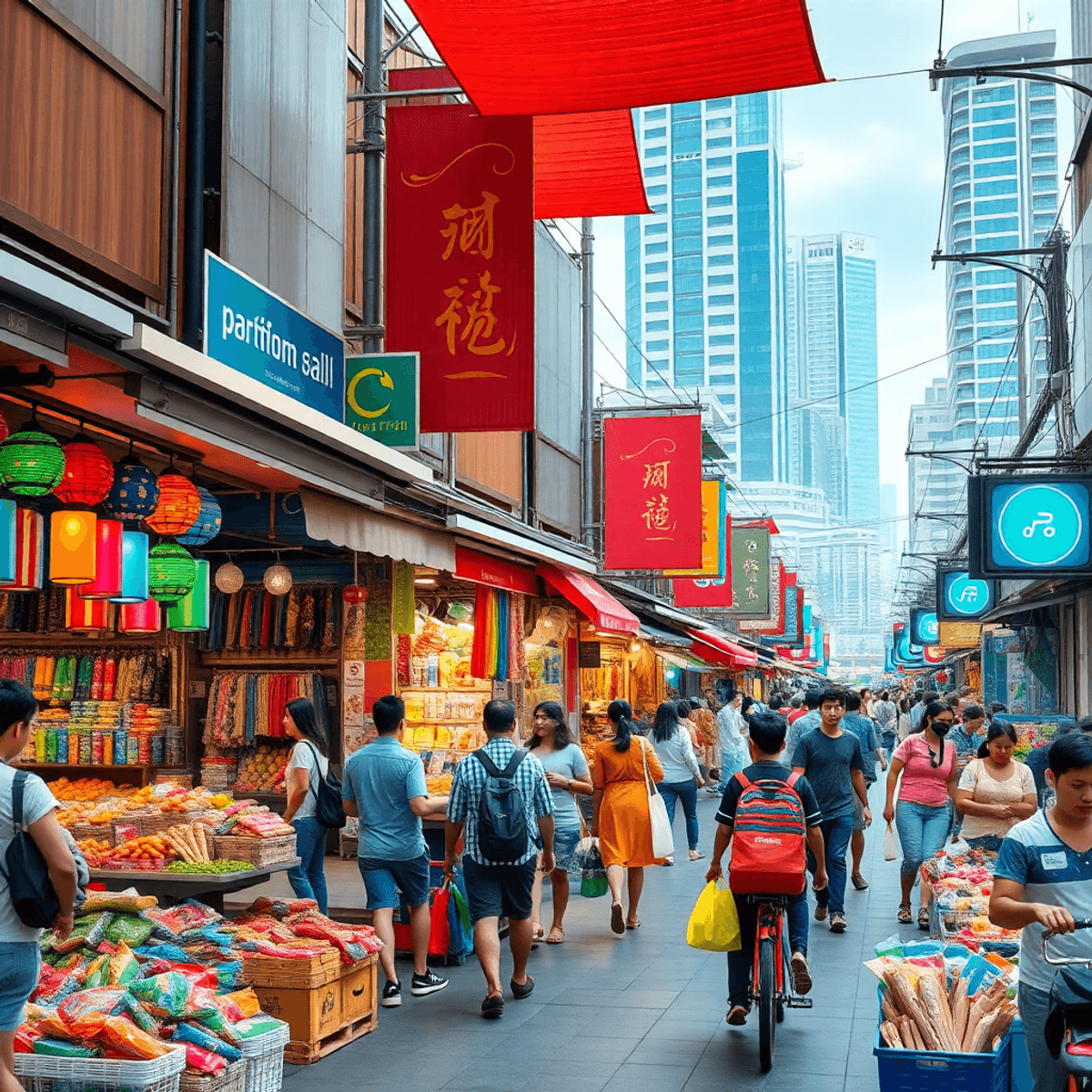
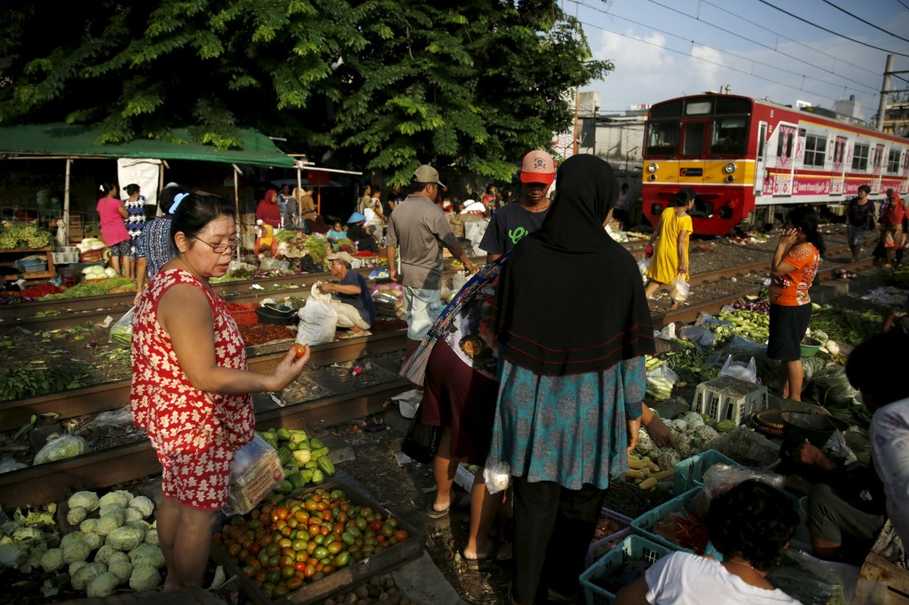
    Southeast Asia has become an important retail center, attracting both global brands and local entrepreneurs. The region’s diverse features – from bustling traditional markets in Jakarta to upscale shopping centers in Singapore – offer a wide range of retail experiences.

    However, this promising landscape also comes with its own challenges:

    • Market Fragmentation: Each country has its own unique consumer behaviors
    • Digital Transformation: Rapid shift towards omnichannel retail
    • Economic Pressures: Inflation and changing consumer spending patterns
    • Infrastructure Gaps: Varying levels of development across regions

    For retailers aiming for success in Southeast Asia’s 2025 market, understanding these dynamics is crucial. The combination of traditional retail practices with emerging technologies, along with changing consumer preferences, presents both opportunities and obstacles that require strategic navigation.

    Economic and Consumer Factors Impacting Retail Growth in Southeast Asia

    The retail landscape in Southeast Asia is facing significant challenges due to ongoing economic issues, particularly inflation, which is influencing how consumers behave. Recent data indicates that inflation rates are hovering between 3.5% to 6% in major Southeast Asian markets, directly affecting the volume of retail sales.

    Key Inflation Effects on Retail:

    • Reduced discretionary spending
    • Shift towards essential goods
    • Increased price sensitivity
    • Trading down to cheaper alternatives

    The expected trend of decreasing inflation in 2025 brings some hope for retailers. Economic forecasts suggest that inflation rates will drop to 2-3% across the region, potentially releasing pent-up consumer demand. This easing could lead to increased spending in previously affected categories such as electronics, fashion, and dining.

    Consumer confidence remains fragile due to ongoing financial pressures. A recent Nielsen survey reveals that 65% of Southeast Asian consumers are actively looking for ways to save money. This change in behavior has created distinct market dynamics:

    Impact on Retail Segments:

    • Discount retailers are seeing a 15-20% growth in their customer base
    • Fast-food chains are experiencing an 8-12% decline in average transaction value
    • Private label products are gaining a 25% market share
    • Budget-friendly retail formats are expanding their presence

    The current economic situation has altered how people make purchases, with 72% of consumers prioritizing value over brand loyalty. Retailers who adapt their pricing strategies and product offerings to align with these changing preferences are better positioned to capture market share.

    Navigating Market Structure and Competitive Landscape Challenges

    Southeast Asia’s retail landscape presents a unique contrast between traditional and modern retail formats. Traditional trade channels – wet markets, mom-and-pop stores, and street vendors – account for 70-80% of grocery spending across the region. These establishments maintain their dominance through personalized service, convenient locations, and cultural familiarity.

    Modern retail formats have gained significant momentum, growing at 15-20% annually in key markets like Indonesia, Vietnam, and the Philippines. Key drivers include:

    • Rising middle-class populations
    • Increasing urbanization
    • Growing preference for organized shopping experiences
    • Enhanced product variety and quality assurance

    Digital ecosystem players have intensified market competition. Companies like Grab, GoTo, and Sea Limited leverage their extensive user bases to expand into retail services. These tech giants offer:

    • Integrated shopping experiences
    • Sophisticated loyalty programs
    • Advanced data analytics capabilities
    • Seamless payment solutions

    The retail sector’s focus has shifted from aggressive expansion to sustainable profitability. This transition brings operational challenges:

    • Supply chain optimization across multiple channels
    • Last-mile delivery efficiency
    • Inventory management across online and offline platforms
    • Integration of legacy systems with new digital infrastructure

    Physical retailers face mounting pressure to develop omnichannel capabilities. Success requires balancing traditional retail strengths with digital innovation while maintaining operational efficiency in an increasingly complex market environment.

    Overcoming Operational and Technological Hurdles for Retail Success

    Digital transformation is crucial for Southeast Asian retailers in 2025. With the help of advanced data analytics, retailers can:

    • Create highly personalized marketing campaigns
    • Predict inventory needs accurately
    • Optimize pricing strategies on the spot

    Key Digital Transformation Priorities:

    Retailers should focus on the following areas for their digital transformation efforts:

    1. Implementing AI-powered demand forecasting systems
    2. Integrating cloud-based inventory management solutions
    3. Deploying smart POS systems with built-in analytics
    4. Developing customer data platforms for personalized experiences

    The automation of value chains brings great opportunities for improving operations. Leading retailers are putting their money into:

    • Robotic process automation for warehouse operations
    • Smart shelving systems with electronic price tags
    • Automated replenishment systems
    • AI-powered quality control mechanisms

    Strategic partnerships are essential for creating flexible supply chains throughout Southeast Asia. Successful retailers are doing the following:

    1. Working together with local logistics providers for last-mile delivery
    2. Joining forces with tech startups to find innovative solutions
    3. Building connections with multiple suppliers to ensure resilience
    4. Establishing data-sharing networks with key stakeholders

    Implementing these technological solutions requires a significant investment in infrastructure and talent development. Retailers need to find a balance between the costs of implementation and the long-term benefits of improved operational efficiency and enhanced customer experience.

    Emerging Tech Solutions in SEA Retail:

    Here are some emerging technologies that have the potential to revolutionize the retail industry in Southeast Asia:

    • Blockchain for supply chain transparency
    • IoT devices for real-time inventory tracking
    • Machine learning for predictive maintenance
    • Edge computing for faster data processing

    Addressing Regulatory Environment and Property Development Issues in Southeast Asian Retail Markets

    Southeast Asian retail markets have a complicated set of rules that are different in each country. For example, in Vietnam, foreign retailers must go through strict requirements called Economic Needs Testing (ENT) before they can open stores. Malaysia has specific policies for Bumiputera ownership, while Indonesia requires certain retail operations to have local partnerships.

    Key Regulatory Challenges:

    • Different licensing requirements per country
    • Foreign ownership restrictions
    • Local content requirements
    • Varying tax structures
    • Complex import regulations

    Property development for retail spaces is facing increasing pressures in 2025:

    Rising Costs and Space Constraints:

    • Construction material costs up 15-20% due to inflation
    • Prime retail space rental increases in major cities
    • Limited land availability in urban centers
    • Strict zoning regulations

    Infrastructure gaps create additional hurdles for retail development. Bangkok’s traffic congestion impacts delivery times, while Manila’s port congestion affects supply chain efficiency. Jakarta’s flooding risks require extensive mitigation measures in retail property development.

    Local partnerships emerge as a vital strategy to navigate these challenges. Retailers like Aeon and Central Group demonstrate success through joint ventures with local property developers, enabling better understanding of regulatory nuances and access to prime locations.

    The regulatory landscape pushes retailers toward innovative solutions. Mixed-use developments gain popularity, combining retail spaces with residential and office components to maximize land use efficiency. Smart building technologies help optimize space utilization and reduce operational costs amid rising inflation.

    Meeting Evolving Consumer Expectations: Strategies for Retailers in 2025

    Southeast Asian consumers in 2025 have sophisticated preferences, pushing retailers to adapt their strategies. Market research indicates a 70% increase in demand for fresh, organic produce and sustainable products across major urban centers like Singapore, Jakarta, and Bangkok.

    Key consumer trends shaping retail strategies:

    Health-conscious purchasing

    • Premium fresh produce sections
    • Organic food departments
    • Plant-based alternatives
    • Wellness product ranges

    Sustainability focus

    • Eco-friendly packaging
    • Locally sourced products
    • Transparent supply chains
    • Carbon footprint labeling

    Private-label offerings emerge as a critical strategy for retailers to meet these evolving preferences while managing inflation pressures. Leading retailers in Thailand and Malaysia have expanded their private-label ranges by 40%, introducing premium sustainable product lines at competitive price points.

    Successful retailers implement:

    1. Clear product origin labeling
    2. Digital tracking systems for supply chain transparency
    3. Partnerships with local organic farmers
    4. Sustainability certification programs
    5. Personalized healthy lifestyle recommendations

    Vietnamese retail chain VinMart exemplifies this adaptation, launching a “Green Living” private label that combines affordable pricing with sustainable packaging, capturing a 15% market share in their fresh produce category within six months.

    Exploring Emerging Opportunities in Southeast Asian Retail Markets

    Southeast Asian retailers can tap into significant growth potential through strategic technological integration and innovative revenue streams. The digital transformation of retail presents lucrative opportunities for businesses ready to embrace change.

    Building Integrated Tech Ecosystems

    • Smart retail solutions powered by AI and IoT
    • Unified commerce platforms connecting online and offline channels
    • Mobile-first payment solutions catering to the region’s digital natives
    • Data analytics platforms for real-time inventory management
    • Virtual try-on experiences using AR technology

    Retail Media Networks: A New Revenue Frontier

    • Digital advertising spaces within retail apps and websites
    • Targeted promotional campaigns using first-party customer data
    • Brand partnerships through in-store digital displays
    • Personalized shopping recommendations based on purchase history
    • Location-based marketing initiatives

    The rise of super apps in Southeast Asia creates opportunities for retailers to integrate their services into existing digital ecosystems. Companies like Grab and Gojek demonstrate the potential of combining retail, delivery, and financial services into unified platforms.

    Local retailers can differentiate themselves by developing proprietary tech solutions tailored to regional preferences. Examples include:

    • QR code payment integration
    • Voice commerce in local languages
    • Social commerce features
    • Live shopping capabilities
    • Cross-border e-commerce solutions

    These technological advancements position Southeast Asian retailers to capture market share while building sustainable competitive advantages in an increasingly digital retail landscape.

    Conclusion

    The retail landscape in Southeast Asia presents a complex mix of challenges and opportunities for 2025. Success depends on retailers’ ability to find a delicate balance between aggressive growth strategies and sustainable operational practices.

    Key success factors for retailers include:

    • Maintaining operational efficiency while navigating diverse regulatory frameworks
    • Building robust technological infrastructure for seamless customer experiences
    • Implementing sustainable practices that resonate with conscious consumers
    • Creating agile business models adaptable to market shifts

    The future belongs to retailers who can harmonize these elements while staying true to local market nuances. Those who master this balancing act will emerge as leaders in Southeast Asia’s promising retail sector, turning challenges into stepping stones for sustainable growth and market leadership.
  • Indonesia’s e-commerce market tipped to exceed $46 billion

    Indonesia’s e-commerce market tipped to exceed $46 billion

    E-commerce transaction values are growing steadily in Indonesia, with the market size up from $18.2 billion in 2020 to $40.8 billion last year.

    According to data and analytics company GlobalData, this represents a compound annual growth rate (CAGR) of 22.3 per cent.

    With such a growth pace, GlobalData forecasts the Indonesian e-commerce market to reach $46.6 billion in value this year.

    Government initiatives to improve digital infrastructure and online transaction security have contributed to this market growth, the research house reports.

    To protect traditional businesses and online marketplaces, and to reduce online fraud, the Indonesian Ministry of Trade issued a ban on social media e-commerce transactions in 2023, improving consumer confidence.

    GlobalData’s 2024 Financial Services Consumer Survey found that alternate payment methods held a market share of 49.3 per cent in the e-commerce payment landscape due to their convenience, speed, and security.

    Mobile wallets such as GoPay and Dana have gained popularity among consumers, with GoPay seeing 30 million downloads last July.

    The survey found that bank transfers held a 30.2 percent market share, particularly for high-value transactions, attributed to perceived security and the direct nature of the process.

    The use of cards for e-commerce transactions was just 7.5 percent, according to the survey.

    A preference for credit cards was seen due to the benefits offered, such as reward programs, cashback, interest-free installment payment options, and discounts.

    “Looking ahead, Indonesia’s e-commerce market value is projected to grow at CAGR of 12 per cent from 2025 to 2029. The growth will be driven by several key trends, including the continued expansion of digital payment solutions, the increasing penetration of smartphones and internet connectivity, and the rising demand for convenient and secure online shopping experiences,” said GlobalData banking and payments analyst Siddharth Das.