Tag: Retail

  • Shein and Reliance Join Forces to Expand Indian Supplier Network

    Shein and Reliance Join Forces to Expand Indian Supplier Network

    In a strategic move to reduce dependency on China amid escalating U.S. tariffs, Shein and Reliance Retail are set to ramp up their Indian supplier network from 150 to a remarkable 1,000 within just a year. This ambitious expansion plan, as reported by Reuters, includes plans to start exporting India-made Shein apparel globally within the next six to twelve months.

    A New Era for Indian Manufacturing

    This partnership is a pivotal element of a broader strategy aimed at relocating supply chains away from China—Shein’s largest market. By collaborating with Reliance, Shein seeks to expedite production in India with a primary focus on the lucrative U.S. and U.K. markets.

    Reviving Shein’s Presence in India

    While the partnership between Shein and Reliance is limited to a brand licensing deal for domestic sales, it marks a significant revival for Shein’s brand presence in India. The online fashion retailer initially entered the Indian market in 2018 but faced a temporary ban in 2020 alongside other Chinese applications. However, it made a comeback in February through a licensing agreement with Reliance Retail, which now operates SheinIndia.in, featuring garments produced by local manufacturers. Currently, a majority of Shein’s global offerings are still sourced from China.

    Boosting Local Production with Big Ambitions

    Reliance has already signed agreements with 150 garment manufacturers and is actively negotiating with an additional 400 to achieve its goal of 1,000 suppliers that can meet both local and international demands. The companies are rigorously evaluating whether Indian factories can replicate Shein’s best-selling items at competitive prices.

    Investing in the Future of Fashion

    Moreover, Reliance plans to bolster suppliers through investments, machinery imports, and sourcing fabric—particularly for synthetic textiles—where India is still catching up in expertise. With this move, Reliance isn’t just enhancing its operations; it’s also poised to transform India’s fashion landscape.

    In a world where fashion trends shift faster than a lightning bolt, could this partnership be the spark that ignites India’s manufacturing prowess on a global scale? Only time will tell!

    Questions & Answers

    What is the goal of Shein and Reliance Retail’s partnership? The aim is to expand their Indian supplier base to 1,000 within a year and begin exporting India-made Shein garments globally within six to twelve months, reducing dependency on China.

    How has Shein’s presence in India evolved? Shein initially entered India in 2018, faced a ban in 2020, and returned in February 2022 through a licensing agreement with Reliance Retail, enabling them to sell locally produced garments.

    What support will Reliance provide to Indian suppliers? Reliance plans to assist suppliers with investments, machinery imports, and fabric sourcing, especially targeting the synthetic textiles sector where local expertise is currently lacking.

  • AI in Retail: Revolutionizing the Customer Experience Across Asia

    AI in Retail: Revolutionizing the Customer Experience Across Asia

    Retailers are gearing up for a game-changing era as they embrace the power of artificial intelligence (AI). With technology rapidly evolving, retailers across Asia are discovering AI’s potential to personalize experiences, streamline operations, and redefine customer engagement. From analytics to chatbots, AI is not just a trend; it’s becoming an essential element in staying competitive in today’s market.

    Transforming Customer Journeys

    The integration of AI in retail is revolutionizing how brands interact with consumers. Imagine walking into a store and receiving personalized product recommendations right on your smartphone—sounds like magic, right? It’s actually AI at play. Retailers are utilizing AI to analyze consumer data, allowing them to tailor recommendations based on preferences, past purchases, and even browsing histories. This hyper-personalization goes beyond simple marketing; it cultivates a shopping experience that feels genuinely curated for each individual.

    Streamlining Operations

    Operational efficiency is another area where AI is making waves. From inventory management to supply chain logistics, AI-powered tools are helping retailers predict demand, optimize stock levels, and reduce waste. By employing machine learning algorithms, businesses can make data-driven decisions that enhance productivity and minimize costs. In a world where every dollar counts, these advancements are not just nice to have—they’re crucial for survival.

    Enhancing the Shopping Experience

    AI-enhanced customer service tools, like chatbots, have changed the way retailers communicate with consumers. These digital assistants offer 24/7 support, answering questions and resolving issues at lightning speed. This not only boosts customer satisfaction but also allows human staff to focus on more complex tasks that require a personal touch. The result? A seamless shopping experience that keeps customers coming back for more.

    Amid these technological advances, it’s interesting to note that some retailers are also looking back. Nostalgia marketing is proving to be a surprising ally as brands blend AI’s cutting-edge approach with classic consumer sentiments—who wouldn’t want to reminisce about their favorite childhood snacks while shopping?

    Questions & Answers

    What role does AI play in personalizing customer experiences?
    AI analyzes customer data to provide tailored product recommendations, creating a unique shopping experience for each individual.

    How does AI improve operational efficiency in retail?
    AI tools help retailers optimize inventory and supply chain logistics by predicting demand and making data-driven decisions, which leads to reduced waste and increased productivity.

    What impact do chatbots have on customer service?
    Chatbots provide instant support around the clock, improving customer satisfaction and freeing up human employees for more complex interactions.

    As the retail landscape continues to evolve, one thing is clear: the future is not just automated; it’s personal.

  • Omnichannel Execution: The Role of Analytics in Seamless In‑Store and Digital Experiences

    Omnichannel Execution: The Role of Analytics in Seamless In‑Store and Digital Experiences

    Asia’s retail sector is undergoing a seismic shift. With digital adoption surging, consumers now expect a fluid journey that merges online browsing, mobile interaction, and in-store experiences. To meet this elevated bar, retailers are turning to omnichannel analytics—integrating data from multiple touchpoints to deliver personalized, frictionless customer journeys and improve revenue outcomes.

    In fact, advanced analytics is not limited to brick-and-mortar environments. Even digital verticals, such as trusted online casino Singapore platforms, are harnessing similar cross-channel data insights to optimize user engagement and retention—underscoring the universal need for seamless consumer experiences.

    In this article, we explore how omnichannel execution powered by analytics is redefining Asian retail, spotlight the technology and strategic shifts behind it, and offer actionable insights for retailers navigating this transformation.

    Why Omnichannel Matters More Than Ever

    Consumers today operate across all digital and physical channels. Whether they start a purchase journey on a smartphone, explore in a web store, or finalize in a physical outlet, their expectations remain constant: subject-relevant, contextual interactions with convenience and coherence.

    Recent insights show:

    • Over 70% of APAC consumers expect real-time stock visibility and consistent pricing across channels. 
    • Retailers that effectively implement omnichannel strategies report 15–30% higher revenue per customer on average.

    By collapsing operational silos and weaving analytics across touchpoints, retailers can better understand behavior patterns, tailor offerings, and make data-informed decisions that drive both top-line and bottom-line growth.

    Understanding Omnichannel Analytics: Definition & Scope

    A clear framework for omnichannel analytics includes:

    • Customer identity resolution across online and offline touchpoints (app sessions, loyalty IDs, store visits). 
    • Journey stitching, tracking each step from ad exposure to in-store purchase. 
    • Channel attribution, enabling retailers to understand which touchpoints influence conversions. 
    • Experience personalization, using customer signals to recommend products, promotions, and services tailored to each channel.

    Put simply, omnichannel analytics allows retailers to:

    • Recognize a shopper whether they browse online, app, or in-store. 
    • Monitor cross-channel conversions and touchpoints. 
    • Tailor messaging and experiences to where users are engaging.

    As SAS explains, modern analytics enables retailers “to apply analytics to every step of the customer journey […], not just in marketing but also in merchandising, demand planning, and supply chain management”.

    Asia’s Omnichannel Momentum: Key Drivers

    Several factors have accelerated Asia’s omnichannel analytics adoption:

    Digital-Native Consumers

    Gen Z and Millennials in urban centers—from Singapore to Seoul—expect frictionless, integrated shopping. They compare online prices, reserve items digitally, and visit stores for experiential browsing.

    Rise of “Phygital” Retail

    Retailers are blending the best of both worlds: in-store experience powered by digital layers (e.g., QR-code information, AI-powered mirrors), coupled with digital relationships and personalization.

    Policy-Driven Transformation

    Policy initiatives, like Singapore’s Smart Nation drive and e-commerce frameworks in Southeast Asia, have enabled digital transformation across the retail ecosystem.

    Technological Maturity

    Cloud infrastructure, AI analytics platforms, and mobile payments now enable rapid deployment of end-to-end omnichannel analytics.

    Technology Stack: Turning Strategy into Scale

    A robust omnichannel analytics system comprises these components:

    1. Identity Resolution & Data Integration 
      • Integrate CRM, e-commerce, POS, mobile, and third-party data sources. 
      • Build unified identifiers for individual consumers. 
    2. Event & Journey Data Architecture 
      • Build data feeds capturing multi-channel events. 
      • Use event streaming (Kafka, cloud ingestion) to build real-time profiles. 
    3. Behavioral Analytics & Insights Layer 
      • Analyze shopping patterns, dwell time, funnel drop-off. 
      • Identify opportunity segmentation (e.g., BOPIS / Click-to-Collect shoppers). 
    4. Orchestration Engine 
      • Serve insights to personalization platforms, loyalty apps, store staff dashboards. 
      • Manage campaign decisions—email, push, in-store signage. 
    5. Measurement & Attribution 
      • Use advanced attribution to trace conversions back to cross-channel exposure. 
      • Conduct lift tests (e.g., BOPIS vs. home delivery). 

    Edge and in-store analytics (e.g., people counting, mobile-beacon signals) also enhance understanding of store layout, service gaps, and conversion opportunity.

    The Benefits: Revenue Impact & ROI

    Omnichannel analytics delivers benefits across three arenas:

    Benefit Category

    What It Enables

    Business Outcome

    Personalization

    Tailored offers, dynamic pricing, locational relevance

    +5–15% sales uplift

    Conversion Lifts

    Move customers more efficiently across the funnel

    +10–20% conversion rates

    Operational Gains

    Inventory, staffing, log forecasting

    10–30% cost reduction, higher satisfaction

    Retailers empowered by omnichannel analytics typically report 15–30% increases in revenue per shopper and 10–20% decrease in inventory waste, showcasing real ROI.

    Challenges & Best Practices for Implementation

    Challenge 1: Data Fragmentation

    Solution: Prioritize toolset consolidation—choose centralized CDPs or CTV stacks. Even legacy systems can be bridged via APIs and middleware.

    Challenge 2: Organizational Silos

    Solution: Establish cross-functional teams, with clear roles across IT, marketing, store operations, and data science.

    Challenge 3: Privacy & Regulation

    Solution: Build consumer consent frameworks, anonymize behavioral signals, and comply with local data laws (e.g., PDPA in Singapore, POPIA in South Africa). This is critical for technologies like in-store analytics and geolocation.

    Challenge 4: Attribution Complexity

    Solution: Use robust measurement models such as real-time A/B testing, incrementality analysis, and time-based attribution to isolate channel interactions effectively.

    Future Trends in Rice Street Retail Analytics

    1. AI-Augmented Customer Context
      AI systems to recommend next-best actions or optimize customer satisfaction in real-time. 
    2. Hyper-local Store Analytics
      IoT sensors to optimize layout, staffing, and product placement based on real-time traffic and conversion data—similar to edge-AI counting systems . 
    3. Unified Experience Across New Formats
      Integrating physical, online, live-stream, and social commerce to create cohesive ‘phygital’ ecosystems. 
    4. Ethical Use and Transparency
      Through initiatives such as Singapore’s AI Ethics Advisory Council, forward-looking retailers will embrace explainable analytics—clearly communicating data use and offering opt-outs.

    Strategic Playbook: Getting Started with Omnichannel Analytics

    Begin With Pilot Use Cases
    Focus on clear pilots: BOPIS use case, mobile notifications tied to geolocation, or unified loyalty communications.

    Stress-Test with A/B Tests
    Run lift studies comparing customer segments using newly layered omnichannel insights vs control.

    Scale Gradually
    Expand omnichannel capabilities to store networks and e-commerce platforms, supported by central analytics teams.

    Govern Responsibly

    • Standards-based consent (cookie banners, app permissions) 
    • Regular audits for compliance 
    • Transparent data policies communicated to users 

    Measure & Optimize Continuously
    Evaluate KPIs such as week-over-week conversion, satisfaction scores, and ROI on targeted offers and campaigns.

    In Asia’s rapidly evolving retail environment, omnichannel isn’t optional—it’s table stakes. Progressive retailers are already adopting analytics-driven approaches that connect the physical and digital in cohesive, personalized experiences.

    By integrating omnichannel analytics:

    • Shoppers enjoy smooth journeys from discovery to purchase. 
    • Retailers increase both conversion and operating efficiency. 
    • Brands stand ready for next-gen formats like livestream commerce, experience-based pop-ups, and more.

    For regional leaders, the call to action is clear: harness analytics, break siloed systems, invest in infrastructure that unifies data, and commit to responsible, consumer-centric execution.

    If you’d like support building omnichannel infrastructure, analytics frameworks, or launching pilot programs in Southeast Asia, feel free to reach out!


     

  • Mastering Retail: Top Three Strategies to Navigate Supply Chain Disruptions

    Mastering Retail: Top Three Strategies to Navigate Supply Chain Disruptions

    Retailers must focus on shifting consumer preferences.

    In the past decade, global retail supply chains have navigated a storm of challenges, from the COVID-19 pandemic and advancements in artificial intelligence to tariffs and threats to shipping routes. These disruptions have compelled industry leaders to continuously adapt in an environment rife with uncertainty.

    Shifting Consumer Demands

    According to Kearney, the key to survival lies in understanding three pivotal aspects: what consumers are buying, how they are buying it, and why. Between 2010 and 2020, demand gravitated toward convenience and price. However, a noticeable shift occurred after 2021, with emphasis moving towards essential and value-oriented products. Looking towards 2030, Kearney forecasts a landscape of polarized preferences, with consumers divided between budget-conscious and premium offerings. Retailers are responding by streamlining their assortments, reducing the variety of products in favor of higher-margin, private-label options.

    The Evolution of Shopping Experiences

    The “how” in retail has undergone a remarkable transformation. A decade ago, shopping was dominated by malls and big-box stores. Today, there is a burgeoning growth of smaller urban outlets and hybrid shopping formats seamlessly blending digital and physical experiences—think cashier-less stores and VR-enhanced retail atmospheres that feel like stepping into the future.

    Fulfillment models have also transitioned from distinct e-commerce and in-store approaches to a fully integrated omnichannel strategy. Options like buy online, pick up in store (BOPIS), curbside pickup, and rapid last-mile delivery have become the new norm. As we approach 2030, expect stores to evolve into distribution hubs, enhancing efficiency and accessibility.

    The Role of Marketplaces and Changing Motivations

    Marketplaces are poised to play an increasingly vital role in the fulfillment chain as retailers seek to expand without heavy investments in infrastructure. Meanwhile, the motivations driving purchases are shifting, significantly influenced by digital platforms and ESG (Environmental, Social, and Governance) concerns. Up until 2020, traditional digital ads were the primary traffic drivers; now, platforms like TikTok and innovations within retail media networks are reshaping consumer engagement.

    By 2025, it’s anticipated that around 80% of the top 100 U.S. retailers will develop their own media platforms or partner to create them. As AI technology continues to advance, personalizing engagement at scale is on the horizon, while trends like social commerce, community engagement, and buy-now-pay-later options gain traction.

    Rising Consumer Expectations

    As consumers become increasingly conscientious, expectations for sustainability are on the rise. The traditional compliance-driven approach to corporate social responsibility (CSR) no longer suffices. Shoppers now gravitate towards brands that ensure traceability, ethical sourcing, and effective carbon tracking, basing their purchasing decisions on these values.

    Macroeconomic and geopolitical shifts will further transform the retail landscape. Factors such as supply chain disruptions, inflation, and ESG regulations are already influencing demand. Additionally, tariffs and evolving trade policies will necessitate changes in sourcing and pricing strategies. AI innovations are also redefining the rules of engagement when it comes to pricing and planning. In this new era, consumers will be more discerning, favoring brands that resonate with their values and offer swift, seamless services.

    Kearney emphasizes that for retailers to build resilience, they must identify risks, diversify their supplier base, and gain greater control over product flow. Flexibility is key, prompting the adoption of agile models that accommodate rapid shifts in demand and distribution channels. Harnessing digital tools for real-time visibility will empower retailers to make quicker, more informed decisions.

    Retailers must adjust or risk becoming out of touch—with a little help from AI and a sprinkle of creativity, who knows what wonders await in the future of retail?

    Questions & Answers

    What are the three key areas retailers should focus on according to Kearney? Retailers should concentrate on what customers are buying, how they are purchasing, and the underlying reasons for their buying behavior.

    How has the shopping landscape changed since 2020? There has been a notable shift towards smaller urban stores and integrated shopping experiences that incorporate both digital and physical elements, moving away from traditional malls and big-box stores.

    What does Kearney suggest for retailers to build resilience? Kearney advises retailers to identify risks, diversify suppliers, and adopt agile models, while also leveraging digital tools for quicker decision-making and enhanced supply chain visibility.

  • Vendors in Hanoi and HCMC Close Shops as Authorities Crack Down on Counterfeit Goods

    Vendors in Hanoi and HCMC Close Shops as Authorities Crack Down on Counterfeit Goods

    In response to a heightened crackdown on counterfeit goods, a wave of shop closures has swept through bustling markets in Ho Chi Minh City (HCMC) and Hanoi. Authorities have intensified their efforts to eliminate counterfeit products, particularly among fashion accessories, watches, and pharmaceuticals.

    Stalls Go Silent in Ho Chi Minh City

    This week, popular shopping destinations in HCMC, including Saigon Square in District 1, An Dong Plaza in District 5, and the Pharmaceutical and Medical Equipment Trading Center in District 10, saw numerous stalls shuttered. Many shop owners lingered in the marketplaces, anxiously surveying the situation without opening their stores, fearful of a confrontation with inspectors.

    A handful of vendors that chose to keep their doors open found themselves facing a significant drop in customer traffic. “The number of visitors has plunged, and most of them only looked and did not buy,” lamented Hang, a vendor, highlighting the palpable unease that has gripped both customers and sellers alike.

    Hanoi’s Vinh Phat Market Feels the Pinch

    In Hanoi, the once-vibrant Vinh Phat Market, a hub for clothing and fabric, echoed with an unusual stillness this week. Many shops were closed, some even obscured their contact information to evade inquiries, reflecting the pervasive apprehension following several enforcement actions conducted at the end of May.

    Inspections in HCMC unearthed thousands of items flaunting esteemed luxury brand names such as Rolex, Chanel, and Gucci, all lacking the necessary documentation to verify their authenticity. Surprisingly, these counterfeit items were often priced considerably lower than legitimate products, which can be tempting but comes with serious risks.

    Small Vendors Face Big Pressures

    Management at Ben Thanh Market in HCMC voiced concerns about effectively controlling counterfeit goods without addressing the root issue of cross-border smuggling. Similarly, other market operators noted that while the crackdown aims to protect consumers and uphold laws, it places undue pressure on small vendors who may lack the legal knowledge or documentation needed to comply with regulations.

    Vendors at many major markets lamented that meeting these stringent requirements is next to impossible due to limited resources, forcing them to keep prices low to attract buyers. This predicament often results in the sale of non-genuine products, creating a challenging environment for both sellers and consumers.

    In the midst of these closures and cautious shopping behavior, one can’t help but ponder: what’s next for the vendors who have bravely navigated this storm, and will the real deals face the consequences of their counterfeit counterparts?

    Questions & Answers

    Why are stalls closing in HCMC and Hanoi?
    Vendors are closing their stalls due to increasing raids by authorities focused on rooting out counterfeit products, which has instilled fear of potential crackdowns.

    What has been the impact on sales in markets like Saigon Square?
    Sales have plummeted, with vendors reporting that while customers are still visiting, many are merely browsing without making purchases.

    How are small vendors managing under these pressures?
    Many small vendors struggle to meet legal requirements for authenticity due to limited resources, often resulting in the sale of counterfeit goods to keep their prices competitive.

  • JD Super Boosts Meat Imports with Dynamic New Global Partnerships

    JD Super Boosts Meat Imports with Dynamic New Global Partnerships

    Bringing Premier International Meat Brands to Chinese Consumers

    JD Super, the supermarket arm of JD.com, is stepping up its game by forming strategic alliances with Argentina’s Beef Promotion Institute (IPCVA) and the influential frozen meat importer, Linking Fresh. This initiative aims to broaden the supply of high-quality imported meat throughout China.

    The partnership with IPCVA will enhance the distribution of Argentine grass-fed beef on JD’s platform, capitalizing on its expansive logistics network and a loyal customer base of over 600 million.

    In addition, JD Super’s collaboration with Linking Fresh, which boasts ties to over 300 global meat suppliers and annual imports surpassing RMB15 billion, will usher in a selection of notable international brands, including Brazil’s BRF and Marfrig, Australia’s Kilcoy, Argentina’s Arre Beef, and Chile’s Agrosuper.

    To raise awareness and stimulate sales, JD Super and Linking Fresh will launch vibrant marketing campaigns, featuring special events like “Argentine Beef Week.” After all, who could resist a week dedicated to delectable beef?

    Questions & Answers

    What is JD Super’s recent initiative focused on?
    JD Super’s initiative is aimed at expanding the supply of high-quality imported meat into China through partnerships with the Argentine Beef Promotion Institute and Linking Fresh.

    What international brands will be introduced to the Chinese market?
    The partnership will bring prominent brands such as BRF and Marfrig from Brazil, Kilcoy from Australia, Arre Beef from Argentina, and Agrosuper from Chile.

    How does JD Super plan to promote these products?
    JD Super will employ targeted marketing campaigns, including themed events like “Argentine Beef Week,” to enhance consumer awareness and drive sales.

  • Over a third of APAC Consumers Use AI to Shop, with adoption across generational groups, Adyen’s Research shows

    Over a third of APAC Consumers Use AI to Shop, with adoption across generational groups, Adyen’s Research shows

    Adyen, the global financial technology platform of choice for leading businesses, today published its 2025 Annual Retail Report which highlights a rising momentum in AI adoption across APAC’s retail landscape. 

    A poll of 41,000 consumers across 28 markets including Singapore, Australia, Hong Kong, India, Japan, and Malaysia reveals that over a third (38%) of APAC consumers now use AI to help them get their shopping done. This is a 39% surge from 2024, with more than one in ten APAC consumers (11%) having used AI for shopping for the first time over the past 12 months.

    The experience for APAC consumers has been positive. 63% say that AI inspires their purchase decisions from outfits to meals, faster than anyone else can. AI also serves as a search tool, with 62% of APAC consumers wanting to find unique brands and shopping experiences using AI, a development that highlights the chance for brands to combine partnerships and cross-selling to drive customer sales. 59% of APAC consumers are now open to making purchases using AI in the future.

    AI Adoption Prevalent Across Generations 

    Generations across APAC are increasingly exploring shopping with AI. It is most popular among Generation Z (ages 16 to 27), especially in places like Malaysia and Hong Kong, where 74% and 64% of Gen Z shoppers use AI, respectively. Older generations are also catching on; in Singapore, Generation X (44 to 59 years) and Millennials (28 to 43 years) recorded the biggest increases1 in their use of AI in shopping over the past 12 months, at 45% and 28% respectively. 30% of those aged 60 and over say they currently use AI to support them in making purchases. 

    “The introduction of AI in shopping has created new shopper journeys that are more exciting than ever. From it, we see an emergence of new consumer behaviors — one characterized by personalization and convenience,” said Warren Hayashi, President, Asia Pacific, Adyen. “For retailers, embracing AI isn’t just about staying current; it’s about meeting evolving consumer expectations and staying competitive in a fast-changing retail landscape.”

    Retailers Look to AI for Growth

    When asked how they plan to boost revenues in 2025, many APAC retailers pointed to AI and emerging technologies as key strategies. More than a third (34%) said they would invest in AI to support business activities across areas like sales and marketing, product innovation, and security and fraud prevention. 

    “Retailers generate vast amounts of payments data through their daily operations, presenting a substantial untapped opportunity,” said Hayashi. “Where AI comes into play is to drive conversions at scale. Building on this potential, we recently launched an AI-powered payment optimization solution called Adyen Uplift. By training AI on all of the transactions Adyen processes, we help retailers identify genuine shoppers at scale, and fly them through checkout securely and with minimal friction.” 

    Enabling Safer Payments Amid the AI boom 

    While AI sparks excitement, 26% of APAC consumers now feel more worried about the possibility of fraud and scams. One in five don’t enable their devices to remember their payment details in anticipation of fraud. 

    “Besides optimizing revenue, AI could aid in the fraud-fighting efforts of retailers,” said Hayashi. “By training AI on the thousands of transaction data retailers process each day, it can spot anomalies, identify patterns, and predict fraud attempts – ultimately ensuring consumer trust and protecting retailers’ hard-earned revenue.”

    Currently, 40% of retailers in APAC use AI to help prevent fraudulent transactions in their stores.

    Beyond AI, Unified Commerce Offering Still Key 

    While investment in new technologies is welcome, less than half (46%) of APAC retailers currently enable customers to shop easily across online and offline channels. Understanding the importance of an omnichannel strategy, a further 19% of business leaders plan to enable this over the next 12 months. 

    Having an online presence creates new channels for brands to connect with customers. In today’s digital world, 46% of APAC consumers expect to be able to easily shop with a business across multiple touch points including social media, apps, and the online store, with the rise of social commerce seeing more than 36% of APAC consumers using social media to shop.

    Despite this, APAC shoppers still have a strong preference for physical stores. 42% of shoppers like both equally, while the remaining shoppers choose brick-and-mortar (35%) over online platforms (22%). Consumers still prefer to see and feel the product (48%) and try on items (41%) before purchasing, and appreciate the immediacy of having their items on hand upon purchase (35%).

  • Australians Set to Splash $10.5 Billion in Year-End Sales Excitement!

    Australians Set to Splash $10.5 Billion in Year-End Sales Excitement!

    Australians are gearing up for a spending spree during this year’s mid-year and end-of-financial-year (EOFY) sales, with projected expenditures hitting a remarkable $10.5 billion. This represents a robust increase of $400 million, or 3.9%, compared to 2024, as reported by the Australian Retailers Association (ARA) and Roy Morgan.

    Shopping Frenzy Begins

    The annual sales event has kicked off, enticing shoppers with significant discounts across a variety of categories, including clothing, shoes, homewares, furniture, and electronics. ARA Chief Industry Affairs Officer Fleur Brown noted that consumers are particularly eager to save on major purchases and essential winter items, with many searching for work-related gadgets like laptops and phones to take advantage of tax deductions.

    Top Spending Categories Revealed

    Clothing, footwear, and accessories dominate the shopping landscape, accounting for 34% of all purchases, followed by household appliances at 19% and electronics at 12%. The ARA emphasizes that this year’s sales are particularly vital for retailers striving to recover from a dip in consumer spending.

    Shifting Shopping Habits

    This year, a notable shift is occurring as more shoppers opt for brick-and-mortar stores. Only 44% of consumers plan to shop online, a significant plunge of 11 percentage points from the previous year, suggesting that shoppers prefer the tactile experience of in-store deals.

    Increased Participation and Spending

    Approximately 6.1 million Australians (26%) are expected to join in the shopping festivities. Among those, 37% intend to spend more than last year, while 42% plan to maintain their spending levels, and 21% will cut back. The average shopper is anticipated to spend $1,714—up by $76 from 2024.

    Young Consumers Lead the Charge

    Young Australians under the age of 35 are emerging as the most enthusiastic spenders, with an average outlay of $2,065, contributing a whopping $4.3 billion to overall sales. This demographic also boasts the largest number of participants, with an estimated 2.1 million expected to shop.

    Men Outspending Women

    When it comes to spending, men are forecasted to lead the charge, averaging $2,044 compared to $1,430 for women. This translates into a total of $5.8 billion spent by men and $4.7 billion by women. Interestingly, a growing number of consumers are planning to splurge, with 36% aiming to spend between $1,000 and $4,999—up 15% from last year. Additionally, 11% are eyeing expenditures of $5,000 and above, marking a 5% increase, while 22% plan to spend between $500 and $999 (up 1%). Meanwhile, only 31% of shoppers intend to spend less than $500, reflecting a dramatic 21% drop from the previous year.

    Questions & Answers

    What is the total projected spending for EOFY sales this year?
    The total spending is expected to reach $10.5 billion, a 3.9% increase from last year.

    How many Australians are participating in the sales?
    Approximately 6.1 million Australians, or 26% of the population, are expected to shop during the sales.

    Which demographic is spending the most?
    Young Australians under 35 are the biggest spenders, with an average expenditure of $2,065.

  • Hong Kong retail sales fall for 14th straight month in April

    Hong Kong retail sales fall for 14th straight month in April

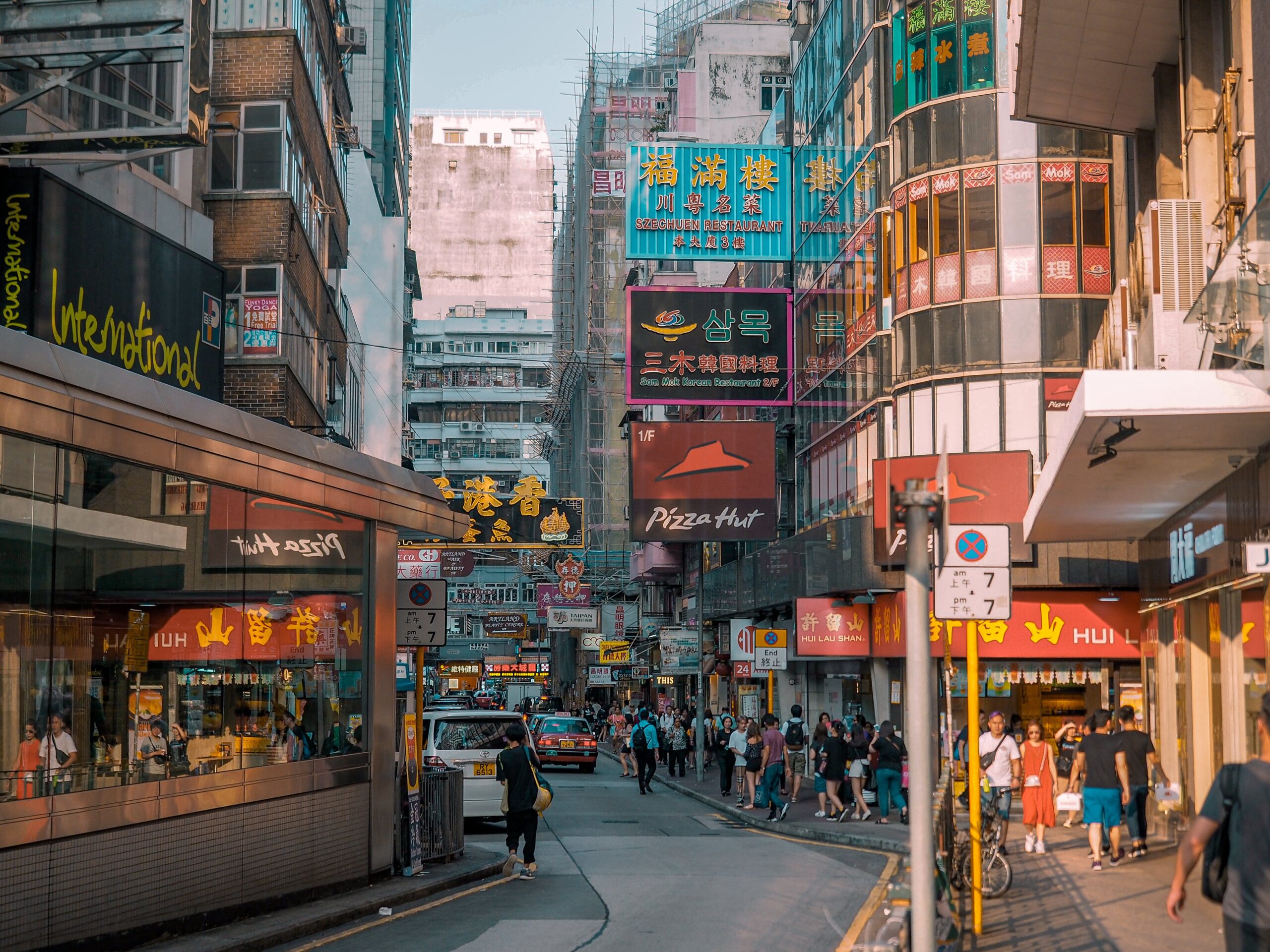
    The continued downtrend in retail sales in Hong Kong marked its 14th consecutive month in April, as per the latest government data. Local consumers have adopted a cautious approach towards spending, and tourists from mainland China have been opening their wallets less frequently. Despite this, the decrease in sales wasn’t as significant as in March.

    In April, retail sales by value decreased by 2.3 per cent year-on-year to HK$28.9 billion (US$3.68 billion). This follows a 3.5 per cent drop in March. In terms of volume, there was a 3.3 per cent decline from the previous year, which is less than the revised 4.7 per cent fall in March.

    Despite an increase in tourists from mainland China, many were day-trippers who did not contribute significantly to retail sales. Furthermore, Hong Kong residents opted to spend more across the border, taking advantage of the strong position of the Hong Kong dollar against the Chinese yuan.

    A government spokesperson from Hong Kong highlighted the ongoing adjustments in consumption patterns and increased competition among businesses. These factors, coupled with an uncertain macroeconomic environment, pose challenges to the retail sector.

    Nonetheless, the spokesperson also noted that government initiatives to promote tourism and major events, along with steady growth in the mainland economy, are expected to boost consumer sentiment.

    The Hong Kong Tourism Board’s data showed that the number of visitors in April was 3.85 million, a 13.5 per cent increase from the same month last year. This compares with 3.82 million in March, 3.67 million in February, and 4.74 million in January.

    There were 2.81 million visitors from mainland China in April, showing a 13.3 per cent rise from a year ago. This is compared to 2.75 million in March, 2.77 million in February, and 3.73 million in January.

    In April, sales of jewellery, watches, clocks, and valuable gifts experienced a 1.7 per cent decline year-on-year, following a 3.4 per cent drop in March.

    Questions & Answers

    How has retail spending in Hong Kong changed in recent months?
    Retail spending in Hong Kong has seen a downtrend for 14 consecutive months as of April. Local consumers have been cautious in their spending, and visitors from mainland China have been spending less.

    How has tourism affected retail spending?
    Even though there has been an increase in tourists from mainland China, many are day-trippers who do not significantly contribute to retail sales. Additionally, Hong Kong residents have been spending more across the border due to the strength of the Hong Kong dollar against the Chinese yuan.

    What factors pose a challenge to the retail sector in Hong Kong?
    The ongoing changes in consumer consumption patterns, increased business competition, and an uncertain macroeconomic environment are all factors that present challenges to the retail sector in Hong Kong.

  • Vietnamese Retailers Sprint to Enhance In-Store Experience Amid Growing Competition

    Vietnamese Retailers Sprint to Enhance In-Store Experience Amid Growing Competition

    Vietnam’s retail landscape is flourishing, driven by a burgeoning middle class and a spirited demand for both online and in-store shopping experiences. As e-commerce is projected to soar to an impressive US$50 billion by 2025, it’s clear that physical retail remains at the heart of the consumer experience—and retailers are eagerly adapting to capitalize on this trend.

    Retail Expansion: A Booming Landscape

    Last year, Vietnam’s total retail sales reached around US$260 billion, buoyed by rising incomes and a rapidly growing middle and affluent class, according to Luan Nguyen, Principal at Boston Consulting Group (BCG). He noted, “By 2030, the middle and affluent classes are expected to account for 50% of Vietnam’s population, a figure 1.5 times greater than today.” This rising consumer base is prompting both domestic and international retailers to ramp up their presence throughout the country.

    A Wave of New Retail Formats

    Nguyen points out the sprawl of new supermarkets, convenience stores, and shopping malls emerging from urban centres to rural locales. He highlights, “With urbanization and enhanced retail infrastructure, we have a perfect recipe for robust offline retail growth.”

    Smart Pricing Strategies in a Competitive Market

    In this highly price-sensitive environment, Vietnam’s retailers are honing their pricing and promotional strategies. Reflecting on consumer habits, Nguyen remarked, “Vietnamese shoppers are price-conscious and always on the hunt for promotions.” A recent BCG survey revealed that an impressive 44% of customers actively seek promotions when contemplating major purchases.

    “It’s not just about low prices everywhere,” he elaborated. “With AI, we can simulate demand, which ultimately enhances our return on investment.”

    Elevating the In-Store Experience

    As competition heats up, the emphasis on in-store experience is becoming paramount. Nguyen asserted, “Retailers need to create an engaging in-store environment to entice customers back.” He mentioned the rise of in-store amenities like cozy mini coffee shops offering free Wi-Fi and ready-to-eat meals integrated into the shopping experience.

    Moreover, large retailers are investing in child-friendly play zones and hosting regular community events. “These added elements foster a community feeling that online shopping simply can’t replicate,” he noted.

    In an age where online shopping is just a click away, could the tactile pleasures of in-person shopping spark a revival in brick-and-mortar retail? Who knows, maybe the return of the shopping mall could become the next big trend in retail tourism!

    Questions & Answers

    What is driving the growth of Vietnam’s retail market? The growth is largely fueled by a young, affluent population and increasing demand for both online and offline shopping experiences.

    How significant is the role of promotions in Vietnamese retail? Promotions play a crucial role, with 44% of consumers actively seeking them before making significant purchases.

    What differentiates the in-store experience in Vietnam’s retail landscape? An enhanced in-store experience, including amenities like coffee shops, free Wi-Fi, and community events, creates a welcoming atmosphere that online platforms struggle to replicate.

  • End-to-End Agility Is the New Competitive Edge in Retail

    End-to-End Agility Is the New Competitive Edge in Retail

    In today’s unpredictable world, success belongs to those who move first.

    The days of “business as usual” are gone. Trade tensions, economic uncertainties and geopolitical turbulence drive constant market change. A prime example is tariffs, now dominating headlines and global commerce strategies alike. When certainty becomes a moving target, real-time, data-driven decisions become a brand’s strongest asset. 

    Retail today is locked in a cycle of persistent recalibration. Slow, manual analysis and long-term planning have given way to an urgent need for spontaneous sensing, probing and action. In a world shaped by pandemics, trade tensions and unforeseen disruptions, forecasting based on historical trends is insufficient. 

    Real-time intelligence must now anchor every response. Whether manufacturing locally or reaching global markets, brands and retailers face heightened risk. Monitoring competitor moves and consumer developments gives businesses the foresight to anticipate pricing pressures, supply chain stress and demand shifts to enable proactive intervention instead of reactive scrambling.

    Centric Software intrinsically understands that in this new, unpredictable era, agility determines stability. Centric’s AI-driven solutions empower brands and retailers to pivot decisively so that strategies are proactively refined. With Centric Product Lifecycle Management (PLM), teams gain instant access to centralized product data to quickly simulate tariff scenarios, forecast cost implications and modify sourcing strategies to safeguard profitability. Centric’s AI-powered pricing and inventory solution complements this by delivering deep insights into price elasticity, equipping businesses with precise, data-driven pricing strategies to protect margins, even in volatile times. 

    When industry-wide shifts take place abruptly, businesses need oversight into how consumers and competitors are responding. Static reports and spreadsheets are simply too slow to meet the current pace of change. Centric Market Intelligence equips retailers with immediate visibility into critical dynamics: Which SKUs are competitors adjusting during tariff surges? Which product categories are gaining momentum, and which are losing ground? Armed with this knowledge, businesses can efficiently reallocate inventory, reshape assortments and fine-tune pricing strategies before market trends solidify.

    With Centric Product Experience Management (PXM), gain an end-to-end solution that unifies product information management (PIM), digital asset management (DAM), content syndication to e-commerce sites, marketplaces and social media and digital shelf analytics (DSA). It captures live demand signals from digital sales channels and reveals instantly how consumers respond to products. This continuous feedback loop allows brands to quickly revise products, pricing and inventory to personalize customer experiences and increase sell-through. That’s the power of real-time, AI-infused decision-making. 

    This is the Centric Software approach. Shaping the unknown into actionable insights so brands can respond with clarity, confidence and speed. Centric empowers businesses to turn complexity into opportunity, lead with data and act with speed to connect every decision across the product lifecycle. 

    Are you prepared to adapt swiftly and confidently?

    • Stacey Charbin, CMO, Centric Software

    Join Centric Software at NRF Asia 2025 in Singapore (3–5 June, Booth #1007) to explore AI-powered product concept to commercialization solutions used by 18,800+ brands and retailers globally. Experience live demos, learn retail best practices and discover how to turn market shifts into opportunity.

  • How Online Trading Tools Are Changing Retail Investment in Singapore & Beyond

    How Online Trading Tools Are Changing Retail Investment in Singapore & Beyond

    The era of retail investors logging on during lunch breaks to casually place a few stock bets is over. In its place emerged a new class of investors – faster, better informed, and plugged into global markets through AI-powered platforms and community-based tools.

    Singapore is becoming a case study in how online trading tools are rewriting the rules.

    Trading Like a Pro, Without the Suit

    More Singaporeans are investing in their phones than ever before. But it’s not just about access anymore, it’s about edge.

    The quality of tools available to the everyday investor in Singapore is now what you’d expect from a professional trading desk. It’s changing how people invest, and how often. Platforms like TradingView Singapore are changing the game. TradingView gives traders the same market-moving tools once locked behind Bloomberg terminals: real-time data, advanced charting, lightning-fast alerts, and a global feed of insights from millions of users. Add in custom-coded strategies through Pine Script, and you’ve got a platform that doesn’t just react to the market, it helps you anticipate it.

    Fewer Traders, More Confidence

    Here’s the twist: while the number of active online traders in Singapore fell slightly, from 264,000 to 248,000 by the end of 2024, the quality of engagement is rising.

    According to Investment Trends’ 2024 Singapore Online Investing Report, nearly half of all investors now access educational content daily. A growing number are evaluating risk more seriously, using advanced order types and real-time risk metrics.

    This translates to fewer gamblers and more strategists.

    Investors are spending more time learning and less time guessing. They’re asking better questions. And the platforms are responding.

    A Global Shift, Led by the Young

    This isn’t just a Singapore story. Globally, younger investors are reshaping the market.

    A World Economic Forum report from March 2025 found that 30% of Gen Z investors started trading before age 22. That’s double the rate of Millennials and more than triple that of Gen X. Most prefer digital-first platforms, use AI to guide them, and trust community in decision-making.

    And they’re driving growth. The online trading platform market hit $10.86 billion globally in 2024 and is forecast to grow to $17.46 billion by 2033, according to IMARC Group. The big drivers of this growth are the platforms that merge education with execution, thanks to AI tools, strong communities, and mobile-first design.

    The Rise of Social Investing

    In a high-stakes environment, people want confirmation or at least company.

    That’s where social trading comes in.

    On these platforms, users can track what top investors are buying and selling in real time. Some integrate social feeds directly into the trading experience, letting users copy portfolios, comment on trades, and learn by watching others.

    For new investors, it’s a kind of safety net. Crowd-validated decisions replace blind speculation.

    Beyond Stocks

    Today’s investors aren’t stopping at stocks. They’re trading options before breakfast, scanning crypto charts at lunch, and toggling between ETFs and forex by dinner. What used to be niche is now normal.

    And platforms are racing to keep up. One screen, endless reach. A trader in Singapore can monitor the USD/SGD pair, track Bitcoin’s next breakout, and scan technicals on Japanese equities without missing a beat.

    Diversification isn’t just smart. It’s easy. What once required three brokers and a spreadsheet now happens with a tap. Strategy is streamlined. Risk is visualized. And the playbook is wider than ever.

    Regulation is Playing Catch-Up

    As investor sophistication rises, regulators are stepping in to widen access, but with caution.

    In March 2025, Singapore’s Monetary Authority proposed a new framework to allow retail investors access to private market funds, like private equity and infrastructure. The idea is to give individuals more ways to grow wealth, while keeping guardrails in place.

    The proposal comes amid concerns that Singapore’s equity markets have grown too shallow, too fast. Retail investors, long sidelined from high-growth sectors, are demanding access, and regulators are listening.

    Regtech is booming as a result. The sector is projected to grow 25.6% in Singapore this year alone, hitting $178.92 million, per a report from ResearchAndMarkets.com.

    We’re entering an era where access is no longer the bottleneck. The next frontier is making sure people know what they’re getting into.

    Bottom Line: The Game Has Changed

    What we’re seeing isn’t a passing trend. It’s a structural shift in how individuals invest.

    Retail traders in Singapore and around the world are trading with smarter tools, better information, and broader access to assets than ever before. They’re not just riding trends. They’re building strategies.

    The line between amateur and professional is blurring. And while the platforms may be digital, the shift is deeply human: more confidence, more curiosity, more control.

  • Korean retailers struggle amid sluggish demand

    Korean retailers struggle amid sluggish demand

    The initial quarter of 2025 has proven challenging for South Korea’s department store sector due to a slow down in local consumption that has greatly affected sales and profits. Lotte Department Store stood as the exception, recording a significant growth in profits, which has been attributed to excellent performance in overseas operations and effective internal restructure.

    Lotte Department Store’s Rise in Profits

    Lotte Department Store’s operating profit rose by 44.3% year-on-year, reaching 130 billion won in the first quarter, despite a minor decline of 1.1% in revenue to 806.3 billion won. The company attributes the profit surge to aggressive cost-efficiency measures, including shutting down underperforming stores and reinvesting in primary locations. Another contributing factor was the gain from its international business, which saw a 6.2% increase in revenue and bounced back into profitability.

    Struggles of Competitors

    Contrarily, competitors Shinsegae and Hyundai Department Store did not meet their projected performance. Shinsegae’s revenue fell by 0.8% to 659 billion won, with the operating profit decreasing by 5.1% to 107.9 billion won. Similarly, Hyundai reported a 0.8% drop in sales to 589 billion won and a 5.7% decline in operating income to 97.2 billion won.

    The downturn has been attributed to poor performance across nearly all product categories due to increasing consumer pessimism and colder-than-average winter, which negatively affected fashion sales – a category that typically makes up to 50% of annual department store revenue. According to one department store industry official, a combination of domestic and global challenges, including political instability due to emergency rule, increased trade uncertainty due to US tariff actions, and unpredictable weather conditions have all contributed to the downturn.

    E-Mart’s Successful First Quarter

    In the big-box retail sector, E-Mart led the market with an impressive first quarter. On a standalone basis, the company’s revenue grew by 10.1% year-on-year to 4.63 trillion won, while the operating profit shot up by 43.1% to 133.3 billion won, marking its best quarterly performance since 2018.

    The company’s executives credit the success to an increase in foot traffic at both its standard discount stores and warehouse-style Traders locations, indicating a resurgence in consumer interest in offline shopping despite the ongoing economic uncertainty.

    In comparison, Lotte Mart saw a modest increase in revenue by 0.3% to 1.49 trillion won, while operating profit fell sharply by 34.8% to 28.1 billion won. After excluding overseas earnings, domestic operating profit sank 73.6% from a year earlier.

    Both E-Mart and Lotte Mart have adopted low-price strategies via centralised purchasing, but analysts have noted that E-Mart’s larger scale offers it a stronger advantage in passing savings onto consumers. E-Mart’s aggressive promotions were also identified as key factors contributing to its outperformance.

    Questions & Answers

    What led to the rise in Lotte Department Store’s profits?
    The surge in Lotte Department Store’s profits can be attributed to aggressive cost-efficiency measures and a strong performance from its international business.

    What factors contributed to the struggle of Shinsegae and Hyundai Department Store?
    Poor performance across nearly all product categories, increased consumer pessimism, colder-than-average winter, and various domestic and global challenges contributed to the struggle of these department stores.

    What factors influenced E-Mart’s successful first quarter?
    An increase in foot traffic at both its standard discount stores and warehouse-style Traders locations, along with aggressive promotions, contributed to E-Mart’s successful first quarter.

  • Hong Kong Tycoon Li Ka Shing Makes Rare Public Appearance at Concert Event

    Hong Kong Tycoon Li Ka Shing Makes Rare Public Appearance at Concert Event

    The tycoon made a noteworthy appearance at the Kai Tak Sports Park on Saturday, attending the second show of a four-night concert series. At 96 years old, Li Ka-shing was seen sitting comfortably in a private section of the main grandstand, accompanied by businesswoman Solina Chau, who graciously reserved the spot for him.

    Chau, director of the Li Ka Shing Foundation and his longtime business partner, exuded warmth during the event. As the clock struck 9 p.m., Li was spotted exiting the private area in his bike-like wheelchair, radiating cheerfulness as he waved to the audience, thanking those around him for their support.

    When confronted with questions about the recent controversy surrounding the sale of Panama ports, Li opted for silence. Chau quickly intervened, urging attendees to steer clear of such queries. “Mr. Li has retired. Thank you all very much. It is rare for him to come out like this,” she reassured.

    This rare public outing comes on the heels of CK Hutchison Holdings announcing a deal to sell its global ports business—including two pivotal docks at opposite ends of the Panama Canal—to a consortium led by the U.S. investment giant, BlackRock. Just last month, Li had made an appearance as the founder of the Li Ka Shing Foundation, donating a non-invasive liver cancer treatment system to the Hong Kong Sanatorium & Hospital.

    Originating from Guangdong province in China, Li, who will soon celebrate his 97th birthday, is a distinguished investor, industrialist, and philanthropist in Hong Kong. His journey began at a young age when he left school to sell plastic flowers, eventually accumulating his vast fortune through real estate investments. Having been the city’s richest individual for years, Li retired in 2018, handing over the reins of his vast empire to his eldest son, Victor Li Tzar-kuoi.

    Following the passing of billionaire Lee Shau Kee in March, Li is now the last surviving founder of Hong Kong’s illustrious “big four” tycoon families. His fleeting visit to the stadium serves as a testament to his unwavering influence and the legacy he has built over decades. Who knew a concert could be a stage for such impactful history?

    Questions & Answers

    Why is Li Ka-shing’s appearance at the concert significant?
    Li’s appearance underscores his enduring status and influence in the business world, especially given his rarity in public engagements since retirement.

    What recent event prompted questions from the public?
    Li faced inquiries regarding the controversial sale of his global ports business, including significant docks in Panama, to BlackRock.

    What unique aspect does Li’s background add to his public persona?
    Li’s journey from selling plastic flowers to becoming a billionaire industrialist showcases a remarkable rags-to-riches story, which adds a compelling layer to his legacy.

  • Korea’s Retail Sales Surge 9.2% in March: Strong Consumer Demand Boosts Growth

    Korea’s Retail Sales Surge 9.2% in March: Strong Consumer Demand Boosts Growth

    South Korea’s Retail Sector Sees 9.2% Growth Amid Rising Online Sales

    In a marked turnaround, South Korea’s retail industry experienced a remarkable 9.2% year-on-year growth in March 2025, driven by a surge in online shopping. While brick-and-mortar stores faced challenges, the digital marketplace thrived, particularly in food and essential services.

    Digital Sales Propel Retail Growth

    According to the latest data from the Ministry of Trade, Industry, and Energy (MOTIE), online sales soared by an impressive 19.0%. This shift highlights changing consumer patterns, as shoppers increasingly turn to e-commerce for their purchasing needs. In contrast, traditional offline sales reported a slight decline of 0.2%.

    Despite the overall positive growth, not all retail segments fared well. Both hypermarkets and department stores recorded declines, with drops of 0.2% and 2.1%, respectively. Categories like fashion and home appliances were particularly hard-hit.

    Growth in Convenience and Supermarkets

    Amid the fluctuating landscape, convenience stores and supermarkets bucked the trend with notable gains. Convenience store sales increased by 1.4%, while super supermarkets enjoyed a robust growth of 3.6%, driven by local shopping preferences that continue to dominate the market.

    Strong Demand for Food and Services

    Online sales significantly benefited from the rising demand for food products, which climbed by 19.4%. Additionally, services experienced a staggering 78.3% boost, largely due to an increased reliance on food delivery and online orders. However, fashion and sports categories struggled, witnessing declines of 4.7% and 10.1%, respectively.

    Notably, back-to-school shopping stimulated demand for home appliances and consumer electronics, which rose by 7.8%. The cosmetics sector also saw a growth of 7.5%, thanks to ongoing online sales momentum.

    Implications for Consumer Trends

    The retail landscape in South Korea is evolving rapidly, with online sales playing a pivotal role in shaping consumer trends. As digital shopping continues to expand, it presents significant opportunities and challenges for retailers, necessitating adaptations to meet the shifting preferences of consumers.

    As the retail sector navigates these changes, the potential for sustained growth remains promising, particularly for brands that embrace innovation and enhance their online presence.