Tag: Retail

  • Asia’s Retail Revolution: Sustainability, Tech Innovation And Community Engagement Shape Future Strategies

    Asia’s Retail Revolution: Sustainability, Tech Innovation And Community Engagement Shape Future Strategies

    The retail landscape in Asia is witnessing seismic shifts as brands pivot to embrace sustainability and social responsibility at the heart of their strategies. Against this backdrop, leading retail players are not just tailoring products to meet consumer demand but are also weaving narratives that resonate deeply with a socially conscious audience.

    Shifting Consumer Expectations Drive Change

    As consumers across Asia become increasingly aware of environmental issues, their shopping preferences are evolving. A recent survey revealed that over 60% of shoppers are willing to pay more for sustainable products, underscoring a significant shift in purchasing behavior. Brands that adapt to these changing tides are finding new opportunities to connect with their audiences in meaningful ways. Funny enough, it seems that being eco-friendly is the new black in retail fashion!

    This transformation is particularly evident in sectors like fashion, electronics, and food. Retailers are investing in eco-friendly packaging, ethically sourced materials, and carbon-neutral logistics. For instance, major fashion chains are introducing lines featuring organic cotton and recycled polyester, while tech companies are innovating with energy-efficient products that minimize environmental impact.

    Innovations in Retail: The Role of Technology

    In addition to sustainable practices, technological innovation is reshaping the retail experience. From augmented reality shopping experiences to AI-driven personalization, technology is enabling brands to enhance customer engagement. Interactive in-store displays and mobile apps that offer tailored recommendations based on previous purchases are becoming the norm rather than the exception.

    Moreover, the rise of e-commerce has spurred traditional retailers to rethink their strategies, blending online and offline elements. Click-and-collect services and virtual try-on technology are examples of how retailers are adapting to the digitally-savvy consumer. This integration is critical, given that online shopping is projected to account for over 25% of total retail sales in Asia by 2025.

    The Importance of Community Engagement

    Community engagement is increasingly becoming a focal point for brands aiming to foster loyalty and trust. Retailers are connecting with local communities through initiatives such as charity partnerships, local sourcing, and transparent supply chains. By highlighting their role in the community, brands not only boost their image but also create a loyal customer base that feels invested in their mission.

    Chinese cosmetic giant L’Oréal has successfully leveraged this strategy by supporting local artisans through its product lines while also encouraging sustainable beauty practices. This not only amplifies their brand values but also galvanizes consumers to make more informed choices.

    Looking Ahead: The Future of Retail in Asia

    As we look to the future, the confluence of sustainability, technology, and community engagement paints a promising picture for the retail industry in Asia. Companies that can navigate these currents will thrive in an increasingly competitive landscape. In a world where every purchase tells a story, retailers are challenged to ensure that their narratives align with the values of the consumers they aim to serve.

    To put it simply, the era of conscious consumption is here, and it’s transforming the way retailers operate across Asia. Getting ahead of the curve could be the difference between becoming a market leader or getting lost in the crowd.

    Questions & Answers

    What percentage of consumers are willing to pay more for sustainable products?
    Over 60% of consumers in Asia expressed a willingness to pay a premium for sustainable products, highlighting the growing importance of eco-friendly options in purchasing decisions.

    How is technology impacting the retail landscape in Asia?
    Technology is enhancing customer engagement through innovations like augmented reality shopping, AI-driven personalization, and seamless integration between online and offline retail experiences.

    What role does community engagement play in modern retail strategies?
    Community engagement helps retailers foster loyalty and trust, often through local partnerships and transparent practices that resonate with socially conscious consumers.

  • Asia’s Retail Revolution: Technology, Sustainability, And Personalization Shape The Future

    Asia’s Retail Revolution: Technology, Sustainability, And Personalization Shape The Future

    In an era marked by rapid change in consumer behavior, Asia’s retail landscape is poised for significant evolution as technology and sustainability become pivotal themes. As retailers across the continent adapt to shifting demands and preferences, those embracing innovation are likely to find the greatest success.

    Innovative Retail Strategies Gain Momentum

    Leading retail giants in Asia are turning their attention to omnichannel strategies that seamlessly blend physical and digital shopping experiences. In countries like China and Japan, this integration is not merely about having an online presence; it’s about creating an ecosystem where customers can interact with brands effortlessly, whether they’re in-store, online, or even on social media platforms.

    One standout example is the growing popularity of live-stream shopping, which allows customers to make purchases in real time as influencers showcase products. This dynamic approach not only engages consumers but also cultivates a sense of community among shoppers. It’s as if a virtual bazaar has sprung up in the palm of everyone’s hand — lively, vibrant, and bustling with activity.

    Sustainability Takes Center Stage

    With environmental concerns escalating, retailers are increasingly emphasizing sustainability. Many are committing to eco-friendly practices, such as reducing packaging waste and sourcing products responsibly. Companies like Uniqlo and Muji are at the forefront of this movement, not only appealing to environmentally-conscious consumers but also setting new industry standards. Their initiatives demonstrate that sustainable practices can align with profitability, debunking the myth that going green is merely an expensive choice.

    Moreover, Asian consumers show a heightened awareness of sustainability issues, often opting to support brands that reflect their values. Retailers are taking note, crafting marketing strategies that highlight their commitment to social responsibility, ultimately fostering loyalty among discerning customers.

    Adapting to Consumer Trends

    Emphasizing personalization is another trend reshaping the retail narrative in Asia. Retailers are utilizing data analytics to tailor shopping experiences that resonate with individual customers. By understanding purchasing behaviors and preferences, brands can deliver targeted promotions and product recommendations, enhancing customer satisfaction.

    This personalized approach not only encourages repeat visits but also transforms shopping into a more curated experience. In a world flooded with choices, shoppers appreciate those who remember their preferences — it’s like a friend recommending a great new book. Suddenly, shopping feels more like an adventure rather than just a task.

    Embracing the Future of Retail

    As we look toward the future, it’s clear that the retail landscape in Asia will continue to evolve. The integration of technology, a strong focus on sustainability, and a commitment to personalization are setting the stage for a new era of retail. For brands willing to innovate and stay ahead of consumer trends, the potential rewards are immense.

    Questions & Answers

    How are retailers in Asia adapting to changing consumer behaviors?
    Retailers are increasingly adopting omnichannel strategies, blending physical and digital shopping experiences, along with utilizing live-stream shopping and personalization to engage contemporary consumers effectively.

    What role does sustainability play in the modern retail landscape?
    Sustainability is becoming a central theme, with many retailers committing to eco-friendly practices. Brands that prioritize sustainability are not only addressing consumer concerns but also gaining loyalty and setting new industry standards.

    How are retailers using technology to enhance the shopping experience?
    Tech is being leveraged for data analytics, allowing retailers to personalize shopping experiences. This means targeted promotions and tailored recommendations, turning shopping into a more personalized journey for consumers.

  • Singapore’s Millionaire Exodus Sees Dramatic Drop: Only 1,600 Expected to Migrate This Year, Report Reveals

    Singapore’s Millionaire Exodus Sees Dramatic Drop: Only 1,600 Expected to Migrate This Year, Report Reveals

    The latest Henley Private Wealth Migration Report for 2024 paints a revealing picture of high-net-worth migration trends, highlighting Singapore’s enduring allure despite a slight decline in millionaire inflow. The city-state is projected to welcome a fresh cohort of millionaires boasting a staggering $8.9 billion in wealth, solidifying its position as the sixth most popular destination for affluent migrants globally, behind the likes of the United Arab Emirates, the United States, Italy, Switzerland, and Saudi Arabia.

    Thailand: A Rising Star in Asia’s Millionaire Migration

    Shifting dynamics in Southeast Asia reveal that Thailand is emerging as a strong competitor to Singapore, particularly as its capital, Bangkok, experiences a surge in attraction from high-net-worth individuals hailing from China, Vietnam, and South Korea. The Thai capital’s appeal lies in its mix of international schools, an expanding financial services sector, and a flourishing luxury real estate market. This year alone, Thailand is expected to witness a net inflow of 450 million, marking it as a “rapidly emerging” safe haven in the region, according to the report.

    Challenges Facing Other Asian Countries

    However, not all Asian nations are basking in the glow of millionaire migration. South Korea is set to see a significant departure of 2,400 millionaires this year, more than doubling last year’s outflow amid ongoing economic and political volatility. Similarly, Vietnam is also grappling with a notable uptick in millionaire exits, with around 300 individuals expected to leave. In a global context, this trend is far from isolated; an unprecedented 142,000 millionaires are projected to relocate internationally in 2024.

    Global Insights and Shifts

    The UAE stands poised to maintain its status as the world’s foremost magnet for wealth, with an anticipated net inflow of 9,800 relocating millionaires. In stark contrast, the United Kingdom is forecast to witness the most significant outflow, with 16,500 millionaires expected to leave, followed closely by China, which looks set to lose 7,800 individuals. “For the first time in a decade of tracking, a European country leads the world in millionaire outflows,” remarked Juerg Steffen, CEO of Henley & Partners. This reflects not just shifting tax structures but a broader sentiment among the wealthy that greater opportunities, freedoms, and stability can be found in other global hotspots. The implications for Europe’s economic competitiveness and investment allure could be profound.

    Questions & Answers

    What factors are contributing to Singapore’s appeal for wealthy migrants?
    Singapore remains a top destination due to its robust economy, political stability, and high-quality education options, making it attractive for high-net-worth individuals looking for a safe place to live and invest.

    How is Thailand positioning itself in the race for millionaire inflows?
    Thailand is emerging as a competitor to Singapore by offering a strong real estate market, quality international schools, and an expanding financial services sector, particularly appealing to individuals from nearby countries.

    What are the broader implications of millionaire migration trends for Asia?
    The shifts in millionaire migration can significantly impact economic competitiveness, with countries like South Korea and Vietnam facing challenges while others like the UAE and Thailand benefit, reshaping the wealth landscape in Asia.

  • Alibaba Unites Food Delivery and Travel Divisions to Propel ‘Instant Retail’ Initiative Forward

    Alibaba Unites Food Delivery and Travel Divisions to Propel ‘Instant Retail’ Initiative Forward

    In a significant shift within its operational strategy, Alibaba Group has announced plans to merge its food delivery service Ele.me and online travel platform Fliggy into its China e-commerce business segment. This development, revealed by CEO Eddie Wu in an internal letter to employees on Monday, reflects a rollback of the company’s previously ambitious restructuring initiatives, signaling a keen focus on enhancing the efficiency of order fulfillment.

    A Strategic Upgrade in Focus

    “This marks a strategic upgrade as we transition from an e-commerce platform to a broader consumer platform,” Wu articulated, as reported by Nikkei Asia. This pivot is aligned with the e-commerce giant’s commitment to streamline operations and adapt to rapidly changing market dynamics. The integration of Ele.me and Fliggy into the core e-commerce unit is expected to foster a more cohesive approach to consumer services, tapping into the growing demand for integrated shopping experiences among Chinese consumers.

    Wu’s announcement comes as Alibaba navigates a competitive landscape marked by shifting consumer behaviors and economic uncertainties. The decision to streamline operations comes not just as an internal strategy, but as a necessary move to remain agile in a sector that demands quick adaptations and seamless customer service.

    The Bigger Picture of Consumer Demand

    As the company looks to redefine its role in the marketplace, the consolidation of these platforms underscores Alibaba’s recognition of the evolving consumer landscape. In recent years, the appetite for quick delivery and comprehensive service options has surged, making it essential for the e-commerce behemoth to integrate more responsive solutions into its repertoire.

    In a retail universe where customer expectations are as high as a skyscraper and competition often feels like a sprint, Alibaba is positioning itself to not just keep pace, but to set the tempo.

    Questions & Answers

    What prompted Alibaba to merge Ele.me and Fliggy?
    The decision stems from a strategic shift aimed at enhancing efficiency and better responding to the changing dynamics of consumer demand in the e-commerce market.

    How does this merger align with Alibaba’s broader goals?
    This merger reflects Alibaba’s transition from a traditional e-commerce platform to a more comprehensive consumer service provider, reinforcing its commitment to seamless customer experiences.

    What impact could this merger have on consumers?
    Consumers can expect a more integrated service offering from Alibaba, with improved order fulfillment and a potentially wider range of services available at their fingertips.

  • Singapore Set to Welcome 1.2M Sq Ft of Exciting New Retail Space by 2028

    Singapore Set to Welcome 1.2M Sq Ft of Exciting New Retail Space by 2028

    As Asian retail continues to evolve at a rapid pace, recent data reveals a fascinating landscape reflecting both resilience and transformation. As of October 2023, retail in the region is showing signs of recovery post-pandemic, driven by an increase in consumer spending and innovative shopping experiences. With a blend of traditional brick-and-mortar stores and dynamic online shopping platforms, retailers are adapting to meet the demands of an ever-shifting market.

    Rising Consumer Confidence Fuels Growth

    In recent months, consumer confidence has surged, with many customers eager to return to shopping both online and in-store. E-commerce sales are soaring, thanks to an uptick in mobile shopping and personalized online experiences that cater to individual preferences. Retailers are harnessing data analytics to fine-tune their offerings, ensuring that they remain relevant in consumers’ eyes.

    Embracing Sustainability and Innovation

    Sustainability is no longer just a buzzword; it’s a crucial element shaping the retail sector. Brands across Asia are recognizing the importance of eco-friendly practices, incorporating sustainable materials and ethical production methods into their supply chains. Innovative brands are not just finding ways to reduce waste but are also engaging with their customers through transparent communication about their sustainability efforts.

    Technological Integration Transforms Shopping Experience

    The integration of cutting-edge technology is revolutionizing how consumers shop. From augmented reality fitting rooms to AI-driven customer service chatbots, retailers are creating seamless, engaging experiences that resonate with tech-savvy shoppers. This transformation is not just about efficiency; it’s about creating memorable experiences that keep customers coming back for more.

    In this dynamic environment, retailers that truly listen to their customers and embrace change are the ones poised to thrive. As the market landscape continues to shift, one thing is clear: the future of retail in Asia is bright, vibrant, and full of possibilities—much like a neon-lit street market after dark.

    Questions & Answers

    **What factors are driving the current growth in Asian retail?**
    Increased consumer confidence and robust e-commerce sales, alongside a blend of physical and online shopping experiences.

    How are retailers addressing sustainability today?
    Many brands are adopting eco-friendly practices, utilizing sustainable materials, and being transparent about their production methods.

    What role does technology play in the retail transformation?
    Technology enhances the shopping experience through innovations like augmented reality and AI, creating engaging and memorable interactions for consumers.

  • Gamification in Retail: What Brands Can Learn from Mobile Games

    Gamification in Retail: What Brands Can Learn from Mobile Games

    Gamification in Retail: What Brands Can Learn from Mobile Games

    Gamification means turning everyday things into a game. It grabs people’s attention and makes them want to stick around. Retail is always on the lookout for fresh ways to keep customers interested, and games are one of the smartest tricks out there. Shopping today isn’t just about buying, it’s about catching people’s eye, making the process fun, and building loyalty. And if you want to see how it’s done right, look at mobile games. 

    Why Mobile Games Are the Perfect Example

    Mobile games have become super popular everywhere. They’re always close because your phone is always with you. You can start a game in a second and get right into it. Every move gives you instant rewards. And the best part, games turn boring moments into small wins and achievements. Today, more and more people choose real money poker online instead of classic games at the table. The same goes for bigger games. Even huge hits like Genshin Impact or Call of Duty Mobile are played on phones, in the subway, on a break, anywhere. No need to wait for the evening in front of a computer. Games should be ready to play right now.

    That’s why mobile games are one of the best ways to grab people’s attention. They’re easy, fun, and always there. And they build habits, people keep coming back. And don’t forget about rewards. People play real money poker online but still get the same thrill as playing at a real poker table. Poker keeps players hooked because of a few simple tricks:

    • Rewards. Win a hand, get a prize;
    • Progress. The more you play, the higher your level;
    • Daily challenges. Play often, get bonuses.
    • Competitions. Players fight for top spots and big prizes.

    These tricks are equally effective in retail. Every purchase can be part of the game. Every shopper is a player in a contest. It brings that same excitement you get from real money poker. That’s how a buyer turns into a player and wants to come back again and again.

    How Brands Can Use Gamification in Retail 

    Gamification works both in stores and online. The goal is to make shopping more fun and interactive. Here’s how:

    1. Games in stores:
      • Treasure hunts: Find three special products, get a discount.
      • Interactive screens or AR with hidden prizes.
    2. Online games:
      • Spin the wheel after buying something.
      • Daily bonuses for visiting the website.
      • Collect cards for discounts or gifts.
      • “Complete the collection, win a prize.”
    3. Social features:
      • Invite a friend, get a bonus.
      • Shopper leaderboards compete for special rewards.
      • Share bonuses with friends.

    The key here is to keep it simple. Game mechanics should be clear from the first click. That’s why mobile games work so well, they get people involved right away.

    Great Examples of Gamification in Retail

    Some brands are already doing this really well:

    • Starbucks Rewards. Collect stars, get free stuff.
    • Nike Run Club. Join challenges, earn achievements, share your progress.
    • Sephora Beauty Insider. Earn points for shopping, get special gifts.

    But there’s way more potential here. Real money poker shows that when people feel the thrill of playing for real rewards, they keep coming back. It’s the same with shopping, when every purchase feels like a win, people want more.

    What Retail Can Learn from Mobile Games

    Mobile games have figured out how to keep people’s attention. They build habits, create emotions, and make people want to return. That’s exactly what retail needs. Time to move from talking to doing. Let’s see what brands can borrow from mobile games:

    • Always something new. Mobile games always drop fresh levels, challenges, and deals. Retail should do the same. New games every week, new prizes, new challenges. Customers should find something fun every time they visit the store or website;
    • Make it personal. The game should fit the customer. If someone always buys cosmetics, they should get challenges in that category. Just like in real money poker, beginners get easy tournaments, pros go for the big prizes;
    • Create emotions. Don’t just sell a product. Make people feel like they’ve done something fun. Like: “Congrats! You’re the top electronics shopper this week!” Emotions sell better than discounts.

    Retail isn’t just about selling, it should feel like playing. When shopping turns into a game, people show up not just for the products but for the fun of it. 

    Mistakes to Avoid in Retail Gamification

    Gamification isn’t magic. It’s easy to mess up if you don’t think it through. Here’s what to watch for:

    • Too complicated. If the game’s hard to figure out, people give up fast. Real money poker keeps it easy for beginners; retail should do the same;
    • No personal touch. If everyone gets the same offer, they’ll lose interest. The whole point is to make it fresh and different;
    • Ignoring feedback. Brands need to listen to customers. Reading reviews and adjusting is a must.

    Today, selling is about winning people’s attention. And mobile games already know how to keep it. Retail can borrow these tricks to turn shopping into an adventure. It’s not hard, simple games, fun bonuses, social features, and personal touches. 

    Shoppers can feel like players in real money poker. They get the fun, the excitement, and the chance to win. The result? Happy customers, more sales, a stronger brand. Now’s the time to turn shopping into a game. 

  • Why Singapore’s Retailers Need to Take Heed of Recent Supply Chain Cyber Incidents

    Why Singapore’s Retailers Need to Take Heed of Recent Supply Chain Cyber Incidents

    As cyber threats continue to rise, understanding the impact of these threats and how they infiltrate the retail supply chain is vital for operational continuity. Singapore’s recently refreshed Industry Digital Plan (IDP) for the retail sector highlighted enhanced cyber hygiene measures for protection at different stages of growth.

    The region’s booming digital economy makes businesses operating here a prime target for cyberattacks. The retail sector is ripe for third-party cyberattacks, with threat actors exploiting vulnerabilities in Point-of-Sale (POS) terminals, supply chain systems, logistics platforms, and other interconnected technologies.

    Recent Cyber Attacks Targeting Supply Chains

    The retail industry has been shaken by a number of high-profile reported cyber incidents recently, affecting major players like Marks and Spencer (M&S) and Harrods.

    Closer to home, popular bubble tea chain Chica San Chen disclosed a data breach of one of its vendors’ servers, compromising the personal information of members, such as their names, mobile numbers, e-mail addresses and login passwords. In 2024, Filipino fast-food giant Jolibeewas reportedly subjected to a major data breach affecting the data of 11 million customers.

    These incidents not only tarnish brand reputations, but also disrupt operations and expose sensitive customer data, causing widespread concern. The financial fallout from these compromises highlights the crucial need for retailers to focus more diligently on the security of their digital and physical supply chains.

    According to BlueVoyant research, more than 70% of Singaporean organisations reported an average of 3.97 breaches impacting operations. Almost half (47%) of Singapore organisations indicated the news of breaches over the past 12 months are likely to lead to an increase in budget for additional internal and external resources to help protect against supply chain cyber security issues.

    Retail Under Growing Threat

    Threat actors like DragonForce have reportedly boldly claimed responsibility for a series of attacks targeting UK retailers, often partnering with groups like Scattered Spider to amplify their reach. Understanding the motivations and methods of these groups provides invaluable insight — such as exploiting supply chain vulnerabilities — to predict and prevent future attacks. Their evolving strategies represent a constant threat that requires ongoing vigilance and continuous improvements to third-party risk management practices in retailers.

    Retail businesses are often vulnerable to a catalogue of common cyber threats, including phishing schemes, ransomware, and supply chain compromises. Threat actors leverage malware and sophisticated social engineering to infiltrate retailers’ defences. By embedding malicious software within trusted channels, they can access secure areas usually safeguarded but overlooked in anticipation of direct attacks.

    In fact, more than a third (35%) of Singapore respondents to BlueVoyant research said they have no way of autonomously seeing the cyber risk posture of third parties and rely on self-reporting. This knowledge underscores the necessity for robust cyber security practices targeting every link in the retail supply chain.

    Harden defences and manage supply chain risk

    Singapore’s Cyber Security Agency (CSA)’s toolkit for enterprises highlight key areas for organisations to address increasing cyber risks, including the need for a third-party risk management programme to assess and manage the risks posed by third parties, including vendors, products, and services.

    Implementing effective third-party risk management practices, characterised by strong cross-business collaboration in vendor management, continuous cyber threat monitoring across the supply chain, and robust due diligence procedures, is essential for ensuring comprehensive visibility of risks associated with key suppliers.

    Additionally, both retailers and their suppliers must prioritise robust employee training in cyber security best practices, empowering them to recognise and respond to suspicious activity. Implementing multi-factor authentication adds an extra layer of security, making it significantly more difficult for unauthorised users to compromise the integrity systems. Securing helpdesk authentication can also help prevent deceptive access attempts, ensuring that customer service channels remain protected.

    Proactive incident response planning is crucial for effectively managing breaches, should they occur, with an eye towards the potential for a cross-business compromise. Retailers work with many suppliers and partners and so must maintain even greater vigilance within their extended ecosystem. Establishing network segmentation, sharing only strictly necessary data, and implementing access controls can help make sure that a potentially compromised vendor does not cause a cascade of issues.

    Regular drills and collaboration with cyber security partners can help ensure incident management is more seamless, minimising potential damage through quick containment and eradication. By embracing these defensive strategies, retailers can significantly bolster their security posture.

    As cyber threats become increasingly sophisticated, it is imperative for retailers in the region to maintain constant vigilance and adaptability in their cyber security posture. Ensuring robust protection of these essential services is vital due to their immediate impact on society’s well-being. Retailers must heed the call to integrate recommended cyber security measures, protecting themselves against potential compromises.

    By William Oh, Head of Asia Pacific, BlueVoyant

  • Google to improve shopping experience across platforms

    Google to improve shopping experience across platforms

    In its annual Google I/O livestream, Google has just announced a bunch of improvements it is bringing to the search platform (and others), aimed towards improving the experience of both merchants and customers when it comes to shopping online.
    Google introduces the “Shopping Graph,” a newly developed comprehensive dataset, backed by artificial intelligence, to help shoppers find exactly what they are looking for, updated in real time and ensuring products are currently available.
    The Shopping Graph is able to understand and tie together the billions of “products, sellers, brands, reviews and most importantly, the product information and inventory data received from brands and retailers directly.”
    The Shopping Graph will span all of Google’s platforms, connecting and inspiring people with things they may be looking for (whether they be virtual or physical) from what Google claims are over 24 billion listings from merchants online. This means you should be able to find what you are searching for even more easily than before, with Google adding new interactive features for interconnectivity between platforms as well.
    For example, Google Lens has been integrated into Google Photos to make searching for products online easier. Rather than screenshotting an item you are interested in and then forgetting about it, as soon as you snap that screenshot, Google Lens will analyze it, pick out objects within the image, and allow you to instantly search online for them (should you choose to do so).
    Google also teased a new user experience on its YouTube platform, which should be making it simpler to shop for products featured by your favorite YouTube creators. Hopefully this will alleviate the repeated-to-death phrase “links in the description, guys” (links which are sometimes forgotten as well)! Google didn’t us give any more details, other than that the new features are “in pilot.”
    We are also told to expect online shopping research and product comparison to get infinitely easier, with a new widget we’ll be seeing on our Google home page. We all know the hassle of trying to research the heck out of where a particular item is sold for the lowest price (such as the best new smartphone you may want to upgrade to).
    With so many shops and online retailers to review, most of us end up opening a hundred tabs on our browser until we can barely keep track of what’s where.
    Soon, every time you open a new tab, a widget across the center will display the carts across different sites where you’ve shopped the last few weeks. This should let you keep track of desired purchases or items to compare from different sellers much more easily. You can opt to be shown available discounts on your cart icons, as well as having integrated access to the loyalty programs of your favorite stores.
    Once your carts are full, Google will be able to send you notifications when prices of any items drop—only if you opt in, of course. Google has also announced a new collaboration with Shopify to facilitate your shopping experience across all of Google’s platforms: from Google Search to Google Lens, Google Maps, Google Images, and YouTube.
    We’ll keep you updated once we have more details on some of these changes!
  • Grace over on Hong Kong bag fees  April 28, 2015

    Grace over on Hong Kong bag fees April 28, 2015

    Hong Kong’s Environmental Protection Department (EPD) has warned retailers that from May 1 – Friday – they’ll face fines if they don’t charge customers for plastic bags.

    A month after the new law took effect, EPD officials have been issuing verbal warnings to retailers caught failing to charge customers a plastic bag levy. On April 1, a controversial law took effect forcing retailers to charge for bags – but rather than pass on the fees, they are allowed to keep them. That’s because the law is designed to reduce plastic bag usage in the territory, not raise revenue.

    Retailers who don’t charge a fee face instant fines of $2000 or even prosecution for second offences.

    An EPD spokesman said the full implementation of PSB charging has been largely proceeding smoothly at the retail level since April 1. Most retail outlets comply with the legal requirements and charge at least 50 cents for each plastic bag provided to customers, unless such use is exempted from the PSB charge.

    “A small number of individual retail outlets have been found contravening the law by distributing PSBs free of charge, leading to verbal warnings and on-site explanations of the legal requirements given to the shop operators concerned by EPD enforcement officers,” a statement from the EPD said.

    *Since late March, the Environmental Protection Department has set up promotion booths in popular shopping centres and retail outlets to educate the general public on details of the PSB charging scheme.

    Between April 1 and 25, about 7000 retail outlets were inspected by EPD officers with 62 verbal warnings given to non-complying stores including market stalls, grocery stores, bakery shops, fashion shops and shops selling computers, aquariums or other items. The contraventions included providing free PSBs for non-foodstuff or airtight food or free PSBs for both exempted items and non-exempted items, or providing non-woven bags or other kinds of plastic bags without charging customers, as well as offering rebates to customers to offset the PSB charge.

    The spokesman said the arrangement of giving verbal warnings against contraventions enabled retailers and members of the public to better adapt to the new requirements so that PSB charging could be implemented smoothly.

    “Starting from May 1, this Friday, immediate enforcement action including a fixed penalty notice or prosecution action will be taken against non-compliance with no prior verbal warning given by the EPD’s officers.”

    Exemptions apply to PSBs used for food hygiene reasons, such as for containing a food item which is unpackaged or contained in non-airtight packaging or in frozen/chilled state.

    PSBs used for the pre-packaging of goods are also exempt, while bags provided with services fall outside the scope of regulation.

    The spokesman said the EPD will continue to publicise the new measures and promote the green habit of “BYOB” (bring your own bag) among shop owners and the general public through various channels and public education campaigns.

  • Hong Kong ‘losing its edge’ as China Mainlanders look elsewhere

    Hong Kong ‘losing its edge’ as China Mainlanders look elsewhere

    Growth in overnight Mainland visitors to Hong Kong has slumped to a fraction of last year’s figures.

    Total visitor numbers from China’s Mainland in May rose by five per cent year on year – but it’s the day trippers making the numbers, not the cashed up Chinese staying in Hong Kong hotels and splurging on luxury goods.

    The latest Visitor Arrivals Statistics for May released by Hong Kong Tourism Board show the number of overnight visitor arrivals grew a mere 1.1 per cent when compared to last year’s 6.7 per cent.

    Combined with the retail sales for May released earlier this week – which saw a 4.6 per cent seasonally adjusted increase in spending but a 15 per cent slump in luxury goods sales – the drag from the slowdown in tourist spending at retail level is notable.

    Hunter Williams, a partner with OC&C Strategy Consultants, Greater China, believes Hong Kong is losing its edge to attract tourist money in the future.

    Furthermore, he argues, more Chinese travellers are expected to flush all over the world yet the growth in “per pax” spending is likely to be slower.

    The number of outbound Chinese travellers topped 100 million for the first time last year – and that figure is predicted to double by 2020 at the current annual growth of 33 per cent.

    Williams says the problem for Hong Kong and Macau is that both SARs have lost their competitiveness.

    “Hong Kong and Macau are relative losers in the fight for the Chinese travel dollar. Both are seeing lower tourist arrival numbers and significantly lower “per pax” spending. Attempting to shift from exclusively targeting “high rollers” to competing for “middle class” tourists is likely to prove a painful transition,” he says.

    Group travel is still popular amongst Mainland Chinese and draws from “a seemingly bottomless reservoir of first-time travellers,” but the world is now welcoming greater numbers of independent Chinese travellers.

    “We believe there is no longer a “Chinese traveller” per se, but rather, four segments with distinct shopping behaviour.  OC&C Strategy Consultants defines these segments as first-time “travel tasters,” deal-savvy “savvy shoppers,” “white collars” and the high-spending “new elite.”

    Growth in “per pax” spending is likely to be slower, driven by several factors.

    “Firstly, overseas travel is increasingly democratised and open to middle class Chinese, rather than being the exclusive preserve of the elites. Secondly, reacting to exchange rate changes and cuts in import duties, many luxury brands have lowered domestic prices in China, lessening the incentive to shop abroad.

    “Thirdly, China’s anti-corruption campaign continues and “tigers and flies” alike are rightly wary of flaunting ill-gotten gains.”

    A “wealth effect,” says Williams, due to soaring stock market performance could offset some of these factors or a crash could exacerbate them – but the volatility of China’s equity markets makes such speculation problematic.

    Williams also warns retailers to make sure they appreciate how Chinese consumers almost live their lives on their smartphones.

    “From ordering a taxi (Didi Kuaidi); socialising with friends (WeChat); making discounted reservations for dinner (Dianping); shopping the latest fashions (Taobao and Tmall), and even paying for daily necessities at the local convenience store (Alipay), Chinese live on their phones.”

    He says retailers in destinations preferred by Mainland Chinese should expect greater numbers of Chinese travellers than ever this summer.

    “However, these travellers will spend less and will be more digitally demanding than ever. This can be a challenge for the overseas businesses targeting them, as the digital tools and platforms they are accustomed to using are generally China-only.

    “More and more international brands are active on Chinese social media sites like WeChat, but few have a full, 360-degree digital presence.”

  • Red Cloud kickstarts Far East raw denim culture

    Red Cloud kickstarts Far East raw denim culture

    Red Cloud is a name few major retailers have yet heard of – but watch this space…

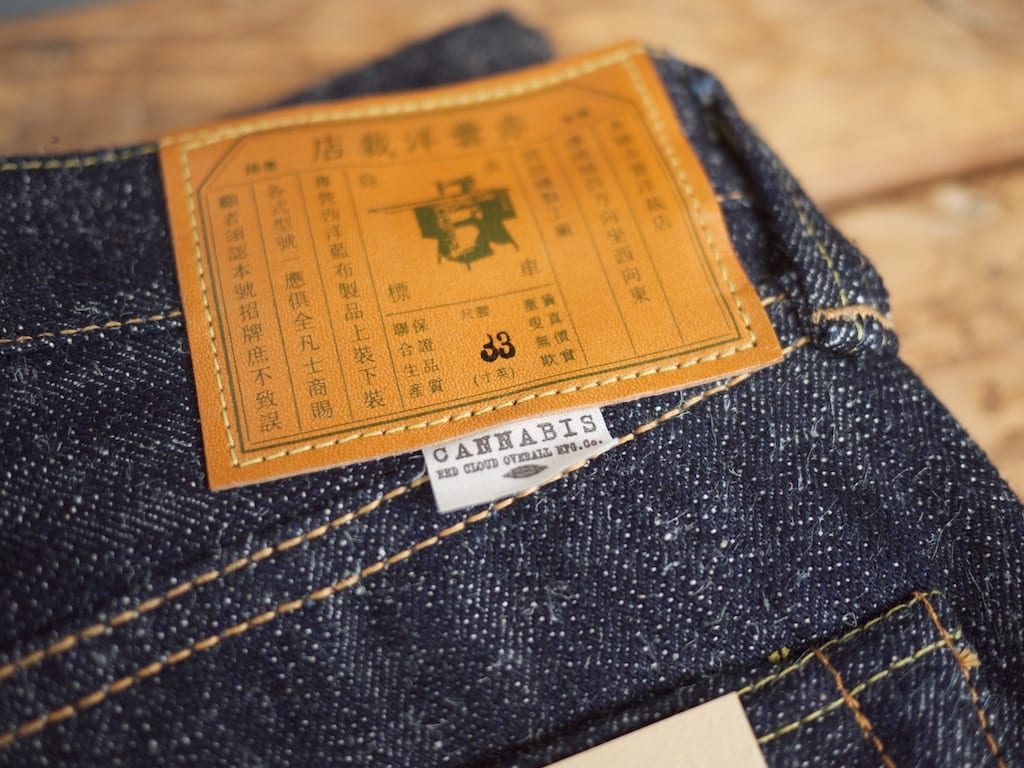
    Dubbed one of China’s first premium selvedge denim brands by influential fashion media monitor WGSN, it’s one of a new wave of independent denim makers carving out a new raw denim culture in Asia.

    Red Cloud’s new store is not exactly located in the heart of Hong Kong’s fashion highway – instead, you’ll find it tucked away in a narrow alley in Kwun Tong in Hong Kong’s industrial district.

    It’s the company’s second retail store, the first in its home city of Shenyang in the Mainland opened soon after the brand was founded in 2007.

    In an extensive interview with WGSN correspondent Anupreet Bhui, published online with photos of the store’s interior design, store manager Wan talks about the positioning of Red Cloud as a high end premium selvedge raw denim brand and how it has overcome the ‘Made in China’ tag.

    “The first thing that strikes you upon entering the shop is its old world charm garnished heavily with refreshing vintage interiors done up in a typical retro Hong Kong flavour that speaks out through its ceiling fan, authentic shop signage and hand picked furniture classics,” explains Bhui.

    “The shop is itself a labor of love by its owner Wan, who has hand built most of its fixtures and curated vintage furniture from all over Hong Kong and China. Wan is a good friend of Red Cloud founder Raymond and has helped him develop the business in Hong Kong as the sole distributer of Red Cloud & Co.”

    Wan says the shop has already built a fast-growing following among local denim connoisseurs.

    “At present there are a number of denim brands that are coming out in the market which may be selvedge and more expensive. However I really feel that for the consumer who truly understands high quality and authenticity, will continue to value Red Cloud & Co. Over these years, we are slowly but steadily building up our loyalist base who truly understand the difference. I am very optimistic about the future,” he told Bhui.

  • BeeBio aims to sweeten travel retail’s skincare offer

    BeeBio aims to sweeten travel retail’s skincare offer

    Key ingredients within the range include active medical grade Manuka honey – known for its healing properties – natural bee products (bee venom, Royal Jelly) and anti-oxidant botanicals from New Zealand. The products regenerate new skin cells by 80%, according to research conducted by the brand.

    BeeBio is performing strongly on the Australian domestic market, and earlier this year entered the inflight travel retail sector, with listings onboard Singapore Airlines, Hong Kong Airlines and Cathay Pacific. The brand is targeting a presence onboard 15 airlines by the end of the year.

    The BeeBio portfolio includes cleansing, moisturising and treatment lines. Star products include the Venomenous Bee Venom and Active Manuka Honey Anti-Aging Face Masque, Active Manuka Honey Eye Crème with Bee Venom, Royal Jelly Facial Crème and Active Manuka Honey Day Crème with SPF15. Body and hand care products are also available, while an anti-ageing serum is in the pipeline.

    “We believe we have a premium offer and want to go global,” Sales Director Liz Kolovos told The Moodie Report. “We are targeting travel retail expansion, and have already created special travel packs and exclusives for the channel.”

  • Singapore’s Putien to open in Taiwan

    Singapore’s Putien to open in Taiwan

    Singaporean restaurant chain Putien is to enter Taiwan by the end of this year.

    The expansion – in partnership with Taiwanese restaurant group Wowprime – follows Putien’s forays into Shanghai last June and Hong Kong last year.

    Putien has been serving traditional Fujian meals in Singapore for 15 years.

    Wowprime, a listed Taiwanese restaurateur, has already opened an Italian-influenced vegetarian restaurant at Raffles City in Singapore in partnership with Putien, called Sufood. Putien will be Wowprime’s first Chinese restaurant concept to launch in Taiwan – until now the company has been best known for running steakhouses and Japanese restaurants.

    Both companies say the Taiwanese menu will closely follow Putien’s successful Singapore concept and the restaurant will be pitched to the middle market.

    The two companies plan a chain of about 20 restaurants, opening them at a rate of about three annually.

    At home, Putien has 10 restaurants trading already with an 11th scheduled to open at Causeway Point later this year and a second Sufood at Wheelock Place.

  • Real Madrid Partners with Alibaba Group to Launch its Official Online Store on Tmall Global in China

    Real Madrid Partners with Alibaba Group to Launch its Official Online Store on Tmall Global in China

    Real Madrid, the world’s leading sports club and Tmall Global, an overseas platform and an extension of Alibaba Group’s B2C Tmall.com business in China, jointly announced today the launch of the official online Real Madrid store (https://realmadrid.tmall.hk) for consumers in China. This strategic partnership will allow consumers in China to enjoy a selection of the sports club merchandise including official player jerseys, club apparel for men, women, and children, and club memorabilia.

    The Real Madrid online store is another example of Alibaba Group’s strategy to bring premium foreign brands and products directly to Chinese consumers. Fans of Real Madrid can now directly purchase their favourite and genuine Real Madrid merchandise on the club’s Tmall Global online store.

    The partnership launch ceremony held in Guangzhou today was attended by Jeff Zhang, President of Alibaba Group’s China retail marketplaces, Florentino Perez, President of Real Madrid, and the team’s first string players. Widely known as the most valuable sports club in the world, Real Madrid will work together with Tmall Global to develop their business within China targeted at Chinese consumers.

    Jeff Zhang said: “As one of the world’s most recognizable and popular football brands, Real Madrid is the second football club that has reached a strategic cooperation with Tmall Global, closely following our collaboration with FC Bayern Munich in May this year. Real Madrid and Tmall Global will work together to promote the exciting world of international sport to the Chinese market. As part of our Tmall Global strategy, Alibaba is committed to bringing new cultural experiences and brands on to our China retail marketplaces and we will continue to work with European brands and municipalities to bring the world to Chinese consumers.”

    Florentino Perez said: “Today, we continue to reach out to this incredible country. Today we start a partnership that will strengthen our ties. The best club in the world, Real Madrid, is establishing a strategic alliance with Alibaba’s Tmall Global platform. Initiating this new path is an honour for us, and without a doubt, teams us up with the global player and absolute leader in global ecommerce. This strategic alliance allows us to launch the official Real Madrid store in China for more than 600 million consumers online.”

    The official Real Madrid store on Tmall Global offers a unique player fitting room interactive function so fans can choose outfits and products from their favourite players. In addition, the sports club also has a broad range of lifestyle merchandise from mouse pad and lunch box packs to embrace a complete lifestyle selection for fans to choose from. In the future, Tmall Global and Real Madrid will have special edition or exclusive products targeted for Chinese consumers.

    Real Madrid is the first club in the world to have opened offices in China, headquartered in the Beijing capital. With millions of Real Madrid fans in China, the club aims to reach new fans through Alibaba Group’s China retail platforms.

    About Tmall Global

    Launched in February 2014, Tmall Global (www.tmall.hk) is an overseas platform and an extension of Alibaba Group’s B2C Tmall business, which enables overseas merchants to enter China’s online retail market. By joining Tmall Global, merchants can conduct business from overseas without the need for physical operations within mainland China. International brands on Tmall Global benefit from the exposure to the hundreds of millions of visitors on Taobao Marketplace and Tmall.com. Through Tmall Global, Chinese consumers have access to a variety of branded products sourced and fulfilled from outside mainland China.

  • Korean retailer launches do-not-disturb shopping service

    Korean retailer launches do-not-disturb shopping service

    Lotte Department Store, one of South Korea’s country’s major department-store chain operators, will introduce a do-not-disturb shopping service it dubs ‘shop-alone’.

    Aimed at customers who do not wish to be approached by sales clerks and other employees – a bugbear of many consumers used to shopping in many Asian countries – has been inspired by the Covid-19 crisis and social-distancing practices.

    Customers will be able to shop alone without any offer of assistance from staff if they carry a ‘shop-alone’ sticker or bag ring available near stores’ information desks or escalators.

    The do-not-disturb shopping service is the brainchild of new, young staff born after the 1980s, and will be tested at Lotte Department Store’s flagship Young Plaza, and the company’s Jamsil branch starting today.

    For VIP customers, a personal-shopping consultant will be available for reservations, made via Lotte Department Store’s smartphone app, after they choose an item of interest.