Retail News CRM

Tag: Retail

  • Animate’s Much-anticipated Return To Hong Kong: A Boost For Anime, Manga, And Game Enthusiasts

    Animate’s Much-anticipated Return To Hong Kong: A Boost For Anime, Manga, And Game Enthusiasts

    Excitement is brewing among anime, manga, and video game fans, as Japan’s prominent retailer, Animate, is making a much-anticipated comeback in Hong Kong. This news is particularly thrilling for local enthusiasts, who often make trips to Japan, visiting various Animate outlets nationwide to stock up on the latest merchandise.

    A Teaser for the Upcoming Store

    Animate, on September 12, hinted at its Hong Kong store’s imminent launch through a post on its Facebook page. The message was primarily targeted towards potential employees, inviting them to apply for active positions. The remaining content of the post remained mysteriously brief, only hinting at the store’s impending arrival.

    The Return of a Familiar Face

    Previously, Animate operated a retail branch in Hong Kong’s Mong Kok, along with an Animate Cafe, known as Youme Cafe. However, both facilities closed their doors in 2020. Five years on, local fans can anticipate the return of Japan’s foremost retailer of anime, manga, and games-related merchandise – again, in Mong Kok. However, the particulars regarding the opening date and precise location are yet to be clarified. In Japan, Animate boasts over 100 retail stores. Globally, the brand maintains several outlets in mainland China, Thailand, Taiwan, and the US. Its flagship store, a nine-story building located in Tokyo’s Ikebukuro district, holds a Guinness World Record for being the ‘largest anime store’ in the world.

    A Timely Reopening

    With Japanese anime and manga content enjoying immense popularity among Hong Kong’s audience, Animate’s return couldn’t have been better timed. Currently, an Attack on Titan exhibition is being held in Kai Tak, and Demon Slayer: Kimetsu No Yaiba Infinity Castle continues to screen in cinemas. Furthermore, the large-scale Ani-Com & Games Hong Kong event happens every summer. This context sets the stage perfectly for Animate’s return, potentially adding to the excitement of the fans who are already saving up to splurge on the upcoming merchandise.

    Questions & Answers

    When is Animate expected to reopen in Hong Kong?
    The exact opening date has not been disclosed yet.

    Where will the new Animate store be located?
    Though the exact location is not confirmed, it is expected to be in Mong Kok, where Animate’s previous store was located.

    What does Animate specialize in?
    Animate is a leading retailer in Japan, specializing in anime, manga, and video game merchandise.

  • Gap Inc. Partners With Google Cloud, Leveraging Ai To Revolutionize Retail And Customer Experience

    Gap Inc. Partners With Google Cloud, Leveraging Ai To Revolutionize Retail And Customer Experience

    Gap Inc. has joined forces with Google Cloud in a multi-year partnership aimed at fast-tracking the company’s tech strategy through the application of artificial intelligence (AI). The overarching objective is to bolster operations and improve consumer interactions throughout its various brands.

    Harnessing the Power of AI

    According to Sven Gerjets, Gap Inc’s Chief Technology Officer, the company is embracing AI as a transformative tool in retail, building its future tech roadmap around it.

    He stated, “This partnership offers us the proficiency and speed to integrate AI throughout our operations, enabling our teams, igniting creativity, and delivering to our customers more swiftly and with a higher degree of personalisation than ever before.”

    The collaboration with Google Cloud will equip Gap with a cohesive, AI-powered platform devised to enhance product development, planning, and pricing processes. This will spark creativity and efficiency across all its brands, which include Old Navy, Gap, Banana Republic, and Athleta.

    To facilitate product design, customer experience, and employee enablement, Gap will utilize Google Cloud technologies such as Gemini, Vertex AI, and BigQuery.

    Reinventing Retail with AI

    Thomas Kurian, CEO of Google Cloud, expressed his enthusiasm about the partnership, saying it’s about revolutionising the retail landscape with AI and supporting Gap in leading the industry in terms of speed, personalisation, and game-changing customer experiences.

    With AI, Gap envisages creating a hyper-personalised shopping experience for consumers, enabling stronger storytelling and relevance to engage a wider audience. Furthermore, Google AI will assist Gap in optimizing ad placements and fortifying omnichannel marketing through Google Ads.

    Gap has already begun leveraging AI tools to aid employees in decision-making and execution, thereby enhancing efficiency.

    Sven Gerjets stated, “By re-engineering our workflows and empowering every employee with AI, we are allowing Gap Inc teams to concentrate on creativity, culture, and customer connection, while preserving the company’s human-centric DNA at the heart of innovation.”

    Questions & Answers

    What is the aim of the partnership between Gap Inc and Google Cloud?
    The partnership aims to accelerate Gap Inc’s tech strategy through AI, thereby improving operations and customer experiences across all of its brands.

    How will Gap Inc implement Google Cloud technologies?
    Gap Inc will utilize Google Cloud technologies to enhance product development, planning, and pricing procedures, and streamline product design, customer experience, and employee enablement.

    How will AI effect the shopping experience for Gap Inc’s customers?
    With AI, Gap Inc aims to create a hyper-personalised shopping experience for customers, enabling stronger storytelling and reach to a wider audience.

  • Highsnobiety Shifts Focus From E-commerce To Cultural Influence; Overhaul Impacts 50 Roles, Transforms Flagship Store

    Highsnobiety Shifts Focus From E-commerce To Cultural Influence; Overhaul Impacts 50 Roles, Transforms Flagship Store

    Berlin-based platform Highsnobiety is set to halt its e-commerce operations by the end of the current year in a strategic pivot towards its foundational publishing and cultural agency operations.

    Restructuring and Refocusing

    As part of a larger restructuring process within the company, about 50 roles across the retail and associated departments are anticipated to be impacted. Highsnobiety is taking measures to ensure that the employees affected by this decision are given adequate support throughout the transition period.

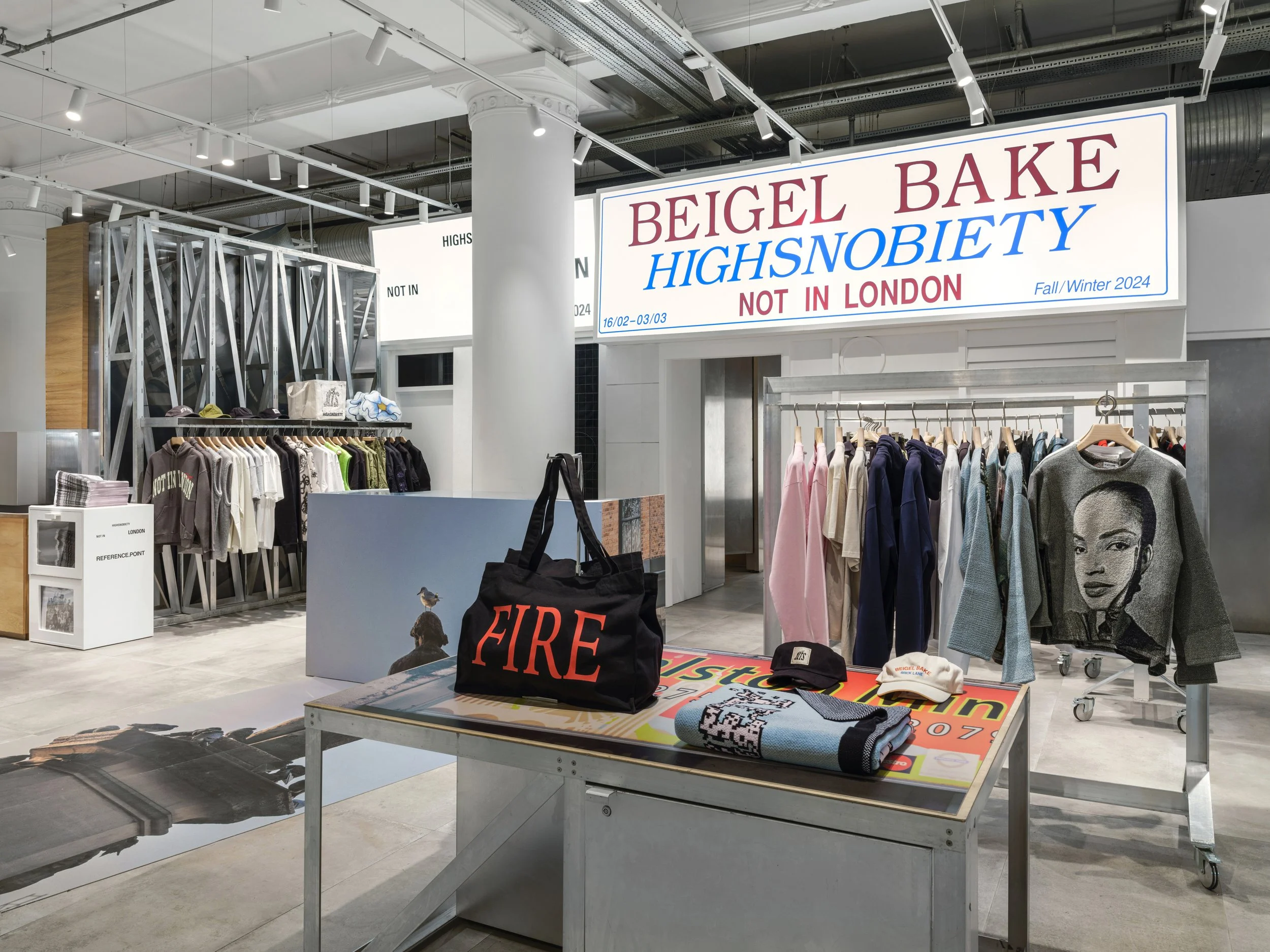
    Notably, this overhaul will also affect the brand’s flagship store, situated on Berlin’s Unter den Linden Boulevard. Having been opened just last year, the store is slated to undergo a significant transformation. The space will be repurposed into a hub for brand collaborations, activations, and temporary pop-up experiences.

    From Digital Publication to E-Commerce

    Highsnobiety was originally established as a digital publication focusing on youth culture and the streetwear segment. In an attempt to enrich its editorial content, the company ventured into e-commerce in 2019 by launching a platform that offered a curated selection of fashion and lifestyle products. This included collaborations with several prominent brands.

    However, upon reflection, the company has concluded that it can make its most meaningful long-term contributions by influencing culture, rather than running a third-party retail model.

    Shaping Culture

    David Fischer, the founder and CEO of Highsnobiety, reflected on the ethos of the company. He emphasized that Highsnobiety has always aimed to help its community understand emerging trends and aid brands in gaining credibility with relevant audiences.

    In the last half a decade, Highsnobiety has successfully created cultural moments that have extended far beyond the realm of traditional publishing. Fischer expressed that looking forward, the company’s focus and efforts will be squarely directed at continuing this cultural influence.

    Questions & Answers

    What changes is Highsnobiety making?
    Highsnobiety is terminating its e-commerce operations by the end of the year and refocusing on its original publishing and cultural agency operations.

    What is the impact of this decision on the company’s employees?
    Approximately 50 roles related to retail and associated departments are expected to be affected. However, Highsnobiety is working to provide ample support to the affected employees throughout the transition.

    How is Highsnobiety’s flagship store on Berlin’s Unter den Linden Boulevard being restructured?
    The flagship store will be transformed into a space for brand activations, collaborations, and temporary pop-up experiences.

  • Unlocking AI Success: How Data Readiness Paves the Way for Retail Innovation

    Unlocking AI Success: How Data Readiness Paves the Way for Retail Innovation

    In the rapidly evolving landscape of retail technology, the integration of artificial intelligence (AI) is increasingly becoming a cornerstone for businesses across Asia. Yet, amid the excitement lies a pressing question: How prepared are organizations in Singapore and the broader APAC region to embrace AI on a meaningful scale? While AI can be a game changer, the capability to leverage it effectively hinges significantly on one crucial element—data readiness.

    Data Preparedness Is Key to AI Success

    According to predictions by Gartner, by 2026, more than half of AI projects will falter due to a lack of AI-ready data, rendering even the most sophisticated algorithms ineffective. Disorganized, fragmented, or incomplete data can undermine an organization’s AI ambitions, leading to costly missteps, missed opportunities, and potential compliance breaches. In Singapore, where regulatory measures around data governance are rigorous, the challenge becomes not just gathering data but ensuring it is clean, structured, and secure enough for effective AI utilization.

    An Inside Look at AI Implementation

    To dissect the realities of data readiness and the journey toward sustainable innovation, iTNewsAsia sat down with Norihiro (Nick) Katagiri, the Senior Vice President at Canon in Singapore, who has been partnering with organizations to integrate smart technologies into their digital strategies.

    Katagiri notes that businesses in Asia are accelerating their AI adoption—a trend most evident in Singapore, where companies are eager to harness AI, often before fully articulating their goals. “While AI is used to enhance workflow efficiency and overall competitiveness, the challenge of widespread employee adoption remains paramount,” he explains. Even the fanciest AI tools can flop if the workforce lacks the understanding or trust needed to use them effectively.

    Assessing AI Readiness in Organizations

    Organizations looking to tap into the power of AI should first concentrate on achieving data readiness. Many enterprises still house valuable information in paper and analogue forms, and digitizing these records is essential to transform inert data into usable assets. Only after this can they categorize their data—into structured, semi-structured, and unstructured types—thus ensuring they can apply the right AI tools effectively.

    However, ensuring data readiness is just the beginning. Organizations must also focus on their technological capabilities, identifying specific workflows where AI can deliver immediate value. This requires careful planning rather than an expansive disruption of existing systems. It is equally crucial to prioritize workforce readiness, ensuring staff have the skills and training necessary to leverage AI effectively. After all, a well-prepared team can turn technological potential into tangible business results.

    Navigating the Challenges of AI Adoption

    The appetite for AI in APAC is strong, with investments projected to grow at a compound annual rate of 24 percent from 2023 to 2028. Yet, organizations often grapple with aligning their ambitions and operational readiness. Hurdles abound—companies frequently struggle to define measurable KPIs, ensure data accuracy, and manage their data effectively. One common pitfall is the continuing reliance on analogue records that inhibit the ability to leverage AI technology for critical business decisions.

    “Robust data governance is non-negotiable,” emphasizes Katagiri. Maintaining compliance, securing sensitive information, and fostering trust in AI-driven processes are essential elements for success.

    The Weight of Data Quality and Integrity

    At the heart of AI efficacy lies data quality. Flawed data, often resulting from human error—like mis-entered data or illegible handwriting—can derail even the most promising AI initiatives. Moreover, data consolidation fosters seamless collaboration by uniting various data channels into a cohesive platform, enabling AI to deliver insights from a singular, reliable source.

    For organizations operating on a multinational scale, the complexity multiplies as data transcends geographic and linguistic barriers. Convincing everyone to tidy up the data before calling in the AI cavalry is crucial to achieving reliable outcomes.

    Turning Data into Actionable Insights

    To unlock data’s true potential, organizations must first recognize the types of data they manage. While structured documents are straightforward for data capture solutions, semi-structured and unstructured documents require more sophisticated handling. Fortunately, modern AI can automate the processing of all types of documents, using Natural Language Processing (NLP) to derive context and discern meaning, thereby reducing the manual labor involved.

    For instance, Canon’s document capture solutions can process over 1,000 invoices daily, drastically reducing manual input and errors—a win-win that not only speeds up processes but also enhances compliance.

    Spearheading Smart Technology Implementation

    While the introduction of smart technologies can enhance collaboration and productivity, poorly integrated systems can lead to employee disengagement rather than empowerment. Recent surveys show that 51 percent of organizations face challenges in getting their staff to embrace new technologies, highlighting the need for human-centric design and robust change management.

    “It’s crucial to illustrate the real, practical benefits of smart technologies,” says Katagiri, emphasizing that tangible improvements in day-to-day operations can foster greater trust and engagement with new tools.

    Real-World Successes in AI Adoption

    In the legal sector, where professionals often juggle numerous documents under tight deadlines, AI can facilitate significant time savings. For example, tools developed for automated document comparison enable law firms to identify discrepancies quickly, while summary tools distill lengthy legal documents into concise overviews, equipped precisely for strategic decision-making. These advancements are reshaping how law firms manage workflow and maintain compliance.

    A Word of Caution in the Rush to AI

    As organizations feel pressure to jump onto the AI bandwagon, they must tread carefully to avoid common pitfalls. Treating every data set homogenously can lead to inefficiencies; similarly, a lack of clarity around objectives hinders performance evaluation. Organizations also need to fortify their data governance frameworks to mitigate risks related to compliance and security breaches.

    Ultimately, a comprehensive assessment of risks—beginning with disciplined data management—is vital for ensuring that AI initiatives yield actionable insights and sustainable business value.
    – Norihiro (Nick) Katagiri, Senior Vice President, Canon, Singapore

    Practical Steps Towards AI and Data Transformation

    To effectively embark on an AI and data transformation journey, organizations should begin with digitization, converting paper records into digital formats that promote accessibility and accuracy. This initial step paves the way for embedding advanced tools into everyday workflows, transitioning from basic data storage to innovative, data-driven decision-making.

    By methodically organizing their digital strategy—building from data capture to advanced analytics—organization can ensure a solid, risk-managed foundation that facilitates seamless integration of AI technology.

    Preparing for an AI-Driven Future

    Canon is actively adapting its technology and data infrastructure to support evolving customer needs across various sectors. By collaborating closely with clients, Canon gathers insights to deliver tailored solutions that meet specific challenges while optimizing operational efficiency.

    Canon’s commitment extends to deploying AI-driven security solutions across workplaces and retail environments, which not only enhance operational efficiency but also ensure compliance and protection of sensitive data. Their approach positions them poignantly at the intersection of innovation and practicality.

    To sustain and future-proof AI initiatives, organizations must begin with a robust data strategy, ensuring alignment between business aims and measurable KPIs. Investing in scalable, interoperable infrastructure is pivotal as the volume of data continues to grow.

    As AI technology evolves, adopting a modular and adaptable framework allows for the seamless integration of future innovations, ensuring longevity and relevance in a fast-paced digital marketplace.

    Questions & Answers

    What is the most critical first step for organizations looking to implement AI?
    Data readiness is paramount. Organizations must first digitize their analogue records to transform data into a usable format before they can successfully integrate AI tools.

    How does employee engagement impact AI implementation?
    Without trust and understanding from employees, even the best AI solutions can fail. Successful implementation requires human-centric design and robust change management strategies to ensure smooth adoption.

    What common challenges do organizations face in AI adoption?
    Many organizations struggle with defining clear business objectives, ensuring data accuracy, and integrating new technologies with existing workflows, hindering their ability to leverage AI effectively.

  • Asia’s Retail Revolution: Navigating Sustainability, Technology, And Supply Chain Challenges

    Asia’s Retail Revolution: Navigating Sustainability, Technology, And Supply Chain Challenges

    As the retail landscape in Asia continues to evolve, industry leaders are vying for sustainable growth and competitive advantages. One of the most notable trends emerging from this shift is the surge in omnichannel retailing, where companies seamlessly integrate online and offline platforms to enhance the customer experience. It’s not just about clicking a button; it’s about creating a shopping journey that feels like a curated experience, touching on every sensory level.

    Shifting Focus: Sustainability and Consumer Preferences

    With increased awareness around sustainability, retailers are transforming their strategies to align with eco-conscious consumer preferences. The push for sustainable practices is more than a trend; it’s becoming a vital aspect of a brand’s identity. From sourcing materials responsibly to implementing energy-efficient store operations, brands across the region are taking innovative steps that not only appeal to green-minded shoppers but also comply with increasingly stringent regulations.

    This growing emphasis on sustainability is not merely about polishing a brand’s image; it’s about survival. Consumers, especially younger generations, are prepared to pay a premium for products that showcase a genuine commitment to the environment. As they use their purchasing power as a form of activism, retailers are finding it essential to communicate their sustainability initiatives transparently and compellingly.

    The Digital Frontiers: Technological Advancements

    Moreover, the rapid development of technology tools is reshaping retail dynamics. From virtual reality shopping experiences that whisk consumers into immersive environments to artificial intelligence that personalizes recommendations in real time, retailers are leveraging technology like never before. One standout example is the rise of livestream shopping events, which blend entertainment and commerce, making online shopping almost as exhilarating as attending a concert—that’s right, retailers are turning your shopping spree into a rock concert!

    Retailers are also exploring the potential of advanced analytics to gain profound insights into customer behavior, enabling them to tailor their offerings with pinpoint accuracy. This data-driven approach not only enhances sales effectiveness but also represents a growing shift towards customer-centric retailing in Asia.

    Challenges Ahead: Navigating Supply Chain Issues

    However, while the prospects seem bright, retailers must navigate an array of challenges. Global supply chain disruptions continue to be a thorny issue, with delays and shortages affecting inventory levels and customer satisfaction. Brands are seeking innovative solutions, such as diversifying their sourcing strategies and investing in local manufacturing initiatives to mitigate risks.

    Furthermore, as competition intensifies, the pressure to differentiate is stronger than ever. Retailers are finding themselves in a relentless battle for consumer attention, with brands employing more creative marketing and product strategies to capture the market amidst a flurry of choices available at consumers’ fingertips.

    As the retail industry in Asia embarks on this journey of transformation, the blend of sustainability, digitalization, and agility will shape the path forward. The ultimate winners may just be those who can harmonize these elements to create not just a shopping experience but an unforgettable saga that resonates with today’s consumers.

    Questions & Answers

    What is driving the shift towards sustainability in retail?
    The increasing eco-consciousness among consumers, particularly younger generations, is driving this shift. They tend to favor brands that demonstrate genuine commitment to sustainable practices, often willing to pay a premium for such choices.

    How are technology advancements impacting retail in Asia?
    Technological advancements are reshaping consumer interactions with retail through tools like virtual reality, artificial intelligence, and livestream shopping, creating immersive and personalized shopping experiences.

    What challenges are retailers facing in the current landscape?
    Retailers are grappling with global supply chain disruptions, which affect inventory and customer satisfaction, while they also face intense competition that necessitates differentiating strategies to capture consumer attention.

  • Premier Investments Eyes Health And Beauty Sector Amid Retail Shift: Challenges And Strategies Unveiled

    Premier Investments Eyes Health And Beauty Sector Amid Retail Shift: Challenges And Strategies Unveiled

    In the wake of Premier Investment’s FY25 results, Chairman Solomon Lew highlighted the company’s robust balance sheet and hinted at impending merger and acquisition ventures. Despite navigating decades of fluctuating retail cycles under Lew’s guidance, Premier continues to see itself as a potential buyer in a market where others are struggling. The challenge lies in leveraging their financial power to diversify into new categories during a time of significant change in the retail sector.

    Prospects in Health and Beauty

    Lew has previously expressed interest in expanding into the health, beauty, and cosmetics sector, given its resilience through economic cycles and the sector’s strong emphasis on branding. However, this sector is highly competitive, with global giants such as L’Oreal and Estee Lauder dominating the market. Companies looking to compete in this space must be prepared to either purchase established equity or heavily invest in marketing and product development.

    According to retail consultant Danny Lattouf, the health and beauty sector is particularly attractive to investors due to its high profit margins, frequent purchase cycles, and emotional appeal. However, he cautions that Premier’s success would hinge on identifying a unique brand with potential for growth, rather than becoming just another competitor in an already saturated market.

    A Tale of Contrasting Fortunes

    Premier’s primary brands – Smiggle and Peter Alexander – are experiencing markedly different trajectories. Smiggle, once a global growth story, is now under pressure due to leadership instability and an ongoing investigation into workplace misconduct. This has resulted in a 22.5% decline in group profit to $144 million in FY25. On the other hand, Peter Alexander saw sales increase by 7.7% to $548 million in FY25 due in part to its broad appeal across demographics and strong giftability.

    Legacy and Leadership

    Few individuals have had as significant an impact on Australian retail as Solomon Lew. He is known for his resilience, adaptability, and ability to navigate changes in the retail landscape. However, Lew’s leadership style and legacy of opportunistic deals may also pose challenges, particularly for brands in need of reinvention, not just resilience.

    Lew’s fiscal conservativism, illustrated by his aversion to debt, has safeguarded the company during economic downturns. However, as he prepares to join the Myer board as a non-executive director, it remains to be seen how his leadership style will continue to shape Premier’s direction and influence broader department store strategies.

    The Future of Premier in Retail Landscape

    As Premier evolves, it faces the question of whether it remains a leader in Australian retail or has become a niche portfolio business. Premier’s cash reserves and agility set it apart from many of its listed peers, but the company also risks over-reliance on a few brands.

    The future of Premier may be characterized by expansion into new categories, possibly the beauty sector. However, such a pivot would require a balancing act of financial discipline and creative brand building.

    Questions & Answers

    What challenges does Premier Investments face in diversifying into new categories like health and beauty?
    Ans: The health and beauty sector is highly competitive, dominated by global brands and fast-growing disruptors. Therefore, Premier would need to identify a unique brand with growth potential or be prepared to heavily invest in marketing and product development.

    How are Premier’s primary brands, Smiggle and Peter Alexander, performing?
    Ans: Smiggle is facing challenges due to leadership instability and an ongoing investigation into workplace misconduct, resulting in a decline in group profit. Conversely, Peter Alexander is experiencing growth, with a 7.7% increase in sales in FY25.

    What potential risks does Solomon Lew’s leadership style pose for Premier?
    Ans: Lew’s legacy of opportunistic deals and his preference for control could pose challenges for brands that need reinvention rather than just resilience. His aversion to debt, while offering protection in downturns, may also limit the company’s ability to seize new opportunities.

  • Onitsuka Tiger and Hoka Unveil Bold New Storefronts Across Japan’s Retail Landscape

    Onitsuka Tiger and Hoka Unveil Bold New Storefronts Across Japan’s Retail Landscape

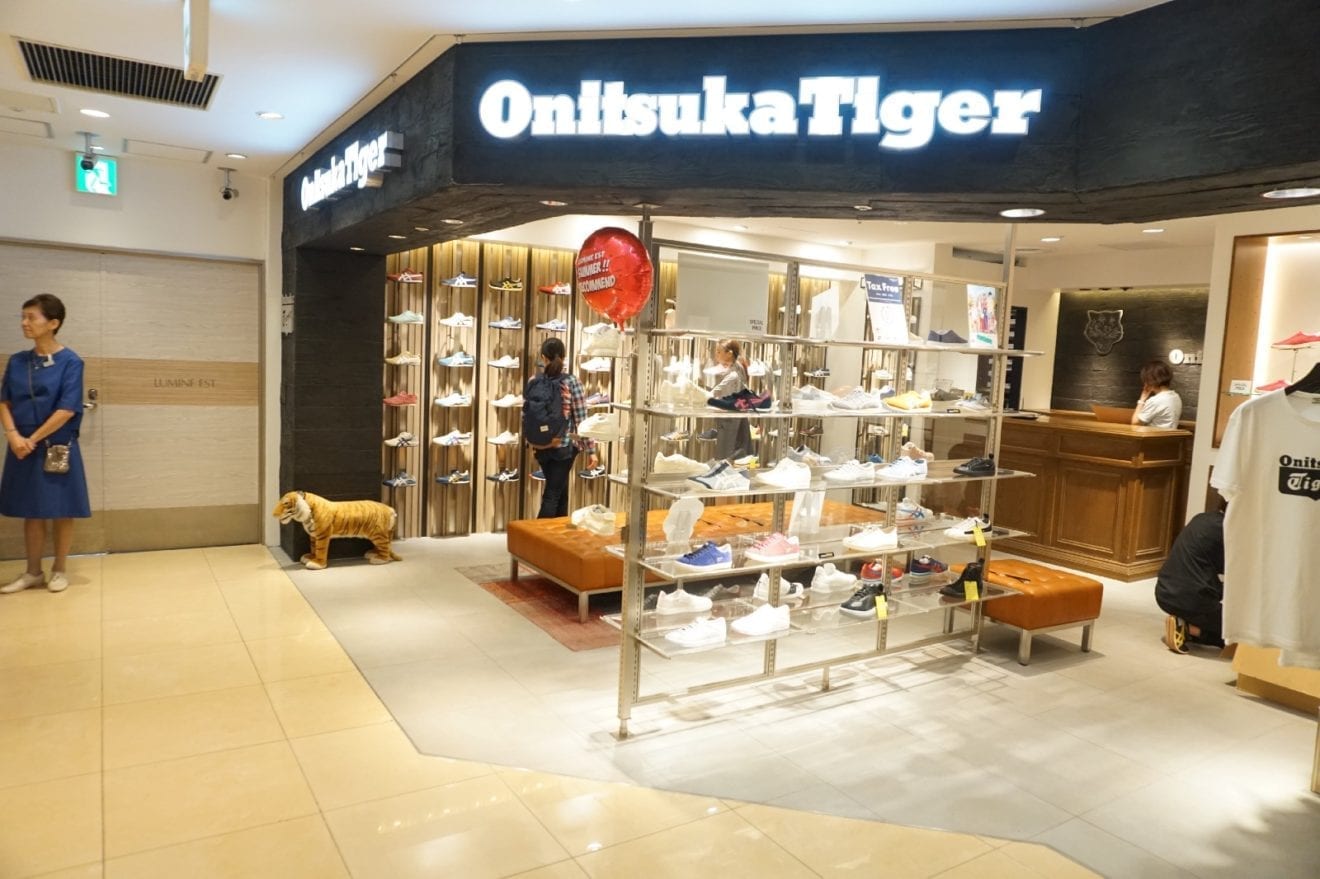
    In Tokyo and other major Japanese cities, the race is on among outdoor and sportswear manufacturers to secure coveted street-level retail spaces. These brands are making their mark in urban environments as they tap into the growing demand for high-quality, functional clothing tailored for both adventure and urban lifestyles.

    Among the notable mentions is Goldwin, whose recent addition in Kyoto has unveiled a captivating storefront, harmonizing natural stone with modern design sensibilities. This trend isn’t just about aesthetics; it’s a strategic move for brands seeking to enhance customer engagement by providing an immersive shopping experience.

    The surge in retail activity creates a vibrant scene for urban dwellers and tourists alike. Just imagine transitioning from a busy shopping street into a tranquil outdoor oasis housed in a boutique—it’s a clever shift that not only beckons the nature enthusiast but also piques the curiosity of those merely window shopping.

    Furthermore, the lifting of pandemic restrictions has accelerated this retail renaissance. Brands are eager to reconnect with consumers through innovative storefronts that serve as both retail spaces and community hubs. With the backdrop of the post-COVID landscape, companies are reimagining how their products are presented, often incorporating elements that appeal to the senses, from textures to interactive displays.

    Today’s retail landscape is about storytelling, and outdoor and sportswear brands are crafting narratives that resonate with consumers’ lifestyles. As they embrace urbanity while celebrating the outdoors, the result is a refreshing fusion that promises to invigorate the shopping experience.

    Questions & Answers

    What motivated outdoor and sportswear brands to open more street-level stores?
    The growing demand for high-quality, functional clothing aimed at both outdoor adventures and urban lifestyles has driven these brands to secure prominent retail spaces.

    How are these new storefronts enhancing customer engagement?
    By creating immersive shopping experiences that blend modern design with their brand identities, these stores invite customers to explore product offerings in engaging and innovative settings.

    What impact has the post-pandemic environment had on retail strategies?
    With the lifting of pandemic restrictions, brands are eager to reconnect with consumers, leading to the rise of innovative retail spaces that not only serve as shops but also as hubs for community engagement.

  • Asia’s Retail Revolution: The Rise Of E-commerce And The Reinvention Of Brick-and-mortar Stores

    Asia’s Retail Revolution: The Rise Of E-commerce And The Reinvention Of Brick-and-mortar Stores

    With the rapid evolution of retail landscapes in Asia, understanding current trends is more critical than ever for industry players. The momentum generated by shifting shopping behaviors continues to challenge traditional models, sparking innovation across sectors from e-commerce to brick-and-mortar.

    The Surge of E-Commerce and Its Impact on Retail

    As consumers increasingly gravitate toward online shopping, e-commerce has burgeoned into a dominant force in the Asian retail market. In 2022 alone, e-commerce sales in Asia surged to around 1.04 trillion USD, capturing nearly half of the global e-commerce market share. This boom not only reflects a shift in consumer preference but also highlights the pressing need for retailers to adapt swiftly to this digital-first environment. Retailers are investing heavily in user-friendly apps, streamlined logistics, and personalized shopping experiences to captivate the evolving demographic of online shoppers.

    Brick-and-Mortar Retail: Reimagining the In-Store Experience

    Yet, the physical store isn’t surrendering its relevance just yet. In fact, many retailers are creatively transforming brick-and-mortar locations into immersive experiences that go beyond mere shopping. Think of stores as destinations where consumers can engage with products firsthand, attend specialized events, or even participate in exclusive workshops. This experiential approach brings a vibrant twist to conventional retail, ensuring that customers aren’t just passive buyers, but active participants in their shopping journey. Ultimately, the goal is to create an environment where purchasing becomes a delightful experience rather than a mundane task.

    Asia’s Unique Consumer Behavior: The Playful Twist

    What sets Asia apart in the retail scene? An intriguing blend of cultural diversity, rapidly changing technology, and age demographics. Millennials and Gen Z, who comprise a substantial portion of consumers, favor brands that resonate with their values, placing an emphasis on sustainability and social responsibility. Ironically, this demographic enjoys frequenting stores—not just for shopping but as social hotspots where they can unwind or snap that perfect Instagram shot. Who would have thought that retail therapy could also be about capturing social media fame?

    Future Trends and Challenges Ahead

    As we look to the future, the retail industry must navigate complex challenges, including supply chain disruptions and evolving consumer expectations. Retailers in Asia are employing omnichannel approaches, allowing for seamless transactions across platforms, while also leveraging data analytics to comprehend consumer behavior better. The key to thriving in this competitive sphere lies in the ability to embrace change and innovate continuously.

    In a rapidly evolving retail landscape, one thing remains clear: while the tools and platforms may change, the heart of retail will always be about connecting with customers in meaningful ways.

    Questions & Answers

    How is e-commerce shaping the retail market in Asia?
    E-commerce has become a juggernaut in Asia, accounting for around 1.04 trillion USD in sales in 2022 and significantly reshaping how consumers shop, pushing retailers toward more digital-first strategies.

    What innovative strategies are brick-and-mortar stores employing?
    Retailers are transforming physical stores into immersive experiences, offering exclusive events and interactive workshops that make shopping a more memorable journey beyond mere transactions.

    What consumer trends are influencing retail strategies in Asia?
    The Asian consumer landscape is shaped by Millennials and Gen Z, who prioritize brands that align with their values of sustainability and social responsibility, and seek engaging social experiences in retail spaces.

  • Singaporeans Shift Focus: Declining Interest in Brand Ads and Social Media Messaging Revealed

    Singaporeans Shift Focus: Declining Interest in Brand Ads and Social Media Messaging Revealed

    Nearly half the population of Singapore appears to have tuned out traditional marketing efforts, as a recent report by Blackbox reveals that 49% of Singaporeans ignore brand advertising or social media outreach. This figure rises to an eye-opening 57% among consumers under 30, indicating a significant generational divide in receptivity to marketing messages.

    What’s particularly striking is that about 48% of all respondents admitted they can’t even remember the last ad that caught their attention. Among younger consumers, this figure climbs to a staggering 55%. Analysts blame the phenomenon on an “attention economy,” where consumers—especially younger ones—have perfected the skill of filtering out the marketing din surrounding them.

    Consumer Trust Takes a Hit

    As if these numbers weren’t sobering enough, 51% of Singaporeans feel that current brand messaging often “feels fake or tries too hard.” More than half (56%) outright dismiss the notion of “brand trust” as little more than empty rhetoric. In a telling statistic, half of the respondents—along with nearly two-thirds of those under 30—expressed a preference for trusting personal connections over brands.

    This disconnect between brand communications and consumer perceptions reveals a growing chasm. According to the findings, two key attributes influence whether a brand message resonates: honesty and proof. Consumers are increasingly drawn to messages that feel unscripted and are supported by tangible evidence, leaving clever slogans and polished presentations in the dust.

    The Challenge of Engagement

    The report suggests that brands are navigating a “double-disconnect,” struggling to capture consumer interest while also failing to listen to their audiences meaningfully. Traditional survey formats have only added to consumer frustration, as individuals cite long forms and repetitive questions as major turn-offs.

    Yet, there’s a glimmer of hope: six in ten respondents expressed openness to engaging with AI interviewers, a figure that jumps to 70% for younger consumers. Still, a quarter of participants remain unyielding, preferring a human touch. The suggestion here is clear—brands must find ways to create genuine dialogues rather than pushing out impersonal surveys.

    Authenticity is Key

    To bridge this growing gap, the report calls for marketers and researchers to shift gears—from surveying to conversing, treating consumers as active participants instead of passive respondents. Brands need to integrate authenticity into every interaction, moving away from superficial messaging and toward engaging, evidence-backed narratives.

    The potential of AI also looms large in the conversation. While technology can enhance speed and scale in brand communications, it’s essential that brands maintain a human-like presence—empathetic, responsive, and authentic. In a world rife with skepticism, delivering genuine connections might just be the secret ingredient for success.

    Questions & Answers

    How did the report measure consumer attitudes toward brand messaging?
    The report by Blackbox surveyed Singaporeans about their perceptions of advertising, finding that a significant percentage ignore ads, particularly younger consumers who have grown skilled at ignoring marketing noise.

    What key qualities do consumers look for in brand messaging?
    Consumers prioritize honesty and tangible proof, favoring unscripted messages supported by data over polished slogans that lack credibility.

    What innovative approach does the report suggest brands take to engage consumers?
    The report recommends transitioning from traditional surveys to authentic conversations that treat consumers as active participants, while also leveraging AI to create more meaningful interactions.

  • Alibaba Unveils Bold New Retail Strategy: Merging Online And Offline Shopping Experiences In Asia

    Alibaba Unveils Bold New Retail Strategy: Merging Online And Offline Shopping Experiences In Asia

    Retail giant Alibaba has unveiled an ambitious new plan that aims to redefine the e-commerce landscape in Asia. In a move that has industry watchers buzzing, the company is expanding its “New Retail” strategy, which seeks to integrate online and offline shopping experiences seamlessly. This initiative comes as Alibaba faces increasing competition from Tencent and JD.com, who are also vying for dominance in the rapidly evolving market.

    Investments in Technological Innovation

    As part of its plan, Alibaba is committing substantial investments in cutting-edge technology. The company has announced a partnership with several tech firms to enhance its artificial intelligence and machine learning capabilities. These developments are expected to personalize shopping experiences, improve inventory management, and drive supply chain efficiencies. It’s almost as if Alibaba is assembling its own Avengers team of tech experts, ready to tackle the challenges of modern retail.

    Expansion Plans for Physical Locations

    In a surprising twist, Alibaba is not merely focusing on its digital realm; the company has plans to substantially increase its brick-and-mortar presence. Chief Executive Daniel Zhang shared that they aim to open hundreds of new stores in major cities throughout Asia, leveraging data analytics to determine ideal locations and product assortments tailored to local preferences. This hybrid approach—melding online convenience with physical retail’s tactile allure—seems poised to capture a larger share of the diverse Asian market.

    Building Customer Loyalty through New Initiatives

    Alibaba is also rolling out a customer loyalty program that encourages shoppers to engage with both its online platform and physical stores. By offering points for every purchase—regardless of the channel—Alibaba aims to nurture a holistic shopping culture among its customers. This initiative highlights the company’s commitment to creating a cohesive brand experience, ensuring customer touchpoints resonate with lifestyle and convenience.

    The Road Ahead: Challenges and Opportunities

    However, Alibaba’s strategic evolution does not come without its hurdles. The ongoing regulatory scrutiny and the challenging macroeconomic environment could impact its growth trajectory. Yet, with its innovative approach and adaptive strategies, Alibaba appears well-equipped to navigate these waters. Industry experts suggest that the company could emerge even stronger, positioned to capture evolving consumer behavior across Asia.

    Questions & Answers

    What is Alibaba’s “New Retail” strategy?
    Alibaba’s “New Retail” strategy integrates online and offline shopping experiences to create a seamless retail environment, expanding its influence in both the digital space and physical storefronts.

    How does Alibaba plan to enhance technology in retail?
    The company is investing in partnerships with tech firms to improve its AI and machine learning capabilities, aiming to personalize shopping experiences and streamline supply chain management.

    What customer initiatives is Alibaba introducing to build loyalty?
    Alibaba is rolling out a loyalty program that rewards customers with points for purchases made both online and in physical stores, fostering a cohesive brand experience across channels.

  • GAP’s Katseye Campaign Dominates Summer 2025: The Power Of Nostalgia And Celebrity In Retail Marketing

    GAP’s Katseye Campaign Dominates Summer 2025: The Power Of Nostalgia And Celebrity In Retail Marketing

    The summer of 2025 was a season marked by memorable retail marketing campaigns. One instance that caused a significant stir was the American Eagle campaign featuring Sydney Sweeney, a popular actress from the series “Euphoria”. Another campaign that went viral was Gap’s launch featuring the girl group Katseye. These campaigns created a major buzz in the retail industry, one after another, throughout the summer.

    The Most Effective Campaign

    Among the numerous campaigns that ran during the summer, there was a particular focus on identifying the most effective in capturing consumers’ attention and boosting sales metrics. A consensus among four retail analysts and marketing experts identified the Gap campaign featuring Katseye as the standout event of the season.

    According to Christine Russo, principal of Retail Creative and Consulting Agency (RCCA) and host of the retail podcast “What Just Happened”, the key themes of this summer were denim and celebrity. Three of the most viewed and impactful ads incorporated these elements: Gap x Katseye, American Eagle x Sydney Sweeney, and Levi’s x Beyoncé. Russo singled out the Gap x Katseye campaign as the most impactful, attributing its success to perfect cultural timing, and a blend of Gap’s nostalgic appeal with a modern, inclusive Gen Z appeal.

    By capitalising on the celebrity status of an internationally recognised girl group, nostalgic storytelling, and an emphasis on inclusivity, Gap’s campaign stood out among the myriad denim campaigns that took place this summer.

    Factors Contributing to Gap x Katseye Campaign’s Success

    Melissa Minkow, CI&T’s global director of retail strategy, remarked that it’s rare for a viral campaign to be universally loved. Yet, she noted that Gap’s Katseye campaign received high praise across the board. A catchy, nostalgic song choice, captivating dancing, and versatile denim showcasing were contributing factors to its success.

    Minkow explained that the campaign was creative, without veering into esoteric territory, and included elements that appealed to multiple generations, including Gen Alpha, Gen Z, millennials and Gen X. The choice of Katseye, a rising group adored by younger consumers, underlined the importance of choosing a celebrity who is not only globally recognised, but also culturally aligned with the brand.

    Bethany Paris Ramsay, a brand strategist and marketing consultant, concurred with Russo and Minkow, stating that the Gap x Katseye campaign was arguably “one of the strongest retail marketing plays we’ve seen in years”. The campaign was able to feel both nostalgic and fresh; a combination that is incredibly challenging to achieve in today’s trend-weary market.

    Ramsay compared the Gap x Katseye campaign favorably to American Eagle’s Sydney Sweeney ‘great jeans’ campaign, which she believed missed the cultural mark and felt forced. The Gap x Katseye campaign was not merely about selling a product, but about reaffirming brand identity in a manner that was aspirational yet accessible. This, Ramsay emphasised, is the aim of retail marketing at this time.

    Performance of the Gap x Katseye Campaign Post-Launch

    Russo highlighted post-campaign metrics as indicative of success. While both American Eagle and Gap campaigns went viral, the staying power of each was evident a few weeks after release.

    Gap’s Katseye campaign generated 8 billion impressions across various social media platforms, as stated by Gap Inc CEO Richard Dixon. The campaign also prompted significant user-generated content, with fans recreating Katseye’s dance moves or making light-hearted parody videos. In comparison, the American Eagle Outfitters campaign dropped to much fanfare but did not have a lasting social impact.

    Other Noteworthy Campaigns in Summer 2025

    Despite Gap’s clear victory in the unofficial marketing battle of the summer, other campaigns also made notable impressions.

    Melissa Minkow spotlighted Chamberlain Coffee’s collaborative campaign with Pinterest as another excellent marketing strategy for the summer. This was the first time either brand had collaborated with another, and the campaign benefited from the celebrity-brand synergy.

    Neil Saunders, Global Data’s managing director, highlighted Nike’s recent “Why Do It?” campaign as another standout marketing moment of the summer. The campaign spoke to the younger generation’s fears and aspirations, showing that Nike was looking to create a stronger cultural connection.

    Questions & Answers

    What made the Gap x Katseye campaign so successful?
    One major reason for its success was its ability to blend nostalgia with a fresh appeal that resonated with both long-time Gap loyalists and a younger audience seeking authenticity and originality.

    What were the post-launch metrics of the Gap x Katseye campaign?
    Gap’s Katseye campaign generated 8 billion impressions across various social media platforms, indicating its widespread reach and impact.

    Which other campaigns were highlighted as notable?
    Other campaigns that stood out during the summer of 2025 included American Eagle’s featuring Sydney Sweeney, Chamberlain Coffee’s collaboration with Pinterest, and Nike’s “Why Do It?” campaign.

  • Alibaba Challenges Meituan In Local-lifestyle Domain With Amap’s Ai-powered ‘street Stars’ Feature

    Alibaba Challenges Meituan In Local-lifestyle Domain With Amap’s Ai-powered ‘street Stars’ Feature

    Alibaba’s navigational application, Amap, is diversifying its functionality beyond its primary aim of providing directional services. It is venturing into the local-lifestyle domain, a territory traditionally occupied by competitor Meituan. This move is marked by the introduction of its own classification system for restaurants, hotels, and tourist attractions.

    Competing for Market Share in “Instant Retail”

    Alibaba and Meituan are well-established tech enterprises in China. Currently, they are deeply engaged in an intense rivalry for dominance in the “instant retail” sector. This field is characterized by immediate delivery services and has seen a rapid influx of consumers due to the provision of extensive discounts and coupons.

    The competitive landscape of this sector has led to increased attention from regulatory bodies, who are concerned about a potential harmful price spiral. In the Chinese context, sluggish property rates and unstable employment conditions have contributed to a consistent dip in consumer confidence. This has pressured corporations to adopt aggressive pricing strategies and provide subsidies to stimulate consumer spending.

    “Street Stars”: Amap’s New Feature

    Amap announced a new feature named “Street Stars” on Wednesday. This feature, powered by advanced artificial intelligence algorithms, aims to rank destinations for its 170 million daily active users. To promote this new feature, Amap is offering subsidies amounting to 1 billion yuan (approximately US$140.43 million). These subsidies are intended to provide users with coupons for ride-hailing or in-store services. The initial launch phase is expected to encompass 300 cities, and will include around 1.6 million local business listings.

    In China, consumers have historically depended on applications such as Meituan’s Dazhong Dianping for restaurant suggestions, reservations, and other services. Meituan recently announced that it would distribute 25 million consumption coupons as part of an overhaul of Dianping’s takeaway service from highly-rated restaurants.

    During a recent after-earnings discussion with analysts, Alibaba Group CEO Eddie Wu highlighted Amap’s AI-driven transformation. He emphasized the strategic importance of the app’s new direction, positioning it as a “new gateway for future lifestyle services”. This is part of Alibaba’s broader plan to design what it refers to as a “comprehensive consumption platform”.

    Regulatory Challenges

    However, concerns exist regarding the potential interference of Chinese regulators in these plans. E-commerce and food delivery giants in China have already been summoned by authorities for several meetings. The ongoing price war, which contradicts the government’s official stance against cutthroat competition, is a particularly contentious issue.

    Questions & Answers

    What is Alibaba’s Amap diversifying into?
    Amap is venturing into the local-lifestyle domain, traditionally occupied by its competitor Meituan. It plans to introduce its own classification system for restaurants, hotels, and tourist attractions.

    What is “Street Stars”?
    “Street Stars” is a new feature of Amap powered by advanced artificial intelligence algorithms. It aims to rank destinations for its 170 million daily active users.

    What are regulators’ concerns about the “instant retail” sector?
    Regulators are concerned about a potentially harmful price spiral in the sector. This is driven by aggressive pricing strategies and subsidies offered by companies to stimulate consumer spending, especially in the context of sluggish property rates and unstable employment conditions in China.

  • Tokyo’s Grade A Office Leasing Set for Strong Performance in Second Half of 2023

    Tokyo’s Grade A Office Leasing Set for Strong Performance in Second Half of 2023

    The corporate world is buzzing, and Tokyo’s office leasing market is feeling the effects. According to the latest insights from JLL, a robust demand from companies is set to keep leasing volumes strong in the latter half of the year. The appetite for office space continues to grow, even as external risks loom, such as tariffs and global economic slowdowns. It seems that in the fast-paced landscape of corporate Japan, many businesses see their future as firmly grounded in tangible office spaces.

    Positive Predictions Amid Market Fluctuations

    Recently, Oxford Economics provided a forecast indicating a modest GDP growth of 0.8% by the end of 2025, alongside a consumer price index (CPI) prediction of 2.8%. While these figures paint a picture of stability, they come with caveats, primarily from potential tariffs affecting corporate activity and a possible downturn in overseas economies.

    Demand for Quality Office Spaces is Sky-High

    JLL’s report highlights that demand for existing office buildings remains resilient due to a substantial influx of headcounts and a trend toward high-quality relocations. In fact, net absorption in the Tokyo office market reached 30,816 square meters in Q2 2025, driven by significant activity in the information services, wholesale, retail trade, and professional services sectors. You could say the Tokyo office market is the land of opportunity—just without the neon lights.

    Rents Continue their Relentless Climb

    As companies vie for the best locations, rents have skyrocketed for six consecutive quarters. By the end of Q2 2025, average rents stood at JPY 36,237 per tsubo per month, marking a 2.0% quarterly increase and a striking 5.9% increase year-on-year. The Akasaka/Roppongi and Otemachi/Marunouchi areas, known for their premium real estate, have reported particularly tight vacancies and landlord-friendly market conditions.

    Vacancy Rates Plummet in Prime Locations

    Tokyo’s Grade A office vacancy rate averaged just 2.4% in Q2, reflecting a decline of 10 basis points quarter-on-quarter and 120 basis points year-on-year. The Otemachi/Marunouchi and Akasaka/Roppongi submarkets are seeing availability shrink to nearly non-existent levels, signaling that demand significantly outpaces supply.

    Capital Values Surge Despite Economic Uncertainty

    In line with rising rents, capital values in Q2 2025 rose 2.9% quarter-on-quarter and 9.5% year-on-year. This upswing can be attributed to the impenetrable ongoing demand and stable cap rates observed throughout the quarter. A standout transaction this quarter was Mitsubishi Estate’s acquisition of the Akasaka Park Building—a move that underscores the enduring allure of Tokyo’s real estate market.

    Questions & Answers

    What factors are contributing to the strong demand for office leasing in Tokyo?
    The strong demand can be attributed to increased headcount within corporations and a tendency towards relocating to higher-quality office spaces, driven by an appetite for premium environments.

    How have rental rates changed in Tokyo’s office market?
    Rentals have climbed for six consecutive quarters, with averages reaching JPY 36,237 per tsubo per month by Q2 2025, marking a 5.9% year-on-year increase.

    What are the implications of plummeting vacancy rates in key submarkets?
    The declining vacancy rates in districts like Otemachi/Marunouchi indicate a significant demand-supply imbalance, with nearly no space left available, making it a landlord’s market.

  • Moments Health Brand Makes Retail Debut In New Zealand’s Chemist Warehouse Stores

    Moments Health Brand Makes Retail Debut In New Zealand’s Chemist Warehouse Stores

    The health and wellness brand, Moments, has marked its debut in the physical retail market of New Zealand. The brand’s wide-ranging products, including adult toys, condoms, and lubricants, are now available in Chemist Warehouse stores across the country and online.

    Moments’ Debut in Physical Stores

    Nikhil Daftary, the MD and founder of Moments, shared that although the brand has been accessible in New Zealand since 2019, its products were previously exclusively sold online. The brand’s foray into a physical retail environment represents a new chapter in its growth. “New Zealand represents an exciting market for us due to its progressive and open-minded attitude towards sexual health,” said Daftary.

    By bringing Moments’ products to Chemist Warehouse outlets, the company aims to engage with more women, empowering them to purchase sexual health and wellness products with confidence.

    Range of Products

    The range of products that Moments offers at Chemist Warehouse includes five variants of condoms – the Mega Thin 0.03 and dual-lubricated types among them. The product line also includes two kinds of lubricants, one of which is bubble gum-flavored, and a complete range of pleasure toys such as Mood, CEO, Baddie, and Vibin’.

    Beyond its retail operations, Moments also supplies between eight and ten million condoms annually to the New Zealand government via its Pharmac contract.

    Brand’s History

    Since its inception in 2017, Moments has distributed over 60 million products across Australia and New Zealand. The brand has also donated in excess of 5 million condoms to charities that focus on women’s and sexual health.

    Questions & Answers

    What types of products does Moments offer at Chemist Warehouse stores?
    Moments offers a range of products including five condom variants, two kinds of lubricants, and a full line-up of pleasure toys.

    When did Moments first become available in New Zealand?
    Moments has been available in New Zealand since 2019, although initially, it was only available online.

    How many condoms does Moments supply to the New Zealand government each year?
    Moments supplies between eight and ten million condoms annually to the New Zealand government.

  • Singapore’s Retail Sector Sees Robust Growth In July, Led By Tech Industry

    Singapore’s Retail Sector Sees Robust Growth In July, Led By Tech Industry

    In July, the retail sector in Singapore displayed promising growth, with most categories reporting an uptick in sales.

    July’s Retail Sales Growth

    Singapore’s retail industry experienced an impressive 4.1% increase in July, a significant improvement over June’s modest 0.5% rise, when motor vehicle sales are excluded from the total. The total estimated retail sales value for the month was SG$3.6 billion (US$2.8 billion), with online sales accounting for 15.5% of this figure.

    On a seasonally adjusted basis, July’s retail sales figures represented a 3.8% increase from the previous month.

    Industries Contributing to Retail Growth

    The majority of industries within the retail trade sector contributed to July’s growth. The most substantial improvement was observed in the computer and telecommunications equipment industry, which reported a year-on-year increase in sales of 11.1%.

    Sales in the watches and jewellery sector, as well as supermarkets and hypermarkets, rose by 9.6%. Department stores, cosmetics, recreational goods, along with optical goods and books, also experienced sales uplifts, ranging between 4.1% and 8.6%.

    However, not all industries enjoyed a rise in sales. Food and alcohol, apparel and footwear, and petrol service stations saw declines in sales of between 2% and 5.6%.

    Growth in Food and Beverage Services

    The food and beverage services sector also registered growth in July. This sector saw a rise of 1.7% in sales, an improvement over the flat growth reported in June. The total sales value of F&B services was approximately SG$1 billion, with online sales representing 25.9% of this figure.

    Questions & Answers

    Which retail sector experienced the most substantial growth in July?
    The computer and telecommunications equipment industry reported the most significant growth, with sales up 11.1% year-on-year.

    Did all retail sectors in Singapore experience growth in July?
    No, the food and alcohol, apparel and footwear, and petrol service stations sectors saw a decline in sales.

    How did the food and beverage services sector perform in July?
    The food and beverage services sector saw a 1.7% rise in sales, compared to flat growth in June. Online sales made up 25.9% of the total sales in this sector.