Tag: Retail

  • Alibaba group net income soars over 130% in December quarter

    Alibaba group net income soars over 130% in December quarter

    This is despite softer demand as well as supply chain and logistics disruptions.

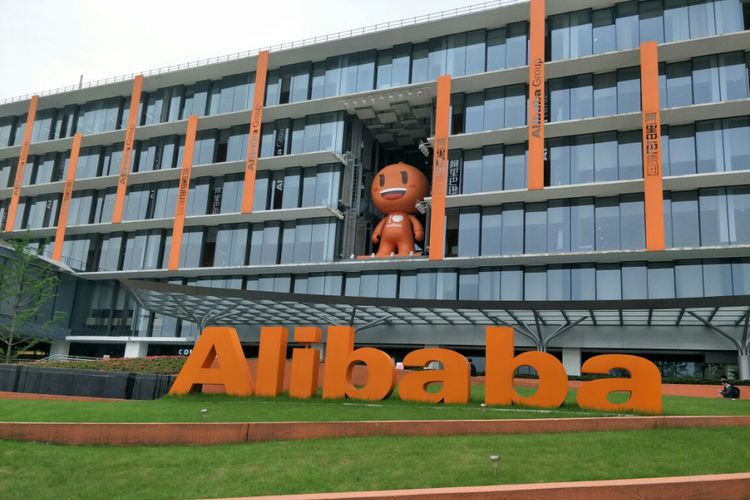
    Alibaba Group Holdings reported its net income attributable to ordinary shareholders grew by 138% to US$6.78b in the quarter ending in December 2022.

    The company attributed this to the decrease in impairment of goodwill linked to Digital media and entertainment segment.

    “During the past quarter, we continued to improve operating efficiency and cost optimization that resulted in robust profit growth,” Toby Xu, Chief Financial Officer of Alibaba Group, said. “Our net cash position remains strong and we continue to generate healthy cash flow. During the quarter ended December 31, 2022, we repurchased 45.4 million ADSs for approximately US$3.3b under our share repurchase program as part of our ongoing commitment to improve our shareholder return.”

    Over the same period, Alibaba noted its revenue rose by 2% year-on-year to US$35.92b.

    “We delivered a solid quarter despite softer demand, supply chain and logistics disruptions due to impact of changes in COVID-19 measures,” Daniel Zhang, Chairman and Chief Executive Officer of Alibaba Group, said.

    “Looking ahead, we expect continued recovery in consumer sentiment and economic activity. We are focused on driving growth for our customers amid the competitive landscape, and creating sustainable, longterm value for our shareholders.”

  • Changi Airport’s retail sales start steady post-Covid recovery

    Changi Airport’s retail sales start steady post-Covid recovery

    However, concession sales last year represented just 37 percent of sales in 2019, the last full year without border closures. Retail revenue in December was at 58 percent of the pre-Covid levels on the back of a passenger traffic recovery to 72 percent.

    The biggest spenders at Changi Airport are from Indonesia, India and Thailand, as the prolonged Covid-19 situation in China – its major market – caused the near absence of travelers from this market. Liquor & tobacco, perfumes & cosmetics and luxury were among the most popular product categories.

    Changi Airport recorded more than 13 million transactions during the year with an average of 35,000 transactions daily.

    As Changi Airport has seen more traffic since the Covid-19 restrictions were lifted, the airport has increased its promotional activities to lure customers and enhance their shopping experience, including the ‘Be A Changi Millionaire’ campaign.

    Last year, Changi Airport teamed up with Lotte Duty-Free to host the the ‘World of Wines and Spirits’ event, which brought together products from 75 brands, including Bowmore, The Macallan, Midleton, The Singleton and Penfolds. The company plans to launch the second installation of ‘World of Wines and Spirits’ this year.

  • Auto dealers offer up to $4,000 in discounts to boost sales

    Auto dealers offer up to $4,000 in discounts to boost sales

    Auto dealers are offering discounts of up to VND100 million ($4,243) to boost sales after the Lunar New Year shopping season is over.

    As many Vietnamese bought their new cars before the annual Tet holidays, which fell from January 20-26, dealerships are seeing a decline in customers showing up or making inquiries online.

    Toyota

    Toyota dealerships are offering a VND20-VND30 million discount on the Vios, its best-selling model in Vietnam last year.

    The MPV Veloz Cross is on sale with a discount of VND35-VND45 million plus gifts.

    The SUV Fortuner, which accounted for 8% of Toyota sales in Vietnam last year, is being sold at some dealerships at a discount of over VND100 million.

    Honda

    Since earlier February Honda has been offering free registration for its two main models: the City and the SUV CR-V.

    Honda City is discounted by VND50-60 million, while the cost of bringing the CR-V home is now VND100 million lower than before Tet.

    Mitsubishi

    The Japanese automaker is offering a 50% discount on registration fees for its Attar, Triton and Outlander models.

    Rearview cameras are also being given as gifts.

    Buyers of the MPV Xpander, Mitsubishi’s best-selling model in Vietnam, will also receive VND10-VND20 million in fuel coupons.

    Hyundai

    The South Korean manufacturer is selling its i10 at a discount of VND15-VND35 million and the sedan Accent for VND20-VND55 million less.

    Discounts of VND25-VND60 million are being offered on the Elantra sedan and the crossover Creta.

    The company is also offering a VND70 million discount on the MPV Stargazer and up to VND120 million on the SUV Santa Fe.

    Kia

    The biggest discount in Kia’s lineup falls on the SUV Sorento at VND70 million.

    The crossover Sportage, which is assembled in Vietnam, is being discounted by VND50 million, and three SUV models, the Sonet, Seltos and Carens, are now priced at a VND40 million discount.

    The cheapest Kia car Morning has a discount of VND30 million.

    Suzuki

    A 50% reduction in the registration fee, which equates to around VND30 million, is being offered on the SUV XL7 and the MPV Ertiga.

    Nissan

    Nissan is giving a full discount on the registration fee on the Navara VL 4WD and the Pro 4X manufactured in 2022. The standard version is discounted by 50% on the fee.

    The sedan Almera also has a free registration fee.

    Volkswagen

    The German automaker is giving customers a cashback of VND35 million on its Polo Hatchback and VND100 million on the SUV Tiguan manufactured in 2022.

  • JD Sports to quit South Korean after five years

    JD Sports to quit South Korean after five years

    UK activewear label JD Sports is set to withdraw from South Korea after five years of operation, according to Edaily.

    The retailer was reported to have experienced a deepening deficit since the Covid-19 pandemic, which led to the decision. The source said JD Sports Korea had notified all employees of the exit plan.

    JD Sports entered South Korea in 2017 through a joint venture deal with South Korean footwear company Shoemarker. The first JD Sports store was opened in April 2018. Currently, the company operates 14 directly managed stores nationwide, including at Lotte World Tower in Jamsil, Seoul and Starfield Goyang.

    Meanwhile, the UK retailer has recently been the target of a cyber attack that resulted in unauthorised access to a system containing customer data relating to online orders between November 2018 and October 2020. The affected JD Sports group brands are JD, Size?, Millets, Blacks, Scotts and MilletSport.

    Earlier this year, British retailer Frasers Group bought shares in JD Sports for about US$57.7 million, as the Mike Ashley-owned company continues its drive into a more premium market.

  • Hyundai distributor reports revenue of $5B

    Hyundai distributor reports revenue of $5B

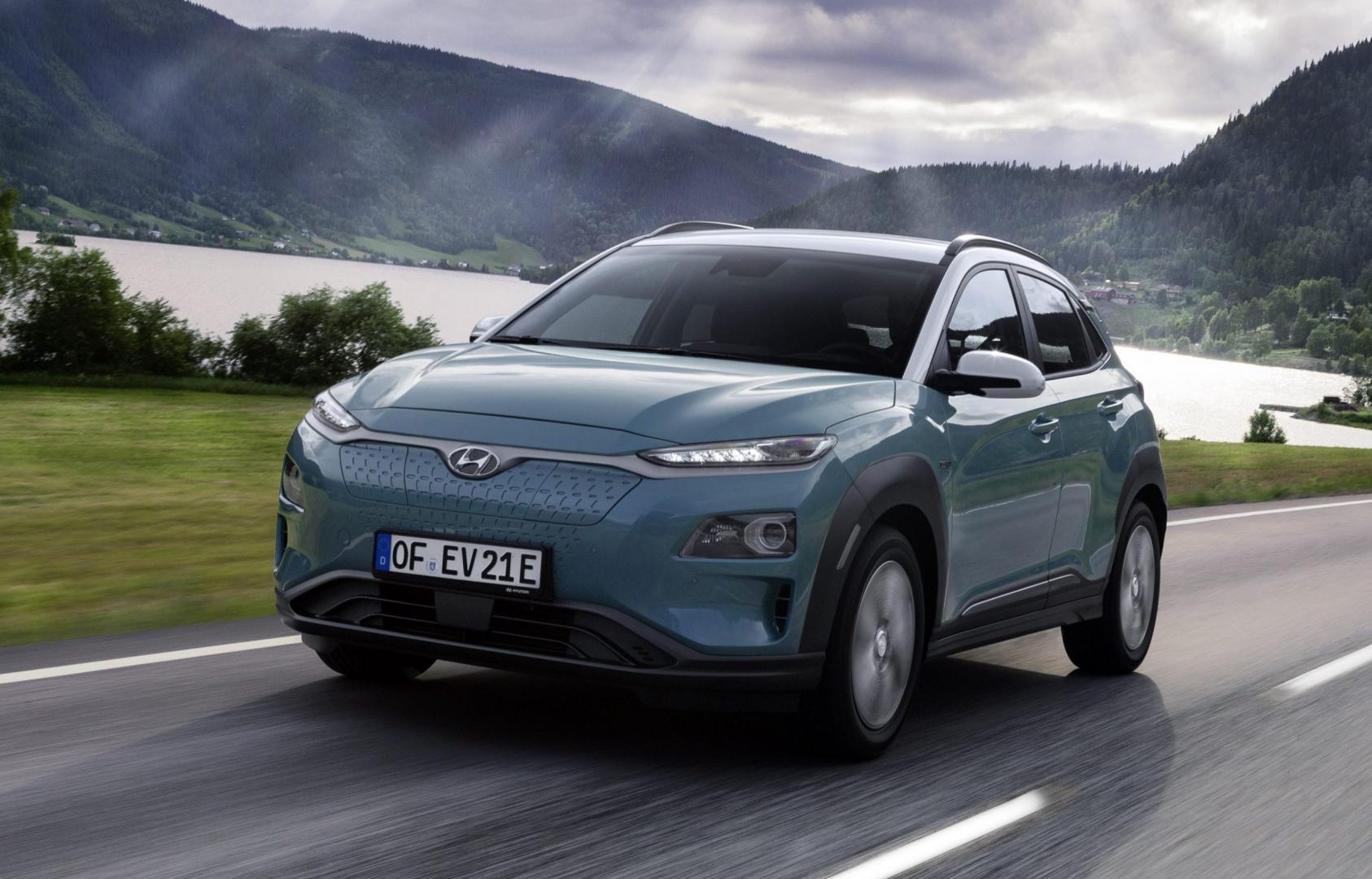
    Thanh Cong, distributor of South Korea’s Hyundai automobiles in Vietnam, recorded a revenue of VND118 trillion ($5 billion) last year, an increase of 15.6% over 2021.

    The Thanh Cong Group sold more than 81,500 Hyundai automobiles of all kinds during the year, accounting for some 16% of the country’s total automobile sales in 2022.

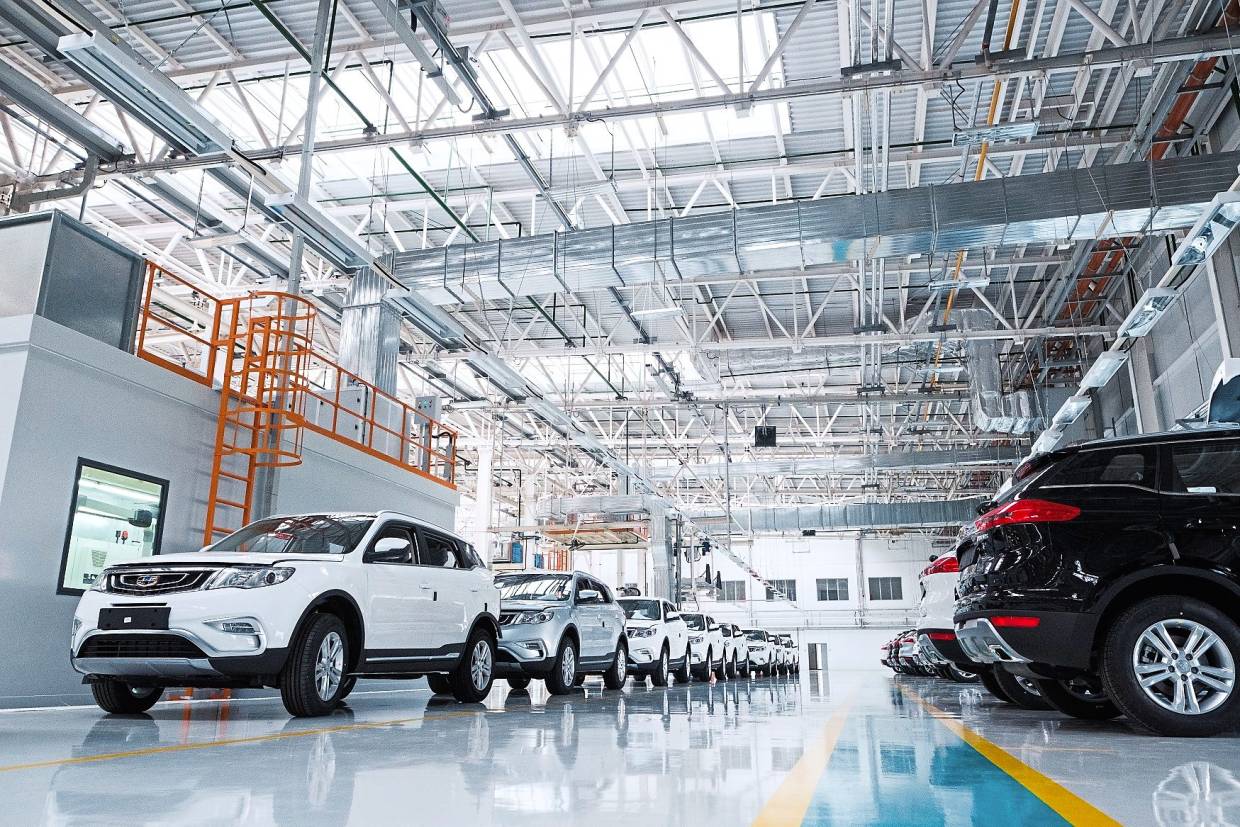
    Late last year Thanh Cong inaugurated its second Hyundai automobile plant in Vietnam in the northern province of Ninh Binh, with a designed capacity of 100,000 vehicles per year. It is expected to only assemble the Hyundai Ionic 5 electric vehicle at the plant this year.

    Established in 1999 as a manufacturer, Thanh Cong has now become a multi-industry firm, mainly operating in the spheres of automobiles, services and real estate.

    Other automobile distributors in Vietnam also reported big revenues or profits last year.

    Selling some 130,000 vehicles of all kinds, Truong Hai Auto Corporation (THACO), the local assembler and distributor of brands such as Kia, Mazda and Peugeot achieved a consolidated revenue of more than VND100 trillion, nearly doubling its revenues for 2021.

    Haxaco, the distributor of Mercedes cars, posted a record after-tax profit of some VND245 billion, up 1.5 times over 2021.

  • Dr Martens shuts all stores in the Philippines

    Dr Martens shuts all stores in the Philippines

    German-founded British footwear and apparel brand, Dr Martens, has closed all of its physical stores in the Philippines.

    The brand announced on social media that it closed all of its remaining four stores in Glorietta 4, SM Mall of Asia, SM Megamall, and Manila Bay by the end of last month. However, Dr Martens did not disclose the reason behind its physical withdrawal from the market.

    Local sources said Dr Martens started shutting its stores in the country last February, including its flagship store in Two Parkade BGC.

    UK-based footwear retail reported a 13 percent year-on-year increase in revenue, reaching US$507 million in turnover for the first half of the fiscal year 2023. The brand opened 21 new stores and closed five stores during the period.

    “Although there are economic challenges ahead, we are well positioned for future growth,” said Kenny Wilson, CEO of Dr Martens.

    Dr Martens’ store closure in the Philippines occurred despite the market having seen growth in sportswear spending. Last month, US sneaker chain Foot Locker expanded into the country with the first store opened inside Manila’s Glorietta shopping mall under the partnership with Indonesian retailer MAP Aktif Adiperkasa.

  • Exports to China no longer subject to Covid testing

    Exports to China no longer subject to Covid testing

    Vietnamese exports to China will no longer be subject to Covid testing from January 8th, the Ministry of Industry and Trade has announced.

    The ministry urged localities and businesses to update goods clearance processes at border gates in order to streamline trade according to the new easing of restrictions.

    The government has asked major agricultural producers and other exporters to coordinate with northern border province authorities to better facilitate the transport of exports — especially fresh and frozen agricultural products – to China.

    The northern neighbor had previously tightened quarantines to curb the spread of the Covid 19 pandemic, leading to congestion and the bottlenecking of Vietnamese exports at border gates in northern provinces, including Lao Cai, Lang Son and Quang Ninh.

    On Dec. 26, China’s National Health Commission announced that it would downgrade it’s “Covid-19 response level,” suspending mandatory isolation for passengers entering the country from January 8, 2023.

    Michael Kokalari, chief economist at investment fund VinaCapital, said China’s reopening would have less of an impact on Vietnam’s economy than other Southeast Asian countries because Vietnam’s exposure to China’s domestic market was still modest.

    The most important upcoming economic event for Vietnam is that the number of tourists is likely to return to normal in the second half of 2023, Kokalari said, adding that this will be a driving force behind Vietnam’s GDP growth for the year.

    Vietnam’s GDP expanded 8.02% in 2022, the fastest pace annually since 1997, backed by strong domestic retail sales and exports. The country has targeted GDP growth of 6.5% in 2023.

    Vietnam is China’s biggest trade partner in Southeast Asia and sixth biggest globally.

    China is Vietnam’s biggest trade partner. Their bilateral trade topped US$165.8 billion in 2021, up 24.6% from 2020.

  • Hanoi’s first metro line gets $38M capital hike

    Hanoi’s first metro line gets $38M capital hike

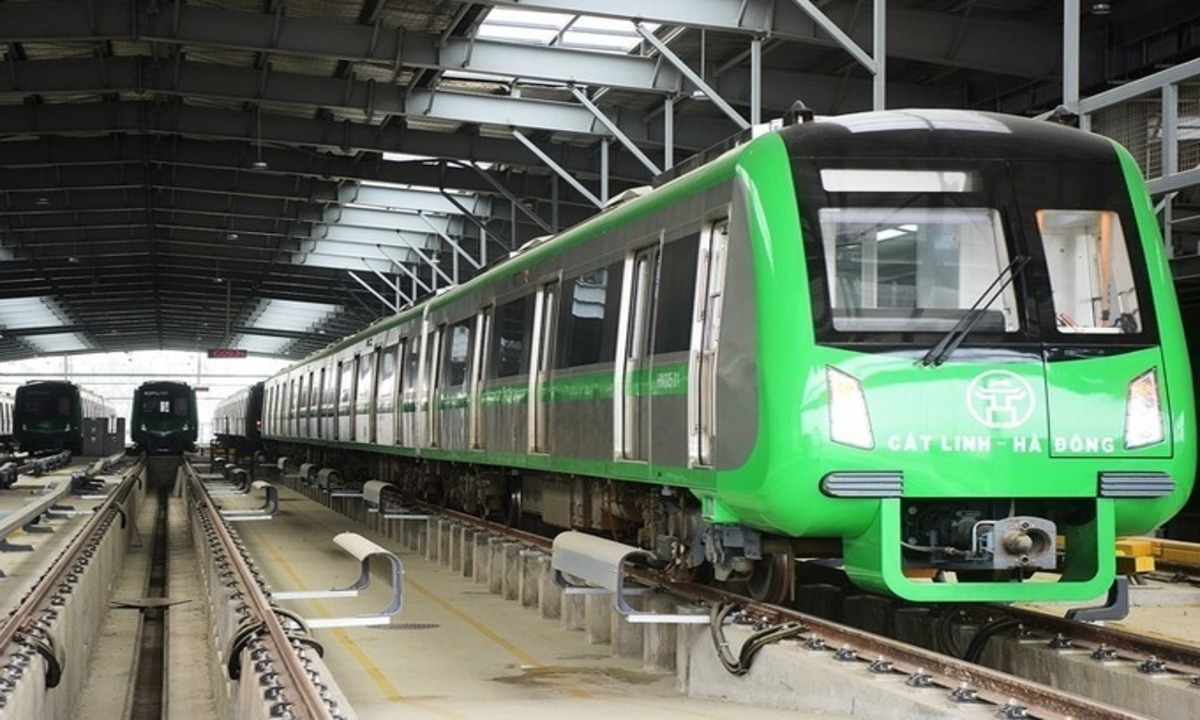
    The Cat Linh – Ha Dong Metro Line in Hanoi has received an additional VND911 billion ($38.6 million) capital increase.

    The money will come from state coffers, with 24.4% of it from domestic funds and the rest foreign funds, according to a decision signed by Deputy Prime Minister Le Minh Khai.

    The Ministry of Planning and Investment and the Ministry of Finance are responsible for reporting the disbursement of this capital to the Prime Minister’s Office.

    The 13-kilometer Cat Linh – Ha Dong Metro Line earlier saw its cost increase from VND8.77 trillion in 2008 to VND18 trillion in 2017.

    It is one of five metro lines nationwide that has seen cost increases.

    The Cat Linh – Ha Dong Metro Line started operating commercially at the end of last year and so far it has served 7.3 million passengers, among them 10,000 monthly subscribers.

    The line has recorded a revenue of around $53 billion so far with a monthly growth of 20%.

  • Vietnamese unscathed by U.S. tech meltdown

    Vietnamese unscathed by U.S. tech meltdown

    The recent layoffs by tech firms in the U.S.’s Silicon Valley have not significantly affected Vietnamese there, and things will return to normal soon, Le Chan, chief engineer at AI startup TruEra, tells VnExpress.

    Layoffs.fyi, the layoff statistics site, shows that more than 100,000 technology employees have been laid off in Silicon Valley this year, including by giants like Meta, Twitter and Amazon. As chief engineer at TruEra, a startup in the field of artificial intelligence in the U.S., and founder of the Viet Tech community, what do you think about this?

    Actually, I’m not too surprised because I think the number should have been much higher. If the economic situation does not improve next year, other problems will arise. The next layoff will be worse than the first one.

    I think the number released by Layoffs.fyi is quite accurate because each of the big companies such as Amazon and Meta contributed tens of thousands. I even think the actual number could be 150,000.

    My own company is a much smaller startup, so we don’t have layoffs. Normally, we face an employee shortage. During the recent Covid outbreak, big tech firms hired on a large scale because they thought after the pandemic there would be an economic boom with everything going up and never down.

    But in reality there isn’t. They’re public companies with shares issued and listed, so they face pressure to sack people to improve their financial situation. Normally, it is difficult for common startups to recruit staff. Now, when large companies lay off employees, smaller firms can recruit them. For small companies, it is actually a good time to hire people now.

    In your opinion, which group is most affected by the tech layoffs?

    The group most affected and I feel the most sorry for is probably young people who have just graduated or are about to graduate. When companies don’t recruit staff, they don’t hire anyone. First of all, they don’t recruit new graduates. Most startups just want to hire people with work experience who can do the job right away. Big companies, too. If a big company stops hiring, it often prioritizes stopping recruitment of new graduates first. New graduates need to be trained; it will take time for them to start working effectively.

    The second group most affected is those who work here on H-1B visas. Most tech people working here are on that kind of visa. Once the visa holders are laid off, they have only 60 days to find a new job. Failing this, they are required to leave the U.S. for their home countries. After returning to Vietnam, it is very difficult to return, right? Normally it takes about 1-2 months to prepare for interviews, and then it takes the same period of time to go for an interview.

    The founder of the Vietnam Tech Society estimated that some 1,000 Vietnamese engineers were affected by this layoff. What do you think about the figure? How have Vietnamese been affected?

    I see many Vietnamese in this tech industry being affected, but I don’t know the exact number because there are no precise numbers. The founder estimated that 1,000 people were affected, but I think it must be much higher.

    There are many Vietnamese people in the U.S., and many Vietnamese work in the tech industry. But I think this layoff is just in line with the economic cycle. When the economy goes down, these things will inevitably happen, not because you are bad or anything but just because the economy is bad and companies have to make difficult decisions.

    Vietnamese engineers are the same as engineers in other countries. In fact, whoever can do the job is recruited and respected. I don’t see much difference between Vietnamese and foreign engineers. Laid off engineers in fields other than technology will find it much harder to get a new job. So, in fact, tech workers still have a huge advantage compared to those in other fields. Now the tech industry is facing a little difficulty because it went up strongly in the past. Now it is going down.

    I found that Asian engineers in general are very hardworking and work quite well. I think it’s going to be okay. There will be layoffs; there will be ups and downs; and there will be times when companies have to decide to lay off. But eventually everything will be back to normal, especially when most people are working pretty well. I don’t think it’s a big deal.

    Many experts believe that famous foreign tech talent in Silicon Valley have houses and cars but their cash is limited. When there are no jobs, they still have to make ends meet. So what’s the situation like?

    This is not correct. In Silicon Valley, a fresh graduate can easily get a job with an income of more than $100,000 per year. It is not too difficult to get $200,000 a year from big tech companies like Google, Facebook and Amazon.

    With such a salary, minus taxes of 30%, they still have some $70,000, completely enough to live on. Anyone who says that laid off tech people have no money or have to live from hand to mouth has never worked as a tech person or has stood outside looking in. I don’t see any tech guys complaining about not having money to live by.

    Fresh graduates can earn $100,000-200,000 a year, or maybe less if they work for smaller companies. After about two years of experience, their income is around $300,000, and with two more years of experience, it is $400,000-450,000. With more years of experience, it is up to $600,000-700,000. With such an amount of money, it is very hard for them to have any problem unless they have done something very, very wrong.

    But it is obvious that, if you are earning some $600,000 and your firm suddenly fires you, it will be hard for you for a while, but not to the extent and not as miserable as some people in Vietnam think.

    Being fired is a bad thing, right? But actually, the compensation you get when you get fired in the first layoff is usually better than later ones.

    Some companies like Meta offer four months’ salary. I know that some other companies like Snapchat offer two or four months’ salary. So that’s a really good deal for sacked people.

    Engineers in tech companies not only get salaries, but also bonuses. And what is more important is the shares the companies give them like in Vietnam. I used to work in Vietnam where employees are paid a 13th month’s salary and Tet bonus.

    But it is a little different here. In the tech industry, in addition to monthly salary, you have the company’s stock. Usually its market value is equal to the salary, so the sum of money is good.

    Obviously, it is very difficult to find a new job. People have to prepare for job interviews, but I think they will find a new job, because the market is not short of jobs. It is just difficult for people who do not want to prepare for interviews or want to work only for certain companies. There is no shortage of jobs in general.

    It is not easy to find a new job within 60 days, but if you have experience, it is completely doable. If you have no experience, it will be fairly easy during this period of time.

    I think there are always ways to overcome all difficulties in life. Always.

    Tech companies in Silicon Valley mostly recruit foreign talent through the H-1B visa policy. The visa was once considered Silicon Valley’s tech talent reserve. Do you think that this round of layoffs poses a risk of drowning tech talent?

    Small groups will be affected, right? As I said earlier, undergraduates and new graduates are affected for a short period of time. In reality, they have their own directions. For H-1B visa holders, they will have other ways to continue to stay in the U.S., or continue to get the visa. There will always be a way out. It may be much more difficult than in the previous period, but there will always be a road to keep walking if you want to stay in the U.S. and to continue to work. They include accepting new jobs with lower pay and going back to school.

    I don’t think tech talent will get drowned. It is not so bad.

    What consequences will the layoffs have for Silicon Valley and the U.S.?

    Every year the U.S. issues 65,000 H-1B visas. The latest layoff affected about 150,000 people, but not all of them have H1-B visas. So that number is not big enough to affect the future of Silicon Valley. There are a lot of tech people in Silicon Valley in particular and many more in the U.S. in general. America has always been a very big tech hub of the world. Silicon Valley has always been a hub that attracts tech talent.

    With the 150,000 laid-off people, assuming that some 10% of them, or 15,000-20,000, have to go back to their native countries, it will not have a big impact.

    Labor shortages have happened in the past, are happening now, and will possibly happen in future, but 20,000 people is just a drop in the bucket. A company like Meta last year seemingly hired such a number of people. So if they have to return to their home countries, it does not matter too much.

    There are some other contributing factors, like venture capital funds. I see that some big venture capital funds pumped less money into startups over the past six months, but then started pumping again when there was a wave of generative artificial intelligence. Silicon Valley will have new technologies. Then there will also be new inventions, then everything will return to the old trajectory, money will still be pumped in, people will be recruited, assets of companies in Silicon Valley will increase as before…

    I do not know about the distant future, but I think in the near future, after this period when the economy bounces back, the stock market goes up again, and companies no longer face the pressure to lay off, the tech industry will be back to normal.

    I strongly believe that in the next 2-5 years, everything will return to the way it was, everything will go up again.

    Given the current situation, what will you advise new graduates or those who are applying for tech firms?

    This is the worst time for them to graduate now, so options are very simple. You do not have to graduate, right? You can continue to study for a master’s degree, or a PhD degree. Obviously, if you have a job, just go to work, do not wait. Take many interviews at many companies. You should accept many different offers. Do not just take one offer and then stop. Nowadays, many companies make an offer and then withdraw it.

    I think you should choose a company with good financial potential, which is performing well, making a lot of money, having no pressure from shareholders to sack people or cut costs.

    The second direction is choosing startups that have full funding. The simplest option is choosing startups which have just raised funds. Such companies will not have much pressure to lay off employees.

    There are a lot of ways. You have to open your mind a bit more. Do not think the U.S. is the only destination. Do not think it is obligatory to work in Silicon Valley. It is a very good place to work, and to develop your tech career. But if that option is not good right now, there are other options that are ok. They are not so bad.

    Singapore, Canada and Europe are all very good options for career development, personal development, family and other issues. Then you can go back to the U.S. later. It is not a big deal. It will be much more difficult but not impossible to achieve.

  • E-commerce giant Carousell lays off 110 staff

    E-commerce giant Carousell lays off 110 staff

    Carousell, a Singaporean consumer-to-consumer (C2C) service platform operating across Southeast Asia, is letting go of about 110 employees, or 10% of its total headcount, to reduce costs amid a challenging market condition for the tech industry. 

    The announcement came from the company’s blog on Thursday, posted by co-founder and CEO of Carousell Siu Rui Quek, saying, “I take responsibility for the decisions that have led us here. Parting with teammates, whom we are grateful to for joining us on this mission, is a very difficult decision.” 

    Carousell did not specify which business units or regional offices would be affected by the layoffs. The Singapore-headquartered company operates in Malaysia, Indonesia, the Philippines, Cambodia, Taiwan, Hong Kong, Macau, Australia, New Zealand, and Canada. 

    In the statement, the company’s leaders had discussed finding ways, including moving to an inexpensive rental office and slashing co-founders and executives’ salaries voluntarily to save budgets without cutting staff. But that was “far from enough,” it said.  

    Quek also explained in the blog post that he “was too optimistic” about the recovery from the COVID pandemic and even doubled down on recruitment and investment for its business. “The reality is that we were quick to grow our expenses and hire, but the returns took longer than expected,” Quek wrote. “It is important to act swiftly, course correct, and right-size our investment levels to better align with this new reality.” 

    The affected workers will receive at least three months’ salary and be able to extend their medical benefits and insurance coverage through June next year. According to the statement, the company will also pay out all remaining time off balances and offer career counseling and job search support, letting those laid-off workers keep their office laptop and LinkedIn Learning membership until June 2023. 

    Founded in 2012, Carousell, backed by Sequoia Capital India, Naver, 500 Global and Rakuten Capital, has raised a total of $372.6 million since its inception.

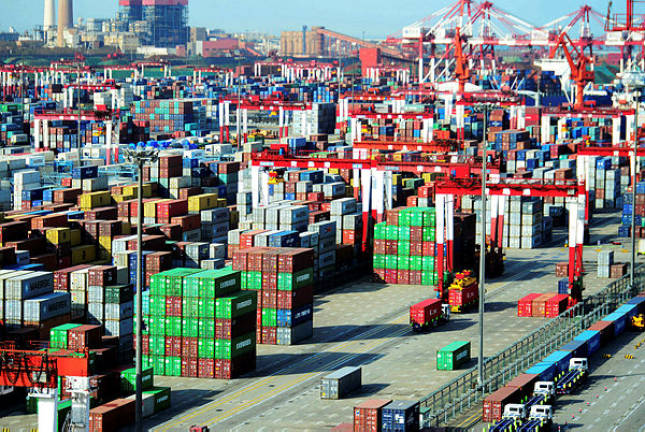
  • Trade surplus at $10.6B for 2022

    Trade surplus at $10.6B for 2022

    The trade surplus was US$0.78 billion in November, which took the year’s figure to $10.6 billion, the General Statistics Office said Tuesday.

    The surplus in the same period last year was $0.6 billion.

    But exports fell in November by 8.4% to $29.18 billion, which took the full-year figure to $342.21 billion.

    The U.S. has been Vietnam’s biggest export market ($101.5 billion).

    Meanwhile, imports were worth $331.61 billion, a year-on-year increase of 10.1%.

    They included shipments of $109.9 billion from China, the biggest exporter to Vietnam.

    Last year exports had been worth $336.31 billion, up 19%, and imports, $332.23 billion, up 26.5%, for a trade surplus of $4.08 billion.

    The surplus has been growing since 2016, according to the GSO.

  • Chinese luxury resale platform Plum bags $100 million in funding

    Chinese luxury resale platform Plum bags $100 million in funding

    Plum, a used luxury fashion e-commerce platform, announced on November 1 that it had completed a C round of financing worth $100 million. In this round, Zhuanzhuan, a Tencent-backed leading used goods trading marketplace in China, made the strategic investment. Xu Wei, founder and CEO of Plum, said that the funds will be mainly for upgrades in service, user experience, product R&D and database construction.

    Plum was established in 2017. The platform focuses on second-hand luxury goods trading, and its products cover all categories of fashion trends such as bags, shoes, clothing, jewelry and watches. According to statistics published by Aurora Mobile, in the fourth quarter of 2021, the number of monthly active users of Plum exceeded that of Secoo, a famous luxury e-commerce platform in China, ranking first among the luxury e-commerce platforms. In addition, Plum’s business has achieved rapid growth this year, and its business income has doubled since 2022 compared with the same period of last year.

    Apart from Xu Wei, Plum was jointly founded by Pang Bo. CEO Xu Wei is the co-founder of Blink and served as the investment director at Sinovation Ventures. She is said to be a serial entrepreneur. Pang Bo is currently the CTO of Plum, who is a former senior engineer of Baidu, and has more than 10 years of technical management experience.

    In recent years, Plum is investing in improving its standardized service capabilities, focusing on building key modules in the performance operating system such as commodity identification, commodity information and price database. It aims to build the largest second-hand fashion transaction database in China.

    The cooperation between Plum and Zhuanzhuan, two second-hand trading platforms, is not only reflected in the capital level. Before this financing, Plum’s products had been available through Zhuanzhuan and other “exclusive” channels such as bags, accessories, designer shoes, watches and clothing. Plum’s products complement the other’s core 3C (Computer, Communication and Consumer Electronics) category. In addition, Plum will also do commodity recycling in Zhuanzhuan’s channel.

    The rational and low-carbon consumption concept is gaining traction and second-hand trading such as used cars, 3C items and books continue to prosper. According to an industry research report by Frost & Sullivan, the transaction scale of second-hand idle goods in China has increased from about 300 billion yuan ($41.2 billion) in 2015 to over one trillion yuan in 2020, and it is estimated that this figure will reach nearly 3 trillion yuan by 2025.

  • Ikano Retail posts record revenue growth

    Ikano Retail posts record revenue growth

    Ikano Retail has recorded its highest turnover yet for the financial year to August 31, reaching US$1 billion across the five markets in which it operates Ikea stores – Malaysia, Singapore, Thailand, the Philippines and Mexico, equivalent to 41.2 per cent year-on-year growth.

    The increased sales were driven by the return of visitors to physical stores after two years of Covid-19 disruptions. CEO of Ikano Retail, Christian Roejkjaer, said there were 113 million visits to the group’s stores and shopping centres.

    In Malaysia, where the group operates four shopping centres, the company recorded $361.8 million in sales. Meanwhile, in the Philippines, where earlier this year it opened the world’s largest Ikea store in Pasay City, turnover reached $113.6 million.

    Sales in Singapore and Thailand reached $255.4 million and $276.6 million respectively.

    “Our shelves were not fully stocked as we would have liked it and our costs went way up,” said Roejkjaer. “Still, we are leading our markets for affordable, quality home furnishing solutions – and our customers appreciate that.’’

    The retailer is also accelerating its expansion plan after the easing of Covid-19 restrictions, planning to open its first compact city-centre concept store in Thailand later this year at The Emsphere, along with its third Mexico store.

  • Vietnam economy seen growing 8% in 2022, beating official target

    Vietnam economy seen growing 8% in 2022, beating official target

    Vietnam’s economy is expected to grow 8% this year, beating an official target for an expansion of 6.0%-6.5%, the government said on Tuesday.

    The country’s exports are forecast to rise 9.5% to $368 billion in the year, the government said in a statement, adding that its foreign direct investment inflows are seen rising 6.4%-11.5% to $21 billion-$22 billion.

    Vietnam, a regional manufacturing hub, has seen its economy rebounding from the pandemic, with gross domestic product in the third quarter growing 13.67% from a year earlier.

    The government said it will pursue “a flexible and prudent” monetary policy during the rest of the year to ensure macroeconomic stability.

    Vietnam will aim for a growth of 6.5% and will consider an inflation target of 4.5% next year, the government said.

  • Singapore retail sales continue their strong post-Covid surge

    Singapore retail sales continue their strong post-Covid surge

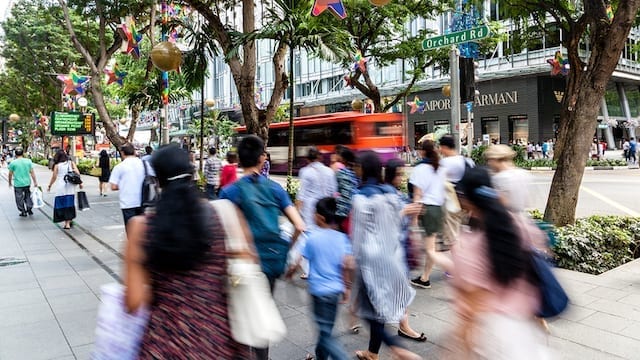
    Takings at the till in Singapore grew faster in May, helped by a low year-ago base and the continued boost from tourist spending after travel restrictions were eased. Retail sales surged 17.8 percent year on year, extending the 12.1 percent growth in April, according to figures released by the Department of Statistics (SingStat) on Tuesday (July 5).

    This exceeded the expectations of analysts polled by Bloomberg, who projected sales to grow by 13.4 percent.

    Excluding motor vehicles, growth was even stronger, coming in at 22.6 percent.

    “The year-on-year increase in retail sales in May 2022 was mainly attributed to the low base in May 2021 when measures such as international travel restrictions were in place,” said SingStat in a press statement.

    Experts said this growth is expected to continue but might be moderated due to higher prices and inflation.

    RHB senior economist Barnabas Gan said: “The retail sales momentum will likely stay buoyed into the third quarter as Asia moves on from Covid-19-related fears. Tourism levels have been picking up across Asian economies, including Singapore.”

    He added that the tight labour market and reopening of Asia’s borders should support spending. “On the back of domestic demand and tourism-led spending, we think retail sales from an index perspective will likely return to pre-Covid levels by the end of this year,” he said.

    But the bright outlook might be muddied by any unexpected worsening of the Russia-Ukraine conflict and China’s economic slowdown, he noted.

    Maybank Kim Eng economist Lee Ju Ye added that the surge in inflation and rising mortgage rates will likely result in some belt tightening by consumers.

    “In particular, sales of discretionary items such as watches and jewellery and recreational goods may be the most affected,” she said.

    Consumers are also expected to lean towards lower-priced items as costs go up, added National University of Singapore business professor Lawrence Loh.

    “In the near term, retail may face a double whammy of moderation in demand and escalation of costs.”

    Within the retail trade sector, most industries recorded year-on-year growth in sales in May.

    Discretionary industries such as wearing apparel and footwear saw sales balloon by 98.2 per cent due to the low base in May 2021, when there was lower tourist spending due to travel curbs.

    Department stores, which were hard hit by Covid-19 restrictions, also saw sales jump by 73.1 per cent.

    This was followed by retailers of watches and jewellery, which recorded higher sales of 60.7 per cent.

    Retailers of food and alcohol saw sales rise by 47.3 per cent, while petrol service stations recorded sales increases of 45.8 per cent.

    In contrast, sales of motor vehicles fell 10.2 per cent.

    Supermarkets and hypermarkets recorded declines in sales of 10.3 per cent, while minimarts and convenience stores saw sales fall by 4.8 per cent.

    This was due to the higher demand for groceries in May 2021 when more people stayed home during the Phase 2 (Heightened Alert) period, SingStat noted.

    Meanwhile, the sales of food and beverage services grew by 40.1 per cent in May on a year-on-year basis, compared with the 11.6 per cent increase in April.

    “The significant growth in food and beverage sales in May 2022 was mainly attributed to the low base in May 2021, when Phase 2 (Heightened Alert) measures were in place, with dining in at food and beverage establishments not allowed for half of the month,” SingStat said.