Tag: Retail

  • Siam Piwat reports surging sales despite lack of tourists in Thailand

    Siam Piwat reports surging sales despite lack of tourists in Thailand

    Solid economic growth averaging roughly 4% annually since 2000 along with the country’s solid industrial and export base has fuelled a steady rise in domestic income across all income levels over the past decade and a half, leading directly to a rise in consumer spending power. Although the sector has been buffered by several shocks in recent years, including the 2015 bombing in the central Ratchaprasong luxury retail district, political upheaval in 2014 and devastating floods in 2011, the Thai retail market has proved resilient due to these strong underlying foundations.

    Thailand’s retail market has attracted a wide variety of local and foreign retailers all vying for their share of the consumer base, resulting in a highly competitive environment. In 2015 a number of key companies continued to assert themselves as major players within the retail landscape. These include CP All and its ever-expanding national network of 7-Eleven outlets along with Tesco Lotus and network of supermarkets and hypermarkets. Central Retail remains active as well in the hypermarket and supermarket segments while Big C and Home Pro stores operate mostly in upcountry areas.

    Recent Recovery

    Retail sales expansion peaked in November 2012 at 54% year-on-year growth before political turmoil engulfed the country two years later, sending growth into the negative for the entirety of 2014 and most of 2015.

    The downturn was largely the result of widespread protests and an eventual military coup in Bangkok, which effectively restricted the flow of traffic into major commercial and retail districts while also dissuading a large portion of foreign tourists from entering the country.

    As the situation normalised somewhat through 2015, retail sales began to recover late in the year with purchases in September increasing 2.79% over the same month in 2014 followed by a 1.04% bump the following month, according to data from the Bank of Thailand. This translated into consumer spending of B1.21bn ($36.4m) in Q3 2015, up a tick from the BT1.20bn ($36.1m) spent the previous quarter.

    “Retail has remained resilient over recent years of slowing economic growth,” Pascal Billaud, the CEO of Central Food Retail Group, told OBG. “The wholesale segment continues to grow at a rate of around 10% annually, while convenience stores and supermarkets are each posting more than 5% annual growth.”

    Strong Base

    Thailand’s 68m-strong population provides retailers with a substantial domestic market to tap into, and while these numbers are eclipsed by larger populations within the region, Thais are among the more financially well-off within the Asia-Pacific region. The country’s GDP per capita increased to an estimated $6108 in 2015 from $6041 the previous year, according to official data. Strong economic growth over the past decade similarly pushed up the adjusted gross disposable income in Thailand 73% between 2005 and 2014, growing from BT7.4trn ($222.7bn) in 2005 to BT12.8trn ($385.3m) by 2014, according to the Office of the National Economic and Social Development Board, providing a greater cash flow available for the retail sector to tap into.

    Overall individual consumption expenditure of households increased to BT8.69bn ($261.6m) in 2014, up from BT7.58bn ($228.2m) the previous year and BT4.40bn ($132.4m) in 2005.

    Spending is becoming focused on the major population centres around the country as a result of a well-trodden path of urban migration as people from the villages aspire for better jobs and living conditions in the cities. This trend is magnified by another demographic shift which has seen increasing amounts of young city dwellers moving out of the parental homes and into condominiums closer to the central business districts, resulting in a reduction of households composed mostly of working adults and middle-class consumers along with shrinking family sizes in general.

    Trending Upwards

    Strong economic growth over the past decade has resulted not only in a quantitative expansion of the retail sector, but also a fundamental shift in consumer preferences and behaviour, particularly in the major urban areas.

    Once dominated by smaller local shops, these traditional mom and pop stores are now being slowly but relentlessly phased out and replaced by new, modern retail centres and shopping malls. This effect is being compounded by the second wave of smaller convenience stores proliferating across the landscape, led by the ubiquitous 7-Eleven franchise which held a 53% sales market share at the end of 2014, according to PwC’s 2015-16 “Outlook for the Retail and Consumer Products Sector in Asia” report.

    Convenience stores now rank as the fastest-growing retail channel in the country and numbered more than 12,000 outlets nationwide by the end of 2014. This growth is being driven in large part by demographic shifts as the proportion of young city-dwelling adults continues to increase.

    These urban consumers have shown increasing propensity for convenience, frequenting smaller shops, stores and supermarkets near their workplaces or transportation routes to purchase daily necessities and meals rather than less-frequent, higher purchases at larger traditional markets. Preferences among this demographic for predictable, higher-quality branded products and ready-to-eat food, along with a greater acceptance for imported food, are also shifting consumption habits.

    The rise of hypermarkets in Thailand largely follows similar expansions seen across the region as foreign retailers continue to make inroads in the market, although sales growth has lagged behind that of convenience stores and supermarkets. The composition of Thai hypermarkets, however, is somewhat unique in one aspect as their product offerings and atmosphere often seek to replicate those of traditional wet markets such as Khlong Toei, which still hold a strong position within the retail sector. These informal local markets often include dozens of separate stalls with vendors hawking all manner of food ranging from fresh meat and fish to fruits and vegetables and have proven to be stubborn competition for newer hypermarkets. But what they lack in traditional experience and reputation, hypermarkets try to make up for with a wider variety of fresh food while also offering lifestyle and entertainment options.

    The two leading players in the hypermarket segment are Big C, a subsidiary of TCC Group, and Tesco Lotus of the UK. In 2010 Big C acquired more than 40 Carrefour outlets, which have since been rebranded and operate as part of the Big C franchise, while Tesco has countered with its recently introduced Extra lifestyle hypermarket store concept offering a wider range of food and non-food products. The intense battle between the two companies for market share has also driven volume sales growth in recent years.

    Continued economic and population growth are projected to boost cumulative hypermarket sales to BT589.24bn ($17.7bn) by 2017, according to Business Monitor International data, with modest annual sales growth rates of 1.55% and 1.27% in 2016 and 2017, respectively. Supermarket sales are expected to increase at a slightly faster clip, up 3.08% and 2.25% over the same time period with national sales totalling BT187.6bn ($5.6bn) by 2017.

    Bolstered by the strongest growth rates in the retail industry, convenience store sales are on pace to eclipse those of supermarket purchases by 2017, with the sector expected to tally BT188.65bn ($5.7bn) in receipts for the year on the back of strong growth rates of 4.11% and 3.21% in 2016 and 2017.

    Bang For The Buck

    Operating at the forefront of the industry, Bangkok’s retail infrastructure continues to expand dramatically with hundreds of thousands of square metres of new retail space being added every year. In spite of the stagnating retail sales in early 2015, there were more than 1.1m sq metres of new retail space under construction in the capital city slated for completion by 2017, according to property services provider CBRE. Of this supply, nearly 500,000 sq metres is located in suburban areas with 41% situated in midtown and another 15% in downtown. This ratio follows the trend of increased focus on the suburbs by both foreign and domestic retailers, which has pushed occupancy rates in suburban Bangkok to 91.2% in Q3 2015.

    As of Q3 2015, the Bangkok retail supply totalled 7m sq metres, up 2.4% compared to the previous quarter and 6.3% greater than the same quarter the previous year. This expansion was due to the opening of six new retail centres in the city which added a combined 162,058 sq metres of net lettable area to the market. The majority of this space was attributed to the opening of the new 132,000-sq-metre CentralPlaza WestGate shopping centre situated at Bang Yai intersection. Roughly half of the total retail space is spread throughout the Bangkok suburbs totalling 3.5m sq metres, with another 2m sq metres of space situated in midtown and the remaining 1.5m sq metres located downtown. In spite of continuous expansion of stock, demand remains high in the city, with vacancy rates running at 8.7% in Q3 2015, with the more expensive downtown locations posting a slightly more elevated rate of 14%.

    International commercial real estate company Colliers put the figure slightly higher with 7.25m sq metres of retail space located in Bangkok and the surrounding area as of Q3 2015.

    Shopping malls accounted for the largest share in the market with approximately 4.23m sq metres of lettable floor space, followed closely by the rapidly growing community mall segment.

    In addition to the growing stock of retail space slated to open up in the next few years, retail developers are also embarking on a wave of renovation projects in order to attract new brands, more customers and ultimately, higher rents. Some of these refurbishment projects include Siam Discovery, MBK Centre, CentralPlaza Pinklao and CentralPlaza Bangna.

    E-Commerce

    Thailand is becoming increasingly digitally connected since the launch of 3G services in 2013, having achieved 94m mobile phone subscribers by mid-2014, one-third of which used smartphones, according to the Hong Kong Trade Development Council (HKTDC). This connectivity is translating directly into the advertising and sales sector, with 58% of Thais reporting that they shopped online using smartphones in 2014, ranking them in the top 10 markets globally for use of a mobile phone to shop online, according to Nielsen. This growing penetration rate, along with increased credit and debit card circulation, has given rise to a dramatic uptake in online retail sales which have grown at a compound annual growth rate of 21% during the 2009-14 period.

    Companies are beginning to take notice, both in terms of advertising and direct sales, as traditional store-based retailers are shifting towards multi-channel sales strategies to tap into this growing market. Although online sales are still relatively new to the country and currently represent only a small fraction of overall sales, digital advertising is providing new avenues to boost sales in traditional brick-and-mortar outlets as well.

    Key Thai retailers such as the Central Group and The Mall Group have launched mobile applications that include their latest products and promotion activities, while numerous other companies have launched their own marketing-oriented apps to promote products and communicate directly with consumers.

    Moving Upcountry

    Moving outward from the shopping epicentre of Bangkok, retailers have become increasingly eager to tap into the north and north-east regions of Thailand which are home to roughly half the country’s population. Often referred to as the “upcountry”, the economic growth of the region topped 25% from 2007 to 2012, surpassing even the impressive 16% expansion of Bangkok during the time, according to HKTDC data. Although the substantial population base has always been attractive as a relatively underserved market in terms of modern retail opportunities, it has been only recently that accelerating economic growth of the area has drawn more tangible action from retailers. Much of this is driven by the increased trade with the neighbouring countries of Myanmar, Laos, Cambodia and Vietnam as a result of formation of the ASEAN Economic Community at the end of 2015.

    Attracted by the prospects of a free flow of goods, capital and labour across borders, industrial activity has gained traction in the uplands, bringing a surge in investments across a number of industries such as food processing, electronics and rubber products. From 2009 to 2014, the inflow of foreign direct investment (FDI) into the north-east region surged at a compound annual growth rate of 49%, more than double the overall FDI growth of the Thai economy as a whole over the same period. Cross-border trade has likewise increased with the removal of tariffs and other barriers, with bilateral trade with Laos more than tripling between 2006 and 2014 to $5.4bn. This flow of money to the north is fuelling job growth in the area, leading to a labour migration to fill new manufacturing positions along cities near the Thailand-Laos border. This windfall has in turn attracted numerous prominent retailers to the region eager to establish a foothold in the budding market. These players include the Central Group, which has established its Robinson Department Stores in Chiang Mai, Udonthani and Mukdahan, while cash-and-carry chain Makro has bolstered its presence in the border areas by launching six megastores in the north and north-east regions in 2014-15. Other companies including Central Plaza, Tesco Lotus and Big C have also established outposts in Udonthani and Nong Khai, which have become busy transit hubs for travellers moving between Thailand and Laos.

    Food & Beverage

    As the largest single component of household spending, the food and beverage (F&B) sector remains a key factor in Thailand’s retail sector. In 2014 food and non-alcoholic beverage purchases made up a quarter of total household consumption valued at BT1.94trn ($58.4bn) on the year. This was up slightly from the BT1.87trn ($56.3bn) purchased the previous year and nearly double the B1.0trn ($30.1bn) consumed in 2005. Alcoholic beverages, tobacco and narcotics consumption contributed another BT265bn ($8bn) in household consumption in 2014, up from BT205bn ($6.2bn) in 2005.

    The types and quality of food consumed in Thailand are also shifting along with rising incomes and greater economic security. The increasingly urbanised customer base is demanding a wider array of processed foods now available in larger supermarkets and hypermarkets, moving away from traditional unprocessed foods sold in fresh markets. A greater exposure to international cultures and foreign food products is also exerting change within the sector in terms of diversifying the product base while the increase in women entering the workplace is also driving demand for convenient, ready-to-eat meals. Frozen food products, particularly frozen-ready meals, desserts and seafood, have shown the strongest growth in recent years along with Western processed food products, which are perceived as being of higher quality than domestically processed food.

    Thailand’s growth in this area is representative of larger overall global retail trends in which Asia as a whole has emerged as the primary growth driver for consumer expenditure on food, beverages and tobacco. Driven by shifts in consumer preferences across the region towards packaged, processed and value-added food and drink products, nominal growth for the sector is expected to average 9% annually, well above the 6.4% global average, according to the Economist Intelligence Unit (EIU). Customers purchased $3.9trn worth of F&B and tobacco in Asia in 2014, and this figure is expected to surge to $5.9trn by 2018, at which time the region will account for around 60% of global consumer expenditure in this category.

    With a stable and expansive retail base already established for the sector across Thailand, demand growth is expected to continue at a moderate pace over the next few years, increasing by 2.9%, 2.9% and 2.8% annually each year in the 2016-18 period, EIU estimates. If realised, this expansion would exceed average annual demand growth for F&B in the Asia and Australia region, which is projected at 2.0%, 1.9% and 1.9% over the same three-year span.

  • Malaysia’s retail sales record double-digit growth in the fourth quarter

    Malaysia’s retail sales record double-digit growth in the fourth quarter

    Malaysia’s wholesale and retail trade recorded the highest monthly sales value amounting to RM120.5 billion in December, with annual sales recording a four percent growth to reach RM1.3 trillion in 2021 compared with the preceding year, according to the Department of Statistics Malaysia (DOSM).

    On a month-on-month comparison, the sales value of wholesale and retail trade rose 2.5 percent, supported by the reopening of various economic sectors including interstate travels. Recall that sales for the whole of 2020 contracted by 5.9 percent ― a historical low.

    In a statement today, chief statistician Datuk Seri Mohd Uzir Mahidin said 2021’s performance was underpinned by wholesale trade, which increased 6.4 percent to RM641.8 billion, followed by retail trade which expanded 4.4 percent to RM533.6 billion.

    In contrast, the motor vehicles sub-sector recorded lower sales compared with 2020, down by 8.2 percent to RM124 billion. Against 2019 pre-pandemic sales, the sector contracted 2.0 percent.

    On a monthly basis, the 3.5 percent rise in wholesale and retail trade in December was contributed by the retail trade sub-sector, which expanded 3.5 percent to RM48.5 billion, due mainly to the six percent growth in non-specialized stores to RM18 billion.

    However, retail sales in specialized stores remained negative, contracting 3.1 percent. The index for retail Internet sales for December recorded a 20.7 percent growth compared to a year ago.

    On a wholesale level, trade also expanded with a 4.1 percent growth to RM57.6 billion in December 2021 driven by an 8.1 percent expansion to RM11.5 billion in food, beverages, and tobacco, followed by agricultural raw materials and live animals with 14.7 percent growth to RM4.7 billion.

    Similarly, other specialized wholesale increased 2.3 percent to RM22.5 billion.

    On a month-on-month basis, wholesale trade grew 2.2 percent, contributed mainly by household goods which rose 4.4 percent.

    Meanwhile, Mohd Uzir said the 1.5 percent growth recorded in the motor vehicles sub-sector was attributed mainly to car parts and accessories sales which rose 11.7 percent to RM3.5 billion. December motor vehicle sales slipped 4.5 percent.

    On a quarterly comparison, the fourth quarter of 2021 (Q4 2021) saw wholesale trade expanding 5.1 per cent to RM169.7 billion, underpinning the wholesale and retail trade combined. Retail trade saw a 5.0 per cent growth to RM142.6 billion.

    Quarterly motor vehicle sub-sector also grew 5.3 per cent to reach RM42 billion.

    In another statement, Mohd Uzir said volume index of the wholesale and retail trade rebounded 1.4 per cent in Q4 2021, bringing the overall performance of this index for 2021 to 2.1 per cent.

    The increase was attributed to motor vehicles sub-sector, which rose 3.7 per cent, followed by retail trade at 2.0 per cent. However, wholesale trade inched down marginally by 0.03 per cent in the period.

    For quarter-on-quarter comparison, the volume index jumped 16.3 per cent, supported by motor vehicles which surged 136.9 per cent.

    Compared to Q4 2019, the volume index expanded by 2.1 per cent.

    “As for seasonally adjusted volume index, wholesale and retail trade soared 15.3 per cent as against Q3 2021.

    “All sub-sectors recorded positive growth namely motor vehicles (137.1 per cent), retail trade (8.5 per cent) and wholesale trade (6.0 per cent),” he noted.

    Mohd Uzir added that volume index of wholesale and retail ended 2021 with 124.1 points after a 2.1 per cent growth due to wholesale trade and retail trade, which grew 3.8 per cent and 3.4 per cent, respectively.

    As for pre-pandemic comparison, the sector remained below 2019 figure with a negative 4.2 per cent, pulled down by motor vehicles sub-sector, which slipped 10.2 per cent.

  • E-commerce saved fashion designer Tadashi Shoji during pandemic

    E-commerce saved fashion designer Tadashi Shoji during pandemic

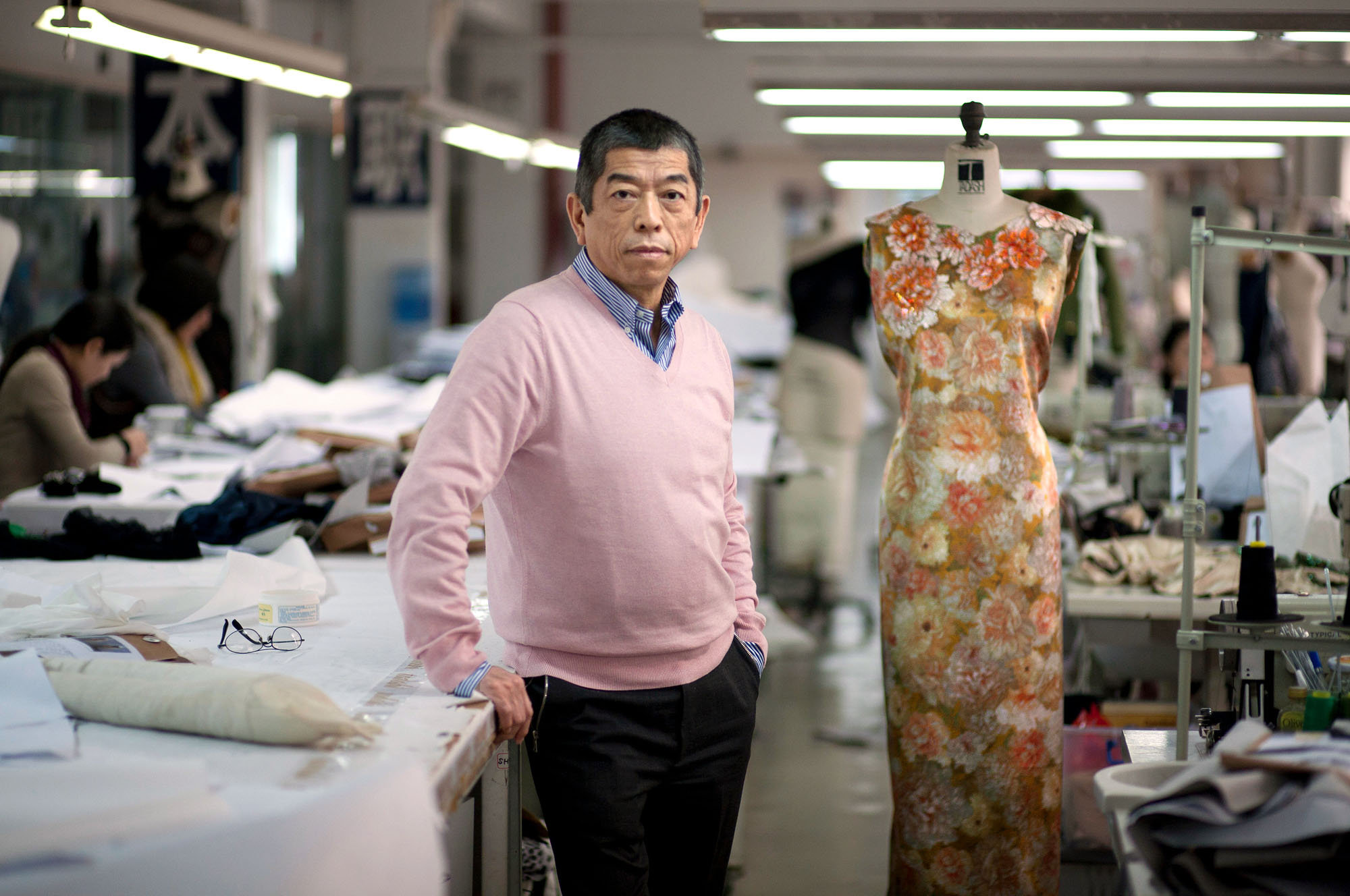
    After closing all his stores, veteran fashion designer Tadashi Shoji said he has been able to keep his business afloat during the Covid-19 pandemic thanks to the success of e-commerce and custom sales.

    The Los Angeles, California-based brand released its digital runway show online on Saturday during New York Fashion Week.

    Keeping costs low, the video was filmed in the company’s cafeteria with creative lighting and editing.

    “Logistically it’s very hard, but it’s very fortunate for us because of Covid our e-com is increasing tremendously. That’s helping me to survive in this Covid time,” Shoji said.

    “If we didn’t have this strong e-com infrastructure for us I think, I think our business went down,” he said.

    Shoji said this season was inspired by “boundless expression” and has added different silhouettes to his normal body-con repertoire.

    Menswear was the inspiration for many looks with stretch velvet, shimmer and slits providing femininity.

    The designer’s signature draped tulle, lace and hand beading made the collection look familiar to his long-time fans.

    New York Fashion Week will end on Feb 16 with over 150 designers having presented their collections live or online.

  • Retail Trends Set to Shape the Customer Experience in 2022

    Retail Trends Set to Shape the Customer Experience in 2022

    The Asian retail landscape is significantly challenged today. With supply chain issues impacting on stock levels, increasing volumes of returns and increased customer expectations in relation to online deliveries – local brands will have a hard time in satisfying customers in 2022. As a result, retailers will find that they quickly need to adopt new systems and approaches that help meet the consumer demand for a seamless and more personalised shopping experience today and into the future.

    So what trends will shape the customer experience over the next year across Asia and what do retailers need to know?

    Returns management will increasingly impact consumers’ perception retail brands

    While eCommerce has served as a lifeline for retailers over the past year, the ever-increasing volume of returns is posing significant challenges, including impacting consumer perceptions of a retail brand. The returns process can regularly make or break the overall brand experience and savvy retailers are increasingly viewing the return process as an opportunity to further engage with customers, providing as it does, an additional touchpoint to enhance the overall customer experience.

    Retailers today need to have greater visibility and more intelligence around their inventory, regardless of where it is currently residing in their network. Smarter front-end omnichannel systems capable of efficiently dealing with customer enquiries and greater insight into data around transportation processes will be the key areas for brands looking to solve the challenges presented by the growing returns trend.

    The war for talent will put pressure on supply chain operations

    Given the extent to which a positive or negative customer service interaction can have on a shopper’s perception of a retail brand, the war for talent and need to retain high performing staff will create additional business pressures. In such an environment, organisations need to focus on selling themselves as an employer of choice and create and promote initiatives that set their business apart in a competitive hiring field.

    Given the need to retain IP in a challenging hiring market, more employers are focusing on career planning and succession internally to ensure adequate support and training for workers to move up the ladder. Many supply chain and retail organisations are also offering financial support for further tertiary education studies or providing retention bonuses to ensure continuity.

    Micro-fulfilment will help drive supply chain efficiencies and cost savings

    As eCommerce and ‘store to door’ delivery continues to grow, many retailers are struggling to turn a profit from online sales. The challenges of the last two years didn’t just fast-track eCommerce uptake, they also accelerated advances in technology, pushed businesses to revaluate traditional models, and forced many to rethink relationships between retailers, disruptive start-ups and automation; setting the scene for a radical shake up of fulfilment strategies over the coming year.

    One of these fulfilment strategies, and one of the most cost-effective trends retailers and supply chains are adopting is micro-fulfilment. Micro-fulfilment involves moving out of large singular DCs to smaller and more local and convenient hubs. By expediting the fulfilment process, micro-fulfilment gives brands the opportunity to get goods to their customers quicker; whilst also providing convenient collection point for consumers. With the adoption of this kind of smart fulfilment method, retailers can get their goods to consumers faster, cheaper and more efficiently.

    Visibility and forward planning will help future-proof retail and supply chain operations

    With supply chain issues leading to stock level challenges for many retailers, the last thing any business wants is to run out of stock – or worse, to later find out that the stock they needed was in the warehouse the whole time.

    To mitigate this, operational visibility and forward planning remain fundamental to retail and supply chain continuity and efficiency. To gain these insights, solutions like a Warehouse Management System (WMS), which integrate all sales and distribution channels into one place are requried. With innovations like a WMS, retailers have absolute transparency around their goods and are able to review the rules of stock allocation, temporarily giving priority to in-store stock over warehouse stock, thus, freeing up any trapped inventory confined within closed stores.

    For more information on how your retailer business can enhance the customer experience in 2022, please visit: www.manh.com/en-sg

    Written by Richard Wright, Managing Director, SEA, at Manhattan Associates

  • Strong end to the year for Singapore retail sales

    Strong end to the year for Singapore retail sales

    Retail sales in Singapore will continue to see modest growth in December as well as in the first quarter of 2022 on the back of increased mobility, according to a report by RHB.

    RHB said retail sales in Singapore have been on an uptrend since July based on the three-month moving average.

    “Retail sales are anticipated to rise in the year ahead as domestic demand continues to recover amid the pick-up in overall business activities. This is also aided by the expected improvement in the labor market in 2022 as the unemployment rate steadily falls, with the latest monthly print of 2.6% for October,” RHB said.

    It said that fluctuations in sequential readings may occur due to year-end demand increase, particularly on spending in the discretionary industries.

    The Department of Statistics Singapore reported that retail sales for November 2021 inched up 1.9% year-on-year (YoY), reaching a value of $3.7b, whilst food and beverage sales climber 0.6% YoY in November 2021 reaching $706m.

    Travel restrictions in Singapore are also expected to occur gradually in 2022 which will increase visitor arrivals and support spending on retail sales especially in the second half of the year, RHB said.

    However, it said that the new strains of the coronavirus may slightly delay the re-opening of borders and easing of restrictions.

  • Behind e-commerce giant Lazada’s success in pandemic-hit year

    Behind e-commerce giant Lazada’s success in pandemic-hit year

    In light of its proud achievements in 2021, Lazada Vietnam expects more breakthroughs in 2022 to bring more value for their customers and partners.
    Lazada hit impressive milestones in 2021, with remarkable profits, site traffic and record number of orders and new sellers on the platform, and step-by-step attracted consumers and partners across the country.

    Looking back on a breakthrough year, Lazada Vietnam’s leaders shared their experiences in surviving the pandemic, thereby continuously creating more value for customers, users as well as business partners.

    An amazing digital migration

    The pandemic has posed many challenges, but it has also pushed businesses to adapt the digital transformation. Ladaza Vietnam’s CEO described this amazing “digital migration” of Vietnamese businesses as an “astonishing wave”.

    Since October 2021, the number of new sellers joining the platform has increased by about 30 percent per month. According to the recent report: “E-commerce in 2021: Adapting and quickly overcoming obstacles from Covid-19”, in the first 11 months of the year, sellers from non-urban areas accounted for 40 percent of all new merchants on Lazada.

    The percentage of new sellers from Hanoi and Ho Chi Minh City also increased by 29 percent and 31 percent, respectively. Fast-moving consumer goods (FMCG) recorded the highest increase, followed by fashion, home furniture and electronics. James Dong, CEO of Lazada Vietnam and Thailand, believes this is a good sign for Vietnam’s fastest growing momentum.

    James Dong, general director of Lazada Vietnam and Thailand. Photo by Lazada Vietnam
    James Dong, CEO of Lazada Vietnam and Thailand. Photo by Lazada Vietnam

    To support sellers, Lazada has shortened the listing process, and integrated business management solutions with real-time charts. The platform has also implemented marketing, promoting transportation process, ensuring on-time, non-contact, non-cash delivery to reduce risks of Covid-19 contamination for buyers and sellers.

    During the peak of the pandemic in HCMC, Lazada shortened the sales registration process to three hours for fresh food suppliers, and reduced the delivery time. These solutions helped reduce the risk of spreading infections, stabilizing food prices, and meeting urgent consumption needs.

    Moreover, Lazada’s “three Easy” (3Es) strategy including “Easy to buy – Easy to sell – Easy to deliver” has yielded achievements. “The benefit and safety of customers and business partners are always the top priority of the platform,” according to the CEO.

    “The practical test” for the supply chain

    Vu Duc Thinh, Chief Logistics Officer of Lazada Vietnam, described the supply chain situation during the epidemic as “terrible”. For more than four months, transportation, sales, and trading activities were almost frozen. The flow of raw materials, goods production, distribution and transportation were all interrupted.

    “Without goods, sellers fail to conduct business. Without duct tape, sellers can’t pack their goods. Even after tackling those difficulties, if shipping units shut down, buyers won’t receive the goods,” Thinh explained.

    Overcoming obstacles, Thinh and the Lazada Vietnam logistics team made several efforts to adapt in order to maintain operations and maintain item flow. Epidemic-prevention solutions at working sites were quickly deployed to ensure the safety of employees and customers.

    Vu Duc Thinh, logistics director of Lazada Vietnam,
    Vu Duc Thinh, Chief Logistics Officer of Lazada Vietnam. Photo by Lazada Vietnam

    “We all work from 5 a.m. to 11 p.m. every day. At the end of the day, we usually evaluated the effectiveness of our work and make adjustment for the next day,” said Thinh.

    Looking back at 2021, Thinh is proud that Lazada is one of the few e-Commerce platforms in Vietnam to maintain its supply chain during the pandemic. The logistics system completed the target from the beginning of the year. Some indicators exceeded expectations. Efforts to ensure smooth operations not only helped business remain stable, but also meet the increasing demand of consumers. That contributed to maintaining growth for Lazada, ensuring jobs and stable income for all staff.

    “The ability to adapt with a long-term vision for sustainable development is Lazada’s strength. Lazada has focused on technology and logistics since the early days of development and the importance of this strategy is proved,” Thinh stated.

    Besides logistics, Lazada has carried out many marketing activities to help the community overcome the challenges in the past year.

    Nguyen Thi Thuy Hang, Chief Marketing Officer of Lazada Vietnam, said the marketing team always set their KPIs as the peace of mind, optimism and comfort of users and the community. Lazada has flexibly approached and interacted with customers via many activities.

    By offering discount vouchers, Lazada has encouraged shopping. For loyal customers, the platform has provided the “Voucher club” package with many benefits like collecting vouchers with a total value of up to VND850,000 and VND50,000 a month.

    Nguyen Thi Thuy Hang, marketing director of Lazada Vietnam
    Nguyen Thi Thuy Hang, Chief Marketing Officer of Lazada Vietnam. Photo by Lazada Vietnam

    “Incentives can solve cost-related problems, but it needs more factors to really share with the community,” said Hang. That is why in 2021, Lazada’s shoppertainment (shopping and entertainment) activities were heavily invested. Hundreds of livestream episodes were performed every day with diverse content, meeting entertainment needs via LazCook, LazMusic, LazGetfit, LazLearn, LazHome, LazPlay…

    According to statistics from Lazada Vietnam, during the peak days of its Shopping Festivals, the platform created more than 400 livestream episodes per day, attracting a 5-6 times increase in viewership compared to weekdays. SuperShow, a music festival, also reached tens of millions of views on its platforms.

    Total orders during the Nov. 11 shopping festival nearly doubled. Customer numbers increased 1.5 times over the same period last year. On the 12.12 Super sale day, sales from LazLive increased seven times. The SuperShow hit 26 million views, contributing to a 20-fold increase in sales.

    “Technology is expected to be the key to enhancing the user experience. This year, we will apply more modern technologies, accompanying users in the shopping experience on the Lazada platform,” Hang shared.

    “The best person is not necessarily the most suitable one”

    In terms of recruitment and training human resources, Van Thi Hong Hanh, Chief People Officer of Lazada Vietnam, said the success of Lazada last year was thanks to its young, adaptive, proactive and creative staff.

    This platform set out a competency framework consisting of seven criteria as the foundation for personnel, recruitment, training and career development decisions and plans. The criteria include problem-solving ability; creativity and improvisation; communication – coordination; business knowledge; management capacity – group leadership; corporate culture creation; awareness – change management.

    Van Thi Hong Hanh, human resources director of Lazada Vietnam
    Van Thi Hong Hanh, Chief People Officer of Lazada Vietnam. Photo by Lazada Vietnam

    During the pandemic, Lazada has implemented the “Covid Care 2.0” program, ensuring the health of both employees and the community. Working from home, getting fully vaccinated, providing protection kits, and supporting Covid-19 infected employees were quickly implemented. Many programs were also implemented to motivate, connect and honor outstanding individuals and groups.

    In 2021, Lazada’s workforce rose by 20 percent in comparison to 2020. According to HR Asia magazine, Lazada was named “Asia’s Best Place to Work” for three years in a row due to a range of policies and initiatives with a people-centric strategy. In addition, at Best Choice Awards 2021, the platform was named “eCommerce platform of the year”.

    “What makes Lazada so outstanding is that we don’t get distracted by short-term financial goals or transient statistics. Instead, we always strive for long-term, more sustainable growth by constantly improving the customer experience and extending our brand partners and sellers,” James Dong emphasizes.

  • Reliance joins calls for India to tighten marketplace rules

    Reliance joins calls for India to tighten marketplace rules

    Vedanta Chairman Anil Agarwal on Tuesday said India is on the path of encouraging ease of doing business and stressed that the government is production-minded and not revenue-minded.

    In a tweet, Agarwal said trust, talent, and technology are the cornerstones of development.

    ”We fully agree with PM Shri Narendra Modi Ji at #DavosAgenda that it’s the best time to invest in India. It is a great opportunity for entrepreneurs to identify partners and investors to collaborate with them, as general consciousness is that they’d like to work with local entrepreneurs,” he tweeted.

    He also tweeted, ”#India is definitely on the path of encouraging ease of doing business. Govt. is production minded and not revenue minded.” Citing India’s commitment to deep economic reforms and the ease of doing business, Modi on Monday asserted that this is the best time to invest in the country as policy-making is focused on the needs for the next 25 years for a ‘clean and green’ as well as ‘sustainable and reliable’ growth period.

    In his special address to the World Economic Forum’s online Davos Agenda 2022 summit, Modi underlined a host of reform measures undertaken by his government to stress that it has worked to reduce the administration’s interference in business by deregulating many sectors and to clear the way for free trade agreements with different countries.

    India was once associated with ‘License Raj’, he had noted highlighting the measures, including the reduction of corporate tax to boost business and doing away with over 25,000 compliance requirements.

    He also mentioned new challenges, including cryptocurrencies, facing the world and said they call for countries to respond together as measures by any one country may be inadequate.

  • Cognac sales jump 31 per cent as drinkers go upmarket

    Cognac sales jump 31 per cent as drinkers go upmarket

    Cognac sales surged by nearly a third last year as American and Chinese drinkers guzzled old vintages, in the latest sign premium drinks makers are putting the pandemic behind them.

    Sales of the brandy, produced in the Cognac region of France, rose by almost 31 percent in value to €3.6 billion (US$4.1 billion), industry group BNIC said on Monday.

    Volumes were up 16 percent to 223.2 million bottles.

    “This growth reflects a real recovery of cognac, as well as new consumption habits,” BNIC said in a statement, noting sales had also risen compared with 2019, before the pandemic struck.

    The outlook should remain positive in the coming months for all destinations, BNIC added.

    The news comes after France’s champagne industry said last month it expected record sales in 2021, and follows strong results from several spirits companies.

    Cognac sales to its largest market, the United States, climbed 11 percent, with 115 million bottles shipped in 2021.

    Sales to China, its second-biggest, leapt 56 percent with 34 million bottles shipped, while European sales were up 8 percent to reach 37.1 million bottles.

    In late November, spirits group Remy Cointreau raised its full-year profit forecast after a better-than-expected first half, driven by strong demand for its premium cognac in China, the United States, and Europe.

    Pernod Ricard, which owns Martell cognac, also pointed to a jump in sales in China.

    The 2021 harvest, at 867,312 hectolitres, was within the 10-year average and should support further growth for the sector, BNIC said.

  • Value-added tax to be cut to 8 pct from February

    Value-added tax to be cut to 8 pct from February

    A draft government decree reduces value-added tax on many products and services from the current 10 percent to 8 percent from Feb. 1.

    The decree on tax reduction to foster economic recovery approved by the National Assembly will also make expenses on pandemic prevention deductible.

    The VAT cut will lead to a loss of some VND49.4 trillion (over $2.1 billion) in revenues, according to the Ministry of Finance.

    The deductible expenses will lead to a loss of VND2 trillion.

    The lower VAT rate will not apply to telecommunications, information technology, financial activities, banking, securities, insurance, real estate, metal, and prefabricated metal products, mining (excluding coal), coke, refined petroleum, chemicals, and chemical products, and goods and services subject to excise tax.

  • Asos hit by supply chain disruption, volatile Christmas demand

    Asos hit by supply chain disruption, volatile Christmas demand

    British online fashion retailer ASOS reiterated its already downgraded outlook on Thursday after supply chain constraints and volatile demand limited sales growth in its four months to Dec. 31 trading period.

    It posted total sales growth of 5%, following a 22% rise in the year to end August, and said gross margin decreased by 400 basis points to 43.0% driven by a need to discount goods and higher freight costs.

    For the full year it reiterated its outlook of revenue growth in the range of 10%-15% and adjusted profit before tax of 110 million pounds to 140 million pounds. That hit its shares when it was published in October, and would represent a more than 40% drop on the year before.

    “ASOS has delivered a robust start to the year, in line with the guidance we set out at full-year results, despite challenging market conditions,” Chief Operating Officer Mat Dunn said.

    ASOS, once a darling of the stockmarket, was hit by a difficult end to 2021, when it cut its annual profit forecast and parted ways with its CEO following supply chain pressures and a return by shoppers to pre-pandemic ways.

    While shoppers often return partywear clothing and fashion, incurring a cost for the company, they retained the athleisure wear bought during the pandemic to use at home, giving the company a boost to its finances during lockdowns.

    Its shares are down 56% this year, prior to Thursday’s update, mirroring similar falls seen at rival Boohoo which has also been hit by high product return rates, disruption to international deliveries and inbound freight costs.

    ASOS added that it intended to move to the LSE’s main stock market, expected by the end of February.

  • Vietnam retail sales down in 2021

    Vietnam retail sales down in 2021

    Data of the General Statistics Office (GSO) of Vietnam showed that the country’s total retail sales of consumer goods and services from January to October reached VND3,720 trillion (US$162.4 billion), down 8.6% compared with the same period last year.

    Food and foodstuffs were the only sector whose retail sales rose, with a year-on-year increase of 4.4%.

    All other sectors suffered a decline in retail sales. Retail sales of vehicles; tools, equipment, home appliances, educational and cultural products; and clothes edged down 6.7%, 11.1% and 11.7% year-on-year, respectively.

    HCMC, which always leads the country in retail sales, saw a year-on-year decline of 26.2% from January to October 2021. Retail sales of other big cities and provinces such as Can Tho, Hanoi and Khanh Hoa fell 4.8%, 4.4% and 18.6% against the same period last year, respectively.

    Some localities enjoyed a slight increase in retail sales, including Danang (up 0.9% year-on-year), Dong Nai (up 3.7%), Binh Duong (up 6.4%) and Haiphong (up 8.7%).

    Accommodation and catering services were the hardest hit sectors. From January to October, accommodation and catering revenues plunged 38.8% year-on-year in HCMC, 35.9% in Nghe An, 25% in Binh Duong, 22.8% in Dong Nai, 19.5% in Hanoi, 17.3% in Danang, 12.7% in Quang Ninh, 11.1% in Can Tho and 6.4% in Haiphong.

    Travel revenues also dropped sharply in January-October, down 67.5% year-on-year in Thua Thien-Hue, 58% in HCMC, 53.4% in Danang, 49.9% in Haiphong, 45.7% in Hanoi, 41.5% in Quang Binh, 34.2% in Ba Ria-Vung Tau and 30.6% in Quang Ninh.

    Travel restrictions aimed at slowing the spread of Covid-19 and lost incomes have negatively affected the retail market.

    According to the General Statistics Office, the retail market always posted double-digit growth from 2016 to 2020.

    The country’s retail sales were US$118 billion in 2016 (up 10.2% year-on-year), US$129.56 billion in 2017 (up 10.9%), US$142.8 billion in 2018 (up 12.4%), and US$161.7 billion in 2019 (up 12.7%).

    In 2020, despite the negative impact of the Covid-19 pandemic, total retail sales of consumer goods and services amounted to US$172 billion, up over US$11 billion from 2019.

    As the Covid-19 pandemic has been brought under control, many services have been allowed to reopen since early last month. The country’s total retail sales of consumer goods and services in October rose 18.1% month-on-month.

    The General Statistics Office expected the resumption of economic activity and increasing demand in the year-end season would help the retail sector recover strongly.

  • Retail sales in Hong Kong continue to recover slowly

    Retail sales in Hong Kong continue to recover slowly

    Hong Kong’s economy lost some momentum in the second quarter but still expanded by 7.5% from a year earlier, as domestic and global activity continued to recover from last year’s pandemic-induced slump.

    Despite some slowdown in robust export growth, the government said the city’s economic recovery remains on track as global demand picks up and local coronavirus fears ease.

    The preliminary gross domestic product (GDP) estimate released on Friday compares with a revised growth rate of 8% in the first quarter and forecasts of 8.4% by DBS and 8.5% by ING.

    On a quarterly basis, the economy contracted by a seasonally adjusted 1% in April-June, its first decline since the second quarter of 2020. That compared with a revised 5.5% growth in the previous quarter.

    “The global economic recovery should continue to support Hong Kong’s exports of goods in the near term, though there may be some moderation from the exceptionally strong performance in the first half of 2021,” a government spokesman said in a statement along with the GDP figures.

    “Exports of services should likewise sustain growth,” the spokesman said, adding that a stabilized pandemic situation locally and a consumption voucher scheme will help stimulate consumer demand.

    For the first half of 2021, the economy grew by 7.8% over a year earlier. The government maintained its full-year growth forecast at 3.5%-5.5%.

    Analysts caution, however, that the recovery will be uneven. While consumer spending is improving as coronavirus worries ebb, international travel restrictions will continue to weigh on tourism and related retail and services sectors.

    The trade-reliant city is also benefiting from mainland China’s swift recovery from the COVID-19 crisis, though China’s growth rates are slowly returning to more normal levels.

    Hong Kong’s economy fell into its longest recession on record in early 2019, weighed down by huge anti-government protests followed by the pandemic in 2020.

    Seasonally adjusted unemployment slipped to 5.5% in April-June, from 6% in March-May and 6.4% in February-April. Exports jumped 33% in June, their eighth straight month of growth.

    Retail sales rose 10.5% in May from a year earlier, the fourth consecutive monthly gain, but growth lagged pre-pandemic levels as inbound tourism is virtually non-existent.

    Hong Kong reported two new imported COVID-19 cases on Friday, with no local community infections recorded in over 50 consecutive days.

    The government has urged more people to get vaccinated to pave the way for a reopening and broader based economic recovery. About 35% of the population has received the recommended two doses and 47% have had their first dose.

  • Understaffed businesses need 300,000 plus workers in HCMC

    Understaffed businesses need 300,000 plus workers in HCMC

    Facing labor shortages, businesses and factories in HCMC need around 310,000 workers this year should Covid be controlled.

    According to a recent survey by the HCMC Center of Forecasting Manpower Needs and Labor Market Information (Falmi), the city’s labor market faces two scenarios depending on future Covid development.

    If Covid-19 is brought under control, businesses need to recruit 280,000-310,000 workers. The demand for human resources in the first quarter would be nearly 87,000, second quarter over 72,000, third quarter 74,000, and fourth quarter, 77,000.

    Should the pandemic situation remain complex, the city’s labor demand would be about 255,000-280,000 staff. The highest would be in the first three months of the year at over 78,000.

    The trade and service sector has shown the sharpest increase in recruitment demand this year, accounting for nearly 66 percent and including commerce, transportation and warehousing, accommodation, catering and others.

    Recruitment demand for the industry and construction group accounts for over 33 percent, including mechanical engineering, electronics production, food processing, beverage, and pharmaceuticals.

    The report found up to 86 percent of recruitment demand does not require workers to have a college degree.

    Regarding market response, Falmi stated that on average, the city produces about 500,000 students and graduates each year, including from university, college, intermediate, elementary and vocational training levels.

    Therefore, it is expected the city’s labor force would meet recruitment demand among enterprises this year.

    The agency noted that this year the city’s labor force would reach nearly 5 million employees, of which more than 3 million work in enterprises and factories.

    Last year, according to a Falmi survey, nearly 65,000 businesses across HCMC had to recruit more than 174,000 workers, though the number of job seekers was only around 135,000.

  • B2B shopping app taps Vietnam’s e-commerce potential

    B2B shopping app taps Vietnam’s e-commerce potential

    The ranking of businesses in Vietnam’s map of e-commerce changed in the second quarter of 2021, with the volume of Google searches for essential online stores skyrocketing, according to an iPrice Group study.

    The study showed online groceries were the only category to maintain steady and consistent growth since the beginning of the pandemic. Google searches related to online grocery stores in the second quarter of this year increased by 223 percent against the first quarter. The number of searches increased 11 times in July compared to May, and 3.6 times compared to June when the social distancing order under Directive 16 was implemented in some provinces and cities.

    People pay more attention to fresh food, beverages, pre-packaged items, fruits, and veggies as the searches of these items surge by 99 percent, 51 percent, 30 percent, and 11 percent, respectively, compared to the previous quarter. Thus, social distancing could be one of the factors driving the surge in demand for online supermarkets. With the growing necessity of purchasing essentials online, retailers are more likely to adapt to the digital platform.

    Buy2Sell, a B2B platform for imported goods, launched a new application in December to compete in the e-commerce race in Vietnam. Buy2Sell’s application focuses on high-end products, especially imported organic food, genuine cosmetics, and other lifestyle items.

    From 2022, Buy2Sell will expand to allow domestic sellers on its platform instead of only international vendors as previously. It would still enable any buyer matching a seller’s MOQ (order minimum) to purchase goods at wholesale prices.

    Buy2Sell has established a flexible delivery policy between sellers and buyers on its platform and application, where sellers can deliver the goods themselves to buyers instead of waiting for a long period of time. This helps buyers receive the goods quicker.

    All goods displayed on Buy2Sell will be authenticated from their origin. The quality of origin guarantees no imitations, fake goods, low-quality goods to be distributed through this platform. Buy2Sell established a consumer protection policy on selling prices and warranties, under the commitment for all sellers.

    Through its elaborate distribution system (both wholesale and retail) since 2015, and with a completely different market segment from other e-commerce players, Buy2Sell will become a known name. In the coming years, the company intends to strongly contribute to the development of Vietnamese technologies and bring changes to the consumer landscape.

  • Moleskine opens its first retail store in SEA

    Moleskine opens its first retail store in SEA

    It’s been a big year for Brioni. The fashion house has marked its 65th year by collaborating with us on our ’Wallpaper* Handmade… in Italy’ exhibition, opening several new stores and – of course – throwing a large party. And now it is celebrating the milestone with a commemorative Moleskine notebook, which it’s giving to friends of the brand, illustrated by the whimsical hand of the artist, Carlo Stanga.

    Eschewing fashion’s customary glossy images, Stanga has created a series of playful and informal vignettes depicting the tailoring brand’s history and identity. On one page, a team of tiny characters spills from the pockets of a giant suit jacket as they carry out its finishing touches. And on another, there are a series of Brioni-clad Oscars, with a caption that reads: ’Brioni conquers Hollywood.’

    ’We were attracted to Carlo’s work by his fresh and modern stroke,’ says Brioni. The brand has a large archive of illustrations. From its inception in 1945, up until the 1970s, it collaborated with artist, Luigi Tarquini. ’We feel that illustration is a warmer art form than photography,’ the fashion house explains.

    Next up for Brioni is the opening of its new stores in China and Düsseldorf, plus September will see its first fashion show with Alessandro Dell’Acqua at the creative team’s helm.