Tag: Retail

  • Shinsegae, Naver win bidding battle for EBay South Korea

    Shinsegae, Naver win bidding battle for EBay South Korea

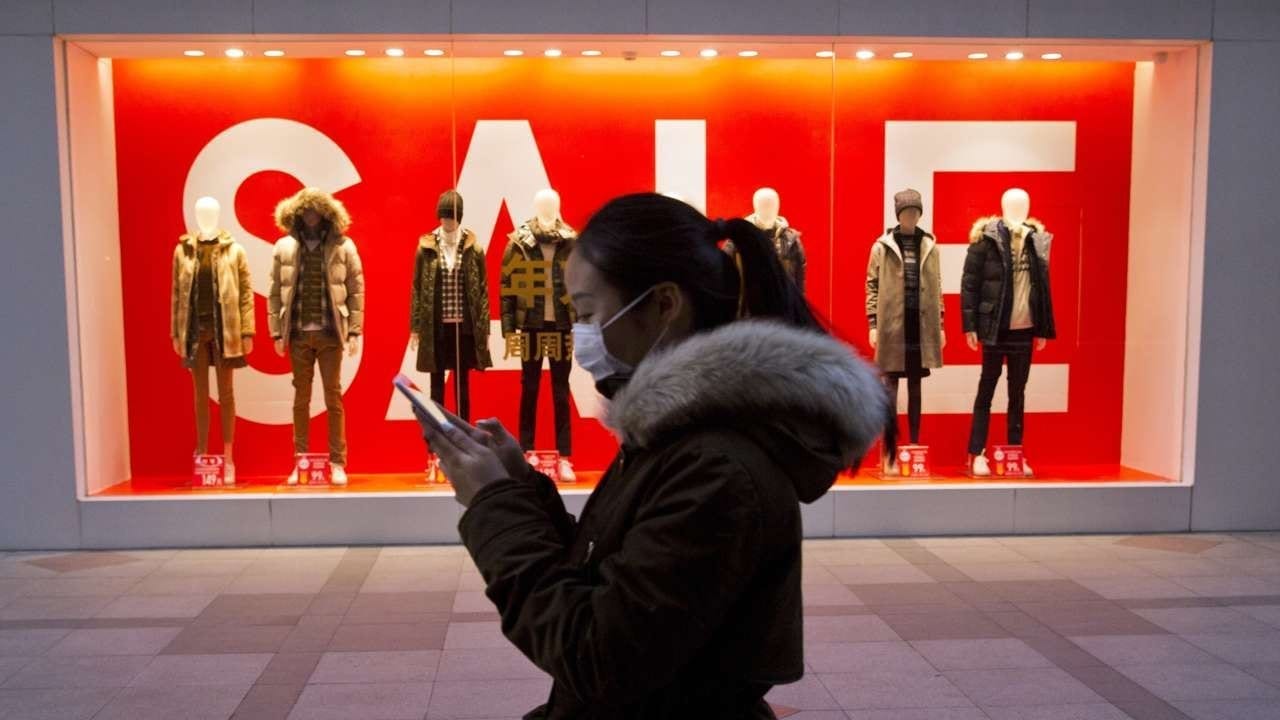
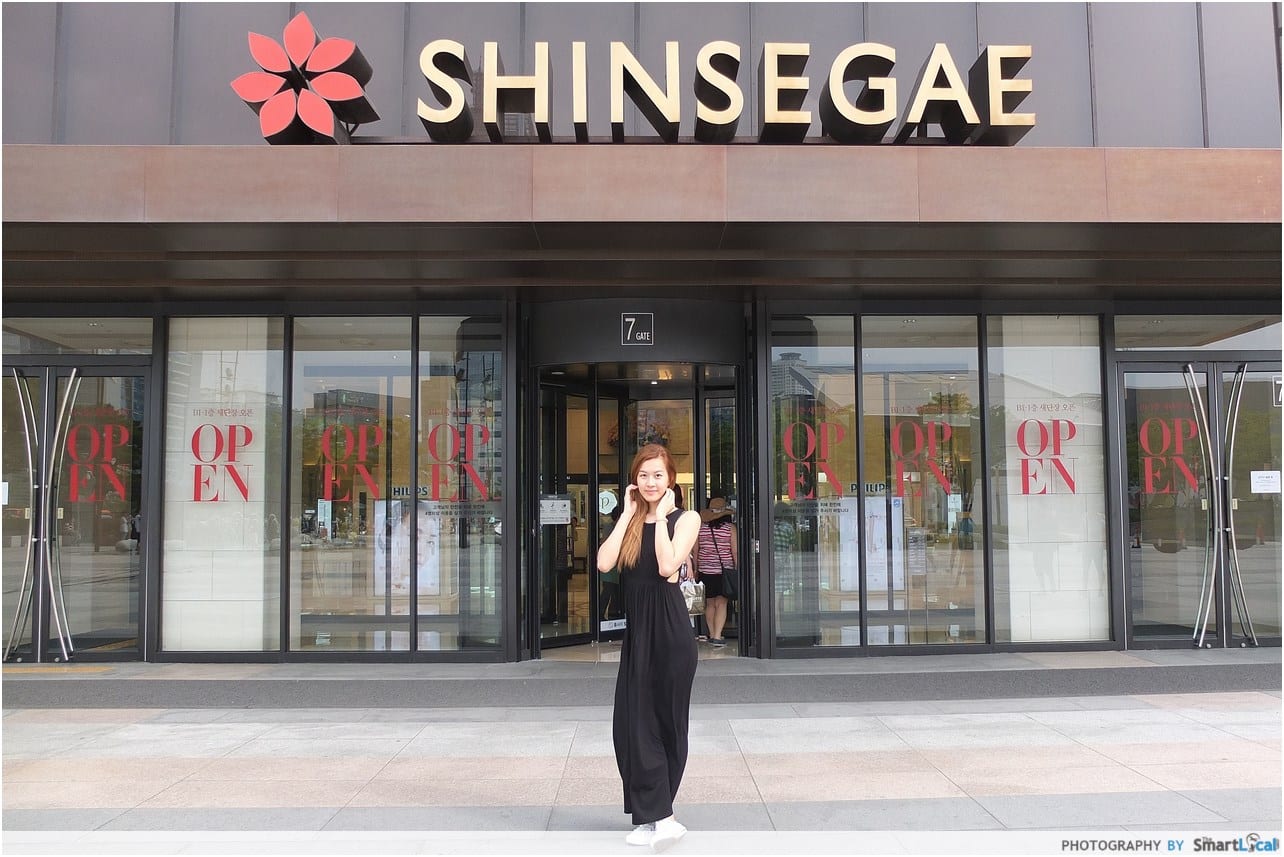
    South Korean retail giants Lotte Shopping and Shinsegae Group have submitted separate letters of intent for online marketplace eBay Korea, the retailers’ spokesmen confirmed on Monday.

    It is a deal that will almost certainly shake up the country’s e-commerce retail segment, potentially propelling one of the country’s largest retailers into becoming the leading omnichannel operator in South Korea.

    SK Telecom, South Korea’s biggest mobile carrier, and private equity firm MBK Partners, the largest shareholder of discount store chain Homeplus, reportedly dropped out of the race to acquire eBay Korea, which has been up for sale since last year.

    This week’s formal bidding marks the second attempt to divest its interests by eBay Korea – which represents about 11% of global sales within the U.S.-based eBay corporation – and it wants at least $4.43 billion, a price that is looking increasingly attainable.

    South Korea’s total e-commerce transactions jumped 25% last year according to Trade Ministry estimates and eBay Korea represents about 12.8% of South Korea’s e-commerce market, just trailing Coupang at 13% and market leader Naver with 18%. Its revenue is estimated at $1.17 billion, with an operating income of $76 million.

    Coupang listed on the New York Stock Exchange in March, becoming the largest Asian company since Alibaba to go public in New York and raising $4.6 billion. Founded by billionaire Bom Kim, a Harvard business school dropout, Coupang is now the country’s most valuable start-up with a market capitalization of more than $60 billion, backed by Softbank’s Vision Fund.

    By contrast, Lotte and Shinsegae’s market shares in the country’s e-commerce sector are estimated at just 5% and 3% respectively and the takeover of eBay Korea by either could reshape the country’s online retail segment and fast-track the winning bidder into a market-leading position. Both have struggled to catch up with the major online competitors, especially after the impact of the Covid-19 pandemic.

    However, the picture is complicated. Naver could be one of the biggest beneficiaries if Shinsegae is successful as it is believed to be offering support in financing any acquisition. The retailer and portal established a strategic alliance in March and Shinsegae could switch to Naver Pay as the payment platform for three e-commerce websites operated by eBay Korea: Gmarket, Auction and G9. At present, eBay Korea uses its own online payment system called Smile Pay.

    Top South Korean cellphone carrier SK Telecom and retail group E-Mart were still among the remaining suitors as the preliminary round of bids sought by the U.S. parent closed 16 March.

    Indeed, SK Telecom had been the leading candidate. The group also operates the online platform 11Street through a subsidiary, making SK Telecom the fourth-biggest e-commerce provider. But 11Street has struggled to grow, leading SK Telecom to partner with Amazon AMZN 0.0% in November in a collaboration initially limited to 11Street hosting Amazon products, but likely to expand in scope.

    Meanwhile, Lotte will no doubt view the purchase of eBay Korea as a springboard for rebuilding the group’s online business. In April 2020, the group merged the e-commerce sites of its department stores, supermarkets, electronics shops and other physical retail affiliates under one shopping platform called LotteON but it has failed to make much headway.

    While all the potential suitors have refused to give much away, Kang Hee-tae, CEO of Lotte Shopping, admitted during a spring shareholder meeting: “We’re certainly interested.”

    Launching in 2000, eBay Korea quickly grew and last year earned around $75 million in operating profit. But eBay Korea has been squeezed by rivals in recent years, while activist investors like Elliott Management have urged eBay to shed assets with poor growth prospects.

    The U.S. parent’s hope of securing a lucrative deal initially looked ambitious but then Coupang went public successfully, boosting its hopes.

    Whoever wins the battle for eBay Korea, the fact that the rivals are both major retail players should heat up the market and could lead to an array of collaborations and partnerships to fight scale with scale. South Korea is on the brink of the biggest online shake-up since eBay announced its arrival over two decades ago.
  • Temples inspire design of Uniqlo’s latest Tokyo retail store

    Temples inspire design of Uniqlo’s latest Tokyo retail store

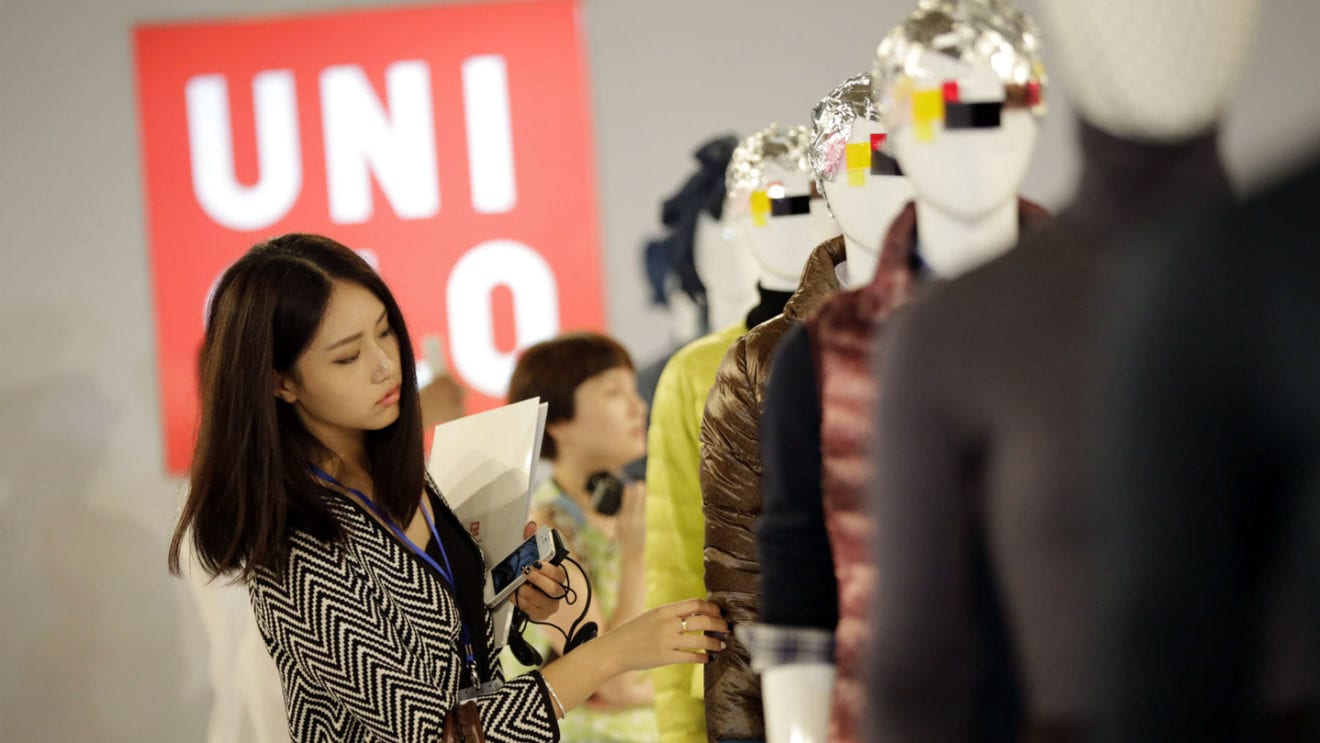
    Uniqlo opened the doors of its newest large-format store on Friday, in the historic and culturally significant neighborhood of Asakusa. The store follows the concept of “our neighborhood” and aims to support the area’s local businesses, residents, and artisans.

    With a selling area of more than 21,000 square feet, Uniqlo Asakusa also boasts one of the longest continuous store windows of any Uniqlo store. It is located in the heart of Asakusa, which prior to the COVID-19 pandemic was bustling with international tourists on any day of the week. The area is known for its historic pedestrian lanes lined with souvenir stores and leading up to Senso-ji, Tokyo’s oldest Buddhist temple and one of its most significant. It is also a district that hosts the workshops and stores of many traditional craftspeople, some of whom Uniqlo featured in various ways inside the store.

    The double-level main entrance to the store is dominated by a giant paper and wooden lantern, which was created by a local workshop and hand-painted with the Uniqlo logo. At nearly six feet per side, it was both the largest lantern the shop had ever created, as well as the first cubic one. In addition, signage used throughout the store was inspired by “senjafuda” votive strips that are a common sight at temples and shrines across Japan.

    Uniqlo also collaborated with local businesses on various products to mark the opening of the store. For example, small ceramic plates designed with traditional snack-maker Asakusa Tokiwado will be available for sale in limited quantities, while original teacups will be given to the first 3,000 customers to spend 5,000 yen or more during the opening weekend. There are also original UTme! stamps that are only available at the Asakusa store to use in customizing T-shirts and tote bags.

    Throughout the store, Uniqlo has highlighted products from local shops, from stationery to skateboards, encouraging customers to explore the neighborhood in order to purchase such items and discover others. Other features of the store include a larger than usual space where customers can try on and order tailor-made items, areas highlighting sustainability and fitting rooms that feature artworks by a local artist, and photographs of Asakusa from the past and present.

  • South Korean retail firms Lotte and Shinsegae bid for EBay Korea

    South Korean retail firms Lotte and Shinsegae bid for EBay Korea

    South Korean retailers Lotte Shopping and Shinsegae Group entered separate binding bids for eBay’s South Korean business, the retailers’ spokesmen said on Monday.

    eBay Korea – South Korea’s third-largest e-commerce firm with a 12.8% market share in 2020, according to Euromonitor – is on sale for what eBay hopes could be up to 5 trillion won ($4.5 billion), analysts said.

    The retailers’ spokesmen declined to comment on the terms of their bids. An eBay Korea spokeswoman also declined to comment.

    Local retail giants Lotte and Shinsegae have struggled to catch up to leading competitors like South Korea’s No. 1 e-commerce firm Coupang in the fast-growing online shopping sector, especially after the onset of COVID-19.

    South Korea’s online shopping transactions were worth 161 trillion won in 2020, accounting for a record 27.2% of total retail transactions, up from 21.4% in 2019.

  • Mercedes-Benz Introduces ‘Direct To Customer’ Retail Sales Model In India

    Mercedes-Benz Introduces ‘Direct To Customer’ Retail Sales Model In India

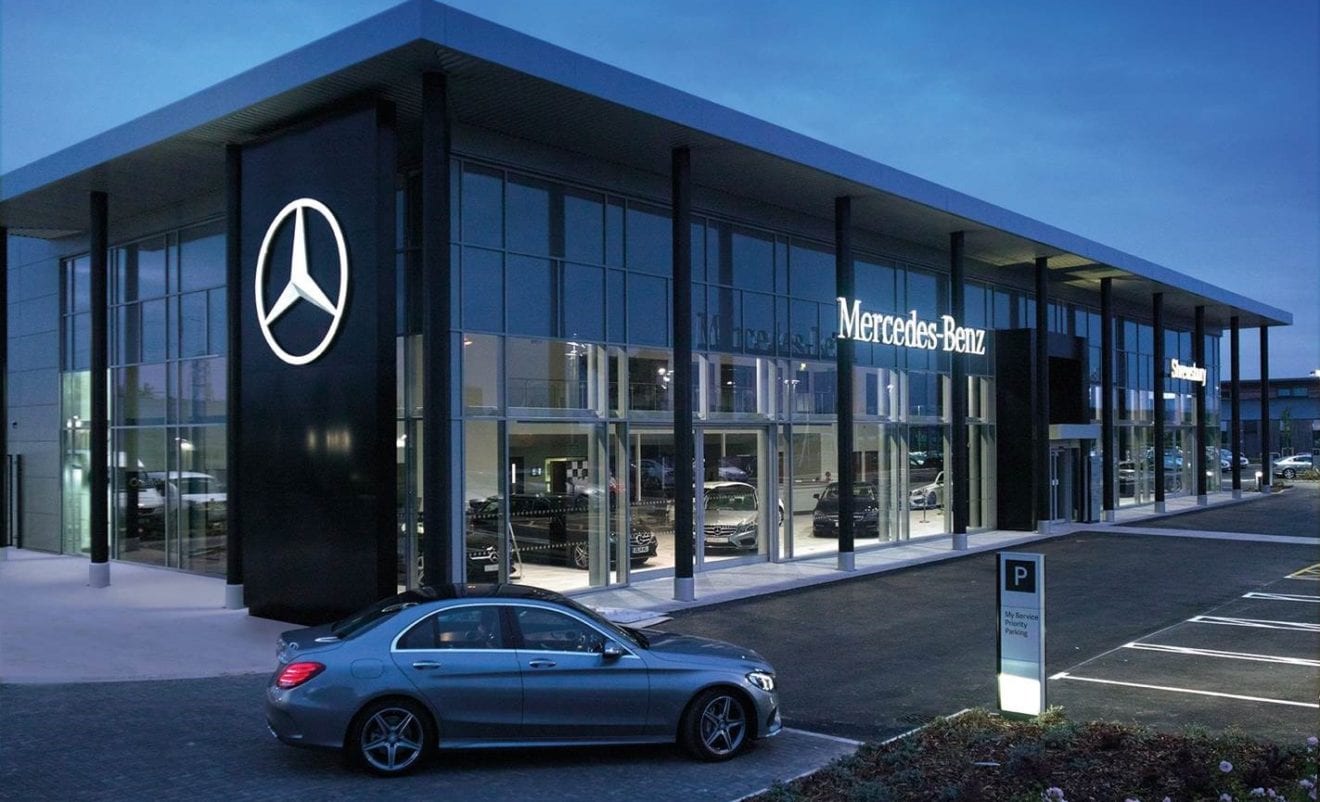
    Mercedes-Benz India today introduced its new retail sales model called ‘Retail of the Future’ (ROTF). With this new model, the company plans to promote a ‘direct to customer’ retail approach to creating a more customer-centric brand. To the effect, under this business model, Mercedes-Benz India will own the entire stock of cars, sell them via appointed Franchise Partners, invoice the new cars to the customers directly, process the order, and fulfill them. This would also mean that the company will offer one transparent price across India. The new retail model will be applicable only for new car sales, whereas other verticals like – customer service, pre-owned cars, and allied businesses will remain unchanged.

    Talking about the introduction of the new retail sales model, Martin Schwenk, MD & CEO, Mercedes-Benz India said, “This long-term strategic move will strengthen our customer focus by introducing a fundamental transition in the retail business in the market. It also will deliver a win-win solution for both customers and Franchise Partners, underscoring our clear vision for a future that is sustainable, empowering and digital. The advent of new sales channels has brought sweeping changes in customers’ aspirations and requirements and being a customer-obsessed brand, we have adapted our current business models to meet our customers’ aspirations and needs.”

    Commenting on Mercedes-Benz India’s new retail model, Vinkesh Gulati, President, FADA India said, “The agency model introduced by Mercedes India will be an out-of-the-box thinking by the company. Even though the model has tested waters internationally, India is a unique market where customer physic is very different as they change Dealers and even brands on any additional discount. Even though on the face of it, this model looks beneficial for the dealer community dealing in Premium Brands with low Volume but we will need to see if this model can work with mass-market brands so that every dealer can benefit from it.”

    Now, for customers, this might not be a big change. They will still have to visit the showroom or go online to purchase the vehicle, and, they will continue to the facilitated by the franchise representatives. What will change, however, is they’ll get uniform and transparent pricing, larger stock availability for choosing, and better customers service as that will become the major focus areas for dealerships. However, things will be widely different for franchise partners, the dealers, who will be operating on reduced risks and liabilities right now. A direct-to-customer retail model would mean they won’t have to worry about inventory cost, warehousing of the stockpile, which is added cost to dealers right now.

    However, this also means that dealers won’t be able to offer selective discounts or deals to attract buyers to compete with other dealers and gain more margin. Instead, now, in order to compete with other franchise partners, dealers will have to offer improved customer service, which will be measured based on what the company calls the CSI rating. In short, dealers will get commissions instead of sales margin.

    As for Mercedes-Benz India, it will be responsible for centrally managing the selling price of all new cars. The company will also be owning and managing the entire stock of new cars and will have to take care of order processing and fulfillment. This means the company will stop wholesale despatches to dealers. The company says that this new retail model will allow Mercedes-Benz to have better control over volume scalability and achieve price stability within segments. The company will also get improved forecasting with regards to the market trends and customer insight, along with better inventory management.

    Mercedes-Benz India will implement its new Retail of the Future sales model starting from the fourth quarter (Q4) of the 2021 calendar year.

  • Vincom Retail sets conservative business targets

    Vincom Retail sets conservative business targets

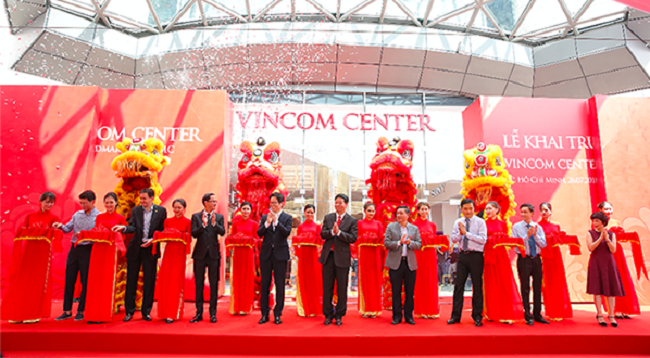
    Vincom Retail targets a post-tax profit of VND2.5 trillion this year, up 5 percent from 2020 but lower than in 2019.

    The mall developer and subsidiary of conglomerate Vingroup eyes revenues of VND9 trillion, up 8 percent from last year but marginally below the 2019 figure.

    It has set these conservative targets after a challenging 2020 caused revenues from leasing fall by 14 percent as social distancing kept people away from malls.

    This year, it plans to focus on developing mega malls at Vinhomes’ urban complexes. Its Vincom Mega Mall Smart City in Hanoi is set to open in the third quarter.

    It also plans to open two Vincom Plaza malls in the southern localities of My Tho and Bac Lieu.

    Vincom Retail currently operates 80 malls.

  • Could stockless stores be the future of retail?

    Could stockless stores be the future of retail?

    We have all seen the headlines and excess of statistics about the uptick in online shopping over the past year. The global boom in eCommerce is obvious, but what is less clear is the vast impacts the last year will have on traditional retailers in the longer-term as ‘new’ consumer behaviour now becomes the ‘norm’.

    Along with the continuing popularity and convenience of eCommerce – health, hygiene, and social distancing will continue to be matters that consumers tackle with wariness, at least for the medium-term. However, in-between the various lockdowns witnessed in Southeast Asia, retailers were learning to adapt to the nuances of their new operating backdrops: virtual queueing, curb-side pickup, contactless payment options and even using physical stores as mini-fulfilment centres.

    One of the biggest challenges at the start of the pandemic when stores closed their doors was the issue of in-store goods. Lockdown saw large volumes of stock trapped in closed store locations that couldn’t be sold, or even reintroduced to the supply chain for eCommerce purposes. Further down the line, this stock was then forced to be sold at huge discounts once stores could reopen, or in some cases inventory was arduously and eventually made available for eCommerce fulfilment – which was great for consumer’s pockets, but bad for retailer’s balance sheets.

    Is there really any need to have stock in stores at all?

    Looking ahead, having a smaller volume of inventory within stores will ensure retailers avoid this position again. However, if customers can’t, or are unwilling to try on the items they’re looking to buy, is there really any need to have stock in stores at all? Realistically, aside from the safety implications of having multiple customers handle the same item of clothing, the more stock held in a store, the less accessible and less profitable it is.

    Back in the late 90s, leading UK retailer Argos’ model was regarded as unusual for its approach, using its stores as mini-distribution centres, only having the goods on display with a ticketing system for purchase. Now however, this approach could actually become the default for many retailers in the future, using things such as virtual queuing systems, increased use of mobile tills to ensure social distancing, and stock used for display purposes only.

    The disruption of 2020 has made retailers realise that stock located in the ‘wrong’ place greatly impacts sales, profitability, and the customer experience. So, why not also use the learnings of the past 12 months as a catalyst to change the whole philosophical approach to the physical store?

    Change makes for better innovation

    Much of the brick-and-mortar retail industry has been changing for many years now, but the pandemic may well represent the short-term, significant shock needed to kick-start a retail renaissance, with brands rethinking the best use of their most valuable assets – the bricks and square footage of their flagship stores.

    The next decade will likely see brands looking to reinvent their in-store presences in a move towards more experiential brand experiences, rather than effectively super-sized showrooms full of products across all sizes and colours, as in the not-so-distant future, the traditional shopping trip we once knew may well be completely transformed.

    Instead of the multi-coloured array of bags associated with leading fashion brands, tomorrow’s Southeast Asian shopper may well be bag-less.

    Racks of clothes could be replaced by mannequins displaying fashion combinations as shops reduce the levels of goods they hold, with smart mirrors allowing shoppers to use virtual or augmented reality to try on clothes in a completely contactless environment.

    Likewise, shoppers will be able to avoid queueing, instead using app-based queuing and mobile point of sale technology through iPads and contactless payments – and while some stock may be available to take home there and then, more likely than not, it will be delivered on the same or next day to the customer’s home – in effect, a reverse click & collect.

    Retailers must adapt with consumer behaviour change

    Consumer behaviour has changed drastically over the past year, so in order for retailers to align with their consumers, approaches to retail and how the in-store experience actually operates must adapt too. In the past, out of stock would have meant out of business, however, that may not be the case today.

    As speculative as it might sound, the environment that the retail industry is operating against today means that the less stock a store physically holds, the better off it might actually be. If retail is to recover and grow again over the coming years, the way in which physical stores are operated and used has to change.

    What is clear is that the off the street shopping experience we once knew isn’t going to return, however, the important thing is to recognise that this is okay, and if anything, it is paving the way for a better, more innovative era of retail. With an increased awareness of shifting consumer behaviour, an understanding of the latest applications possible for supply chain and retail technology, and a willingness to think more creatively and innovatively about how best to use valuable floor space, retailers will be able to reinvent the brand experience on offer in their flagship stores, welcoming in a brick-and-mortar renaissance of epic potential.

    For more information on how you retail business can best adapt with consumer behaviour change, please visit: https://www.manh.com/en-au

    By, Richard Wright, Managing Director, SEA, Manhattan Associates


  • Central Retail sales rebound to 90 per cent of pre-Covid levels

    Central Retail sales rebound to 90 per cent of pre-Covid levels

    Thai group Central Retail says it achieved 90 percent of its pre-Covid sales performance in the March quarter, the result of what CEO Yol Phokasub described as “thriving on steadily regaining balance” during a time of challenges and uncertainties”.

    First-quarter sales were down 9.7 percent to US$1.56 billion, however, net profit was down 48.4 percent to $14.65 million.

    In a statement, the company said that considering the semi-lockdown situation resulting from the second and third waves of the pandemic – when most businesses stopped trading – the impact on the retail market was more severe than the previous year.

    Phokasub said the company was able to take advantage of a broad portfolio of retail brands which enabled business agility during the Covid crisis, including synergy between the Central and Robinson department stores. It also benefited from the expansion of the Tops Market both within Thailand and in Vietnam, its Go! Malls concept in Vietnam and the recent acquisition of the B2B omnichannel books and stationery business.

    He said that during the year ahead Central Retail plans to increase work efficiency and productivity through technological development and strong cash flow while looking for new business ventures to diversify its portfolio.

    “Central Retail’s long-term vision and business plan before the Covid-19 pandemic remain unchanged, and that is to achieve sustainable and profitable growth.”

  • Industry groups warn watchdog of “anti-competitive” Woolies in PFD probe

    Industry groups warn watchdog of “anti-competitive” Woolies in PFD probe

    Five peak industry bodies that banded together to oppose Woolworths’ potential acquisition of PFD Food Services have warned the ACCC to maintain a focus on the grocery group’s “track record of anti-competitive behavior”.

    The group partnered in February to block the acquisition, stating it would grant the company inordinate influence over the food sector in Australia.

    The anti-competitive behavior, such as pricing out competitors and utilizing private-label goods to undercut brands Woolies itself stocks, has been seen across a number of industries including hardware, petrol, and liquor, and has been indulged in by other retail giants beyond Woolworths, according to Richard Hinson, chairman of Independent Food Distributors Australia.

    “If the consequences of this transaction weren’t so series, it would be laughable that Woolworths has proposed undertaking it says will preserve competition while in the next breath admitting they could be rolled back within three years subject to the fine print,” Hinson said.

    “ACCC chair Rod Sims has already admitted that behavioral undertakings can’t be policed on a daily basis. The reality of this has been demonstrated over and over again.”

    And, according to the combined group, the proposed undertakings put forward by Woolworths earlier this week did nothing to address the concerns they had already put forward: That the acquisition will reduce choice and increase costs for foodservice operators; reduce distribution choice for suppliers; increase costs for suppliers; erode the value chain for suppliers; and, it will significantly reduce innovation in the space.

    “Both sets of Woolworths’ undertakings do absolutely nothing to reduce their significant market power in Australia and should be viewed for what exactly they are: a smokescreen to try and divert attention away from the five key concerns we have raised which remain unaddressed,” said Australasian Association of Convenience Stores chief executive Theo Foukkare.

    COSBOA chief executive Peter Strong said it is increasingly important that the ACCC understands the consequences of getting this decision wrong.

    “Our members, particularly those in regional Australia, have already been hard hit by the Covid-19 pandemic and, if allowed, this transaction will destroy many small businesses and cost thousands of jobs within our $11 billion industry.”

    MGA chief executive Jos de Bruin said this was an example Woolworths using its “deep pockets” on a “creeping acquisition” which it will use to further dominate the food and grocery market and lessen competition.

    “MGA’s members have long advocated that Woolworths domination of Australia’s grocery, food distribution and liquor markets is already so strong that the Woolworths Group ought to be considered for divesture to rekindle consumer choice,” de Bruin said.

    Woolworths has previously said it is confident it can address the concerns of industry parties and will ultimately receive a green light from the ACCC.

    “Critical to the success of our proposed partnership with PFD is maintaining long-term, collaborative and sustainable supplier and customer relationships. The undertaking provides further assurance to our previous public commitments to keeping supplier and customer information confidential,” a Woolworths spokesperson said.

    “We continue to submit to the ACCC that the proposed partnership will give rise to no substantive competition concerns irrespective of the undertaking we have offered.”

  • Hongkongers return to stores – but sales still well down over two years

    Hongkongers return to stores – but sales still well down over two years

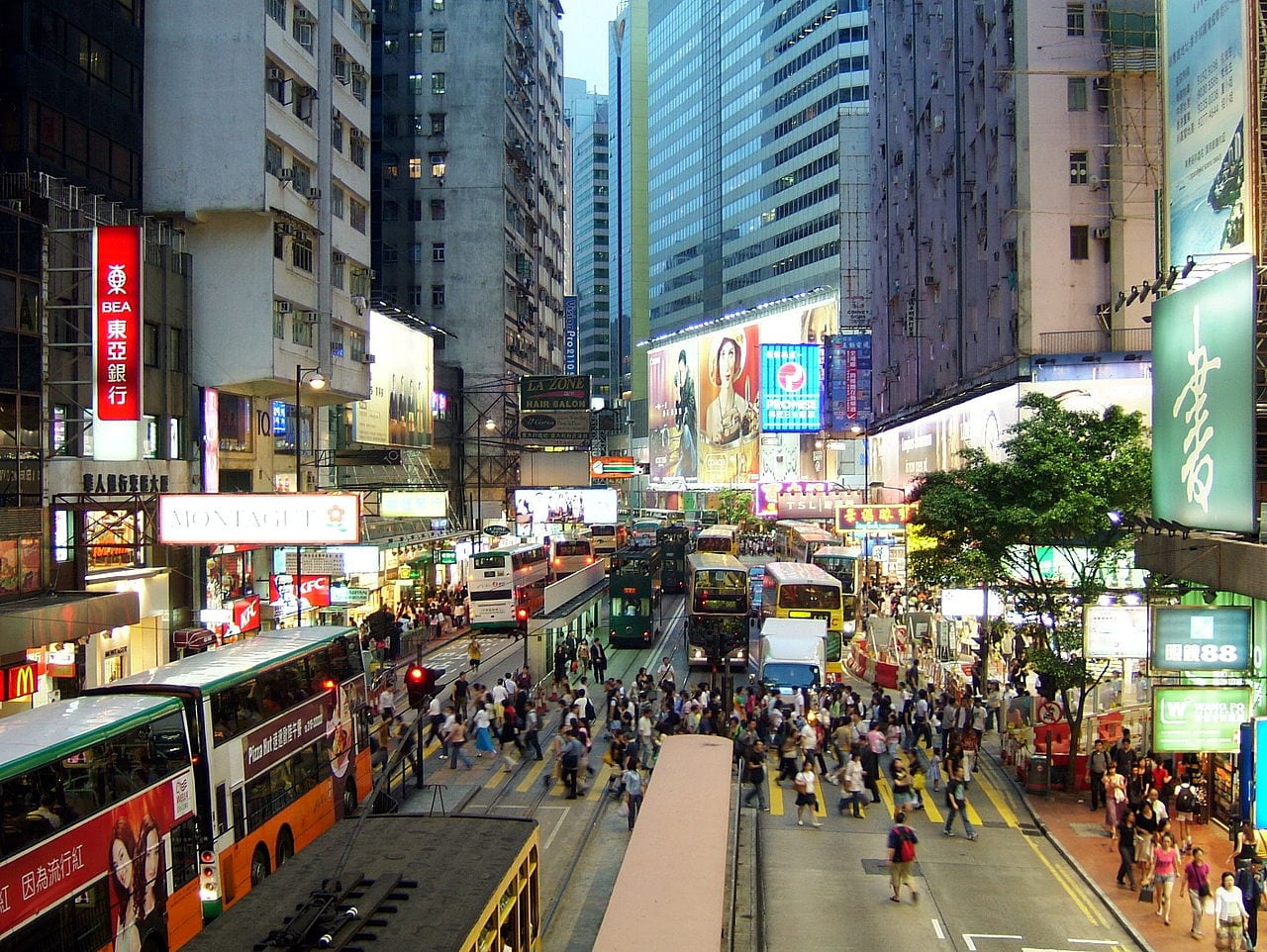
    The local consumer retail demand is projected to get worse in the new year, most especially those that are riding on the tourism sector, which is also expected to be sourer at the same time. In a survey by the Hong Kong Retail Management Association (HKRMA), 97% of the respondents have posted losses starting mid-2019. About 30% of this figure said that they will resort to laying off 10% of their staff, whilst 43% stated that they will have to close down in the next six months.

    The respondents of the survey involves 176 companies, which have more than 4,000 stores and 89,700 employees.

    However, a Bloomberg report stated that this equated to around 5,600 employees that are set to lose their jobs and the retail sector will not be saved by usual holiday rush. David Ji, describes this as the worst-case scenario for the sector.

    “Retailers who used to have stores concentrated in major shopping areas may consider dispersing their stores to the neighborhood areas. As people have avoided going to crowded areas, sales in community malls, neighborhood malls and suburban malls, which offer daily necessities to locals, were relatively more resilient and saw solid sales even amid Hong Kong’s social unrest,” Ji added.

    In a study by PwC in 2017, the total retail sales in Hong Kong was likely to relive its 2013 peak of $494.4b (US$63.3b) in 2020, whilst jewellery and watch sales may also return to a high of $118.3b recorded in the same year.

    Its healthy growth pace continued throughout 2018 and started off positively in 2019, according to a report by Cushman & Wakefield. It was well-supported by the new transportation links to mainland China as it fueled an increase in visitor arrivals to Hong Kong. Over the first two months of the year, mainland arrivals saw the largest growth in five years, growing by 19% YoY and by 21% YoY for same-day visitors.

    It went on through June and provided a boost to foot traffic and retail sales in some sectors such as cosmetics and non-discretionary retail.

    Then by July, Hong Kong’s retail market has struggled amidst the growing social unrest and resulting disruption to retailers’ businesses throughout the city. Mainland tourist arrivals plummeted as the unrest escalated and in October, the number of visitors from the Mainland dropped by 45.9% YoY, the steepest decline ever in a single month. Retail sales naturally followed, dropping by 24.3% YoY in the same month, after a drop of 18.2% YoY in September.

    The decline was led by jewelry and watches which recorded a fall in sales of 42.9% YoY, followed by medicines & cosmetics (down 33.5%). These two used to lead Hong Kong’s retail sector two years ago.

    It wasn’t just the social unrest that kept the retail market at bay. “The continuation of social unrest is obviously the key challenge followed but the further deterioration of the Chinese economy, which is key for HK’s growth,” said Alicia Garcia-Herrero, chief economist at Natixis.

    A note by DBS Group Research also noted that exports of travel services (down 32.2%) was dampened by a weaker Chinese yuan. Tourist’s hot picks such as clothing, jewelry, and cosmetics/medicines fell by 20%-40% and will be a big slap for retail sales where tourist spending accounts for 40% of the sector’s performance.

    In addition, the unemployment rate of consumption and tourism-related sectors (16.5% of labor force) already leapfrogged from 3.9% in June to 5.0% in October, lifting the headline 3 months moving the average jobless rate from its 20-year low of 2.8% to 3.1%.

    “Looking ahead, the retail sector will stay weak due to subdued local demand. Hopefully, the temporary rental adjustments for tenants could contain the risks of large-scale closure of businesses and laid-off,” DBS said in the report.

    Across the retail property scene, rents continue to go down which will endanger Hong Kong’s status as the most expensive retail street. Cushman & Wakefield stated that in Q4 2019, the decline in rentals across all submarkets has become even steeper, falling to its lowest level in more than five years.

    Landlords are struggling to retain their tenants, Lawrence Wan, senior director for advisory & transaction services– retail at CBRE Hong Kong added that local pharmacies and larger F&B outlets have abandoned leases over the past few months.

    “Landlords and high street shop owners are considering to provide short-term lease discounts to retain tenants, to alleviate the impact of the social unrest on retailers’ performance. Retailers are consolidating their operations and looking to upgrade their products and service offerings with enhanced customer experience to encourage spending,” Wan said.

    He also added that the rent levels will continue to drop in the short run. But in the long run, this might as well be the “new normal” that retailers have to adjust to. Such will be largely dependent on any government policies and measures that will help the market recover.

    “[W]e can expect a rental adjustment which will allow the retail market to  become more sustainable than what we had experienced in the past few years whereby rents were at very high levels. It will be difficult to predict the timeframe but retailers should get prepared and review their business strategies to cater to the “new normal,” Wan noted.

    Even though there are a number of retailers looking to leave Hong Kong, the region still saw some new openings during the events of the social unrest. Charles Chan, senior Asia retail analyst at IGD, cited the re-launch of beauty retailer Sephora, who have left the market ten years ago. It promised to bring 40 brands in their stores.

    “The re-launch of Sephora provides an indication of how Hong Kong’s retail landscape has shifted. Shoppers expect exciting digital store engagements and touch points rather than just a range of products presented to them. We have also seen Lush, for example, launch its first Asia Naked concept store in Hong Kong, whilst Don Don Donki opened its first store in Hong Kong in July earlier this year,” Chan shared.

    On the digital front, ecommerce platforms may not be as affected as they are still grabbing a larger market share, according to Ji. “In view of this, more physical retailers have already set up online sales channel to catch up the trend. On the other hand, some have leveraged the latest technology such as AR to enhance in-store shopping experience for customers,” Ji added.

    However, Chan still warned that brands and retailers need to be articularly careful on inadvertently choosing a political side in their marketing and messaging.

    A survey by YouGov showed which brands have been the most negatively affected in terms of consumer spending, where most cases are correlated to controversies around the protests. Chinese electronics firm Xiaomi’s brand metric score dropped 40.5 points to -4.1 from a score of 36.4 last August. Its decline started when it released a new smart TV carrying a slogan that is said to mimic chants in the gathering.

    “Despite the uncertain economic and political circumstances, we have seen businesses continue to innovate to stay relevant. The re-launch of Sephora provides an indication of how Hong Kong’s retail landscape has shifted. Shoppers expect exciting digital store engagements and touch points rather than just a range of products presented to them. We have also seen Lush, for example, launch its first Asia Naked concept store in Hong Kong, whilst Don Don Donki opened its first store in Hong Kong in July earlier this year.”

  • Doors open wider for Vietnam exports to the US

    Doors open wider for Vietnam exports to the US

    A large demand for agricultural produce and electronics products as well as rising e-commerce potential give Vietnamese exporters greater opportunities in the U.S. market, experts say.

    The U.S. is a market with much potential for Vietnamese companies, especially as Vietnam has been able to keep the Covid-19 pandemic under control, said Nguyen Huu Tien, director of the HCMC Investment and Trade Promotion Centre.

    The U.S. was Vietnam’s largest export market in the first four months with the value of shipments surging 50 percent year-on-year to $30.3 billion.

    Top export categories included machinery and equipment, textile and garment, and computers and electronics.

    Last year, Vietnamese exports to the U.S. ranked third in Asia after China and Japan.

    Ken D. Duong, director of international law firm TDL, said that traditional categories such as agriculture produce and fisheries were posting strong figures despite the pandemic.

    U.S. companies have stopped purchasing some hardwood products from China and are looking for alternative markets, he said, adding that last year, many Vietnamese companies were able to take advantage of this and got large orders.

    Many Vietnamese-Americans are looking for suppliers in Vietnam to export products to the U.S., he added.

    There are a lot of opportunities for electronics export because a number of American and Taiwanese firms have established factories in Vietnam to research and develop internet of things products.

    “There are signals that indicate that Vietnam could become a hub for researching and manufacturing advanced tech products,” Duong said.

    Amazon Global Selling Wednesday announced a new campaign in partnership with the Vietnam e-Commerce and Digital Economy Agency (iDEA) that would help Vietnamese sellers sell more products on Amazon.

    But other experts said there were challenges that Vietnamese exporters face, such as trademarks. They cited the latest example of a Vietnamese rice brand, ST25, which won an international contest as the world’s best variety, being trademarked by a U.S. company.

    Duong said that usually it costs $1,000-1,800 to register a trademark in the U.S. Around 50 percent of mid-sized Vietnamese companies in the U.S. register their brand and the ratio is just 10 percent for small firms.

    Vietnamese suppliers need to understand U.S. regulations on intellectual property to step up in the global supply chain, he added.

    Dang Hoang Hai, head of the iDEA, said that as many Vietnamese sellers are reluctant to export their products to the U.S. via e-commerce, his organization will provide more training to help hundreds of small and medium companies sell their products on Amazon.

    Although there has been speculation about the U.S. rejoining the Comprehensive and Progressive Agreement for Trans-Pacific Partnership (CPTPP), U.S. officials have said that this would not happen in the short term.

    Mary Tarnowka, executive director of American Chamber of Commerce in Vietnam, cited a report by a Fulbright University professor to show that U.S. President Joe Biden will not consider signing another free trade agreement until the middle of his term.

  • Causeway Bay deposed as Asia’s most-expensive retail strip

    Causeway Bay deposed as Asia’s most-expensive retail strip

    Two-thirds of retail strips in Asia Pacific saw rental declines in 2020, with Causeway Bay in Hong Kong experiencing the steepest decline at 43%, according to Cushman & Wakefield’s latest Asia Pacific Main Streets Report. Causeway Bay had been #1 across the globe in retail rental value in the last 2 years. Yet, its position was taken over by Tsim Sha Tsui in 2020. Retail rental dropped by 42% and 35% year-on-year for Central and Tsim Sha Tsui respectively. On average, retail space rental value citywide has fell by 38% in Hong Kong over the course of 2020.

    “Ownership diversity is the key differentiator between Tsim Sha Tsui and Causeway Bay retail rental performance. Ownership of Canton Road in Tsim Sha Tsui, the main shopping area, is more centralized when compared with Russell Street of Causeway Bay. In times of crisis, centralized ownership allows for more flexible measures to retain tenants, thus maintaining a more stable trade mix with a cluster of renowned brands with optimal brand impact,” said Mr. Kevin Lam, Cushman & Wakefield’s Executive Director, Head of Retail Services, Hong Kong. “Looking ahead, with international travel made possible again towards the later part of 2021, together with a stable trade mix, we would expect retail rental performance to recover first in Tsim Sha Tsui district for the same reason,” Mr. Lam continued.

    However, the retail sector in Mainland China had the least disruption amongst all the markets in the region, with average rental declines of 5%. In contrast to the Beijing Central Business District (CBD) which had a 14% decrease in rental in 2020, the Luohu district in Shenzhen saw the largest rental growth of 5%.

    Mr. Keith Chan, Cushman & Wakefield’s Director, Head of Research, Hong Kong, commented, “Hong Kong remained in the top position regardless of the average retail rental drop of 38% in 2020. Tsim Sha Tsui still sits 31% above the second place, Ginza of Tokyo. This reflects the exceptionally high retail rentals in Hong Kong regardless of the pandemic outbreak and economic downturn.”

    “The key market drivers in operation due to COVID-19, namely international border closures, lockdowns and work-from-home practices have been universally felt across the region. As a result, we see little change in Asia Pacific rent cost rankings, at least for the top 10 cities, with Hong Kong, Tokyo, Sydney, Seoul and Osaka maintaining their dominance at the top of the list,” noted Dr. Dominic Brown, Head of Insight & Analysis, Asia Pacific at Cushman & Wakefield.

  • New Year fails to help retail sales in Singapore

    New Year fails to help retail sales in Singapore

    Retail sales grew by 5.2 percent year-on-year in February, a reversal from the 6.1 percent decline recorded in January. This improvement was mainly associated with Chinese New Year celebrations in February, said the Singapore Department of Statistics (SingStat) on Monday (Apr 5). Chinese New Year was in January last year.

    Comparing the performance for the January to February two-month period of the festivities, retail sales fell 1.2 percent in 2021 compared to 2020. Excluding motor vehicles, retail sales increased 7.7 percent in February, compared to the 8.4 percent decline in January. On a seasonally adjusted basis, retail sales decreased 1.6 percent in February compared to the previous month. Excluding motor vehicles, seasonally adjusted sales fell 1.2 percent.

    The estimated total retail sales value for February was about S$3.3 billion. Online retail sales made up about 10.1 percent of this, similar to the 10.2 percent recorded in January, said SingStat.

    Online retail sales made up 44.3 percent of total receipts in the computer and telecommunications equipment industry, 26 percent of sales in furniture and household equipment and 10.7 percent of sales in supermarkets and hypermarkets.

    While most retail industries recorded improved year-on-year sales in February due to the Chinese New Year boost, on a seasonally adjusted month-on-month basis, the watches and jewelry, petrol service stations, and computer and telecommunications equipment increased between 2.8 percent and 5.6 percent during this period.

    SALES OF FOOD AND BEVERAGE SERVICES REMAIN WEAK

    Sales of food and beverage services fell 3.5 percent in February on a year-on-year basis, a smaller contraction compared to the 24.6 percent decline in January 2021. This was again mainly attributed to Chinese New Year celebrations, SingStat said.

    Food and beverage sales remained weak due to capacity constraints arising from safe distancing measures, SingStat added.

    On a seasonally adjusted basis, sales of food and beverage services declined 1.1 percent in February over the previous month.

    The total sales value of food and beverage services in February was estimated at S$699 million.

    Of this, online sales made up about 22.2 percent, slightly higher than 22.1 percent in January.

  • South Korean retail sales record double-digit growth

    South Korean retail sales record double-digit growth

    Department store sales jumped 40 percent in February against a year-ago period in the biggest year-on-year gain since the data became available from 2005 to suggest a rebound in private consumption in South Korea.

    According to the Ministry of Strategy and Finance’s monthly economic review, department store sales jumped 39.5 percent on year in February, a record-high growth rate since monthly records became published.

    Sales at discount stores also gained 24.2 percent, the largest increase since the 34.8 percent gain in Feb 2015.

    Domestic credit card spending last month rose 8.6 percent from a year ago, rebounding for the first time in three months.

    The boost in consumer spending was spurred by the Lunar New Year’s holiday in early February in a pent-up demand after protracted social distancing measures, the finance ministry noted.

    The figure also goes against poor numbers a year ago when the country was swept up in the first wave of Covid-19 outbreak.

    In Feb last year, the department store sales fell 30.6 percent. Discount store revenue declined 19.6 percent, the biggest drop since Jan 2015 when the figure was down by 24 percent.

    An official from the finance ministry said that the low base effect from last year may have made the February figures look better than they really are.

  • China retail sales rebounds after Covid-19

    China retail sales rebounds after Covid-19

    China’s industrial output and retail sales surged in the first two months of the year, official data showed yesterday, underscoring the country’s recovery from the COVID-19 pandemic. Industrial production spiked a forecast-busting 35.1 percent on-year, the biggest bounce in decades, while retail sales also beat expectations with 33.8 percent growth.

    However, the Chinese National Bureau of Statistics said the latest surge was in part due to distortions from last year’s “low base in the same period.”

    Both indicators fell in the early months of last year after COVID-19 surfaced in central China and spread rapidly across the nation.

    However, the world’s second-largest economy became the first to bounce back globally after imposing strict lockdowns and virus control measures, clocking a full-year economic growth of 2.3 percent.

    “After removing the base effect, the growth of main indicators is stable and macro indicators are in a reasonable range,” the bureau said.

    Data for January and last month were released together to eliminate the influence of uncertainties brought about by the Lunar New Year holiday, which typically falls within this period.

    Industrial activity was likely boosted by the fact that many migrant workers were discouraged from returning to their hometowns because of COVID-19 restrictions, meaning some factories remained open through the holiday or reopened sooner.

    “We expect activity to remain strong in the near-term, as the easing of virus restrictions boosts consumption and fiscal stimulus among key trading partners should keep exports strong,” Capital Economics senior China economist Julian Evans-Pritchard said.

    Urban unemployment rose to 5.5 percent last month, up from 5.2 percent in December, data showed, but experts said the real rate might be higher owing to the high number of workers in unofficial employment.

    “Even though we do see improvement on the global economic environment, they are still very cautious,” Oversea-Chinese Banking Corp (華僑銀行) Greater China head economist Tommy Xie (謝東明) said on the issue of unemployment.

    While urban unemployment rate remains within the government’s target, the caution was likely due to another potential record number of graduates entering the job market this year, he said.

    He added that there is an “uneven recovery” ongoing as well, with smaller firms and industries, such as travel, not fully recovered from the pandemic hit.

  • Japan’s Lixil adopts DTC model in Singapore retail store launch

    Japan’s Lixil adopts DTC model in Singapore retail store launch

    LIXIL, maker of pioneering water and housing products, today announced the launch of its flagship showroom in Singapore. Located at a heritage shophouse unit at 24 Mohd Sultan Road, the 6,000 square feet store is in the heart of Singapore’s prime lifestyle district. Bringing multiple LIXIL brands under one roof, the store offers a wide range of sustainable living solutions, meaningful design, and cutting-edge hygiene technology.

    The launch of the store comes at a time when the COVID-19 pandemic and the planet’s health have put issues such as sanitation and hygiene at the forefront of consumer minds. Besides offering LIXIL’s unique hygiene technology through the store, LIXIL is also leveraging on its industry-leading experience with a direct-to-consumer business approach and unparalleled retail concept to offer a full bathroom product line-up to reach more consumer segments. The showroom will feature products from GROHE and American Standard, with plans to include INAX, the Japanese brand that manufactures innovative sanitaryware and artistic ceramic tiles.

    Satoshi Konagai, Leader, LIXIL Water Technology-Asia Pacific, said, “We are very happy to inaugurate our flagship showroom and hope to provide the best solutions for their living and working spaces. The customer and retail experience have always been very important to us at LIXIL and we are constantly looking for ways to maximize the value for our consumers.”

    He further added, “Today the world is more concerned than ever about hygiene. Singapore’s recent commitment on sustainability and its exemplary handling of the pandemic showcases a rising awareness on these global issues, and we believe there is a growing demand for solutions to address them. Homeowners expect proven solutions that offer peace of mind. Our technologies such as Touchless faucets and flushing systems, Easy to clean solutions, Double Vortex flushing system, HygieneRim technology and Aqua Ceramic can help to provide the ‘optimum hygiene’ to our discerning consumers.“

    “Also, in a time where people are unable to travel and spend more time at home, they want to be able to feel relaxed and enjoy a spa-like experience right in their own home. Here our solutions like GROHE F-Digital Deluxe, GROHE SmartControl, GROHE Sensia Arena shower toilet can provide a ‘home spa‘ experience to consumers by bringing the enjoyment of water to them.”

    Built on the brand’s core pillars of hygiene, sustainability, and innovative design, LIXIL’s flagship showroom in Singapore takes an experiential approach at showcasing its award-winning water technology and living solutions.

    Some of the key highlights that consumers can expect to see in the store:

    • Cutting-edge technologies in interior design, such as the GROHE F-Digital Deluxe Spa System which consists of a shower system with lights, steam and sound, controlled by an app; as well as GROHE Sensia Arena shower toilet, one of LIXIL’s most internationally awarded product.
    • LIXIL’s first 3D metal-printed faucet, the GROHE Allure Brilliant Icon 3D faucet retailing at S$34,234.24.
    • Kitchen solutions, such as the GROHE Zedra SmartControl which features our “push-and-turn technology”, as well as GROHE Blue, the brand’s sustainable living water filter system and faucet.
    • American Standard’s elegant hygiene products such as its Line Sensor Technology Faucet, the elegant Acacia SupaSleek Collection, and its Signature Collection — featuring its cutting-edge HygieneClean System for toilets, with its Double Vortex flushing technology, anti-stain Aqua Ceramic material, anti-bacterial ComfortClean technology and rimless Hygiene Rim design.
    • FREE 360-degree virtual bathroom design and proprietary LIXIL’s rendering service CustoMySpace, allowing visitors to shortlist their favourite products and render them in 3D in a virtual bathroom setting for them to bring their ideas to life.