Tag: Retail

  • VF Corp to relocate business operations out of Hong Kong

    VF Corp to relocate business operations out of Hong Kong

    VF Corp. (VFC), a provider of branded lifestyle apparel, footwear and accessories, announced a transformation plan for its Asia Pacific operations, with relocations over the next 12 to 18 months with the first moves expected in April 2021.

    VF plans to move the center of its brand operations from Hong Kong to Shanghai where the company currently employs approximately 900 office and retail associates.

    In addition, VF also plans to relocate its Asia Product Supply Hub from Hong Kong to Singapore.

    The company also plans to establish an additional shared services center for the region in Kuala Lumpur, Malaysia.

    VF noted that Hong Kong will remain a key retail market for the company and its brands.

    “Today’s announcement reinforces our commitment to investing in our business across the Asia Pacific region, while also supporting VF’s overall transformation plan to become a more consumer-minded, retail-centric, and hyper-digital enterprise,” said Steve Rendle, VF’s Chairman, President and Chief Executive Officer.

  • The entire Retail News Editorial team wishes you a Joyful and Merry Christmas

    The entire Retail News Editorial team wishes you a Joyful and Merry Christmas

    It’s been a difficult year; we better say the most difficult year in decades with Covid-19 and all social restrictions that were put in place. But we were resilient, and prepare ourselves for a better year.

    Hopefully with more and more retail events and summits; cause that’s what we retailers live from. Showcase and demo products, networking, and meeting up with customers and vendors. It’s not that far ahead of us… we already prepare ourselves in order to get ready when the markets are ready again to shift gears.

    Thanks for being part of the largest retail community covering Asia this year. The entire Retail News Editorial team is wishing you a Happy Holiday season. We wish you joy and peace in the upcoming year. Wishing you all the joys of the season and happiness throughout the coming year.

    Thanks for support us; thanks for reading us and stay close in the new year!


  • Delhi High Court rejects Amazon challenge to $3.4 billion Reliance deal

    Delhi High Court rejects Amazon challenge to $3.4 billion Reliance deal

    The Delhi High Court on Monday refused to restrain Jeff Bezos-led Amazon from interfering in Kishore Biyani-headed Future Retail’s $3.4 billion deal with Mukesh Ambani-owned Reliance Retail by writing to statutory authorities.

    The order was pronounced by a Single Judge Bench of Justice Mukta Gupta in the suit by Future Retail Ltd after an Emergency Arbitrator of the Singapore International Arbitration Centre (SIAC) restrained Future Group from taking any steps in furtherance of the transaction with Reliance Retail, according to the information available on law platform Bar & Bench.

    “However, the court passed a neutral observation that the balance of convenience lay both in favor of FRL and Amazon and also observed that the statutory authorities were free to form their own opinion as per law,” said Salman Waris, managing partner at technology law firm TechLegis Advocates and Solicitors, after doing an analysis of the development. “The Court opined that it was ‘a matter of trial’ to determine whether Amazon’s case outweighed FRL’s claim and for now, it was for the statutory authorities (or) regulators to come to their own right conclusion.”

    In August, retail conglomerate Future Group struck a $3.4 billion asset sale deal with Reliance Industries Ltd (RIL). Amazon then sent a legal notice to Future, alleging the retailer’s deal breached an agreement with the American e-commerce giant. This was because last year, Amazon had bought a 49 percent stake in one of Future’s unlisted firms Future Coupons Pvt Ltd (FCPL) for Rs 1,430 crore. As per the conditions of the deal the disputes was arbitrated under SIAC rules and Amazon won a favorable ruling. Future Retail then approached the Delhi High Court seeking relief against the arbitration order passed by the SIAC with regard to its deal with Reliance.

    The Delhi High Court, prima facie, found that the suit filed by Future Retail was maintainable, the Emergency Award was valid, and that Future Retail’s resolution approving the transaction with Reliance was also valid, according to Bar & Bench.

    Waris of TechLegis said for Amazon, the court held that the ‘control’ as per the conflation of 3 agreements is not permitted under FEMA (Foreign Exchange Management Act) FDI (Foreign direct investment) rules, without the government’s approval. Thus, prima facie Amazon’s plea is void. However, Waris said the breach of the agreement by FRL would make a strong case for Amazon since it owns a stake in Future Coupons Pvt Ltd, which is, in turn, has a 9.82 percent shareholder in FRL.

    Without challenging the Emergency Award before the High Court, FRL had prayed Amazon be prevented from writing to statutory authorities such as the Securities and Exchange Board of India (Sebi) in an attempt to stall the deal, according to Bar & Bench.

    Also, FRL had asserted that the Emergency Award was of no consequence as it was not enforceable in the Indian regime.

    Earlier Future Retail’s representative had told the arbitration panel that if the deal with Reliance Retail fails, then the company would go into liquidation. The closure of the company would lead to over 29,000 job losses. Also, the company lost Rs 7,000 crore in revenue in the first three to four months of the pandemic phase.

    “(As) For Future, FRL does not want Amazon to interfere in the $3.4 Billion asset sale deal,” said Waris. “Moreover, it also contended that being an investor in Future Coupons Pvt Ltd and not FRL, Amazon had no say in a transaction between FRL and Reliance.”

    Waris said Reliance supported FRL’s case before the High Court, arguing that Amazon was “playing mischief” by stalling the deal that would save FRL from going under. “The said deal would get the benefit of economies of scale as Reliance Retail is India’s largest, most profitable retail business and is the fastest-growing retailer in the world thus far,” said Waris.

    Last month the court witnessed a lot of drama in this case. Future Retail which was represented by senior advocate Harish Salve likened Amazon to the “East India Company’” and told the court that its interference in the Future-Reliance deal would result in thousands of job losses and make FRL bankrupt. Amazon, represented by senior advocate Gopal Subramanium, told the court that it has invested $6.5 billion all over India and created 900,000 jobs. He had said some comments were made which were misplaced and said that the rhetoric should be kept aside on Amazon being called “East India Company.”

    Meanwhile, in November, the Competition Commission of India (CCI) cleared Reliance Industries’ (RIL) bid to buy Future group’s retail, wholesale and logistics assets even as Amazon had sought to block the transaction, alleging contractual violations by Future.

  • The Latest Retail Technology Trends in Asia

    The Latest Retail Technology Trends in Asia

    The world of retail has seen some major changes in recent years thanks to the introduction of new technology. Even more changes are expected in the near future, as the latest technology trends take hold in Asia and beyond, but which are the more important trends to be aware of?

    Augmented Reality and Virtual Reality Can Enhance the Consumer Experience

    These are two different types of technology that have made huge advances lately. Augmented reality (AR) adds virtual elements to a real-world view, meaning that it could be used to let someone try on clothing without it being physically present. On the other hand, virtual reality (VR) immerses the user in a computer-generated world while being completely isolated from the real world, which would let them re-create the experience of being in a physical store without leaving home.

    Payments company Worldpay has recently looked into this subject, and summed up that VR and AR are growing in popularity across the Asia Pacific region. Their research showed that China is the current leader, with 95% of the Chinese consumers who took part in the survey confirming that they have used either VR or AR while shopping in the last three months. All of the Chinese respondents have tried VR at some point, which compares to the 19% of Japanese shoppers who have done so.

    The room for growth in these areas is seen in the prediction from the Research and Markets site, which predicted at the end of 2019, that the AR and VR markets in Asia should grow at a rate of 38.4% in the period up to 2026. This led to them suggesting that the addressable market value in this area for the next seven years is in the region of $172 billion.

    Artificial Intelligence Analyzes Data and Boosts Efficiency

    While AR and VR applications are pretty easy to spot, the use of artificial intelligence (AI) is often something that the consumer isn’t aware of. For example, it can be used to help the retailer to better understand their customer data and offer a more efficient experience.

    We can see how this might work by looking at how AI is used in other industries. In banking, AI is used to help lenders to make better decisions and to detect fraud or money laundering. They are also starting to incorporate AI into their customer service offerings. It can be used to automate processes in industries like manufacturing, or for data analysis in healthcare too.

    Retail firms in Asia may also learn from the way that AI is used by traders in the financial markets. As an example, the Top Online Forex Brokers site mentions The Skilled Trader and Jet Trader Pro in their guide to forex robots. These robots are designed to keep an eye on the movements that take place in the currency market as well as the overall economic picture, allowing automated trading. This is a great leap forward, especially within an industry that has, for so long, relied on human judgement and expansive computer systems to make decisions.

    A report from Microsoft at the beginning of 2020 pointed out that over two-thirds of Asia-Pacific retailers haven’t integrated AI into their businesses. Even more surprising is the fact that 23% of the retailers in the region haven’t even given this technology serious thought yet. In Singapore, the fact that online shopping has grown considerably in 2020 could help to encourage retailers to look into this area more fully.

    A Look Ahead

    It is clear that these cutting-edge technologies are already helping businesses in many different industries, including retail. Their introduction to the retail sector in Asia is still at its early stage in some countries, although more advanced in others. The next few years will be crucial, as those firms that adopt VR, AR, and AI may be seen to hold a critical advantage over their competitors who take longer to get up to speed in this area.


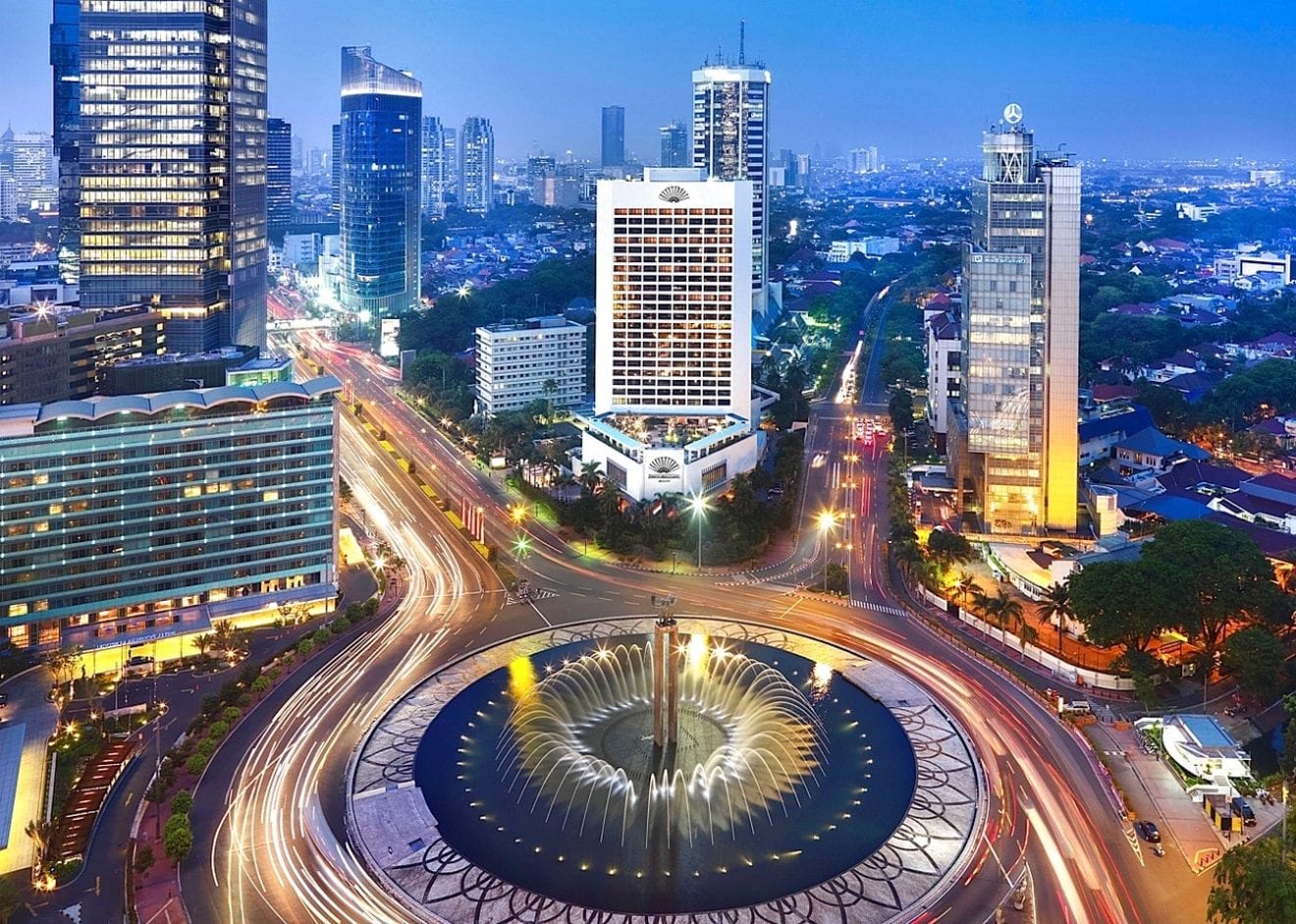
  • Indonesia retail sales drops with 15 procent last October

    Indonesia retail sales drops with 15 procent last October

    Retail sales in Indonesia dropped 14.9% on a yearly basis in October, the biggest fall since June and after an 8.7% fall in September, according to a central bank survey released on Thursday.

    Sales of food, beverages and tobacco products contracted in October, after recording positive growth a month earlier, while a drop in sales of communication equipment accelerated, the survey showed.

    The survey estimated an even deeper slump in retail sales of 15.7% in November.

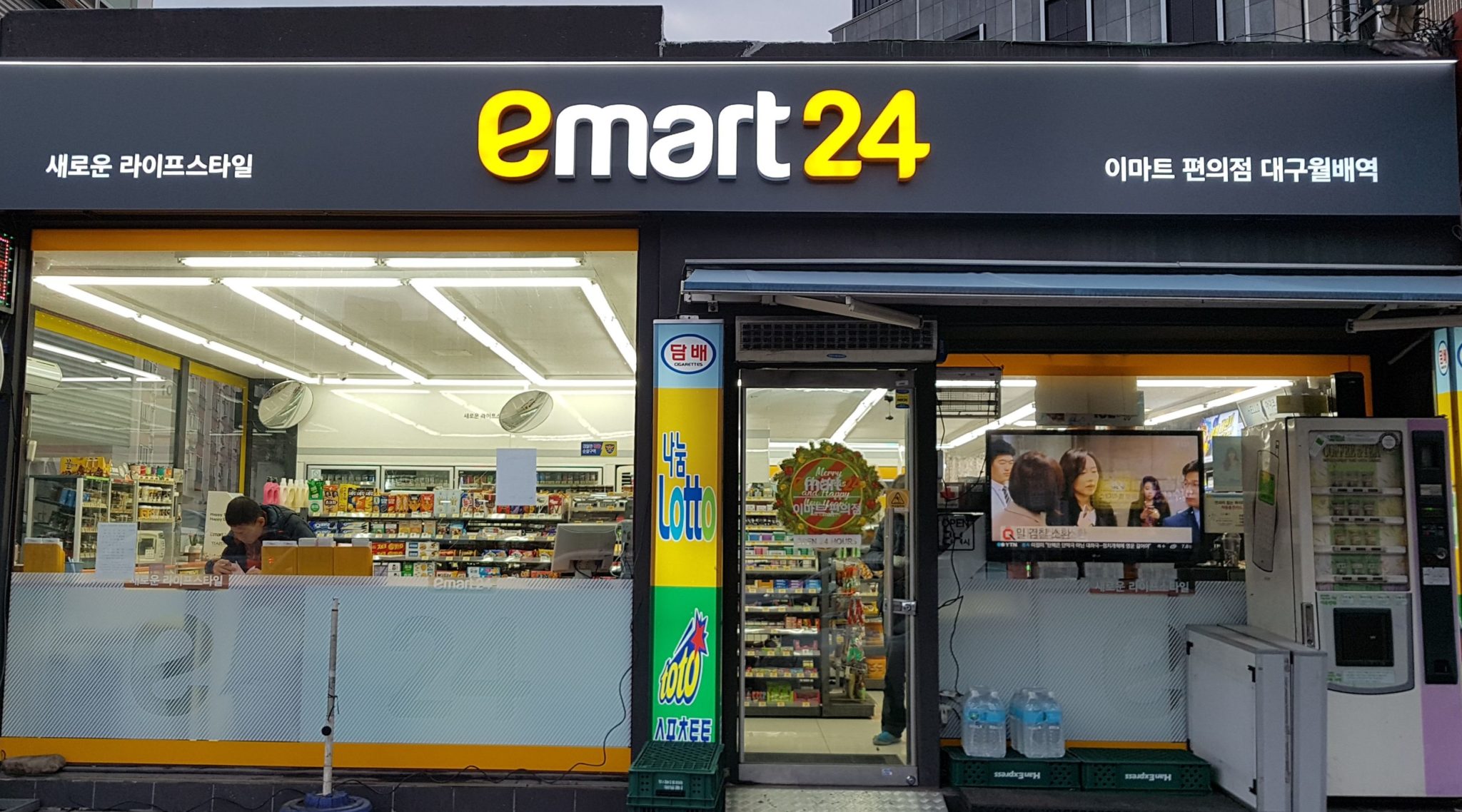
  • Korea’s Emart set to scale back in Vietnam

    Korea’s Emart set to scale back in Vietnam

    South Korea’s largest supermarket chain operator Emart Inc. is pulling out of Vietnam, the second major Asian market after China, in the face of regulatory hurdles.

    The retailer opened its first outlet in Vietnam’s Go Vap district in 2015 and had procured a site at Ho Chi Minh City for a second opening last year. But the project has been delayed due to licensing setbacks, disrupting its plans to open five to six more outposts.

    Emart’s direct foray has proven difficult as Vietnam, like China, prioritizes joint ventures in permitting a foreign business. Emart started operation in Vietnam in 2014 after setting up a wholly-owned local entity.

    A retail industry source said a hypermarket needs at least 10 outlets to have bargaining power with vendors and maintain logistics efficiency. Unable to meet this number, Emart may have concluded it was better to fold the business, the source added.

    The retailer has been rolling back investments in the country. In its 2019 semiannual report, it had vowed to invest 460 billion won ($424.3 million) in its Vietnamese entity through 2022. But it had slashed that amount to 247.8 billion won in the third-quarter report.

    An Emart representative, however, denied the exit rumors and said it was studying other options such as strategic alliance or business partnership.

    Industry observers believe Emart is wary of making the same mistake as in its Chinese operation.

    Emart entered China in 1997 and aggressively expanded its operations, running at one point 26 outlets across the country. But it failed to overcome Beijing’s stiff regulations and saw losses snowball to 150 billion won over four years from 2013.

    In 2016, it found itself caught in the crosshairs of a diplomatic feud over Korea’s decision to build an anti-missile system, a move China vehemently opposed on national security grounds. Emart, along with many other Korean brands, suffered the brunt of Beijing’s retaliatory nationwide boycott on all things Korean. After suffering steep losses, the retail chain in 2017 sold off its remaining five outlets in China to a Thai company and pulled out of the country altogether.

    After scaling back its Asian operations, Emart is expected to focus more on the U.S. market, where Korean brands have been making rapid grounds. According to its regulatory filings, Emart generated 1.28 trillion won in the first three quarters of this year from overseas, up 122 percent from the same period last year and topping last year’s full annual sales of 778.5 billion won.

    Emarts’ robust overseas performance owes largely to its U.S. subsidiary Good Food Holdings, which the Korean retail conglomerate acquired for $275 million in 2018. The Los Angeles-based company owns five upscale food retailing brands, including Bristol Farms, Lazy Acres Natural Market, Metropolitan Market, New Seasons Market, and New Leaf Community Markets, operating mostly in the West Coast.

    Good Food Holdings raked in sales of 1.2 trillion won in the January-September period, up 136 percent from a year ago, on explosive demand for food products among people sheltering at home during the coronavirus outbreak. The company alone was responsible for nearly 93 percent of Emart’s total global sales in the period.

    Emart plans to invest 83.7 billion won through 2022 to expand its U.S. footprint. It is scheduled to launch PK Market, a shop specializing in Asian goods including Korean food, as early as next year in downtown Los Angeles.

  • JD is China’s first online platform to accept digital Yen

    JD is China’s first online platform to accept digital Yen

    Chinese e-commerce firm JD.com said it has become the first online platform to accept the country’s digital currency.

    The announcement on Saturday comes as part of another real-world major trial for the digital yuan in Suzhou, a city that’s about 65 miles west of Shanghai.

    A total of 20 million yuan ($3 million) will be up for grabs in a lottery, according to a WeChat post by JD Digits, JD.com’s fintech arm. Winners will receive a so-called “red packet” via an app containing a maximum of 200 yuan of the digital currency. A hundred thousand of these red packets will be distributed.

    Those who receive digital yuan can spend it on JD.com’s online shopping platform.

    This is not the first time that China is handing out a large sum of its digital currency. In October, a total of 10 million yuan was handed out to citizens in China’s technology hub Shenzhen in a lottery.

    The digital yuan, which is controlled and issued by the People’s Bank of China, is what’s known as a central bank digital currency (CBDC). The central bank calls its project the Digital Currency Electronic Payment or DCEP, though it has remained quite tight-lipped about its development.

    Central bank digital currencies are unlike cryptocurrencies such as bitcoin, or even the Facebook-backed digital coin Libra. That’s because they are controlled and issued by a central bank.

    Bitcoin, which recently hit a record-high price, is decentralized — that means it’s not controlled or issued by a single entity.

    Central banks are looking closely at digital currencies because they promise features such as more efficient cross-border payments as well as moving countries toward cashless societies.

    The BIS, a group of central banks, said earlier this year that 80% of the world’s central banks “had already started to conceptualize and research the potential for CBDCs.”

    China’s central bank appears to be the most advanced in its rollout of a digital currency compared to other major economies, though it has stopped short so far of a nationwide rollout and has instead focused on pilot projects.

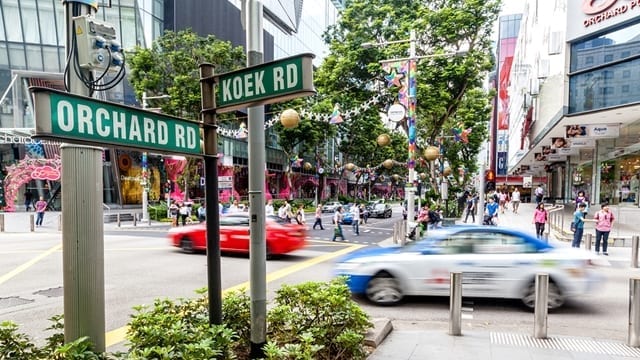
  • Singapore retail sales down in October

    Singapore retail sales down in October

    Retail sales in Singapore fell by 8.6 percent year-on-year in October, said the Department of Statistics (SingStat) on Friday (Dec 4), although the decline was not as steep as the revised 10.7 percent fall seen in September.

    Most retail industries continued to register declines in sales in October. Food and alcohol, department stores, as well as cosmetics, toiletries and medical goods continued to be among the hardest-hit sectors, with takings down by 44.7 percent, 35.2 percent, and 30 percent respectively, according to the Retail Sales Index released on Friday.

    Wearing apparel and footwear, as well as watches and jewelry fell by more than 20 percent.

    The best-performing sector was again supermarkets and hypermarkets, with sales up by 22.3 percent.

    Takings also improved for the furniture and household equipment, recreational goods, motor vehicles, and mini-marts and convenience stores sectors.

    Compared to the previous month, seasonally adjusted retail sales expanded 0.2 percent, with most sectors reporting growths.

    Takings at petrol service stations increased the most at 5.1 percent as more people returned to the workplace. In contrast, retailers in the watches and jewellery; cosmetics, toiletries, and medical goods; and food and alcohol recorded a decline in sales.

    The estimated total value of retail sales in October was about S$3.3 billion, of which 10.5 percent was spent online.

    Food and beverage sales continued to decline in October as well on a year-on-year basis, although they showed a seasonally adjusted month-on-month improvement across the board, according to the Food & Beverage Services Index.

    “Sales of food and beverage services fell 23.5 percent in October 2020 on a year-on-year basis, an improvement over the 29.1 percent decline in September 2020,” SingStat said. “On a seasonally adjusted basis, sales of food & beverage services increased 5.6 percent in October 2020 over the previous month.”

    Food caterers again suffered the biggest drop in year-on-year turnover – 76.4 percent – although they saw a 6.4 percent increase in sales compared to September.

    “The total sales value of food and beverage services in October 2020 was estimated at S$692 million,” SingStat said. “Of these, online food and beverage sales made up an estimated 19.7 percent.”

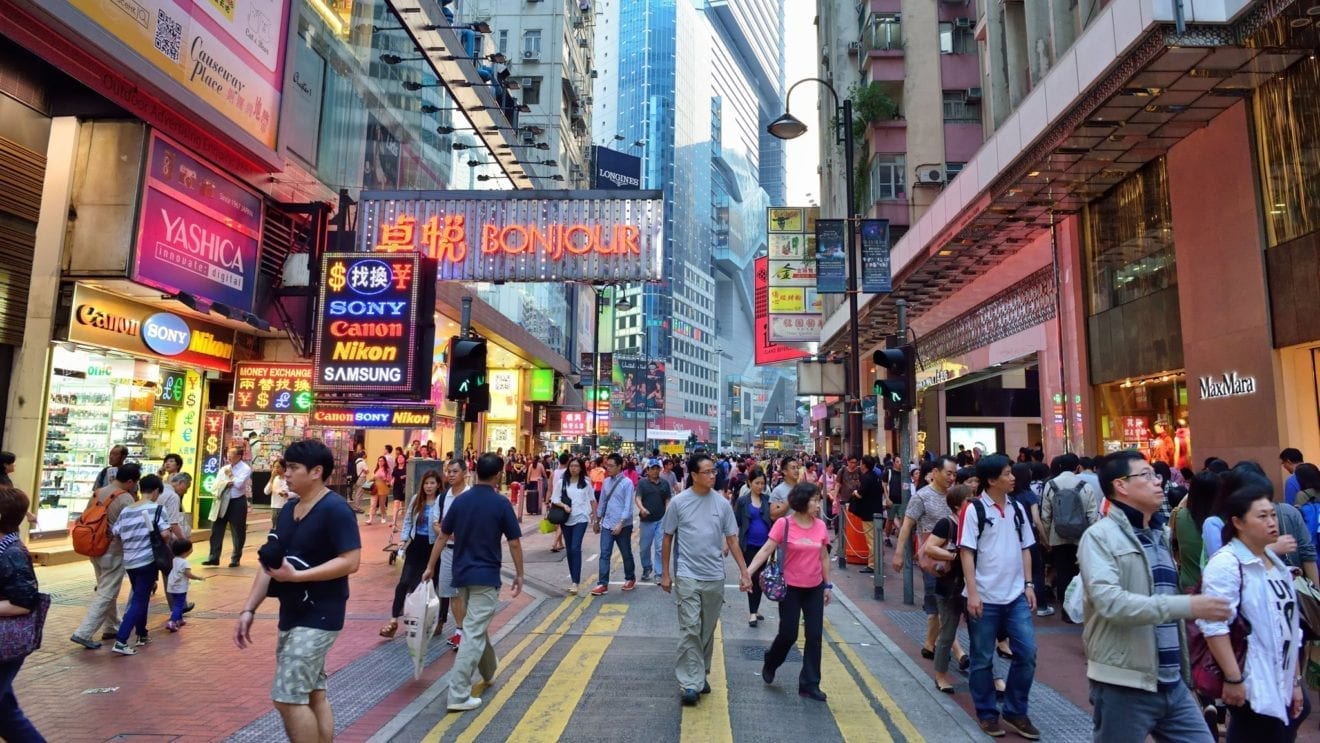
  • Hong Kong retail sales fall again in October

    Hong Kong retail sales fall again in October

    Hong Kong’s retail sales fell 8.8% in October, the first single-digit fall since June last year, showing further signs of a recovery after coronavirus restrictions had slammed the brakes on spending and tourism in the global financial hub.

    The drop compared with a revised 12.8% decline in September and a 6.7% fall in June 2019.

    October’s sales plummeted from a year earlier to HK$27.4 billion ($3.5 billion), government data showed on Tuesday, falling for the 21st consecutive month.

    In volume terms, retail sales slumped 9.3%, compared with a revised 13.3% fall in the previous month. It was also the first single-digit decline since June 2019.

    “With the fourth wave of the local epidemic spreading widely and quickly, the business environment of the retail trade may deteriorate again in the near term,” a government spokesman said.

    For the first 10 months of 2020, the value of total retail sales fell 27%, and 28.3% by volume, from the corresponding 2019 period.

    Hong Kong leader Carrie Lam on Tuesday again urged residents to stay at home and avoid unnecessary family gatherings as the global financial hub scrambles to contain a rise in coronavirus cases.

    Games centres, karaoke lounges and swimming pools will close from Wednesday, while the Ocean Park theme park and DisneyLand will also close.

    The worsening situation in the city also prompted the government to extend the postponement of an air travel bubble with Singapore on Tuesday to beyond 2020.

    Hong Kong’s economy shrank 3.5% in the third quarter compared with a year earlier as the coronavirus pandemic hammered consumer spending, trade and tourism, but at a slower pace as the outbreak had eased.

    The city’s tourist arrivals in October plunged 99.8% from a year earlier to 7,817 visitors, the tourism board said, compared with a drop of 99.7% in September.

    Sales of jewellery, watches, clocks and valuable gifts, which depend heavily on mainland tourists, fell 26.6% in October versus a revised 25.6% plunge in September.

  • Singapore’s retail recovery remains to be seen

    Singapore’s retail recovery remains to be seen

    Shortly after the outbreak, e-commerce sales surged in many countries as consumers avoided crowded places and social distancing measures kicked in.

    In Singapore, a surge in online grocery sales overwhelmed booking systems. Demand for online food delivery soared, requiring operators to expand their workforce. Retailers, ranging from home furnishings to healthcare products and electronics, also saw a rise in online sales.

    Many shoppers, staying at home, buying online for the first time, and discovering the ease of online shopping, could form new digital habits, which may become permanent. This could propel the surge in online shopping to the next level, especially in Singapore, where the internet penetration rate is high and the online market share of retail sales is still low (8.5% in March 2020, according to SingStats), compared to developed countries.

    Amid rapid structural changes, retailers accelerated the adoption of e-commerce strategies. Some outsourced their online businesses by partnering with large established e-commerce marketplaces that offer integrated services, ranging from hosting product listings to sales, payment, inventory management, delivery and tracking. This minimises their capital commitment and administrative burden in the face of a liquidity crunch amid the pandemic. Robinsons partnered with Lazada to expand its e-commerce reach, for example.

    Many F&B players partnered with food logistics operators, including GrabFood and FoodPanda, or logistics providers, Lalamove and Zeek, while others looking to establish a stronger online presence built their own e-commerce platform. A new digital platform offered by DBS Bank built a branded e-menu with an integrated shopping cart, order management and payment platform within three business days. The service includes connecting merchants with logistics partners to offer food delivery services.

    Nevertheless, post-pandemic, consumers will return to physical stores for real-life shopping experiences. Frustrated shoppers without a grocery delivery slot may return to the supermarket.

    According to SingStat, the online market share of grocery sales in Singapore for March 2020 has fallen to 7.5%, from 7.8% and 8.5% in January and February 2020, respectively. The surge in food delivery may ease as some consumers prefer to enjoy the full dining experience in a restaurant ― when safe ― rather than eating out of takeaway boxes. Shoppers generally desire the “look, touch and feel” experience of buying.

    However, concern about pandemic safety is set to continue. Restoring shoppers’ confidence regarding their safety is key to driving foot traffic back into physical stores. Industry players need to enforce safe distancing and hygiene rules and step up efforts on contactless buying initiatives such as self-checkout and cashless payment options.

    Shoppers will also have reduced spending power amid the economic downturn. Industry players need to revamp their offerings at accessible pricing to widen the consumer base and target promotions towards visiting stores upon their reopening.

    Incorporating in-store strategies for pent-up demand, alongside an omnichannel strategy for the medium-term, could drive a post-pandemic recovery of the retail market in Singapore.

  • Retail sales in South Korea going slowly up

    Retail sales in South Korea going slowly up

    Retail sales in South Korea increased 8.4 per cent in October from a year earlier on the back of the pandemic and consumption-boosting events. Sales of furniture and other consumer goods moved up 18.6 per cent over the period, according to the data.

  • Pinduoduo sales beat expectations

    Pinduoduo sales beat expectations

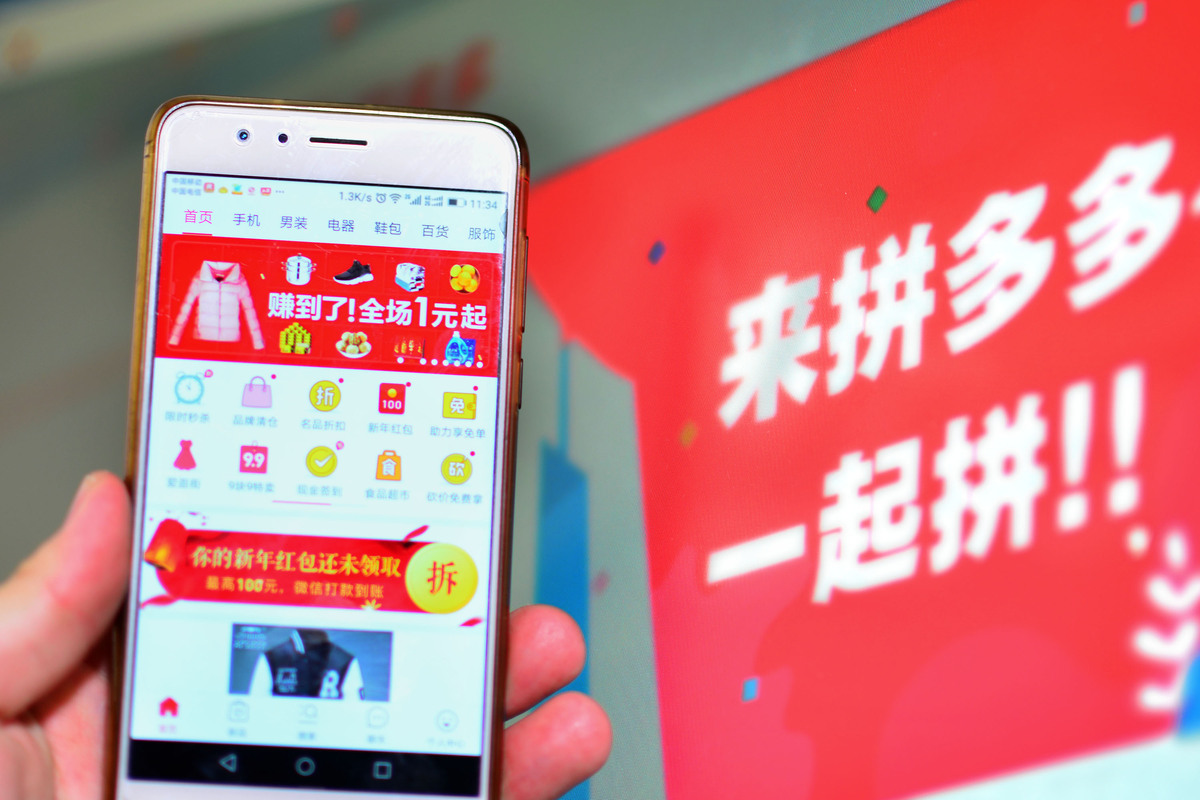
    Pinduoduo, China’s largest e-commerce platform for agricultural products, has expanded its online grocery ordering service to most provinces since introducing it in the cities of Wuhan and Nanchang in August.

    Duo Duo Maicai, as the grocery feature is called, was introduced in response to the surging demand for buying groceries online following the onset of Covid-19 in the first quarter. The pandemic-related lockdowns forced many households to seek alternative ways to buy their food and essential supplies as brick-and-mortar shops were closed and movements severely restricted.

    But even after the coronavirus was brought under control and restrictions were lifted, a survey by GlobalData found that 56% of Chinese consumers were buying food and groceries online more frequently than before the lockdowns.

    By 2025, nearly half of China’s grocery shopping is expected to take place online, up from 20% currently, according to Goldman Sachs. The online grocery market is projected to reach 7 trillion yuan in five years, the bank said.

    “We are seeing sustained consumer behavior post-pandemic and expect a further shifting from wet markets to structured retail, together with multiple models and build-out of cold-chain logistics to drive ongoing online share gains in” the fresh and FMCG categories, Goldman Sachs said in a report.

    The boom in online grocery shopping in China is a marked change for a society where going to the local market is woven into the fabric of daily life for many households. But with an increasingly fast pace of life, especially in the bigger cities, more and more consumers are availing themselves of the option to buy their groceries online and picking them up the following day.

    Sensing a seismic shift in consumer preference, internet companies have poured resources into catering to this growing need. Other companies that have gone into the online grocery business include Alibaba, Meituan and Didi, the ride-hailing giant.

    “We believe that grocery shopping in China is undergoing similar structural changes in consumer behavior that we saw in other sectors a few years ago,” Chen Lei, Chief Executive Officer of Pinduoduo, said in the company’s post-results conference call on Thursday. “The presumption that most consumers still prefer to go to the wet markets or supermarkets for their daily essentials has been challenged over the past few months.”

    Pinduoduo reported its first quarterly profit since its IPO in 2018. The company has garnered 731.3 million active buyers in the space of five years, an unprecedented feat for an e-commerce company.

    With Duo Duo Maicai, consumers can place their orders before 11 pm each day and pick up their agriculture products the next day from 4 pm onwards at designated pick-up points. Duo Duo Maicai is available as a mini-program and on the main Pinduoduo app.

    This trend of “planned consumption” is driving a surge in agricultural sales, which are estimated to double this year to at least 250 billion yuan in GMV on Pinduoduo. The company said earlier this year that GMV from agriculture could surpass 1 trillion yuan in five years.

    Logistics

    To ensure that supply can keep up with this increased online demand requires a sophisticated supply chain. China’s agricultural supply chain is characterized by small farms, multiple distribution layers, and wastage at various stages. As a result, distribution costs for agricultural products typically account for 40% of the total cost (60% for fresh produce), compared with about 10% in developed economies.

    To improve the supply chain efficiency, Pinduoduo has invested in optimizing key areas including logistics, warehousing and delivery. The company has developed a nationwide and regional agricultural logistics system to cater to the different needs of consumers.

    In the fast-changing consumer and e-commerce industries in China, companies must stay nimble and cater to their users to survive.

    Comparing the shift in grocery shopping habits to the apparel industry five to seven years ago, Chen said: “No one could have imagined then that a significant number of consumers would use online shopping to choose, try out, and return clothes.”

    “But that’s exactly what we are seeing today.”

  • Vietnam retail sales up despite absence of tourists due to Covid

    Vietnam retail sales up despite absence of tourists due to Covid

    Asia is currently going through widespread economic and business disruptions caused by the outbreak of the coronavirus (COVID-19), which originated in Wuhan, Hubei province in China, and the stringent government measures to contain it, threatening to stall the economic growth of major markets in Asia. Reason enough for Fung Business Intelligence, the knowledge bank and think tank for Hong Kong-based multinational Fung Group, to analyze the impact of the coronavirus disease on Asia’s retail markets, with a focus on department stores and the duty-free sectors. The resulting report “Impact of Coronavirus Disease on Asia’s Retail and travel-related Sectors” also looks at the coronavirus’s impact on the tourism industry in Asia.

    Fung Retail Intelligence believes that the current COVID-19 outbreak could have a deeper impact on Asian economies and their respective retail and travel-related markets compared to the SARS epidemic in 2002-03 given that there are now more Asian countries with increased economic ties to China – for instance, China is now the largest export country for Vietnam, Singapore, Japan, South Korea, Malaysia and others. “As these countries become more reliant on Chinese demand as a source of growth, dampened consumer demand from China, along with supply chain disruptions on the production side, will have a significant impact on their economies,” cautions the report.

    Add to that the fact that Chinese tourists remain the biggest spenders of all international travelers, thus their absence, following the Chinese government’s ban on all outbound group travel after the Chinese New Year (from 27th January 2020) to contain the spread of the disease, comes as a tough blow to the retail and travel-related sectors in many Asian countries, of which the fashion and luxury industries are a part. “The outbreak also reveals how dependent retail businesses – especially department stores and travel retailers – are on visitors from China,” finds the report.

    However, Fung Business Intelligence remains positive and points to four important reasons why Asia is now better geared to handle the current crisis than almost two decades ago when SARS 2002-03 struck: “The difference for Asia, now, is that its economic fundamentals are more robust, its technology more advanced, its services more diverse, and its consumers more resilient. For these and other reasons including a raft of initiatives launched by local governments and relevant parties to support businesses, we believe the COVID-19 outbreak is not likely to cause long-term effects on Asia’s retail and travel-related markets.

    As of 18th February 2020, there are now more than 73,000 confirmed coronavirus cases, with a majority (more than 72,600) in China, followed by Japan (more than 500 including cases on the Diamond Princess cruise ship) and Singapore (more than 80). Other cases have been confirmed in Hong Kong, Thailand, South Korea, Malaysia, Taiwan, Vietnam, Australia, India and the Philippines. Thus, many people are calling off travel plans over coronavirus fears and hassles over the currently imposed travel bans and quarantine requirements.

    According to the Economist Intelligence Unit (EIU), this means that Chinese outbound tourism is unlikely to recover to pre-coronavirus levels until the second quarter of 2021 and the coronavirus outbreak is expected to cost the global tourism industry about 80 billion US dollars (about 60 billion pounds) in lost revenue, with key players in the market probably taking more than a year to recover.

    ASEAN countries will suffer the most as they are all among the top 20 destinations for Chinese outbound tourists, continues the EIU, estimating that visitors from China will decrease sharply by 30 – 40 percent this year, resulting in a loss in tourism revenue of 7 billion US dollars (about 5.4 billion pounds) in the region. Especially Japan has felt the pinch, where Chinese tourists represent 30 percent of all foreign visitors, and spent 16.2 billion US dollars (12.55 billion pounds) in Japan last year.

    According to the Singapore Tourism Board, China is the city’s largest tourist source and Singapore is thus expected to see a drop in tourism arrivals of up to 30 percent compared to last year, representing a daily loss of 18,000- 20,000 foreign tourist arrivals. In Thailand, this number even dropped by 86.5 percent in the first week of February and is expected to plummet to 50 percent in the first half of 2020 according to the Tourism Authority of Thailand, costing the Thai economy 3.05 billion US dollars (2.36 billion pounds) in the first four months of the year alone.

    Though the impact on the tourism sector in Europe and the United States is comparatively milder, with Chinese tourists only making up 4 percent of total foreign visitors, “some European economies are likely to see weakened consumption if there is a sharp decline in Chinese tourists throughout 2020,” states the report. In the first half of 2019, Chinese nationals made 3 million visits to European countries, up by 7.4 percent year-on-year, according to the Chinese Tourism Academy.

    In Japan, department stores like Isetan Mitsukoshi, Takashimaya, Sogo & Seibu, and Daimaru Matsuzakaya all have seen a decrease in foreign visitors starting from the Chinese New Year holidays, resulting in a drop in sales. In South Korea, department stores like Lotte, Shinsegae and Hyundai and Lotte and Shilla duty-free stores were temporarily closed due to sterilization efforts. Sales dropped between 11 and 30 percent during the first weekend in February.

    In Singapore, department stores like Honestbee, OG, and BHG Holdings either adjusted their timings or shut their stores temporarily, with the latter seeing sales of its six outlets drop between 40 and 50 percent since the first case was confirmed in the city on 23th January. Luxury travel retailer DFS announced the closures of its locations T Galleria by DFS in Tsim Sha Tsui East and Hong Kong T Galleria Beauty by DFS from 8th to 29th February.

    While the Japanese government announced a limited 96 million US dollar (about 74 million pounds) package of emergency funds on 14th February, the Taiwanese Ministry of Economic Affairs plans to provide financial assistance to domestic retailers and foodservice providers by offering loans, loan extensions and subsidies on interest. The government also considers providing coupons worth 66.1 million US dollars (around 51 million pounds) to be used at night markets, shops and restaurants as a means to boost local consumption once the spread of the virus subsides. In Singapore, the government announced that it has set aside 4.02 billion US dollars (about 3.11 billion pounds) in the coming year to help businesses and households.

    The Restaurant Association of Singapore has also asked shopping mall landlords for a rental rebate of 50 percent from February to April to help the food and beverage industry, which has seen a significant drop in business. Singapore’s largest property developer, CapitaLand, has launched a 10- million-Singapore-dollar (7.14 million US dollars or close to 6 million pounds) marketing assistance program to help its retail partners cope. Jewel Changi Airport announced a rental rebate of 50 percent for its tenants during February and March.

    “It is hard to predict when COVID-19 is going to end. Considering the sharp drop in the number of Chinese tourists and the subsequent adverse impact on domestic consumption, we expect major retail markets in Asia to remain under pressure in the first half of 2020. That said, the sound economic fundamentals of these markets, along with a raft of initiatives launched by local governments and relevant parties to support the retail and travel-related sectors during the COVID-19 outbreak, are likely to guide businesses through the tough times and pave the way for recovery,” ends the report.

  • Why Retail Businesses Needs Small Business Management Software

    Why Retail Businesses Needs Small Business Management Software

    Retail businesses’ owners and managers are always looking forward to finding approaches that can improve their businesses. There are several wise and effective ways to do it, and one of those is the implementation of project management software and online collaboration. These refer to the web-based applications that allow anyone involved in the company to work remotely and sign in anywhere. Nevertheless, this is just one of many reasons why startups and small businesses must have small retail business management software solutions. Here are further reasons to persuade you more. 

    • Business managers and owners can be helped by integrated calendars to view what tasks are done by the staff with ease. 
    • It can help you save, as well as your employees a great time every working day. When there is only one application being used within the entire work, additional or switching to other applications will not be needed just to complete the task. 
    • Invoicing and quoting is more straightforward through the creation of both in one application. This then leads to increased sales that are followed by easy and simple checking of quotes created, as well as those that aren’t followed up. Also, whenever a quote is accepted, there is a change into an invoice, which means more time is saved. 
    • With online project management software, there is even simple project management. This is possible through the creation of projects and then assigning each to the entire staff. Afterward, it can be tracked, especially the process through a simple click on the project. Hence, there will be no more chasing of employees just to view if they are already done with the assigned project. 
    • Small businesses with 50 employees can use the management software, which means that they aren’t small businesses anymore to benefit from it. 
    • The document storage often sparks problems within the whole business process. Good thing, it can now be streamlined with the small business management software. Here, as soon as the documents are created, it can be directly saved onto the application. Hence, there will be no more waiting for the documents to be done and emailed to anyone in the business. Also, once the documents are saved in one application, it can be retrieved easily when lost. In addition to that, the small business management software helps businesses to wave goodbye to any missing documents that everyone will welcome. 
    • Off Site employees in any business need to fill up the timesheets so that the management software can easily track the employees during working hours. They can log into the application that will be used by the owners and managers as information to work their wages. This is considered a very useful and important software since it is way easier and more effective compared to the manual filling up of timesheets. 

    Hence, there are lots of reasons why your business must consider having small business management software. This has a lot of uses, especially cutting down time spent on drastic tasks. It also has comprehensive business functionality, as well as it is easy to access. 

    Moving forward, let us proceed to the benefits that can be gained when you use small business management software. 

    10 Benefits of Using Small Business Management Software

    1. Small business management software is web-based, which means only the internet connection and PC are accessible by the employees. These then help the employees to work from home or in another country. 
    2. In a more streamlined way, the leads can become or turn into sales. This is possible through the small business management software, which stores the information in one safe place. So, every time there is a quote created, it makes the customer’s information able to be held in a lead file for later follow up calls.
    3. There is only one needed application to store and create documents, quotes, invoices, timesheets, projects, calendars, and a lot more. This means that loading several applications up every morning is no longer needed, as well as switching in between to accomplish tasks and projects.  
    4. Projects can be easily monitored or tracked by the owners and managers. This is done through a simple login into the application of online project management. There will be less due to missed deadlines as an outcome of inefficient practices. This is good news for the managers and owners. 
    5. The workers can still log in by giving their username and password to the small business management software application, despite being away. This applies to workers who are in other places yet still connected to their jobs. 
    6. A small business management software can accommodate and make sign-ups for up to 50 employees. This only means that it doesn’t require the business to be huge to make it benefit from its services. 
    7. The purchasing habits of customers can be tracked and monitored easily. This is a huge advantage for the business when anticipating the customer’s purchases, as well as to provide them with improved experiences in the business. 
    8. The license for applications can be stopped or ended. Besides, why will you spend a lot of money per month or year when there is a single application to help you run your business easily. Just take a look at other small business owners who already implemented their CRM software and look at how they saved a lot and made the business run towards success. 
    9. An internal email system is no longer needed to help the employees share a particular document. This may be a useful tool; it can still take a lot of time from writing to sending emails. But with small business CRM software, the files are stored in a single place, accessed, and sent at one time. 
    10. It is easy to use that the employees are no longer required to spend a lot of time to learn how to use it effectively. 

    After viewing and understanding these 10 reasons why small business management software is a must-have, you can now see how much you need it. This can help a lot to revolutionize your business and increase profits and customer satisfaction and decrease inefficiency.  

  • I.T flags big loss as Covid-19 impacts shoppers’ enthusiasm

    I.T flags big loss as Covid-19 impacts shoppers’ enthusiasm

    Multibrand Hong Kong fashion retailer I.T Limited has warned shareholders it will likely post a loss of at least US$38.7 million for the six months to August, such has been the impact of the Covid-19 on sales.

    Chairman Sham Kar Wai said in a letter to shareholders that the Covid-19 pandemic had led to a decline in consumer-spending enthusiasm across the world. While it has offered extra discounts to boost sales volume amid “an incredibly difficult trading environment” sales were down substantially.

    This is the third profit warning the company has issued this calendar year, following earlier announcements in July and August. It is based on initial figures and subjects to change before final results are reported tomorrow, (October 29).

    “Although during the period ended 31 August, the group took rapid and decisive action to reduce costs considerably, the savings in operating costs were not sufficient to offset the decline in sales and gross margin,” he said.

    August’s likely half-year loss follows a deficit of $9.2 million in the same period last year.

    I.T Group operates its own brands, including Chocolate and 5cm, concept stores Izzue and Double-Park; international brands it has local licenses for including Kurt Geiger and Camper; and A Bathing Ape, which the company rescued from Japanese owners in 2011.