Tag: Retail

  • Singapore retail sales show first signs of retail recovery

    Singapore retail sales show first signs of retail recovery

    Singapore retail sales rebounded in July as social-distancing rules were relaxed, but there was still a year-on-year decline of 7.7 percent, excluding motor vehicle sales. That was significantly better than June’s fall of 24.2 percent and May’s 52 percent.

    Month on month, seasonally adjusted retail sales increased by 19.5 percent.

    Online retail sales comprised about 11 percent of the monthly total, accounting for 49.1 percent of computer and phone sales, 21.8 percent of furniture and household equipment, and 11.4 percent of supermarket sales.

    In July, sales in department stores and of apparel, footwear and jewelry and watches declined by between 21 percent and 32.1 percent year on year, with those categories most affected by low tourist arrivals due to Covid-19 restricting international travel.

    In contrast, sales in supermarkets rose by 28.6 percent, and of computers and phones by 27.4 percent.

    Food and beverage services turnover fell by 25.4 percent, which was an improvement over June’s decline of 43.6 percent. Statistics Singapore says sales of food and beverage services reached US$486.9 million for the month, with online orders accounting for 21.1 percent of that.

  • Aeon Malaysia reports second-quarter loss likely due to virus outbreak

    Aeon Malaysia reports second-quarter loss likely due to virus outbreak

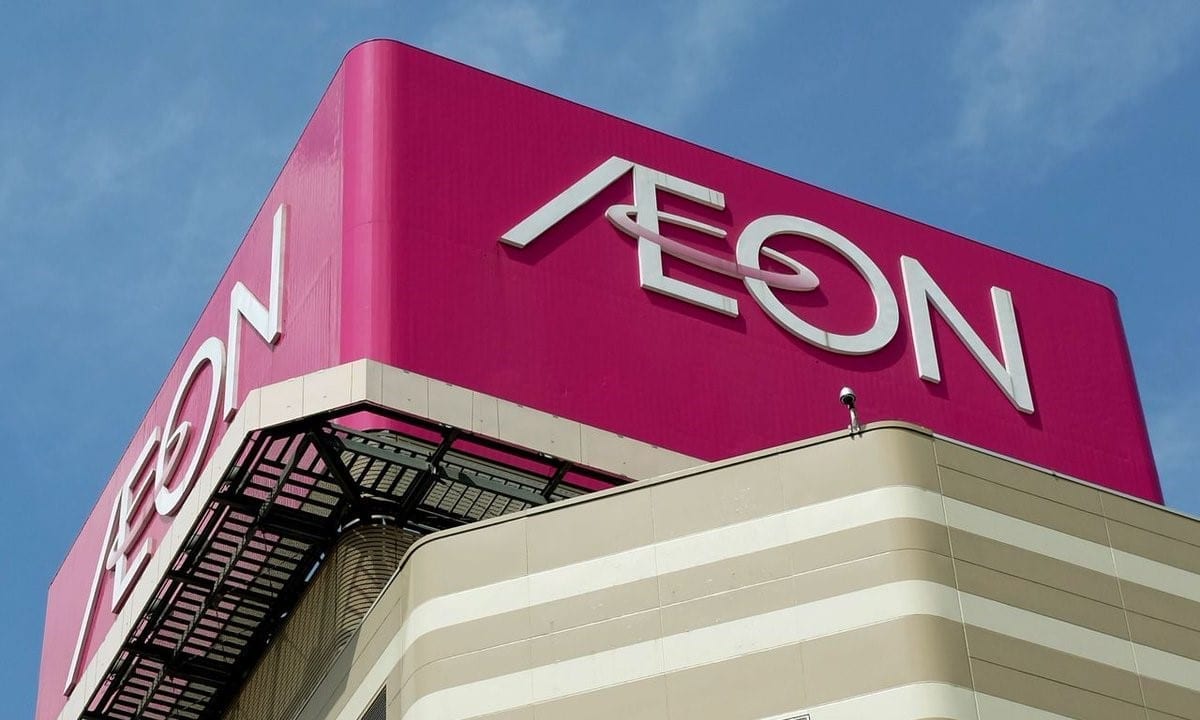
    Japanese mall brand Aeon’s operations in Malaysia have reported a net loss of US$2.3 million for its second fiscal quarter this year.

    The losses, which followed a first-quarter net profit of $1.8 million, are being considered as an effect of the coronavirus outbreak and the movement control orders executed in the territory and subsequent closures of non-essential tenants, along with lower rental pricing. It is a drop of 19.9 percent from the same period last year.

    Aeon MD & CEO Shafie Shamsuddin said that recent months had been a tough journey while expressing gratitude to the group for managing to bounce back in May and June.

    Aeon Malaysia’s current priorities include enhancing its safe-shopping environment with its personal shopper and home delivery services, as well as the launch of its online virtual mall. The group’s malls expanded their drive-thru services to more locations following an introduction of the service using personal shoppers in March.

  • Clarins opens first kiosk-style store in Singapore

    Clarins opens first kiosk-style store in Singapore

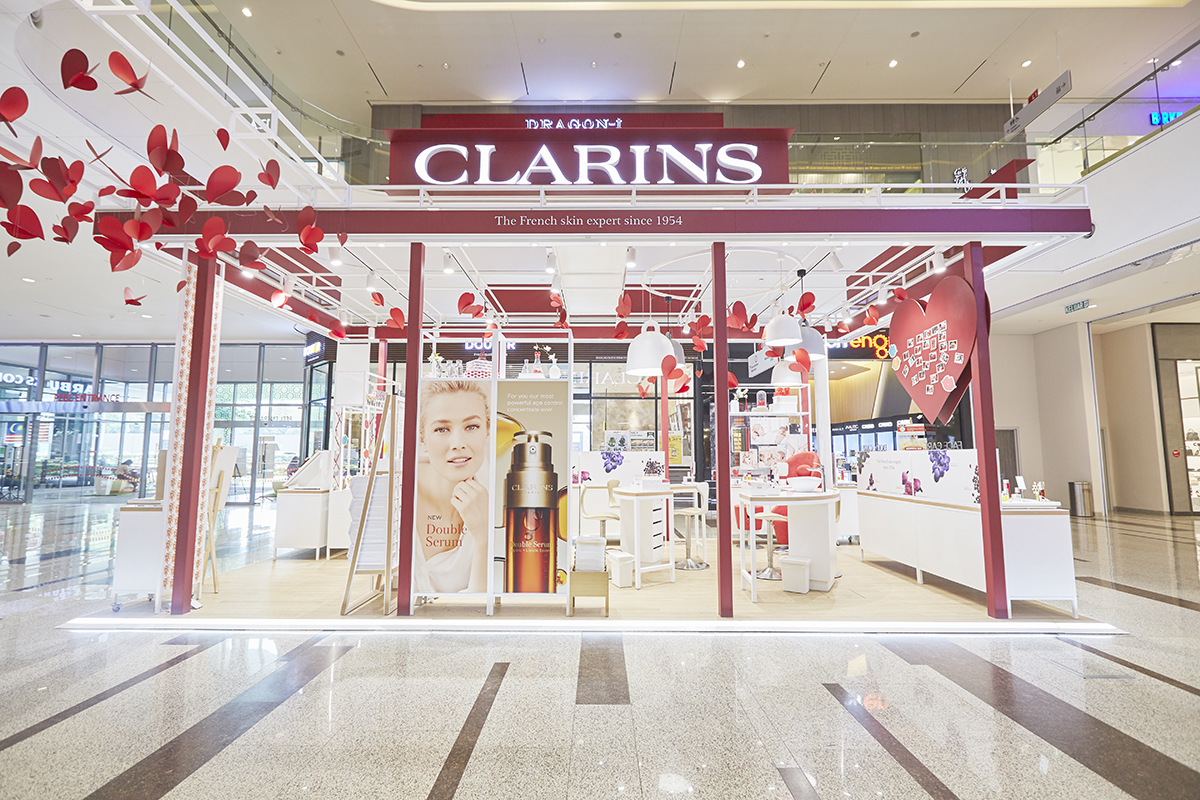
    French beauty brand Clarins has opened its first kiosk-style concept store in Singapore, its fourth boutique in the city.

    Located in the heart of the Nex shopping center, the store occupies just 20sqm, but offers a wide range of products, including the Clarins hero product Double Serum and the V Shaping Facial Liftline.

    To celebrate the opening, the store introduced the brand’s Clarins Scented Collection which is made from plant ingredients and available in a series of products, including foaming gel, body lotion, home fragrance, and scented candles.

    “The new Clarins kiosk at Nex is perfect for time-strapped shoppers who appreciate the convenience of grab-and-go,” the company said in a statement.

    Clarins operates stores in more than 140 countries including Mainland China, India, Japan, and South Korea.

  • Vietnam suffers most phishing attacks on small businesses in Southeast Asia

    Vietnam suffers most phishing attacks on small businesses in Southeast Asia

    Vietnam led Southeast Asia in the number of phishing attacks targeting small enterprises in the first half of this year. There were more than 1.6 million attacks on small and medium-sized enterprises with 50-250 employees in the region, up 39 percent from the same period last year, Russian cybersecurity firm Kaspersky Lab said a report it released on Tuesday.

    Vietnam accounted for 464,300, followed by Indonesia (406,200) and Malaysia (269,500). Singapore had the least number of attacks, but the number of cases was up 60.5 percent. On a global scale, Brazil topped followed by Russia, France, Columbia, and the U.S.

    The most common scams included using information about the novel coronavirus as bait, swindling people by offering to sell masks, seeking donations for vaccine research, and offering relief payments.

    The report also mentioned several other common phishing tricks such as evaluating job performance, important announcements from administrators, requesting emergency password checks, and urgent press releases.

    Yeo Siang Tiong, Kaspersky’s general manager for Southeast Asia, said the surge in attacks in Southeast Asia was due to the fact many companies let employees work from home since the end of March, resulting in a large number of users clicking on an infected link or attachment.

    Vietnam recorded 2,017 cyber attacks on its information systems in the first half of 2020, down 27.1 percent year-on-year, according to the Ministry of Information and Communications’ Department of Information Security.

  • Vietnam suffers most phishing attacks on small businesses in Southeast Asia

    Vietnam suffers most phishing attacks on small businesses in Southeast Asia

    Vietnam led Southeast Asia in the number of phishing attacks targeting small enterprises in the first half of this year.

    There were more than 1.6 million attacks on small and medium-sized enterprises with 50-250 employees in the region, up 39 percent from the same period last year, Russian cybersecurity firm Kaspersky Lab said a report it released on Tuesday.

    Vietnam accounted for 464,300, followed by Indonesia (406,200) and Malaysia (269,500). Singapore had the least number of attacks, but the number of cases was up 60.5 percent. On a global scale, Brazil topped followed by Russia, France, Columbia, and the U.S.

    The most common scams included using information about the novel coronavirus as bait, swindling people by offering to sell masks, seeking donations for vaccine research, and offering relief payments.

    The report also mentioned several other common phishing tricks such as evaluating job performance, important announcements from administrators, requesting emergency password checks, and urgent press releases.

    Many companies let employees work from home since the end of March, resulting in a large number of users clicking on an infected link or attachment.

    Vietnam recorded 2,017 cyber attacks on its information systems in the first half of 2020, down 27.1 percent year-on-year, according to the Ministry of Information and Communications’ Department of Information Security.

  • Top Chinese retailtech enterprises revealed

    Top Chinese retailtech enterprises revealed

    Notable Chinese retailtech firms are small in size, heavy on IT personnel, and largely located around the Beijing-Tianjin-Hebei and Yangtse Delta region, according to a new report.

    The study was released by international audit, tax, and advisory firm KPMG in partnership with the China Chain Store & Franchise Association to identify the top 50 high-growth retail tech enterprises in China. It recognizes firms that work to bring forward digitalization, intelligence and integration.

    The findings showed that consumer technology applications are more concentrated on front-end interaction with consumers, marketing and transactions, consumer operation, and smart technology companies.

    Most of the companies shortlisted for the report had no more than 300 employees.

    Technical personnel accounts for more than 60 percent of human resources in more than half of these firms, and about half of the companies have been operating for less than five years.

    “The association and KPMG have worked together to release the list of China’s leading 50 retailtech enterprises, after spending six months studying the founding team of candidate enterprises on a one-by-one basis over six criteria, namely: technology and business model innovation; empowering reform of the traditional retail sectors; financial health; valuation and capital market recognition; target market acceptance and potentials under market segmentation; team capabilities and corporate innovation mechanism; and business model innovation and sustainability,” said China Chain Store & Franchise Association secretary-general Kevin Peng.

    At the end, 64 representative Chinese retailtech firms were shortlisted, including 50 leading enterprises and 14 emerging enterprises.

    “We hope this list can offer some references to chain stores and retail brands so that their digital transformation journey can be smoother and more successful.”

    “The retailtech industry is treading the same path of evolution as China’s commerce, the two have formed a synergy for mutual growth,” said KPMG China partner and head of consumer retail Jessie Qian.

    “Enterprises in technological innovation and retail industries have worked hard to accumulate a wealth of technological applications and real-life cases, which can serve as a role model for enterprises building their own digital capabilities.”

    “The retail industry is innovating and reforming in the face of digitalization as consumers are changing their lifestyle,” said KPMG China partner and advisory head of consumer and retail sector, Michael Mao. “New retail technologies and the retail businesses are increasingly integrated, as new consumption needs are being explored and new operational models are emerging.

    “During the transformation, retailtech enterprises, especially start-ups, have played an indispensable role and they are upgrading themselves when engaging with their end-users. Many technological enterprises have evolved from software vendors of a single solution to business partners working with their end-users to develop solutions tailored for specific scenarios, others not only provide technical support for hardware and software but also assist retail enterprises in integrating technological transformation at the IT level with internal reform and optimization of organizational structure.”

  • Malaysian retail on the recovery track

    Malaysian retail on the recovery track

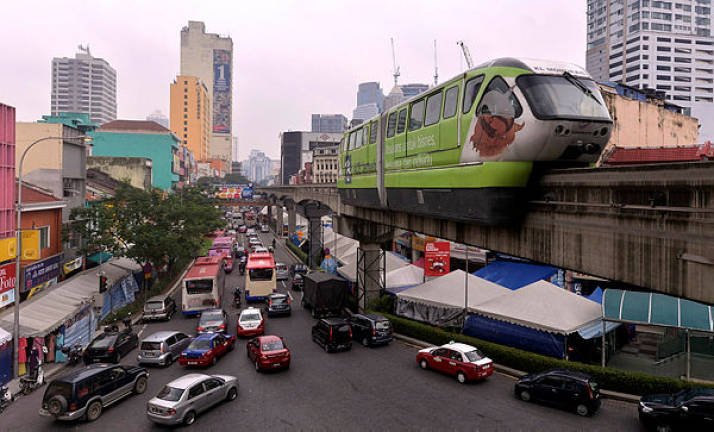
    Malaysia’s retail sector is projected by the government to reach 80-per-cent recovery this year, up from the current 70 percent.

    Statistics department figures showed improved employment numbers during the recent period since the lifting of Malaysia’s movement control order to counter Covid-19. The country’s unemployment rate was down by a record 5.3 percent month on month during May, but was recently measured at an improved 4.9 percent.

    “Subject to the second lockdown, the [retail] sector will be normalized, with local consumption to be the growth driver for the country,” said Minister Datuk Seri Mustapa Mohamed following a private conference with retailers. The Edge reports he also urged Malaysians to support home-grown products.

    Around 90–95 percent of mall retailers are back in business within the country, as mall footfall hit 80 percent of levels recorded prior to the coronavirus outbreak.

  • China’s retail sales fall as consumers adopt caution

    China’s retail sales fall as consumers adopt caution

    China’s retail sales slipped in July, dashing expectations for a modest rise, as consumers in the world’s second-largest economy failed to shake off wariness about the coronavirus.

    Meanwhile, the recovery in the factory sector struggled to gain momentum.

    Asian markets pulled back on Friday following the disappointing set of economic indicators, which raised concerns about the fragility of China’s emergence from coronavirus.

    China’s recovery had been gathering pace after the pandemic paralyzed huge swathes of the economy as pent-up demand, government stimulus and surprisingly resilient exports propel a rebound.

    However, the data from the National Bureau of Statistics on Friday showed weaker-than-expected year-on-year industrial output growth and retail sales extending declines into a seventh straight month in July. That was slightly offset by firmer property investment, which showed a recent stimulus was supporting construction activity.

    “Looking ahead, we expect a renewed acceleration in infrastructure investment in the coming months as planned government bond issuance continues to ramp-up,” said Martin Rasmussen, China Economist at Capital Economics.

    “This should drive a further rebound in industry and construction, helping to absorb labor market slack, indirectly shore up consumption and keep the economic recovery on track.”

    Industrial output grew 4.8 percent in July from a year earlier, in line with June’s growth but less than forecasts for a 5.1-per-cent rise.

    Retail sales dropped 1.1 percent year on year, missing predictions for a 0.1-per-cent rise and following a 1.8-per-cent fall in June.

    The decline in retail sales was broad-based with garments, cosmetics, home appliances, and furniture all worsening from June.

    A key exception was auto sales, which surged 12.3 percent, turning around an 8.2-per-cent fall in June.

    China’s economy returned to growth in the second quarter after a deep slump at the start of the year, but unexpected weakness in domestic consumption weighed on momentum.

  • Thai, Vietnam retail back at pre-Covid-19 levels says Central Retail CEO

    Thai, Vietnam retail back at pre-Covid-19 levels says Central Retail CEO

    Thailand’s Central Retail Corporation says sales in its home and offshore markets have already bounced back to pre-Covid-19 levels.

    Revealing a loss of US$80.7 million in the June quarter, CEO Yol Phokasub said its businesses are showing a positive sign of recovery, thanks to the group’s agility.

    “Since June, our business in Thailand, Vietnam and Italy has resumed its sales at the same pace as what had happened before the Covid-19 outbreak in February,” he said. “Its profit (EBITDA) has also been positive again.”

    Phokasub said trading at more than 80 percent of the group’s retail space was suspended for more than 46 days of the 91-day second quarter when the pandemic hit all three countries. But despite the restricted trading, the company’s quarterly revenue was down only 21 percent year on year to $1.33 billion.

    Revenue for the first six months of the year reached $3.07 billion, declining by just 10 percent, with a half-year loss of $52.2 million, down by 139 percent.

    Phokasub said the company’s investment in an online model three years paid off during the pandemic as it was able to migrate some trade online.

    “During the Covid-19 crisis, the main factor that allowed the business to continue in a secure manner was solid support from customers, business partners, and the contribution from all employees who whole-heartedly worked hard and adjusted their work to offer the best services to customers, as well as resilient business strategies, including cost, investment, and expenditure management, and an efficient liquidity boost enabled Central Retail to regenerate its profit quickly,” he said.

    “Central Retail foresees the continuous recovery of the business in the second half of 2020 regarding positive signs including the policies of the government and the capability of its new economic team that will be driving the economy, helping SMEs and stimulating employment, especially in retail and service sectors which cover more than 19 million workers. Public health measures are also important.”

  • China’s retail sales fall as consumers adopt caution

    China’s retail sales fall as consumers adopt caution

    China’s retail sales slipped in July, dashing expectations for a modest rise, as consumers in the world’s second-largest economy failed to shake off wariness about the coronavirus.

    Meanwhile, the recovery in the factory sector struggled to gain momentum.

    Asian markets pulled back on Friday following the disappointing set of economic indicators, which raised concerns about the fragility of China’s emergence from coronavirus.

    China’s recovery had been gathering pace after the pandemic paralyzed huge swathes of the economy as pent-up demand, government stimulus and surprisingly resilient exports propel a rebound.

    However, the data from the National Bureau of Statistics on Friday showed weaker-than-expected year-on-year industrial output growth and retail sales extending declines into a seventh straight month in July. That was slightly offset by firmer property investment, which showed a recent stimulus was supporting construction activity.

    “Looking ahead, we expect a renewed acceleration in infrastructure investment in the coming months as planned government bond issuance continues to ramp-up,” said Martin Rasmussen, China Economist at Capital Economics.

    “This should drive a further rebound in industry and construction, helping to absorb labor market slack, indirectly shore up consumption and keep the economic recovery on track.”

    Industrial output grew 4.8 percent in July from a year earlier, in line with June’s growth but less than forecasts for a 5.1-per-cent rise.

    Retail sales dropped 1.1 percent year on year, missing predictions for a 0.1-per-cent rise and following a 1.8-percent fall in June.

    The decline in retail sales was broad-based with garments, cosmetics, home appliances and furniture all worsening from June.

    A key exception was auto sales, which surged 12.3 percent, turning around an 8.2-per-cent fall in June.

    China’s economy returned to growth in the second quarter after a deep slump at the start of the year, but unexpected weakness in domestic consumption weighed on momentum.

  • June Indonesian retail sales down again

    June Indonesian retail sales down again

    June Indonesian retail sales fell 17.1 percent over the same month last year – but that decline was slower than during the previous month.

    According to data from the country’s central bank, retail sales fell by 20.6 percent in May, as the Covid-19 pandemic forced store closures and consumers stayed home.

    Sectors to show improvement were food, beverages & tobacco, along with communication services.

    The Bank Indonesia is expecting the decline in Indonesian retail sales to further slow in July, to 12.3 percent.

  • Vietnam retail sales continued to recover before Covid-19 second wave hit

    Vietnam retail sales continued to recover before Covid-19 second wave hit

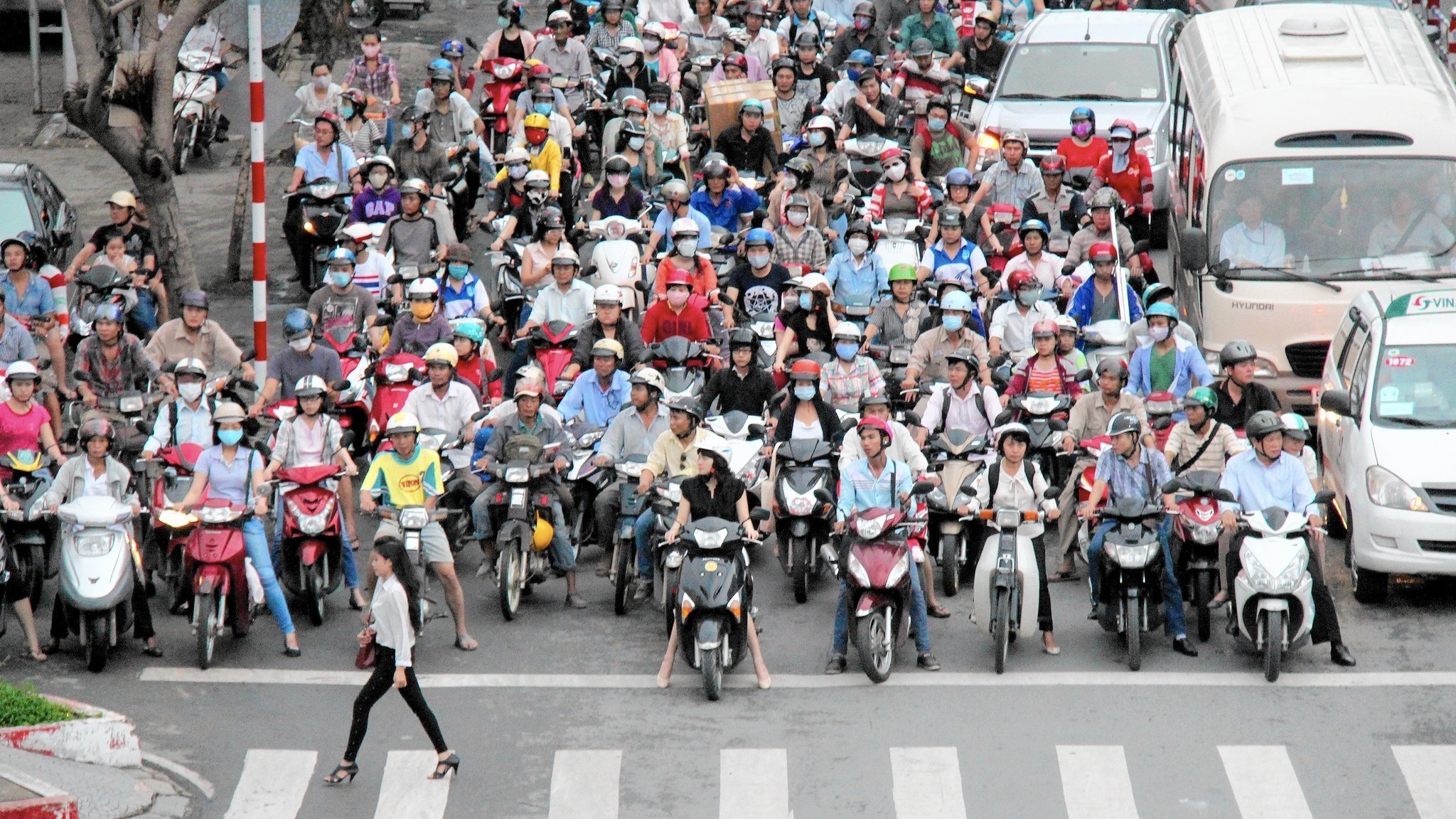
    Vietnam’s retail industry continued to recover after the March lockdown to fight Covid-19, with a 4.3-per-cent increase year on year in July’s retail sales.

    However, after being virus-free for more than three months, Vietnam is now facing the second wave of Covid-19 which originated in the coastal city of Danang. With a full lockdown in Da Nang and partial lockdown in Ho Chi Minh City and Hanoi, retail sales are expected to be impacted this month.

    According to the General Statistics Office (SGO), retail sales dropped just 0.4 percent year on year over the first seven months of this year, reaching about US$121.7 billion.

    The office said Vietnam’s retail sales have shown positive signs of economic recovery due to domestic consumption and tourism push in July. Last month, Vietnam retail sales rose 3.3 percent from June’s figures.

    Sales of consumer goods reached $96.4 billion, increasing by 3.6 percent year on year. Growth sectors include home appliances and fresh-food products with 7.6 percent and 7.5 percent increases respectively. Meanwhile, F&B revenues fell 16.6 percent, generating $12.2 billion.

  • I.T Limited sales, margins eroded due to Covid-19 lockdowns

    I.T Limited sales, margins eroded due to Covid-19 lockdowns

    Hong Kong-headquartered fashion retailer I.T Limited says its sales have fallen in all of its markets, with the US and Japan the worst affected. Same-store sales of its Hong Kong and Macau stores fell by 49.1 percent in the three months to May 31, while US and Japan store sales plunged 66.1 percent. In Mainland China, the sales decline was a less dramatic 11.8 percent.

    I.T Group operates its own brands, including Chocolate and 5cm, concept stores Izzue and Double-Park; international brands it has local licenses for including Kurt Geiger and Camper; and A Bathing Ape, which the company rescued from Japanese owners in 2011.

    Chairman Sham Kar Wai has warned that the company will post a loss for the first quarter compared to a profit for the same period last year.

    “It remains difficult for the group to precisely predict and quantify the negative impact that will result from the Covid-19 pandemic and social unrest around the world, but we expect our business will continue to face strong headwinds for the remainder of the year,” he said in a stock-exchange filing.

    Stores were closed or forced to trade for reduced hours, in most markets due to the Covid-19 crisis.

    “Although our initial strategy was to focus on full-price sales and reduce discount related activities in order to secure gross margin, we eventually had to increase mark-downs to boost sales volume amidst an incredibly difficult trading environment,” he said.

    Gross profit margin fell by 8.8 percent globally, with a 9.5-per-cent decline in Hong Kong and Macau resulting in a final margin of 49.9 percent. Despite the size of the sales decline in Japan and the US, gross margin remained higher than in any other market at 64.5 percent, down 7.8 percent in the quarter. In Mainland China it fell 8.7 percent to 55.3 percent.
  • Japan retail sales tumble during June

    Japan retail sales tumble during June

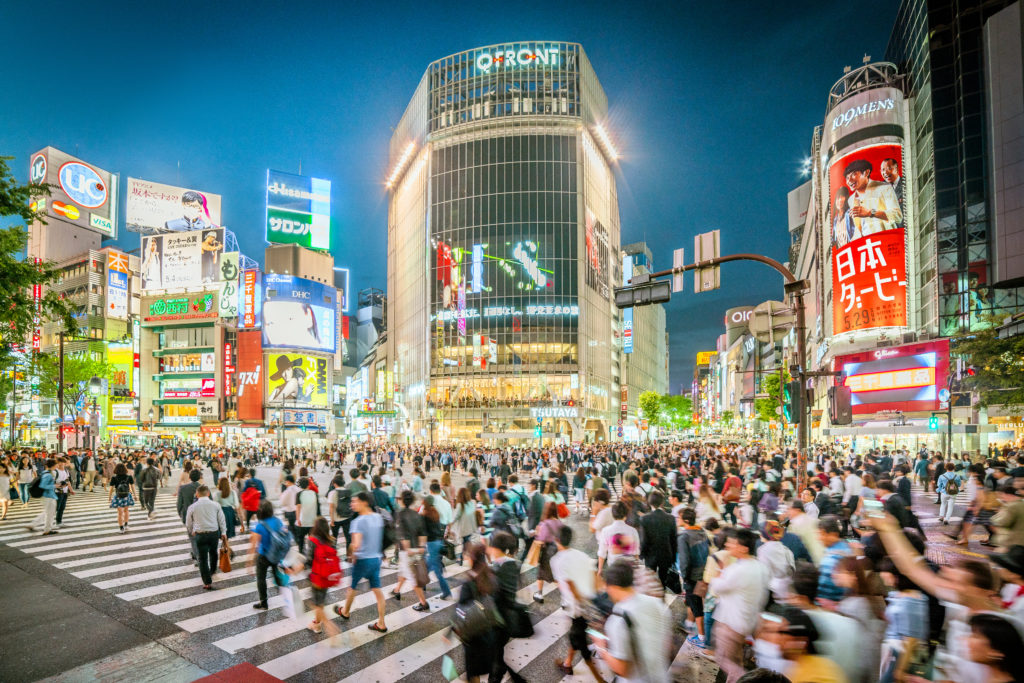
    Japanese retail sales have fallen by 1.2 percent during the month of June over the same month last year. It was the fourth consecutive month of a decline in retail trade, largely brought about by the impact of the coronavirus pandemic.

    The drop stands in contrast with earlier median market projections that forecasted a 6.5-per-cent decrease.

    The information was revealed yesterday in government data released by the Ministry of Economy, Trade, and Industry.

    Sales continued to plummet in categories such as general merchandise, fabrics apparel & accessories, motor vehicles, and fuel – although not as sharply as in the month previous. By contrast, sales rebounded for machinery & equipment

    A bright spot in the figures showed food & beverage sales continuing to increase by 3 percent following a 1.9-per-cent rise in May.