Tag: Retail

  • Takashimaya plunges into the red as Covid-19 eats into sales

    Takashimaya plunges into the red as Covid-19 eats into sales

    Takashimaya, the Japanese department store operator, has reported a loss of US$190 million in the May quarter as it faced extraordinary payments related to the Covid-19 pandemic and falling sales.

    The company was forced to effectively close 22 stores in Japan from April 8 after Prime Minister Shinzo Abe declared a state of emergency. Only the food departments were allowed to continue to trade as the government ensured social-distancing measures.

    Sales in May plunged by more than 60 percent as a result, but last month’s decline was a much less dramatic 16 percent as cities began to reopen and consumers ventured out shopping again. For the full quarter, sales were down by 48 percent to $1.08 billion.

    As well as reduced domestic spending, Takashimaya sales were impacted by the absence of tourists as borders were closed as a Covid-19 prevention strategy.

    For the May quarter, Takashimaya recorded a one-off loss of $79.8 million relating to pandemic costs, including paid leave for staff unable to work due to the shutdown.

    The company did not release any figures on the performance of its overseas stores in Vietnam, Singapore, Thailand and Mainland China and it declined to proffer earnings guidance for the full year.

  • Singapore retail sales collapsed during May due to store closing

    Singapore retail sales collapsed during May due to store closing

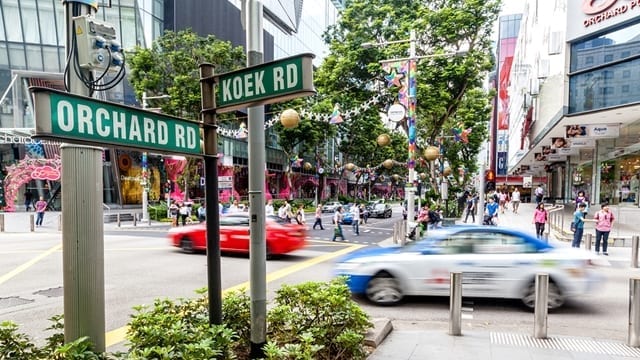
    Singapore retail sales plummeted 52.1 percent in May as Covid-19 lockdowns shuttered malls and the majority of retail stores across the city-state.

    May’s year-on-year decline followed a 40.3 percent drop in April and represented the biggest drop since statistics were first collected in 1986.

    After removing motor vehicles from the data, the decline was only a slightly less dramatic 45.2 percent, compared with 32.5 percent in April.

    The closure of stores across the city caused a dramatic rise in online sales which accounted for 24.5 percent of the US$1.29 billion total turnovers.

    According to Statistics Singapore, 94.3 percent of sales of computer and telecommunications equipment in May were conducted online, 93.6 percent of furniture and household goods, and 9.6 percent supermarket sales.

    Every retail category recorded a sales decline except supermarkets, hypermarkets, and convenience stores. Supermarket and hypermarket turnover soared 56.1 percent and convenience stores by 9.1 percent.

    Sales of watches and jewelry, by department stores and apparel, fell by between 89.1 percent and 96.9 percent.

    As with traditional retail, the Circuit Breaker measures introduced to curb the spread of Covid-19 resulted in huge declines in the food & beverage sector as well. A 50.1-per-cent decline in May represented a tiny improvement from April’s 52.7 percent, with vendors able to supply only delivery or takeaway.

  • Vietnam’s rapid retail recovery melts Covid virus gloom

    Vietnam’s rapid retail recovery melts Covid virus gloom

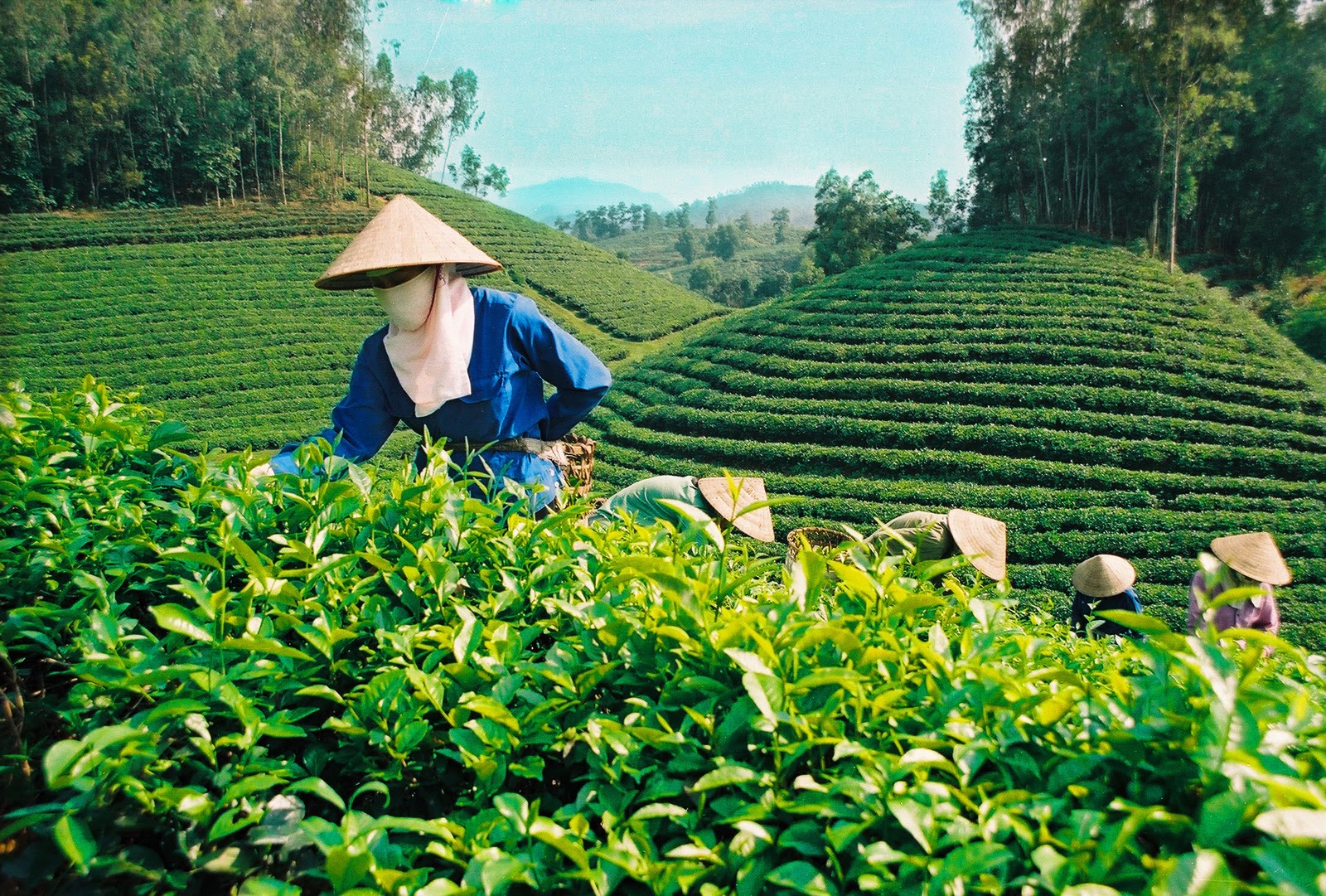
    Vietnam retail and service revenues surged by 5.3 percent in June over the same month last year – and by 6.2 percent over May.

    The figures are extraordinary given the advent of the Covid-19 pandemic on retailers and services during the first half of this year, with the country’s stores effectively shut down from late March to late April, and tourists banned from mid-March.

    Year to date, Vietnam retail and service revenues have dropped by just 0.8 percent compared to last year, generating US$103 billion despite the month-long shutdown.

    The figures were released by the General Statistics Office, and show retail revenue reached $18.67 billion last month. Vietnam traditionally releases figures for retail and service revenue within a couple of days of the end of the month covered, faster than most other countries, which tend to take a month or more to calculate the data.

    Sales of consumer goods accounted for 79.6 percent of retail revenue, increasing 3.4 percent year on year. Growth sectors include fresh-food products and home appliances. Sales of apparel and educational products fell by 1.2 percent and 6 percent respectively.

    Vietnam’s retail industry has seen a significant recovery since Covid-19 restrictions were eased in May. Most businesses in the country, except tourism, have resumed and some of them even expanded. Since April’s reopening, Uniqlo has opened three new stores in the country, and fellow Japanese retailer Muji is set to open its first store within weeks.

    One source said that a factor in June’s growth in the absence of tourists is that unlike countries like Thailand, Malaysia and Singapore, tourists to Vietnam don’t purchase a lot of higher-end luxury goods.

    “So the hit to retail from the decline in tourism would be a lot softer.”

  • South Korean retail sales up after Covid-19

    South Korean retail sales up after Covid-19

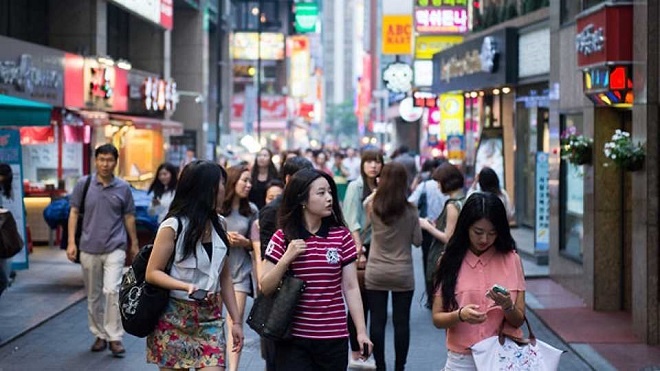
    South Korean retail sales rose by 2 percent during May, largely due to increased online shopping, according to the new Ministry of Trade figures.

    The year-on-year increase was strongly influenced by purchases of food and sanitary items online due to the effect of social-distancing requirements related to the coronavirus pandemic.

    The ministry polled 26 major retailers in both online and offline categories to collect the data, which showed combined sales of US$9.65 billion last month, an increase of over $9.506 billion during the same period last year.

    Online platforms saw a 13.5-per-cent revenue rise during the period, with online sales of food increasing almost 39 percent, and daily items and furniture going up 22.7 percent. Offline shopping – with the exception of convenience stores – continued to show a decline, with a 6.1-per-cent drop in sales.

    Year-on-year sales figures for last year showed an increase of 4.8 percent over 2018.

  • Many Singapore stores set to reopen as restrictions are lifted

    Many Singapore stores set to reopen as restrictions are lifted

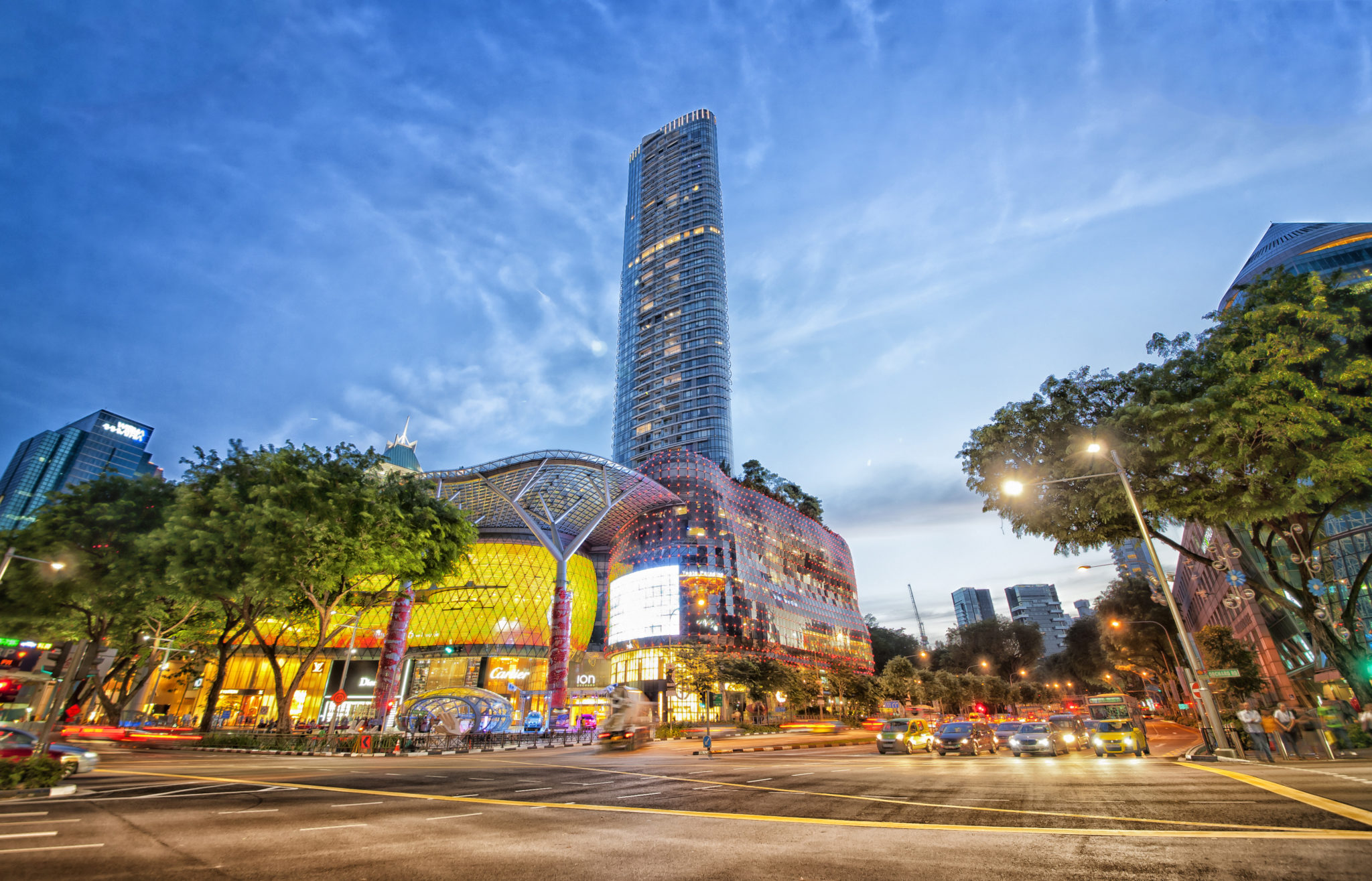
    Singapore stores are set to reopen as the country will enter the second phase of reopening on Friday, June 19.

    According to advice from the government, retailers may reopen under Phase Two of the easing of restrictions on Friday, but they must adhere to safe distancing measures.

    For F&B retailers, dine-in will be permitted with up to five diners per table. However, live music, television and video screenings are not allowed under stage 2. Stores will also have to stop liquor sales and consumption at 10.30pm.

    Larger venues with high traffic such as malls, department stores or large-scale standalone retail outlets have to restrict capacity to ensure safe distancing. Operators are required to prevent crowds or long queues from building up.

  • China retail sales decline eases in May

    China retail sales decline eases in May

    The decline in China retail sales sparked by the advent of Covid-19 slowed substantially in May as the country continued to reopen for business.

    The consumer goods retail sector in China saw a year-on-year decline of 2.8 percent last month, according to the National Bureau of Statistics.

    That decline was a significant improvement on April, when China retail sales fell by 7.5 percent.

    Retail takings hit US$451 billion during May.

    However, the mainland’s catering industry remained heavily affected by the pandemic, with sales down by 18.9 percent year on year last month. That was still better than the 31.1-per-cent decline of April.

    Statistics show that online shopping is continuing to boom, with a 4.5 percent increase during the first five months of this year over last year’s results.

  • The challenges, the opportunities: Post COVID-19 Lockdown Retail Trends

    The challenges, the opportunities: Post COVID-19 Lockdown Retail Trends

    The impact of COVID-19 on the Asian retail sector has been significant. The implementation of isolation measures led to many traditional retail businesses standing-down staff or closing. At the same time, other retailers experienced spikes in ecommerce orders and struggled to meet this unexpected demand.

    As restrictions on retail trading are being eased in many countries across the region in line with economic recovery plans, many retailers will be uncertain. After all, reopening physical stores for business while COVID-19 is still active in the community presents a considerable number of operational challenges. So, what should retail industry professionals understand ahead of reopening, or scaling up their operations? What will be the new ‘normal’ in a post COVID-19 lockdown world?

    Increased use of Mobile POS to eliminate customer bottlenecks

    Given social distancing measures remain in place for many countries across Asia, eliminating areas where people concentrate instore must be a priority. One of the largest bottlenecks of people within a retail store is the check-out counter, where customers must line-up to be served. While marking floors with safe-spacing points for customers to stand while waiting to be served may help at a rudimentary level, retailers should move away from fixed POS terminals that require customers to queue. Additionally, self-service POS may not be the answer either as they require customers to touch the same device over and over, and often don’t work when customers are using gloves. Mobile POS technologies built into mobile computers allow retail staff to assist customers with product information, stock availability and on-the spot transactions from anywhere in the store, eliminating the need for check-out lines or use of self-service.

    Retailers to take control of their reverse logistics operations

    Customer returns became more complicated for retailers when purchased items couldn’t be returned to stores due to closures and this resulted in larger volumes of mail-returns. Mail returns are often managed by reverse-logistics providers, who were themselves disrupted by COVID-19 social distancing rules for warehouse operations, which has led to lengthy delays in retailers receiving the stock again for resale. And if the stock being returned was seasonal, these third-party reverse logistics delays could result in products not being able to be resold at all. To ensure full control over the sales and returns supply chains, retailers should take control of their own reverse logistics operations to speed the time in which they receive returned stock for resale.

    Investment into inventory visibility needed

    Retailers operating across Asia cannot sell what they cannot see. Online order levels grew to record highs over recent months and many retailers were simply unable to keep up with demand, or find the right inventory to fulfil new orders. This resulted in many retailers resorting to cancelling sales, or only partially fulfilling them. The common cause for these issues is that the retailers’ own warehouse management systems (WMSs) were telling them that they had stock to sell, but because of the massive volumes going through their Distribution Centre (DC), often by the time that orders were ready to pick-and-ship, the inventory was no longer available. This false record of inventory arises when an older WMS is in place that does not update inventory levels in real-time. Asian retailers need to upgrade to a WMS that models demand and instantaneously updates inventory details to ensure an accurate picture of stock on hand for sale and shipment every time.

    ‘Fulfilling from store’ is the new standard for retail flexibility today  

    The consumer behavioral shift to online shopping , which has been accelerated by COVID-19, has increased the business case for an expansion of hybrid fulfilment methods that blend ecommerce and store resources. Hybrid fulfilment offers retailers increased flexibility enabling them to pivot, scale, adjust and respond as things change and return to normal. Fulfilling online orders in retail stores is a by-product of this new economy. Customers enjoy picking up online purchases in local stores, which satisfies their insatiable demand for immediacy and flexibility. Further, ship-from-store is vital in an age where ecommerce orders are booming and bricks and mortar operations are operating at much lower levels. Technologies exist today that support underutilised retail staff to handle store order picking, staging, packing, shipping for fast delivery and customer pickup.

    Learn, adapt, grow in a post lockdown world

    The Asian retail sector has faced immense challenges through the COVID-19 period. Many businesses are now trying to answer the question of how to deliver high levels of customer service while practicing social distancing and protecting staff, and those that closed their physical stores temporarily will be faced prospect of reopening with out-of-season stock. However, in every crisis there are learnings, trends and innovation. It will be those retailers that seek to understand and adapt that are best positioned to create better customer experiences, capitalise on opportunities and grow. 

    About Manhattan Associates

    Manhattan Associates is a technology leader in supply chain and omnichannel commerce. We unite information across the enterprise, converging front-end sales with back-end supply chain execution. Our software, platform technology and unmatched experience help drive both top-line growth and bottom-line profitability for our customers. Manhattan Associates designs, builds and delivers leading edge cloud and on-premises solutions so that across the store, through your network or from your fulfillment center, you are ready to reap the rewards of the omnichannel marketplace. For more information, please visit www.manh.com.au.

    Written by: Richard Wright, Managing Director Southeast Asia, Manhattan Associates

     

  • Malaysian retail sales plunge 32.5 percent in April

    Malaysian retail sales plunge 32.5 percent in April

    Malaysian retail trade sales plunged 32.5 percent year on year in April, according to the Department of Statistics Malaysia (DoSM).

    The significant decline occurred as many retailers were heavily affected by the imposition of the Movement Control Order.

    Retail sectors contributing to the negative growth included consumer goods in specialist stores, cultural & recreational goods, and household equipment.

    Sales of food and beverage rose by a modest 1.9 percent, which is less than in some other Southeast Asian markets during the Covid-19-related lockdowns and temporary store closures

    Despite the dramatic fall, Malaysian retail sales online in April saw 28.9-per-cent growth year on year, as consumers moved online unable to visit physical stores.

  • Uniqlo opens new Vietnam store, goes online in the Philippines

    Uniqlo opens new Vietnam store, goes online in the Philippines

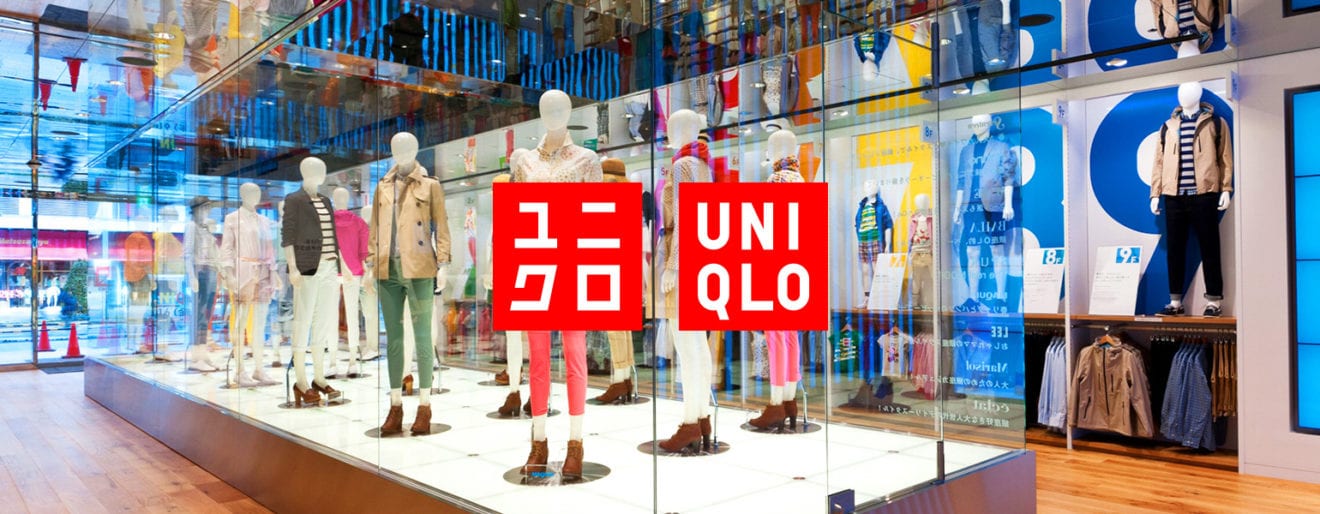
    Japanese fast-fashion retailer Uniqlo is to open its third store in Ho Chi Minh City this week and will debut online in the Philippines.

    Less than a month after the opening of the Ho Chi Minh’s second store at SC Vivo City, Uniqlo Vietnam is to launch another store in the country’s tallest building Landmark 81 this Friday (June 5).

    Occupying a 2000sqm area, the Uniqlo Landmark 81 store features the brand’s LifeWear products for males, females and kids. The store also features Uniqlo’s latest collections including the Billie Eilish x Takashi Murakami UT. To celebrate the opening, Uniqlo Landmark 81 is running several promotions such as giving away Uniqlo’s mugs and Landmark 81 SkyView tickets.

    Meanwhile, in the Philippines, the fast-fashion brand says it will launch online in the second half of this year.

    “An online store will provide local Uniqlo customers a faster and easier way of purchasing their favorite LifeWear items,” said Masayoshi Nakamura, COO at Uniqlo Philippines.

  • Asia-Pacific apparel markets well placed to survive virus fallout

    Asia-Pacific apparel markets well placed to survive virus fallout

    Asia-Pacific apparel markets are better placed to counter the impact from the Covid-19 crisis than those of North America and Europe, according to research from GlobalData.

    Vijay Bhupathiraju, a retail analyst at GlobalData, says forecasts suggest some US$297 billion will be wiped off the global apparel market this year due to the pandemic, with sales set to decline 15.2 percent over last year.

    However, 42 percent of that decline will be in the US, the world’s largest apparel market, while in the Asia-Pacific region, growing domestic demand will limit the damage.

    “Although the recovery has already started across the Apac markets, apparel sales will take some time to rebound amid dampened consumer confidence, the slump in tourism, the threat of an impending global recession and high unemployment rates.”

    However, he expects revenge buying – the sudden release of pent-up demand from those willing and able to spend – will compensate for some of the lost sales.

    “Some brands across China for instance are seeing store sales return to 80 to 100 percent of pre-Covid-19 trading levels as the country relaxes lockdown measures.”

    GlobalData expects fast-growing Apac markets including China, India, and South Korea to improve their positions in the Top 10 global apparel markets by 2023, as mature Western markets lose out.

    China is expected to overtake the US as the world’s largest apparel market within three years.

    Meanwhile, the serious decline in sales in the US is likely to lead to more major retailers filing for bankruptcy. Already this year, Neiman Marcus, JC Penney, J Crew, and True Religion have entered Chapter 11 protection along with many smaller regional retailers across the US. In Germany, Esprit has entered a similar local form of bankruptcy protection.

    According to GlobalData’s research, the 10 worst-impacted geographical markets will account for 85 percent of the apparel industry’s total loss – and mature markets will be the worst hit. Asia-Pacific apparel markets will perform the best.

  • Cebu Pacific resumes some domestic flights yesterday

    Cebu Pacific resumes some domestic flights yesterday

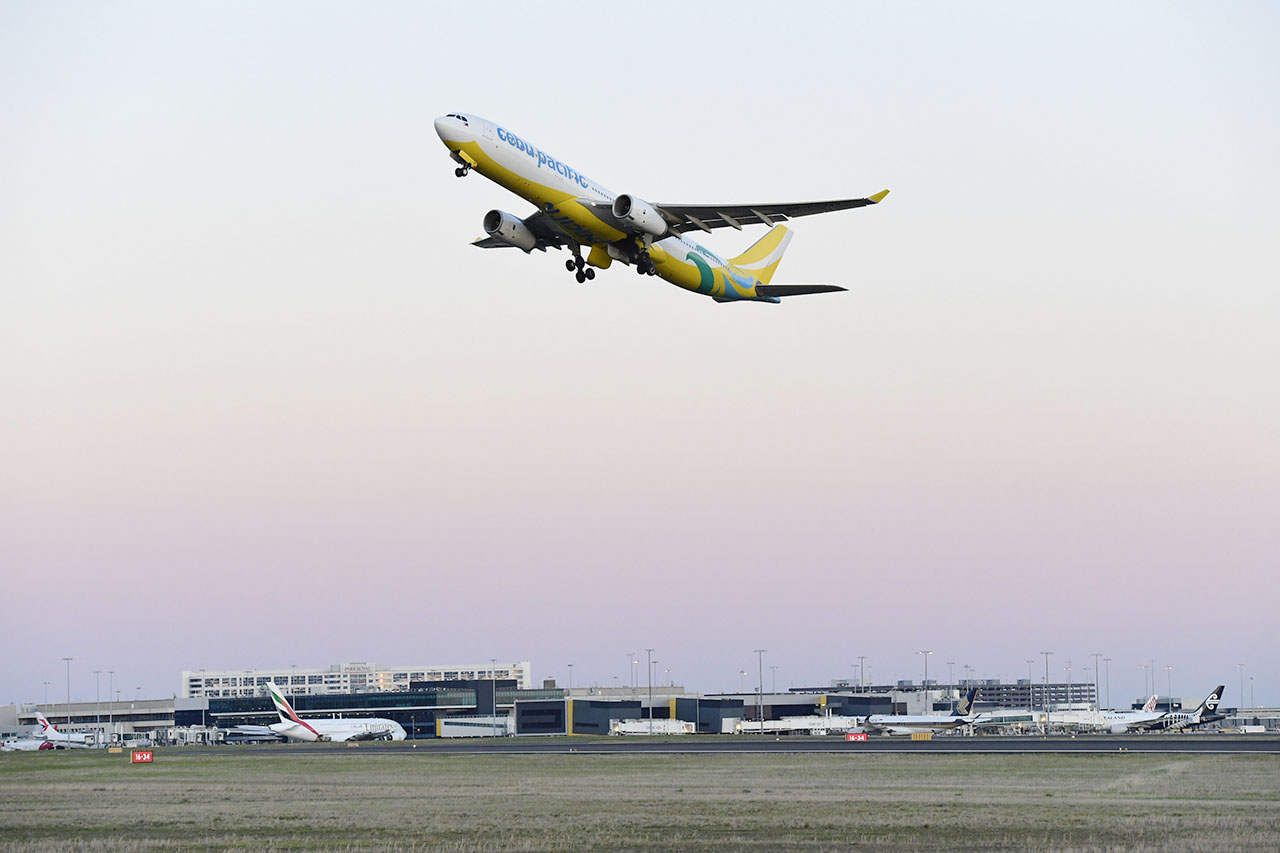
    Budget airline Cebu Pacific on Saturday said it would resume some domestic flights by June 2, but international flights would remain suspended from June 1 to 30.

    “We will continue to work with the Inter-Agency Task Force (IATF), as well as other national and local government authorities, on the rules and requirements to resume commercial passenger flights between areas under General Community Quarantine (GCQ),” Cebu Pacific said in a statement.

    “In Manila, all flights will depart and arrive from the Ninoy Aquino International Airport Terminal 3. All International flights remain suspended from June 1 to 30, 2020,” it added.

    The airline management reiterated that leisure travel was still prohibited by the government.

    It added that guests should check guidelines from the ”IATF and with the local governments of their origin and destination for the required documents.“

    Cebu Pacific also said they will provide updates on flight schedules from June 5 onwards as they “build-up domestic flight network, depending on market demand, quarantine restrictions and government regulations.”

  • Liverpool FC opens E-commerce platform in Japan

    Liverpool FC opens E-commerce platform in Japan

    Liverpool FC has partnered with soccer shop Kamo to launch its first online store in Japan.

    The Liverpool FC online store offers a wide range of replica kits and the brand’s authentic merchandise, apparel and fashion accessories, including the exclusive Hello Kitty x LFC Collection.

    “As a key player in the football and sports-retail industry, we know this store has been a long time coming for Liverpool FC fans here,” said Ken Kamo, president of Kamo.

    “We’re looking forward to working together to bring supporters here closer to the club they love.”

    Launched in 1968 as a small football shop, Kamo operates 23 brick-and-mortar stores and an e-commerce site, offering a selection of sport brands including Puma, New Balance and Adidas.

    Senior VP at Liverpool Football Club Mike Cox, said: “I’ve been able to see first-hand how passionate our fanbase is here and as one of the world’s premier shopping destinations, it’s an exciting opportunity for the club to connect with supporters in the region.”

  • No surprise as retail sales in Hong Kong down again

    No surprise as retail sales in Hong Kong down again

    Retail sales in Hong Kong have plunged by more than one-third over the first four months of this year.

    Census and Statistics Department figures show a 36.1-per-cent decline, which follows an adjusted 42.1-per-cent fall in March.

    Those two months represent the beginning of the real impact of the Covid-19 pandemic which has seen the border with Mainland China effectively closed down and starving the territory’s retailers of traditional sales to inbound tourists.

    A government spokesman said that April’s decline, while narrower than that of March, was still “huge”.

    “While the epidemic has abated in Hong Kong, the business environment for retail trade remains challenging, as Covid-19 has brought inbound tourism to a standstill, and as austere labor market conditions and various uncertainties continue to weigh on consumer sentiment.”

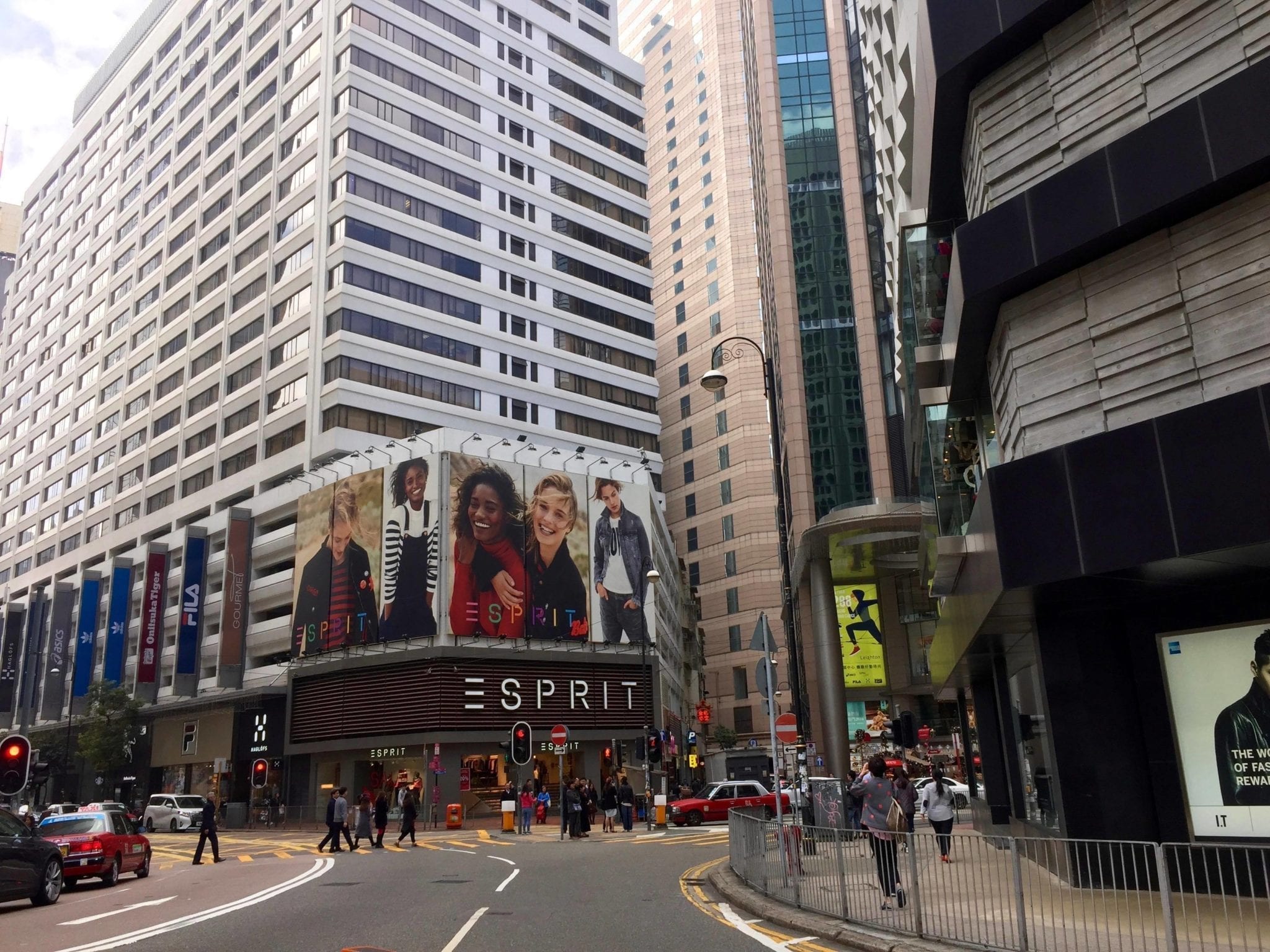
    Retailers received little relief in May as when local social-distancing measures were relaxed, social unrest recommenced, leading to stores being shut in the popular Causeway Bay district, with some, including I.T Group-owned premises, vandalized. Retail sales in Hong Kong are unlikely to show any lasting recovery until much later this year when the border reopens and international travel resumes.

    Broken down by category, the April data made for grim reading. Watches, clocks and jewelry sales were down a massive 76.6 percent on April last year. Apparel sales slumped 63.6 percent, cosmetics and medicines were down 62.9 percent and footwear and accessories fell by 55.6 percent.

    Optical shop sales fell by 43.2 percent, sales of books, stationery and newspapers fell by 39.9 percent, of Chinese drugs and herbs by 35.3 percent and of electrical goods and electronics by 21.7 percent.

    Department-store sales were down by 18 percent, and of food, liquor and tobacco by 14 percent.

    Just two categories posted growth: supermarket sales up by 14.4 percent and furniture and fittings by 1.6 percent.

  • Indian retailers in mall revolting

    Indian retailers in mall revolting

    Indian retailers with stores in shopping malls are threatening to close shop if landlords do not meet demands for waivers and new rental agreements.

    Retailers representing 350 brands are seeking relief from tough rental commitments in the likely face of 12 months of low business driven by the Covid-19 crisis, proposing new arrangements such as revenue-sharing models. The brands have sent an ultimatum to malls including DLF, Ambience, Nexus, Pacific, Phoenix Group, Oberoi, and Mantri following the failure of some retailers to revise rental agreements.

    “We cannot survive without collaboration,” said Future Retail MD Rakesh Biyani in a Times of India report. “If not, there will be further job losses in the sector.”

    Of all Indian retailers, those that could be hardest hit by continuing patterns of buying this year are likely to be apparel and fashion.

    “Retailers and brands have to additionally deal with massive accumulation of inventories, unprecedented disruption in manufacturing and supply chain, and the huge shift of customers to e-commerce, among other things,” read the retailers’ ultimatum.

    Indian mall footfall is expected by some industry observers to continue to be affected by the Covid-19 pandemic well after the outbreak resolves, with consumer behavior potentially permanently gravitating towards online shopping.

  • South Korean duty-free retailers closing downtown stores

    South Korean duty-free retailers closing downtown stores

    South Korean duty-free retailers are temporarily shuttering metropolitan stores in response to a significant decline in tourist numbers caused by the coronavirus epidemic.

    Numerous outlets at prime tourist destination Jeju Island will be closed this month. A Lotte Duty-Free store that has already been operating under reduced hours since February will close pending the resolution of the crisis. Hotel Shilla’s store, which has suspended trading on weekends and holidays throughout the outbreak, will cease trading for a fixed one-month period.

    Jeju Island tourism has faltered significantly in recent months under heavily-reduced international flights, with a 99.2 percent drop in foreign tourist numbers year-on-year during April.

    The South Korean duty-free retailers shuttering stores also include Shinsegae Duty-Free’s locations in Gangnam and Busan will close on Sundays and Mondays from this month on, while airport duty-free stores under all local operators are largely closed for business at this time.