Tag: Retail

  • Hong Kong retail sales in June slip

    Hong Kong retail sales in June slip

    Hong Kong retail sales in June slumped by 24.8 percent to US$3.42 billion as the territory’s borders remained all but closed to tourists due to the Covid-19 pandemic.

    The decline was lower than in May when sales were down 32.9 percent year on year and the 33.3-per-cent rate for the six months to June.

    A Hong Kong government spokesman said the slowing rate of the decline reflected the pandemic’s abatement during the month, resulting in more locals returning to the shop.

    However, with inbound tourism remaining at a standstill in July and local consumption hit by the surge in local Covid-19 cases resulting in a tightening of social-distancing measures, the retail trading environment “has turned more austere again” since June, they said.

    June last year was when the social unrest began to impact Hong Kong retail, so the year-on-year declines each month for the rest of this year will likely be less dramatic than in recent months, due to the lower base.

    In order of the category’s impact on the overall figures, the biggest declines were in department-store sales down 7 percent; miscellaneous consumer goods by 10 percent, food, alcohol and tobacco down 13.2 percent; jewelry and watches by 56.5 percent; electrical goods by 8.8 percent; and apparel by 38.8 percent.

    The medicines and cosmetics category was down by 57.4 percent; motor vehicles and parts by 17.9 percent; footwear and accessories by 39.7 percent; Chinese drugs and herbs by 29 percent; books, newspapers, stationery, and gifts by 41.3 percent; and sales at optical shops fell by 32.5 percent.

    The only categories showing growth in Hong Kong retail sales in June were supermarkets up by 4.5 percent, fuels by 8.4 percent, and furniture and fixtures by 0.3 percent.

  • Man vs. Machine: The Next Generation of the Retail Supply Chain

    Man vs. Machine: The Next Generation of the Retail Supply Chain

    Demand for retail goods continues to grow exponentially in today’s omnichannel world. In addition to this, COVID-19, which has seen a huge increase in activity within the e-commerce space, has put retail businesses and supply chains under even more pressure to keep up with increasing demand and sharper consumer expectations.

    Alongside the current high pressure retail climate, demand for labour in warehouses has never been higher, and this is leading to many retail businesses adopting advanced warehouse and automation technologies to stay ahead of the game and maintain their strength within the market.

    Turning to automation

    The switch from man to machine has quickly become a critical factor for many retail distribution centres (DCs) to maximise throughput, particularly when demand is high. As more orders flow through more warehouses, operations become tighter – with smaller delivery windows and less employees than ever to complete the work.

    When faced with these challenges, many businesses have had no choice but to adopt automated technologies to become less dependent on human labour. In fact, 99% of supply chain companies globally say that they are already using automation in the warehouse to assist with retail fulfilment operations.

    Online orders, which are rolling in at soaring volumes, are expected to be packed and delivered quicker than ever before as consumer expectations rapidly grow. Without the integration of automation in DCs, retailers simply can’t keep up with demand, which is why many of them are looking to invest in automation, not only as a solution to the current problem, but as a way to prosper in the future.

    Gaining operational control 

    Advanced Warehouse Management Systems (WMSs), are the leading innovation for businesses looking to take full control of their operations. They allow businesses to gain visibility and real-time insights into things like productivity rates, inventory and fulfilment, and the coordination of their workforce, as well as complete control of all deployed automated technologies

    WMSs work to provide a centralised point of control for all operations within a retail warehouse, including tasks outside of fulfilment, such as receiving and inspecting products and other value-added services. The integration of a WMS within retail warehouses has become an increasingly business-critical method for capitalising on any innovations as they emerge, offering a close-up view of one or all aspects of operations and coordinating the workflows of humans’ to collectively work together with robotics.

    The right WMS also uses machine learning to improve processes. Using artificial intelligence, the system creates a baseline by predicting how long tasks should take. As work is executed, it analyses the results, then armed with real data, the WMS couples advanced orchestration logic with real-time awareness of capacity to optimise operations. The resulting improvements lead to reduced dwell time, shorter order cycle times and more accurate allocation of work. This means retail warehouse managers can act on more orders, increase service levels and maximise asset utilisation.

    Technology fit to unify operations

    The future of the retail supply chain will be an integration of people, robotics, and technology innovations, and while they all have a major role to play, the key to better productivity lies in helping them to work better together. An advanced WMS takes a holistic view of operations to bring both labour and automation together, and then incorporates machine learning to maximise efficiency.

    This technology, built for purpose now and into the future, allows retail businesses to utilise all of their assets, synthesising any type of new automation they wish to add, to continually optimise operations. The right WMS gives retail businesses the best of man and machines, so they can take on any challenges that arise, as well as continue to get the most out of their operations and meet rising consumer demnds. 

    About Manhattan Associates

    Manhattan Associates is a technology leader in supply chain and omnichannel commerce. We unite information across the enterprise, converging front-end sales with back-end supply chain execution. Our software, platform technology and unmatched experience help drive both top-line growth and bottom-line profitability for our customers. Manhattan Associates designs, builds and delivers leading edge cloud and on-premises solutions so that across the store, through your network or from your fulfillment center, you are ready to reap the rewards of the omnichannel marketplace. For more information, please visit www.manh.com.au. 

    Written by: Richard Wright, Managing Director Southeast Asia, Manhattan Associates


  • Li & Fung Partners with JD.com to Accelerate Development of Digital Supply Chain

    Li & Fung Partners with JD.com to Accelerate Development of Digital Supply Chain

    Li & Fung, today announced a strategic investment of US$100 million from JD.com , with newly issued capital to further develop its digital supply chain. The Fung Family will continue to retain control of the Company with 60% of the voting shares.

    Li & Fung has been on a journey to create the Supply Chain of the Future and the strategic cooperation with JD will accelerate this development with a proven digital partner. Li & Fung will also grow its business in China by partnering with JD on private label initiatives for the China domestic market by leveraging its global network and digital supply chain. With the strong partnership between the Fung Family and Singapore-headquartered GLP Pte Ltd., and now the addition of JD, Li & Fung will be able to leverage its scale and digital capabilities to continue its journey of creating the end-to-end digital supply chain.

    As China’s leading technology-driven e-commerce company, JD is transforming to become the leading supply chain-based technology and service provider, which fits well with Li & Fung’s goal of creating the Supply Chain of the Future. JD has been developing proprietary supply chain technologies for many years and has created digital retail and supply chain platforms that are fully integrated to support its omnichannel strategies.

    Amidst the continuing digital disruption to retail and the ongoing global trade tensions, compounded by the dramatic impact of Covid-19, the global retail supply chain has become more and more complex. With the breadth and depth of its global sourcing and production ecosystem, pan-Asia logistics network, and industry-leading digital product development capabilities, Li & Fung is helping global retailers and brands navigate a highly uncertain and ever-changing macro environment.

    Spencer Fung, CEO of Li & Fung, said: “Our goal to create the Supply Chain of the Future and to improve the lives of one billion people in our global supply chain remains more relevant than ever in this turbulent world. The partnership with GLP and the addition of JD will be instrumental in further strengthening Li & Fung.”

  • Revenge shopping and getting personal

    Revenge shopping and getting personal

    Shanghainese women purchasing luxury goods in the post-Covid-19 era are making conscious choices in consumption – with a tendency towards revenge shopping amongst younger buyers.

    The insights were revealed in new research by local luxury intelligence agency Gusto Luxe. The firm’s latest report analyses trends in luxury shopping among Shanghai’s women, highlighting several factors with implications for how brands should position and communicate in the market.

    “It’s fascinating to understand the deep impact of the pandemic on Chinese luxury consumers, said Gusto Intelligence research director Lee Folland. “It also offers opportunities for brands to further explore how Chinese luxury consumers expect a specific category and brand to engage in this new environment.”

    For the survey, Gusto interviewed 20 women in Shanghai aged between 20 and 55 years old via LookLook Mobile Ethnography (a product of Spark Ideas), all qualified luxury buyers who spent a minimum of US$5000 on jewelry within the past year, of which more than $2000 was on a single item.

    According to the data, cooking classes, interior decoration, home improvements, and fragrances are top of mind among Shanghainese women in the luxury market. The women interviewed indicated a desire for more personalization on digital platforms and placed high importance on wellness, beauty and vitality. They have a heightened interest in what brands are doing to minimize environmental and social impacts and exhibit greater pride in Chinese Brands.

    For the time being, travel outside of China is not on the cards with the continuing impact of the pandemic.

    “From live streaming to the future of private events to how to leverage relationships with SAs, this study unveiled great clues into what luxury buyers truly desire, as seismic shifts are occurring in the luxury retail landscape,” said Spark Ideas founder & CEO Malinda Sanna.

  • Covid-19 drives broad shift in shopping behaviour

    Covid-19 drives broad shift in shopping behaviour

    The coronavirus pandemic has had a lasting impact on the shopping behavior of global consumers, according to new research by Adobe.

    The figures show that despite the lifting of lockdown restrictions in many countries worldwide, customer shopping habits and brand interactions have not returned to pre-coronavirus norms.

    According to the survey, 67 percent of responding consumers remain concerned about the pandemic’s impact on personal health (73 percent), jobs (40 percent) and the economy (36 percent). Millennial consumers registered far greater levels of concern than any other respondent age group.

    “The outbreak of Covid-19 has accelerated a broad shift in APAC consumer behaviors and attitudes that have been in the making for some time,” said Adobe MD Southeast Asia Simon Dale. “It is clear from the results of the study that brands that are nimble in pivoting to this digital ‘new norm’ will be able to create deep and enduring brand resonance while helping their customers feel truly supported. Marketers will need to pay close attention to their customers and ensure that they adapt their CX strategy to address different groups with relevant messages, more so now than ever.”

    Close to 100 percent of consumers expressed patience with those restrictions that remain in place, while just 61 percent agree with full lockdown measures – Chinese consumers being notably content to wait things out.

    Other findings showed increasing consumer concern with the way businesses treat staff (77 percent), while just 54 percent of consumers think firms care for the wellbeing of their employees. A high proportion of consumers think it important for brands to mirror the state of the world in their marketing collaterals in response to Covid-19 and have a duty to proactively offer help or provide special offers to customers in this era.

    Despite a sharp growth in online shopping and widespread anticipation of a permanent shift in consumer behavior towards e-commerce adoption, 70 percent of consumers reported a preference for purchasing grocery items in person, particularly in Australia.

    To respond to these and other nuances in customer preference, the majority of organizations are transforming their long-term strategy in case this period lasts for more than a year (79 percent), and are also changing their approach to future marketing efforts (82 percent).

  • Off-White opens doors in Bangkok’s EmQuartier

    Off-White opens doors in Bangkok’s EmQuartier

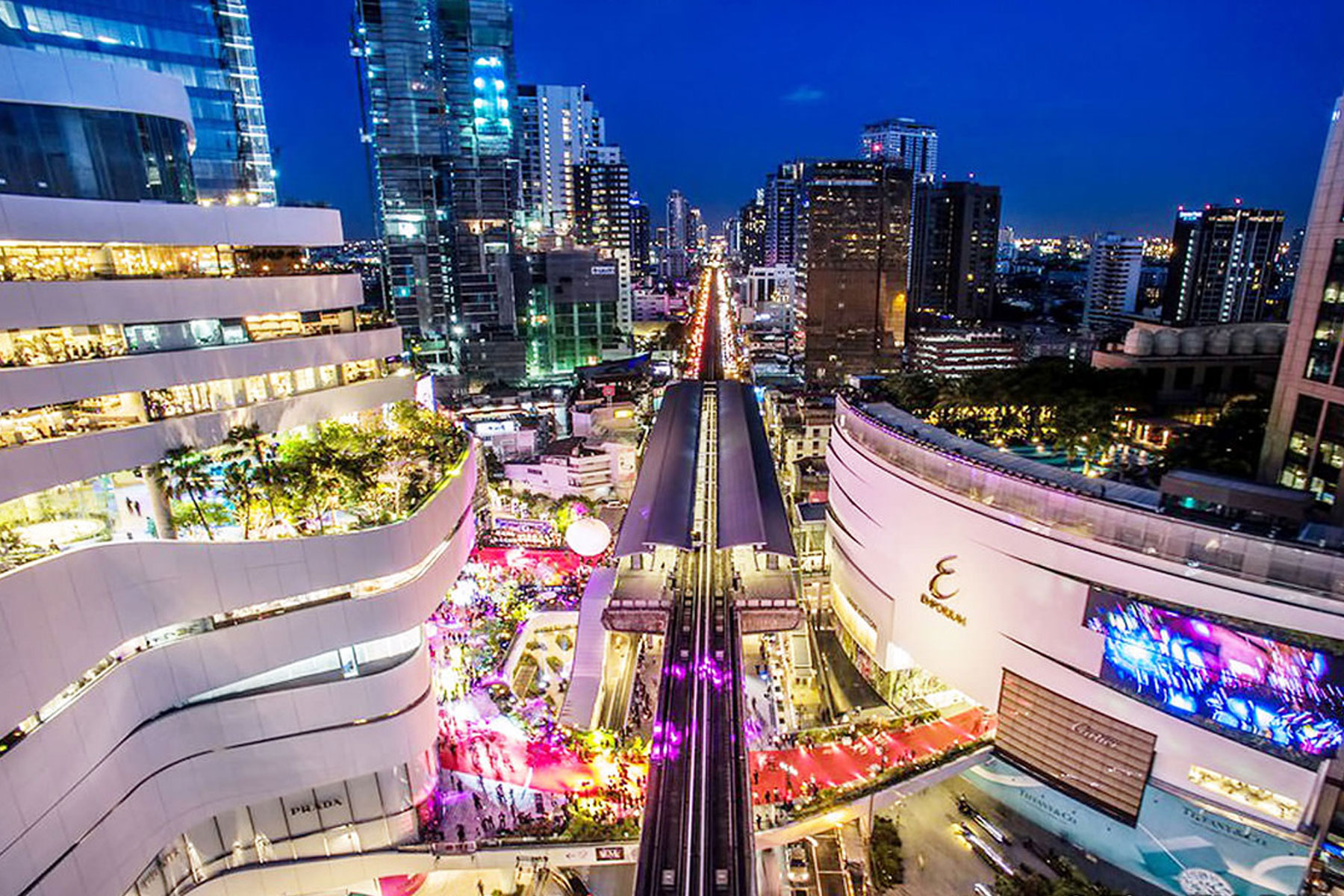
    Italian luxury fashion label Off-White has opened a new monobrand store in Bangkok’s EmQuartier.

    Located on M Floor, the Off-White EmQuartier store occupies a 174sqm space, offering a selection of Off-White’s menswear and womenswear collections.

    The store facade features gray walls with the Off-White’s logo in yellow. The store’s interior is dressed in curved wood, creating a soft and elegant design.

    Off-White’s products are displayed under the wooden wall, which according to the company works as “racking systems and modules for product display”, a feature specially created for this location.

    Several grey granite tables with hole detailing stand in the centre of the store, reflecting the Off-White’s fresh, new logo concept. Velvet benches and carpets add a touch of sophistication to the design.

  • Shiseido looks to China’s online model for post-Covit 19 growth

    Shiseido looks to China’s online model for post-Covit 19 growth

    Shiseido Co is pumping up its e-commerce presence amid a “deep crisis” in the beauty business, with the Japanese company looking to its China strategy as a post-pandemic model for growth.

    The 148-year-old beauty giant sees its online proportion of overall sales growing to 30 percent in two or three years if current conditions continue, from about a fifth right now, according to CEO Masahiko Uotani.

    “From a business standpoint, we’ve been trying to come up with solutions to the current situation and use this as an opportunity to go at a faster pace with some reforms,” Uotani said in an interview in Tokyo.

    The reforms for Shiseido, which has relied heavily on department-store sales, involve training beauty consultants to use live streaming and social media, working more closely with retailers on the tech-enabled shopping experience, and investing in new marketing content for online, Uotani said. All strategies the company has implemented in China.

    “We need to merge online and offline to get people to buy more. Beauty products are different from others in that a human touch is very important, so we need to think about a structure that allows that,” he said. “There’s a lot we can learn from what’s going on in China.”

    Uotani’s focus comes as the beauty industry faces unexpected challenges because of the global pandemic that is different from previous downturns. Measures to control the spread of the coronavirus have melted away social norms like putting on makeup in the morning or spritzing on perfume before a night out. As people stay home, the need for beauty care has become a lower priority, making it difficult for businesses to bounce back quickly.

    The situation has also been complicated as department stores and beauty salons have closed during lockdowns, sending consumers to seek cheaper cosmetics brands online.

    Shiseido’s sales fell 17 percent in the first quarter and operating profit plunged 83 percent, mostly due to clampdowns on movement in China, where it does a fifth of its business, and a hit to tax-free sales to Chinese tourists in Japan. The company withdrew its annual forecast, acknowledging it would be unable to hit its mid-term goal of more than US$11 billion in sales by this year. For the second quarter, analysts are expecting Shiseido to swing to a loss.

    “The near-term earnings outlook will be difficult,” said Ritsuko Tsunoda, an analyst at JPMorgan Chase & Co. “But I think Uotani will leverage that for any material structural change that he couldn’t have implemented otherwise.”

    Mini-influencers

    Transitioning beauty-product sales online isn’t an easy step for an industry built on consumer preferences and dominated by the image of rows of samples at physical retailers that encourage trying and buying on the spot.

    Shiseido is training its sales staff in Japan to follow the example of Chinese employees, turning beauty counter ladies into mini-influencers. In China, department store consultants have taken to social media to stream the newest products that have arrived. Interested customers are then directed to the website of the department store to purchase the products.

    China has developed a booming culture for live video merchandising, and companies are beginning to catch on to the trend.

    Uotani sees China’s e-commerce sales hitting 40 percent of revenue from the region this year, jumping from 30 percent currently. He said China’s fast recovery — sales of high-priced prestige brands in April, after the strictest lockdowns ended, were at levels before the coronavirus hit — could bode well for other regions.

    Drunk elephant

    The focus in the short-term will be prioritizing its high-end beauty brands that can generate cash flow to invest in e-commerce, according to Uotani. The company, which owns Nars and Laura Mercier makeup, is looking to speed up the expansion of its Drunk Elephant brand, which it bought in an $845 million deal last year, as prestige skincare products have been resilient during the pandemic.

    Dealmaking, such as selling off non-core assets or buying businesses that can support the focus on prestige and e-commerce, is also part of the equation, Uotani added.

    “It’s a very deep crisis for our business, and we need to protect employees and the company,” he said.

    At stake is the legacy of Uotani’s tenure. When he took the helm of Shiseido in 2014 following stints at companies including Coca-Cola Japan, it was a rare instance of an outside executive joining the C-suite in the island nation, where managers are typically elevated through decades of service to one firm.

    Analysts and investors have praised Uotani’s efforts at Shiseido, whose value more than quadrupled during his tenure before the coronavirus hit. After such success, the current crisis is shaping up to be his biggest test.

    “In my 40 or so years working in business,” he said, “the unexpected and uncontrollable impact from the global pandemic is the biggest I’ve dealt with in my career yet.

  • Covid-19 has trapped US$111 billion of luxury spending in China

    Covid-19 has trapped US$111 billion of luxury spending in China

    Jeff Meng, a 25-year-old watch lover from a well-heeled Guangdong family, had US$22,800 burning a hole in his pocket. He could not find the Rolex Daytona watch he wanted, dubbed “panda” for its black-and-white face, anywhere in China.

    Thanks to the coronavirus pandemic that’s halted travel and disrupted networks of parallel importers, Chinese high-end shoppers like Meng – who collectively spend $111 billion a year on luxury goods, powering over a third of the global industry – are finding it hard to spend their cash.

    That’s forcing global luxury houses from Balenciaga to Montblanc to rethink how to reach Chinese consumers on the mainland, despite long-standing concerns that range from counterfeiters to powerful e-commerce platforms that set the rules. The halt to travel is also fuelling the rise of a second-hand luxury market in China as consumers seek certain styles or models they can’t find in local stores.

    Prior to the pandemic, two-thirds of Chinese luxury purchases were made overseas, according to consultancy Bain & Co. The spending took place either on shopping spree vacations or through resellers called “daigou”. Meaning to “buy on behalf,” these were platforms or individuals who used Chinese people living, studying or traveling abroad to purchase sought-after goods from boutiques in Europe or the US and bring them back home.

    “Now, travel is impossible, and daigou sellers are either back on the mainland or stranded in Europe,” said Meng. “The pandemic made me realize you can’t easily get what you fancy in China.”

    From Savile Row to Swiss watches, luxury rules have changed

    Cognisant of the potential of Chinese consumers who don’t travel overseas, luxury houses had already been rolling out plans to expand on the mainland. The pandemic has now hastened that shift and imbued it with urgency.

    With other factors like perceived anti-Chinese racism in western countries exacerbated by the coronavirus, and the Chinese government’s desire to bring spending home to boost its ailing economy, it’s likely that Chinese luxury buyers won’t revert to previous patterns even after the crisis passes.

    More than half of Chinese purchases for luxury goods will happen domestically by 2025, Bain & Co estimated in May, compared to a third in 2019.

    “Chinese feel unsafe in foreign countries, which is why they consume at home,” said Amrita Banta, MD at luxury consultancy Agility Research. “Brands should increase importing from foreign countries into China and offer a wider and well-priced range. They can now expand their reach to more cities — even smaller towns which have a propensity to spend.”

    E-commerce, live-streaming

    With China having largely contained its epidemic, including a new outbreak in Beijing last month, shoppers are spending again. This is set to boost the luxury market on the mainland as much as 10 percent this year, compared to a 45-per-cent plunge in the global industry, according to estimates by Boston Consulting Group.

    “Things are normal again internally, and we are seeing the results throughout our stores,” Richemont Chairman Johann Rupert said of China, where it has around 460 boutiques. “But they’re not traveling. Nobody is traveling. And until people feel sufficiently safe, I doubt that we will return to a pre-Covid stage.”

    The loss of Chinese travel spending has been cited as a blow to earnings by companies from LVMH to Moncler SpA in recent months. While luxury companies mostly do not break out Mainland China numbers, sales to Chinese tourists are likely to far outstrip revenue from local boutiques, analysts say.

    The trend of more spending within China “will push us to reconsider our store network,” said Jean-Marc Duplaix, CFO of Gucci-owner Kering SA during an April 21 earnings call. “It will lead to a clear re-shuffling of the distribution.”

    A wave of luxury brands like Prada, Miu Miu, Balenciaga, Piaget and Montblanc have opened virtual storefronts on Alibaba Group Holding’s Tmall luxury platform this year, some setting aside long-standing objections to working with third-party online channels.

    Brands like Louis Vuitton, Givenchy and Chloe have started using live-streaming to push products in China, a popular style of social commerce where an influencer speaks live to audiences for hours at a time, promoting and trying out items.

    In the past, luxury houses were worried about diluting brand prestige and losing control of customer data by working with Chinese internet giants like Alibaba, but the urgency of reaching Chinese shoppers has now eclipsed those concerns.

    “Most luxury brands were too reliant on their offline experience and they lacked presence outside major cities where there is no decent shopping mall,” said Jason Yu, MD at Kantar Worldpanel Greater China. “Counterfeits and resellers were also prevalent on e-commerce platforms in the past. But that is fast changing now.”

    Demand for some items has surged past supply in China. In May, Swiss watch exports to China fell 55 percent from a year ago, according to industry data, largely due to supply bottlenecks.

    “Due to the travel curbs during the pandemic, all the consumption power is locked inside China, so our sales there are growing,” said Alain Lam, the finance director of Oriental Watch Holdings. The high-end watch seller has 46 stores in mainland China. “But the supply is very tight, as Swiss factories are not yet fully returned to work.”

    Prior to the pandemic, luxury brands largely avoided stockpiling in China and kept local manufacturing to a minimum. Brands will now need to rethink how to avoid delayed stock and lost sales, said Agility’s Banta.

    Chinese shoppers desperate for certain items are turning to second-hand luxury platforms to procure them, fueling a surge of investment in such startups. Jeff Meng finally found his “panda” Rolex watch on one such platform called Ponhu (Beijing) Technology.

    Boosted by the pandemic, Ponhu’s gross sales will triple this year compared to last year, said founder Ma Cheng.

    JD’s used-goods platform Paipai saw sales in second-hand luxury goods jump 138 percent during the 18 days of its annual summer sale period in June compared to a year ago, including a record 300 Rolex timepieces changing hands. The demand for luxury watches, in particular, is due to the delay of new stock supply to Chinese retail stores, said Paipai’s luxury business manager Tony Yao.

    Rise of Hainan

    Facing its worst economic contraction since at least 1992, when official data was first released, China wants to keep spending within its borders.

    On July 1, China increased the tax-free shopping quota for travelers to its southern Hainan province, which has been designated a free trade zone, to 100,000 yuan annually per person from the previous 30,000 yuan. Sales on the first day of the new policy at four malls amounted to nearly 60 million yuan, reported state media.

    Some Chinese consumers say that the pandemic has unexpectedly shifted their perspectives: shopping at home can be convenient and pleasant in contrast to infrequent vacations or daigou platforms with no-returns policies.

    “I realize it’s so nice that I can try on the clothes in the malls, and salespeople treat me as a long-term client instead of just a tourist,” said Michelle Zhang, a finance executive from Fuzhou, Fujian province. “Even after global travel resumes, I will continue to shop more at home.”

  • Richemont suffers slump in online sales

    Richemont suffers slump in online sales

    After dismal updates from luxury goods groups this week, the company behind Cartier could be forgiven for a 47-per-cent slump in sales in its first financial quarter, writes Bloomberg’s Andrea Felsted.

    More disappointing is that Richemont’s powerful digital platform did a little better.

    Sales at the company’s online distributors, led by Yoox Net-a-Porter, fell 42 percent in the three months to June 30, a much worse performance than analysts had expected.

    That raises questions about Richemont’s strategy to expand its online platform. Now that the Swiss luxury group owns 100 percent of YNAP, it has the option to sell it, if it so desired, and their would-be suitors. But it should stay the course.

    Across the market, the demand for shopping via the click of a mouse or tap of a smartphone is rising strongly. Just look at the performance of mid-market online retailer Zalando SE, which on Wednesday upped its sales and profit forecasts.

    Richemont should clearly learn lessons from how it managed the impact of the pandemic. YNAP was hurt by warehouse closures. The decision not to use heavy discounting to clear unsold stock was risky. Zalando was able to keep all its warehouses operational.

    This doesn’t invalidate the current strategy. When it comes to pricing, Richemont chose to preserve its relationships with the fashion brands that supply YNAP by not slashing the prices of their goods. As luxury houses cut back on distribution via third-party sellers, this could prove wise in the longer term.

    There is also evidence YNAP’s e-commerce know-how is supporting Richemont’s other businesses. Online sales fell by a less-startling 22 percent if the digital arms of Richemont’s brands such as Cartier are included.

    YNAP’s joint venture with digital retailer Alibaba Group and the opening of a dedicated Cartier boutique on its luxury Tmall platform helped sales when stores in China were closed.

    Demand for online shopping is likely to remain strong even when stores reopen. And that is going to apply to the top end as much as mid-market clothes and accessories. Digital’s share of luxury sales could more than double to 30 percent by 2025, according to Bain & Co

    There will always be detractors who question the profitability of online luxury. Logistics expenses, particularly when it comes to product returns, offset the savings of having no rental bill. New warehouses and technology consume ever more investment to meet the demands of impatient, big-spending customers like YNAP’s.

    Even so, Richemont is on the right side of the trend with its online push. Indeed, the lesson from the last few months could be that the group should pare back its collection of fashion houses, such as Dunhill, Chloe and Peter Millar. That would allow it to devote the extra time and capital that the online and core watches businesses seem to need.

  • C.H. Robinson announces alliance with Microsoft to digitally transform the supply chain of the future

    C.H. Robinson announces alliance with Microsoft to digitally transform the supply chain of the future

    C.H. Robinson and Microsoft Corp. announced they are joining forces to digitally transform supply chains of the future by combining the power of C.H. Robinson’s Navisphere, Microsoft Azure and Azure IoT to meet the changing demands of evolving global supply chains. Through this alliance, the companies aim to enable real-time visibility for C.H. Robinson customers.

    “The partnership is welcoming news for C.H. Robinson’s customers as we set out to foster stronger global supply chains through infrastructure and technology,” said John Chen, vice president Asia at C.H. Robinson. “Given the complexity of supply chains connecting Asia and the world, shippers are increasingly looking for greater efficiency and real time visibility while digitally transforming their logistics networks. We want to accelerate the pace of transformation across the sector, tapping into the benefits of advanced cloud technologies and our Navisphere platform.”

    “The pace of change we’re seeing in the supply-chain industry today is unparalleled. Being able to quickly scale and adapt our technology is what helps give our customers a competitive advantage,” said Chris O’Brien, chief commercial officer, C.H. Robinson. “As we continue to invest and enhance our technology built by and for supply-chain experts, we look to partner with other best-in-class companies that bring the most value to our customers. Through Microsoft’s Azure cloud platform, we gain more scalability, premier data security and increased application speed, which benefit our customers and carriers around the world.”

    Through this collaboration, Navisphere — C.H. Robinson’s global multimodal transportation management platform — will now leverage Azure IoT Central to integrate IoT device monitoring that measures factors such as temperature, shock, tilt, humidity, light and pressure in shipments to give customers an even more detailed level of intelligence about goods as they move through the supply chain. Together, C.H. Robinson and Microsoft work with many of the Fortune 250 companies, which means this alliance makes it even easier to scale and develop new solutions to provide the world’s largest shippers with greater supply-chain efficiency, real-time insights and visibility.

    “We are committed to providing customers with a trusted, easy-to-use platform so they can build seamless, smart and secure solutions regardless of where they are on their IoT journey,” said Sam George, corporate vice president, Azure IoT, Microsoft. “We’re thrilled to collaborate with C.H. Robinson as it transforms the supply-chain industry by leveraging our Microsoft Azure and Azure IoT solutions.”

    The new collaboration builds on C.H. Robinson and Microsoft’s already rich history of working together. Navisphere is currently used across Microsoft’s global supply chain, giving the company real-time visibility into inventory, at rest or in motion anywhere in the world. In addition, in collaboration with Microsoft, C.H. Robinson built Navisphere Vision, a global real-time visibility product that leverages Azure IoT solutions, machine learning and predictive analytics to assess potential disruptions across supply chains.

    Through C.H. Robinson’s TMC division and Navisphere Vision, Microsoft is driving innovations in its own supply chain to provide more predictability and proactive decision-making to its various business groups.

    “The supply chain of the future is smarter, less volatile and can be navigated with a new level of visibility thanks to the power of this relationship. Through this collaboration, our customers receive a greater competitive edge, as well as industry-leading insights and expertise,” said Jordan Kass, president of Managed Services at C.H. Robinson.

    In addition to C.H. Robinson’s innovation on Azure, the company is also leveraging  Dynamics 365 and Power BI to streamline its customer relationship management (CRM) platform, supporting C.H. Robinson’s commitment to customer-centricity from small business to the world’s largest shippers. As part of its relationship with Microsoft, C.H. Robinson will integrate its real-time pricing, execution and transportation management tools into Dynamics 365, making these digitally-driven logistics capabilities available to Microsoft customers.

  • Central Retail Vietnam revenues surpass US$1.1 billion after rapid expansion

    Central Retail Vietnam revenues surpass US$1.1 billion after rapid expansion

    Thai retail conglomerate Central Group plans to cover 90 percent of Vietnam’s provinces within five years via subsidiary Central Retail.

    Central launched in Vietnam in 2012, initially with fashion merchandising before taking stakes in local electrical appliance chain Nguyen Kim (which it now owns 81.5 percent of) and Lanchi Mart supermarket in 2015.

    As of last month, Central Retail Vietnam operates 35 malls (most anchored by Big C hypermarkets) and 230 stores across 39 out of the nation’s 63 provinces. It is the largest multinational retail company operating in Vietnam with a customer base of about 12 million and revenues of US$1.17 billion last year. The country already accounts for about 20 percent of the parent company’s sales.

    The company’s new Go! brand already encompasses 32 hypermarkets (Hyper Go!) and seven supermarkets (Super Go!). Six more Go! hypermarkets are scheduled for Tra Vinh, Quang Ngai, Buon Ma Thuot, Ben Tre, Ba Ria, and Thai Nguyen, while four more Big C stores will soon be rebranded to Go!”

    Central Retail Vietnam CEO Philippe Jean Broianigo says Central Retail will continue to focus on growth via outlet expansion.

    The company is bullish about its prospects in Vietnam which recorded 3.82-per-cent economic growth in the first quarter of this year despite a four-week shutdown of most retail from late March. No community transmission of Covid-19 has been recorded since April 16.

    The plan includes technology and omnichannel platform developments and achieving business synergies with leading partners such as Grab and GrabMart to launch delivery services for customers.

    “Central Retail will have a full multi-format platform that can seamlessly reach customers via offline and online channels,” said Broianigo.

    Central Retail CEO Yol Phokasub said the company is “constantly seeking expansion” and will continue to invest in Vietnam because it foresees the size of the potential.

    “By staying true to our vision, we will drive the country’s prosperity simultaneously with improving the quality of life of Vietnamese people.”

  • Lush calls out Hong Kong landlords after flagship closing

    Lush calls out Hong Kong landlords after flagship closing

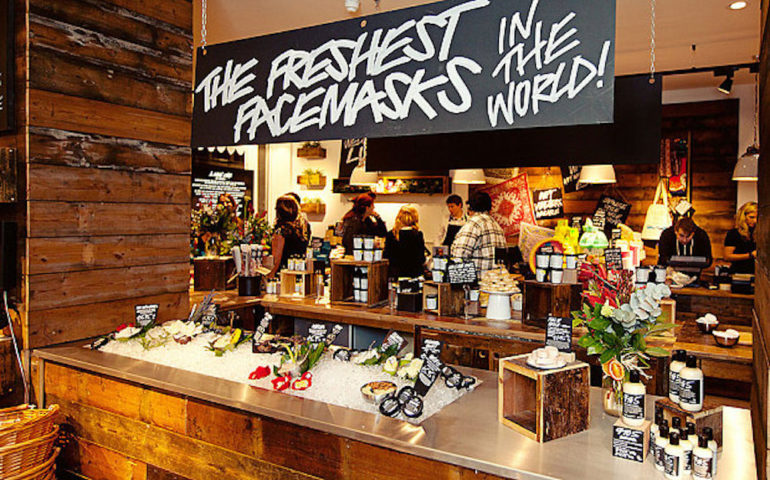
    Lush has taken a positive approach to its future in Hong Kong following the closure of its Central flagship store at the end of last month.

    But it has criticized the city’s landlords generally for failing to share the burden of a decimated retail market in the wake of the pandemic. The beauty products company said the decision to close the five-story flagship store, and its first spa in Asia at the end of its lease took “much consideration”.

    Lush said that all of its other stores in Hong Kong and Macau will continue to trade as usual.

    The Soho Square store’s closure reflected the challenges of dealing with reduced footfall during the Covid-19 crisis, the impact of “previous conditions” and a lack of early response from landlords and the government to help struggling businesses.

    “The pandemic has challenged many businesses around the world. Unfortunately, the measures to help in Hong Kong have been very late. Up until the end of January we had received little support from landlords or the government. However, the measure on salaries is very much needed and we are grateful for this.

    “Even though we are saying goodbye to Lush Soho Square Shop & Spa, we want to highlight the achievement of the team in the past five years and thank them for all their hard work. We have loved bringing the spa experience to customers in Hong Kong and we hope they have enjoyed every moment.”

    Elsewhere in Hong Kong, Lush has been engaging with landlords across the two territories because rent accounts for the majority of costs to businesses of all types.

    “We know it is also difficult for our landlords and as property owners, they also have a vested interest in the future of the retail industry,” Lush said in its email. “We would like to thank our partners who have to date been open to constructive discussion and particularly for those that have given discounts of 50 percent and above.

    “But this isn’t the time for one party to take all and one party left with all the burden. We believe there is collective social responsibility, and landlords and retailers should work collaboratively together to ensure retail survives in Hong Kong, which will benefit the local people and economy that in turn supports property owners that need rental tenants.

    “Some landlords gave us a slight discount on rent in February and March, following negotiations with us. However, this is not reflective of the reality we are facing. We have been in continual negotiations of the rent relief and payment plan with the landlords, and we are confident of keeping things under control with our strategic property plans, and where governments have offered pay schemes and guarantees we are making use of these to ensure staff payroll is protected as much as possible whilst there is little money flowing into the business.”

    Meanwhile, over the past few months, the company has worked to have a positive impact on the local communities during the pandemic.

    Underpinning the message of washing hands to keep the virus at bay, Lush donated more than 8 tonnes of soap to healthcare workers, non-profit organizations and minority groups.

    “We strongly believe that this is the time we have to help each other locally to overcome the unpredictable challenges so that we can support a positive future together.

    “We look to the future with optimism and sincere gratitude to our incredible staff and community. We are doing our best to make decisions and operate the only way we know how: honestly and transparently.”

    Lush founder Mark Constantine said the pandemic may bring many long-lasting changes to the way people live their lives.

    “Lush needs to adapt to these changes, stay agile and relevant, whilst holding true to our principles of being a business that is kind and caring. We will need the help of everyone as we enter this next phase.”

  • Indian retail sales tumble

    Indian retail sales tumble

    Indian retail sales fell by 67 percent year on year in the last two weeks of June, according to a Retailers Association of India (RAI) survey reported.

    Mall retailers recorded an even sharper drop of 77 percent over the same fortnight, largely due to some remaining closed throughout the territory. High street retail, currently reopened for business throughout the country declined by 62 percent.

    While the scale of the decline reduced marginally in June, for the full June quarter, the fall was 74 percent.

    RAI CEO Kumar Rajagopalan aid the figures depict a grim situation for not just retailers but the entire economy, as retail is the backbone of consumption.

    “The need of the hour is concerted efforts by all stakeholders – while retailers are doing their bit by following stringent hygiene practices, the policymakers too need to ensure uniform opening of all kinds of retail across the country.”

    A previous RAI survey revealed that more than 60 percent of customers are waiting up to 90 days after lockdown restrictions are lifted before going shopping, for both financial and safety reasons.

  • Record fall in retail sales in Indonesia

    Record fall in retail sales in Indonesia

    Retail sales in Indonesia have seen the sharpest drop in 12 years, according to a report, based on information from the nation’s central bank.

    Territory-wide sales fell 20.6 percent year on year during May, representing the largest contraction in the category since November 2008. The drop was steeper than figures for April, which showed a decline of 16.9 percent.

    According to the data, buyers shopping for clothing and recreational items showed the greatest reduction in spending since that manifested in last month’s figures in May.

    There remains a little prospect for relief in the immediate future, with the bank’s survey predicting last month’s figures to reveal a 14.4-per-cent drop.

  • Little respite likely as Hong Kong retail rents slump to 2003 levels

    Little respite likely as Hong Kong retail rents slump to 2003 levels

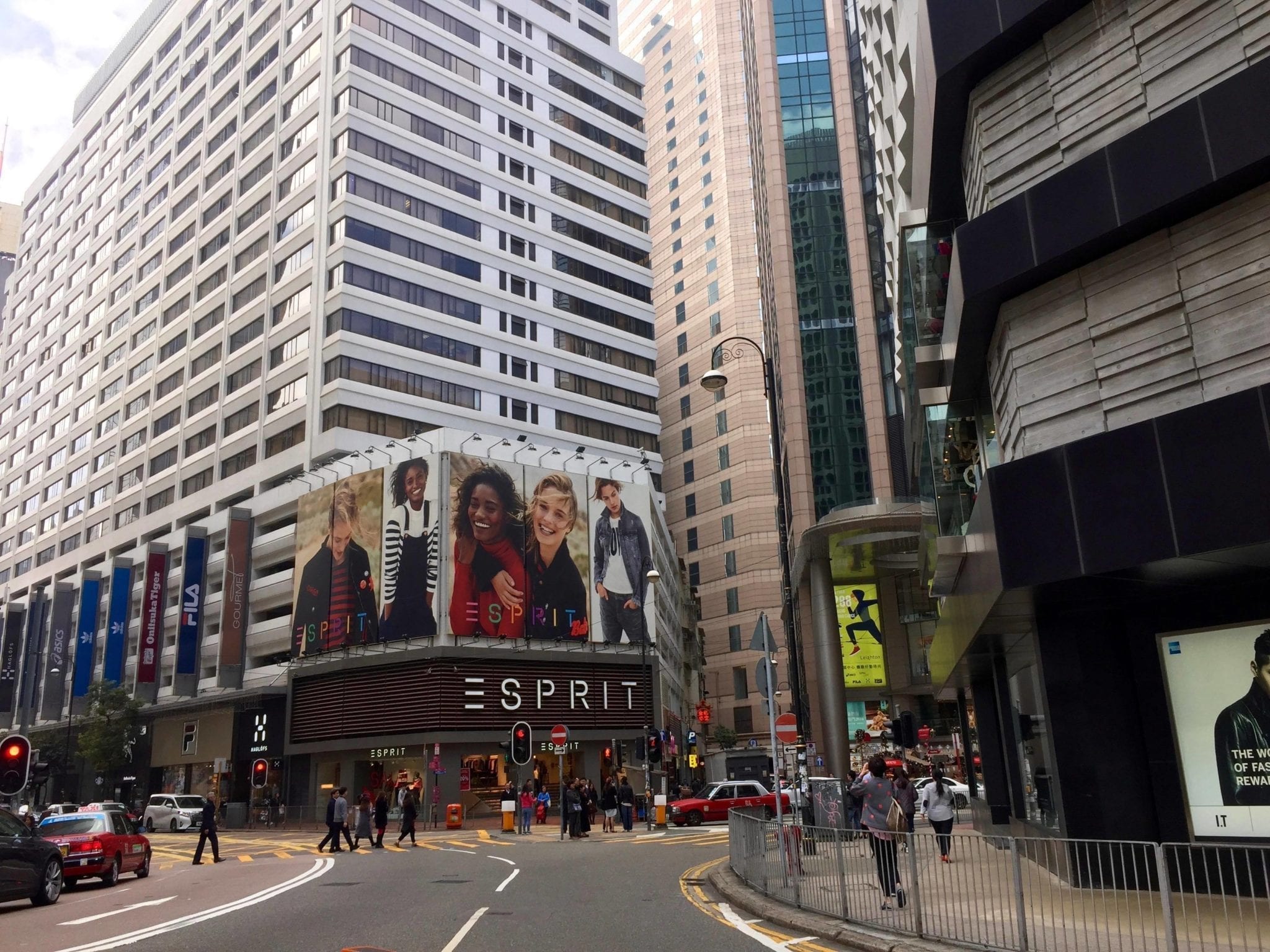
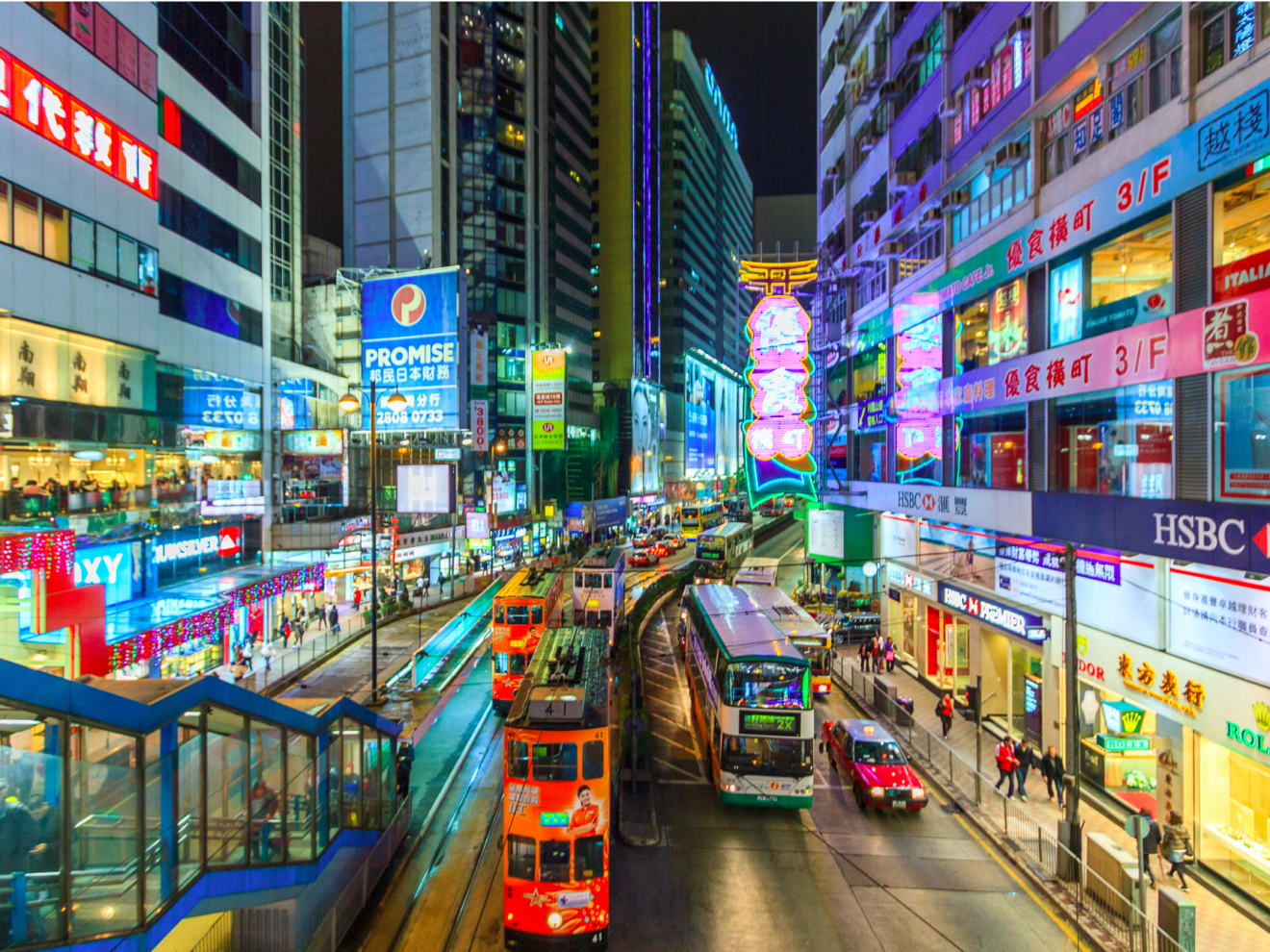
    As Hong Kong retail rents slump to levels not seen since 2003, retailers who appeal to domestic shoppers are beginning to have a stronger presence in the market.

    According to retail real estate professionals with property company Savills, brands in categories such as lifestyle products, health-related goods, and affordable family-friendly chains are taking the opportunity to lease space in commercial districts across the city. They are taking over from retailers who appealed primarily to inbound tourists from Mainland China and elsewhere, before social unrest and the Covid-19 led to a record 11-month run of double-digit declines in retail sales in the city.

    Jewelry and watch sales plummeted by more than 69 percent during the first five months of this year.

    Savills senior director, research & consultancy, Simon Smith, says that while prime street-shop and shopping-mall rents seem to have found a floor since their 2013 peak, this may only be temporary.

    “Rising vacancy levels continue to plague the market with mid-range fashion retailers joining luxury retailers in rationalizing store numbers, but rents appear to have stabilized for now.”

    With many luxury and mid-range brands struggling to break even with the desertion of tourists, they are right-sizing their networks and closing underperforming stores.

    “The market has endured a prolonged correction since 2013 but with rents now close to 2003 levels, landlords and tenants are beginning to embrace the new reality and accept new business models and a more creative approach to trade and tenant mix,” adds Nick Bradstreet, MD, and head of retail leasing.

    According to Savills’ research, the quarter-on-quarter decline in Hong Kong retail rents in the three months to June was about 1.7 percent in prime street front sites and 0.8 percent in shopping centers.

    Retailers including Valentino, Tiffany & Co, Coach and Prada have already given up prime sites on Tsim Sha Tsui’s Canton Road and Causeway Bay’s Russell Street, two of the city’s most expensive commercial strips. Victoria’s Secret has closed its multi-story flagship nearby and MCM’s largest store, in Central, has also been shuttered.

    More mid-market retailers including Swatch, SaSa, Lush and Gap have also rationalized their store networks.

    But in their place, new brands are taking the opportunity to increase their street presence, typically brands targeting local consumers rather than mainland daytrippers and tourists.

    “Local consumers are more focused on their “whole of life” needs, prioritizing health and well-being, caring about their family and community, and valuing the local culture and sustainability,” says Savills in its quarterly review of Hong Kong retail rents.

    Examples include Muji and Lululemon, which have both opened their largest stores yet in the city, at Telford Plaza and Harbour City respectively, and UK women’s activewear label Sweaty Betty, is opening its second Hong Kong store, at Causeway Bay this month. Japanese grocer Don Don Donki is opening two more stores, at Causeway Bay and Central, later this year.

    Bradstreet and Smith say shopping-mall footfalls across Hong Kong showed signs of recovery during May and June as locals began venturing out again after Covid-19-related social-distancing measures were eased. A degree of pent-up demand may have helped the trend.

    But rebounding local spending won’t be enough to help brands reliant on tourists, with Savills predicting vacancies on prime streets in traditional tourist districts will soon rise. Topshop, Gap and Adidas are all tipped as unlikely to renew their leases on Central spaces.

    “The post-Covid outlook for Hong Kong’s retail industry remains very challenging,” concludes Savills. “Some structural changes in demand profile and market fundamentals are underway and both retailers and landlords need to adapt and constantly reinvent to stay relevant.

    “A slower-than-expected recovery in the tourism market means that a more balanced approach to local consumers and mainland tourists is warranted moving forwards but the shopping preferences of locals and tourists are of course quite different.”