Tag: Retail

  • March retail sales in Singapore down

    March retail sales in Singapore down

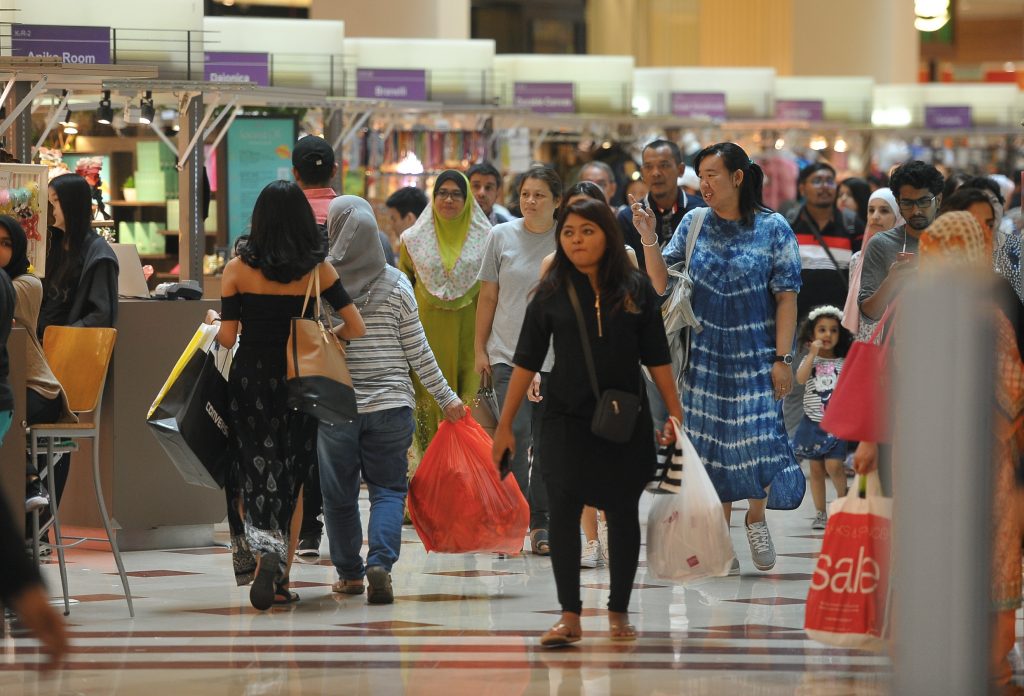
    March retail sales in Singapore fell 9.7 percent year on year in March 2019, as tourist numbers fell and locals spent less on discretionary items in the wake of the coronavirus pandemic.

    The decline was the largest in a single month in 22 years.

    With motor vehicles included in the total figure, retail sales were down by 13.3 percent, according to Statistics Singapore. March retail sales in Singapore totaled S$3.3 billion (US$2.33 billion).

    Compared to February, however, there was little change in the vehicles-excluded figure, with sales down 1.6 percent in March. In February retail sales excluding motor vehicles fell by 10.2 percent, year on year.

    The impact of the Covid-19 crisis on consumer shopping behavior was evident: online sales accounted for 8.5 percent of total sales, the highest figure ever recorded in the city-state. It followed a 7.4-per-cent share in February.

    Year on year, March retail sales in Singapore of apparel and footwear, food & alcohol, in department stores and of watches & jewelry declined by between 34.4 percent and 41.6 percent – mainly due to the decline in tourists spending.

    However – reflecting the trend towards eating at home more to ensure social distancing during the onset of the pandemic, turnover through supermarkets & hypermarkets rose by 35.9 percent and through mini-marts & convenience stores by 4.7 percent.

    The pandemic’s impact was also highlighted by data from sales of food & beverages. Sales fell 23.7 percent in March, to an estimated $678 million. Of those, online purchases comprised about 15.6 percent.

  • Datalogic Magellan 1500i delivers high-performance scanning for retailers

    Datalogic Magellan 1500i delivers high-performance scanning for retailers

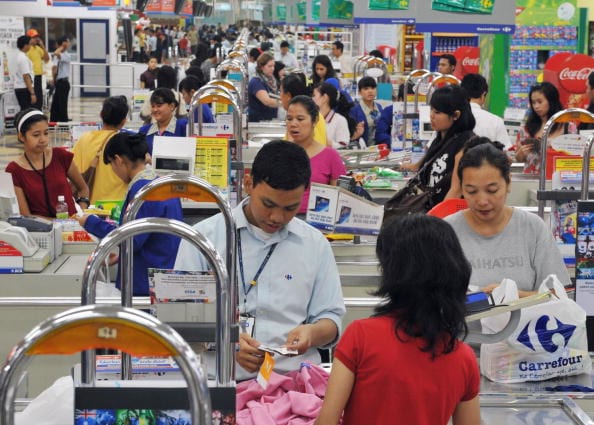
    Datalogic’s Magellan 1500i merges imaging excellence with innovative design in a high-performance presentation scanner ideal for retailers.

    Uniquely user-friendly and powerful, the Magellan 1500i is suitable for all types of retail store, including pharmacies, customer-service counters, kiosks, pop-up stores – and even self-checkouts.

    A compact footprint and discrete cable routing ensure the scanner takes up as little space on counters as possible, maximizing the area left for serving customers.

    Yet, despite it compact size, the Magellan 1500i has a large reading area and a fast sweep. It can read at distances of up to 25 cm and with 1D-sweep speeds of up to 1.5 m/s. This makes scanning 1D, 2D and Digimarc barcodes from printed labels, packaging or mobile phones easy and intuitive.

    Datalogic technology built-in includes soft-red adaptive illumination, minimizing light when it is not needed and adjusting the depth of field to suit the operating environment. And the scanner comes with multiple mounting options, including magnetic, allowing it to be used by both cashier and customer.

    Powerful decoding algorithms provide unmatched performance on a variety of 1D and 2D labels, including hard-to-read, truncated and damaged codes.

    The Magellan 1500i can be used in hands-free stand mode or hand-held mode. When the scanner is placed on a counter, items can be swept past or presented to the scanner. But if an item to be scanned is too large to lift, the Magellan 1500i can also be used as a hand-held scanner.

    When picked up from the counter, Datalogic’s Motionix motion-sensing technology detects the movement and activates an LED aimer. Users simply place the aimer on the target bar code, depress the trigger and Datalogic’s patented ‘Green Spot’ technology provides good-read confirmation. When the scanner is returned to the counter, the scanner automatically returns to stand mode.

    Remote management is supported for OPOS, JavaPOS, Toshiba Remote Management with IBM Systems Director® and Wavelink® Avalanche®. Additional capabilities are available with the value-added features included in every Magellan scanner.

  • Covid-19 exacerbates apparel-sales down in Japan

    Covid-19 exacerbates apparel-sales down in Japan

    Sales of apparel and accessories at Japanese department stores plummeted 40 percent last month compared with a year earlier.

    The figures were released by the Japan Department Stores Association showing the impact of the coronavirus outbreak on its member businesses. Data showed ¥97,548 million (US$911.5 million) in revenues for the month, compared to ¥243,870 million ($2.28 billion) for March last year.

    According to the association’s data, based on member polls, womenswear sales fell 44.2 percent during the period, with menswear falling 39.7 percent and kidswear 24.9 percent.

    Covid-19 is not the sole factor in the industry downturn, with sales figures already dropping since October last year, well before the coronavirus was discovered.

    The downward trend was aggravated by the Japanese administration’s restrictions on movement and by temporary store closures during the pandemic.

  • Hong Kong govt hands out HK$1.5 billion support to retailers

    Hong Kong govt hands out HK$1.5 billion support to retailers

    More than HK$1.5 billion (US$193.5 million) in subsidies have been approved so far for eligible retailers under the Hong Kong government’s Retail Sector Subsidy Scheme.

    The scheme is the first round of the administration’s Anti-epidemic Fund, involving more than 19,000 applications. Roughly 93,000 applications were received within the three-week application period, and disbursement of subsidies to approved applicants commenced on April 9.

    “The government has been striving to speed up the implementation of the measures under the fund,” said chief secretary for administration and chairman of the Anti-epidemic Fund Steering Committee Matthew Cheung Kin-chung.

    “We were able to launch the RSSS within one month after the Legislative Council approved the setting up of the fund, providing timely relief to retailers hit by the epidemic.”

    The government’s Subsidy Scheme for Beauty Parlours, Massage Establishments, and Party Rooms are expected to be open for application early next month.

  • Indian retailers urge landlords to adopt revenue-sharing rent model

    Indian retailers urge landlords to adopt revenue-sharing rent model

    High-profile Indian retailers are lobbying mall owners to transition to a revenue-sharing rent model in the wake of the coronavirus pandemic.

    Times of India reports that the companies, including Future Group, Aditya Birla, Arvind, Raymond and Litebite Foods, believe moving to a revenue-share model from fixed or minimum guaranteed rentals is critical to the survival of the industry. The retailers are seeking for the revenue model to be calculated from March 1.

    A letter to mall owners signed by around 75 retails firms operating 200 brands proposed a flat revenue share percentage based on tenant categories. The letter suggests regular brands could contribute 10–12 percent of takings, including common area maintenance, while fast-food brands could contribute 7–8 percent.

    “Our objective is to ensure that all businesses in the retail industry are able to survive this pandemic and its aftermath and thereby sustain 6 million jobs that this industry generates,” read the letter. “For that it is critical that mall owners and tenants (brands and retailers) are able to arrive at a mutually agreeable arrangement on rentals, not only for the period of the shutdown but also thereafter till normalcy returns.”

    The report suggests large mall owners remain undecided on the issue of whether rent waivers or revenue sharing models are the more appropriate response to the impact on the business of the coronavirus pandemic.

  • Four ways the Covid-19 pandemic will reshape shopping behaviour in Asia

    Four ways the Covid-19 pandemic will reshape shopping behaviour in Asia

    Shopping behavior in Asia will be redefined by the Covid-19 crisis: here are four key trends to expect in the post-pandemic world.

    Retail solutions provider Tofugear has just published the Digital Consumer in Asia 2020 report, based on a survey of 6000 consumers across 12 markets in Asia in February, including markets where the coronavirus pandemic had already impacted retail.

    Due to the timing of the research, the report offers a fascinating glimpse of what online and offline shopping behavior might look like in the region once the recovery sets in. With that in mind, here are some key retail trends we predict will come to define the post-Covid-19 world.

    Shift in spending towards essentials and ‘affordable luxuries’

    Consumer confidence in Asia is currently at an all-time low, with only 27 percent of all shoppers having a positive view about their personal finances over the year ahead. Unsurprisingly, the majority of consumers intend to cut back on big-ticket items such as luxury fashion and furniture.

    While demand for essentials such as groceries and household goods will remain firm, four in five Asian consumers also state that they will not be cutting back their expenditure on beauty and personal care items. Many fashion retailers have expanded into the beauty space in recent years, but this is certainly an area that others might want to follow. During times of economic crisis, beauty and cosmetics are seen as affordable luxuries that provide a form of escape from the doom and gloom.

    It has been mentioned many times now, but the pandemic is indeed resulting in a surge in e-commerce activity. Nearly half of all shoppers in Asia intend to increase their online spending versus physical retail over the coming year, while 38 percent will keep it at the same level. With so much spending set to shift to digital commerce, retailers will need to stand out from the competition by sharpening their fulfillment proposition.

    While consumers in Asia value a free shipping service the most (86 percent), in terms of costs this might not be feasible for all retailers. However, offering transparency in the fulfillment process – such as being able to track deliveries (83 percent) and picking a delivery time slot (76 percent) – trumps speedy fulfillment services such as same-day deliveries and delivery within two hours.

    Broader acceptance of retail formats that support the circular economy

    The notion that Asia is behind the curve when it comes to supporting for sustainability initiatives can be put to rest. Two-thirds of all consumers in Asia state that they will consider a brand’s sustainability credentials when making a purchasing decision.

    At the same time, nearly half of all respondents say that they shop for pre-owned and second-hand merchandise – perhaps a noticeably high percentage given the stigma of ‘bad energy’ that surrounds second-hand goods in some markets such as China.

    The report also finds that the acceptance of rental services – such as those offered by Style Theory and Covetella – are gaining traction.  With personal finances expected to remain under pressure, demand for circular business models like these look set to increase further in the next year.

    Technologies that aid social distancing in a physical retail

    Once lockdowns are lifted across Asia, it stands to reason that there will be renewed enthusiasm for simply going out to visit the shops. However, retailers need to take note that the consumer psyche has changed and shoppers will naturally be more hesitant about physical contact in a store setting.

    Brick-and-mortar retailers need to latch on to this sentiment and invest in the appropriate technologies to make shoppers feel more comfortable. Scan-and-go technology, whereby consumers’ mobile phones are used to scan products and pay at the end, would be a great way to achieve this as four in five Asian shoppers (79 percent) state that they are open to using this technology if available. Similarly, 71 percent would make use of automated check-outs – such as those seen in unmanned retail concepts.

  • Asian consumer behaviour may change forever after Covid-19

    Asian consumer behaviour may change forever after Covid-19

    New research has shown that some shifts in Asian consumer behavior in response to the coronavirus outbreak could be lasting beyond the pandemic.

    And that is something that should prompt food retailers to act – and in some cases, accelerate – the changes they have already made in response to the crisis.

    The survey, conducted by US management consulting firm McKinsey & Company, is based on research conducted with more than 5000 consumers in Asia across seven countries – Australia, China, India, Indonesia, Japan, South Korea, and Thailand. The data determined that there are four areas within the food industry that may need to be reimagined following the end of the crisis.

    Firstly, food retailers should reimagine the safety, health, and scope of their supply chains.

    Consumers across the countries surveyed appeared to care more about in-store safety and to prefer healthy, locally sourced offerings than they did before Covid-19. Consumers have shown a heightened awareness of hygiene and cleanliness that may remain important in the post-coronavirus period.

    The data on Asian consumer behavior showed an increase in the consumption of products perceived by consumers to be healthy, such as fresh food, eggs, dairy, and bottled water – and a drop in purchases of alcoholic beverages and snacks.

    The research suggests retailers should rethink their offerings and provide healthier, more locally sourced products with a smaller environmental footprint. To meet rising customer expectations, companies should rethink the safety of the customer journey – for example, by using technologies such as self-checkout and cash-free transactions to reduce risks.

    Secondly, retailers should reimagine how technology can enhance delivery services. The survey results show consumers are shifting their food spending online and have yet to return to their normal spending levels for food service. Responses suggest an opportunity for grocers to digitalize their stores.

    Respondents in most countries showed a 30–70 per-cent drop in preferences for dine-in spending and an increase in grocery shopping and purchases of ready-made food in grocery stores, which consumers tend to prefer more than meal delivery from restaurants.

    Consumers are indicating they intend to continue shopping online at the new pace.

    To respond to the current crisis and meet future ones, food retailers should scale up their e-commerce channels and their capacity for home delivery, perhaps by partnering with last-mile players and cold-storage warehouses; by expanding shifts in existing warehouses; by using hybrid picking models or by converting some retail locations into dark stores.

    Thirdly, retailers should reimagine the meaning of value for money. People are currently concerned about the pandemic’s impact on their personal incomes, and consumers are willing to forgo planned future purchases because of uncertainty related to Covid-19. To address these shifts, food retailers should rethink their promotional calendars to safeguard their marketing spending for use only when needed to stimulate demand, either for discretionary products or for post-crisis essentials to meet people’s desire for value.

    Finally, retailers should reimagine loyalty. During the crisis, Asian consumer behavior has reflected loyalty to retailers and brands offering essential products in their assortments. The location and availability of goods have been the primary reasons why consumers have changed stores, rather than promotions or pricing.

    Retailers are advised to determine which stores are being affected disproportionately by customers shifting to other primary stores. Targeted marketing may help bring these customers back, as would retailers finding a way to better communicate the efforts they are taking to support customers and their societies more broadly.

    These measures should help retailers be better equipped to provide employment opportunities to people who are currently out of work, reshape their industry ecosystem, and work closely with business partners on how to operate under the new normal.

  • Coronavirus lockdown to slash Malaysian retail sales

    Coronavirus lockdown to slash Malaysian retail sales

    The six-week-long coronavirus lockdown is expected to slash Malaysian retail sales by 60.7 percent this month as non-essential stores are forced to close.

    Retail Group Malaysia, which calculates data on behalf of the Malaysia Retailers Association, estimates that retail sales for the full year will drop by 5.5 percent, should the government’s Movement Control Order be lifted at the end of this month. It has already been extended from March 18 until April 28

    RGM’s MD Tan Hai Hsin told The Edge that the majority of the nation’s retailers are recording zero sales this month. “This has never happened before in history”.

    While online sales have surged in Malaysia since the coronavirus struck the nation, and consumers are spending more on food and groceries, categories like jewelry, furniture and luxury goods have been decimated.

    Last year, Malaysian retail sales grew by 3.7 percent to RM107.5 billion (US$24.8 billion), but RGM is now forecasting RM101.6 billion ($23.45 billion) for the full year, a figure which must take into account a rebound once the lockdown order is lifted.

    The MRA estimates 209,000 stores have been forced to close during the lockdown and 90 percent of stalls and markets have been affected, which previously accounted for 63 percent of the nation’s total retail sales. The remaining 126,000 stores classified as essential include supermarkets, hypermarkets, convenience stores and pharmacies.

    Meanwhile, RGM has estimated that operating costs, including staff and store overheads, are likely to reach RM20.48 billion (US$4.7 billion) during the lockdown which retailers will have to carry in the absence of sales.

    It is, as yet, unclear the volume of online sales during the period and whether these will help mitigate in part the sales decline of any non-essential retailers.

  • Indonesian retail sales down last February

    Indonesian retail sales down last February

    Indonesian retail sales declined by 0.8 percent year on year during February.

    The drop was brought about by a decline in demand for clothing, as well as a blanket downturn in recreational spending, according to the monthly Bank Indonesia survey.

    The sales decline occurred as the Indonesian administration was claiming zero cases of the Covid-19 coronavirus had been reported in the country. Indonesia announced its first confirmed case in March, and is currently approaching 3000 infections.

    Sales figures in the territory have been falling since last December, which yielded a 0.5 percent decline in Indonesian retail sales. Trading figures in January contracted 0.3 percent.

    The central bank’s survey predicted March Indonesian retail sales will contract further, with a year-on-year drop of 5.4 percent in key categories.

  • Singapore retail sales down with 10 percent in February

    Singapore retail sales down with 10 percent in February

    Singapore retail sales in February fell by 10.2 percent, excluding motor vehicles.  Including motor vehicles, sales were down by 8.6 percent year on year. In releasing the data, Statistics Singapore attributed the decline to falling sales of discretionary items due to fewer inbound tourists and lower domestic consumption in the wake of the coronavirus pandemic.

    The month-on-month decline in Singapore retail sales in February was 11.2 percent, excluding motor vehicles.

    The two worst-affected categories in February were apparel and footwear, down 41 percent year on year, and food and alcohol, down by 40.5 percent.

    Sales in department stores dropped by 36.3 percent, while sales of watches and jewelry fell by 23.8 percent.

    On the plus side, sales by supermarkets and hypermarkets surged by 15.3 percent and of furniture and household equipment by 5.9 percent.

    Statistics Singapore estimated total Singapore retail sales in February at $3.1 billion. Of that figure, online retail sales accounted for 7.4 percent, with the computer & telecommunications equipment the largest contributor, accounting for 30.4 percent.

    Meanwhile, year-on-year sales of food & beverage services fell by 16.6 percent in February, on the back of declining consumption related to the coronavirus pandemic. On a seasonally adjusted basis, sales of food & beverage services decreased by 18.3 percent month on month.

    Statistics Singapore estimated sales of food & beverage services in February totaling $732 million, of which online sales accounted for 12.5 percent.

    The turnover of food caterers and restaurants decreased by 31.5 percent and 29.1 percent respectively, while sales by cafes, food courts and other eating places decreased by 2.3 percent. Sales by fast-food outlets rose 5.8 percent during the month.

  • Don Don Donki opens second store in Thailand

    Don Don Donki opens second store in Thailand

    Amidst the Covid-19 outbreak, Japanese discount-variety store Don Don Donki has continued ahead with the opening of its latest branch in Bangkok, Thailand as part of its international expansion.

    The Japanese retailer, known at home as Don Quixote, entered Thailand in February last year, opening a Donki Mall in the expatriate haven of Thonglor.

    The new store, located at The Market mall, will retail more than 130,000 items including fresh groceries and daily necessities.

    The new branch also features its private-label Jonetsu Kakaku with an in-store dining space. However, in the short term, the branch will provide only take-away services for cooked food due to the coronavirus pandemic and government limits on cafe operations. To further adjust to the current situation, the retailer will limit the number of store entrances and exits and will control the flow of customers into the store. The temperatures of staff and customers will be checked at numerous touchpoints around the store and baskets and cashier counters will be sterilized frequently.

    Chairman Shimanuki Yosuke says the company had imported large stocks of products in advance of the opening, and before the coronavirus pandemic broke out.

    Meanwhile, in Hong Kong, the daily customer count of the company’s stores there tripled during recent weeks as locals stocked up on imported goods, unable to travel abroad.

    There are widespread rumors that Don Don Donki is about to open its fifth outlet in the territory, at Central. The news leaked out during rental leasing negotiations for nearby properties.

    Local media is reporting that the retailer has its eye on two-storey premises at 100 Queen’s Road Central, spanning 17,800sqft. Earlier reports had the company opening more stores at Tseung Kwan O and Causeway Bay, to complement its flagships in Tsim Tsa Tsui and Tsuen Wan.

  • Gome Retail boosts GMV, cuts losses as restructure continues

    Gome Retail boosts GMV, cuts losses as restructure continues

    Gome Retail says its revenue last year fell, but it nearly halved its annual loss as its restructuring program continued to pay dividends.

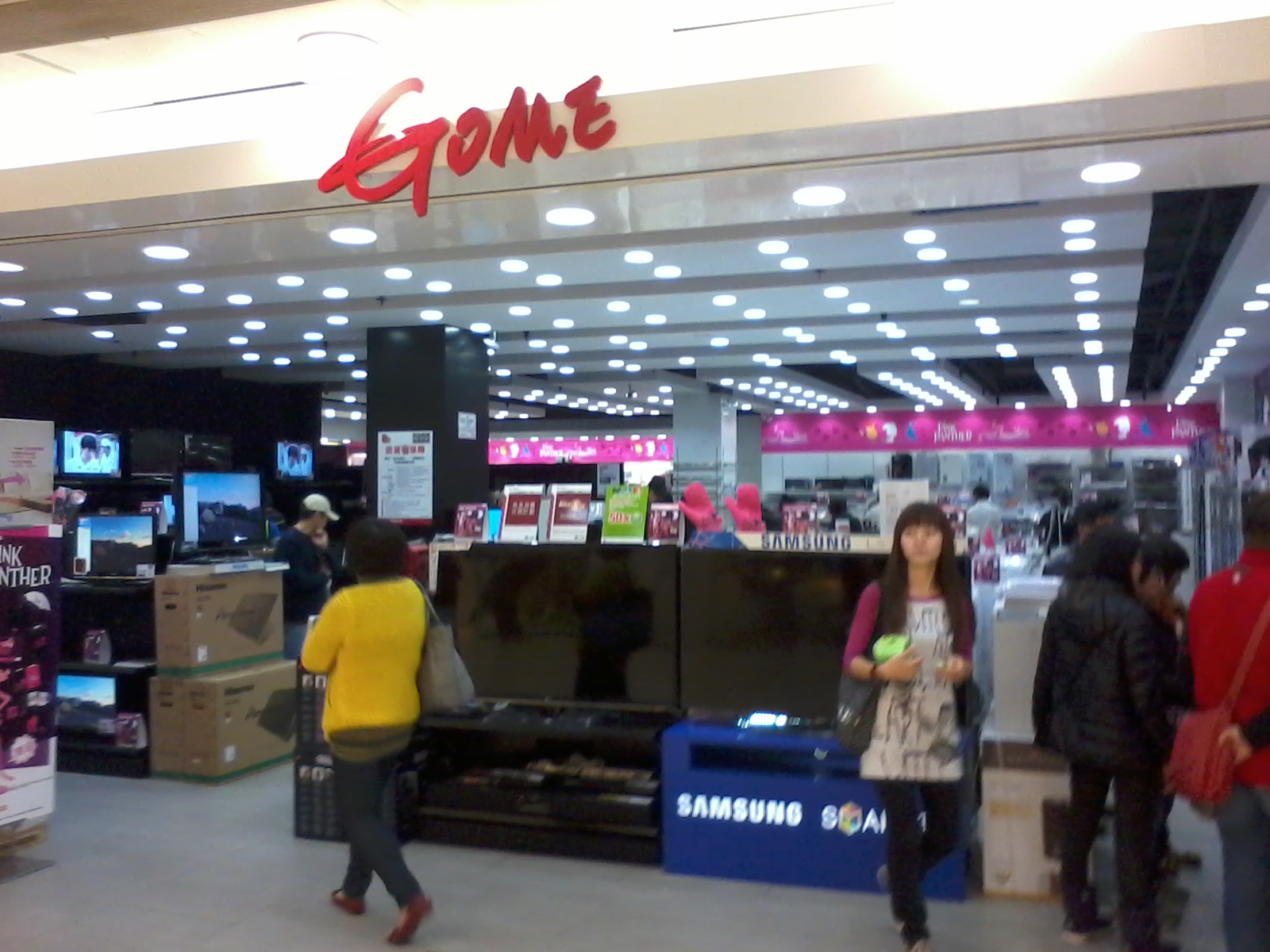
    Gome Retail is in the midst of a major transition and restructure from a brick-and-mortar-dominated format into a multichannel digital business anchored around its online platform. It is also expanding its physical store network into low tier cities and rural locations across China.

    The company says its gross merchandise volume (GMV) doubled last year. GMV from stores in rural parts of China soared by 61 percent and from new businesses such as home solutions and kitchen cabinets integrating electrical appliances, increased by 86 percent. GMV from smart products increased by 43 percent and from services by 61 percent, the company said.

    Despite a 7.57-per-cent decline in total sales to RMB 59.48 billion (US$8.376 billion), the company’s loss attributable to shareholders fell from RMB4.887 billion ($688 million) in 2018 to RMB2.590 billion ($365 million) last year.

    “The booming new business indicates that the group’s strategic transformation is progressing well,” the company said in an earnings statement.

    During the year ahead, it plans to accelerate its strategy to penetrate into lower-tier markets, using a franchising model.

    “This will enable Gome to seize market share with low operating costs.”

    The company plans to build 100 franchise stores this year, with a target turnover of RMB100 million ($14 million) for each.

  • Hong Kong retail sales plunge 44 per cent in February

    Hong Kong retail sales plunge 44 per cent in February

    February saw a catastrophic collapse in Hong Kong retail sales, which slumped a massive 44 percent year on year, the greatest fall since records were first taken. The unprecedented collapse followed a 21.5-per-cent decline in January and a 19.4-per-cent fall in December. For the first two months of this year, Hong Kong retail sales felt by 31.8 percent.

    The collapse in sales followed the effective lockdown of Mainland China for the last week of January and all of February and came as Hong Kong tightened travel into the territory worldwide following the outbreak of the coronavirus pandemic.

    A government spokesman confirmed the fall mainly reflected the heavy blow to tourism- and consumption-related activities dealt by the pandemic, although a distortion from the timing of Lunar New Year also contributed.

    “The business environment of retail trade will remain extremely austere in the near term, as the Covid-19 pandemic has brought inbound tourism to a standstill and severely dented local consumption demand,” the spokesman said.

    Figures released today by the Census and Statistics Department (C&SD) provisionally estimated the value of Hong Kong retail sales in February, at $22.7 billion (US$2.9 billion).

    After netting out the effect of inflation, total retail sales fell by 46.7 percent, following a 23.1-per-cent fall in January. For the first two months of the year, the inflation-adjusted decline was 33.9 percent.

    While sales of jewelry and luxury goods fell by 58.6 percent in January and February combined, it was a surprising 9.3-per-cent slump in the sale of food, alcohol and tobacco which caused the most significant impact on the overall figures, according to the C&SD.

    Sales of miscellaneous consumer goods fell by 21.9 percent; of electrical goods and other consumer durables by 25.1 percent; and of medicines and cosmetics by 42.7 percent.

    Department-store sales slumped 41.4 percent, apparel sales by 49.9 percent; footwear and accessories by 43.1 percent; furniture and fixtures by 19.6 percent; Chinese drugs and herbs by 23.7 percent; books, newspapers, stationery and gifts by 35 percent; and optical shop turnover slumped 28.6 percent.

    The only two categories showing growth were supermarkets, which boosted sales by 11.1 percent, during the first two months of the year, and fuels, up by 6.5 percent.

  • Singapore retailers call for ‘unprecedented rental relief’

    Singapore retailers call for ‘unprecedented rental relief’

    “Unprecedented rental relief measures” are needed from landlords to help retailers overcome the coronavirus crisis, according to the Singapore Retailers Association.  In an open letter to landlords, the association has urged landlords to implement a rental payment structure for six months capped at no more than 15 percent gross turnover or a 50-per-cent base rent reduction, whichever is lower. It also asks landlords to allow retail businesses who cannot sustain their businesses to exit before their lease expiration without losing security deposits or risking punitive legal action.

    “We fully realize and appreciate that both mall operators and tenants have been working very hard over the past two months to minimize the business losses from the drastic drop in footfalls,” read the letter signed by Singapore Retailers Association president R Dhinakaran, on behalf of its 400 members.

    “However with the government advice of safe distancing and stay at home (heading to malls for essentials like food only) … the sales of the majority of retail stores will be equivalent to zero sales, similar to a lockdown situation.”

    The letter asks landlords to exercise the requested measures to avoid massive permanent store closures and loss of jobs within the next three months.

  • Panic buying underpins Japanese retail sales growth

    Panic buying underpins Japanese retail sales growth

    Japanese retail sales have recorded a distinct uptick as consumers enter a panic-buying mode in response to the coronavirus outbreak, according to Nikkei Asian Review. According to the Ministry of Economy, Trade and Industry, Japanese retail sales rose 1.7 percent year on year in February.

    Pharmacy sales showed the highest rate of growth, surging 18.9 percent due to higher sales of protective masks and toilet paper, among other hygiene-related purchases.

    Supermarket sales increased 6 percent following increased purchases of consumer goods.

    By contrast, sales figures for department stores slipped 11.8 percent resulting directly from a drop in tourism.

    The slowing down of local business has concurrently seen a drop in employment figures, with fewer businesses seeking to fill positions.