Tag: Retail

  • Indonesian retail bussineses starts shutting down as coronavirus crisis gets worse

    Indonesian retail bussineses starts shutting down as coronavirus crisis gets worse

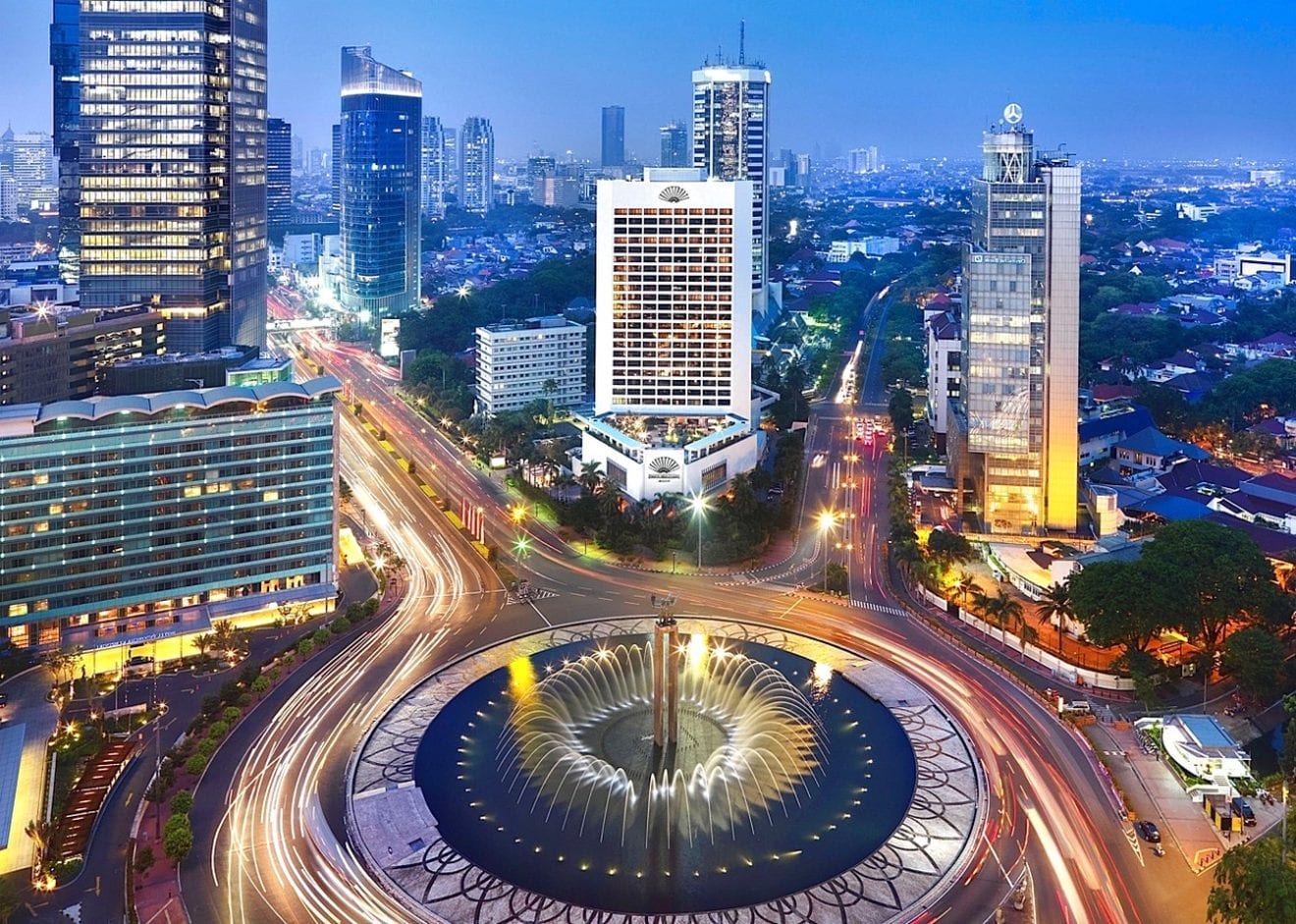
    The Indonesian retail sector has begun to shut down in the wake of the coronavirus crisis, with shopping centers and retail chains voluntarily closing the doors to non-essential categories.

    More than 30 shopping malls have been shut down in the country despite no order from authorities. Lippo Malls Indonesia Retail Trust (LMIRT) has temporarily closed 11 out of 23 shopping malls in the Greater Jakarta region, Bandung and Bali.

    According to LMIRT, the company will close its malls until April 9 and waive rent for all affected tenants. Essential services including supermarkets and pharmacies remain open during the shutdown.

    Other shopping malls across Jakarta closed include Senayan City, Plaza Indonesia, Aeon Malls, Mall of Indonesia and Lotte Shopping Avenue.

    Meanwhile, McDonald’s Indonesia will cease dine-in services across the country for two weeks starting from April 1. The company said on its social media channels that it still offers to take away, drive-through and home delivery services.

    As Indonesian retail continues to wind down, many local restaurants have also closed their doors but continue to operate through third-party apps like Gojek and Grab.

    Japanese fashion brand Uniqlo is among the latest retailers to temporarily close their stores in Indonesia.

    As of today, Indonesia has confirmed 1414 positive cases of Covid-19 including 122 deaths and 75 recovered.

  • Metro Retail Stores show strong profit growth

    Metro Retail Stores show strong profit growth

    Metro Retail Stores Group in the Philippines has reported a 21.5-per-cent growth in income to US$20.80 million (Php1.06 billion) last year.

    The growth was driven mainly by an 11.3-per-cent increase in sales to $722.31 million (Php36.8 billion) with operating expenses rising by a lesser rate of 9.3 per cent.

    Additional insurance recoveries relating to a serious fire the previous year saw non-core income increase by $4.29 million (Php218.7 million), offset by the net impact of the new PFRS 16 accounting standard of $7.13 million (Php363.7 million).

    Metro Retail Stores’ operating income, as well as net income, would have increased by 13.7 percent and 18.0 percent respectively excluding the impact of PFRS16.

    The firm says that increasing its store network to serve emerging cities and municipalities in Visayas, Central Luzon and the Bicol region was vital to the home-grown retailer’s strong performance.

    In 2018, the company recorded a 1.2-per-cent drop in net income due to the closure of a hypermarket and the temporary suspension of a supermarket following a fire, along with other factors.

    Metro Retail Stores Group is owned by the Gaisano family based in Mandaue City, Cebu. It has 53 department stores and hypermarkets in the Visayas Region.

    The company’s supermarkets, hypermarkets and pharmacies are all continuing to trade to provide much-needed basic goods and services as the Philippines struggles with the Covid-19 outbreak.

  • South Korean department stores look to VIPs as sales slide

    South Korean department stores look to VIPs as sales slide

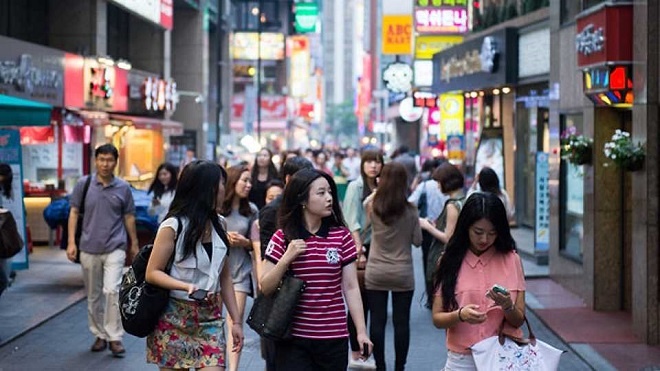
    South Korean department stores have launched an all-out effort to secure VIP customers who spend more than ordinary customers.

    Department stores have suffered fallout from the surge in popularity of online shopping malls for years, but sales have come under further pressure with the coronavirus outbreak.

    Sales at Lotte Department Store from March 1 to 22 decreased by 37.8 percent compared to the same period last year.

    At the height of the pandemic, and under the burden of its economic consequences, the top priority for South Korean department stores is to secure VIP customers.

    While VIP customers at the Galleria Department Store account for only 10 percent of all customers, their consumption amounts to 60 percent of sales.

    According to Shinsegae Department Store, the number of VIP visits last month was 2.5 times that of regular customers.

    Even when the number of visits by regular customers dropped by half after the Covid-19 outbreak, the number of VIP customers dropped by only about 20 percent.

    Managing loyal VIP customers and securing more big players in the future is a matter directly related to a store’s survival.

    This is why Lotte Department Store made changes to its VIP system. Under the old scheme, customers had to spend 20 million won (US$16,400) per year to qualify for the lowest level VIP program, as part of what was a four-level system.

    However, Lotte recently added another lower-level program to expand the scope of its VIP offerings.

    Meanwhile, Galleria Department Store, unveiled the largest VIP lounge in South Korea on the 12th floor of its newly opened Gwanggyo branch in Suwon, south of Seoul.

    VIP lounges in South Korean department stores have typically been places for customers who spend tens of millions of won a year. However, at the Gwanggyo branch, customers who spend 5 million won per year can enjoy the VIP lounge.

    “The fact that VIP thresholds have been lowered is indicative of a sales strategy to secure loyal customers by providing better services to more customers,” said a source in the department store industry.

  • JD Super boosts tea sales through live streaming

    JD Super boosts tea sales through live streaming

    Chinese online supermarket JD Super has used live streaming to achieve a 100-per-cent increase in tea sales.

    During a recent tea festival, the JD subsidiary invited social influencers and experts to participate in live streams to promote a deeper understanding of Chinese tea among enthusiasts. More than 200 live broadcasts were hosted by intangible cultural heritage tea authorities and tea experts from major brands.

    One popular video stream attracted nearly 70,000 viewers, generating sales of RMB300,000 (US$42,300).

    “JD Super has strict standards for selecting tea and provides tea brands with support in big data, traffic and operations,” said the firm. “These act as the guarantor for Chinese consumers to access high-quality tea products on JD.com.”

    The firm’s logistics arm JD Express has also developed a rapid supply chain solution for spring tea, including tea collection, packaging and delivery to tea gardens.

  • South Korean retail sales surge as people stay home

    South Korean retail sales surge as people stay home

    South Korean retail sales surged 9.1 percent in February, despite the advent of the coronavirus pandemic.

    The year-on-year increase reflected consumers buying more daily necessities online as the virus spread. And, with people largely staying home, substantially less was spent eating out, so consumers were buying more food to prepare or eat at home.

    According to data compiled by the Ministry of Trade, Industry and Energy, South Korean retail sales rose from US$7.92 billion in February last year to $8.68 billion last month.

    Online sales soared by 34.3 percent, the strongest increase since data was first collected in 2016. By comparison, for the whole of last year, online sales rose by 14.2 percent.

    Food sales almost doubled, driving overall growth, while sales of household products were up by 44.5 percent.

    Convenience-store turnover rose by 7.8 percent, however, overall sales across offline stores fell 7.5 percent year on year, with department stores hardest hit, down by 21.4 percent.

  • How China retail is emerging from the coronavirus crisis

    How China retail is emerging from the coronavirus crisis

    Savills China Retail predicts a full recovery of the country’s retail sector post coronavirus will probably happen in the second half of the year.

    In a perspective on China retail’s recovery from the crisis, the real estate company describes the blossoming rejuvenation of shopping malls, restaurants, gyms and entertainment centers whose businesses were affected by lockdowns during and after the Chinese New Year period in late January.

    It says consumers are gingerly returning to stores as China’s coronavirus outbreak eases. Shopping malls in Shanghai are reporting footfalls at 30 percent of their pre-coronavirus levels. From this week, most shopping malls have adjusted business hours back to 10 am–10 pm and most retail tenants have reopened to the public.

    Anecdotal evidence suggested that it was already difficult to find parking or seats at coffee shops at Shanghai’s IAPM mall, and queues were reported outside some fashion stores.

    While some restaurants have shut down permanently after being unable to cover labor and rent costs during the affected period, those that survived have been allowed to reopen following an application process. Popular restaurants are once again popular after the coronavirus outbreak receeded.

    Most of the gyms in China have reopened excluding Beijing, introducing maximum capacity levels – allowing 50 people in at a time (per 30,000sqft) for a 90-minute period. After that time is up, gyms perform a full half-hour sanitization process before letting the next 50 people in to work out.

    Nightclubs and KTV venues have opened as of a few days ago in Shanghai and in most cities in China except Beijing, however, consumers are remaining hesitant to go to these places. Some entertainment parks remain closed, most likely on a voluntary basis.

    A limited number of domestic Chinese brands have collapsed at this stage, but more are likely during the next couple of weeks, due to cash flow challenges.

    Savills says international brands looking to expand in the China retail market have largely put those plans on hold.

  • Shiseido kicked off Baum retail brand

    Shiseido kicked off Baum retail brand

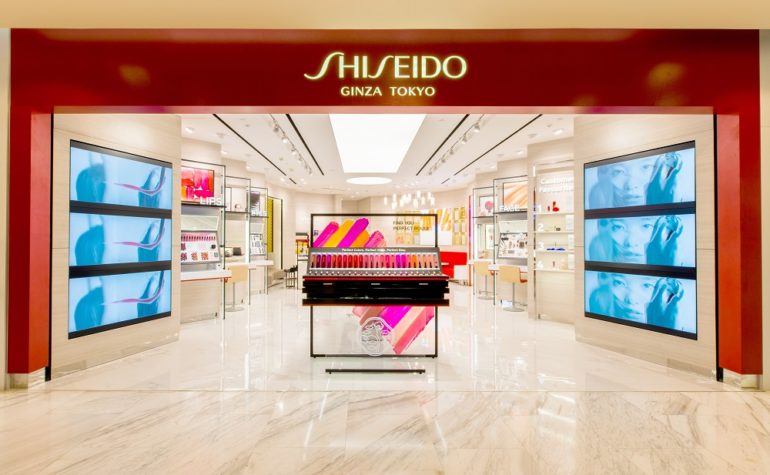
    Japanese cosmetics label Shiseido has released a new skincare brand, called Baum.

    In response to consumers placing greater importance on companies’ and brands’ attitudes toward social responsibility and environmental considerations, Baum focuses on sustainability. It features a range of 27 products to be released on May 30 via Shiseido’s Prestige business category.

    The products are formulated to support healthy skin regardless of age or gender, with a focus on three key characteristics found in trees – water storage, growth, and environmental defense. The brand is positioning itself as focusing on the “power of trees, gracefully harmonizing with environmental changes and living for hundreds of years”. It ascribes to a sense of coexistence with nature that it asserts has been “valued by Japanese people for centuries”.

    Production of the Baum range is particularly attentive to sustainability concerns, with the use of upcycled wood in product packaging; actively offering to refill products; using bio-based plastics and recycled glass and participating in forest conservation activities – with plans to plant and grow oak trees scheduled to begin next year.

  • JD to launch worldwide new products initiative

    JD to launch worldwide new products initiative

    Chinese e-commerce platform JD plans to help 3000 new products around the world become hot sellers, nurturing more than 1000 new global brands this year.

    The details were announced during the JD Worldwide online conference for merchants, which focused on customer growth, developing third-party business and nurturing merchants in order to support the growth of more international retail in China.

    The group also anticipates helping more than 100 suppliers to achieve RMB100 million in sales this year via monthly promotions designated to push new products.

    Last year an average of more than eight new products were sold on JD Worldwide every minute. Customers displayed a greater consumption-ability during this period, and the platform has more young consumers and consumers from lower-tier cities than in previous years.

    According to the firm, JD Worldwide will focus on building a healthy ecosystem for merchants this year with a more comprehensive after-sale service system and special support for those using JD’s fulfillment services.

    During the coronavirus outbreak, JD’s international supply chain system and continuous logistics service have enabled merchants to supply their products to customers without interruption, with some merchants seeing sales increase by more than 90 percent.

    JD currently has more than 1000 international transportation routes to support overseas merchants.

  • Reliance Retail buys Indian department-store chain

    Reliance Retail buys Indian department-store chain

    Reliance Retail Ventures Limited has bought Indian retailer Shri Kannan Departmental Store for US$20 million.

    “The investment will further strengthen the group’s retail operations and presence in the state of Tamil Nadu and will further enable retail and new commerce initiatives,” said a spokesperson for Reliance.

    With this acquisition, Reliance Retail has started a “new commerce” plan which links producers, traders, small merchants and customers through digital innovation.

    Incorporated in 1999, Shri Kannan Departmental Store operates 29 stores across Coimbatore and nearby areas with a retail area of more than 600,000sqft.

    Reliance Retail is India’s largest retail conglomerate, with more than 4000 stores covering multiple categories. It is a subsidiary of Reliance Industries.

  • Malaysian retail expected to contract

    Malaysian retail expected to contract

    Retail Group Malaysia (RGM) predicts Malaysian retail sales will contract by 3.9 percent year-on-year in the first quarter of this year.

    The estimate is based on footfall having halved during the coronavirus outbreak, contradicting RGM’s expectation earlier this year that Malaysian retail sales could rise by 0.4 percent.

    “In the event the global coronavirus outbreak and domestic political turmoil take more than the next few months to resolve, it will further affect the retail consumption pattern in Malaysia drastically,” said Tan Hai Hsin, MD at RGM.

    He said it was unable to estimate the likely retail industry growth figure for this year while preparing the report because of the unpredictable changes of the coronavirus outbreak and the new ruling government policies.

    Although shopping traffic has dropped significantly in the country, some shopping malls have remained open to the public to provide essential goods and services.

    Aeon Mall’s tenants, including pharmacies, banks and POS Malaysia, will continue to operate, however, food & beverage tenants will only provide takeaway and delivery services. Aeon Retail’s outlets will also provide dedicated check-out lanes for senior citizens, the disabled and pregnant women to ensure that they can shop for their daily needs in “a safe and worry-free environment”, the company said in a statement.

    Meanwhile, 1 Utama Shopping Centre said on its social media that its essential service tenants such as supermarkets, pharmacies or convenience stores will remain open, and reassured consumers that there is no need to start panic shopping.

    In the final quarter of last year, Malaysia’s retail sales increased 3.8 percent year on year with the best growth in the pharmacy and personal care categories. The worst-performing sector was supermarkets and hypermarkets which witnessed a 2.8-per-cent full-year decline.

  • Hong Kong government launches cash relief for retailers from Monday

    Hong Kong government launches cash relief for retailers from Monday

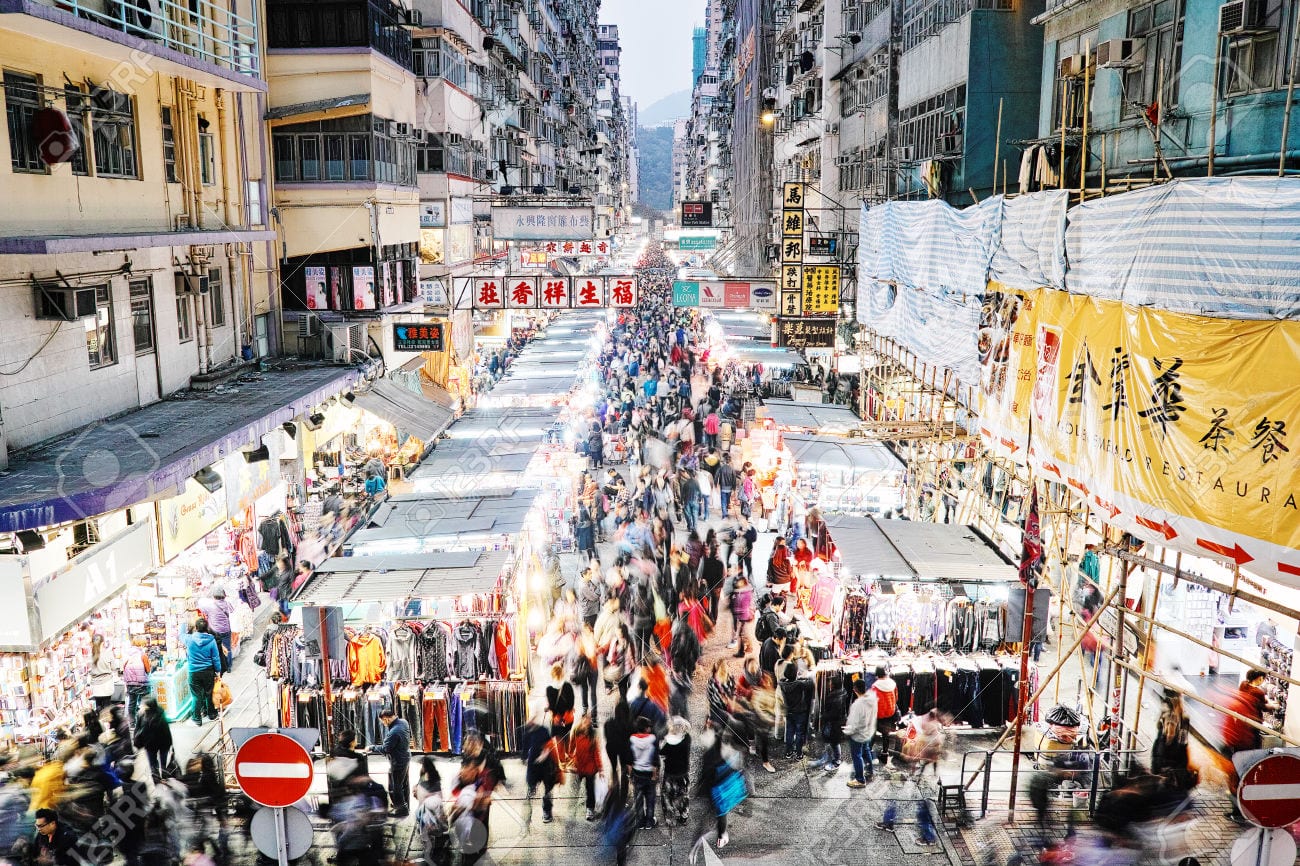
    The Hong Kong government will allocate US$271 million in aid for around 70,000 retailers affected by the coronavirus outbreak.

    The Retail Sector Subsidy Scheme will launch next Monday, with eligible stores set to receive an HK$80,000 (US$10,300) subsidy under the scheme to help alleviate their financial difficulties.

    Beneficiaries of the fund must be substantial retail businesses operating since at least January 1 this year, excluding restaurateurs, hawkers and stalls in department stores without a separate payment system. Mail order, internet and direct marketing businesses are also excluded from the scheme.

    Parent companies operating multiple locations can apply for up to HK$3 million ($386,200) in relief funding.

    The Hong Kong Trade Development Council will help implement the scheme with retailers instructed to apply online to speed up the application process and minimize the time required for vetting the eligibility of applications received. Applications for support will only be accepted from March 23 to April 12.

    A telephone hotline has opened (1836 111) and an email address ([email protected]) established for inquiries from retailers, which are operational now.

  • Esprit warns of big loss as Europe shuts down

    Esprit warns of big loss as Europe shuts down

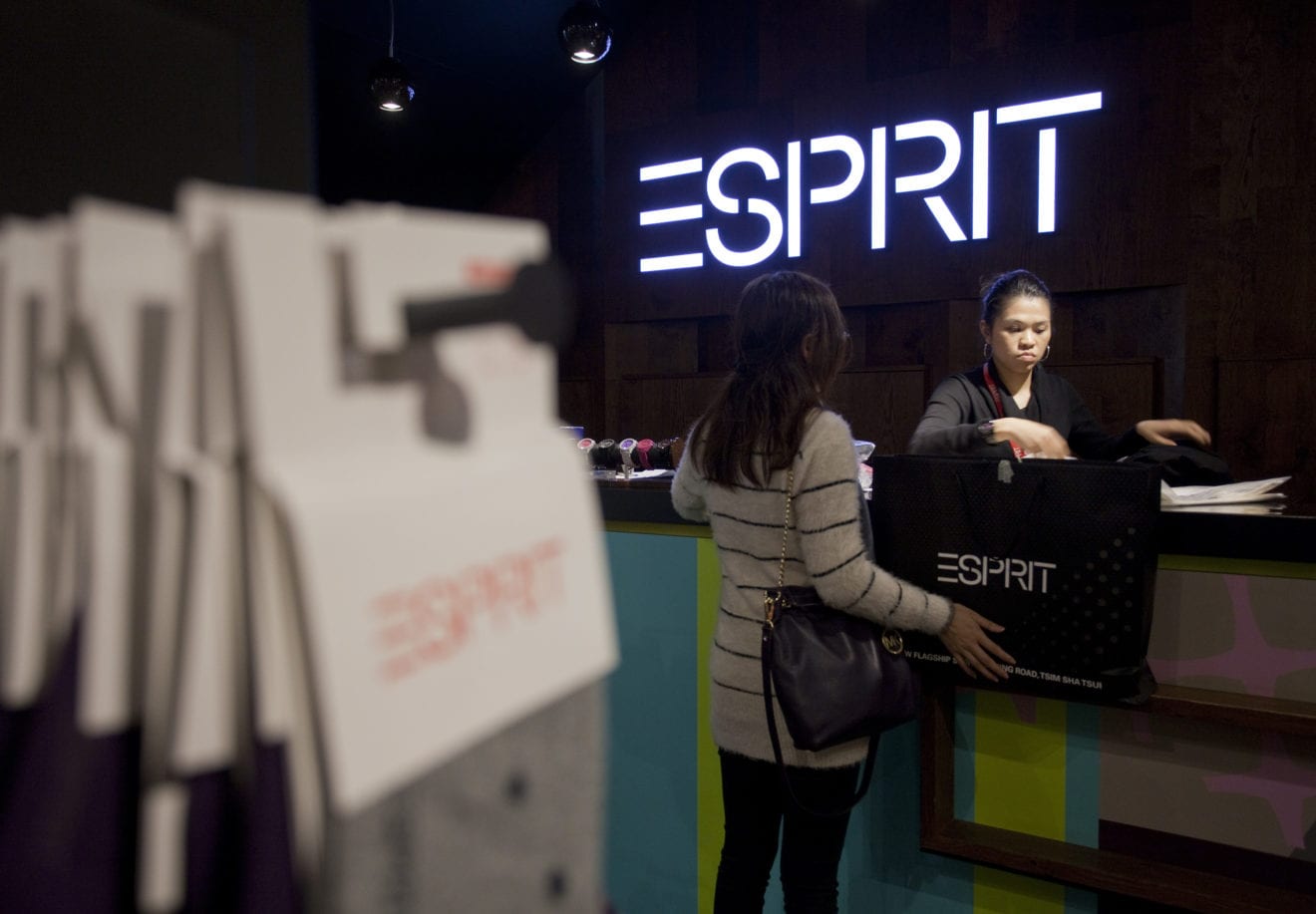
    Fast-fashion retailer Esprit says foot traffic into its stores worldwide have evaporated in the wake of the coronavirus pandemic and warned shareholders to expect a “considerable loss”.

    Public health initiatives enacted in many countries across the world aimed at slowing the spread of the pandemic have resulted in the closure of “a significant number of stores,” said Esprit company secretary Ophelia Lo.

    Public life has been locked down in France, Italy, Spain, Poland and Austria with other European countries most likely to follow, she said. All of those are important markets for Esprit which as part of a major restructuring plan is refocusing its business on Europe.

    “Obviously apparel retail sentiment is at its lowest level possible and store traffic in the group’s retail stores and its partners’ points of sale has subsided entirely,” said Lo.

    “In addition, the logistics of the supply chains of merchandise shipments are significantly affected.”

    Esprit expects the pandemic will “significantly adversely impact the sales of the group” in the second half of the current financial year, ending June 30.

    “As a result, management expects the group to incur a considerable loss in the second half,” said Lo.

    Right now, Esprit management cannot quantify the actual impact of the pandemic on the group’s business performance, given the inability to predict the speed and extent to which the pandemic will spread in markets in which the group and its suppliers operate in, and with no reliable estimation on when the pandemic may be over.

    “The company will continue to diligently assess the impact of the pandemic on the group’s business performance and will make appropriate announcements on updates as and when necessary,” she said.

    Meanwhile, the company will take “all practicable measures to cope with the challenges ahead,” including using working capital management and cost-control measures, and exploring financial support provided by local governments.

  • Dire retail sales in Mainland China a harbinger for rest of the world

    Dire retail sales in Mainland China a harbinger for rest of the world

    Retail sales in Mainland China slumped by 20.5 percent in the first two months of this year according to government figures – providing a glimpse of what lies ahead for retailers in other countries where the coronavirus is now having an impact on community behavior.

    For most of January and February hundreds of millions of Chinese were subject to lockdown in their homes, and retail stores and shopping malls were closed. Most consumers moved online to purchase goods with e-commerce giants like JD and Alibaba developing safe delivery protocols to ensure distancing between delivery riders and customers.

    Combining the first two months of retail sales figures provide an accurate comparison with previous years as it eliminates any impact from the changing timing of Lunar New Year, traditionally a busy season for retailers.

    By comparison, retail sales in Mainland China grew by 8 percent in December.

    Analysts had expected sales to fall by 5 percent in January and February, a dramatic understatement of the eventual figures.

    On a more positive note, many major retail chains have reopened stores across Mainland China this month as the spread of the virus has abated. March data will be eagerly awaited to see if there is any indication of consumers spending on luxury goods and other unnecessary purchases as they celebrate the gradual return to normal life and indulge to reward themselves for enduring the lockdowns.

  • Kikki.K needs to be saved

    Kikki.K needs to be saved

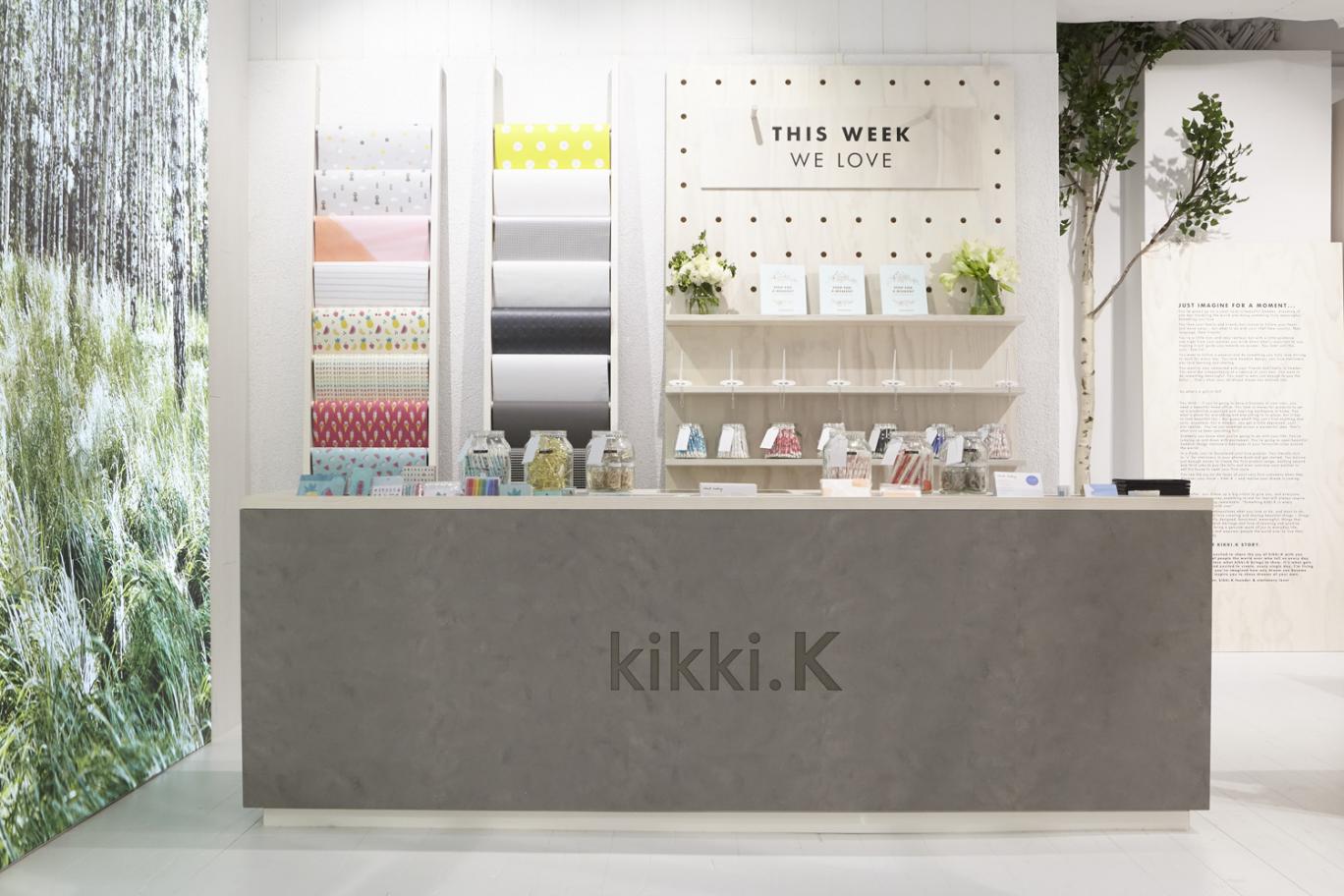
    Twenty-four hours after it announced that it was going into voluntary administration, nine potential partners approached lifestyle and stationery brand Kikki.K last week, according to emails viewed.

    “We remain truly optimistic and excited re: one key partnership deal, in particular, we’ve been working on for over 12 months  – they’re beavering away full steam ahead,” wrote co-founder Paul Lacy in the email.

    According to a statement Kikki.K sent out early in the week, the brand got caught “in a perfect storm” of circumstances, from suffering the impact of Brexit during its UK store rollout to the Hong Kong protests, a subdued Christmas, the disastrous Australian bushfires and now, coronavirus.

    “There is still an amazing business opportunity with 3.7 million loyal customers on our database, over 20 million people a year visiting our physical and online stores and strong opportunities for growth into new product categories,” said founder Kristina Karlsson. “But obviously it requires a big re-set and a buyer who understands the opportunity.”

    Shortly after the announcement was made, Kikki.K’s head of retail Alana Hose said store sales went up 94 percent and according to the brand, a few days later, the week ended 50 percent above target Australia-wide. Online revenue rose by 470 percent at one stage.

    Kikki.K has 450 full-time equivalent employees and $70 million annual revenue with 65 stores in Australia, the UK, New Zealand, Singapore and Hong Kong.

  • India’s Flipkart applies for food-retailing licence

    India’s Flipkart applies for food-retailing licence

    Indian e-commerce platform Flipkart has filed for approval from regulatory authorities to conduct food retail in the territory.

    According to a Times of India report, The Walmart-owned business has made the application with the Department for Promotion of Industry and Internal Trade with the expectation of a decision within three months.

    The firm registered an online grocery business in October last year under the brand name Flipkart FarmerMart. According to reported figures, the firm will make an investment of ₹2,500 crore (US$338,000) in the venture.

    Initial plans will see the firm delivering customer purchases via local “kirana” stores partnering with the Flipkart business.

    The firm will “focus on deep agri-supply chain investment, especially at the farm gate level and will encourage demand-driven sowing, which will help farmers produce right fruits and vegetables and get paid as per market price”.

    Flipkart competitor Amazon has held a food retail license in India since 2017.