Tag: Retail

  • New App Makes Retail Workplaces More Accessible for People with a Disability

    New App Makes Retail Workplaces More Accessible for People with a Disability

    The first workforce management solution app to be fully accessibility compliant has been launched, making retail workplaces in Singapore and across the Asia-Pacific region more inclusive for people with disabilities and an ageing population.

    The new release of Humanforce’s mobile app complies with the Web Content Accessibility Guidelines (WCAG) 2.0 AA rating. This means it meets 100 percent of the recommendations for making content accessible to people with disabilities including colour-blindness and low vision.

    “There is an unresolved tension between the business and technology vendor desire for integrating the most advanced technology solutions that often best meet the needs of millennial workers, and also making the workplace more inclusive of diversity,” explained Mike McGee, Chief Product Officer, Humanforce. “Too often we see the former being the priority at the expense of workers with a disability and those that make up our ageing workforce.”

    Recent research from McKinsey found that businesses, such as large chain retailers, with higher diversity are more likely to achieve higher financial performance. However, people with a disability are often overlooked when it comes to workplace diversity. The Ministry of Manpower found in June 2018 that 28.6 percent of people with a disability in Singapore were employed, while 4.2 percent were unemployed but looking for work, which translate to an unemployment rate of 12.9 percent. Additionally, it found that 67.2 percent of people with a disability were outside of the labour force due to poor health or disability. This compares to a 2.3 percent unemployment rate for the entire Singapore population.

    “Retail employers can be doing much more to make the workplace more inclusive for the people with a disability currently working and also to increase employment of the many people with a disability looking for work. And as we see the retirement age raised to 35 by 2030 and the re-employment age also go up to 70 by 2030, we’re also going to see the number of people with a disability in the workplace increase.

    “A key piece of the puzzle is ensuring all the workplace technologies retailers invest in to increase their success don’t work to preference younger workers, while discriminating against workers with a disability and the ageing population,” added Mike.

    Find out more about Humanforce.

    About Humanforce

    Humanforce is a global provider of workforce management solutions for companies who need a flexible solution to manage complex workforces. Companies use Humanforce to manage everything from time and attendance, employee rostering, onboarding and availability. Humanforce also has strong partnerships with industry leading payroll providers.

    Humanforce was founded in Sydney in 2002, and today has offices across Australia, New Zealand, Singapore and the UK. For more information: www.humanforce.com

    Media Contact:

    Corinne Nolte

    Mulberry Marketing Communications

    +613 9023 9110
    [email protected]

  • Tea chain Nayuki expanding to USA and Japan

    Tea chain Nayuki expanding to USA and Japan

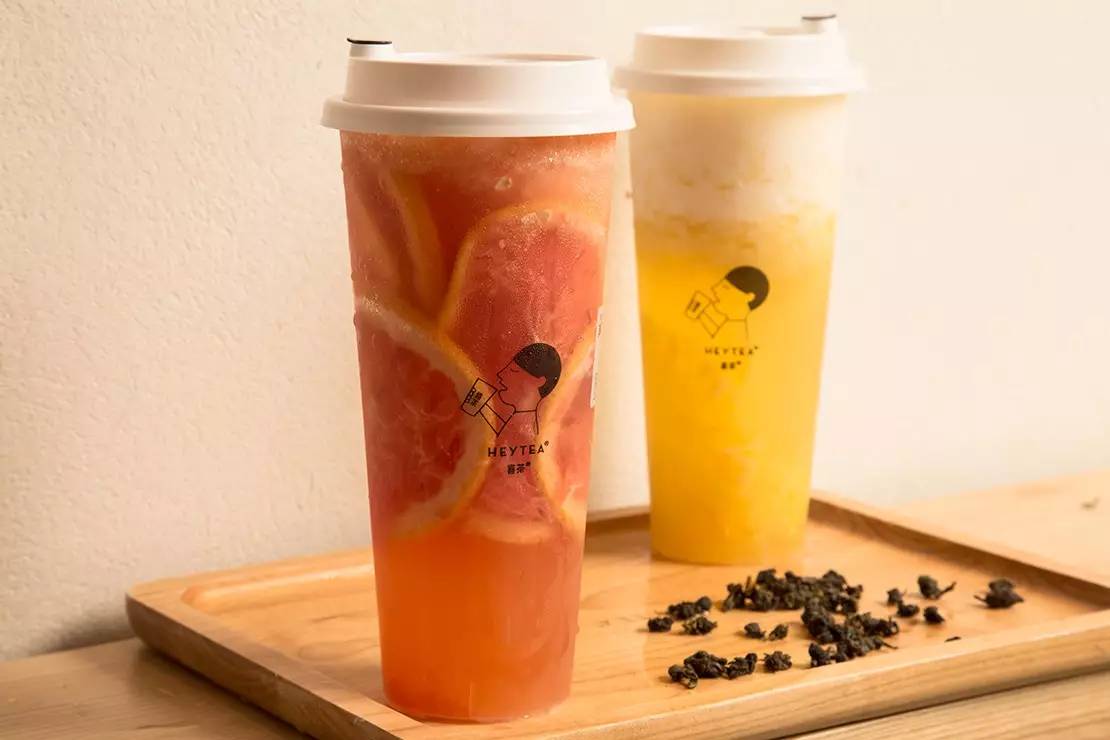
    Chinese tea chain Nayuki will launch its first stores in Japan and the US this year.

    The firm, which operates nearly 400 stores in China and three in Singapore, serves tea blended with fruit, cream cheese and toppings.

    “With our commitment to becoming an innovator and purveyor of Chinese tea culture, we hope to deliver our unique and exceptional tea experience to the world,” said Nayuki founder Peng Xin. “To achieve this goal, we have established tea fields where tea is cultivated under strict conditions from cultivation to processing.”

    In recent years, China’s traditional tea culture has been revamped by new-style tea franchises backed by large investments. The tea chain Nayuki, valued at RMB6 billion (US$865 million), received a multi-hundred-million RMB injection in Series A plus funding from TianTu Capital in 2018.

    In November last year, the company opened its largest shop – Nayuki’s Dream Factory – in Shenzhen, an 11,000sqft retail space offering an immersive in-store experience. Visitors are invited to see, hear and learn about the innovations of Nayuki’s teas while enjoying a menu of handcrafted teas, coffees, cocktails, baked goods, desserts and more exclusive to the store.

  • Amazon India to use mom-and-pop shops as delivery points

    Amazon India to use mom-and-pop shops as delivery points

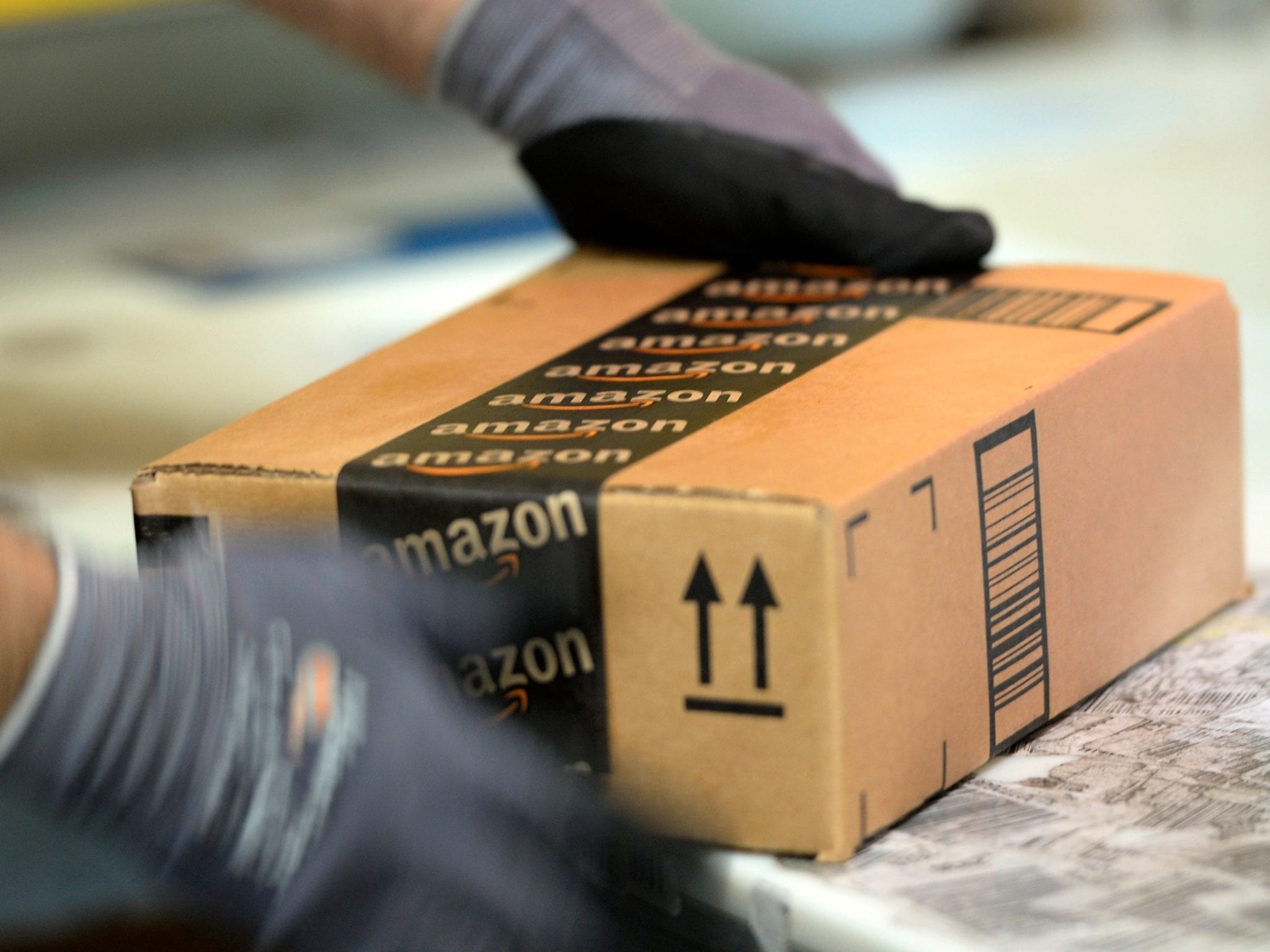
    Global online retailer Amazon has partnered with more than 20,000 local “kirana” stores in India to serve as delivery points.

    The move is part of the firm’s “I Have Space” program to build relationships with such stores in 350 Tier 1, 2 and 3 cities within the territory. It reflects competitor Flipkart’s recent investment in its ShadowFax network of neighborhood stores.

    “We believe the recent partnerships are expected to drive Amazon’s momentum across the country’s shoppers and mom-and-pop shops,” read a report by stock research firm Zacks. “Consequently, this will bolster the company’s presence in the retail space of India, which holds immense prospects.”

    Local stores stand to benefit from the initiative from the extra income they may receive as Amazon’s delivery partners.

    The Zacks report notes that Amazon’s stocks have returned just 14.2 percent over the past year, well below the industry’s rally of 22.4 percent.

  • Bose shutting stores across Australia, North America, Europe, Japan

    Bose shutting stores across Australia, North America, Europe, Japan

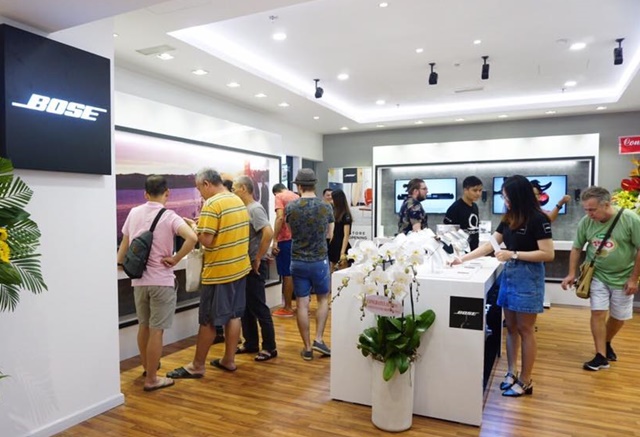
    Electronics retailer Bose is shutting down its 19 Australian retail stores over the next few months, with the intent to focus on its e-commerce offer in the region.

    Locations across North America, Europe, and Japan will also be affected, putting hundreds of people out of work across the store network.

    The business said in a statement that the approximately 130 stores located across Greater China, the United Arab Emirates, India, Southeast Asia, and South Korea will remain open.

    “Originally, our retail stores gave people a way to experience, test, and talk to us about multi-component, CD and DVD-based home entertainment systems,” Colette Burke, vice president of global sales for Bose said.

    “At the time it was a radical idea, but we focused on what our customers needed, and where they needed it – we’re doing the same thing now.  It’s still difficult because the decision impacts some of our amazing store teams who make us proud every day.”

    According to the brand, it will be offering assistance and severance packages to affected employees.

    Bose joins a list of retailers who have committed to closing stores over the next few months, with EB Gamesshutting 19 stores, Harris Scarfe closing 21, Bardot closing 58, and Curious Planet’s closure seeing 63 doors shut.

    In total, this brings the number of guaranteed store closures to 180 – not taking into account what Jeanswest’s voluntary administration will mean for its 146 stores across Australia.

    While consumer sentiment has been historically low recently, the added pressure on the economy and public sphere due to the unprecedented bushfires burning across the country has raised fears that the Christmas period may not have lived up to retailers’ expectations.

    Australian Retailers Association executive director Russell Zimmerman warned that the consensus for December and January trade is still out, to expect the fires to have an impact on trade figures.

  • Indonesian retail sales growth slower as expected

    Indonesian retail sales growth slower as expected

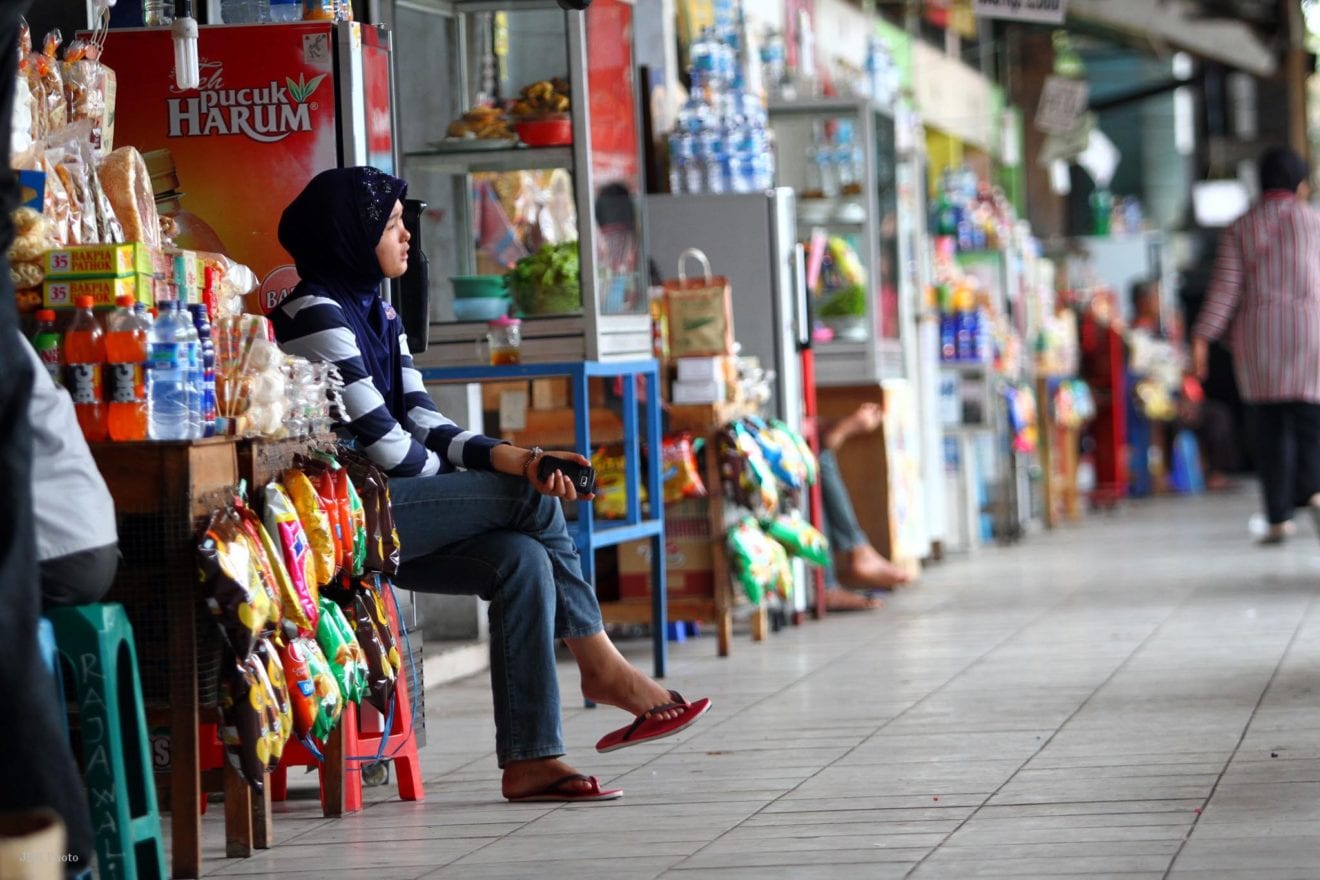
    Indonesian retail sales growth in November slowed to 1.3 percent year-on-year, well below October’s rate of 3.6 percent.

    However, the figures, released by Bank Indonesia, reflect the continuing uptick in Indonesian retail sales which has now lasted five consecutive months.

    “Retail sales continued to grow positively in November,” wrote the central bank in a statement, “although it slowed compared to sales in the previous month”.

    Indonesia retail sales growth is expected to slow in the coming months, however, with declines recorded in several metropolitan areas surveyed – a harbinger of growth expected for December.

    Sales declined in the cities are projected to flow on from the estimated contractions of 9.4 percent and 4.8 percent over the previous period.

    The bank’s survey revealed respondents believe retail sales will decline over the next quarter.

  • No respite likely for Hong Kong-based retailers

    No respite likely for Hong Kong-based retailers

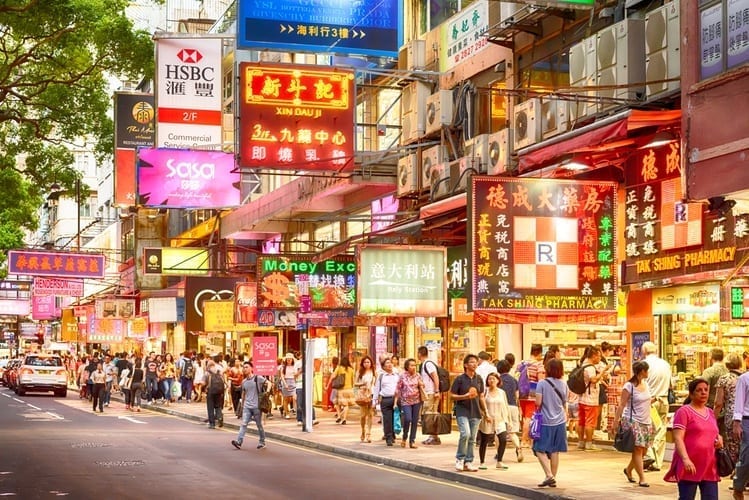
    Hong Kong-based retailers will continue to face tough times as domestic and international issues impact the economy according to a leading analyst.

    Anne Ling, an equity analyst at the investment bank and financial-services company Jefferies Group,  says every 10 percent decline in retail sales impacts the earnings-before-tax (EBIT) of Hong Kong retail companies by between 7 percent and 55 percent. Retail sales in October and November fell by about 24 percent and during the first 11 months of last year were down by 10.34 percent.

    “For international brands like Prada, Samsonite and L’Occitane, we estimate the impact at the sales level is not that material [because] Hong Kong [represents] less than 2 percent to 5 percent of sales. However, at the EBIT level (circa 3 percent to 7 percent) Hong Kong has a higher contribution.”

    Ling warns Hong Kong-based retailers are vulnerable to a risk of the further market slowdown from a higher unemployment rate and weaker consumer confidence in the city.

    “In such times, the immediate lever to hand for brands and retailers is to increase cash flow by reducing inventory and staff and/or rental costs. However, over the medium term, we would expect most players to reset or readjust their Hong Kong store networks to avoid over-reliance on tourist spending.

    “We see a need for the Hong Kong and international brands and retailers listed in Hong Kong, which have heavily de-rated in recent years, to review their business strategies and seek out new business drivers, [so] that they remain relevant to investors.”

    Ling says she expects Sino-US tensions to continue while the mainland Chinese government focuses on stabilizing economic growth this year.

    Given that backdrop, Jeffries would favor recommending investment in Hong Kong-based retailers and manufacturers of low-ticket items like staple goods, food retailers and the fast-food segment, as they are more resilient.

  • Fast Retailing cuts earnings forecast on Hong Kong

    Fast Retailing cuts earnings forecast on Hong Kong

    Fast Retailing, the parent of the Japanese fast-fashion retailer Uniqlo, has reduced forecasts for its full-year operating profit by 11 percent.

    The Japanese company says its business has been adversely affected by protests in Hong Kong and a trade war between Japan and South Korea that resulted in a boycott of Japanese products in a territory that contains the most Uniqlo outlets in a single territory after China.

    “Korea is a very important segment for us, and it’s not clear how long this situation will continue,” said Fast Retailing CFO Takeshi Okazaki.

    Fast Retailing has reported consistently increasing earnings since 2016 – until now. In the current financial year’s first quarter, sales dropped by 3.6 percent, while its international operating profit fell 28 percent.

  • E-commerce drives boost in Singapore retail sales in November

    E-commerce drives boost in Singapore retail sales in November

    Singapore retail sales in November remained sluggish, rising just 0.6 percent year on year after motor vehicles were removed from the data. Including vehicles, sales fell by 4 percent.

    Significantly, online sales rose to a new high, accounting for 8 percent of the estimated S$3.6 billion (US$2.7 billion).

    “Compared to the 6.1 percent recorded in October 2019, the increase was due to higher online retail sales from major online shopping events such as Singles’ Day, Black Friday and Cyber Monday,” Statistics Singapore said in a statement.

    Month on month, Singapore retail sales in November rose by 1 percent.

    Year on year, sales of motor vehicles and furniture & household equipment decreased 22.4 percent and 10.9 percent respectively. Sales through department stores and of recreational goods declined by 8.4 percent and 4.5 percent respectively.

    Conversely, apparel & footwear sales grew by 4.3 percent, due partly to higher demand for bags and footwear. Mini-marts & convenience stores, watches & jewelry, and computer & telecommunications equipment sales, as well as supermarkets & hypermarkets, recorded sales increases ranging from 1.2 percent to 3 percent

    Food & beverage services sales

    Sales of food & beverage services grew by 5.5 percent year on year in November, reaching $898 million.

    All food & beverage services sectors registered growth, with fast-food outlets leading the way, at 12.4 percent. Sales at restaurants, cafes, food courts & other eating places and by food caterers increased by between 1 percent and 6.4 percent.

  • OnTheList reveals 2020 plans while marking fourth anniversary

    OnTheList reveals 2020 plans while marking fourth anniversary

    Asian cross-region flash sales platform OnTheList is celebrating its fourth anniversary.

    The firm offers apparel and other brands a subtle means quitting surplus or out-of-season stock as an alternative to scrapping it or selling at a discount in stores where it may impact sales of full-priced goods.

    This year, OnTheList says it will focus on raising awareness of sustainability in the minds of both the retail industry and consumers.

    The company will also be operating in Shanghai, Taipei, and Singapore from new permanent showrooms, alongside managing pop-ups in different Chinese cities, while further expanding the online platform to existing markets. OnTheList is also working actively on sourcing more partnerships and collaborations with brands.

    “With the new year ahead and the support from all the brands and members in Asia, together we take the initiative to bring positive social impact with our platform to raise awareness on sustainable shopping,” said co-founder Diego Dultzin.

    Launched in 2016, OnTheList moved from sporadic pop-ups to weekly flash sales in stores and online across four cities: Hong Kong, Singapore, Taipei, and Shanghai. The firm has helped more than 300 brands with excess inventory and accumulated 251,000 registered active shoppers across the four locations.

  • Hong Kong toy shop fined for deceptive conduct

    Hong Kong toy shop fined for deceptive conduct

    An unidentified Hong Kong toy-shop owner has been convicted of misleading omission commercial practice.

    The owner was convicted of engaging in commercial practices involving misleading omission according to the Trade Description Ordinance (TDO) and sentenced to 200 hours of community service by Kowloon City Magistrates’ Courts. The court also ordered him to compensate HK$11,210 (US$1440) to three victims.

    An investigation carried out after Hong Kong Customs received a complaint from the victims alleging that a toy shop owner had engaged in unfair trade practices, showed that the owner had failed to explain the risks of late delivery to its customers on a social-media platform page. The owner has sold eighteen types of toy models without regard to the risk of delay.

    Under the TDO, any trader who engages in a commercial practice that omits or hides material information or provides material information in a manner that is unclear, unintelligible, ambiguous or untimely, or fails to identify its commercial intent and as a result causes, or is likely to cause, an average consumer to make a transactional decision commits an offense. The maximum penalty upon conviction is a fine of $500,000 and imprisonment for five years.

  • Brick and mortar is back: The retail apocalypse is ‘nearing its end’

    Brick and mortar is back: The retail apocalypse is ‘nearing its end’

    The retail apocalypse is nearing its end, giving brick-and-mortar the opportunity to make the comeback of a lifetime – and surprisingly, millennials and Gen Z are to thank for this movement. Retail locations are finding new footing and a new role in 2020, and that is because 43 percent of both Millennials and Gen Z are more likely to do in-store shopping as opposed to only 29 percent of Gen X.

    It seems odd that the generations who are conditioned to constantly accessible technology, are practically glued to their phones, and have never turned to a leather-bound encyclopedia before consulting Wikipedia, would prefer in-store experiences over online shopping. But that is just it – it is the interaction they crave.

    In true millennial and Gen Z fashion, they desire a personalized shopping experience catered to them, in fact, a staggering 63 percent of millennials note that they will actually spend more on a product if it comes with a personalized experience. For retail locations, improving customer service is going to be key if they want to continue to turn the heads of millennials and Gen Z. With these generations making a significant dent in the buying power of today’s consumers, brick-and-mortar locations will need to brush up on this 2020 retail trend as they plan for the future.

    Retail has experienced many ups and downs, from the entrance into a digital age and advancement of retail technology, to experiencing a retail apocalypse causing many store locations to close their doors. The future for brick-and-mortar retailing looked bleak as retailers began to loosen the reins and became lax on creating the type of customer experience that keeps shoppers coming back. But not anymore: this year promises a resurgence of brick-and-mortar retailing, and it is in high demand.

    Personalisation of the retail experience 

    With the goal of cultivating a more personalized retail environment, retailers can tap into the abundance of data available about their consumers. Social-media influence and social shopping and retail are even more intertwined now than ever before. Online activity provides the data insights into preferences, buying habits, and interests of consumers – driving personalization in the retail sector moving into this year and beyond.

    The tactical use of this data makes creating personalized promotions easier than ever – an excellent tool to target retail customers and keep them engaged with your brand. Customizing relevant data points with targeted deals and offers generates more profitable purchases leading to more revenue for the retailer.

    Retail 4.0: an integrated omnichannel approach

    This year’s retail trends are moving toward putting the consumer more in control of their retail choices and behavior. This opens the door for Retail 4.0 – the “new retail” – a hybrid approach between physical and digital retail that relies on consumer data for a more customer-centric experience throughout the supply chain. An integrated omnichannel approach is a way to successfully move into the future of retail.

    Integrated omnichannel retail breaks barriers between customers and their purchase mode using multiple touchpoints for a single purchase. The result is improved customer engagement by providing a consistent shopping experience across channels. Adopting this approach can improve data accuracy by as much as 95 percent and streamlines the processes on the backend to seamlessly transition them on the front end, providing a better customer experience, with multiple paths to purchase.

    Looking ahead, with 20/20 vision, it is clear that streamlining processes and cutting away retail excess is going to be key to retail success. The long-feared ‘retail apocalypse’ is clearly nearing its end.

  • JD’s 7Fresh launches two new concepts in Beijing

    JD’s 7Fresh launches two new concepts in Beijing

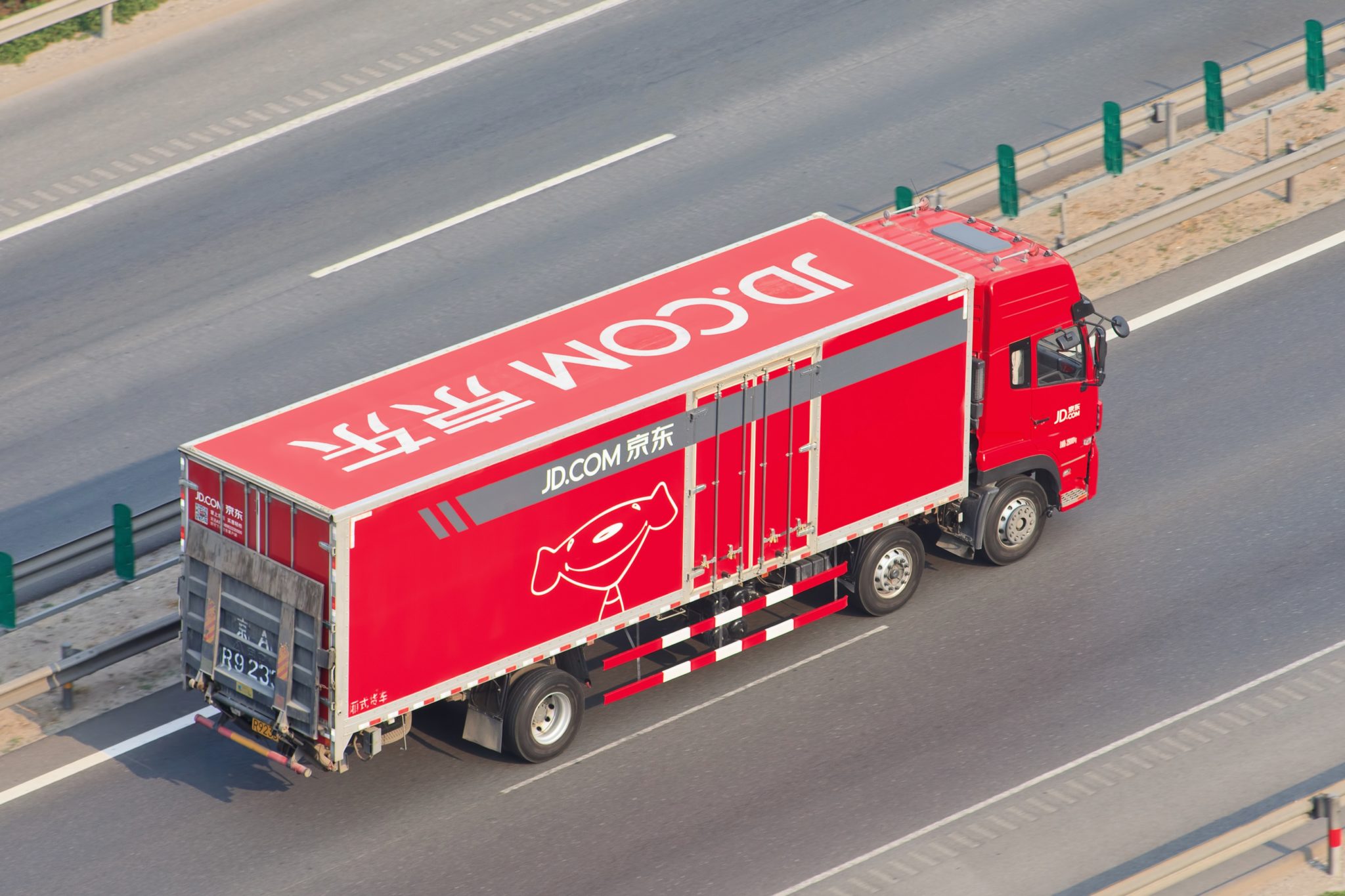
    E-commerce giant JD.com has opened a 24/7 store chain, 7Fresh Life, in Beijing.

    At the same time, the firm has launched its first Seven Fun lifestyle space in Beijing, intended to serve as a “third place” for working professionals.

    The 7Fresh Life food chain supermarket, which launched last month, offers mealtime solutions within a 300–400sqm area. The venue is located in the Huilongguan residential area in northern Beijing, one of the largest residential neighbourhoods in Asia.

    Targeting especially young mothers and kitchen owners, the chain is conceived of as a restaurant, fresh food store and convenience store combination, providing more than 3000 selected fresh items of produce, daily groceries and also ready-to-cook and ready-to-eat food, equipped with an in-store dining area.

    It also provides a location-based online channel through its app for consumers to buy from the community shop anytime and have items delivered to their doorstep within as fast as 30 minutes from the time of order. The home-delivery service covers a 1.5km radius, including 38 surrounding communities and three office areas, reaching 50,000 families and 1000 office professionals.

    As a brand under 7Fresh, Seven Fun consumers can order anything in the store from the same 7Fresh app to be delivered to their doorstep.

    In addition to the items offered in-store, a large number of products from JD’s e-commerce platform can be ordered through the chain’s online channel, such as seasonal, large-size, beauty and baby and maternal products. It also provides services such as power bank rental, 24-hour parcel pick-up lockers, bill payment, top up, courier and a dry cleaning service, among others.

    “With JD’s deep understanding of consumers and our strong supply chain providing global and local fresh produce and mealtime solutions, 7Fresh has become a trusted source for consumers buying fresh food offline,” said JD’s head of 7Fresh Jonathan Wang. “7Fresh Life will better serve the diverse and unique needs of Chinese families, providing for each person at any time for any need, online or offline.”

    Dine, drink and socialise

    The firm’s Seven Fun concept is a dining, drinking and social venue offering breakfast from sunrise and late night drinks as well as lunch, afternoon tea, snacks and daily groceries.

    Located in Galaxy Soho on the second ring road of Beijing, the roughly 1000sqm store is designed specifically to cater to working professionals aged between 26 and 45 in first-tier cities. It was designed to meet the trend of global consumers shifting from going to the store to buy products to going to the store to experience products and buy services.

    The inaugural Seven Fun outlet offers more than 3500 products such as fresh food, baked goods, fresh flowers, and groceries. It features 12 selected eateries targeting the 200,000 working professionals within a 1km radius of the store.

    “As a lifestyle retailer, Seven Fun is innovating the retail landscape in China,” said Wang. “Through this concept, JD provides an unprecedented “Solomome” (social, local, mobile and personalised) offline experience that serves as a pioneering model for future brick-and-mortar stores.”

    Future expansion of Seven Fun is expected to focus on tier-one cities, targeting working professionals with an annual income of more than RMB100,000 (US$14,360).

  • Vietnam improves its online shopping readiness

    Vietnam improves its online shopping readiness

    Vietnam has jumped five places to 64th in this year’s global index of readiness for online shopping, a UN report says.

    With an average score of 61.1 points on a scale of 100, Vietnam did better than most of its Southeast Asian peers in terms of its preparedness for e-commerce, according to the B2C (business-to-consumer) E-commerce Index recently released by the United Nations Conference on Trade and Development.

    Singapore ranked third on the global list while Malaysia came in 34th, Thailand (48th),  Indonesia (84th), the Philippines (89th), Laos (113rd), Cambodia (122nd), and Myanmar (126th).

    The ranking measured 152 countries and territories around the world based on four indicators with a high correlation to online shopping: Internet server access, postal service reliability, share of the population who use the Internet, and share of population aged above 15 who have an account with a financial institution or mobile-money-service provider.

    According to the report, 70 percent of Vietnamese people use the Internet and 31 percent of individuals aged from 15 and above have bank accounts or mobile bank accounts.

    Vietnam has proportions of secure Internet servers and postal reliability at 66 and 77 percent respectively.

    The report also showed online shoppers in Vietnam account for 31 percent of Internet users and 19 percent of the 94-million population.

    The country has targeted that 30 percent of its population shop online between 2016 and 2020, with yearly sales value of approximately $350 per person.

    E-commerce revenue reached $2.26 billion last year, up 30 percent over 2017, according to Germany-based data portal Statista.

    Vietnam’s e-commerce market is estimated at $5 billion this year and is set to reach $23 billion in 2025, according to a recent report by Google, Singapore-based investment firm Temasek, and U.S.-based consultancy Bain.

  • Sagging consumer sentiment dents Thai retail industry

    Sagging consumer sentiment dents Thai retail industry

    The Thai retail industry is facing a period of low consumer confidence, according to a CBRE research report, resulting in little sales growth.

    The firm’s 2019 Year-End Wrap-Up For Bangkok Commercial Market report revealed that the Thai retail industry has remained stagnant this year as Thailand faced a low sentiment period and a decrease in spending power due to high household debt.

    The Consumer Confidence Index (CCI) hit its lowest point in 39 months, falling to 72.2 in September 2019, dropping by 10.1 percentage points year on year. In addition, the household debt was reported to have broken a new record since 2017 at 78.7 percent of total GDP, which heavily impacted the overall spending power.

    “While the trend of ‘retailtainment’ continues to develop in Bangkok’s retail scene, this year, we have started to see more co-working space occupying large space in retail centers in CBD areas,” said CBRE Thailand head of advisory and transaction services – retail Jariya Thumtrongkitkul.

    “Retail developers expect this synergy to increase their retail centers’ foot traffic on weekdays as well as fill large, vacant space in less-desirable zones. To compete in a highly competitive market, some retailers also resized their own traditional stand-alone stores to allow these stores to fit in other shopping malls, community malls and superstores.”

    In the second half of this year, the Thai government launched new policies and campaigns to stimulate domestic spending, including welfare cards, an interest rate cut, and the “Shim-Shop-Chai” (Eat-Shop-Spend) scheme where the government gives away e-money and tax breaks for domestic travelers.” She said the campaign could be more beneficial to major Thai retail industry players, especially in a department store and superstore formats, because of their ease of accessibility compared to local shops located in the countryside.

    According to CBRE research, Bangkok’s total retail supply as of this year’s third fiscal quarter was 7.8 million sqm, increasing by 4.39 percent year on year.

    Not only have offline retailers moved towards omnichannel retailing, but many new online retailers have also been expanding into offline outlets in physical retail space as showrooms and “click & collect” points. In order to survive in a market with a large number of future retail supply in the pipeline, retail developers will need to embrace the fast-moving technology and create new unique selling points for their retail centers.

  • Bonjour Holdings warns of substantial loss

    Bonjour Holdings warns of substantial loss

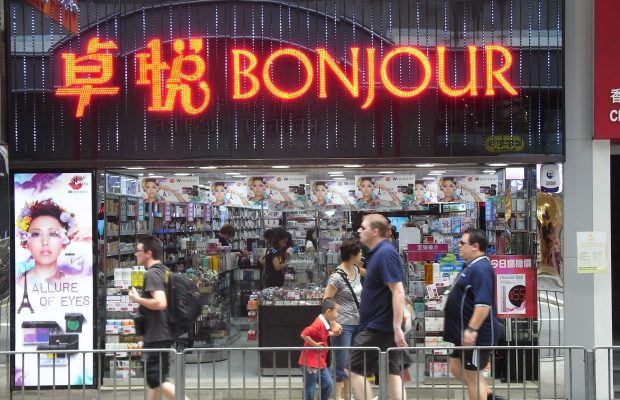
    Beauty retailer Bonjour Holdings has warned shareholders of a “substantially increased loss” for the current year as the social unrest and falling Mainland Chinese visitor numbers take their toll.

    Last year, Bonjour Holdings reported a net loss of HK$39.6 million (US$5 million). In a letter to shareholders, chairman Wilson Ip did not put a figure on the loss anticipated in the year to December, but his words were ominous.

    “The group’s turnover has deteriorated severely and is expected to record a double-digit year-on-year decline for the year,” he said. “The average gross profit margin also decreases mainly due to the change in sales mix, consumer’s spending patterns and the increase in the promotion to attract customers.”

    He said Hong Kong’s economy suffered “an abrupt deterioration” in the second half of the year when consumption and tourism-related sectors were hit hard by local social incidents.

    “Moreover, the global economic slowdown and escalated US-Mainland trade tensions weighed further on the Hong Kong economic outlook.

    “Facing such an economic downturn, in a view to ease the difficult situation, the group now has key focuses on cost optimization and value creation by streamlining operational efficiency and better business planning to build or sustain our competitive advantage.”