Tag: Retail

  • Sands Shoppes Macao honours its top selling retailers

    Sands Shoppes Macao honours its top selling retailers

    Sands Shoppes Macao held its fifth Sands Retail Awards this week, at the Four Seasons Hotel.

    The awards honor retailers who achieved outstanding performance this year across 13 categories including best store performance, best loyalty program, best window display, best store design, and best customer service, along with a rising star.

    “While the Sands Retail Awards recognize the best of the best, all our retailers across Sands Shoppes Macao set incredibly high industry standards,” said David Sylvester, executive VP of global retail at Las Vegas Sands Corp.

    “There is huge competition for these coveted awards and the retailers who make it through have demonstrated total commitment to ensuring visitors to our shopping malls enjoy their experience here.”

    Sands Shoppes Macao Retail Awards Winners are:

    Best Store Performance – Luxury: Louis Vuitton (Shoppes at Four Seasons)

    Best Store Performance – Luxury Watch & Jewellery: Rolex (Shoppes at Venetian, Shoppes at Cotai Central, Shoppes at Parisian)

    Best Store Performance – High Street Fashion: MSGM (Shoppes at Parisian)

    Best Store Performance – High Street Watch & Jewellery: Swarovski (Shoppes at Cotai Central)

    Best Store Performance – Beauty: Temptation (Shoppes at Parisian)

    Best Store Performance – General Retail: Mannings (Shoppes at Venetian)

    Best Store Performance – Food & Beverage: Lei Garden (Shoppes at Venetian)

    Best Loyalty Program Performance – Highest Point Redemption: Fortress (Shoppes at Venetian)

    Best Loyalty Program Performance – Highest Number of Transactions: Tai Hing Restaurant (Shoppes at Venetian)

    Best Window Display: Versace (Shoppes at Four Seasons)

    Best Store Design: Apple (Shoppes at Cotai Central)

    Best Customer Service: Victoria’s Secret (Shoppes at Venetian)

    Rising Star: Sandro (Shoppes at Venetian)

  • Senreve raises funds for Asian expansion

    Senreve raises funds for Asian expansion

    Online fashion startup Senreve has raised US$16.75 million in Series A funding to expand into the fast-growing Asian market.

    The funds bring Senreve’s total capital raised to more than $23 million within three years.

    Led by Norwest Venture Partners, this latest round of funding will help co-founders Coral Chung and Wendy Wen take Senreve to reach a more global scale from its San Francisco base.“We focus on authentic brand storytelling, creating beautiful and luxurious products, and engaging with customer feedback and data,” said Senreve co-founder and CEO Coral Chung.

    “We’re thrilled to bring on an institutional partner like Norwest, and especially excited to partner with Sonya Brown who has a phenomenal track record of backing successful consumer brands,” said the firm’s COO Wendy Wen.

    “In a world where direct-to-consumer channels have become increasingly crowded, Senreve has been extremely savvy about how they introduce themselves digitally,” said Norwest general partner Sonya Brown. “Coral and Wendy’s ability to build a luxury brand practically overnight is a testament to their authentic understanding of the modern woman. In particular, Senreve resonates with the next generation of powerful women because they don’t want to compromise functionality to achieve luxury, and they shouldn’t have to. I am thrilled to partner with them for this next, exciting chapter.”

    The new funding is expected to significantly expand Senreve’s product offering, grow its geographic presence – particularly in its expanding Asian markets where it is looking to form strategic partnerships – and explore new brick-and-mortar retail opportunities.

    As a female-founded start-up, this latest round of funding is a milestone for the company as well as extremely rare in the startup landscape. According to PitchBook, female-founded start-up companies receive only 2.2 per cent of the total capital invested by US venture capital firms, despite owning 38 per cent of businesses in the country.

  • Hong Kong’s Causeway Bay still top of the world’s most expensive retail strips

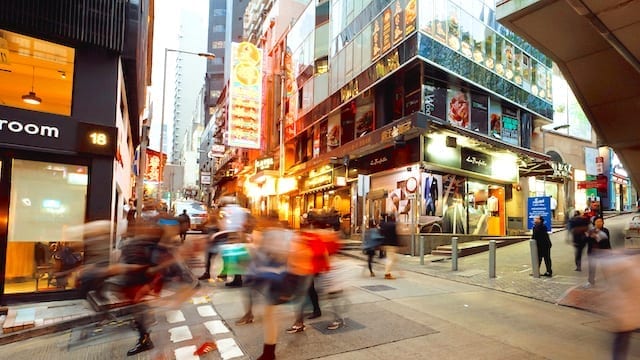
    Hong Kong’s Causeway Bay still top of the world’s most expensive retail strips

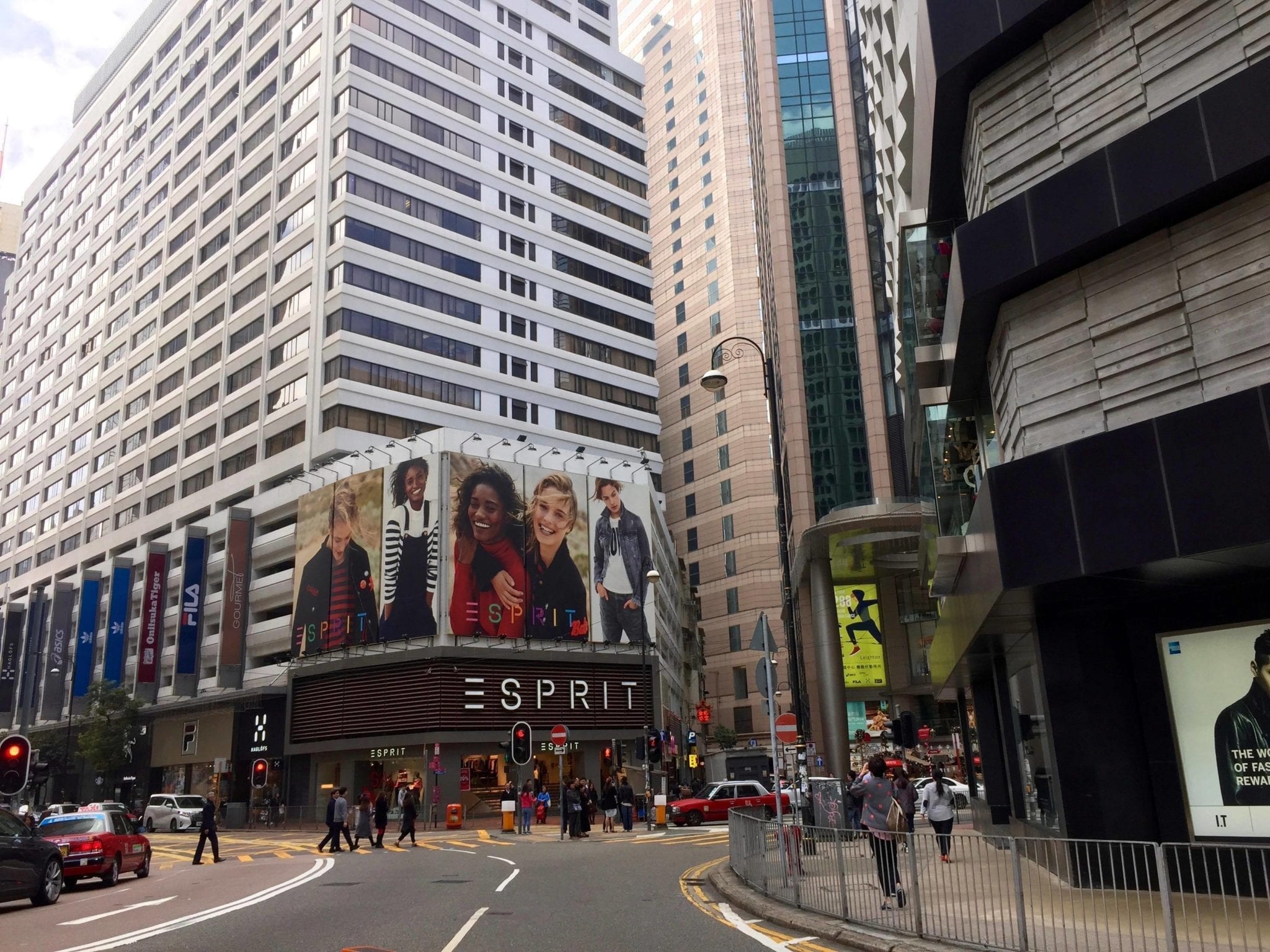
    Hong Kong ́s Causeway Bay remains top of the world’s most expensive retail strips, with rents rising to US$2745 per square feet per annum, 2.3 per cent higher than last year.

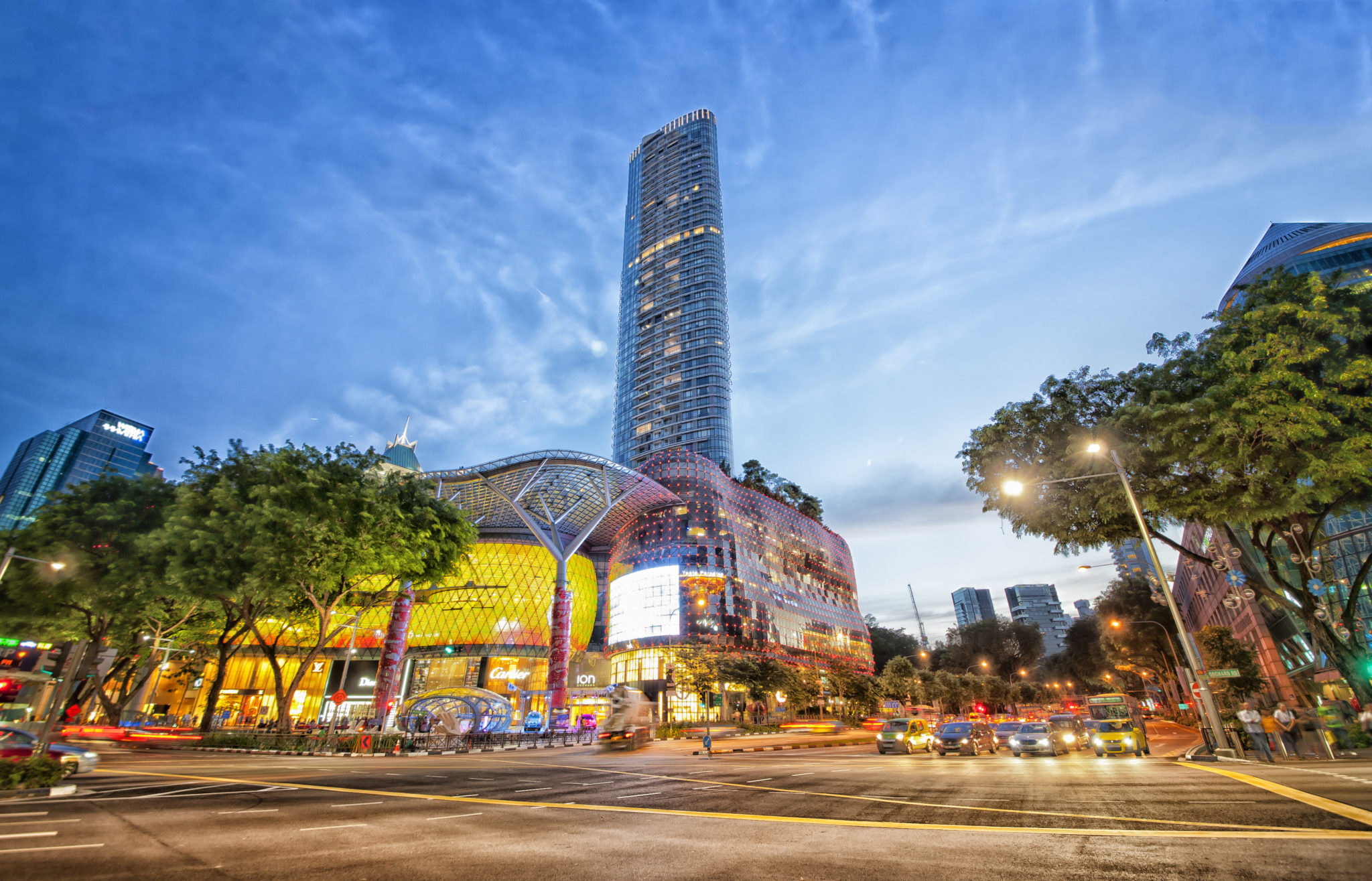
    New York ́s Upper 5th Avenue, with annual retail rents at $2250/sqft, retained the number two position on Cushman & Wakefield ́s latest rankings. Singapore’s Orchard Road does not appear in the top10, due to its retail stores considered to be almost exclusively inside shopping centres rather than defined as ‘high-street’.

    Completing the top five are New Bond Street in London, followed by Avenue des Champs-Elysees in Paris and Milan’s Via Montenapoleone.

    The top 10 worldwide shopping streets by rent (in US$/sqft/year):

    1 Causeway Bay (Hong Kong) – $2745

    2 Upper 5th Avenue (New York) – $2250

    3 New Bond Street (London) – $1714

    4 Avenue des Champs-Elysees (Paris) – $1478

    5 Via Montenapoleone (Milan) – $1447

    6 Ginza (Tokyo) – $1251

    7 Pitt Street Mall (Sydney) – $1076

    8 Bahnhofstrasse (Zurich) – $886

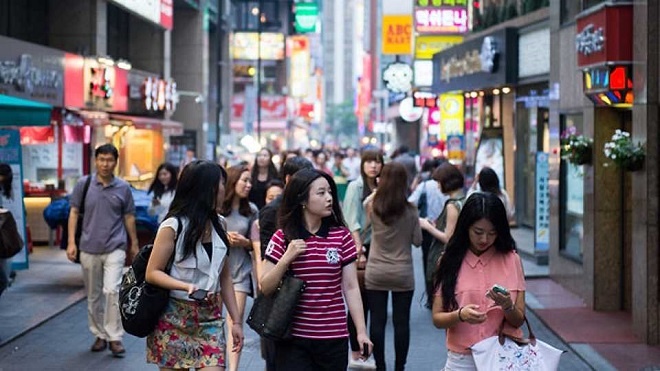
    9 Myeongdong (Seoul) – $862

    10 Kohlmarkt (Vienna) – $513

    Greater China represents seven of the top 20 Asian locations in the world’s most expensive retail strips, including Hong Kong (1st), Beijing (6th), Shanghai (8th), Shenzhen (11th), Guangzhou (13th), Taipei (15th) and Nanjing (20th).

    Major cities in China continue to see a significant amount of new retail developments, with activities being driven by both domestic and international retailers, with the latter continuing to pursue a strategy of opening in multiple locations.

    In Hong Kong, increasing pressure on rents continues as a result of growing local political unrest and the ongoing US-China trade tensions.

    Bonifacio High Street in Taguig, Greater Manila, in the Philippines recorded the biggest rental decline in Asia Pacific, posting 28.6-per-cent decrease.

    In Australia, rents in some locations have fallen, particularly in CBD strip retail areas. In contrast, rents on some of the higher footfall pitches have increased, including Sydney’s George Street.

    In the Americas, recent rental trends have varied by location, with high-street rents in some areas in Canada and the US remain under pressure.

    Retail rents in around 70 percent of the locations in Europe have generally stabilized despite the increasing polarisation.

    “In terms of rental performance, this year’s results are encouraging and demonstrate the resilience of the premier retail locations,” says Darren Yates, head of EMEA retail research at Cushman & Wakefield.

    “Rents on the world’s most expensive retail strips have been fairly stable and there is greater clarity on where retail is heading. However, there is downward pressure on rents in many weaker locations, particularly in the more mature markets of Europe and North America.  In Asia Pacific, retail has generally performed well across a very diverse group of markets.”

  • Real Singapore retail sales stable in September

    Real Singapore retail sales stable in September

    Real Singapore retail sales (excluding motor vehicles) slipped by 0.3 percent in September compared to the same month last year.

    With motor vehicle sales included, the decrease was 2.2 percent, marking the eighth consecutive monthly decrease in the headline figure.s

    Month on month, retail sales excluding vehicles rose by 0.8 percent.

    Significantly, online sales grew to account for 6.9 percent of total sales in September.

    Year on year, the worst affected categories aside from vehicles (down 12.3 percent) were furniture and household equipment; recreational goods; and watches and jewelry which experienced declines of between 4.4 percent and 8.9 percent. Sales of department stores declined by 1.2 per cent respectively.

    On the positive side, retailers of computer and telecommunications equipment posted sales growth of 8.7 percent, while sales of apparel and footwear; medical goods and toiletries; and optical goods and books increased by between 2.1 percent and 4.2 percent.

    Singapore retail sales of food and beverage services grew by 4.3 percent year on year in September and by 0.4 percent month on month.

    Sales at fast-food outlets; cafes; food courts and other eating places; and restaurants reported sales up by 12.5 percent, 4.6 percent and 2.7 percent respectively, while turnover of food caterers declined 0.5 percent.

  • Foreign brands eager to enter booming fashion market

    Foreign brands eager to enter booming fashion market

    Major international brands are setting up shop in Vietnam and expanding quickly to tap a rapidly growing fashion market.  Last week Japanese casual wear retailer Uniqlo announced it would open its first store in the country in Ho Chi Minh City’s District 1 on December 6. The 3,000-square-meter store would be one of its biggest in Southeast Asia, the firm said.

    Opening stores in Vietnam is critical to Uniqlo’s expansion plans in Southeast Asia. As of last year it had 213 stores in the region, and plans to have 400 by 2022, Tadashi Yanai, CEO of Fast Retailing Group, which owns a 75 percent stake in Uniqlo, said.

    It is the latest in an expanding list of around 200 foreign fashion brands that have entered Vietnam, including Zara, H&M, Giordano, Mango, Topshop, Gap, and Old Navy.

    Vietnam, with its young demographic, growing incomes and 95 million population, is considered a hugely promising market. Foreign brands are attracted to its 15-20 percent annual growth, according to the chairman of the Vietnam Retailers Association, Dinh Thi My Loan.

    Vietnamese consumers are also shifting towards prioritizing items like clothes and fashion. In a report released last year market research firm Nielsen said clothes were Vietnamese consumers’ third spending priority after food and saving.

    The survey also found that Vietnam ranked third globally in the number of people fond of branded goods after only China and India.

    Laura McCullough, a senior Nielsen executive, said: “The change in the level of wealth of Vietnamese people enables them to buy international standard products and services. More and more Vietnamese are choosing to buy luxury goods or exclusive products.”

    Thanks to the Vietnamese fondness for fast fashion, Zara’s revenues in Vietnam doubled to VND1.7 trillion ($73.27 million) last year, four times its Thailand sales, the company said in its latest financial report.

    In 2018, H&M announced revenues of over VND763 billion ($32.89 million), nearly four times higher than what it had collected in 2017 when it opened its first store in Vietnam. While British brand Topshop has filed for bankruptcy and closed all of its stores in the U.S., the former maintains four stores in Vietnam.

    Vietnamese retail group Seedcom estimates the fashion industry to be worth $5 billion in 2018 and to reach $7 billion by 2023.

    German market analysis firm Statistics Portal expects 22.5 percent annual growth in 2017-22 while Nielsen forecasts 15-20 percent growth.

    Foreigners buying up local units

    Foreign investors have also been trying to enter with a series of acquisitions in the last few years. In September Japanese fashion company Stripe International acquired Global Fashion, which owns women’s footwear brand Vascara, for an undisclosed sum.

    Vascara, launched in 2007, has 134 stores nationwide. Stripe first came to Vietnam in 2017, and earlier acquired another fashion brand, NEM, which has 90 stores.

    In February Japanese buyout firm Advantage Partners acquired Elise Fashion, one of Vietnam’s major women’s fashion chains, again for an undisclosed sum.

    Elise, founded in 2011, targets women in the 20-45 age range and has 95 stores across Vietnam, with operations vertically integrated from design and manufacturing to customer-facing sales and retail.

    With financing from Stripe, Elise hopes to double the number of outlets and quadruple revenues in the next four years.

    According to Le Tien Truong, general director of the Vietnam National Textile and Garment Group (Vinatex), foreign players have bigger strengths in finance and human resources, and modern management methods.However, industry insiders are worried that the rapid expansion of major global fashion brands could overpower local brands such as Viettien, Canifa, Ninomaxx, and YaMe.

    Besides, many local businesses still do subcontracting work for foreign brands, the lowest level in the value scale in the fashion industry, he told the media.

    Robert Tran, CEO of U.S.-based RBNC Consulting, said: “The textile and apparel industry is too focused on outsourcing, big orders, competing for exports, and collecting wages, and is not investing in fashion design. So the term ‘fashion technology’ seems to have been forgotten in Vietnam.”

    “Asian countries like Japan, South Korea, Singapore, and Thailand all have domestic fashion brands, while it is difficult for international visitors to come to Vietnam to find a true Vietnamese fashion brand other than in traditional products such as “ao dai”, which can be purchased at medium prices.”

    Truong warned that if Vietnamese fashion houses do not change their mindset, consolidate their brands and create their own designs, they would forever be outsourcers for other countries.

    Seedcom founder and CEO Dinh Anh Huan said to remain competitive, Vietnamese retailers should use technology to understand consumer behavior, focus on digital marketing and develop online shopping channels to bring a better shopping experience to customers.

    The Vietnam Retailers Association (VRA) estimates there were 200 foreign brands in Vietnam by 2017-end, accounting for roughly 60 percent of the market.

    Zara, H&M and Mango are the three most recognised brands in Vietnam, followed by Gap, Forever 21 and Giordano, according to a survey done by market research firm Q&Me in September.
  • Miniso $2 concept success exceeds expectations

    Miniso $2 concept success exceeds expectations

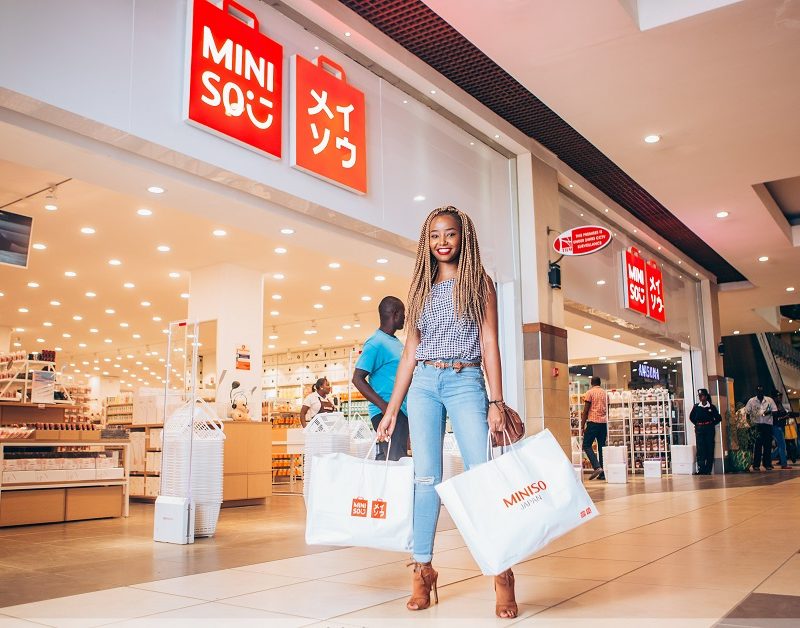
    The new Miniso $2 concept store launched in Singapore is achieving sales volumes four times that of the brand’s conventional stores in the city.

    The Chinese discount-merchandise retailer has opened a second $2 outlet less than a month after the first store’s debut, hitting what the brand describes as new sales records.

    Hundreds of people queued for hours for the second store’s opening according to a statement issued by the retailer. The Miniso $2 concept’s sales volume is reportedly four times higher than normal stores with customers on average purchasing 12 items each.

    At present, Miniso has implemented dual operating models of opening IP stores and outlet stores in Singapore, which can serve consumers with different backgrounds and requirements.

    The Miniso $2 concept reported footfall five-to-six times higher than the general stores in the city, and the number of customer transactions has almost doubled.

    Meanwhile, Miniso has collaborated with several international brands, including Marvel, the Forbidden City Culture, Kakao Friends, Sesame Street and Pink Panther, to expand its popularity in different markets.

    Miniso operates 4000 stores in more than 90 countries and regions including the US, Canada, Russia, Singapore, the UAE, Korea, Malaysia, Hong Kong and Macau, with turnover reaching US$2.5 billion last year.

  • Xiaomi India becomes nation’s largest single-brand retail network

    Xiaomi India becomes nation’s largest single-brand retail network

    Xiaomi India has been recognized as the largest exclusive brand network in the territory.

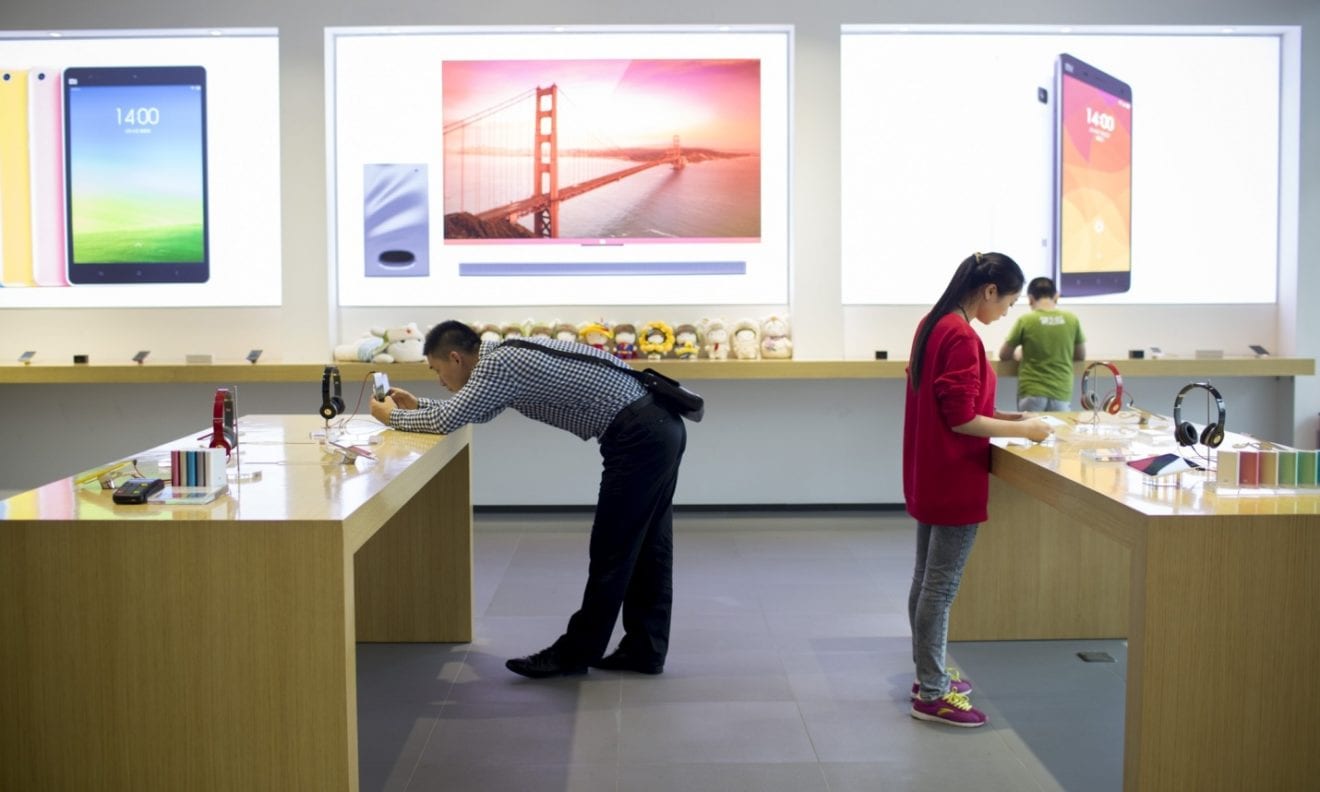
    The finding was released in a study by retail and channel solution provider Channelplay, and coincides with the launch of the brand’s 2500th Mi Store in India. Xiaomi India now has Mi Stores in more than 790 cities.

    The results of the study showed that Xiaomi’s retail network is 44-per-cent larger than Samsung; 108-per-cent larger than Domino’s; and 117-per-cent larger than Bata in terms of exclusive brand retail presence.

    “We started our offline journey in India in 2017, and our expansion gained momentum last year,” said Xiaomi India COO Muralikrishnan B. “We have crossed the milestone of 2500 Mi Stores in less than a year across 790+ cities and towns and extremely proud to be bringing the best specs, with the highest quality at an honest price with an exceptional retail experience to our Mi fans in all rural areas.”

    Earlier this year, a Counterpoint Research Market Monitor named mi.com as the top single brand online smartphone channel in India.

  • Alibaba’s Singles Day sales up 26 per cent

    Alibaba’s Singles Day sales up 26 per cent

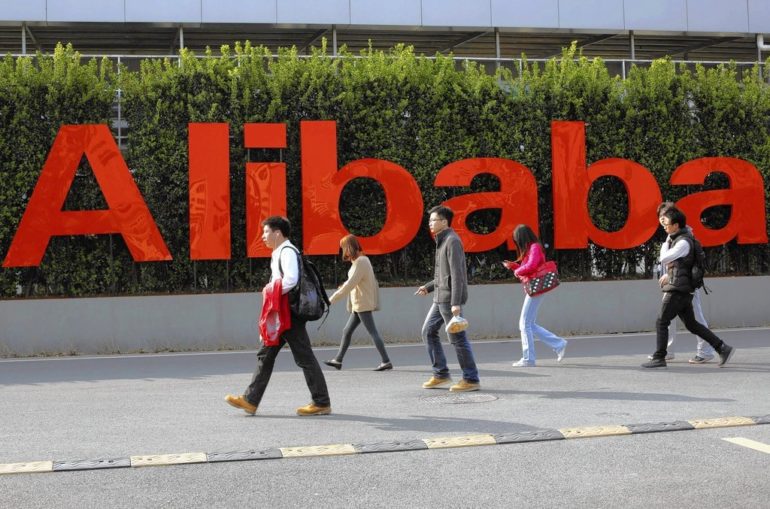
    Alibaba’s Singles Day retail promotion is over for another year – and predictably a new record was set.

    The Chinese internet behemoth says its gross merchandise volume (GMV) reached RMB268.4 billion (US$38.4 billion) when midnight fell, ending the 24-hour Shopatron which engages with hundreds of millions of Chinese online and on TV.  That figure is 26 per cent ahead of last year’s GMV.

    “Today we showed the world what the future of consumption looks like for brands and consumers,” said Fan Jiang, president of Taobao and Tmall, perhaps unaware of the real meaning of the word ‘consumption’, defined by Oxford dictionary as “the action of using up a resource”.

    “We are meeting the growing demand of Chinese consumers and helping them upgrade their lifestyles, while introducing new users to our digital economy from across China and around the world.”

    While Alibaba’s Singles Day turnover figures seem to shock commentators with their predictable annual increase, a large proportion of the total sales are lined up well in advance of November 11, especially big-ticket items like motor vehicles and – for the first time this year – apartments.

    More than 200,000 brands participated in this year’s event which was launched via a televised countdown variety show on Sunday night headlined by American singer Taylor Swift.

    Of those brands, 299 achieved sales in excess of RMB100 million (US$14.3 million) and 15 of them surpassed RMB1 billion (US$143.0 million). Curiously, Alibaba listed just 14 of them: Apple, Bose, Estee Lauder, Gap, H&M, L’Oreal, Levi’s, Muji, Nestle, Nike, Philips, The North Face, Under Armour and Uniqlo.

    It took 16 hours and 31 minutes this year to surpass last year’s total GMV of RMB213.5 billion.

    While Singles Day was launched by Alibaba in 2009, the retail frenzy has since extended across Asia’s retail industry with many independent online retail brands, platforms and marketplaces launching promotions to keep pace with Alibaba.

    In Singapore, for example, cashback platform ShopBack reported a 250-per-cent increase the number of unique users during the first hour of 11.11 compared with last year. Lazada, Shopee and Qoo10 were the most popular merchants, the Straits Times reported.

    Pascal Martin, partner at OC&C Strategy Consultants, notes three trends that supported the growth of Alibaba’s Singles Day this year: New Retail, globalization and diversification.

    “This year’s Singles Day included even more partners than last year, not only online but also offline. For example, Tmall ‘s3000+ convenience stores, Hema and RT Mart supermarkets, Suning and Auchan, all members of the Alibaba New Retail ‘family’ have been part of the event.”

    In terms of globalisation, he says Singles Day has expanded beyond China through Lazada, Alibaba’s Southeast Asia platform.

    “Also, there is increasing participation by international brands that are taking advantage of the Tmall Global platform – number one by far among Chinese cross-border platforms – to get introduced to Chinese consumers without having to build a direct presence in China. The choice of an international celebrity like Taylor Swift as an anchor for the 11.11 Singles Day show is testimony to Alibaba’s global ambition.”

    Diversification is highlighted by the expansion of the event beyond products to include a variety of services from food delivery on Ele.com, videos on Youku to mobile games on UC, theatre tickets on Taopiaopiao, music on Xiami music and travel on Feizhu.

  • Accor and Alibaba form strategic partnership

    Accor and Alibaba form strategic partnership

    International hospitality group Accor and e-commerce giant Alibaba have entered a strategic partnership to develop a series of digital applications and loyalty programs to improve the consumer and traveler experience over the next five years.

    The announcement was made at a ceremony in Beijing during this year’s China International

    Import Expo. Accor was among the delegation of French companies accompanying President Emmanuel Macron on a state visit to China.

    The strategic collaboration will leverage Alibaba’s nearly 700 million consumers across its China retail marketplaces to enable more Chinese travelers to access Accor’s consumer offerings. It will allow for seamless integration of Accor’s customer journeys within Alibaba’s ecosystem. Alibaba’s travel arm Fliggy will allow consumers to book hotels, access catering services, book entertainment and take advantage of other lifestyle services. Payments can be made using Alipay, a digital payment service operated by Alibaba affiliate Ant Financial.

    Accor will also offer Chinese consumers a hassle-free hotel experience through its “Haoke” program – geared towards Chinese travelers. Haoke, which means “Welcome” in Chinese, is a certification program that ensures Accor’s hotels are ready to welcome Chinese guests by incorporating Chinese-language, Chinese dishes on menus, Chinese-speaking staff, and other services and payment systems that meet the needs of Chinese travelers.

    The collaboration between Accor and Alibaba will be instrumental to the roll-out of Accor’s soon-to-be-launched lifestyle loyalty program, ALL – Accor Live Limitless. Alibaba will make the program’s services and benefits available to its massive consumer base, using its ecosystem, consumer insights and digital marketing capabilities, accelerating the roll-out of ALL in China and around the world.

    “We are excited to enter into this strategic global partnership with Alibaba, a leading global technology company in the world,” said Accor’s chairman & CEO Sebastien Bazin. “China’s importance to the world’s tourism industry and this key collaboration with Alibaba will symbolically strengthen economic ties between China and France, while giving Chinese travelers access to exciting events and benefits through ALL – Accor Live Limitless.”

    “Over the past 20 years, Alibaba has formed two flywheels with one focused on consumers and the other on enterprises, said Alibaba Group executive chairman and CEO Daniel Zhang. “Our consumer-facing business facilitates and stimulates consumption, of which travel consumption is an important segment. Through the Alibaba business operating system, we enable tourism industry partners such as Accor to fully digitize their business operations, from sales to marketing, brand building to member management and service Innovations.”

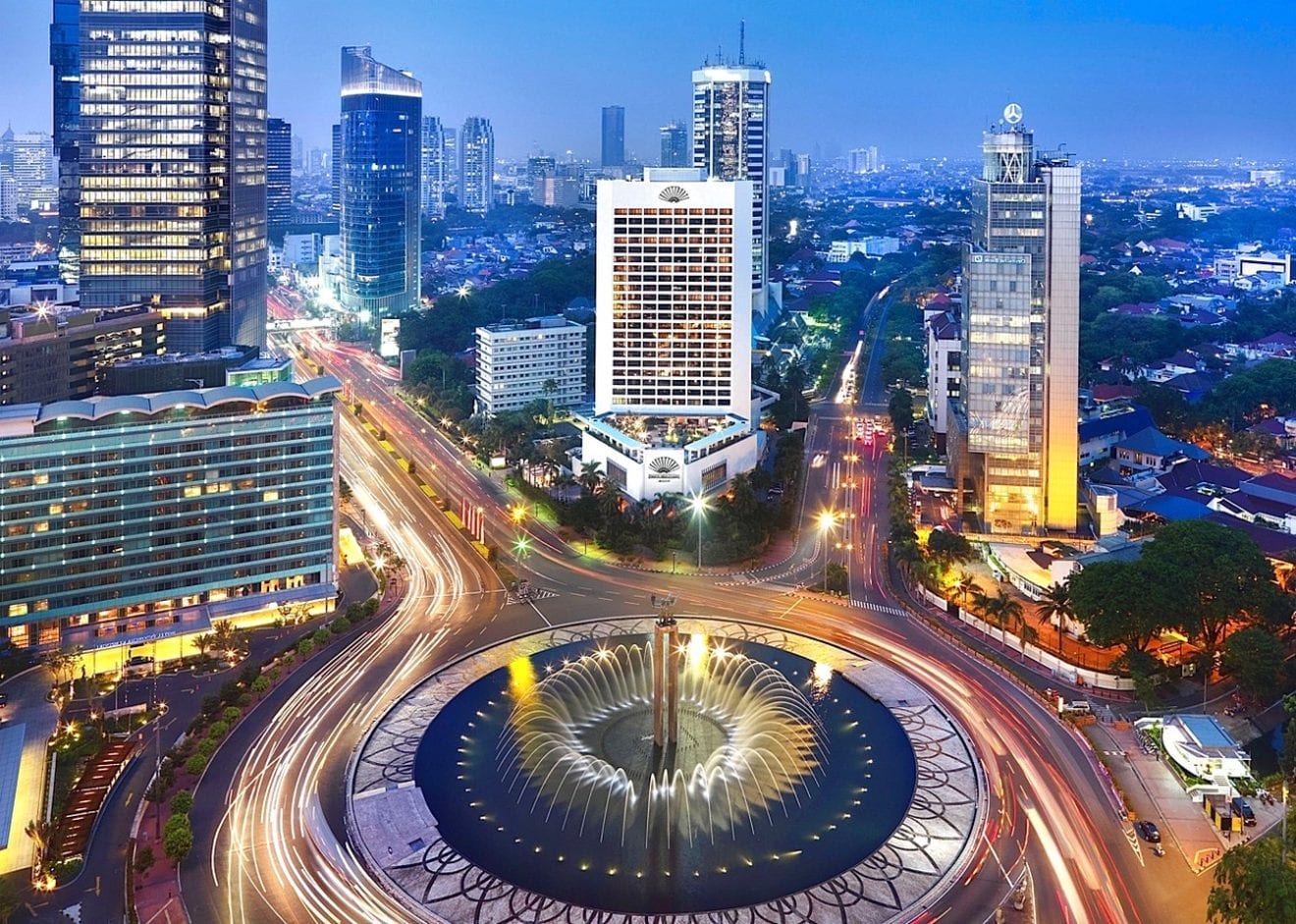
  • September Indonesia retail sales edge up 0.7 per cent

    September Indonesia retail sales edge up 0.7 per cent

    September Indonesia retail sales rose 0.7 percent year on year.

    Real Sales Index of Bank Indonesia showed that the country’s retail sales maintained positive growth despite falling 1.1 percent in August. Most of the growth was driven by sales of automotive spare parts and accessories and household equipment.

    Sales in October are anticipated to grow by 2.9 percent as sales in automotive spare parts and accessories, information equipment and communications, and food, beverage and tobacco groups are projected to continue the momentum.

  • Alibaba’s Singles Day next week will be ‘grander than ever’ predicts analyst

    Alibaba’s Singles Day next week will be ‘grander than ever’ predicts analyst

    While eye-popping sales numbers have become routine for Alibaba’s Singles Day on 11.11, Forrester senior analyst Xiaofeng Wang expects this year’s event will be “grander than ever in terms of scale and reach innovations, and social responsibility”.

    Singles’ Day, the world’s largest online shopping event, will be held on Monday, but a huge share of sales are set up in advance. Here are four points to watch out for on Alibaba’s Singles Day this year, according to Wang:

    Bigger discounts will come with more complex promotion schemes. 

    Major players such as Alibaba, JD and Shopee rolled out preorder campaigns with varying start dates, and their promotion schemes have become increasingly complex. Consumers fall into a dilemma between deals that are too good to resist and schemes that are too many and too complex to follow.

    Alibaba will continue to push the boundaries of what to buy online. 

    Last year, Alibaba expanded its 11.11 product portfolio to new industries like automobiles and hotels. This year, it is expanding into new areas such as entertainment to offline services to real estate. Consumers in China can buy tickets to Disney Parks, car-care services, home decoration, and renovation services online. What’s more, Alibaba plans to sell 10,000 apartments on its auction platform.

    Live-streaming commerce will be the key driver of revenue growth.

    Live-streaming commerce is increasingly gaining momentum in China and quickly expanding to Southeast Asia and beyond. Lazada, Shopee, and Rakuten all launched live-streaming features. Beauty brand Whoo already created a jaw-dropping record of achieving 100 million yuan Gross Merchandise Volume in six minutes of live streaming during the preorder campaign period. Fifty-five cars were sold in just one second in another live-streaming session of Chinese automobile brand JMC. We expect to see more record-breaking live streaming sales like this emerge on 11.11 this year.

    Leading retailers and brands will differentiate with their social responsibility.

    Alibaba announced the plan of “a greener 11.11.” It is committing to set up 40,000 recycling stations across China through its Cainiao Smart Logistics Network, along with an additional 35,000 by its express-courier partners. It also encourages consumers to participate by rewarding them with “green energy” points on Ant Forest. Not exactly for Singles Day, Singapore-based online retailer Carousell recently launched a “reboxing” campaign with a similar idea of reducing waste. We expect to see more retailers and brands participate and initiate social responsibility campaigns like this.”

  • Asia Pacific to drive global travel-retail sales

    Asia Pacific to drive global travel-retail sales

    A new report has shown that the Asia Pacific region will continue to be a major driver of global duty-free and travel retail sales.

    According to the study, titled ‘Economic Impact Report of Duty Free and Travel Retail in Asia Pacific,’ the Asia Pacific travel retail industry generated an estimated US$36.2 billion in 2017 which accounted for 45 per cent of total global duty free and travel retail sales, and is projected to maintain its global market leadership at an estimated 8.7 per cent annual growth rate between 2017 to 2022.

    The report identifies several key trends in the industry across Asia Pacific. It finds that East Asian markets are driving growth, with South Korea being the world’s largest duty-free market accounting for nearly US$12 billion in sales. China and Japan are also globally significant markets, with Mainland China anticipated to strengthen its position as the second biggest player in the region.

    Findings also show a growing diversity in product demand and observe that duty-free is becoming increasingly digital with shoppers in the Asia Pacific region increasingly looking to digital platforms to facilitate their purchases. There is also a marked channel diversification beyond aviation – downtown duty-free in Asia Pacific comprises a significant portion of sales for all land channels, and ocean cruising is an emerging sector in Asia.

    The study was commissioned by the Duty-Free World Council (DFWC) and the Asia Pacific Travel Retail Association (APTRA).

    Amid increased regulations, the report aims to highlight the impact of duty free and travel retail sales in real economic terms, while also calling out the trends affecting the increases.

    “Asia Pacific is registering exceptional growth in duty-free and travel retail sales. We are also seeing the regulatory landscape become more complex and dynamic across the various product categories,” said, Duty-Free World Council president Frank O’Connell. “This report is an important investment on the part of DFWC and APTRA in getting the data that will help us engage policymakers and regulators in protecting the sustainable growth of our industry.”

    “The report highlights the significance of the Asia Pacific region to global duty-free and travel retail, and on a macro level to economies in the region through job creation and contribution to GDP,” said the president of APTRA Grant Fleming. “As the industry body that supports, protects and nurtures the growth of the travel retail industry, we are encouraged by the positive trends indicated by the report findings.

    “Understanding the industry’s size and its impact on the regional economy as well as the underlying impetus for emerging travel retail trends is critical to ensuring industry relevance and long-term growth. As the travel retail landscape evolves, the regulatory environment is evolving too. APTRA looks forward to applying the report findings and working with regional stakeholders to help frame and develop policies that will contribute to the sustainable growth of the industry in years to come.”

  • September Hong Kong retail sales down across the board

    September Hong Kong retail sales down across the board

    Hong Kong retail sales in September were down 18.3 percent in the same month last year, but the decline was less than in August. The luxury sector again took the biggest hit.

    Census and Statistics Department data released Friday provisionally estimated sales at HK$29.9 billion. The revised estimate for August’s decline was 22.9 percent, with sales for the third quarter down 15.1 percent on the second quarter, and by 19.5 percent year on year, almost on a par with 1998’s third-quarter record decline during the financial crisis.

    Year-to-date, sales are down by 7.3 percent.

    A government spokesman described the decline as “significant” as “local social incidents continued to take a heavy toll on inbound tourism and consumption-related activities”.

    “As protests involving violence continue to deter tourists and reduce local consumption, and the subdued economic outlook also dampens consumer sentiment, the performance of retail sales is likely to stay weak in the near term.”

    Hong Kong retail sales of jewelry, watches and luxury goods fell 40.8 percent during the month, which was less than the 50-plus percent that some retailers were fearing. Department-store sales fell by 25.6 percent, apparel by 26.3 percent, accessories by 16.6 percent, and medicines and cosmetics by 21.7 percent.

    Perhaps the greatest difference between August and September was the obvious impact of locals spending less – to date the protests have had the greatest effect on retailers serving the inbound tourist market. Supermarket sales fell by 2.6 percent in September; food, alcohol and tobacco sales by 13.8 percent; furniture and fixtures by 7.2 percent; books, newspapers, stationery, and gifts by 9.6 percent; and motor vehicles and parts by 16.1 percent.

    Sales of Chinese drugs and herbs were down 18.2 percent, of electrical goods by 1.4 percent and at optical shops by 15.8 percent.

    The only category to show growth in September was fuel, up by 5.9 percent.

  • Asia dominates global retail acquisitions in September

    Asia dominates global retail acquisitions in September

    Asian deals dominated global retail acquisitions in September according to a database compiled by GlobalData.

    Retail industry deals for the month were worth more than US$7.52 billion, representing an increase of 94.9 percent over August and 38.6 percent above the 12-month average of $5.43 billion.

    In terms of a number of deals, the sector saw a rise of 15.1 percent over the 12-month average with 145 deals against the average of 126 deals.

    In value terms, Asia-Pacific led the activity with deals worth $5.14 billion.

    The top five retail deals accounted for 72.7 percent of the overall value during September – and three of them were in Asia.

    The top five retail industry deals of September tracked by GlobalData were:

    • Yahoo Japan’s $3.72 billion acquisition of Zozo.
    • The $750 million acquisition of Jetro Restaurant Depot by Fomento Economico Mexicano.
    • GIC Singapore’s $500 million private equity deal with VCM Services and Trading Development Joint Stock (VinGroup’s VinMart in Vietnam).
    • The $300 million venture financing of Zhuan Zhuan by 58.com and Tencent Holdings.
    • Glade Brook Capital Partners, TCV and Thrive Capital’s venture financing of Capsule for $200 million.
  • Uniqlo to quadruple SE Asia retail store network

    Uniqlo to quadruple SE Asia retail store network

    Japanese casual wear retailer Uniqlo plans a four-fold increase in its Southeast Asian store count during the next decade.

    Tadashi Yanai, chairman, and CEO of the firm’s parent company Fast Retailing said in an interview with Nikkei that Uniqlo is seeking a much faster rate of expansion than it took to build its 800-strong network of stores in greater China.

    “Asia, from China to India with 4 billion people, is the world’s only region that is showing steady growth,” said Yanai.

    He said that for the time being, Cambodia, Laos, and Myanmar are not being considered as potential markets for the brand because there are too many opportunities outside those countries.

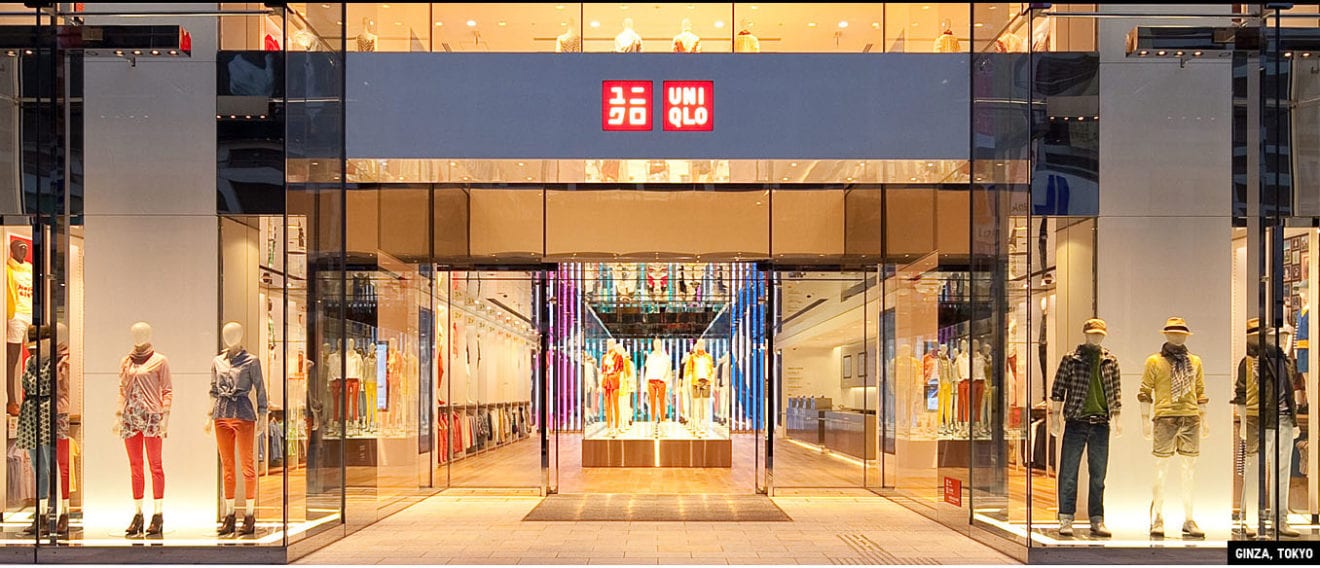
    Next month the Japanese retailer will open its first store in Vietnam. Located in Ho Chi Minh City, the store will be its largest in Southeast Asia and located across the road from Zara’s two-year-old Vietnam flagship and a rival H&M’s store.

    Uniqlo operates around 2200 outlets internationally.