Tag: Retail

  • Dairy Farm sells Rose Pharmacy chain to Robinson Retail

    Dairy Farm sells Rose Pharmacy chain to Robinson Retail

    Listed Robinsons Retail Holdings reported on Friday that it acquired local drugstore chain Rose Pharmacy Inc. through its subsidiary South Star Drug Inc.

    In a disclosure, the Gokongwei-led retailer said South Star Drug and Dairy Farm International Holdings Inc. subsidiary Mulgrave Corp. B.V. (MCBV) signed a share purchase agreement to buy Rose Pharmacy.

    Dairy Farm acquired a 49-percent share in Rose Pharmacy in 2015 before increasing it to 100 percent in November 2018.

    “I am delighted that Rose Pharmacy will be part of our portfolio as it takes us back to our hometown in Cebu, where my father and JG Summit Holdings and RRHI founder John Gokongwei Jr. started as an entrepreneur. Mr. John also admired Rose Pharmacy for its strong brand reputation in the Visayas and Mindanao,” Robinsons Retail President and Chief Executive Officer Robina Gokongwei-Pe said in the disclosure.

    “The deal also further bolsters our strategic partnership with Dairy Farm to strengthen our position in Philippine multiformat retailing. We first worked with Dairy Farm for the acquisition of Rustan Supercenters Inc. in 2018, which deepened our footprint in the premium supermarket space. Our acquisition of Rose Pharmacy yet again offers ripe opportunities for innovation through strategic synergies,” she added.

    Rose Pharmacy was established as a family-run drugstore in Cebu City in 1952. It generated P9 billion in net sales last year and has over 300 branches in the Visayas and Mindanao.

    “Rose Pharmacy is a very strategic addition to our drugstore portfolio with its highly regarded brand in VisMin and complementary network to South Star Drug’s strong presence in Luzon and Metro Manila,” South Star Drug Managing Director David Goh said.

    “Together, we can leverage our scale and synergies to drive wider product assortment, better customer service and offer greater value to our customers across Philippines when they need it most,” he added.

  • What is a markup and how you can get great discounts if you understand it

    What is a markup and how you can get great discounts if you understand it

    When any company sells services or merchandise to consumers, it needs to charge a higher price than the original cost of those goods and labor so a profit is earned. As such, the cost markup represents the percentage of one product’s wholesale cost the retailer adds to the retail cost to create a profit. As you can assume, any total cost indicates the total cost of both variable and fixed and expenses needed for the production and distribution of that particular product. Markup is stated either as a percentage or as a fixed amount from the retail cost.

    Why is markup so important? Understanding it can save you hundreds if not thousands of dollars.

    Shocked? So were we. According to a recent study by The Pearl Source and PriceWaiter, markup can make or break your budget this holiday shopping season.

    How retail markup is calculated?

    The best way to describe the above definition is through a simple example. Let’s say an item that you initially got for $10.00 is sold for $22.50. This means that the product was marked up for $12.50 from the initial price you paid for. The $12.50 earned on top of the cost is known as gross profit. It is called “gross” because of the expenses associated with running the store that is subtracted before reaching the bottom profit line. The profit you have after all expenses are subtracted is called net profit.

    Discounts are out there

    As you see, there is almost no reason for you to accept the full price of anything you purchase in the store. As online shopping keeps on expanding, you can instantly make price comparisons. This puts even more pressure on the brick-and-mortar stores to earn your trust and business.

    To get great discounts, just follow a few strategies that can help you a long way:

    Practice negotiation

    People are not comfortable negotiating. Instead, they are used to opening their wallets and just pay whatever is asked from them. But very often it is worth attempting to bargain. Any savings along the way would be welcomed.

    But you cannot negotiate empty-handed. You must do the homework and be aware of the price that the product has in other places. You should also always talk with a person who can give you a discount. If the offered price is still not something you like, feel free to walk away. And in case it is good, don’t use credit cards – you will be more aware of the overall costs.

    Online tools for offline discounts

    Search for websites where you can find coupons or promo codes. Also, follow the companies you admire on social media. Many of them tend to offer special discounts or share notifications on upcoming store deals. Of course, you could always sign up for their email newsletters where they might share discounts with their subscribers.

    Or try using price-tracker which will do the legwork for you. This tool will allow you to insert products you might like to buy and will alert you any time where the is a price drop at the stores they follow.

    If your search is mostly based online, we suggest to:

    Workaround the pricing trap

    Master the dynamic pricing traps that are used by the online merchants. Their merchandise prices are never standard and change depending on location, purchasing patterns, or product demand. So, to get a fair price for products you want to shop for, you can do the following tricks:

    • Clear browser cookies
    • Sign out from social media
    • Use incognito mode
    • Select a localized website version (whenever possible)
    • During sign-in, pick a less developed country compared to yours.

    Keep products in shopping carts

    Every time you add an item to your shopping cart, it is clear that you are interested in purchasing it. But if you have such a product and just back out before making the purchase, there is a chance that you will receive an email containing a coupon or promo code, just so they can encourage you to finalize the purchase.

    So, try shopping for a few days in advance. Enter your favorite websites, add the potential purchases to the shopping carts, and close your browser. Keep an eye on your email the next days for a potential email with a promo code. You never know when you will get a better price.

    Go for the “Cancel” button

    We are sure you have seen from first-hand experience (or at least heard) that if you threaten to cancel the service, the possibility to get some type of discount is high. The same is for online stores. Many web services would offer a discount if you just click their “cancel” button on even start bringing your mouse towards closing the site.

  • Singapore Economy Rebounds in Q3

    Singapore Economy Rebounds in Q3

    The improvement came on the back of the phased re-opening of the economy, following the «circuit breaker» that was implemented between April 7 and June 1, 2020.

    Singapore’s gross domestic product (GDP) in the third quarter of 2020 grew by 7.9 percent from the quarter before, based on advance estimates released by the Ministry of Trade and Industry (MTI) on Wednesday.

    On a year-on-year basis, the economy contracted by 7 percent, an improvement from the 13.3 percent contraction in the second quarter, which was its worst quarter on record.

    The ministry did not revise its full-year GDP outlook, which predicts an overall contraction of 5 to 7 percent.

    The construction sector grew 38.7 percent from the previous quarter but was still down 44.7 percent on-year. Weak external demand, travel restrictions, and sluggish travel demand contributed to the 8 percent on-quarter decline in services-producing industries – still an improvement from the previous quarter’s 13.6 percent decline.

    The manufacturing sector reversed its 0.8 percent on-year decline in the second quarter of 2020 to grow 2 percent in the third quarter. Quarter-on-quarter, the sector grew by 3.9 percent, supported by growth in electronics and precision engineering output, which were in turn driven by robust global demand for semiconductors and semiconductor manufacturing equipment, MTI said.

    On Monday, Ravi Menon, chief executive of the Monetary Authority of Singapore said that up to 20 percent of the city-state’s trade-reliant economy faces «deep scarring» as a result of the Covid-19 pandemic, highlighting the aviation and tourism industries in particular.

    The full extent of the crisis has not been seen yet, Menon said, noting that more bank loans and bankruptcies are expected, and that capital will be more difficult to raise in this environment.

    In a funny sort of way, the pandemic has made us all a lot more sensitive and aware of how vulnerable we are to the forces of nature, Menon said.

  • EY casts doubt over Parkson Retail’s ability to trade

    EY casts doubt over Parkson Retail’s ability to trade

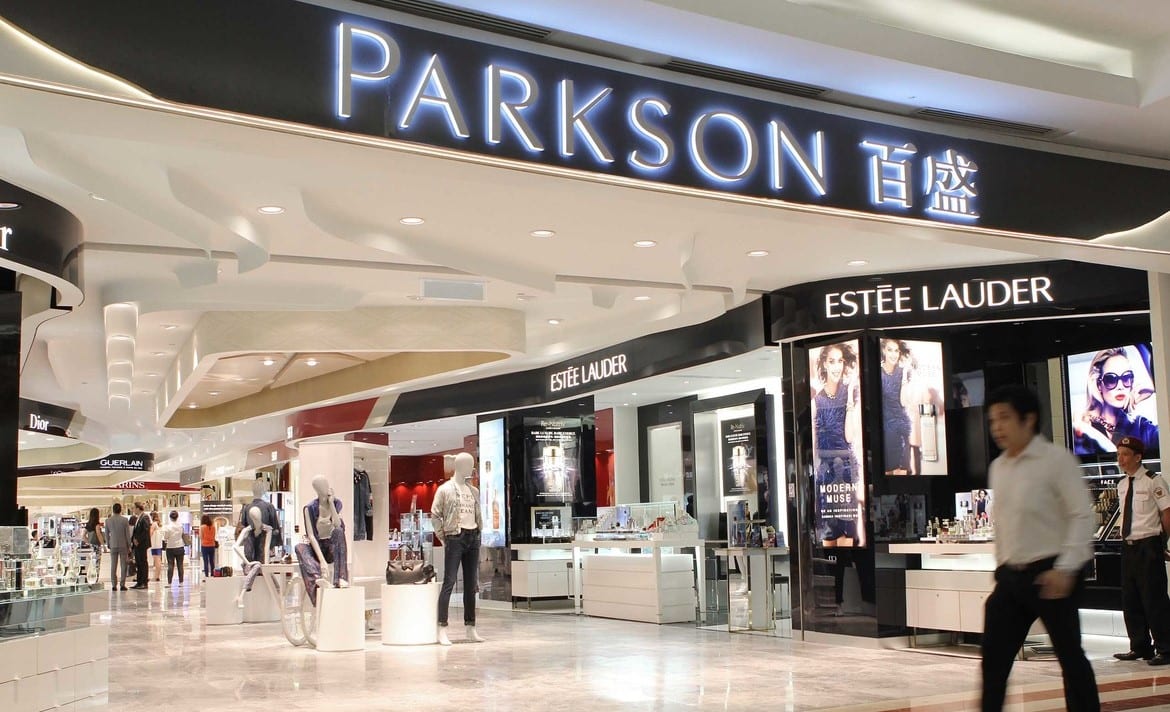
    Parkson Retail Asia’s auditor has flagged the department store operator’s ability to continue as a going concern, given that its total liabilities exceeded total assets by about S$66 million.

    In its report for the audited financial statements for the year ended June 30, the auditor Ernst & Young (EY) highlighted as an emphasis of matter that the group incurred a net loss of about S$85 million, current liabilities exceeded its current assets by S$117.4 million, and total liabilities exceeded total assets by S$66 million as at the financial year-end.

    These conditions indicate the existence of a material uncertainty that may cast significant doubt about the group’s ability to continue as a going concern, Parkson Retail Asia reported in a regulatory filing on Monday.

    EY, however, did not qualify its opinion.

    Parkson Retail Asia said its operations were significantly impacted by movement restrictions and store closure caused by the pandemic in its key markets.

    The ability of the group to continue as a going concern is dependent on it generating sufficient cash flows from operations to meet working capital needs and continued support from its suppliers and creditors, Parkson Retail Asia said.

    But its board said the auditor’s report for the preceding financial year had also included a similar emphasis of matter.

    The counter ended flat at 1.4 Singapore cents on Monday, and it is still under watch-list by the bourse operator.

  • China retail is rapidly changing, brands need to adopt

    China retail is rapidly changing, brands need to adopt

    China is ahead of the curve in its recovery from the recent COVID-19 outbreak, with many provinces slowly returning to normal levels of activity. Factories are restarting production and consumers are beginning to spend again. However, the crisis has had a dramatic and lingering impact on the nation’s shopping habits, with implications for brands in China and globally.

    McKinsey worked with MIYA, a leading mobile payment solutions provider, to analyze point-of-sale (POS) data from 31,000 stores and 500 million+ transactions, covering 150+ cities, including Wuhan and Hubei, and 100 million+ shoppers. The data reveals four key shifts that are persisting even as the peak impact of the virus abates.

    1. Offline shopping is slowly recovering, but discretionary spend, nighttime shopping, and epicenter spend are lagging

    Offline consumption is slowly recovering, after falling to around 39 percent of normal levels during the peak period of the outbreak. Many local authorities loosened restrictions in the first week of March, giving shops an opportunity to welcome customers who had been isolated in their homes for as long as six weeks. Over the following days, activity picked up to around 79 percent of pre-crisis levels.

    Despite the partial rebound, there were significant variations, amid continuing pressure on discretionary categories. Supermarkets, convenience stores, and drugstores saw a spike in activity during the crisis, as consumers stocked up on essentials and cooked at home. However, after the peak there was a divergence. Supermarket volumes fell, while convenience stores and drugstores continued to see positive momentum, driven by demand for medicines and a desire among many people to shop near their homes. Discretionary categories, such as foodservice outlets, apparel stores, and department stores were hit hard during the crisis and their recovery has been slow.

    A notable trend across categories during the outbreak was increased basket sizes in non-discretionary categories, reflecting consumer aversion to shopping trips and willingness to spend more per visit to reduce travel frequency. Convenience store basket sizes rose 120 percent during the crisis, and remained 45 percent higher as the crisis abated. Discretionary categories, such as department and apparel stores, on the other hand, saw smaller basket sizes. Department store basket sizes were 54 percent smaller during the crisis, and have recovered only slightly in recent weeks, to a level that is around 33 percent smaller than before the crisis. Again, this may be a reflection of people’s reluctance to spend too long in crowded environments.

    Absolute traffic levels fell dramatically in all categories except drug stores during the crisis (30 percent lower for supermarkets and 88 percent lower for apparel outlets), and continued to be lighter than normal after the peak. Some 80 percent of apparel stores have reopened, but footfall in discretionary categories is still 40-50 percent below pre-COVID-19 levels. In non-discretionary categories, it is around 30 percent lower.

    The impact of the crisis on shopping habits was revealed through the times of day at which people ventured out. In normal times, weekends and evenings are peak shopping times in China—weekend traffic is generally 30 percent higher than weekday traffic, and evening traffic is 50 percent higher than day traffic. The traffic curves were much flatter during the height of the outbreak, with weekend traffic just 10 percent higher than weekday traffic and evening peak hours about 15 percent higher than daytime peaks. Again, the pace of recovery has been slow, with shopping patterns continuing to echo those at the height of the crisis. Daily transaction volumes have recovered by around 50 percent from the trough.

    Tier 1 cities such as Beijing, Shanghai, and Shenzhen are the busiest in China, and these normally crowded environments have been slower to recover than lower-tier cities. Most channels have continued to see much lower spending, in the region of 25 to 60 percent. Cities at the epicenter of the outbreak (in Hubei province) have also seen sluggish recoveries. There has, however, been some variation across channels.

    2. Channel shift to online, offline convenience, and drugstores

    A trend that emerged from the crisis is the accelerating growth of the online channel, which benefited from the lockdown, store closures, and the continued reluctance of consumers to engage in-person with sales and service staff. In the grocery category, there was a spike in online shopping during the peak, with consumers spending more time and money online. Some 74 percent of consumers bought additional groceries online at the peak and 21 percent spent more. Chinese consumers were ahead of consumers in other countries in respect to the frequency of online shopping, including South Korea (51 percent increased frequency) and India (40 percent). In recent weeks, online activity in China has moderated, but visits are still running at 15 percent above pre-crisis levels.

    Another emerging dynamic is that convenience stores have performed well in the wake of the outbreak (as they did at the peak), with tier 1 cities seeing the biggest uplifts. CVS daily consumption in tier 1 cities has run at around 36 percent above pre-crisis levels. Again, this is likely the result of continuing caution in respect of traveling and mixing in large groups. Some cities at the epicenter have seen the strongest rebounds in the hypermarket/supermarket channel, recording a 64 percent rise in volumes compared with December. This has been driven by relatively tighter restrictions on movement than in the rest of the country, and limited alternative sources of food. Drugstores have fared particularly well in provincial capitals, but have seen a drop-off in tier 1 cities as the impacts of the outbreak have diminished.

    3. Health and fitness is here to stay

    COVID-19 has emphasized the importance of staying fit and healthy, and changing attitudes are reflected in shopping behaviors that have persisted in recent weeks. Demand for dairy, vegetables, and eggs was 25-30 percent higher during the initial recovery phase than it was before the crisis. Supermarket and convenience store data shows that, aside from fresh food, popular items during and after the peak of the crisis included grains, ready-to-cook meals, packaged food, and snacks. This reflected a degree of “stocking up” and, again, travel aversion. Demand for these has softened of late but is still running above pre-crisis levels. There was a reduction in demand for personal care products and cosmetics in January and February, and these categories are only recovering slowly.

    As shoppers have gravitated toward local stores, they have expanded the range of items they buy, adding more grains and fresh foods to their baskets. If the trend continues, suppliers in these categories may need to plan for a less centralized distribution model, in which individual CVS stores are likely to carry fewer brands in any single type of product.

    4. Shock to loyalty offline, partly offset by online engagement

    Given the physical constraints of the crisis, Chinese customers have been more willing to try new stores and new brands. After the peak, around 14 percent do not plan to revert to their precrisis store choices and about 6 percent do not plan to return to their previous brands. To engage with these dynamics, hard-hit categories such as apparel have ramped up their digital activities. One premium fashion retailer, for example, invested in online channels such as Tmall, store applications, and social media. Its offline sales fell by about 50 percent in March, but its online sales grew by 60 percent. A large grocery retailer saw a 300 percent spike in demand for its home delivery service and has launched a major effort to triple its online business in 2020.

    In aggregate, the data shows that COVID-19 has had a profound and persistent impact on the nation’s shopping habits. The implications for brands in China, and other countries that may follow China’s path to recovery, can be summarized under four strategic pillars:

    1. Continue to protect customers and employees. COVID-19 is likely to have a lingering effect on consumer attitudes and sentiment. Assuming the virus is not eliminated in the near future, companies should redesign their protocols and operating models to reflect the new reality. This, for example, would include setting out exactly what should happen if a person catches the virus.
    2. Drive triple digital transformation. Digital has been one of the few real beneficiaries of the crisis. We see three ways in which companies can respond:
      • Manage your business in real time and digitally. The POS data has shown that the outbreak has had a significant impact on geographies, channels, and categories. Businesses now operate at a very different cadence, with decision making required at much higher levels of granularity and shorter intervals to reflect increased uncertainty. This requires a digital-first approach and agile organizational capabilities. Many companies set up war rooms during the crisis, but had very limited access to information. In future, it will be critical to have a real-time view on inventory and a strategy for deployment across regions. Data and analytics will be important tools.
      • Don’t just sell online; engage your customers digitally end-to-end. Chinese consumers increasingly demand an omnichannel experience, meaning they want more than to be sold to online. One premium apparel retailer has deployed a range of solutions, including enabling sales reps to use WeChat groups to reach out to VIP customers with individualized products (supported by a CRM system), launching social media shows with with Key Opinion Leaders (KOLs), and ramping up content marketing. The bottom line is that companies must engage the entire organization to prepare for an omnichannel world. This requires a digital network architecture, backed by a dedicated operational setup, KPIs, and objectives and key results (OKR) frameworks that can help the organization define goals and track outcomes.
      • Transform your business model. To increase operating efficiency and effectiveness, companies should aim to incorporate technology across the business. Before COVID-19, retailers were already deploying digital use cases, including seamless checkout, pricing, promotions, assortment optimization, and robotic process automation in the back office. However, few retailers managed to scale across the value chain, typically because of factors including a lack of top-down ownership and ambition, insufficient capabilities, siloed ways of working, outsourced IT functions, and legacy systems. COVID-19 has shown the need to transform the business model to be more tech-enabled, which will both help the company operate under the constraints of pandemics and meet customer safety needs. The business case is there: tech can improve efficiency by 2-5 percent of sales and, depending on starting position, drive sales and make or break market share during a crisis. Retailers need to pursue a triple transformation of people (new capabilities and ways of working), technology (modularizing core tech and deploying software-as-a-service across the value chain) and business (delivering value for the customer).
    3. Align with consumer trends: healthy, local, and delivering value. The data shows that the trend toward healthier lifestyles accelerated during the COVID-19 outbreak. People also shopped local, both in terms of location and products. For companies with strong cash positions, there is an opportunity to respond, leveraging M&A and hiring to expand into adjacencies such as food services, or acquiring smaller brands that may be struggling.
    4. Transform your supply chain to be agile and resilient. Supply chains attracted a lot of attention during COVID-19 and we expect they will continue to sit high on executive agendas. During a crisis, it can be dangerous to have a large amount of working capital locked up in inventory and facing potential write-off (or sale at a deep discount). The acceleration of omnichannel also creates a real challenge for many consumer packaged goods brands and retailers, because of the prohibitive cost: growth in online does not imply growth in profits. Companies should use the coming period to transform their supply chains, accelerating decision making to become more efficient, agile, and resilient.

    As executives consider their options, these strategies may help them support resilience and lay the foundations for the “next normal” in the months ahead. Retailers and consumer brands have been challenged in recent months, but those that can act decisively on all four fronts are likely to emerge ahead of their peers once the crisis is over.

  • Hong Kong retail rents slip

    Hong Kong retail rents slip

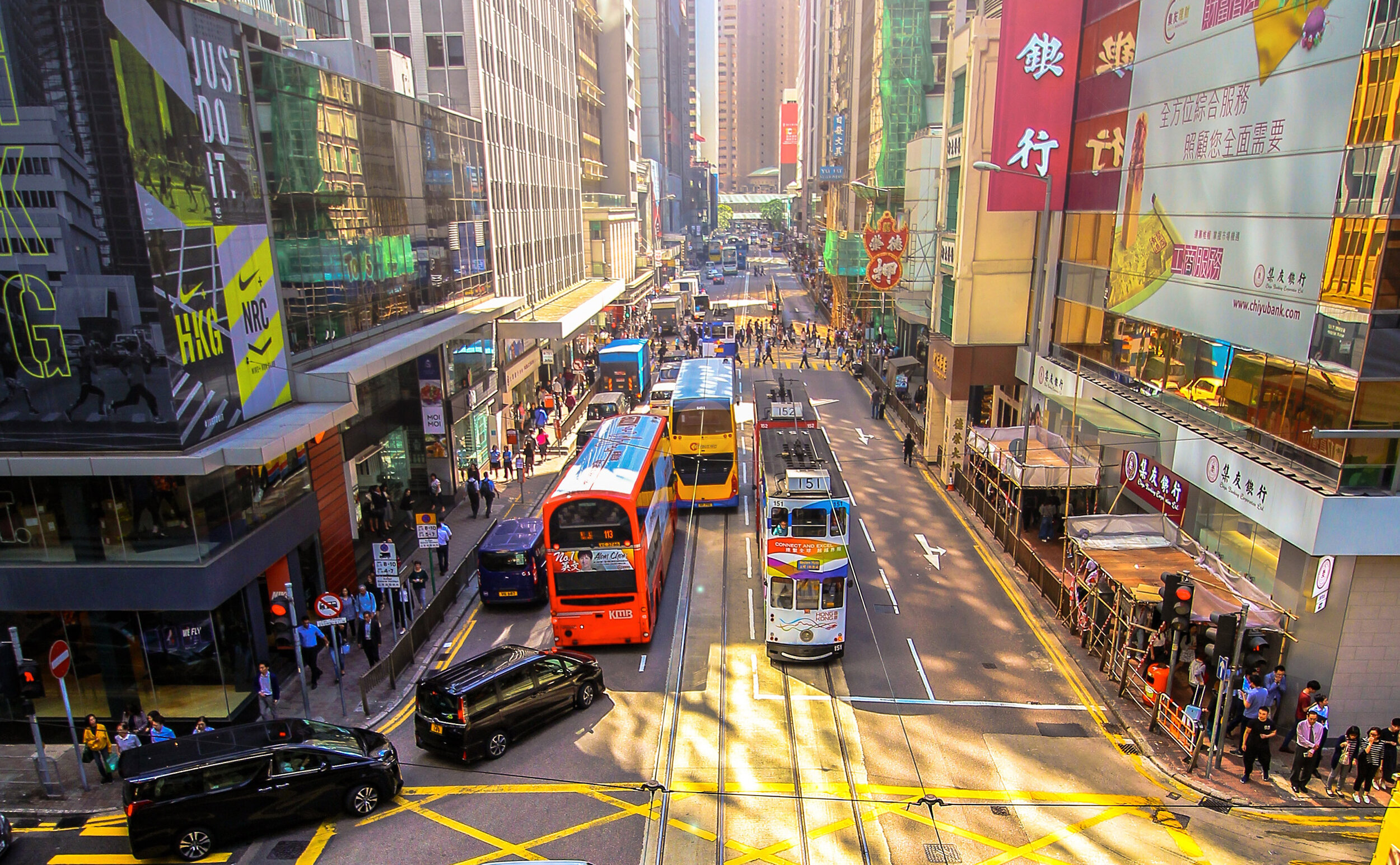
    The world’s most expensive retail strip is likely to endure another six months of industry slump as shop owners struggle to replace premium tenants amid Hong Kong’s deepening recession.

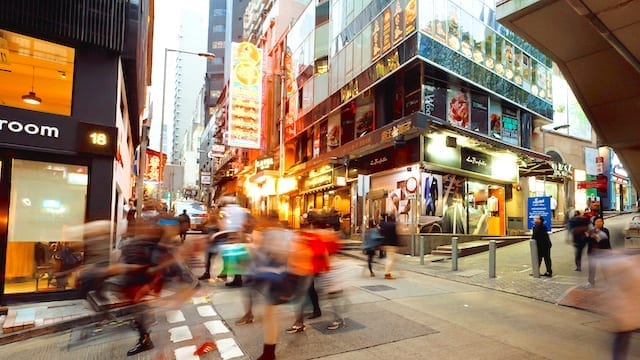
    Global brands from Prada to Rolex and Victoria’s Secret have in the past year vacated their space near or along Russell Street in Causeway Bay – whose rents exceeded those in New York, London, or Paris at the peak of the cycle – as the economy suffered from political upheavals and public health crisis.

    “The market has not seen the bottom yet. I think the worst will only come at year-end,” said Edwin Lee, founder, and chief executive of Bridgeway Prime Shop Fund Management, which owns 18 street shops across the city. “People expect the Covid-19 vaccine to be ready and available by early or the middle of next year when confidence is expected to recover.”

    Those vacant shops could end up being absorbed by mass-market fashion stores or supermarket chains, potentially devaluing rent premiums, he added. The pandemic and dwindling tourist arrivals have been a major blow and local consumers alone could no longer support big brands, he added.

    Hong Kong’s economy has contracted in the past four straight quarters, marking its worst recession on record. The Covid-19 pandemic since January, as well as months of social unrest last year, have choked tourism and undermined the government’s efforts to revive activity.

    Without the power of tourist dollars, Hong Kong has recorded steep declines in retail sales for 18 straight months, according to official statistics. They amounted to HK$187 billion (US$24 billion) this year through July, or HK$26.7 billion a month, compared with an average of HK$36 billion a month in 2019.”>“Now that the big brands have left the scene, it is quite difficult to find new tenants,” said Tony Lo, director of shops at Midland IC&I. They are unlikely to be leased out this year as the pandemic has not been resolved, he added. “I’m not very optimistic. Many of the shops in Causeway Bay cater to individual travelers mostly from mainland China.”

    Hong Kong retailers should create experiences for local shoppers to survive with ‘zero tourists’

    Emperor International, one of the bigger landlords on Russell Street, said some of its units “are for lease now,” according to WhatsApp reply to questions from the Post. The firm has “been in touch with different tenants,” it added.

    Shop vacancy rate in Causeway Bay has risen to 11.6 percent in August, according to data compiled by Centaline Commercial, more than triple the level in January. The rate in Central has surged to 20.4 percent from 8.1 percent over the same period, and to 16.5 percent from 10.5 percent in Tsim Sha Tsui.

    “Causeway Bay has almost zero tourists and people are reducing their outings,” said Raiky Wong, director of shops at Centaline Commercial. “The streets seem deserted these days.”

    Hong Kong is not alone in bearing the brunt of the Covid-19 pandemic. Twenty out of 22 Asia-Pacific cities tracked by Knight Frank reported a drop in valuations and forecasts of prime retail property in the first half of this year.

    The bleak outlook suggests rents will weaken in the coming months, said Lee of Bridgeway Prime Shop Fund Management, who regularly buys and sells shop lots in the city.

    Rents along Russell Street have fallen by two-thirds from around HK$3,000 (US$387) per sq ft in 2013 to HK$1,000 currently, Lee said. They could bottom out at HK$500 per sq ft by year-end before some signs of recovery after the Lunar New Year in February, he added.

    Shop owners may be pressured to accept offers even if the rents are lower to generate cash flow, according to Lo of Midland. Some have offered to take up short-term leases this year as many businesses have low visibility on the recovery prospects.

    New tenants that decide to take over the vacant space will be banking on neighborhood spending to survive, said Lee of Bridgeway. These would include mass-market fashion retailers or high-end supermarkets selling imported foods like Japanese wagyu beef, he added.

    For Russell Street’s big brands, retailers can no longer sustain their businesses without tourist spending power. “They definitely cannot sustain by just relying on local consumption,” Lee said.

  • Singapore retail sales slip further down in August

    Singapore retail sales slip further down in August

    SINGAPORE retail sales dropped 5.7 percent on the year in August, an improvement from the 8.5 percent year-on-year decline recorded in July, according to the Singapore Department of Statistics (SingStat) on Monday.

  • Hong Kong retail sales fall again in August

    Hong Kong retail sales fall again in August

    Hong Kong retail sales plunged 13.1 percent year on year in August, as the coronavirus pandemic continued to batter the struggling sector, marking a 19th consecutive month of contraction. Consumer spending dropped to HK$25.6 billion (US$3.2 billion) in August, contributing to sales for the first eight months of the year falling 30 percent from the same stretch in 2019, according to provisional figures released by the Census and Statistics Department on Wednesday.

    The monthly year-on-year decline was not as steep as recorded recently, but that was mainly attributed to the data comparison with last August when the city was gripped by anti-government protests.

    “I hope everyone can understand that and won’t be misled by the figure,” said Annie Tse Yau On-yee, chairwoman of the Hong Kong Retail Management Association, adding this August’s slump reflected a serious situation for the industry.

    The total value of retail sales in the city between January and August this year was HK$213 billion, compared with HK$305 billion for the same period last year.

    Most retailers continued to suffer a contraction in sales in August, with supermarkets once again among the exceptions, a trend Tse linked with residents staying in to cook during the city’s third wave of Covid-19.

    All eyes are on how retail businesses perform between October 1 and October 4, which is traditionally a peak period for sales because of the National Day holidays, popularly known as “golden week”.

    Previously, millions of mainland Chinese would travel domestically and overseas during the break but would be kept away from Hong Kong this year by the city’s travel restrictions for the pandemic.

    Tse noted that sales might improve for those selling goods relating to people’s daily lives, such as furniture and food, due to the long weekend in Hong Kong overlapping with the Mid-Autumn Festival.

    “But everyone predicts it will help boost the footfall rather than sales. Maybe due to the ease of pandemic, then the foot traffic, in general, will be better… the sales will still remain weak,” she said.

    “The help for sectors which had continued to record a decline in sales would be minimal.”

    A government spokesman said as economic conditions remained under pressure and inbound tourism was unlikely to recover in the short term, the business environment would continue to be difficult.

    “Nonetheless, local consumption sentiment may further improve if the recent stabilization of the local epidemic situation sustains,” he said.

    After the third wave of infections intensified in July, evening dine-in services were banned in Hong Kong restaurants for nearly 1½ months, only reopening in late August. Most entertainment premises such as bars and karaoke lounges also remained closed in August, dampening consumer sentiment across the city.

    The ongoing global lockdown also played a role in subdued consumption, as tourist arrivals to the city collapsed 99.9 percent, with fewer than 4,500 people in August.

  • South Korean retail sales surged in August

    South Korean retail sales surged in August

    South Korea’s non-store retailers including online shopping and delivery operators raised a record 46.2 trillion won ($39.1 billion) in sales in the first six months of the year as consumers relied much on non-face-to-face businesses amid coronavirus fears.

    According to data from Korea Small Business Institute and Statistics Korea on Monday, non-store retail sales jumped 19.4 percent year over year to an all-time high of 46.2 trillion won in the January-June period. The amount was 13 percent more than the second half of last year and more than doubling 22.6 trillion won in the first half of 2015.

    It was the first time for the bi-annual amount of non-store sales to jump more than 7 trillion won on year from the previous six-month period. The previous record increase was 4.8 trillion won in the first half of last year.

    The rapid increase was largely attributed to the outbreak of COVID-19 as non-store retailers gained huge popularity for its convenience of being able to allow consumers to purchase goods without having to visit offline stores amid social-distancing measures to contain coronavirus. Many companies also advised employees to work from home.

    According to Woowa Brothers, the operator of the country’s largest food delivery app Baedal Minjok, the number of mobile orders jumped 176 percent on year in the January-June period. The surge has further accelerated during the coronavirus outbreak.

    Amid growing demand for non-store shopping due to the virus scare, retailers have turned aggressive in selling products via online and home shopping channels.

    As more people opt for non-store shopping, sales at department stores fell 13.4 percent on-year to 12.9 trillion won in the first six months of the year and those of specialty retailers 10.3 percent to 61.1 trillion won. Sales of duty-free stores especially plunged 37.1 percent during the cited period as board-crossing traveling was virtually impossible.

    Sales at large discount stores, supermarkets, and convenience stores increased in the first half of the year from a year ago but growth was smaller than those of non-store retailers.

    Large discount stores raised 16.2 trillion won in sales in the January-June period, up 1.1 percent from a year ago. Sales at convenience stores increased 2.8 percent to 12.7 trillion won and supermarkets 6.8 percent to 23.2 trillion won.

  • Amazon Prime Day 2020 finally has a start date

    Amazon Prime Day 2020 finally has a start date

    Everything was delayed due to the COVID-19 pandemic this year, including Amazon’s huge sale known as Prime Day. Typically, Amazon Prime Day takes place in July, but this year, due to obvious reasons, the sale was reportedly delayed for October.

    The initial reports dated early July claimed Amazon Prime Day will be scheduled for the week starting October 5, and that a definitive date will be announced later. However, a new report mentions another start date for Amazon Prime Day.

    Without further ado, Amazon’s Prime Day 2020 will start on October 13, at least according to four people familiar with Amazon’s plans. Although Amazon declined to comment on the date, it looks like the company has already “blacked out vacation for its full-time warehouse workers from October 13-20.”

    It’s important to mention that the sources of this crucial information don’t know how long the sale will last, just the start date. It’s hard to make any assumptions at this time since Amazon has already extended these huge sales in the last couple of years, so it won’t be a surprise to learn that this year we’ll have a 3-day Amazon Prime Day sale event.

    Last year, the annual deal event exclusively for Prime members lasted for two days, whereas the year before it was squeezed into a 36-hour sale event. If the information proves to be accurate, Amazon should make an official announcement in the next couple of weeks, so stay tuned.

  • World Retail Awards laud store design, sustainability and transformations

    World Retail Awards laud store design, sustainability and transformations

    Alibaba and Walmart were jointly named Retailer of the Year at the World Retail Awards, which were held virtually last week.

    Additionally, while Adidas London won the award from Outstanding Store Design for sites over 1200sqm, a collaboration between Singtel and Fitch took the under 1200sqm award.

    “I’m delighted to have won this award and have this work recognized on the global stage,” said Johnathan Cummings, Landor & Fitch Greater China president.

    “Our team rose to the challenge and formed a formidable combination with the Singtel team to deliver something that has delivered amazing results. I hope that it inspires the industry, brands, and agencies alike, to continue pushing boundaries and further shape the future of retail.”

    Fashion brand Reiss took home the Retail Transformation and Reinvention award, while Best Customer Experience Initiative went to Bonprix for its ‘fashion connect’ store.

    JD won the Sustainable Retailing Initiative award for its Green Stream initiative – the first time the awards have lauded companies for acting environmentally responsible.

    Circular economy app Stuffstr was named the Retail Technology Game-Changer, while

  • New Wealth to Grow Distribution in Indonesia

    New Wealth to Grow Distribution in Indonesia

    The Singapore-based digital wealth engagement solutions provider has its sights on the retail and affluent banking segments in Indonesia.

    New Wealth has inked a strategic partnership with digital engineering firm HAXtech to distribute its solutions to banks, insurance, and fintech firms in Indonesia, the company announced in a press release on Friday.

    The partnership promises improved market access, faster project delivery, and enhanced in-country client support, New Wealth said in the announcement.

    CEO Löic Pitrou said the company is currently expanding its ability to deliver multiple digital finance projects in Indonesia to support the fast-growing digital savings and wealth management sector there.

    Pitrou, a digital finance strategy and Robo-advisory specialist, founded New Wealth company in 2018. Its senior management team includes head of the experience lab Sudhir Nain and chief technology officer Simon Mazas. The company provides sales and advisory tools and applications for both relationship managers and self-directed investors.

    Its clients and partners include Commonwealth Bank, Standard Chartered, Morningstar, Eastspring, and Savio, according to its website.

  • China retail sales rise again after Covid-19 outbreak

    China retail sales rise again after Covid-19 outbreak

    Officially released data for retail sales in China show a rise for the first time this year as the economy recovers from the impact of the coronavirus.

    Figures for August showed a year-on-year increase of 0.5 percent in retail revenues. Dramatic increases were seen in sales of communication equipment (25.1 percent) and automobiles (11.8 percent).

    By contrast, figures for the months previous to August this year showed a drop of 8.6 percent, during which time online sales increased by 15.8 percent.

    China’s economic recovery has been fuelled by pent-up demand, government stimulus, and strong exports.

    “We think that China’s economic recovery is on a reasonably firm footing now and should continue through the fourth quarter and into 2021,” Oxford Economics head of Asia Louis Kuijs said, “with solid investment growth, gradually recovering consumption momentum and resilient exports.

    China’s industrial output also accelerated at the fastest rate this year during August, according to data from the National Statistics Bureau.

    “We expect a further, albeit gradual, recovery of the services sector, a steady improvement in retail sales and elevated fixed-asset investment growth, said Nomura’s chief China economist Ting Lu.

  • Japan retail sales remain lacklustre last month

    Japan retail sales remain lacklustre last month

    Japan’s retail recovery continued to proceed slowly during August following the largest recorded single-quarter sales decline in the nation’s history.

    According to the country’s Cabinet Office, the national real gross domestic product for April to June fell by 28.1 percent year on year, performing worse than at the depths of the global financial crisis in 2009.

    WWD reported a poll of major retailers in the market, finding sales performance between the firms generally low. Uniqlo operator Fast Retailing was an exception, seeing a 29.8-pera-cent increase in same-store sales growth during August, with summer products selling fast in the midst of the current Japanese heatwave. About 90 Uniqlo stores are still operating below peak hours, however, two have been permanently shuttered and six remain closed due to the Coronavirus pandemic.

    In contrast, Isetan Mitsukoshi saw sales drop by 29.1 percent under last year’s results, especially hard hit at its Mitsukoshi store in an area traditionally popular with foreign travelers, where sales fell 47.8 percent. Takashimaya’s sales dropped 18.8 percent against August figures for last year across 13 department stores.

    “In addition to a drastic decline in tax-free sales, the effects of a heatwave and the continuing trend of people refraining from going out resulted in not being able to meet the sales levels of last year,” Takashimaya was quoted by WWD. “On the other hand, we did see the movement of items meant to make people’s time spent at home more comfortable, as well as of luxury brand goods.”

    Hankyu and Hanshin department store chains operator H2O Retailing saw a sales decline of 15 percent, with same-store sales down 26.9 percent. J. Front Retailing was hit with a sales drop of 29.4 percent year on year in August, commenting “Sales of volume fashions and food products in particular suffered”.