Tag: Retail

  • Tea chain Heytea opening outlets in Singapore

    Tea chain Heytea opening outlets in Singapore

    Chinese tea chain Heytea will open a new store at Westgate, Singapore on Saturday.

    The minimalist store design is inspired by the traditional Chinese handscroll and attempts a “Zen” vibe intended to provide customers with an immersive store experience to enhance inspiration and creativity.

    The Westgate store introduces two newly launched items in its Oreo Series, including the Orea Boboshake and the Oreo Sundae.

    The tea chain Heytea operates 268 stores in more than 35 cities in China and abroad. Its first overseas store launched in Singapore last year, since which time it has opened three more locations.

  • Hong Kong retail sales down last month

    Hong Kong retail sales down last month

    Hong Kong retail sales in July plunged by 11.4 percent as ongoing protests and the China-US trade war took their toll.

    The fall was widely expected with several large retailers projecting double-digit declines based on their own internal monitoring during the month.

    A government spokesman said the decline in retail sales reflected “weak local consumer sentiment and significant disruptions to inbound tourism and consumption-related activities arising from the recent local social incidents”.

    He said the Census and Statistics Department (C&SD) expected Hong Kong retail sales will likely stay weak in the near term, as escalated US-Mainland trade tensions and subdued economic conditions continue to dampen consumer sentiment.

    “The situation may even deteriorate further if the social incidents involving violence do not come to a stop.”

    July’s decrease followed a 6.7-per-cent decline in June when the current round of protests commenced. For the first seven months of the year, sales are down by 3.8 percent year on year.

    After netting out the effects of price changes, July’s figure was even bleaker, down 13 percent compared with a decline of 7.6 percent in June and a year-to-date 4.4 percent.

    Retail sales to visitors usually account for about 50 percent of the total market in Hong Kong, so the key category of watches, jewelry, and luxury goods – the largest category – plummeted by 24.4 percent in July.

    Apparel sales fell by 13 percent, medicines, and cosmetics by 16.1 percent, and commodities in department stores by 10.4 percent.

    Categories less reliant on visitors performed better: sales of food, alcoholic drinks, and tobacco were down by 2.3 percent, consumer goods, not classified elsewhere by 1.4 percent, and books, stationery, newspapers, and gifts by 6 percent.

    Sales of electrical goods fell by 17.4 percent, of footwear and accessories by 10.1 percent and of furniture and fixtures by 8.7 percent.

    The only category to post growth year on year was supermarket sales, which rose by a modest 1 percent.

  • David Jones profit almost halves this year

    David Jones profit almost halves this year

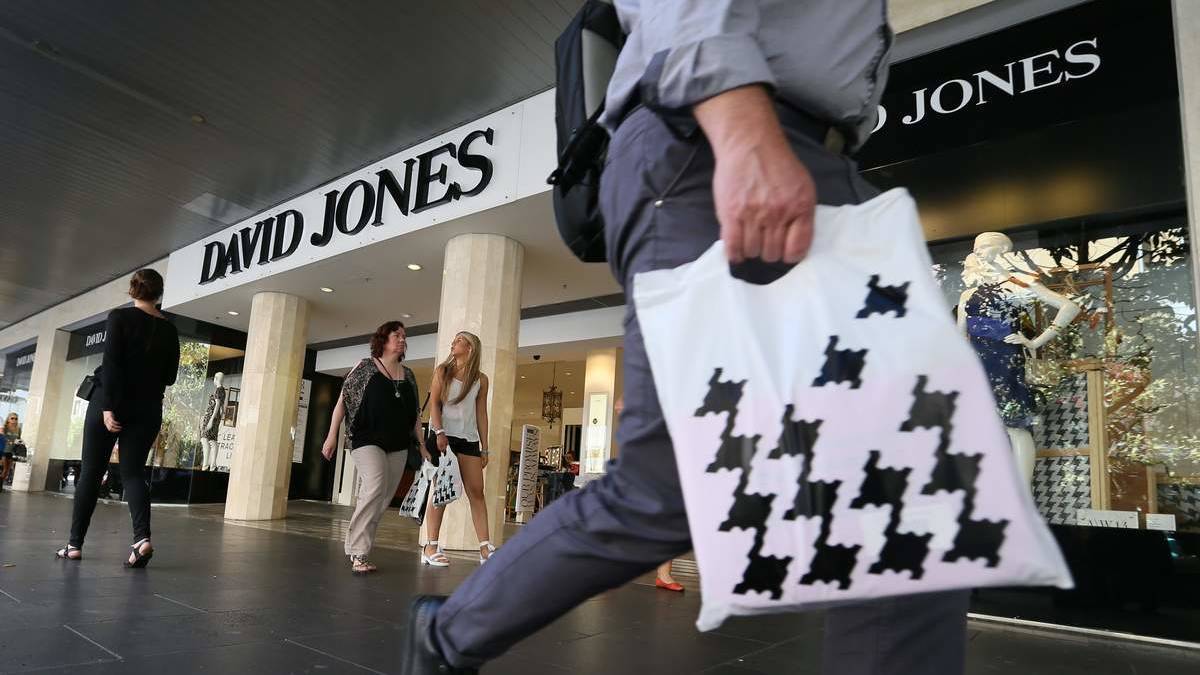
    David Jones’ operating profit fell 42 percent to $37 million in the 2019 financial year, hampered by tough trading conditions and little economic growth in the Australian market.

    Parent company Woolworths Holdings chief executive Ian Moir said the performance was fair considering the conditions, and that the management team has adapted their strategy to the changing retail landscape.

    “Our businesses are well-positioned to see through the significant economic and structural challenges retailers are facing,” Moir said in a statement to investors.

    “We are focused on building future-fit, customer-focused businesses with strong portfolios of brands that deliver long term value.”

    The South African retail group said it didn’t expect conditions to improve significantly in the short-term, with the retail market continuing to be tough due to heavy discounting and promotional material.

    As such, Woolworths Holdings said the previously announced plans to reduce store count is underway across the David Jones portfolio to improve stock productivity as online sales grow. David Jones didn’t specify which stores are being closed.

    The 2019 financial year also saw turnover and concession sales fall 0.8 percent for the department store, and comparable sales fall 0.1 percent. However, online sales grew 46.8 percent and now makeup 7.7 percent of total sales.

    Moir said he believes “the worst is over” for the struggling department store chain.

    “We’ve had many bad years at David Jones and learned many lessons,” Moir said.

    “We know more about the Australian customer through fixing the David Jones business because we have collected data and research about what they want. We believe the worst is over.

    “The year 2021 will be a much stronger year for David Jones.”

    Moir will relocate to Sydney to oversee the turnaround more closely, as he understands the Australian market from his time running Country Road Group.

    Country Road

    Country Road also saw its operating profit fall over the year – a 2.9 percent drop to $100 million.

    Sales at the clothing retailer grew 0.5 percent, while comparable sales fell 0.6 percent. Online sales now represent 20.3 percent of total sales, having grown 12.9 percent over the period.

    Net retail space reduced 2.9 percent over the period, with further space reductions a priority.

  • How 5G will revolutionize our retail industry as a great enabler

    How 5G will revolutionize our retail industry as a great enabler

    Mobile communication is about to experience its greatest revolution in the 12 years since Apple invented the smartphone. This time, however, it is not handsets that will drive the change, rather the network technology we have come to know as 5G. 5G technology offers data speeds 20-times faster than existing 4G long-term evolution (LTE) networks, promotes mass adoption of Internet of Things (IoT) by enhancing information exchange across different appliances, and better supports artificial intelligence (AI), virtual reality (VR) and augmented reality (AR) thanks to the low latency. In some cases, 5G will offer speeds 100-times faster.

    South Korea became the first country in the world to launch fully-fledged 5G commercial services in April. By June of this year, 5G subscribers in the country had surpassed the 1 million mark, encouraged by aggressive network promotional campaigns, along with Samsung’s new 5G-enabled Galaxy S10 smartphone. Next year, networks will be established in Australia, Japan, Hong Kong, and Singapore, initially in dense city environs before moving into smaller population centers. The worldwide rollout is inevitable. An Apple executive has confirmed that some of its next-generation iPhones scheduled for release next year will be 5G enabled.

    “The next chapter of IoT is just beginning,” wrote Carrie MacGillivray, vice-president for IoT and mobility at research house IDC, in a recent report. “We see a shift from digitally enabling the physical to automating and augmenting the human experience with a connected world.” Not surprisingly, that massive increase in speed and response time is delighting gamers, news services, and entertainment broadcasters: graphics or video imagery will be able to be streamed seamlessly in high definition.

    But are retailers ready? How many even understand the potential of the new-generation technology which is set to change our daily lives, let alone are making plans to ride the wave. To imagine the impact 5G will have on retail business, think of every single function of a retail store that becomes digital: the in-store AR experience, the product(s) presented to customers through Omni-channels, the seamless payment gateways, and the logistics required to fulfill customers’ order. Now think of them functioning at 20 times the current speed. That’s 20 times the data transfer rate. Now think of it happening at 100 times the current speed. That is 5G.

    Massive benefits for retailers

    Retailers will discover massive benefits using 5G. To customers, at the start of the process when consumers are researching and purchasing products during the delivery process, the incorporation of 5G and other technologies will, without doubt, uplift their experience. Despite the frustration faced by the early adopters of VR and AR technologies, both consumers and marketers, because of the latency, dropouts and limitations on the imagery definition; the arrival of 5G will eventually enable a seamless, free-moving experience outside a fixed, usually indoor environment.

    The high network speeds will allow a vastly more complex level of engagement between retailers and shoppers. It will allow high-quality imagery, seamless streaming 3D video and personalized product matching, including previews of how a product will look alongside a previous purchase; or for homewares or furniture, for example, inside a living space or office.

    5G also brings transparency. Put simply, faster data means it will soon be easier for your customers to compare your offer with those of your competitors. There won’t be secrets anymore on pricing, product specification, determining suitability for purpose, and more importantly, a store’s credibility – making the reviews from customers after checking out the shopping basket all the more important.

    Price, once a bedrock of customer decision, is being overtaken by value as a leading consideration. Consumers who connect through 5G devices will be able to access as much information as they want online faster than ever before: that includes price comparison sites, product review blog posts, unboxing videos by KOLs. Such content has been available in the past, and more are coming along with the rise of micro-influencers, which has accelerated since 2017. “The advent of 5G is going to be a make-or-break moment for retailers,” says Corey Pierson, co-founder, and CEO of US advanced customer analytics consultancy Custora. “And those that can effectively leverage the data at their disposal only stand to gain.”

    Research by Mintel found consumers lack trust in the online shopping process, a major barrier to online shopping; not just trust in data protection issues, but also the high chance of buying counterfeit products – more than 70 percent of them are sold online, and whether an unbranded product is true to the online description is sometimes also questionable.

    Improved consumer confidence and trust will remove a pain point for shoppers, potentially reducing return rates as well. But to make the most of this opportunity, retailers will have to embrace technologies like AR, VR, chatbots, and video streaming to replicate the in-store shopping experience for customers in a digital environment.

    A synonym of agility

    5G will be a synonym of agility, allowing changes of actions and vast amounts of information to be transmittable in an instant. An order could be canceled while the product is en route to the recipient: warehousing management tools could simultaneously update the inventory records and if there is another order waiting, redirect the product to another customer, sending all relevant details to the delivery driver in a heartbeat.

    With connectivity everywhere, technology like autonomous vehicles that are currently in limited testing in several countries such as Singapore and the US, will soon be commonplace in the major cities worldwide.

    On the other hand, imagine customers being able to see their shipments in real-time via AR through their smartphones, a service more than just the tracking of location thanks to the improved IoT; and logistics companies being able to increase the automation of sorting and delivery of packages, resulting in higher accuracy and speed to reaching the customers. 5G is a key to realizing the future of e-commerce fulfillment.

    5G is an enabler

    As new 5G networks are rolled out in more and more cities, it is imperative that companies embrace technologies based on 5G connectivity to remain competitive and responsive to consumer needs. As more and more consumers purchase and experience 5G devices, their expectations will rise: they will demand the brands and suppliers they deal with are keeping up with them, whether selling products, providing services such as delivery or providing content.

    5G is as much a cornerstone of customer engagement and connectivity in the next decade as smartphones and social media were in the last.

    But it is critical to remember that 5G is an enabler, not a solution in itself.

  • Ted Baker appoints Sojitz Infinity as its partner for Japan

    Ted Baker appoints Sojitz Infinity as its partner for Japan

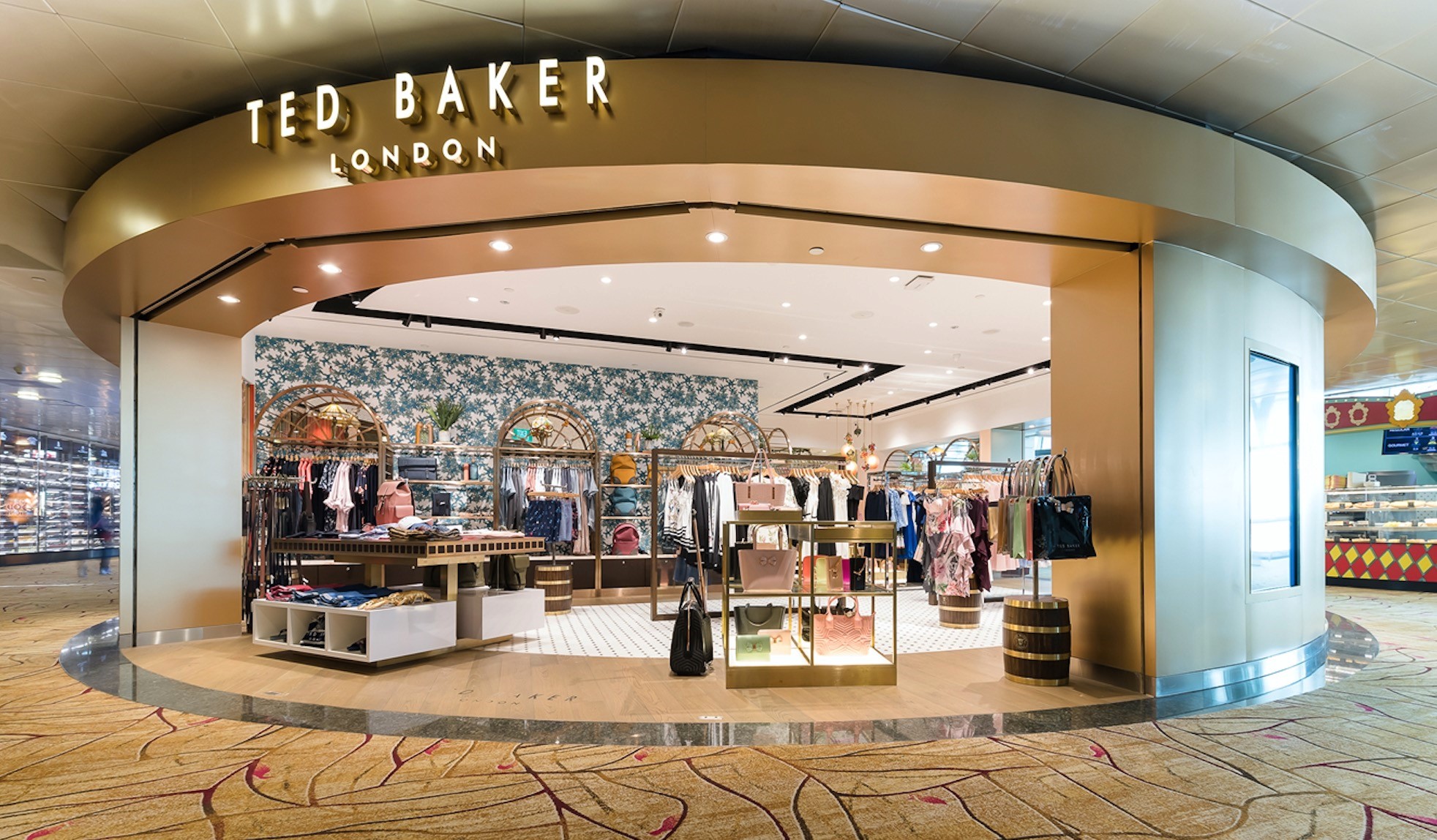
    Lifestyle fashion brand Ted Baker has signed an exclusive retail license deal for Japan with local apparel manufacturer and distributor Sojitz Infinity, initially for five years.

    Sojitz Infinity will drive the long-term expansion of the Ted Baker brand in the region, combining its local expertise – especially within the department store sector – with the buying, merchandising and brand-building expertise of Ted Baker.

    The licence, expected to commence on October 1, marks Ted Baker’s 17th retail license partner globally.

    Over recent years, the firm has invested in introducing and developing the Ted Baker brand in the Japanese market, having opened five stores in the territory to date. Sojitz Infinity intends to build on Ted Baker’s existing store portfolio, expanding the concession network and investing in Ted Baker’s online presence.

    The deal will kick off the brand’s next growth phase in Japan, said Ted Baker CEO Lindsay Page. “Over recent years, we have invested in introducing Ted Baker to Japanese customers and we are confident that our new Japanese retail-license partner will build on this platform and deliver meaningful long-term growth.

    “In Sojitz Infinity, we have an extremely capable partner that brings local market expertise to our brand alongside our already well-established design, buying and merchandising skillset. This combination will drive an acceleration in the performance of the business. We firmly believe that Japan has the long-term potential to be an important market for the Ted Baker brand.”

    As part of the appointment, Ted Baker will transfer certain existing assets relating to its Japanese business (which includes existing non-current stock, fixed assets, and leases) to Infinity at nil value to support the successful transition of the operations.

    As a consequence, Ted Baker anticipates exceptional transaction-related costs of approximately £4 million (US$4.88 million); the costs include onerous lease expenses, restructuring charges, and deal-related costs. The non-cash charges of about £1 million ($1.22 million) include the transfer of non-current stock and fixed assets. Current season stock is being transferred on commercial terms.

    It is expected that the appointment of the license partner will be accretive to the group’s pre-tax profit in the current financial year. The positive impact of profit will increase during the later years of the contract.

    Sojitz Infinity CEO Kohei Ono said Ted Baker is a brand the company has followed since its arrival in Japan.

    “We believe it has the potential to appeal to more consumers in this market. Our knowledge and experience in building fashion brands through stores, concessions and online should add value to Ted Baker and we look forward to working together.”

  • Noni B Group looks at rebranding

    Noni B Group looks at rebranding

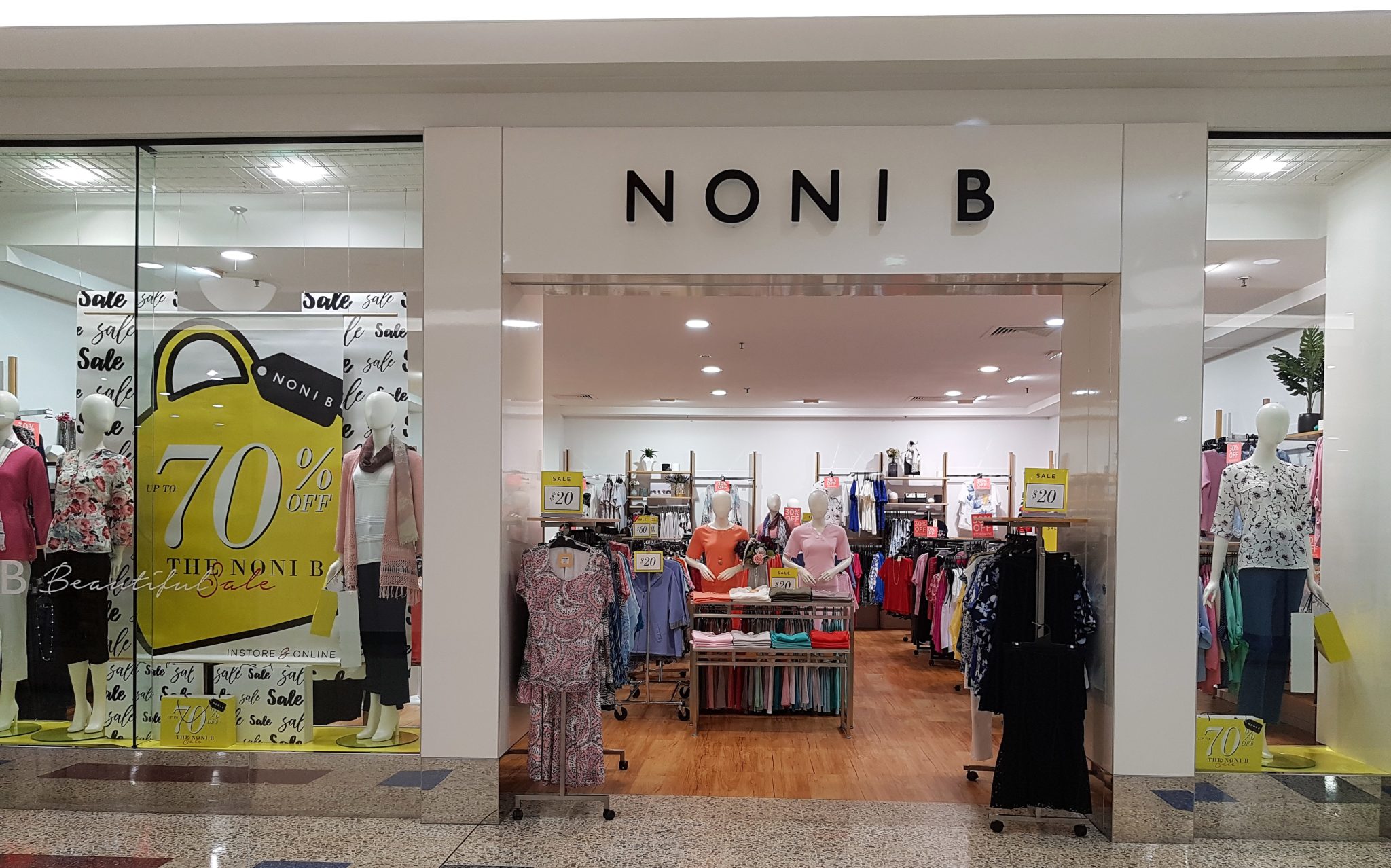
    Fashion retailer Noni B Group enjoyed the benefit of its first year of trading as a significant multi-brand retail group during FY19 and is seeking to push further into this direction: floating a name change to Mosaic Brands Ltd.

    According to Noni B Group chairman Richard Facioni, this change is another significant milestone for the group, and reflects the synergistic and complementary collection of brands that are now part of its portfolio.

    Noni B Group currently operates the Millers, W.Lane, Noni B, Rivers, Katies, Autograph, Rockmans, Crossroads and BeMe brands.

    While the five former-Specialty Fashion Group brands acquired in July 2018 made a collective positive earnings contribution to the group, ongoing costs relating to the acquisition, as well as restructuring, hit the group’s bottom line for FY19.

    Noni B Group announced on Tuesday net profit had fallen 52 per cent to $8.2 million from $17.3 million the year prior, while EBITDA rose 22 per cent to $45.5 million, and revenue grew to $881.9 million, from $372.4 million the year prior – a 136 per cent increase.

    “This result, at a time of considerable change within the business and an uncertain economic climate globally and domestically is a significant achievement,” Facinoni said.

    “When we announced the acquisition of the Specialty brands, we conservatively expected them to break-even on an EBITDA basis in FY2019, returning to profit in FY2020.

    “We achieved anticipated synergies and merger benefits ahead of schedule and identified additional efficiencies, resulting in the five brands, collectively, making a positive earnings contribution for the year.”

    Noni B Group managing director Scott Evans said that he was pleased with the result, and that lessons learned through operating nine separate brands across an expanded footprint had enhanced the group’s understanding of its customer’s product preferences, shopping habits, and behaviours.

    “These insights have guided our decisions across the group to improve all aspects of our customers’ journey,” Evans said.

    “In summary, we are a very different company than a year ago. The changes we have made have created a stronger and more profitable business which is financially stable, generates cash and provides a solid platform for future expansions.”

    “We are excited about the potential to be unlocked by greater analysis of our group’s data, store expansion and online strategies.”

    Evans expects the group’s omni channel strategy will be a pillar for growth moving forward.

    Online sales grew to 9.8 per cent of total group sales in FY19 from 4 per cent in FY18, having reached comparable sales growth of 21 per cent – which the acquired brands saw sales growth of 15 per cent, up from 9 per cent in FY18.

    This result has prompted further investment in the online space – with Noni B Group looking to expand the online team, add further digital marketing channels and improve its customer experience.

    For FY20, Noni B Group is expecting underlying EBITDA to reach $75 million – in line with market consensus.

    Shareholders will be able to vote on the potential name change at the group’s AGM in November.

  • Gome Retail to target smaller cities as part of restructuring

    Gome Retail to target smaller cities as part of restructuring

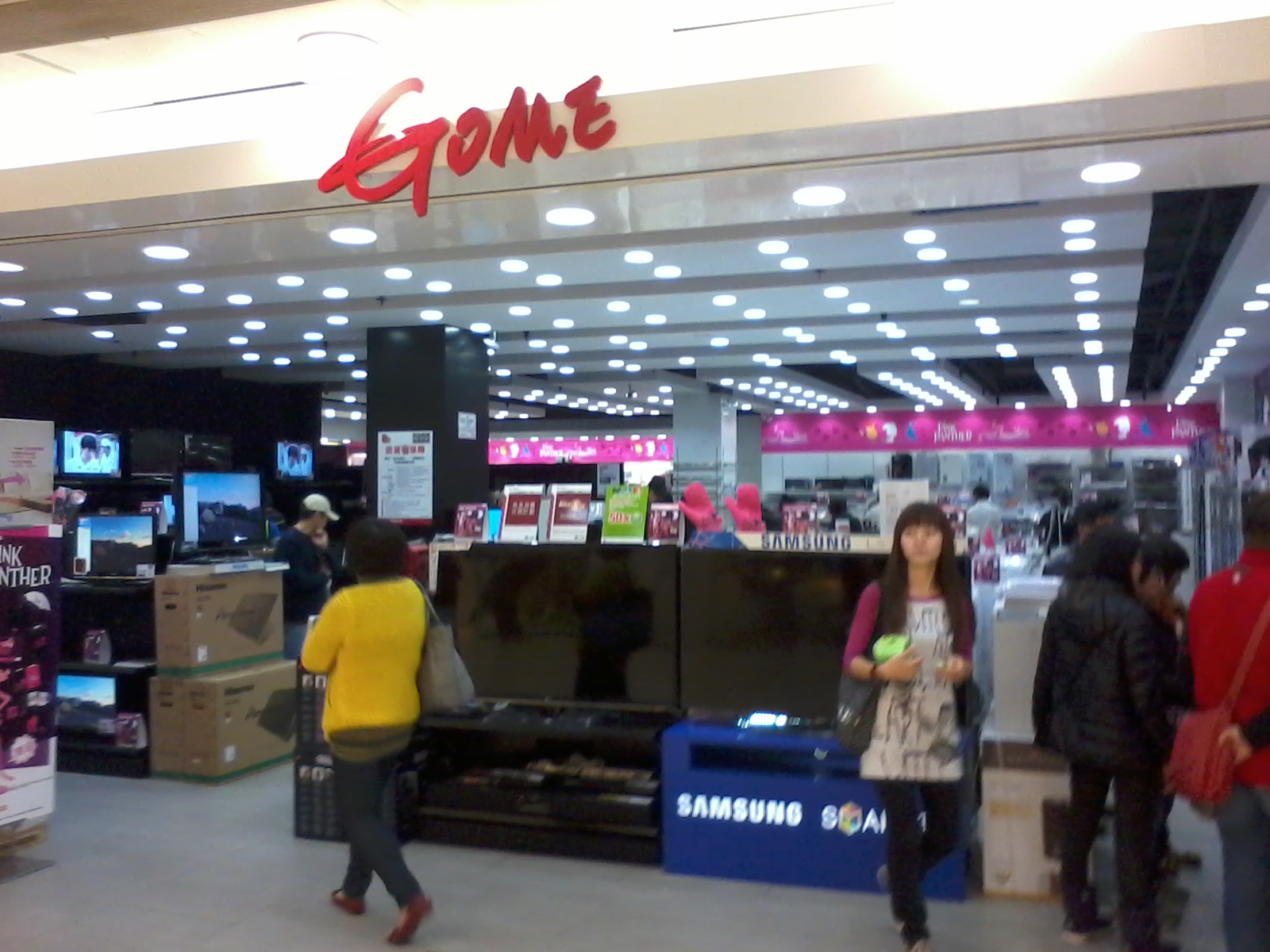
    Gome Retail Holdings will speed up its penetration into lower-tier Mainland China markets during the year ahead, with about 1000 stores slated for opening.

    The move is part of a broader strategy dubbed ‘Home.Living’ in which the retailer is rolling out innovation and transformation throughout the business.

    For the first half of this year, Gome Retail reported a loss attributable to shareholders of RMB380 million (US$53.1 million), a reduction of the RMB457 million loss during the  corresponding period last year as its restructuring began to show results.

    Group sales for the first half were RMB34.333 million, relatively stable compared with RMB34.706 billion for the corresponding period last year.

    Chairman Zhang Da Zhong says that in the months ahead, the company will further expand into third- to sixth-tier Chinese cities to meet the constantly growing demand of these markets.

    Moving into these markets efficiently is possible due to Gome’s advantages in brand, supply chain and logistics, he said.

    During the first six months of this year, the group’s total gross merchandise volume (GMV) increased by about 1.8 per cent compared with the same time last year, with GMV of its county-level stores (both self-operated stores and New Retail stores) growing by 339 per cent. Sales through its Me Shops grew by about 123 per cent, while sales from smart products grew by 62 per cent. Sales by its new businesses, such as home solutions and the integration of kitchen cabinets with electrical appliances, grew by 108 per cent, and service GMV grew by 32 per cent.

    This year, Gome has entered “a critical stage of its strategic transformation” said Zhang Da Zhong.

    “Leveraging on the advantages of internet technology, Gome has set up a user-base interaction and operation platform under the integration of the three terminals – the Gome app, physical stores and Me Shop.”

    As well as the company’s foray into smaller cities, the company will begin opening a second wave of new Ixina stores, its self-operating integrated kitchen cabinets and electrical-appliances business collaboration with European cabinet brand Ixina. Stores will open in cities including Wuxi and Nanjing, after Beijing and Shanghai, to further boost the brand’s awareness and reputation. Cozy Home, the home-hardware integration solutions chain, will also be developing at full speed, he said.

  • Shopee app Singapore’s most downloaded

    Shopee app Singapore’s most downloaded

    The Shopee app has emerged as Singapore’s most downloaded shopping app.

    The Sea company platform had 2.8 million visitors per month on average during the second quarter, with an 11 percent increase compared to the previous quarter. It is currently the most-used app of its kind throughout the whole of Southeast Asia, while rival firm Lazada remains the most actively used e-commerce app within Singapore itself.

    “Apps by Alibaba such as Taobao and AliExpress remained prominent among Singaporean consumers probably due to the increased popularity of Chinese products and Chinese language proficiency in the country,” read a report by iPrice Group.

  • Toddler dies at Urban Revivo store in Jewel Changi

    Toddler dies at Urban Revivo store in Jewel Changi

    An 18-month-old girl has died following an accident at Urban Revivo fashion store at Jewel Changi Airport, according to reporting in The Straits Times.

    The toddler suffered fatal injuries after a standing mirror fell on top of her. She died in hospital after staff at the store administered first aid while paramedics were en route. Police stated that the child was unconscious while being transported to Changi General Hospital, where she was pronounced dead.

    “We are working closely with the tenant to ascertain the details of the incident,” said an airport spokesperson. “Out of respect for the privacy of the family, we are unable to comment further.”

    Urban Revivo stated that it was “deeply saddened by the tragic accident”. It is currently assisting police in investigating the incident.

    Media reports say the parents of the child are visitors from Mainland China.

  • South Korean online shoppers still see brick-and-mortar as crucial

    South Korean online shoppers still see brick-and-mortar as crucial

    South Korean online shoppers still see offline stores as a crucial part of shopping, a recent study has shown.

    Furthermore, despite the widely held belief that consumers will engage in online shopping during lunch breaks, or before they go to bed, the study has also revealed that many shop during work hours.

    DMC Media, a South Korean media lab, reported stark differences in perception between the industry and consumers.

    Among consumers with the shopping experience in the last six months, 73.2 percent collected shopping information at offline stores, ranking second after mobile shopping (81 percent).

    About three in four consumers use offline stores rather than the web, indicating shoppers still have a desire to look at products before they buy.

    While offline stores are falling behind in the competition with e-commerce, online consumers are still acquiring shopping information through offline stores, which may indicate a path towards finding a breakthrough.

    In contrast, online marketers have been underestimating the importance of offline stores at 30.7 percent.

    Online marketers’ views differ on the time frame when most consumers engage in online shopping. While many believed consumers would not engage in online shopping during working hours (9am to 6pm), the study showed consumers consistently devote time to online shopping after 9am (15.4 percent) and online shopping activity peaks between 6pm and 9pm (46.9 percent), which shows most consumers engage in shopping activities regardless of time and work.

    When choosing an online shopping mall, consumers consider the price (29.4 percent) and product quality (23.4 percent). Coupons are a factor for 9.4 percent of consumers.

    The study also found that consumers click less on the advertisements posted on Instagram, Facebook, and other social networks (50.7 percent) than those linking to a portal website (69.1 percent).

    “Making a strong impression on consumers at offline stores through special programs will not only raise short-term profits but also increase brand loyalty and encourage them to come back,” said the DMC Media research team.

  • New stores openings deliver Lovisa good sales

    New stores openings deliver Lovisa good sales

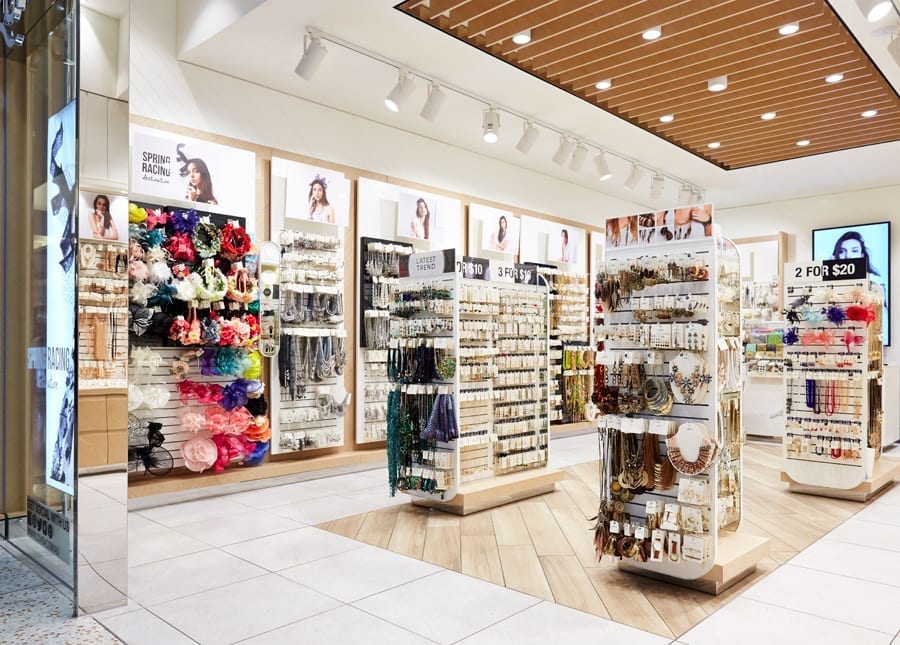
    Lovisa managing director Shane Fallscheer told investors on Thursday he was pleased to deliver a “solid result” for FY19 in one of the more difficult trading environments the fashion jewelry retailer has experienced in recent times.

    Revenue was up 15.3 percent year on year to $250.3 million, thanks to the addition of 64 new stores in FY19. The retailer’s total store count as at June 30, 2019 was 390.

    Same-store sales, however, were down 0.5 percent on the previous corresponding. Fallscheer attributed the weak result to softer trading conditions in the first half of FY19, especially in Australia, and the lack of major trends in the fashion jewelry space, which have helped drive strong same-store sales growth in the past.

    He also noted that Lovisa “overperformed” in FY18 – especially in the first half, when same-store sales increased 7.4 percent – which made it harder to deliver comparable sales growth in FY19.

    The retailer reported an increase of 50 basis points in gross margin to 80.5 percent, thanks to higher USD hedge rates and its focus on inventory management and promotional effectiveness. Gross profit increased by 16 percent to $201.4 million.

    The hiring of several senior executives, the relocation of Lovisa’s third-party logistics hub from Hong Kong to China, the launch of e-commerce capabilities in Australia and New Zealand and continued store rollouts in new territories, however, drove up to the cost of doing business as a percentage of sales.

    The retailer reported a 2.8 percent increase in earnings before interest and tax to $52.5 million and a 3 percent increase in net profit after tax to $37 million.

    Lovisa finished the year with a cash balance of $11.2 million and a strong balance sheet, Chris Lauder, Lovisa’s CFO told investors.

    Looking ahead, the key driver of growth for Lovisa is the continued expansion of stores around the world.

    The retailer currently has 404 stores (it has opened 14 so far in FY20) in around a dozen countries, including Australia, New Zealand, Singapore, Malaysia South Africa, the UK, Spain, France, the US, the Middle East and Vietnam.

    Lovisa’s biggest market is Australia, where it has 154 stores, followed by South Africa with 61 and the UK with 38, but growth is accelerating in the US, Fallscheer said, where it currently operates 28 stores in California, Texas, Florida and Illinois.

    “The eventual size and timing of the store rollout [in the US] will depend on being able to deliver quality stores that meet criteria rather than a [specific] number target,” Fallscheer told investors.

    He noted that Lovisa is beginning to gain traction with US landlords, and that it is targeting “small wins” to offset the higher cost of doing business and currency headwinds in the market, including minimizing markdowns and looking at the price.

    “We constantly review each market, each style and how all of that interacts with each other. We’re constantly looking at the price…as we mature in the US market, there are probably some slight wins there,” Fallscheer said.

    But he admitted, “there’s going to be a gap between price increase and currency decline”.

    Same-store sales growth in FY20 so far is within the retailer’s target range of 3 to 5 percent, Fallscheer said. He attributed this to price gains and increased volumes.

  • KrisShop marks rebranding by taking to the ground

    KrisShop marks rebranding by taking to the ground

    Singapore Airlines’ inflight and online travel retail store KrisShop has revamped its brand and launched a new website.

    To mark the launch, KrisShop is curating a pop-up exhibition in downtown Singapore, divided into several experiential zones, each showcasing a different retail feature of the new site. KrisShop.com now sports a cleaner look with a new interface that includes more intuitive features for swift and smooth navigation.

    KrisShop has also introduced multiple initiatives for convenient payment and pre-order and delivery services, aiming to provide personalised experiences to suit the varying lifestyles of customers. It is targeting both travellers and non-travellers.

    “Over the years, the travel retail industry has experienced a radical disruption driven by digitalisation,” read a statement from the firm on the rebranding. “KrisShop seeks to embrace a holistic omnichannel approach to deliver an integrated shopping experience that engages its customers at every step of the journey – both online and offline.

    “Advancing beyond a retail catalogue, KrisShop.com aims to re-invent itself as the go-to lifestyle e-commerce website that caters to the needs of all shoppers, whether they are travelling or not.”

    In the coming months, the firm will progressively roll out the site’s new features, including multiple payment options, pre-ordering up to 60 minutes before flight, hotel delivery, in-flight entertainment, and self-collection at PopStations.

    “Beyond being a retail e-commerce site, KrisShop seeks to establish itself as a one-stop shopping destination, and is continually evolving to meet the needs and demands of today’s consumers,” said KrisShop CEO Chris Pok. “Leveraging our expertise in retail, we are proud to unveil the new Krisshop.com that aims to modernise the consumer shopping journey.”

    The KrisShop popup is located at Raffles Hotel’s Palm Ballroom, and will be open to the public from August 23 to 24.

  • Korea’s largest retailers forced to think about delivery services

    Korea’s largest retailers forced to think about delivery services

    South Korea’s largest retailers are having to invest in logistics to cope with rising online spending and personalized delivery services.

    South Korean online shopping malls Coupang and Market Kurly have led the paradigm shift in the delivery industry after introducing the early morning delivery service, which has led many to adjust to the new and more convenient ways to purchase goods.

    Large brick-and-mortar retailers can no longer wait for the customers to visit their store.

    Homeplus, a South Korean hypermarket chain operator, said this week it has opened two fulfillment centers, located in Anyang and Suwon, Gyeonggi Province to provide better online delivery services.

    In a 6600sqm logistics center, pickers collect products in a tray to ship them for online orders. A Digital Picking System informs the picker on which tray to use, where the product is located, and the final results of the picking process.

    Homeplus plans to improve 140 stores across the country with enhanced capabilities for online shopping and delivery by 2021.

    SSG.com, Shinsegae Group’s online marketplace, currently runs NE.O, logistics centers for online shopping located in Yongin and Gimpo. NE.O will open its third center in Gimpo later this year.

    SSG.com is also in charge of receiving orders at E-mart’s picking and packing centers as part of a two-track strategy.

    Lotte Mart plans to expand its logistics centers for online shopping to meet the rising demand from the online community.

    Lotte’s signature delivery service is same-day nighttime delivery service. If a customer places an order before 8pm, the product will be delivered before midnight on the same day.

    As such, large offline retailers are now in competition over expanding logistics centers for online shopping, which may turn out to be the only way to outlive the ‘delivery war.’

    But for South Korea’s largest retailers, building separate logistics centers for online shopping may also provide stores with a wider leeway since offline malls are subject to various restrictions, including mandatory business holidays.

  • Uniqlo Indonesia plans several new stores

    Uniqlo Indonesia plans several new stores

    Japanese clothing retailer Uniqlo in Indonesia is set to launch new outlets in Batam, as well as Jakarta and Bekasi next month.

    The Batam store, opening in the Grand Batam mall in Penuin, Lubuk Baja, will be the first Uniqlo in Indonesia to be located in the city. The company hopes it will help locals avoid travelling to other cities to purchase the brand’s collections.

    The new Jakarta outlet is slated for Mall of Indonesia in Kelapa Gading, while the Bekasi opening is at Grand Galaxy Park – bringing the total number of locations in the territory to 29 stores in nine cities.

    “The addition of stores in Jakarta and Bekasi will further strengthen our presence in providing our Lifewear products and services in these cities,” said Uniqlo Indonesia’s president director of PT Fast Retailing Naoki Kamogawa.

  • Technology, Zoff boost Retail Asia’s bottom line

    Technology, Zoff boost Retail Asia’s bottom line

    Technology adoption, contributions from fast-growing eyewear chain Zoff, and burgeoning loyalty programs for Circle K and Saint Honore have been credited with boosting Convenience Retail Asia’s half-year profit by 22.4 percent.

    CEO Richard Yeung said a major part of the group’s success was the effectiveness of Circle K’s online-to-offline (O2O) business model, along with lower production costs at Saint Honore resulting from the depreciation of the renminbi. The group’s O2O CRM programs continued to lead business strategy; Circle K’s OK Stamp It and Saint Honore’s Cake Easy had memberships of 1.4 million and 0.6 million, respectively as at the end of June.

    Circle K ended the half-year with 582 stores, including 339 Circle Ks in Hong Kong, 32 in Macau and 14 in Zhuhai. It also had 127 Saint Honore cake shops in Hong Kong, Macau and Guangzhou and seven Zoff eyewear stores in Hong Kong.

    During the first half, Circle K’s comparable-store sales increased 4.4 percent, contributing to total sales of HK$2.185 billion against the $2.061 billion during the first six months of last year. The group’s OK Stamp It program drove sales by serving as the core platform for almost all of Circle K’s sales and marketing efforts. OK Stamp It members can download an app to receive exclusive promotional deals and loyalty offers that can be fulfilled instore.

    The group also worked with JD to launch a pilot test for a self-checkout service powered by artificial intelligence (AI) at two Circle K locations. The experimental service uses an AI algorithm that can recognize up to five products in just one second with a high degree of accuracy.

    “Designed with the new generation of consumers in mind, it marks the first checkout solution in Hong Kong to feature image recognition, and it promises to reduce checkout times significantly,” said Yeung.

    Circle K also introduced a Scan & Pay self-checkout counter trial at a pilot store in Kwun Tong that allows customers to scan and pay for their own items.

    Saint Honore achieved a single-digit increase in sales despite the macroeconomic uncertainty and depressed consumer sentiment during the half-year. The brand’s Guangzhou store network is being consolidated and it is enhancing its Shenzhen factory operations to implement “lean manufacturing” to reduce baking space, simplify workflow and improve operational efficiency for faster responsiveness between markets.

    Convenience Retail Asia remains the only international franchise of Japanese fast-fashion eyewear brand Zoff, which Yeung said “continued to achieve remarkable results” during the half-year.

    “Just a year and a half since its launch in Hong Kong, Zoff once again made positive contributions to the group’s results. Its store network also continued to grow: There are now seven Zoff stores in Hong Kong, all strategically located in high-traffic areas popular with younger consumers.”

    In April, the largest Zoff store yet in Hong Kong opened at Taipo Mega Mall, carrying more than 1800 stock-keeping units.

    Group-wide, Yeung said Convenience Retail Asia will be cautious given the macroeconomic uncertainty in the market. Priorities for the second half of the year are to continue building its O2O strategy for Circle K and Saint Honore and to open more Zoff stores.