Tag: Retail

  • Decline in Hong Kong retail sales in June less as forecasted

    Decline in Hong Kong retail sales in June less as forecasted

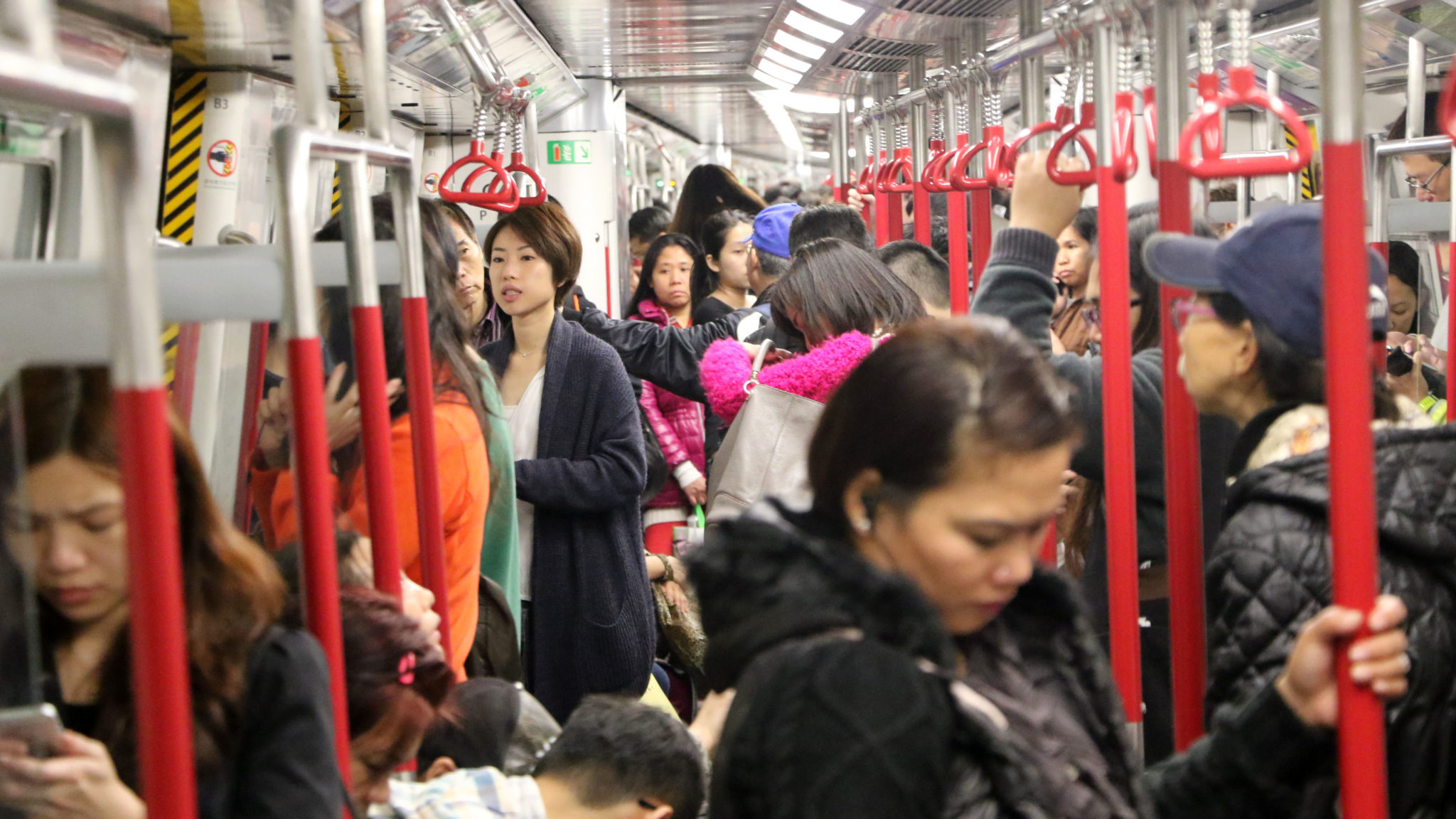
    Hong Kong retail sales in June fell – but not by as much as many were expecting.

    Official figures from the Census and Statistics Department (C&SD) show a 6.7 per cent decline year-on-year in June, somewhat higher than the 1.4 per cent revised figure for May, but well short of the double-digit predictions some pessimists were picking late last month.

    Year-to-date Hong Kong retail sales are down 2.6 per cent compared with a year ago.

    June was the month when rolling protests began on Hong Kong Island, particularly affecting retailers in Admiralty, Wan Chai, Central and Causeway Bay. Watsons this week confirmed some of its stores in those areas had recorded double-digit declines in sales.

    A government spokesman said that retail sales registered an enlarged decline in June, as local consumer sentiment turned more cautious and growth in visitor arrivals moderated.

    He expects sales would remain subdued in the near term, as a weakened global and local economic outlook and other headwinds continue to weigh on consumption sentiment.

    “The recent mass demonstrations, if continued, would also dent the retail business further,” he said.

    Predictably, sales of jewellery, watches and valuable gifts in June were hit the hardest, plunging 17.1 per cent. Due to their high value, that category traditionally has the greatest impact on the overall figures.

    Other categories to decline – in descending order of impact – were medicines and cosmetics (down 4.1 per cent); apparel (down 8.2 per cent); commodities in department stores (down 6 per cent); food, alcoholic drinks and tobacco (down 1.3 per cent); electrical and consumer durable goods (down 16.1 per cent); footwear and accessories (down 1.4 per cent); books, newspapers, stationery and gifts (down 4.5 per cent); Chinese drugs and herbs (down 0.1 per cent); and optical shops (down 11.9 per cent).

    In contrast, supermarket sales increased by 1.6 per cent in June, while sales of other consumer goods not elsewhere classified rose by 0.3 per cent, and furniture and fixtures rose by 1.1 per cent.

    C&SD said that after netting out the effect of price changes year-on-year Hong Kong retail sales in June decreased by 7.6 per cent and by 3.1 per cent in the year to June.
  • NomadX adds more provision shops

    NomadX adds more provision shops

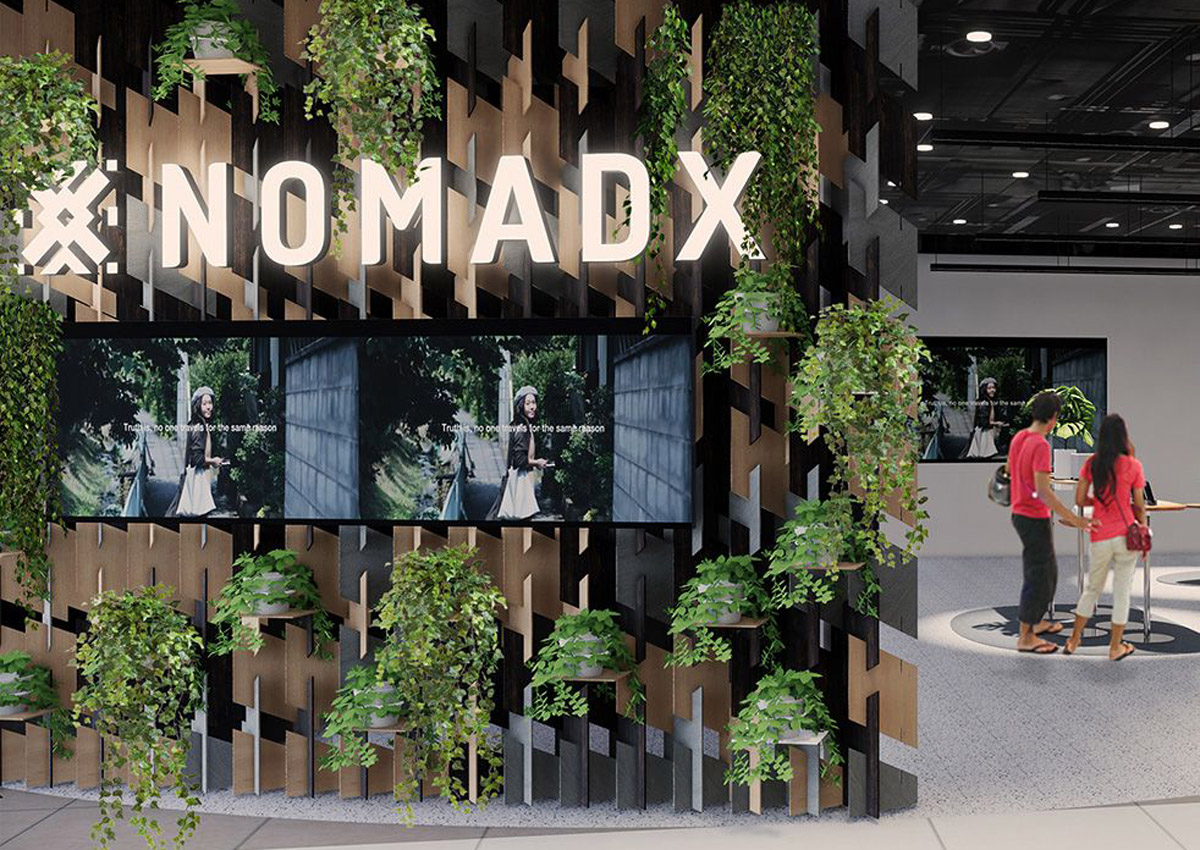
    Multi-label concept store NomadX has updated and expanded its space, adding new stores.  Technology has also been rolled out: along with a touchscreen directory, interactive screens and “game stations” that help customers to find their style, there are mirrors that offer automated store assistance. Customers can also scan the product QR code to add any products to their digital cart for purchases.

    Among the new brands at NomadX is The Lucky Shop (by Zha Huo Dian), a boutique offering ‘old-school’ and vintage fashion for men and women.

    Another is a faux ‘supermarket’ M*Art which displays apparel and accessories in neon-pink repurposed refrigerators.

    Other newcomers include homegrown fashion and accessories brands Qlothe, The Sophia Label, Ans.ein and Studio Emoi. Mrphy’s home decor range and French beauty company Melvita are making their Singapore debut there.

    More brands will be popping up at the store, including sustainable-swimwear label August Society, Pleatation and Love SG.

  • Singapore retail store rents ease in second quarter

    Singapore retail store rents ease in second quarter

    Central Singapore retail rents eased by 1.5 percent in the second quarter of this year, according to data from the Urban Redevelopment Authority.

    That followed a smaller quarter-on-quarter decline of 0.2 percent in the three months to March 31.

    At the end of the June quarter, there were 320,000sqm of space in the pipeline, down from 364,000sqm three months earlier.

    Singapore retail space occupied by tenants rose by 74,000sqm in the quarter, more than reversing a 14,000sqm decline in the prior period.

    That contributed to a fall in the vacancy rate across the city from 8.7 percent to 7.7 percent.

    Singapore retail rents ease in second quarter

  • Alibaba targets 30 million US SMEs

    Alibaba targets 30 million US SMEs

    Alibaba has opened its platform to enable US businesses to sell their products to millions of Alibaba.com buyers in the US and around the globe.

    The nearly 30 million small and medium-sized businesses in the US – especially manufacturers, wholesalers, and distributors – can now better access the US$23.9 trillion global B2B e-commerce market, an opportunity that is six times larger than the global B2C e-commerce market.

    Alibaba is also co-producing a series of “Build Up” workshops and webinars with local chambers of commerce and B2B organizations across the country – including Score, one of the nation’s largest non-profit networks of volunteer, expert business mentors.

    “Alibaba aims to empower entrepreneurs and help them succeed on their own terms,” said Alibaba Group’s head of North America B2B John Caplan. “With 10 million active business buyers in over 190 countries and regions, we are reshaping B2B commerce by providing the tools and services needed for US SMB companies to compete and succeed in today’s global marketplace.”

    “Alibaba’s announcement to welcome US sellers onto its B2B marketplace shows the Chinese retail giant’s desire to diversify its product offering,” said Emarketer principal analyst Jillian Ryan.

    “Currently, about 90 percent of the goods sold on the marketplace are from factories in China that are often manufacturing custom goods-to-order for buyers across the globe. Buyers on the platform are from developed nations like the US, Canada, India, Australia, Brazil, and the UK, and these buyers want to be able to source goods from the US.”

    As part of its extended services, Alibaba has streamlined the ability to build and manage a single digital store on the global Alibaba.com platform; added valuable transaction capabilities, including online payment; built CRM and communications tools to facilitate the direct ownership of customer relationships; enhanced digital marketing tools to target any appropriate B2B demand; and provided an option to work with Alibaba.com’s US-based Seller Success team.

  • Mainland China retail sales surge in June

    Mainland China retail sales surge in June

    Motor vehicles and the 6.18 shopping festival spurred a healthy increase in Mainland China retail sales in June.

    Official government figures show a 9.8 per cent year-on-year increase for the month, higher than the 8.6 per cent of May and 8.4 per cent for the first half year.

    Summer Wang, an equity analyst at Jefferies, said auto sales surged due to deep discounts on older models ahead of stricter State VI emission standards which took effect on July 1, and the 6.18 Shopping Festival  which drove cosmetics, jewellery and appliance sales. Small-ticket items like food and daily goods also outperformed.

    Urban Mainland China retail sales grew 9.8 per cent, ahead of the 8.3 per cent year-to-date figure, reaching RMB2.896 trillion (US$421 billion) in June, while rural retail sales grew by 10.1 per cent, ahead of 9.1 per cent for the half year.

    Cosmetics sales grew by 22.5 per cent, cars by 17.2 per cent and daily goods by 12.3 per cent.

    “We believe the beauty category is continuing to benefit from functional premiumisation, as consumers – both women and metrosexual men – are willing to pay a premium for a tangible improvement in appearance,” said Wang.

    “Most discretionary categories saw improvement as well, including gold and jewellery (up 7.8 per cent), home appliances (up 7.7 per cent) and apparel and footwear (up 5.2 per cent).”

    By channel, online retail goods sales kept momentum with a robust 21.6 per cent year-on-year growth during the first half of the year, accounting for 19.6 per cent of Mainland China retail sales.

  • Positive outlook for Singapore retail leasing sector

    Positive outlook for Singapore retail leasing sector

    Ongoing investment-sale activity for malls suggests a positive outlook for the Singapore retail leasing sector, reports Edmund Tie & Company – especially for properties well connected to public transport and offering experiential and activity-based retail options.

    In a report Q2 2019 Real Estate Times for the Singapore market, the property company projects islandwide rental growth will be mixed, ranging from a 2 per cent decline to a 2 per cent increase this year. The low supply pipeline from next year onwards is likely to provide some underlying support to occupancy rates and rental levels.

    Investment market 

    For the second consecutive quarter, investment transaction value (of properties valued above S$100 million) jumped more than 52 per cent quarter on quarter with two transactions totalling $961 million. The largest sale was Chinatown Point for $520 million to a foreign institutional investor.

    The net supply of space fell by about 78 per cent as fewer projects were completed. As such, islandwide occupancy declined slightly by 0.4 percentage points to 90.1 per cent in the first quarter, however, the opening of Funan mall with 325,000sqft net lettable area – with 95 per cent of space pre-leased – is not expected to significantly impact occupancy rates in the second quarter.

    Rental rates 

    Singapore retail leasing rates across the different market segments remained largely flat, as occupancy rates remained high for malls located in prime positions. Upper-storey retail in the Orchard Road/Scotts Road area likely fell slightly due to weakened tourist spending, while the prime malls in the suburban areas continue to attract major brand retailers and new-to-market brands.

    The net demand and supply for retail spaces in suburban areas slowed in the first quarter, with the occupancy rate down marginally.  Prime-located malls with easy transportation access and a diverse and well-managed tenant mix continued to perform relatively well.

    New openings included Cafe Amazon outlets at Jewel Changi and Jurong Point Shopping Centre, and Xing Fu Tang (a Taiwanese bubble tea chain) opened a permanent store at Century Square in the second quarter.

    New space supply pipeline 

    From the third quarter of this year through to 2022, some 1.1 million sqft of retail space is expected to come onstream, with the majority of that to be completed in the second half of this year. The largest will be the Paya Lebar Quarter mall of about 313,000sqft.

    The average annual pipeline of known projects from next year through to 2022 is less than 150,000sqft, which is substantially below the three- and five-year average.

  • Positive outlook for Singapore retail leasing sector

    Positive outlook for Singapore retail leasing sector

    Ongoing investment-sale activity for malls suggests a positive outlook for the Singapore retail leasing sector, reports Edmund Tie & Company – especially for properties well connected to public transport and offering experiential and activity-based retail options.

    In a report Q2 2019 Real Estate Times for the Singapore market, the property company projects islandwide rental growth will be mixed, ranging from a 2 per cent decline to a 2 per cent increase this year. The low supply pipeline from next year onwards is likely to provide some underlying support to occupancy rates and rental levels.

    Investment market 

    For the second consecutive quarter, investment transaction value (of properties valued above S$100 million) jumped more than 52 per cent quarter on quarter with two transactions totalling $961 million. The largest sale was Chinatown Point for $520 million to a foreign institutional investor.

    The net supply of space fell by about 78 per cent as fewer projects were completed. As such, islandwide occupancy declined slightly by 0.4 percentage points to 90.1 per cent in the first quarter, however, the opening of Funan mall with 325,000sqft net lettable area – with 95 per cent of space pre-leased – is not expected to significantly impact occupancy rates in the second quarter.

    Rental rates 

    Singapore retail leasing rates across the different market segments remained largely flat, as occupancy rates remained high for malls located in prime positions. Upper-storey retail in the Orchard Road/Scotts Road area likely fell slightly due to weakened tourist spending, while the prime malls in the suburban areas continue to attract major brand retailers and new-to-market brands.

    The net demand and supply for retail spaces in suburban areas slowed in the first quarter, with the occupancy rate down marginally.  Prime-located malls with easy transportation access and a diverse and well-managed tenant mix continued to perform relatively well.

    New openings included Cafe Amazon outlets at Jewel Changi and Jurong Point Shopping Centre, and Xing Fu Tang (a Taiwanese bubble tea chain) opened a permanent store at Century Square in the second quarter.

    New space supply pipeline 

    From the third quarter of this year through to 2022, some 1.1 million sqft of retail space is expected to come onstream, with the majority of that to be completed in the second half of this year. The largest will be the Paya Lebar Quarter mall of about 313,000sqft.

    The average annual pipeline of known projects from next year through to 2022 is less than 150,000sqft, which is substantially below the three- and five-year average.

  • South Koreans boycott Japanese products

    South Koreans boycott Japanese products

    A boycott campaign against Japanese products and services is becoming a nationwide movement and extending into travel.

    The boycott started after Japan imposed trade restrictions against South Korea. Amid the boycott, a series of statistics show that the number of reservations for trips to Japan has dropped significantly.

    Hana Tour, the nation’s leading travel agency, reports that the number of new reservations for three-day trips to Japan from July 8 to 10 dropped to an average of 400 per day.

    The figure is down one-third, considering the average number of people booking a new trip to Japan through the company is around 1200 per day.

    However, Hana Tour reported that the number of cancellations, where customers retrack their reservation, remained the same.

    “Up until last week, the number of customers making reservations to Japan was similar, but this week the number declined sharply,” a Hana Tour official said.

    Another travel agency, which requested anonymity, also said that reservations for trips to Japan had been declining compared to typical levels since late last week.

    Those who considered travelling to Japan for the summer vacation season are changing their destinations to other countries. The decision is part of the aftermath of the boycott, a travel industry source said.

    “However, those who had booked trips to Japan in advance seem to be reluctant to cancel because of the huge burden of cancellation fees,” added the source.

  • Asos shares tumble as growth slows

    Asos shares tumble as growth slows

    Online fashion-retailer Asos reported sales growth beneath expectations for the four months to June, spooking investors and causing its share price to tumble 13 per cent overnight.

    That was despite a 14 per cent increase in sales in what CEO Nick Beighton described as a more competitive market.

    The slowdown has been attributed to operational changes, essential for the retailer to continue expanding internationally.

    “Asos is capable of a lot more,” said Beighton. “We have identified a number of things we can do better and are taking action accordingly. We are confident of an improved performance in the second half and are not changing our guidance for the year.

    “We are nearing the end of a major [capital expenditure] program. Whilst this has inevitably involved significant disruption and transition costs, the global capability it now provides us gives us increased confidence in our ability to continue to capture market share whilst restoring profitability and accelerating free cash flow generation,” he said.

    Sofie Willmott, lead analyst at GlobalData, said Asos has been able to deliver consistent double-digit top-line growth in recent years due to increased warehouse capacity and improved logistics processes, and the changes being made to US and EU distribution centres are vital to facilitate long-term growth in these key markets.

    “Asos will need to focus on winning back disappointed shoppers by bolstering its marketing efforts. Though this may need to include discounts, by recovering customers quickly they will not be lost forever.”

    She said Asos continues to innovate and introduce new tools to drive conversion and adapt to its demanding young shopper base, such as its recently added responsible filter.

    “However despite strong UK growth, with 62.6 per cent of retail sales coming from international markets, a robust UK performance is not enough to protect top line results.”

    “The future remains bright for Asos. The retailer’s agility and willingness to change to remain relevant to its customer base will help it to continue gaining market share both at home and abroad.”

    Beighton said the global online fashion market is worth more than £220 billion and growing fast.

    “We now have the tech platform, the infrastructure, a constant conversation with our growing customer base who love our own great product and the constantly evolving edit of brands we present to them. We believe that ultimately there will only be a handful of companies with truly global scale in this market.

    “We are determined that Asos will be one of them.”

  • China boosts Uniqlo parent

    China boosts Uniqlo parent

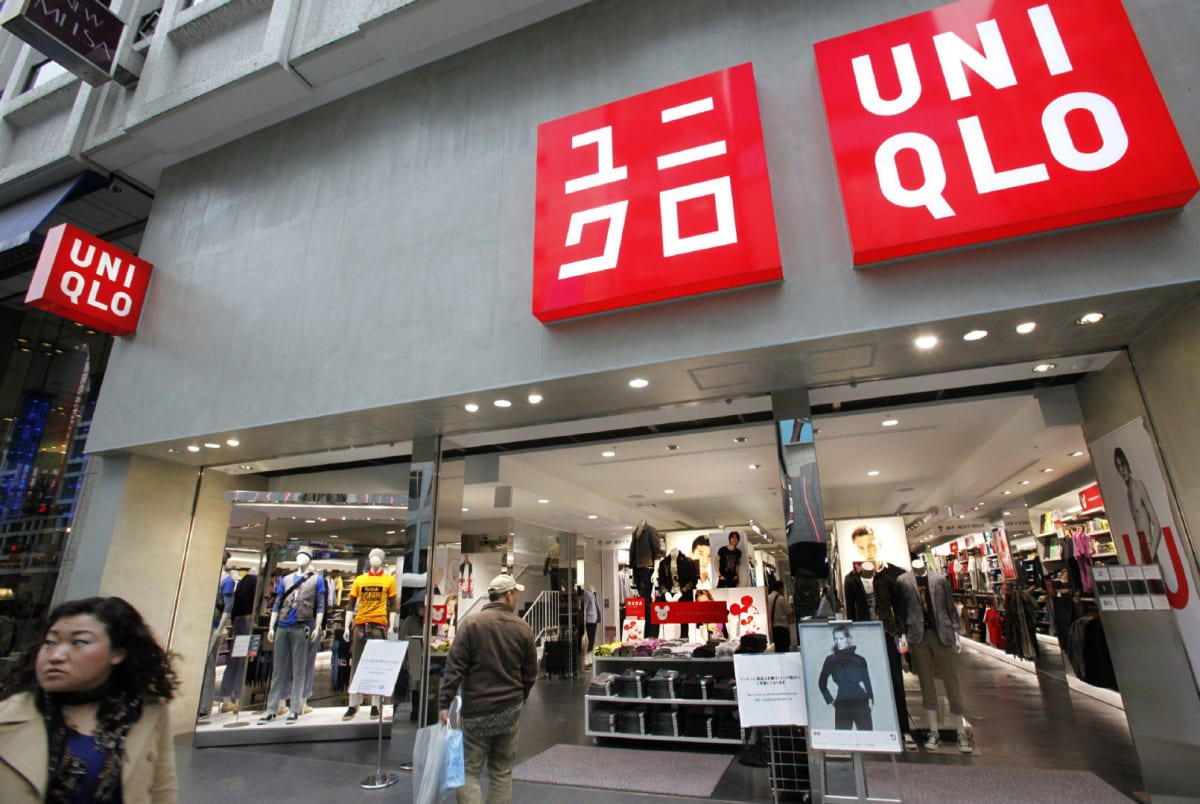
    Uniqlo owner Fast Retailing’s healthy online sales and strong performance in overseas markets, particularly in China, have helped boost its third quarter results.

    The Japanese retailer said its online sales saw a 16.1 per cent year-on-year increase in the three months to May 31 to ¥19.0 billion (US$176.1 million), increasing their proportion of total sales from 7.8 per cent to 9.1 per cent.

    For the three months from March to May 2019, Uniqlo’s international segment reported strong results, with revenue expanding 15.3 per cent year-on-year and operating profit expanding 14.9 per cent year-on-year over that period.

    Uniqlo continued to achieve significant year-on-year growth in both revenue and profit in Mainland China, and achieved double-digit growth in both revenue and profit in Southeast Asia and Oceania on the back of strong sales of its summer range.

    But Fast Retailing’s less-than-stellar domestic sales have overshadowed the company’s strong performance in its e-commerce and international segments, indicating that Japan’s market still has a huge influence on the retailer’s results.

    The company’s domestic sales saw a 0.5 per cent decline brought about by shifting a sales event to June.

    On the profit front, the retailer’s operating profit declined by 7.5 per cent year-on-year on the back of a higher selling, general and administrative expense ratio, and a lower gross profit margin, which was dampened by its decision to bring forward discounting of leftover Spring Summer inventory.

    China continues to be one of the main engines driving overseas expansion, with sales in the country rising in the double digits.

    The retailer said Uniqlo so far hasn’t been hurt by the trade war between the US and China, and sales there were strong even in the face of a weaker yuan.

    Uniqlo Europe reported a decline in profit caused by unseasonal weather patterns and political uncertainty. However, within that region, Russia continued to perform strongly and report expanding revenue and profit.

    In terms of new-store activity, Uniqlo opened its first store in the Netherlands in Amsterdam in September 2018, as well as its biggest Southeast Asian global flagship store in Manila, Philippines in October 2018, and its first store in Denmark in Copenhagen in April 2019.

    Fast Retailing said it is planning to focus its efforts on expanding its global e-commerce operation and its Uniqlo international and GU casual fashion brands to meet its medium-term vision to become the world’s number one apparel retailer.

  • Tenants leaving Thomson Plaza due to renovation works

    Tenants leaving Thomson Plaza due to renovation works

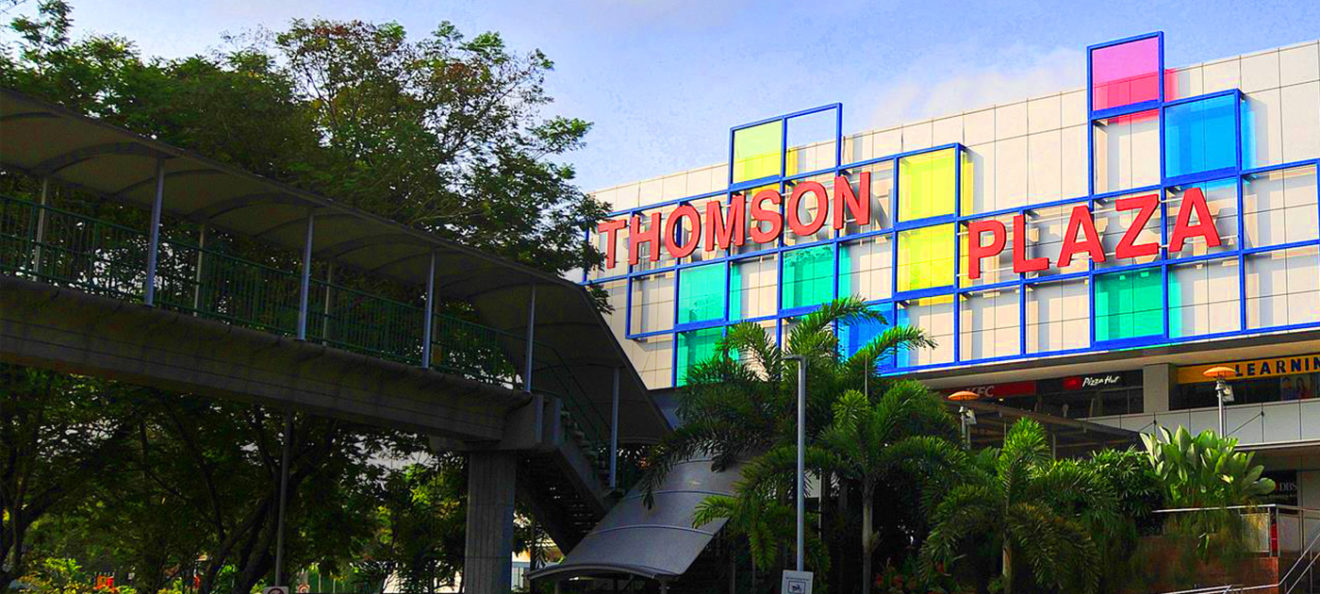
    Tenants are upset over Thomson Plaza renovation works, with at least 20 retailers leaving.

    The renovation started this month and will last until the second quarter of next year. Parts of the first and third storeys are being renovated by one of its landlords, Mercatus Co-operative.

    “The renovation will provide shoppers with a holistic and comfortable shopping experience, in preparation for the improved connectivity from the upcoming MRT station at Upper Thomson,”

    Retailers say business has fallen since the renovation began.

    “They didn’t give us enough time, and we just renovated. Business has been so bad since the renovation started, we earned only $200 on some days,” said Siva Crakash, branch manager of Home-Fix, which has been there for 15 years.

    Twenty tenants out of 180, will not be returning, including Royal Sporting House and Wine Connection.

    Shoe shop NTS Marketing on the third floor has moved to the second and its owner is also unhappy with the revamp.

    “Regulars don’t know where we moved to and we have a smaller unit now, so we have to serve fewer people at one time,” the owner said.

  • Bonjour Holdings warns of loss ahead

    Bonjour Holdings warns of loss ahead

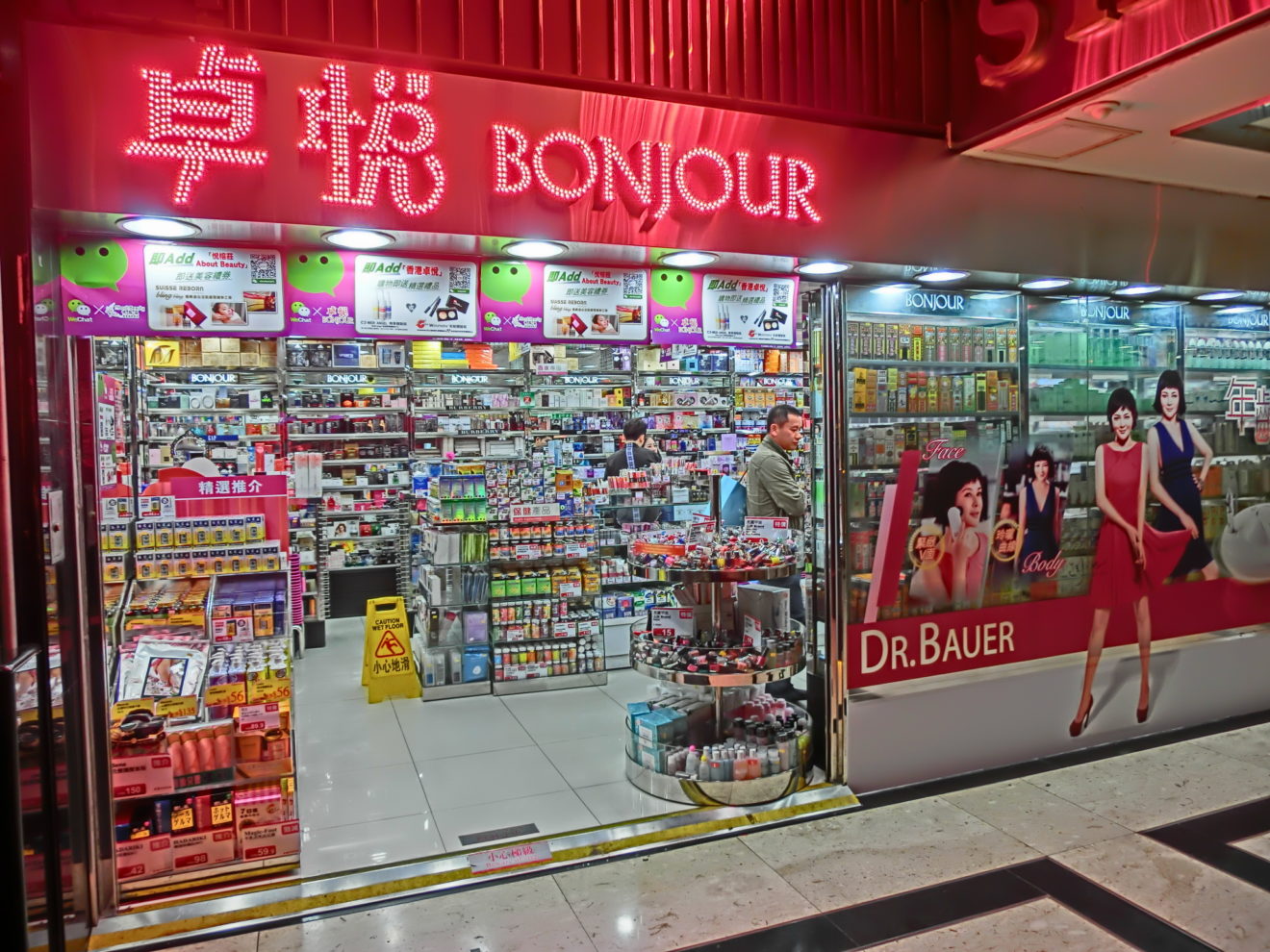
    Bonjour Holdings says it expects a loss in the half year to June as protests took their toll on the city’s retail sector.

    Last year, Bonjour Holdings reported a profit of HK$7.4 million in the six month period.

    In a stock-exchange filing, the company did not release an estimate of the level of loss it anticipates, with the preparation of final results still incomplete.

    Chairman and executive director Wilson Ip Chun Heng said the board believes the reversal of fortune is mainly attributable to the weak sales performance brought about by both local and global factors, including the US-China trade war, the depreciation of RMB, and the demonstrations and social unrest in Hong Kong which occurred in June.

    “Moreover, the implementation of the e-commerce law in China at the beginning of the year has severely hit the mainland “Daigou” (surrogate shopping) which has, to a certain extent, adversely affected our group’s turnover in the short-term.”

  • Ajisen China sales on the up

    Ajisen China sales on the up

    Ajisen China has reported a 4.8 per cent improvement in same-store sales for the June quarter.

    The Hong Kong-listed fast-casual restaurant operator combined sales in its local operations with those in the mainland and did not comment on the respective markets this reporting period.

    Overall sales for the restaurant business rose by 6.4 per cent, reflecting network expansion.

    The sales growth is a marked turnaround from the same period a year ago, when it reported a 10.8 per cent sales decline in Hong Kong and 1.8 per cent drop on the mainland, citing stiff competition in the restaurant and catering sector, especially in Mainland China.

    Ajisen China operates Ajisen Ramen restaurants under licence to the Japanese brand owner.

  • Hong Kong protests may drive retail-sales slump

    Hong Kong protests may drive retail-sales slump

    The ongoing Hong Kong protests are eroding the sales of the territory’s retailers according to the HKRMA.

    “Depending on the performance of different retail categories, most member companies said the turnover in the first week of June recorded an average [decline] of double digits,” said the Hong Kong Retail Management Association in a statement we have translated from Chinese.

    “Activities are spreading across districts, and members expect business to be greatly affected,” said the HKRMA, noting that July and August mark the traditional summer-holiday sales season, but recent large-scale demonstrations, including one in a Sha Tin shopping mall last Sunday, may deter manilanders from visiting the city.

    “Large-scale parade activities have caused individual stores to suspend business. Not only are the retail companies under pressure, so is the income of store employees.”

    The HKRMA said the industry is worried that the ongoing protests will impact on Hong Kong’s reputation as a safe city, a food capital, and a great place to shop.

    “These large-scale parades have an impact on the life of the people and the business environment. If the situation persists, the association anticipates an annual decline of retail sales in the double digits.

    “The association appeals to the government to solve the problem peacefully at an early date and bring social order back on track.”

    The HKRMA called on employers and employees to maintain close communication during Hong Kong protests.

    “In the face of special circumstances, employee safety should be the most important consideration.

  • Singapore retail sales slip again

    Singapore retail sales slip again

    Singapore retail sales slipped 1 per cent year on year in May, after motor vehicles were excluded from the data. The month-on-month decline was the same.

    Statistics Singapore estimated total retail sales in May (including motor vehicles) at $3.7 billion, with online retail sales accounting for 5.3 per cent of that figure.

    Year-on-year, furniture and household equipment was the category showing the greatest decline –  7.5 per cent – while sales of computer and telecommunications equipment, of optical goods and books, and by department stores, fell by between 4.7 per cent and 7 per cent.

    Categories to improve in May included watches and jewellery, up by 4.1 per cent, partly due to higher demand for gold jewellery during the Akshaya Tritiya festival.

    Sales of food and beverage services grew by 2 per cent year on year to n estimated $849 million.

    Turnover of restaurants, other eating places (such as cafes) and fast-food outlets increased by between 1.8 per cent and 2.7 per cent in May.

    In contrast, sales by food caterers decreased by 1.2 per cent.